4 Modern Landscape Ideas for Gainesville, FL | Native, Low-Water Zone 9a Designs
Native plants from the Southeast US conifer savannas (Zone 9a) — Humid subtropical climate
Why Modern/Minimalist Gardens in Gainesville?
Modern design suits Gainesville better than its oak-and-porch image suggests. The 1960s and 70s ranch houses around the Millhopper and Northwood, the newer infill townhomes near Depot Park, and the planned streets of Tioga and Haile Plantation all have flat facades, wide driveways and simple roof lines that look best with a clean, edited yard: a few strong plant shapes, generous gravel or paving, and one tree placed for shade. It is also the style that lives most easily with how Gainesville actually works, from sandy soil to water limits to a university town where many owners want a yard that looks sharp without weekend chores.
Start with the climate. July highs average about 91°F, annual rainfall is roughly 48 inches with most of it falling in June to September storms, and the January average low is near 43°F. A typical winter's coldest night is around 23°F, and the city last dropped below 20°F in January 2010, which is the line that matters for plant choice. Agave americana and many desert succulents survive the cold but rot in summer rain, so the reliable architectural plants here are Florida natives and proven Gulf Coast performers: Zamia integrifolia (coontie), Rhapidophyllum hystrix (needle palm), Serenoa repens, Sabal minor and Muhlenbergia capillaris, with Yucca filamentosa 'Color Guard', Podocarpus macrophyllus 'Maki' and Magnolia grandiflora 'Little Gem' for structure.
The ground does a lot of the design work. Most of Gainesville is fast-draining sand over limestone, often acidic (around pH 5.0 to 6.0), with clay closer to the surface in parts of the northwest and sinkhole-prone karst across the county; Devil's Millhopper is the famous example. Sand is ideal for modern hardscape: gravel courts, permeable pavers and steel-edged beds drain in minutes after a storm and do not heave, since frost depth here is effectively zero. The catch is that sand holds little water or nutrients, so beds still need compost at planting and a deep mulch, and in-ground pools or big retaining walls deserve a soil check because of the karst.
Then water. Gainesville sits in the St. Johns River Water Management District, and in 2026 Alachua County and GRU have been under water-shortage orders that limit sprinkler irrigation to one day a week, with hand watering and micro-irrigation generally exempt. A modern yard that swaps most of the St. Augustine lawn for gravel, groundcover and natives on drip fits those rules with no fuss. Check the current schedule with GRU or Alachua County before planning any turf, and favor plants like coontie and muhly grass that need nothing once established.
4 Modern/Minimalist Design Ideas for Gainesville

AI-generated image
The Millhopper Ranch Gravel Court
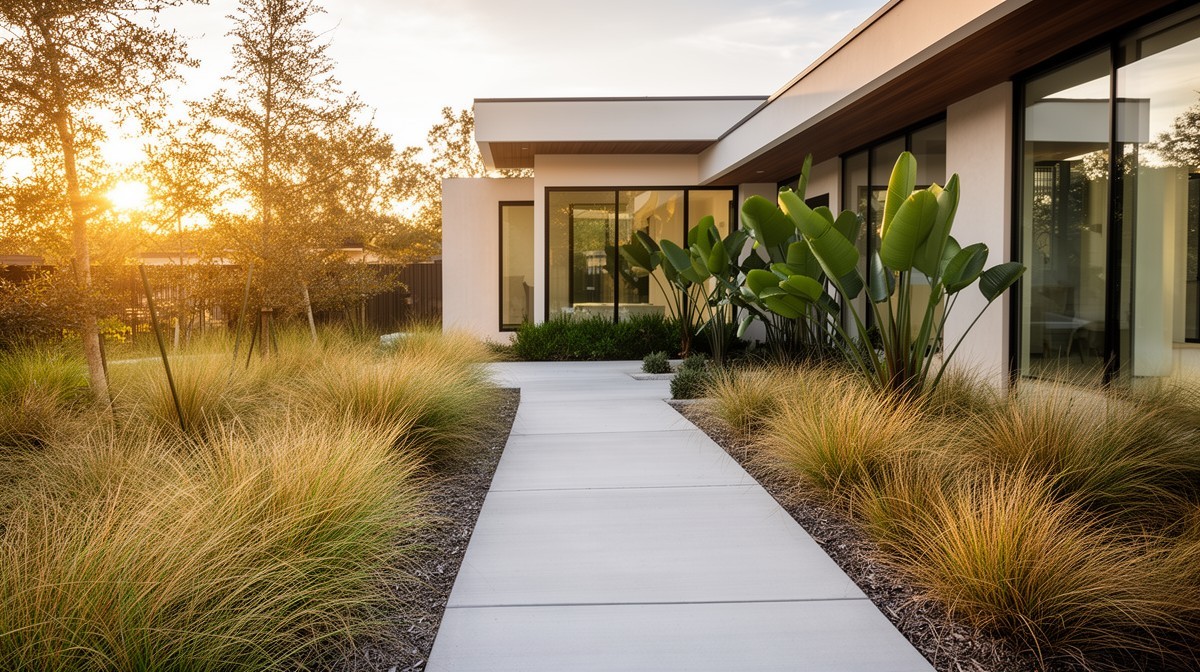
$12–24/sqftA low brick ranch house with a long, flat front gets its lawn replaced by a crushed granite court edged in black steel, with three large concrete stepping pads leading from the driveway to the door. Bold masses of coontie and needle palm sit in raised beds against the house, where the afternoon sun hits the west-facing wall, and one 'Little Gem' magnolia shades the bedroom windows. Muhly grass runs in a single long drift by the street for a pink haze in October.

AI-generated image
The Depot Park Townhome Courtyard
$22–45/sqftA narrow rear courtyard behind a new three-story townhome is paved in large-format gray porcelain pavers with gravel joints, with one long ipe bench built along the fence. Because the building shades the space most of the day, the planting is a tight shade palette in a single raised steel planter: dwarf podocarpus for clipped green blocks, cast iron plant and a grass-like groundcover. A small multi-trunk tree in one corner gets the only real sun.

AI-generated image
The Tioga Native Grid
$15–30/sqftA new two-story house in a planned neighborhood gets a front yard laid out as a grid of square planting beds separated by bands of permeable pavers. Each square holds a single plant type, which keeps the native palette looking deliberate rather than wild: silver saw palmetto, muhly grass, coontie and dwarf yaupon. The south-facing front takes full sun all day, which suits every plant in the grid, and the strips of paver let rain soak straight into the sand.

AI-generated image
The Oak Canopy Deck Garden
$25–50/sqftBehind a mid-century house in Florida Park, a low hardwood deck floats around the trunk of a big live oak, built on point footings so the roots are not trenched. The deck edge is lined with a single clean row of needle palm and cast iron plant, which take the deep shade, and a long bed of Big Blue lilyturf runs out to a gravel path. The only sunny strip, along the south fence, holds a row of columnar 'East Palatka' holly for screening.
See how a modern/minimalist garden looks on YOUR property
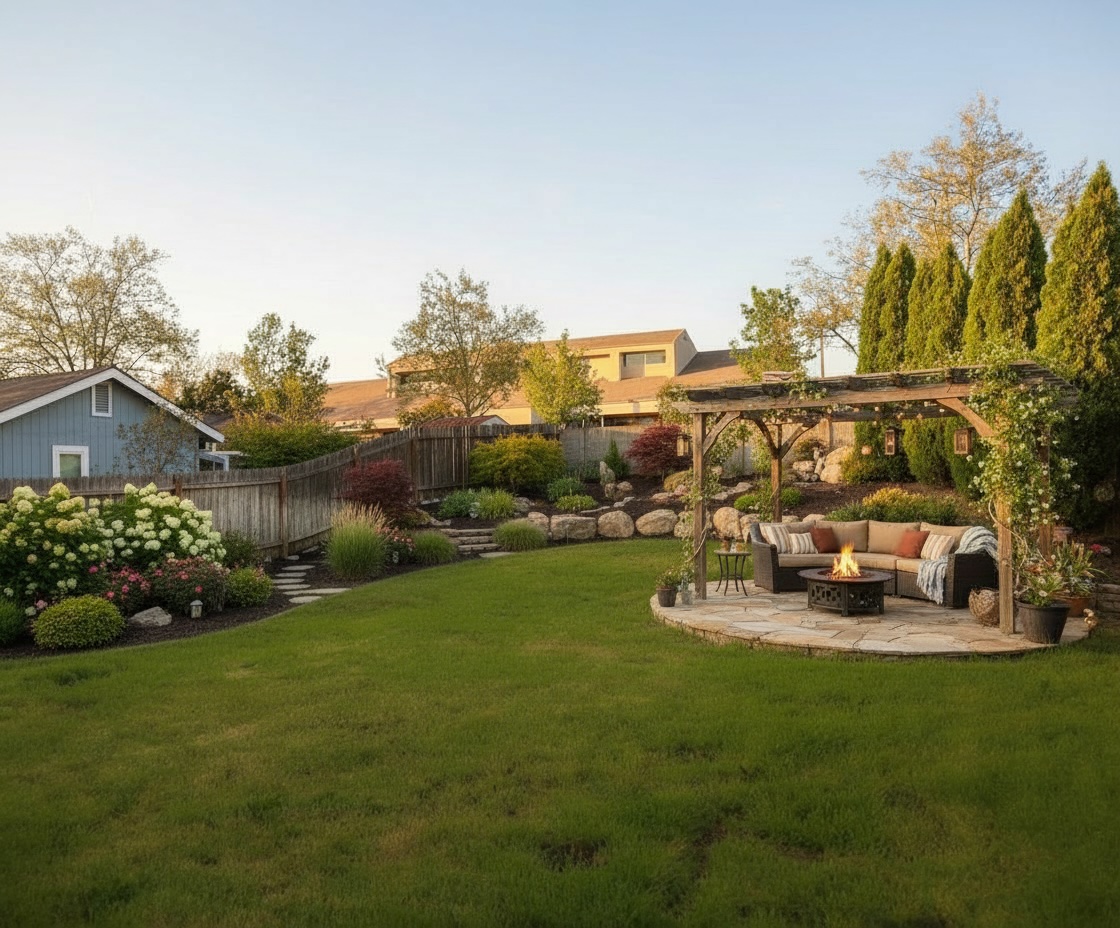
Upload a photo of your Gainesville yard and visualize your dream garden in seconds.
Try ProScapeAI Free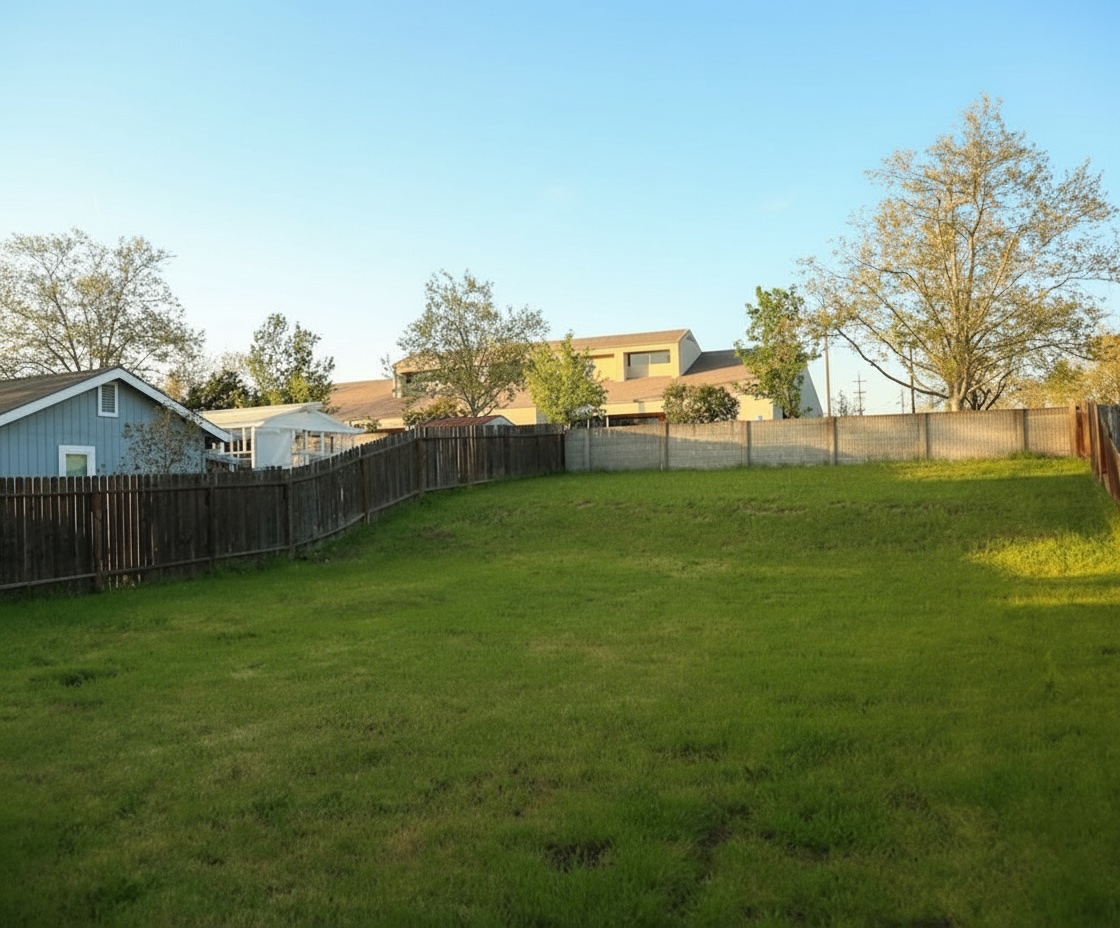
AI-generated image
Featured Trees & Shrubs for Modern/Minimalist Gardens
Browse all 181 plants for Gainesville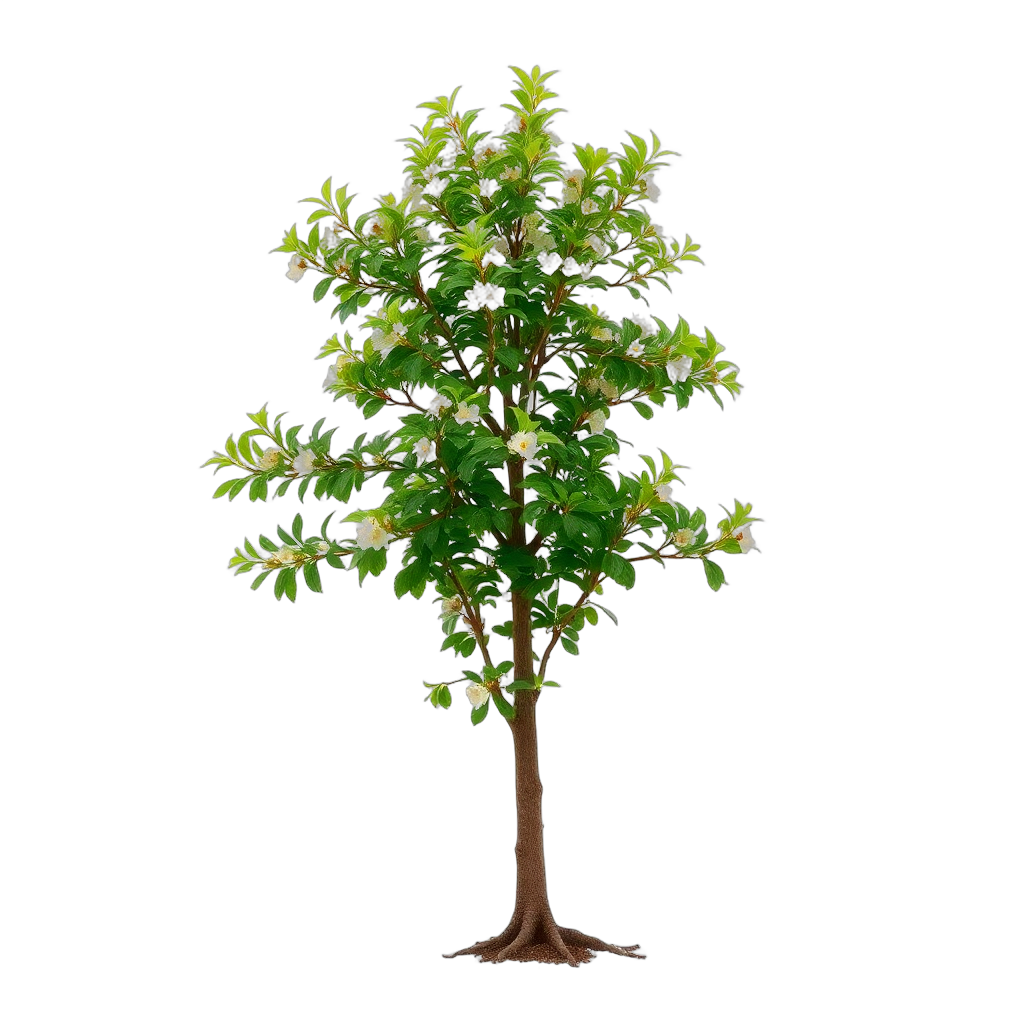
Buckwheat Tree
Cliftonia monophylla
medium-sized at 15 feet, white blooms in spring. Attracts butterflies.
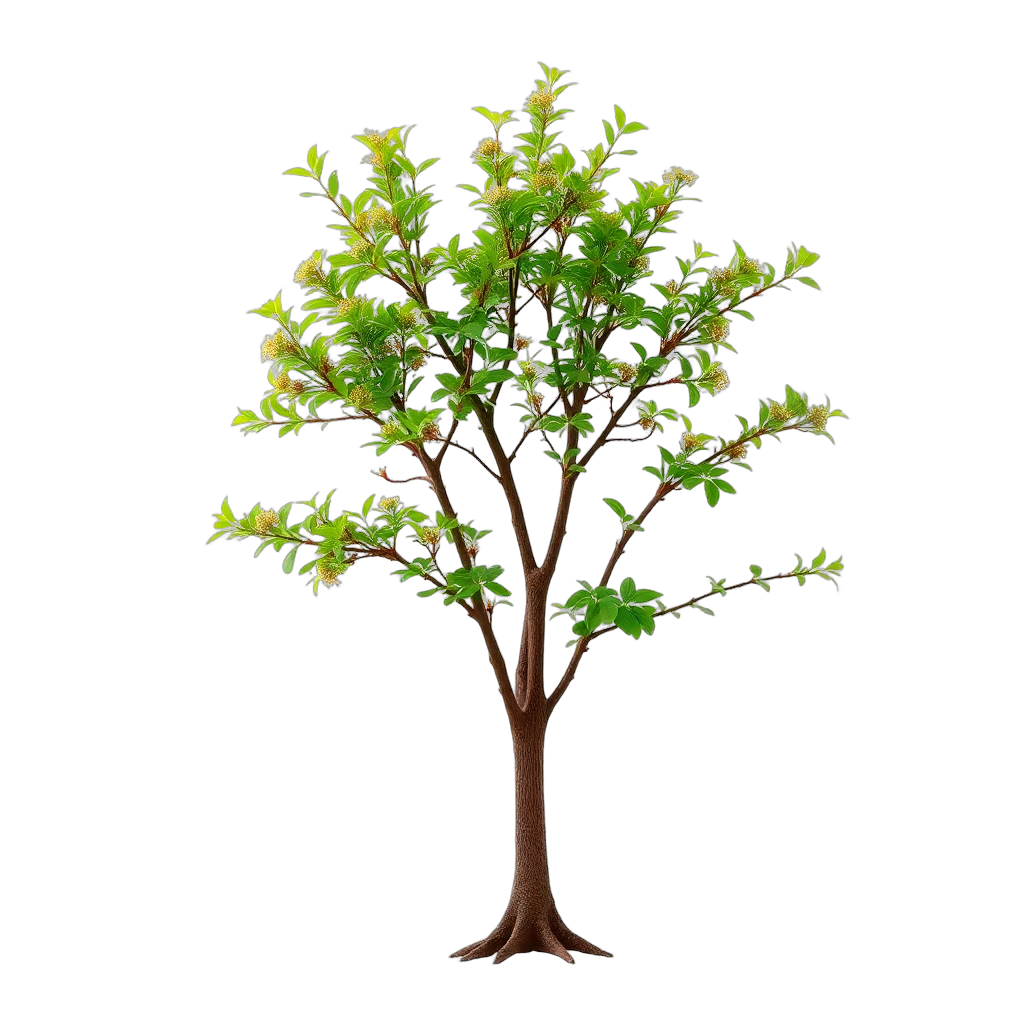
Fetterbush
Lyonia lucida
grows to 6 feet, white blooms in spring. Evergreen year-round.
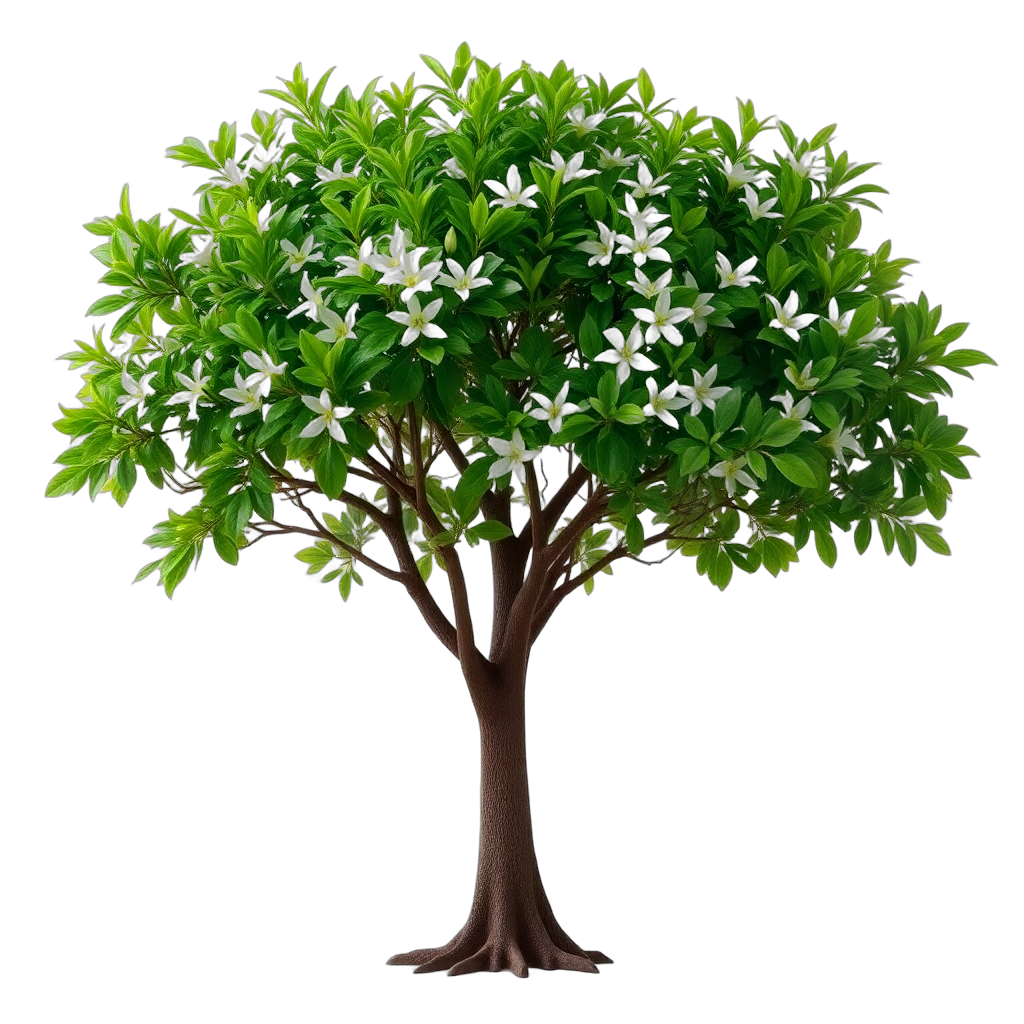
Florida Anise
Illicium floridanum
medium-sized at 8 feet, red blooms in spring. Evergreen year-round.

Inkberry
Ilex glabra
medium-sized at 8 feet, white blooms in spring. Pollinator-friendly.
Featured Grasses & Groundcovers for Modern/Minimalist Gardens

Pink Muhly Grass
Muhlenbergia capillaris
grows to 3 feet, pink blooms in fall.
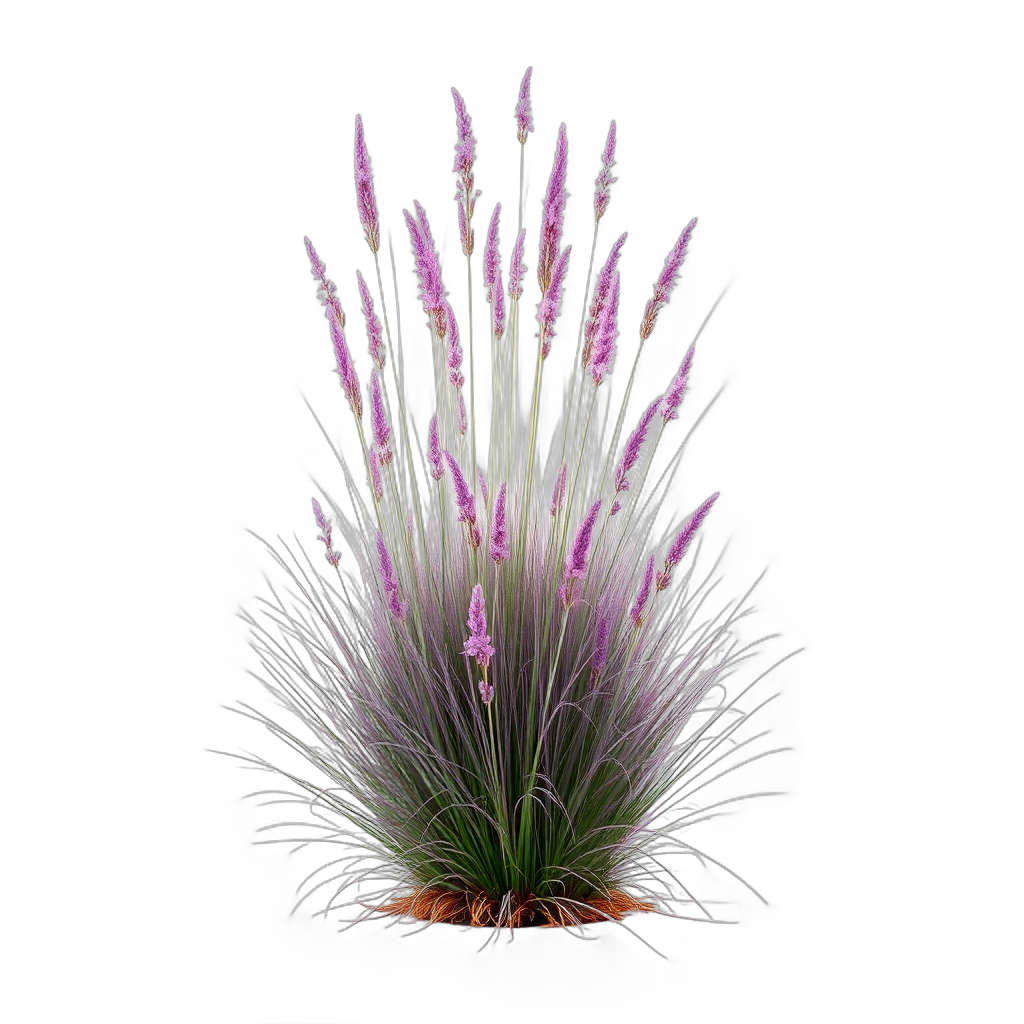
Purple Love Grass
Eragrostis spectabilis
low-growing ground cover, purple blooms in fall. Orange fall color.
Featured Flowers & Perennials for Modern/Minimalist Gardens
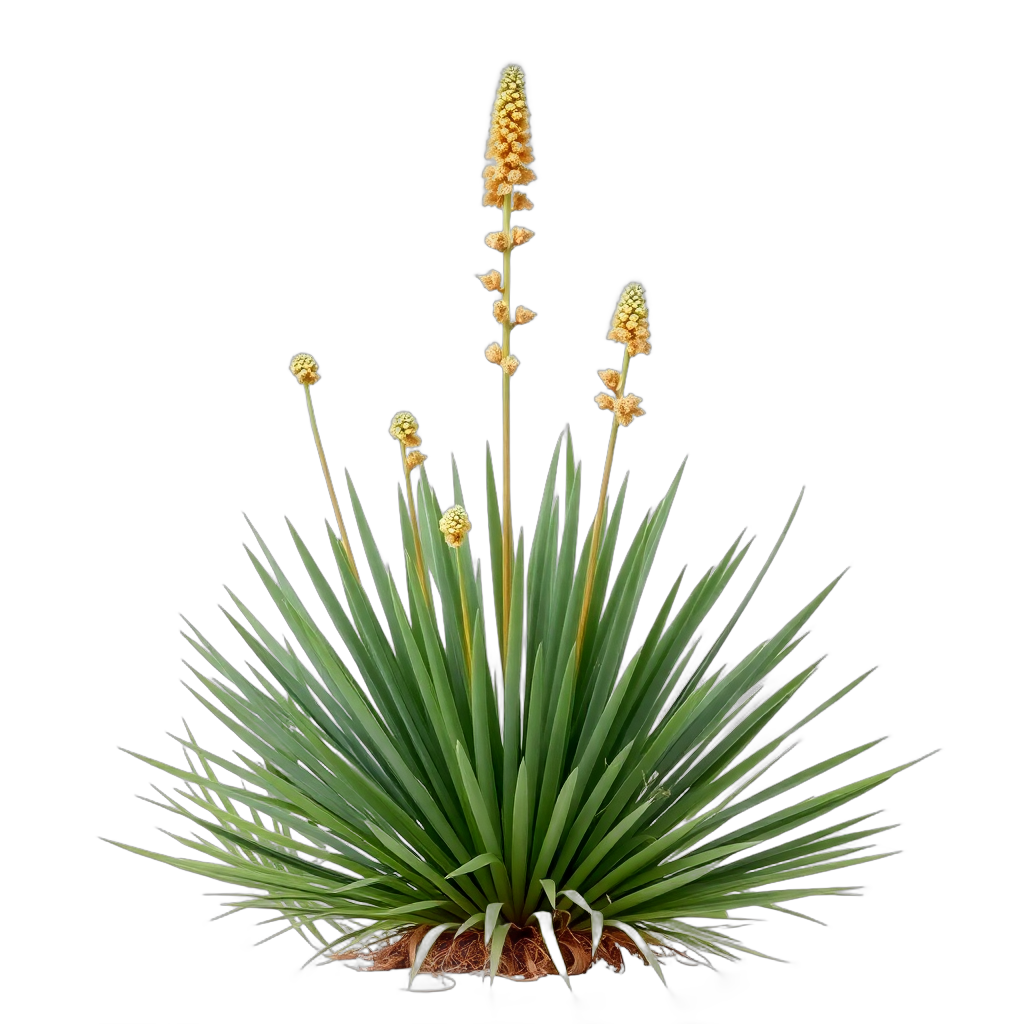
Adam's Needle
Yucca filamentosa
low-growing ground cover, white blooms in summer. Attracts hummingbirds.

Papyrus
Cyperus papyrus
grows to 5 feet, blooms in summer. Pollinator-friendly.

Water Hyacinth
Eichhornia crassipes
low-growing ground cover, purple blooms in summer. Attracts butterflies.

Water Plantain
Alisma plantago-aquatica
low-growing ground cover, white blooms in summer. Attracts butterflies.
Zone and sun checks come from our database — confirm with your local nursery before you buy.
Bloom Calendar for Gainesville
spring
Buckwheat Tree, Fetterbush, Florida Anisesummer
Adam's Needle, Swamp Cyrilla, Loblolly Bayfall
Pink Muhly Grass, Purple Love Grasswinter
Limited bloomsDesign Tips for Gainesville (Zone 9a)
- Choose rain-proof architecture over desert plants: Zamia integrifolia, Rhapidophyllum hystrix and Yucca filamentosa 'Color Guard' give strong shapes and survive both 48 inches of rain and a 23°F night.
- Use the sand: gravel courts and permeable pavers on an open-graded base drain in minutes after a Gainesville thunderstorm and help keep runoff on your lot.
- Plan every bed for one-day-a-week sprinkler limits by putting it on drip, which is generally exempt, and keep any St. Augustine panel small and simple.
- Mass one species per block: a grid or drift of Muhlenbergia capillaris or coontie reads as modern, while the same natives mixed together read as wild.
- Build around old oaks, not through them: use point or helical footings for decks and keep trenching for edging and irrigation out of the root zone.
- Avoid listed invasives that still turn up in modern plans, such as Nandina domestica and Ruellia simplex; use Ilex vomitoria 'Schillings Dwarf' and Stokesia laevis instead.
- Work compost into planting pockets even in a gravel design: acidic Gainesville sand around pH 5.0 to 6.0 holds little water, and new plants need help through their first summer.
Where to Source Plants in Gainesville
Skip the big-box stores. These independent Gainesville nurseries specialize in the plants that make modern/minimalist gardens thrive in Zone 9a.
Chiappini Farm Native Nursery
Hawthorne (east of Gainesville)
Wholesale and retail Florida native flowers, shrubs and trees, with pre-orders for landscape projects; good for coontie, palmetto and muhly in quantity
Rewild Nursery
Gainesville (pickup by appointment)
Small native plant nursery focused on species native to Alachua County; no storefront, pickups by appointment
Grassroots Nursery
East Gainesville
Unusual garden perennials plus Florida-friendly and native plants, palms, grasses, gingers and ground covers
GROW HUB
Northeast Gainesville
Nonprofit nursery (the Patti Shively Nursery) selling plants, seeds and Florida natives, supporting adults living with disabilities
Modern/Minimalist Landscaping Costs in Gainesville
| Project Scope | Estimated Cost |
|---|---|
| Front lawn to gravel court with steel edging and planted beds (500 sqft) | $6,000 – $15,000 |
| Permeable paver patio or driveway strip (200–400 sqft) | $3,500 – $11,000 |
| Porcelain paver courtyard for a townhome (150–300 sqft) | $4,500 – $13,000 |
| Hardwood deck on point footings around a tree (200–300 sqft) | $8,000 – $18,000 |
| Drip irrigation conversion | $800 – $2,500 |
| Full modern front and back redesign | $20,000 – $60,000 |
| AI visualization (ProScapeAI) | Free to start |
Estimates based on Gainesville, FL-area contractor rates as of 2026. Actual costs vary by site conditions, materials, and contractor.
Gainesville Climate & Growing Zone
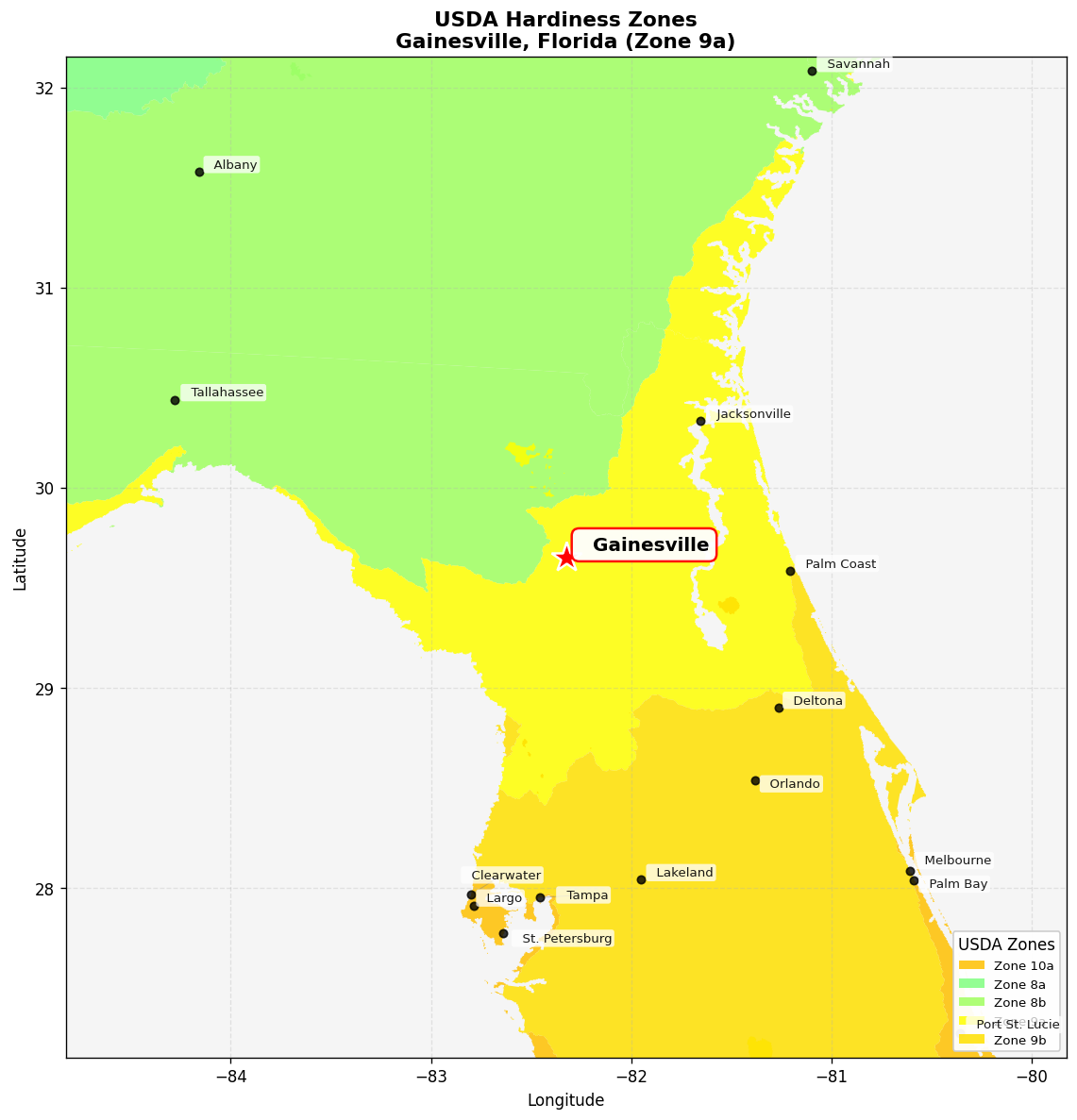
USDA Zone 9a
Hardiness zone for Gainesville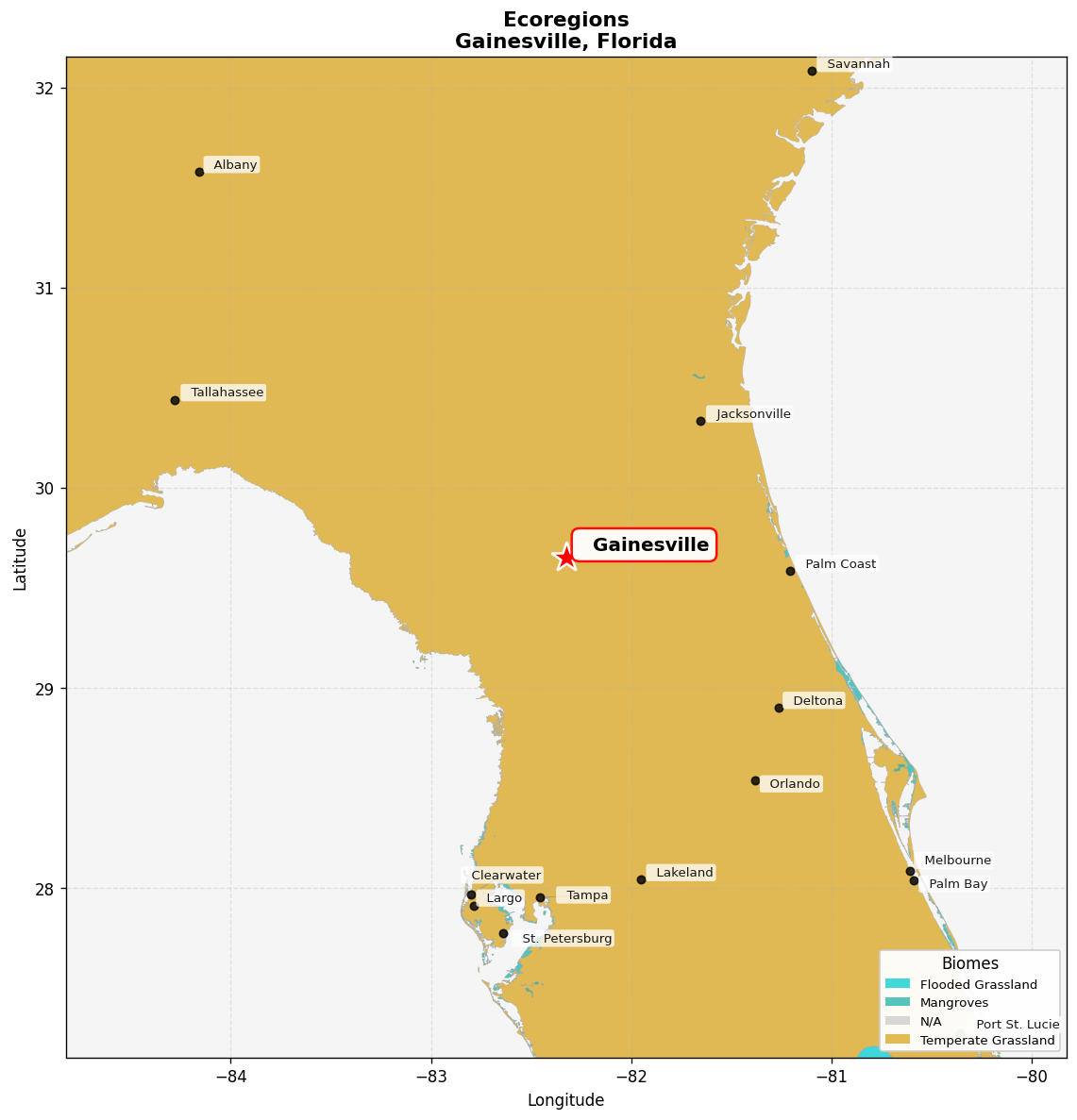
Southeast US conifer savannas
Native ecoregionFrequently Asked Questions
How much does a modern landscape cost in Gainesville, FL?
Rough local ballparks: replacing a front lawn with a gravel court, steel edging and planted beds runs about $12 to $24 per square foot, or $6,000 to $15,000 for a typical 500 sqft front. Permeable pavers land around $15 to $28 per square foot installed, and a hardwood deck $35 to $60. North-central Florida crews typically bill roughly $45 to $70 per hour per worker. Natives like Zamia integrifolia and Muhlenbergia capillaris are inexpensive in 1- and 3-gallon pots, so planting yourself saves real money.
Is a modern landscape low maintenance in Gainesville's climate?
It can be the lowest-maintenance option here if the plants are right. Coontie, needle palm, saw palmetto and muhly grass need no regular watering after the first year and almost no pruning: cut muhly back in late February, and that is most of the job. The work in a gravel yard is weeds, since summer rain brings seedlings, so use a proper compacted base, keep gravel 2 to 3 inches deep and pull weeds monthly in June to September.
Can I grow agave and desert succulents in Gainesville?
Mostly no. The cold is not the problem in Zone 9a (a typical winter low is around 23°F); the 48 inches of rain and summer humidity are. Agave americana and most cacti rot in wet sand by their second summer. For the same spiky look use Yucca filamentosa 'Color Guard', Yucca gloriosa, Rhapidophyllum hystrix (needle palm) or Sabal minor, all of which handle both rain and frost.
When should I plant a new landscape in Gainesville?
October to March is the best window. Soil is still warm in autumn, roots establish through a mild winter, and new plants face their first 91°F summer with a head start. Palms such as Sabal minor and Rhapidophyllum hystrix are the exception: plant them in late spring to early summer when the soil is warm. Avoid July and August installs unless you can hand water, since sand dries within a day in summer heat.
What are the irrigation rules for a new yard in Gainesville?
Gainesville is in the St. Johns River Water Management District, and in 2026 Alachua County and GRU have been running water-shortage orders that cut sprinkler irrigation to one day a week, with hand watering and micro-irrigation generally exempt. The schedule shifts with the drought phase and the season, so check GRU or the Alachua County Environmental Protection Department before setting a timer. Designing beds on drip and keeping turf small avoids the problem entirely.
Do I need a permit or HOA approval for hardscape in Gainesville?
Decks, walls, fences and large paved areas follow City of Gainesville zoning and building rules, so confirm with the city before building anything structural, and ask about tree permits before removing or trenching near a large oak. Planned communities such as Haile Plantation and Tioga usually require HOA architectural approval for front-yard changes, especially lawn removal. Get the design approved first, then order materials.
Does Gainesville's karst geology affect a modern landscape?
It can. Alachua County sits on limestone that forms sinkholes, Devil's Millhopper being the best known. For gravel, pavers and planting it rarely matters, and sand drains fast enough that most modern hardscape needs no extra drainage. For a pool, a big retaining wall or a heavy water feature, get a soil or geotechnical check first, and do not direct concentrated roof runoff into one spot in the yard.