4 Desert Garden Ideas for Las Vegas, NV | Mojave Xeriscape for Zone 9a
Native plants from the Mojave desert (Zone 9a) — Hot desert climate
Why Desert/Xeriscape Gardens in Las Vegas?
Las Vegas sits in the Mojave Desert — the hottest, driest desert in North America. With just 4 inches of annual rainfall, summer highs exceeding 117°F, and a surrounding landscape of creosote, white bursage, and Joshua trees, Las Vegas is not a place where conventional landscaping belongs. The Southern Nevada Water Authority has spent two decades making this plain: over 200 million square feet of turf has been removed from the Las Vegas Valley, and the city's residential landscape is undergoing the largest transformation of any American city's residential outdoor space.
The Mojave's native plant palette is extraordinary for those who know it. Creosote bush, with its rain-washed fragrance and yellow spring bloom, is the olfactory signature of this desert. Joshua trees (Zone 8a+, marginal in Las Vegas) give the upper Mojave its iconic silhouette. Brittlebush blazes yellow across hillsides from February through April. Ocotillo's scarlet tips, beavertail prickly pear's magenta flowers, barrel cactus's geometric precision — the Mojave offers design elements that no other landscape can replicate. And SNWA's Water Smart Landscapes rebate — at $3 per square foot for turf replacement — makes the financial case as compelling as the aesthetic one.
True Mojave xeriscape goes beyond drought tolerance into zero supplemental irrigation after establishment. Creosote, white bursage, brittlebush, and native Mojave cacti survive purely on the desert's 4 inches of rainfall once established — no drip, no timer, no bills. A properly designed Mojave native garden is the closest any residential landscape comes to being a perpetual motion machine: beautiful, permanent, and free.
4 Desert/Xeriscape Design Ideas for Las Vegas
AI-generated image
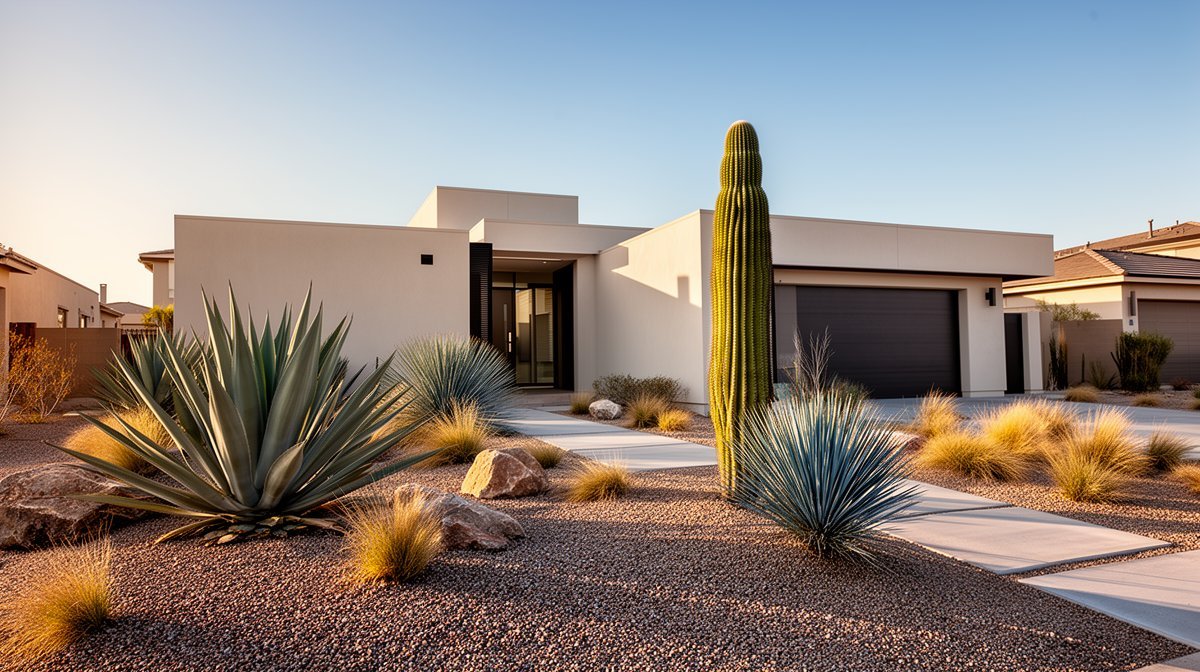
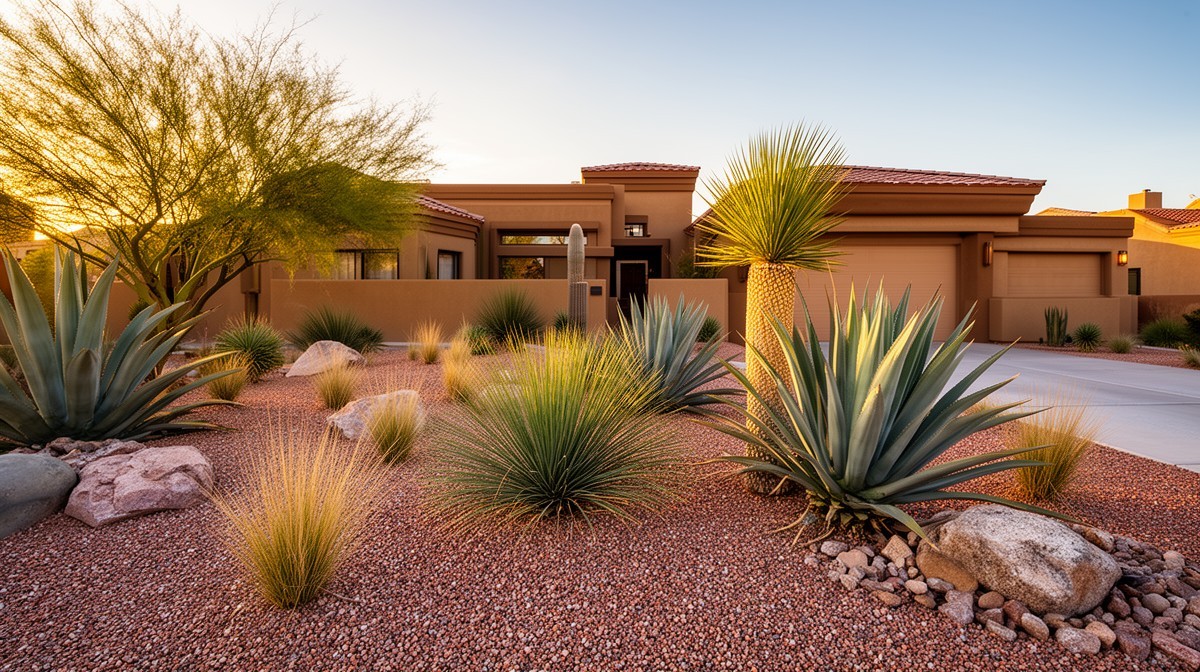
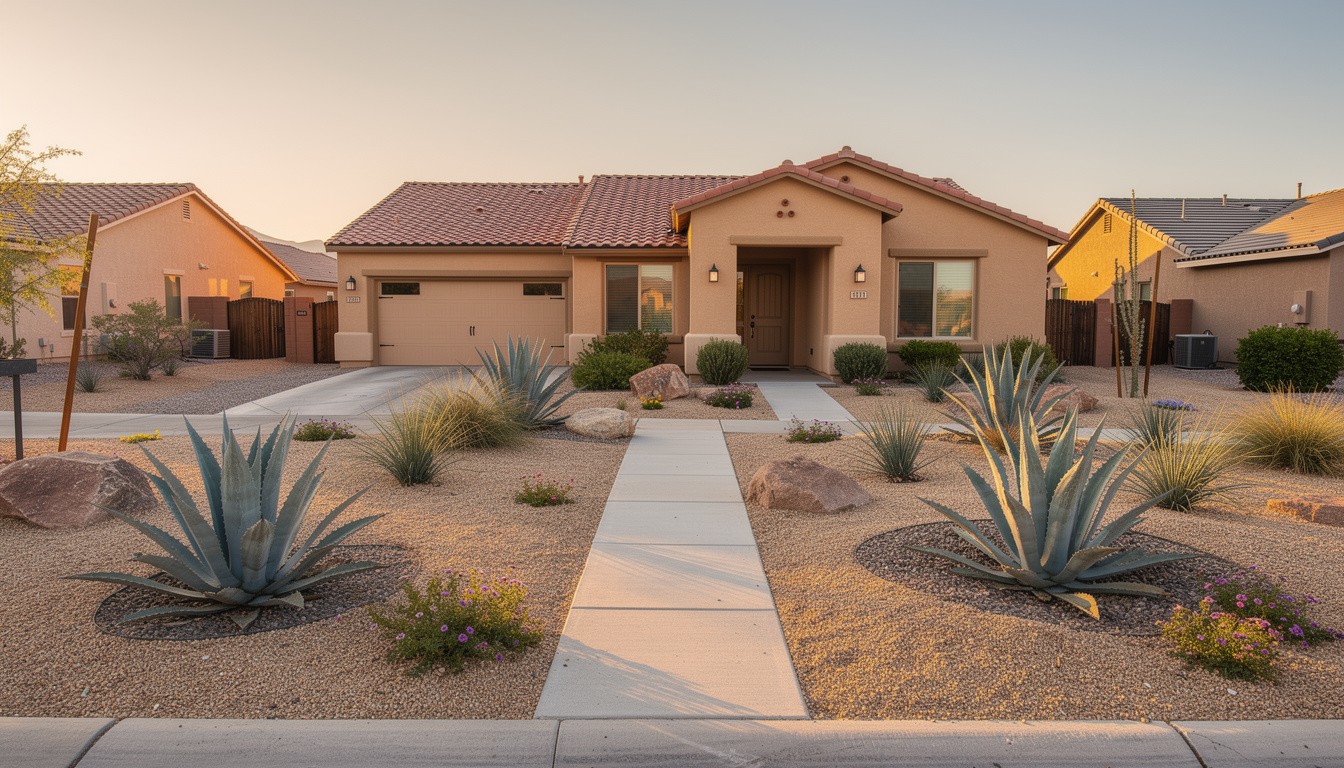
The Mojave Agave Front Yard
$7–14/sqftA tile-roof Las Vegas home faces a front yard of warm buff gravel with bold blue agave as the primary sculptural element, yucca adding tall vertical accents, and rounded granite boulders grounding the composition. A straight concrete path leads to the front entry. This is the SNWA-compliant xeriscape template at its most elegant — every element earns a rebate and every plant belongs in the Mojave.
AI-generated image
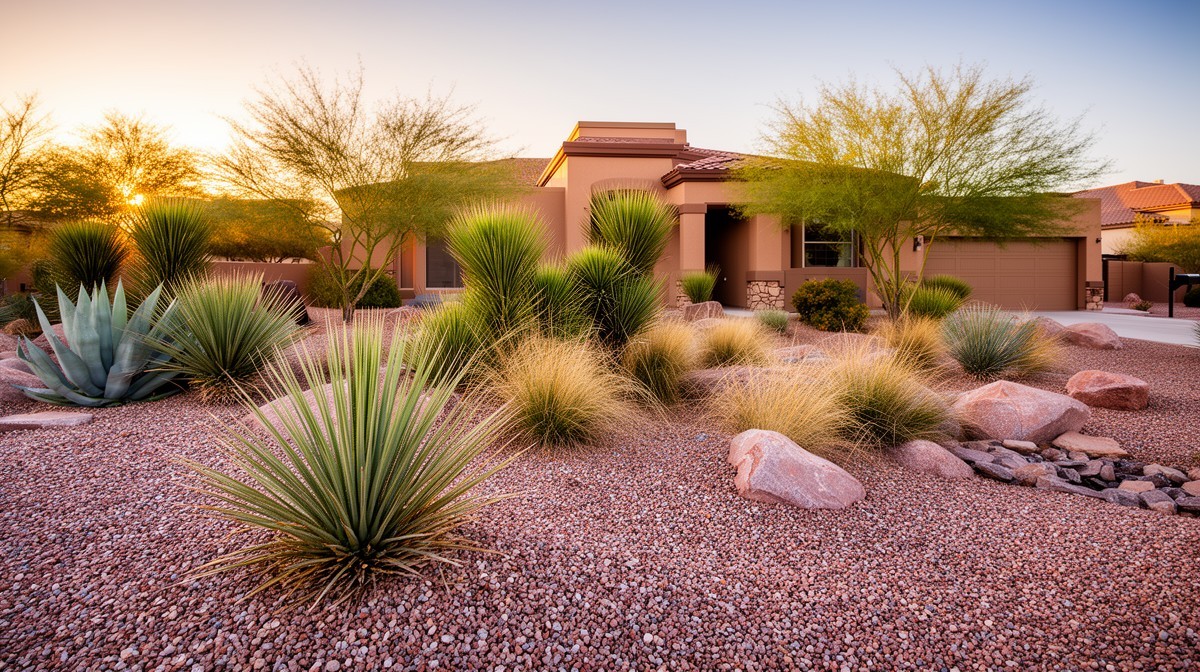
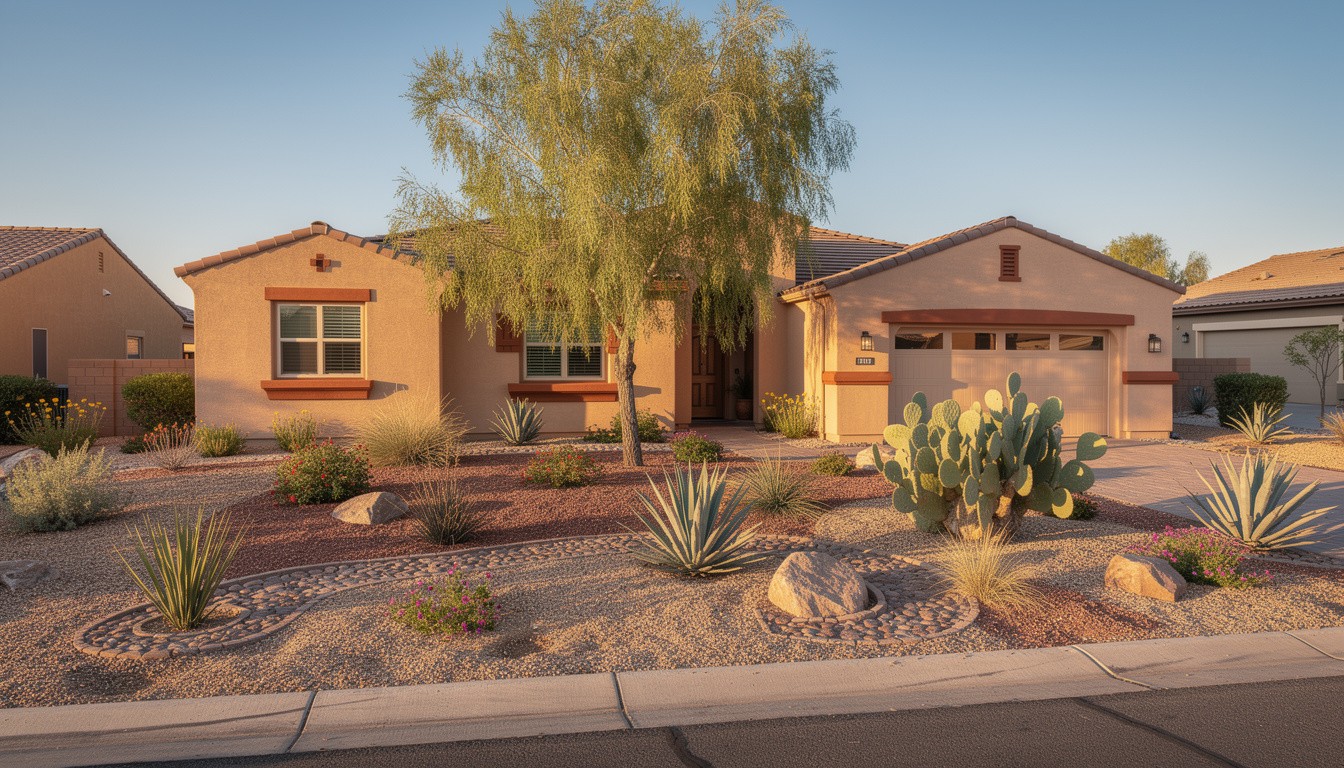
The Palo Verde and Cactus Garden
$8–16/sqftA weeping palo verde provides golden-green filtered shade over a xeriscape front yard of warm pea gravel featuring prickly pear cactus, low agave, and colorful flowering desert shrubs. Boulders anchor the corners while the cactus composition reads as both sculptural and naturalistic. In spring the palo verde blooms yellow-gold simultaneously with prickly pear — a uniquely Mojave front yard moment.
AI-generated image
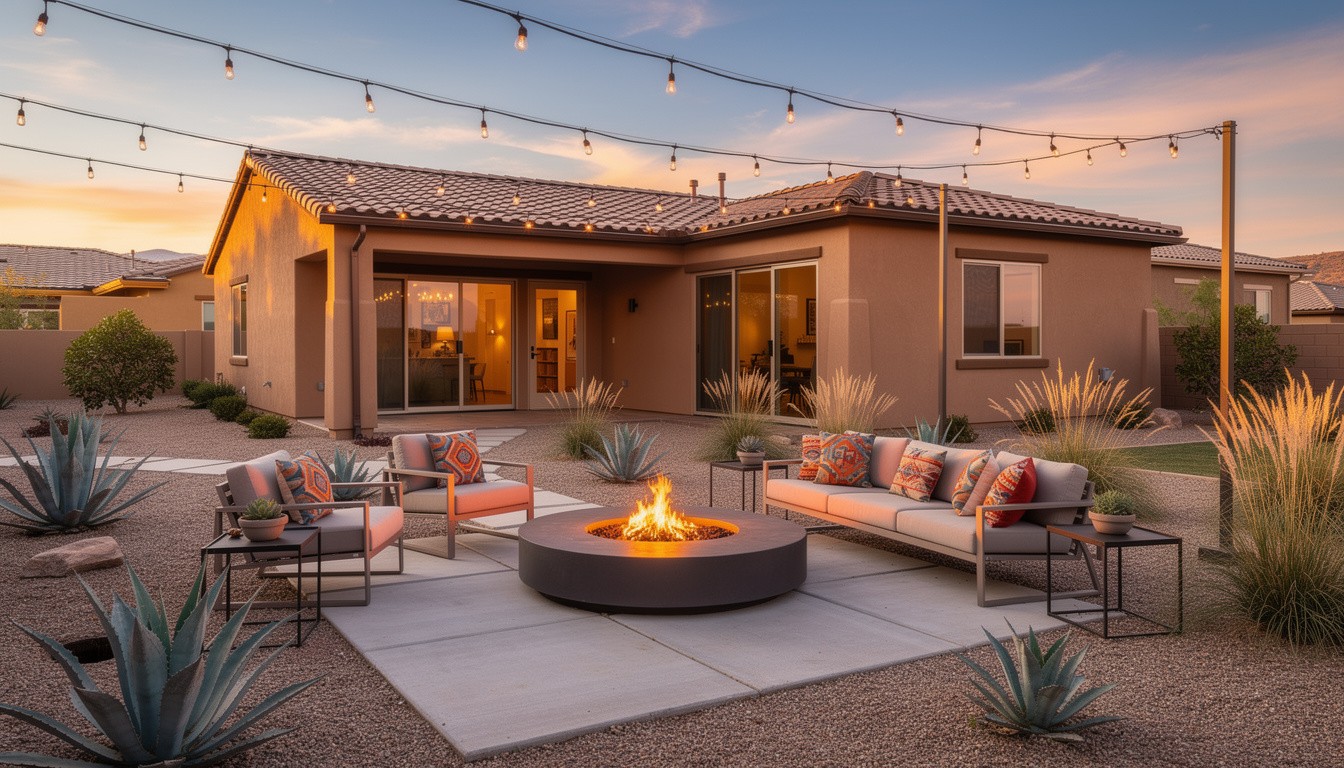
The Henderson Patio Xeriscape
$18–38/sqftA concrete patio with a round fire pit and modern lounge seating fills the center of a walled backyard under festoon lights. Large agave specimens and ornamental grasses in crushed gravel borders define the patio edges. The Spring Mountains catch the last rose light above the stucco wall at dusk. Las Vegas mild winters mean this space is comfortable from October through May without heating.
AI-generated image
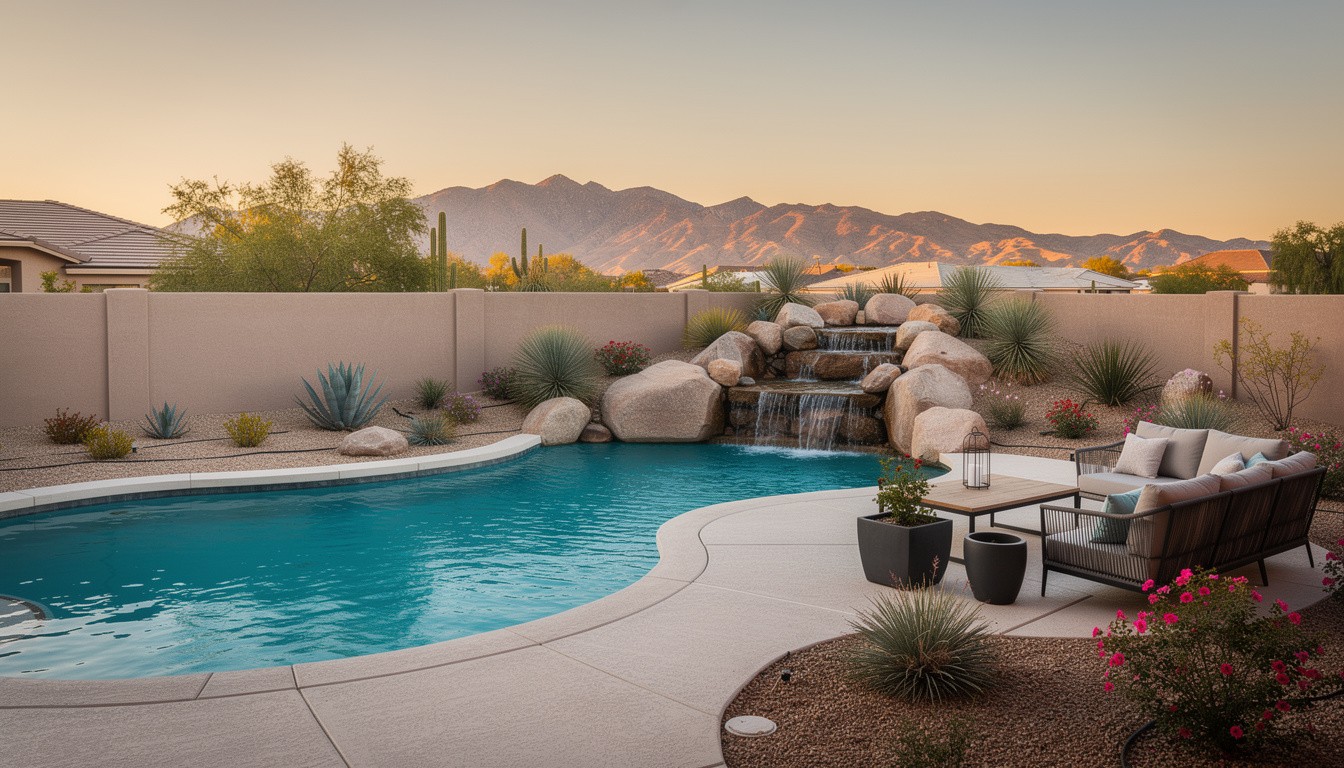
The Red Rock Pool Xeriscape
$55–115/sqftA kidney-shaped pool with a dramatic boulder waterfall feature sits in the far corner of a walled backyard, viewed from a concrete patio with fire feature and lounge seating. Agave, yucca, and colorful desert flowering plants in crushed gravel beds frame the entire space. The Red Rock Canyon escarpment glows crimson above the back wall at dusk. This is why people pay Las Vegas land prices.
See how a desert/xeriscape garden looks on YOUR property
Upload a photo of your Las Vegas yard and visualize your dream garden in seconds.
Try ProScapeAI Free
AI-generated image
Featured Trees & Shrubs for Desert/Xeriscape Gardens
Browse all 169 plants for Las Vegas
Anderson Wolfberry
Lycium andersonii
grows to 5 feet, purple blooms in spring. Attracts hummingbirds.
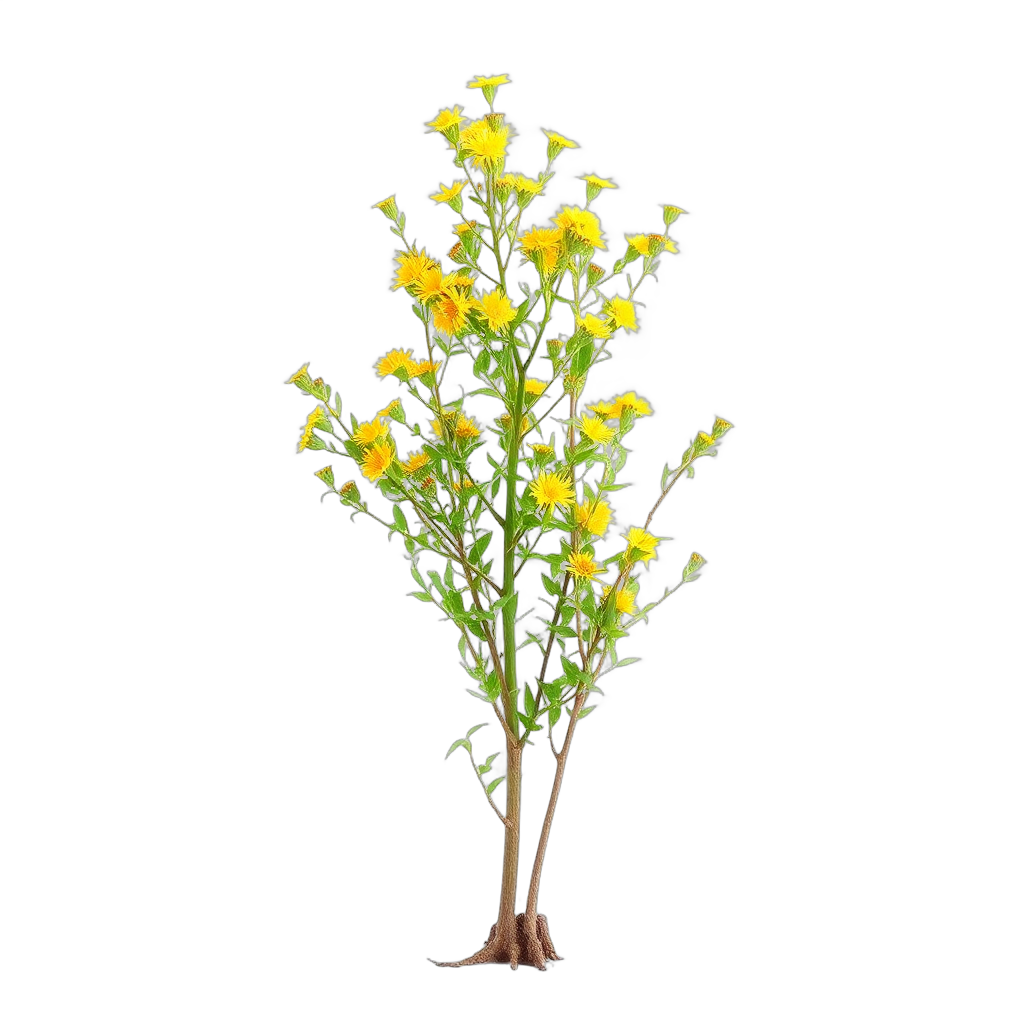
Brittlebush
Encelia farinosa
grows to 3 feet, yellow blooms in spring. Attracts butterflies.
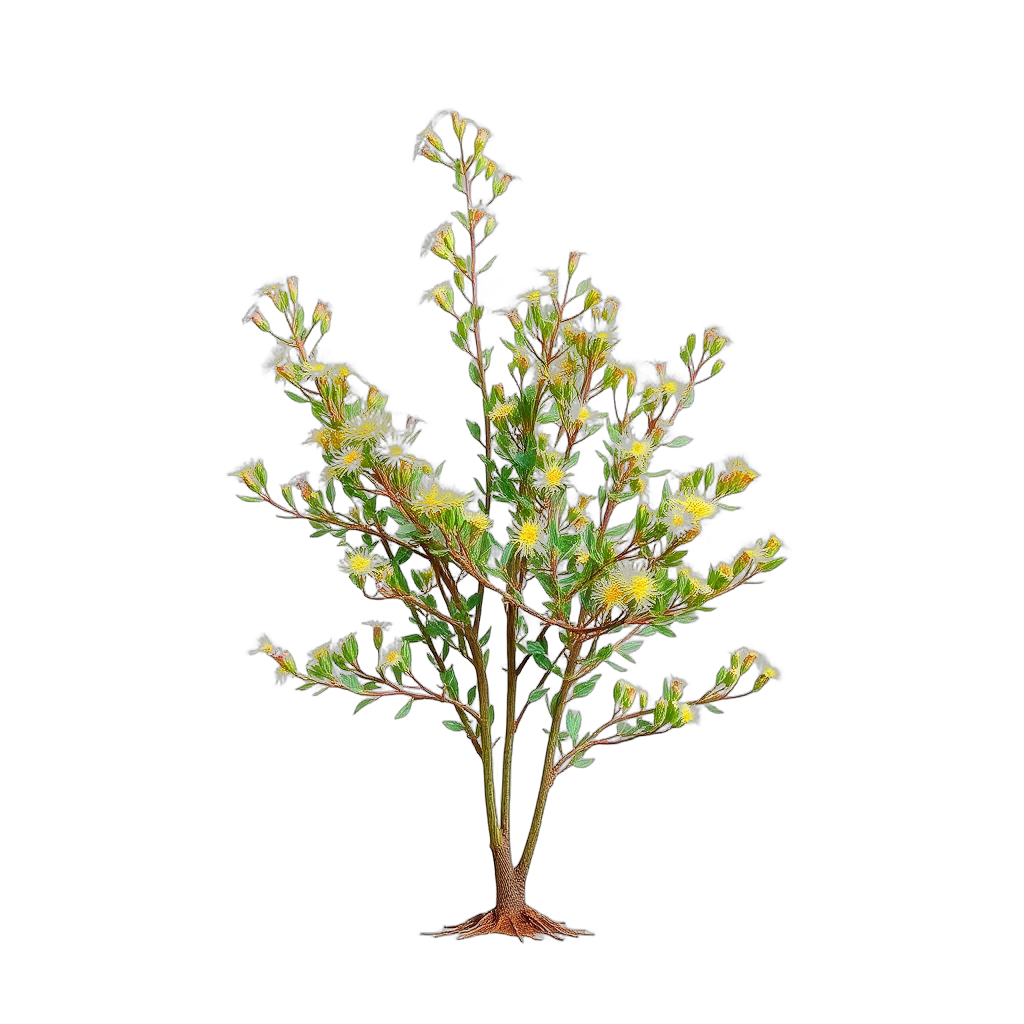
Catclaw Acacia
Acacia greggii
medium-sized at 15 feet, yellow blooms in spring. Pollinator-friendly.
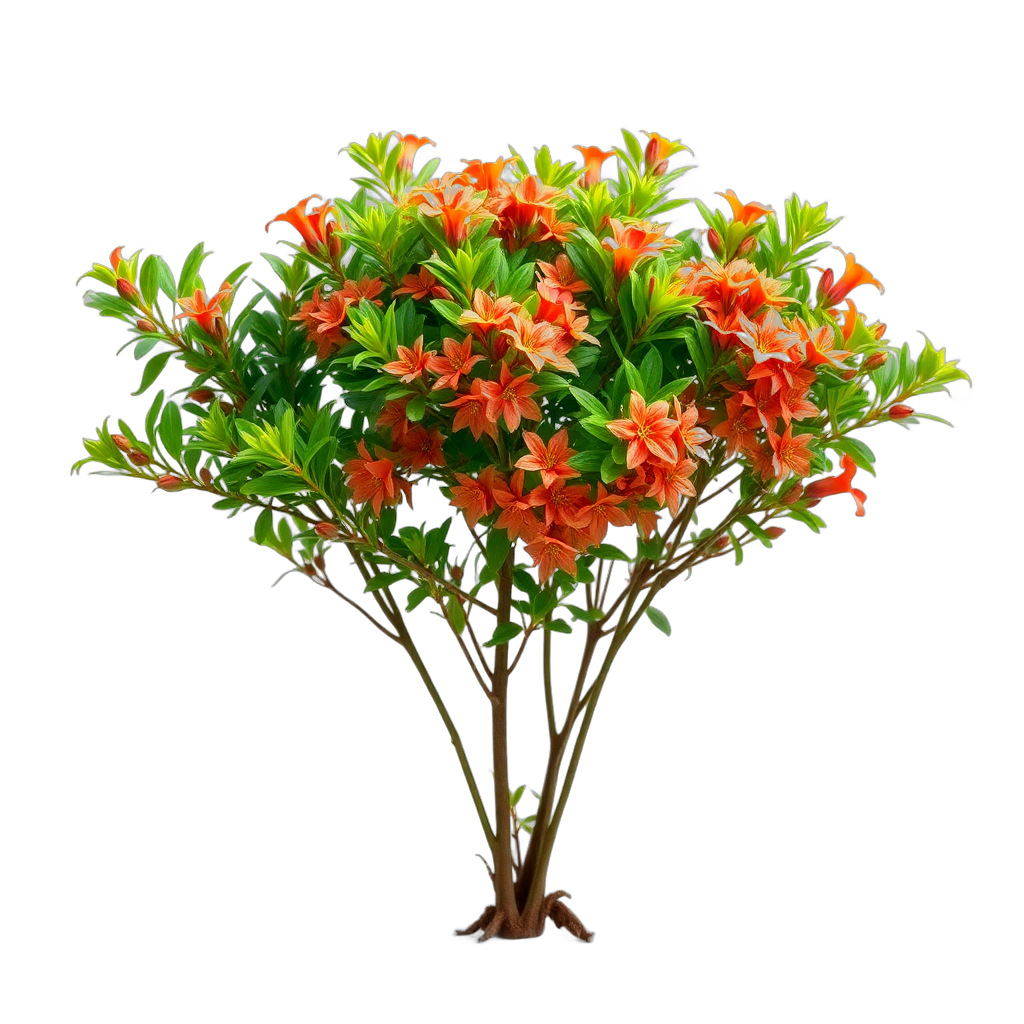
Chuparosa
Justicia californica
grows to 5 feet, red blooms in spring. Attracts hummingbirds.
Featured Grasses & Groundcovers for Desert/Xeriscape Gardens
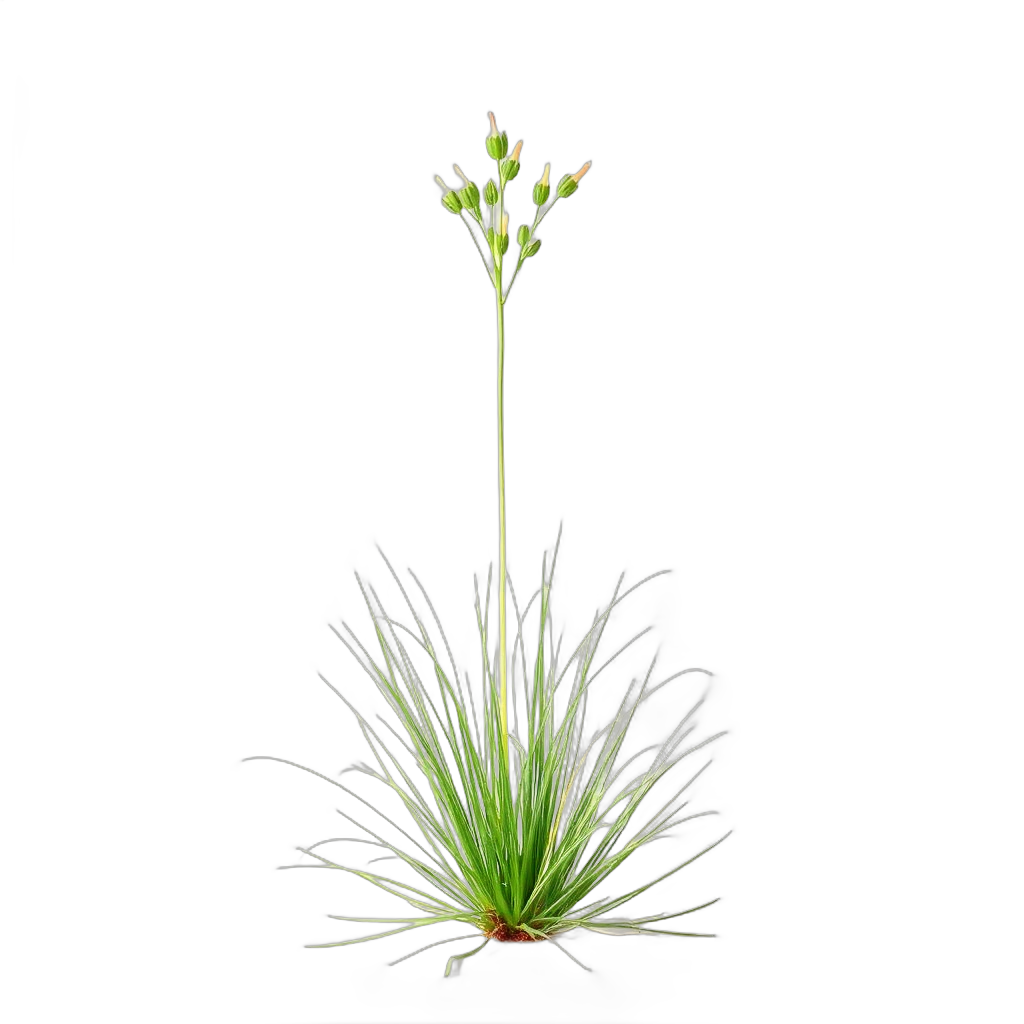
Alkali Sacaton
Sporobolus airoides
grows to 3 feet, blooms in summer. Yellow fall color.
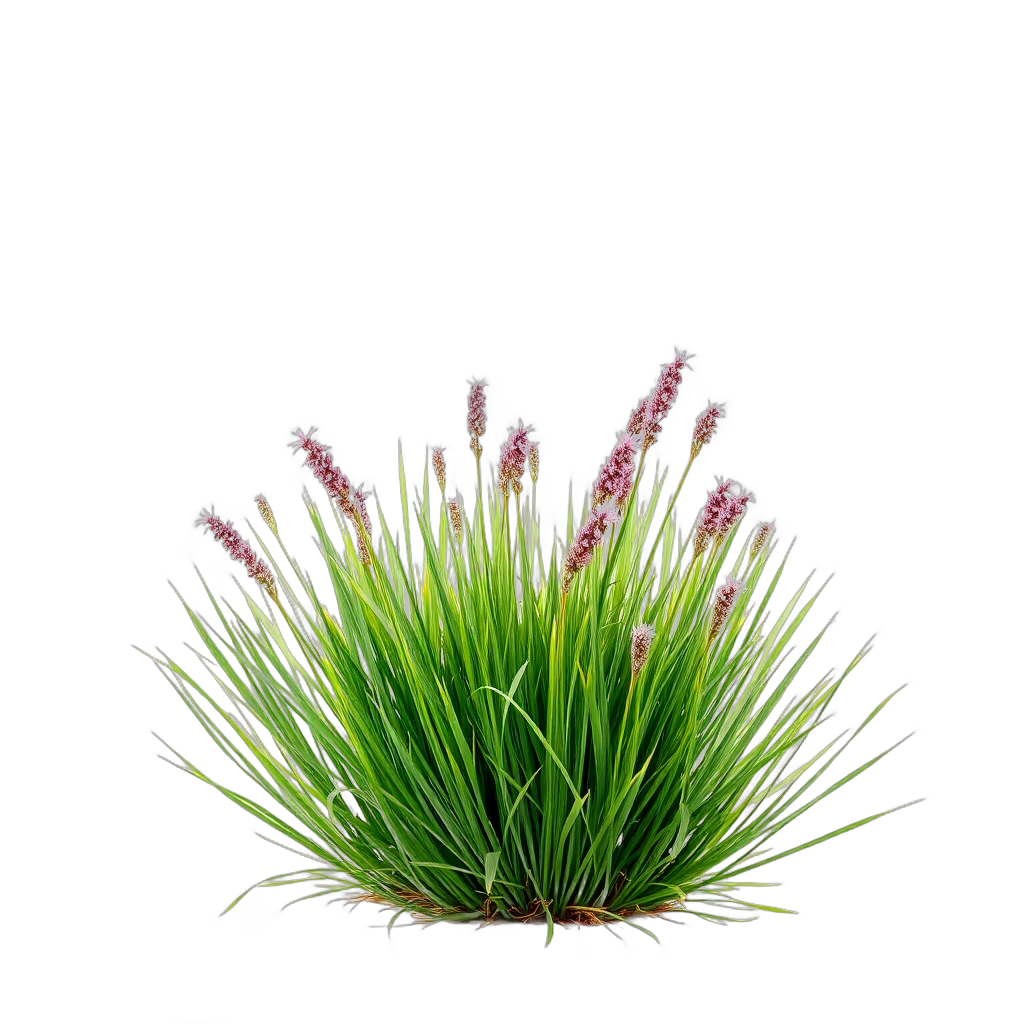
Purple Three-Awn
Aristida purpurea
low-growing ground cover, purple blooms in fall. Yellow fall color.
Featured Flowers & Perennials for Desert/Xeriscape Gardens
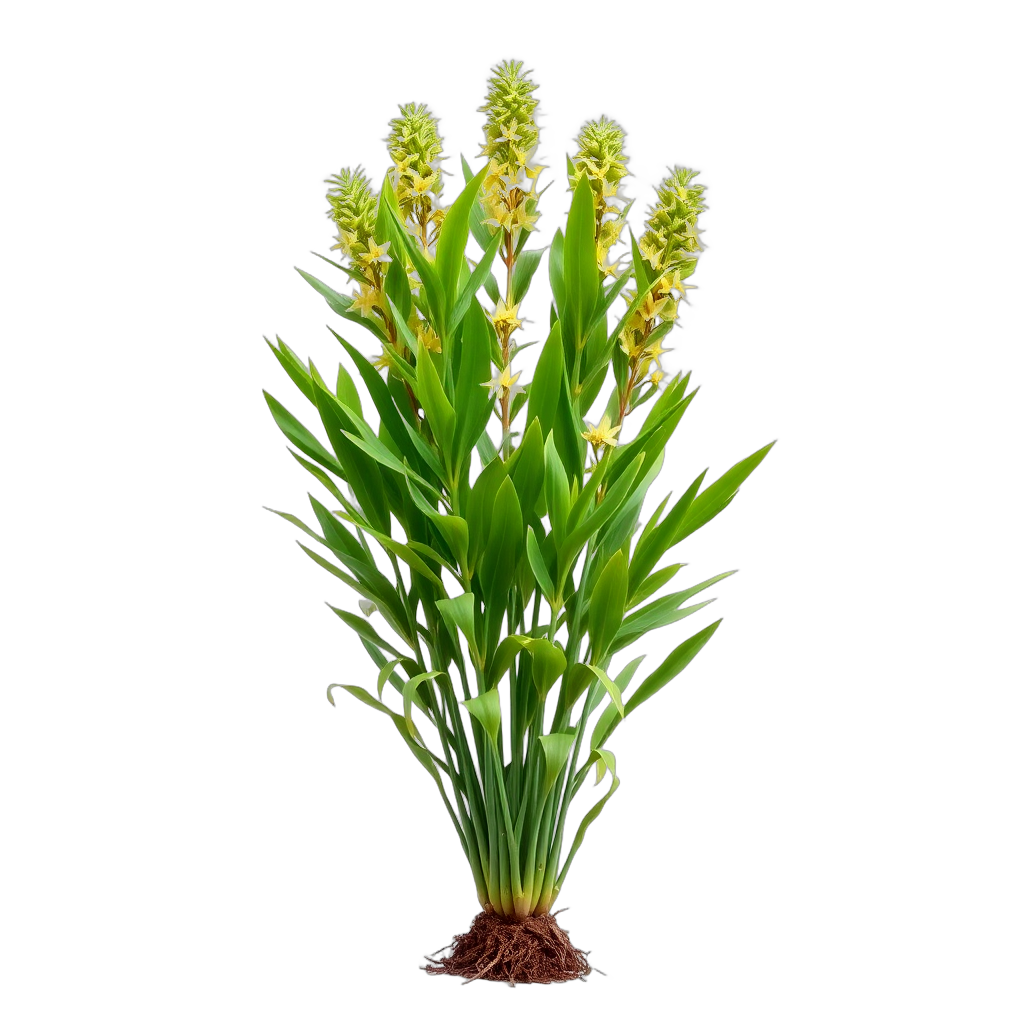
Banana Yucca
Yucca baccata
low-growing ground cover, white blooms in spring. Attracts hummingbirds.
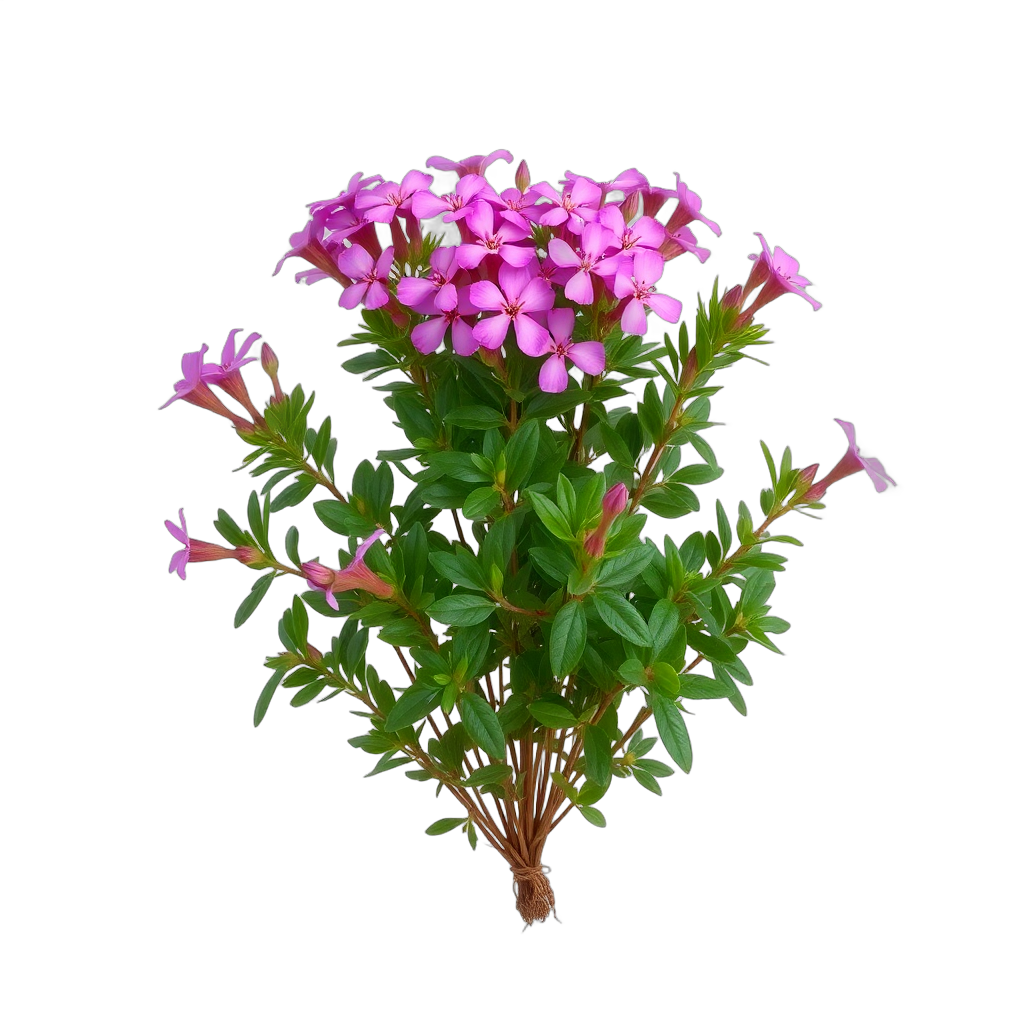
Desert Phlox
Phlox austromontana
low-growing ground cover, pink blooms in spring. Attracts hummingbirds.
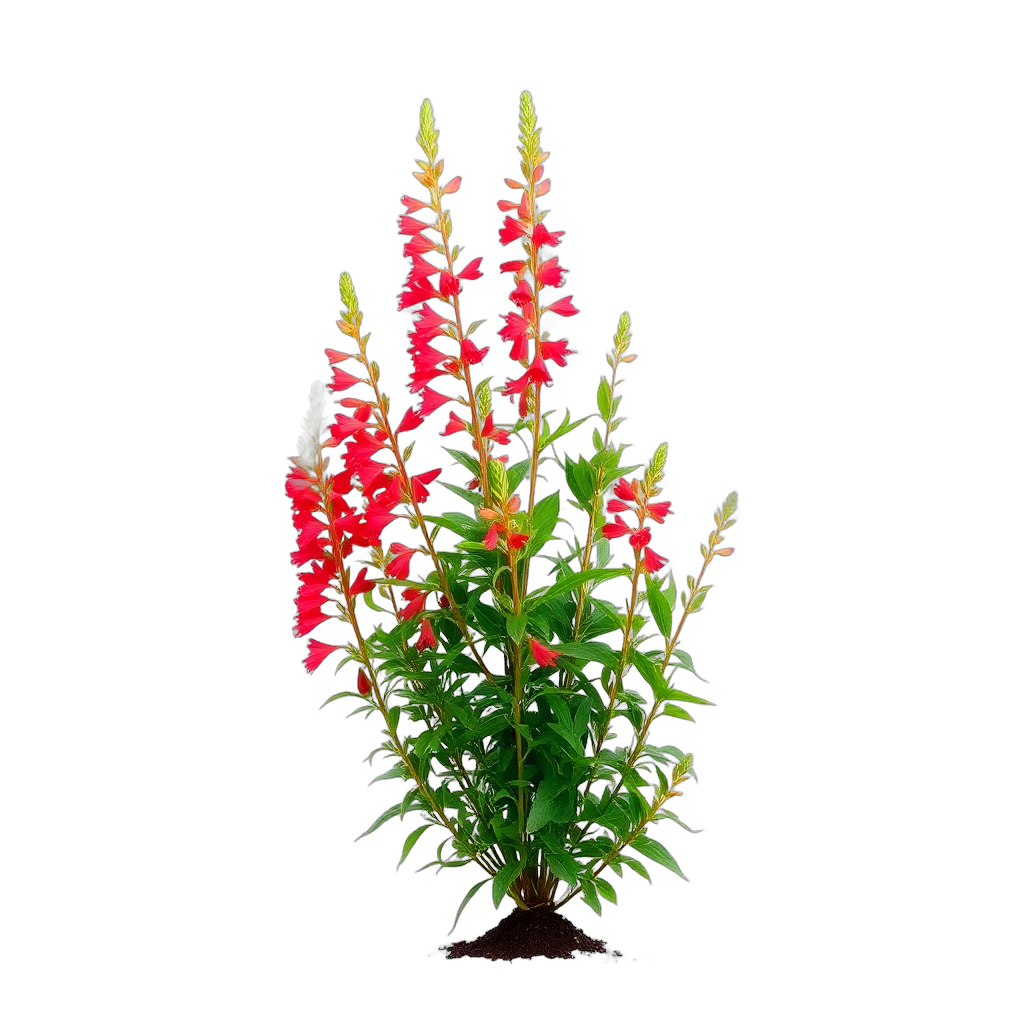
Firecracker Penstemon
Penstemon eatonii
low-growing ground cover, red blooms in spring. Attracts hummingbirds.

Palmer's Penstemon
Penstemon palmeri
grows to 4 feet, pink blooms in spring. Attracts hummingbirds.
Zone and sun checks come from our database — confirm with your local nursery before you buy.
Bloom Calendar for Las Vegas
spring
Banana Yucca, Desert Phlox, Firecracker Penstemonsummer
Alkali Sacaton, Quailbushfall
Purple Three-Awnwinter
Limited bloomsDesign Tips for Las Vegas (Zone 9a)
- Apply for SNWA's $3/sqft Water Smart Landscapes rebate before touching your lawn — pre-approval is mandatory and the rebate can offset $1,500–$3,000 on a typical residential project
- Plant creosote in spring and give it one establishment summer with weekly deep watering — by summer two, it survives on Las Vegas's 4 inches of rainfall alone and rewards you with its rain-activated fragrance for decades
- Space ocotillo 4–5 feet apart in fence-line plantings — at that spacing they interweave into an impenetrable living barrier within 3–4 years while maintaining their individual architectural character
- Use warm buff or desert tan DG tones throughout your yard — Las Vegas's intense sun on white or bright gravel creates glare that makes nearby seating uncomfortable even in mild temperatures
- Break through caliche hardpan with an auger before planting any tree or large shrub — inadequate drainage in caliche-heavy Las Vegas soils is the leading cause of native plant failure even in appropriate species
- Install landscape uplighting for your specimen cacti and palo verde — Las Vegas outdoor living is primarily evening, and the dramatic shadows cast by uplighted desert plants at night are among the most beautiful residential landscapes in the country
Where to Source Plants in Las Vegas
Skip the big-box stores. These independent Las Vegas nurseries specialize in the plants that make desert/xeriscape gardens thrive in Zone 9a.
Star Nursery
Multiple Valley locations
Nevada's largest nursery chain with full Mojave native and xeriscape SNWA-approved plant selection
Moon Valley Nurseries
Henderson
Largest palo verde, mesquite, and desert tree inventory in Southern Nevada
Gilmour's Nursery
Henderson / Southeast Valley
Desert-adapted plants, cacti, agave — strong Mojave native selection
Rohde's Garden Center
North Las Vegas
Native desert plants, trees, and xeriscape materials for the Mojave region
SNWA Water Smart Demonstration Gardens
Springs Preserve, Las Vegas
Free demonstration gardens showing Mojave native xeriscape; expert staff, free plant lists
Desert/Xeriscape Landscaping Costs in Las Vegas
| Project Scope | Estimated Cost |
|---|---|
| Front yard Mojave xeriscape conversion (400–600 sqft) | $3,500 – $8,000 |
| Full backyard xeriscape patio redesign | $10,000 – $28,000 |
| Turf removal + desert gravel + native plants (per sqft) | $5 – $16/sqft |
| SNWA + LVVWD combined turf rebate (first 10K sqft) | Up to $7/sqft back |
| Drip irrigation system | $1,200 – $3,000 |
| Tree Enhancement Program bonus | $100 per qualifying tree |
| AI visualization with ProScapeAI | Free to start |
Estimates based on Las Vegas, NV-area contractor rates as of 2026. Actual costs vary by site conditions, materials, and contractor.
Las Vegas Climate & Growing Zone
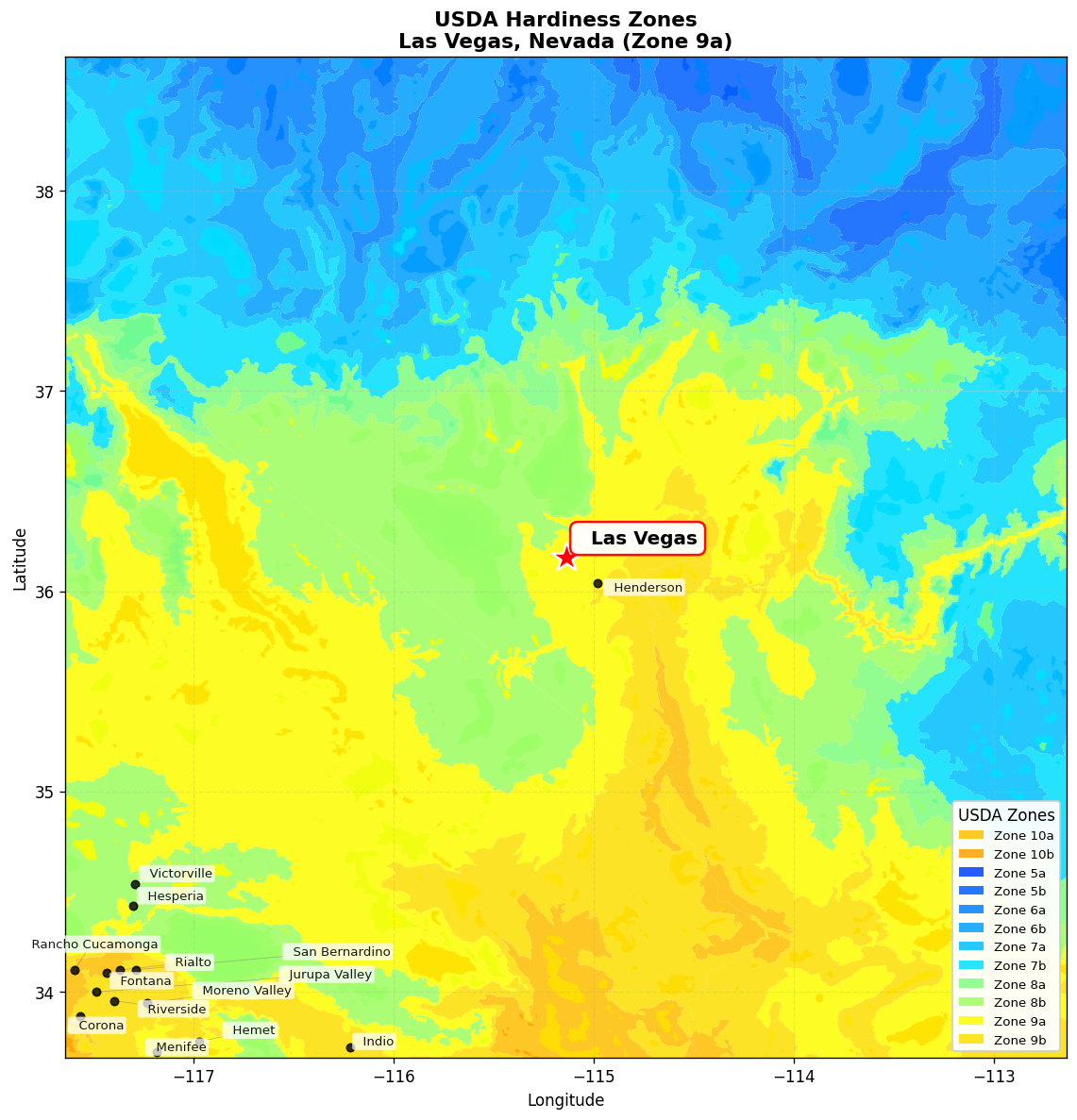
USDA Zone 9a
Hardiness zone for Las Vegas
Mojave desert
Native ecoregionFrequently Asked Questions
Can I grow a Joshua tree in Las Vegas?
Yes — Las Vegas sits within the native range of the western Joshua tree (Yucca brevifolia) and they can be successfully grown in the Las Vegas Valley, particularly at higher elevations in the northwest valley (Summerlin, Red Rock area) where conditions are slightly cooler. They prefer sandy, well-drained soils, low summer humidity, and minimal irrigation. In-valley Las Vegas conditions (lower elevation, urban heat island, summer humidity from evaporative cooling) are marginal but workable. Key requirements: full sun, excellent drainage, almost no supplemental water after establishment (Joshua trees are killed by overwatering). Source nursery-grown plants with certification; collection from the wild is illegal in Nevada and California.
What is the SNWA Water Smart Landscapes rebate and how do I apply?
The Southern Nevada Water Authority's Water Smart Landscapes (WSL) rebate pays $3 per square foot for replacing qualifying irrigated turf with water-efficient landscaping. For residential customers, the maximum rebate is $3,000 per application, with two applications allowed per property per year (up to $6,000 total). Requirements: apply and receive pre-approval before removing any turf; turf must be actively irrigated and alive; replacement must use approved water-efficient materials (plants, DG, rock); before photos required; and a post-project inspection is performed before rebate payment. Apply at snwa.com or call 702-258-7946. Current program funding is confirmed — apply as soon as possible as funding is periodically replenished but not unlimited.
Are Mojave native plants actually available in Las Vegas nurseries?
Yes — Las Vegas nurseries have significantly expanded their Mojave native selections in response to SNWA rebate programs. Star Nursery (multiple Valley locations), Moon Valley Nurseries, and specialty desert nurseries stock: creosote bush, brittlebush, desert marigold, beavertail prickly pear, barrel cactus, ocotillo, white bursage, globe mallow, and desert willow. Palo verde (Desert Museum hybrid) is widely available as the standard specimen tree. Joshua trees are rarer but available at specialty desert nurseries. SNWA's Water Smart Plant List (free download at snwa.com) includes hundreds of approved plants for the rebate program.
How do Mojave native plants handle Las Vegas' urban heat island?
Las Vegas's urban heat island adds 5–10°F to ambient temperatures compared to the surrounding desert, and summer lows rarely drop below 85°F in central Las Vegas. Creosote, brittlebush, and palo verde evolved for exactly these heat extremes — the Mojave regularly exceeds 120°F in summer and native plants handle it without distress. The urban heat island actually helps some desert plants by providing warmer winter temperatures; this is why Zone 9a planting works in central Las Vegas even though the surrounding desert can see harder freezes. One caution: the urban heat island combined with reflective hardscape can stress young transplants during the first summer; water weekly during the first two summers and mulch roots with DG.
What is the difference between Mojave xeriscape and generic drought-tolerant landscaping?
Generic drought-tolerant landscaping often includes plants that survive on less water than a lawn but still require regular supplemental irrigation — Mexican sage, African sumac, and ornamental grasses are examples. True Mojave xeriscape uses plants that evolved in the 4-inch rainfall Mojave and can survive with zero supplemental irrigation once established: creosote, brittlebush, white bursage, beavertail prickly pear, barrel cactus, and desert marigold. The distinction matters for long-term water bills, irrigation infrastructure costs, and authenticity. SNWA's Water Smart Plant List distinguishes between different water-use categories; plants rated 'very low' or 'desert adapted' are the Mojave xeriscape standard.
How do I handle Las Vegas's caliche soil for desert planting?
Caliche hardpan is common in Las Vegas Valley soils, typically found at 6–24 inches depth. It blocks drainage and root penetration. For native desert plants that survive on 4 inches of rainfall, proper caliche management is critical: when planting trees or large shrubs, break through the caliche layer with a jackhammer or rented auger to create a planting pocket that allows drainage. If caliche is at 6–8 inches and you can't break through, build up raised planting beds of 12–18 inches above grade. DG ground covers installed over intact caliche actually work well — caliche creates a firm, stable base and the hardpan layer helps prevent DG settling. Never install drip irrigation tubing into un-amended caliche soil; roots can't follow water that can't drain.