4 Cottage Garden Ideas for Plano, TX | Texas Cottage Gardens in Zone 8a
Native plants from the Texas blackland prairies (Zone 8a) — Humid subtropical climate
Why Cottage/English Gardens in Plano?
Plano occupies the Texas Blackland Prairie ecoregion—Zone 8a—where the deep, fertile alkaline clay soils of the historic prairie support extraordinary cottage plant vigor when properly managed. The Blackland’s heavy clay soils, high pH (7.5–8.5), and dramatic seasonal moisture swings—wet springs, summer drought, fall rains—challenge the conventional English cottage garden approach while rewarding gardeners who understand what thrives in this genuinely distinctive climate. North Texas cottage gardening is not English cottage gardening in disguise: it’s a distinct regional tradition with its own plants, timing, and seasonal logic.
Plano’s cottage gardening has been shaped by the city’s prosperity and the Dallas-Fort Worth metroplex’s strong landscape investment culture. Neighborhoods like Willow Bend, Hunters Creek, and Legacy have homeowners who treat their gardens seriously, and the Blackland Prairie’s long outdoor season—average frost-free days of 228—supports cottage garden use from late February through December. The North Texas rose tradition is particularly strong: the Dallas Arboretum’s rose collection and the Texas Rose Rustlers’ heritage rose preservation movement reflect the region’s deep connection with rose cultivation.
The fundamental realities of North Texas cottage gardening: summer heat regularly exceeds 100°F, alkaline clay soils require pH management for acid-loving plants, and spring brings a concentrated 60–90-day flowering window (March–May) of extraordinary beauty. The successful Plano cottage garden designs its peak for spring, shifts to heat-tolerant summer plants, and rewards patience with a second, cooler blooming wave from October through December. Understanding these seasonal rhythms is the difference between a cottage garden that delights for 9 months and one that looks exhausted by July.
4 Cottage/English Design Ideas for Plano
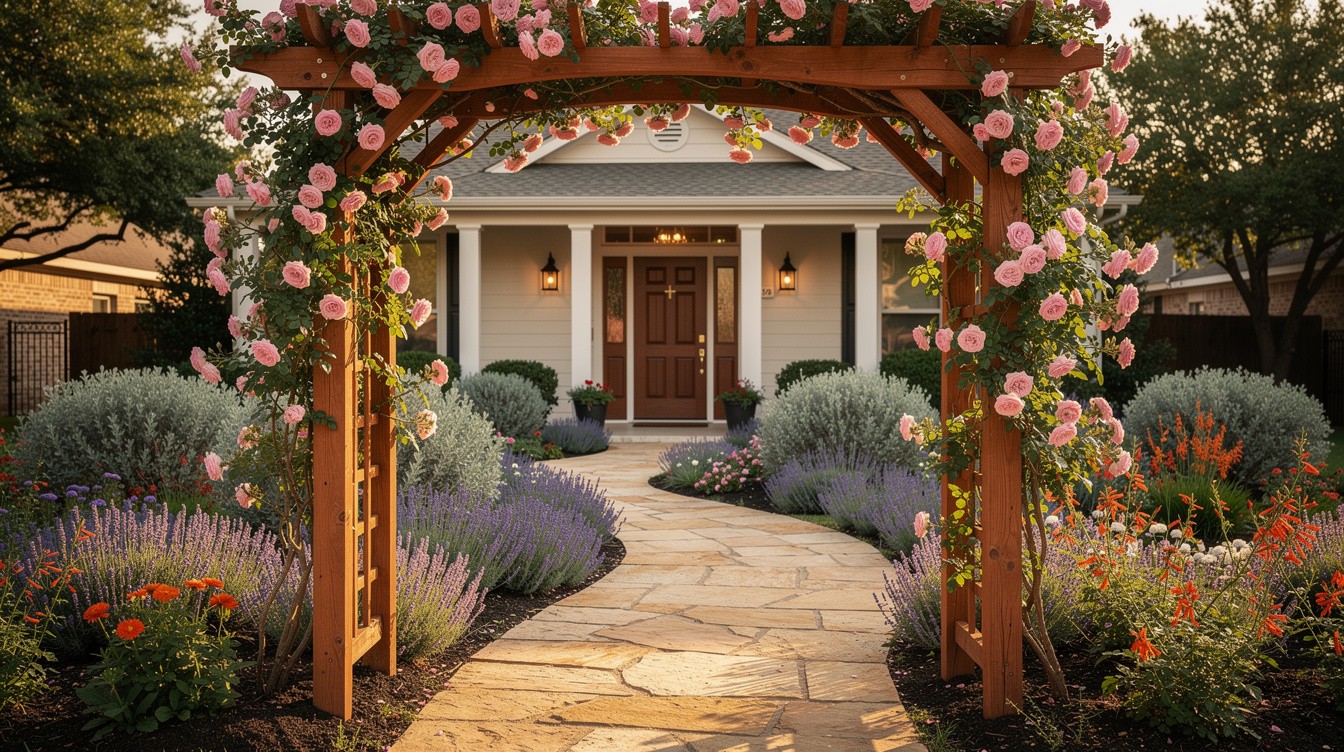
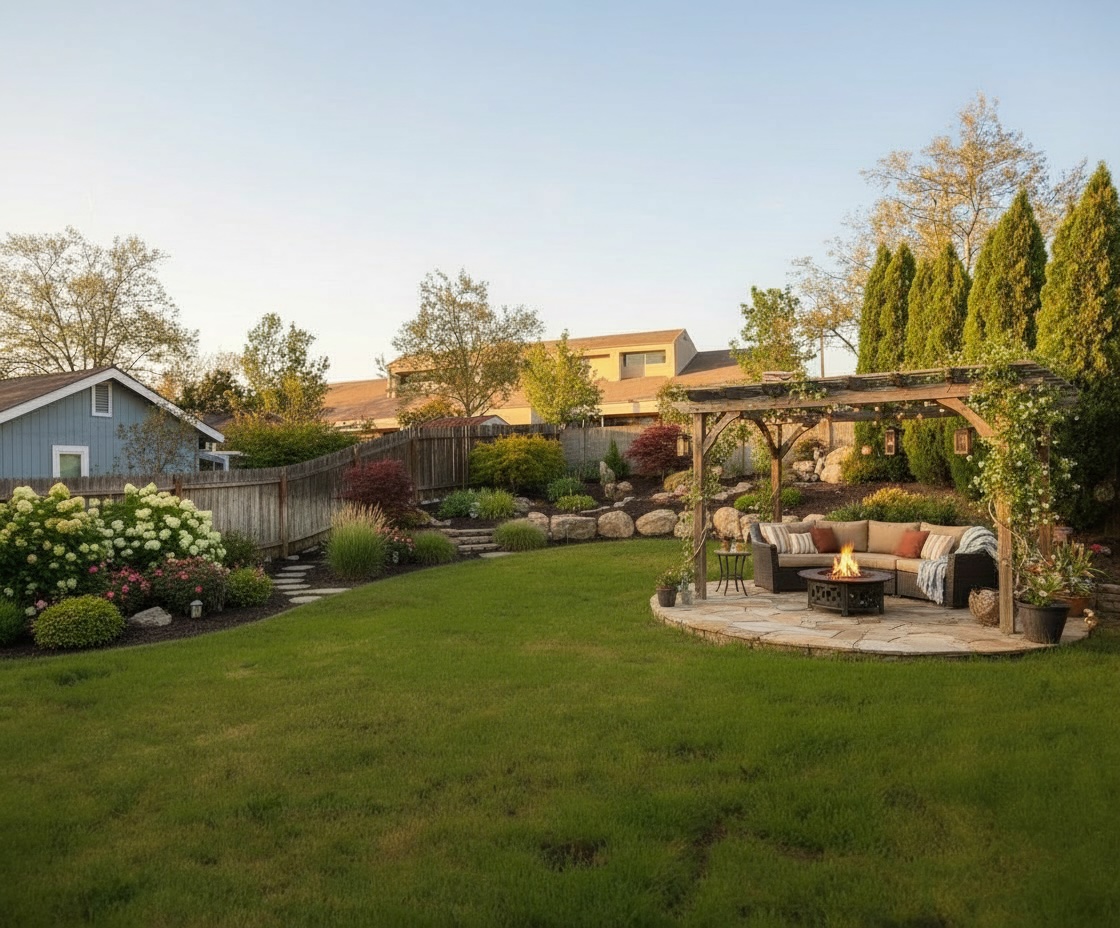
Texas Rose Entry with Salvia and Native Perennial Borders
$12—26/sqftA decomposed granite or flagstone path to a Plano Colonial or Craftsman front door is framed by a cedar rose arbor covered with 'Peggy Martin'—a legendary Texas survivor rose that bloomed through Hurricane Katrina’s saltwater inundation and represents the epitome of North Texas rose toughness. Texas sage (Leucophyllum frutescens) provides year-round silver-gray structure that blooms after every significant rain; masses of mealy blue sage and Mexican sage fill the border with blue-purple color from spring through fall. Native flame acanthus provides summer-long hummingbird-attracting orange blooms when more delicate cottage plants are flagging in the July heat.
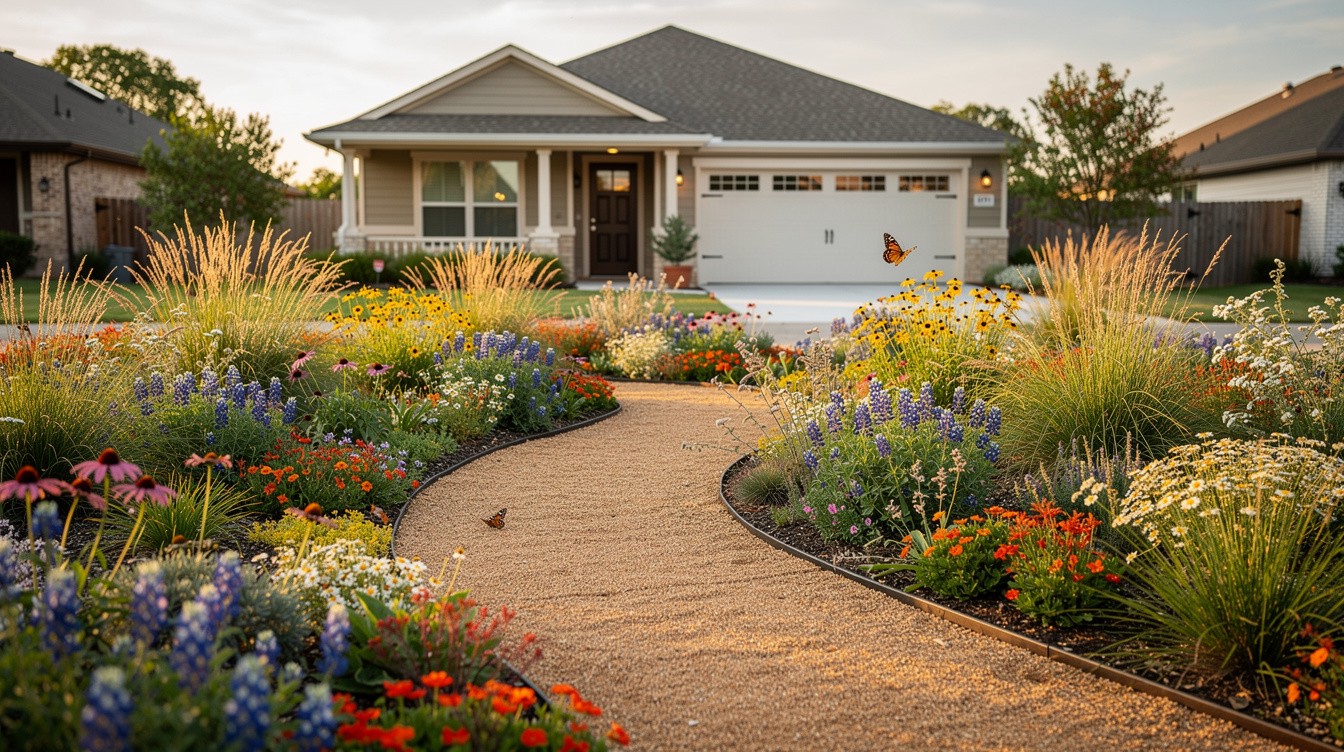
Texas Wildflower Cottage Meadow
$8—18/sqftA naturalistic Texas wildflower cottage meadow—bluebonnets, Indian paintbrush, and winecup in spring; prairie coneflowers, black-eyed Susans, and native salvias in summer; and asters in fall—creates a front yard that celebrates the Blackland Prairie’s native landscape in an organized cottage composition. Native bunch grasses (little bluestem, sideoats grama) provide the structural matrix between wildflower drifts and remain attractive through winter dormancy. This design requires essentially no irrigation after establishment, dramatically reducing summer water bills, and provides essential wildlife habitat in Plano’s increasingly built-out suburban environment. A defined DG path through the meadow and clean steel edging signal intention and prevent the “neglected” misreading that more casual wildflower plantings can invite.
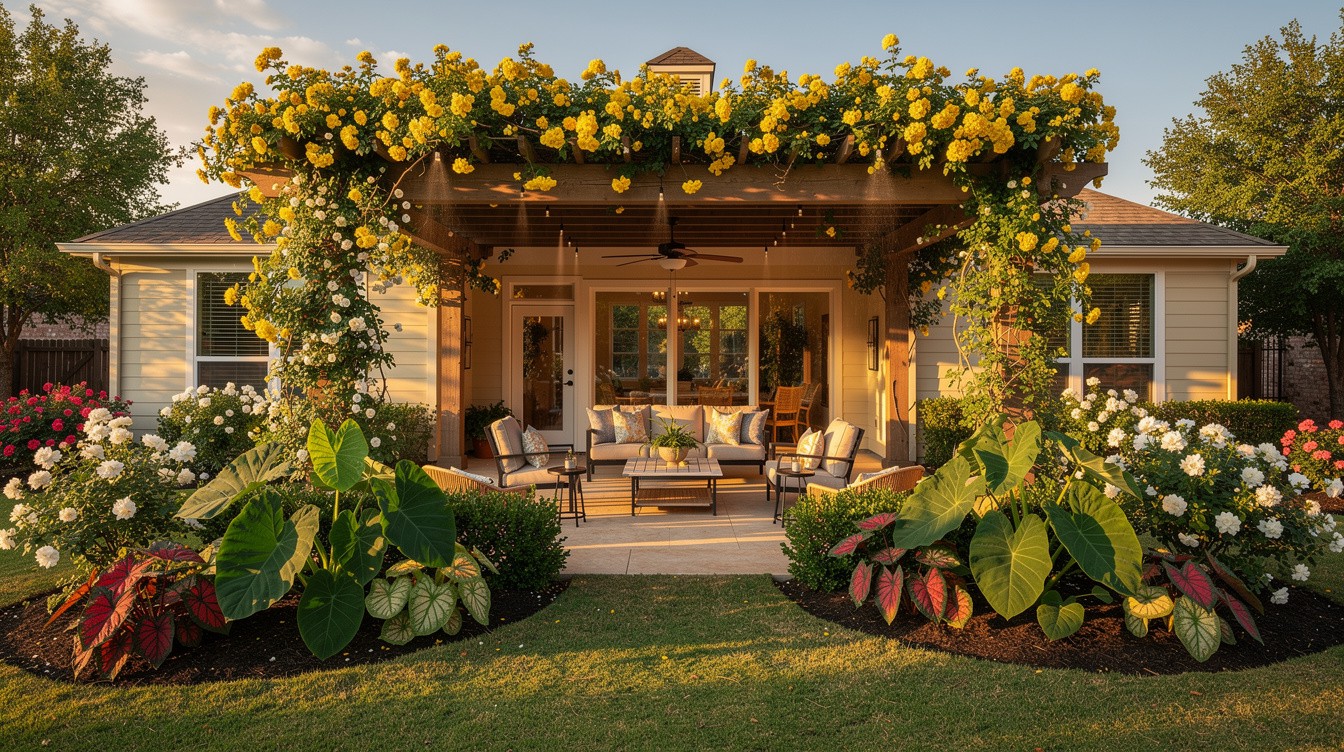
Covered Patio with Cottage Borders and Shade Garden
$20‘44/sqftA covered back patio—essential for Plano’s 100°F July afternoons—provides the shaded outdoor room that allows cottage gardening to be fully enjoyed through summer’s most extreme heat. Lady Banksia rose covers the pergola structure with a spectacular April yellow bloom before leafing out to provide dappled shade. Shade-adapted cottage plants—colocasia (elephant ear), caladiums in summer; encore azaleas and knock out roses in fall and spring—fill the border beds with rotating seasonal color. A ceiling fan and misting system extend comfortable outdoor use through Plano’s hottest weeks. The covered patio is where North Texas cottage life concentrates: shaded, fragrant from gardenia and Confederate jasmine at the border edges, and social.
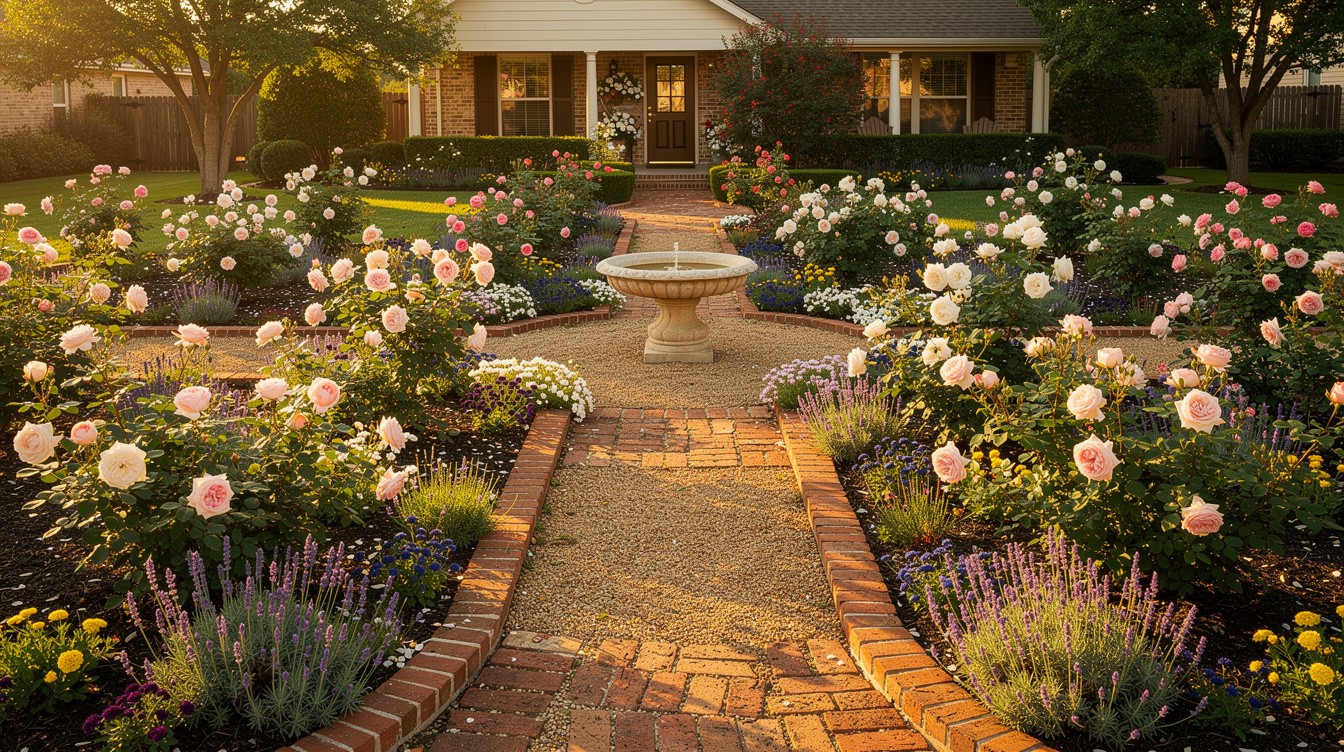
Texas Cottage Rose Garden with Brick Path
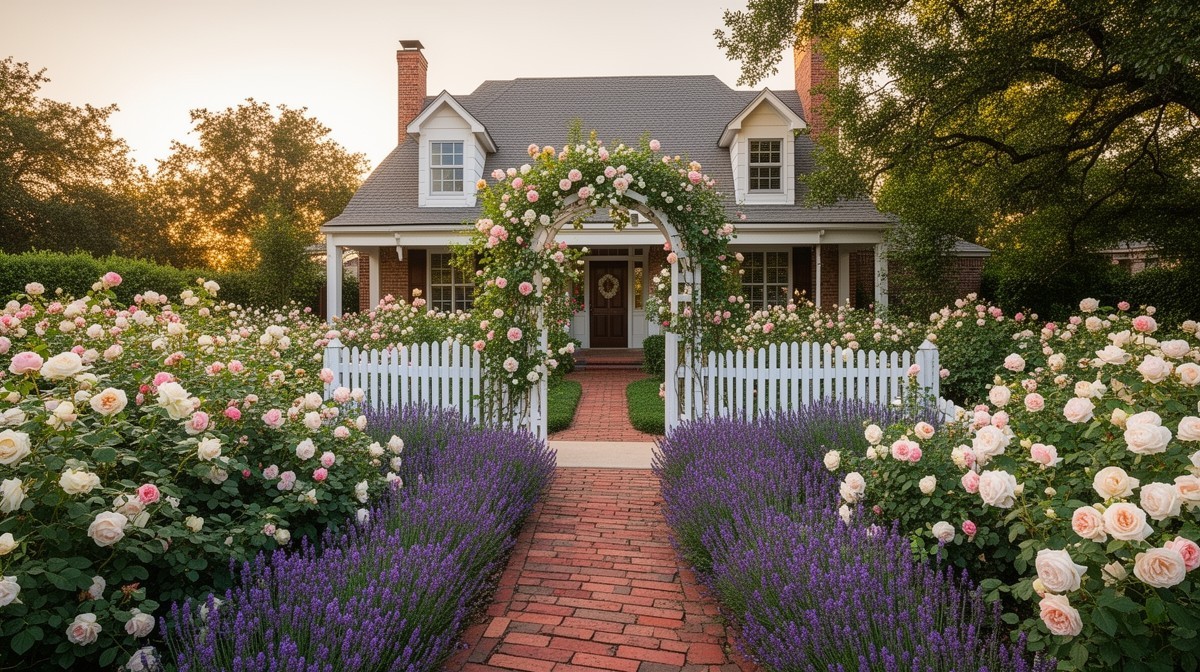
$18—40/sqftA formal cottage rose garden—brick-edged beds with DG paths, a central birdbath, and a generous collection of Texas-proven roses—celebrates the North Texas rose tradition. Texas heritage roses—'Cecile Brunner', 'Mermaid', 'Old Blush', and rugosa hybrids—are selected for alkaline clay tolerance and summer heat resilience rather than catalog beauty. Spring (March–May) and fall (October–December) are the spectacular seasons; summer roses maintain foliage and occasional bloom between the peak periods. Underplanting of Texas salvias, lantana, and catmint provides cottage abundance between rose plants and through the summer heat with minimal water.
See how a cottage/english garden looks on YOUR property
Upload a photo of your Plano yard and visualize your dream garden in seconds.
Try ProScapeAI Free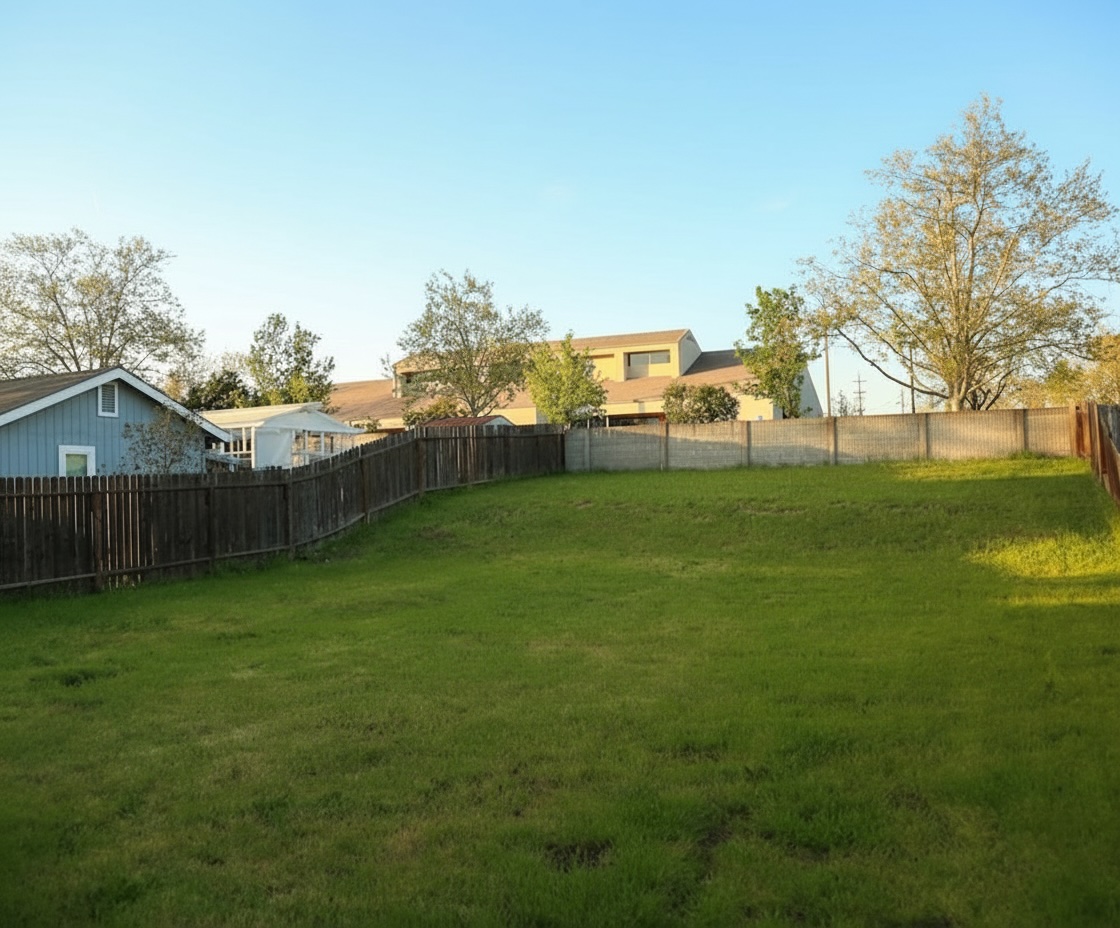
Featured Trees & Shrubs for Cottage/English Gardens
Browse all 156 plants for Plano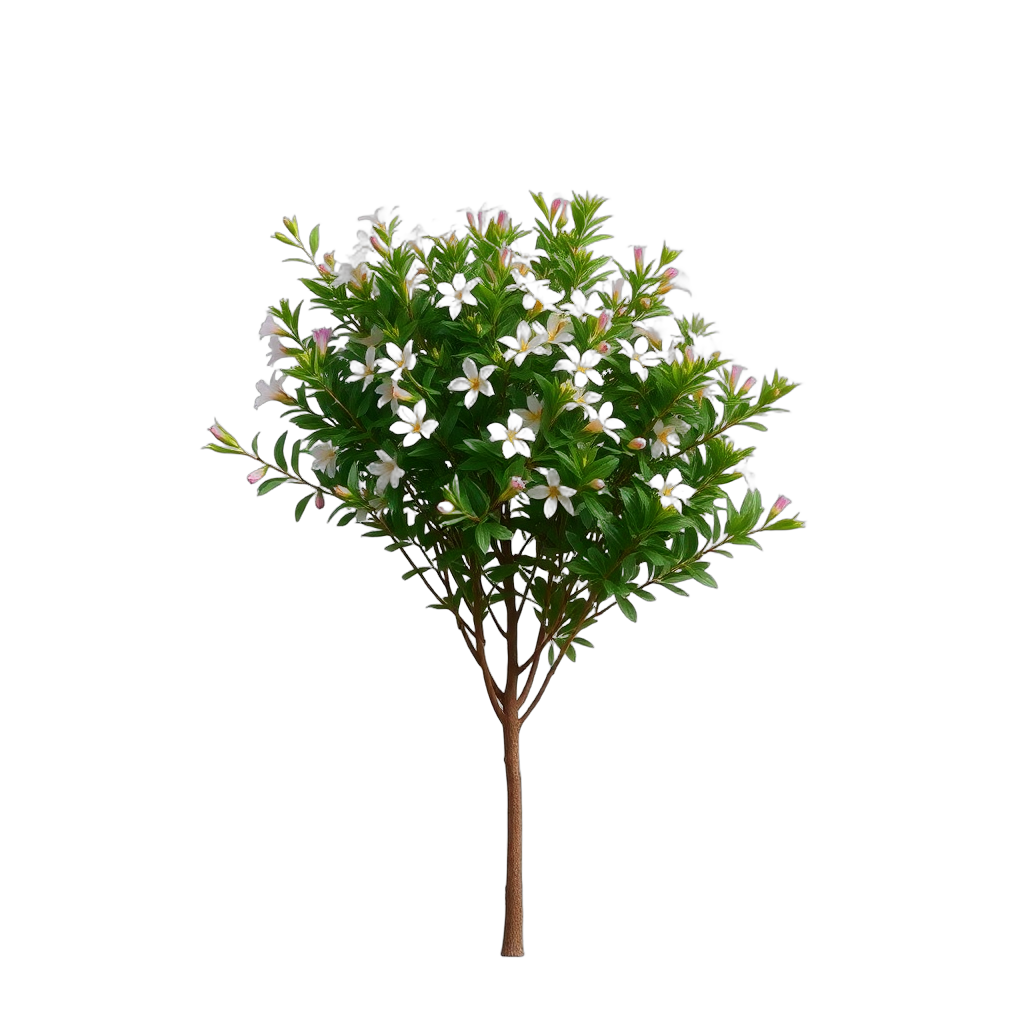
Texas Mountain Laurel
Sophora secundiflora
medium-sized at 12 feet, purple blooms in spring. Evergreen year-round.
Cedar Elm
Ulmus crassifolia
large shade tree reaching 60+ feet, blooms in fall. Yellow fall color.
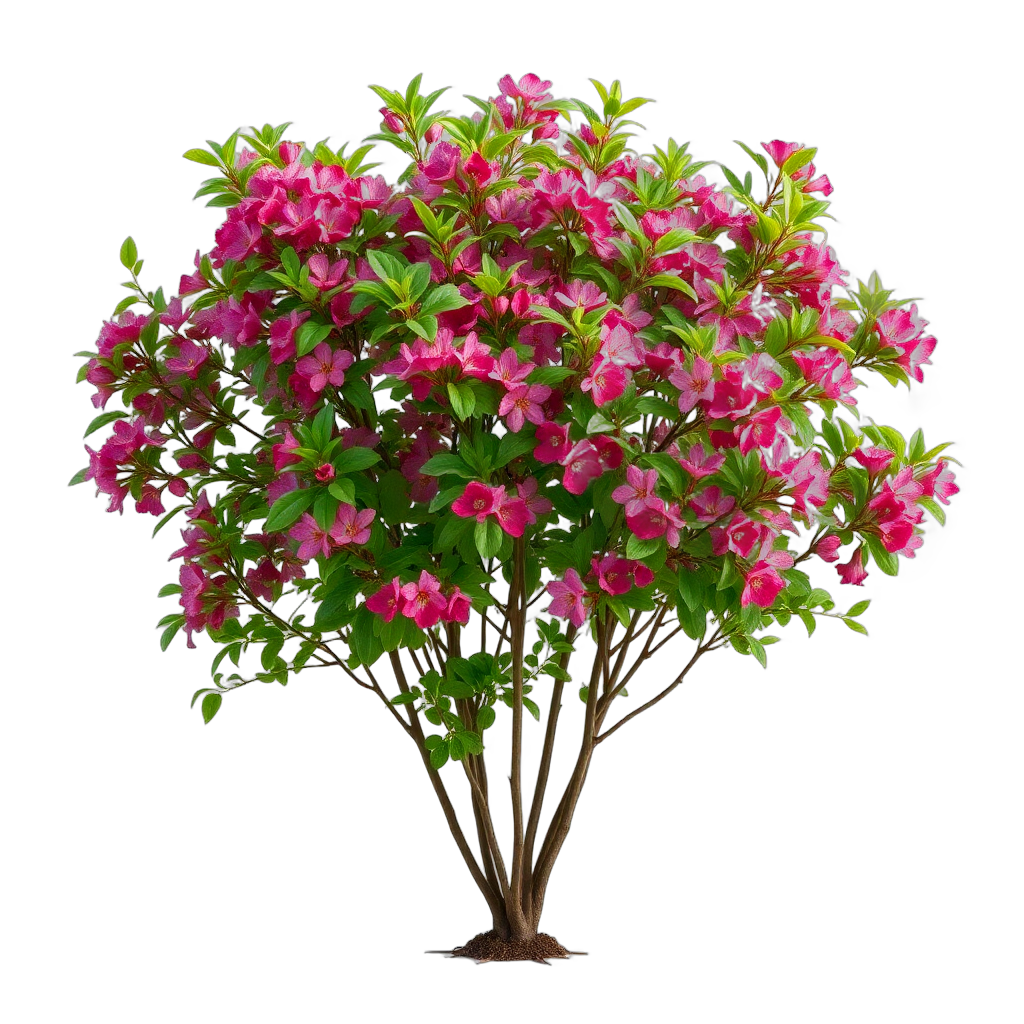
Oklahoma Redbud
Cercis reniformis
reaches 20 feet tall, purple blooms in spring. Attracts hummingbirds.

Osage Orange
Maclura pomifera
large shade tree reaching 50+ feet, blooms in spring. Yellow fall color.
Featured Grasses & Groundcovers for Cottage/English Gardens
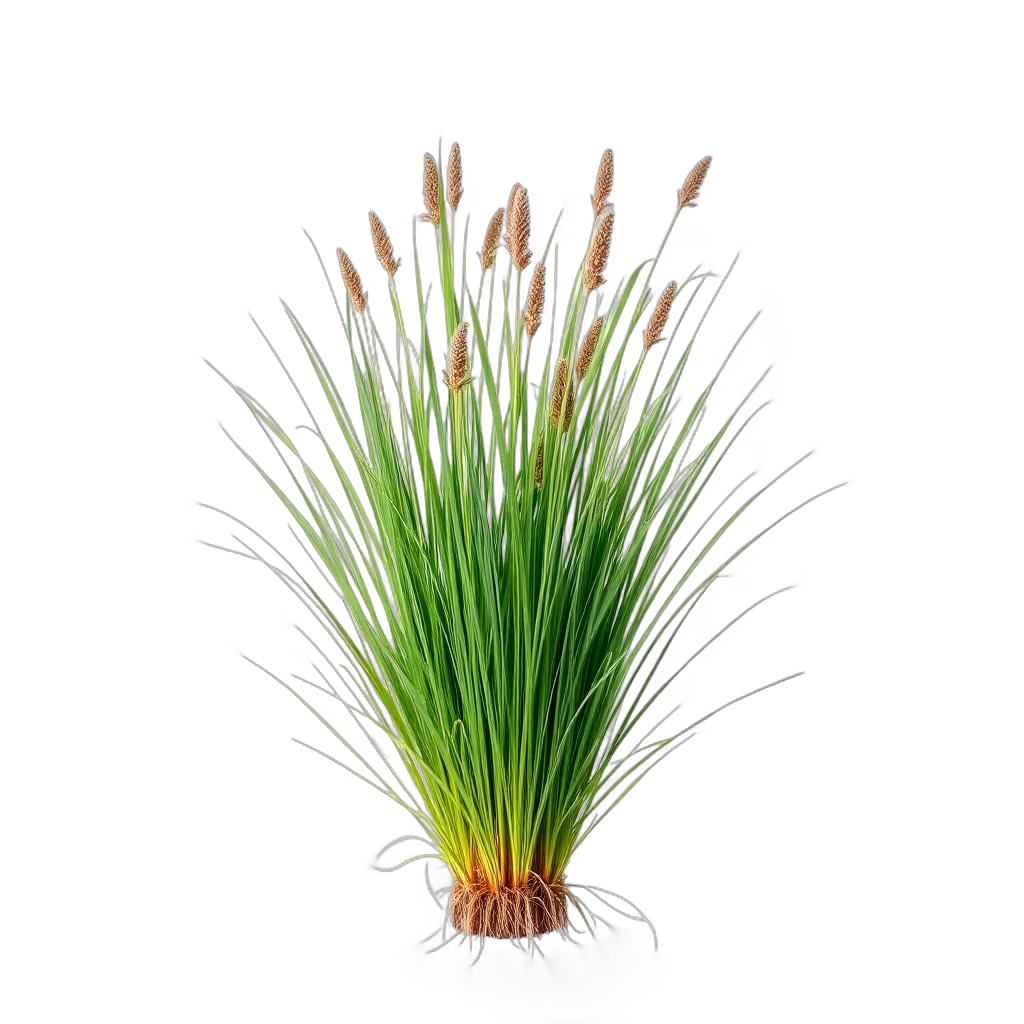
Lindheimer's Muhly
Muhlenbergia lindheimeri
grows to 4 feet, white blooms in fall.
Featured Flowers & Perennials for Cottage/English Gardens
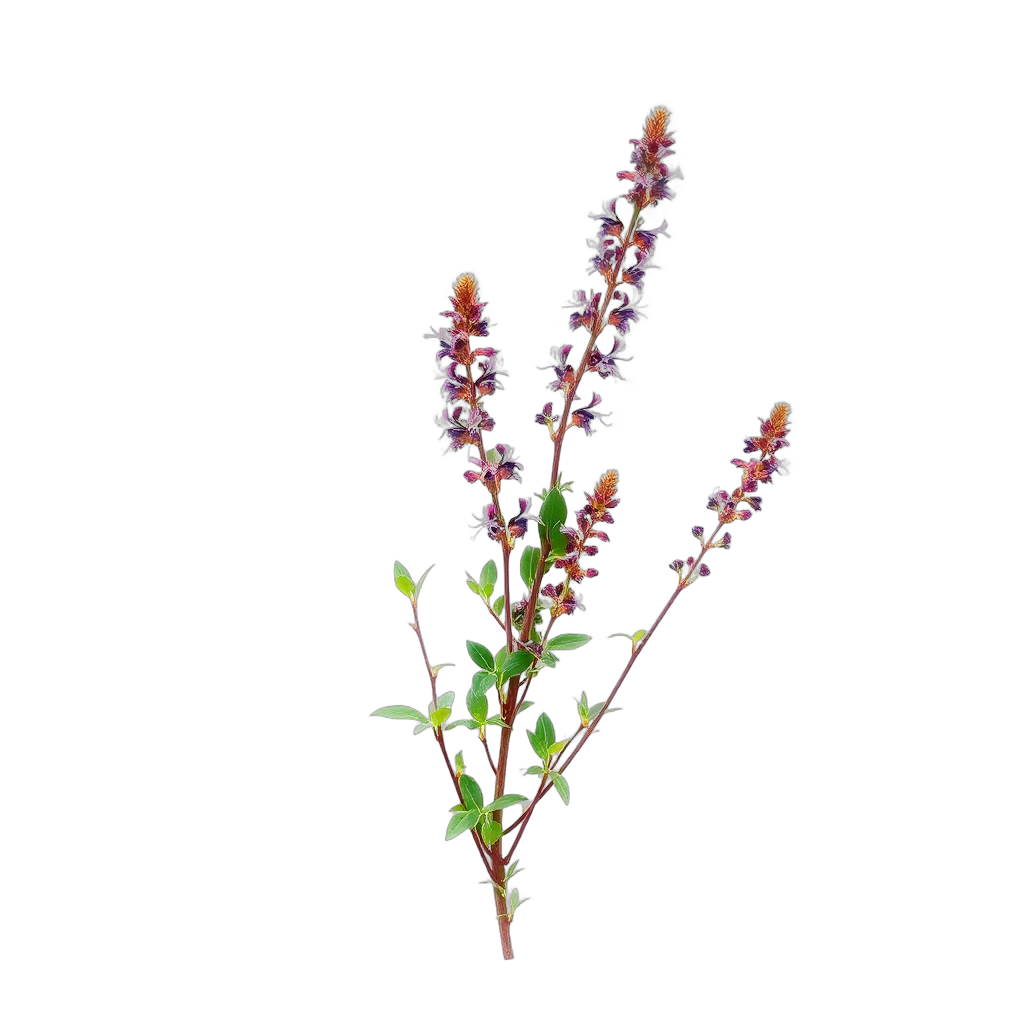
Mealy Cup Sage
Salvia farinacea
low-growing ground cover, blue blooms in summer. Attracts butterflies.
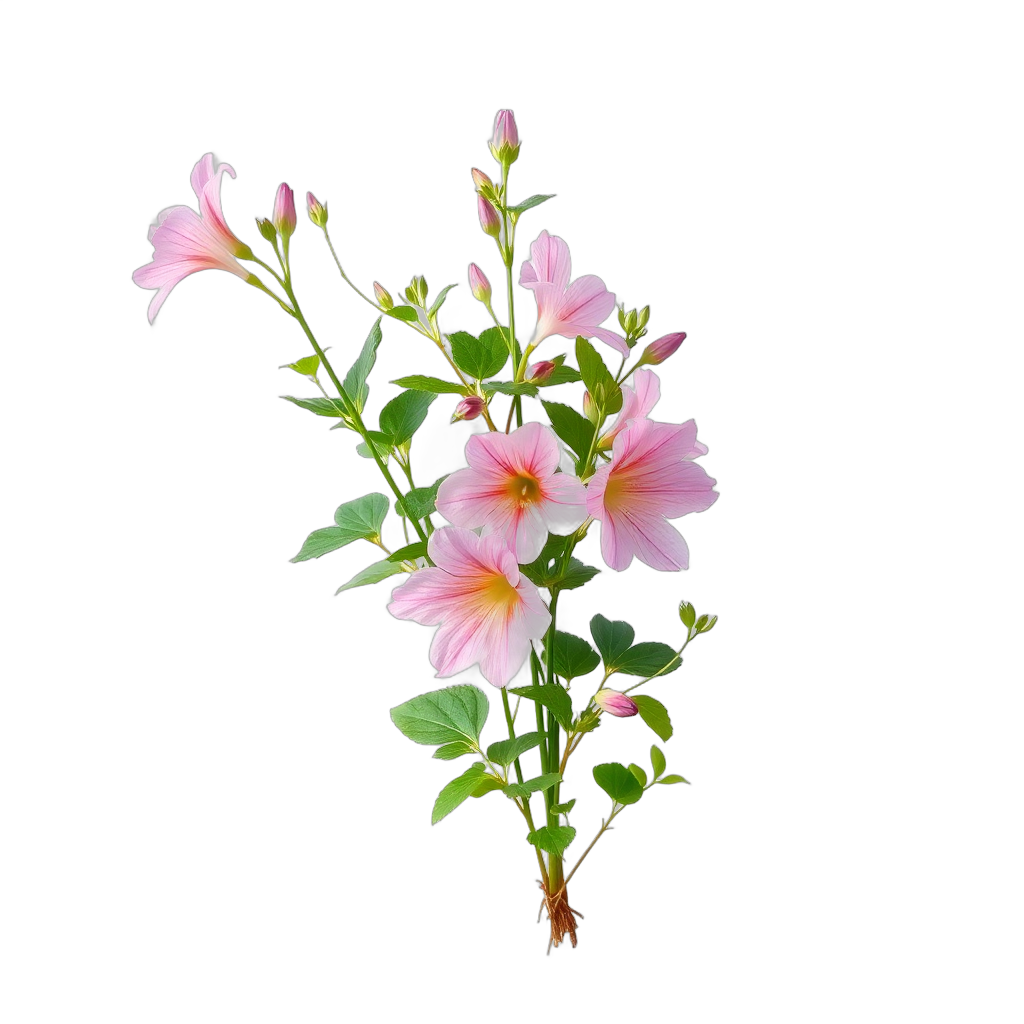
Pink Evening Primrose
Oenothera speciosa
low-growing ground cover, pink blooms in summer. Attracts butterflies.

Water Lettuce
Pistia stratiotes
low-growing ground cover, white blooms in summer. Evergreen year-round.

Tussock Sedge
Carex stricta
low-growing ground cover, blooms in spring. Brown fall color.
Zone and sun checks come from our database — confirm with your local nursery before you buy.
Bloom Calendar for Plano
spring
Texas Mountain Laurel, Oklahoma Redbud, Osage Orangesummer
Mealy Cup Sage, Pink Evening Primrose, Water Lettucefall
Mealy Cup Sage, Lindheimer's Muhly, Cedar Elmwinter
Limited bloomsDesign Tips for Plano (Zone 8a)
- Design the cottage garden to peak in spring (March–May) and fall (October–December)—Plano’s two ideal cottage seasons—rather than trying to maintain English cottage peak all summer; strategic summer bridging plants (lantana, autumn sage, portulaca) maintain color through heat while the rose and perennial cottage backbone rests
- Select Texas-proven heritage roses and survivor roses rather than catalog roses from non-Texas sources—the Texas Rose Rustlers’ work identifying alkaline-clay-tolerant roses that have survived generations in Texas without care provides the most reliable Blackland Prairie rose palette available, and these roses deliver cottage character without the monthly pH management that hybrid teas require
- Build raised beds for any acid-requiring cottage plants (hydrangeas, azaleas, blueberries)—Blackland clay’s high pH cannot be sufficiently lowered across large areas, but a raised bed with 50/50 compost and acidic planting mix maintains the pH 5.5–6.0 these plants need while sitting above the alkaline clay below
- Use Texas sage (Leucophyllum frutescens) as the cottage garden’s structural backbone shrub—it blooms a spectacular lavender-purple after every significant rain event throughout the growing season, requires absolutely no irrigation once established in Blackland clay, and its silver-gray year-round foliage provides a sophisticated cottage backdrop that no other Texas shrub can match
- Install a covered structure over any primary outdoor seating area—Plano’s summer heat makes uncovered outdoor seating unusable from noon through 7 PM for 4–5 months, and a pergola with shade cloth or solid roof coverage transforms a 5-month outdoor season into a 10-month one by enabling early morning and evening use during summer and full-day use through fall and spring
- Mulch all cottage borders 3–4 inches deep in late March before summer heat—Blackland clay’s moisture cycling creates severe surface drying conditions in summer that dessicates shallow cottage plant roots; heavy mulch maintains soil moisture, suppresses the weeds that compete aggressively in Plano’s fast-growing climate, and insulates roots from the extreme surface temperatures of North Texas summer
Where to Source Plants in Plano
Skip the big-box stores. These independent Plano nurseries specialize in the plants that make cottage/english gardens thrive in Zone 8a.
North Haven Gardens
Dallas (serves Plano)
Dallas-Fort Worth’s premier independent nursery with exceptional Texas-adapted cottage roses, perennials, and Blackland Prairie native plants
Calloways Nursery
Multiple Plano locations
North Texas’s regional independent nursery chain with strong Texas-adapted cottage plant selection and local expertise
Redenta’s Garden
Dallas (serves Plano)
Specialty native and cottage perennial nursery—outstanding Texas native plants, salvias, and cottage plants adapted to Blackland Prairie conditions
Lowe’s Garden Center
Multiple Plano locations
Comprehensive cottage plants, DG, edging, irrigation supplies, and hardscape materials for North Texas cottage gardens
Home Depot Garden Center
Multiple Plano locations
Broad Texas-adapted cottage plant selection and installation materials at consistent DFW market pricing
Cottage/English Landscaping Costs in Plano
| Project Scope | Estimated Cost |
|---|---|
| Texas cottage rose entry with DG path, cedar arbor, and salvia borders | $9,000 – $22,000 |
| Texas wildflower cottage meadow from lawn | $7,000 – $18,000 |
| Covered pergola patio with cottage shade garden | $20,000 – $48,000 |
| Formal Texas cottage rose garden with brick paths | $18,000 – $45,000 |
| Smart drip irrigation system for cottage borders | $2,500 – $6,000 |
| Annual cottage garden maintenance (DFW rates) | $1,200 – $3,200/year |
| AI visualization with ProScapeAI | Free to start |
Estimates based on Plano, TX-area contractor rates as of 2026. Actual costs vary by site conditions, materials, and contractor.
Plano Climate & Growing Zone
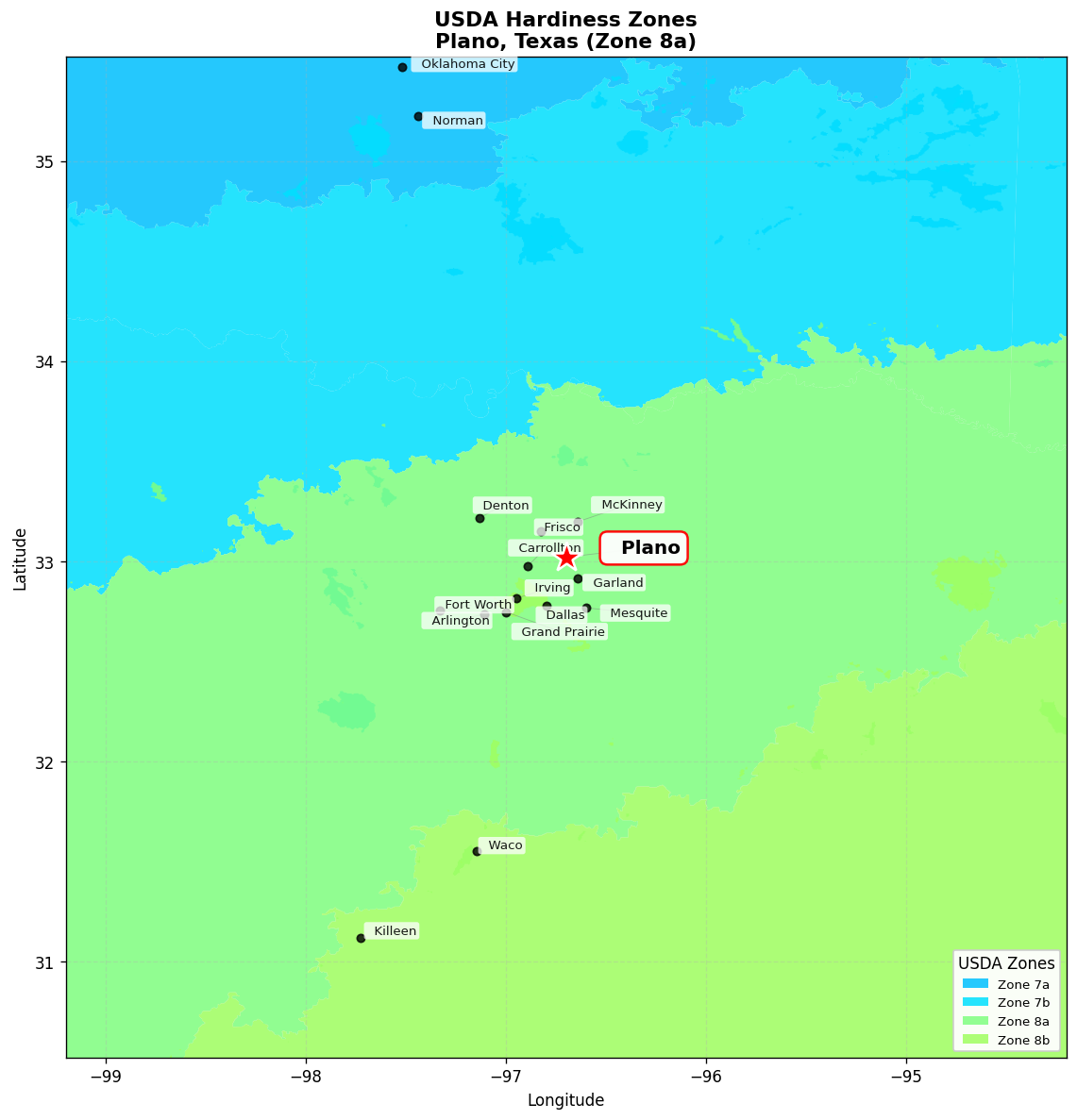
USDA Zone 8a
Hardiness zone for Plano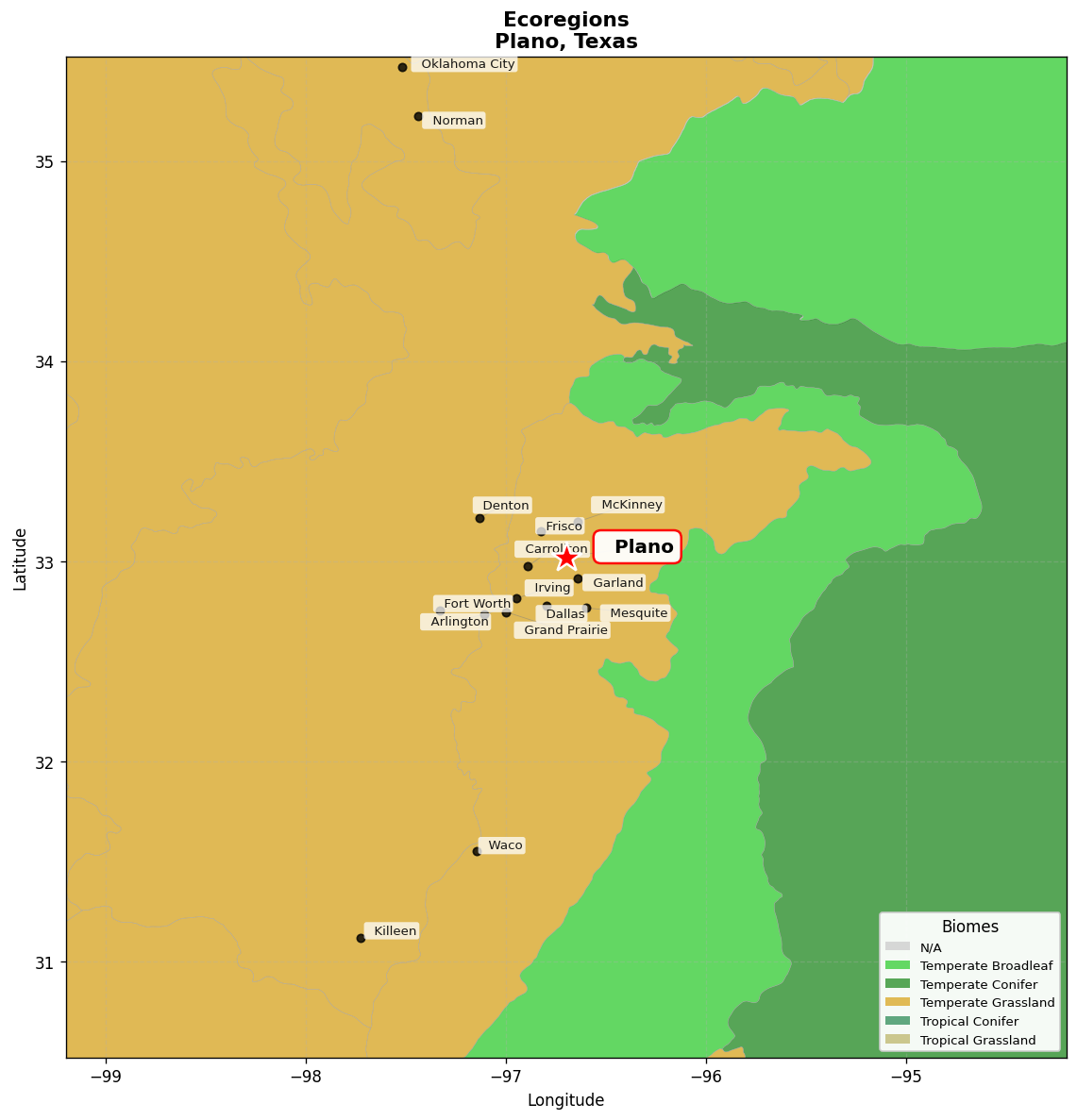
Texas blackland prairies
Native ecoregionFrequently Asked Questions
What cottage plants survive Plano’s Zone 8a summer heat?
Plano’s Zone 8a with 100°F+ summer temperatures requires heat-tolerant cottage plant selection. Reliable summer performers: mealy blue sage (Salvia farinacea, blooms spring–fall, extraordinarily heat-tolerant, Texas native), autumn sage (Salvia greggii, blooms spring and fall with summer pause, heat-tolerant), Mexican bush sage (Salvia leucantha, spectacular September–November purple, perfect for fall cottage borders), lantana (Zone 8+, blooms continuously in 100°F heat, drought-tolerant), Texas sage (Leucophyllum frutescens, blooms after rain events, silver-gray year-round), winecup (Callirhoe involucrata, magenta cups spring–summer, drought-tolerant), and black-foot daisy (Melampodium leucanthum, white flowers spring through fall, essential heat/drought performer). Spring and fall cottage staples (roses, delphiniums, peonies) require afternoon shade to extend their season.
How do I grow roses in Plano’s alkaline Blackland clay?
Plano’s Blackland clay at pH 7.5–8.5 is challenging for roses, which prefer pH 6.0–6.5. Practical management: lower soil pH with sulfur amendments applied annually (4–8 lbs per 100 sqft for established beds); supplement with chelated iron to prevent the chlorosis (yellowing leaves) caused by high-pH iron lockout; select roses with documented alkaline soil tolerance—Texas heritage roses, Knock Out series, and rugosa hybrids all perform better in high-pH conditions than hybrid teas; and apply acidifying fertilizers (ammonium sulfate-based formulas) at regular intervals through the growing season. The Blackland clay’s excellent moisture retention is actually an advantage for roses—they rarely need irrigation once established if the pH is managed.
When is Plano’s cottage garden season?
North Texas cottage gardening follows a bi-modal season rather than the single peak of northern gardens. Spring peak (March–May): roses, salvias, and native wildflowers bloom in Plano’s ideal 60–80°F temperatures—the equivalent of June in Minnesota. Summer transition (June–September): heat-tolerant cottage plants (lantana, autumn sage, portulaca) maintain the garden while spring plants rest—evening gardening only, strategic shade use. Fall second peak (October–December): roses rebound in the cooling temperatures, Mexican sage blooms spectacularly, and asters provide fall color; outdoor living resumes enthusiastically after summer. The fall season is often considered Plano’s finest cottage garden period—cooler temperatures, lower humidity, and two months of continuous bloom before Christmas.
What native Texas plants work in a Plano cottage garden?
The Blackland Prairie ecoregion’s native plant palette provides excellent cottage-compatible species. Best performers: Texas bluebonnet (Lupinus texensis, the state flower—spectacular March–April blue, self-sows in cottage beds), winecup (Callirhoe involucrata, magenta flowers spring–summer, spreads as ground cover), black-eyed Susan (Rudbeckia hirta, blooms May–frost), prairie coneflower (Ratibida columnifera, bright yellow, blooms spring–fall), mealy blue sage (Salvia farinacea, Texas native, blooms all season), autumn sage (Salvia greggii, red, pink, or coral, spring and fall), Mexican sage (Salvia leucantha, spectacular purple October–December), little bluestem (Zone 3, native to blackland prairie, red fall color), and flame acanthus (Anisacanthus quadrifidus var. wrightii, orange flowers all summer, hummingbird magnet).
How do I manage Plano’s heavy clay soil for cottage gardening?
Blackland clay—the Texas dark, shrink-swell clay that cracks in summer and becomes impassable muck in spring—requires adaptation strategies for cottage gardening. Most important practice: never till or work wet Blackland clay—it becomes concrete-like when dried after disturbance. Build raised beds with 6–12 inches of quality topsoil and compost above grade rather than amending the native clay below. For in-ground planting: add 3–4 inches of compost to the surface and allow it to work down through the natural wetting and drying cycles without tilling; plant into holes rather than turned beds; and mulch heavily (3–4 inches) to slow the clay’s dramatic moisture cycling. Native plants adapted to Blackland clay (Texas sage, winecup, little bluestem) can be planted directly without amendment—they’re evolved for these conditions.
How much does a cottage garden installation cost in Plano?
Plano and the Dallas-Fort Worth metro area has strong landscaping costs—above national average but below coastal markets, reflecting the DFW area’s professional workforce and high-service landscape market. A Texas cottage rose entry with DG path and salvia borders typically costs $9,000–22,000. A wildflower cottage meadow conversion costs $7,000‘18,000. A covered patio with cottage borders runs $20,000‘48,000. A formal Texas rose garden with brick paths ranges $18,000–45,000. Annual maintenance for an established North Texas cottage garden runs $1,200–3,200/year. Irrigation is an ongoing operating cost in Plano—a smart irrigation controller and drip system for cottage borders runs $2,500–6,000 to install but reduces long-term water costs significantly.