4 Cottage Garden Ideas for San Jose, CA | English Garden Design in Zone 9b
Native plants from the California interior chaparral and woodlands (Zone 9b) — Mediterranean (warm summer) climate
Why Cottage/English Gardens in San Jose?
San Jose has a quiet advantage over most California cities when it comes to cottage gardening: its coastal-influenced Csb climate is genuinely milder than Sacramento's. Where Sacramento bakes at 105°F through July and August, San Jose summers are tempered by marine air flowing through the Bay — highs regularly stay in the 70s and low 80s, with cool nights that barely kiss 55°F. This is a cottage gardener's climate. English roses don't just survive here — they thrive, often blooming from March through November with barely a break. Foxgloves, delphiniums, lavender, and hollyhocks perform as they do in the Pacific Northwest, not as heat-stressed survivors clinging to shade.
The city's history makes cottage gardens feel right at home. San Jose's Rose Garden neighborhood — one of the most charming residential areas in the South Bay — is literally named for the Municipal Rose Garden that has anchored it since 1931. Wander those streets in May and the front yards tell the whole story: climbing roses over picket fences, lavender hedges, mixed perennial borders, brick paths disappearing under flower arches. Nearby, Willow Glen's craftsman bungalows on Lincoln Avenue are natural canvases for cottage style — the low-pitched rooflines, covered porches, and mature street trees create the perfect backdrop for the relaxed, layered planting that defines great cottage design.
Zone 9b means winters rarely dip below 25°F, so most cottage perennials return reliably year after year without heavy protection. The mild summers mean irrigation needs are significantly lower than inland cities — a well-mulched cottage bed in San Jose needs roughly half the water of its Sacramento equivalent. The main planning consideration is fog: coastal fog drifting in from the Bay can encourage fungal issues on roses, so good air circulation in planting layouts and disease-resistant rose varieties pay dividends. Choose climbing roses like 'New Dawn' or 'Fourth of July', shrub roses like 'Knock Out' and 'Iceberg', and old garden varieties with proven Bay Area performance. With San Jose's gentle summers and mild winters, your cottage garden can deliver nine months of genuine bloom — the kind of year-round flower abundance that most California gardeners can only dream of.
4 Cottage/English Design Ideas for San Jose
AI-generated image
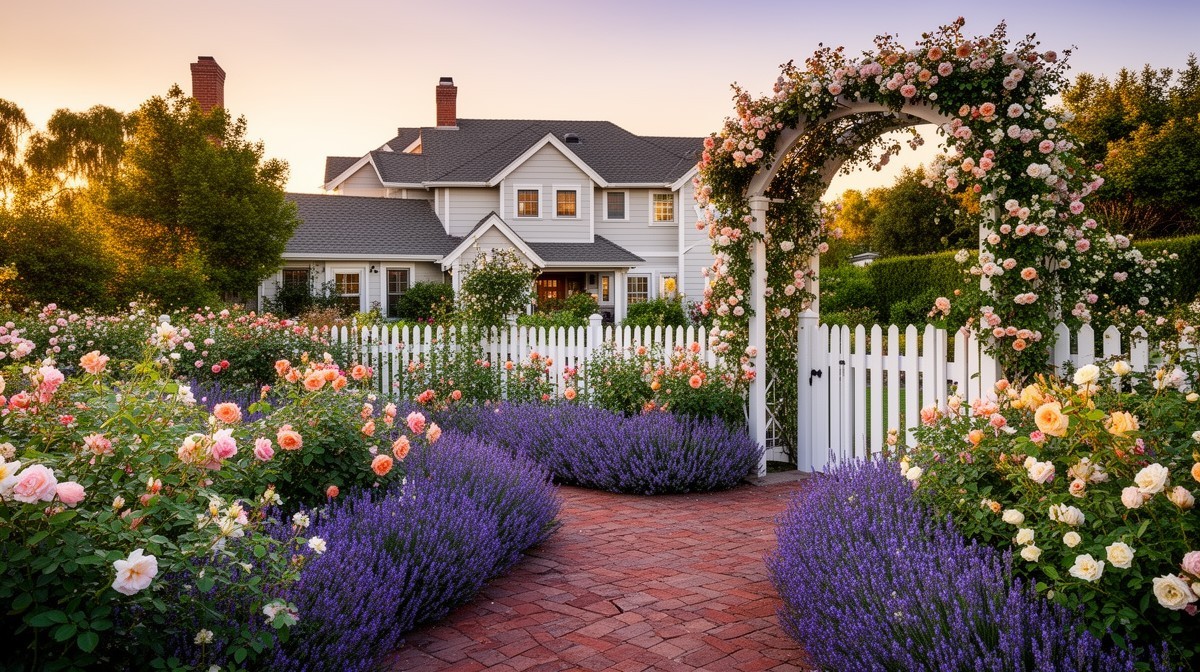
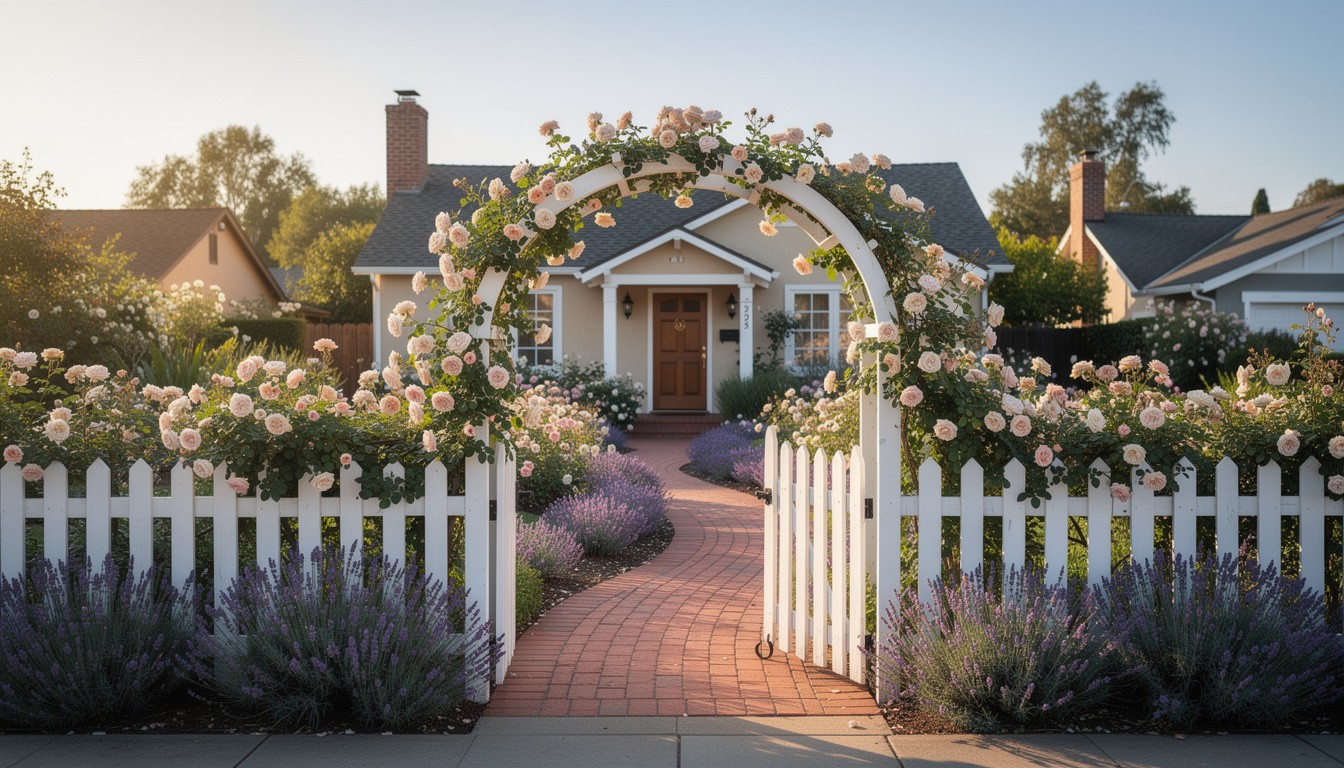
The Rose-Arch Picket Cottage
$14–28/sqftA blue-grey bungalow with white picket fence is crowned by a spectacular rose arch over the gate entrance, heavy with soft peach and blush climbing roses at peak bloom. Deep lavender borders line the brick path on both sides in a rich purple-grey drift. San Jose’s warm inland Valley climate means roses bloom earlier and longer than coastal cities — from February through November with the right cultivar selection — making this design a near year-round showstopper.
AI-generated image
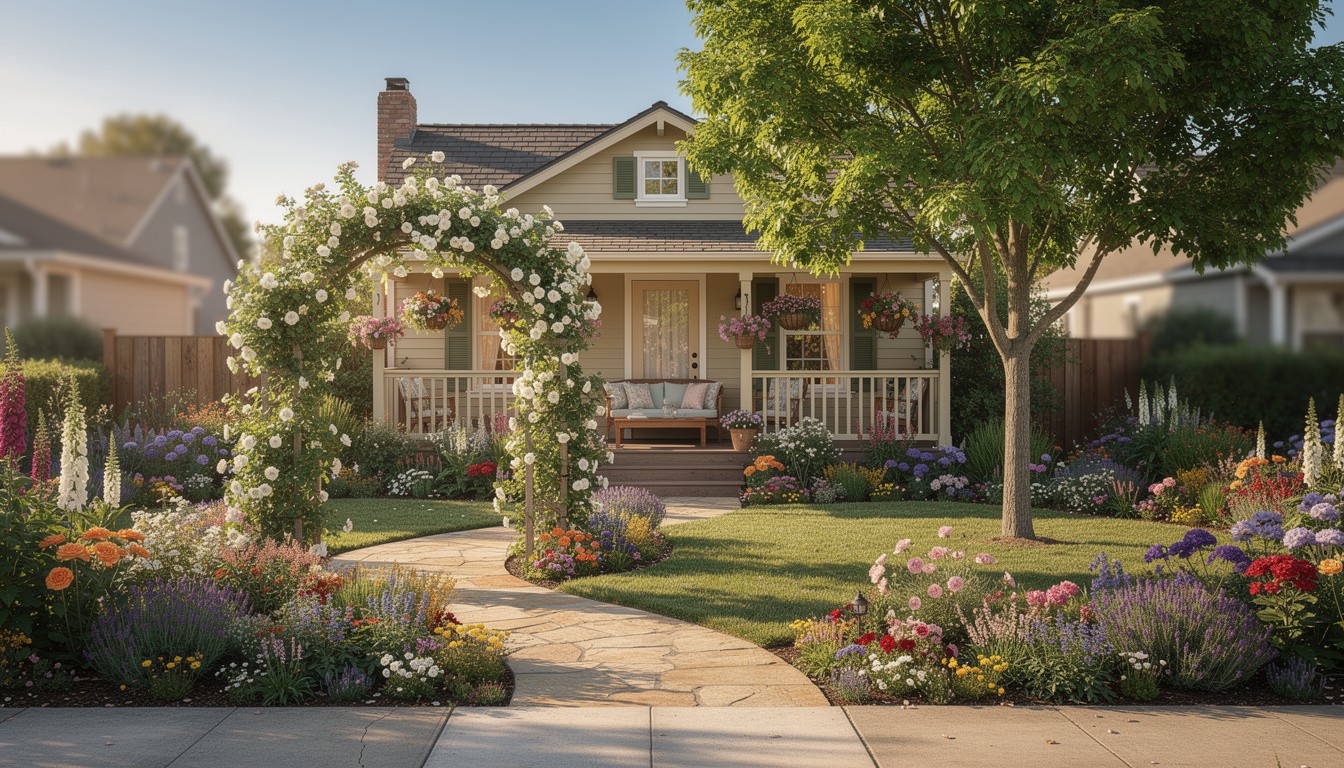
The Porch Cottage with White Rose Arch
$12–22/sqftA classic tan Craftsman bungalow with wide covered porch is fronted by lush cottage borders and a white climbing rose arch at the midpoint of the stone path. The planting mixes white and cream roses with foxgloves, pink and orange rudbeckia, delphiniums, and lavender in a cheerful mixed-color palette. Hanging baskets on the porch pillars complete the picture. In San Jose’s warm spring, this garden reaches its peak bloom by April — weeks ahead of coastal Bay Area neighborhoods.
AI-generated image
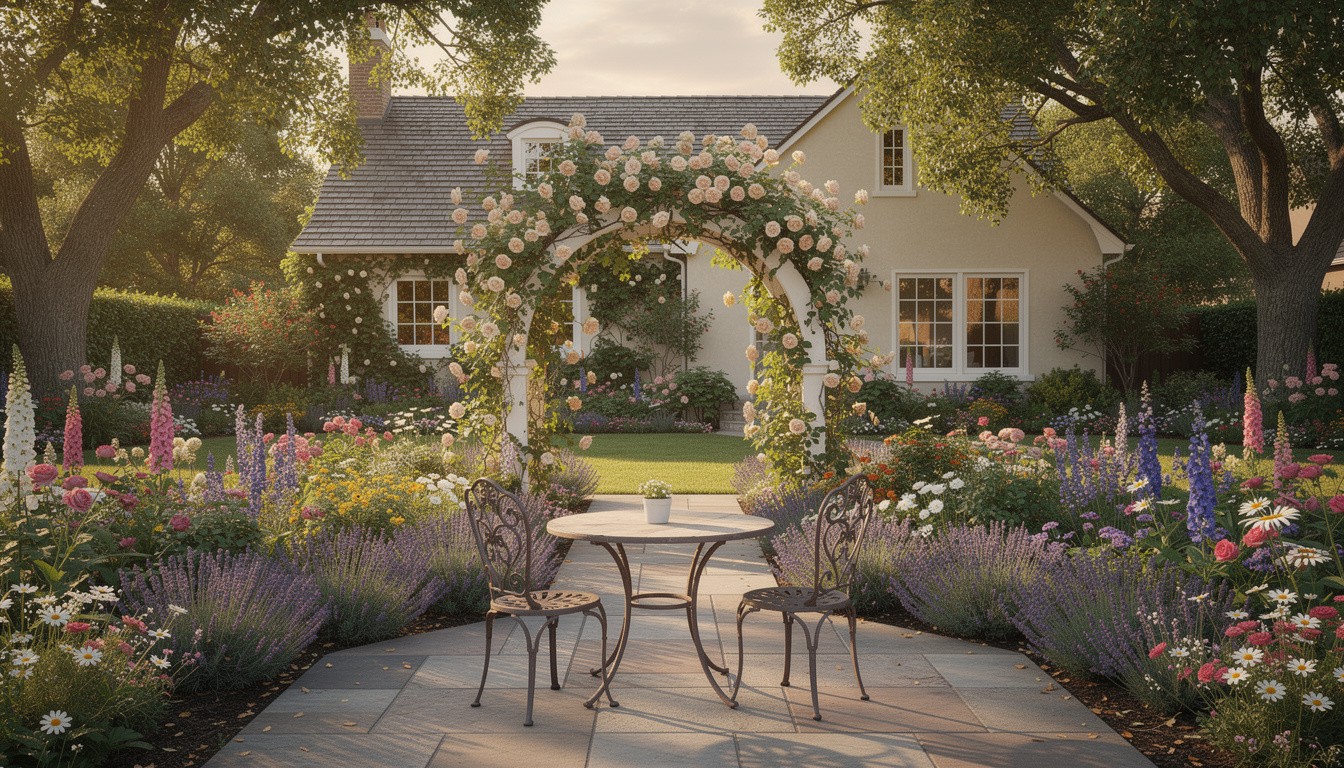
The Rose Arbor Bistro Garden
$20–38/sqftA sunlit backyard patio with an elegant curved rose arbor at its center, smothered in climbing roses, with a small iron bistro table and two chairs positioned beneath. Overflowing cottage borders ring the flagstone patio — lavender, salvia, foxglove, and delphinium in a soft pastel palette. Dappled afternoon light through mature trees makes this a perfect private retreat in San Jose’s warm but not extreme inland climate.
AI-generated image
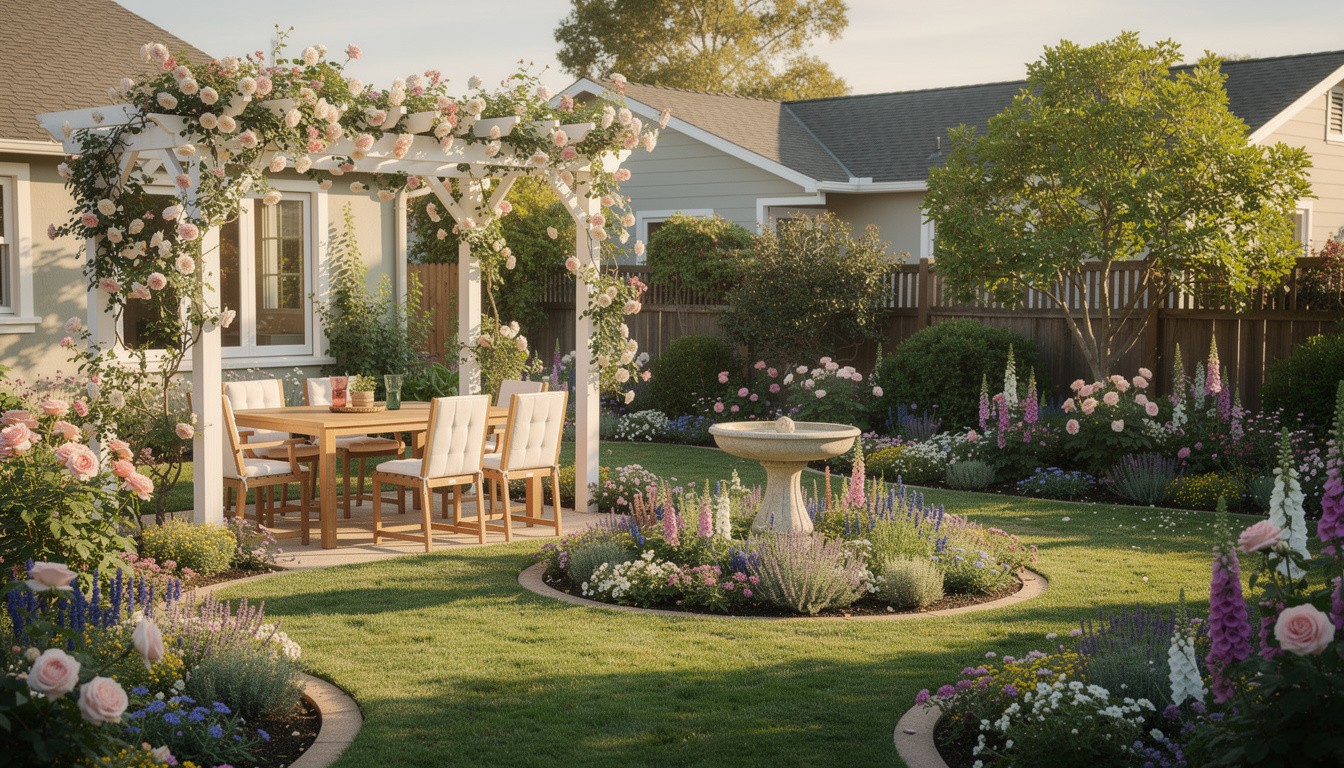
The Pergola Dining Cottage Garden
$22–42/sqftA white timber pergola covered in climbing roses anchors one end of a generous San Jose backyard, with a teak dining table and chairs beneath for outdoor gatherings. A stone birdbath sits at the center of a circular lawn panel framed by overflowing perennial borders — roses, lavender, foxglove, and hydrangeas in pink-purple-blue. San Jose’s long, warm growing season means this garden is fully operational from March through October, with something blooming every week.
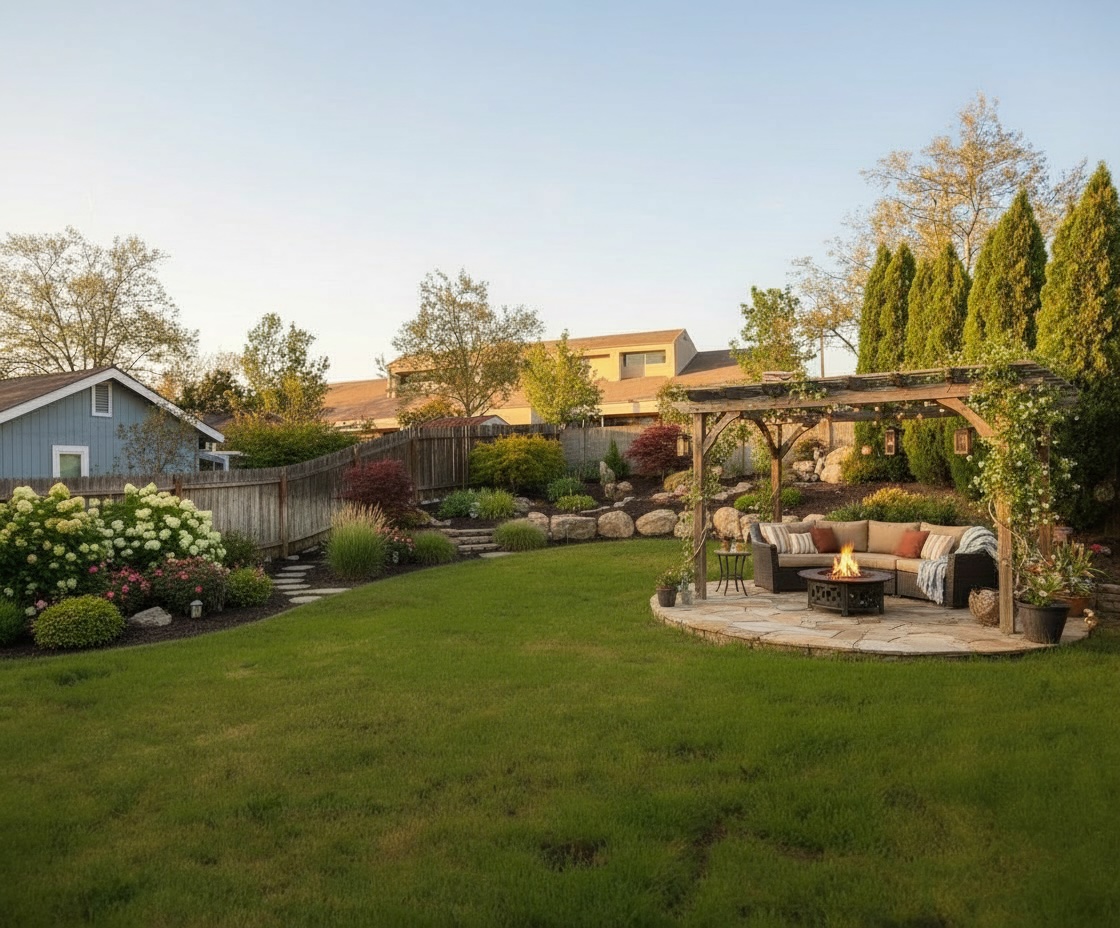
See how a cottage/english garden looks on YOUR property
Upload a photo of your San Jose yard and visualize your dream garden in seconds.
Try ProScapeAI Free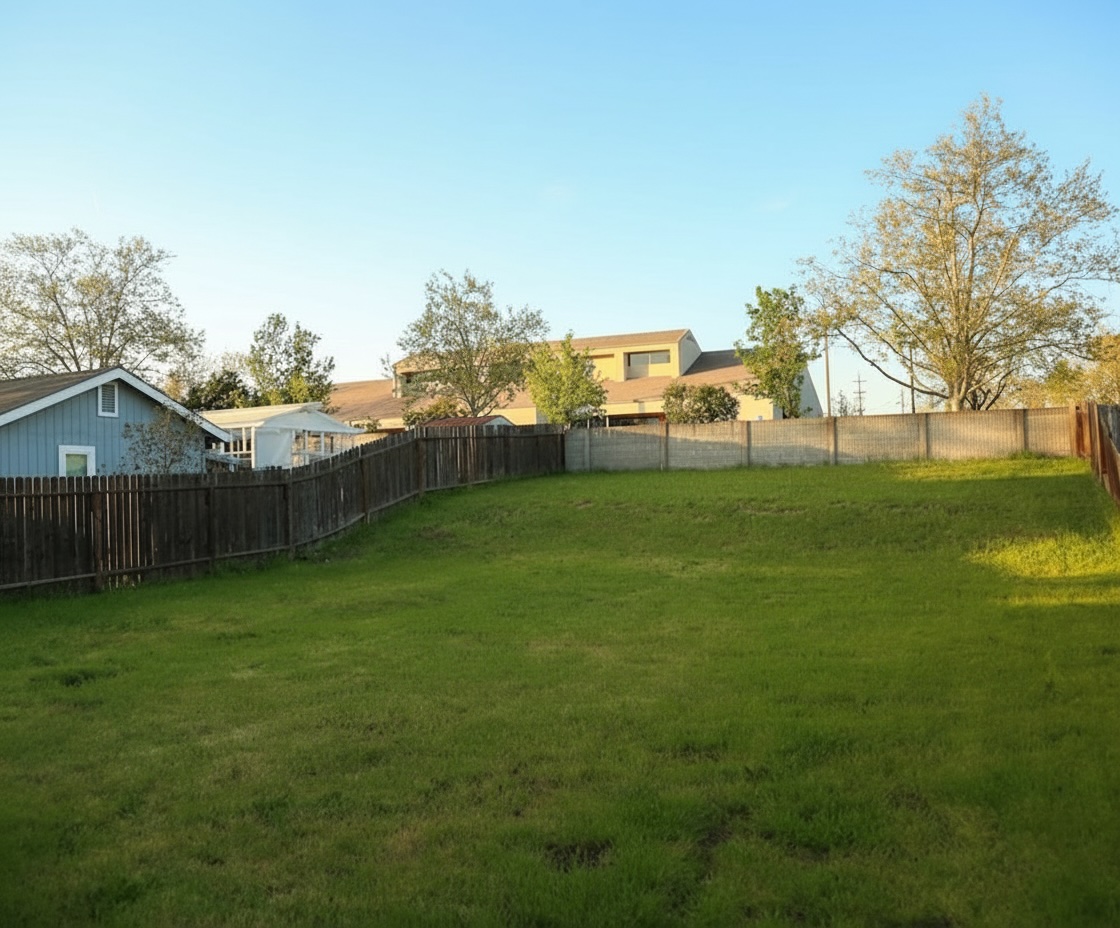
AI-generated image
Featured Trees & Shrubs for Cottage/English Gardens
Browse all 197 plants for San Jose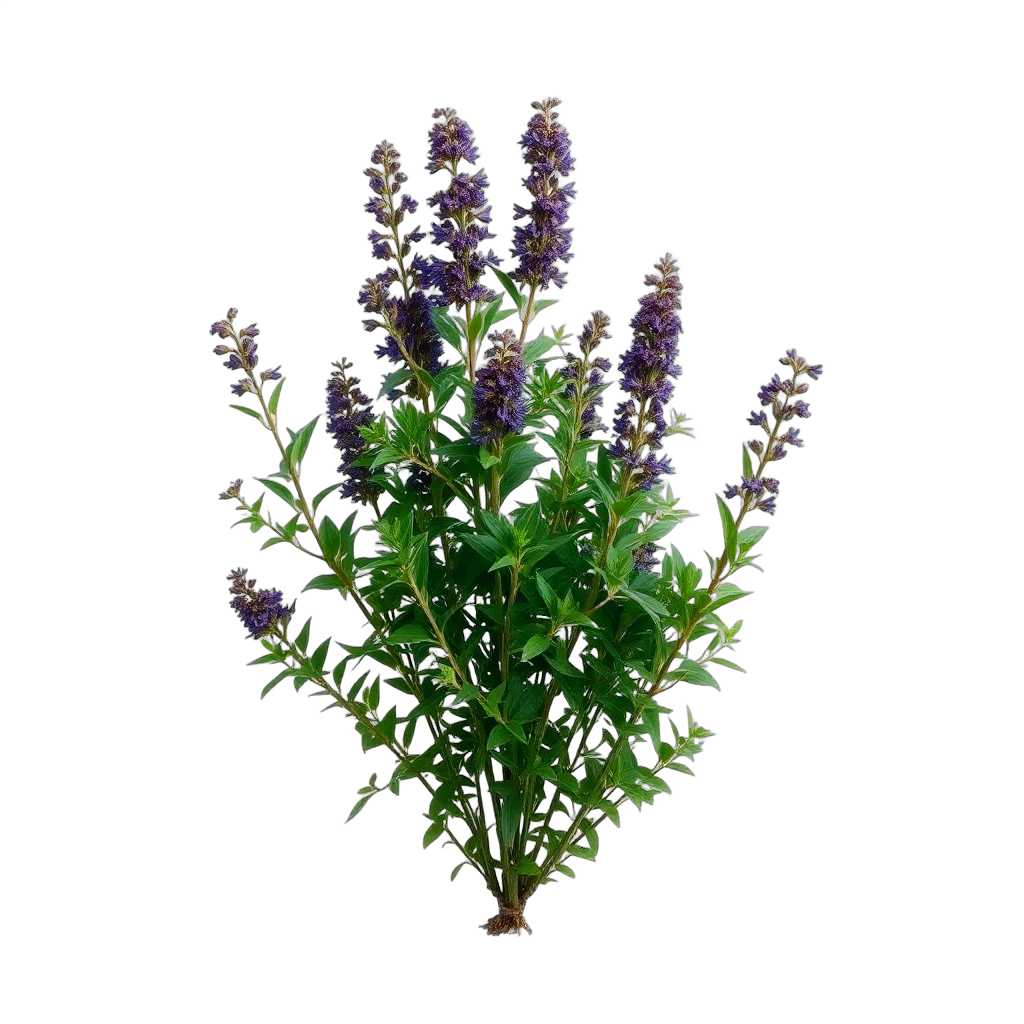
Black Sage
Salvia mellifera
grows to 4 feet, white blooms in spring. Attracts butterflies.
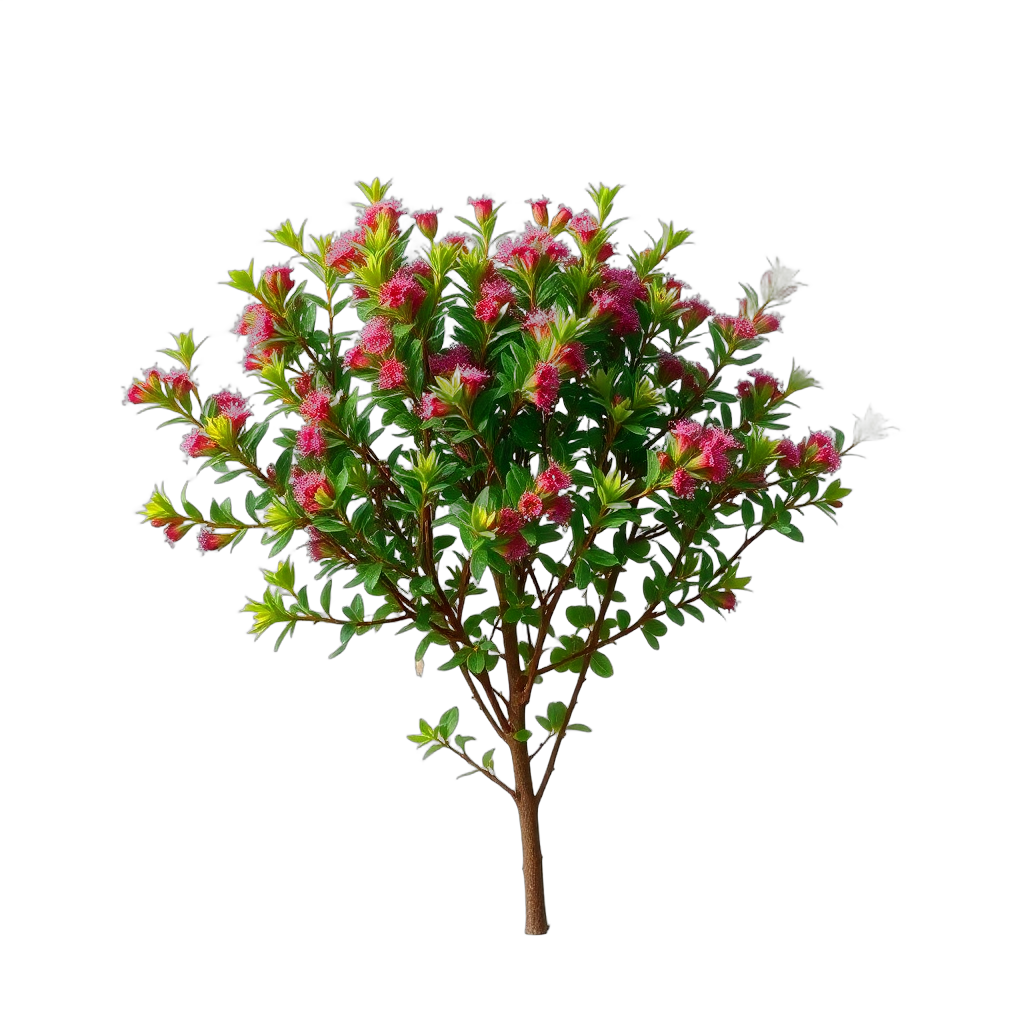
Buckbrush
Ceanothus cuneatus
medium-sized at 7 feet, white blooms in spring. Attracts butterflies.
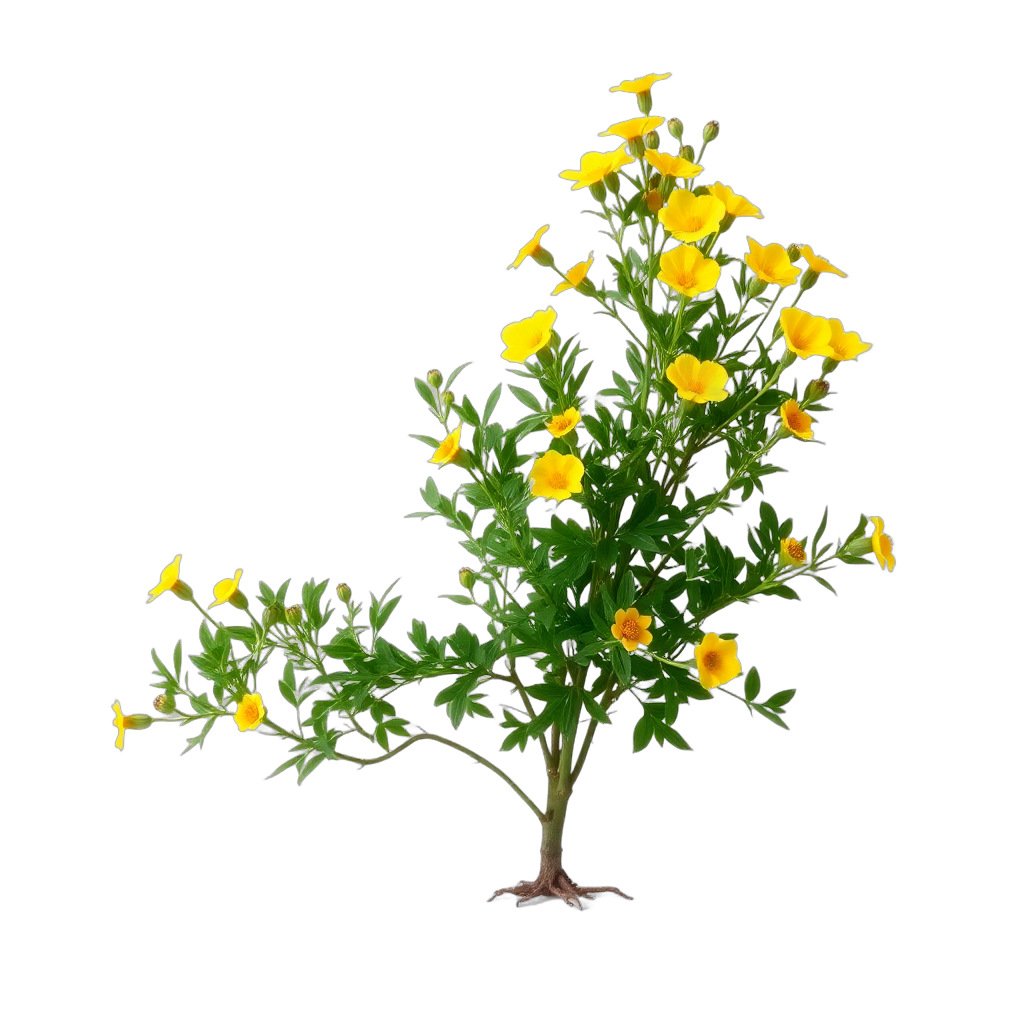
Bush Poppy
Dendromecon rigida
grows to 6 feet, yellow blooms in spring. Pollinator-friendly.
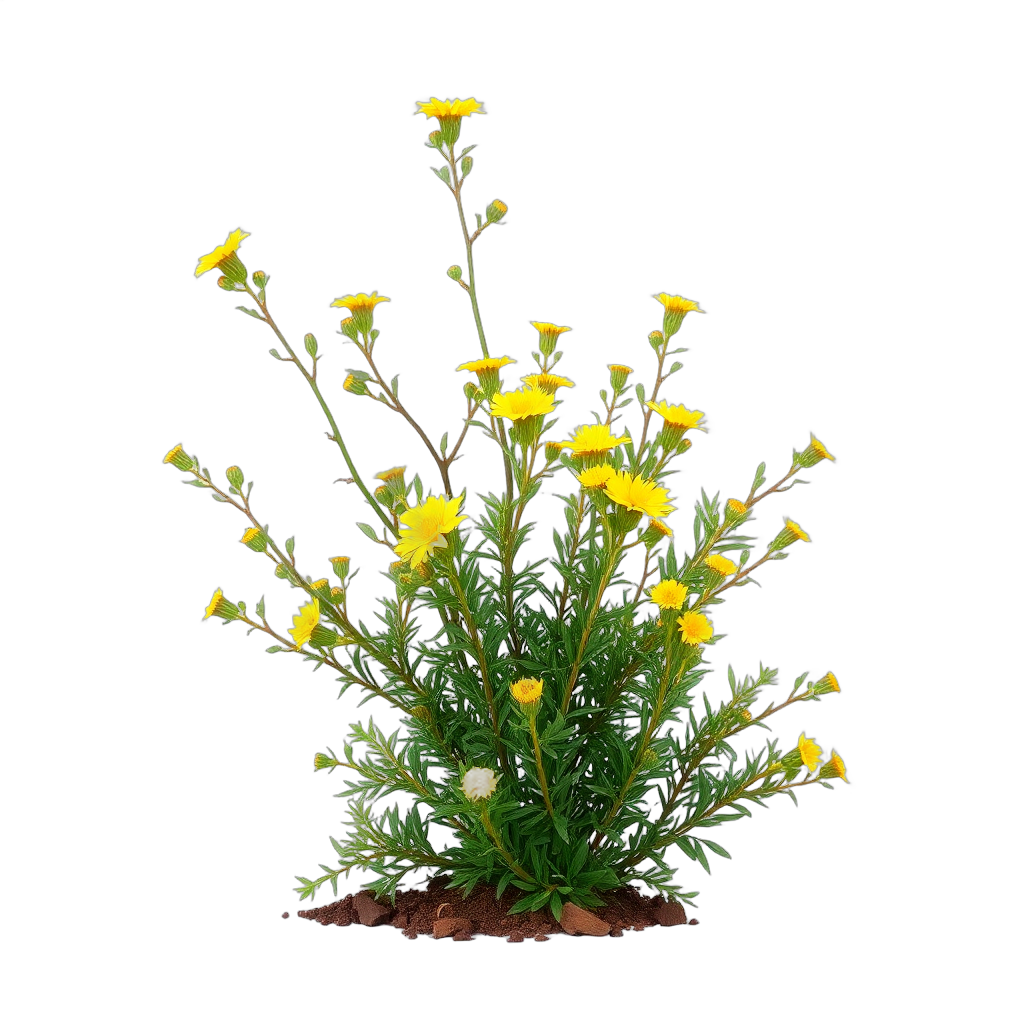
California Brittlebush
Encelia californica
grows to 4 feet, yellow blooms in spring. Attracts butterflies.
Featured Grasses & Groundcovers for Cottage/English Gardens
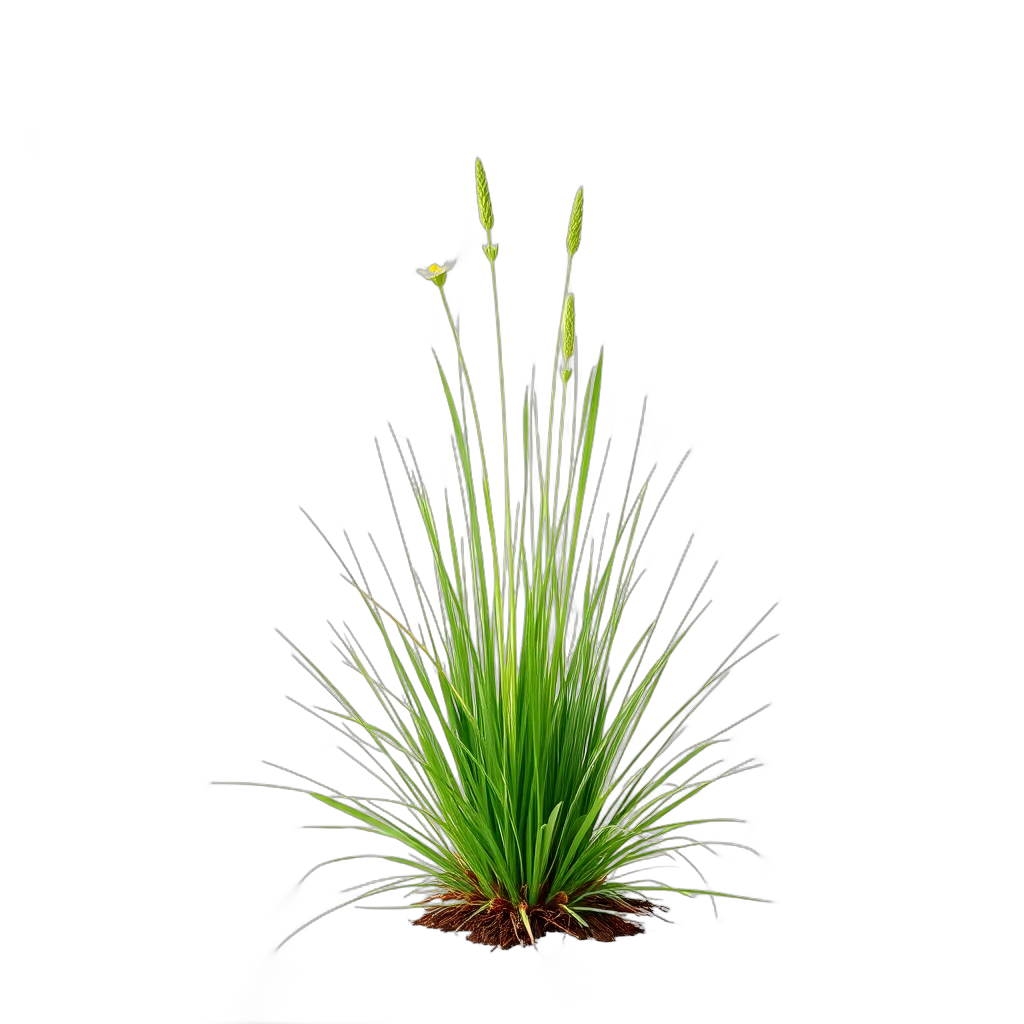
California Brome
Bromus carinatus
low-growing ground cover, blooms in spring. Yellow fall color.
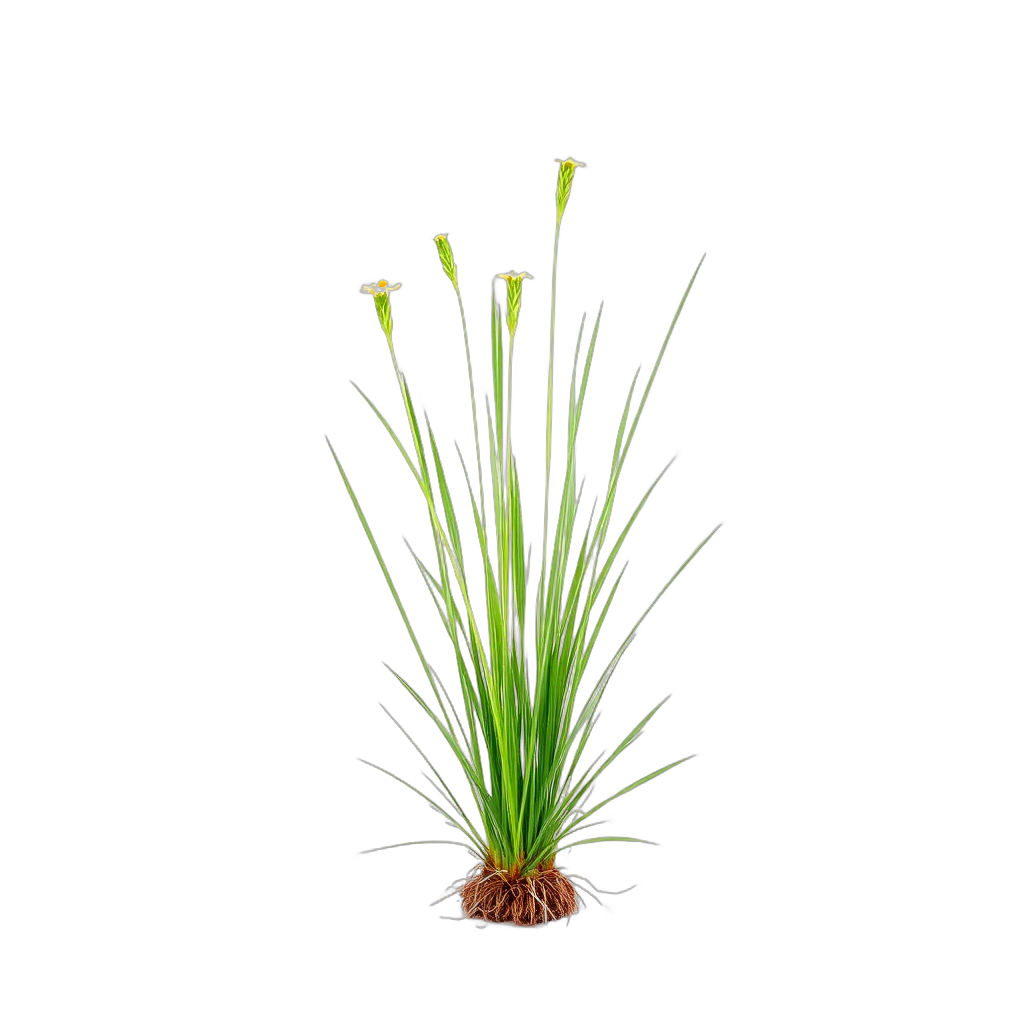
California Melic
Melica californica
low-growing ground cover, blooms in spring.
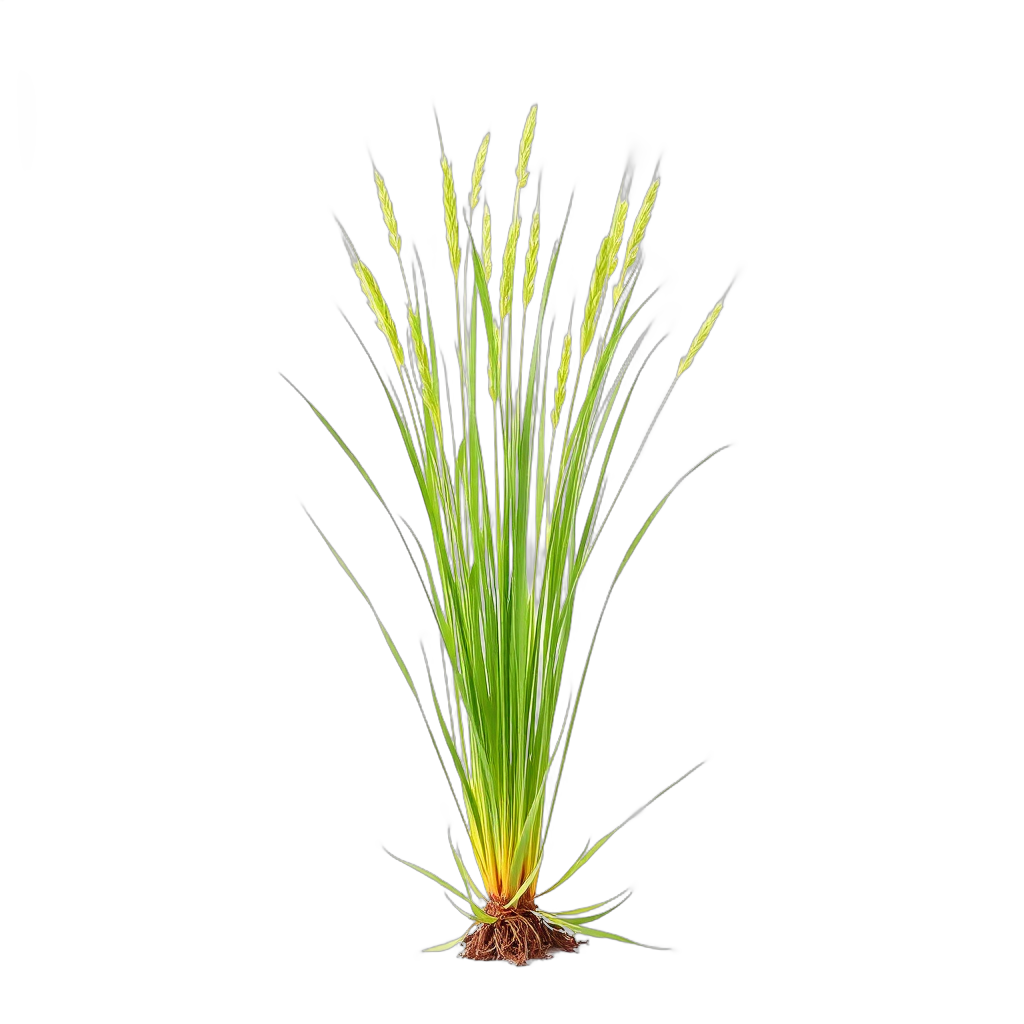
California Oatgrass
Danthonia californica
low-growing ground cover, blooms in spring. Yellow fall color.
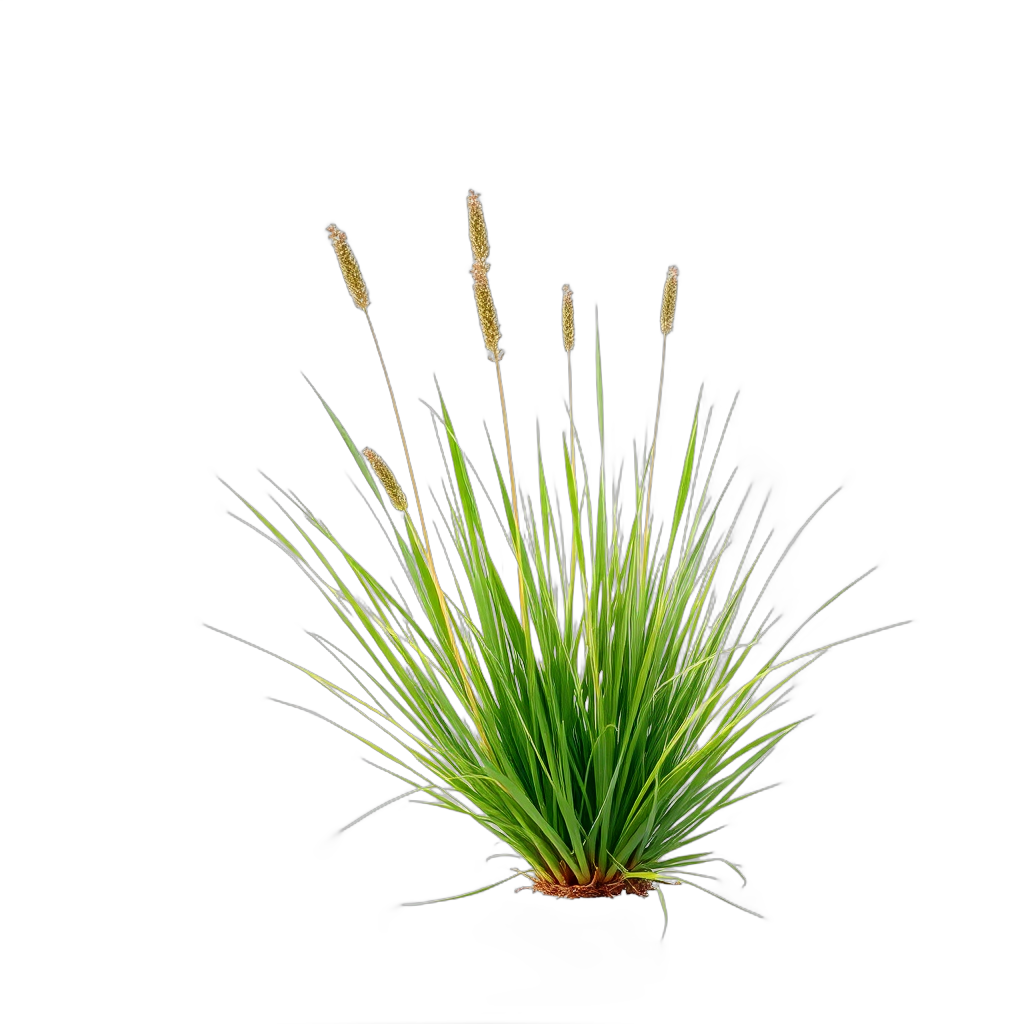
Deer Grass
Muhlenbergia rigens
grows to 3 feet, yellow blooms in fall. Evergreen year-round.
Featured Flowers & Perennials for Cottage/English Gardens
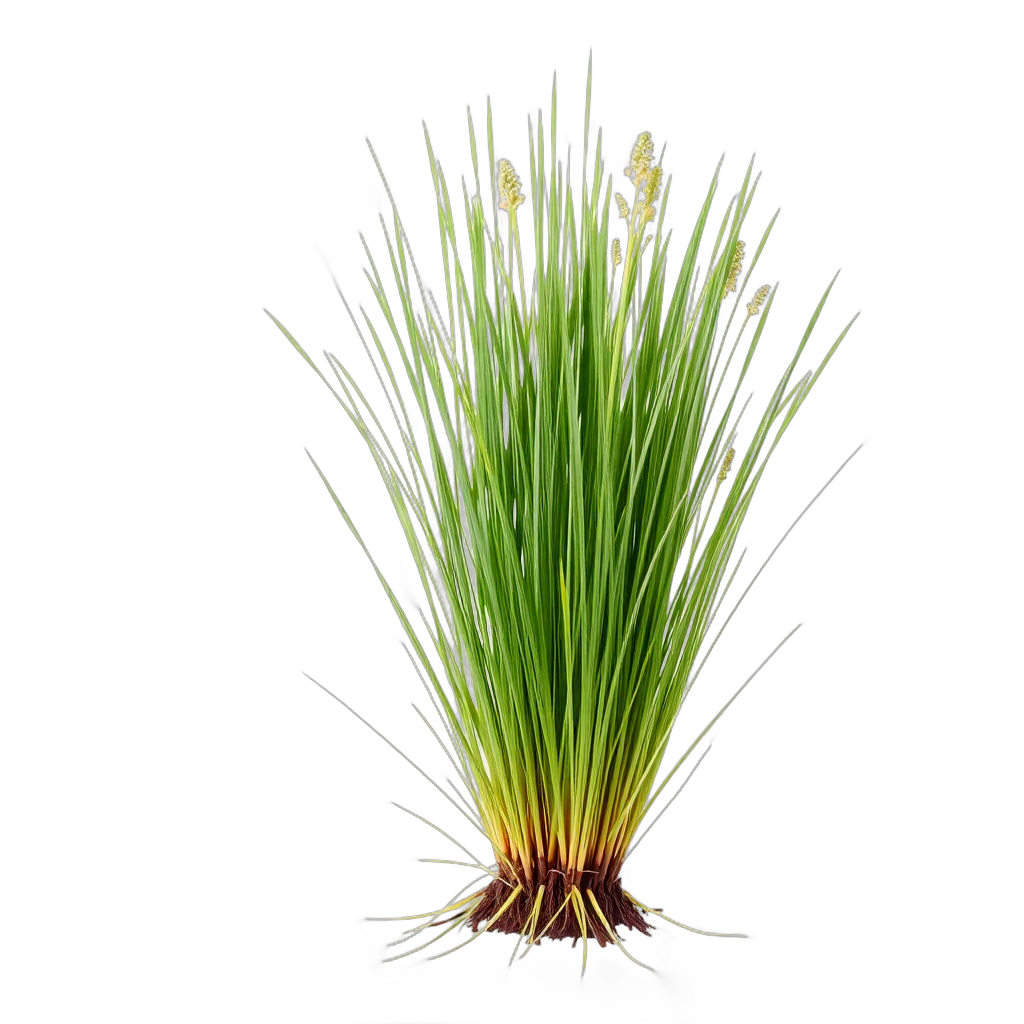
California Gray Rush
Juncus patens
low-growing ground cover, blooms in summer. Evergreen year-round.
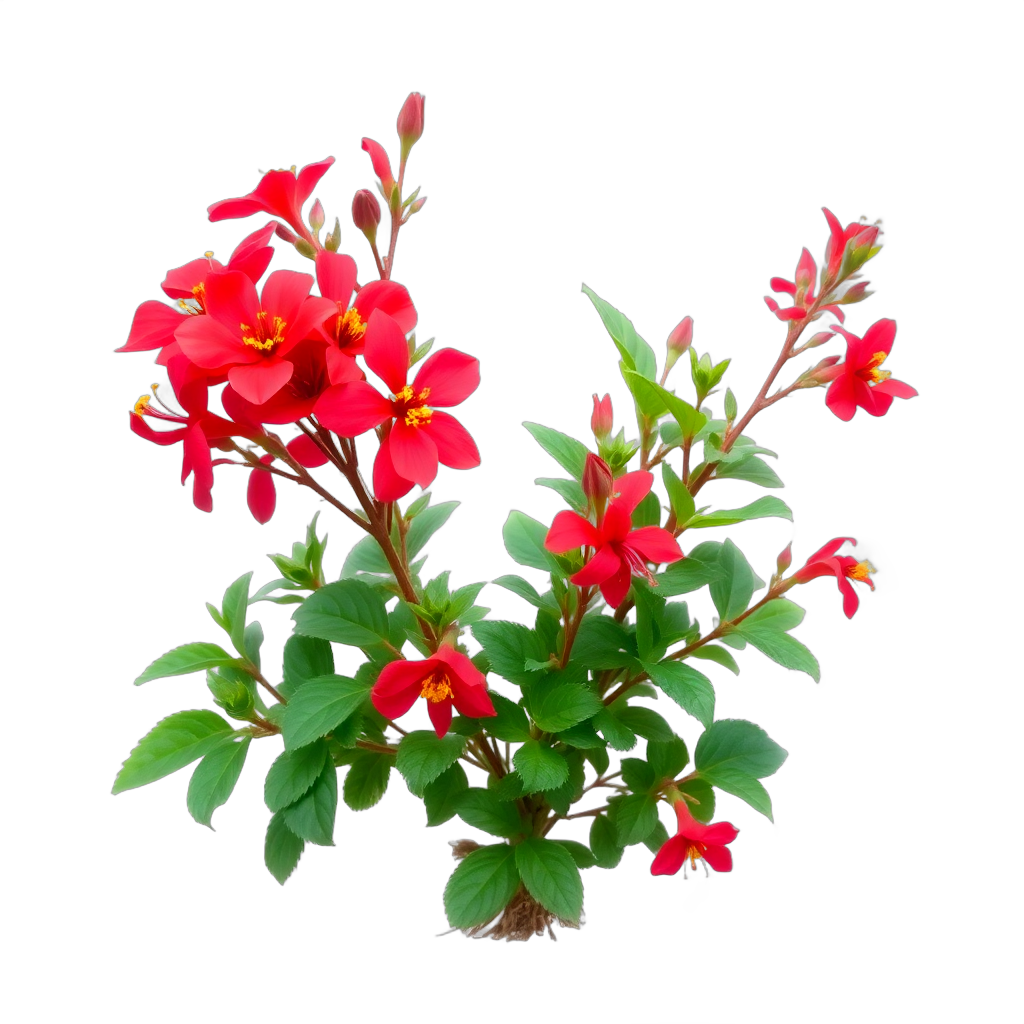
California Fuchsia
Zauschneria californica
low-growing ground cover, red blooms in fall. Attracts hummingbirds.
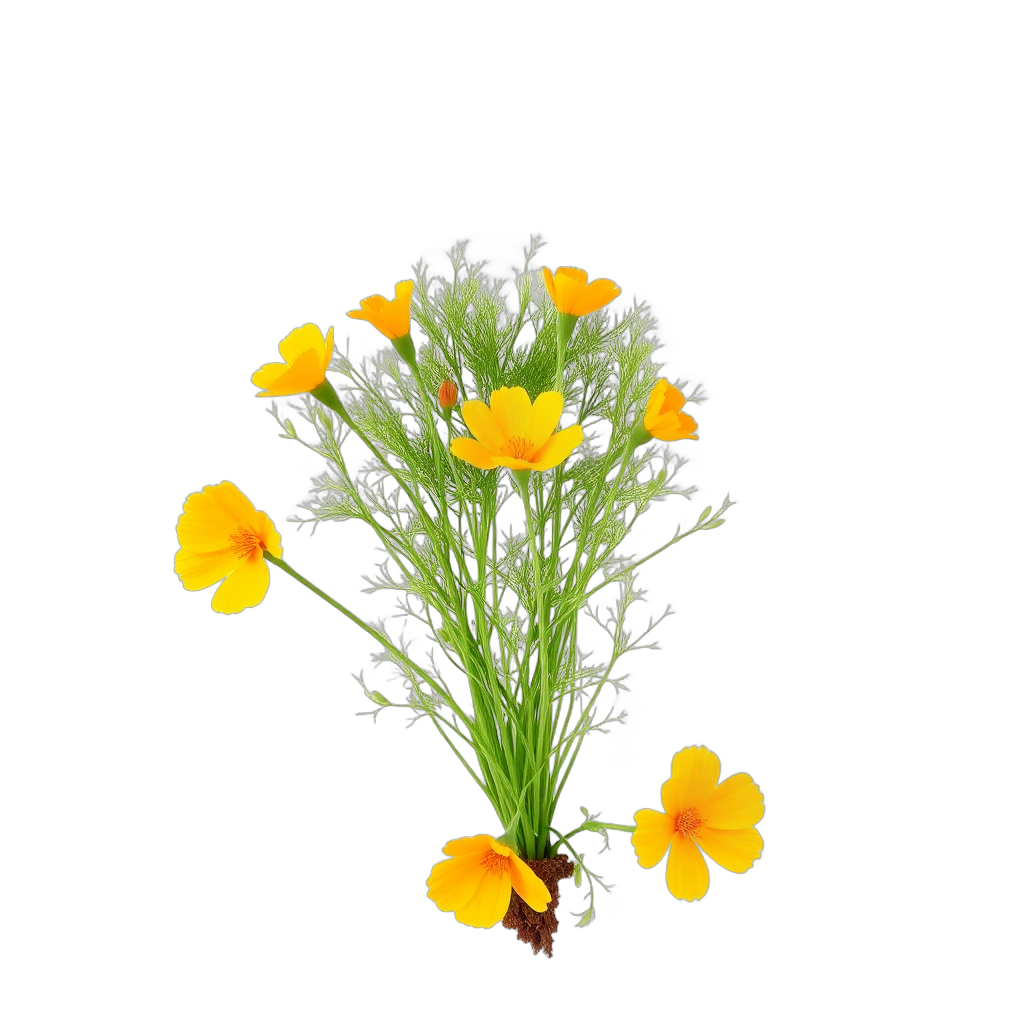
California Poppy
Eschscholzia californica
low-growing ground cover, orange blooms in spring.
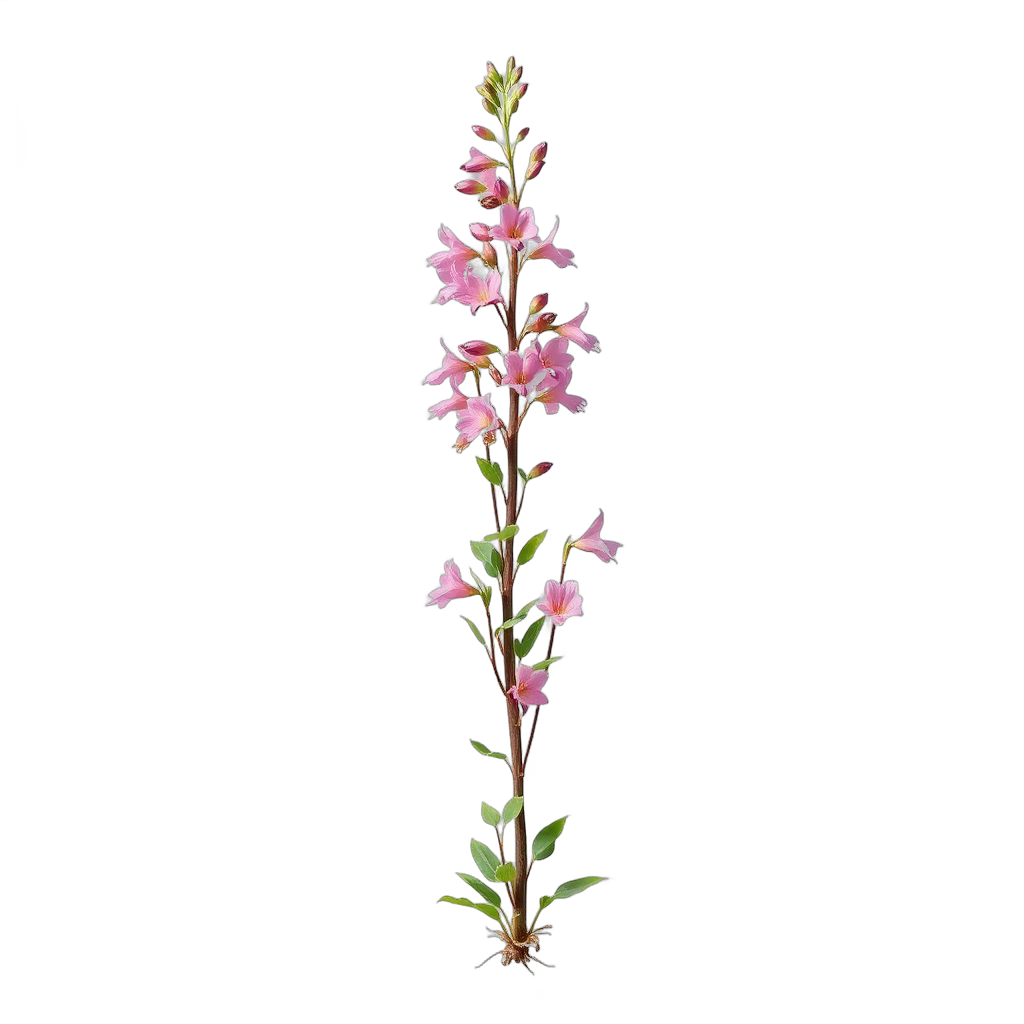
Foothill Penstemon
Penstemon heterophyllus
low-growing ground cover, blue blooms in spring. Attracts hummingbirds.
Zone and sun checks come from our database — confirm with your local nursery before you buy.
Bloom Calendar for San Jose
spring
California Poppy, Foothill Penstemon, Foothill Sedgesummer
California Gray Rush, Black Sage, California Buckwheatfall
California Fuchsia, Deer Grasswinter
Limited bloomsDesign Tips for San Jose (Zone 9b)
- Take advantage of San Jose's mild Csb climate — you can grow foxgloves, delphiniums, and hollyhocks in partial sun conditions that would cook them in Sacramento or Fresno
- Choose disease-resistant rose varieties and space plants for good air circulation: coastal fog drifting in from the Bay can encourage black spot and powdery mildew on densely planted roses
- Plant in fall (October–November) to let roots establish through the rainy season before summer — San Jose's mild winters make this the most efficient and lowest-cost planting window
- Target year-round bloom: San Jose's mild temperatures mean roses, lavender, and cottage perennials can stay in active growth from March through November with minimal intervention
- Look to the Rose Garden neighborhood for inspiration — the streets around the Municipal Rose Garden show exactly how climbing roses, lavender, and mixed perennial borders perform in San Jose's specific microclimate
- On craftsman homes in Willow Glen, match the horizontal architecture with layered, loose planting that softens the structure — avoid overly formal or geometric borders that fight the bungalow character
Where to Source Plants in San Jose
Skip the big-box stores. These independent San Jose nurseries specialize in the plants that make cottage/english gardens thrive in Zone 9b.
Our City Forest Community Nursery
Downtown San Jose
California natives, drought-tolerant trees, shrubs, and grasses
Capitol Wholesale Nursery
South San Jose
Native plants, drought-tolerant, succulents, lawn substitutes
Central Wholesale Nursery
McKinley/Downtown
Drought-tolerant, water-wise plants, trees, shrubs, native species
Yerba Buena Nursery
Half Moon Bay
600+ California native plant species, ferns, drought-tolerant specialists
Cottage/English Landscaping Costs in San Jose
| Project Scope | Estimated Cost |
|---|---|
| Front yard cottage border with picket fence and rose arch (300–500 sqft) | $6,500 – $17,000 |
| Full backyard cottage garden with pergola, patio, and rose beds | $20,000 – $52,000 |
| Lawn-to-cottage border conversion with stone path | $5,000 – $13,000 |
| Timber pergola installation with climbing rose | $5,000 – $14,000 |
| Flagstone or concrete patio (200–400 sqft) | $4,000 – $12,000 |
| Drip irrigation system with smart controller | $1,200 – $3,800 |
| AI visualization with ProScapeAI | Free to start |
Estimates based on San Jose, CA-area contractor rates as of 2026. Actual costs vary by site conditions, materials, and contractor.
San Jose Climate & Growing Zone
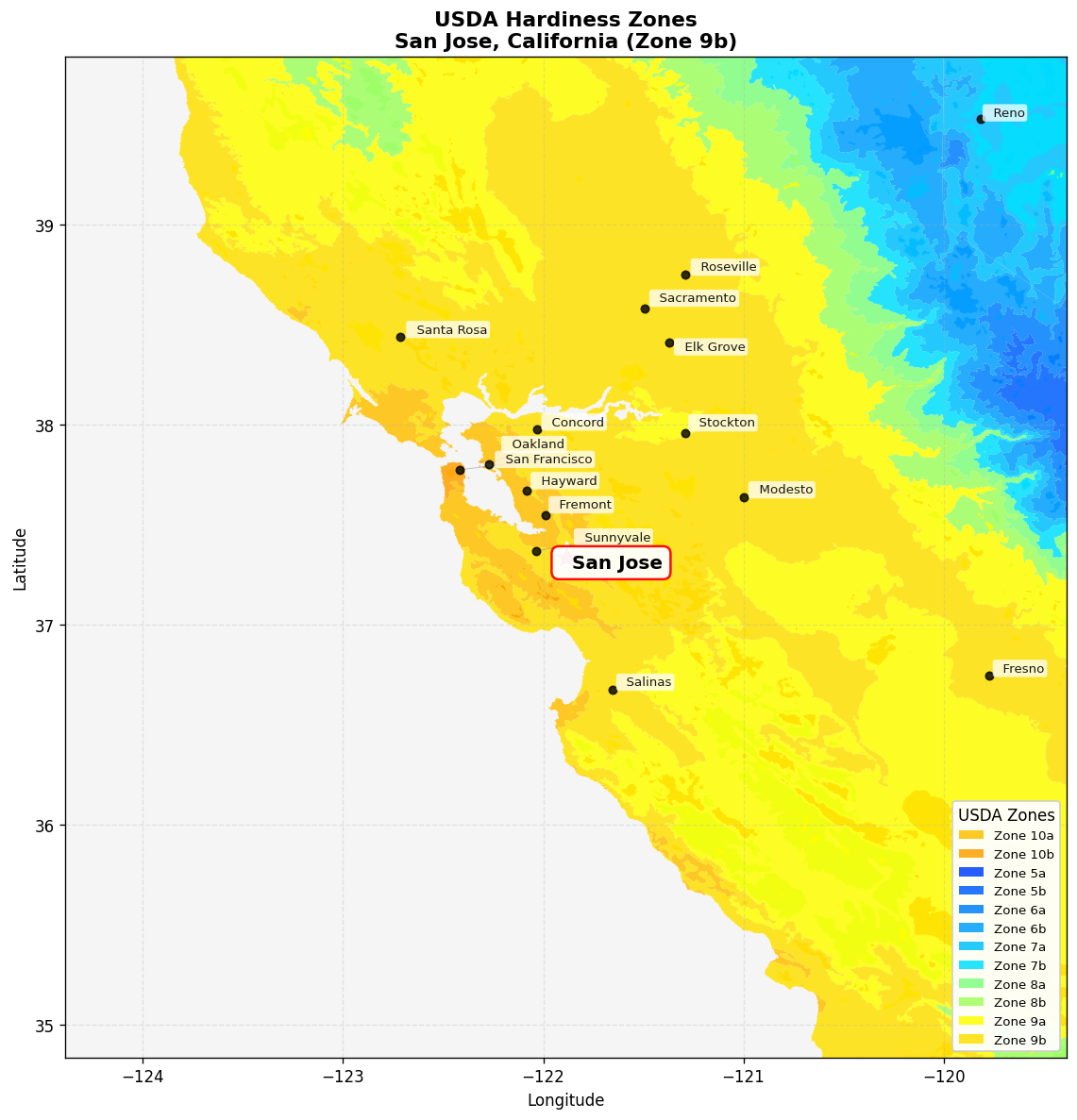
USDA Zone 9b
Hardiness zone for San Jose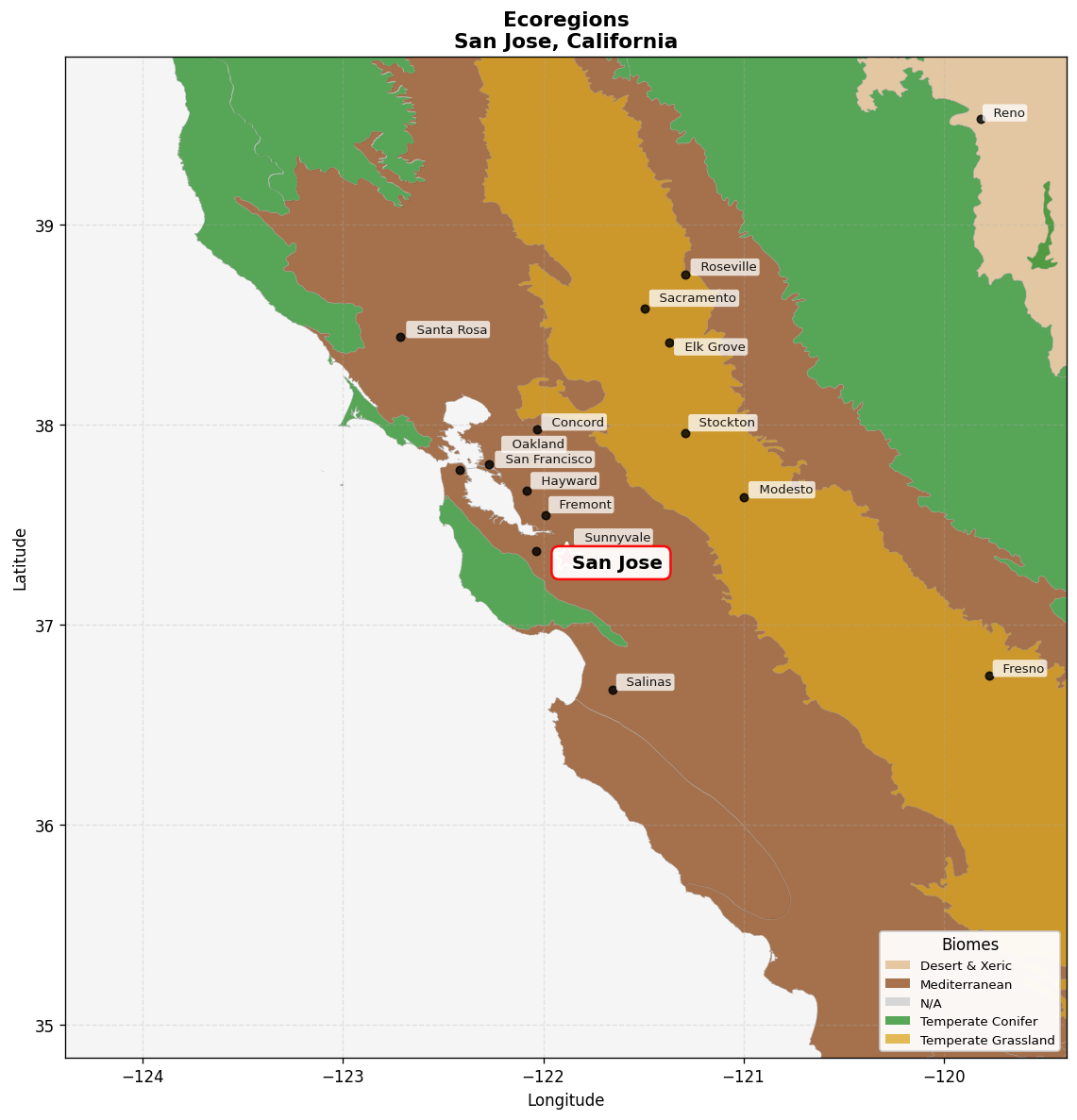
California interior chaparral and woodlands
Native ecoregionFrequently Asked Questions
Is San Jose's climate actually good for English cottage gardens?
Yes — San Jose is one of the better California cities for cottage gardening. Its Csb climate (coastal-influenced Mediterranean) means summers are mild, with highs typically in the 70s–low 80s rather than the 100°F+ heat of inland cities. Cool nights, marine air, and significantly lower temperature extremes mean classic cottage plants like roses, foxgloves, delphiniums, and lavender perform far more naturally here than in Sacramento or Fresno. Year-round bloom from roses is genuinely achievable.
What roses work best for cottage gardens in San Jose (Zone 9b)?
San Jose's mild climate suits a wide range of roses. Top performers include 'New Dawn' and 'Fourth of July' for climbing arches and arbors, 'Iceberg' floribunda for prolific continuous bloom, 'Knock Out' shrub roses for low-maintenance borders, and old garden varieties like 'Cecile Brunner' and 'Mutabilis' that naturalize beautifully. One caution: coastal fog can encourage fungal issues, so choose disease-resistant varieties and ensure good air circulation in your planting layout. Avoid planting roses in tight corners with poor airflow.
How much water does a cottage garden need in San Jose?
Significantly less than inland California cities. San Jose's mild summers and coastal fog influence mean cottage perennials typically need about half the irrigation of a Sacramento or Fresno garden — roughly 1 inch per week during the dry season versus 2 inches further inland. A well-mulched cottage bed with drip irrigation on a smart timer is efficient and manageable. Fall and winter rains handle much of the establishment watering for plants installed in October–November.
Can I grow foxgloves and delphiniums in San Jose without full shade?
Yes, and this is one of San Jose's key advantages over hotter California cities. In Sacramento or the Central Valley, foxgloves and delphiniums need deep afternoon shade to survive summer. In San Jose's cooler Csb climate, they can handle partial sun — morning sun with light afternoon shade is ideal, but they won't cook the way they would inland. This opens up east-facing and lightly shaded beds that would be off-limits for these plants in hotter regions.
Which San Jose neighborhoods are best for cottage garden styles?
The Rose Garden neighborhood is the natural home for cottage gardens — it's literally named after the city's historic Municipal Rose Garden, and the residential streets around it have a long tradition of rose-forward planting. Willow Glen, with its craftsman bungalows and mature street trees along Lincoln Avenue, is another ideal fit — the architecture naturally calls for the layered, relaxed borders that define cottage style. Naglee Park's Victorian and craftsman homes are also well-suited.
When is the best time to plant a cottage garden in San Jose?
Fall (October–November) is ideal. San Jose's mild winters mean transplants establish easily without cold stress, and winter rains reduce irrigation needs during the critical establishment period. Spring (February–April) is the next best window for annuals and fast-establishing perennials. Unlike inland California, San Jose gardeners can also plant successfully in early summer — the mild temperatures mean transplant stress is far less severe than in hotter cities.