4 Cottage Garden Ideas for Tampa, FL | Florida Cottage Gardens in Zone 9b
Native plants from the Southeast US conifer savannas (Zone 9b) — Humid subtropical climate
Why Cottage/English Gardens in Tampa?
Tampa sits in the Southeast US Conifer Savannas ecoregion within Zone 9b, where 54 inches of annual rainfall concentrated in a June–September rainy season creates wet summers and dry, mild winters ideal for subtropical cottage gardening. The climate is distinct from Gulf Coast Louisiana—Tampa’s winters are drier and occasionally cooler, with brief dips to 28–32°F that rule out the most tender tropicals but allow a wide range of cottage-friendly shrubs and perennials to grow as large, permanent specimens. Gardenias bloom into 8-foot shrubs; bougainvillea climbs pergolas year-round; and plumbago creates the dense blue-flowering hedges that define the classic Florida cottage look.
The neighborhoods driving Tampa’s cottage garden renaissance include Hyde Park, Seminole Heights, Tampa Heights, and Palma Ceia—historic districts of bungalows, craftsman homes, and Mediteranean Revivals where lush planting and wide front porches are part of the architectural DNA. Hyde Park’s brick streets and mature live oak canopy create shaded corridors where cottage gardens with azaleas, camellias, and ferns thrive in dappled light. Seminole Heights homeowners have embraced eclectic, plant-abundant front yards that are becoming a neighborhood signature in their own right.
Florida’s sandy soils present the opposite challenge from Atlanta’s clay: excellent drainage but poor water retention and low organic matter. Cottage plants that need consistent moisture—hydrangeas, astilbe, ferns—require soil amendment with compost and moisture-retaining mulch. The silver lining is that root rot from standing water is rarely an issue, and container gardening thrives on sandy, free-draining soils. Mulching with 3-inch layers of pine bark fines or eucalyptus mulch is the single most important maintenance step in a Tampa cottage garden, retaining moisture through the dry winter months and suppressing the vigorous weed growth that Tampa’s warm soil encourages.
4 Cottage/English Design Ideas for Tampa
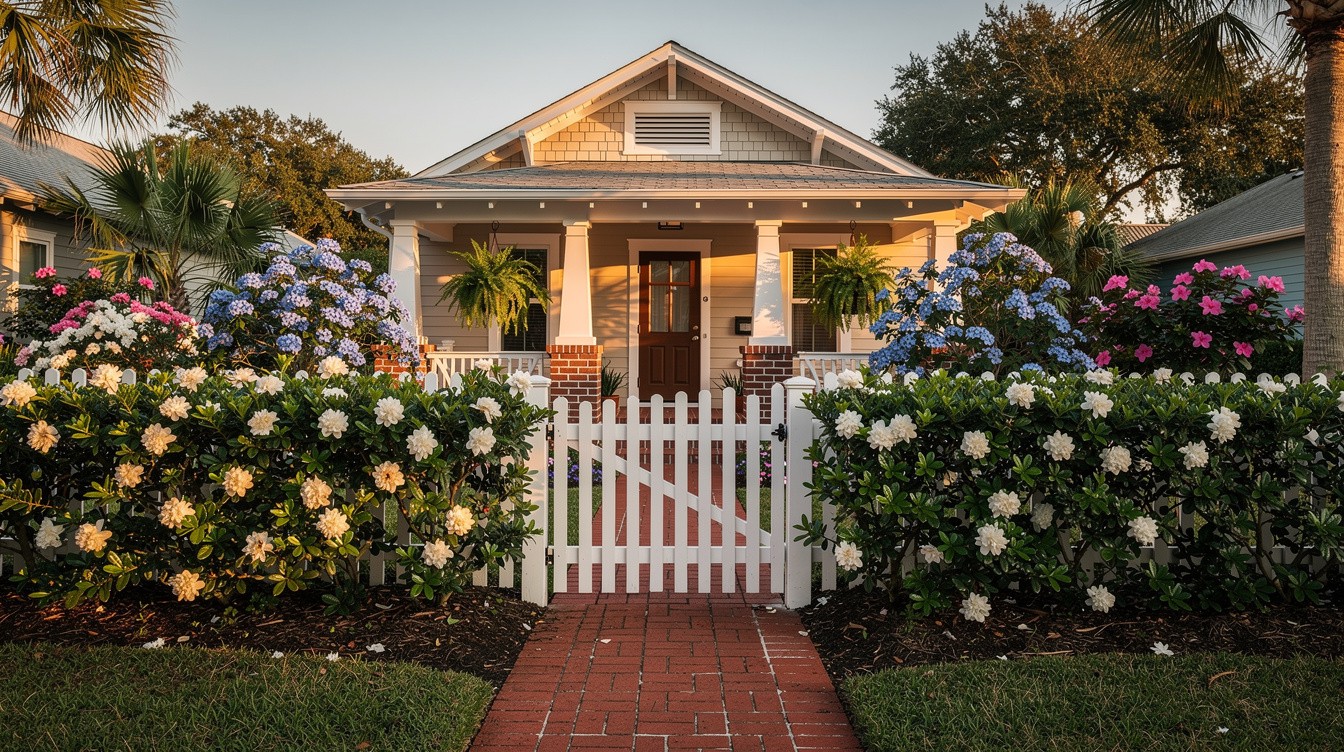
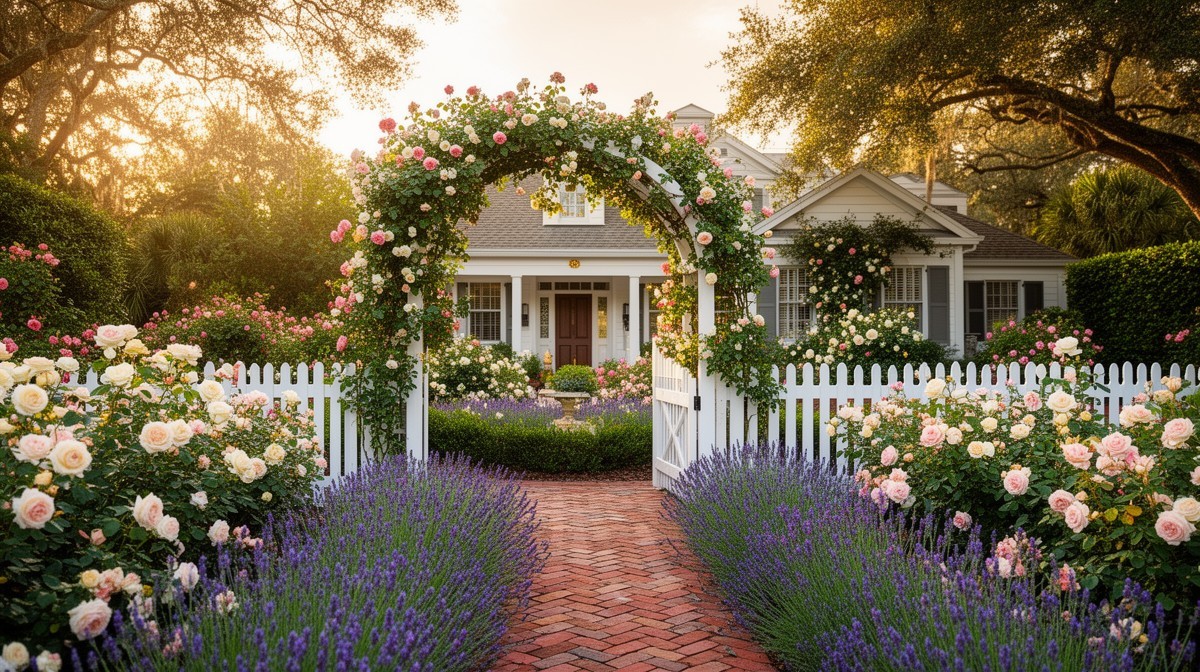
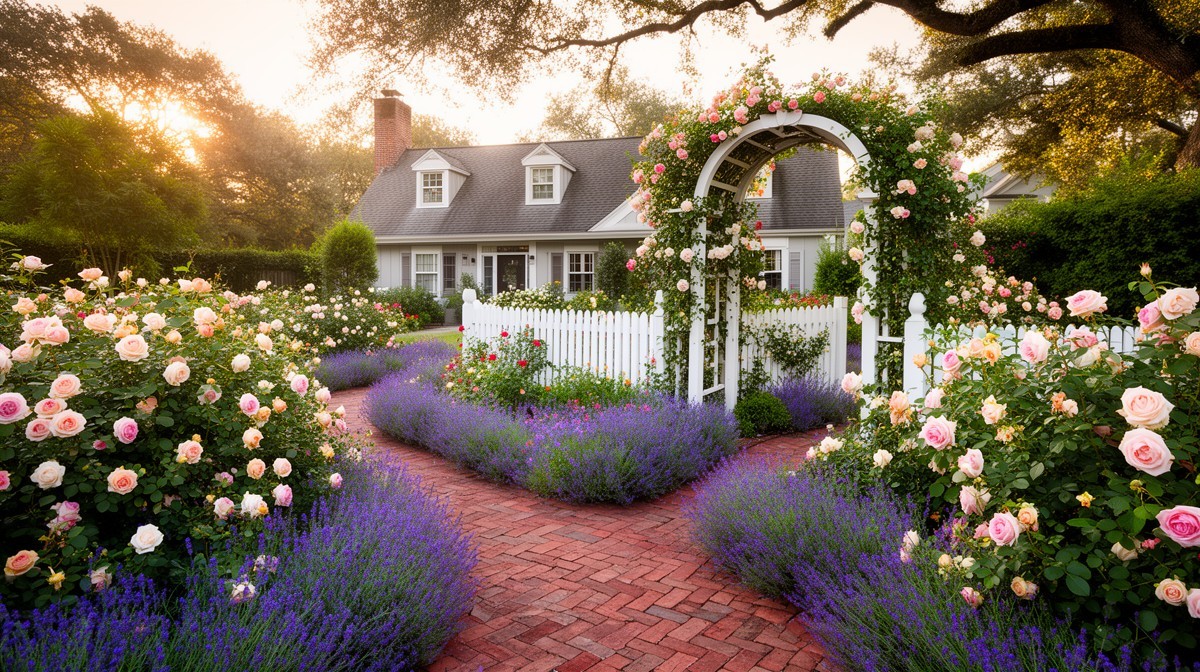
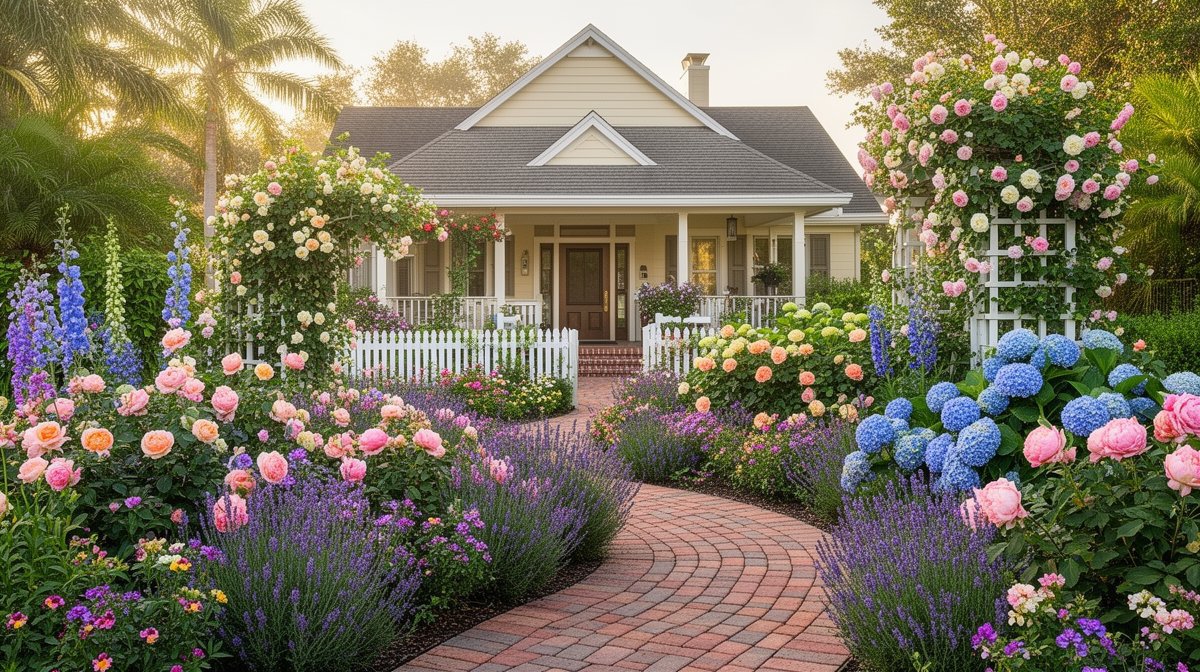
Florida Bungalow Entry with Gardenia and Brick Path
$10–20/sqftA classic brick pathway lined with gardenias, plumbago, and azaleas leads through a white picket fence to a craftsman bungalow front porch hung with Boston ferns. The gardenia hedge along the fence blooms May through July with intoxicating fragrance while the plumbago provides continuous blue color from spring through fall—two quintessential Florida cottage plants working in concert. The combination of white picket, brick, and lush subtropical planting is the defining image of Tampa’s historic cottage neighborhoods.
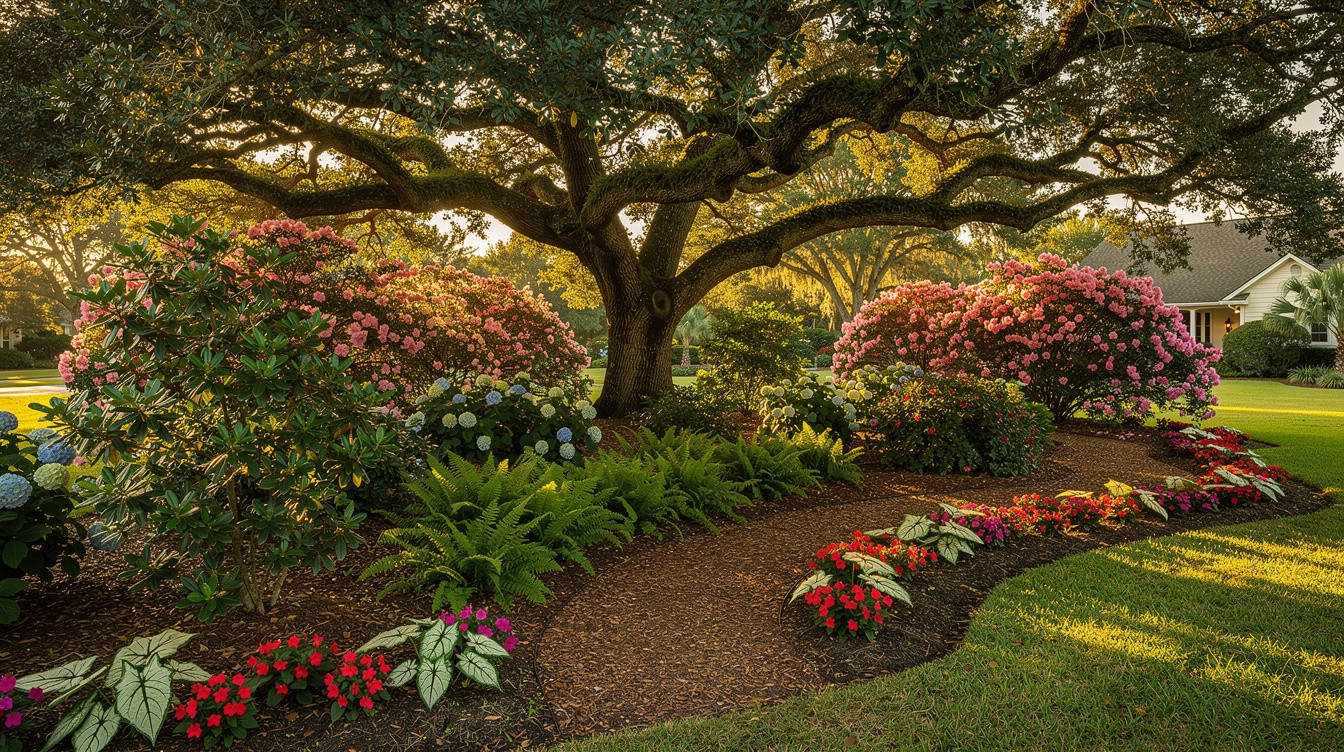
Live Oak Shade Garden with Azalea Borders
$8–18/sqftA mature live oak provides the canopy for a layered shade cottage garden—azaleas massed under the drip line, ferns filling the mid-ground, and impatiens or caladiums providing seasonal color at the path edge. A winding mulch path through the oak canopy creates the garden-room intimacy that’s the hallmark of cottage style. The design leans fully into what Tampa’s live oaks offer: 30–40 feet of dappled shade canopy that creates a microclimate cool enough for cottage favorites like hydrangeas and camellias.
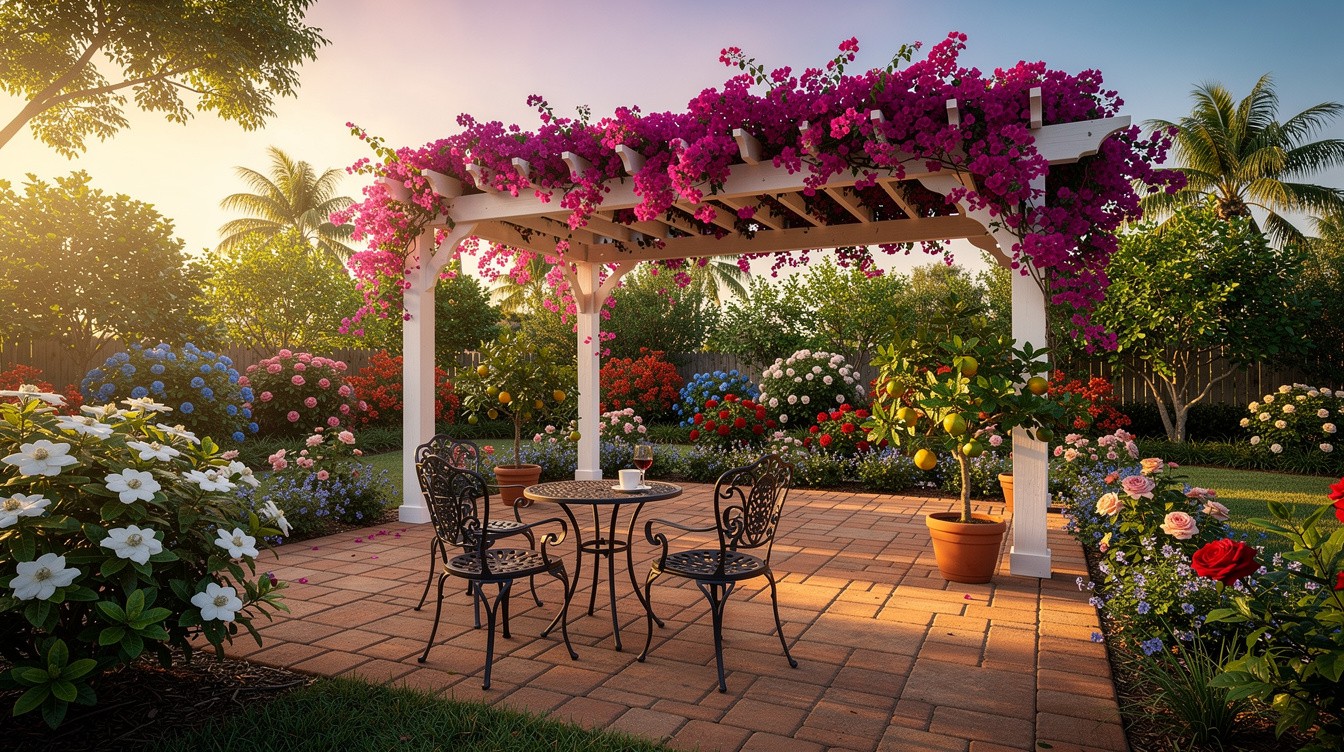
Paver Patio with Bougainvillea Pergola and Cottage Borders
$18–38/sqftA clay-toned concrete paver patio anchors a backyard cottage garden, with a pergola overhead covered in bougainvillea that provides vivid magenta color and partial shade from February through December. Flanking cottage borders—gardenias, plumbago, azaleas, and roses—create the enclosed garden room feeling. A vintage iron bistro set and potted citrus trees complete the Florida cottage atmosphere. The bougainvillea-covered pergola is Tampa’s signature outdoor room element, working with the subtropical climate rather than fighting it.
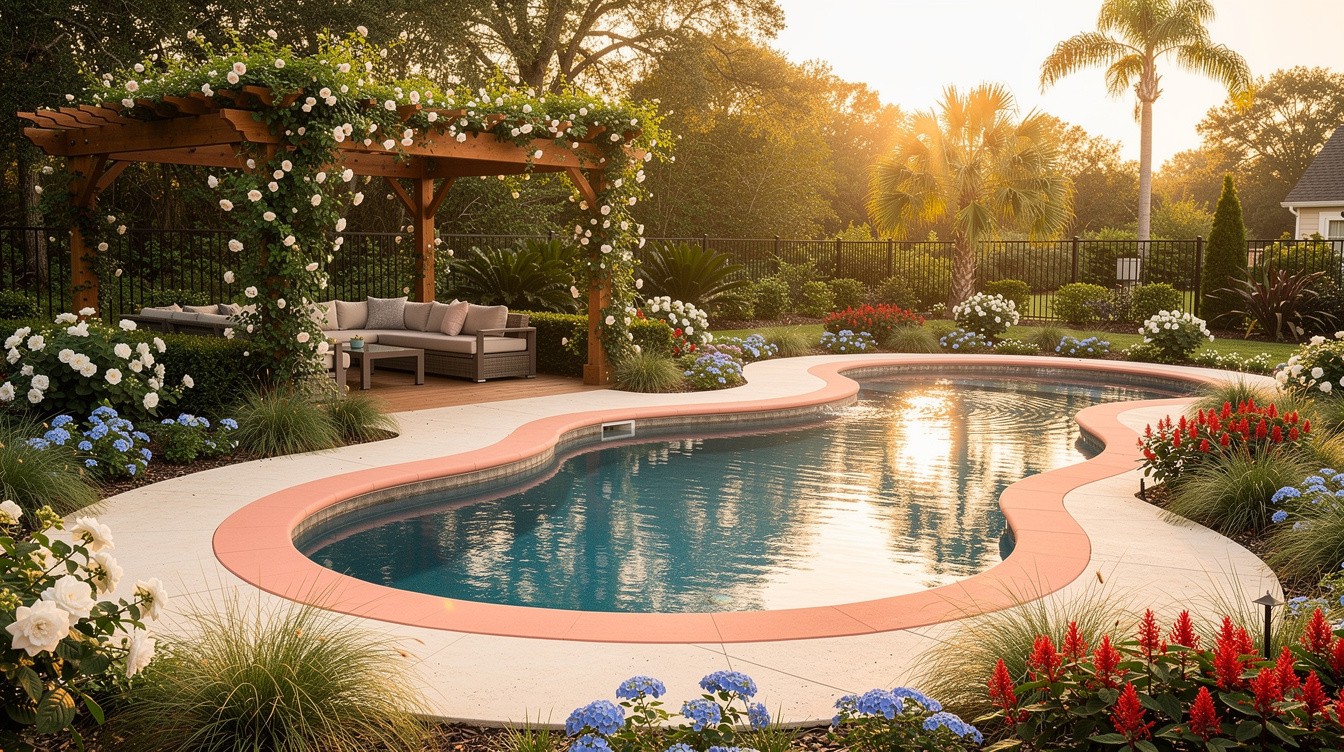
Cottage Garden with Pool and Tropical Borders
$30–68/sqftA freeform pool surrounded by coral-toned coping and wide pool decking becomes the centerpiece of a lush backyard cottage garden, with generous mixed borders of gardenias, plumbago, firespike, and ornamental grasses wrapping the perimeter. A shade pergola with climbing roses and jasmine anchors one corner, creating a covered seating area separate from the pool zone. The design blends cottage plant abundance with Florida outdoor living essentials—pool, shade structure, and year-round color.
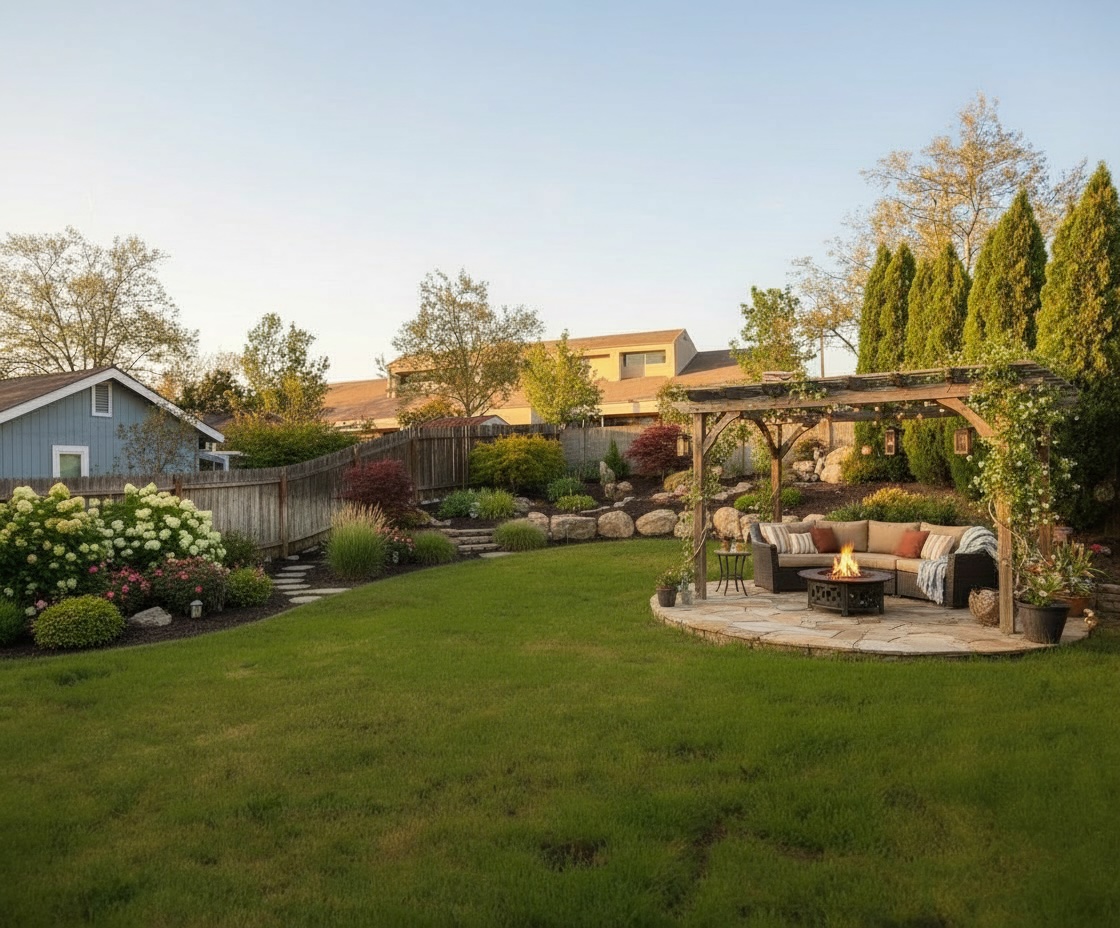
See how a cottage/english garden looks on YOUR property
Upload a photo of your Tampa yard and visualize your dream garden in seconds.
Try ProScapeAI Free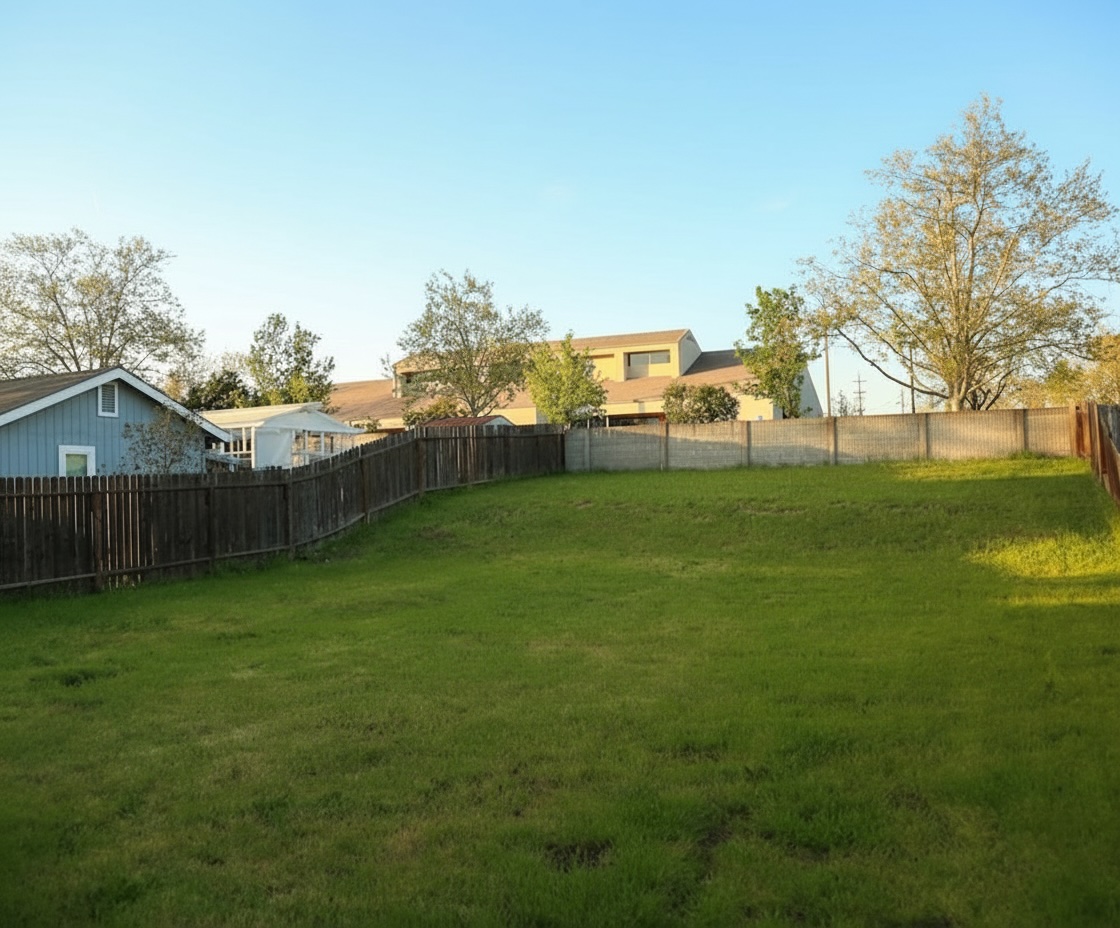
Featured Trees & Shrubs for Cottage/English Gardens
Browse all 181 plants for Tampa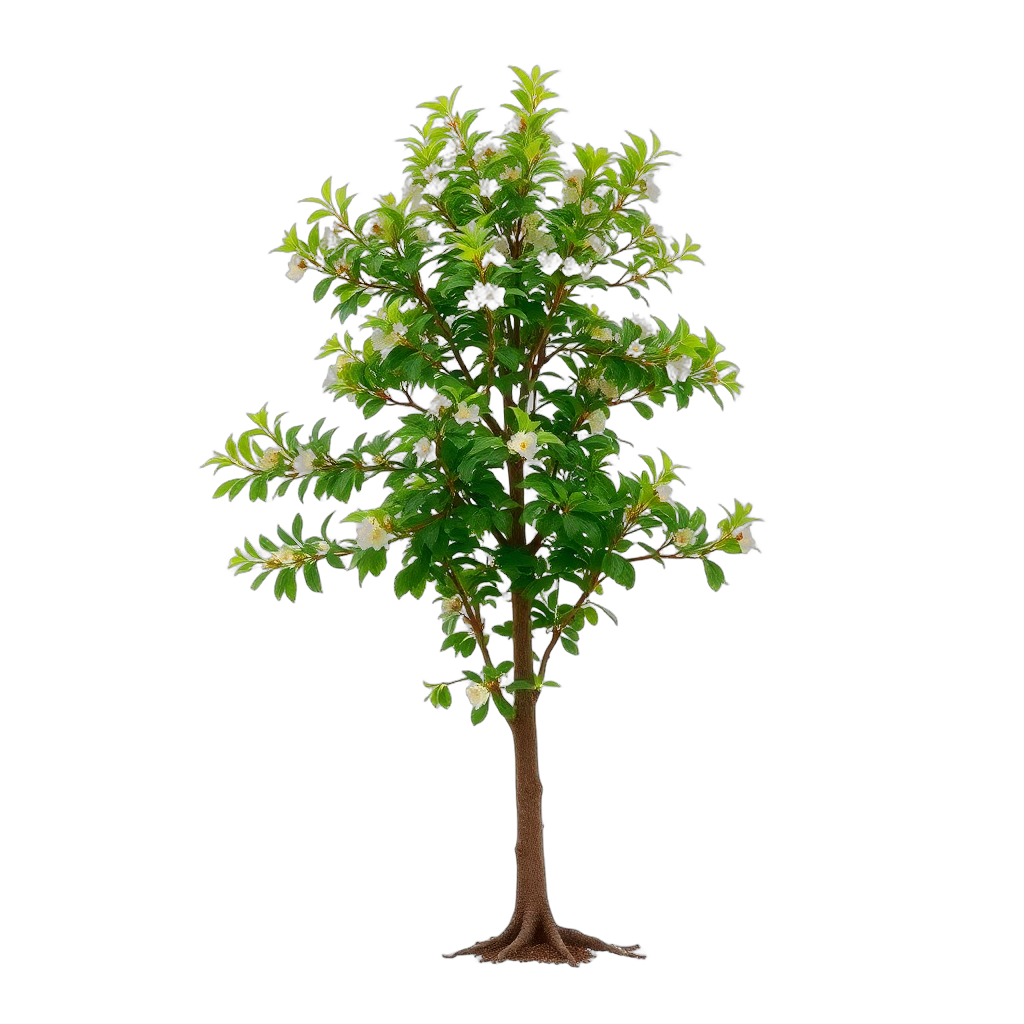
Buckwheat Tree
Cliftonia monophylla
medium-sized at 15 feet, white blooms in spring. Attracts butterflies.

Fetterbush
Lyonia lucida
grows to 6 feet, white blooms in spring. Evergreen year-round.

Florida Anise
Illicium floridanum
medium-sized at 8 feet, red blooms in spring. Evergreen year-round.

Inkberry
Ilex glabra
medium-sized at 8 feet, white blooms in spring. Pollinator-friendly.
Featured Grasses & Groundcovers for Cottage/English Gardens

Pink Muhly Grass
Muhlenbergia capillaris
grows to 3 feet, pink blooms in fall.
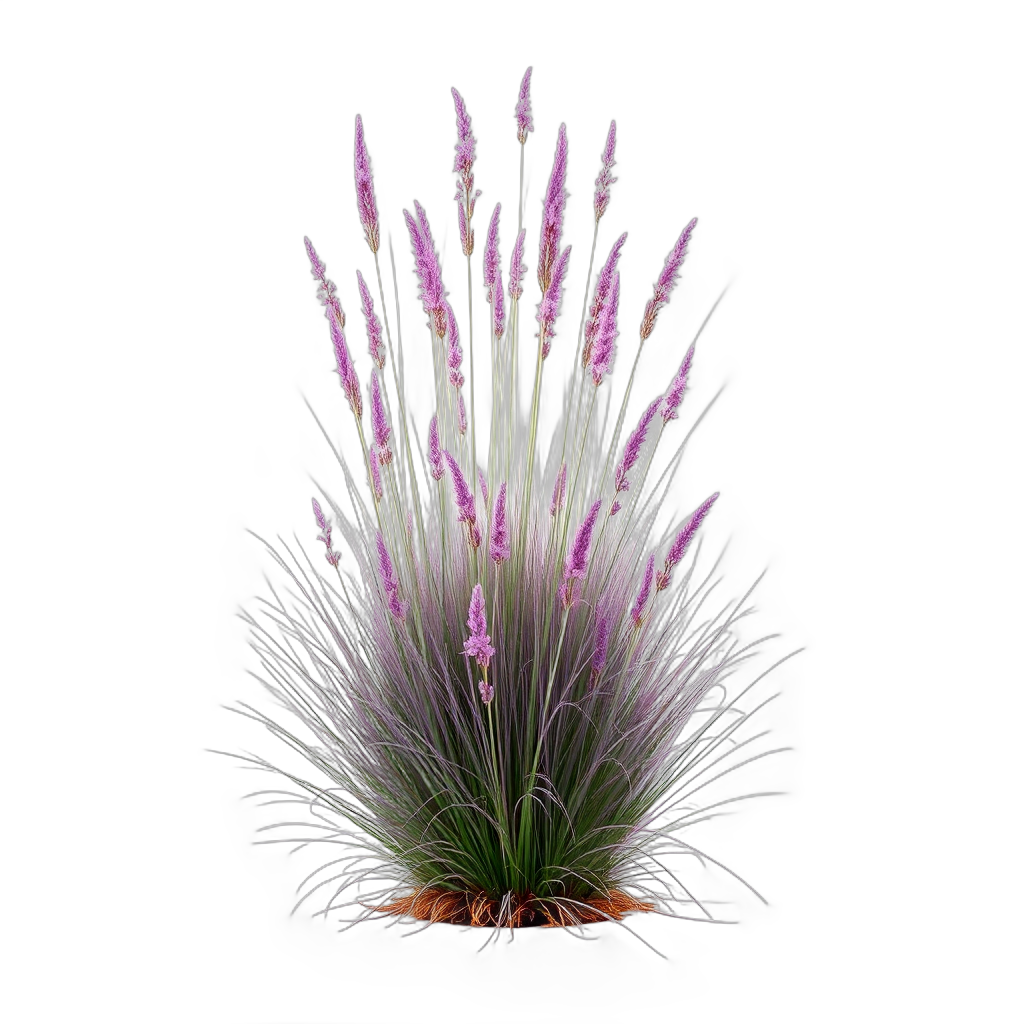
Purple Love Grass
Eragrostis spectabilis
low-growing ground cover, purple blooms in fall. Orange fall color.
Featured Flowers & Perennials for Cottage/English Gardens
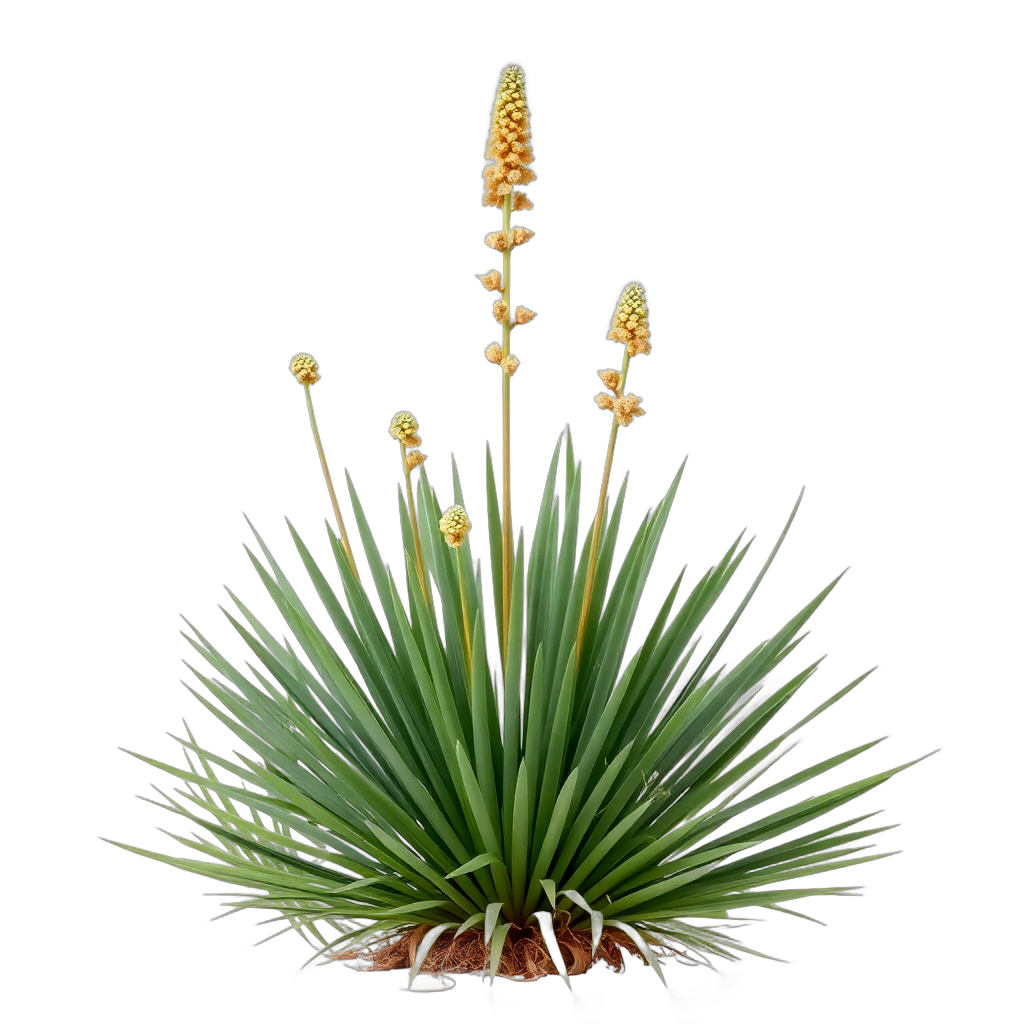
Adam's Needle
Yucca filamentosa
low-growing ground cover, white blooms in summer. Attracts hummingbirds.

Papyrus
Cyperus papyrus
grows to 5 feet, blooms in summer. Pollinator-friendly.

Water Hyacinth
Eichhornia crassipes
low-growing ground cover, purple blooms in summer. Attracts butterflies.

Water Plantain
Alisma plantago-aquatica
low-growing ground cover, white blooms in summer. Attracts butterflies.
Zone and sun checks come from our database — confirm with your local nursery before you buy.
Bloom Calendar for Tampa
spring
Buckwheat Tree, Fetterbush, Florida Anisesummer
Adam's Needle, Swamp Cyrilla, Loblolly Bayfall
Pink Muhly Grass, Purple Love Grasswinter
Limited bloomsDesign Tips for Tampa (Zone 9b)
- Amend Tampa’s sandy soil with compost before planting any cottage perennials—improved water retention is the most impactful single step you can take for plant health in Florida’s sandy substrates
- Use plumbago as your primary cottage border plant—it provides nearly continuous blue color from spring through frost, tolerates Tampa’s summer heat and humidity, and requires only occasional pruning to stay tidy
- Plant gardenias near your entry, porch, or outdoor seating area—the May–July fragrance is one of Florida cottage gardening’s great pleasures, and the plants grow into handsome large shrubs with minimal care
- Use bougainvillea on pergolas and trellises for intense color—it blooms most brilliantly during Tampa’s dry winter season when the rest of the cottage garden takes a rest from peak color
- Mulch all cottage beds with 3–4 inches of pine bark fines—moisture retention in the dry winter months and weed suppression during the rainy season both depend on consistent, deep mulching
- Design for Tampa’s rainy season drainage from the start—position cottage borders slightly above grade, grade patios away from the house, and avoid planting in low spots that stay wet after the daily summer thunderstorms
Where to Source Plants in Tampa
Skip the big-box stores. These independent Tampa nurseries specialize in the plants that make cottage/english gardens thrive in Zone 9b.
Nature’s Way Nursery
Lutz / North Tampa
Florida native plants, cottage perennials, and landscape design services with expertise in Zone 9b planting
Swann’s Nursery
South Tampa
Neighborhood garden center serving Hyde Park and Palma Ceia with cottage plants, seasonal color, and local expertise
Calloway’s Nursery
Multiple Tampa Bay locations
Regional nursery chain with strong Florida cottage plant inventory, gardenias, azaleas, and plumbago
Lukas Nursery
Oviedo (Greater Tampa Bay)
Florida’s largest private nursery—exceptional variety of cottage perennials, bougainvillea, and tropical accent plants
Treehouse Orchids and Plants
Tampa
Specialty tropical and cottage plants, orchids, and unusual specimens perfect for Zone 9b cottage accents
Cottage/English Landscaping Costs in Tampa
| Project Scope | Estimated Cost |
|---|---|
| Brick path, picket fence, and cottage front yard planting | $7,000 – $16,000 |
| Live oak shade garden with azaleas and mulch path | $6,000 – $14,000 |
| Paver patio with bougainvillea pergola and cottage borders | $18,000 – $40,000 |
| Pool with cottage garden borders and pergola | $48,000 – $105,000 |
| Sandy soil amendment and bed preparation | $800 – $2,500 |
| Annual cottage garden maintenance (mulching, pruning, seasonal color) | $1,500 – $3,000/year |
| AI visualization with ProScapeAI | Free to start |
Estimates based on Tampa, FL-area contractor rates as of 2026. Actual costs vary by site conditions, materials, and contractor.
Tampa Climate & Growing Zone
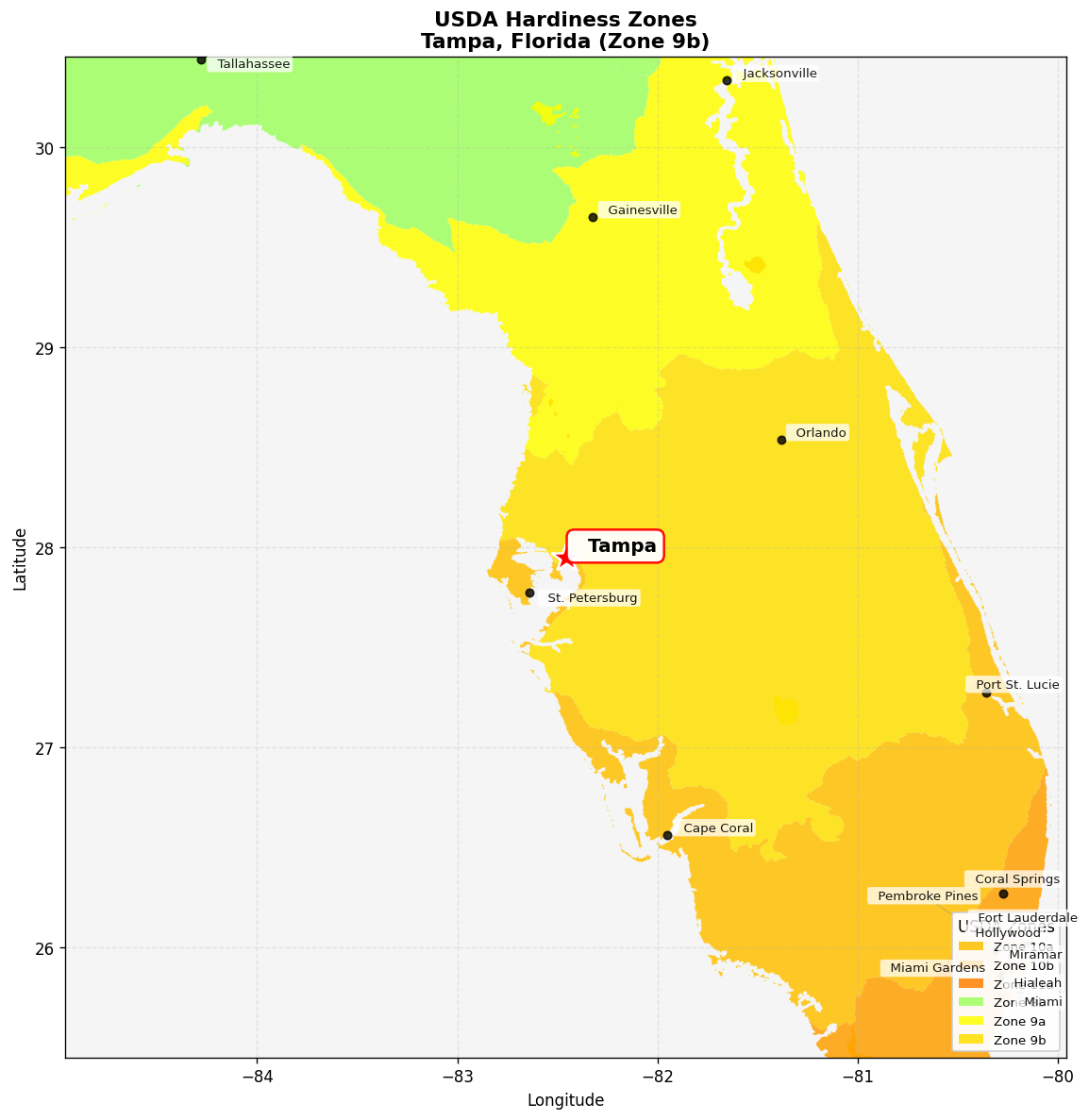
USDA Zone 9b
Hardiness zone for Tampa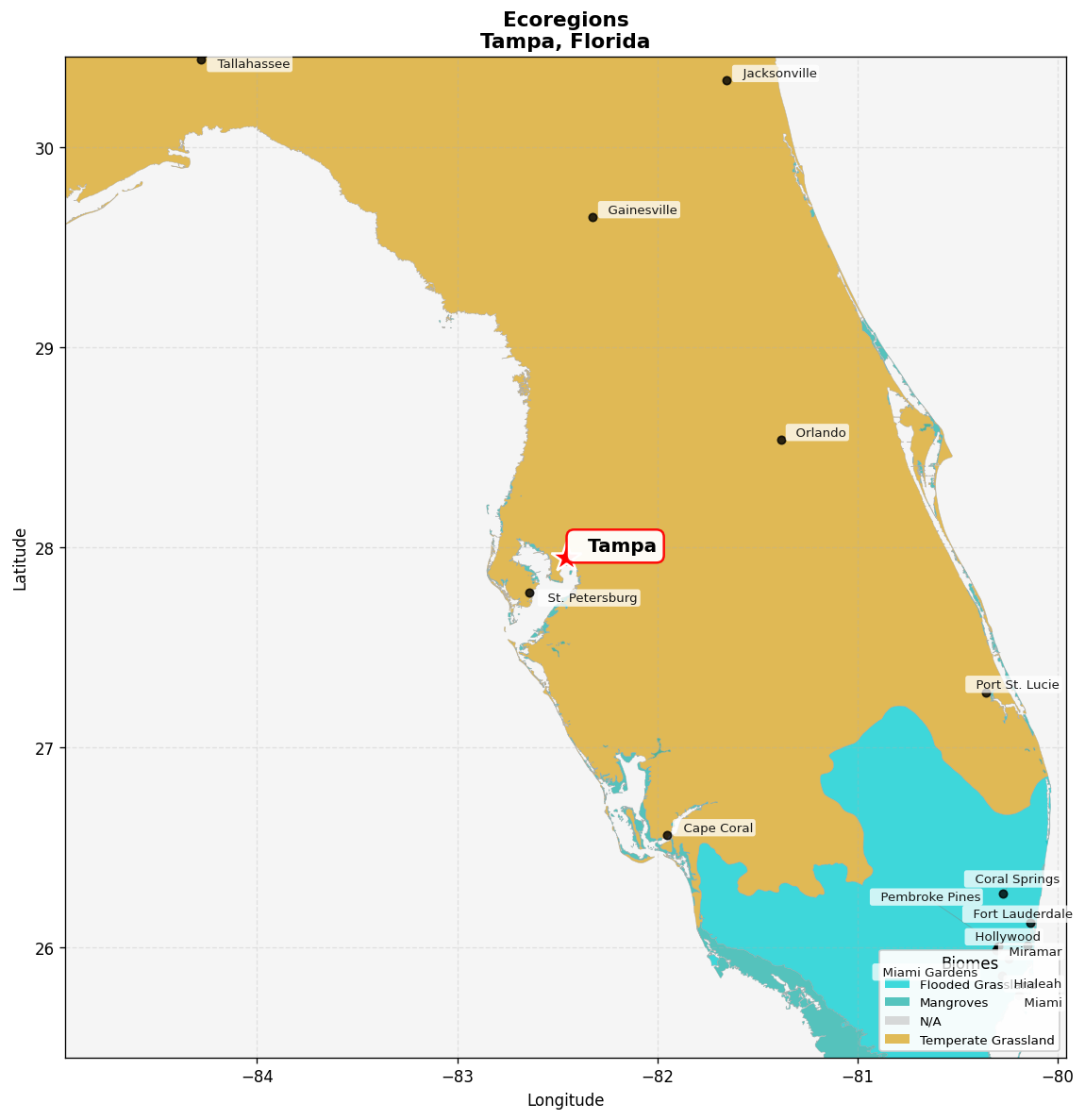
Southeast US conifer savannas
Native ecoregionFrequently Asked Questions
What cottage plants grow best in Tampa’s Zone 9b sandy soil?
Tampa’s warm, frost-light climate supports a wide cottage plant palette. Top performers: gardenias (large shrubs blooming May–July), plumbago (continuous blue flowers spring through fall, the quintessential Florida cottage plant), azaleas (spring bloom, shade-tolerant), bougainvillea (vivid color on pergolas and fences), Knock Out roses (bloom year-round in Zone 9b), firespike (Odontonema strictum, hummingbird magnet), Confederate jasmine (fragrant vine), camellias (winter bloom when little else flowers), and oakleaf hydrangeas (shade-tolerant, native to the Southeast). Amend sandy soil with compost before planting to improve water retention.
How do I improve Tampa’s sandy soil for a cottage garden?
Tampa’s sandy soils drain extremely well but hold little organic matter or moisture. For cottage beds, work 4–6 inches of compost or aged manure into the top 12 inches of soil before planting. Top-dress with 3–4 inches of pine bark fines or eucalyptus mulch to retain moisture between the heavy summer rains and dry winter months. For perennial borders and roses that need consistent moisture, consider adding water-retaining granules to the soil mix at planting time. Raised beds work well for vegetables and herbs but are less necessary for woody shrubs whose roots eventually reach naturally moist subsoil.
When is the best time to plant a cottage garden in Tampa?
Fall (October–December) and early spring (February–March) are the two ideal windows for Tampa cottage garden planting. Fall planting allows root establishment during Tampa’s mild, dry winter months before the intense summer heat and rainy season arrive. Spring planting works well for annuals and summer-flowering perennials like firespike and pentas. Avoid planting during July–August when daily thunderstorms, 95°F heat, and high humidity stress new transplants severely even with irrigation.
Does bougainvillea work as a cottage plant in Tampa?
Bougainvillea is one of the most reliable and spectacular cottage plants for Tampa’s Zone 9b climate. It blooms most heavily during dry periods (winter and early spring) and provides continuous background color through the year. Use it on pergolas, trellises, and fence lines for a vivid, low-maintenance color statement. Choose thornless or semi-thornless varieties for high-traffic areas. Bougainvillea is drought-tolerant once established—overwatering in Tampa’s rainy season is actually the main management concern, as wet roots can cause root rot in poorly draining areas.
How does Tampa’s rainy season affect cottage garden maintenance?
Tampa receives approximately 32 inches of rain during the June–September rainy season—about 60% of the annual total. During this period, irrigation can typically be suspended or dramatically reduced. The main maintenance tasks shift to fungal disease management (rose black spot, powdery mildew), aggressive weed control in the warm, moist soil, and monitoring for root rot in containers and poorly draining spots. After the rainy season ends in October, irrigation resumes for the dry winter months. A well-designed Tampa cottage garden uses the rainy season’s abundance for peak growth and bloom on perennials.
How much does a cottage garden installation cost in Tampa?
Tampa landscaping costs are competitive with other Florida metros. A cottage front yard with brick path, picket fence, and planting typically costs $8,000–$18,000 for a standard residential lot. A backyard bougainvillea pergola with paver patio and mixed cottage borders runs $18,000–$42,000. A full pool garden with cottage borders and pergola shade structure ranges $45,000–$100,000+ depending on pool size. Annual maintenance for an established Tampa cottage garden (mulching, seasonal color, pruning) runs $1,500–$3,000/year given the year-round growing season.