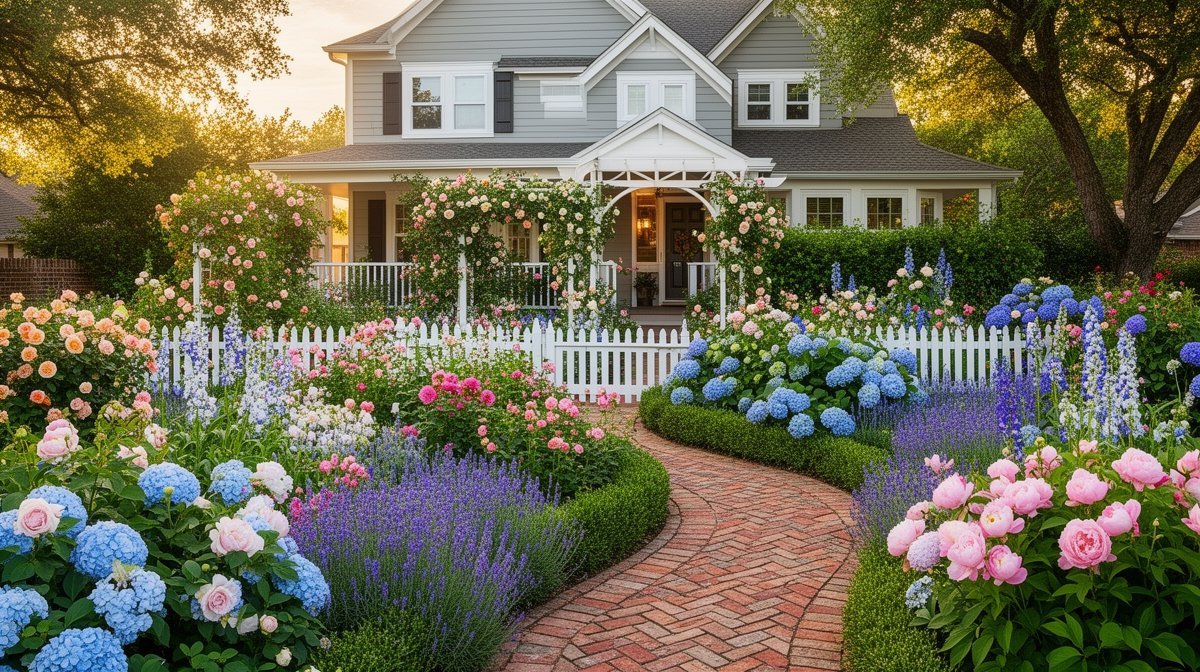
4 Cottage Garden Ideas for Arlington, TX | English Garden Design in Zone 8a
Native plants from the Cross-Timbers savanna-woodland (Zone 8a) — Humid subtropical climate
Why Cottage/English Gardens in Arlington?
Arlington sits in the heart of the Cross-Timbers savanna-woodland ecoregion, where post oak and blackjack oak woodlands once stretched unbroken across North Central Texas. That ecological heritage translates directly into cottage garden success: Arlington's native landscape is fundamentally one of edge habitat — the informal, layered mix of trees, shrubs, and wildflowers that cottage garden design has always tried to evoke. Zone 8a winters drop lower than Dallas's Zone 8b, with occasional hard freezes to 10°F, but those cold snaps are brief and most cottage perennials are fully hardy here. Summers are intense: June through August average highs above 95°F with heat indices that regularly push well past 100°F. The answer is the same one Cross-Timbers settlers found — shade from deciduous oaks, thermal mass from the clay soils that retain overnight cool, and plant selection focused on the generous spring and fall windows when Arlington's climate is genuinely delightful.
The city's residential fabric rewards cottage gardens in specific pockets. Interlochen, Dalworthington Gardens, and the historic neighborhoods near downtown Arlington have mature tree canopy and older housing stock — ranch houses, craftsman bungalows, and mid-century cottages — that benefit from softening with lush, informal planting. The contrast between Arlington's newer suburban grid and these established neighborhoods is exactly where cottage garden character makes the most impact. A rose arbor and picket fence on a tree-lined block in Interlochen creates a sense of place that no amount of lawn and foundation shrubbery can match.
Arlington's 35 inches of annual rainfall is well-distributed across the year, which means a properly prepared cottage garden requires less supplemental irrigation than gardens in the western half of the country. The heavy clay soils that frustrate vegetable gardeners are actually an asset for deep-rooted cottage perennials and shrub roses once amended with compost — they hold moisture between rain events and develop natural fertility over time. Antique roses, lavender, salvia, coneflower, and native salvias are the backbone; layer in foxgloves and delphiniums in the oak shade for classic cottage abundance. The glory seasons run February through May and September through November — plan your planting and maintenance schedule around these two extended performance windows.
4 Cottage/English Design Ideas for Arlington
AI-generated image
The Rose Arbor Gate Entry
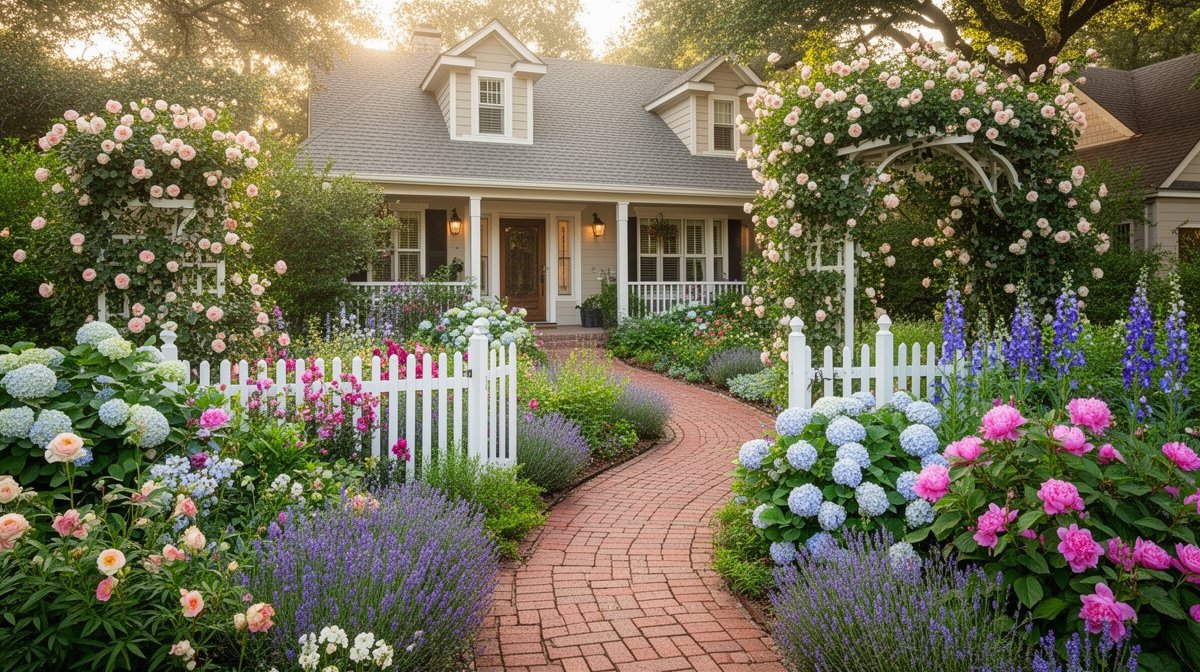
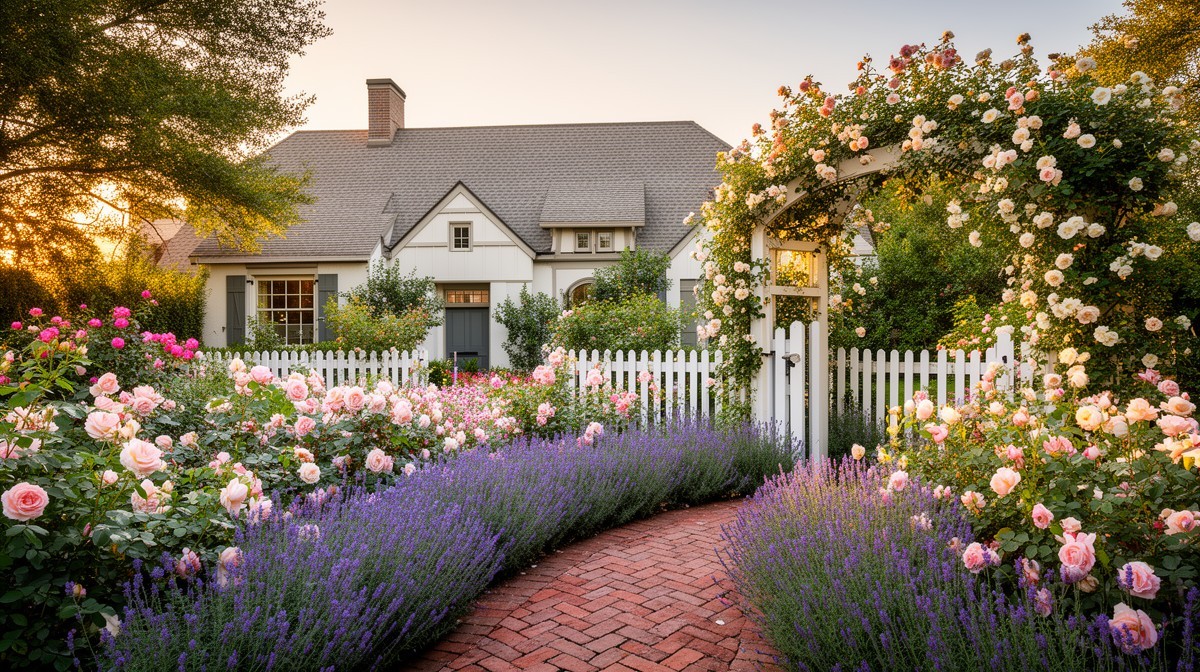
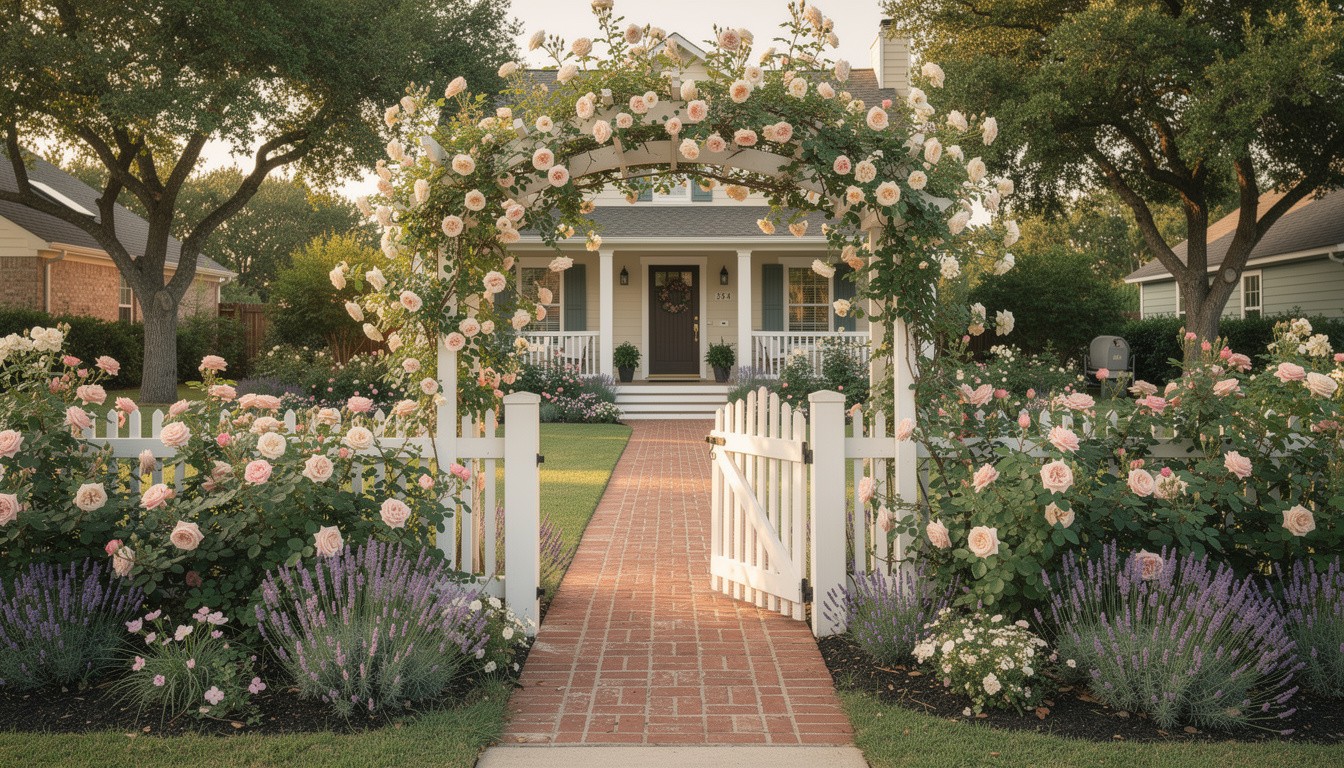
$12–22/sqftA classic white picket fence with a rose-covered arbor gate frames a brick pathway leading to the front porch of a craftsman cottage. Lavender borders line both sides of the path and antique climbing roses — pale pink and cream — cascade over the wooden arch in full bloom. The mature post oak overhead provides dappled light that extends the lavender and rose season well into May. This is the definitive Arlington cottage front yard: the picket fence creates a clear garden boundary, the gate arbor delivers instant vertical impact, and the symmetrical lavender borders give structure without rigidity.
AI-generated image
The Cottage Arch and Perennial Borders
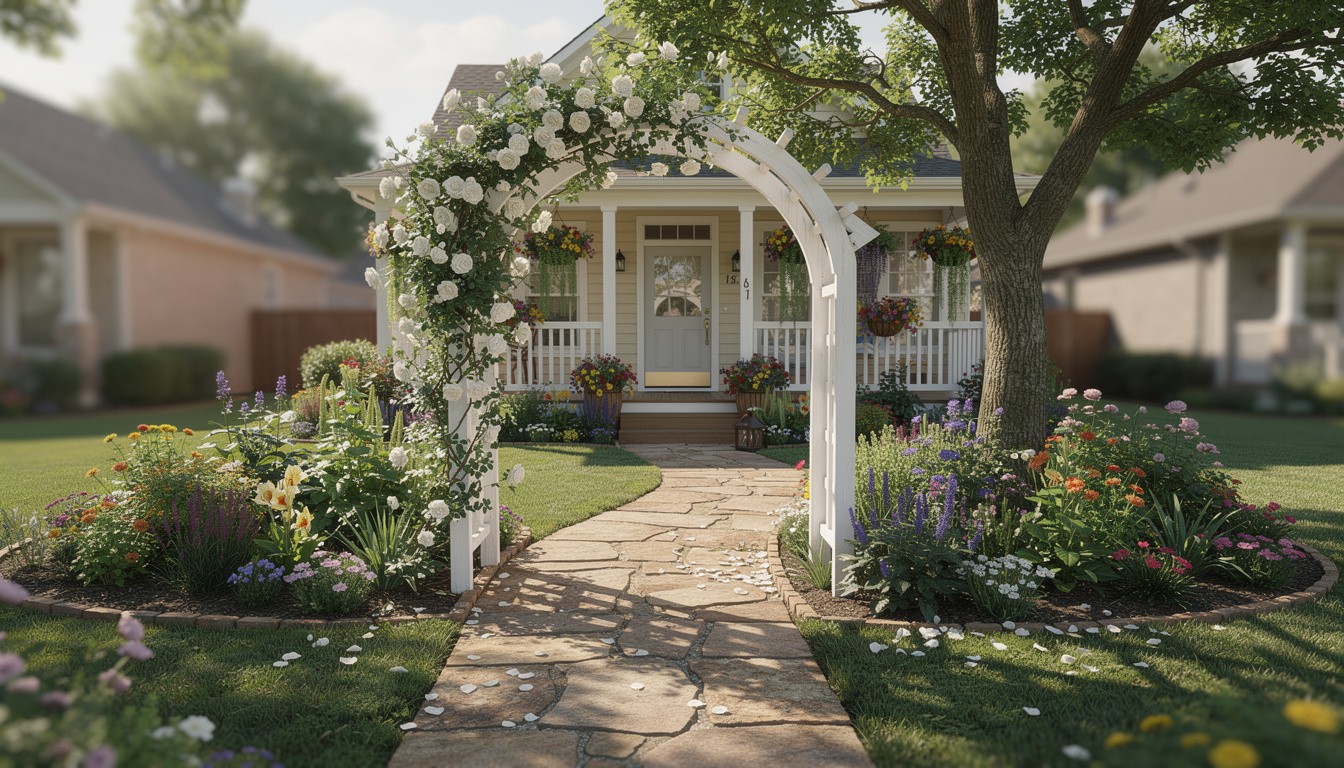
$14–25/sqftA white wooden arch frames the front door covered in white climbing roses at peak bloom. Wide curving perennial borders sweep outward from the arch with foxgloves, coneflowers, and salvias layered for simultaneous spring color. A flagstone path curves through the plantings from sidewalk to porch. A mature shade tree anchors one side of the yard, and hanging flower baskets dress the covered porch. Every spring the full width of the front yard is in simultaneous bloom — one of Arlington's most photographed cottage front yard looks.
AI-generated image
The Rose Arch Backyard Patio
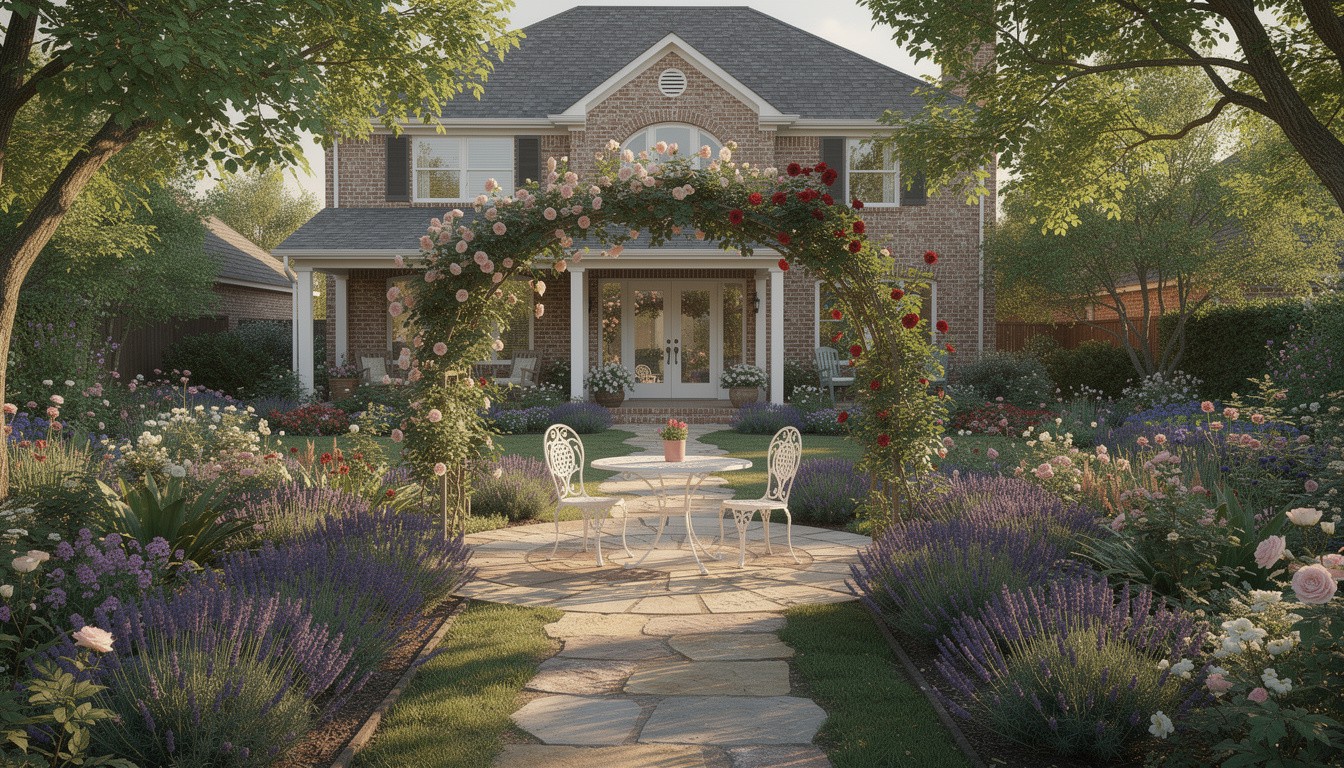
$18–32/sqftA rose-covered arch of white metal frames the entrance to a backyard flagstone patio where a bistro table and chairs sit beneath the dappled shade of mature deciduous trees. Lavender, foxgloves, salvia, and repeat-blooming roses fill the surrounding borders in full bloom, creating an enclosed garden room that feels abundant and restful. The flagstone surface extends under the arch and into the seating area, with cottage borders pressing in on three sides. Arlington's spring season — February through May — is ideal for this kind of outdoor room, where planting performance and mild temperatures align perfectly.
AI-generated image
The Pergola Rose and Fountain Garden
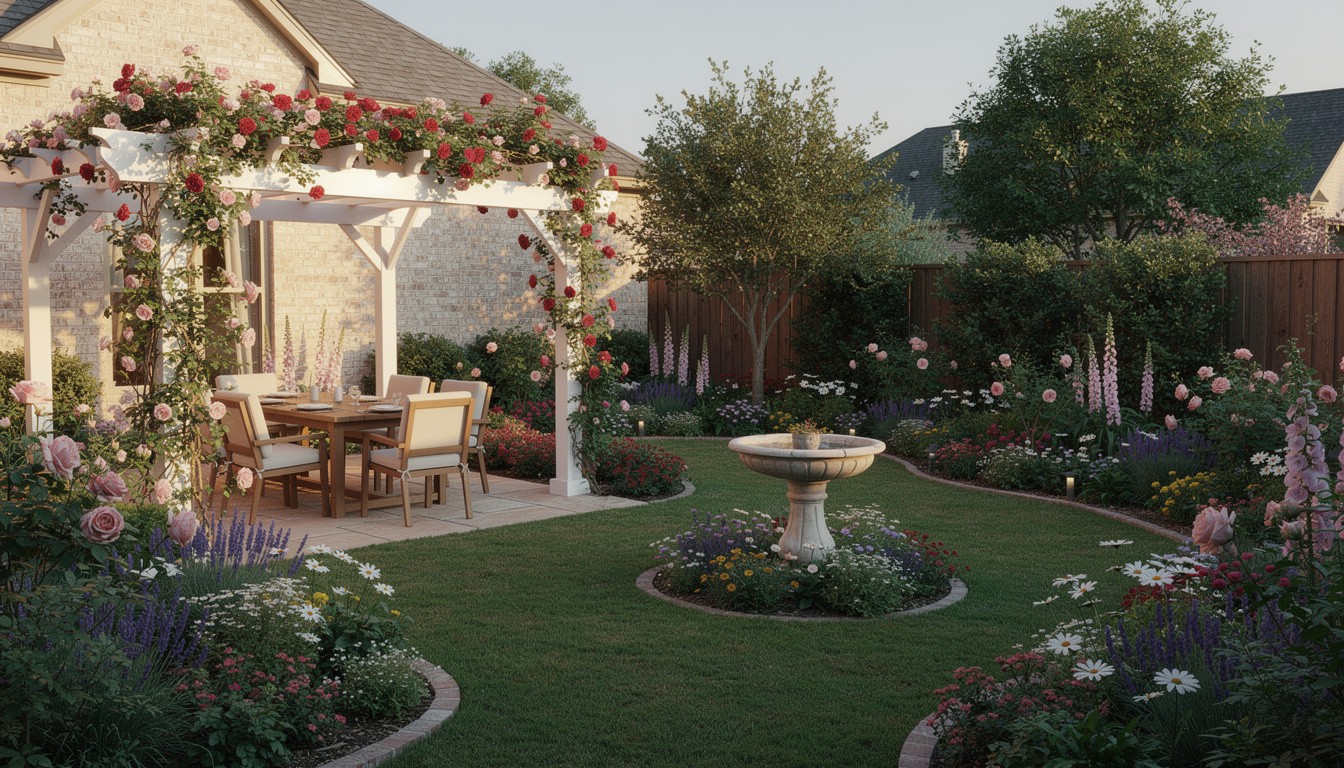
$22–45/sqftA white painted pergola with climbing roses trained across the overhead beams shelters a dining table at the center of the rear garden. A round stone fountain sits in a circular bed at the heart of a lawn panel, surrounded by cottage borders of roses, lavender, foxgloves, and salvia on all sides. The pergola provides summer shade, the fountain adds sound and a focal point, and the surrounding borders deliver the abundant informal color that defines the English cottage style. This is the full Arlington cottage backyard — a complete garden room that performs beautifully in both spring and fall.
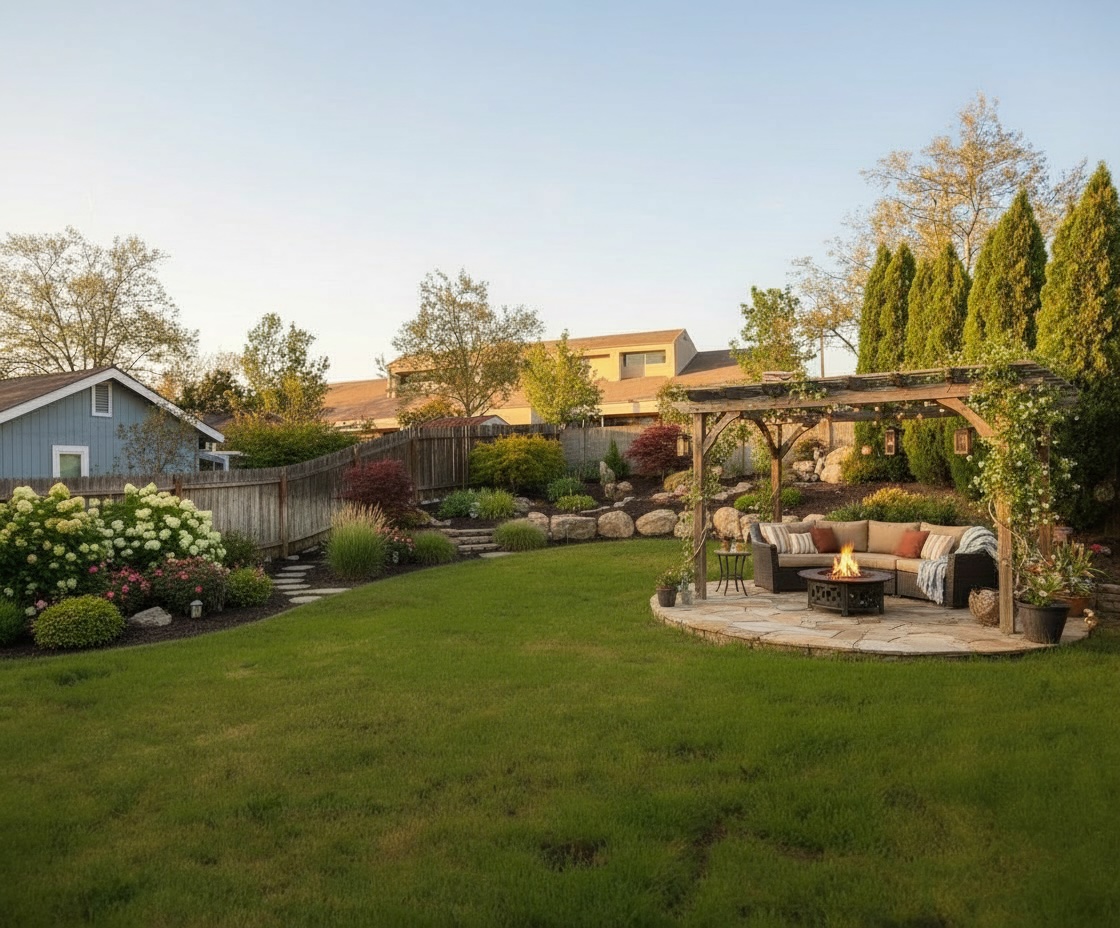
See how a cottage/english garden looks on YOUR property
Upload a photo of your Arlington yard and visualize your dream garden in seconds.
Try ProScapeAI Free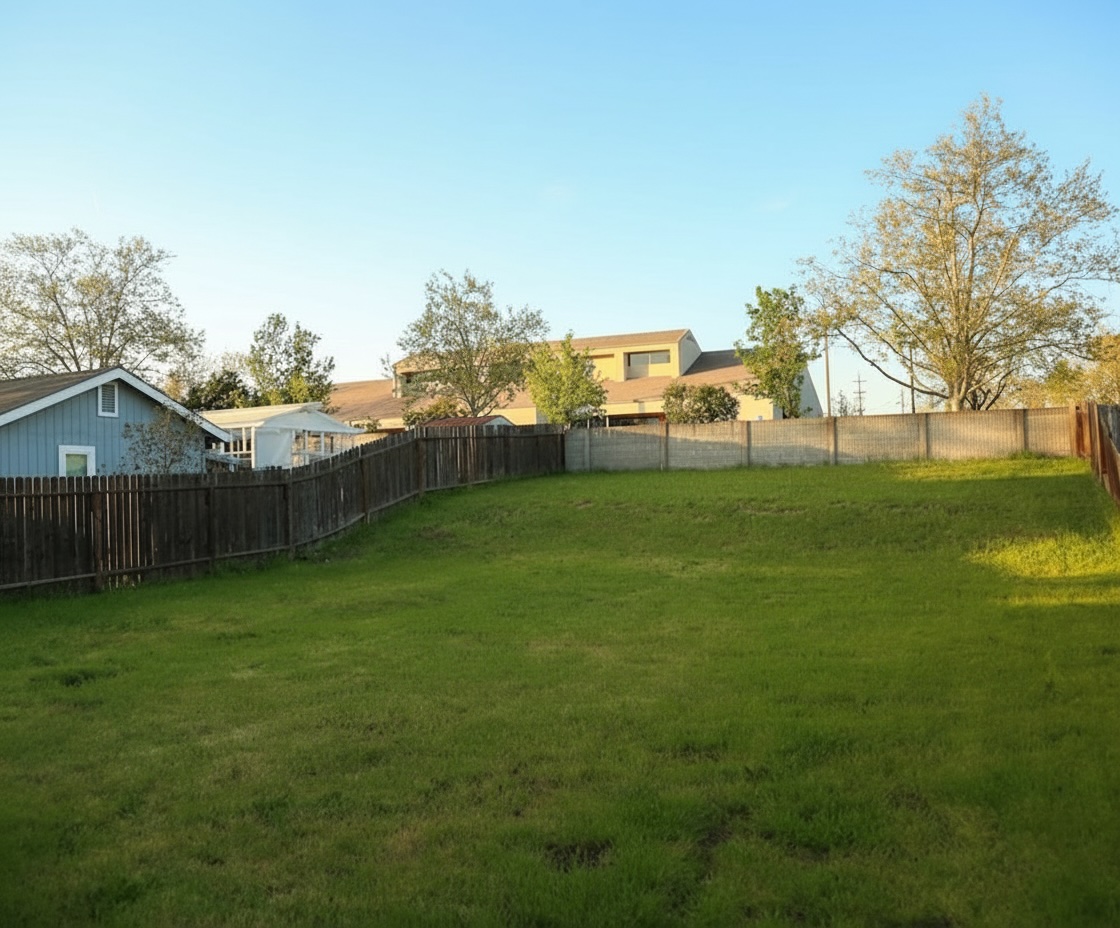
AI-generated image
Featured Trees & Shrubs for Cottage/English Gardens
Browse all 154 plants for Arlington
Mexican Buckeye
Ungnadia speciosa
medium-sized at 12 feet, pink blooms in spring. Attracts butterflies.
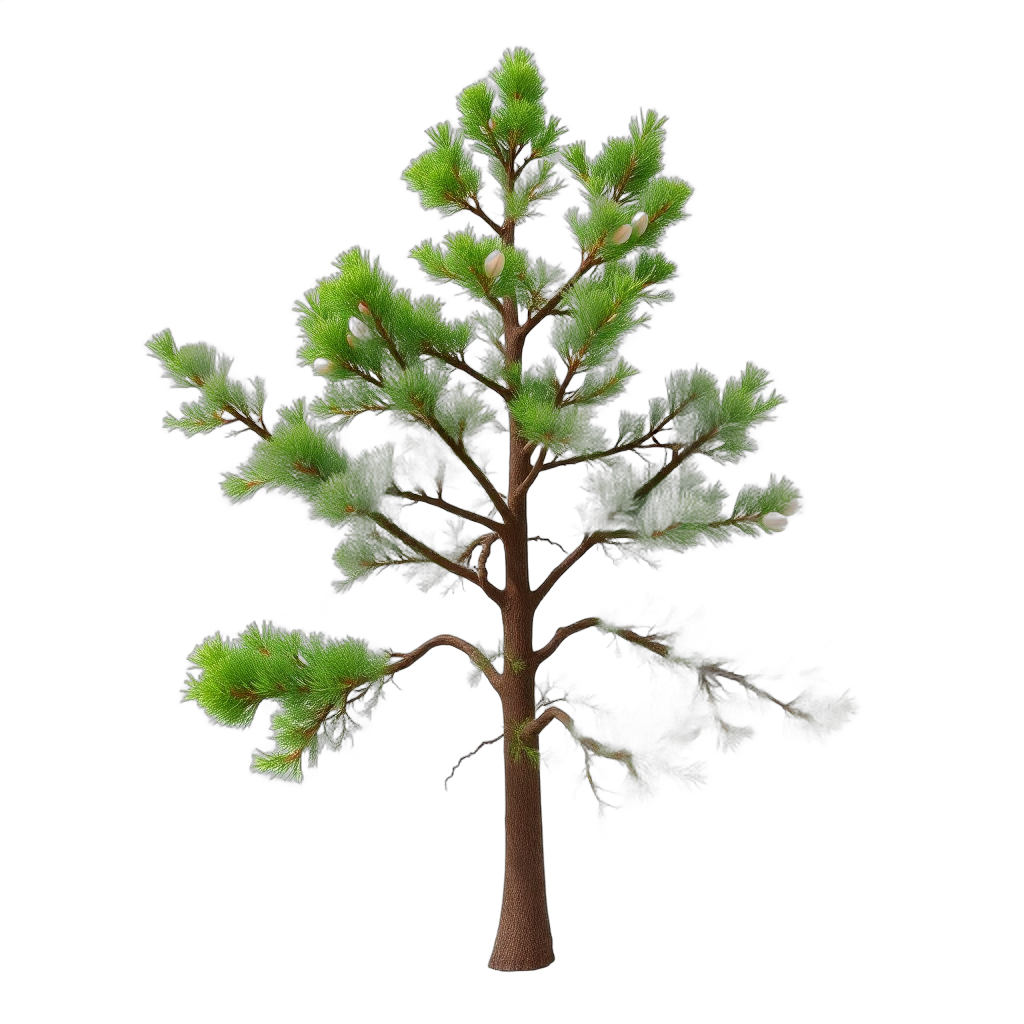
Ashe Juniper
Juniperus ashei
reaches 25 feet tall, blooms in winter. Evergreen year-round.
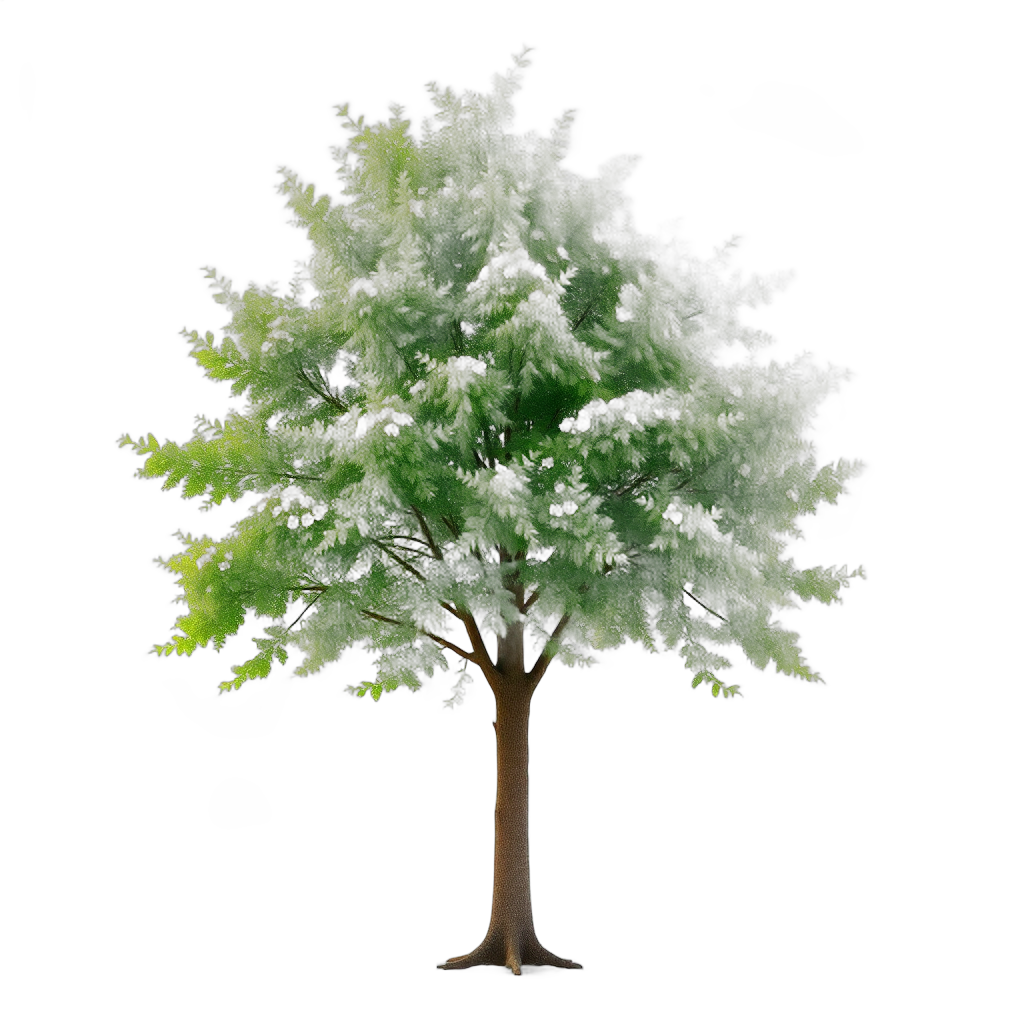
Cedar Elm
Ulmus crassifolia
large shade tree reaching 60+ feet, blooms in fall. Yellow fall color.

Osage Orange
Maclura pomifera
large shade tree reaching 50+ feet, blooms in spring. Yellow fall color.
Featured Flowers & Perennials for Cottage/English Gardens

Water Lettuce
Pistia stratiotes
low-growing ground cover, white blooms in summer. Evergreen year-round.
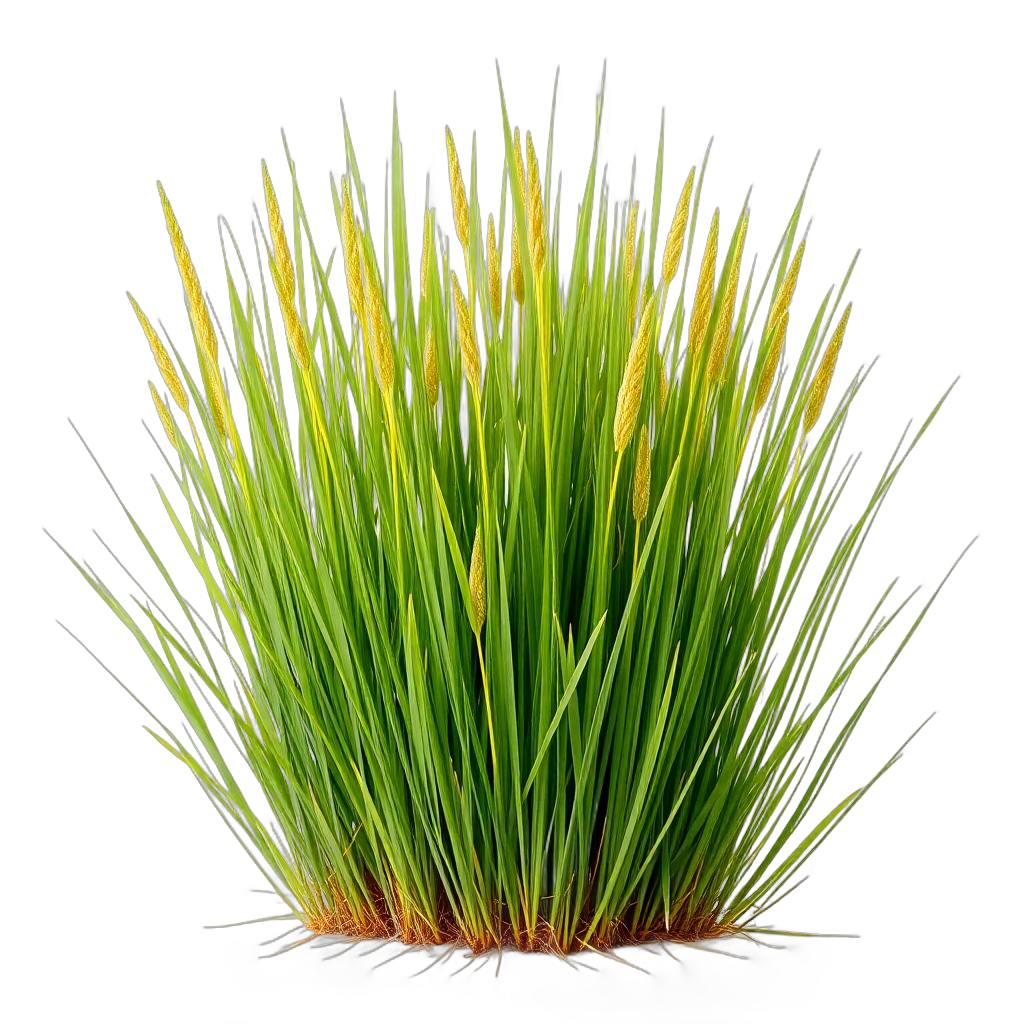
Bowles' Golden Sedge
Carex elata 'Aurea'
low-growing ground cover, blooms in none.

Tussock Sedge
Carex stricta
low-growing ground cover, blooms in spring. Brown fall color.

Umbrella Sedge
Cyperus alternifolius
grows to 4 feet, blooms in summer. Evergreen year-round.
Zone and sun checks come from our database — confirm with your local nursery before you buy.
Bloom Calendar for Arlington
spring
Mexican Buckeye, Ashe Juniper, Osage Orangesummer
Water Lettuce, Umbrella Sedge, Alpine Sea Hollyfall
Cedar Elm, Autumn Snakerootwinter
Ashe JuniperDesign Tips for Arlington (Zone 8a)
- Amend Arlington's clay soil with 4–6 inches of compost before planting any cottage border — it is the single most important investment you'll make in the entire project
- Lean on antique and species roses: 'Belinda's Dream', 'Mutabilis', and 'Caldwell Pink' have decades of proven performance in North Texas heat and clay soils
- Use existing post oaks or live oaks as shade anchors — their dappled canopy extends the bloom season for foxgloves and hollyhocks by weeks compared to full-sun planting
- Plan for two glory windows — spring (February–May) and fall (September–November) — and choose plants whose peak overlaps with at least one of them
- Cross-Timbers native prairie plants (coneflower, black-eyed Susan, Gulf muhly grass) belong in every Arlington cottage garden — they provide heat-season structure when English cottage classics are resting
- Mulch beds to 3–4 inches of shredded hardwood every spring to moderate Clay soil temperature swings and dramatically reduce summer irrigation needs
Where to Source Plants in Arlington
Skip the big-box stores. These independent Arlington nurseries specialize in the plants that make cottage/english gardens thrive in Zone 8a.
Redenta's Garden
East Dallas (15 min from Arlington)
Perennials, herbs, native plants, old roses, organic gardening — since 1992
North Haven Gardens
University Park / Dallas (20 min from Arlington)
Native Texas shrubs, perennials, trees — established 1951
The Antique Rose Emporium
Brenham, TX (flagship store)
Antique and species roses — the premier Texas old rose source since 1983
Calloway's Nursery
Multiple DFW locations including Arlington
Broad plant selection, perennials, trees, Texas-adapted varieties
Fort Worth Botanical Garden Plant Sales
Fort Worth (adjacent to Arlington)
Native and adapted plants, specialty perennials sold at seasonal plant sales
Cottage/English Landscaping Costs in Arlington
| Project Scope | Estimated Cost |
|---|---|
| Rose arbor + picket fence cottage entry (front yard) | $5,000 – $12,000 |
| Full cottage front yard redesign (400–600 sqft) | $6,500 – $15,000 |
| Backyard flagstone patio with rose arch + planting | $8,000 – $20,000 |
| Pergola + fountain + cottage garden (full backyard) | $20,000 – $48,000 |
| Clay soil amendment + raised bed installation | $1,200 – $3,500 |
| Drip / soaker irrigation system | $1,000 – $2,800 |
| AI visualization with ProScapeAI | Free to start |
Estimates based on Arlington, TX-area contractor rates as of 2026. Actual costs vary by site conditions, materials, and contractor.
Arlington Climate & Growing Zone
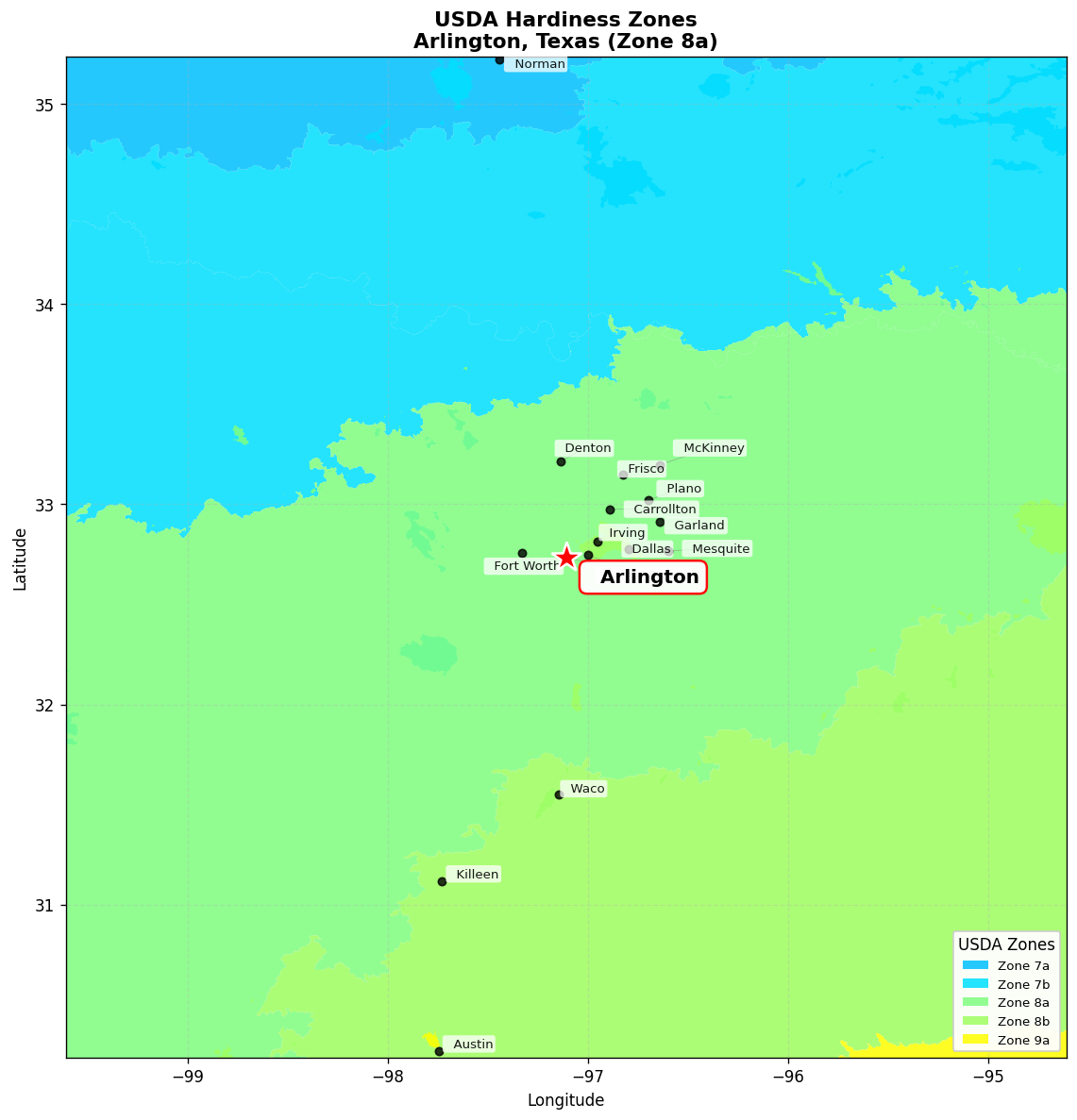
USDA Zone 8a
Hardiness zone for Arlington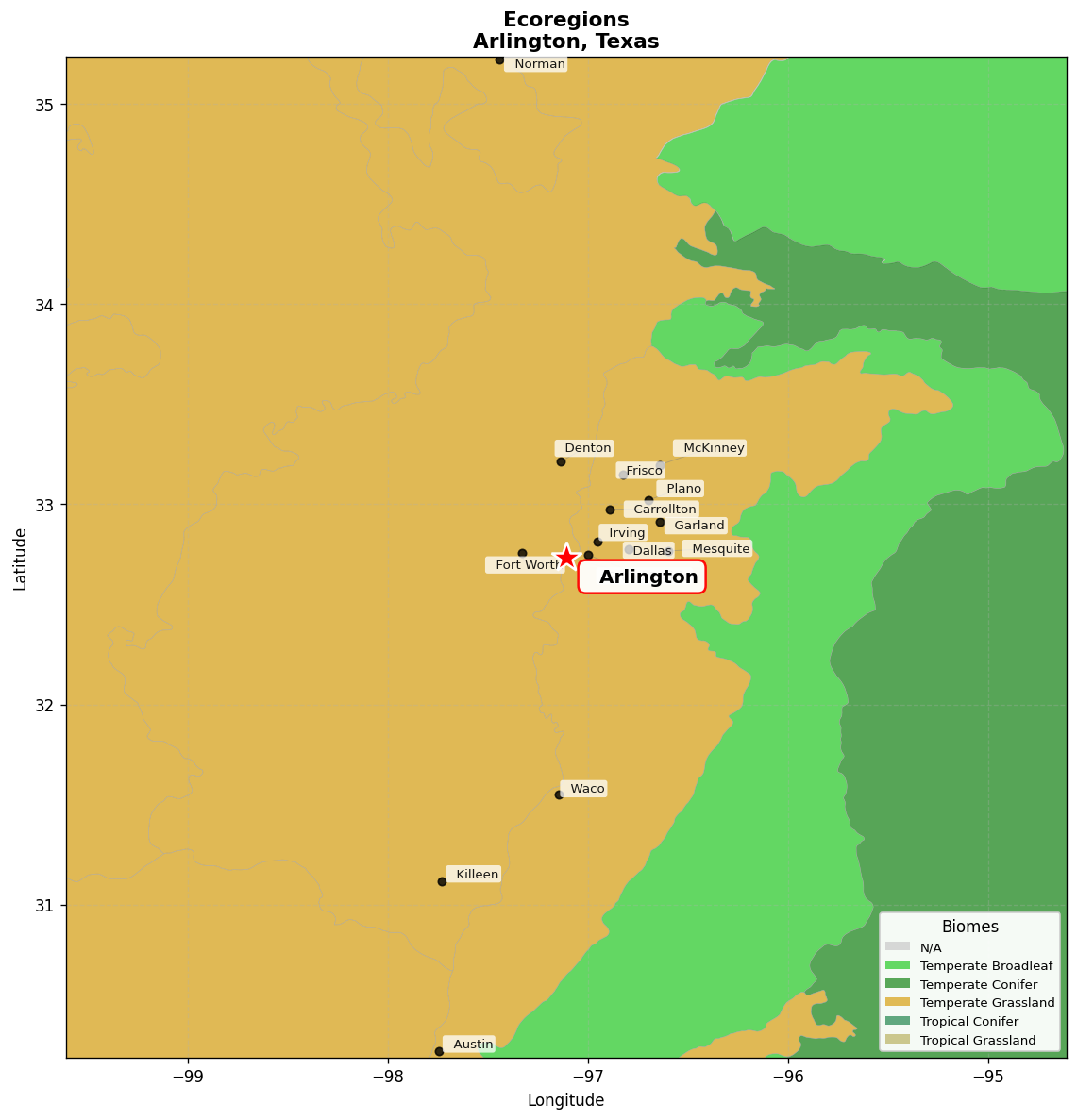
Cross-Timbers savanna-woodland
Native ecoregionFrequently Asked Questions
Can you grow a cottage garden in Arlington TX heat?
Yes — with the right plant selection and soil preparation, Arlington's cottage gardens can be spectacular from February through May and again September through November. The key is accepting that summer (June–August) is a survival period, not a performance period. Choose antique and species roses over modern hybrids, focus on native salvias (Salvia greggii, S. farinacea) and prairie natives (coneflower, black-eyed Susan, coreopsis) that evolved in this heat, and amend your clay soil before planting. Arlington's 35 inches of annual rainfall does significant irrigation work that makes the design far more sustainable than gardens in drier climates.
What roses grow best in Arlington, TX Zone 8a?
Antique and shrub roses are by far the best performers in Zone 8a. Top choices: 'Belinda's Dream' (disease-resistant, prolific bloomer), 'Mutabilis' (China rose, near-continuous bloom), 'Caldwell Pink' (extremely tough found rose), 'Duchesse de Brabant' (Tea rose, heat-tolerant), and climbing 'New Dawn' or 'Cecile Brunner' for arbors. The slightly cooler Zone 8a winters (compared to Dallas's 8b) actually improve cold-tolerant variety performance. Avoid modern hybrid teas unless you're prepared for consistent fungicide programs — Arlington's humidity makes black spot a constant battle with susceptible varieties.
How do I amend Arlington clay soil for cottage plants?
Heavy clay is the main soil challenge throughout the Cross-Timbers region. Before planting any cottage border, till or fork the bed to 12 inches, work in 4–6 inches of quality compost, and consider adding expanded shale (available at Texas nurseries) to the worst-draining areas. For roses especially, build the bed 6–12 inches above grade if drainage is a serious concern. Mulch all beds to 3–4 inches of shredded hardwood to moderate soil temperature, retain moisture between rain events, and suppress weeds. Once properly prepared, clay soil's moisture-holding capacity becomes an advantage — less supplemental irrigation needed compared to sandy soils.
What are the best cottage garden plants for Arlington's Cross-Timbers zone?
Reliable cottage plants for Cross-Timbers Zone 8a: antique and shrub roses, lavender (especially 'Phenomenal' and Spanish lavender), Salvia greggii and S. farinacea, coneflower (Echinacea purpurea and E. pallida), coreopsis, black-eyed Susan, catmint, yarrow, and ornamental grasses (Gulf muhly, Little Bluestem). In afternoon shade: foxgloves (spring only), hostas, astilbe. The native prairie perennials — coneflower, black-eyed Susan, prairie verbena — are especially valuable because they evolved in this exact climate and tolerate drought, clay, and heat without complaint.
Which Arlington neighborhoods are best for cottage-style landscaping?
Interlochen, Dalworthington Gardens, and the historic blocks near downtown Arlington (particularly around Division Street and the original townsite) have the mature canopy trees, established lots, and older housing stock that complement cottage garden treatment best. Interlochen especially has 1950s–1970s ranch houses under mature live and post oaks that are architecturally ideal for softening with lush cottage borders. Dalworthington Gardens is a separate municipality within the Arlington metro with larger lots and established trees. In newer subdivisions, the main challenge is establishing canopy trees first — everything else follows from shade.
When should I plant a cottage garden in Arlington, TX?
Fall (October–November) is optimal for roses, perennials, and spring bulbs. Arlington's mild winters and reliable winter rains handle establishment naturally, and plants root in before summer stress. Spring (February–April) works well for annuals and fast-establishing perennials like salvia, coneflower, and coreopsis. Avoid June–August planting — transplant stress in Zone 8a summer heat is brutal on cottage plants. If you must plant in summer, do it in the evening, water deeply at planting, and use 50% shade cloth for the first two to three weeks until roots establish.