4 Desert Garden Ideas for Bakersfield, CA | Zone 9b Central Valley Xeriscape
Native plants from the California Central Valley grasslands (Zone 9b) — Hot desert climate
For a desert garden in Bakersfield, CA, a zone 9b city with a hot desert climate, start with Blue palo verde tree (spring yellow bloom), California poppies (March–May self-seeding carpet) and four-wing saltbush (silver shrub), the plants this guide's first design is built on.
Why Desert/Xeriscape Gardens in Bakersfield?
Bakersfield sits within the California Central Valley grasslands ecoregion, a vast interior valley bounded by the Sierra Nevada to the east and the Coast Ranges to the west, historically a landscape of native bunch grasses, valley oaks, and seasonal wetlands that now supports California’s most productive agricultural region. Bakersfield’s position at the southern end of the Central Valley creates a climate of considerable extremes: hot, dry summers with temperatures regularly reaching 110°F and cold, foggy winters known as Tule fog that can hold the valley in gray stillness for weeks.
Bakersfield averages only 6–8 inches of rainfall annually, far less than Los Angeles and comparable to the Mojave Desert’s drier edges. The combination of extreme summer heat, minimal rainfall, and the hot, dry Diablo winds that blow through the Tehachapi Pass makes Bakersfield one of California’s most challenging landscapes for conventional gardening. The Kern County water supply, which draws from both the State Water Project and local groundwater, faces ongoing stress from drought cycles. Water-efficient landscaping is both economically rational and increasingly incentivized for Bakersfield homeowners.
Bakersfield’s residential neighborhoods (Seven Oaks, Oleander, Stockdale, and the newer Westside developments) feature ranch-style and contemporary homes that suit the horizontal, low-water beauty of a Central Valley desert-modern landscape. The region’s native plant palette of valley oaks, blue palo verde from nearby desert margins, native bunch grasses, and California poppies, combined with desert-adapted plants from the adjacent Mojave and Sonoran, creates a landscape vocabulary adapted to Bakersfield’s harsh conditions.
4 Desert/Xeriscape Design Ideas for Bakersfield

AI-generated image
The Central Valley Native Xeriscape
$4–10/sqftA Bakersfield front yard changed from thirsty turf to a California Central Valley native landscape: native blue grama or buffalo grass covers the former lawn areas as a low-water native alternative. California poppies self-sow across the groundplane in a golden March–May display. Native blue palo verde, a tree that does well along Bakersfield’s climate margin between the Central Valley and Mojave, provides a March cloud of yellow bloom. Native four-wing saltbush creates the medium-height silver shrub layer. Decomposed granite in warm gold covers all non-planted areas. Placed river cobble or Sierra granite boulders add natural mass. A simple DG path from the street to the front door threads through the planting. When the poppies emerge in March against the blue palo verde’s yellow bloom, this front yard creates a spectacle unique to the southern San Joaquin Valley.

AI-generated image
The Agave and Cactus Desert Garden
$5–12/sqftA Bakersfield front or side yard designed as a Mojave-edge desert sculpture garden: large specimen agaves (Agave americana, the century plant, and Agave parryi) create the bold architectural framework. Blue palo verde at one corner provides light canopy shade and spring yellow bloom. Native Opuntia prickly pear clusters add informal low forms and fall orange-red fruit. Golden barrel cactus clusters in masses of five to seven create bright chartreuse punctuation in the DG groundplane. Placed Sierra granite boulders add warm gray-orange color and natural mass. Low-voltage LED uplighting on the agave specimens and boulders creates dramatic evening silhouettes. This design is completely irrigation-free after the first establishment season in Bakersfield’s climate.

AI-generated image
The Sheltered Kern County Courtyard
$12–24/sqftA Bakersfield backyard designed as an enclosed courtyard for protection from the valley’s intense summer heat and Diablo wind events: a masonry or CMU wall on the south and west sides creates a windbreak enclosure. Inside the sheltered zone, a simple concrete or Saltillo tile patio holds a misting system for Bakersfield’s extreme summer afternoons and a gas fire pit for winter evenings. A native mesquite or blue palo verde provides canopy shade from the intense summer sun inside the courtyard. Container plantings of native succulents, rosemary, and ornamental grasses add color and fragrance within the sheltered space. The windbreak walls and misting system turn Bakersfield’s exposed backyard into a usable outdoor room through the spring and fall seasons, and even create limited summer usability during morning and evening hours.

AI-generated image
The Desert-Modern Pool and Landscape
$22–50/sqft (complete pool surround area)A premium Bakersfield backyard combining a pool with a Central Valley desert-modern landscape: a rectangular pool with a concrete deck is the outdoor focus from April through October, and with Bakersfield’s extreme summer heat, the pool is used actively from May 15 through September 30. A solid Alumawood or steel patio cover provides essential shade from the valley’s intense sun. Native agave, palo verde, and ornamental grasses frame the pool perimeter in DG groundplane. Placed granite boulders add warm regional character. An outdoor kitchen anchors the covered dining area. The entire landscape outside the pool deck is native-planted and needs essentially zero irrigation after establishment, creating a pool landscape with very low ongoing water costs, which matters in Bakersfield’s water-stressed Kern County environment.
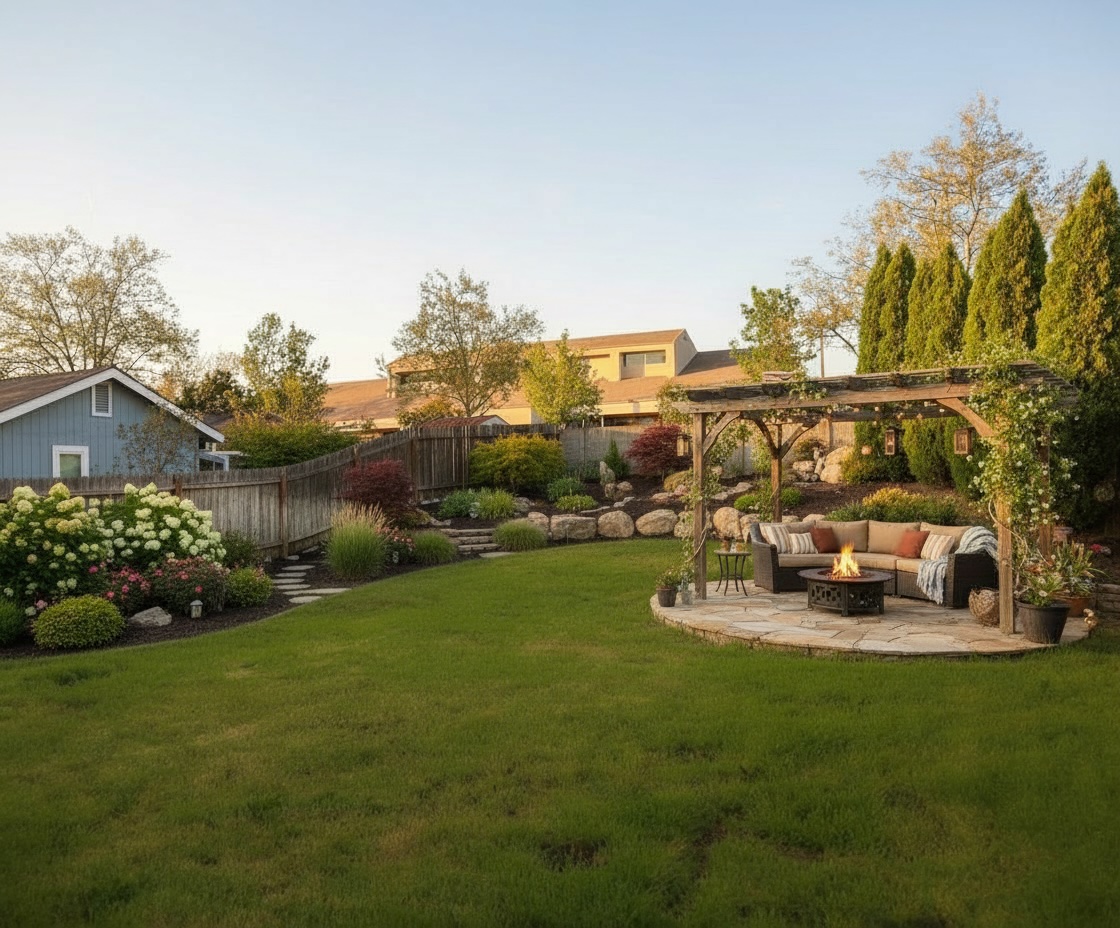
See how a desert/xeriscape garden looks on YOUR property
Upload a photo of your Bakersfield yard and visualize your dream garden in seconds.
Try ProScapeAI Free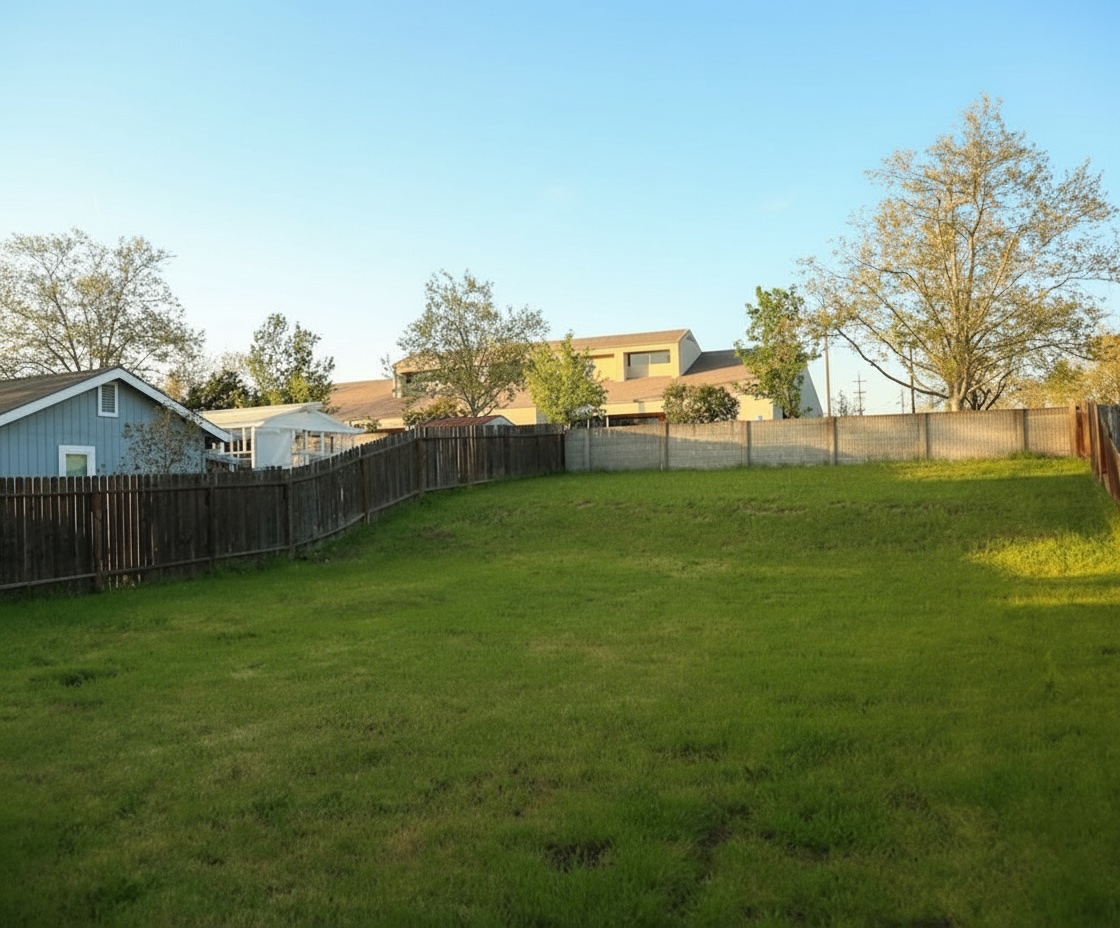
AI-generated image
Featured Trees & Shrubs for Desert/Xeriscape Gardens
Browse all 160 plants for Bakersfield
Blue Oak
Quercus douglasii
large shade tree reaching 50+ feet, blooms in spring. Yellow fall color.
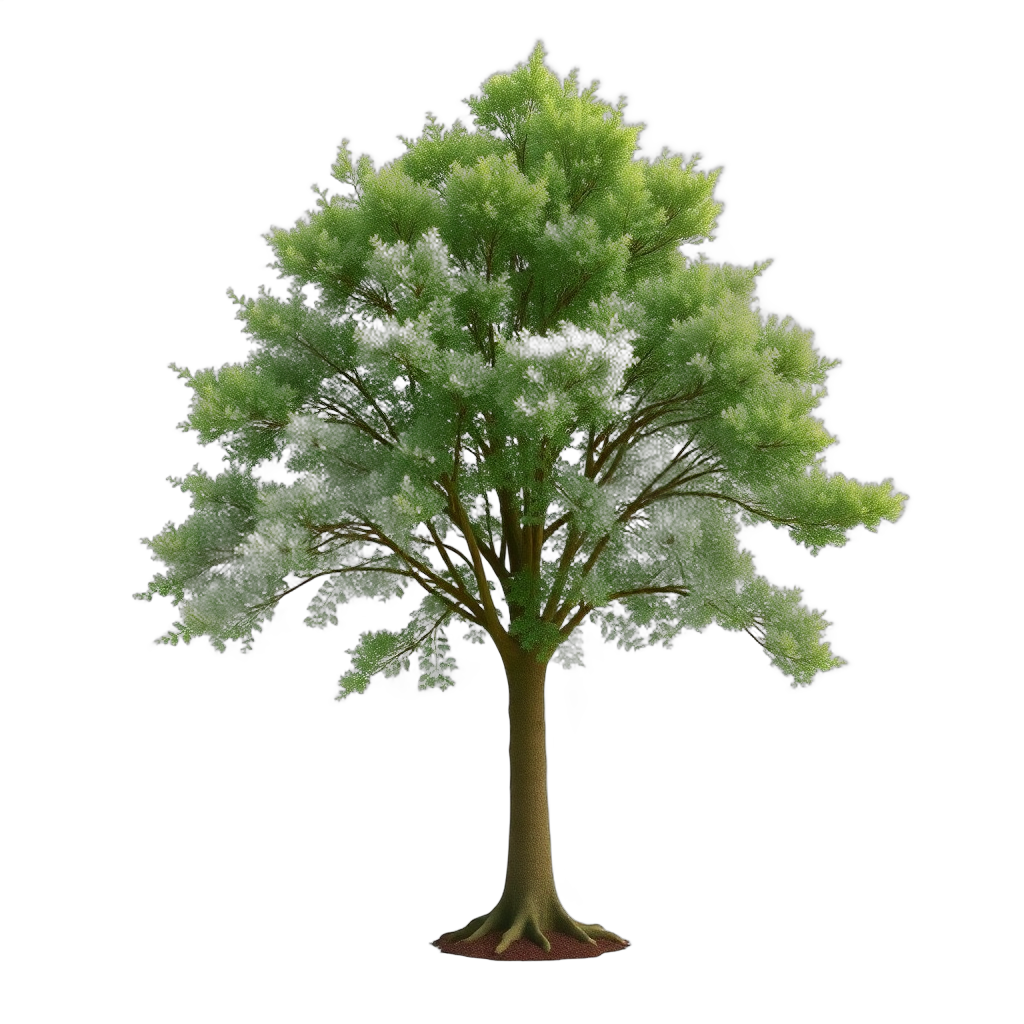
Fremont Cottonwood
Populus fremontii
large shade tree reaching 50+ feet, yellow blooms in spring. Yellow fall color.
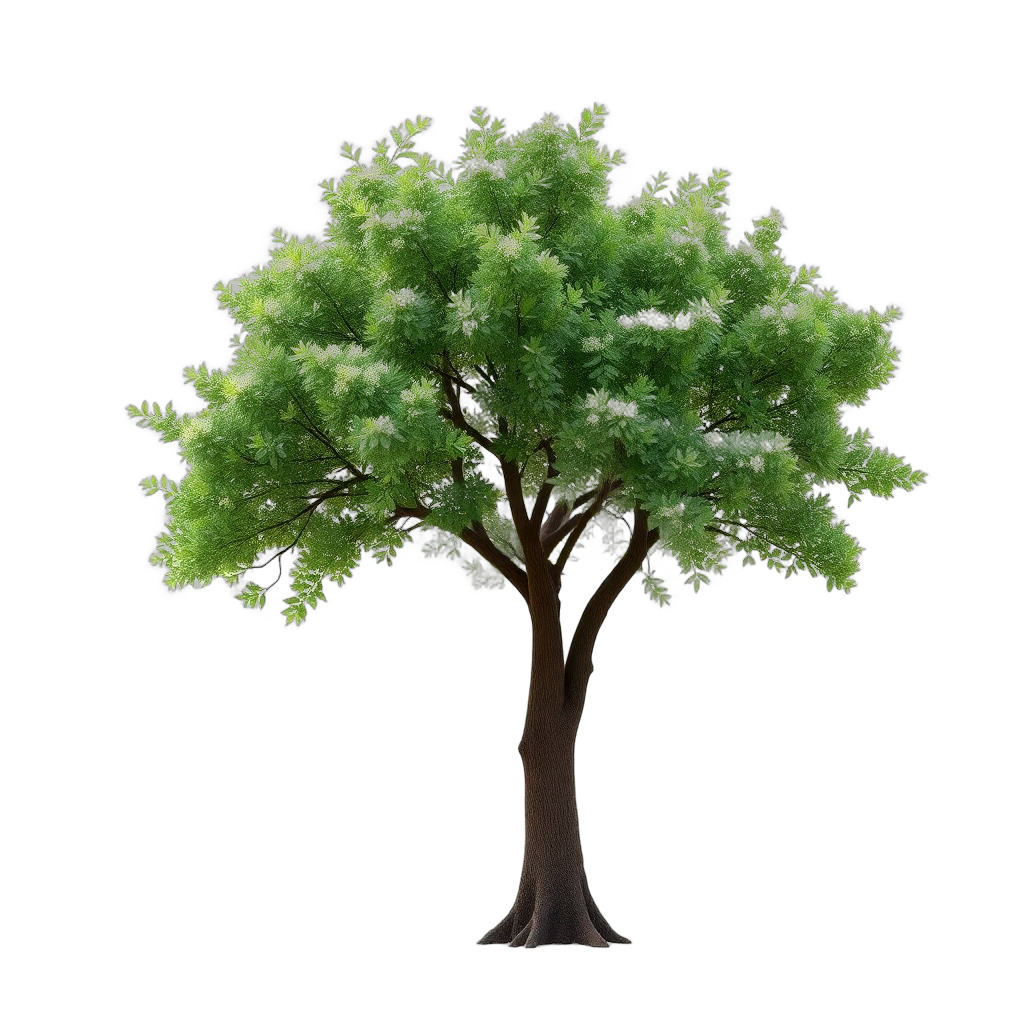
Valley Oak
Quercus lobata
large shade tree reaching 80+ feet, blooms in spring. Yellow fall color.
Featured Grasses & Groundcovers for Desert/Xeriscape Gardens
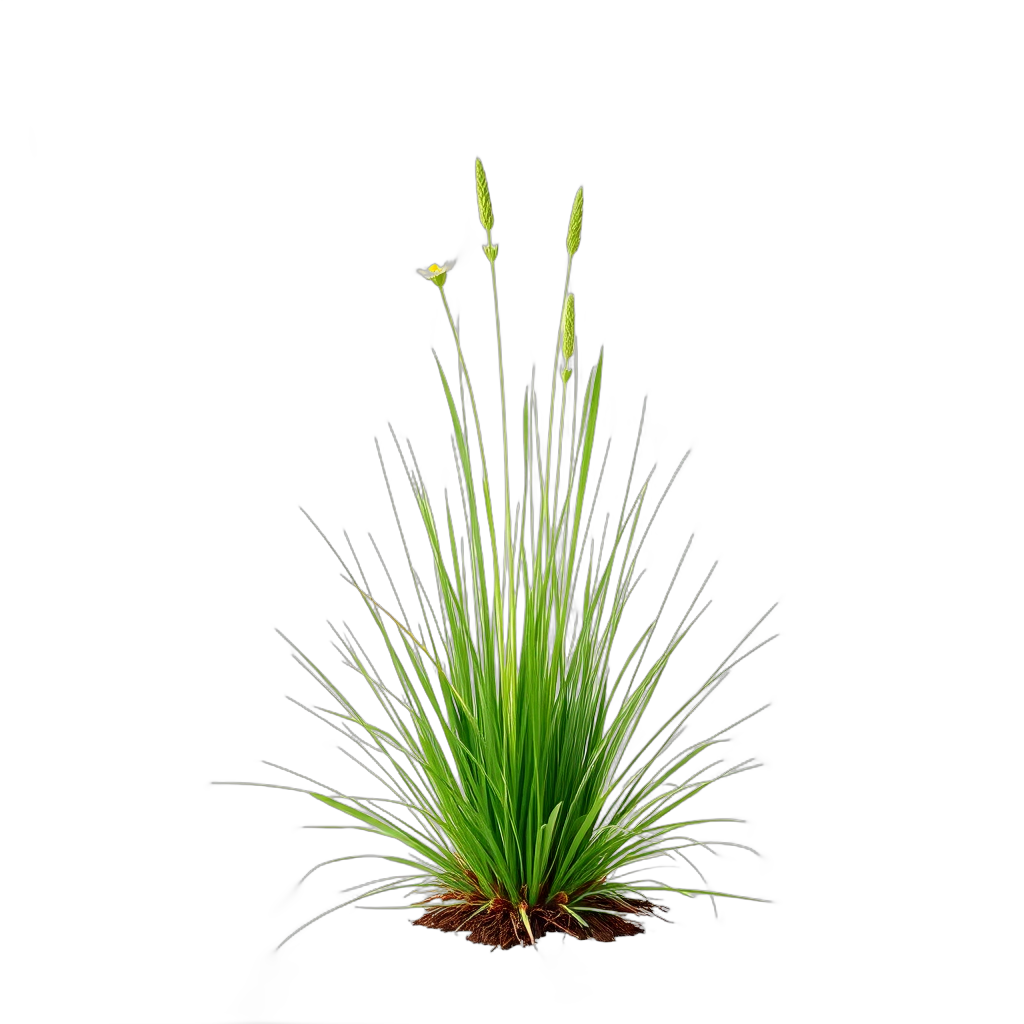
California Brome
Bromus carinatus
low-growing ground cover, blooms in spring. Yellow fall color.
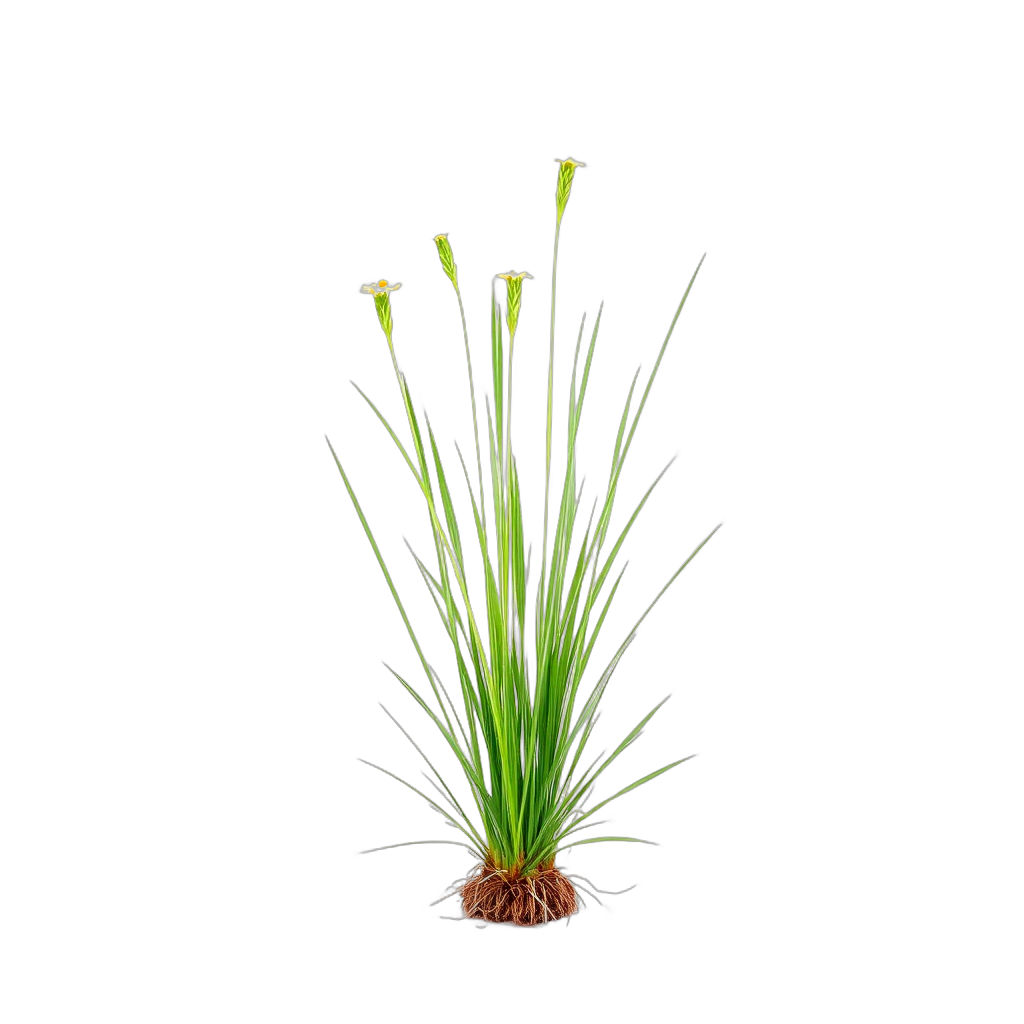
California Melic
Melica californica
low-growing ground cover, blooms in spring.
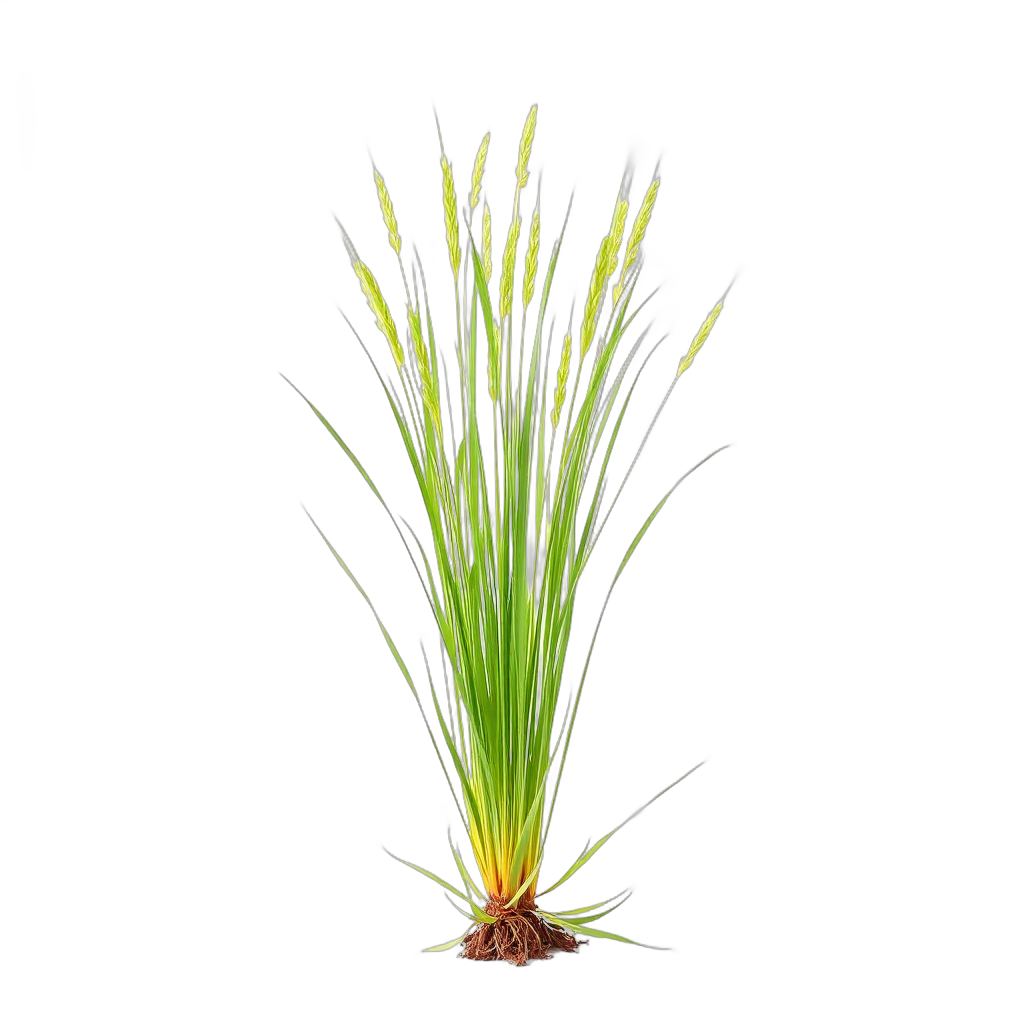
California Oatgrass
Danthonia californica
low-growing ground cover, blooms in spring. Yellow fall color.
Featured Flowers & Perennials for Desert/Xeriscape Gardens
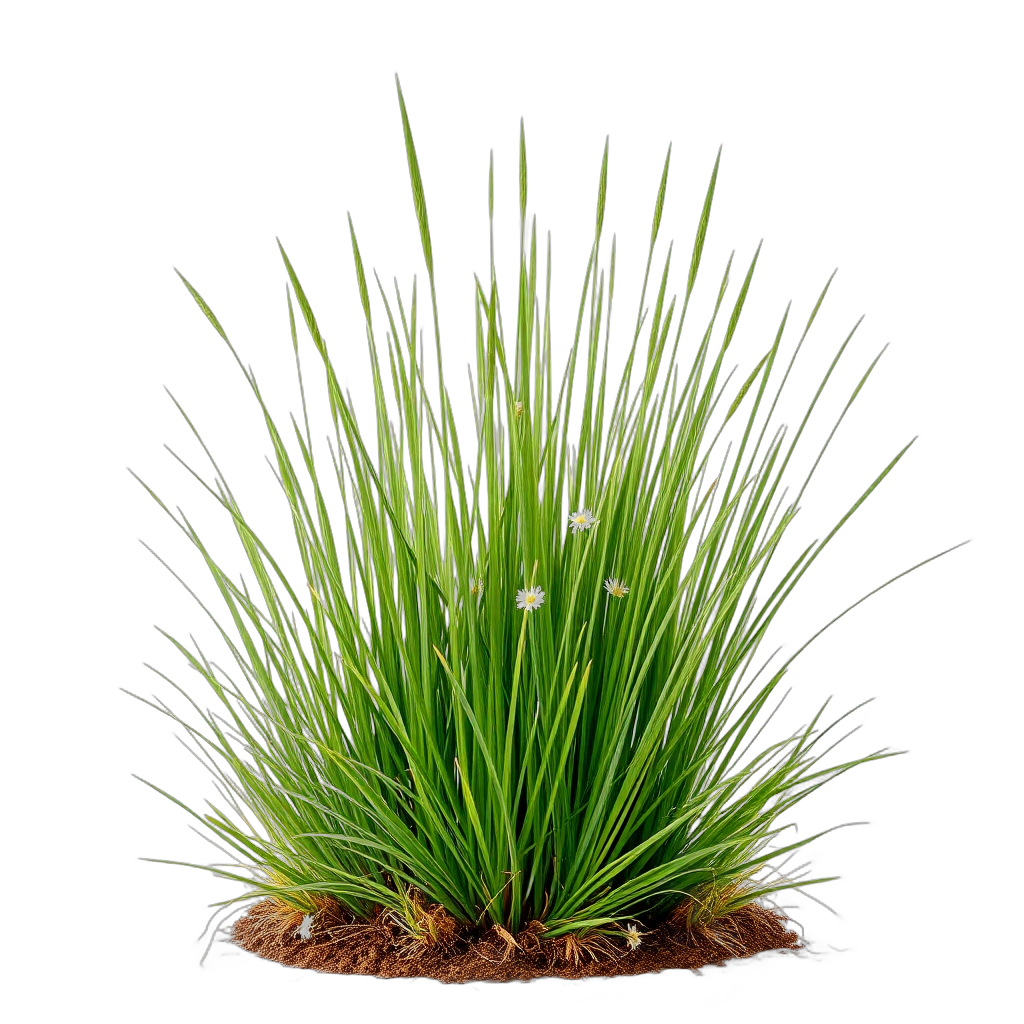
Baltic Rush
Juncus balticus
low-growing ground cover, blooms in summer. Evergreen year-round.
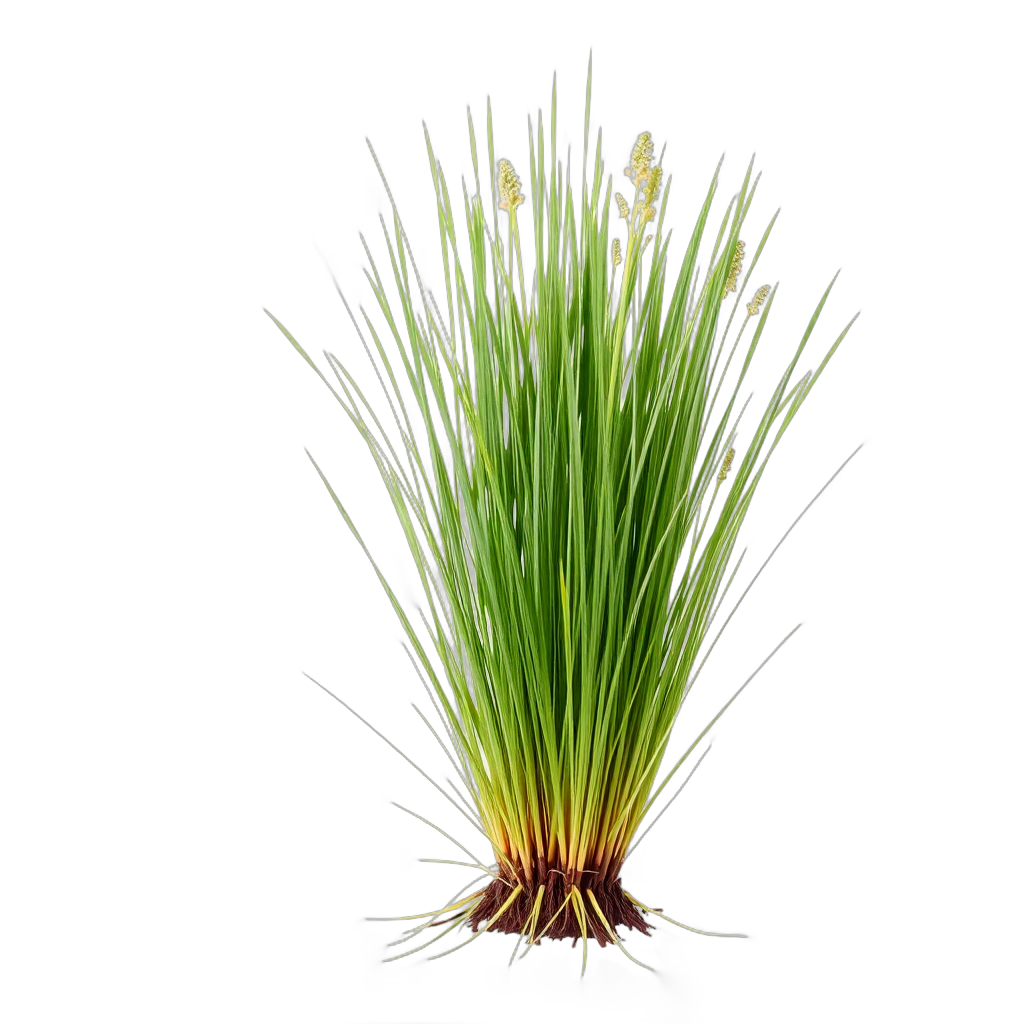
California Gray Rush
Juncus patens
low-growing ground cover, blooms in summer. Evergreen year-round.
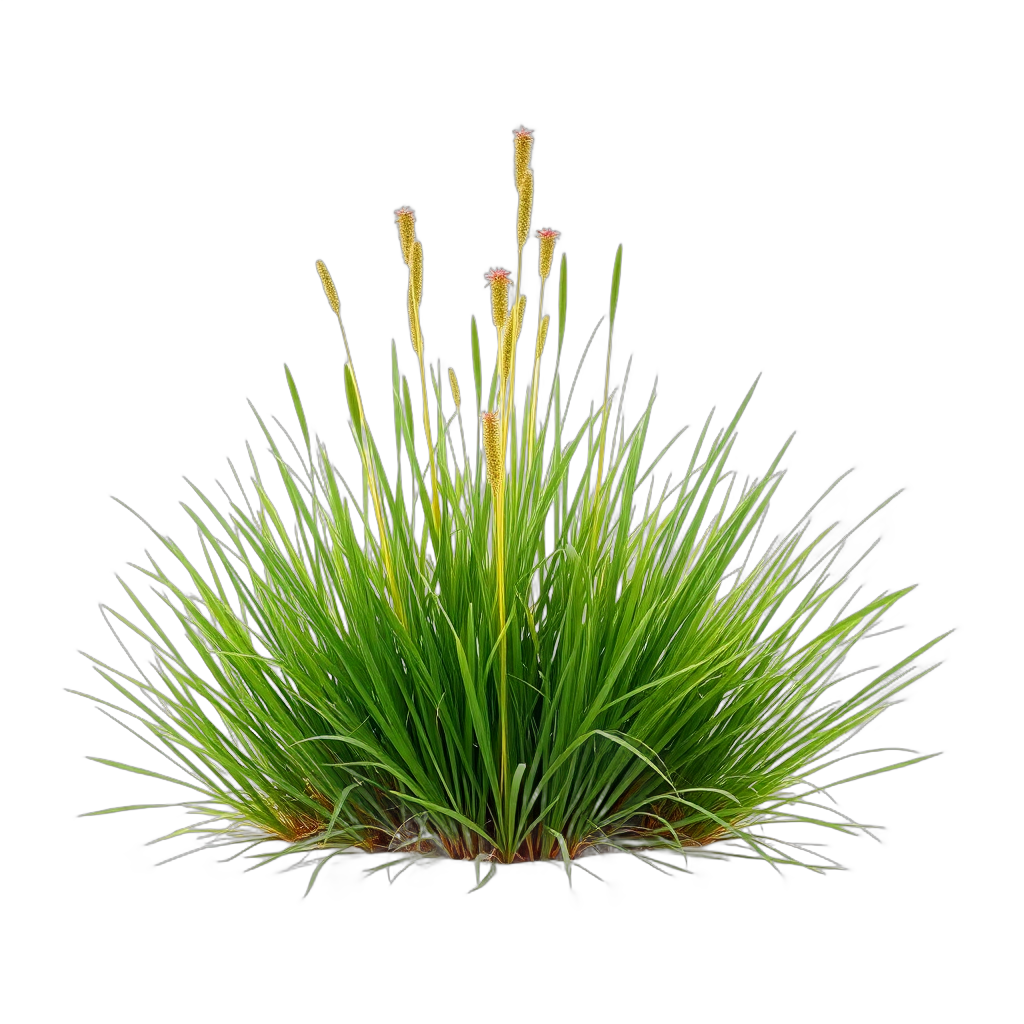
Clustered Field Sedge
Carex praegracilis
low-growing ground cover, blooms in spring.
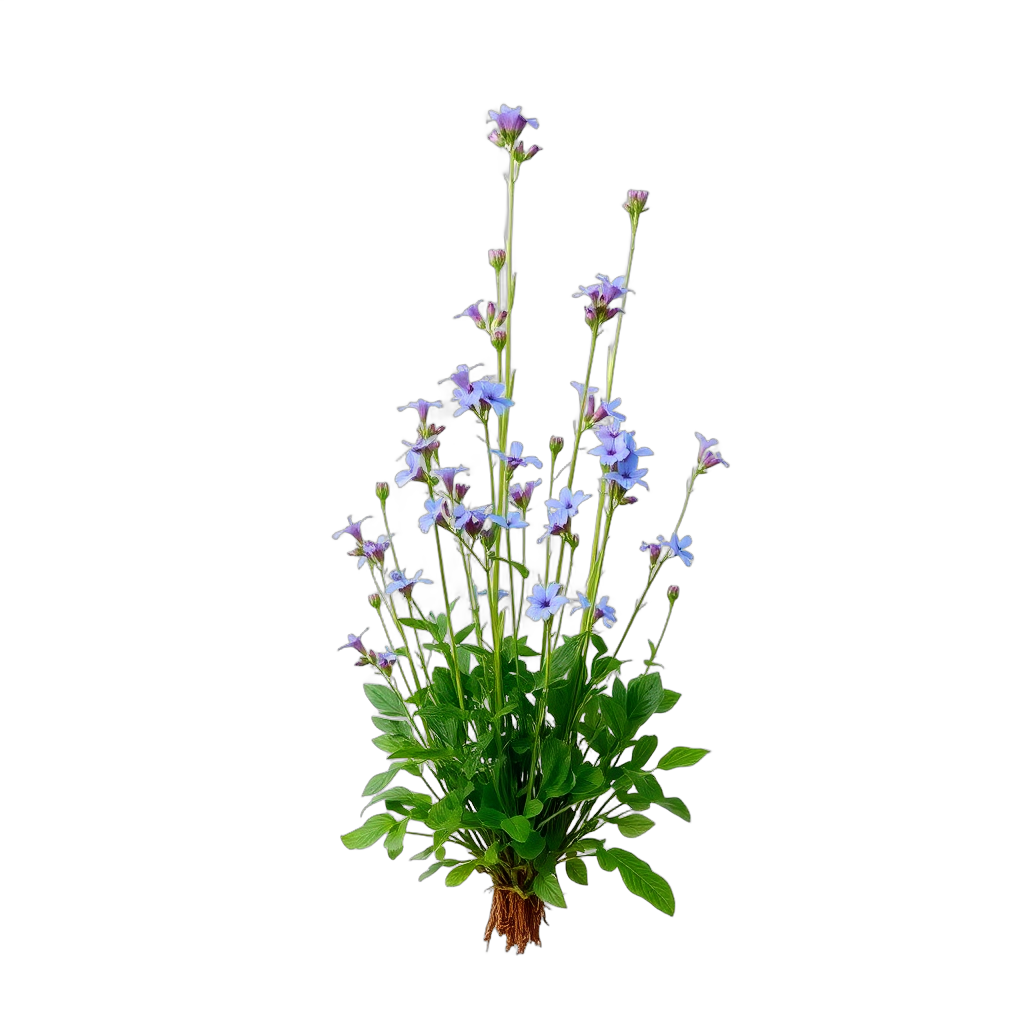
Blue Dicks
Dichelostemma capitatum
low-growing ground cover, blue blooms in spring. Pollinator-friendly.
Zone and sun checks come from our database — confirm with your local nursery before you buy.
Bloom Calendar for Bakersfield
spring
Clustered Field Sedge, Blue Dicks, Blue-Eyed Grasssummer
Baltic Rush, California Gray Rush, Papyrusfall
Limited bloomswinter
Limited bloomsDesign Tips for Bakersfield (Zone 9b)
- Plant blue palo verde as the signature tree in any Bakersfield xeriscape. In March and April the tree erupts in a cloud of yellow bloom, the best spring display available in the Central Valley, and its fine-textured canopy gives filtered shade that lets groundplane plants get enough light beneath it
- Use Sierra granite boulders as the primary hardscape accent material in any Bakersfield desert design. The warm gray-orange granite comes from the foothills 60–100 miles east of Bakersfield, a regional material connection, and its warm tones complement the gold and silver tones of native grasses and shrubs
- Install misting systems under any Bakersfield covered patio or shade structure. A properly designed misting system running during the 3–8 PM peak heat period reduces apparent temperature by 15–25°F in Bakersfield’s dry summer heat, making a covered patio a comfortable outdoor room through June–September
- Plant agave in fall (October–November) in Bakersfield to establish through the cool winter months before summer heat arrives. Fall-planted agave roots through Bakersfield’s mild winter and enters the first summer with enough establishment to handle the valley’s 100°F+ heat without irrigation, while spring-planted specimens remain vulnerable through their first summer
- Specify a ceiling fan rated for outdoor/wet-location use in any Bakersfield covered patio. In Bakersfield’s dry summer heat, even a light breeze from a ceiling fan creates significant evaporative cooling comfort, and a fan combined with a misting system creates the most cost-effective summer outdoor comfort solution available in the Central Valley
- Build masonry or CMU walls on the south and west sides of any Bakersfield patio or outdoor room. The combination of afternoon sun from the west and Diablo wind events from the northeast makes south-west wind protection the most critical design element for outdoor comfort in Bakersfield; a 6-foot masonry wall on these sides gives a much calmer and cooler microclimate
Where to Source Plants in Bakersfield
Skip the big-box stores. These independent Bakersfield nurseries specialize in the plants that make desert/xeriscape gardens thrive in Zone 9b.
Robby’s Nursery
Bakersfield
Well-established Bakersfield nursery with a broad selection of drought-tolerant plants, cacti, succulents, and trees adapted to Kern County’s climate
Bolles Nursery
Bakersfield
Bakersfield’s family-owned nursery with quality shrubs, trees, and ornamental plants selected for Kern County’s Zone 9b conditions
White Forest Nursery
Bakersfield
Comprehensive Bakersfield nursery with trees, shrubs, succulents, and drought-tolerant plants for the San Joaquin Valley
Reimer’s Wholesale Nursery
Bakersfield
Kern County wholesale and retail nursery supplying drought-tolerant trees and shrubs to Bakersfield landscape contractors and homeowners
Desert/Xeriscape Landscaping Cost Ranges
| Project Scope | Estimated Cost |
|---|---|
| Drip irrigation system (500 sqft of planted area) | $1,200–$2,200 |
| Block fire pit, stacked block, capped (1 fire pit) | $580–$770 |
| Landscape gravel court (200 sqft) | $170–$370 |
| AI visualization with ProScapeAI | Free to start |
National average installed ranges for 2026 from our landscaping price list (Homewyse and other published sources). Prices in Bakersfield, CA vary with site, materials and contractor, so get two or three local quotes.
Bakersfield Climate & Growing Zone

USDA Zone 9b
Hardiness zone for Bakersfield
California Central Valley grasslands
Native ecoregionFrequently Asked Questions
What plants survive Bakersfield’s extreme heat and minimal rainfall?
Bakersfield’s extreme climate (110°F summer, 6–8 inch annual rainfall, Tule fog winters) demands highly adapted plant selection. Proven survivors: blue palo verde (spectacular yellow spring bloom, tolerates both heat and occasional cold), native prickly pear and barrel cactus (zero water after establishment), agave (essentially indestructible), four-wing saltbush (native silver shrub, extremely drought tolerant), native deer grass (drought tolerant after establishment), California poppies (self-seeding annual, reappears each spring without irrigation), rosemary (extremely drought tolerant in Zone 9b), lavender (heat tolerant with minimal water). All native Central Valley and Mojave-edge plants are essentially water-independent after their first established season in Bakersfield.
How much does xeriscaping cost in Bakersfield?
Bakersfield xeriscaping costs are among the more affordable in California’s major cities. Metropolitan Water District and Kern County Water Agency offer periodic turf replacement rebates, so check current rates before planning. Bakersfield labor costs are significantly below Los Angeles or San Francisco for comparable work.
Does Bakersfield offer water conservation rebates for landscaping?
Bakersfield residents may qualify for rebates through multiple agencies. Kern County Water Agency and the City of Bakersfield Water Resources participate in Metropolitan Water District of Southern California (MWD) tiered rebate programs. Typical rebates: turf replacement at $1–2 per square foot of turf removed. Smart irrigation controller rebates ($80–$200 per controller). Check the MWD SoCal Water$mart program (bewaterwise.com) and Kern County Water Agency (kcwa.com) for current rebate availability and rates. The California Department of Water Resources (DWR) provides additional drought-response programs. Rebate availability changes based on funding cycles; confirm before installing.
How do I deal with Bakersfield’s Tule fog in landscape design?
Bakersfield’s Tule fog (dense ground fog from November through February, sometimes lasting weeks) creates a distinctive winter condition for landscape plants. Key considerations: California coastal sage plants (Cleveland sage, ceanothus) adapted to summer drought and wet winter are well-suited to Tule fog conditions. Agave and cacti are fog-tolerant; ensure drainage is adequate to prevent waterlogged roots during fog and winter rain events. Succulents should be planted in raised beds or very well-drained DG to prevent crown rot during extended fog and wet periods. Native grasses (deer grass, gulf muhly) handle Tule fog well. Avoid: tender tropical succulents from summer-rainfall climates, because Bakersfield’s cold, foggy winters with occasional frost (Zone 9b minimum: 20–25°F) can damage frost-tender plants.
What shade structure options work best in Bakersfield’s extreme climate?
Bakersfield’s 110°F summer sun and occasional Diablo wind events require robust shade structure design. Best solutions: solid Alumawood or steel patio covers (full shade, handles 80–100 mph wind gusts, low maintenance; the standard choice for Bakersfield outdoor living). Lattice-top pergolas with shade cloth (partial shade, needs shade cloth rating for Bakersfield’s intense UV). Shade sails (functional but risk damage in Diablo wind events; use only with proper tensioned anchor systems rated for high wind). Misting systems under shade covers (dramatically improve summer afternoon comfort in Bakersfield’s dry heat). Ceiling fans rated for outdoor/wet use are essential under any covered Bakersfield patio.
What California-native trees provide the best shade in Bakersfield?
Bakersfield’s extreme heat makes shade trees a critical element in any landscape design. Best performers: valley oak (Quercus lobata, California’s most majestic native tree, extremely drought tolerant after establishment, provides excellent shade in 15–20 years; plant young specimens now), blue palo verde (Parkinsonia florida, fast-growing, fine-textured shade, yellow spring bloom, Zone 8–11), native western honey mesquite (Prosopis glandulosa, fast shade, drought tolerant, pods attract wildlife). For faster shade: fruitless mulberry (non-native but extremely fast, common in Bakersfield for quick shade establishment), Chinese pistache (fall color, drought tolerant, Zone 7–11). All trees in Bakersfield should be planted in fall (October–November) to root through winter before summer heat.