4 Desert Garden Ideas for Fresno, CA | California Native Xeriscape for Zone 9b
Native plants from the California Central Valley grasslands (Zone 9b) — Cold semi-arid climate
Why Desert/Xeriscape Gardens in Fresno?
Fresno's California Central Valley grassland ecoregion was originally a mosaic of native bunchgrass prairies, valley oak woodlands, and vernal pool wetlands — a landscape shaped by 11 inches of winter rainfall and completely dry, hot summers. The native plants here evolved for exactly this pattern: winter rain, summer drought, fog in the valley. California fescue, deer grass, valley oak, blue oak, toyon, and California native shrubs perform perfectly in Fresno's climate because they evolved in it, while non-native turf grass and thirsty ornamentals require constant irrigation to survive the 5–6 month dry season.
Californian xeriscape draws on a uniquely rich native plant palette. California's Mediterranean climate produces more plant diversity per acre than almost any other biome on Earth, and Fresno sits at the heart of that diversity. The Central Valley grasslands, the Sierra Nevada foothills visible on clear days to the east, and the oak woodland-chaparral transition zones that ring the valley edge give Fresno-area gardeners access to extraordinary native plants: Ceanothus with its electric blue spring bloom, penstemon in bold reds and purples, California poppy's golden spring flush, and deer grass catching afternoon light in waves.
California's water crisis has fundamentally shifted the residential landscape market. Fresno's recent droughts, combined with Central Valley aquifer depletion, have made high-water landscapes genuinely irresponsible. California native xeriscape — designed to live on Fresno's natural winter rainfall with zero summer supplementation once established — is both the ecological answer and the direction the market is clearly moving. A well-designed California native garden in Fresno is the most locally authentic, most water-responsible, and increasingly the most admired landscape choice in the city.
4 Desert/Xeriscape Design Ideas for Fresno
AI-generated image
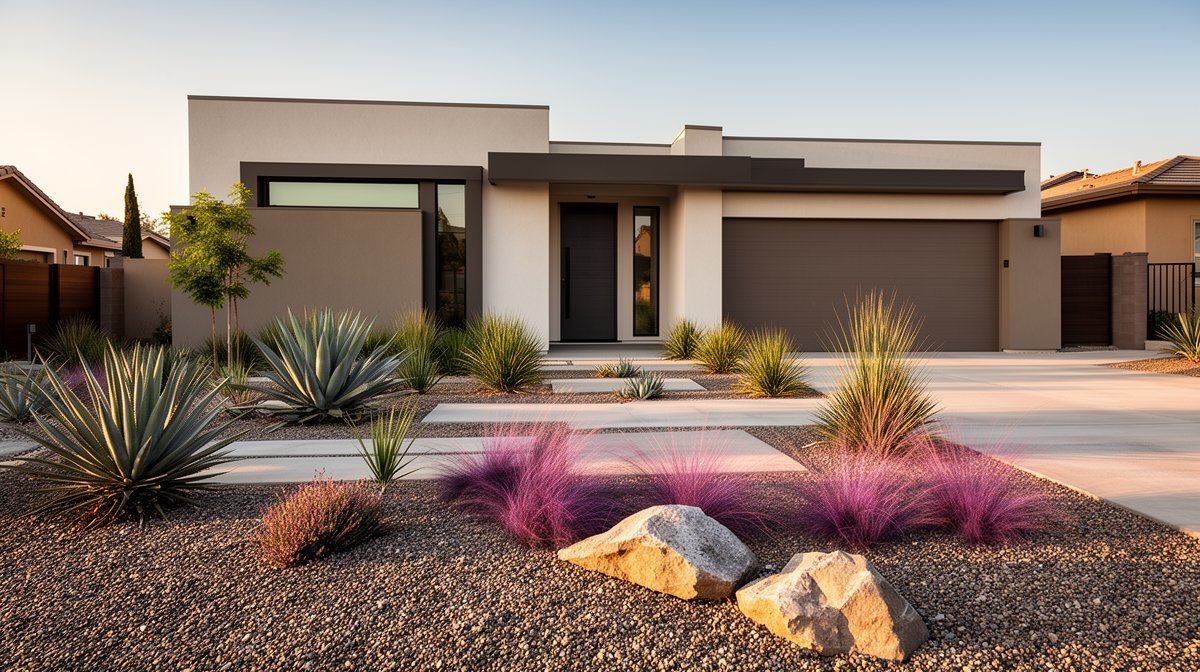
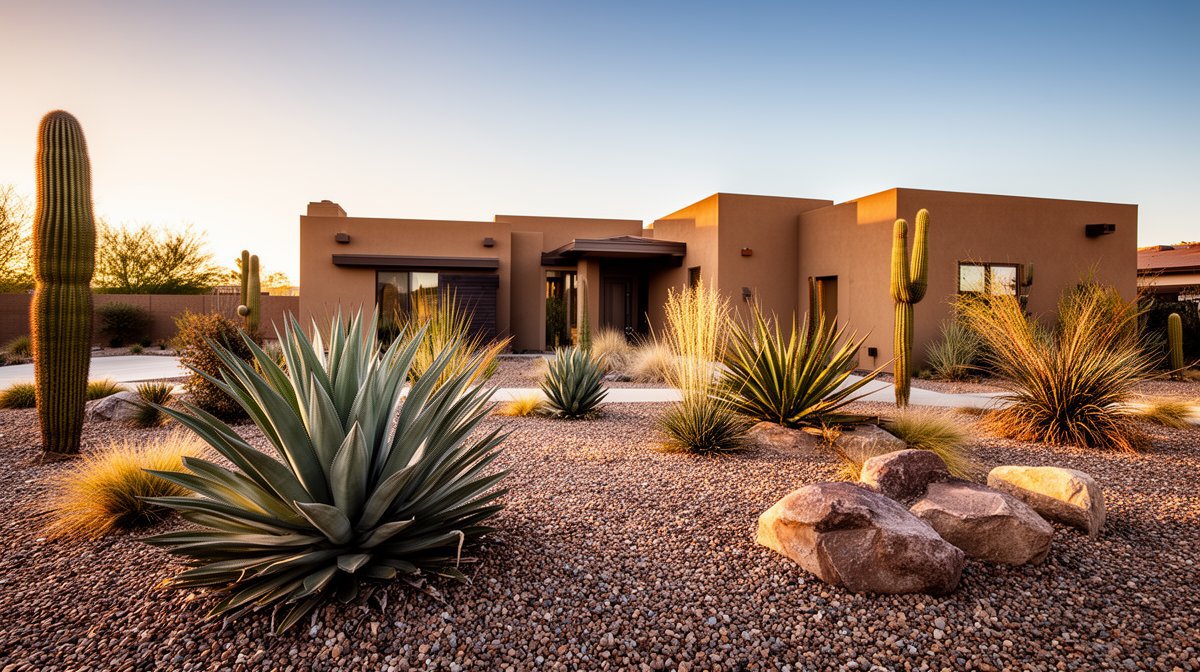
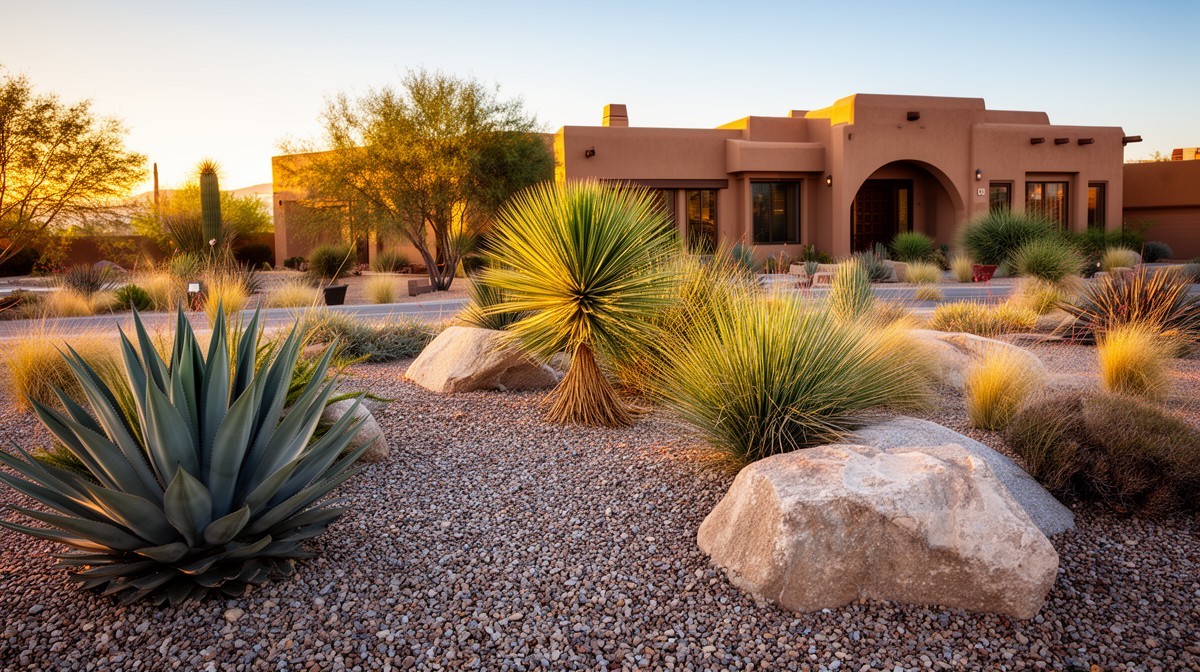
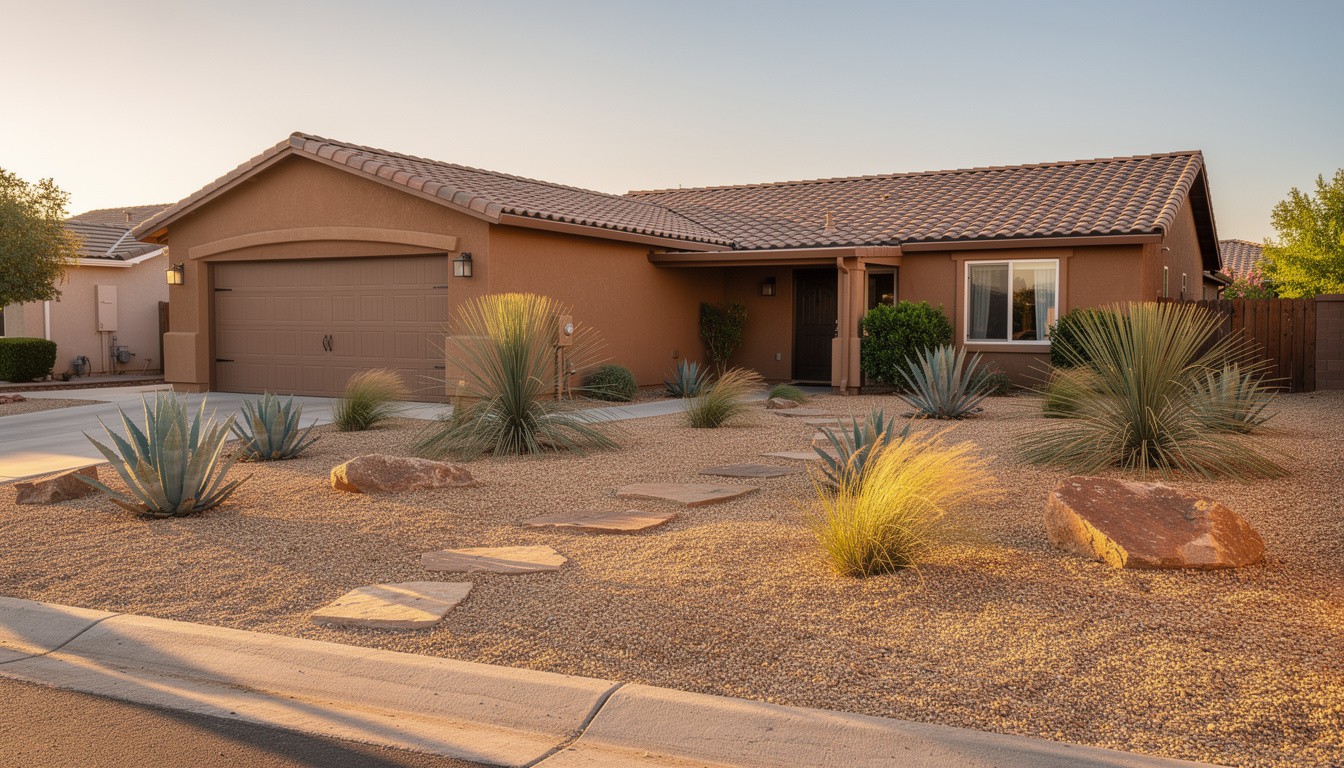
The Warm Gravel Agave Front
$7–14/sqftA stucco home with a tile roof is fronted by warm ochre decomposed granite planted with bold agave, feather grass, and yucca in a naturalistic composition anchored by red sandstone boulders. A stepping stone path winds through the planting to the front door. The warm red-gold tones of the gravel, stone, and dry grasses create a distinctly San Joaquin Valley palette.
AI-generated image
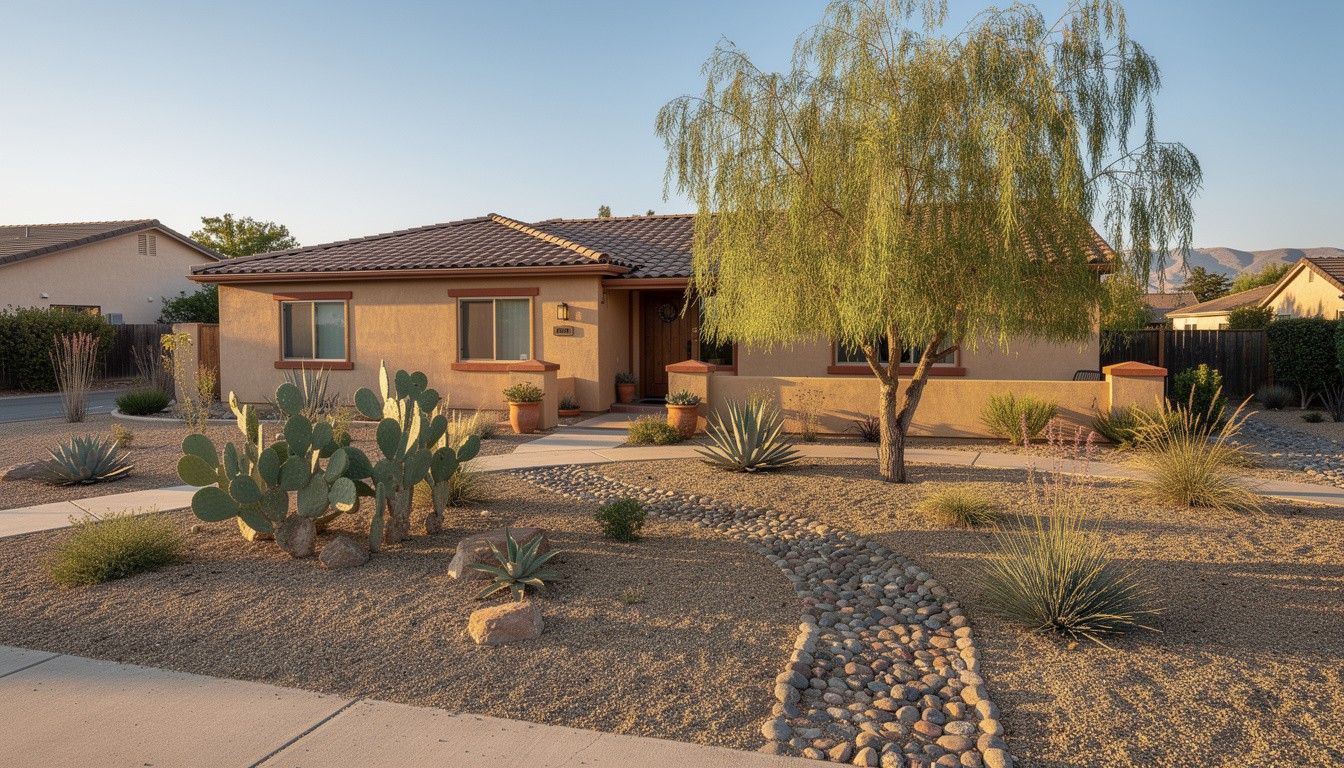
The Desert Willow and Dry Creek
$9–18/sqftA weeping desert willow anchors the center of this front yard xeriscape, with a dry river rock creek bed flowing beneath it and out toward the street. Prickly pear cactus, low agave, and gold gravel fill the surrounding planting zones. The creek feature handles Fresno's occasional winter rains while adding naturalistic character that reads as designed, not afterthought.
AI-generated image
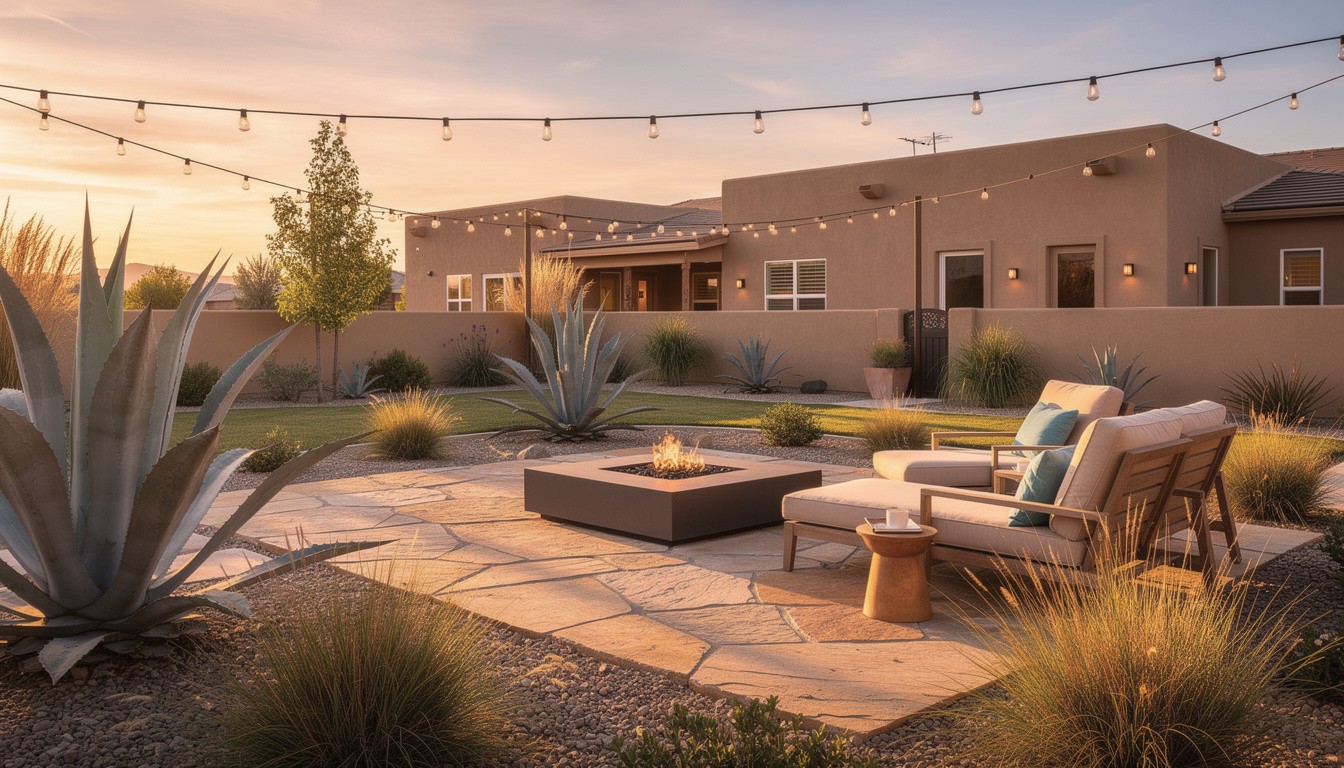
The Fresno Desert Patio
$18–40/sqftA flagstone patio with a square fire table and lounge seating occupies the center of the backyard under a pergola strung with festoon lights. Large agave specimens flank the seating area while ornamental grasses soften the perimeter. A low stucco wall defines the back boundary. Fresno averages 300+ days of sun — this patio space earns its budget every season.
AI-generated image
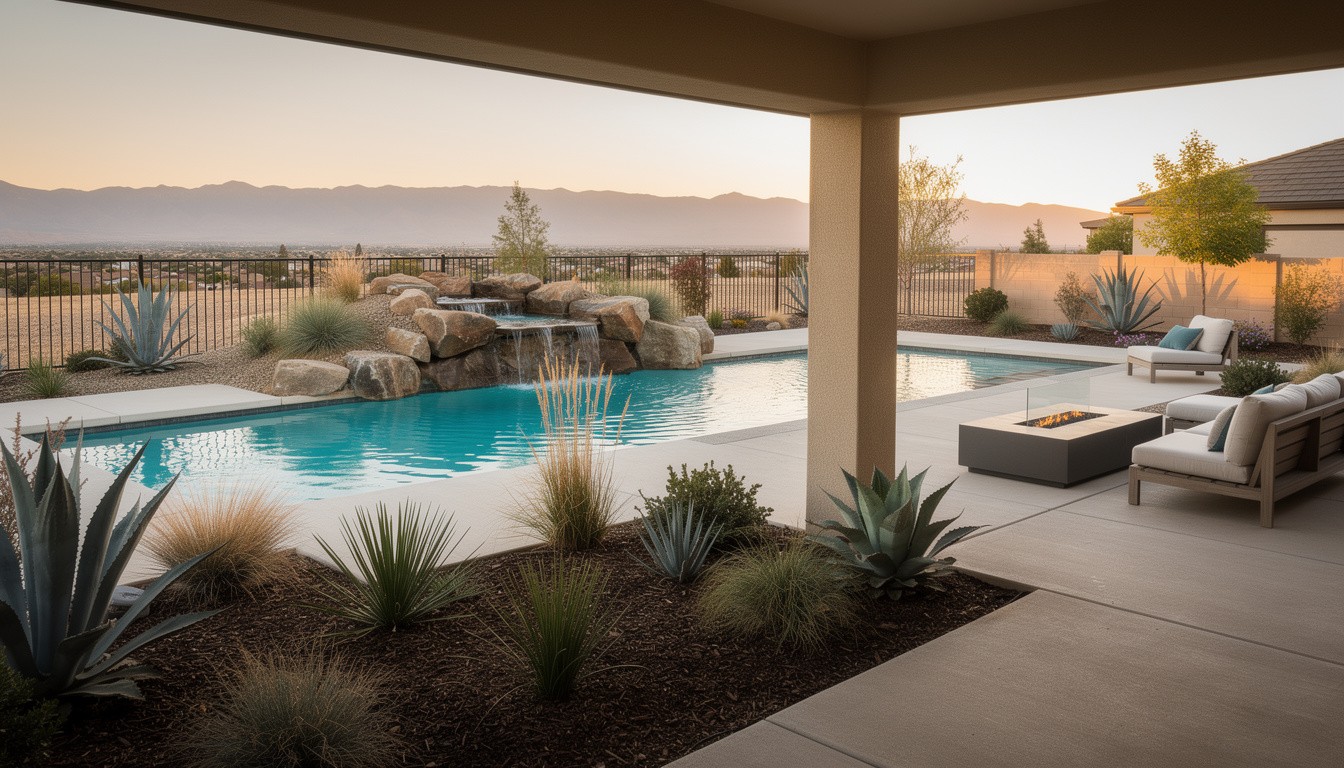
The Valley View Pool Xeriscape
$55–115/sqftA freeform pool with a boulder waterfall occupies the far end of the backyard, viewed from a covered patio and lounge area with a built-in fire feature at the near end. Agave, yucca, and ornamental grasses in dark mulch beds frame the entire poolside. The Sierra Nevada foothills are visible on the horizon at dawn from the concrete patio. The covered patio makes the space usable even at 105°F.
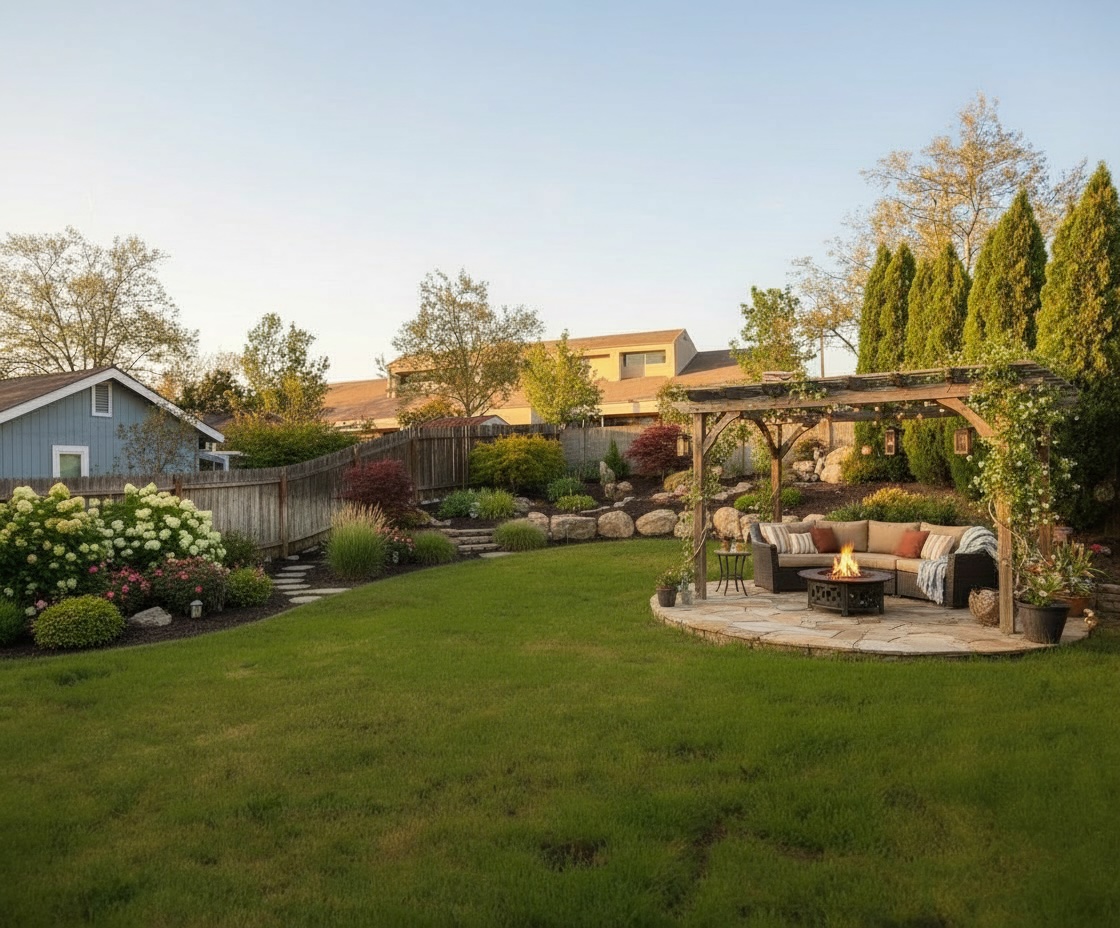
See how a desert/xeriscape garden looks on YOUR property
Upload a photo of your Fresno yard and visualize your dream garden in seconds.
Try ProScapeAI Free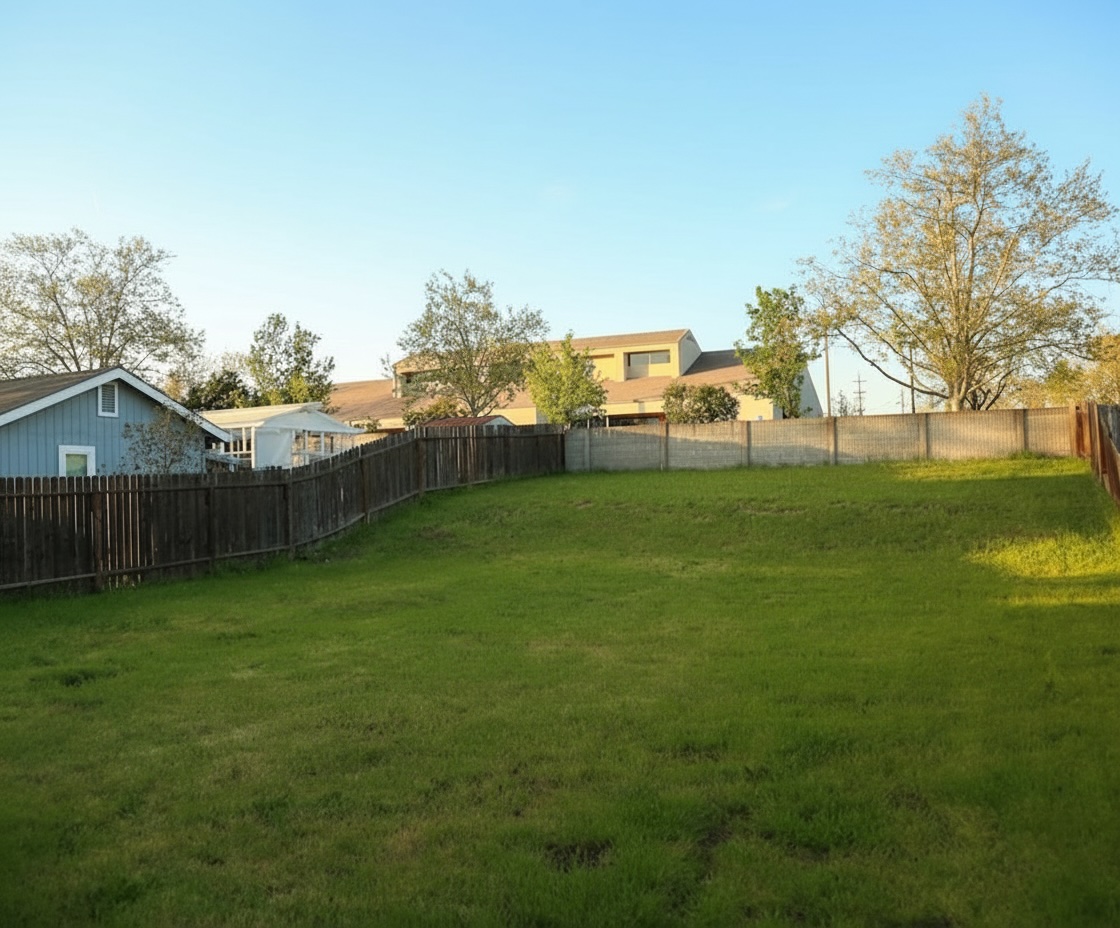
AI-generated image
Featured Trees & Shrubs for Desert/Xeriscape Gardens
Browse all 160 plants for Fresno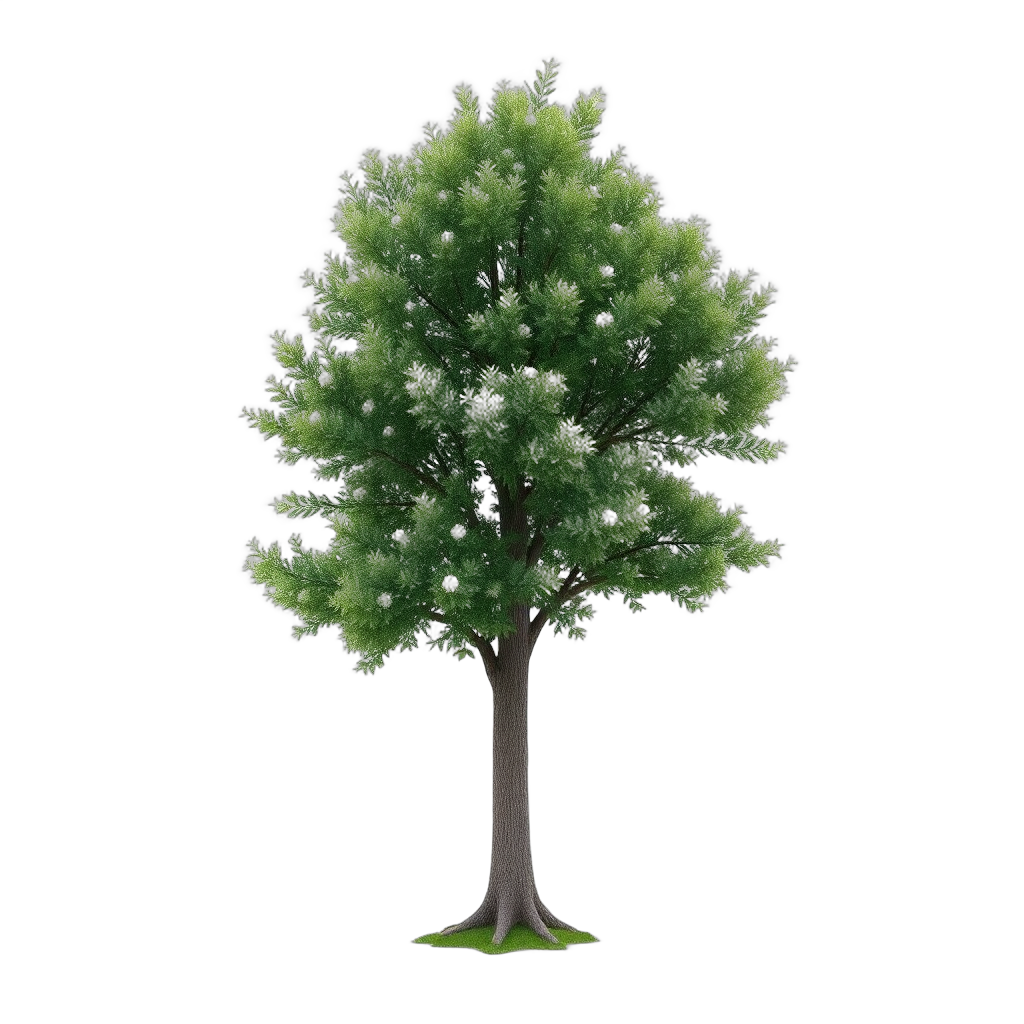
Blue Oak
Quercus douglasii
large shade tree reaching 50+ feet, blooms in spring. Yellow fall color.
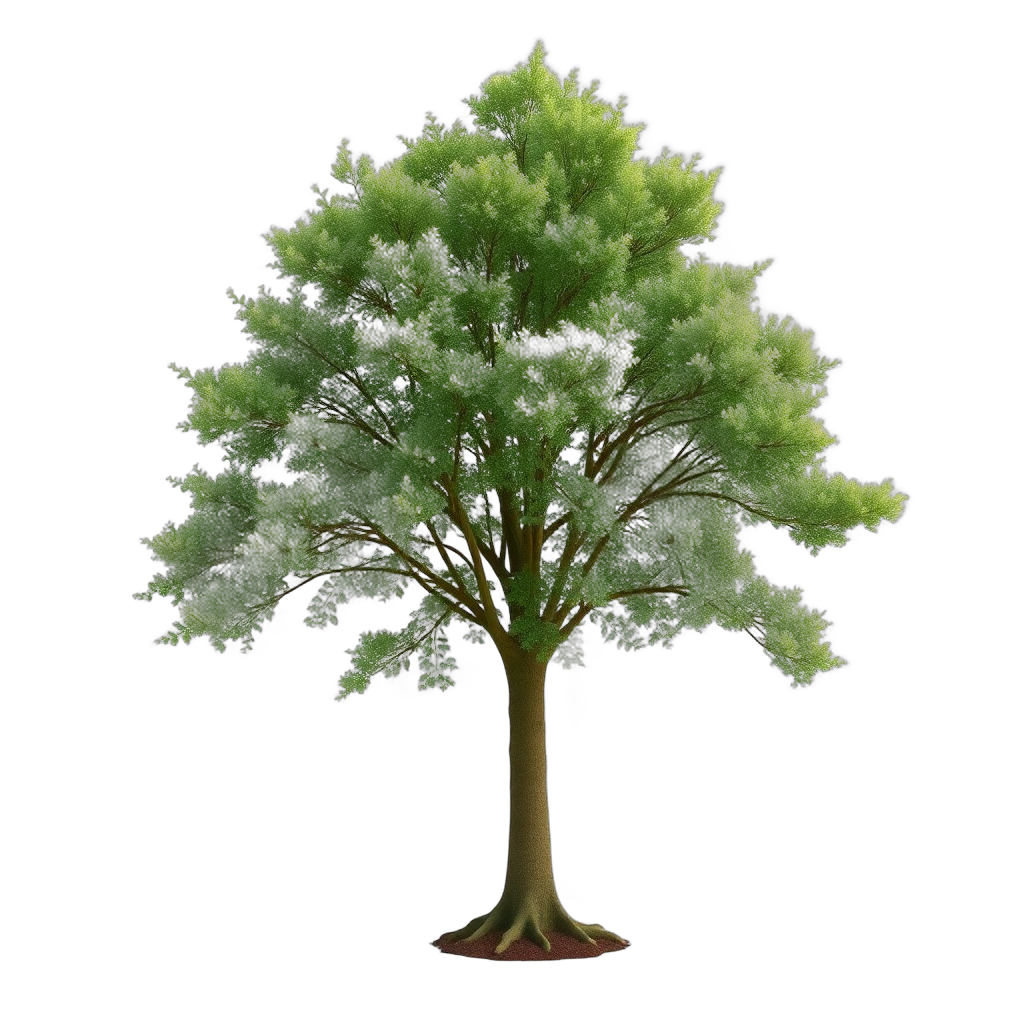
Fremont Cottonwood
Populus fremontii
large shade tree reaching 50+ feet, yellow blooms in spring. Yellow fall color.
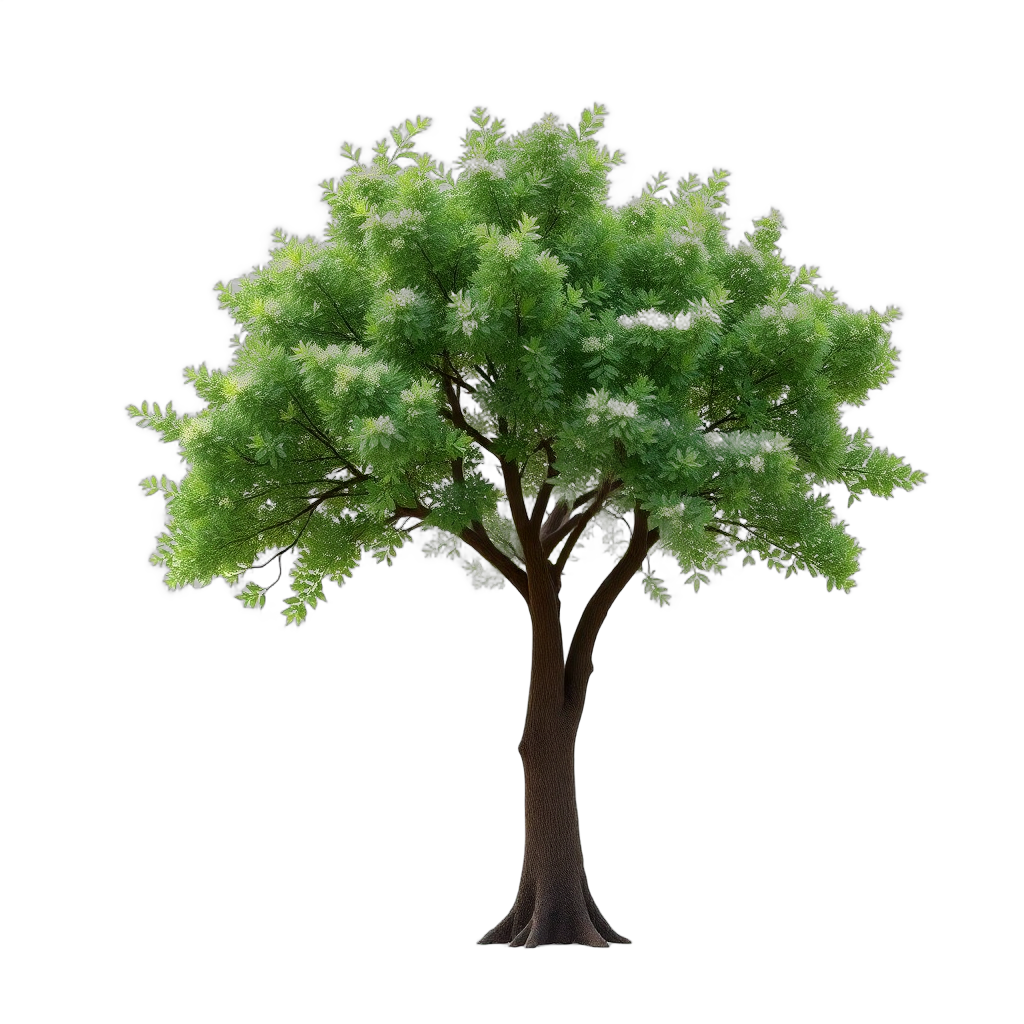
Valley Oak
Quercus lobata
large shade tree reaching 80+ feet, blooms in spring. Yellow fall color.
Featured Grasses & Groundcovers for Desert/Xeriscape Gardens
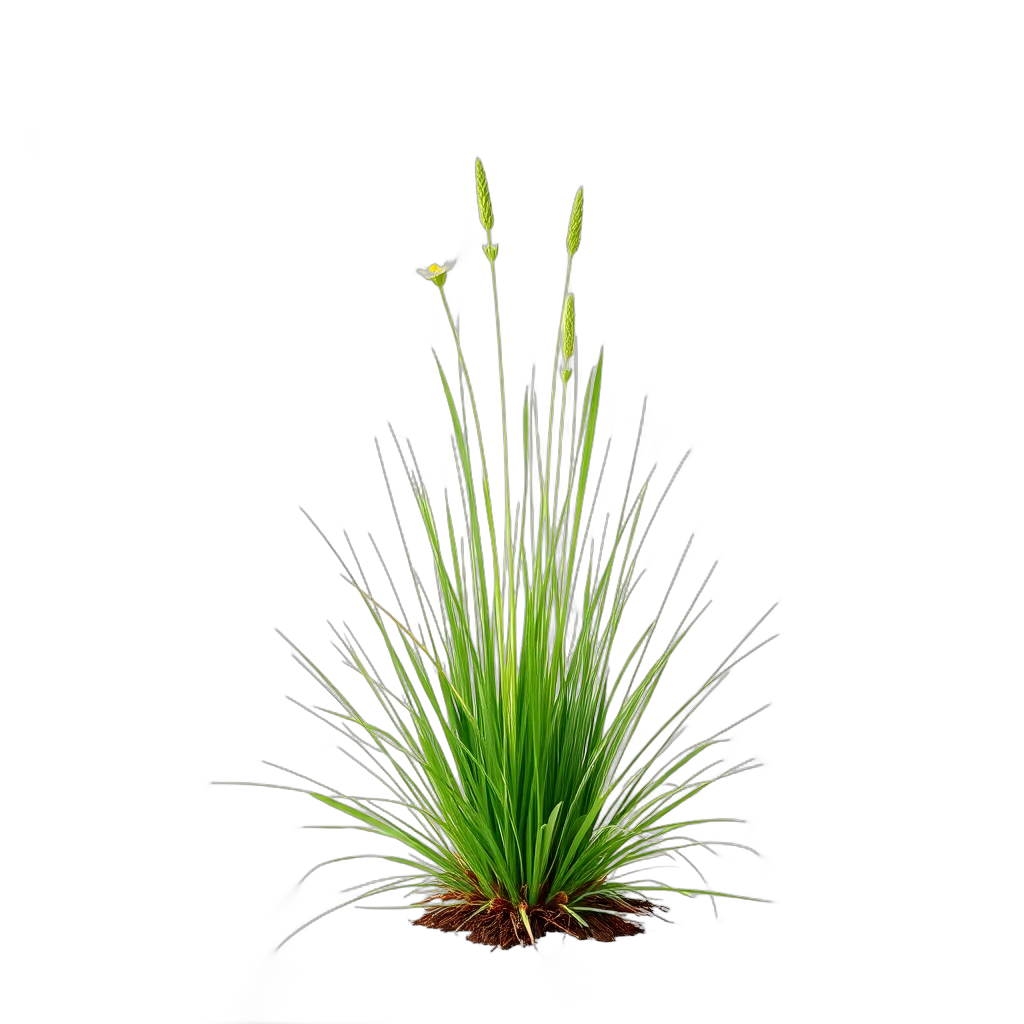
California Brome
Bromus carinatus
low-growing ground cover, blooms in spring. Yellow fall color.
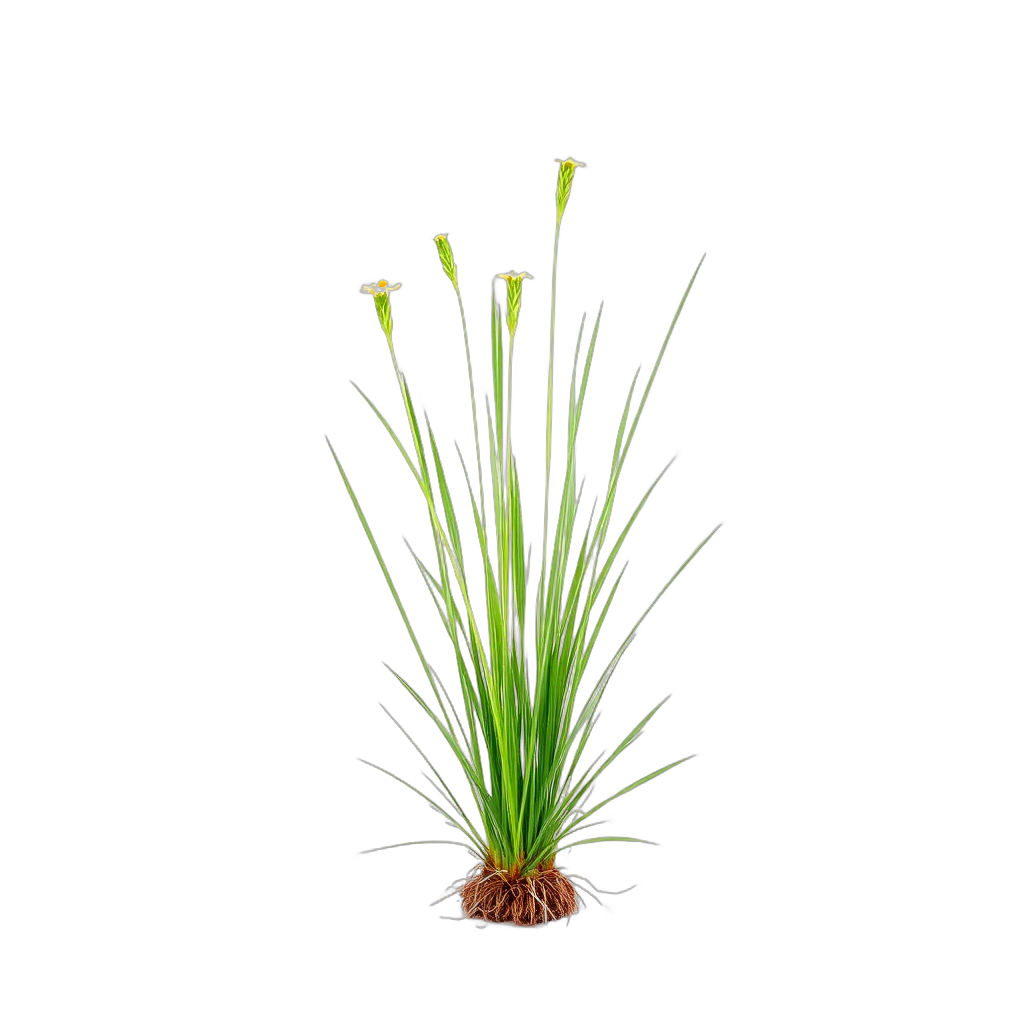
California Melic
Melica californica
low-growing ground cover, blooms in spring.
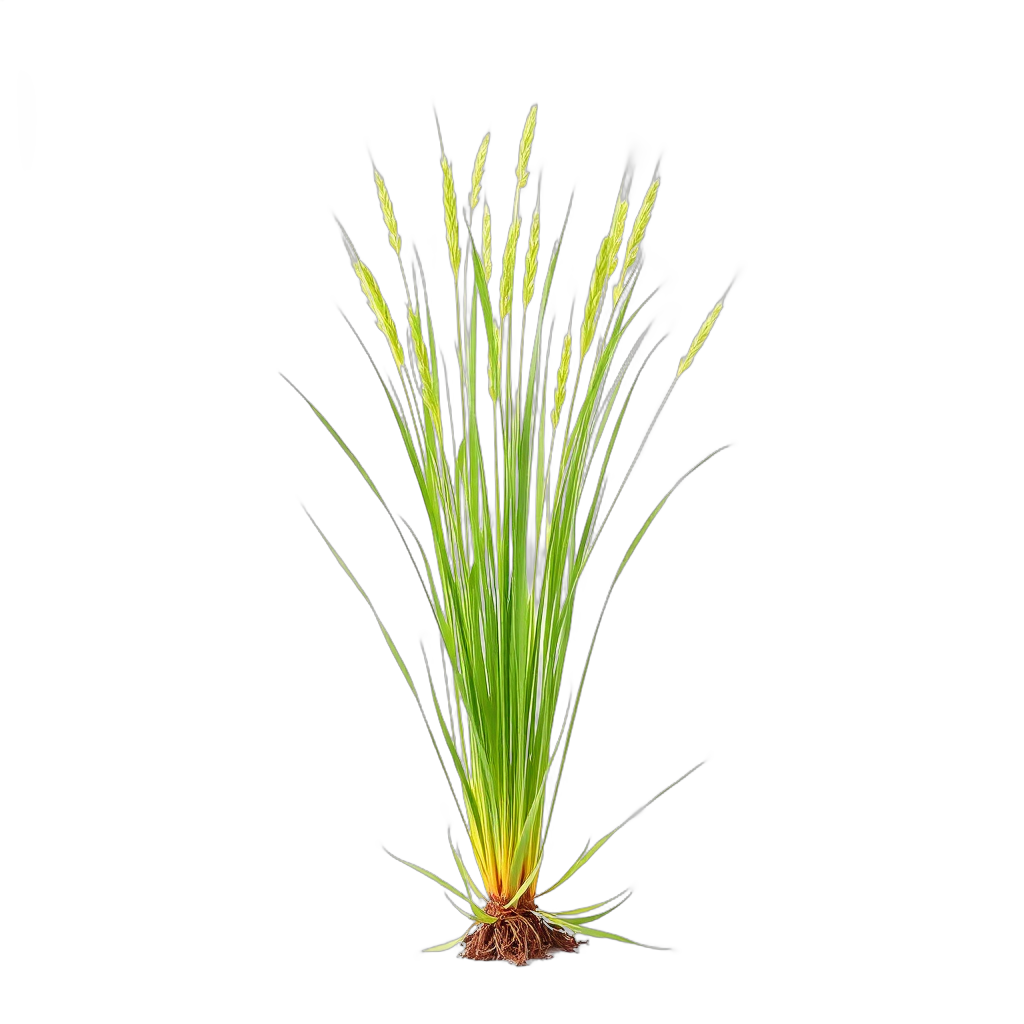
California Oatgrass
Danthonia californica
low-growing ground cover, blooms in spring. Yellow fall color.
Featured Flowers & Perennials for Desert/Xeriscape Gardens
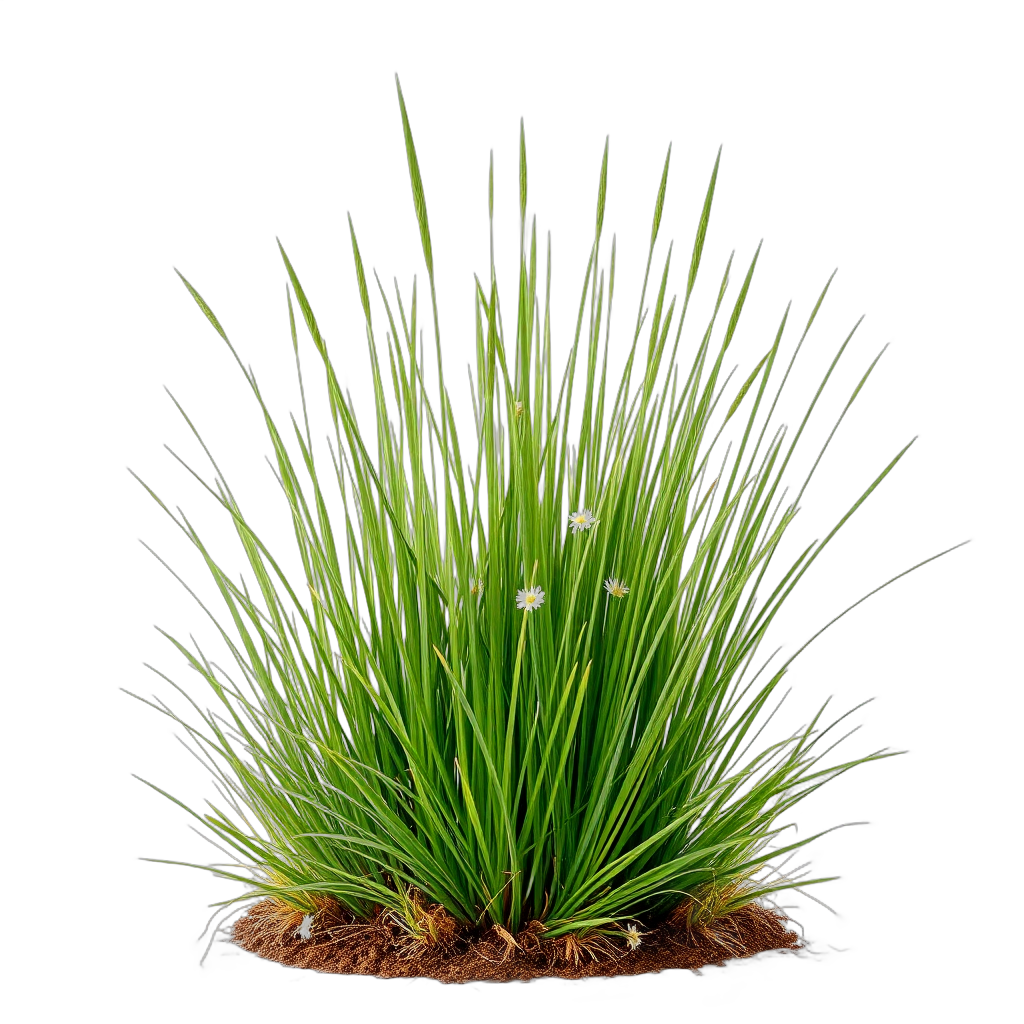
Baltic Rush
Juncus balticus
low-growing ground cover, blooms in summer. Evergreen year-round.
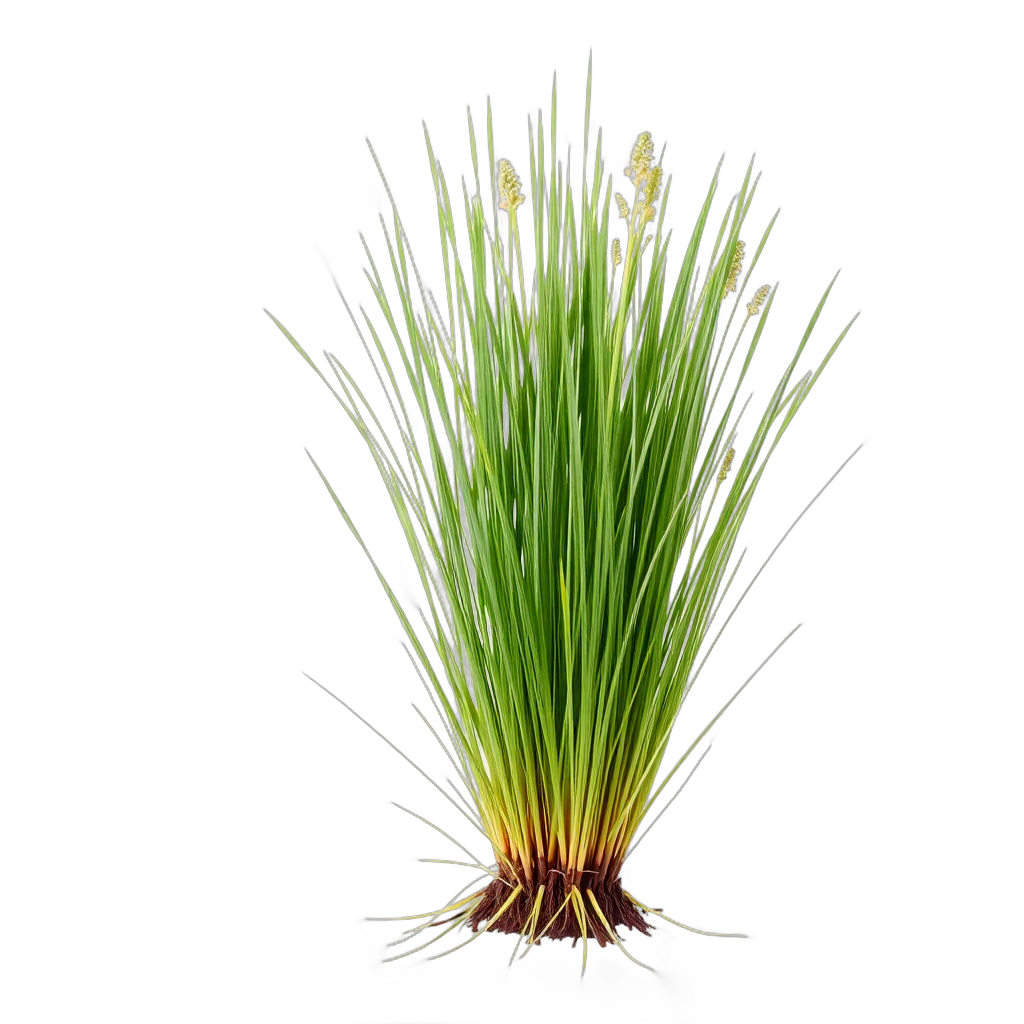
California Gray Rush
Juncus patens
low-growing ground cover, blooms in summer. Evergreen year-round.
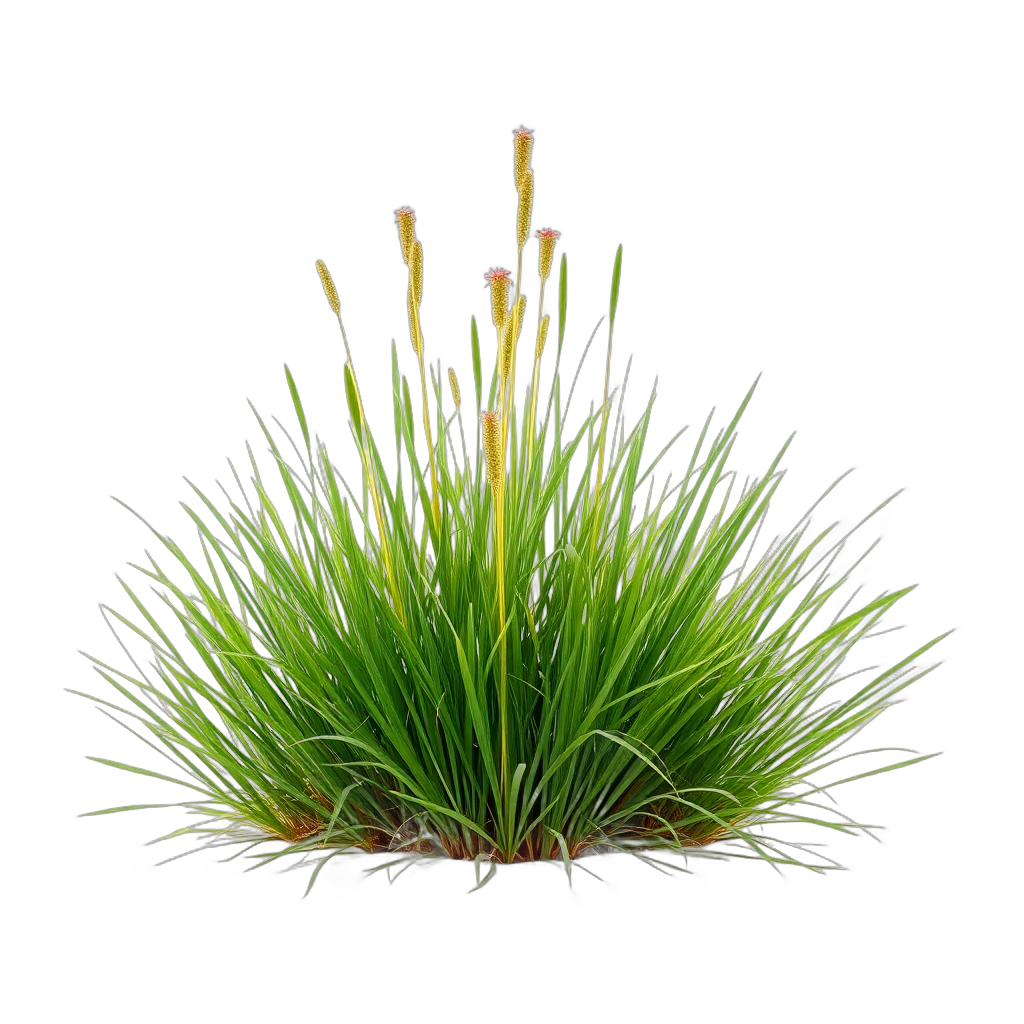
Clustered Field Sedge
Carex praegracilis
low-growing ground cover, blooms in spring.
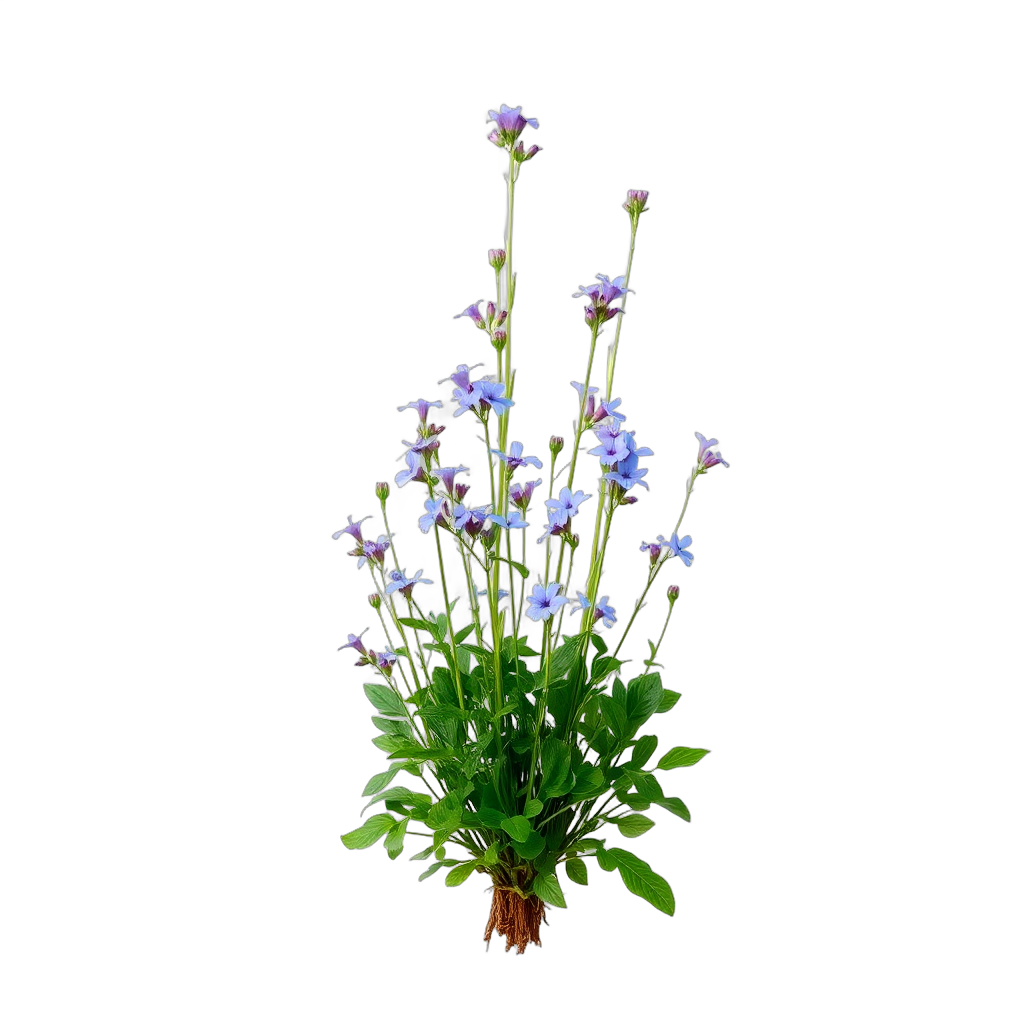
Blue Dicks
Dichelostemma capitatum
low-growing ground cover, blue blooms in spring. Pollinator-friendly.
Zone and sun checks come from our database — confirm with your local nursery before you buy.
Bloom Calendar for Fresno
spring
Clustered Field Sedge, Blue Dicks, Blue-Eyed Grasssummer
Baltic Rush, California Gray Rush, Papyrusfall
Limited bloomswinter
Limited bloomsDesign Tips for Fresno (Zone 9b)
- Plant in October–November to catch Fresno's winter rains — fall-planted California natives establish over winter and face their first summer with 5–6 months of root development already complete
- Mass single species in groups of 5–7 rather than mixing individual plants — native plant compositions look designed and intentional in mass, and individual scattered plants look more accidental than naturalistic
- Use deer grass (Muhlenbergia rigens) as a workhorse groundcover for large areas — it's California native, handles Fresno's 105°F summers without water, and the flowing seed heads catch afternoon light beautifully
- Install a shade structure or plant a valley oak on the west side of any outdoor seating — without afternoon shade, Fresno's outdoor spaces are genuinely unusable from June through September
- Leave California native perennials standing through winter — seed heads feed birds, provide structure, and decompose into the soil; cut everything back in late February before new spring growth
- Amend heavy clay soils (common in the Central Valley) with gypsum and compost before planting — improved drainage is the single most important factor for California native plant establishment success in Fresno's soils
Where to Source Plants in Fresno
Skip the big-box stores. These independent Fresno nurseries specialize in the plants that make desert/xeriscape gardens thrive in Zone 9b.
Green Acres Nursery
Northwest Fresno
Large independent garden center with California native and drought-tolerant plant selection
Theodsia Botanical Gardens Plant Sales
Tower District / Central Fresno
California natives, rare plants, habitat-supporting species; annual spring sale
California Native Plant Society – San Joaquin Chapter
Fresno (annual plant sales, various locations)
Locally grown California native plants at twice-yearly sales; expert advice
Mockingbird Nursery
Riverside (ships statewide)
Largest selection of California native plants available by mail order
Sunnyside Nursery
Southeast Fresno / Sunnyside
Full-service local nursery with Central Valley-proven plant selections and landscape advice
Desert/Xeriscape Landscaping Costs in Fresno
| Project Scope | Estimated Cost |
|---|---|
| Front yard xeriscape conversion (400–600 sqft) | $4,000 – $9,000 |
| Full backyard desert patio redesign | $10,000 – $30,000 |
| Turf removal + gravel + drought-tolerant plants (per sqft) | $5 – $18/sqft |
| Flagstone or paver patio installation | $12 – $25/sqft |
| Drip irrigation system | $1,200 – $3,000 |
| Fresno / FID turf replacement rebate | Up to $2/sqft |
| AI visualization with ProScapeAI | Free to start |
Estimates based on Fresno, CA-area contractor rates as of 2026. Actual costs vary by site conditions, materials, and contractor.
Fresno Climate & Growing Zone
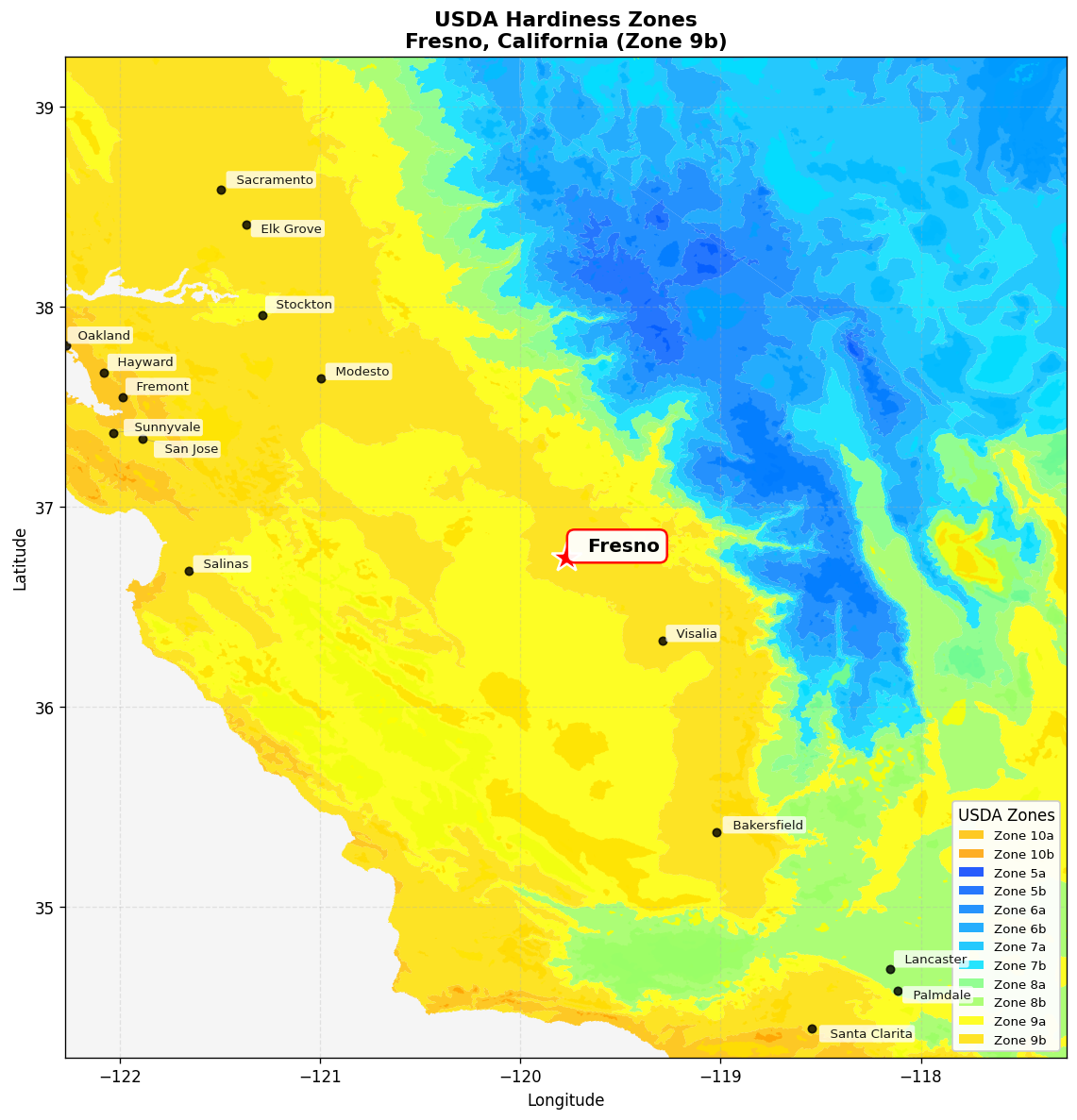
USDA Zone 9b
Hardiness zone for Fresno
California Central Valley grasslands
Native ecoregionFrequently Asked Questions
What California native plants grow best in Fresno's Central Valley heat?
Fresno's Zone 9b, extreme summer heat, and winter-wet/summer-dry pattern favor Central Valley and foothill natives adapted to these conditions. Top performers: deer grass (Muhlenbergia rigens), valley oak (Quercus lobata), blue oak (Quercus douglasii), toyon (Heteromeles arbutifolia), California buckwheat (Eriogonum fasciculatum), Cleveland sage (Salvia clevelandii), purple sage (Salvia leucophylla), manzanita (drought-tolerant varieties), Ceanothus, penstemon, and California native fescues. California poppies, clarkia, and tidy tips make excellent annuals. Avoid coastal natives that need marine air and summer fog — they won't survive Fresno's summer heat.
How do I establish California native plants in Fresno's climate?
The key is planting timing. In Fresno, plant California natives in October–November, right as the rainy season begins. Plants establish over the cool, wet winter months and have 5–6 months of natural rain before facing their first dry summer. Water every 2–3 weeks through the first summer — deep, infrequent irrigation that encourages deep root growth. In year two, reduce to monthly deep watering through summer. By year three, most California natives require zero supplemental irrigation in Fresno's climate. The biggest mistake: planting in spring and trying to irrigate through the first summer on high frequency — this exhausts water budgets and often causes root problems.
Can I completely eliminate irrigation with a Fresno xeriscape?
Yes — for many California native plants in Fresno's 11-inch rainfall zone. Valley oak, blue oak, manzanita, toyon, California buckwheat, purple sage, Cleveland sage, deer grass, and native bunchgrasses all survive on Fresno's natural rainfall once established (typically 2–3 years). Some plantings may benefit from 1–2 deep supplemental waterings in July–August during particularly hot, dry stretches. Mediterranean plants (lavender, rosemary, olive) also approach zero summer irrigation once established. The 11-inch annual rainfall falls almost entirely from November through March, which is sufficient for adapted plants if soil preparation and drainage allow good infiltration.
What is the best way to handle Fresno's summer heat for a desert garden?
Design shade strategically. A valley oak or California pepper tree on the west side of a patio drops perceived temperature by 15–20°F during Fresno's 105°F afternoons. Use lighter-toned DG and gravel (avoid dark tones) to reduce ground heat absorption. Position seating areas where they receive morning sun and afternoon shade. Choose plants rated for full sun in hot, dry conditions — many 'drought-tolerant' plants sold in California nurseries actually need some summer water to handle Fresno's specific heat. Native deer grass, Cleveland sage, and toyon handle 110°F without distress.
Are there rebates for lawn removal in Fresno?
California's Metropolitan Water District statewide turf replacement program has offered rebates in past years (up to $2/sqft). Fresno Irrigation District has operated its own conservation rebate programs. Currently, program availability fluctuates with state water conditions and funding — check the current status with Fresno Irrigation District and the State Water Resources Control Board. Even without rebates, turf removal in Fresno saves significant water costs: a 1,000 sqft lawn that requires summer irrigation costs $300–$500 per year in water. The payback period for a native landscape conversion is typically 3–5 years in water savings alone.
What is the tule fog and how does it affect a Fresno xeriscape?
Tule fog (November–February) occurs when cold air pools in the Central Valley under a temperature inversion, creating dense, persistent ground fog that can last days or weeks. For xeriscapes, the fog actually provides modest benefits: it adds humidity during the cool season, reduces winter water demand, and provides some temperature buffering against frost. Potential negatives: persistent wet conditions can encourage fungal disease in plants with poor drainage or overcrowding. Ensure planting beds have good drainage, space Mediterranean and California native shrubs with adequate air circulation, and avoid placing frost-sensitive plants in low-lying frost pockets where cold fog air pools.