4 English Cottage Garden Ideas for Boca Raton, FL | Zone 11a Heat-Proof Borders
Native plants from the Everglades flooded grasslands (Zone 11a) — Tropical rainforest climate
For a cottage garden in Boca Raton, FL, a zone 11a city with a tropical rainforest climate, start with Plumbago auriculata, Pentas lanceolata 'Graffiti Red' and Salvia coccinea, the plants this guide's first design is built on.
Why Cottage/English Gardens in Boca Raton?
A cottage garden asks for abundance, and Boca Raton's warm, wet climate delivers it, though not with the plants of an English catalog. The city is in USDA Zone 11a, and the NOAA 1991–2020 normals for Pompano Beach Airpark, about 8 miles south, put the average January low at 60.4°F and the average July high at 90.5°F. Delphinium elatum, Lavandula angustifolia 'Hidcote', Digitalis purpurea and true hydrangeas in full sun fail here, and English-style roses on their own roots decline fast in sandy soil and summer humidity.
The substitutes cover the same roles. Plumbago auriculata gives the sky-blue spikes, Salvia coccinea supplies red-and-white verticals, Pentas lanceolata 'Graffiti Red' keeps butterflies on the border, and Gaillardia pulchella adds the daisy-like mass. Roses that persist are grafted China types such as Rosa 'Mutabilis' and Rosa 'Old Blush', plus Rosa 'Knock Out' for the front line. Confederate jasmine (Trachelospermum jasminoides) takes the arbour the way a climbing rose would elsewhere.
Rain sets the calendar. The NOAA normals show about 55.6 inches a year, with 27 inches falling from June through September (8.05 in June, 5.26 in July, 6.30 in August, 7.58 in September) and only 1.9–3.4 inches a month from December through April. Plant in October or November so the border establishes in the dry season with drip irrigation, then lets the summer rains carry it. Cut back leggy stems in late March and again in August to keep the shape tidy.
The soil is usually alkaline sand over limestone, with a pH in the 7s, and it holds neither water nor nutrients well. Work in 3–4 inches of compost before planting, mulch with 3 inches of pine bark, and feed with a slow-release fertilizer. Cottage borders work well on Boca's Mediterranean stucco homes, where a low white wall or pickets can frame the planting. Check HOA rules on fences and front-yard plants, and confirm the watering schedule with the City of Boca Raton or the South Florida Water Management District.
4 Cottage/English Design Ideas for Boca Raton
AI-generated image
The Plumbago and Pentas Front Border
$14–30/sqftA 6-foot-deep border runs along the front of a pale stucco house, with a 2-foot clipped hedge of Ixora 'Nora Grant' at the back and Plumbago auriculata in the middle. Pentas lanceolata 'Graffiti Red' and Salvia coccinea fill the sunny front edge, and a bluestone-colored paver path loops to the door. Morning sun at the front keeps blooms coming through summer, while afternoon shade from the house protects the plumbago foliage.
Try this on your yard: The Plumbago and Pentas Front BorderAI-generated image
The Mutabilis Rose Gate
$22–45/sqftA white-painted wooden arbour carries Trachelospermum jasminoides and Rosa 'Mutabilis' over a gate in a low picket fence. Either side of the gate, Rosa 'Old Blush' and Rosa 'Knock Out' form a loose layer in front of a stucco wall, with Plumbago and Salvia coccinea tumbling to the walk. The jasmine scents the entry in spring, and 'Mutabilis' shifts from buff to pink to crimson through the season.
Try this on your yard: The Mutabilis Rose GateAI-generated image
The Courtyard Tea Garden
$26–52/sqftA small walled courtyard gets a round tea table on a crushed-shell floor and a perimeter of raised beds. Hamelia patens, Pentas 'Graffiti Pink' and Salvia 'Mystic Spires' crowd the beds, with Jasminum sambac 'Maid of Orleans' in terracotta pots at the corners. A trellis on the west wall carries Bignonia capreolata to cut afternoon heat. Evening is the best hour, when the jasmine scent hangs in the still air.
Try this on your yard: The Courtyard Tea GardenAI-generated image
The Butterfly Cottage Backyard
$12–28/sqftA backyard bed behind a pool fence mixes native and tropical nectar plants: Hamelia patens, Lantana involucrata, Salvia coccinea and Passiflora incarnata. Pentas 'Butterfly Pink' fills the gaps, and a stepping-stone path of Florida limestone lets visitors reach the hose bibb. A birdbath sits at the center, and the planting rolls forward to soften the pool fence line.
Try this on your yard: The Butterfly Cottage BackyardSee how a cottage/english garden looks on YOUR property
Upload a photo of your Boca Raton yard and visualize your dream garden in seconds.
Try ProScapeAI Free

AI-generated image
Featured Trees & Shrubs for Cottage/English Gardens
Browse all 150 plants for Boca Raton
Cabbage Palm
Sabal palmetto
reaches 40 feet tall, white,yellow blooms in spring. Pollinator-friendly.

California Fan Palm
Washingtonia filifera
reaches 40 feet tall, white blooms in spring. Pollinator-friendly.

Canary Island Date Palm
Phoenix canariensis
reaches 40 feet tall, yellow blooms in spring. Pollinator-friendly.

Chilean Wine Palm
Jubaea chilensis
large shade tree reaching 60+ feet, purple,yellow blooms in summer. Pollinator-friendly.
Featured Grasses & Groundcovers for Cottage/English Gardens

Giant Bamboo
Dendrocalamus giganteus
large shade tree reaching 90+ feet, blooms in none. Evergreen year-round.
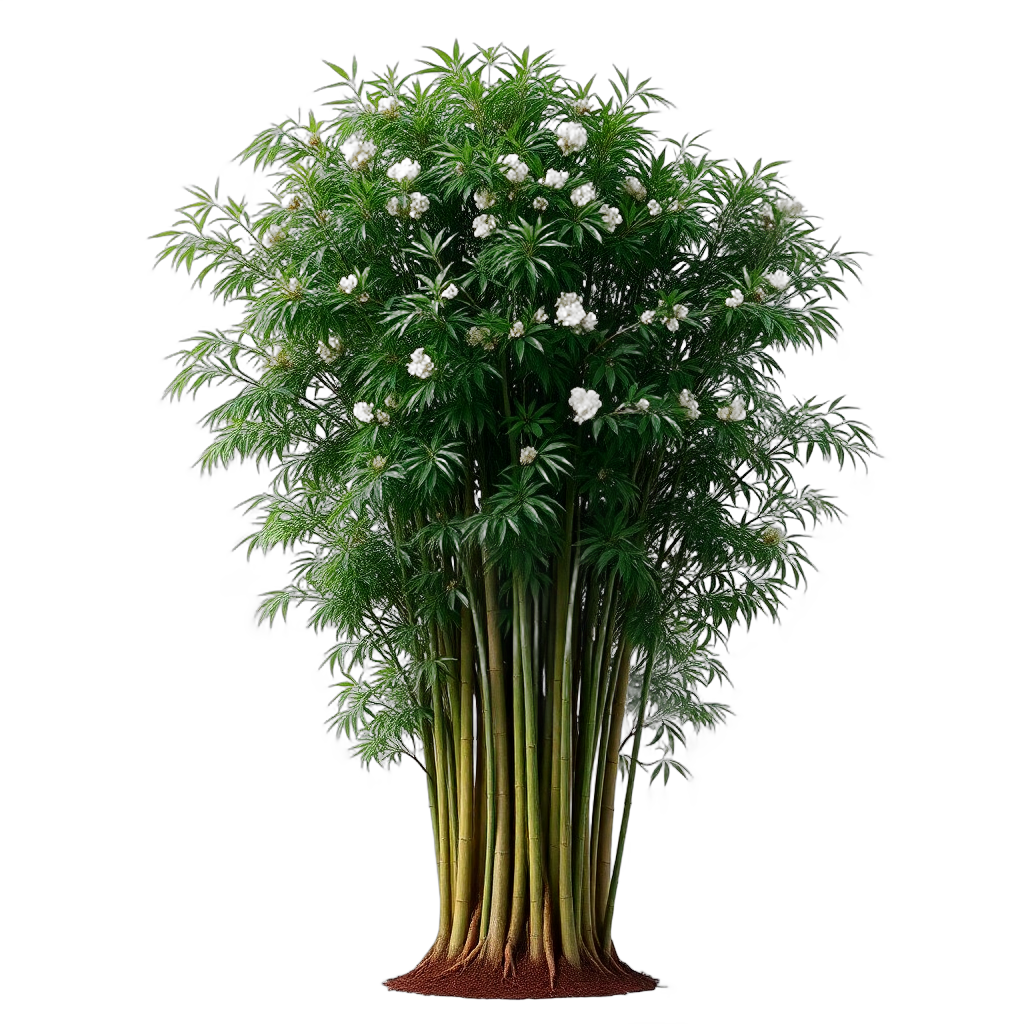
Giant Timber Bamboo
Bambusa oldhamii
large shade tree reaching 50+ feet, blooms in none. Evergreen year-round.
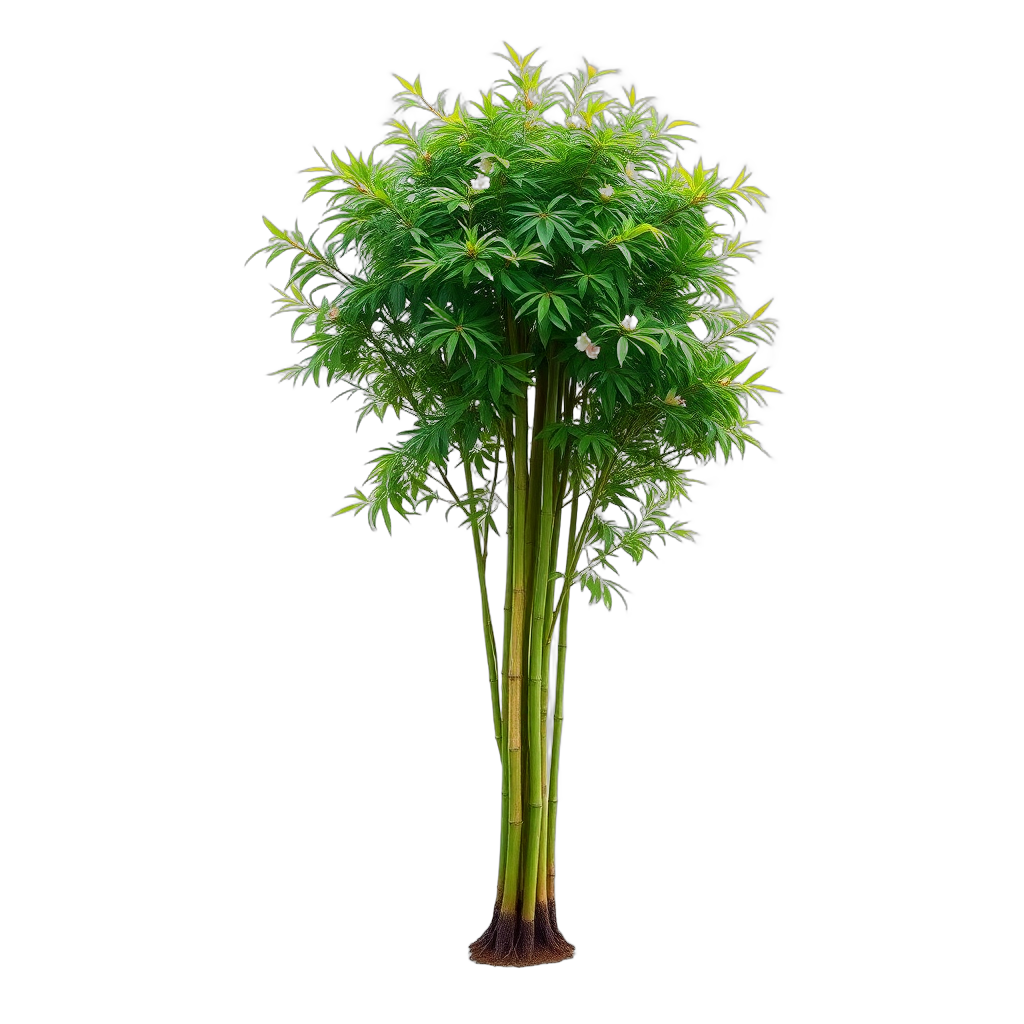
Hedge Bamboo
Bambusa multiplex
reaches 20 feet tall, blooms in none. Evergreen year-round.
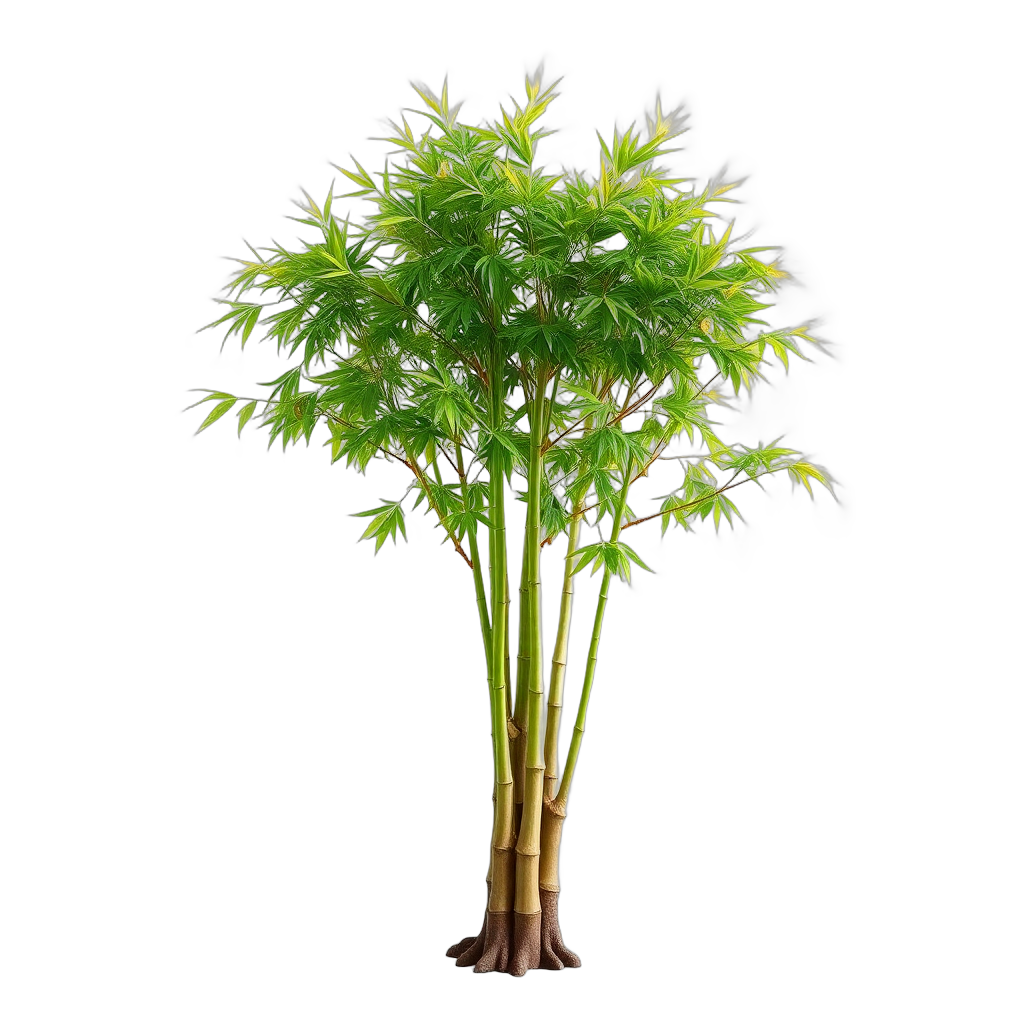
Yellow Groove Bamboo
Phyllostachys aureosulcata
reaches 30 feet tall, blooms in none. Evergreen year-round.
Featured Flowers & Perennials for Cottage/English Gardens

American White Water Lily
Nymphaea odorata
low-growing ground cover, white,pink blooms in summer. Attracts butterflies.

Broadleaf Arrowhead
Sagittaria latifolia
low-growing ground cover, white blooms in summer. Attracts butterflies.

European White Water Lily
Nymphaea alba
low-growing ground cover, white blooms in summer. Attracts butterflies.

Water Fern
Azolla filiculoides
low-growing ground cover, blooms in none. Red fall color.
Zone and sun checks come from our database — confirm with your local nursery before you buy.
Bloom Calendar for Boca Raton
spring
Wild Celery, African Daisy, African Daisy Hybridsummer
American White Water Lily, Broadleaf Arrowhead, European White Water Lilyfall
American White Water Lily, Broadleaf Arrowhead, African Daisywinter
Limited bloomsDesign Tips for Boca Raton (Zone 11a)
- Use Plumbago auriculata, Salvia coccinea and Pentas lanceolata 'Graffiti Red' in place of delphinium, foxglove and lavender: those English perennials fail in 11a heat
- Pick grafted China roses such as Rosa 'Mutabilis' and Rosa 'Old Blush' and give them morning sun so the leaves dry quickly after summer rains
- Work in 3–4 inches of compost before planting: Boca Raton's alkaline sand over limestone holds neither water nor nutrients, and a pH in the 7s turns Pentas leaves yellow without help
- Plant in October or November so roots establish through the dry months, when only 1.9–3.4 inches of rain falls monthly, and let the 27 inches of June-to-September rain carry the border
- Cut Plumbago and Pentas back by a third in late March and again in August to keep the border dense instead of leggy in a 90.5°F July
- Run drip irrigation on a timer and confirm the current watering days with the City of Boca Raton or the South Florida Water Management District
- Add Passiflora incarnata and Hamelia patens: they feed butterflies and bring the movement a cottage border is known for
Where to Source Plants in Boca Raton
Skip the big-box stores. These independent Boca Raton nurseries specialize in the plants that make cottage/english gardens thrive in Zone 11a.
Delray Garden Center
Delray Beach (West Atlantic Avenue)
Independent garden center and landscape contractor a short drive north of Boca Raton, with a retail plant yard and a plant list written for South Florida landscapes
Johnny Mangos Garden Center
Delray Beach (North Federal Highway)
Small garden center selling orchids, flowering plants, pottery and fresh flowers; a stop for color accents and containers rather than large trees
Nu-Turf of Pompano Beach
Pompano Beach (North Dixie Highway)
Retail nursery with palms, shade and fruit trees, Florida native and drought-tolerant plants, butterfly plants, succulents and roses, plus St. Augustine sod and zoysia plugs
Living Color Garden Center
Fort Lauderdale (Griffin Road)
Garden center with plants, pottery, fountains and outdoor seating; about 80% of its plants come from its sister company, Black Olive East Nursery
Cottage/English Landscaping Cost Ranges
| Project Scope | Estimated Cost |
|---|---|
| Picket fence, 4 ft tall (60 linear ft) | $1,500–$2,400 |
| Brick paver walk (100 sqft) | $2,000–$2,600 |
| Wood garden arbor (8 sqft footprint, about 4 x 2 ft) | $750–$1,100 |
| AI visualization (ProScapeAI) | Free to start |
National average installed ranges for 2026 from our landscaping price list (Homewyse and other published sources). Prices in Boca Raton, FL vary with site, materials and contractor, so get two or three local quotes.
Boca Raton Climate & Growing Zone
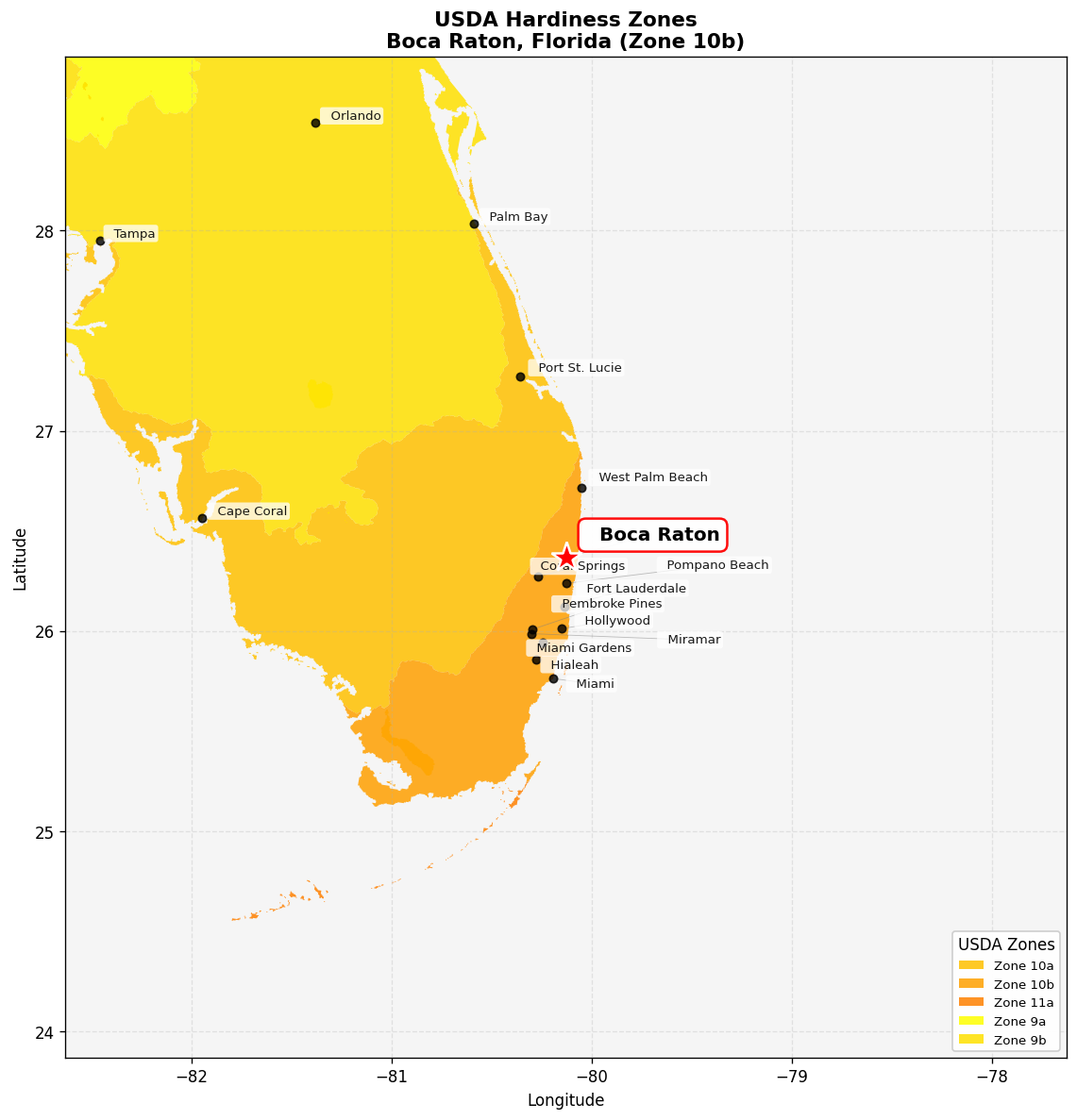
USDA Zone 11a
Hardiness zone for Boca Raton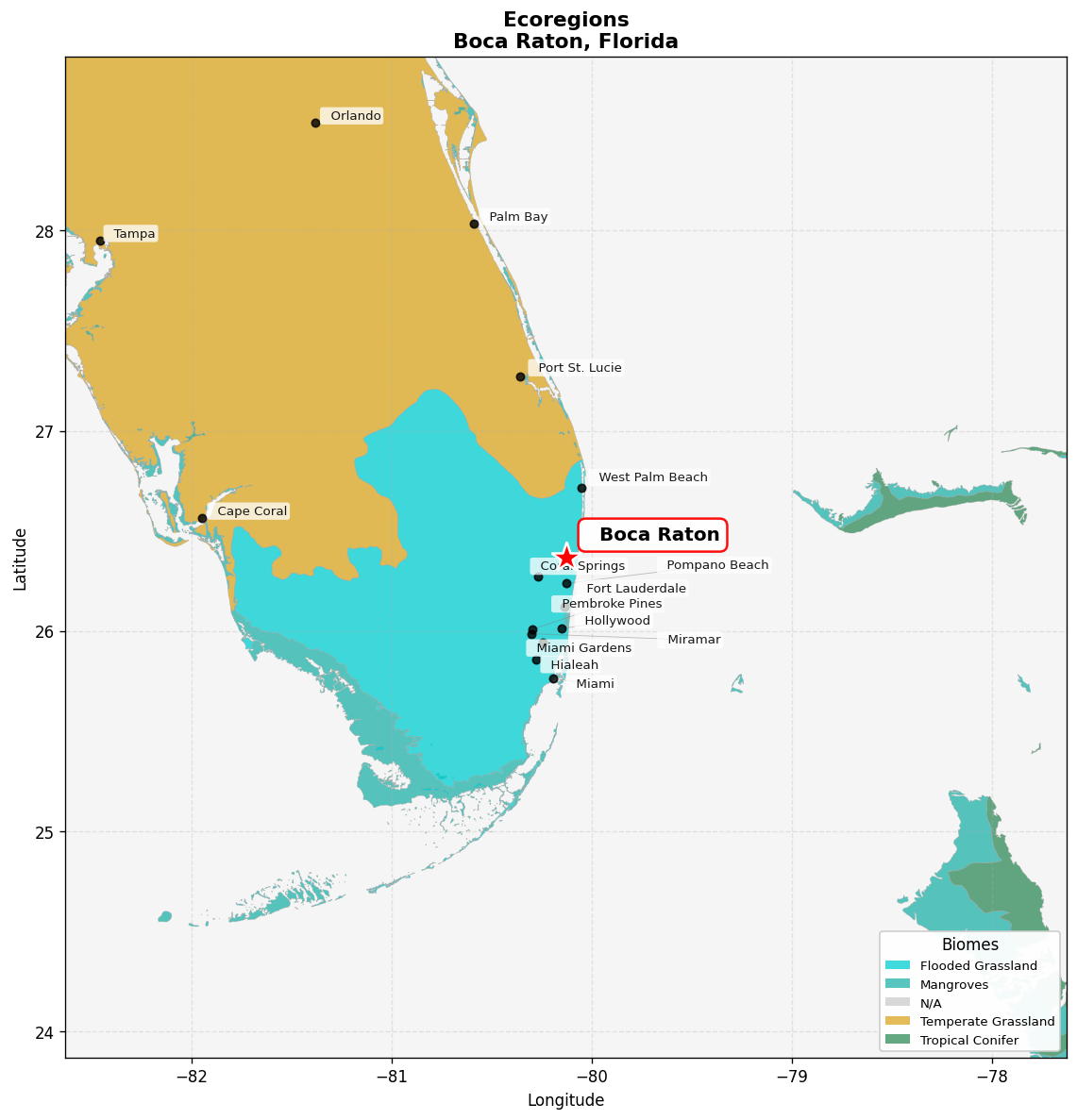
Everglades flooded grasslands
Native ecoregionFrequently Asked Questions
How much does a cottage garden cost in Boca Raton, FL?
What you pay depends on the yard, the materials and local labor rates; two or three written quotes will give you a real figure. Buying 1-gallon Pentas lanceolata 'Graffiti Red' and Salvia coccinea instead of 3-gallon plants cuts a border cost in half and the plants fill in within one season in this heat.
Can English cottage plants really grow in Boca Raton?
Most cannot. Lavandula angustifolia, Delphinium elatum and Digitalis purpurea fail in 11a humidity and heat, and English-style roses on their own roots decline in sandy alkaline soil. The proven substitutes are Plumbago auriculata, Salvia coccinea, Pentas lanceolata, Gaillardia pulchella and the grafted China roses Rosa 'Mutabilis' and Rosa 'Old Blush'. These give the same layered, generous look through a 60.4°F January and a 90.5°F July.
Is a cottage garden low maintenance in Boca Raton's climate?
It needs steady attention. Growth runs nearly all year, and the NOAA normals show about 27 inches of rain from June through September, so plants fill out and sprawl fast. Plan to shear Plumbago and Pentas by a third in late March and again in August, deadhead Salvia coccinea, and replace mulch each spring. Drip irrigation keeps foliage dry, which cuts fungal problems on roses.
When is the best time to plant a cottage garden in Boca Raton?
October and November are the best months: the heat eases (the November average low is 67.8°F in the NOAA normals), and roots grow through the dry season, with only 1.9–3.4 inches of rain a month, so drip irrigation does the work. Planting in June through August works if you water regularly through dry spells between rains. Roses should go in during the cooler months, with a 3-inch mulch ring kept off the canes.
Do I need a permit or HOA approval for a fence or arbour in Boca Raton?
Fences, walls, pergolas and arbours over a certain size generally need review by the City of Boca Raton, and most neighborhoods have HOA rules on front-yard fences and plant heights. Confirm the requirements for your lot before building. Watering days are set by the South Florida Water Management District, and the city can confirm the schedule for your address.
What cottage plants handle Boca Raton's alkaline soil?
Plumbago auriculata, Salvia coccinea, Hamelia patens and Lantana involucrata tolerate the high pH without help. Pentas lanceolata and roses need chelated iron and 3–4 inches of compost worked into the bed to avoid yellow leaves. Avoid azaleas and hydrangeas in full sun, which struggle in the sandy limestone soil.
How do I attract butterflies to a Boca Raton cottage garden?
Plant nectar and host plants together. Hamelia patens, Lantana involucrata, Pentas lanceolata and Salvia coccinea feed adults, while Passiflora incarnata hosts the larvae of the zebra longwing and gulf fritillary. Skip broad-spectrum insecticides, which kill caterpillars along with pests, and leave a few chewed leaves on the vine.



