4 Desert Garden Ideas for Boise, ID | Snake River Shrub Steppe Zone 7a
Native plants from the Snake-Columbia shrub steppe (Zone 7a) — Cold semi-arid climate
Why Desert/Xeriscape Gardens in Boise City?
A desert xeriscape in Boise, ID is not an imported aesthetic from Arizona or Nevada — it is the native landscape tradition of the Snake-Columbia shrub steppe ecoregion that surrounds the city on every side. Zone 7a’s cold winters (minimum -5 to 0°F), hot dry summers with 11 inches of annual rainfall, and the high-desert quality of light that illuminates the Treasure Valley make the sagebrush steppe plant palette the most authentic, ecologically appropriate, and genuinely beautiful choice for Boise gardens. Big sagebrush, Idaho fescue, penstemon, rabbitbrush, and desert peach are not compromises for difficult conditions — they are the native plant community that evolved to make the high desert spectacular.
Boise’s residential neighborhoods range from the historic North End’s Craftsman bungalows and Victorian homes with their mature trees and traditional gardens to the newer developments of Harris Ranch, Southeast Boise, and the Foothills where the transition from neighborhood to high-desert is visible from every backyard. The Boise Foothills visible from across the valley provide the most compelling argument for native xeriscape: the silver-grey sagebrush sweeping up the ridge lines, punctuated by the orange of rabbitbrush bloom in fall, is the landscape context that makes conventional lawn feel genuinely out of place in the high desert city.
Boise’s water agencies — United Water Idaho and Boise City water — have increasingly promoted xeriscaping as a water conservation strategy. Ada County’s Soil and Water Conservation District offers resources and plant lists for water-wise landscapes, and Boise State’s Landscape Architecture program has published xeriscape guides specifically for the Treasure Valley. The practical economics are compelling: a Boise lawn typically uses 50–60 gallons per square foot per year for irrigation; a mature xeriscape garden uses 70–80% less, producing meaningful reductions in both water bills and outdoor labor.
4 Desert/Xeriscape Design Ideas for Boise City
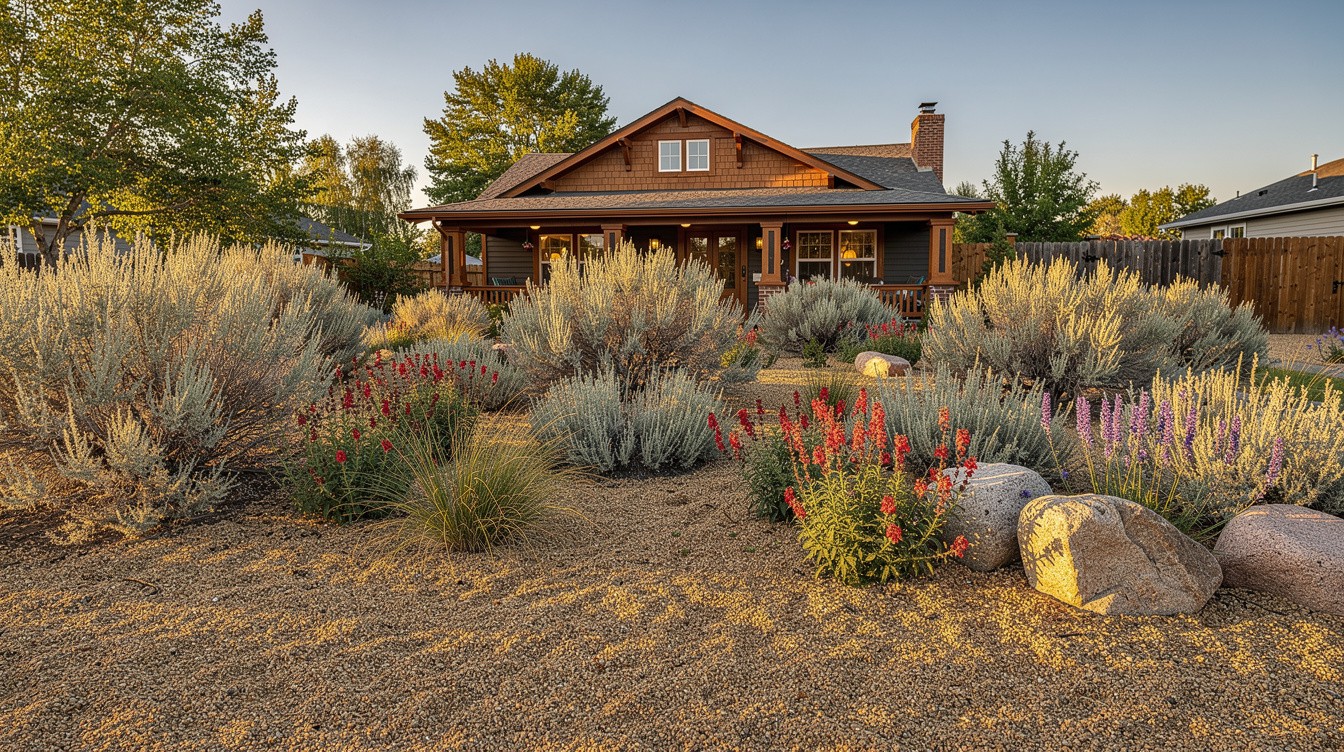
The Sagebrush Steppe Front Yard
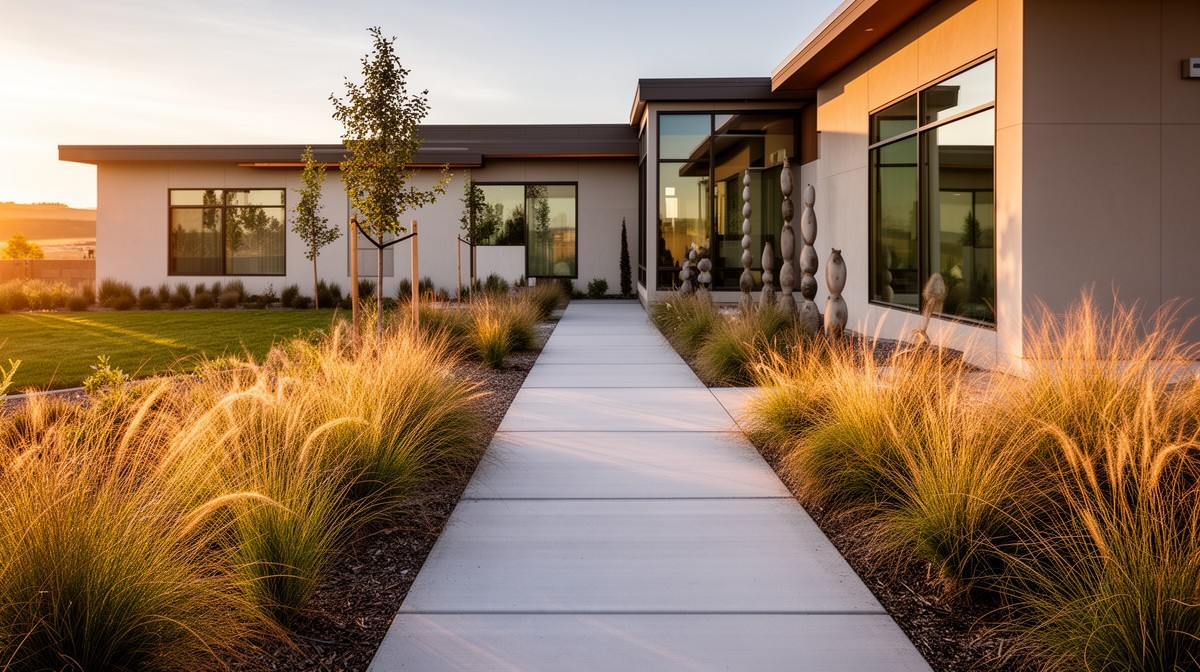
$8–16/sqftA Boise North End Craftsman bungalow replaces its lawn with an authentic Snake River shrub steppe composition: decomposed granite in warm buff fills the ground plane while big sagebrush and three-tip sagebrush provide the signature silver-grey fragrant mass of the high desert. Idaho fescue in naturalistic clumps creates the bunchgrass layer that defines the sagebrush steppe structure. Penstemon species — firecracker penstemon and Palmer penstemon — provide the scarlet and lavender flower color that attracts Boise’s native bees and hummingbirds. Local Boise River rounded granite boulders anchor the planting areas. The garden uses 80% less water than the former lawn and smells of sage after every summer rain.
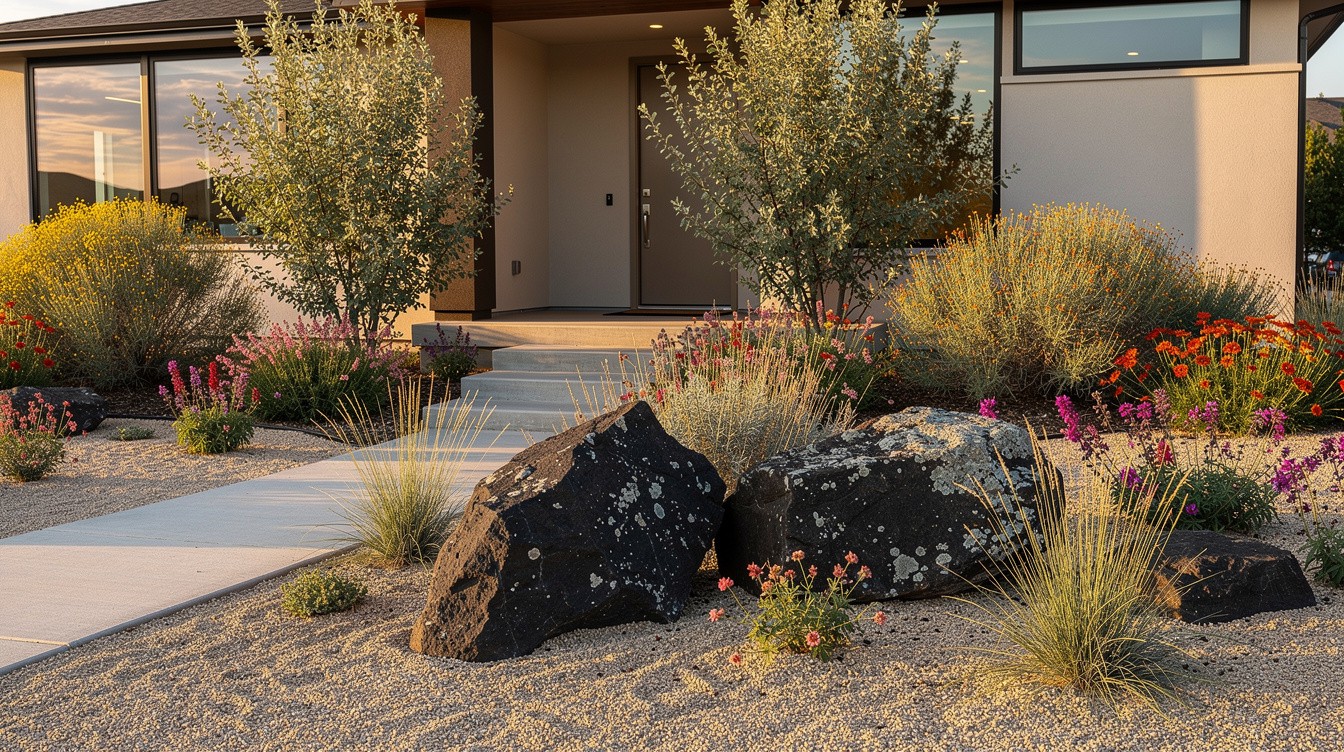
The High Desert Entry Garden
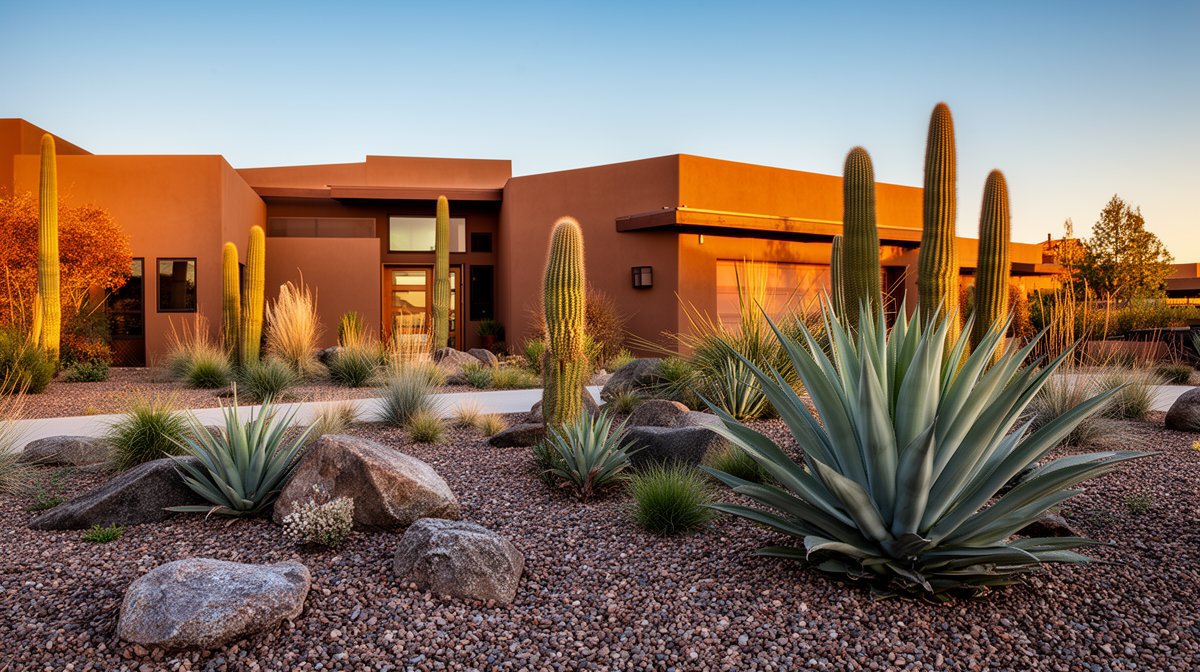
$9–18/sqftA bold Boise entry garden uses specimen plants as sculptural elements in a decomposed granite composition. Desert peach and native serviceberry provide tall structural shrubs while rabbitbrush and bitterbrush fill the mid-ground. Idaho fescue and needle-and-thread grass provide fine-textured movement and the authentic bunchgrass character of Snake River country. A large basalt boulder grouping — the black volcanic rock of the southern Idaho lava fields — provides the most authentic Treasure Valley material character and creates a dramatically different aesthetic from the tan granite of California desert landscapes. Wildflowers of penstemon and globemallow self-seed through the gravel.
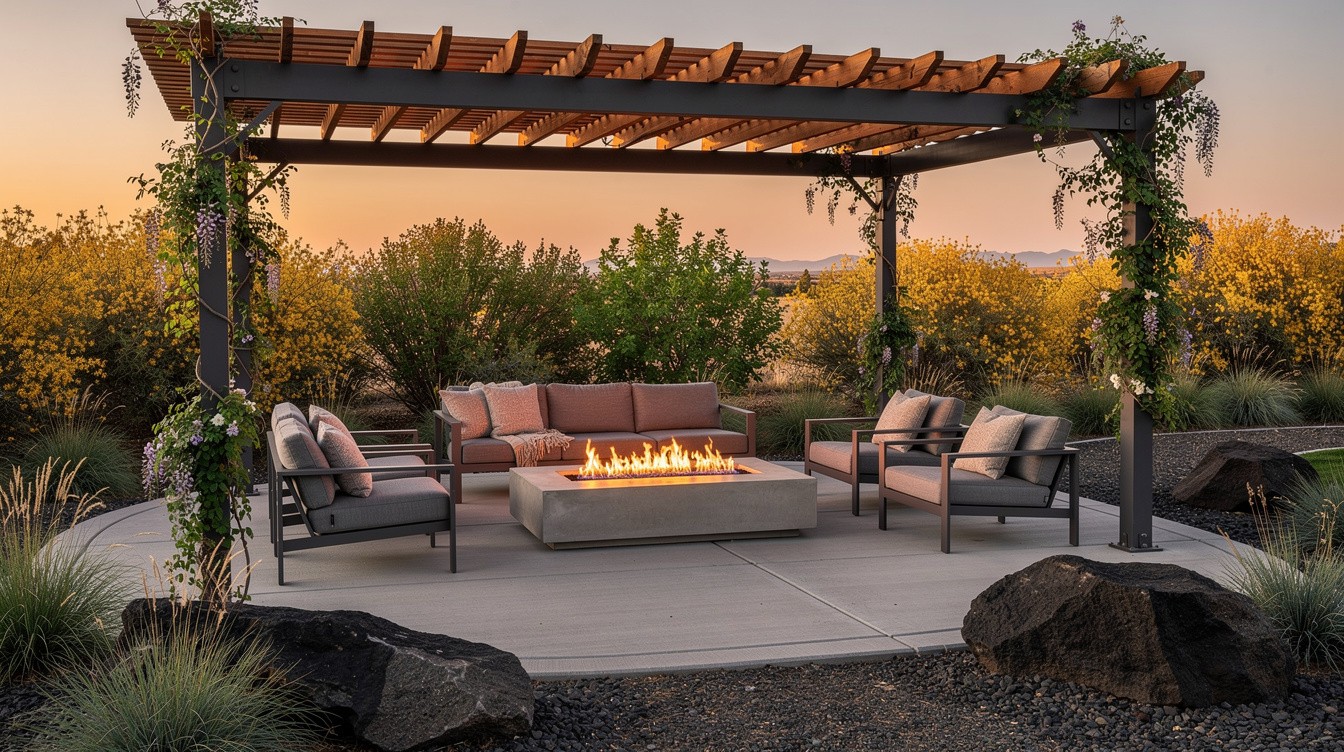
The Backyard Desert Patio with Fire Feature
$14–28/sqftA concrete paver patio with a steel and cedar pergola creates an outdoor room for this Boise backyard. A gas fire pit is the centerpiece — essential in Boise’s cool evenings and for extending the outdoor season through September and into October when evening temperatures drop to the 40s. The surrounding yard uses native high-desert plants for privacy and year-round interest: rabbitbrush in tall masses, native serviceberry, and sweeping bunchgrass clumps of Idaho fescue and bluebunch wheatgrass. Local basalt boulders define the transition from patio to planted areas. Boise’s cold winters mean pergola plants need to be cold-hardy — native wisteria and western clematis handle Zone 7a winter temperatures.
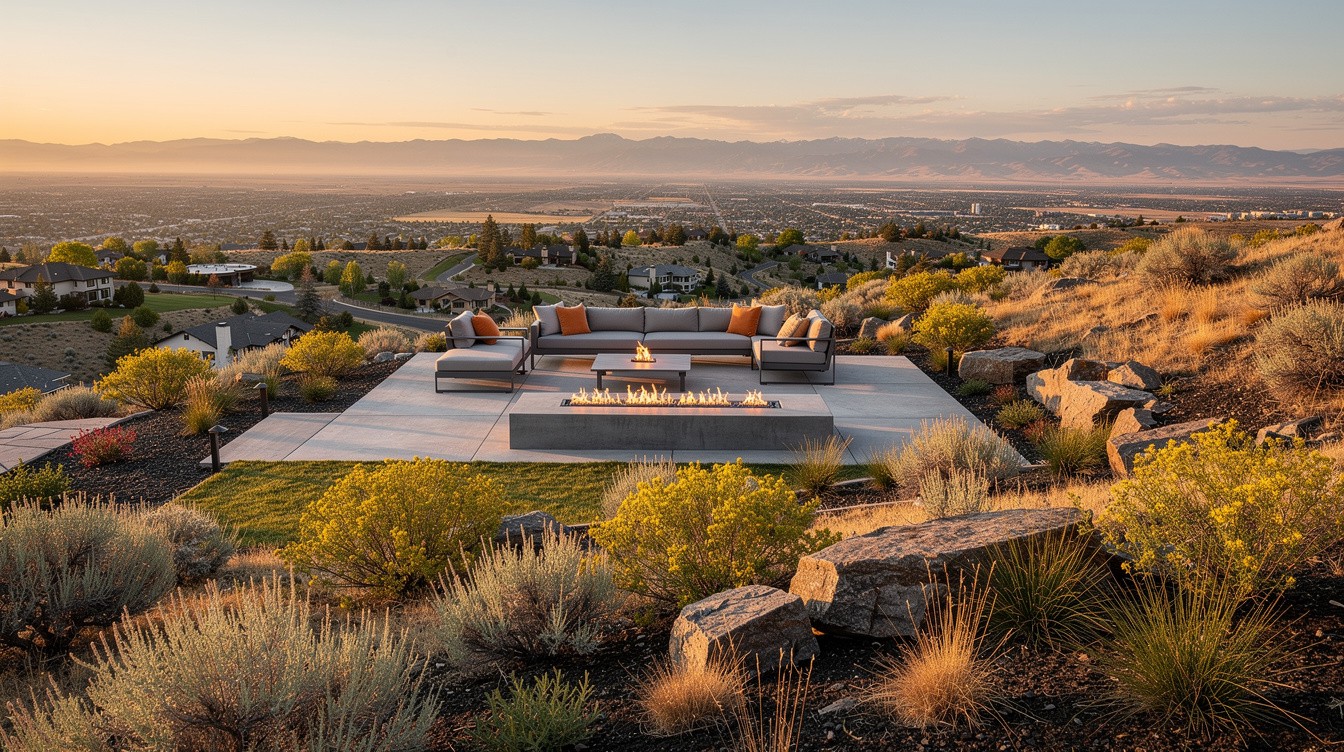
The Foothills Garden with Views
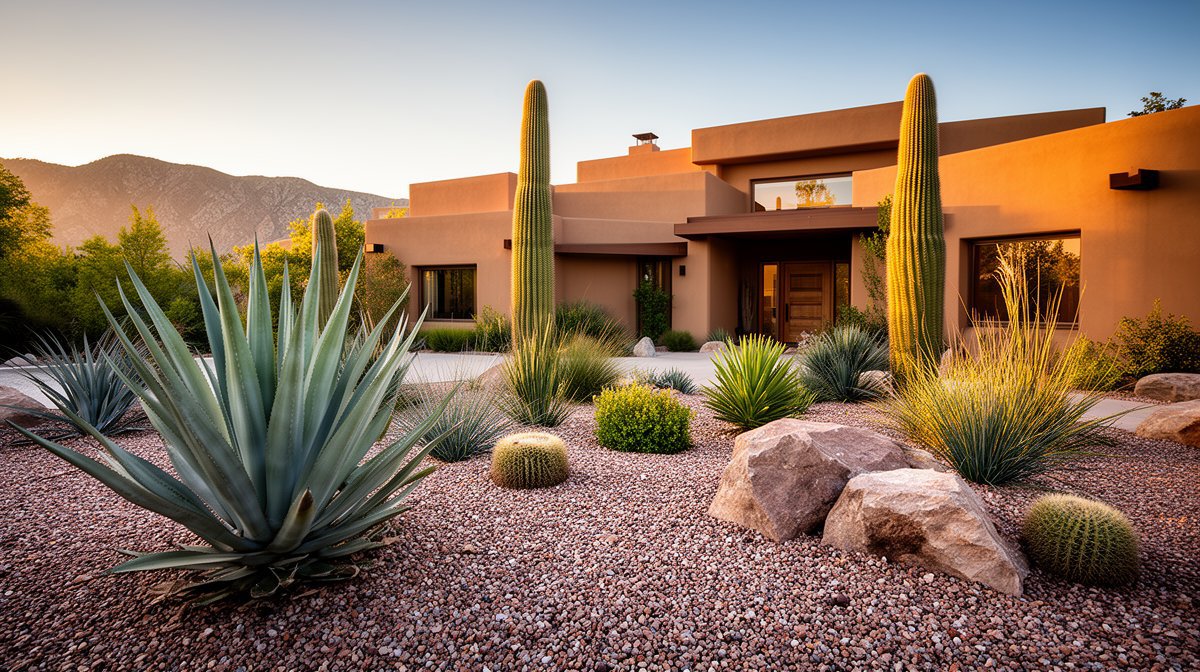
$16–30/sqftA Boise Foothills home maximizes its connection to the surrounding shrub steppe with a landscape that blurs the boundary between garden and hillside. A concrete patio terrace holds outdoor furniture and a fire feature with commanding views of the Treasure Valley. The surrounding garden uses the same plants as the Foothills themselves: big sagebrush, bitterbrush, rabbitbrush, and Idaho fescue sweep down from the patio edge without fencing. Basalt boulder groupings anchor the planting at natural grade changes. The overall effect is that the garden seems to extend infinitely into the high desert landscape, creating one of the most dramatic outdoor rooms available in the American West.
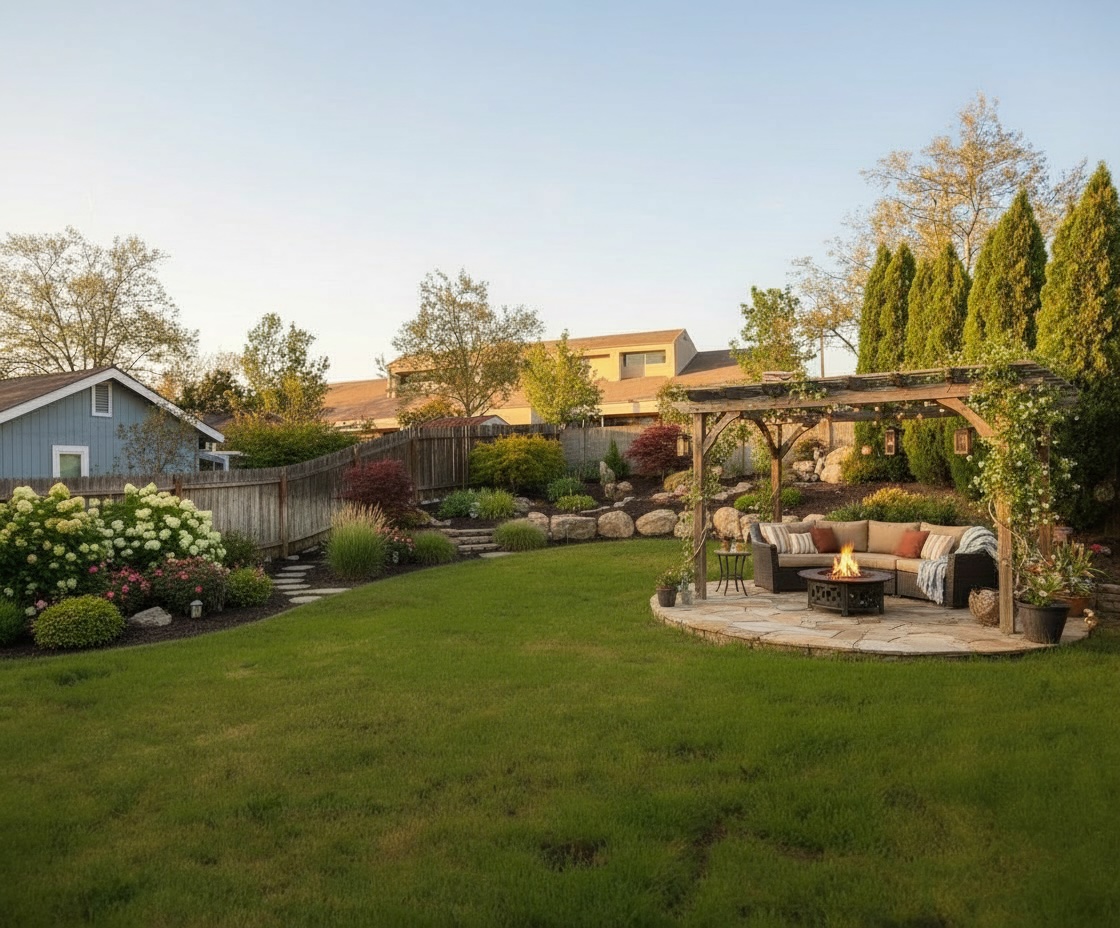
See how a desert/xeriscape garden looks on YOUR property
Upload a photo of your Boise City yard and visualize your dream garden in seconds.
Try ProScapeAI Free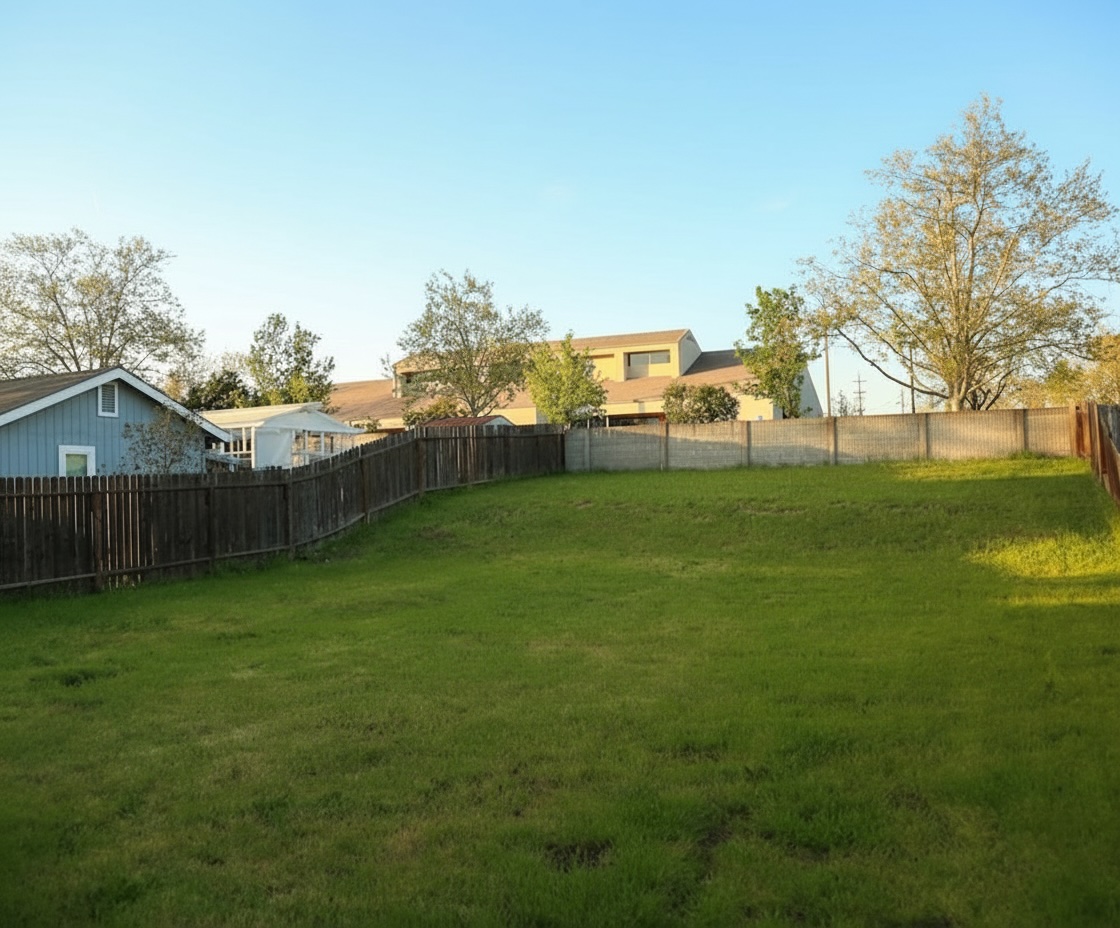
Featured Trees & Shrubs for Desert/Xeriscape Gardens
Browse all 153 plants for Boise City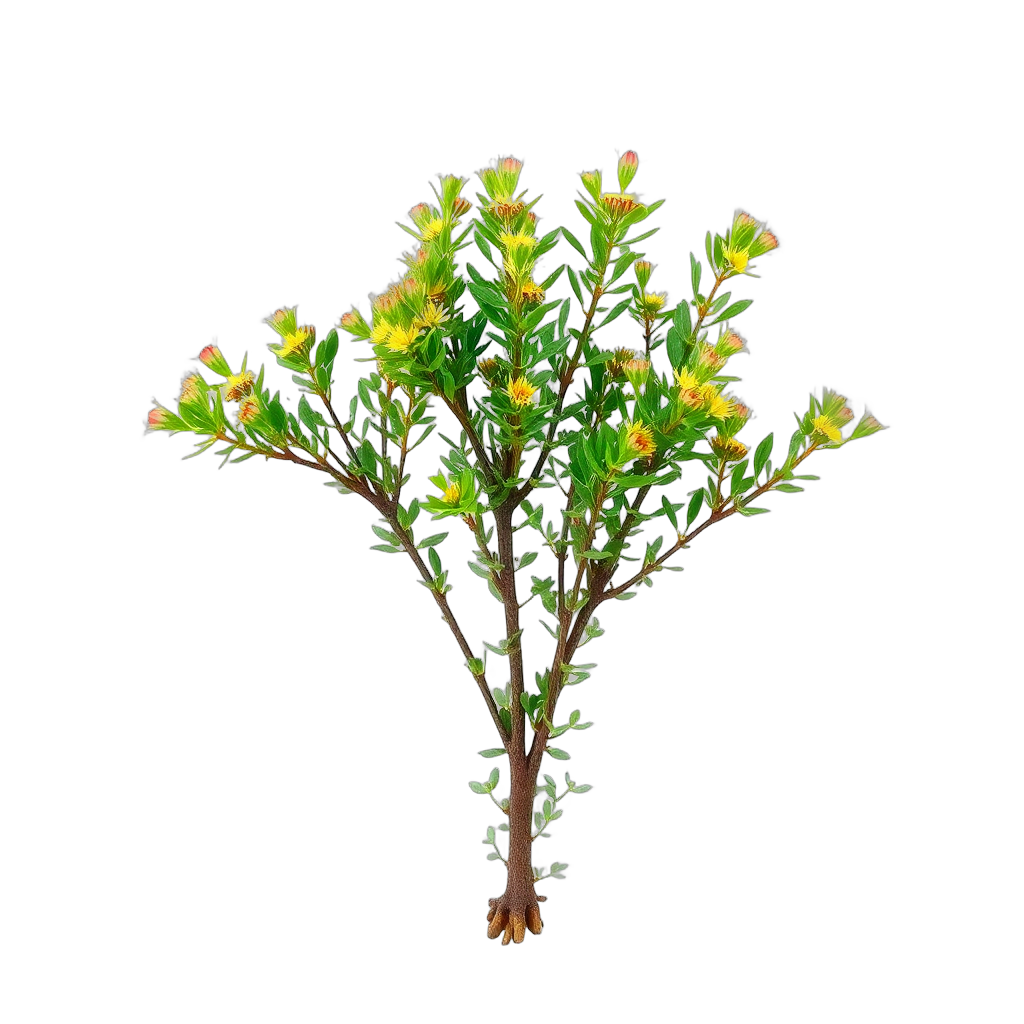
Antelope Bitterbrush
Purshia tridentata
grows to 6 feet, yellow blooms in spring. Fragrant.
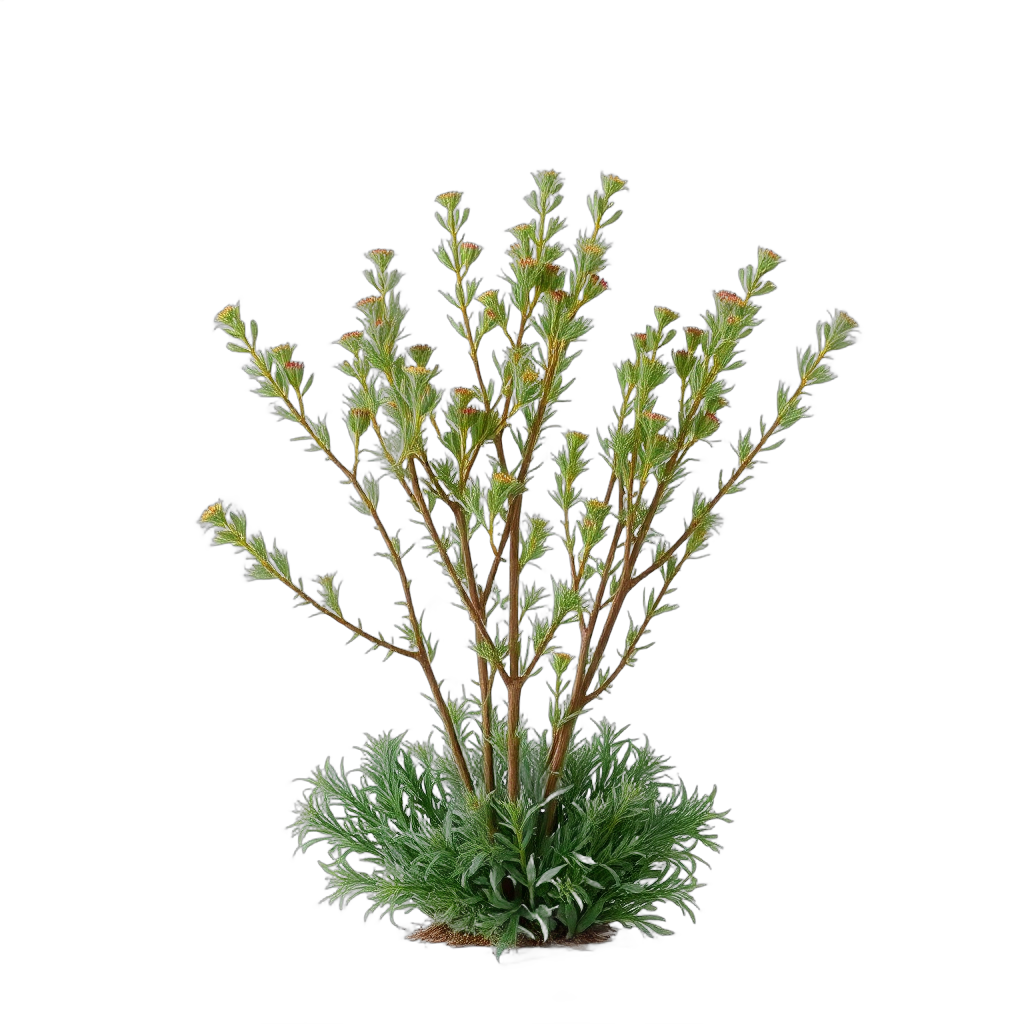
Big Sagebrush
Artemisia tridentata
grows to 6 feet, yellow blooms in fall. Evergreen year-round.

Cabbage Palm
Sabal palmetto
reaches 40 feet tall, white,yellow blooms in spring. Pollinator-friendly.

Windmill Palm
Trachycarpus fortunei
reaches 20 feet tall, yellow blooms in spring. Pollinator-friendly.
Featured Grasses & Groundcovers for Desert/Xeriscape Gardens
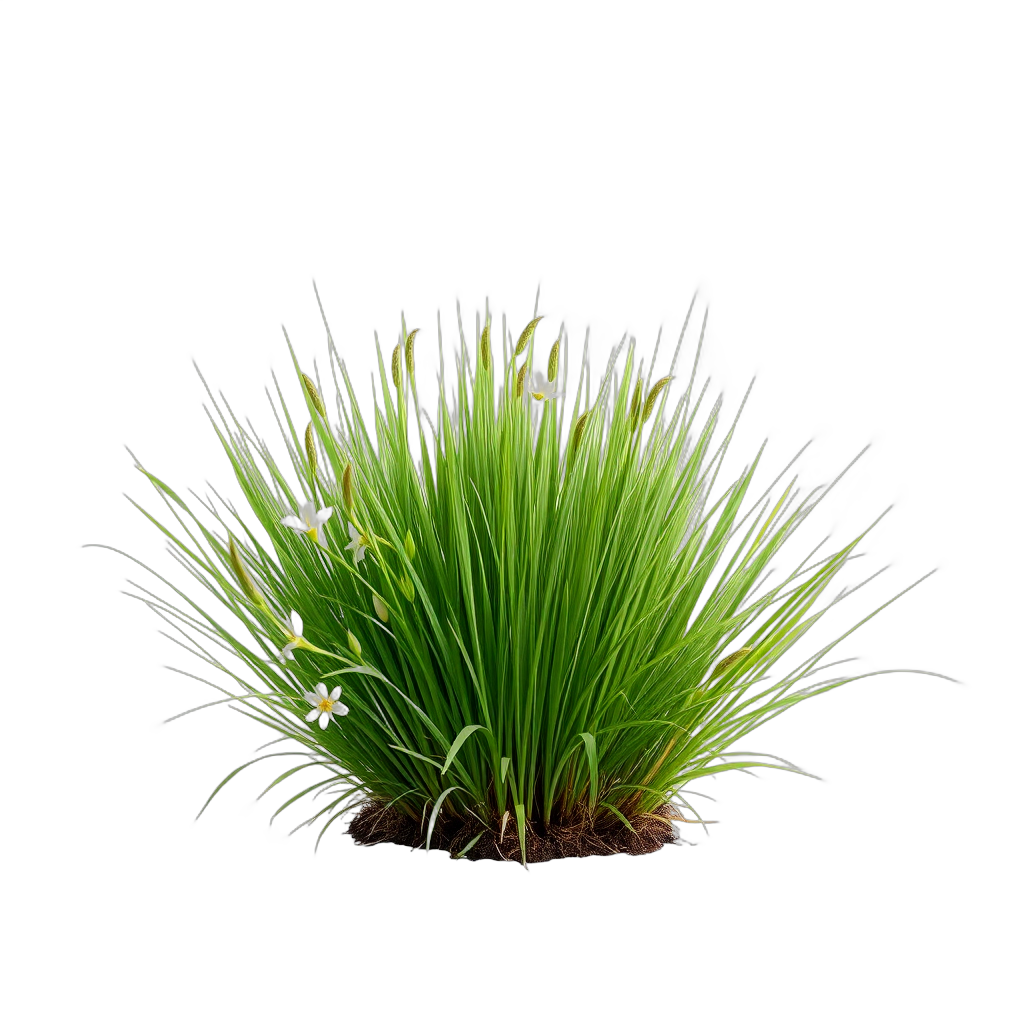
Sandberg Bluegrass
Poa sandbergii
low-growing ground cover, blooms in summer.
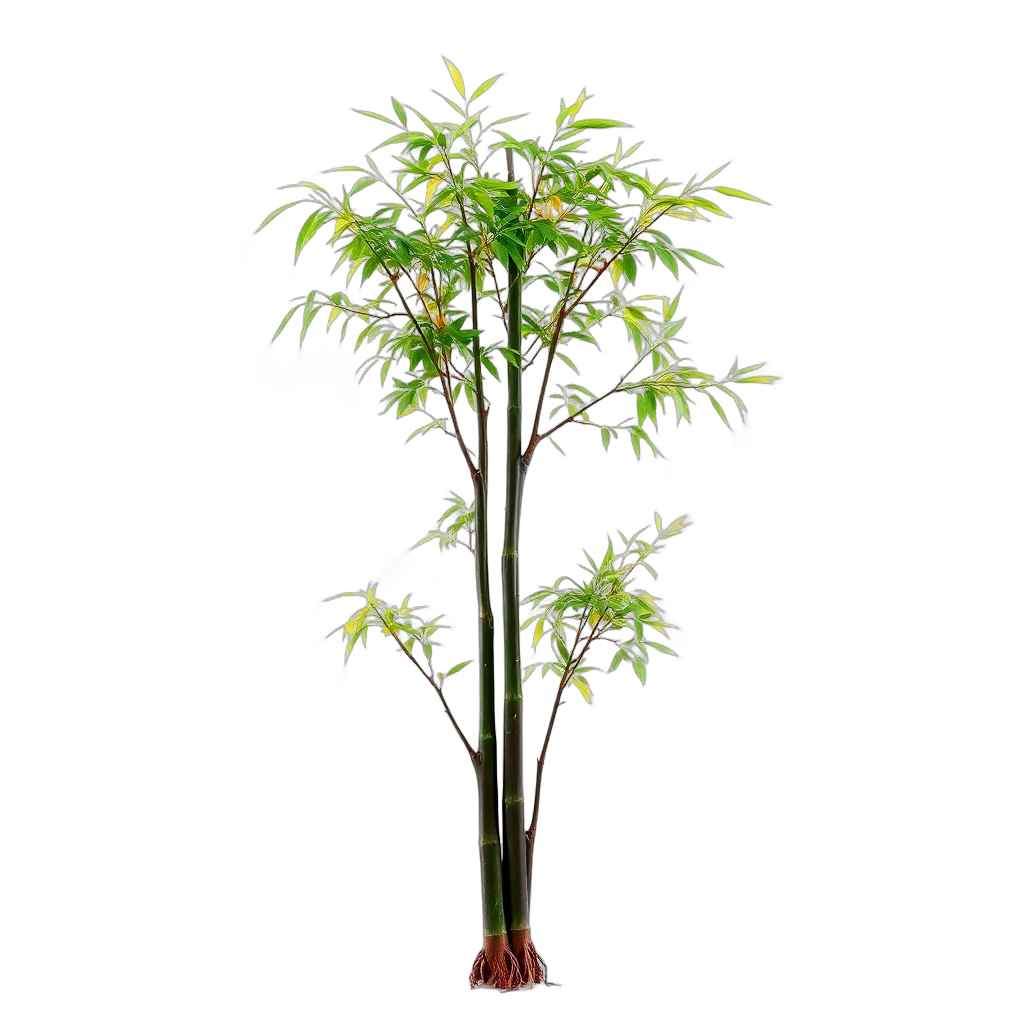
Black Bamboo
Phyllostachys nigra
reaches 25 feet tall, blooms in none. Evergreen year-round.
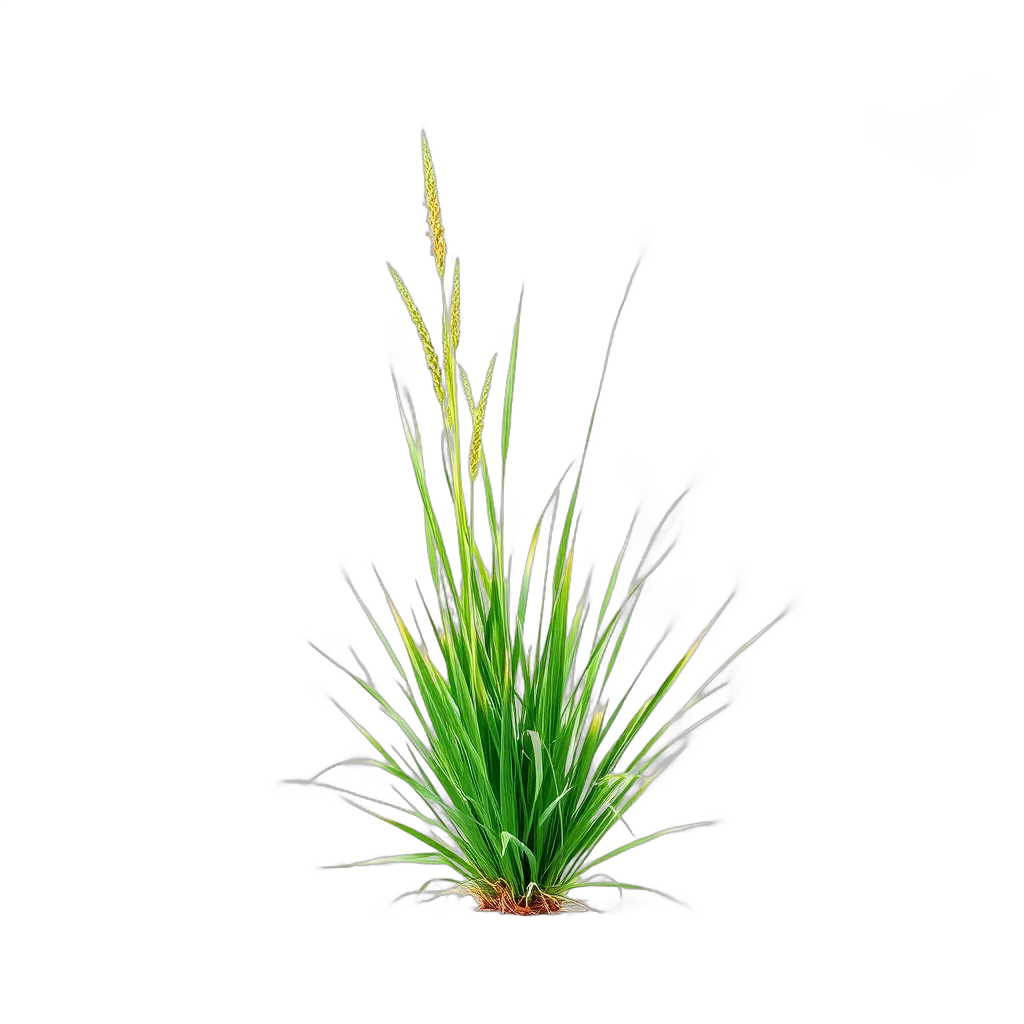
Bull Grass
Muhlenbergia emersleyi
grows to 4 feet, purple blooms in fall. Yellow fall color.
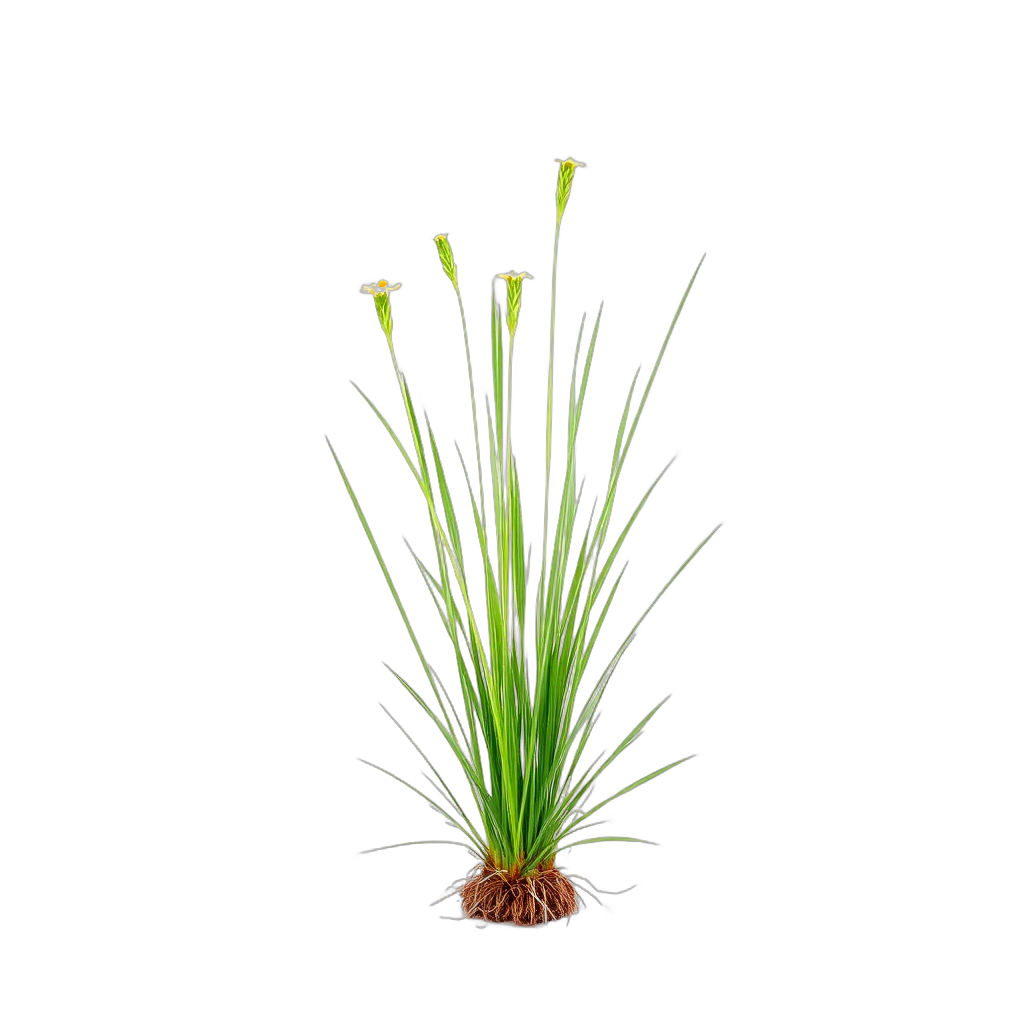
California Melic
Melica californica
low-growing ground cover, blooms in spring.
Featured Flowers & Perennials for Desert/Xeriscape Gardens

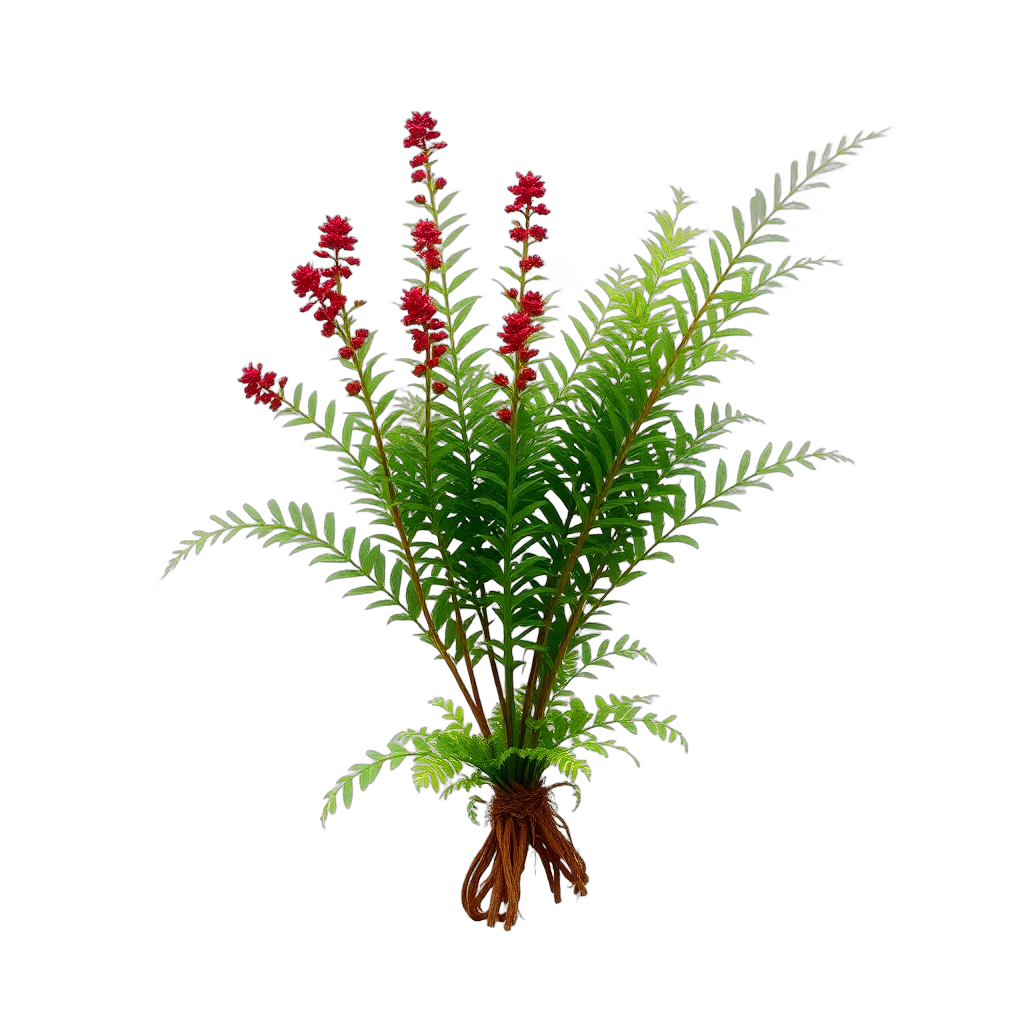
Water Fern
Azolla filiculoides
low-growing ground cover, blooms in none. Red fall color.
Holly Fern
Cyrtomium falcatum
low-growing ground cover, blooms in none. Evergreen year-round.
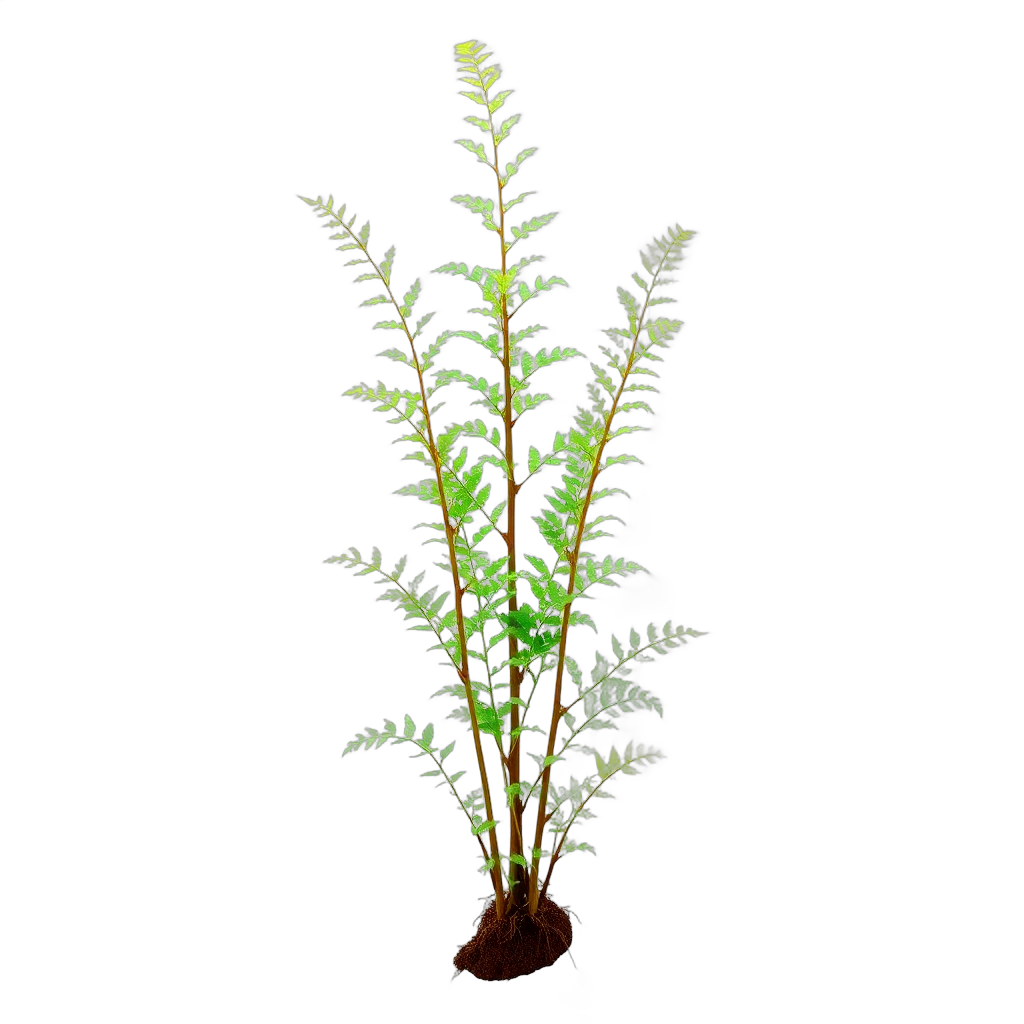
Lady Fern
Athyrium filix-femina
low-growing ground cover, blooms in none.
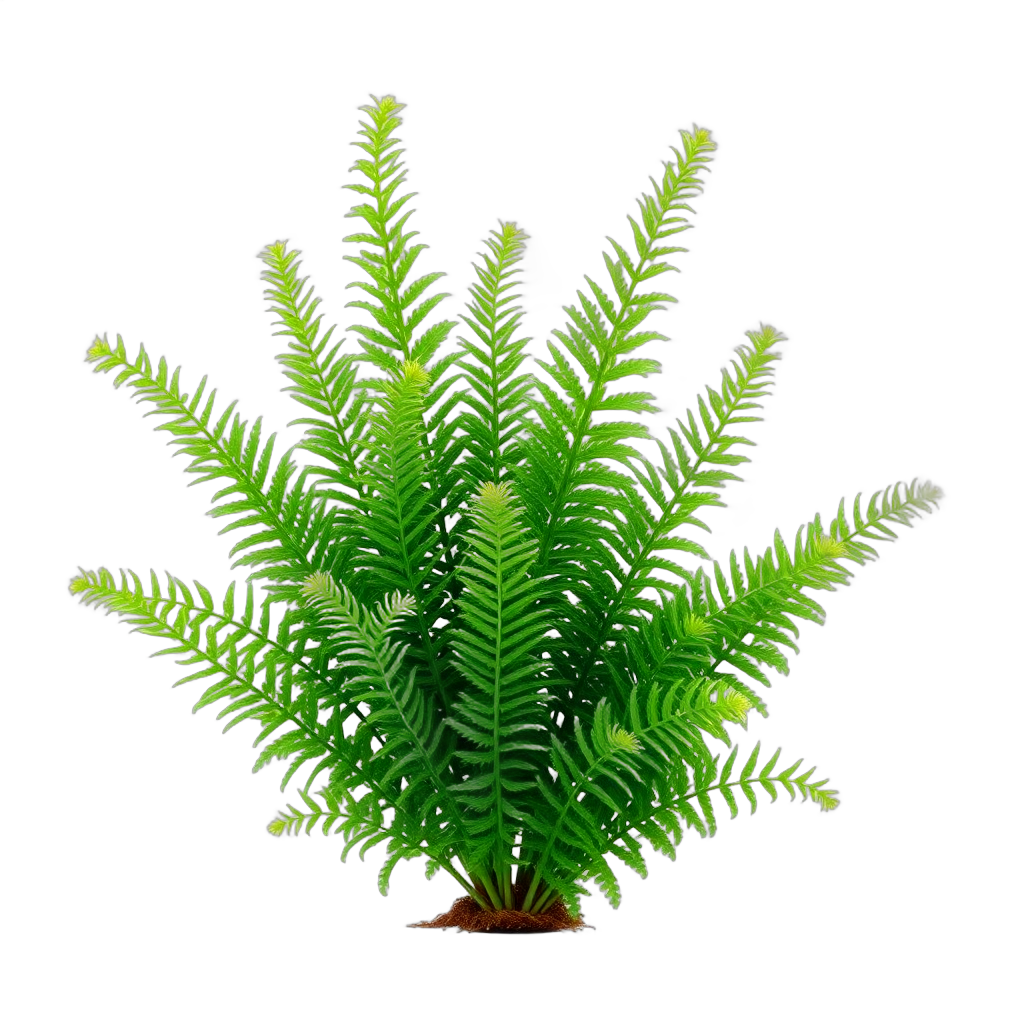
Ostrich Fern
Matteuccia struthiopteris
grows to 4 feet, blooms in none. Yellow fall color.
Zone and sun checks come from our database — confirm with your local nursery before you buy.
Bloom Calendar for Boise City
spring
Antelope Bitterbrush, Bishop's Cap, Bistortsummer
Sandberg Bluegrass, Angel's Fishing Rod, Anise Sagefall
Big Sagebrush, Anise Sage, California Fuchsiawinter
Limited bloomsDesign Tips for Boise City (Zone 7a)
- Use basalt boulders from southern Idaho’s lava fields rather than imported granite — the black and grey volcanic rock is geologically authentic to the Snake River Plain and creates a dramatically different aesthetic from California or Arizona desert gardens; local basalt is also typically less expensive than imported stone
- Plant big sagebrush in masses of 3–5 plants — the shrub’s fragrance after rain is one of the most evocative sensory experiences of the American West, and massed planting amplifies both visual impact and the aromatic response to moisture
- Choose warm buff or golden tan DG rather than grey for Boise landscapes — the warm tones match the color of the surrounding Treasure Valley loess soils and the dried golden bunchgrasses of late summer; grey reads as imported and institutional in the high-desert light
- Include a fire feature as a functional priority in Boise — the shoulder seasons (April, May, September, October) are the best outdoor periods, but evening temperatures drop to the 40s°F; a fire pit or fire table extends comfortable outdoor time by 2–3 hours every evening
- Winterize drip irrigation systems by October 15 — Boise’s first hard freeze typically arrives in October, and frozen supply lines are one of the most common and preventable irrigation system failures; blow out lines with compressed air before the first freeze
- Incorporate penstemon species as the primary flowering plant in Boise desert gardens — Idaho is home to many penstemon species, they handle Zone 7a winters natively, and their tubular flowers attract native bees and hummingbirds from April through September
Where to Source Plants in Boise City
Skip the big-box stores. These independent Boise City nurseries specialize in the plants that make desert/xeriscape gardens thrive in Zone 7a.
Draggin’ Wing High Desert Nursery
Boise
Native high-desert plants, sagebrush steppe species, and water-thrifty perennials and shrubs for Treasure Valley landscapes
The Greenhouse at Boise
Boise
Full-service Idaho garden center with native plants, perennials, shrubs, and landscape supplies
Edwards Greenhouse
Boise
Idaho natives, drought-tolerant perennials, ornamental grasses, and cold-hardy landscape plants for Zone 7a
Cactus Pete’s Nursery
Nampa (near Boise)
Cold-hardy cacti, agave, yucca, and drought-tolerant Southwest plants adapted to Idaho’s climate
Zamzows
Multiple Boise-area locations
Idaho’s regional lawn and garden chain with native plants, xeriscape supplies, and water-wise landscape products
Desert/Xeriscape Landscaping Costs in Boise City
| Project Scope | Estimated Cost |
|---|---|
| Native xeriscape front yard with DG, boulders, and sagebrush planting (600 sqft) | $5,000 – $12,000 |
| Backyard patio with pergola and fire feature | $12,000 – $28,000 |
| Basalt boulder delivery and placement (southern Idaho source) | $150 – $800 per boulder |
| Drip irrigation system with smart controller | $1,500 – $3,500 |
| Native plant installation (per sqft, including plant material) | $6 – $14/sqft |
| Steel and cedar pergola (12x16 ft installed) | $8,000 – $18,000 |
| AI visualization with ProScapeAI | Free to start |
Estimates based on Boise City, ID-area contractor rates as of 2026. Actual costs vary by site conditions, materials, and contractor.
Boise City Climate & Growing Zone
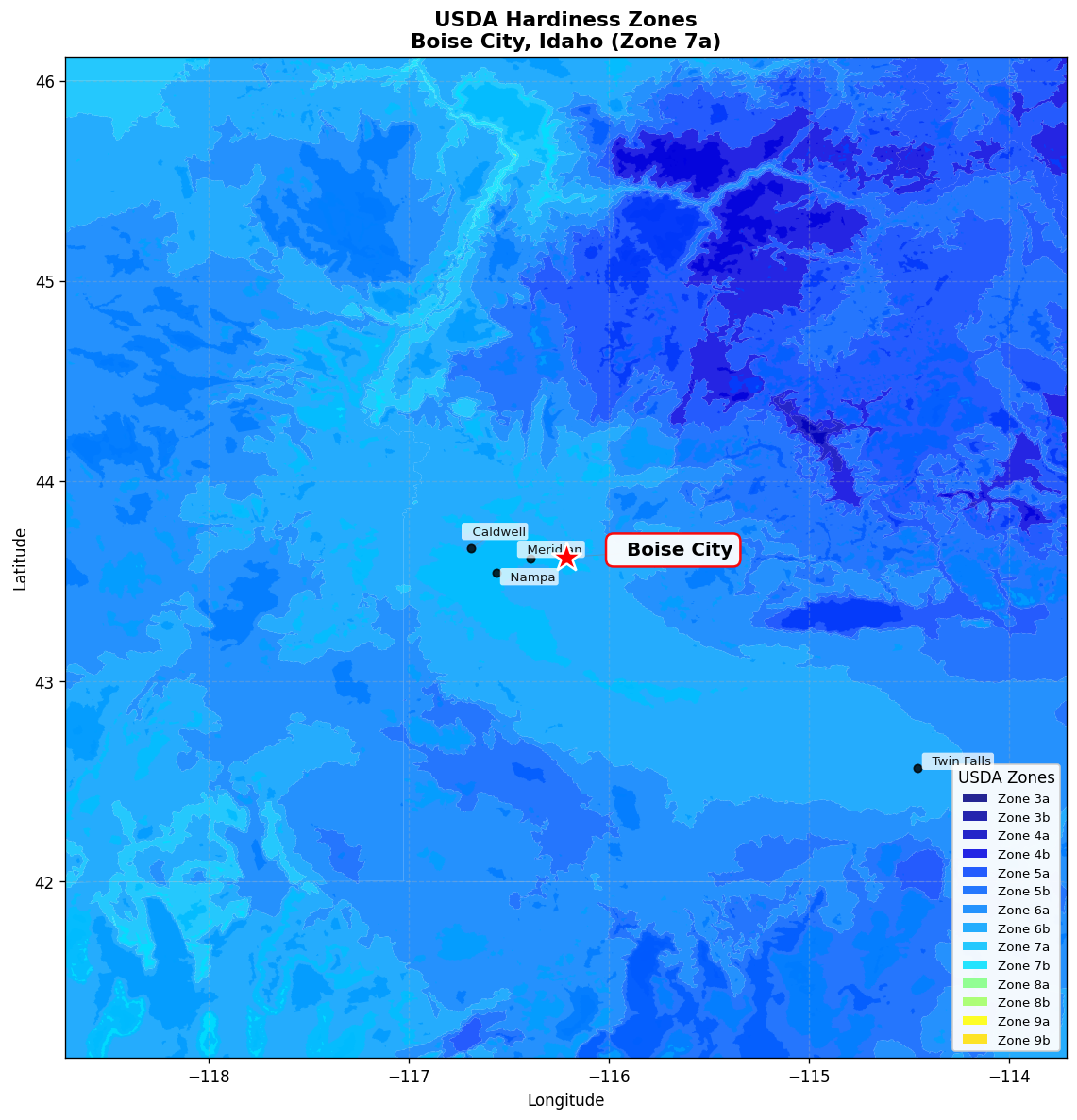
USDA Zone 7a
Hardiness zone for Boise City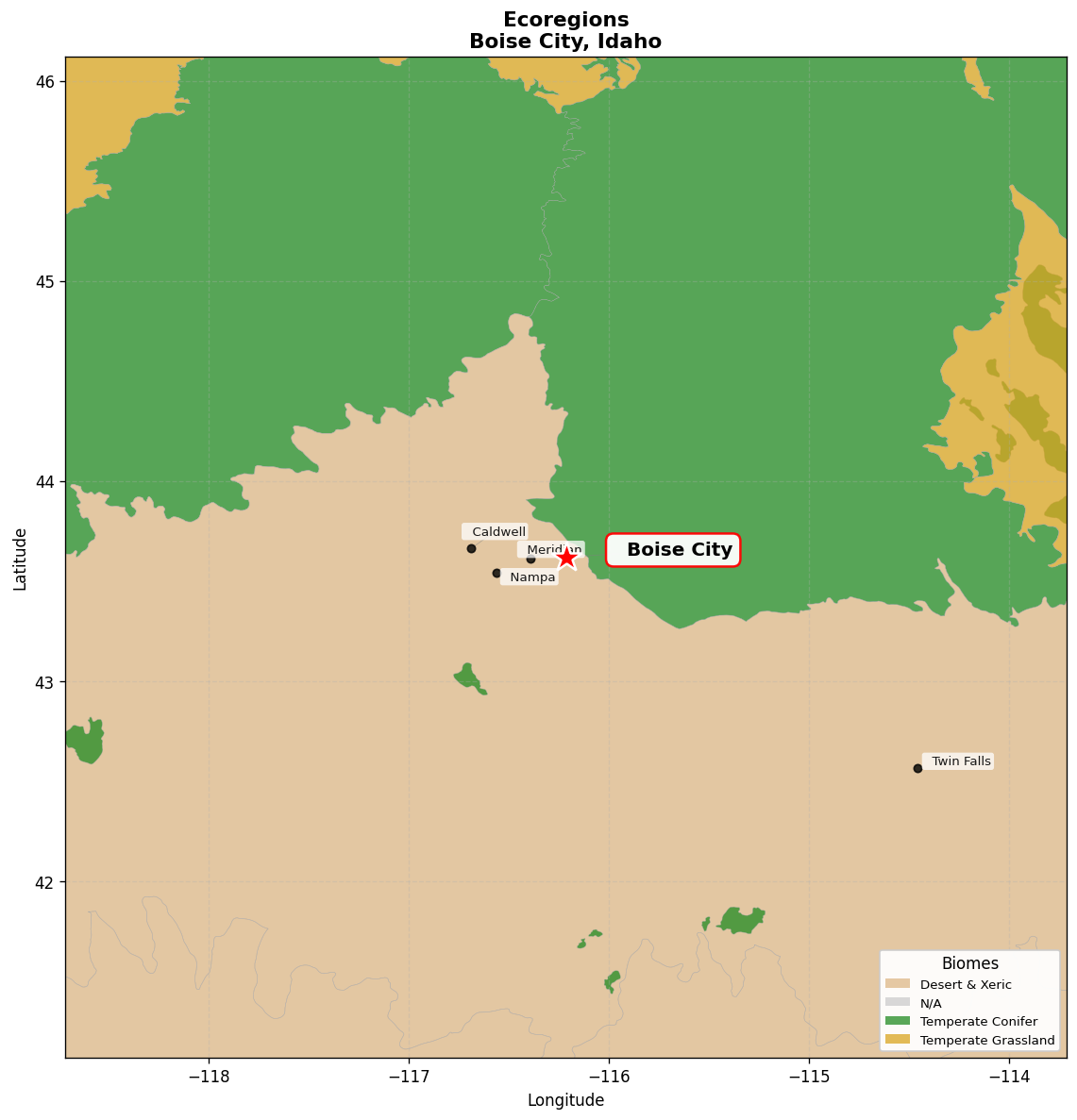
Snake-Columbia shrub steppe
Native ecoregionFrequently Asked Questions
What are the best native plants for a Boise desert xeriscape?
The Snake-Columbia shrub steppe ecoregion supports one of the West’s richest native plant palettes for water-wise design. Best performers in Boise Zone 7a: big sagebrush (Artemisia tridentata) for the signature silver-grey fragrance and mass; rabbitbrush (Ericameria nauseosa) for brilliant yellow fall bloom and drought tolerance; Idaho fescue as the workhorse bunchgrass; bluebunch wheatgrass for the tall-grass prairie character of sagebrush country; penstemon species (firecracker, Palmer, shrubby) for hummingbird-attracting tubular flowers; desert peach for fragrant pink spring bloom; bitterbrush for dense yellow spring flowering and wildlife value; and serviceberry for white spring bloom and edible berries. All are cold-hardy to Zone 7a’s -5°F minimum.
How much does xeriscape landscaping cost in Boise, ID?
Xeriscape projects in Boise run $5–$15/sqft for standard installations and $12–$20/sqft for full design-build with boulders, specimen plants, and drip irrigation. A front yard xeriscape (600 sqft) costs $5,000–$12,000. A full backyard with patio, fire feature, and high-desert planting runs $12,000–$28,000. Boise landscape labor rates run $40–$75/hour — somewhat below West Coast California rates. Basalt boulders from local southern Idaho sources are typically less expensive than equivalent granite boulders in California or Arizona landscapes.
What makes Boise xeriscape different from Arizona or Nevada desert gardens?
Boise’s Snake-Columbia shrub steppe is ecologically distinct from the Sonoran, Mojave, or Chihuahuan deserts. Key differences: Boise’s Zone 7a winters reach -5°F, eliminating true desert succulents like saguaro and some agave species; the dominant plant community is sagebrush-bunchgrass rather than cactus-desert scrub; basalt and volcanic rock replace the tan granite and river boulders of Southwest deserts; and the palette is more silver-grey and golden-yellow rather than the pink and red tones of Arizona landscapes. Many Arizona desert plants won’t survive a Boise winter — cold-hardy agave (Agave utahensis) and yucca (Yucca glauca) are exceptions that bridge both traditions.
Does Boise have any rebate programs for xeriscape landscaping?
Boise’s water agencies do not currently offer the same magnitude of rebate programs as Las Vegas’s SNWA or Southern California’s Metropolitan Water District. However: Ada County Soil and Water Conservation District offers technical assistance and plant lists for water-wise landscapes; United Water Idaho (now part of SUEZ) has offered occasional turf rebate programs — check current availability at your water utility’s website; and Idaho Power occasionally offers rebates for efficient irrigation controllers. The long-term economics of Boise xeriscape are driven primarily by water bill savings: a 600 sqft lawn uses 30,000+ gallons per summer; a mature xeriscape uses under 8,000 gallons, producing $50–$120/year in water bill savings.
What ground cover alternatives to grass work in Boise’s cold winters?
Boise’s Zone 7a winters require cold-hardy ground cover solutions. Best alternatives to lawn: decomposed granite in warm buff — the most common and authentic high-desert ground cover; pea gravel or rounded river rock for a softer look; flagstone with creeping thyme in the joints (thyme is Zone 4 hardy); Idaho fescue in dense planting as a low-maintenance lawn alternative; bluegrass or blue grama in limited areas for soft-surface walking; and mulched planting beds with wood chip mulch for moisture retention in the dry summers. Native ground covers like prairie dropseed and blue grama establish slowly but are zero-water after the first season.
How do I handle Boise’s cold winters in a desert garden design?
Boise’s Zone 7a winters require design strategies different from true Southwest desert gardens. Cold-weather considerations: all plants must be hardy to -5°F minimum — this eliminates most Sonoran desert cacti but preserves hardy agave, yucca, and cold-tolerant sage species; winterize irrigation systems by mid-October to prevent pipe damage in hard freezes; protect tender specimens with burlap or mulch mounding at the crown; choose steel, aluminum, or composite pergola materials over wood for freeze-thaw durability; and plan patio surfaces for frost-heave resistance — concrete and natural flagstone perform better than ceramic tile in freeze-thaw cycling. The reward: Boise’s clear, cold winter light makes the architectural form of dormant grasses and boulder groupings genuinely beautiful from November through March.