4 Modern Garden Ideas for Boise, ID | Contemporary High Desert Zone 7a
Native plants from the Snake-Columbia shrub steppe (Zone 7a) — Cold semi-arid climate
Why Modern/Minimalist Gardens in Boise City?
A modern landscape in Boise, ID combines the clean geometry of contemporary design with the Snake-Columbia shrub steppe ecoregion’s dramatic plant palette and Zone 7a’s four-season outdoor character. Boise’s emergence as one of the fastest-growing cities in the American West has brought with it a design culture that appreciates the bold, water-efficient aesthetics of California and Pacific Northwest modern landscaping — adapted to the unique conditions of the high desert where winters are cold, summers are hot and dry, and the Treasure Valley’s brilliant light makes bold plant masses and clean hardscape lines read with exceptional clarity.
Boise’s residential landscape ranges from the mature tree-lined streets of the North End and East End historic neighborhoods to the contemporary developments of Harris Ranch, Southeast Boise, and the Foothills’ hillside communities. The newer neighborhoods in particular provide natural contexts for modern landscape design — clean-lined stucco and contemporary architecture that responds directly to the surrounding high-desert landscape, with generous lot sizes that allow for ambitious outdoor living features. Boise’s outdoor culture is one of the defining characteristics of life in the Treasure Valley: the city’s proximity to hiking, skiing, river activities, and the Foothills means residents invest seriously in quality outdoor spaces that extend their active lifestyle into the home garden.
Water conservation is increasingly central to Boise landscape planning as the Treasure Valley’s rapid growth strains regional water supplies. Modern design’s inherent compatibility with drought-tolerant, drip-irrigated plant masses makes it both aesthetically sophisticated and practically water-efficient. A modern Boise landscape replacing lawn with concrete hardscape and native ornamental grass masses typically reduces outdoor water use by 60–75% while producing a far more visually interesting and low-maintenance result.
4 Modern/Minimalist Design Ideas for Boise City
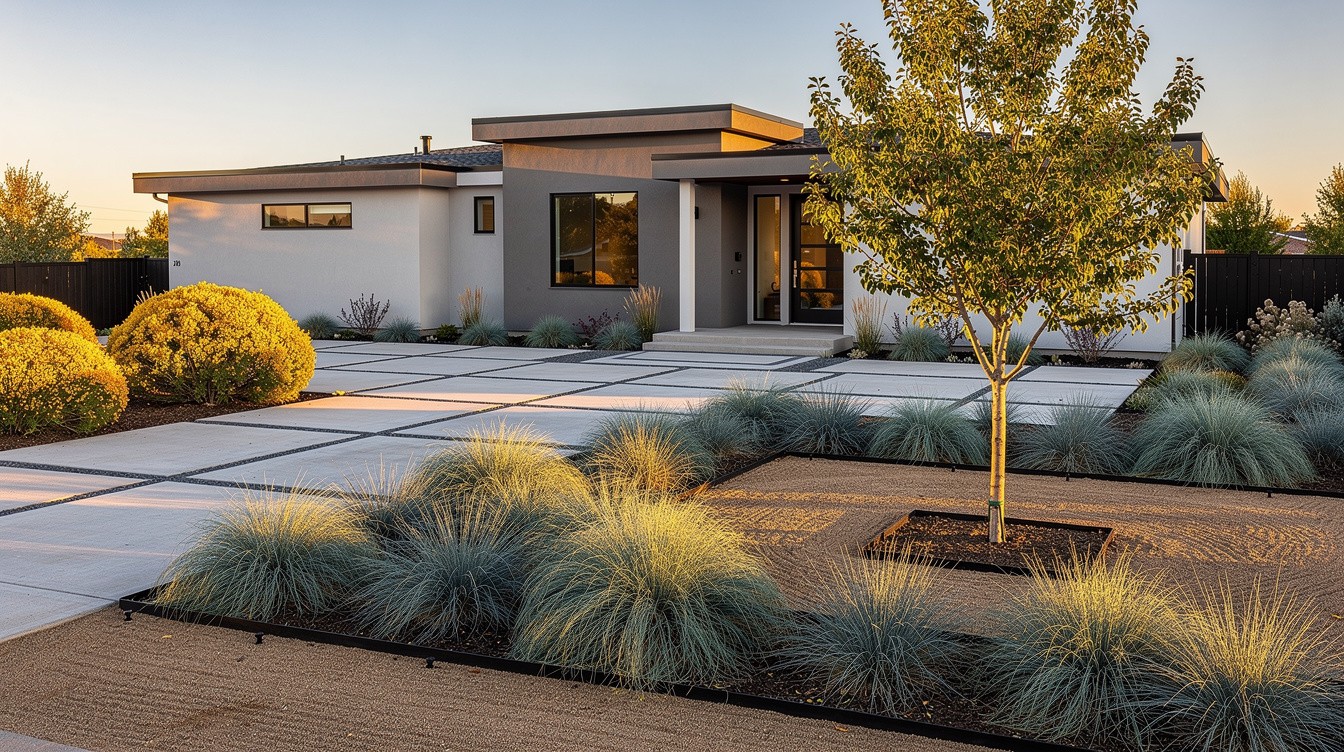
The High Desert Modern Front Yard
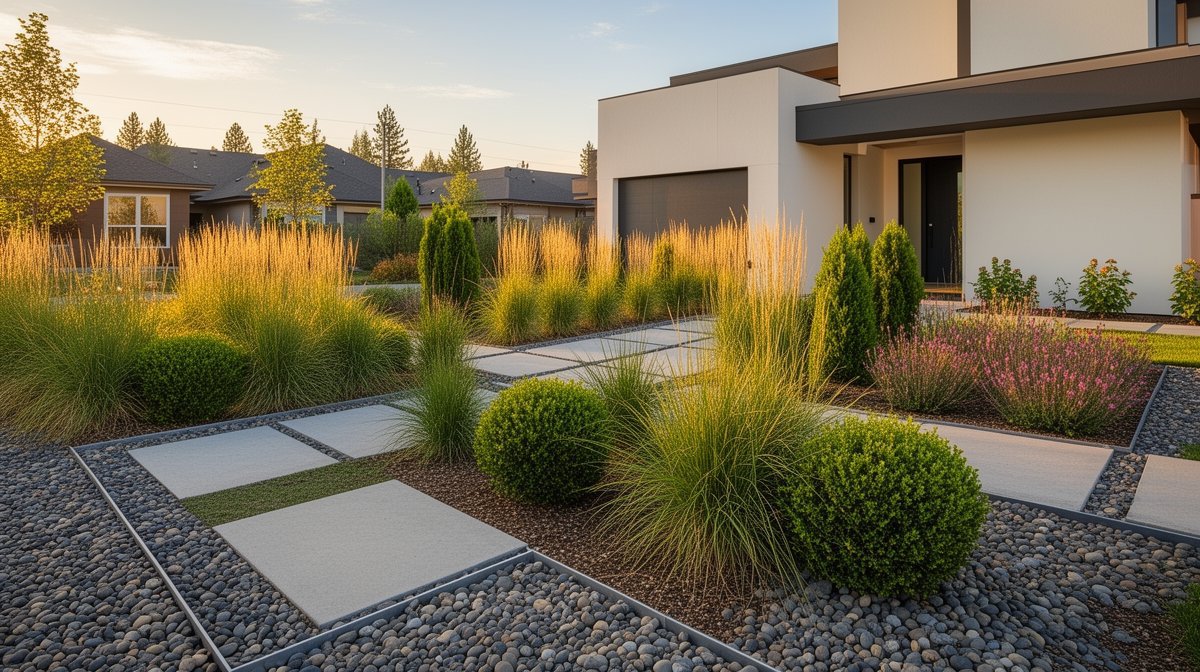
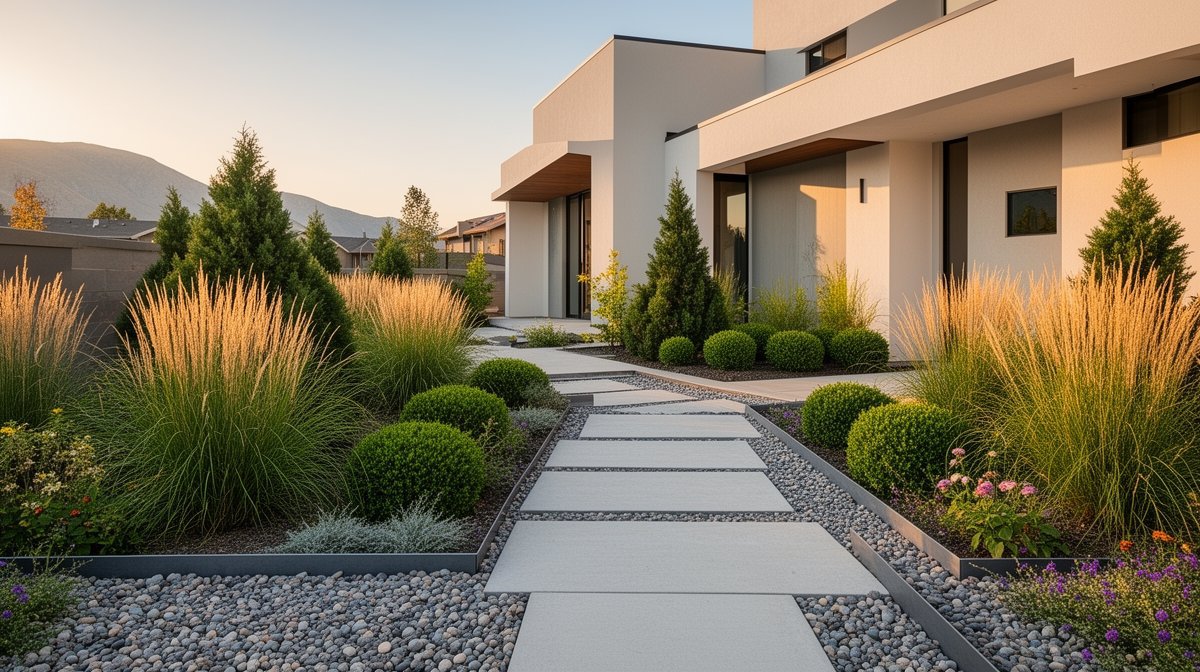
$10–20/sqftA Boise contemporary home replaces its lawn with a bold high-desert modern composition: large-format concrete pavers form the driveway approach and entry plaza while the planted areas hold sweeping masses of Idaho fescue, blue oat grass, and drought-tolerant ornamental grasses. A single multi-trunk specimen serviceberry serves as the primary focal tree while two rounded rabbitbrush shapes provide fall yellow-gold bloom accents. Warm buff decomposed granite fills the remaining ground plane. Black steel edging defines clean geometry throughout. Drip irrigation on a smart controller maintains the planting with significantly less water than the former lawn.
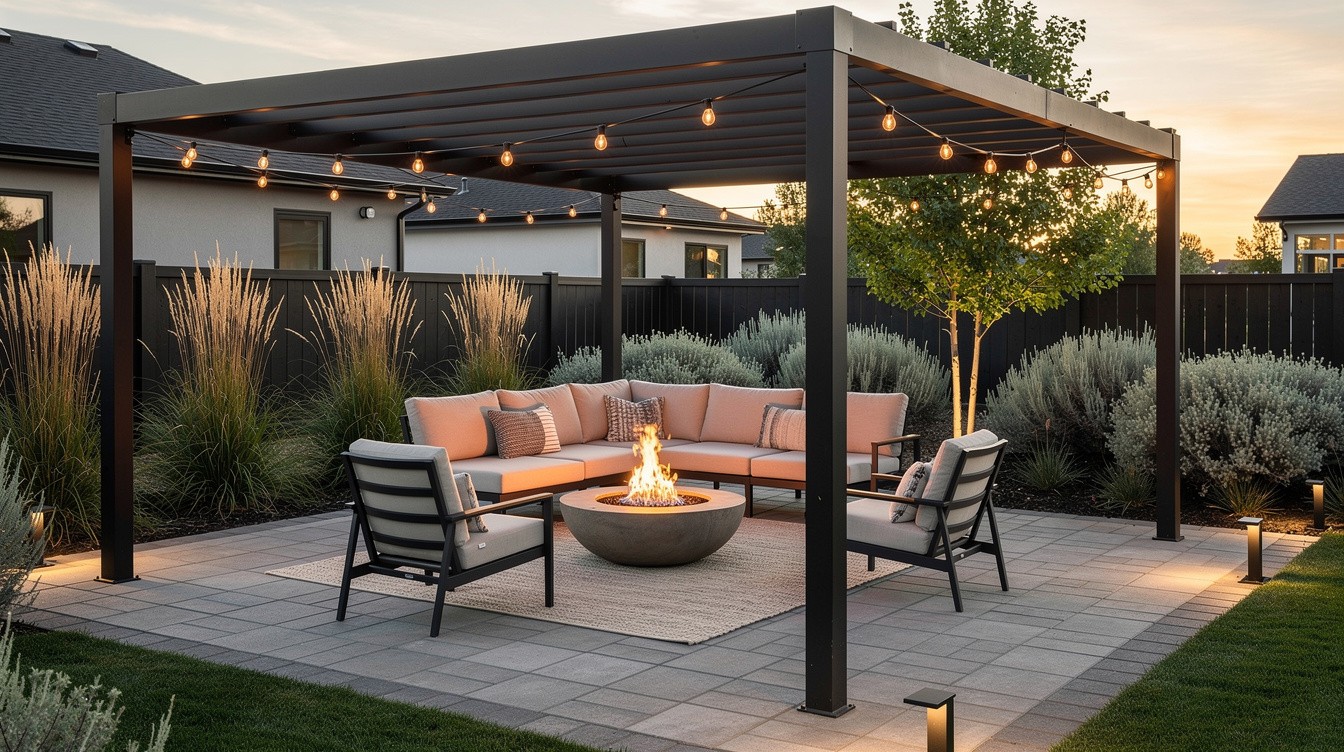
The Outdoor Living Room with Fire Feature
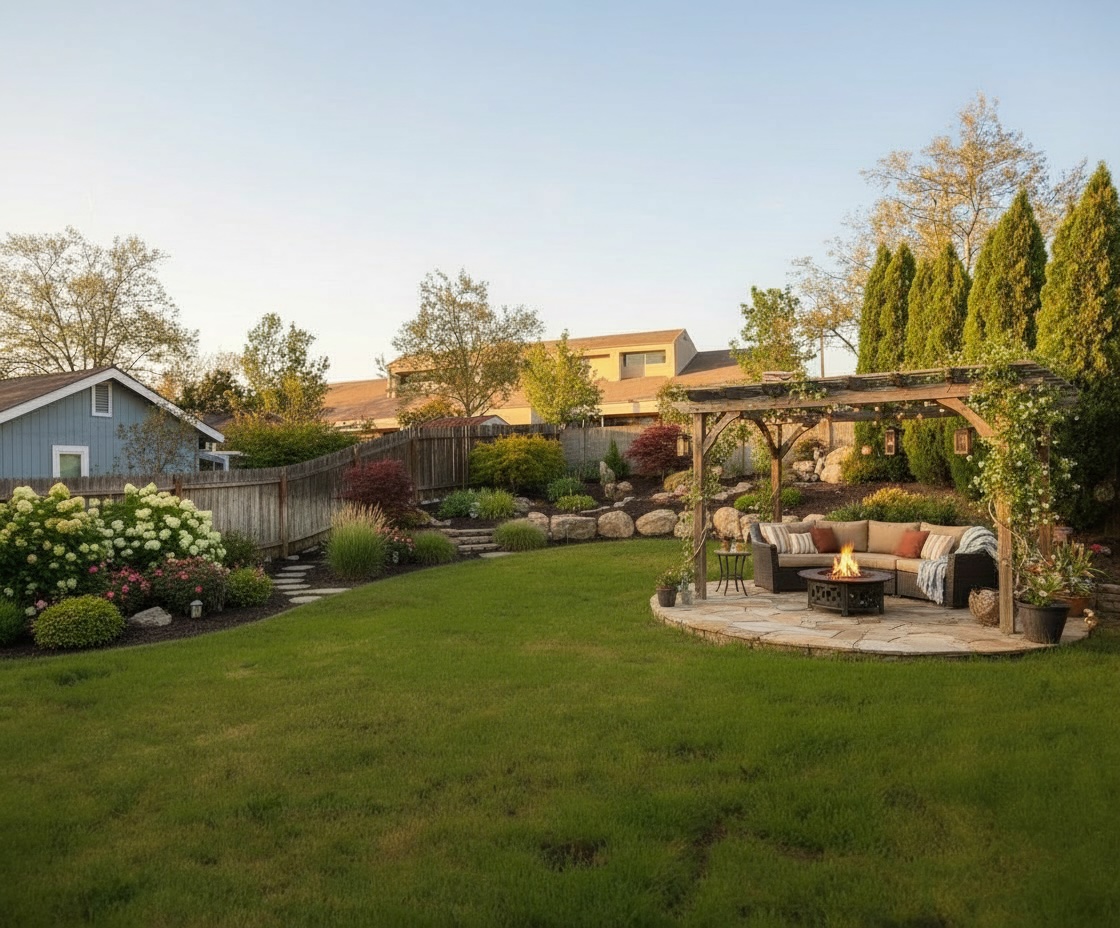
$15–30/sqftA 400 sqft concrete paver patio with a steel pergola creates the primary outdoor room for this Boise backyard. A gas fire bowl serves as the focal centerpiece — essential in Boise’s cool spring and fall evenings — while an outdoor sectional and chairs complete the seating arrangement. The perimeter planting uses bold masses of Karl Foerster grass, big sagebrush, and rabbitbrush for privacy and year-round texture. A specimen serviceberry tree provides spring white bloom and fall color. Overhead string lights and path lighting create the evening atmosphere that Boise’s September and October outdoor season rewards generously.
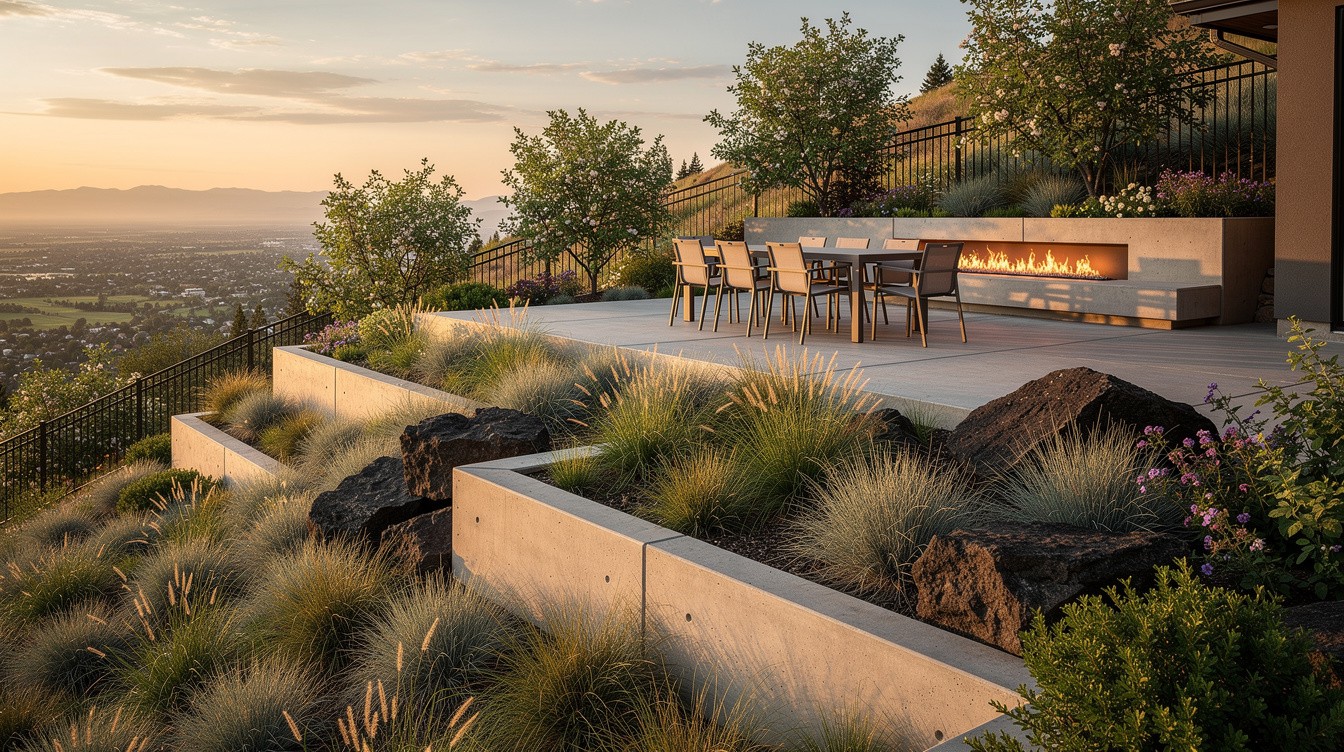
The Modern Terraced Garden with Retaining Walls
$18–35/sqftA sloped Boise Foothills property is terraced with poured concrete retaining walls into two landscape levels. The upper level holds a concrete patio with dining furniture and a gas fire feature with views of the Treasure Valley. The lower garden uses large-scale native grass masses — bluebunch wheatgrass and Idaho fescue — with basalt boulder groupings anchoring the transitions. Serviceberry along the fence line provides seasonal color. The clean geometry of the concrete walls contrasts beautifully with the naturalistic planting masses, creating a sophisticated dialogue between the engineered and the ecological.
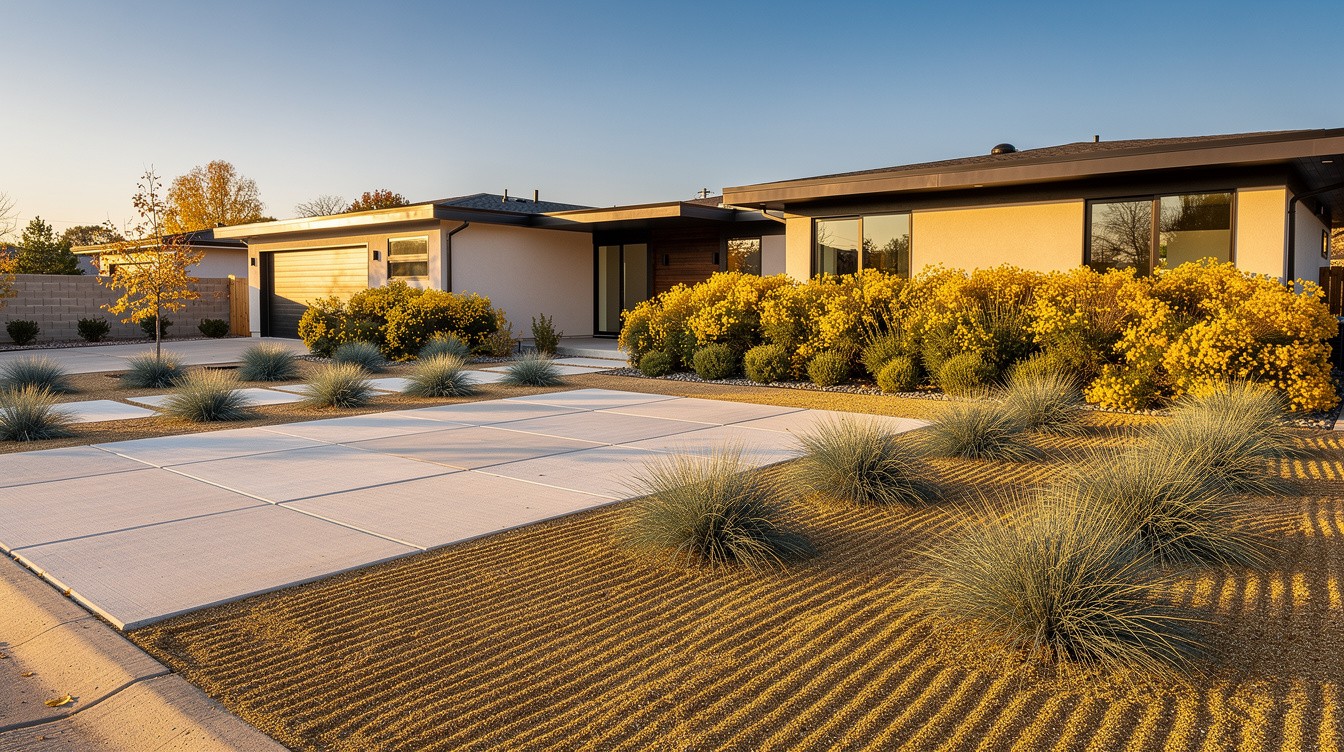
The Minimalist Paving and Grass Garden
$10–20/sqftA rigorously minimal Boise front yard uses only two materials and three species: large-format concrete pavers as a geometric driveway and path system, warm buff DG as the ground plane, and three species in bold repeated masses — Idaho fescue clumps, blue oat grass, and single-species rabbitbrush hedging. The geometry is absolute: pavers on the rule-of-thirds, grass clumps in rhythmic diagonal placement, and DG raked smooth. The garden looks extraordinary in Boise’s fall light when the DG glows warm gold and the rabbitbrush delivers its season-ending yellow bloom against the clear blue high-desert sky.
See how a modern/minimalist garden looks on YOUR property
Upload a photo of your Boise City yard and visualize your dream garden in seconds.
Try ProScapeAI Free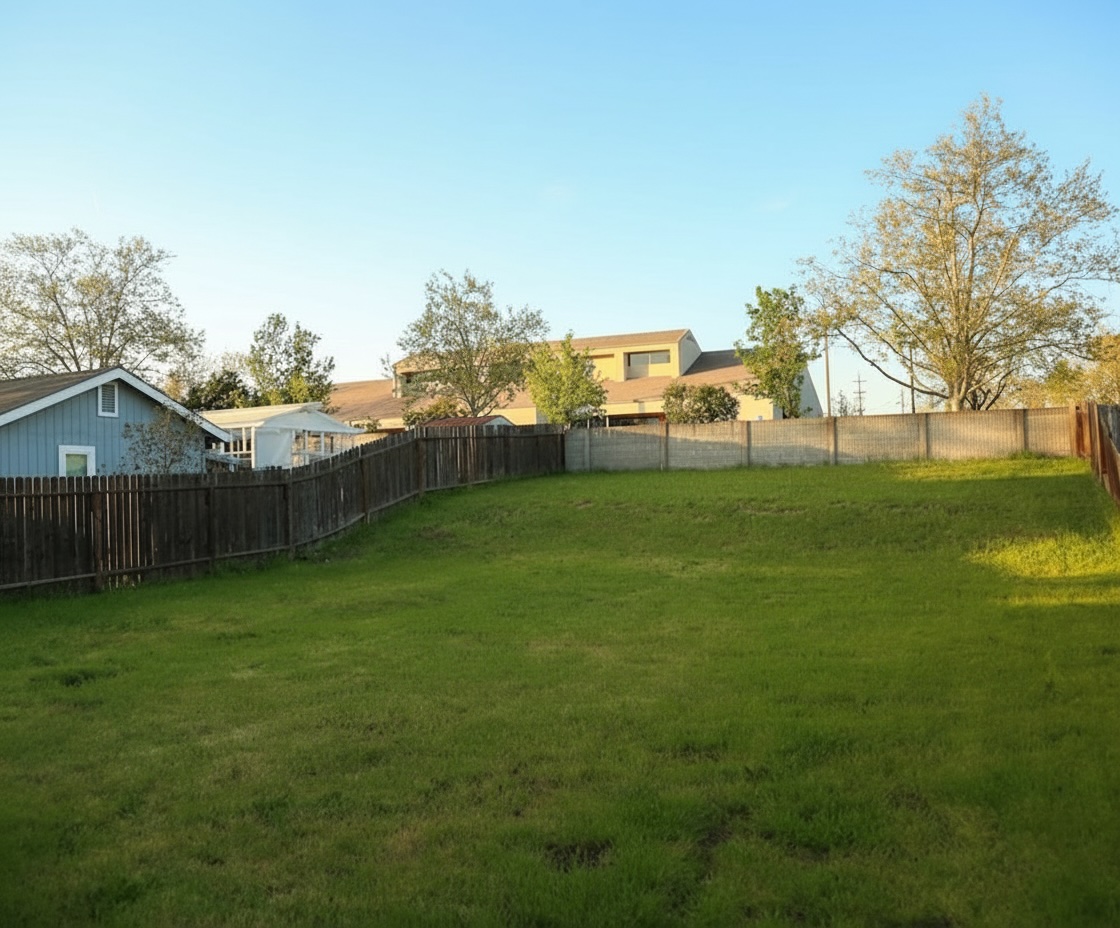
Featured Trees & Shrubs for Modern/Minimalist Gardens
Browse all 153 plants for Boise City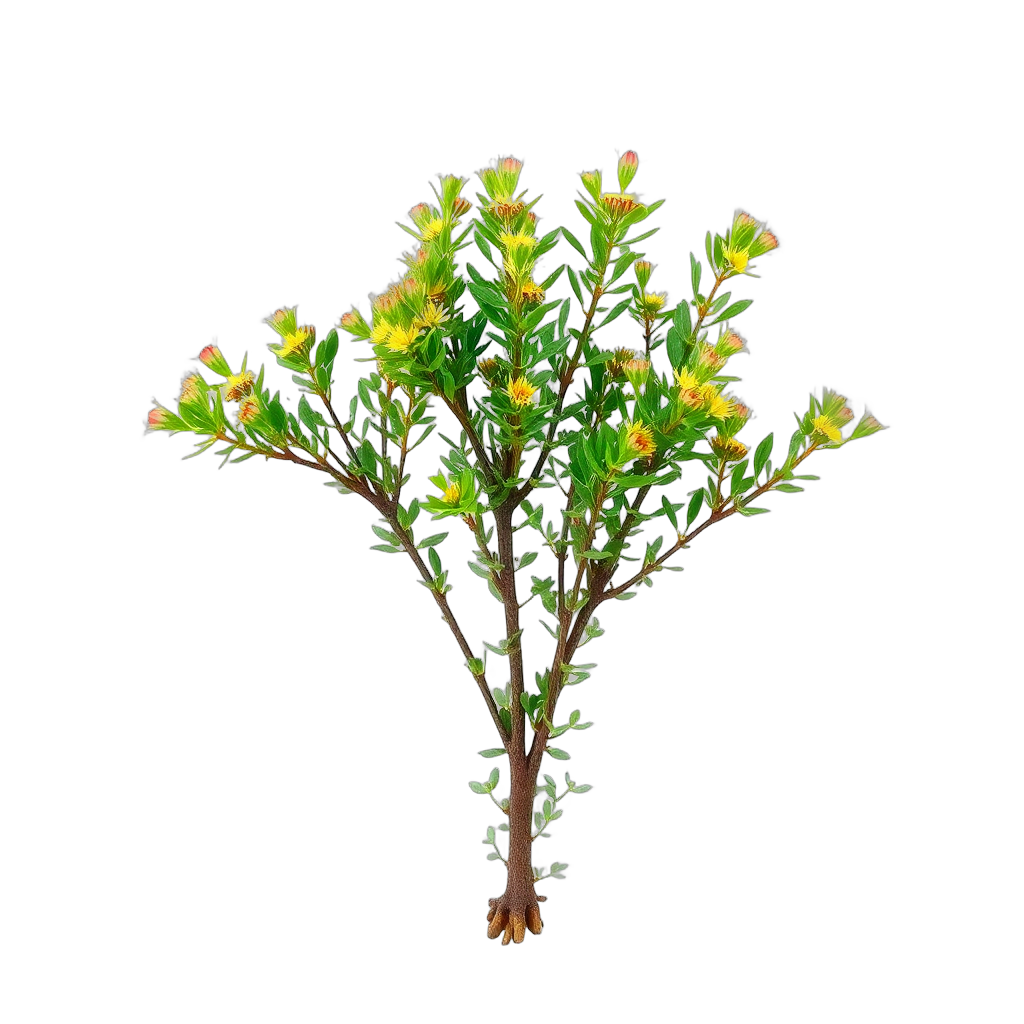
Antelope Bitterbrush
Purshia tridentata
grows to 6 feet, yellow blooms in spring. Fragrant.
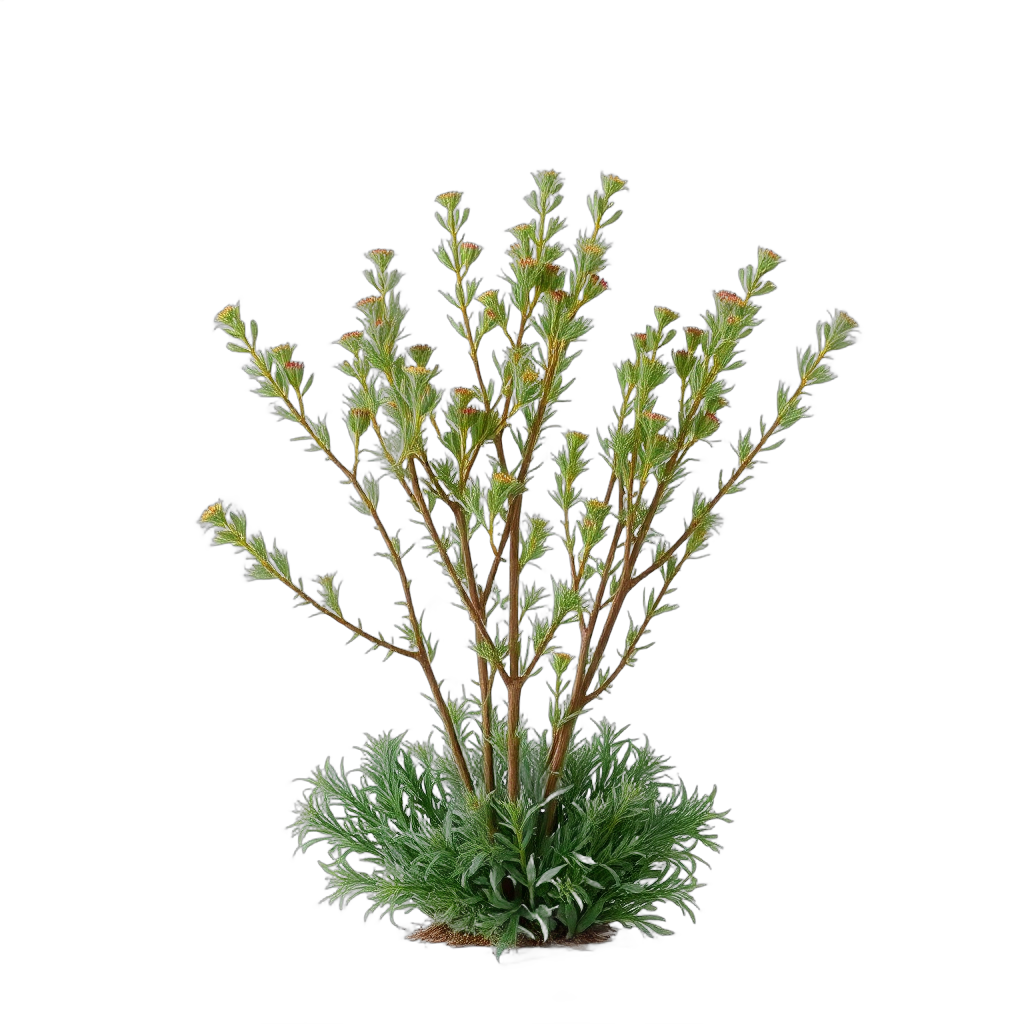
Big Sagebrush
Artemisia tridentata
grows to 6 feet, yellow blooms in fall. Evergreen year-round.

Cabbage Palm
Sabal palmetto
reaches 40 feet tall, white,yellow blooms in spring. Pollinator-friendly.

Windmill Palm
Trachycarpus fortunei
reaches 20 feet tall, yellow blooms in spring. Pollinator-friendly.
Featured Grasses & Groundcovers for Modern/Minimalist Gardens
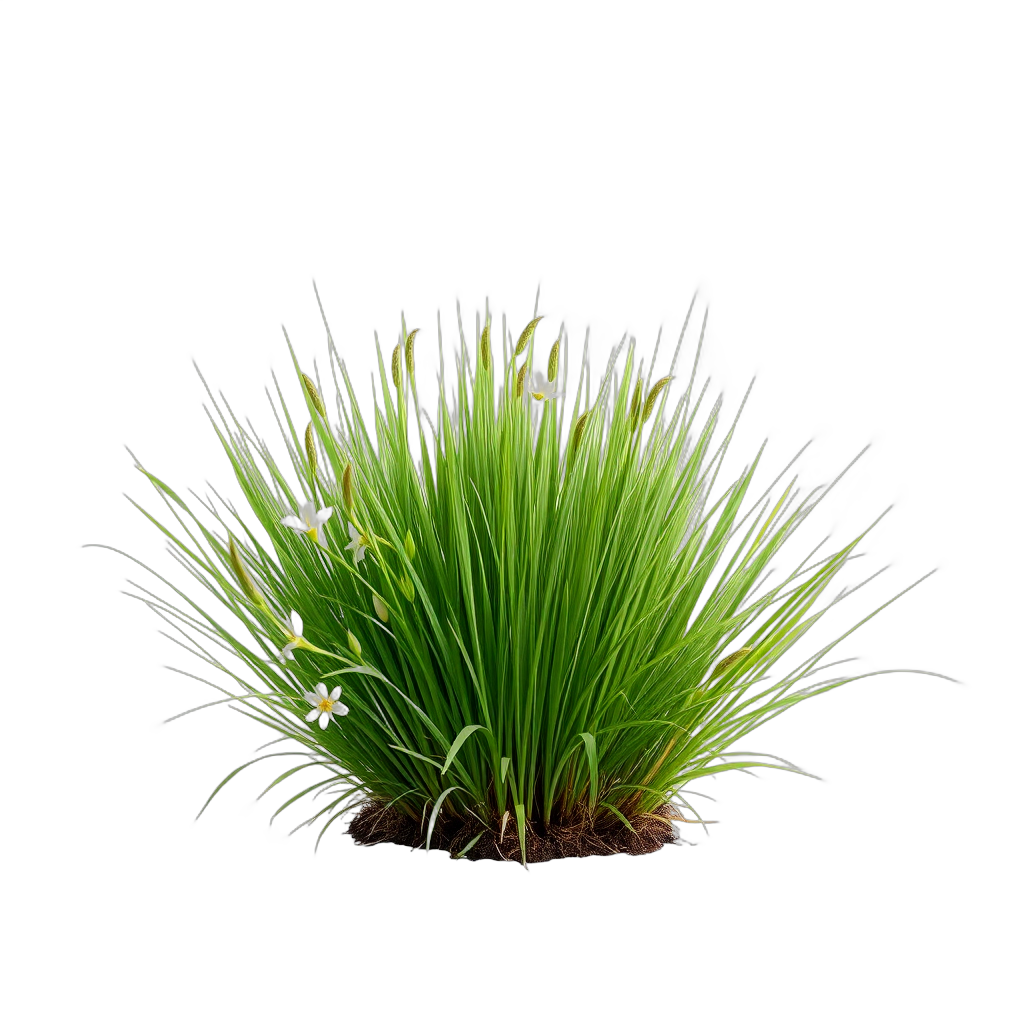
Sandberg Bluegrass
Poa sandbergii
low-growing ground cover, blooms in summer.
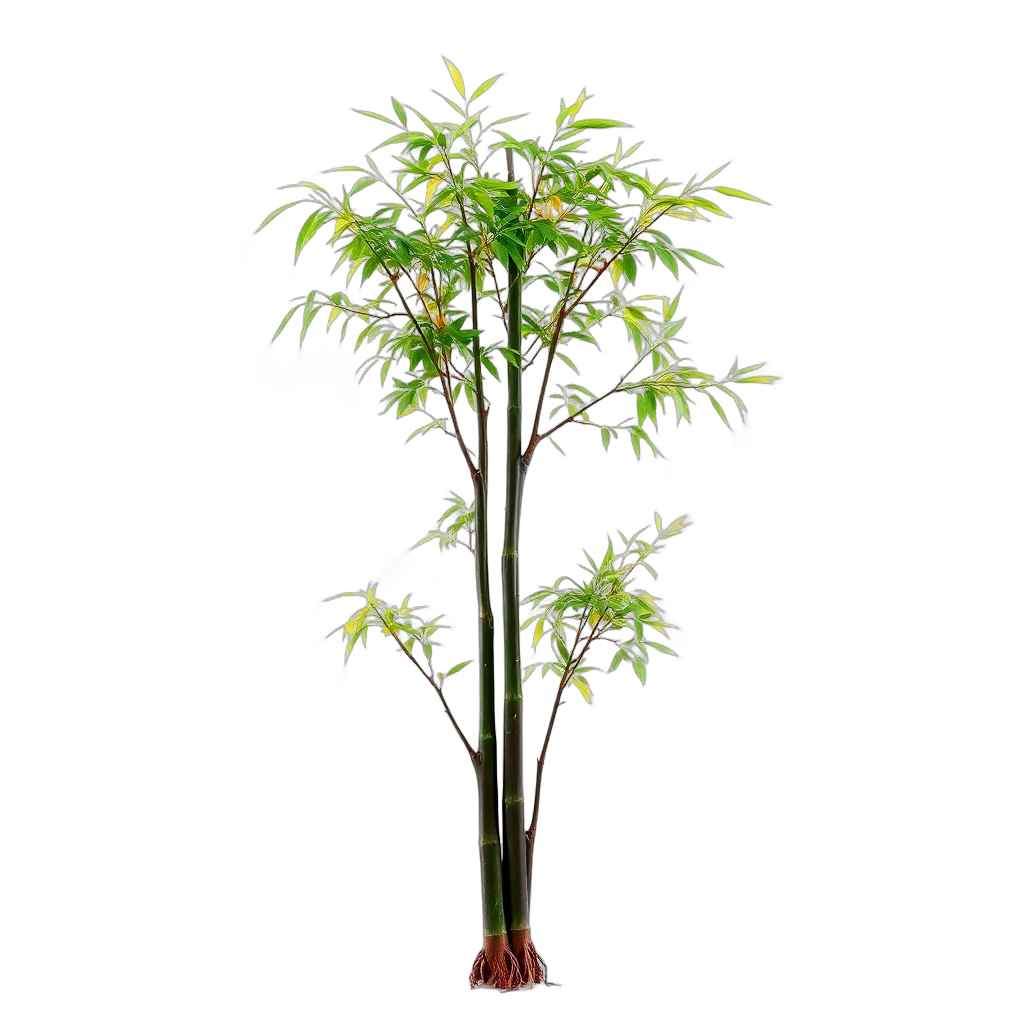
Black Bamboo
Phyllostachys nigra
reaches 25 feet tall, blooms in none. Evergreen year-round.
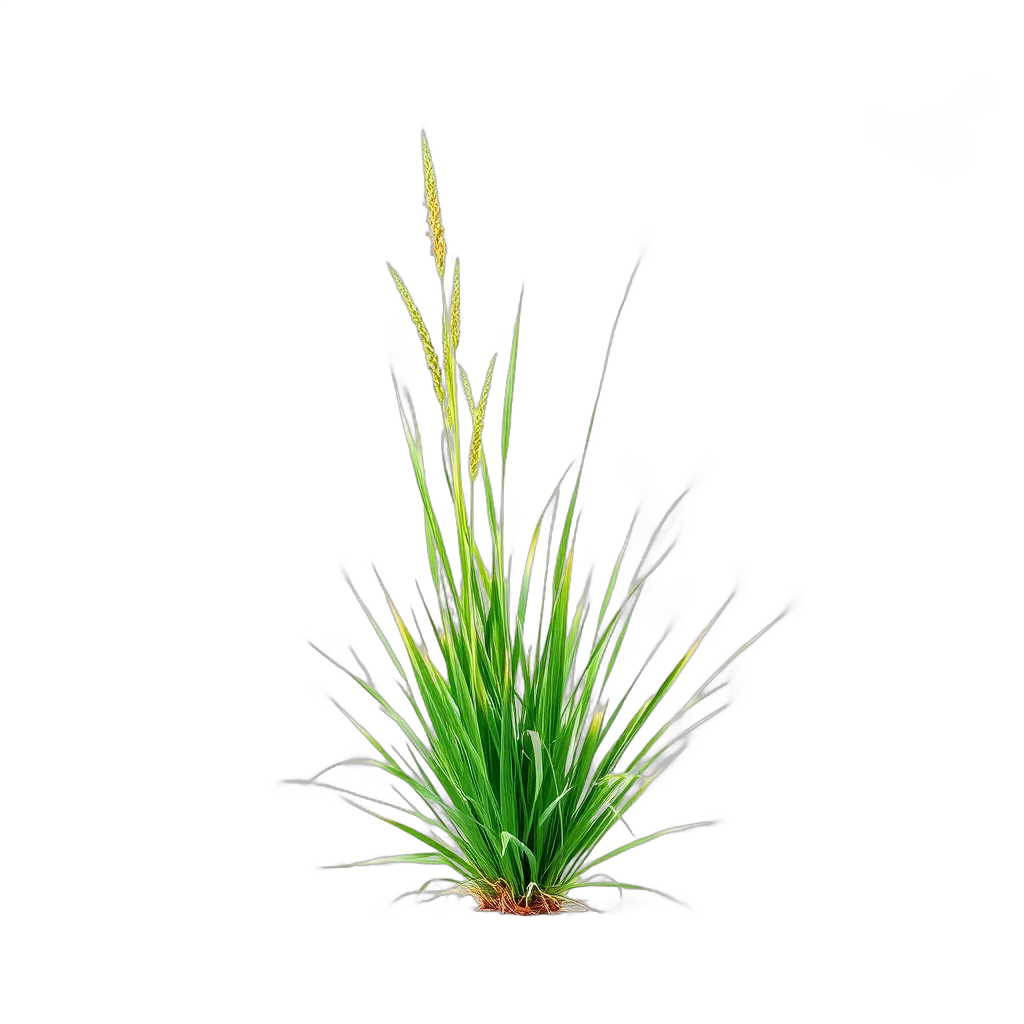
Bull Grass
Muhlenbergia emersleyi
grows to 4 feet, purple blooms in fall. Yellow fall color.
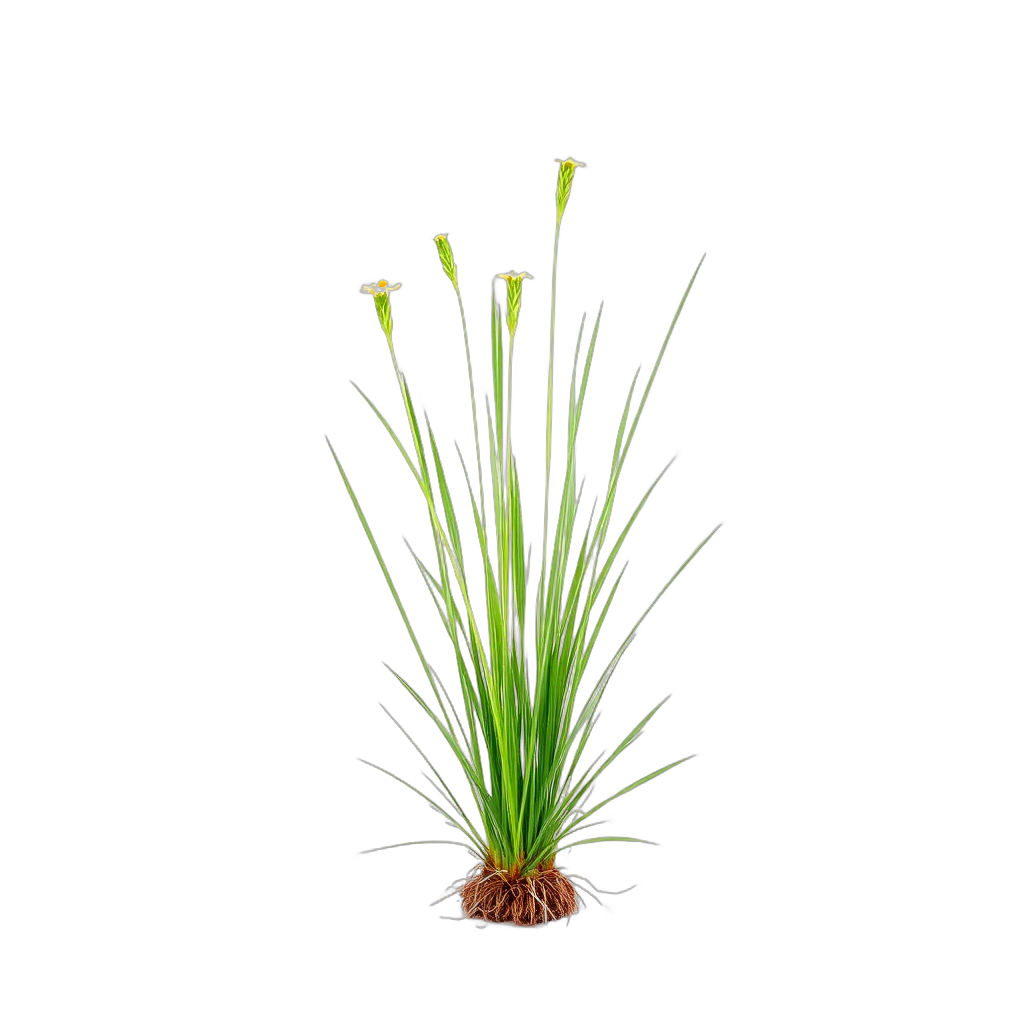
California Melic
Melica californica
low-growing ground cover, blooms in spring.
Featured Flowers & Perennials for Modern/Minimalist Gardens

Water Fern
Azolla filiculoides
low-growing ground cover, blooms in none. Red fall color.
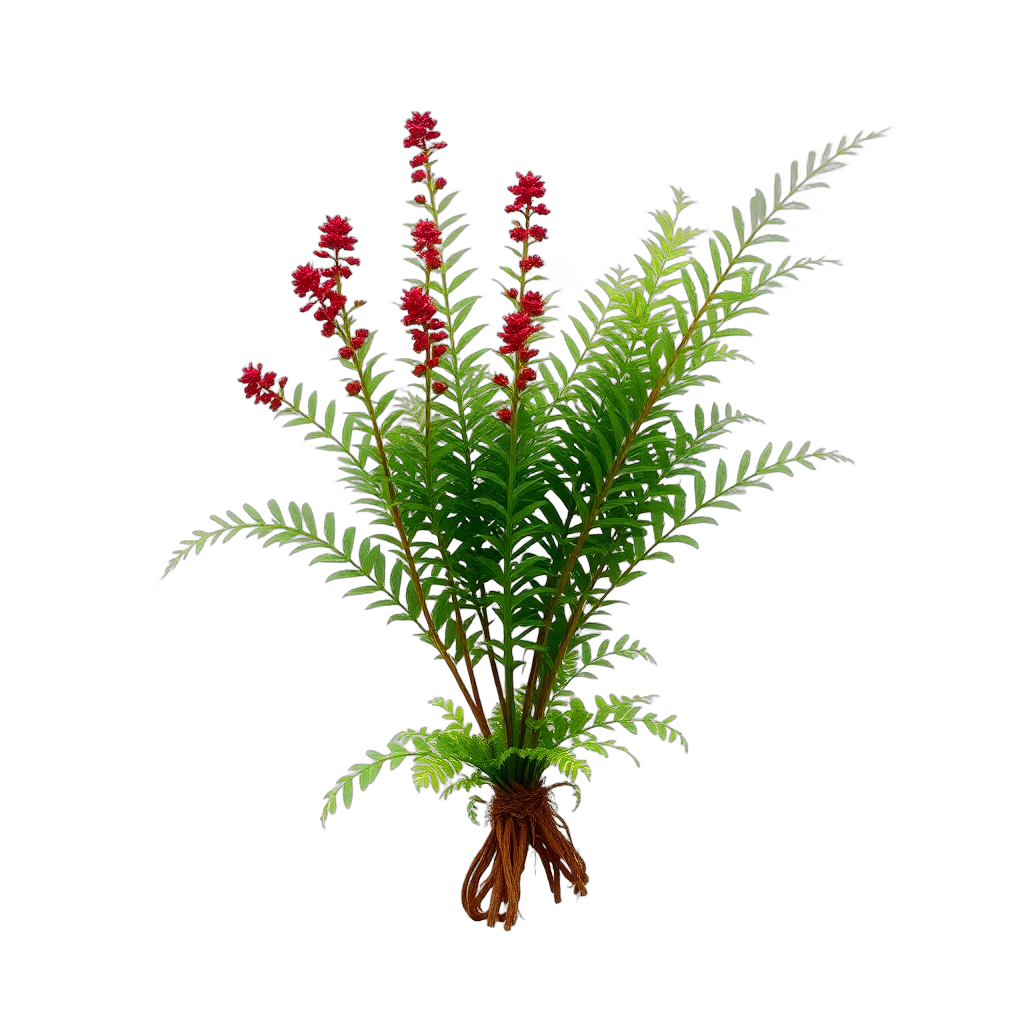
Holly Fern
Cyrtomium falcatum
low-growing ground cover, blooms in none. Evergreen year-round.
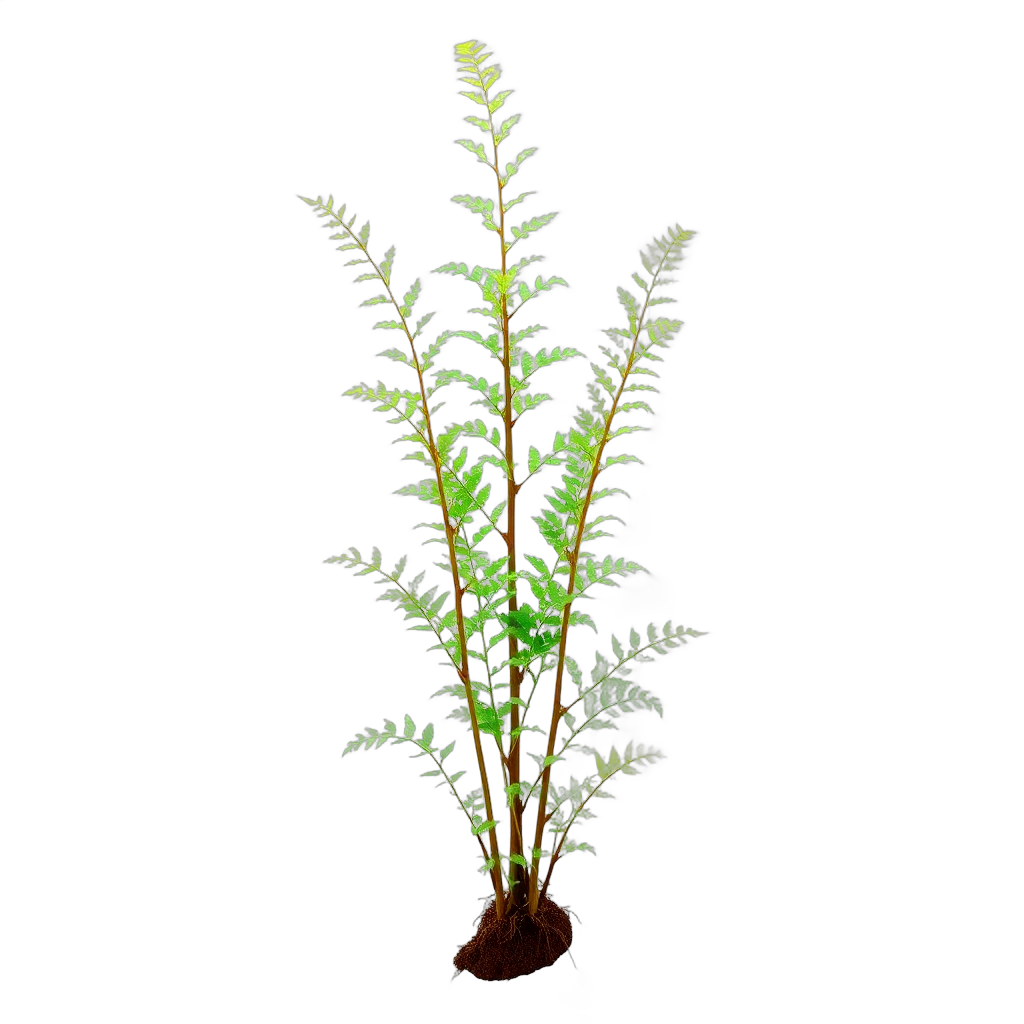
Lady Fern
Athyrium filix-femina
low-growing ground cover, blooms in none.
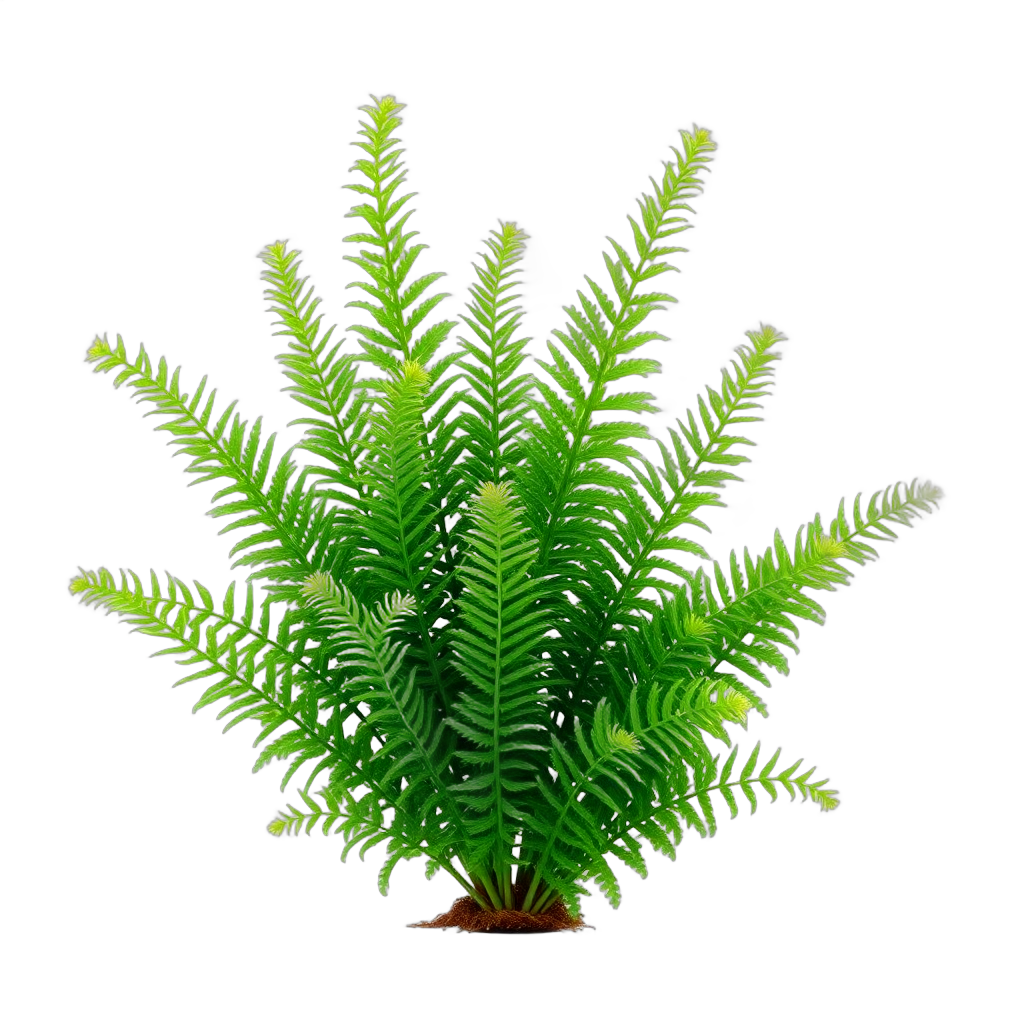
Ostrich Fern
Matteuccia struthiopteris
grows to 4 feet, blooms in none. Yellow fall color.
Zone and sun checks come from our database — confirm with your local nursery before you buy.
Bloom Calendar for Boise City
spring
Antelope Bitterbrush, Bishop's Cap, Bistortsummer
Sandberg Bluegrass, Angel's Fishing Rod, Anise Sagefall
Big Sagebrush, Anise Sage, California Fuchsiawinter
Limited bloomsDesign Tips for Boise City (Zone 7a)
- Use warm buff or golden tan DG rather than grey throughout Boise modern landscapes — the warm tones reference the loess soils and dried bunchgrasses of the surrounding high desert, while grey reads as imported and institutional in the Treasure Valley’s clear light
- Install basalt boulders from southern Idaho’s lava fields as the primary hardscape accent material — the black volcanic rock is geologically native to the Snake River Plain and creates an authentic high-desert aesthetic distinct from the granite of California or the sandstone of the Utah Colorado Plateau
- Design your pergola and fire feature for the shoulder seasons, not just summer — Boise’s April, May, September, and October deliver the most pleasant outdoor weather and a fire feature makes these cool-evening months genuinely enjoyable well into the night
- Use Karl Foerster grass as the primary vertical element in modern Boise landscapes — its 5-6 foot upright form with golden fall plumes is perfectly scaled for residential lots, cold-hardy to Zone 5, and its winter skeleton reads beautifully against snow and the clear blue Idaho winter sky
- Choose cedar or wood pergola materials for Boise rather than aluminum — unlike Las Vegas or Phoenix where aluminum’s heat resistance is critical, Boise’s more temperate summers allow wood to perform well, and cedar’s natural warmth better suits the mountain-adjacent character of the Treasure Valley
- Install uplighting under specimen serviceberry and ornamental grasses — Boise’s 280+ days of sun means evenings are precious outdoor time from May through October, and landscape lighting transforms the modern garden from a daytime composition into a genuinely beautiful nighttime space
Where to Source Plants in Boise City
Skip the big-box stores. These independent Boise City nurseries specialize in the plants that make modern/minimalist gardens thrive in Zone 7a.
Draggin’ Wing High Desert Nursery
Boise
Native high-desert plants, ornamental grasses, drought-tolerant perennials, and xeriscape design assistance for Treasure Valley landscapes
Edwards Greenhouse
Boise
Idaho natives, cold-hardy ornamental grasses, perennials, and landscape plants for Zone 7a modern gardens
The Greenhouse at Boise
Southwest Boise
Full-service Boise garden center with ornamental grasses, native plants, and contemporary landscape plants
Zamzows
Multiple Boise-area locations
Idaho’s regional garden chain with native plants, xeriscape supplies, and water-wise landscape products for the Treasure Valley
Idaho Botanical Garden Plant Sale
Boise (Old State Penitentiary district)
Idaho native plants, drought-tolerant perennials, and regionally adapted landscape plants at annual plant sales
Modern/Minimalist Landscaping Costs in Boise City
| Project Scope | Estimated Cost |
|---|---|
| Modern front yard with pavers, DG, and native grasses (600 sqft) | $5,500 – $14,000 |
| Backyard concrete patio with steel pergola and fire feature (400 sqft) | $14,000 – $32,000 |
| Poured concrete retaining wall and terracing (per linear foot) | $35 – $80/linear ft |
| Cedar pergola (12x16 ft installed) | $8,000 – $18,000 |
| Drip irrigation system with smart controller | $1,500 – $3,500 |
| Basalt boulder delivery and placement (southern Idaho source) | $150 – $800 per boulder |
| AI visualization with ProScapeAI | Free to start |
Estimates based on Boise City, ID-area contractor rates as of 2026. Actual costs vary by site conditions, materials, and contractor.
Boise City Climate & Growing Zone
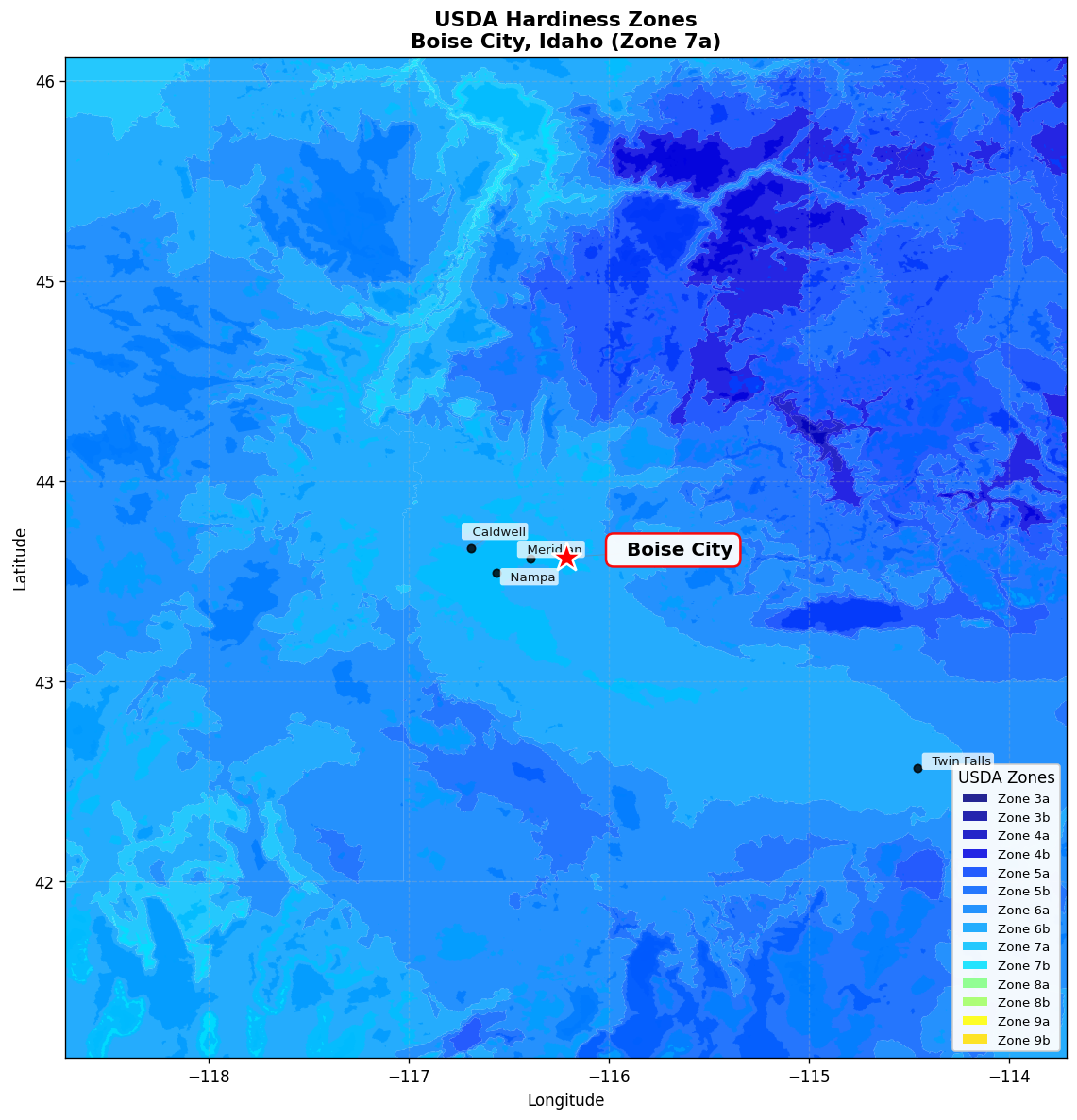
USDA Zone 7a
Hardiness zone for Boise City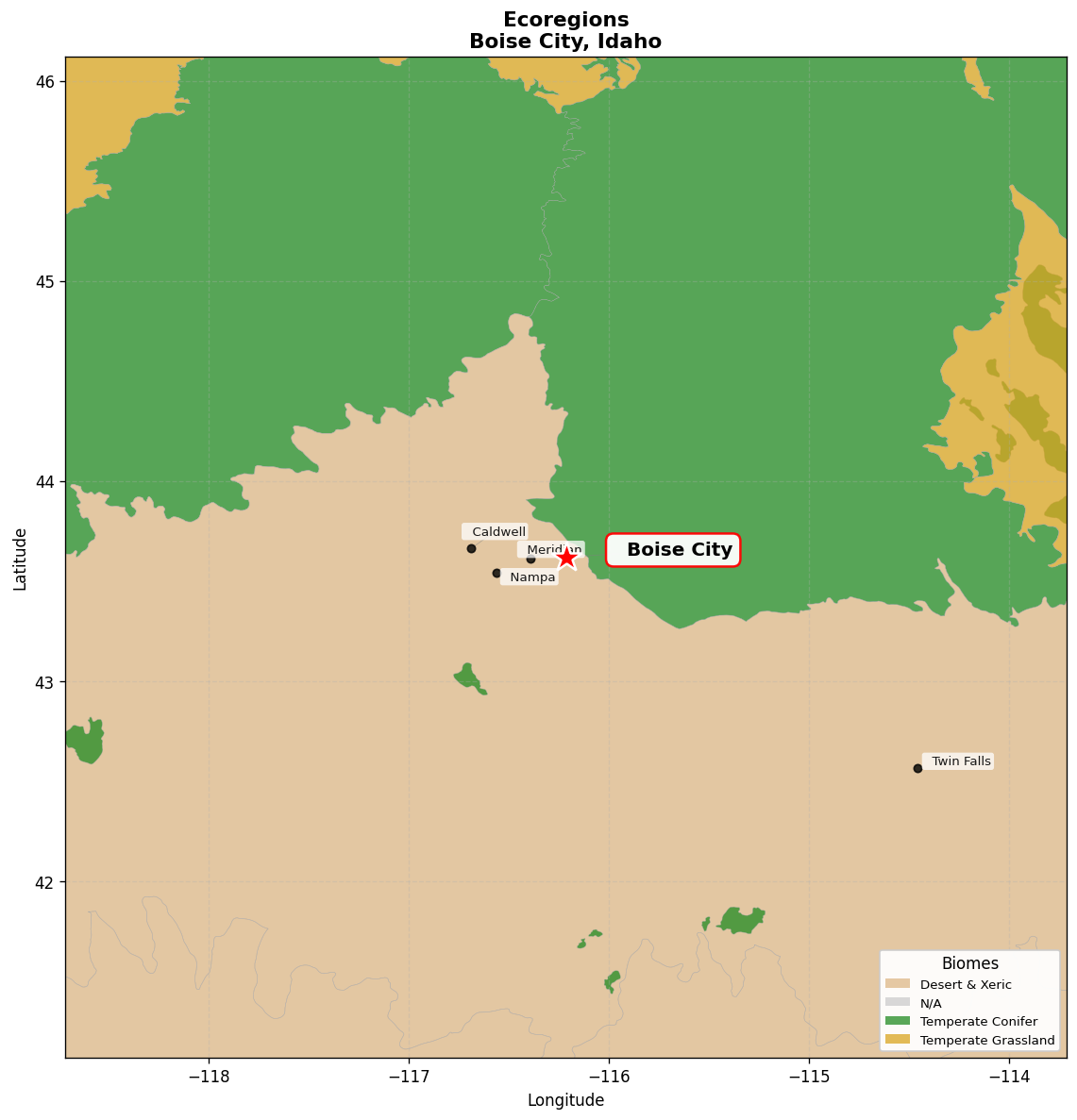
Snake-Columbia shrub steppe
Native ecoregionFrequently Asked Questions
What ornamental grasses work best in Boise’s Zone 7a high desert climate?
Boise’s Zone 7a cold winters and hot dry summers support cold-hardy ornamental grasses well. Best performers: Karl Foerster feather reed grass for upright vertical structure (Zone 5 hardy, reliable in Boise); Idaho fescue as the cold-hardy native option with fine blue-green blades; bluebunch wheatgrass for the authentic tall bunchgrass character of sagebrush country; blue oat grass (Helictotrichon) for silver-blue cool-season color; and prairie dropseed for fine-textured naturalistic form. Avoid warm-season grasses that need Gulf Coast or desert heat to thrive; Boise’s cold winters eliminate many southern grasses but cold-hardy options perform beautifully in the Treasure Valley’s bright light.
How much does modern landscaping cost in Boise, ID?
Modern landscape projects in Boise run $5–$12/sqft for standard installations and $12–$22/sqft for premium design-build with patio, pergola, and quality materials. A modern front yard conversion (600 sqft) costs $5,500–$14,000. A full backyard patio with pergola, fire feature, and planting runs $14,000–$35,000. No pool is included here as Boise’s outdoor season (3–4 months of swimming weather) makes pools less economically compelling than in Southwest cities. Boise landscape labor runs $40–$75/hour — below California and Pacific Northwest rates. Large-format concrete patio: $12–$24/sqft installed.
Should I install a pool in Boise, ID?
Boise’s Zone 7a climate provides 3–4 months of comfortable swimming (June–September) — a shorter season than Southwest or Southern California cities. Pool economics in Boise: construction costs $40,000–$75,000; usable season is shorter but summer temperatures regularly hit 100°F in July–August, making pools genuinely useful during peak summer; resale value addition varies — less predictable than in Las Vegas or Phoenix markets; and winter maintenance costs and heating requirements add ongoing expenses. A covered patio with fire feature at $14,000–$28,000 delivers nine months of usability vs. a pool’s three months. Many Boise homeowners find the fire-patio investment more practical for Treasure Valley’s four-season outdoor lifestyle.
What shade structures work best for Boise’s climate?
Boise’s climate is milder than Las Vegas or Phoenix, but summer afternoon temperatures reaching 100°F make shade structures a genuine comfort investment rather than a luxury. Best options: cedar or wood pergola with climbing vines (native western clematis, hardy kiwi, or climbing roses) for a warm, natural aesthetic appropriate to Boise’s mountain-adjacent character; steel pergola for contemporary durability; aluminum pergola for minimum maintenance; and shade sails for budget-conscious projects. Unlike desert climates, Boise doesn’t require misting systems as standard equipment — the low humidity makes most summer afternoons comfortable with shade alone. Pergola structures must be designed for Boise’s occasional high-wind events and snow load requirements.
How do I design for Boise’s four-season climate?
Boise’s four seasons require design strategies different from California or Southwest climates. Winter considerations: choose cold-hardy plants (Zone 7a minimum, Zone 6 for safety margin); winterize irrigation by October 15; select frost-tolerant hardscape materials; and ensure pergola structures meet local snow load requirements. Spring: Boise’s late frosts (last frost typically April 15–30) mean tender annuals wait until May; native plants emerge dramatically and serviceberry/penstemon bloom creates the garden’s spring peak. Summer: provide shade structure and plant trees for afternoon relief during 100°F days. Fall: Boise’s September–October is exceptional outdoor weather; rabbitbrush bloom and golden bunchgrass color make the garden’s most beautiful season. Design for all four rather than just summer.
What are the water savings from replacing Boise lawn with modern xeriscape?
A typical 1,000 sqft Boise lawn requires 50,000–60,000 gallons of irrigation water per year — one of the highest outdoor water uses in the household budget. A well-designed modern xeriscape with ornamental grasses, native shrubs, and hardscape in the same area requires 10,000–15,000 gallons per year after the first establishment season. At Boise’s water rates, this translates to $80–$150 per year in water savings for a typical front yard conversion. Beyond water costs: drip-irrigated native landscapes require dramatically less mowing, fertilizing, and seasonal maintenance than lawn, with many homeowners reporting 70–80% reduction in outdoor maintenance time after conversion.