4 Cottage Garden Ideas for Boston, MA | English Garden Design in Zone 6b
Native plants from the Northeast US Coastal forests (Zone 6b) — Humid continental (hot summer) climate
Why Cottage/English Gardens in Boston?
Boston is one of the finest cities in America for cottage gardening, and its reputation for harsh winters actually helps more than it hurts. Zone 6b means minimum winter temperatures of −10°F to −5°F — cold enough to give roses and perennials the deep dormancy they need, warm enough to support nearly the full palette of English cottage plants. The key climate reality Boston gardeners must plan around is the compressed growing season: last frost typically falls April 15–20, first frost arrives October 10–15, giving you a solid May–October cottage garden at full expression. That’s more than enough to create a spectacular English garden — and Boston’s cool summers mean plants like foxgloves, delphiniums, and lupines that struggle in the South’s heat perform magnificently here.
Boston’s architectural heritage is almost uniquely suited to cottage planting. Beacon Hill, Jamaica Plain, and Brookline are lined with Federal, Greek Revival, and Victorian homes whose brick facades, iron fences, and established street trees create a ready-made cottage backdrop. The South End’s Victorian brownstones with their front stoops and tiny but impactful front gardens are transformed by well-planted cottage borders. Cambridge’s academic neighborhoods — Avon Hill, West Cambridge — sit behind deep front yards where cottage gardens reach their fullest Boston expression. The region’s proximity to the Atlantic means coastal influences moderate temperature extremes slightly, but also bring salt spray for properties in Dorchester, South Boston, and Charlestown waterfront blocks, which requires thoughtful salt-tolerant plant selection near the shore.
Boston’s average annual rainfall of 47 inches, distributed relatively evenly through the year, is genuinely ideal for cottage gardening. Unlike drier cities where cottage plants require heroic irrigation, Boston’s precipitation calendar keeps cottage borders reasonably moist through the critical summer months. The city sits in the Northeast US Coastal forests ecoregion, and native cottage-compatible plants like wild columbine, native phlox, black-eyed Susan, and native asters not only thrive but support the region’s pollinators in ways imported European garden varieties cannot. Layering native species into a traditionally styled cottage garden is the most Boston-authentic approach — honoring both the English garden tradition and the extraordinary ecological heritage of New England.
4 Cottage/English Design Ideas for Boston
AI-generated image
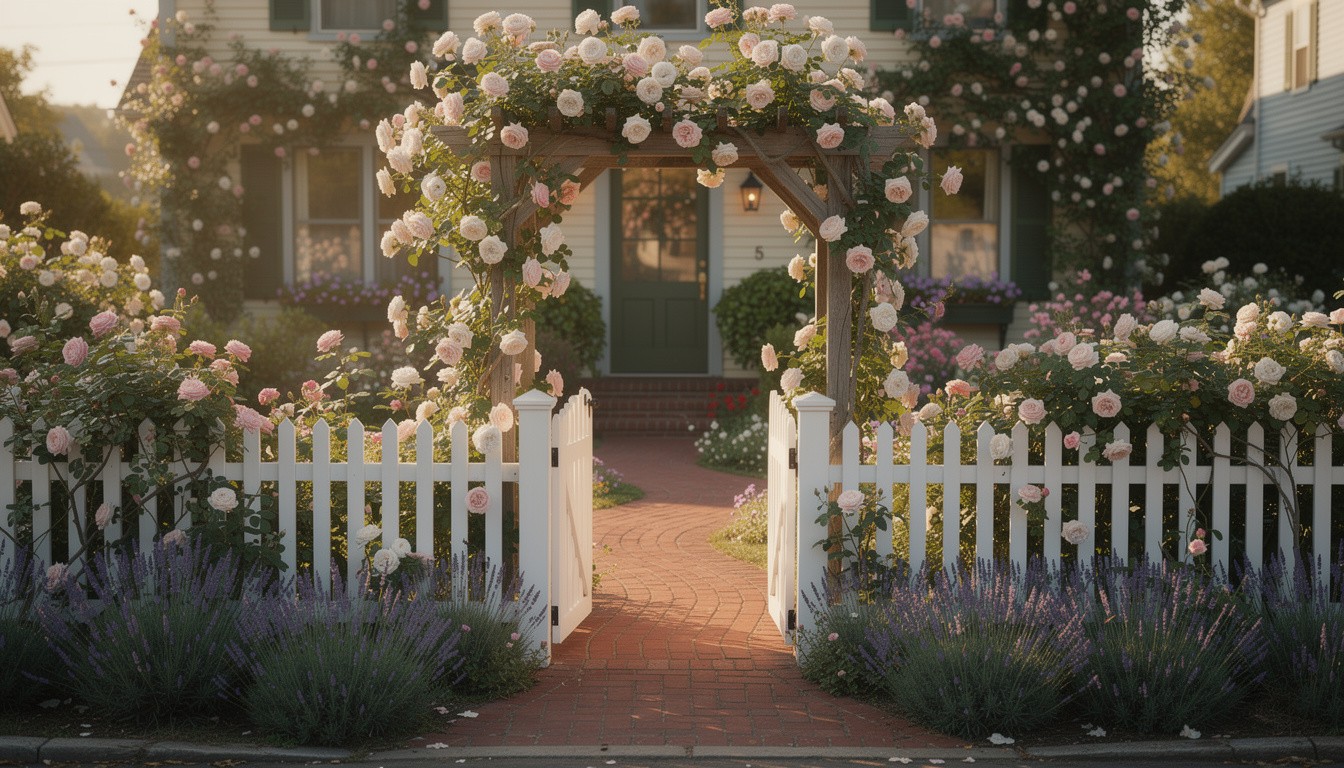
The Rose Arch Picket Fence
$14–25/sqftA white picket fence lines the sidewalk with a climbing rose arch over the entry gate, dripping with blush and white roses in full June bloom. A brick path leads through the gate toward the front door, flanked by lavender hedges that release fragrance as you brush past. Boxwood globes anchor the fence corners while the roses cascade overhead in the classic English cottage welcome. This is the front garden that makes Boston’s historic neighborhoods feel like the Cotswolds — and Zone 6b’s cool, humid summers keep the roses blooming through July.
AI-generated image
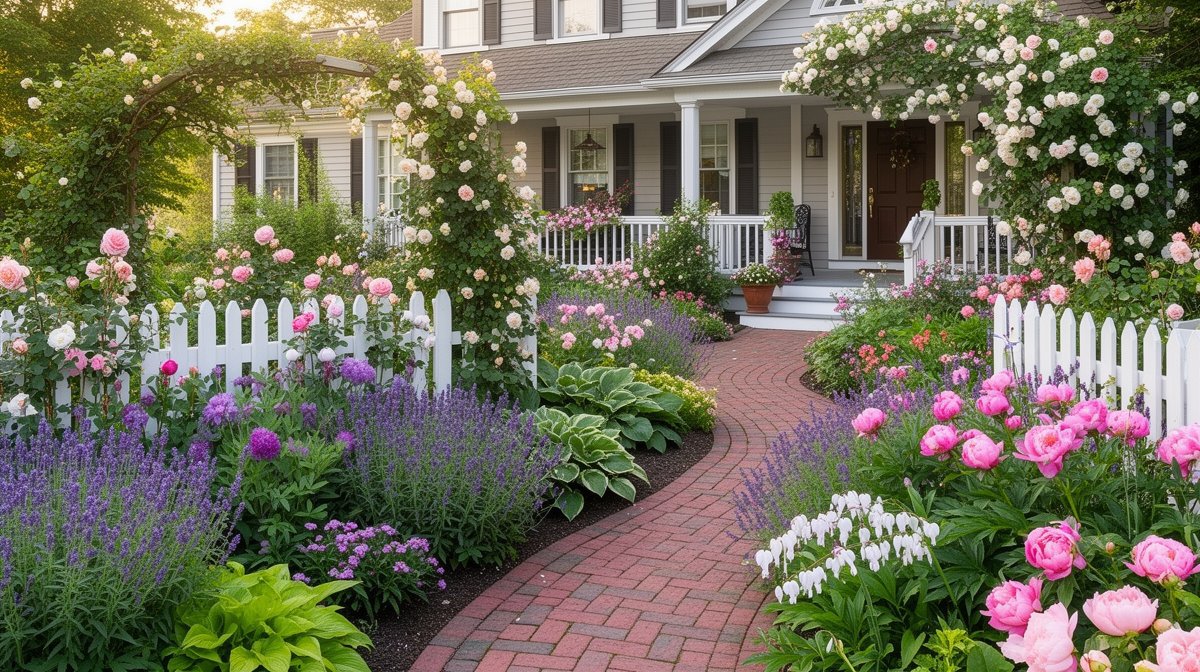
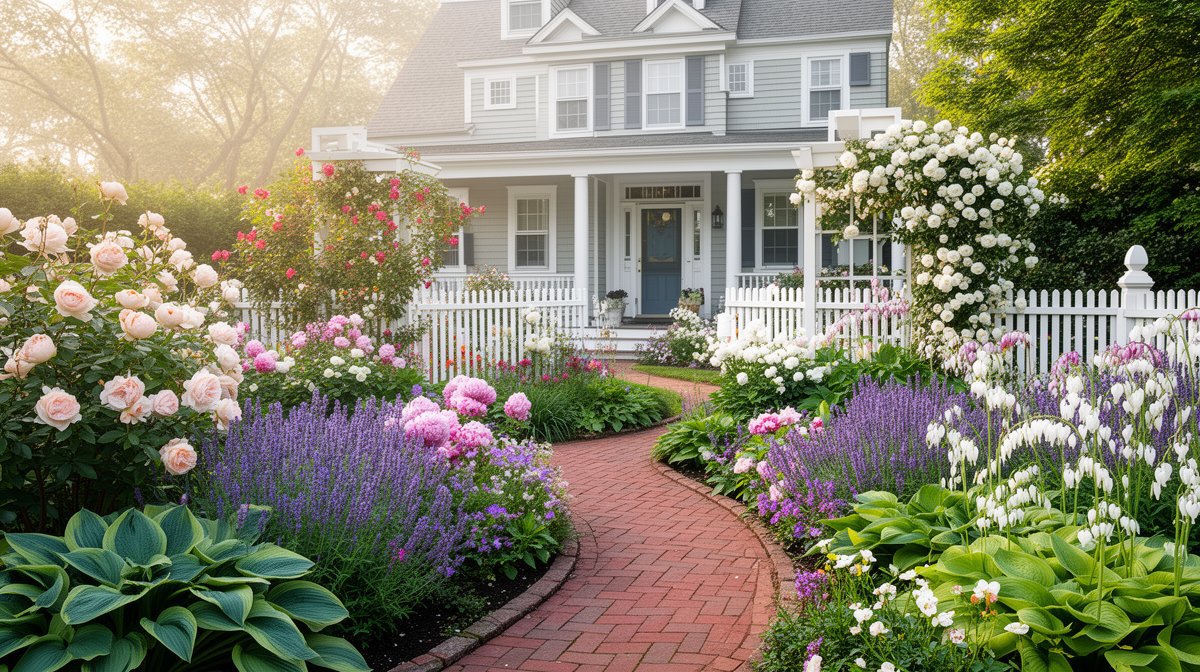
The Perennial Arbor Path
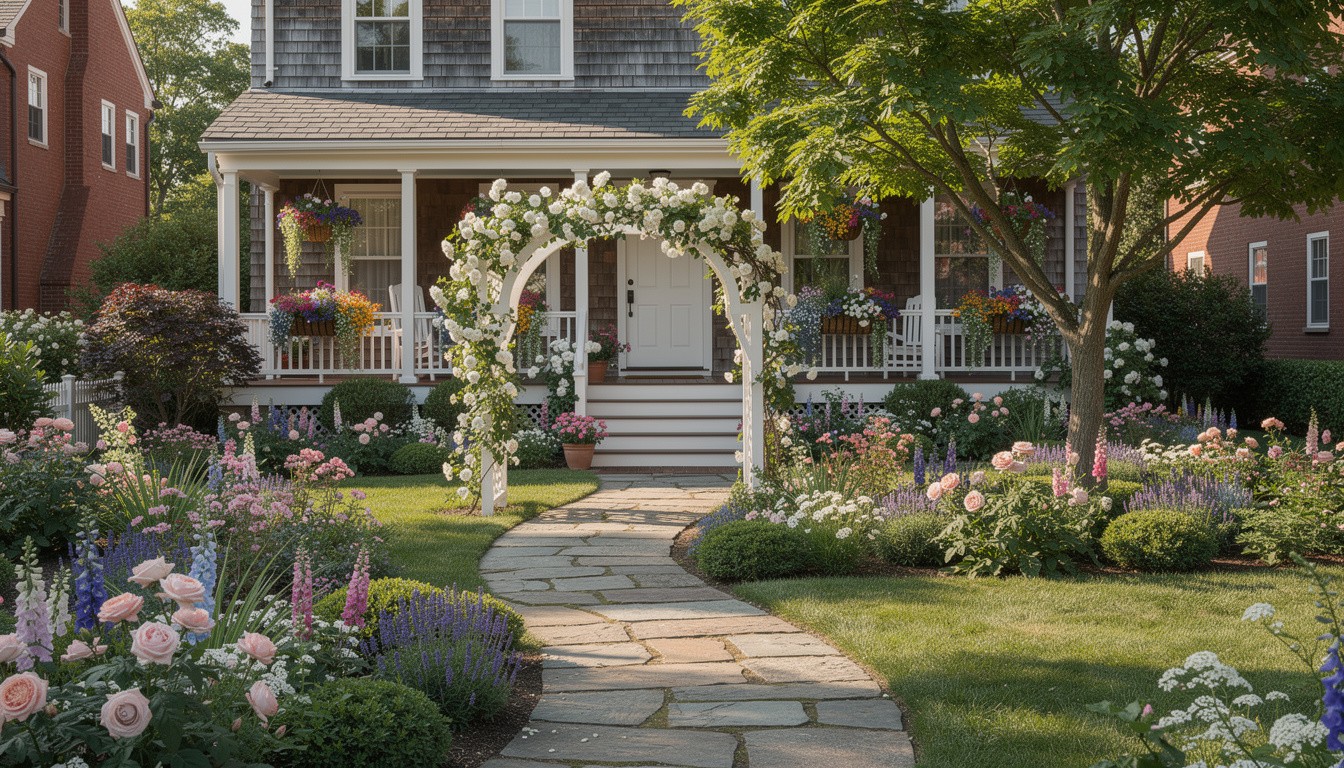
$12–22/sqftA white rose arbor frames the front walk of a gray shingled New England home, with a flagstone path curving through deep cottage borders overflowing with delphiniums, foxgloves, roses, and catmint. Mature shade trees filter dappled light over the borders, and hanging baskets on the porch add vertical color. The layered planting builds from low catmint and geraniums at the path edge through mid-height roses and foxgloves to tall delphiniums at the back — the classic English herbaceous border translated into a Boston front yard.
AI-generated image
The Rose Pergola Tea Garden
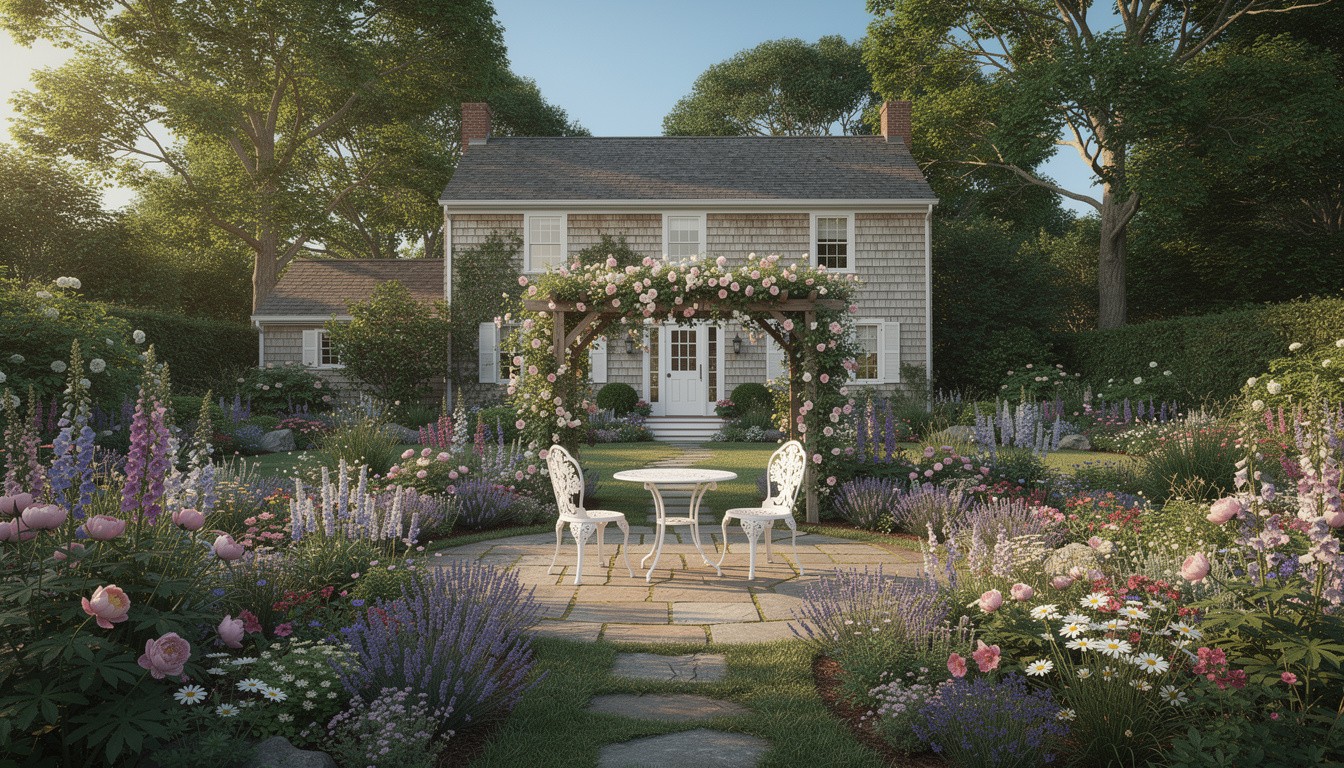
$22–42/sqftA white rose pergola draped in climbing roses creates a romantic focal point in a New England backyard, with a white bistro dining set beneath it for afternoon tea or evening drinks. Flagstone paving radiates out from the pergola, and cottage borders of delphiniums, foxgloves, lavender, and pink roses surround the dining area on all sides. The white Colonial home provides the backdrop. This is the backyard that earns its keep from late May through September — peak cottage season in Boston — and the pergola’s structure gives the garden winter interest when the borders are dormant.
AI-generated image
The Brownstone Pergola Garden
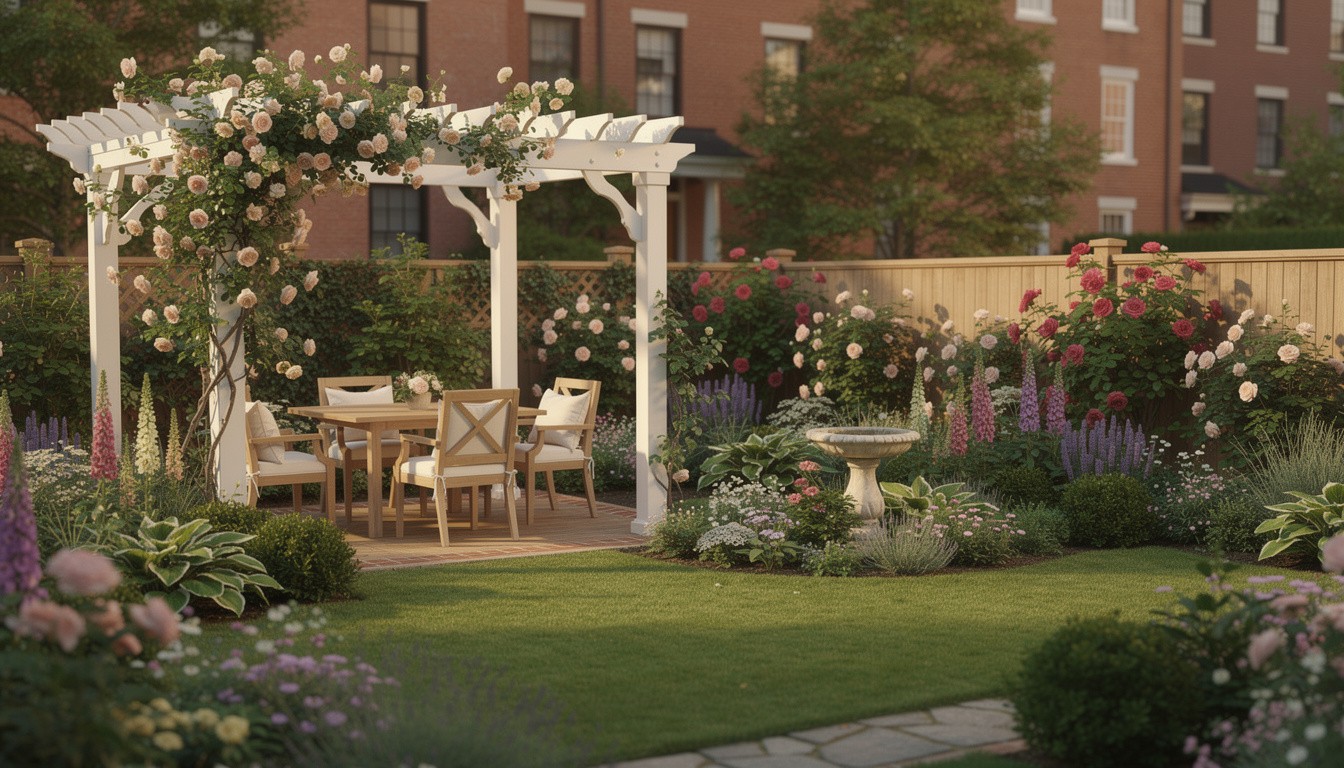
$28–55/sqftA white pergola with climbing roses anchors a dining area in a fenced brownstone backyard, with a wooden dining table and chairs set on a lawn panel surrounded by lush cottage borders. Roses, delphiniums, lupines, and lavender fill the perimeter beds, while a small stone urn or birdbath provides a secondary focal point. A privacy fence on two sides and the brownstone itself on the third create an intimate enclosed garden room. The pergola’s rose coverage overhead and the dense borders create the feeling of dining inside a garden, not just next to one.
See how a cottage/english garden looks on YOUR property
Upload a photo of your Boston yard and visualize your dream garden in seconds.
Try ProScapeAI Free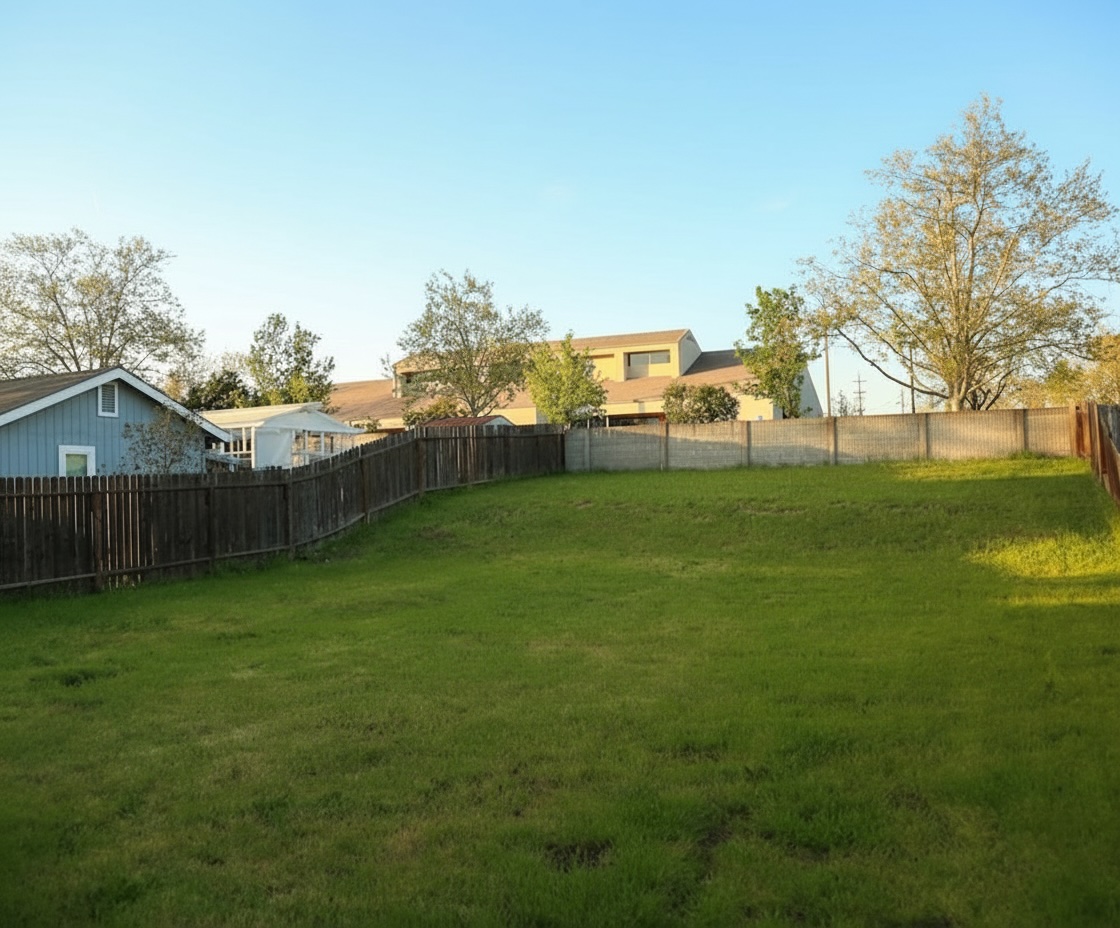
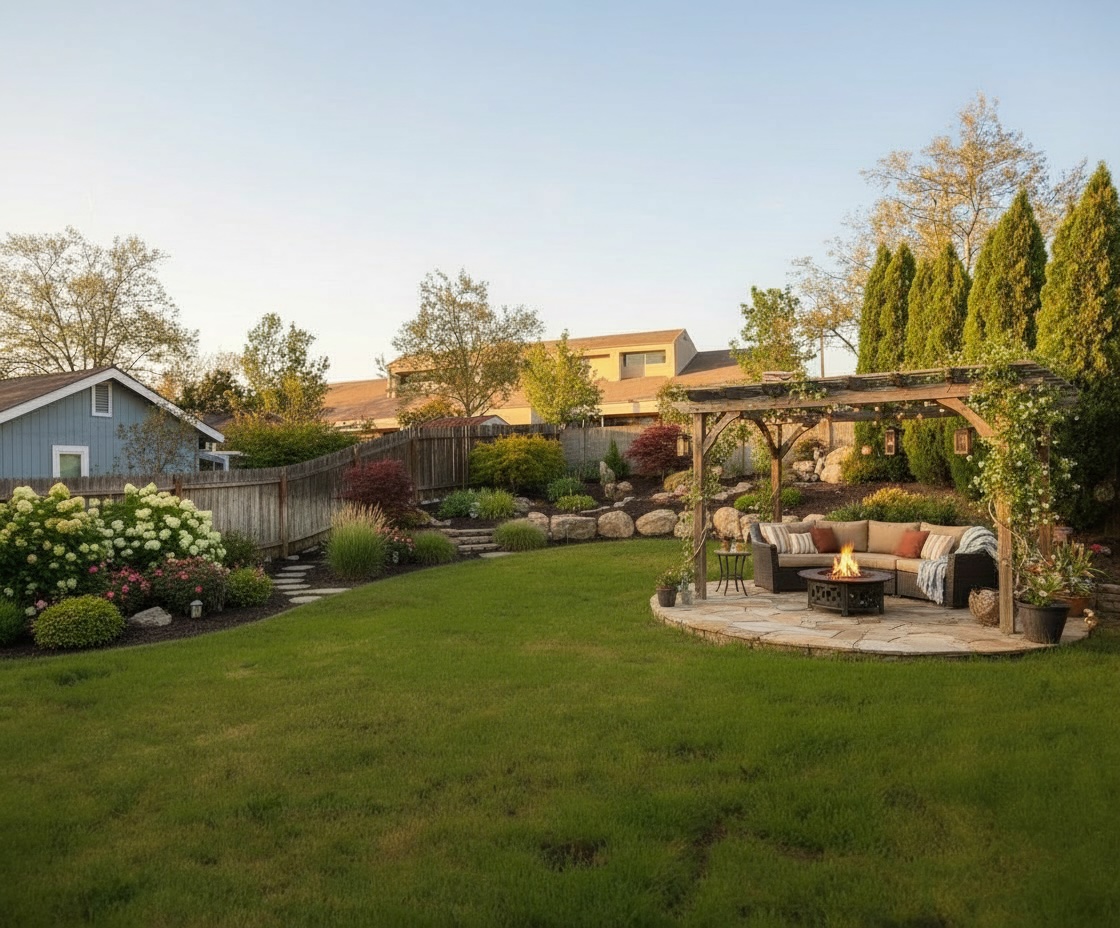
AI-generated image
Featured Trees & Shrubs for Cottage/English Gardens
Browse all 181 plants for Boston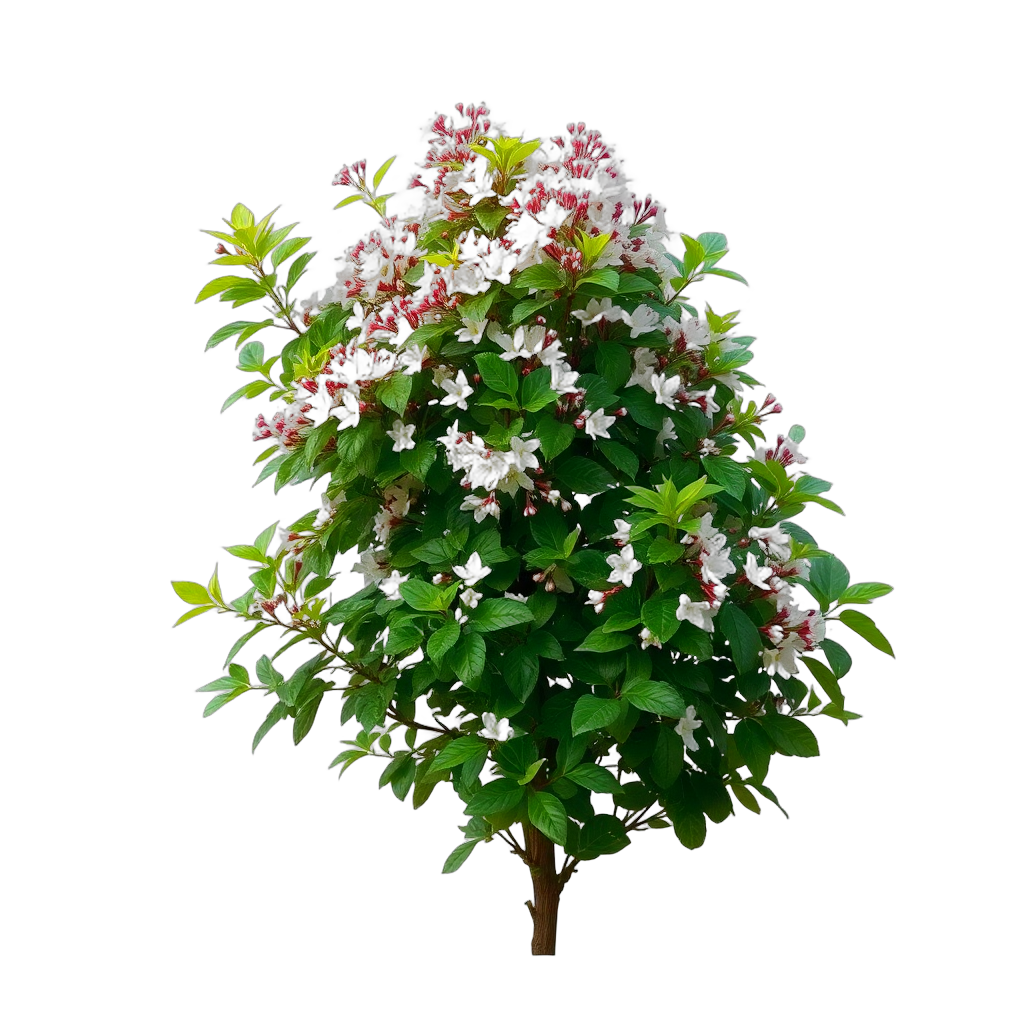
Arrowwood Viburnum
Viburnum dentatum
medium-sized at 10 feet, white blooms in spring. Pollinator-friendly.

Coastal Leucothoe
Leucothoe axillaris
grows to 3 feet, white blooms in spring. Evergreen year-round.
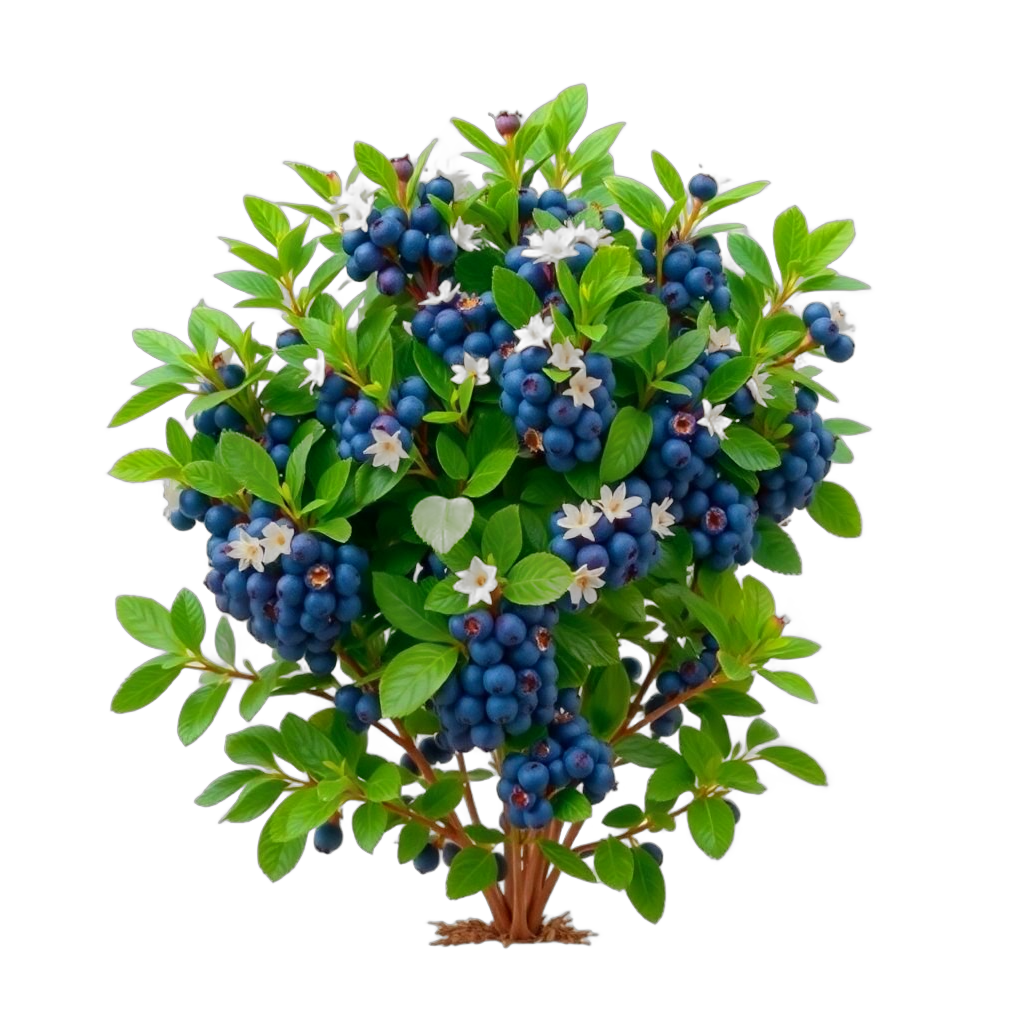
Highbush Blueberry
Vaccinium corymbosum
medium-sized at 7 feet, white blooms in spring. Attracts butterflies.

Inkberry
Ilex glabra
medium-sized at 8 feet, white blooms in spring. Pollinator-friendly.
Featured Grasses & Groundcovers for Cottage/English Gardens
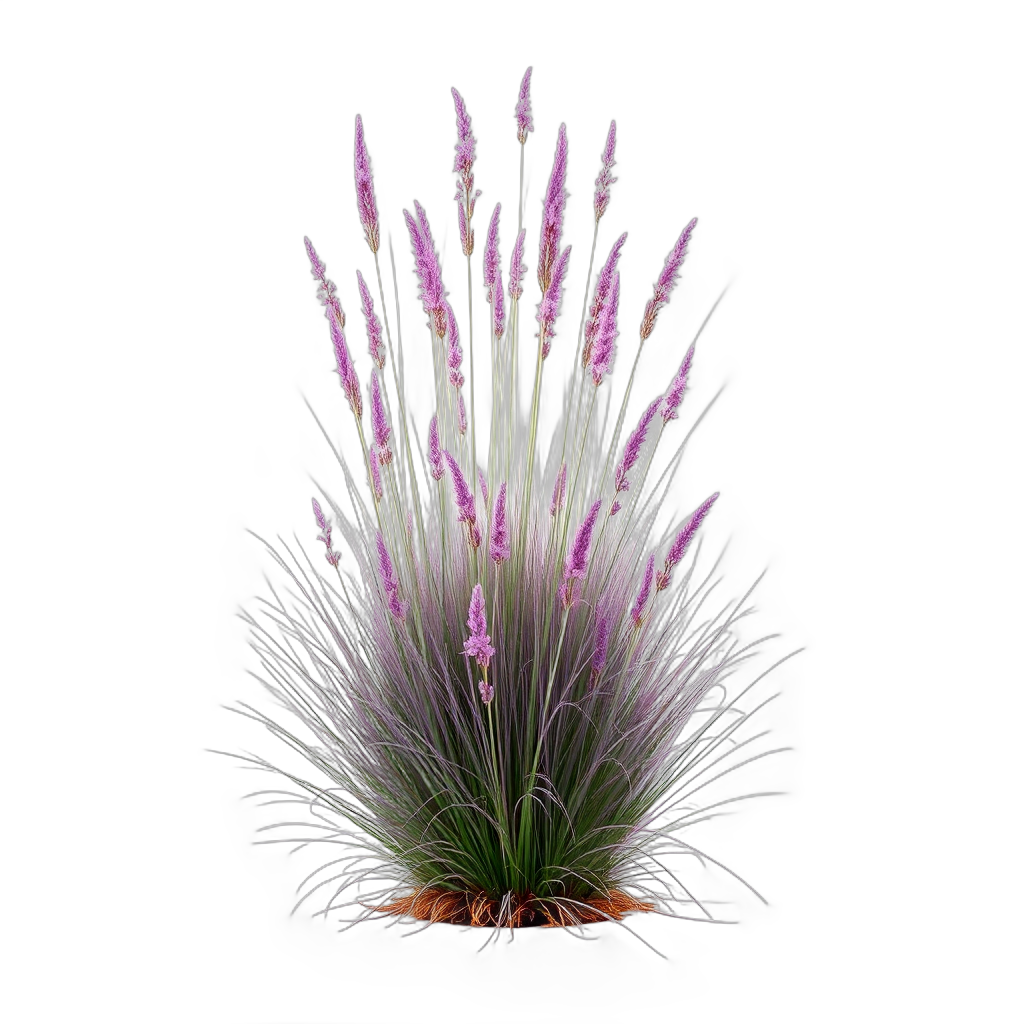
Purple Love Grass
Eragrostis spectabilis
low-growing ground cover, purple blooms in fall. Orange fall color.

Broad-leaf Bamboo
Sasa palmata
medium-sized at 7 feet, blooms in none. Evergreen year-round.
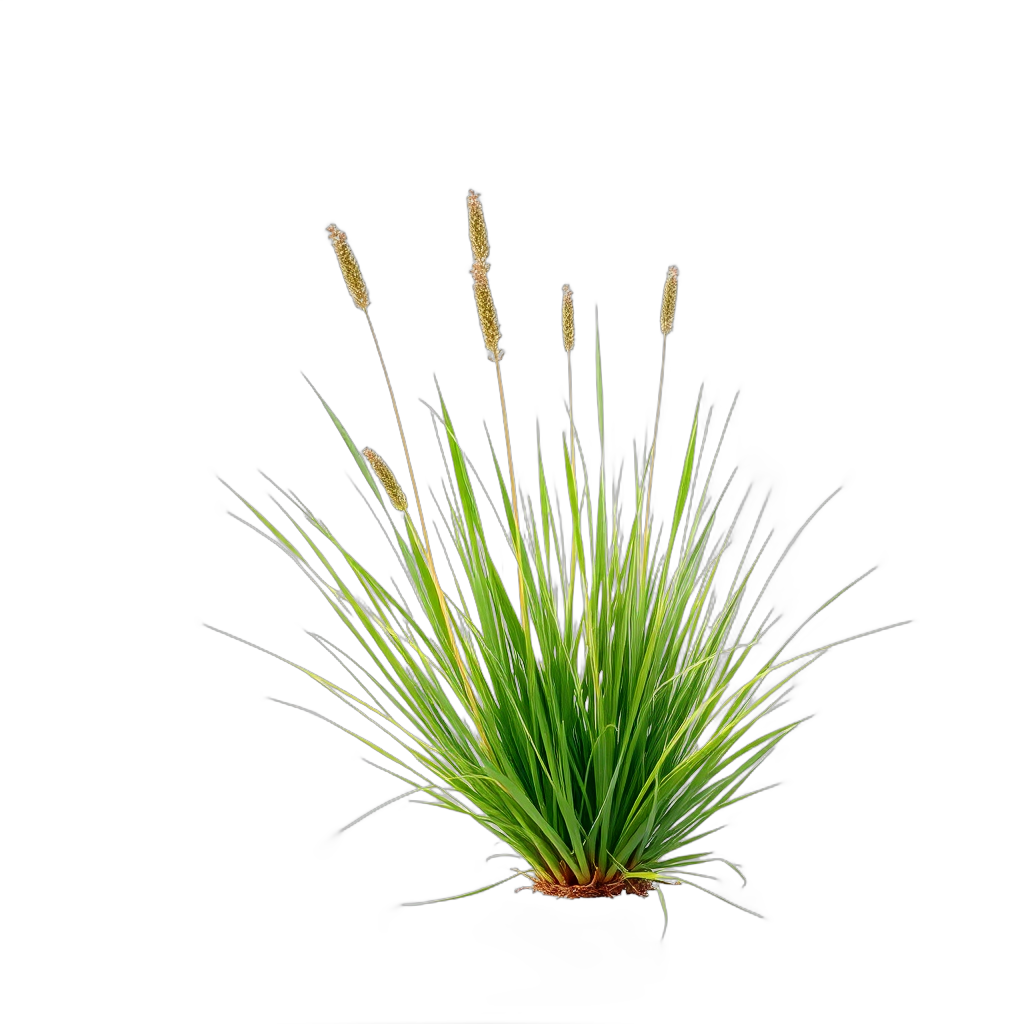
Deer Grass
Muhlenbergia rigens
grows to 3 feet, yellow blooms in fall. Evergreen year-round.

Dwarf Fernleaf Bamboo
Pleioblastus distichus
low-growing ground cover, blooms in none. Evergreen year-round.
Featured Flowers & Perennials for Cottage/English Gardens
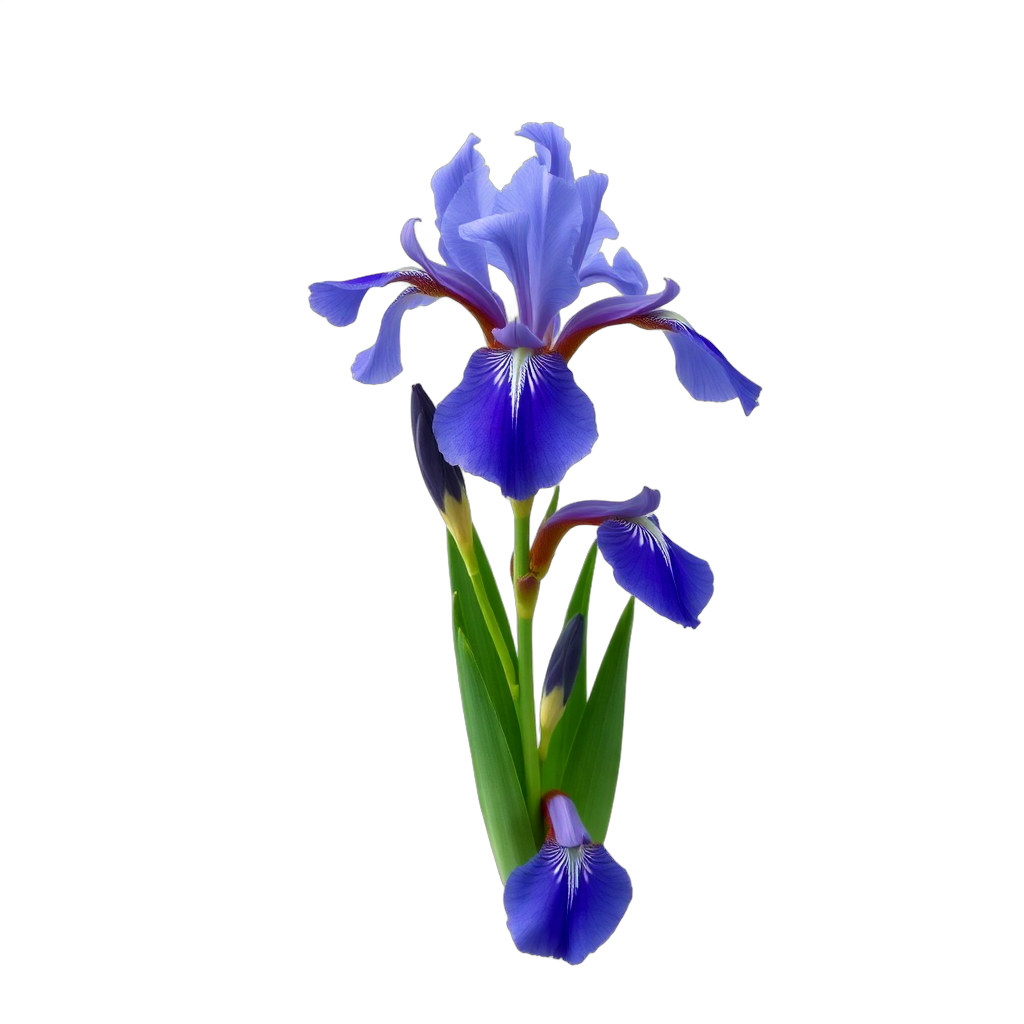
Blue Flag Iris
Iris versicolor
low-growing ground cover, purple blooms in spring. Attracts butterflies.

New York Ironweed
Vernonia noveboracensis
grows to 6 feet, purple blooms in fall. Attracts butterflies.
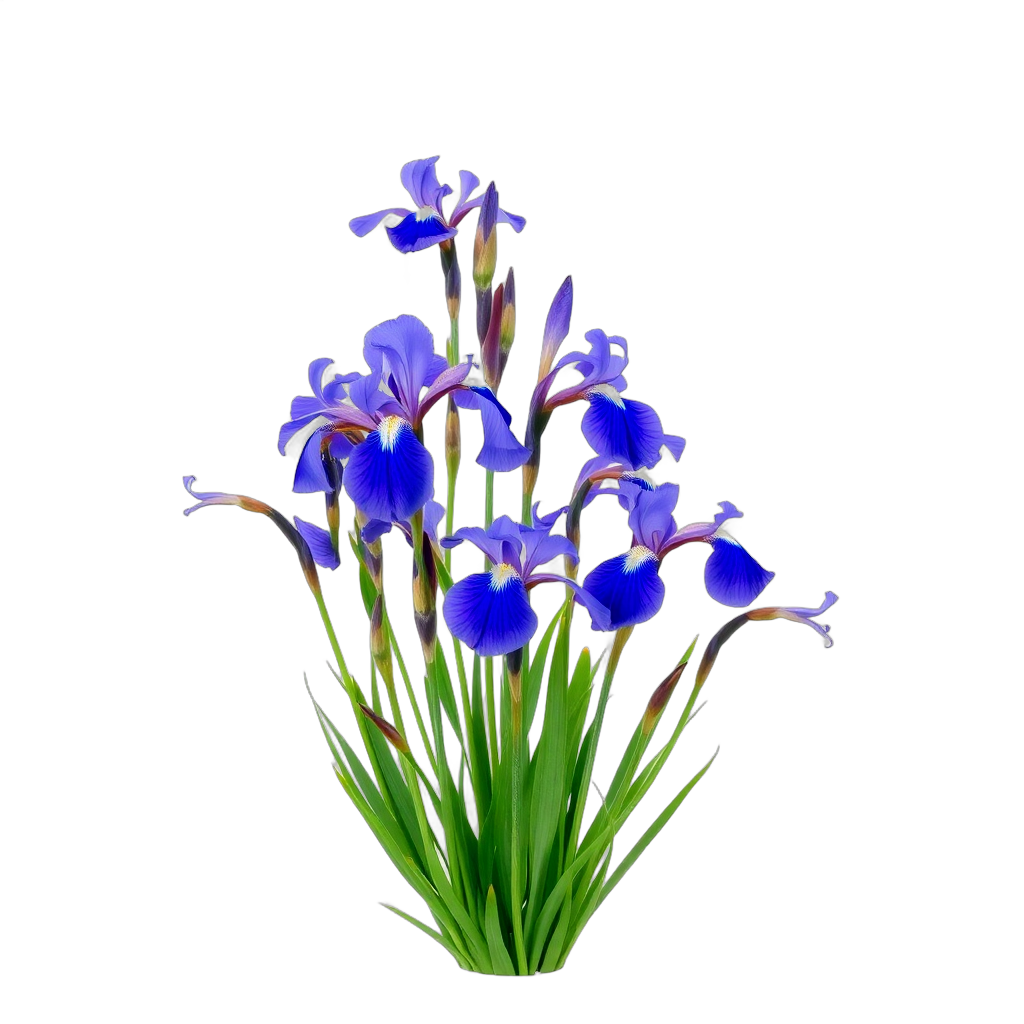
Southern Blue Flag
Iris virginica
low-growing ground cover, blue blooms in spring. Attracts butterflies.

Eastern Prickly Pear
Opuntia humifusa
low-growing ground cover, yellow blooms in summer. Attracts butterflies.
Zone and sun checks come from our database — confirm with your local nursery before you buy.
Bloom Calendar for Boston
spring
Blue Flag Iris, Southern Blue Flag, Arrowwood Viburnumsummer
Ruby Spice Summersweet, Summersweet, Eastern Prickly Pearfall
New York Ironweed, Purple Love Grasswinter
Limited bloomsDesign Tips for Boston (Zone 6b)
- Plant delphiniums and lupines without hesitation — Boston’s cool summers are exactly the climate these cottage classics need, and they perform here at a quality that Southern and California gardeners simply cannot achieve
- Use Boston’s architectural brick as your primary hardscape material: brick paths, brick edging, and brick wall backdrops create a visual unity between cottage planting and the Federal and Victorian architecture the city is known for
- Mulch perennial crowns heavily after the ground begins to freeze in November — the goal is stable frozen ground, not warmth, so apply mulch late (after Thanksgiving) not early
- Build salt-tolerant borders at street-facing edges near the waterfront — rugosa roses, catmint, and native bayberry create a windbreak that allows more sensitive cottage perennials to thrive behind them
- Plan Boston’s four-season cottage calendar: tulips and alliums March–April, peonies and roses May–June, coneflower and phlox July–August, native asters and ornamental grasses September–November with spectacular fall foliage context
- Choose Zone 5 or colder rose varieties for Boston — ‘New Dawn’, ‘Knock Out’, and hardy Canadian roses will outlast Zone 6 hybrid teas by decades and require no winter cane protection
Where to Source Plants in Boston
Skip the big-box stores. These independent Boston nurseries specialize in the plants that make cottage/english gardens thrive in Zone 6b.
Mahoney’s Garden Center
Winchester (metro Boston)
Full-service garden center with excellent perennial, rose, and cottage plant selection; multiple metro Boston locations
Allandale Farm
Jamaica Plain / Brookline border
Working farm and nursery with New England-adapted plants; native perennials, seasonal vegetables, deep community roots
Pemberton Farms & Garden Center
Cambridge (Alewife)
Independent nursery with natives, perennials, and cottage garden staples; trusted by Cambridge gardeners for decades
New England Wild Flower Society — Garden in the Woods
Framingham
Native plant nursery and living collection; authoritative source for New England natives including cottage-compatible wildflowers
Plimoth Plantation Garden Shop
Plymouth (South Shore)
Heritage and heirloom varieties; colonial-era garden plants that are historically authentic for Boston’s oldest home styles
Cottage/English Landscaping Costs in Boston
| Project Scope | Estimated Cost |
|---|---|
| Rose arch + wrought-iron fence front garden (cottage entry) | $6,500 – $16,000 |
| Full cottage front yard redesign (300–500 sqft) | $8,000 – $22,000 |
| Backyard cottage courtyard with arbor + brick paving | $22,000 – $55,000 |
| Cedar pergola installation (10×12 ft, painted white) | $5,500 – $14,000 |
| Bluestone or reclaimed brick pathway (Boston labor rates) | $24 – $45/sqft |
| AI visualization with ProScapeAI | Free to start |
Estimates based on Boston, MA-area contractor rates as of 2026. Actual costs vary by site conditions, materials, and contractor.
Boston Climate & Growing Zone
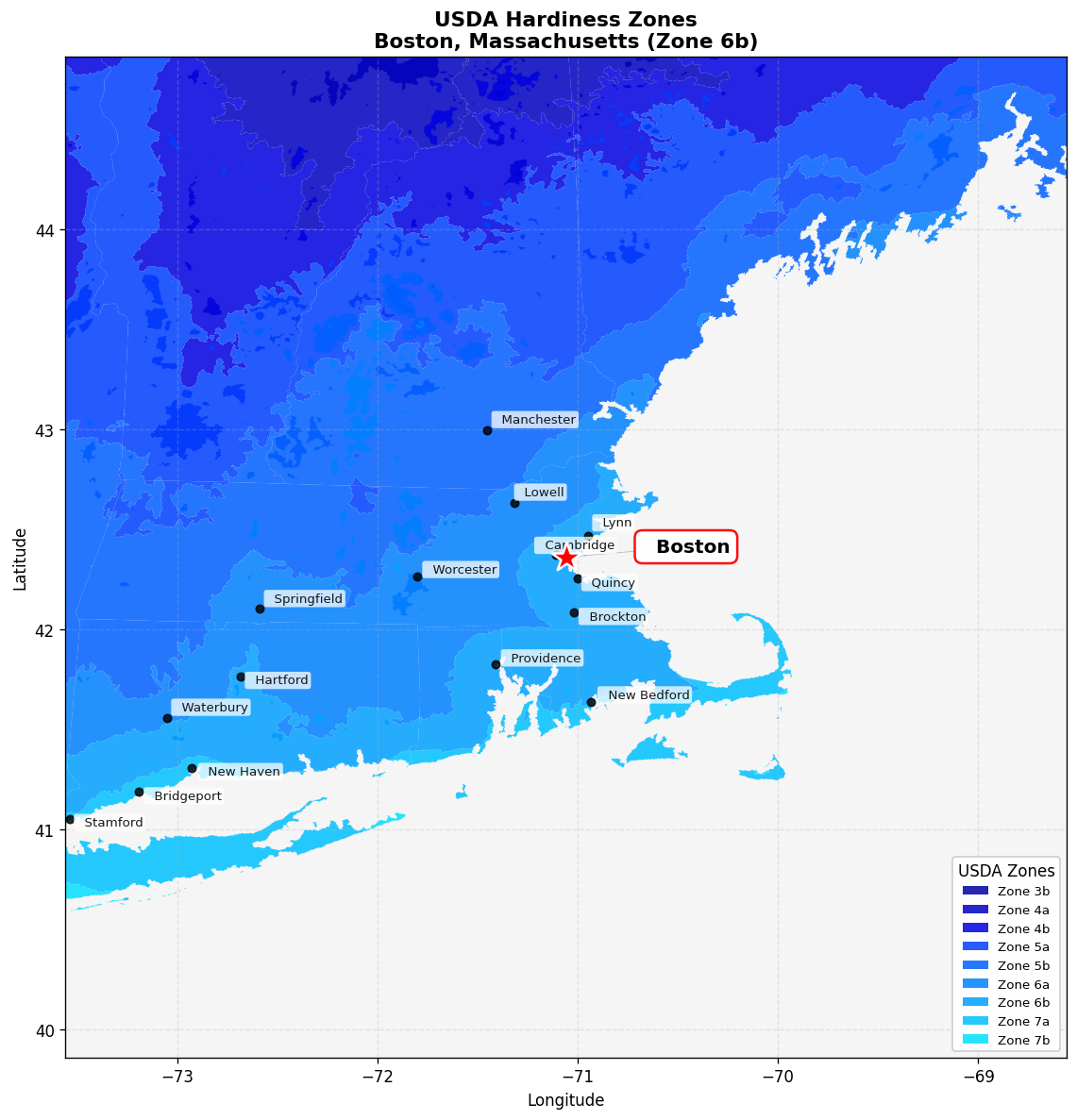
USDA Zone 6b
Hardiness zone for Boston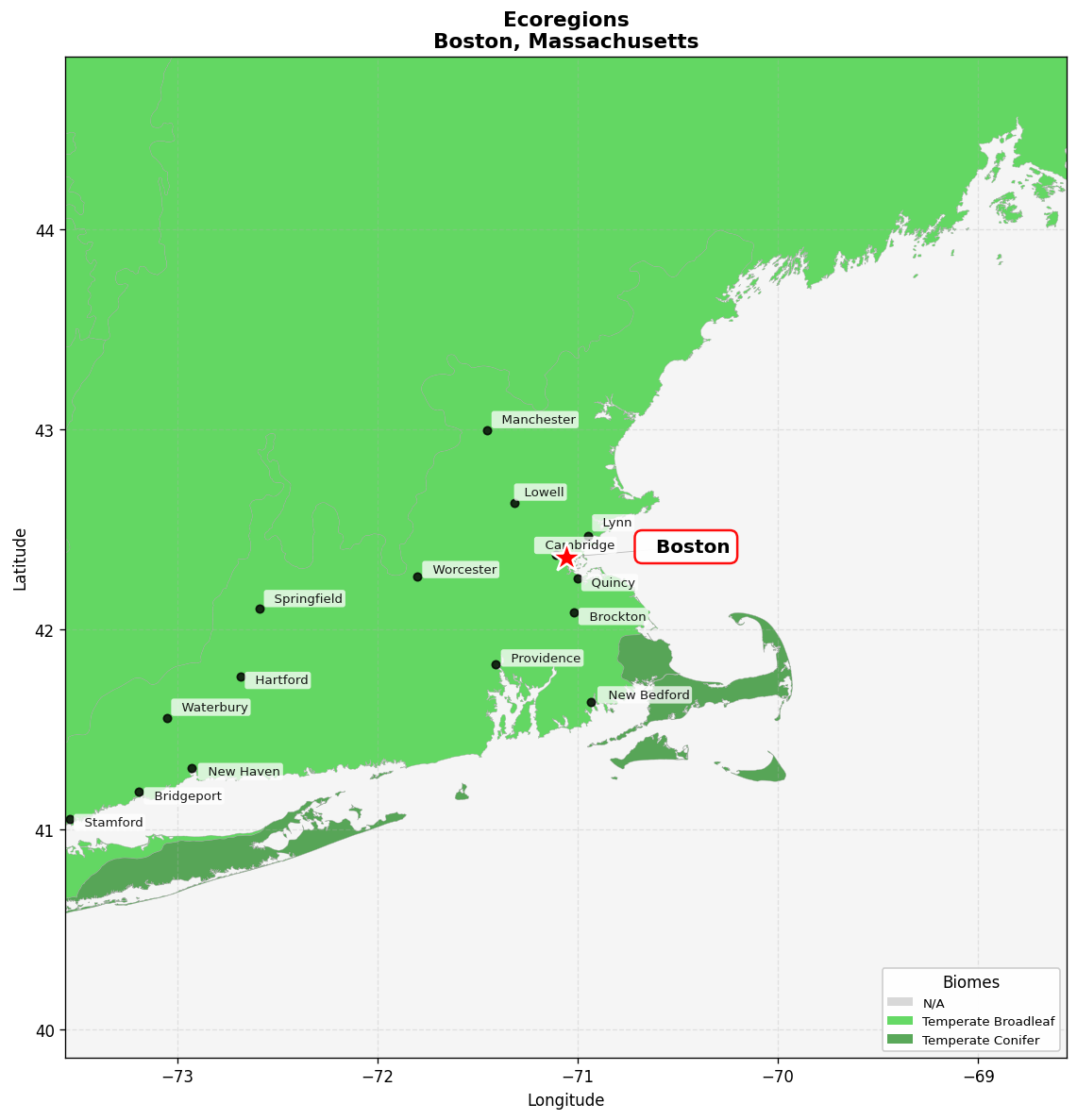
Northeast US Coastal forests
Native ecoregionFrequently Asked Questions
What cottage perennials survive Boston’s Zone 6b winters?
Boston’s Zone 6b is excellent for most cottage perennials. Reliably hardy choices include: peonies (extremely hardy, classic cottage staple), garden phlox (a New England classic), delphiniums (Zone 3–7, love Boston’s cool summers), lupines (Zone 4–8, peak performance in cool Northeast climates), foxgloves (biennial, reseed freely), coneflower, black-eyed Susan, catmint, lavender (plant in well-drained spots), astilbe (great for part shade), hollyhocks, and native columbine. Spring bulbs — tulips, alliums, camassia — are essential for April–May color before perennials emerge. Avoid Zone 7+ plants like some agapanthus and tender salvias without winter protection.
What roses grow best in Boston cottage gardens?
Zone 6b is solid rose country if you choose the right varieties. For climbing arches and arbors: ‘New Dawn’ (nearly indestructible, blush pink, Zone 5), ‘Don Juan’ (deep red, Zone 5), and ‘Zephirine Drouhin’ (thornless, deep pink, Zone 5–9). For shrub roses: ‘Knock Out’ series (Zone 4, disease-resistant, low maintenance), hardy Canadian roses like ‘Therese Bugnet’ and ‘John Cabot’ (bred for Zone 4–5), and David Austin English roses labeled Zone 5 such as ‘Jude the Obscure’ and ‘Olivia Rose’. Avoid Zone 7+ hybrid teas without winter protection — Boston’s −10°F winters will kill unprotected hybrid tea canes to the graft. Mulch rose crowns heavily after the ground freezes in November.
How do I protect my Boston cottage garden through winter?
Zone 6b winters require proactive preparation. After the first hard frost (typically late October): cut back frost-killed annuals and tender perennials but leave ornamental grasses and seed heads intact for winter structure and bird habitat. Apply 3–4 inches of shredded bark or straw mulch over perennial crowns after the ground begins to freeze in November — the goal is to keep the ground consistently frozen, not to keep it warm. For roses: mound 8–10 inches of soil or compost over the crown after Thanksgiving, and if growing hybrid teas, consider burlap wrapping for canes. Remove winter protection gradually in April as temperatures stabilize. Spring bulbs planted in October–November are essential for early cottage color.
What are the best native plants for a Boston cottage garden?
New England native plants that fit seamlessly into cottage garden aesthetics include: wild blue lupine (Lupinus perennis), wild columbine (Aquilegia canadensis, red and yellow), native phlox (Phlox paniculata and P. maculata), coneflower (Echinacea purpurea), black-eyed Susan (Rudbeckia hirta), native asters (Symphyotrichum novae-angliae — the famous New England aster, rich purple), Joe Pye weed (Eutrochium purpureum, 5–7 ft back-border statement), and wild bergamot (Monarda fistulosa). These plants support native bees and butterflies, look beautiful in cottage style, and thrive without the maintenance demands of introduced exotics.
Do Boston historic districts restrict cottage garden plantings?
Boston’s historic neighborhoods — Beacon Hill, Back Bay, South End historic districts — are governed by the Boston Landmarks Commission (BLC). Planting choices themselves are generally unrestricted, but front yard structural elements including fences, walls, retaining structures, and hardscape materials may require Commission review. In Beacon Hill specifically, even front door paint color is regulated. Consult the BLC before installing any new fencing, masonry work, or front yard structures visible from the street. The good news: traditional cottage-style planting with iron fencing, brick paths, and climbing roses is generally well-aligned with historic district character guidelines.
How do I handle Boston’s coastal salt spray near the waterfront?
Properties in South Boston, Charlestown, East Boston, and Dorchester waterfront areas face periodic salt spray that damages sensitive cottage plants. Salt-tolerant cottage-compatible choices include: beach rose (Rosa rugosa, extremely salt-tolerant, native to New England coasts), lavender, catmint, Russian sage, sea holly (Eryngium), ornamental grasses (little bluestem, switchgrass), and daylilies. Create a windbreak of salt-tolerant shrubs (native bayberry, beach plum, rugosa roses) along the street-facing boundary to protect more sensitive cottage perennials in the sheltered interior of the garden. Rinse foliage with fresh water after major storm events.