4 Cottage Garden Ideas for Chicago, IL | English Garden Design in Zone 6a
Native plants from the Central US forest-grasslands transition (Zone 6a) — Humid continental (hot summer) climate
Why Cottage/English Gardens in Chicago?
Chicago is one of the best cities in America for a true English cottage garden — and most homeowners don't realize it. The reason is humidity. Chicago's Dfa humid continental climate delivers the warm, moist summers that cottage plants were bred for, with regular rainfall from May through September that keeps borders lush without the aggressive irrigation schedules required in western cities. Delphiniums that struggle to bloom in Sacramento, foxgloves that melt in Phoenix, and climbing roses that demand constant coddling in Los Angeles — all of them grow with honest enthusiasm in a Chicago summer. The humidity that makes August feel oppressive to people is exactly what those British cottage classics are asking for.
The honest challenge is winter. Zone 6a means temperatures regularly dropping to -10°F, and that cold requires selecting varieties rated for that hardness and applying proper winter protection in November. But here's the key insight: winter dormancy is not a failure — it's the natural rhythm of the cottage garden. Roses go dormant, perennials die back to roots that re-emerge stronger in spring, and a well-mulched cottage border in a Chicago winter is simply resting. The neighborhoods that suit this style best are the ones with the architecture to match: Beverly's Victorian homes, the Craftsman bungalow belt of Edison Park and Norwood Park, the historic streetscapes of Ravenswood and Lincoln Square, and Oak Park's mix of Victorians and Prairie-style homes. In these neighborhoods, a cottage garden doesn't just grow well — it belongs.
The plant palette is genuinely broad for Zone 6a Chicago gardens. Hardy shrub roses, climbing roses on arbors, delphiniums, foxgloves, catmint, salvia, coneflower, hollyhocks, and peonies all overwinter reliably with appropriate mulching. Spring bulbs planted in October — tulips, alliums, and narcissus — deliver the early-season abundance that sets the cottage tone before the perennials even wake up. Fall is the best time to plant here: Chicago's October and November are mild enough for root establishment, and the garden overwinters quietly before putting on its full show from late May through September. Few American cities give cottage gardeners a longer, more authentically English growing window.
4 Cottage/English Design Ideas for Chicago
AI-generated image
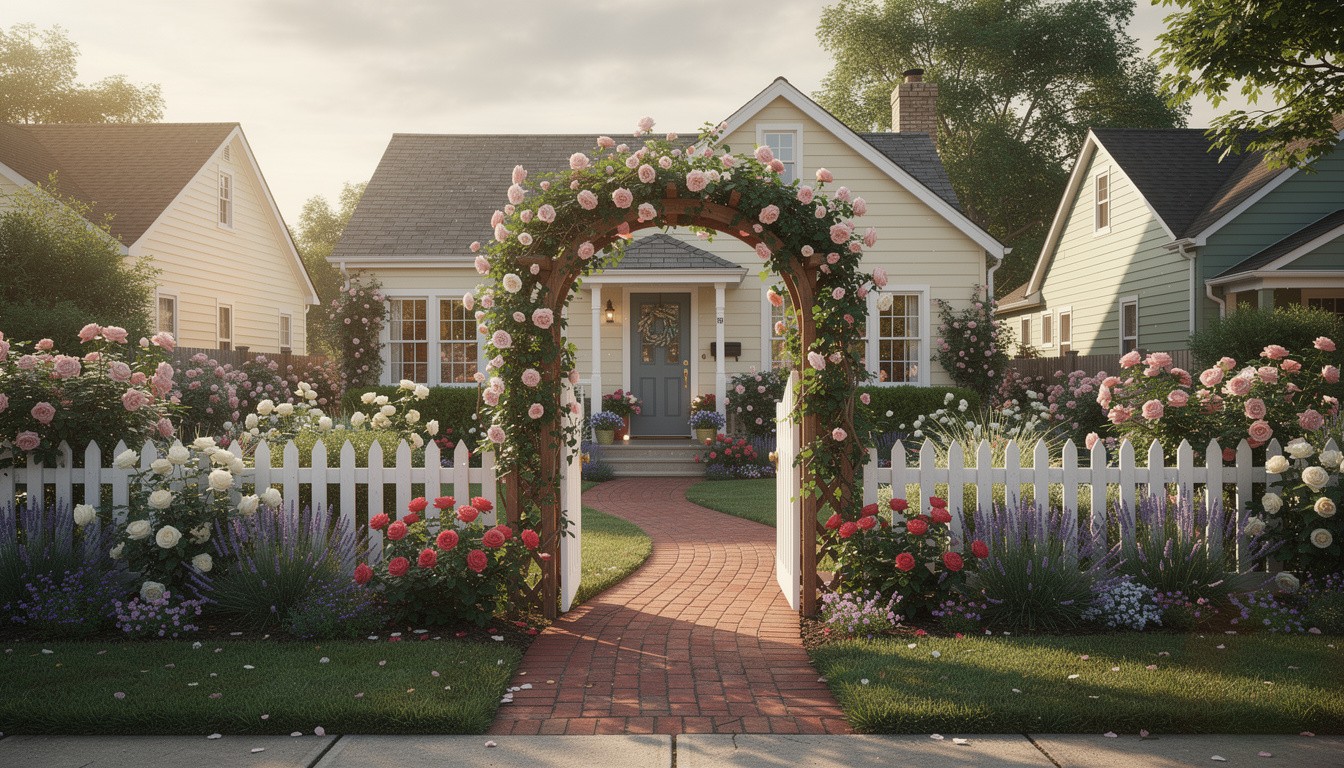
The Lincoln Square Rose Arbor Entry
$14–26/sqftA white picket fence with a central climbing-rose arch frames a brick path leading to a grey craftsman bungalow, with dense rose and lavender borders filling both sides of the entry. The arch is covered in white and pink roses and the borders hold catmint, cottage pinks, and mixed perennials from May through July. Chicago's Zone 6a climate is excellent for cottage gardens, and the Lake Michigan effect along the North Shore actually pushes parts of the city toward Zone 6b conditions. Lincoln Square, Ravenswood, and Beverly's craftsman bungalow neighborhoods provide the architectural scale that cottage gardens complete.

AI-generated image
The Evanston Cottage Bungalow Garden
$12–24/sqftA craftsman bungalow with a white front porch is fronted by a generous mixed cottage garden — a stone arch on the walkway, sweeping borders of foxgloves, roses, delphiniums, phlox, and lavender, with hanging baskets on the porch and a mature shade tree providing dappled left-side shade. The front yard borders have informal, curved edges and the whole composition overflows with the lush abundance that distinguishes cottage gardens from simple perennial borders. Evanston and Oak Park's historic bungalow neighborhoods are Chicago's most cottage-garden-ready architecture.

AI-generated image
The Gold Coast Cottage Garden Room
$20–42/sqftA backyard cottage garden room centered on a white rose arch as the focal point, with a flagstone patio and bistro seating beneath it surrounded by dense lavender borders and cottage perennials. The patio is set against a large house behind, framed by tall mature trees on both sides, creating the enclosed room-like atmosphere that makes cottage gardens so appealing. The surrounding borders are packed with roses, foxgloves, lavender, daisies, and delphiniums. Chicago's continental climate gives cottage gardens a generous 175-day growing season and the city's mature residential neighborhoods provide the ideal backdrop.

AI-generated image
The North Shore Cottage Pergola Backyard
$22–48/sqftA full backyard cottage garden with a white painted pergola draped in climbing roses as the dining area anchor, deep mixed borders ringing the entire yard, and a birdbath fountain as the lawn centerpiece. Roses, foxgloves, delphiniums, lavender, and phlox create complete cottage enclosure. The pergola shelters a dining table and chairs. This design suits the North Shore suburbs of Winnetka, Glencoe, and Wilmette, where generous lots and established tree canopy give cottage gardens the setting they need to achieve their full romantic effect.
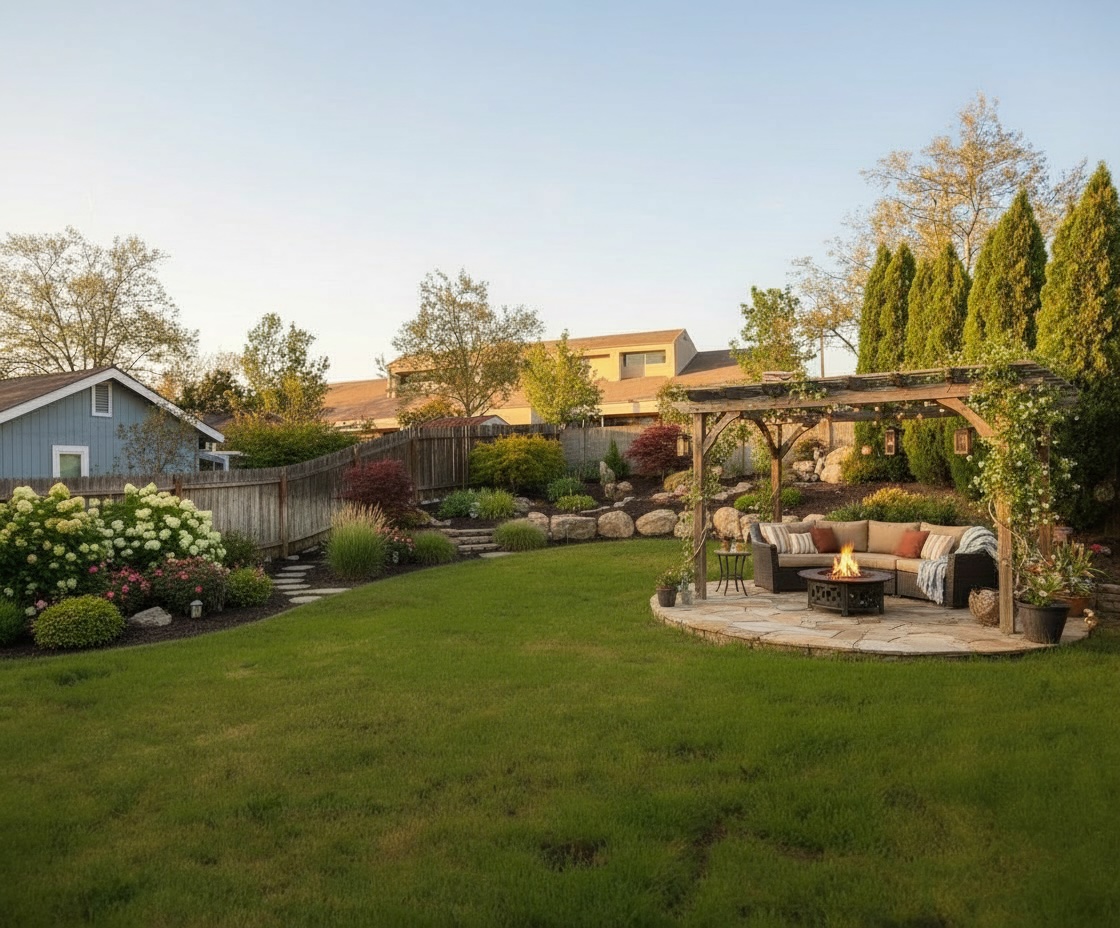
See how a cottage/english garden looks on YOUR property
Upload a photo of your Chicago yard and visualize your dream garden in seconds.
Try ProScapeAI Free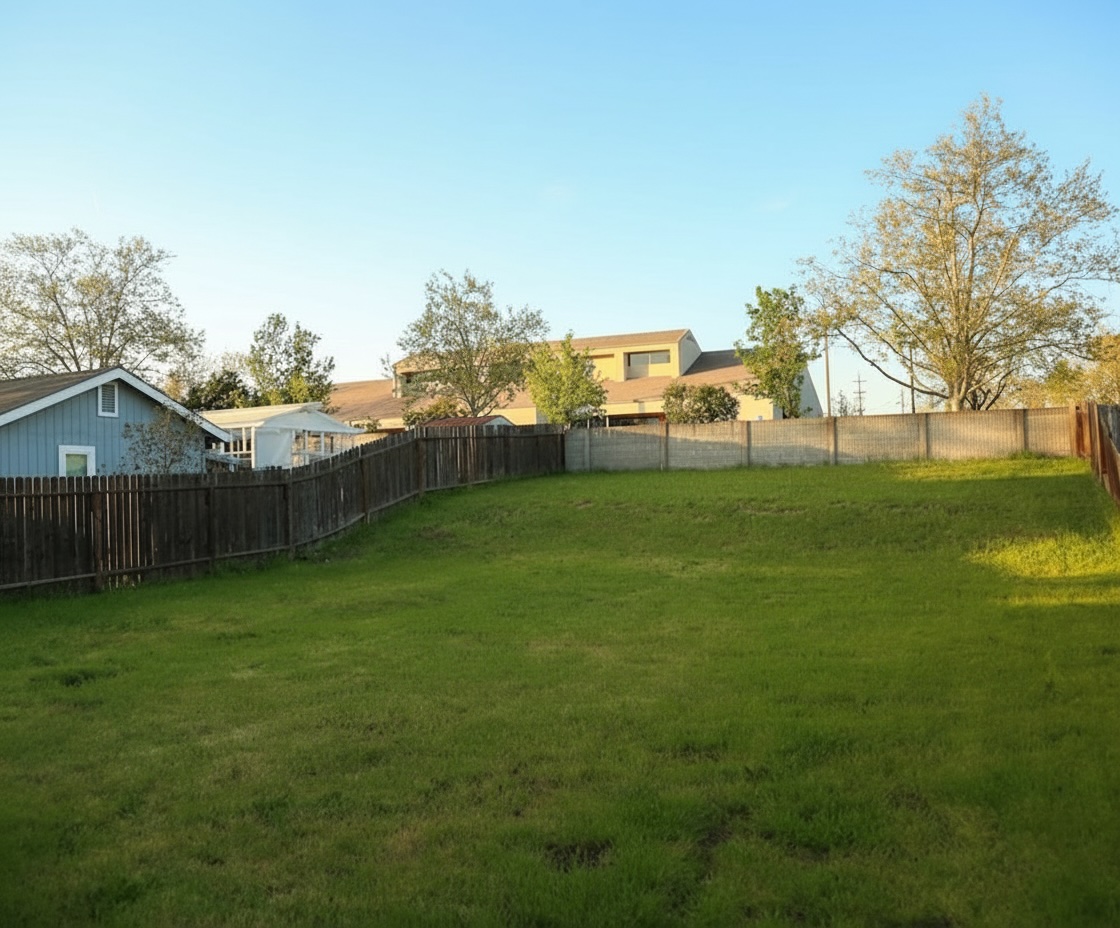
AI-generated image
Featured Trees & Shrubs for Cottage/English Gardens
Browse all 169 plants for Chicago
American Black Currant
Ribes americanum
grows to 5 feet, white,yellow blooms in spring. Attracts hummingbirds.
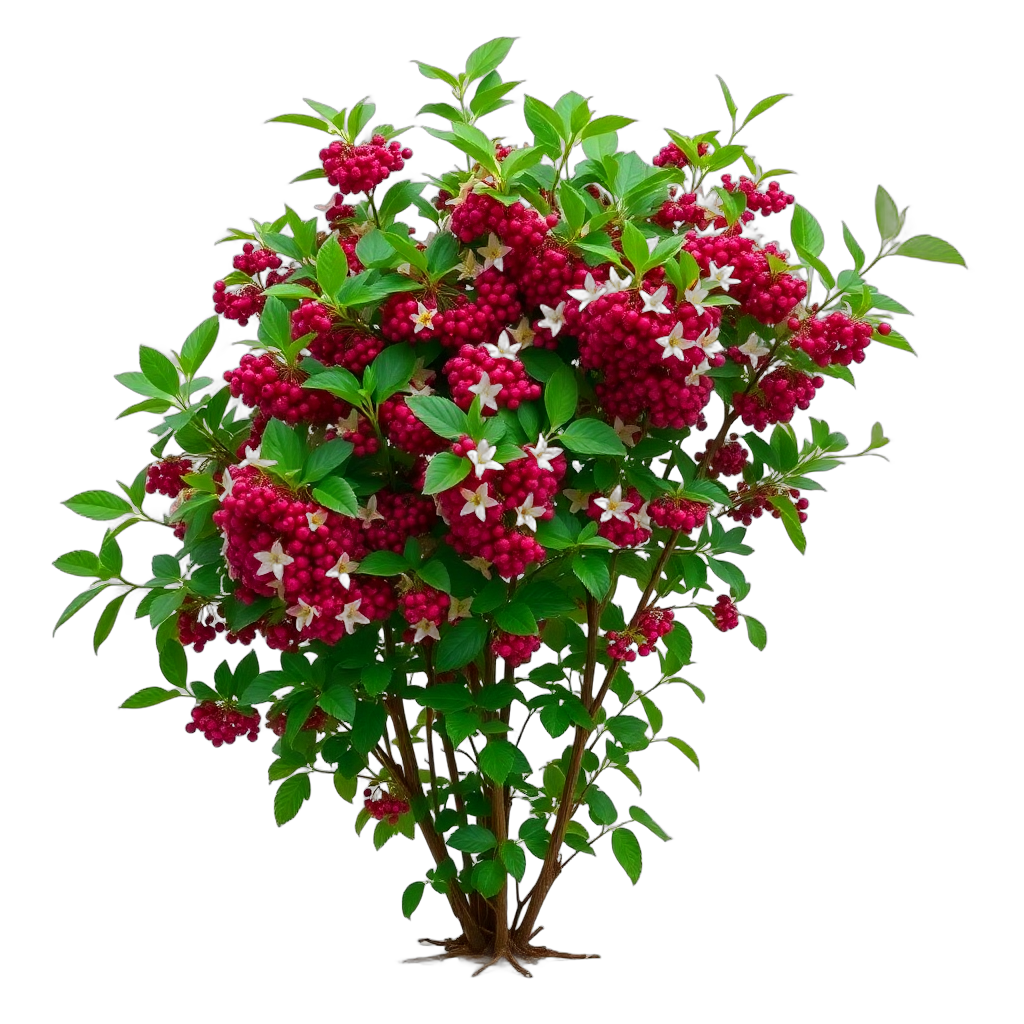
Clove Currant
Ribes odoratum
grows to 6 feet, yellow blooms in spring. Attracts hummingbirds.

Fragrant Sumac
Rhus aromatica
grows to 4 feet, yellow blooms in spring. Attracts butterflies.
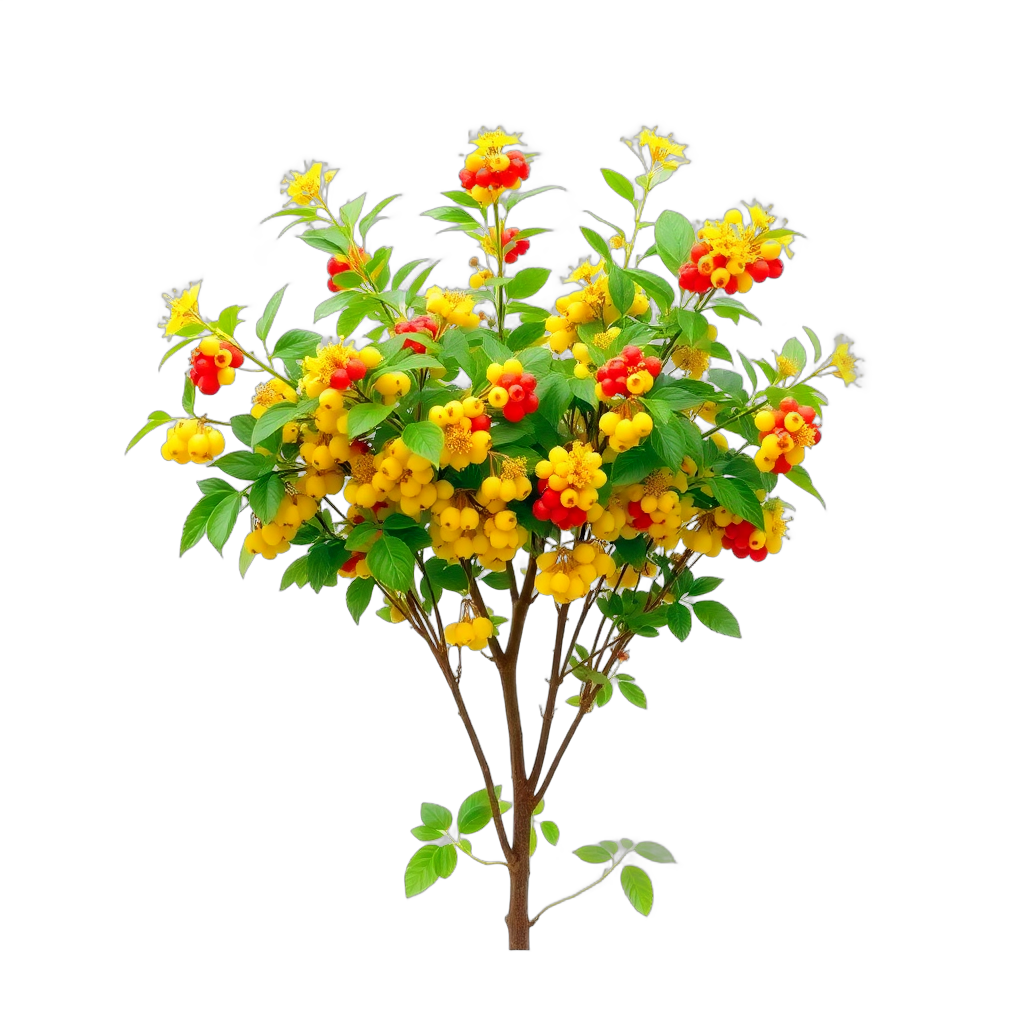
Golden Currant
Ribes aureum
grows to 6 feet, yellow blooms in spring. Attracts hummingbirds.
Featured Grasses & Groundcovers for Cottage/English Gardens
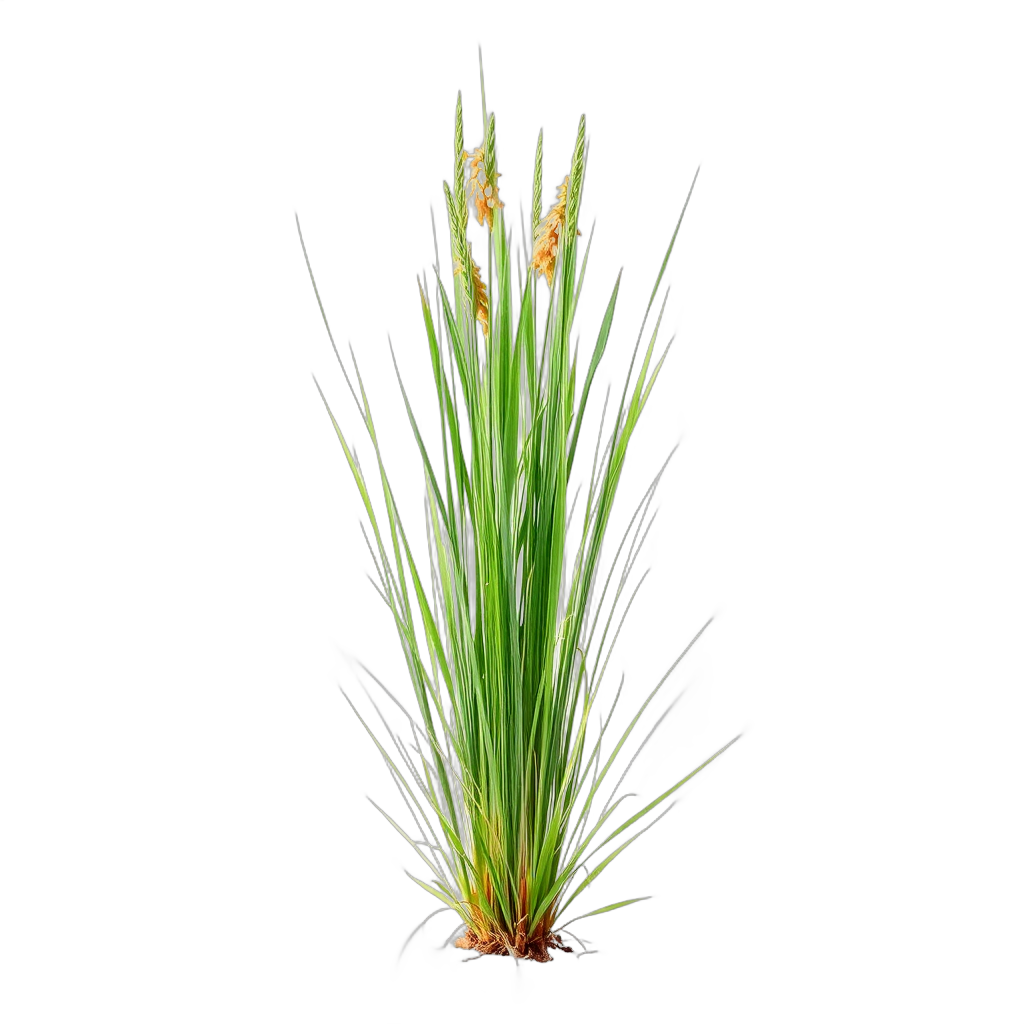
Eastern Gamagrass
Tripsacum dactyloides
grows to 6 feet, blooms in summer. Yellow fall color.
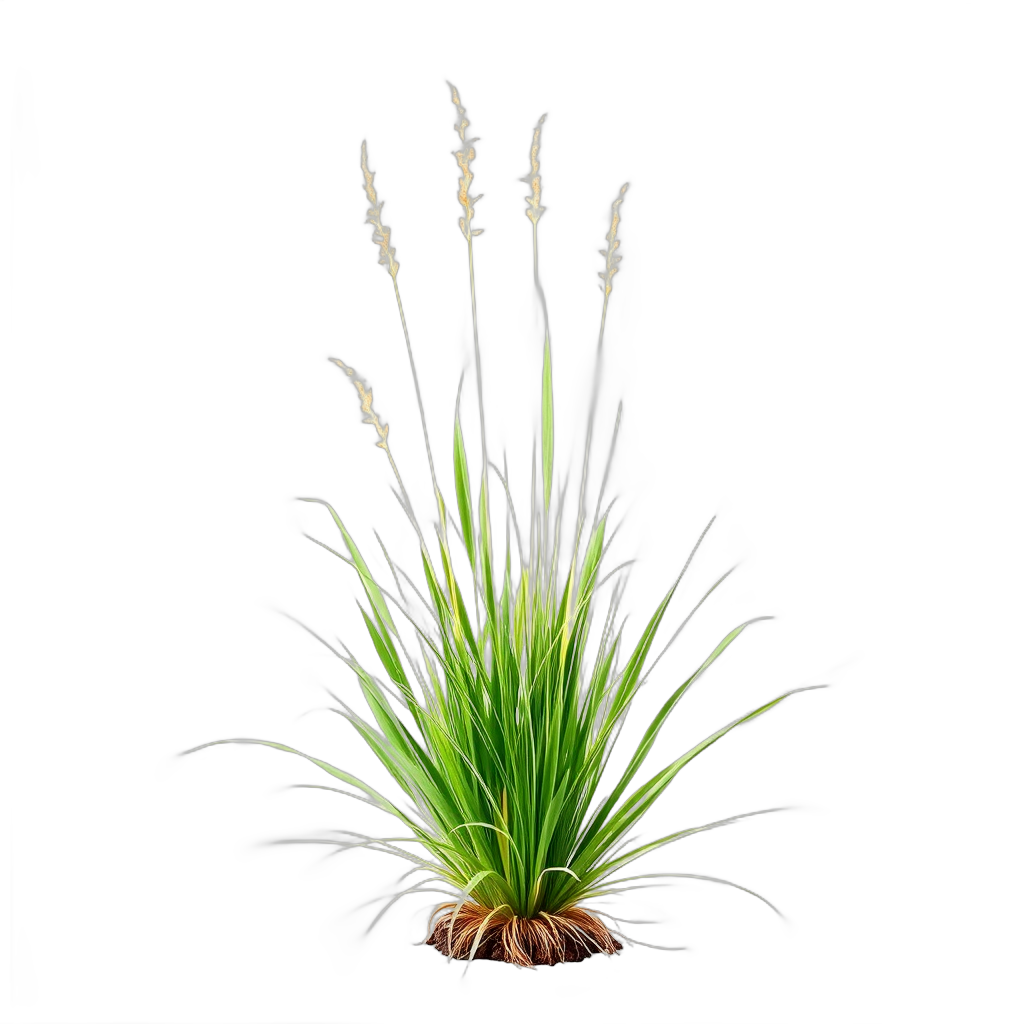
Northern Sea Oats
Chasmanthium latifolium
grows to 4 feet, blooms in fall. Bronze fall color.

Broad-leaf Bamboo
Sasa palmata
medium-sized at 7 feet, blooms in none. Evergreen year-round.
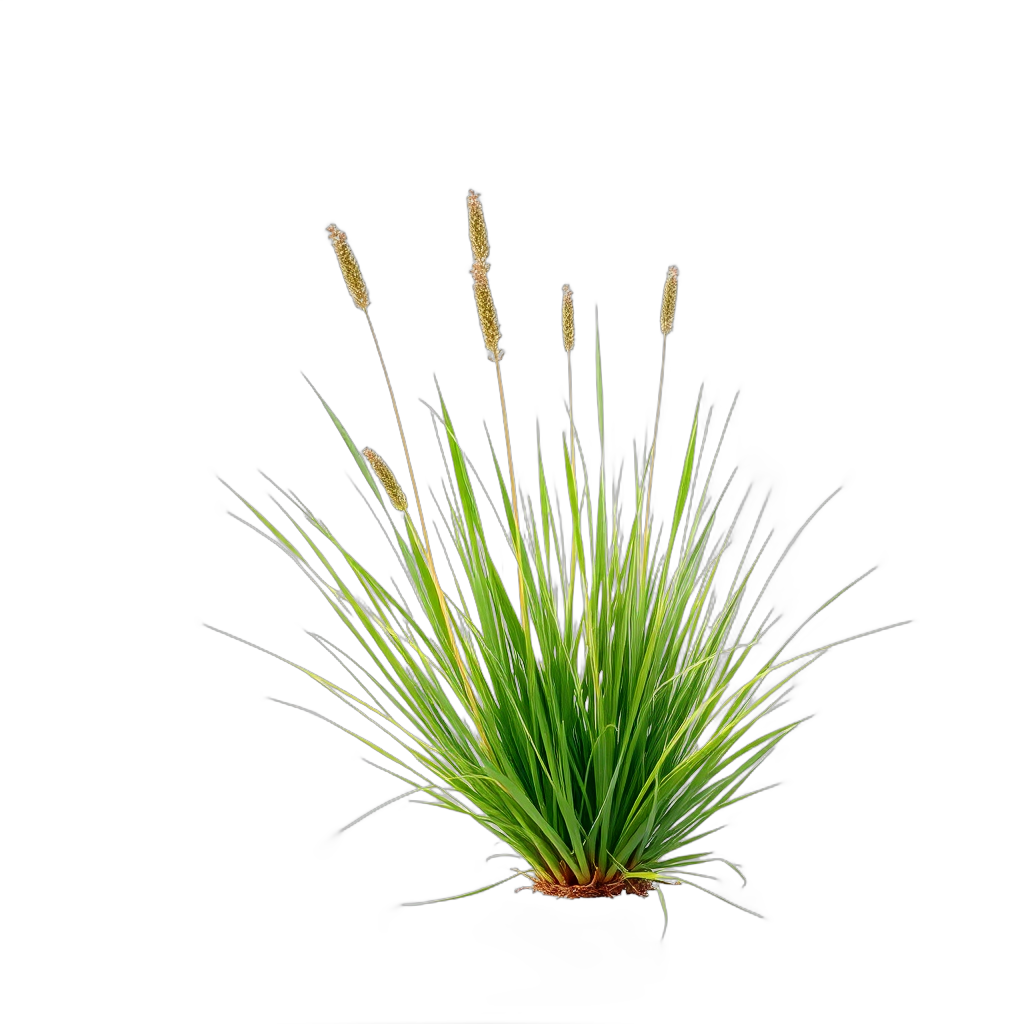
Deer Grass
Muhlenbergia rigens
grows to 3 feet, yellow blooms in fall. Evergreen year-round.
Featured Flowers & Perennials for Cottage/English Gardens

Cup Plant
Silphium perfoliatum
medium-sized at 7 feet, yellow blooms in summer. Attracts butterflies.
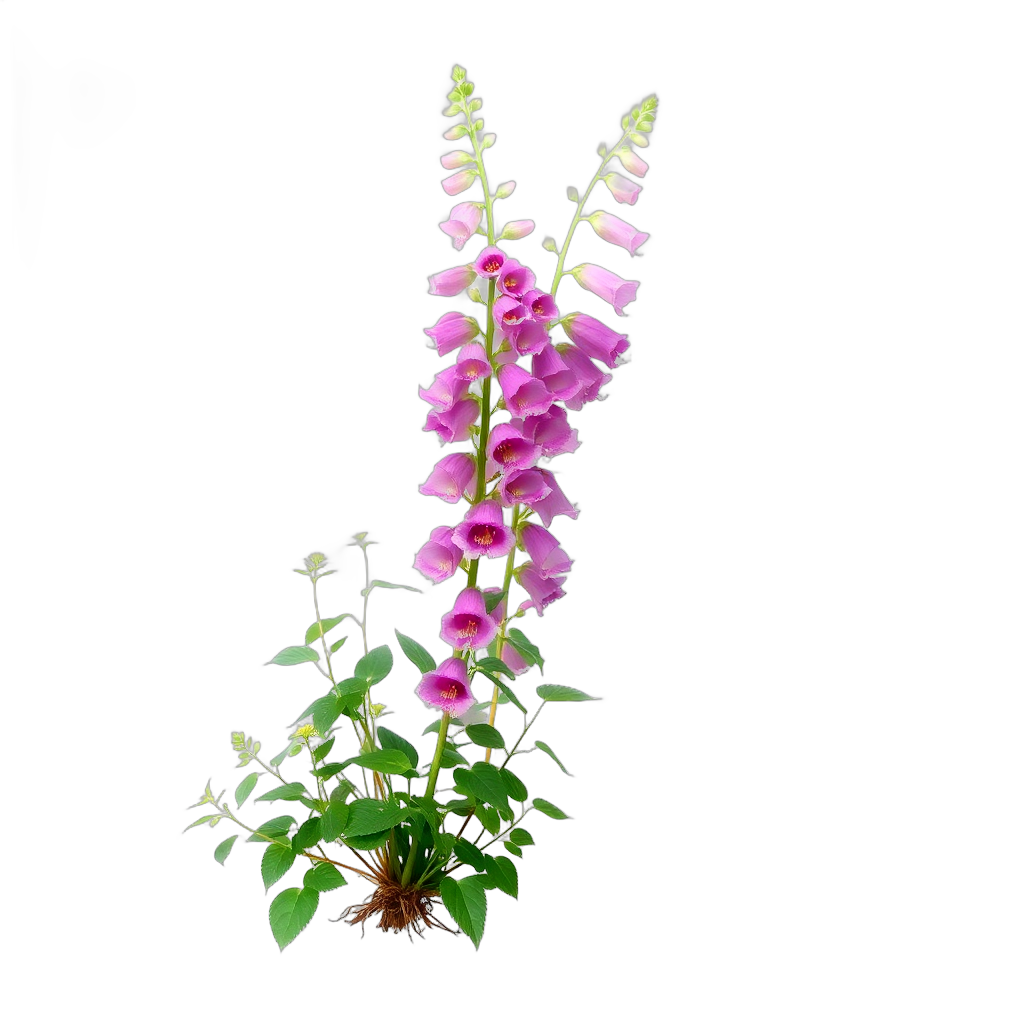
Foxglove Beardtongue
Penstemon digitalis
grows to 3 feet, white blooms in spring. Attracts hummingbirds.
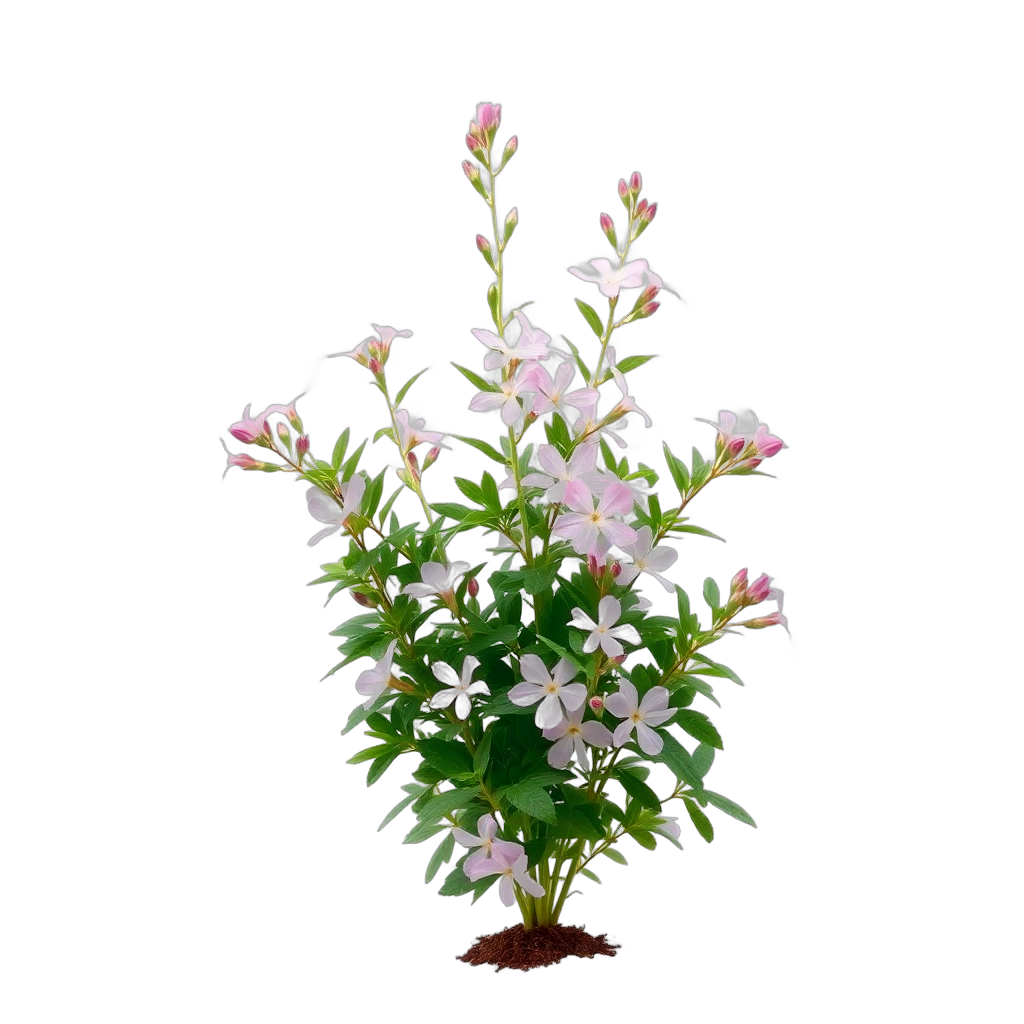
Garden Phlox
Phlox paniculata
grows to 3 feet, multi blooms in summer. Attracts hummingbirds.

Gloriosa Daisy
Rudbeckia hirta
low-growing ground cover, yellow blooms in summer. Attracts butterflies.
Zone and sun checks come from our database — confirm with your local nursery before you buy.
Bloom Calendar for Chicago
spring
Foxglove Beardtongue, American Black Currant, Clove Currantsummer
Cup Plant, Garden Phlox, Gloriosa Daisyfall
Northern Sea Oatswinter
Limited bloomsDesign Tips for Chicago (Zone 6a)
- Apply 3–4 inches of shredded leaf mulch over perennial crowns after the first hard freeze in late November — this single step is the difference between cottage plants that return strong and ones that heave out of the ground over winter
- Lean into Chicago's summer humidity: delphiniums, foxgloves, astilbe, and hostas that struggle in western climates are genuinely easy here — plant them freely in borders and let the humid summers do the work
- Plan your spring cleanup for late March to early April, not February — wait until daytime temps consistently hit 40°F+ before pulling winter mulch back, then cut down dead perennial stalks and divide overcrowded clumps
- Use Chicago's excellent fall planting window: mid-September through mid-October is ideal for roses and perennials — soil is warm, air is cool, and fall rains handle establishment watering before the ground freezes
- Choose climbing roses rated to Zone 5 or colder (New Dawn, William Baffin, Fourth of July) for arches and arbors — then mound 6–8 inches of soil around the base in November and they'll return reliably without full cane protection
- In Beverly, Ravenswood, Lincoln Square, and Oak Park, work with your home's architecture — Victorian and Craftsman homes have the proportions that make a cottage garden look intentional rather than accidental, so scale arbors and picket fences to match the building's character
Where to Source Plants in Chicago
Skip the big-box stores. These independent Chicago nurseries specialize in the plants that make cottage/english gardens thrive in Zone 6a.
Christy Webber Farm & Garden Center
Humboldt Park
Native plants, perennials, organic products — neonicotinoid-free
Gethsemane Garden Center
Andersonville
Perennials, ornamental plants, trees and shrubs — year-round independent garden center
Farmers Market Garden Center
Ravenswood
Native plants, perennials, bulbs, organic supplies — family-owned urban garden center
Urhausen Greenhouses
Lincolnwood
Ornamental grasses, perennials, herbs — 80+ year family business with 2-acre greenhouse
Possibility Place Nursery
Monee (South Suburbs)
300+ species of native Illinois plants, ecological restoration specialists
Cottage/English Landscaping Costs in Chicago
| Project Scope | Estimated Cost |
|---|---|
| Rose arbor + picket fence front entry (cottage) | $6,000 – $14,000 |
| Full cottage front yard redesign (400–600 sqft) | $10,000 – $24,000 |
| Backyard cottage terrace with pergola + planting | $22,000 – $60,000 |
| Flagstone or paver patio installation (200–400 sqft) | $7,000 – $20,000 |
| Soil amendment and bed preparation | $1,200 – $5,000 |
| AI visualization with ProScapeAI | Free to start |
Estimates based on Chicago, IL-area contractor rates as of 2026. Actual costs vary by site conditions, materials, and contractor.
Chicago Climate & Growing Zone

USDA Zone 6a
Hardiness zone for Chicago
Central US forest-grasslands transition
Native ecoregionFrequently Asked Questions
Can cottage garden plants survive Chicago's winters (-10°F, Zone 6a)?
Yes, with the right varieties and basic winter prep. Many classic cottage plants are fully Zone 6a-hardy without any protection: coneflower, salvia, catmint, delphiniums, foxgloves (biennial, reseeds), peonies, and most shrub roses. Climbing roses need mounding with soil or mulch at the base in November. Apply 3–4 inches of shredded leaf mulch over perennial beds after the first hard freeze to protect crowns. The key is variety selection — choose roses rated Zone 5 or 6 (New Dawn, William Baffin, Knock Out) and avoid tender hybrid teas without protection.
What roses grow best for Chicago cottage gardens in Zone 6a?
Zone-hardy shrub and climbing roses are the workhorses. Top performers include 'William Baffin' (climbing, extremely cold-hardy to Zone 3), 'New Dawn' (climbing, vigorous, Zone 5), 'Knock Out' series (shrub, disease-resistant, Zone 4), 'Carefree Beauty' (shrub, excellent cold hardiness), and 'Fourth of July' (climbing, Zone 5). For authentic English cottage character, David Austin varieties like 'Jude the Obscure' and 'Gertrude Jekyll' overwinter in Zone 6a with base mulching. Avoid high-maintenance hybrid teas unless you're committed to burlap wrapping each November.
Does Chicago's humidity actually help a cottage garden?
Significantly. English cottage gardens were designed in a humid, temperate climate — the same general conditions Chicago delivers from May through September. The humidity keeps foliage lush, reduces water stress on plants, and allows moisture-loving cottage classics like delphiniums, foxgloves, astilbe, and hostas to thrive without the aggressive irrigation required in drier western climates. Chicago typically receives 3–4 inches of rainfall per month during summer, which covers most cottage perennial needs. This is genuinely closer to English growing conditions than any major city in California, Texas, or the Southwest.
When should I divide cottage garden perennials in Chicago?
Early spring (late March to mid-April) or early fall (late August to mid-September) are ideal windows. Spring division works well for most perennials — divide as growth emerges but before plants are fully leafed out. Fall division gives roots time to establish before frost if done 6–8 weeks before the ground freezes (typically before mid-October). Avoid dividing in summer heat or within 4 weeks of expected hard frost. Delphiniums and foxgloves are biennials/short-lived perennials — let them self-seed rather than divide.
How do I mulch a cottage garden for Chicago winters?
Apply winter mulch after the first hard freeze (typically late November), not before — mulching too early can keep soil warm and delay dormancy, leaving plants vulnerable. Use 3–4 inches of shredded leaves, straw, or wood chips over perennial crowns. For climbing roses, mound 6–8 inches of soil or compost around the base and consider loosely wrapping canes with burlap in severe-winter areas. Remove mulch gradually in spring as temperatures warm — start pulling it back in late March when daytime temps consistently hit 40°F+. Leave some mulch as permanent bed cover to suppress weeds and retain moisture.
When is the best time to plant a cottage garden in Chicago?
Fall (late September through mid-October) is optimal for perennials and roses — the soil is still warm enough for root establishment, and plants go into winter with a head start for spring. Spring (late April through May after last frost, typically May 10–15 in Chicago) works well for annuals, tender perennials, and any plants that need warm soil to establish. Plant spring bulbs (tulips, alliums, narcissus) in October for the early-season cottage color that sets the tone before perennials emerge. Avoid planting during summer heat waves — transplant stress in July is hard on cottage plants.