4 Modern Garden Ideas for Chicago, IL | Zone 6a Designs Built for Extreme Seasons
Native plants from the Central US forest-grasslands transition (Zone 6a) — Humid continental (hot summer) climate
Why Modern/Minimalist Gardens in Chicago?
Chicago's climate is one of the most demanding in the country for landscape design — Zone 6a means lows can dip to -10°F, while summers regularly push past 90°F with high humidity. That 100-degree seasonal swing, combined with relentless freeze-thaw cycles from November through March, means every hardscape material and every plant choice must earn its place. Thin concrete cracks, marginally hardy plants die, and anything that can't handle ice and road salt is gone by April.
Modern design is a natural fit for Chicago precisely because it favors structure and permanence over fussy plantings. The city's dense bungalow belt — stretching through neighborhoods like Ravenswood, Logan Square, and Pilsen — pairs beautifully with clean-lined hardscape that complements historic masonry without competing with it. Meanwhile, new-construction modern homes rising across Wicker Park, Bucktown, and Logan Square are hungry for landscapes that match their architectural language: black steel, board-formed concrete, and geometric simplicity.
The key to modern landscaping in Chicago is designing for winter interest, not just summer show. Karl Foerster feather reed grass holds its amber stalks through January. Ornamental kale and winterberry holly bring color after the first frost. Corten steel edging and concrete pads look as intentional under snow as they do in July. Get the bones right and your garden works in every season — which in Chicago means it works roughly 8 months of the year when it actually matters.
4 Modern/Minimalist Design Ideas for Chicago
AI-generated image
The Lincoln Park Contemporary Front
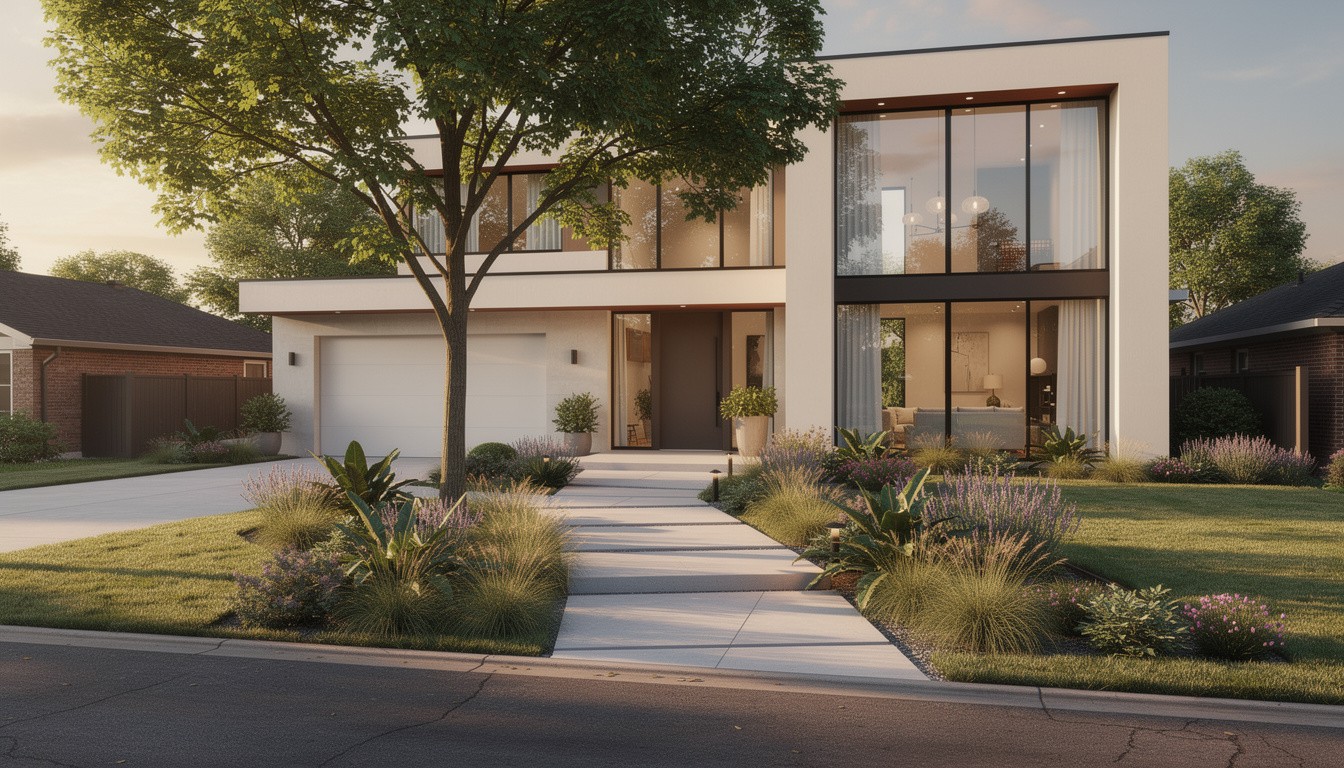
$15–28/sqftA two-story contemporary home with white render, metal accents, and a recessed garage sits behind a concrete walkway flanked by massed ornamental grasses and low architectural perennials. The planting beds hold Karl Foerster grass in bold rows with prairie dropseed filling the ground plane, creating the clean, purposeful masses that define modern front yard design. Chicago's Zone 6a climate is ideal for these cold-hardy architectural grasses, and the Lake Michigan microclimate on the North Shore and East Side actually allows marginally Zone 6b plants to overwinter reliably.
AI-generated image
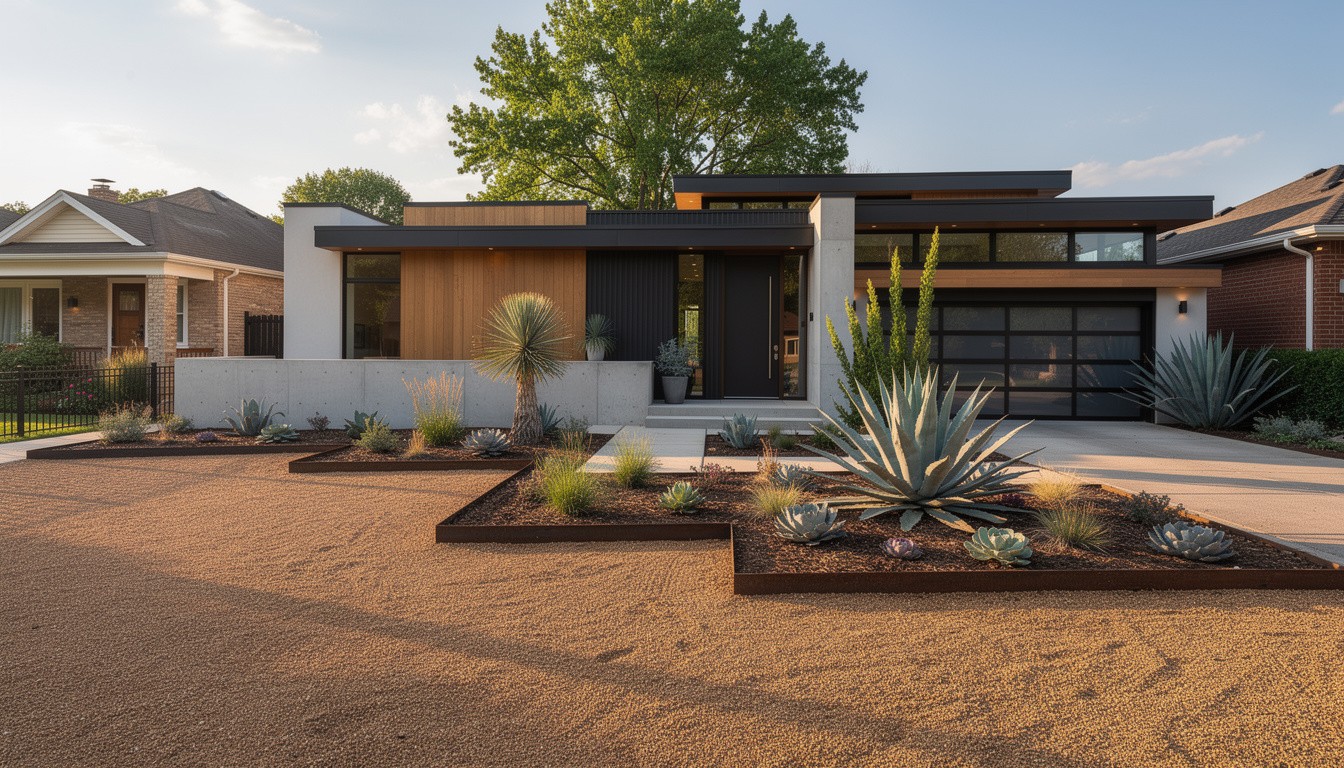
The Wicker Park Desert Modern Front
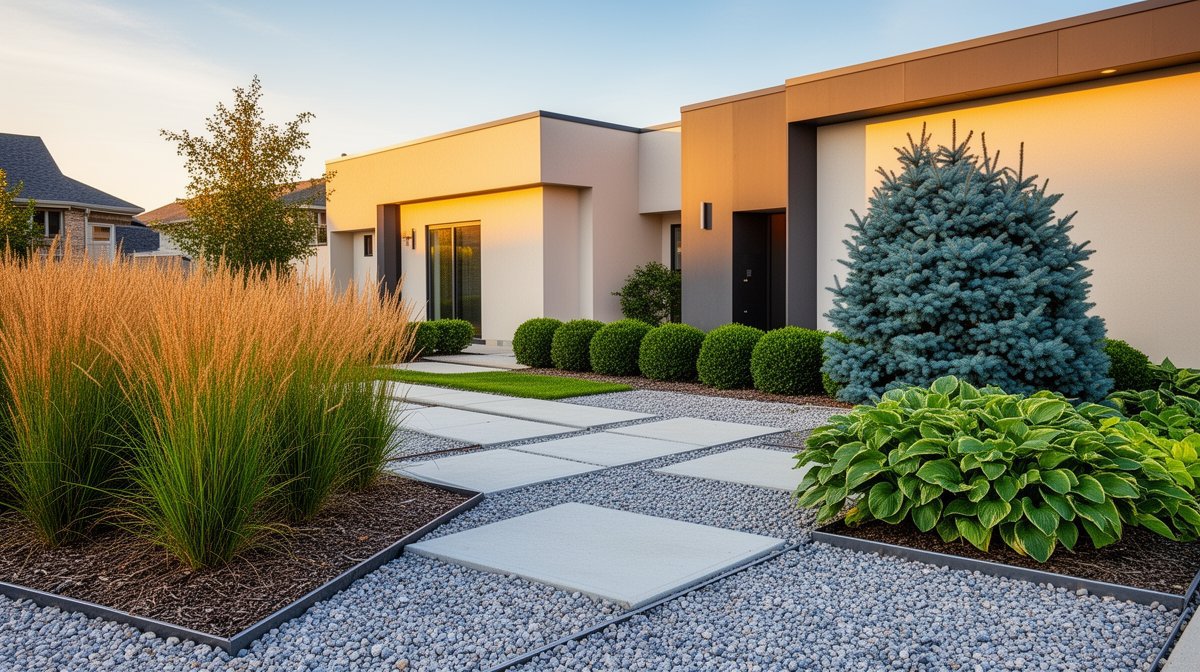
$15–28/sqftA contemporary home with dark horizontal siding and a black garage door is fronted by a crushed red-brown gravel field with Corten steel raised beds planted in agave, yucca, and ornamental grasses. The composition uses bold, asymmetric planting that reads as sculptural from the street. Chicago's relatively high sunshine and warm summers allow convincing desert-modern aesthetics using fully Zone 5–6 hardy plant substitutes. The Corten steel planters echo the industrial design language of Wicker Park and Pilsen's contemporary renovation scene.
AI-generated image
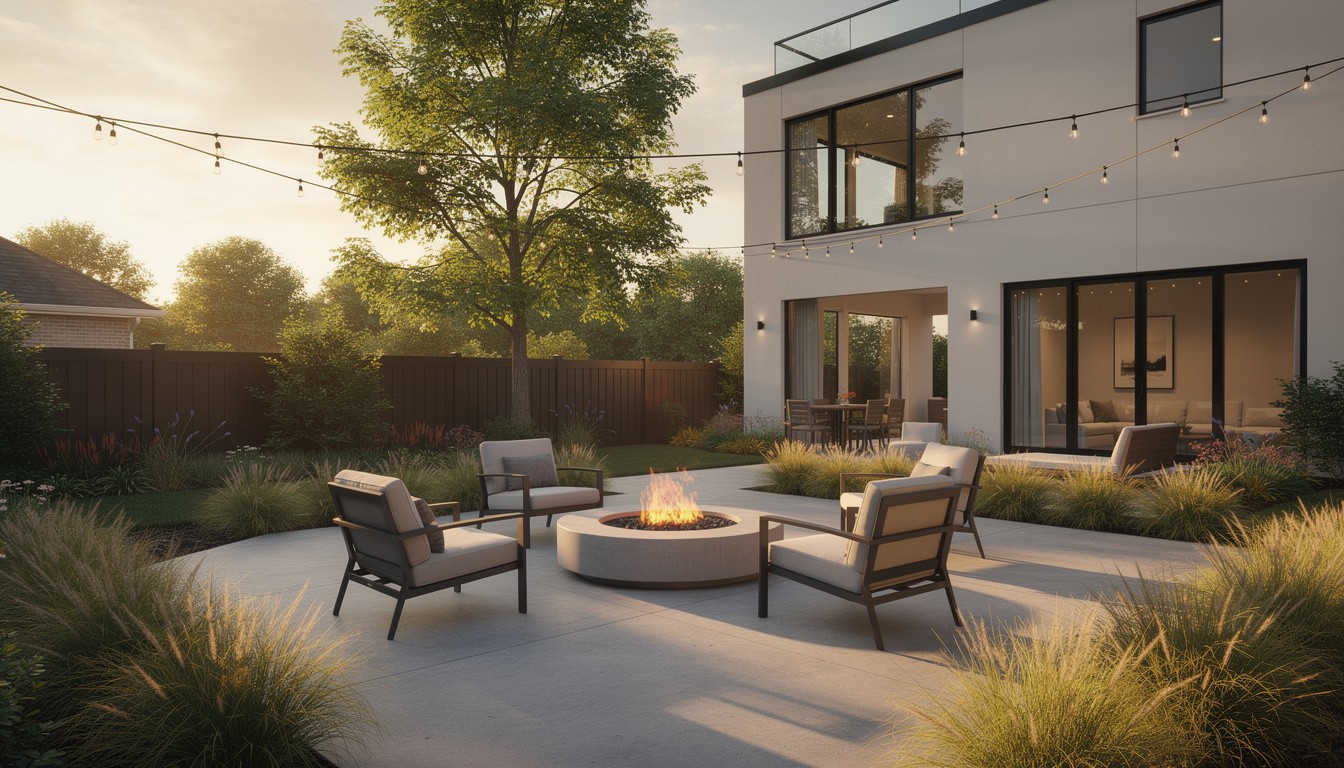
The North Shore Modern Fire Terrace
$20–42/sqftA large concrete patio extends from the rear of a contemporary two-story home, with outdoor sectional seating arranged around a circular concrete fire bowl as the centerpiece. The patio is clean and minimal — no planting in the main surface, ornamental grasses along the fence line, string lights overhead. Chicago's long fall season, with warm days through October and cool evenings, makes the fire element central to extending the outdoor season. This design suits Evanston, Oak Park, and the inner North Shore suburbs where outdoor entertaining is a genuine year-round aspiration.
AI-generated image
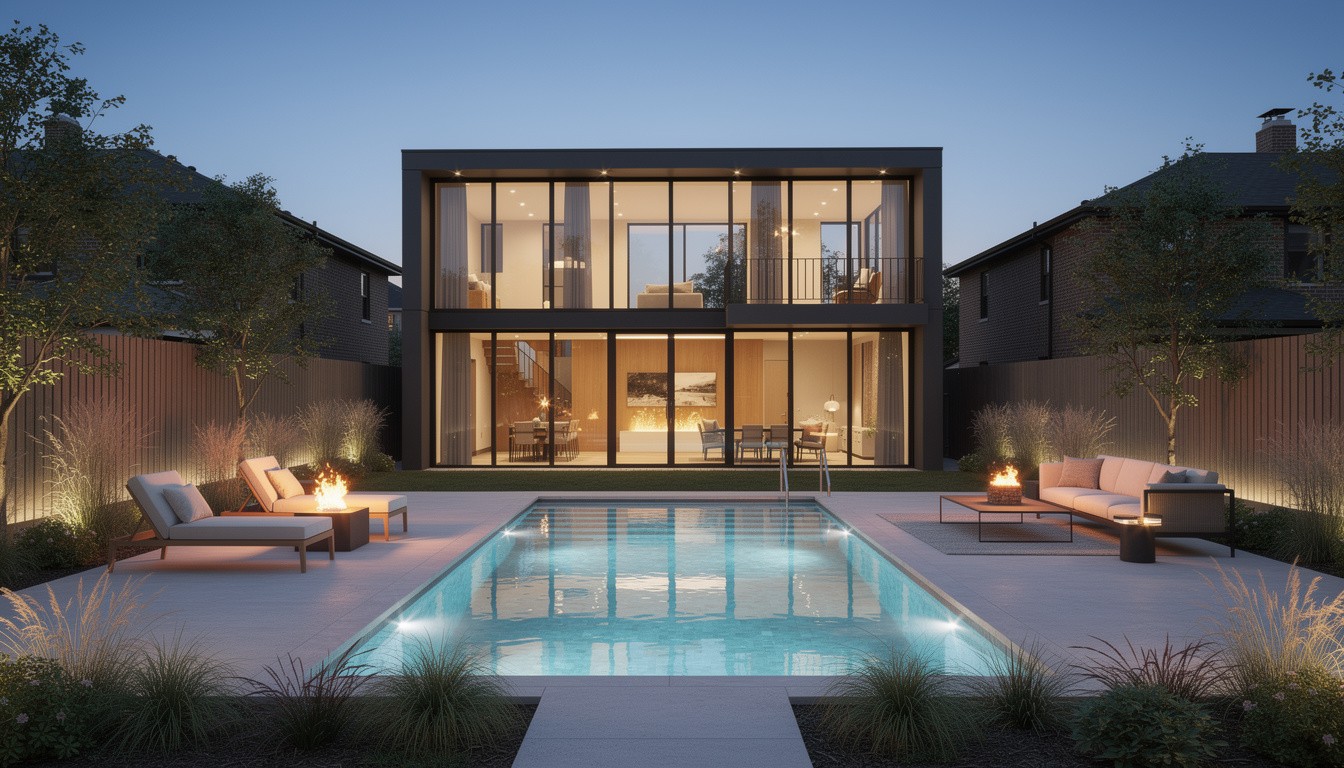
The North Shore Modern Pool Terrace
$45–90/sqftA dark contemporary home with full-height glass walls opens onto a pool terrace with a rectangular pool flanked by wide concrete paver decks and outdoor lounge furniture. Fire element seating groups flank both sides of the far pool edge. LED lighting illuminates the pool surface and uplights accent the architectural plantings. The overall composition achieves the indoor-outdoor living standard that Chicago's North Shore market — Glencoe, Winnetka, Wilmette — increasingly demands, and Chicago's hot, humid July and August provide genuine pool season despite the northern latitude.
See how a modern/minimalist garden looks on YOUR property
Upload a photo of your Chicago yard and visualize your dream garden in seconds.
Try ProScapeAI Free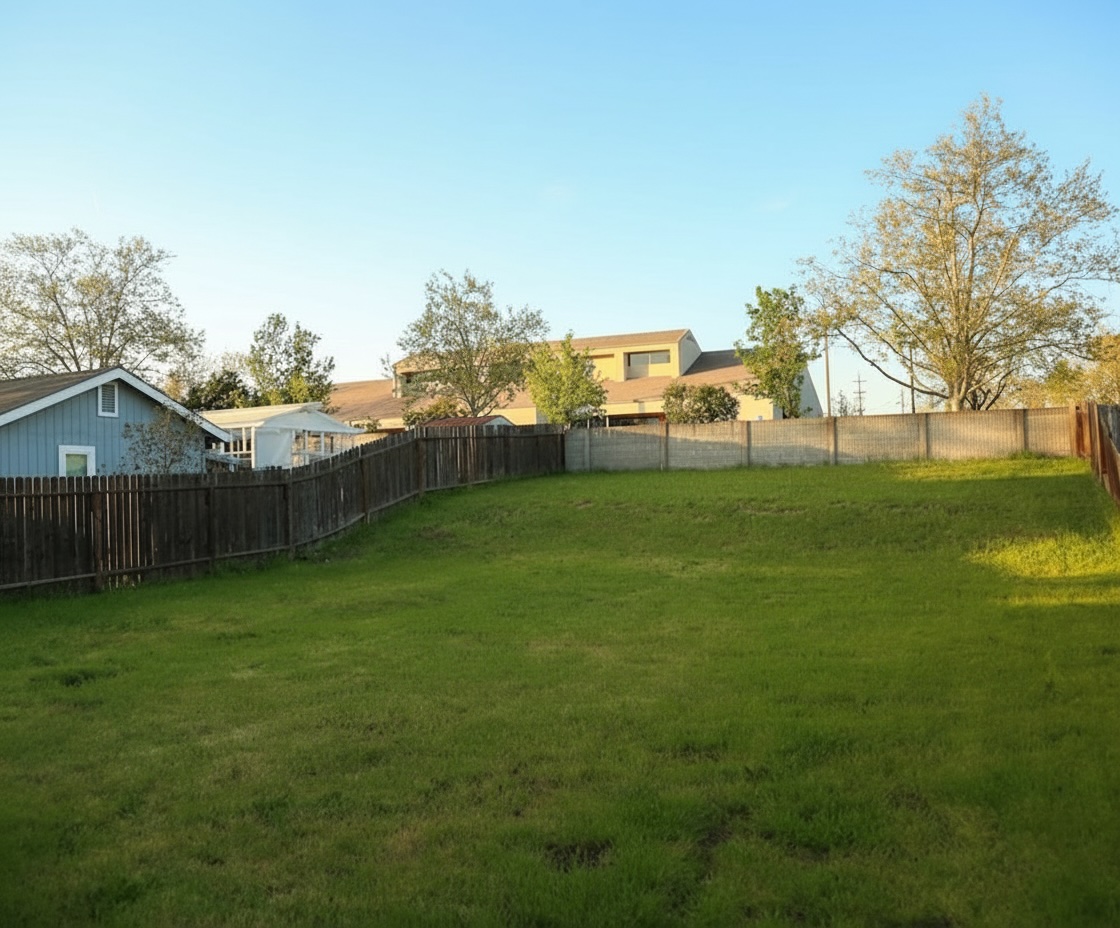
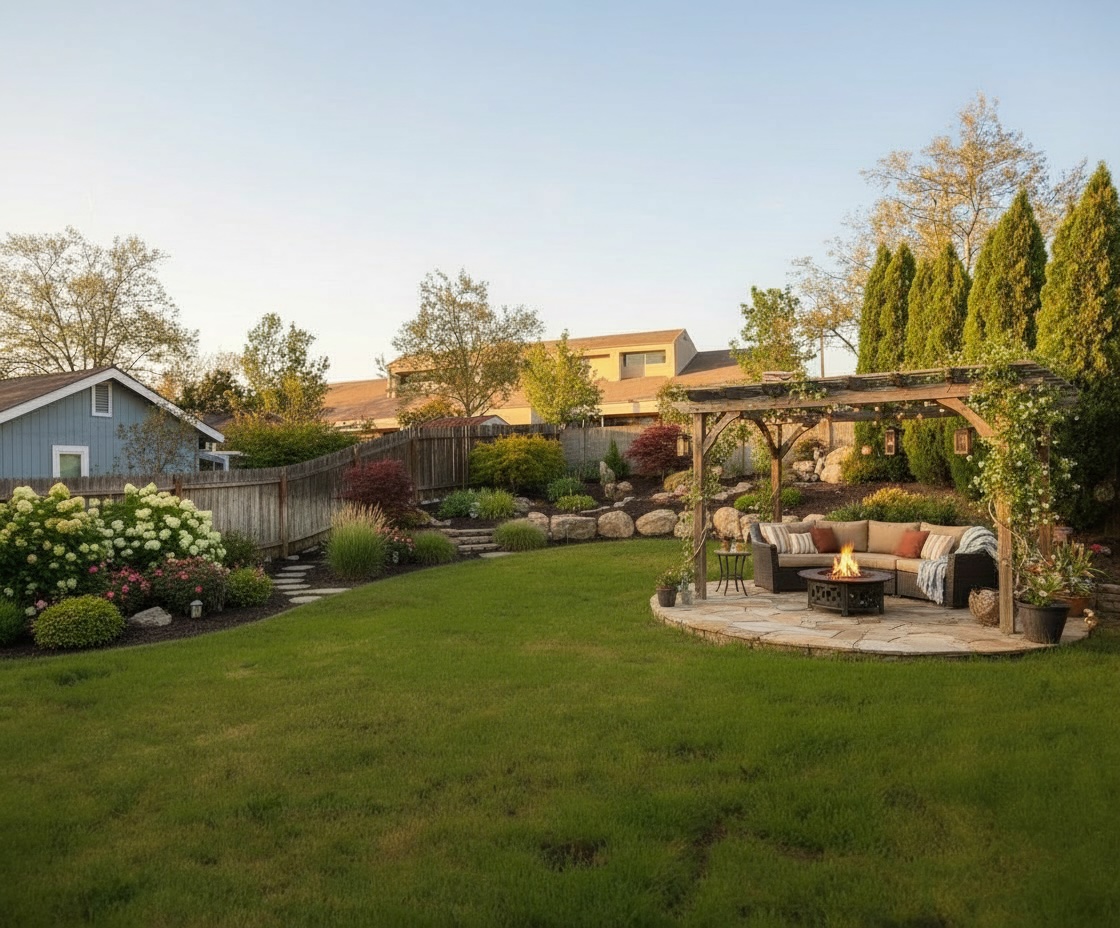
AI-generated image
Featured Trees & Shrubs for Modern/Minimalist Gardens
Browse all 169 plants for Chicago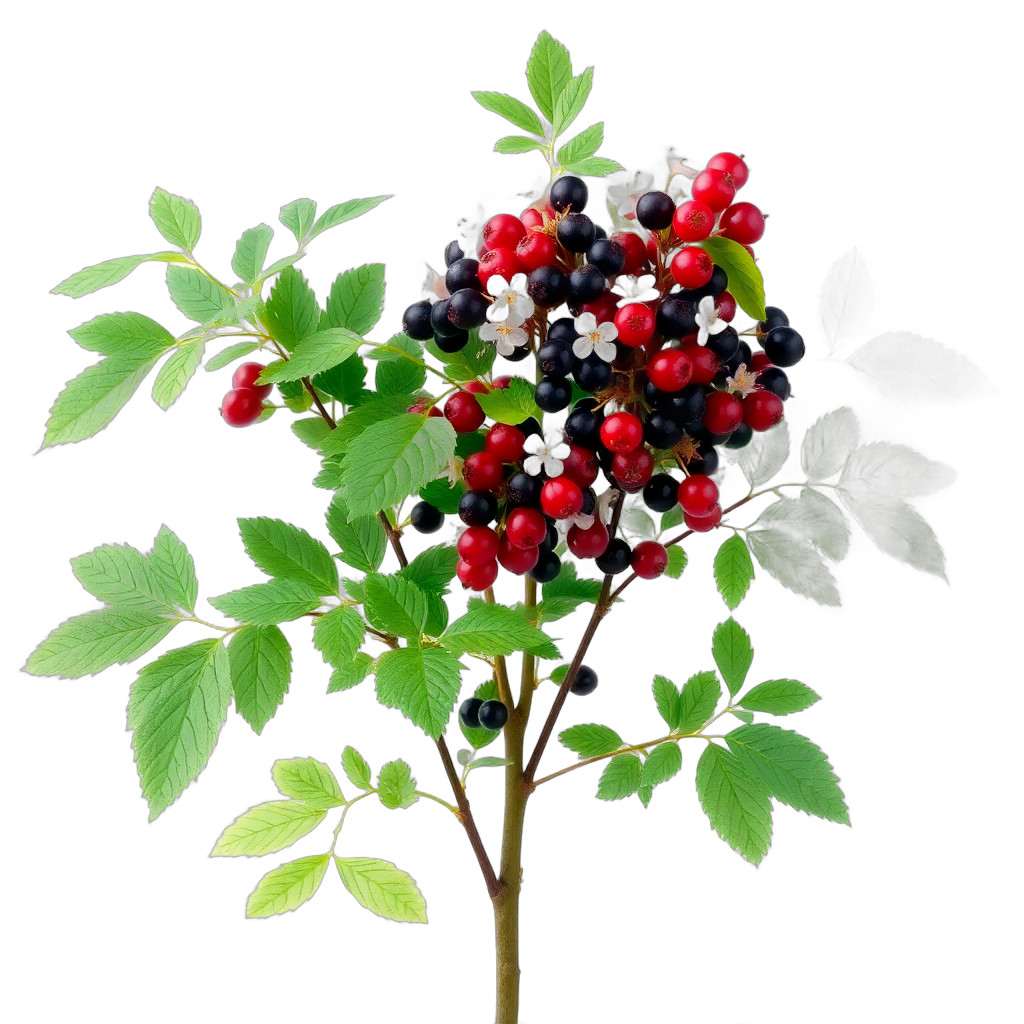
American Black Currant
Ribes americanum
grows to 5 feet, white,yellow blooms in spring. Attracts hummingbirds.
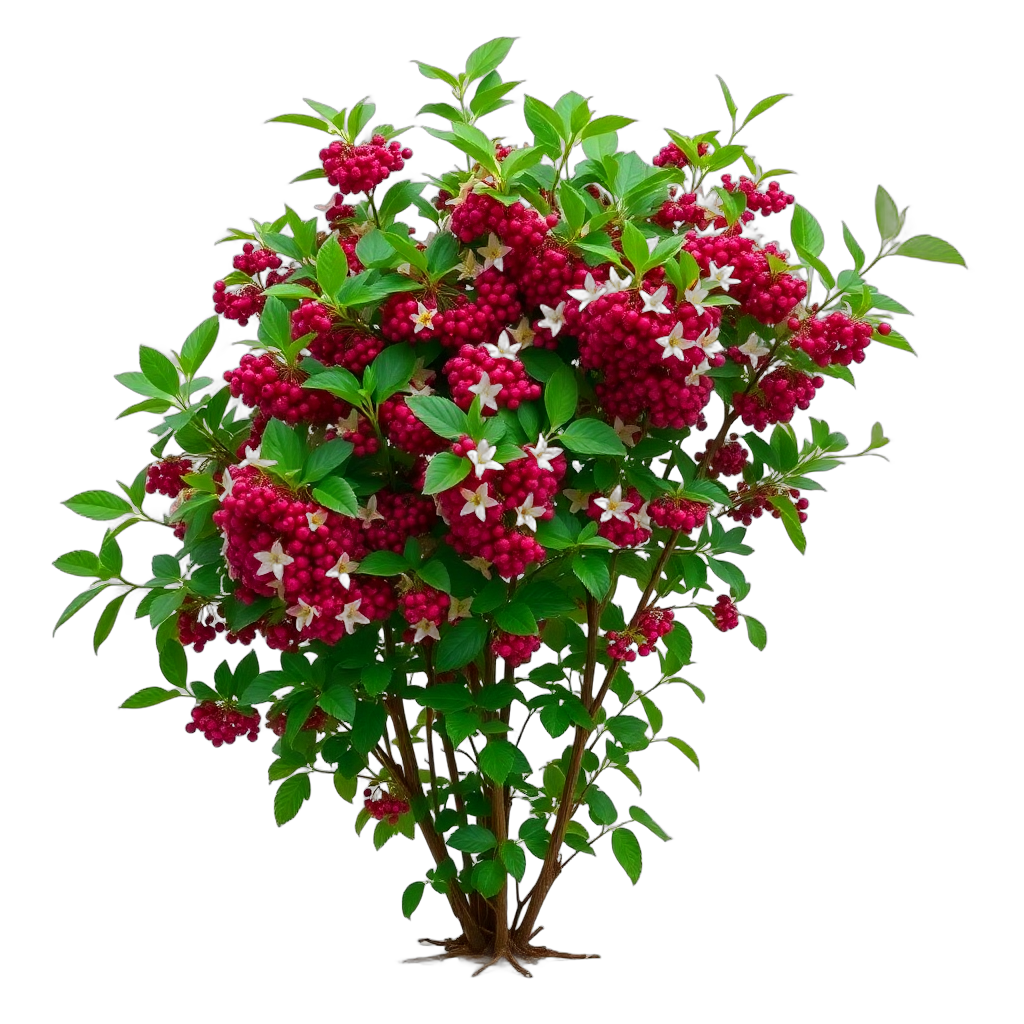
Clove Currant
Ribes odoratum
grows to 6 feet, yellow blooms in spring. Attracts hummingbirds.
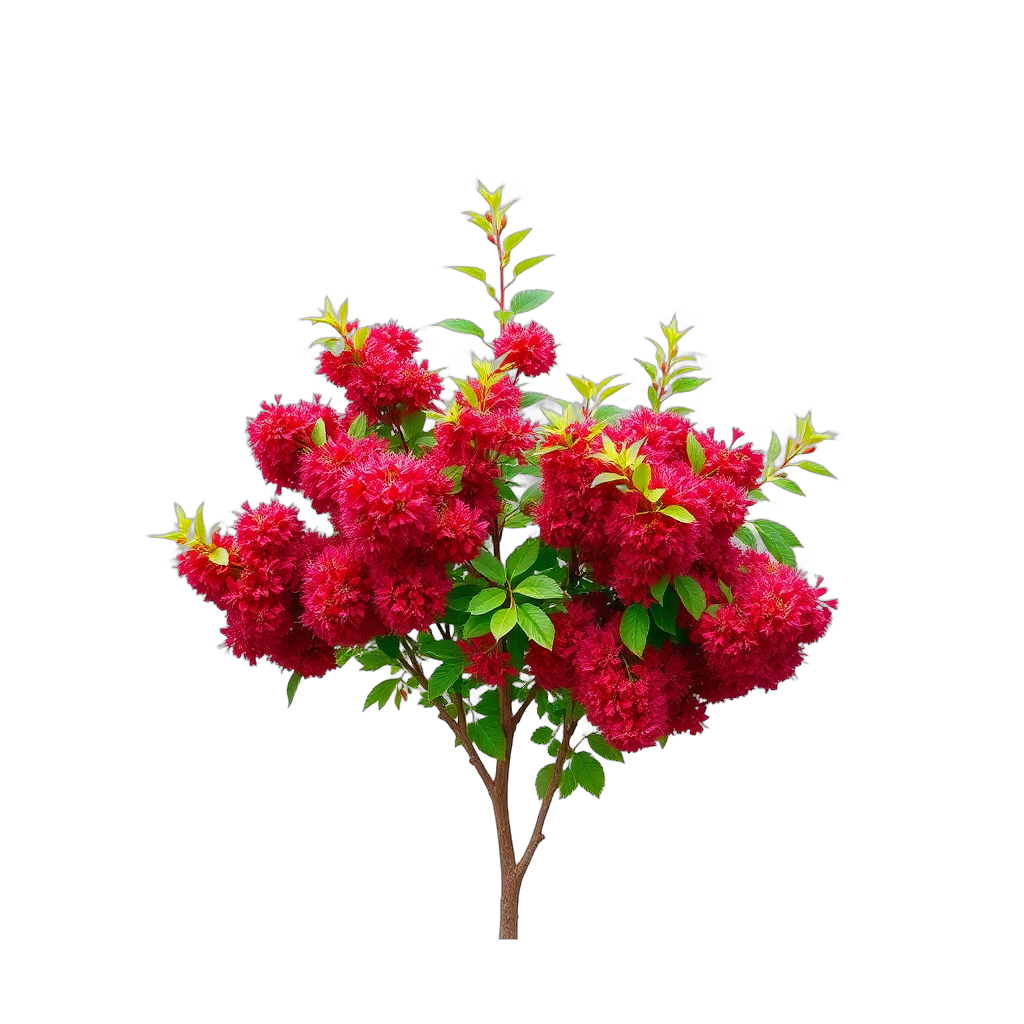
Fragrant Sumac
Rhus aromatica
grows to 4 feet, yellow blooms in spring. Attracts butterflies.
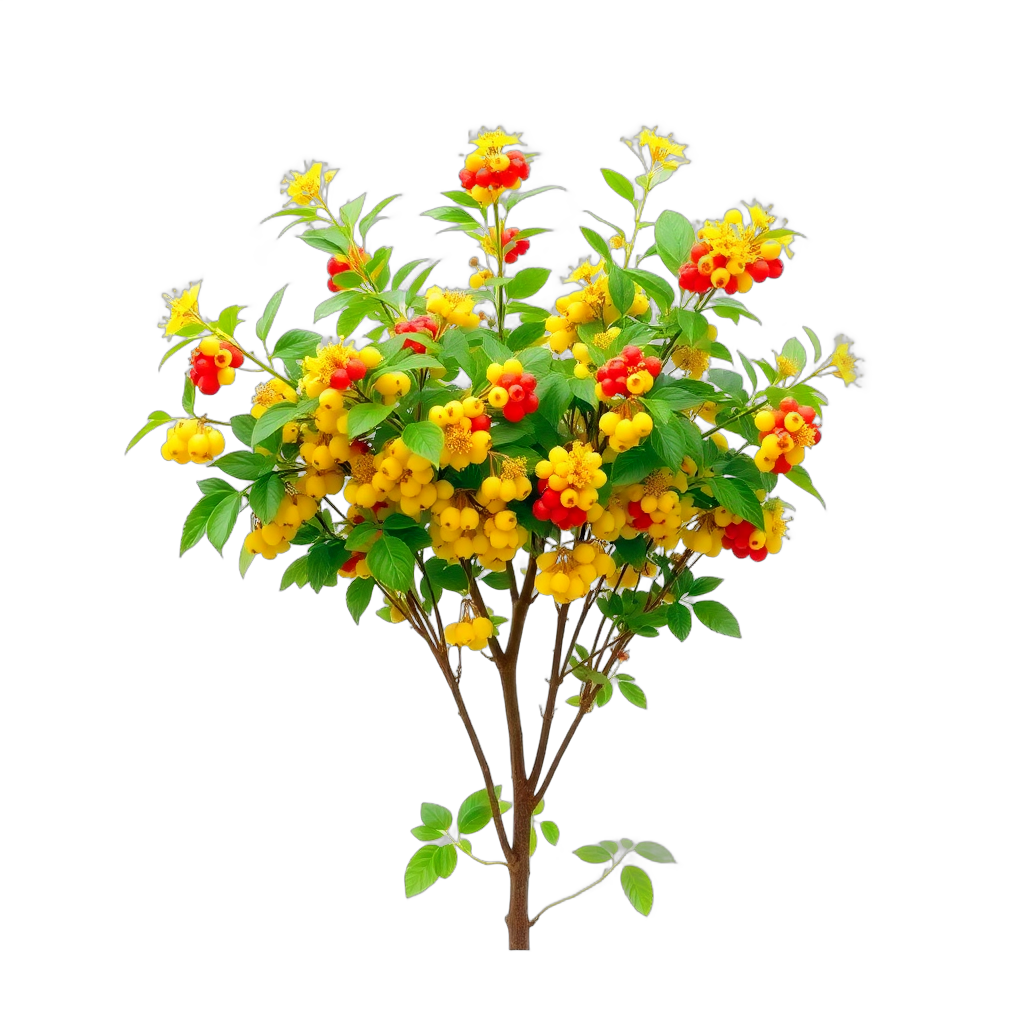
Golden Currant
Ribes aureum
grows to 6 feet, yellow blooms in spring. Attracts hummingbirds.
Featured Grasses & Groundcovers for Modern/Minimalist Gardens
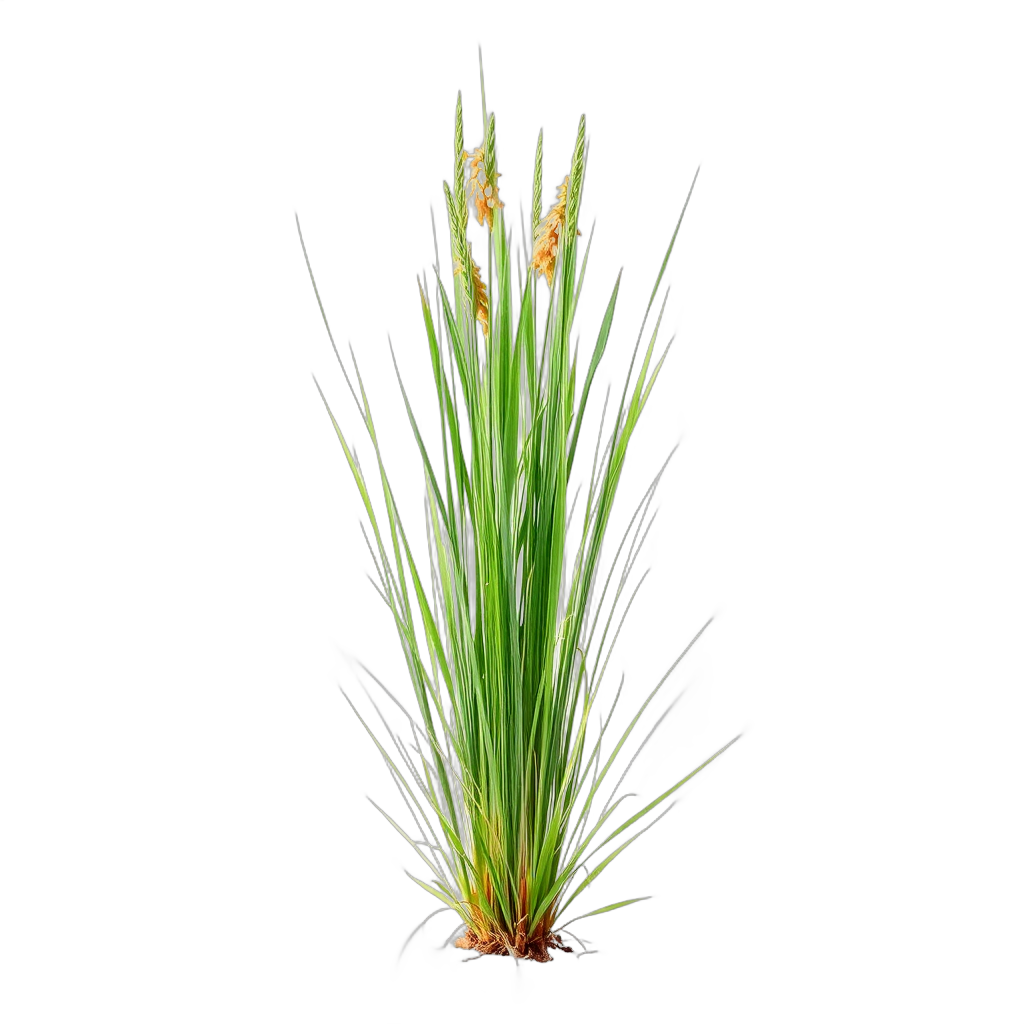
Eastern Gamagrass
Tripsacum dactyloides
grows to 6 feet, blooms in summer. Yellow fall color.
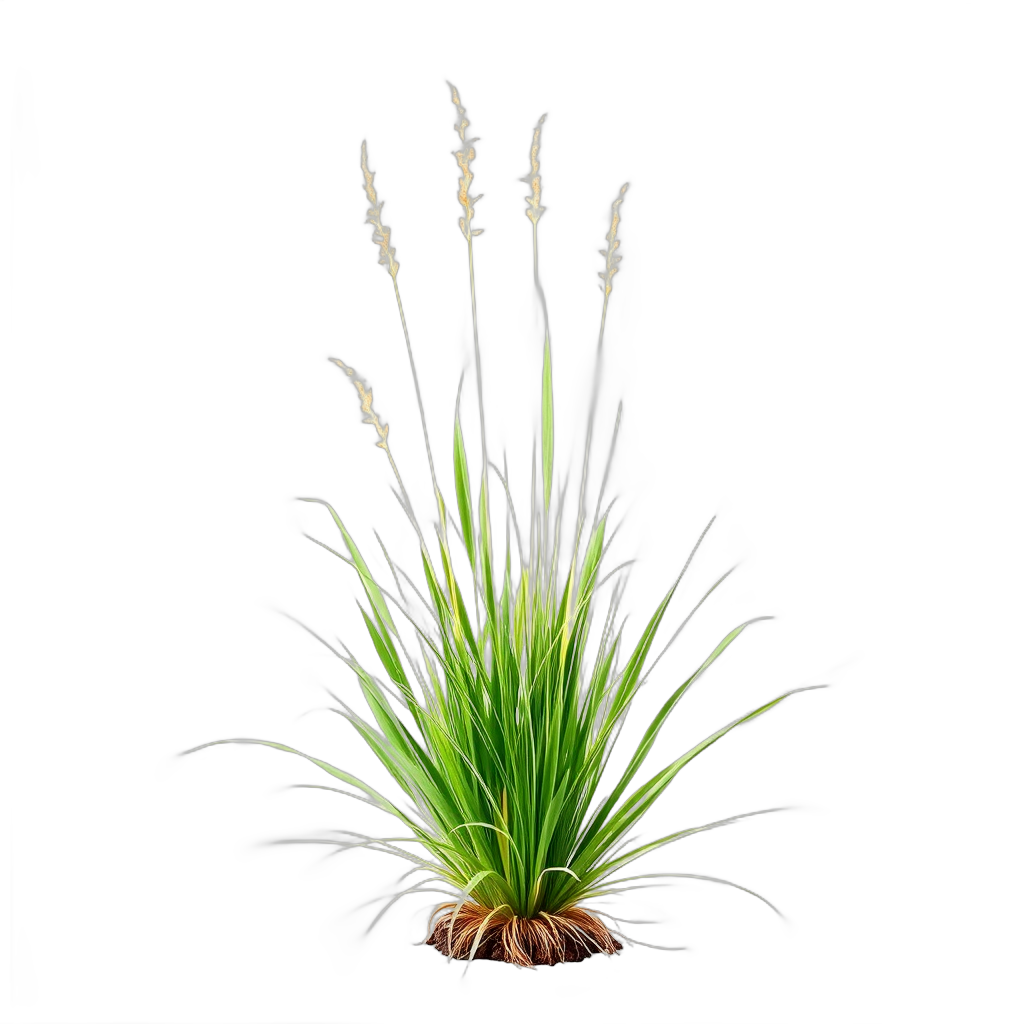
Northern Sea Oats
Chasmanthium latifolium
grows to 4 feet, blooms in fall. Bronze fall color.
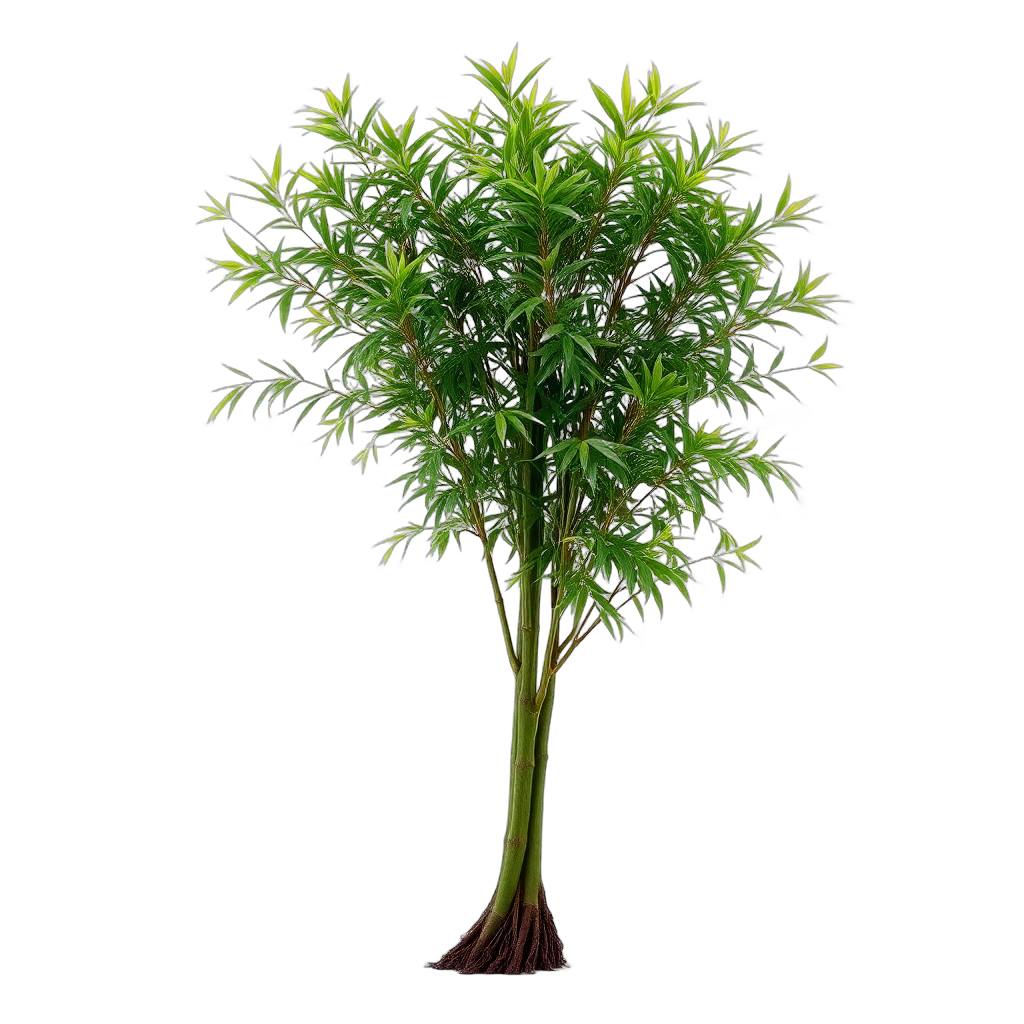
Broad-leaf Bamboo
Sasa palmata
medium-sized at 7 feet, blooms in none. Evergreen year-round.
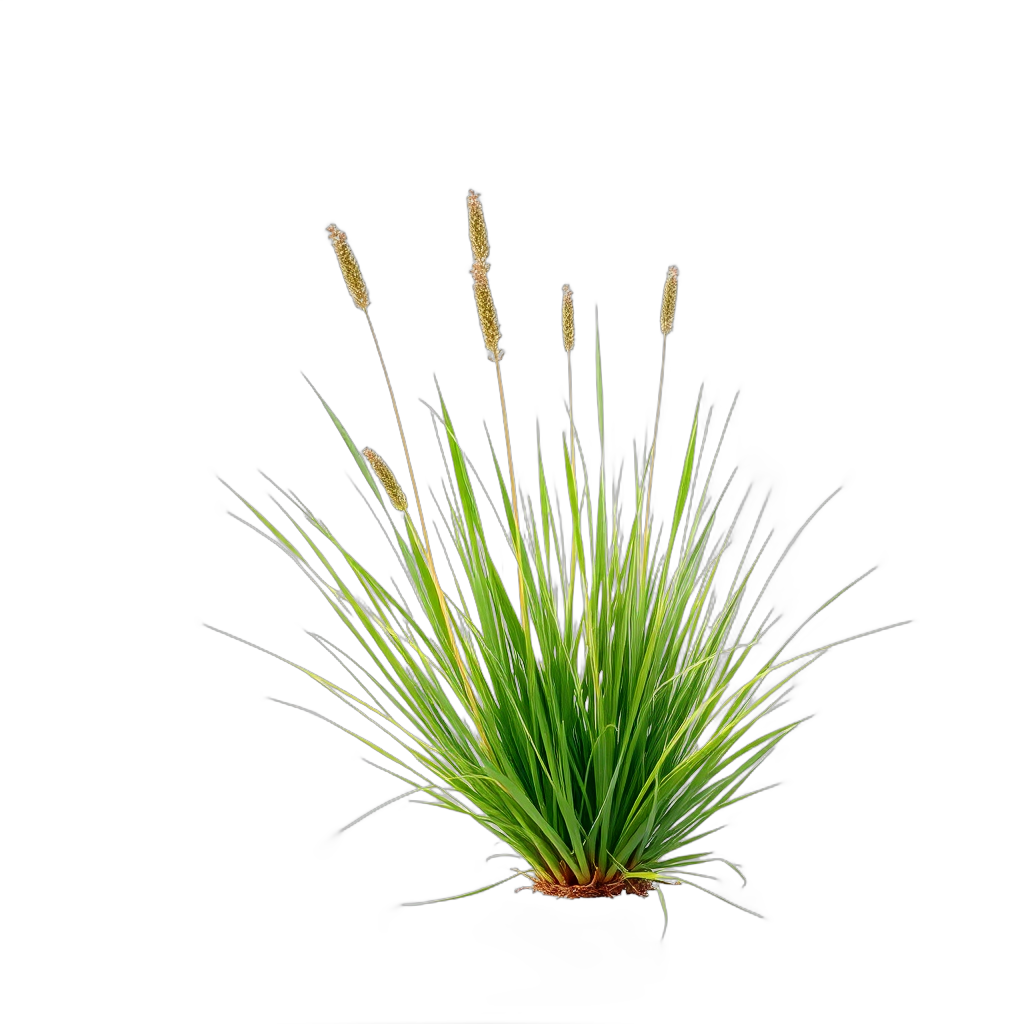
Deer Grass
Muhlenbergia rigens
grows to 3 feet, yellow blooms in fall. Evergreen year-round.
Featured Flowers & Perennials for Modern/Minimalist Gardens
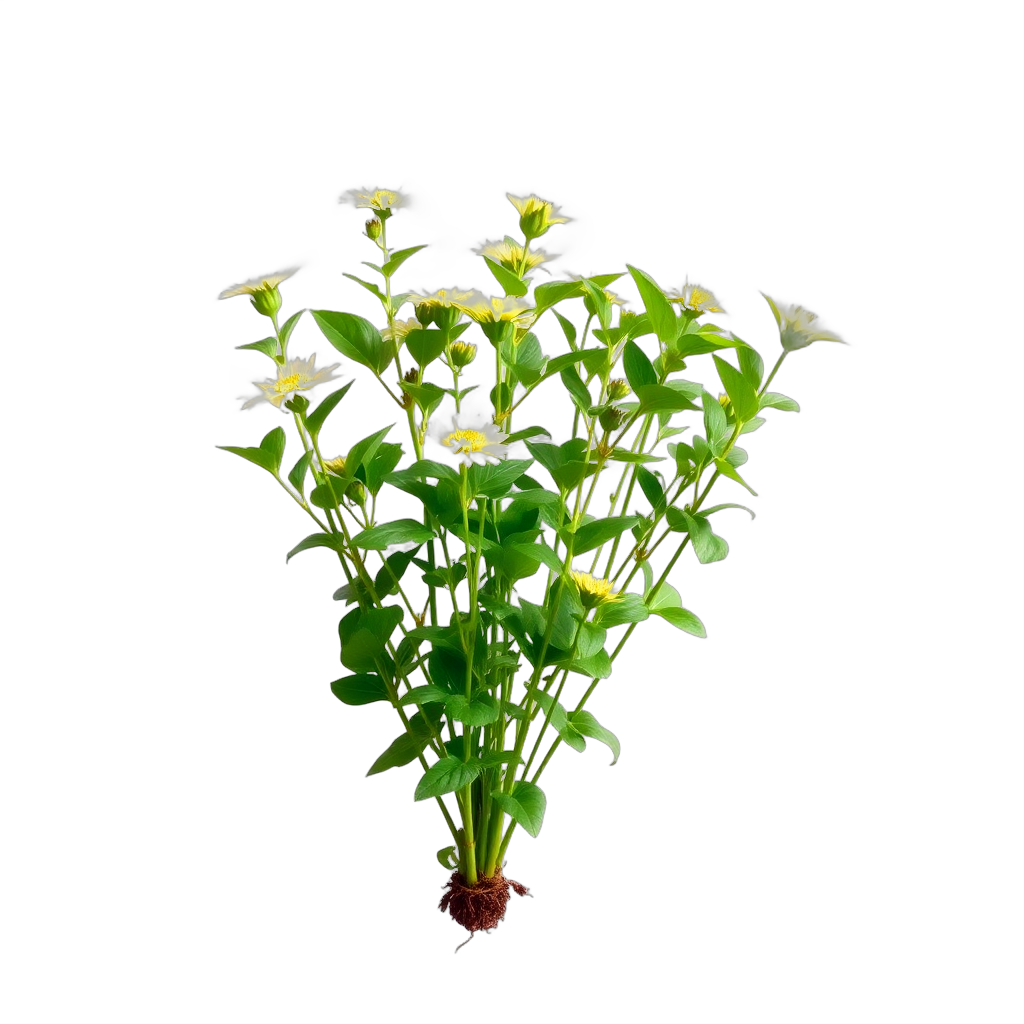
Cup Plant
Silphium perfoliatum
medium-sized at 7 feet, yellow blooms in summer. Attracts butterflies.
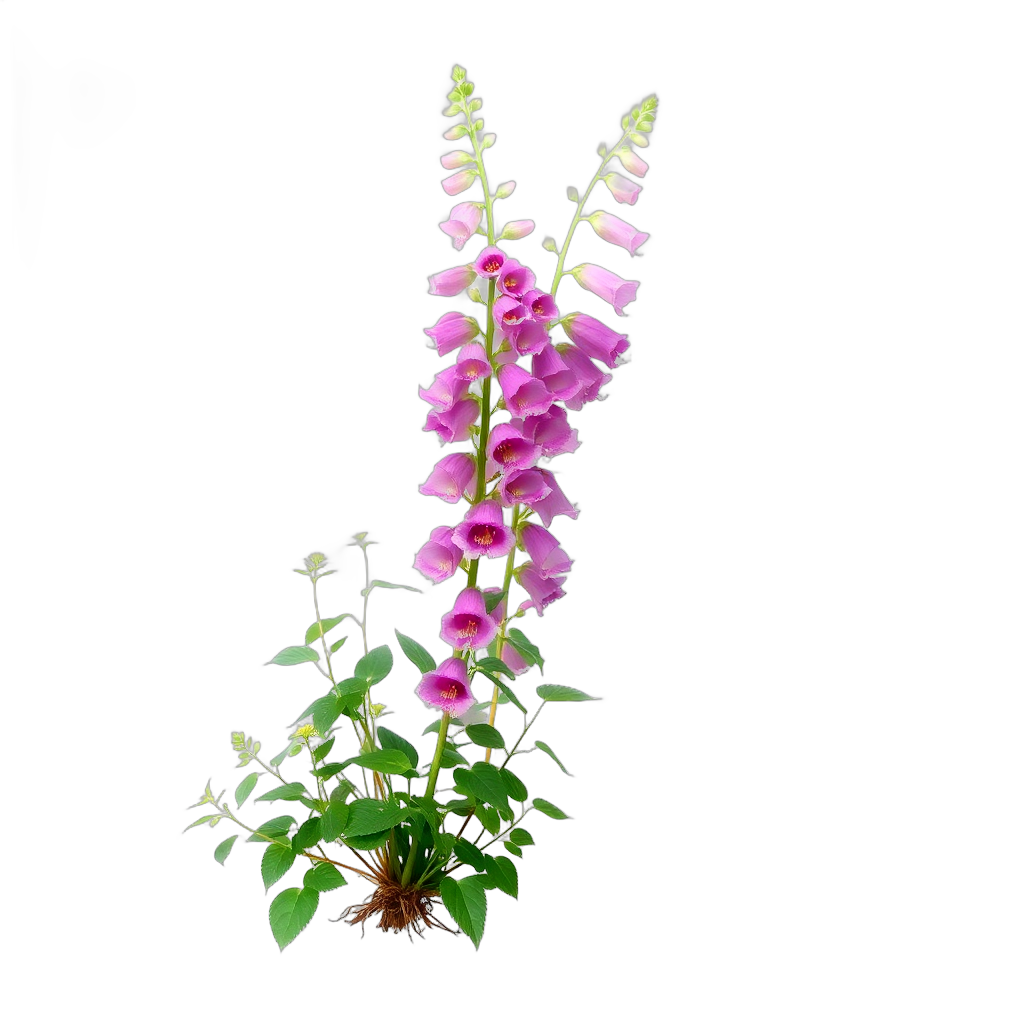
Foxglove Beardtongue
Penstemon digitalis
grows to 3 feet, white blooms in spring. Attracts hummingbirds.
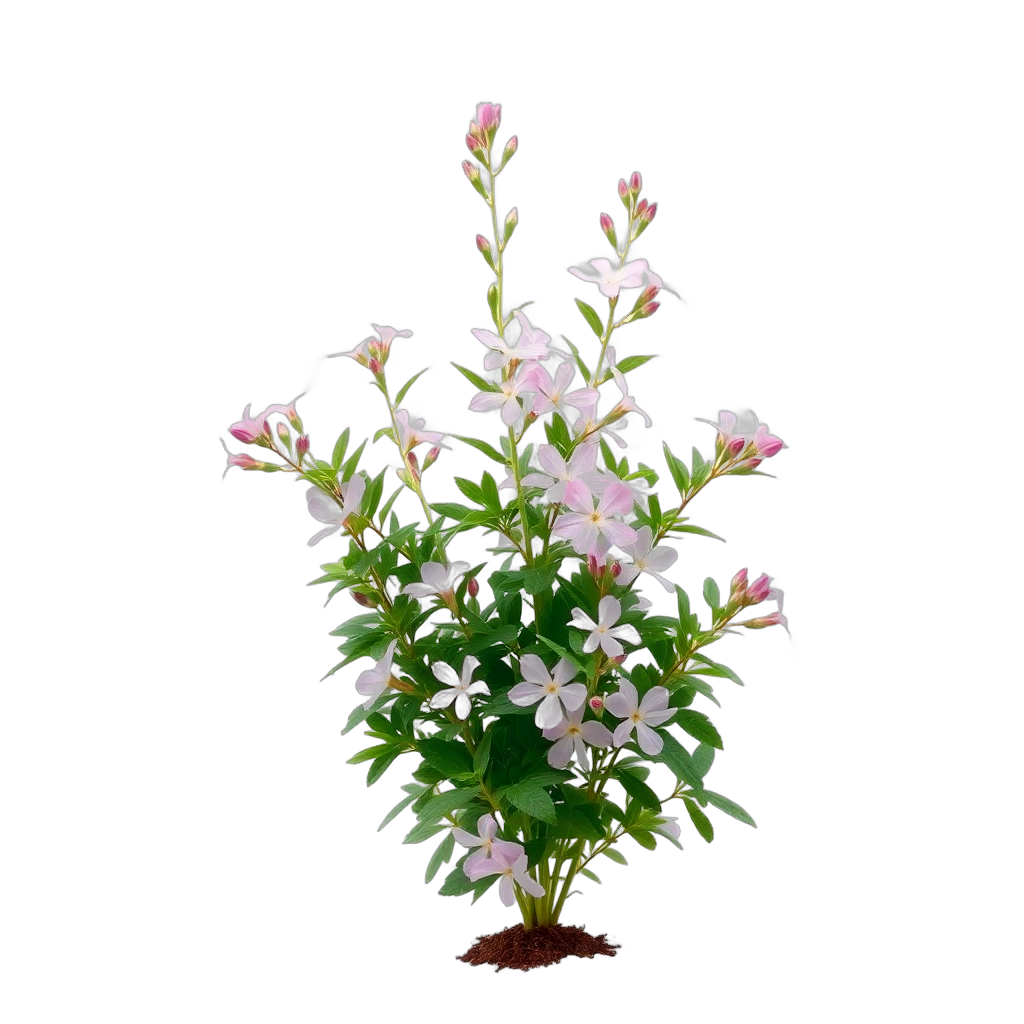
Garden Phlox
Phlox paniculata
grows to 3 feet, multi blooms in summer. Attracts hummingbirds.
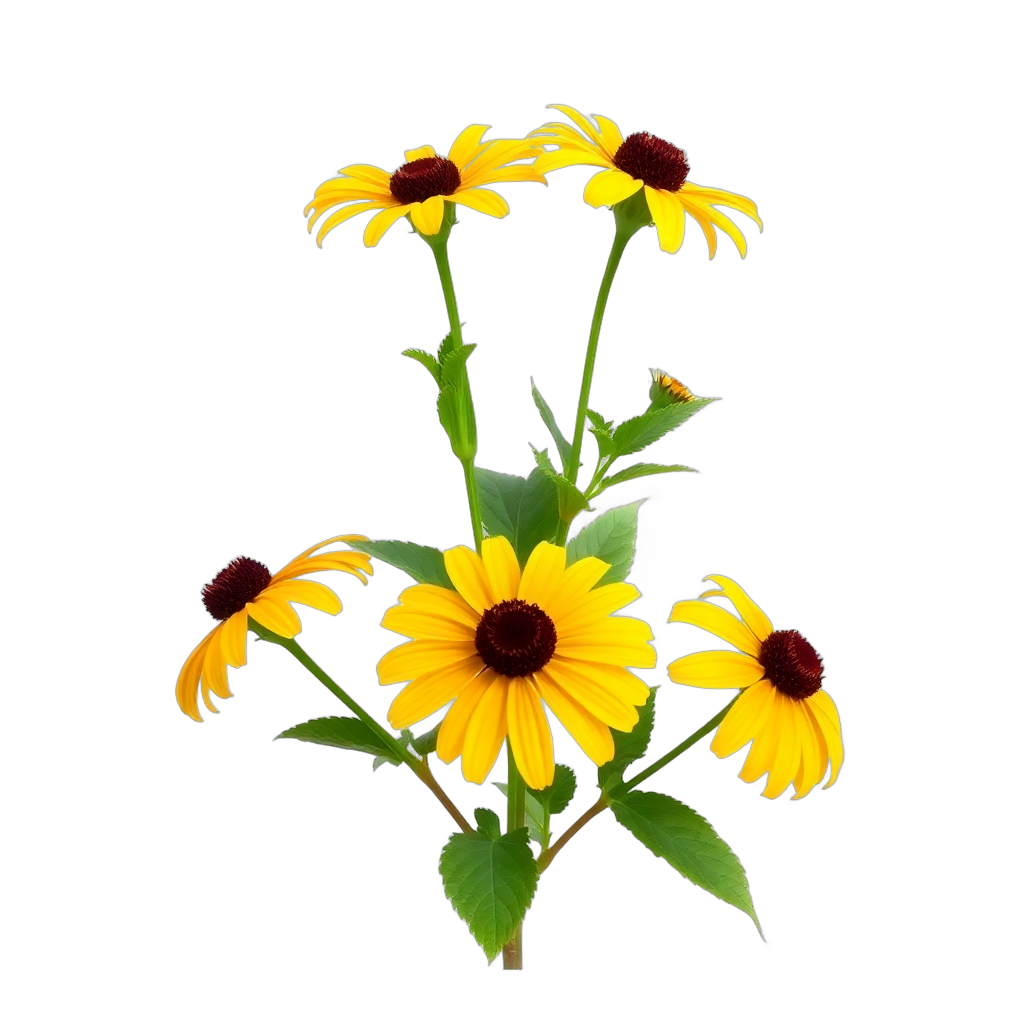
Gloriosa Daisy
Rudbeckia hirta
low-growing ground cover, yellow blooms in summer. Attracts butterflies.
Zone and sun checks come from our database — confirm with your local nursery before you buy.
Bloom Calendar for Chicago
spring
Foxglove Beardtongue, American Black Currant, Clove Currantsummer
Cup Plant, Garden Phlox, Gloriosa Daisyfall
Northern Sea Oatswinter
Limited bloomsDesign Tips for Chicago (Zone 6a)
- Design for four seasons, not just summer — Chicago yards are visible under snow for 3–4 months, so choose hardscape materials and plants (ornamental grasses, berry shrubs, structural trees) that look intentional in January
- Specify air-entrained concrete and a proper compacted gravel base for all flatwork — Chicago's freeze-thaw cycles will destroy improperly installed concrete within 3–5 years
- Plant a 10-foot salt-tolerant buffer near streets and sidewalks using prairie dropseed, smooth blue aster, or little bluestem — these handle Chicago road salt far better than ornamental grasses or most perennials
- Use Corten steel edging instead of powder-coated black steel for bed borders — Corten develops a natural rust patina that actually improves in Chicago's wet climate and never needs repainting
- Size your fire pit for shoulder-season use — a quality gas fire pit extends your outdoor season from May through October and makes the backyard investment worthwhile given Chicago's short summer
- Don't substitute true blue agave for a cold-hardy garden — use 'Color Guard' yucca or 'Bright Edge' yucca for the same spiky architectural look at a fraction of the replacement cost when the next polar vortex hits
Where to Source Plants in Chicago
Skip the big-box stores. These independent Chicago nurseries specialize in the plants that make modern/minimalist gardens thrive in Zone 6a.
Christy Webber Farm & Garden Center
Humboldt Park
Native plants, perennials, organic products — neonicotinoid-free
Gethsemane Garden Center
Andersonville
Perennials, ornamental plants, trees and shrubs — year-round independent garden center
Farmers Market Garden Center
Ravenswood
Native plants, perennials, bulbs, organic supplies — family-owned urban garden center
Urhausen Greenhouses
Lincolnwood
Ornamental grasses, perennials, herbs — 80+ year family business with 2-acre greenhouse
Possibility Place Nursery
Monee (South Suburbs)
300+ species of native Illinois plants, ecological restoration specialists
Modern/Minimalist Landscaping Costs in Chicago
| Project Scope | Estimated Cost |
|---|---|
| Front yard modern redesign (turf removal + gravel + specimen plants) | $8,000 – $20,000 |
| Concrete or natural stone paver terrace (200–400 sqft) | $14,000 – $32,000 |
| Backyard modern room with fire feature + seating | $25,000 – $65,000 |
| Pool deck + landscaping (full backyard) | $55,000 – $150,000 |
| Corten steel raised planter beds | $650 – $1,800 each |
| AI visualization with ProScapeAI | Free to start |
Estimates based on Chicago, IL-area contractor rates as of 2026. Actual costs vary by site conditions, materials, and contractor.
Chicago Climate & Growing Zone

USDA Zone 6a
Hardiness zone for Chicago
Central US forest-grasslands transition
Native ecoregionFrequently Asked Questions
Do I need a permit for landscaping in Chicago?
Most residential landscaping in Chicago doesn't require a permit. You will need one for: retaining walls over 5 feet, decks or pergolas (building permit required), electrical work for landscape lighting, fences over 5 feet in most zoning districts, and any work that alters drainage toward neighboring properties. Chicago also has parkway regulations governing what you can plant in the strip between the sidewalk and street — check with the Chicago Department of Transportation before modifying that area.
How do I protect plants over Chicago's winters?
Choose Zone 6a-rated plants and you won't need to protect most of them. For borderline plants (Zone 7 or warmer), use 4–6 inches of wood chip mulch around the root zone after the ground freezes in late November. Cut ornamental grasses back to 4–6 inches in late February or early March — don't cut them in fall, as the standing stalks provide winter interest and insulate the crown. Tender plants like agave or tropical specimens must be brought indoors before first frost (typically mid-October in Chicago).
How does road salt damage landscaping and how do I prevent it?
Chicago's heavy road salt use is one of the most underappreciated landscape threats in the city. Salt spray from streets and sidewalks can kill lawn edges, burn evergreens, and stunt plants within 8–10 feet of a treated surface. Strategies: use salt-tolerant plants near the parkway (prairie dropseed, smooth blue aster, little bluestem), install a gravel buffer or raised bed edge to separate plantings from sidewalk runoff, and flush salt-impacted areas with water in early spring. Avoid rock salt on your own walkways — use calcium magnesium acetate or sand instead.
What plants work best for modern landscaping in Zone 6a Chicago?
The best modern-look plants for Chicago are reliably Zone 6a-hardy and provide winter interest. Top choices: Karl Foerster feather reed grass, Shenandoah switchgrass, 'Color Guard' yucca (spiky and architectural, survives Chicago winters), serviceberry (multi-season interest), crabapple, winterberry holly, prairie dropseed, and ornamental alliums. Avoid blue agave outdoors — it's not Zone 6a-hardy. Substitute cold-hardy yucca for the same sculptural effect.
Will freeze-thaw cycles crack my concrete or pavers?
They can, if the installation isn't done correctly. Chicago's freeze-thaw cycles are brutal — water expands 9% when it freezes, which cracks any material with trapped moisture. For concrete: specify air-entrained concrete mix (designed for freeze-thaw), proper base compaction (6–8 inches of compacted gravel), and annual sealing. For pavers: use a polymeric sand joint filler that prevents water infiltration. Avoid natural bluestone or flagstone without proper sealing — they spall badly. Concrete and properly installed porcelain pavers are the most durable options.
How much does modern landscaping cost in Chicago?
Chicago pricing falls in the Midwest mid-range — meaningfully higher than Southern cities but below New York or LA. A front yard redesign (400–600 sqft) with hardscape and Zone 6a plantings typically runs $5,000–12,000. Full backyard projects with patio, fire feature, lighting, and plantings range from $20,000–55,000. Pool additions add $40,000–$80,000+ depending on size and finish level. Labor rates in Chicago average $65–95/hour for experienced landscape contractors.