4 Modern Garden Ideas for Cincinnati, OH | Contemporary Landscaping in Zone 6b
Native plants from the Interior Plateau US Hardwood Forests (Zone 6b) — Humid continental (hot summer) climate
Why Modern/Minimalist Gardens in Cincinnati?
Cincinnati’s contemporary landscape design scene has found a strong home in Anderson Township, Blue Ash, Hyde Park, and the city’s East Side developments—where new construction and gut-renovated Victorians alike create demand for outdoor spaces that match sophisticated interior design with equivalent exterior quality. The Ohio Valley’s landscape investment culture has matured significantly, with homeowners treating outdoor spaces as genuine extensions of their living environment rather than maintenance obligations.
Zone 6b’s climate shapes Cincinnati contemporary design in fundamental ways. Four true seasons—cold snowy winters, wet springs, hot humid summers, and magnificent falls—require a landscape that performs visually across all of them. Contemporary designs must look architecturally intentional under January snow cover, deliver green structure through the humid summer, and capitalize on the spectacle of Ohio Valley fall color. The design solution is a framework of structural evergreen elements, strong hardscape geometry, and ornamental grasses selected specifically for their winter interest—Karl Foerster’s vertical seed heads under frost is one of the most beautiful images in contemporary Midwest landscape design.
The fire pit terrace is Cincinnati’s most culturally resonant outdoor investment—the city’s strong outdoor gathering tradition, the University of Cincinnati and Xavier University cultures, and the long cool shoulder seasons all point toward fire-centered outdoor design as the highest-utility installation. Ohio Valley falls are genuinely spectacular: 70°F crisp days in October, red and orange tree canopy throughout the hills, and the pleasure of outdoor gatherings that cool weather creates. A fire pit in October in Cincinnati is one of American outdoor living’s peak experiences, and any backyard that enables it represents a significant quality-of-life investment.
4 Modern/Minimalist Design Ideas for Cincinnati
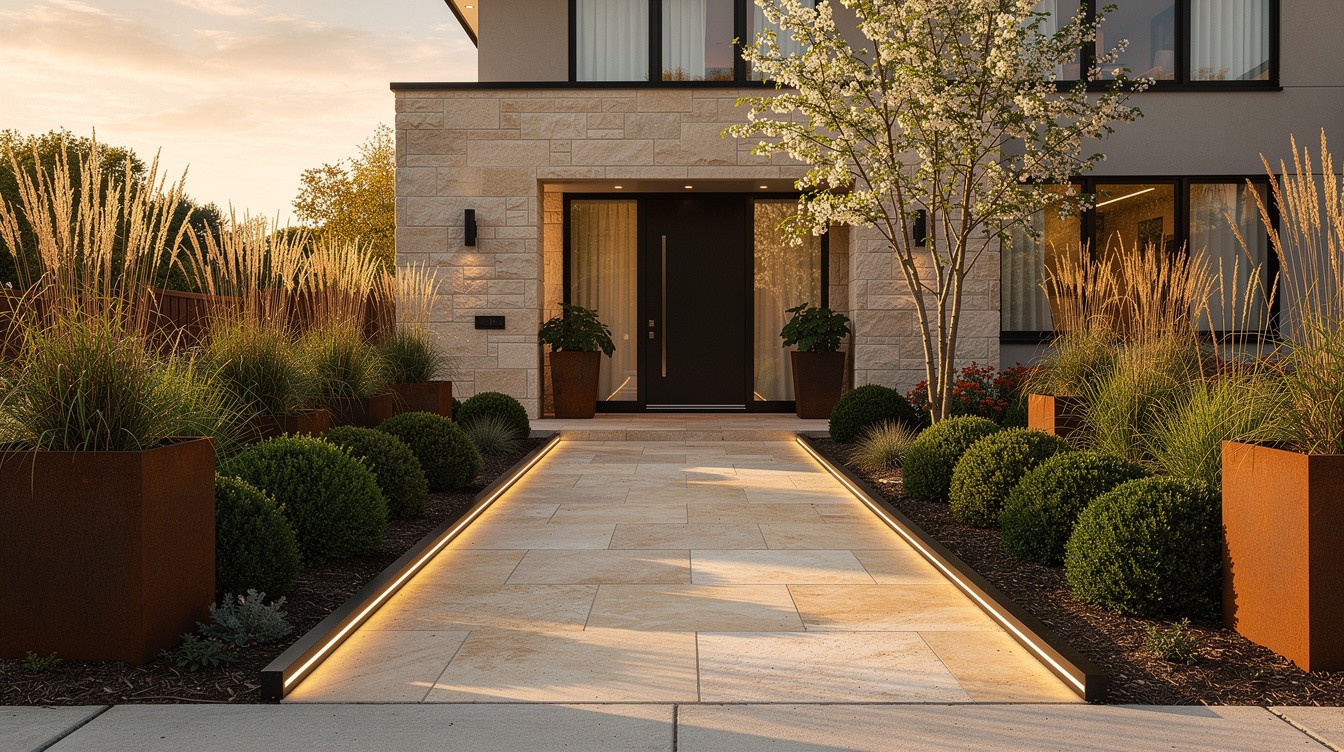
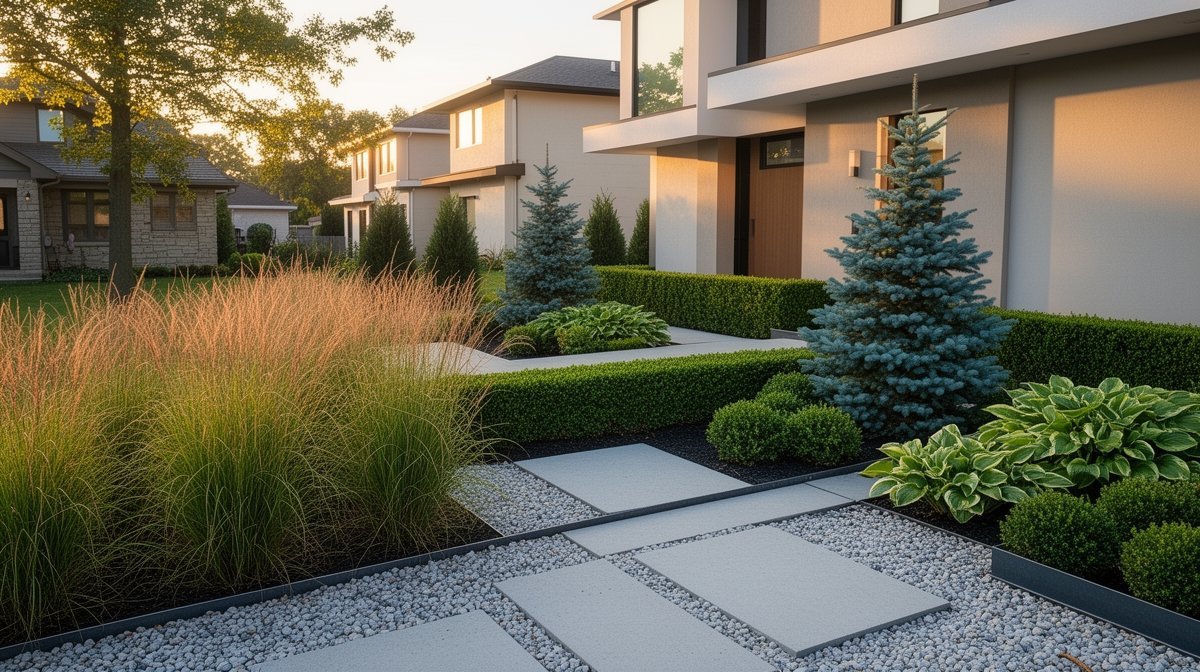
Ohio Limestone Entry with Ornamental Grasses and Boxwood Structure
$14–28/sqftOhio limestone slabs—locally quarried, warm honey-tan, and geologically authentic to the Cincinnati area—create a bold contemporary front entry path flanked by Karl Foerster feather reed grasses in corten steel planters and compact boxwood hemispheres in alternating arrangement. The grasses provide vertical seed spike architecture through winter; the boxwood provides year-round evergreen structure through Cincinnati’s snowy months. Black steel edging defines the planting beds, and LED strip lighting transforms the entry at dusk during Cincinnati’s long dark winters. A specimen multi-stem serviceberry at the corner contributes white spring bloom, summer berries, and outstanding fall color.
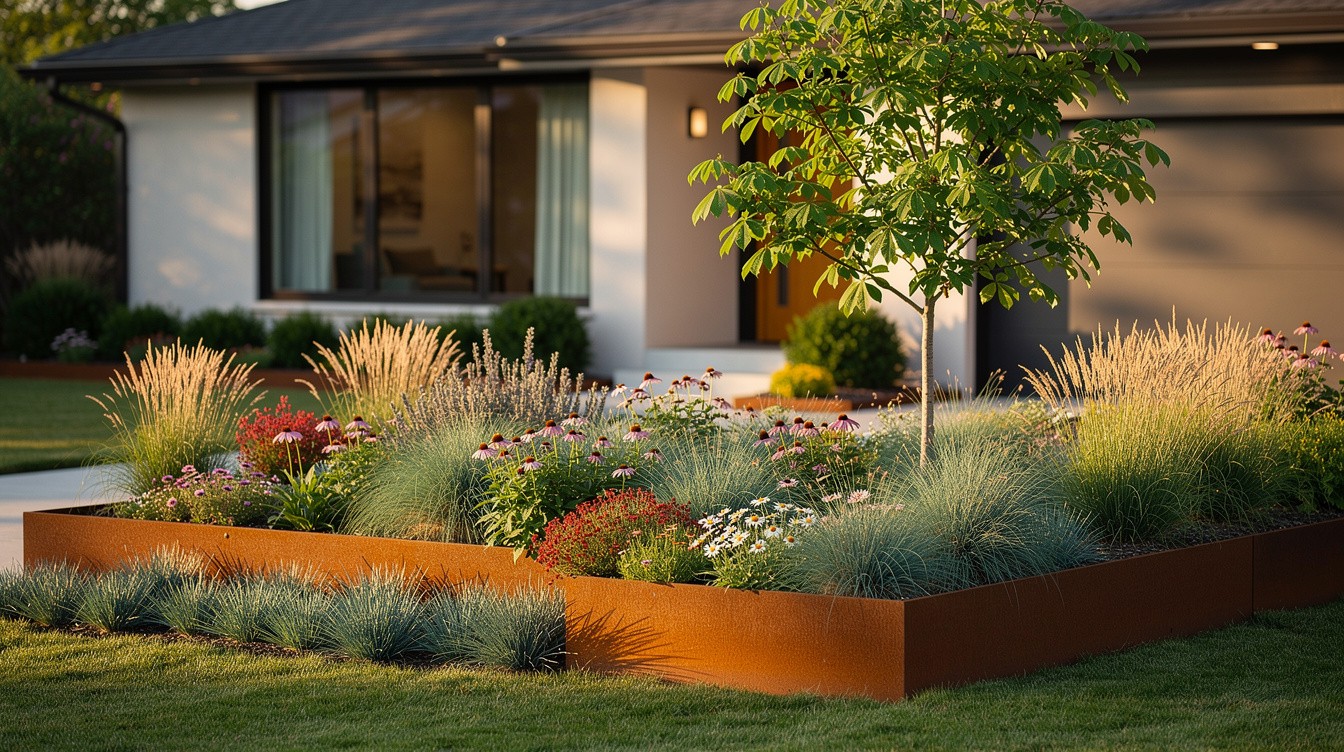
Prairie-Inspired Native Front Yard with Native Grasses
$12–24/sqftA contemporary front yard conversion from lawn to a native Ohio prairie-inspired composition—little bluestem, switchgrass, and prairie dropseed in geometric corten steel-edged beds, with coneflowers and native asters providing seasonal bloom. A specimen Ohio buckeye or serviceberry anchors the composition. The design honors the Bluegrass and mixed hardwood forest-savanna that defined the pre-settlement Cincinnati landscape, creating a contemporary native planting that delivers four-season interest: blue summer grass, red fall color on little bluestem, tan architectural winter forms under snow, and spring green emergence in March.
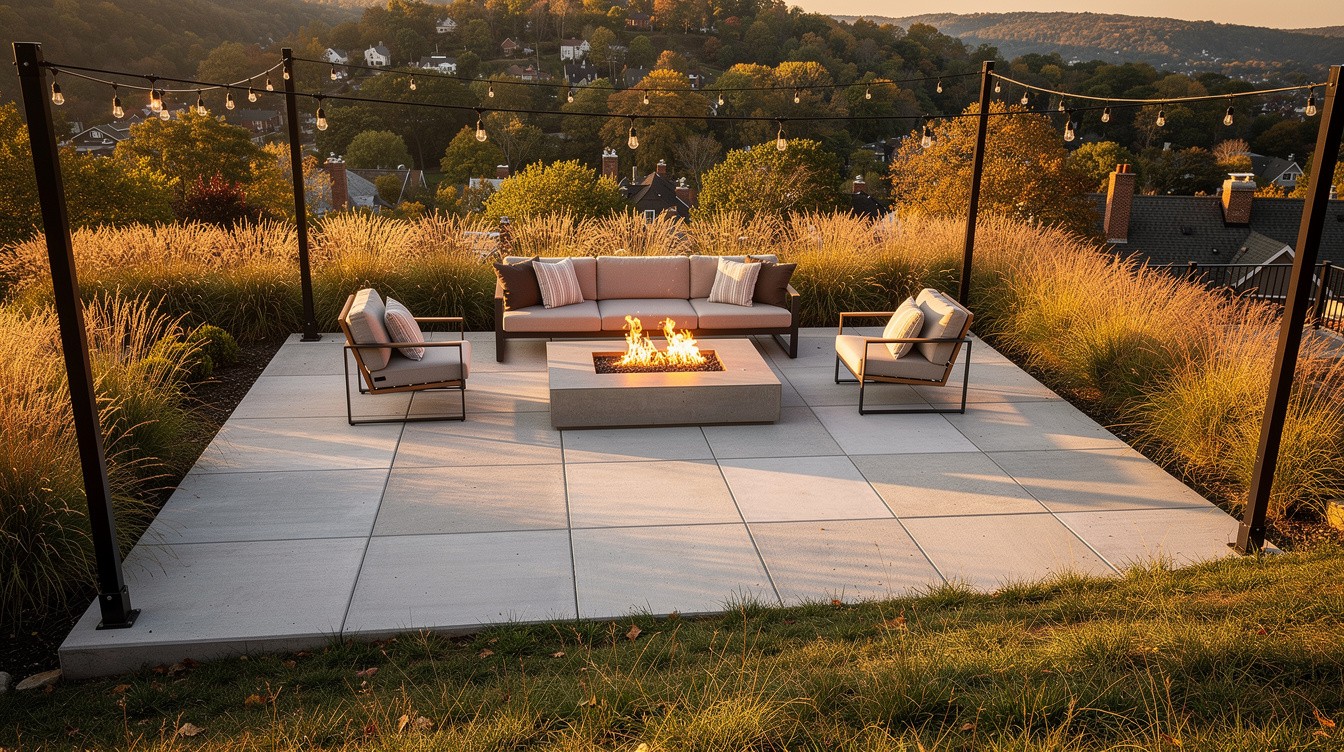
Concrete Fire Pit Terrace with Prairie Borders
$20–42/sqftA large-format concrete paver terrace cut level into Cincinnati’s inevitable hillside anchors an outdoor entertainment space with a central gas fire pit—the defining feature of contemporary Ohio Valley outdoor living—surrounded by modern outdoor seating. Wide native grass borders of little bluestem and switchgrass frame the terrace on two sides, their golden fall tones and winter seed heads creating architectural interest even when the fire pit is the visual center. Overhead string lights on steel posts complete the outdoor room. This terrace is used intensively from April through November, with the fire feature extending comfortable outdoor use into the stunning Cincinnati fall.
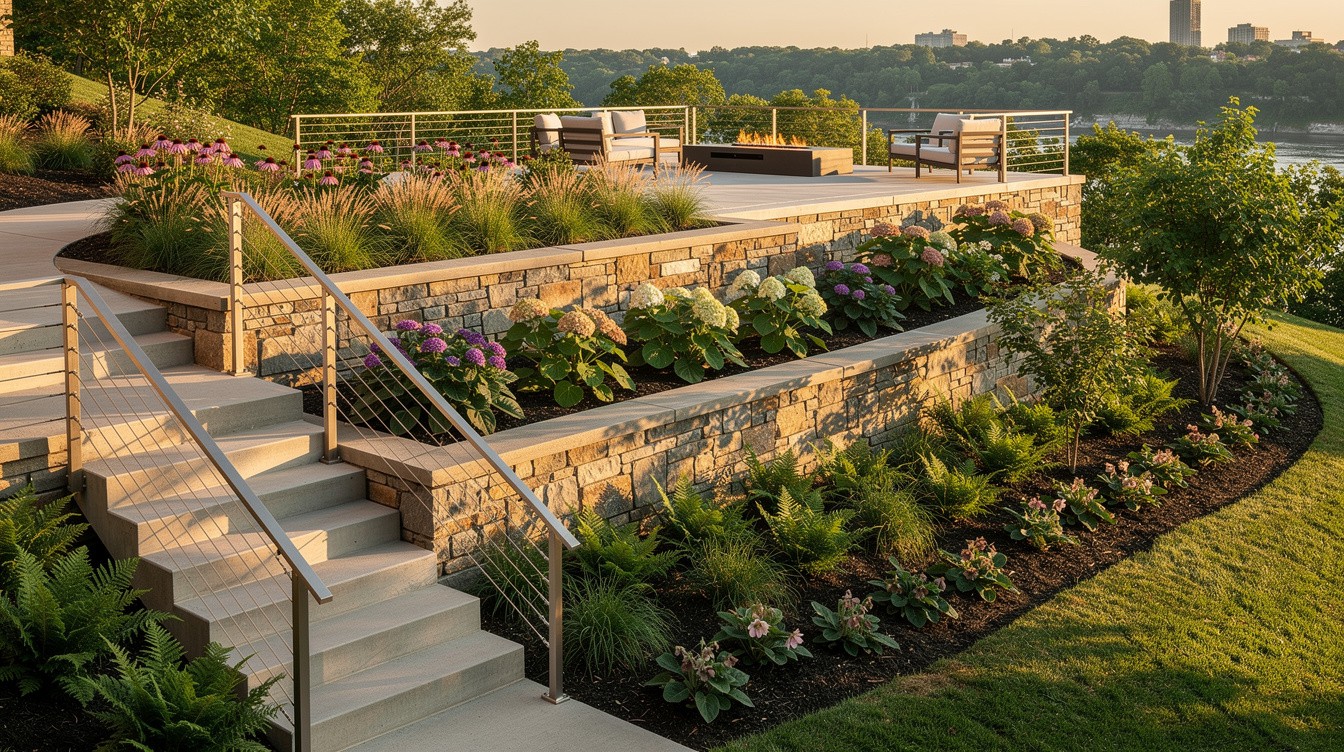
Hillside Terraced Garden with Concrete Stairs and Native Planting
$25–55/sqftCincinnati’s Ohio Valley topography—notoriously steep residential lots throughout the East Side and hillside neighborhoods—is transformed by a series of terraced planting beds anchored by dry-stack Ohio fieldstone retaining walls. Each terrace holds a different contemporary planting: switchgrass and coneflowers on the upper sun terrace, oakleaf hydrangeas and serviceberry on the mid-terrace, native ferns and Lenten rose on the shaded lower level. A concrete stair with steel cable railings connects the levels, and a gas fire pit terrace at the summit creates a view-oriented outdoor living space that leverages Cincinnati’s natural topography as a design asset.
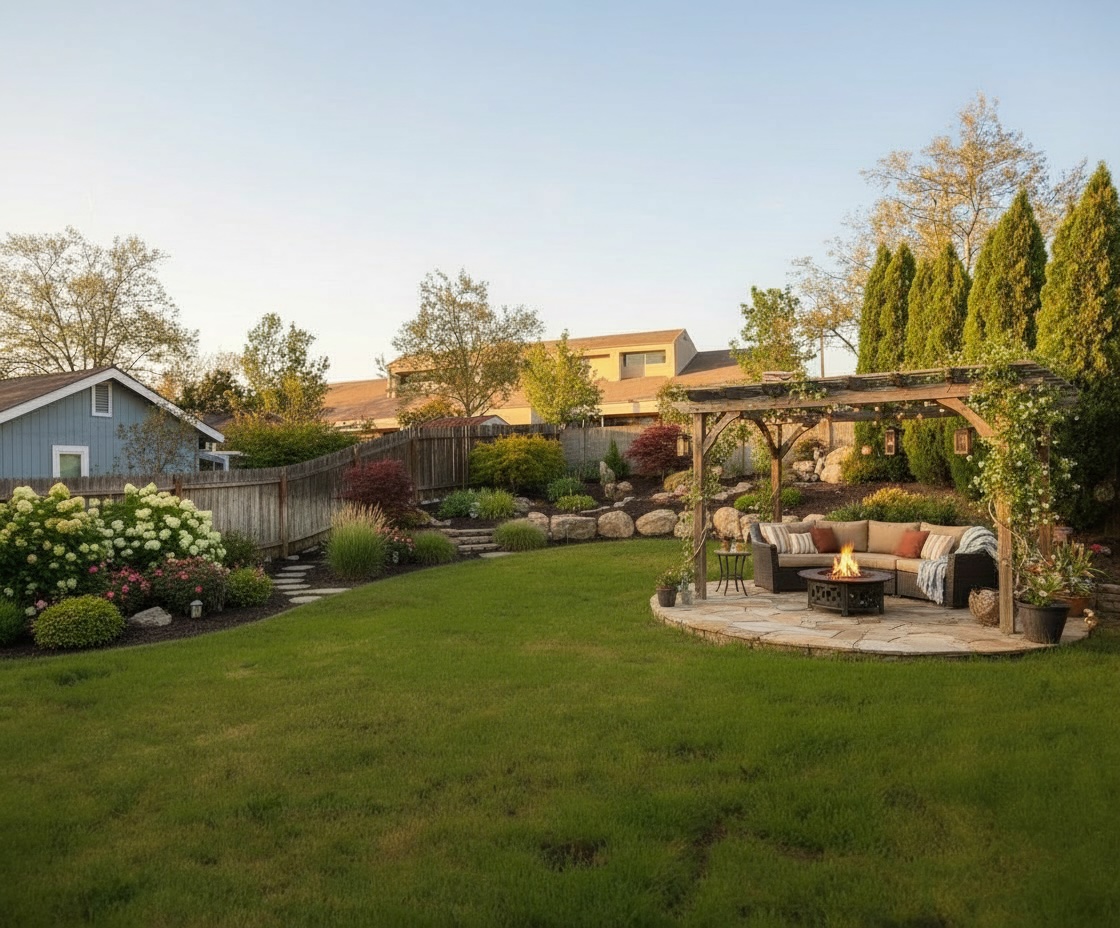
See how a modern/minimalist garden looks on YOUR property
Upload a photo of your Cincinnati yard and visualize your dream garden in seconds.
Try ProScapeAI Free
Featured Trees & Shrubs for Modern/Minimalist Gardens
Browse all 173 plants for Cincinnati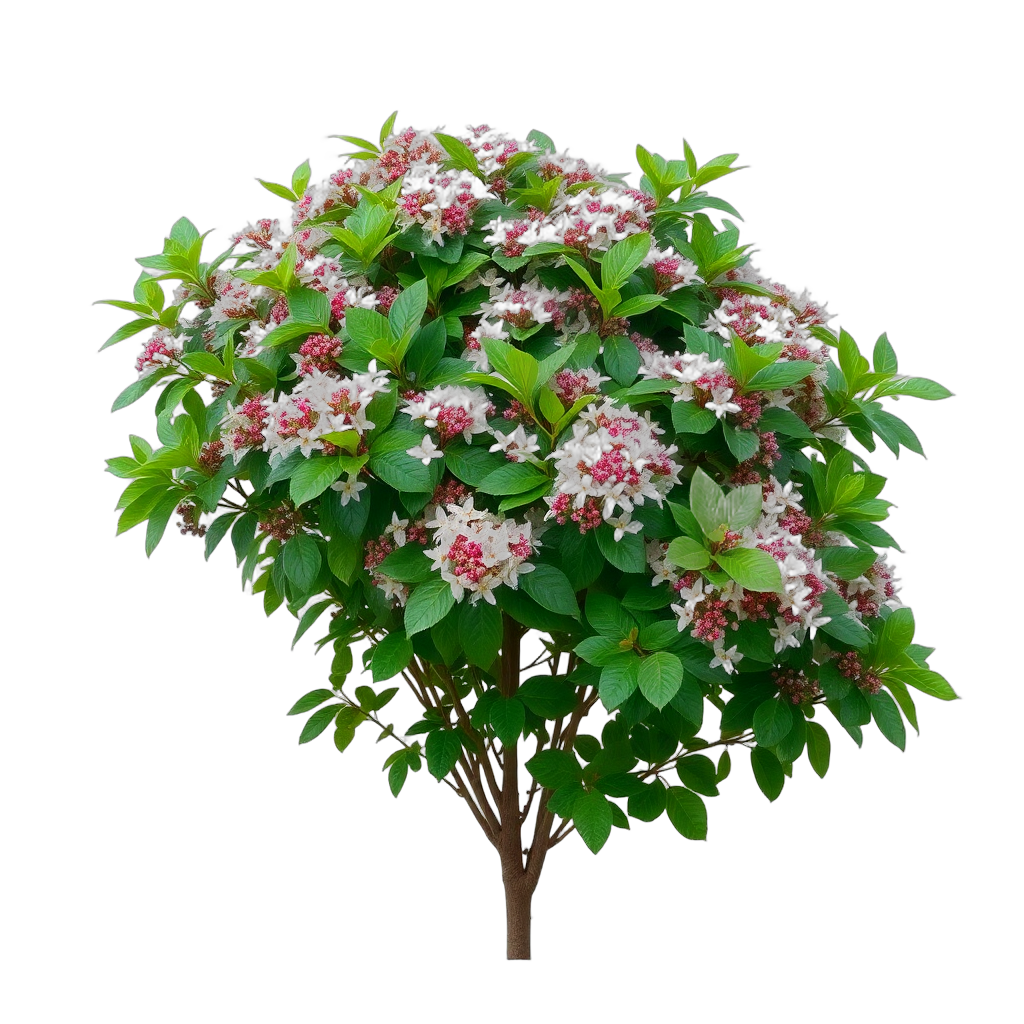
Blackhaw Viburnum
Viburnum prunifolium
medium-sized at 12 feet, white blooms in spring. Pollinator-friendly.
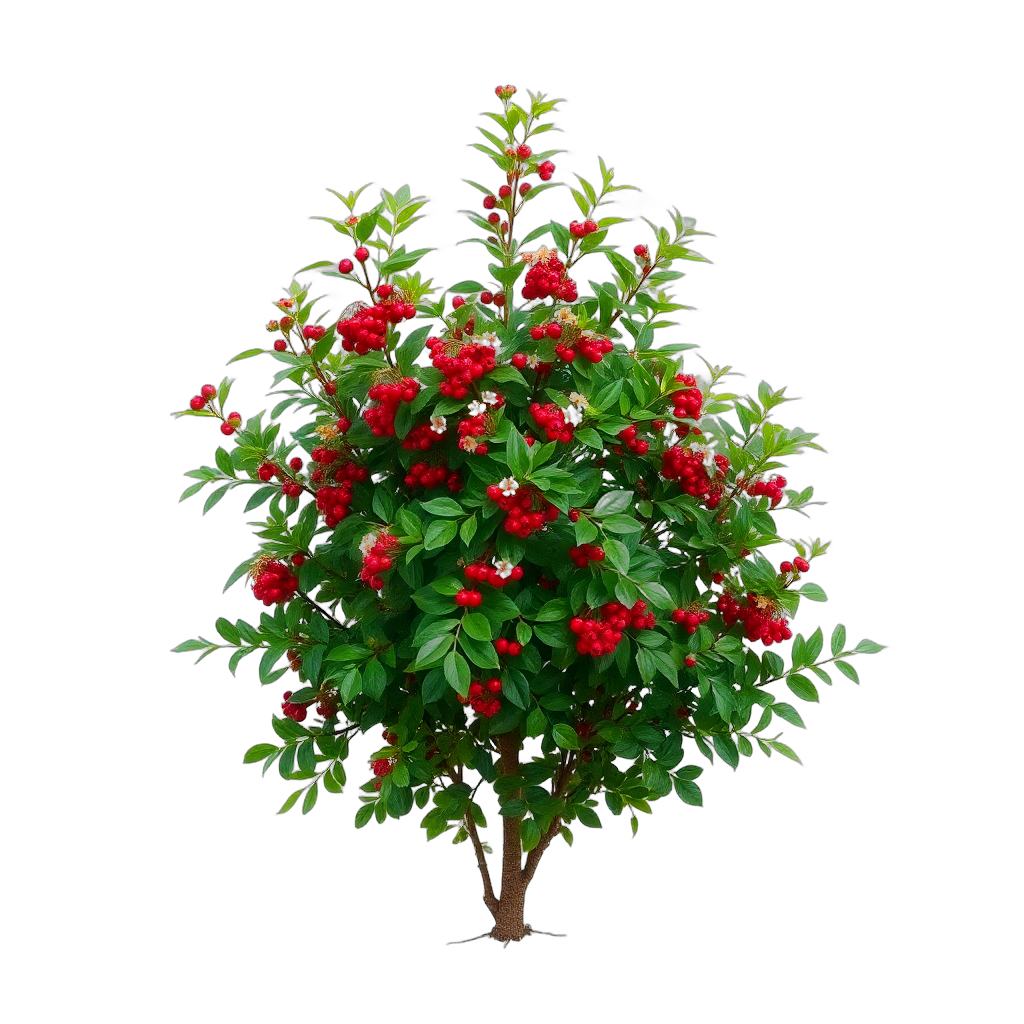
Coralberry
Symphoricarpos orbiculatus
grows to 6 feet, pink blooms in summer. Pollinator-friendly.
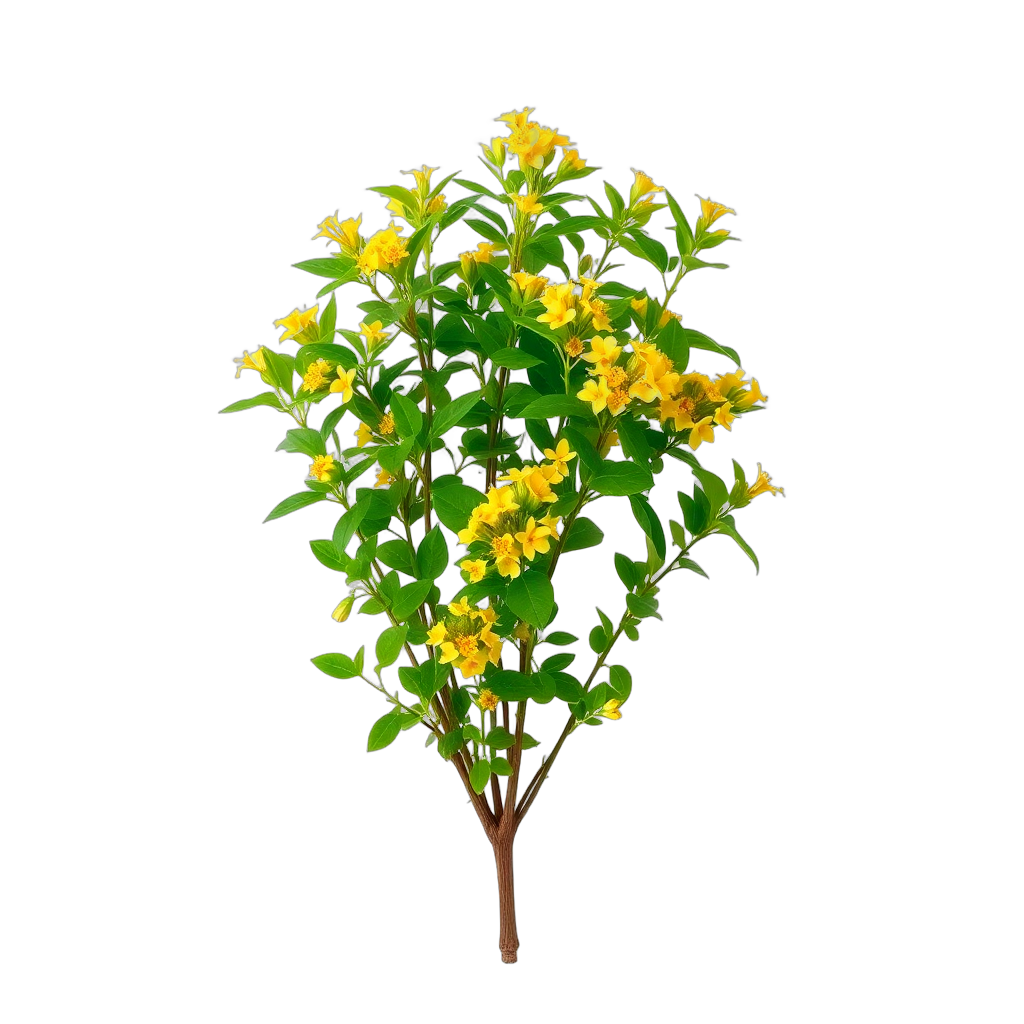
Shrubby St. John's Wort
Hypericum prolificum
grows to 4 feet, yellow blooms in summer. Pollinator-friendly.
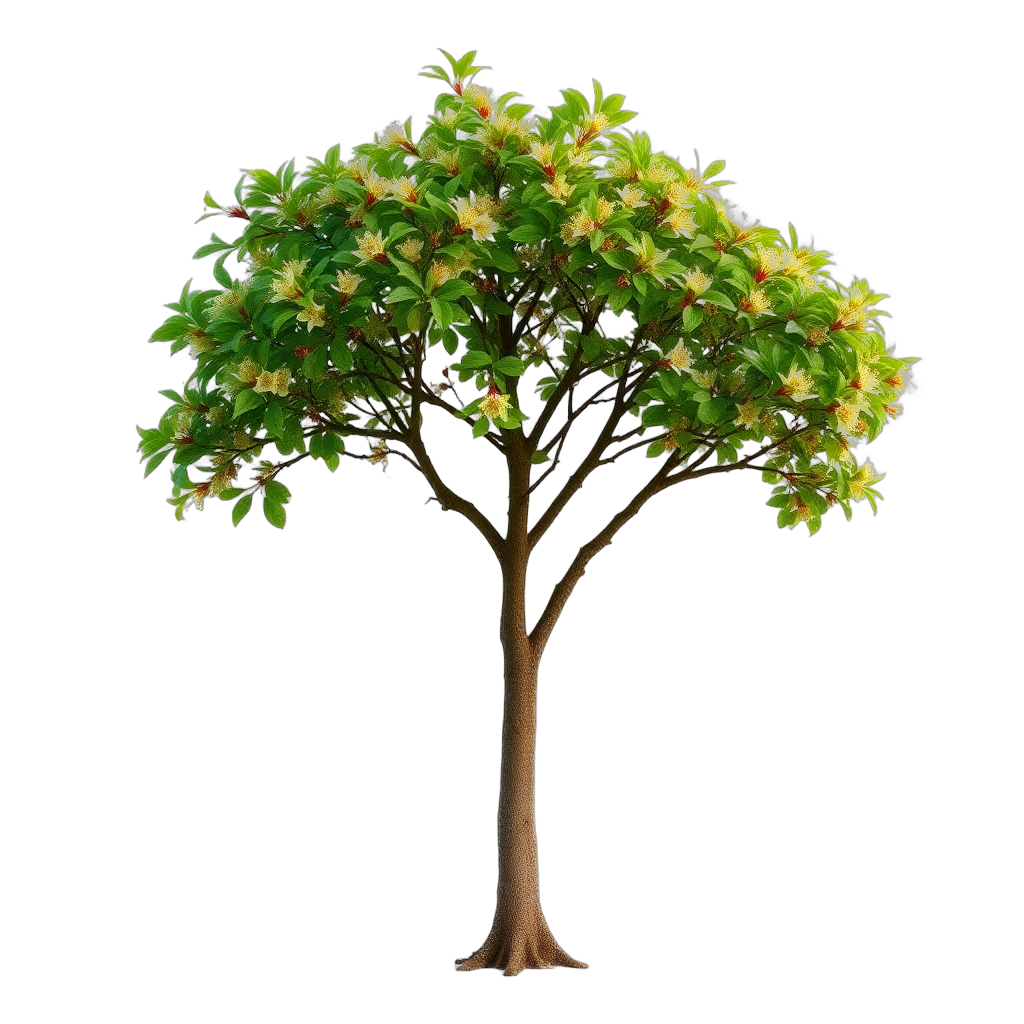
Vernal Witch Hazel
Hamamelis vernalis
medium-sized at 8 feet, yellow blooms in spring. Pollinator-friendly.
Featured Grasses & Groundcovers for Modern/Minimalist Gardens
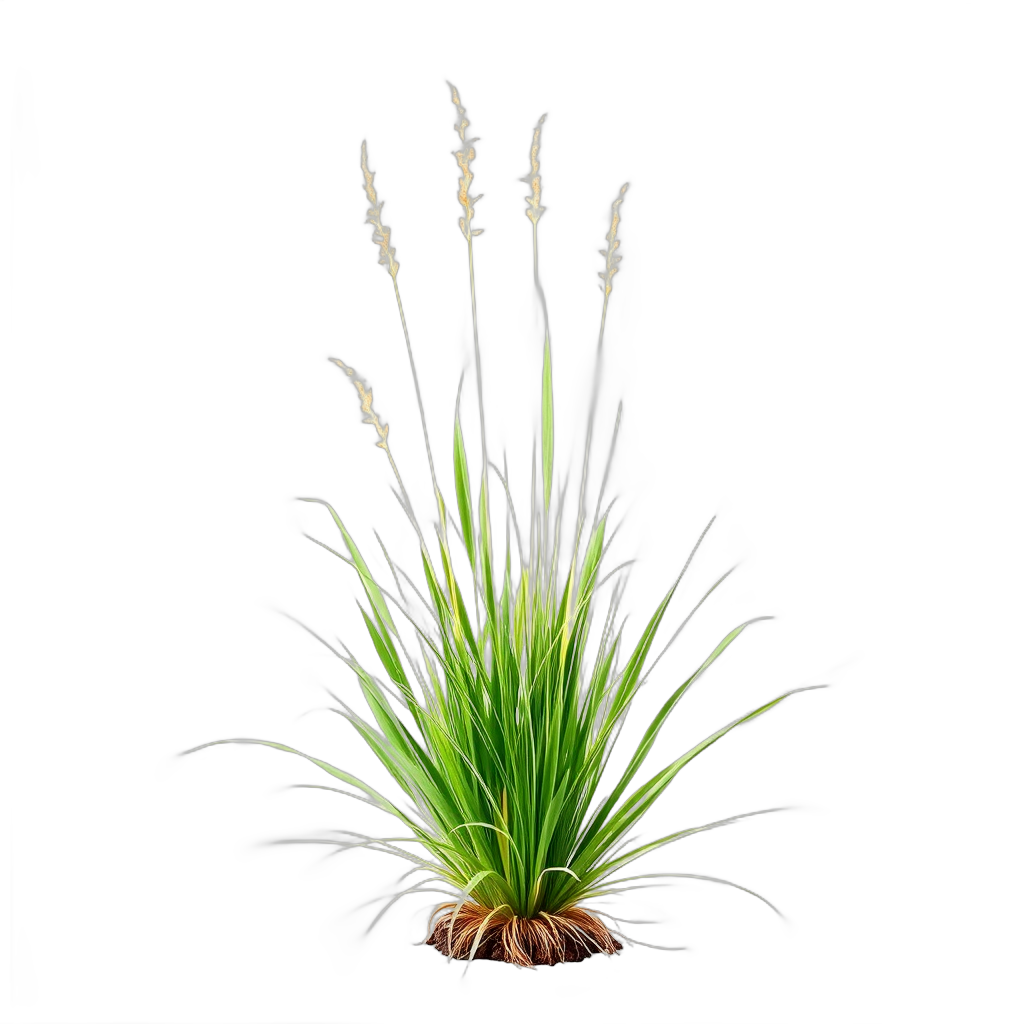
Northern Sea Oats
Chasmanthium latifolium
grows to 4 feet, blooms in fall. Bronze fall color.
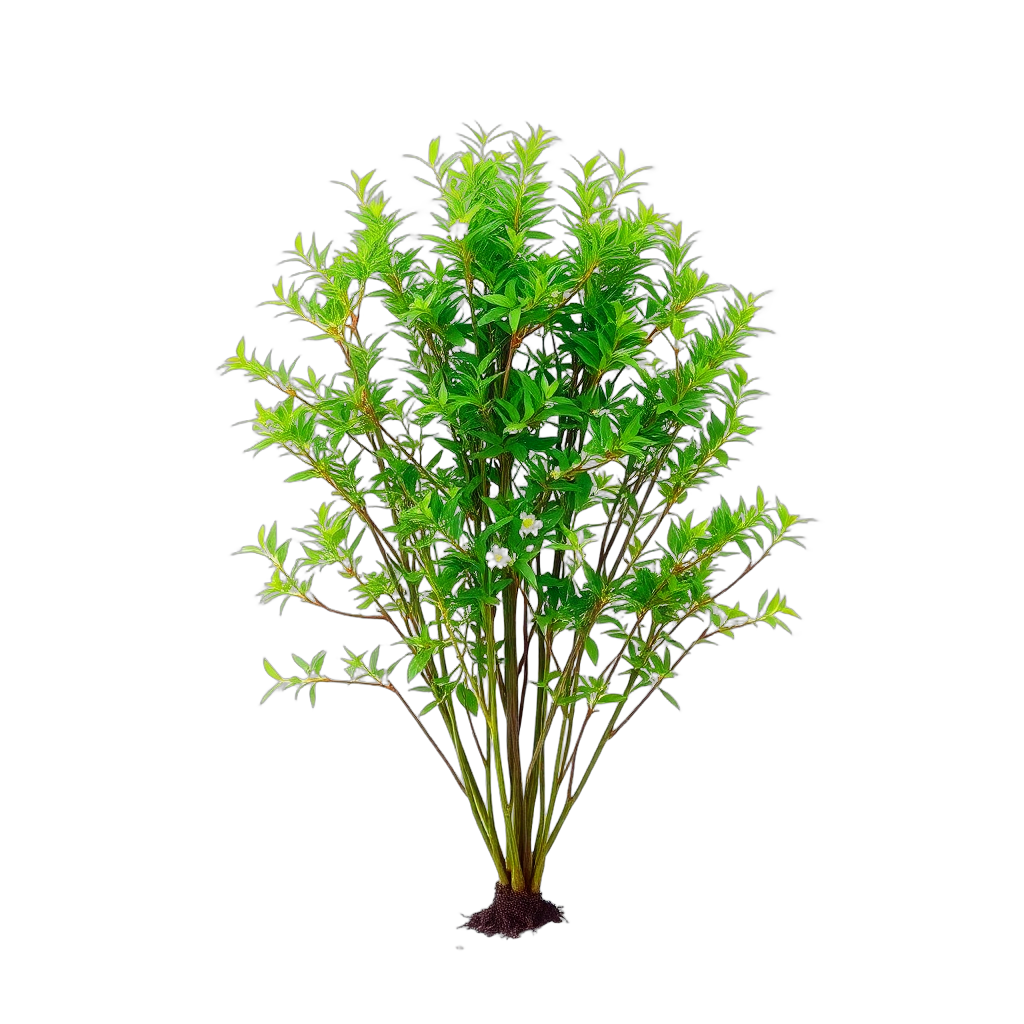
Dwarf Fernleaf Bamboo
Pleioblastus distichus
low-growing ground cover, blooms in none. Evergreen year-round.
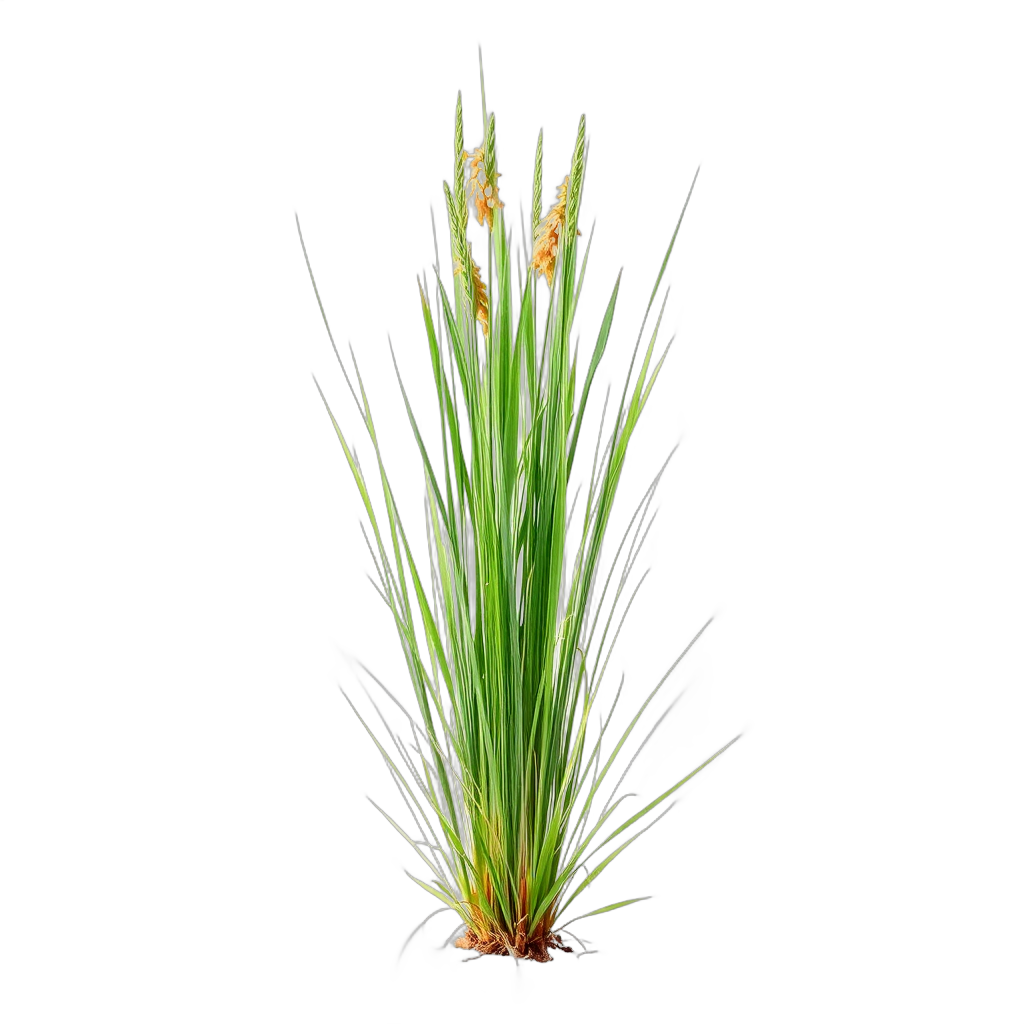
Eastern Gamagrass
Tripsacum dactyloides
grows to 6 feet, blooms in summer. Yellow fall color.
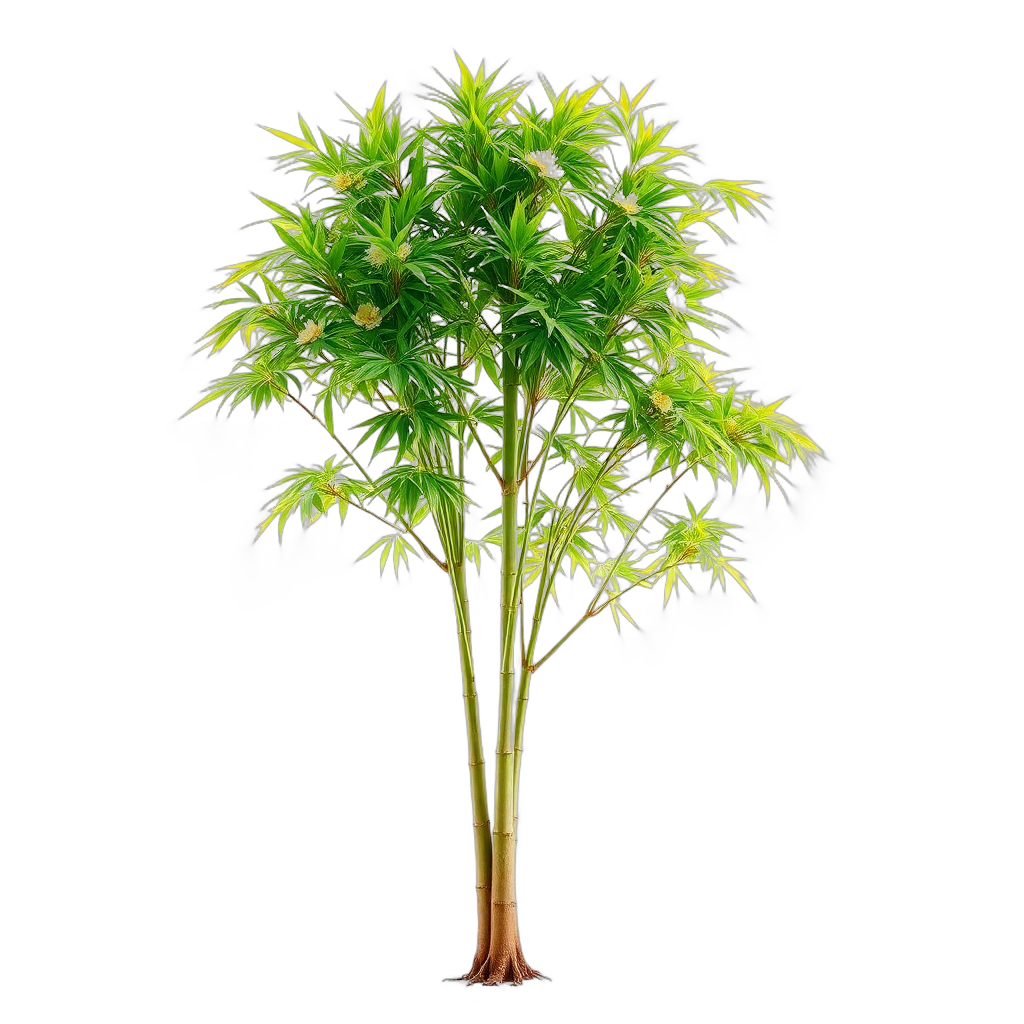
Large-leaf Bamboo
Indocalamus tessellatus
grows to 5 feet, blooms in none. Evergreen year-round.
Featured Flowers & Perennials for Modern/Minimalist Gardens
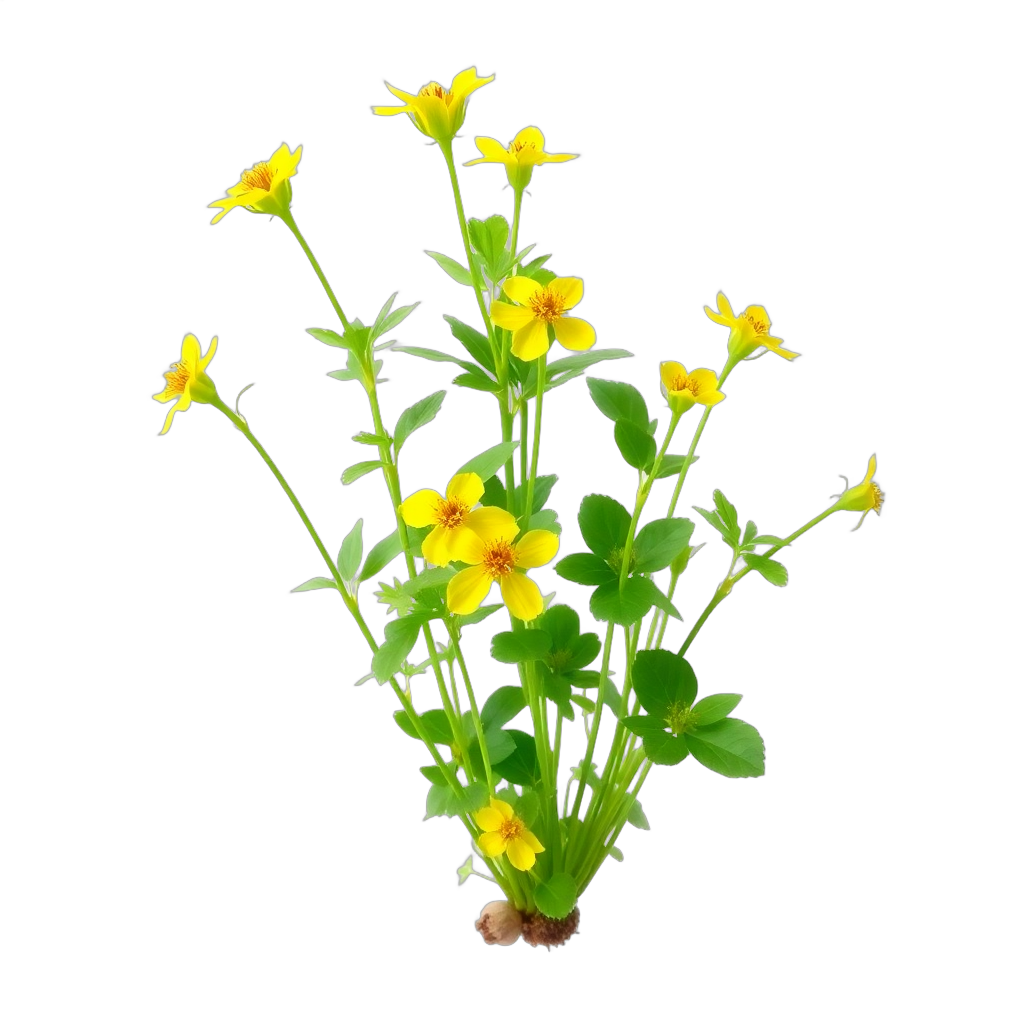
Celandine Poppy
Stylophorum diphyllum
low-growing ground cover, yellow blooms in spring.
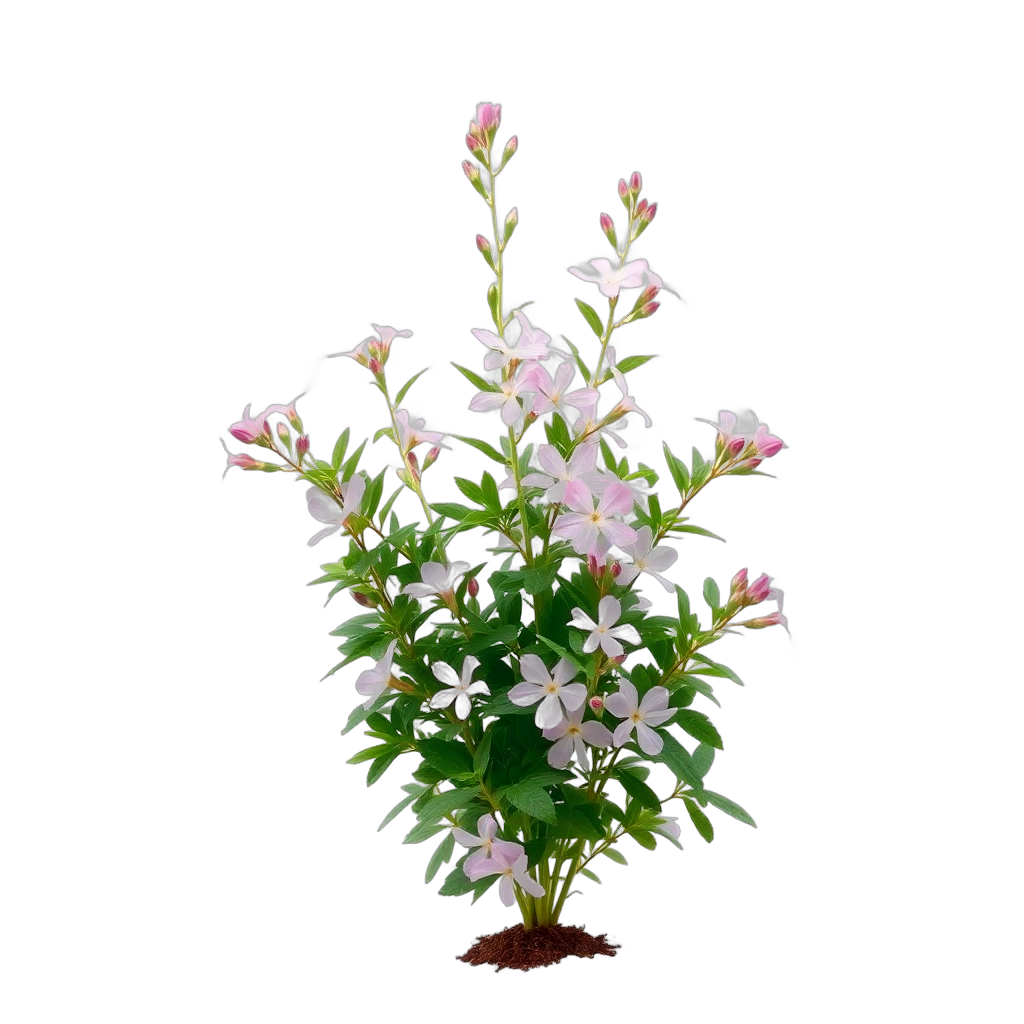
Garden Phlox
Phlox paniculata
grows to 3 feet, multi blooms in summer. Attracts hummingbirds.
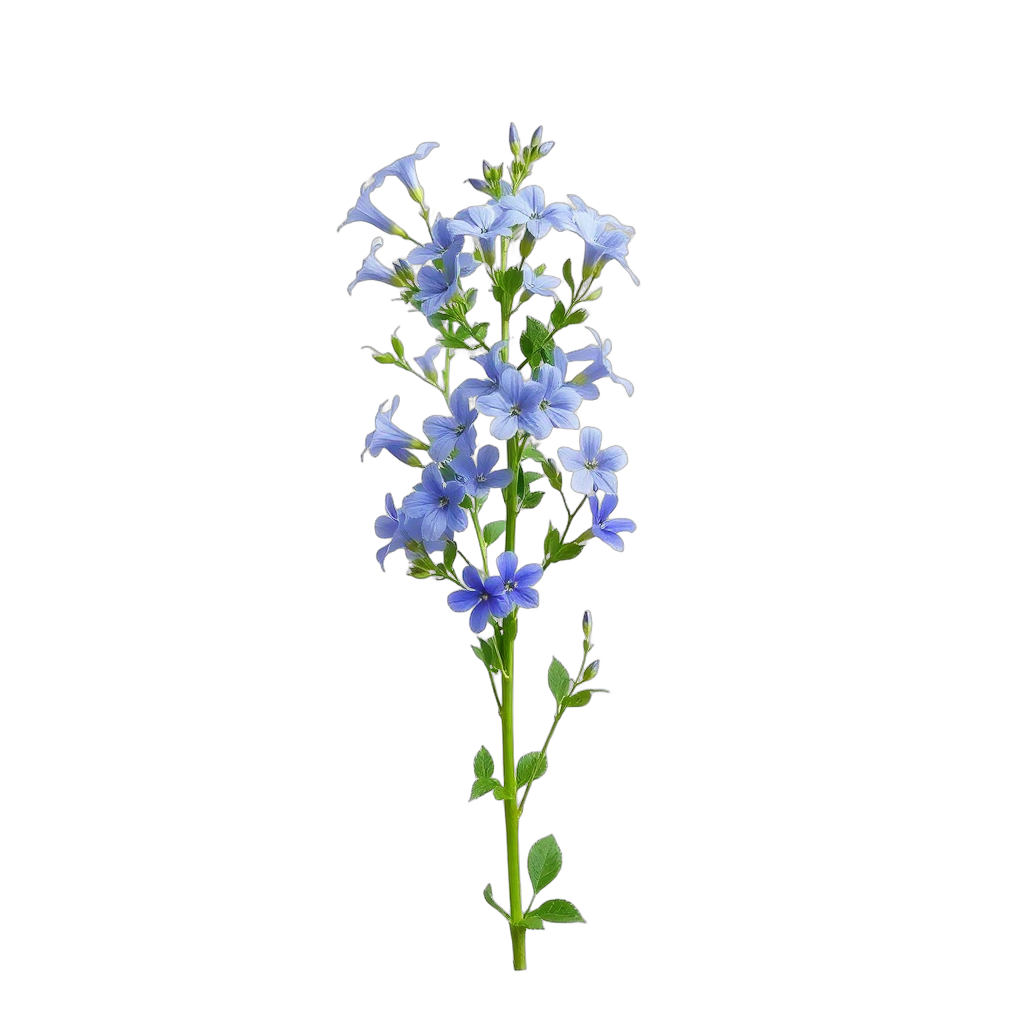
Wild Blue Phlox
Phlox divaricata
low-growing ground cover, blue blooms in spring. Attracts butterflies.

Parrot's Feather
Myriophyllum aquaticum
grows to 3 feet, white blooms in summer. Evergreen year-round.
Zone and sun checks come from our database — confirm with your local nursery before you buy.
Bloom Calendar for Cincinnati
spring
Celandine Poppy, Wild Blue Phlox, Blackhaw Viburnumsummer
Garden Phlox, Coralberry, Shrubby St. John's Wortfall
Northern Sea Oatswinter
Limited bloomsDesign Tips for Cincinnati (Zone 6b)
- Use Ohio limestone as the primary hardscape material—it’s locally quarried, geologically authentic to the Cincinnati area, proven in Zone 6b freeze-thaw conditions, and develops beautiful moss and lichen patina in Cincinnati’s moist climate that enhances rather than detracts from the contemporary aesthetic
- Leave ornamental grasses and native seed heads standing through winter—little bluestem’s red-orange tones, Karl Foerster’s vertical spikes, and switchgrass’s translucent forms are genuinely beautiful under snow, transforming Cincinnati’s grey winter into an architectural asset rather than a dead season
- Install a permanently connected gas fire feature as the backyard anchor—Cincinnati’s spectacular fall, long cool shoulders, and outdoor gathering culture make fire features the most-used outdoor element in the market; gas’s instant ignition removes the activation barrier that prevents spontaneous weeknight use
- Design for winter views from interior rooms—Cincinnati’s outdoor season ends in November but the garden is visible through kitchen and living room windows for 4–5 months; position evergreen boxwood masses, structural boulders, and architectural grasses where they’re most visible from inside the house
- Treat Cincinnati’s hillside topography as a design asset—the Ohio Valley’s steep residential lots create opportunities for terraced retaining walls, elevated view terraces, and the layered visual depth that flat Midwest yards cannot achieve; terrace the slope and the engineering challenge becomes the most striking design feature
- Specify blight-resistant boxwood varieties—'NewGen Independence' or 'Buxus microphylla japonica'—for all evergreen structure elements; traditional English boxwood throughout Cincinnati’s historic neighborhoods faces increasing boxwood blight pressure, and contemporary gardens built on resistant varieties avoid the replacement cost and aesthetic disruption of blight-killed hedges
Where to Source Plants in Cincinnati
Skip the big-box stores. These independent Cincinnati nurseries specialize in the plants that make modern/minimalist gardens thrive in Zone 6b.
Natorp’s Nursery
Loveland
Cincinnati’s premier independent nursery with outstanding ornamental grass, native plant, and contemporary perennial selection
Strader’s Garden Centers
Multiple Cincinnati area locations
Full-service nursery chain with contemporary landscape plants, native Ohio species, and hardscape materials
Civic Garden Center of Greater Cincinnati
Cincinnati (Avondale)
Native plant sales and educational resources—best source for native grasses, prairie perennials, and Ohio Valley native landscape plants
Home Depot Garden Center
Multiple Cincinnati locations
Concrete pavers, steel edging, ornamental grasses, and installation materials for contemporary landscape projects
Lowe’s Garden Center
Multiple Cincinnati locations
Comprehensive hardscape, native and ornamental plant selection, and outdoor living supplies for contemporary Cincinnati landscapes
Modern/Minimalist Landscaping Costs in Cincinnati
| Project Scope | Estimated Cost |
|---|---|
| Limestone entry with corten planters, ornamental grasses, and boxwood structure | $10,000 – $24,000 |
| Prairie-inspired native front yard conversion from turf | $9,000 – $22,000 |
| Concrete fire pit terrace with prairie borders and outdoor seating | $18,000 – $44,000 |
| Hillside terraced garden with stone retaining walls and native planting | $28,000 – $70,000 |
| Gas fire pit installation with surrounding paver area | $4,000 – $10,000 |
| Annual contemporary landscape maintenance | $900 – $2,400/year |
| AI visualization with ProScapeAI | Free to start |
Estimates based on Cincinnati, OH-area contractor rates as of 2026. Actual costs vary by site conditions, materials, and contractor.
Cincinnati Climate & Growing Zone
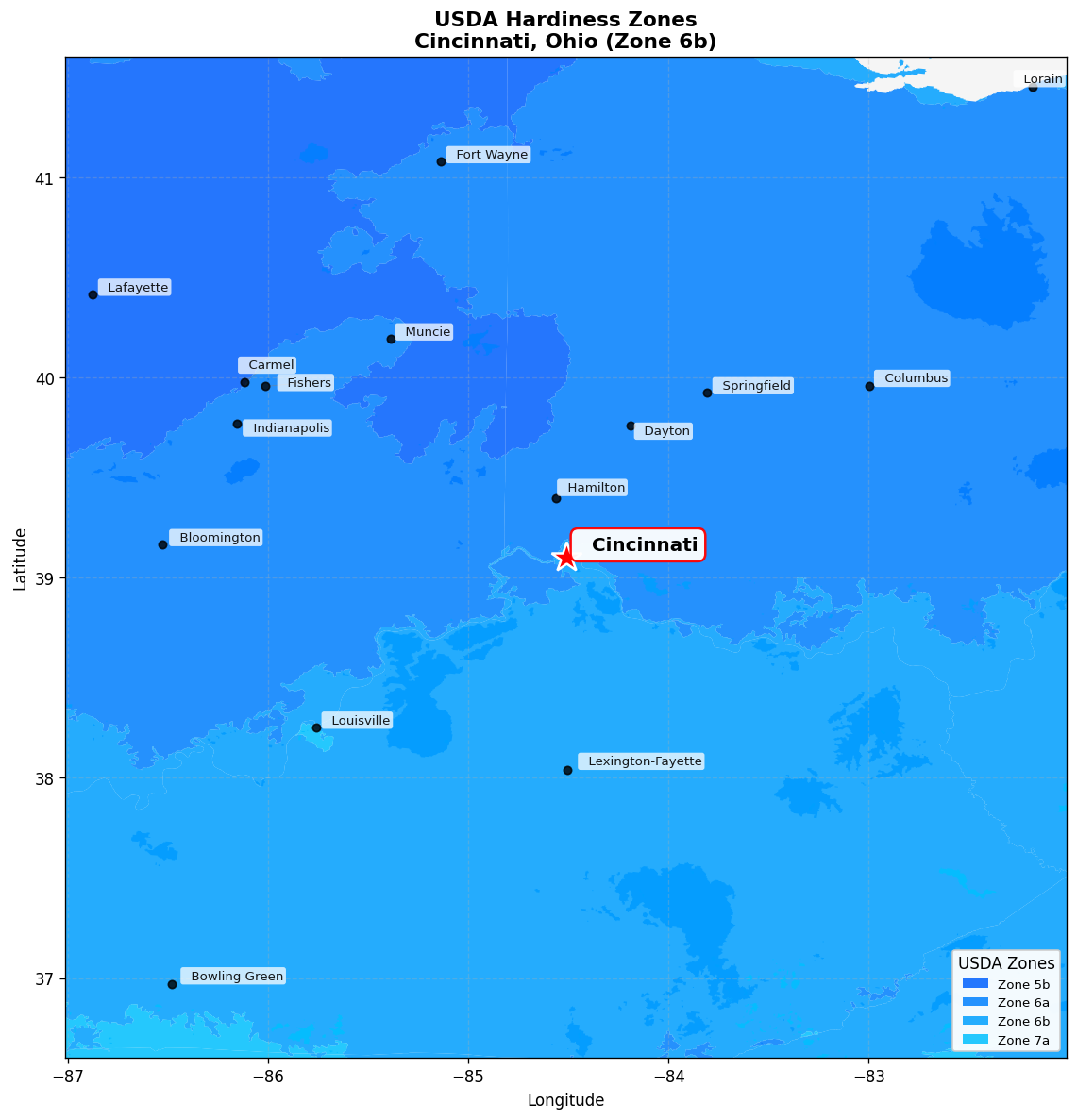
USDA Zone 6b
Hardiness zone for Cincinnati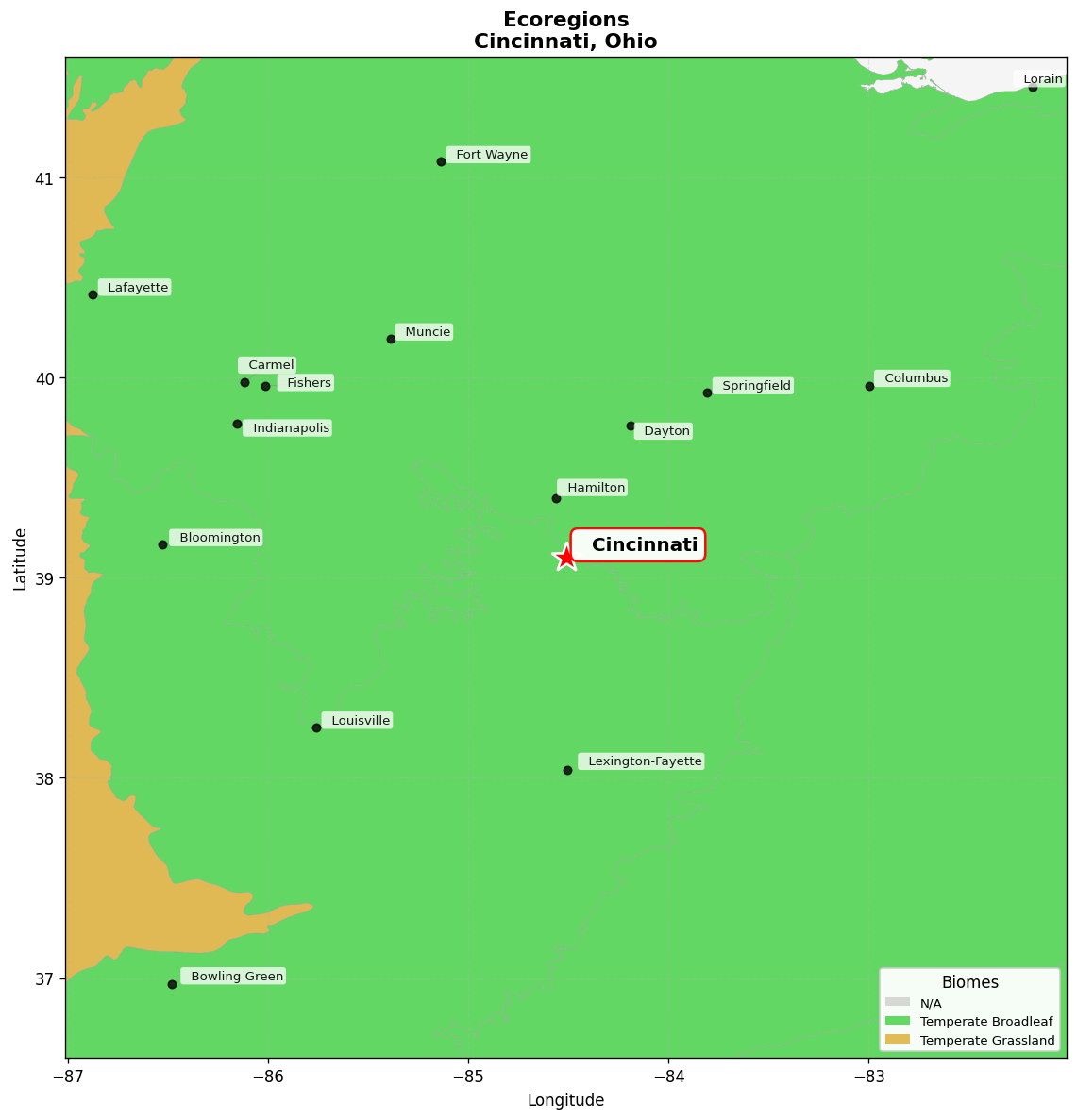
Interior Plateau US Hardwood Forests
Native ecoregionFrequently Asked Questions
What contemporary plants provide good winter interest in Cincinnati’s Zone 6b?
Winter garden interest is particularly valuable in Cincinnati—outdoor living ends in November but the garden is viewed through windows for 4 months. Best winter-interest plants for contemporary Cincinnati landscapes: Karl Foerster feather reed grass (vertical seed spikes beautiful under frost and snow), little bluestem (red-orange dormant color is spectacular with snow backdrop), switchgrass cultivars 'Shenandoah' and 'Northwind' (architectural winter form), compact boxwood (geometric shapes read clearly under snow), multi-stem serviceberry (smooth bark and branching structure), native crabapple with persistent orange fruit (attracts birds through January), and Lenten rose (semi-evergreen, flowers emerge in February–March before anything else). Leave all grasses and seed heads uncut through winter and cut back in early March.
What hardscape materials work best in Cincinnati’s freeze-thaw climate?
Cincinnati averages 22 inches of snow and significant freeze-thaw cycling (temperatures cross 32°F roughly 60–70 times per winter). Durable hardscape choices: Ohio limestone (locally quarried, proven in Zone 6b, warm honey tone, specify natural finish for traction on steps); concrete pavers rated for severe climate (8,000 PSI, <5% absorption) with compacted gravel base installation to prevent frost heave; Pennsylvania bluestone (widely used in Ohio, freeze-thaw resistant, specify natural cleft finish for stairs); composite decking for elevated deck surfaces (Trex or TimberTech handle Cincinnati’s moisture and temperature cycling far better than wood without maintenance). Avoid polished marble or glazed tile on outdoor steps—Cincinnati’s winter ice makes these dangerously slippery.
What is the best fire feature for a Cincinnati contemporary backyard?
Cincinnati’s outdoor culture and long cool shoulder seasons make fire features the highest-ROI outdoor investment. Options: a permanently connected natural gas fire pit ($3,000–8,000 installed, instant ignition, clean operation) is optimal for frequent use; a wood-burning fire pit ($600–2,500) delivers the authentic crackling fire experience Cincinnati residents love for fall gatherings; a two-sided outdoor gas fireplace built into a retaining wall creates a dramatic architectural statement. Gas is preferred for spontaneous weeknight use; wood for weekend social gatherings. A 12–16-foot diameter paver area around the fire feature accommodates 8–10 people comfortably—size the seating zone generously to get maximum use from Cincinnati’s spectacular fall evenings.
How do I manage Cincinnati’s heavy clay soil for a contemporary landscape?
Heavy clay soil throughout Cincinnati and Hamilton County requires management strategy for contemporary plantings. For paved areas: excavate 6–8 inches below finish grade for all paver and concrete installations and replace with compacted gravel—this eliminates frost heave caused by clay’s high water retention. For planted areas: install raised beds or amend existing soil with 4–6 inches of compost before planting; install French drains in areas where water pools more than 24 hours after rain events; and choose plants with tolerance for occasional wet conditions (native grasses, oakleaf hydrangeas, and daylilies handle clay better than drought-adapted Mediterranean plants). Contemporary gravel gardens are particularly well-suited to clay sites—the gravel layer drains quickly while the clay below retains moisture.
Does Cincinnati get enough sun for a contemporary pool or spa?
Cincinnati receives approximately 170 sunny days per year—adequate for pool use but requiring pool heating for a comfortable swimming season. With a pool heater, the Cincinnati swimming season runs from late May through mid-September (water temperatures 75–82°F). A raised spa is the most popular Cincinnati pool accessory because it extends use into the fall—October spa evenings at 100°F water temperature under fall foliage are genuinely special. Pool heating adds $800–1,800/year to operating costs. Gas heaters warm pools quickly for weekend use; heat pumps are more efficient for constant-temperature pools. Cincinnati pools are typically simple rectangular or kidney shapes in contemporary landscapes—elaborate free-form pools are more common in warmer-climate markets.
How much does a contemporary landscape installation cost in Cincinnati?
Cincinnati landscaping costs run near the national average—slightly above the lowest Midwest markets due to Ohio’s labor costs. A limestone entry with ornamental grasses and boxwood structure typically costs $10,000–24,000. A prairie-inspired native front yard conversion runs $9,000–22,000. A concrete fire pit terrace with prairie borders ranges $18,000–42,000. A hillside terraced garden with retaining walls and native planting costs $28,000–68,000 (retaining walls add significantly on Cincinnati slopes). Annual maintenance for a contemporary native-inspired landscape runs $900–2,400/year—native and ornamental grass-based designs require less intervention than traditional perennial cottage gardens.