4 Cottage Garden Ideas for Cincinnati, OH | English Cottage Gardens in Zone 6b
Native plants from the Interior Plateau US Hardwood Forests (Zone 6b) — Humid continental (hot summer) climate
Why Cottage/English Gardens in Cincinnati?
Cincinnati occupies the Interior Plateau US Hardwood Forests ecoregion—where the Appalachian foothills meet the Ohio Valley—in Zone 6b, a climate that is genuinely excellent for English-style cottage gardening. The city receives 42 inches of annual rainfall distributed across all seasons, winters cold enough to satisfy the dormancy requirements of peonies, roses, and delphiniums, and springs so reliably lush that Cincinnati’s cottage garden peak—May through June—rivals anything New England or the Pacific Northwest produces. The combination of adequate winter cold, ample spring moisture, and a long frost-free growing season from late April through mid-October gives Cincinnati cottage gardeners a remarkably complete palette.
Cincinnati’s cottage gardening heritage is rooted in the city’s historically prosperous neighborhoods—Hyde Park, Mount Lookout, Mariemont, and Indian Hill—where Victorian and Craftsman homes with large lots have maintained perennial border traditions dating to the late 19th century. The Cincinnati area’s generous lot sizes compared to northeastern cities, and the Ohio Valley’s naturally productive soils, create favorable conditions for ambitious cottage garden installations. Cincinnati’s famous spring wildflowers—native trilliums, Dutchman’s breeches, Virginia bluebells—give local cottage gardens access to a spring ephemeral layer unavailable in most American cities.
The primary challenges of Cincinnati cottage gardening center on summer humidity and the Ohio Valley’s heavy clay soils. Humidity drives fungal disease in susceptible plants: powdery mildew on roses and phlox, black spot on susceptible rose varieties, and botrytis on late-season perennials. Disease-resistant cultivar selection is the most important single factor determining Cincinnati cottage garden success. Heavy clay requires amendment before any perennial planting: raised beds or 4–6 inches of compost tilled into the native clay dramatically improves drainage and aeration, transforming problematic clay into productive cottage garden soil.
4 Cottage/English Design Ideas for Cincinnati
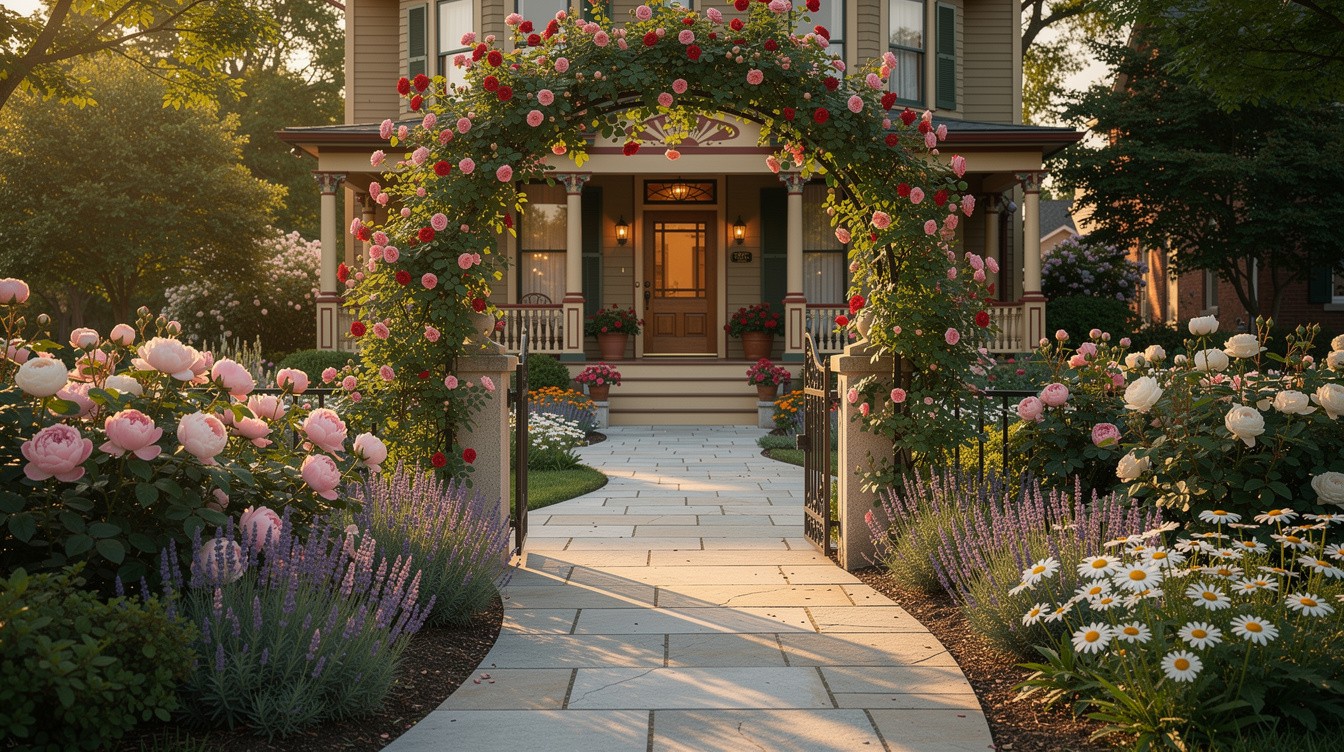
Victorian Rose Entry with Stone Path and Perennial Borders
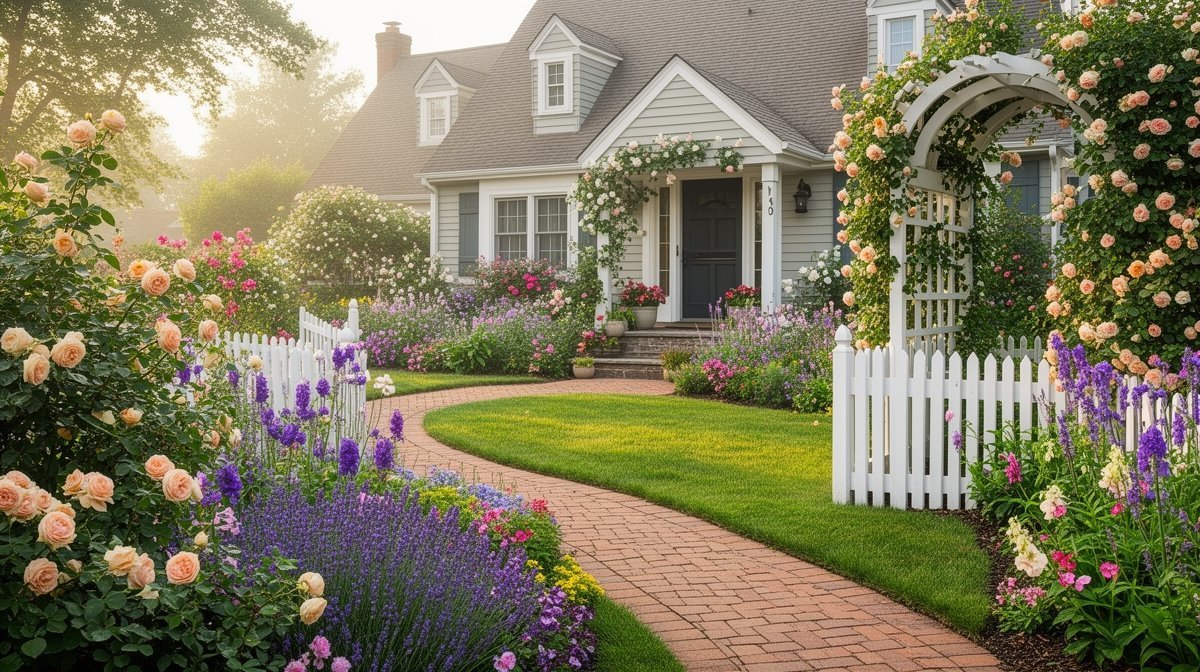
$12–26/sqftA flagstone or Ohio limestone path leads to a Cincinnati Victorian or Craftsman front porch, framed by a rose-covered arbor at the gate and generous cottage borders of peonies, catmint, and Shasta daisies that bloom from May through frost. The entry design honors Cincinnati’s Victorian residential heritage—the same neighborhood tradition of rose arches and stone paths that Hyde Park and Mariemont have maintained for a century. Disease-resistant roses—Knock Out series, 'Bonica', and David Austin varieties with demonstrated humid-climate tolerance—replace the susceptible hybrid teas that require fungicide programs to survive the Ohio Valley summer.
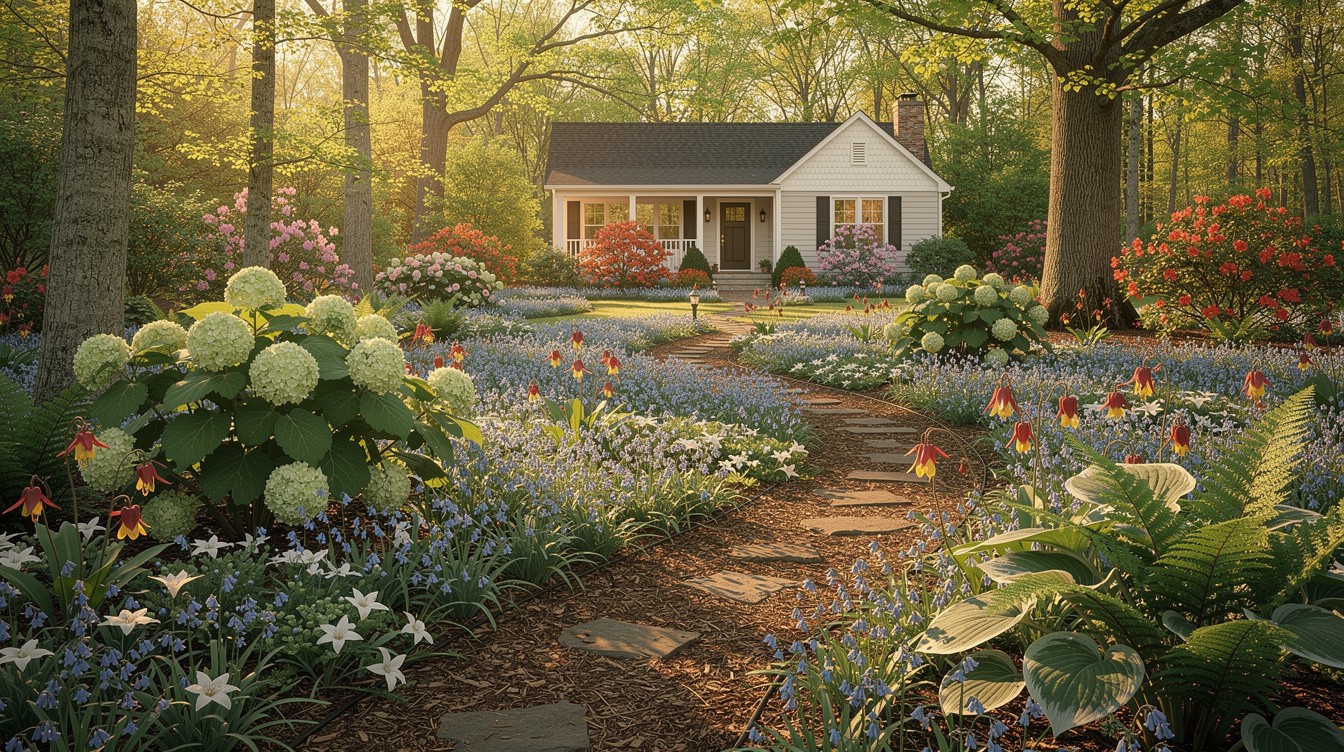
Ohio Valley Shade Cottage with Native Wildflowers
$10–22/sqftCincinnati’s remarkable native spring wildflower palette becomes the backbone of a shade cottage garden: native Virginia bluebells carpet the ground in April, trilliums emerge in May, native columbine and wild blue phlox bridge into summer, and native ferns and hostas provide texture through the hot months. Oakleaf hydrangeas and native azaleas at the shrub layer provide bloom structure from May through July. The design channels the Appalachian foothill woodland that still exists in Cincinnati’s parks and ravines, reinterpreted as a composed residential garden that requires no irrigation, minimal maintenance after establishment, and zero annual replanting.
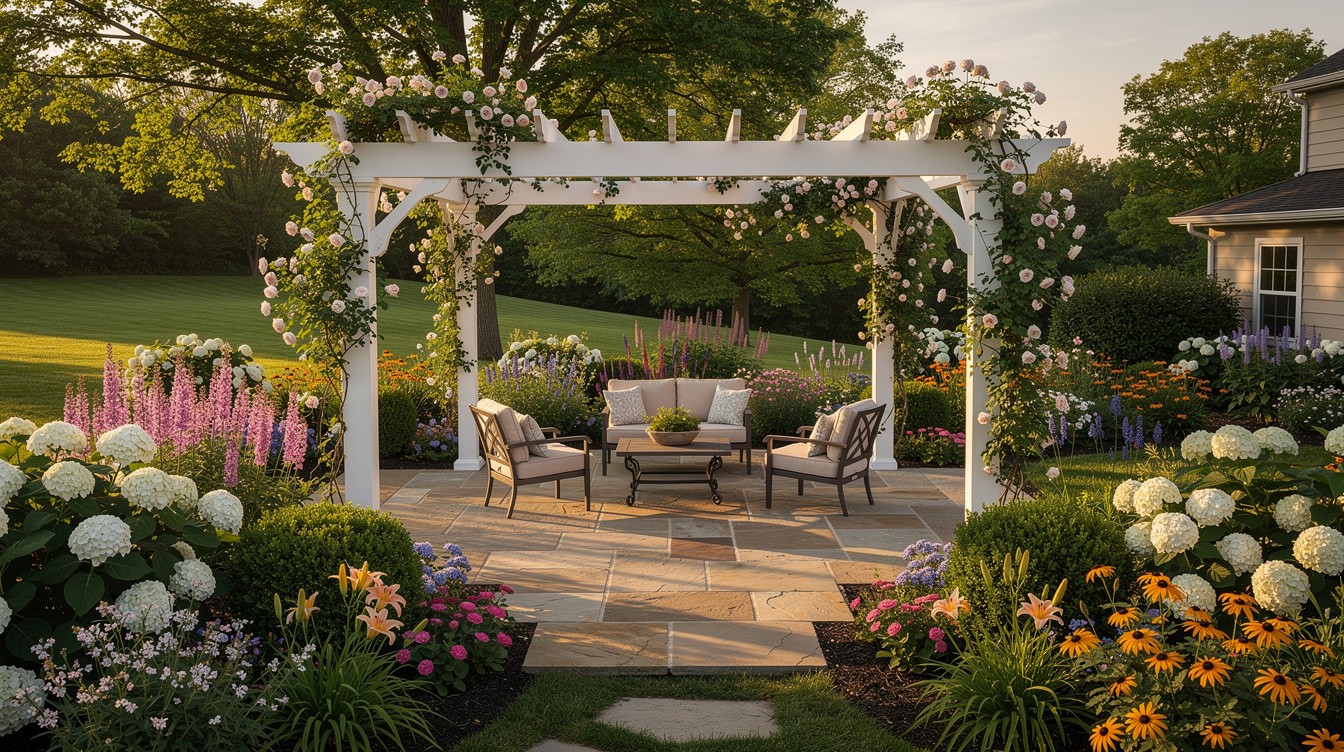
Patio Garden with Pergola and Cottage Borders
$18—40/sqftA bluestone or Ohio limestone patio at the rear of a Cincinnati home—typically cut level from the inevitable Ohio Valley slope—hosts a white wood pergola with climbing roses and clematis, surrounded by mixed cottage borders of hydrangeas, garden phlox, daylilies, and black-eyed Susans. The combination of structural pergola, lush perennial borders, and natural stone paving creates the classic Cincinnati backyard cottage experience: generous, romantic, and genuinely usable from late April through November. Ohio Valley summer evenings (75–80°F, humid) are best enjoyed with shade overhead and fragrant cottage flowers at eye level.
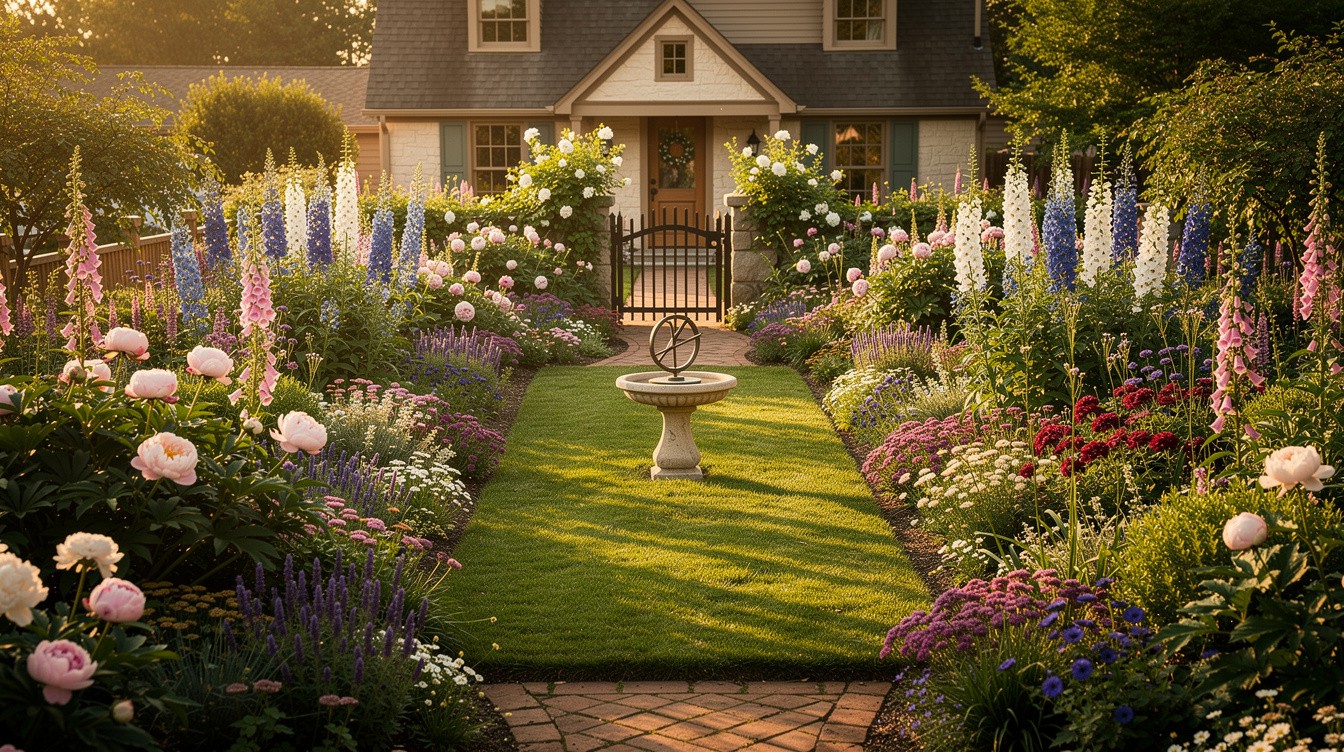
English Cottage Border Garden with Lawn Panel
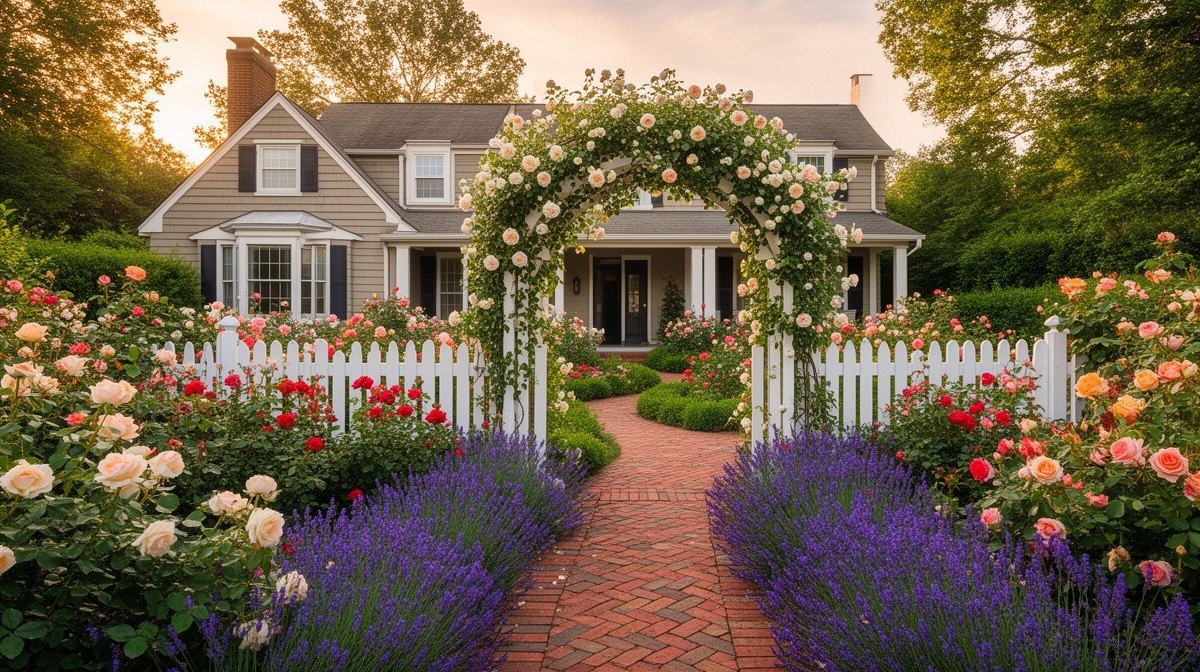
$20—45/sqftA classic English cottage garden layout—wide mixed perennial borders flanking a central lawn panel, with a garden gate and path as the entry focal element—translated for Cincinnati’s climate with Ohio Valley-appropriate plants. Double borders 6–8 feet wide hold delphiniums (which thrive in Cincinnati’s cool springs), foxgloves, peonies, garden phlox, and late-season asters for continuous bloom from April through October. A central birdbath or sundial provides the traditional focal point. This design requires more maintenance than native alternatives—regular deadheading, staking of tall delphiniums, and annual dividing—but delivers the fullest realization of the English cottage ideal in the Ohio Valley.
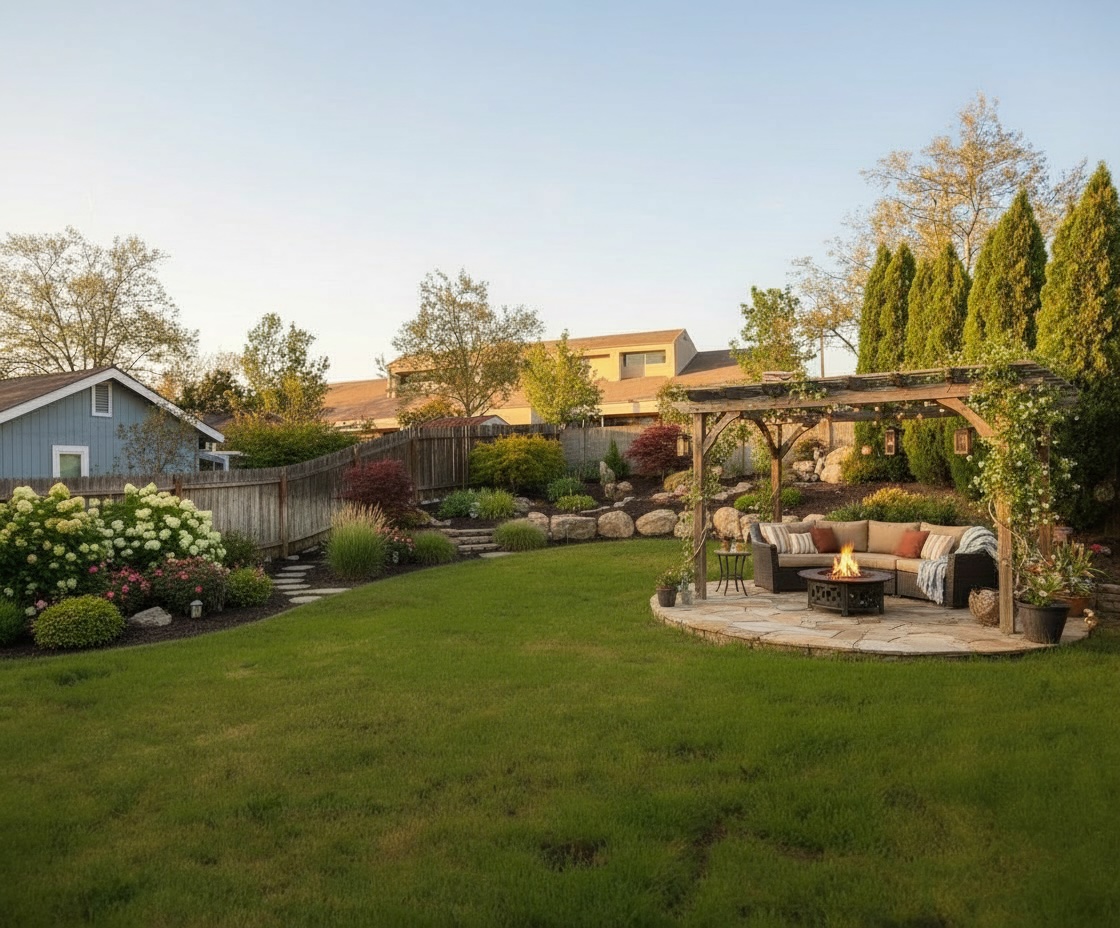
See how a cottage/english garden looks on YOUR property
Upload a photo of your Cincinnati yard and visualize your dream garden in seconds.
Try ProScapeAI Free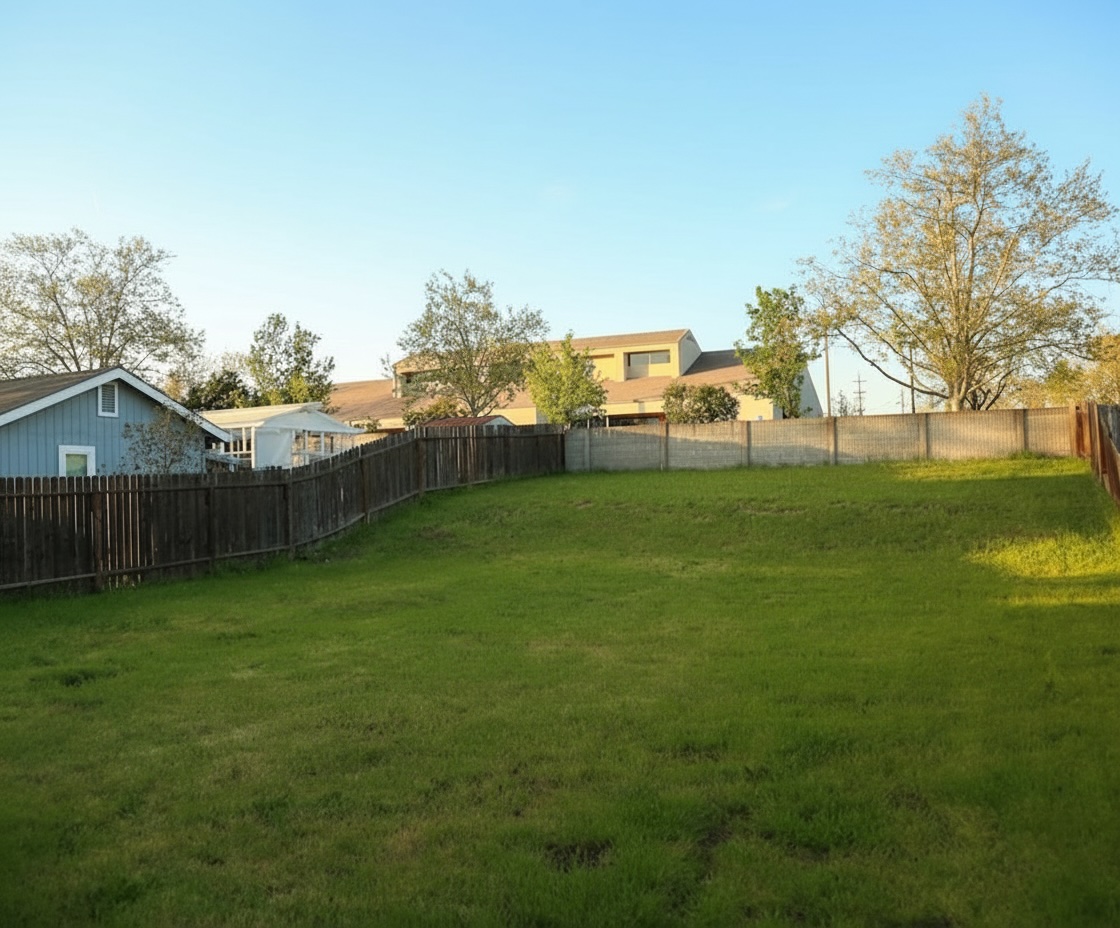
Featured Trees & Shrubs for Cottage/English Gardens
Browse all 173 plants for Cincinnati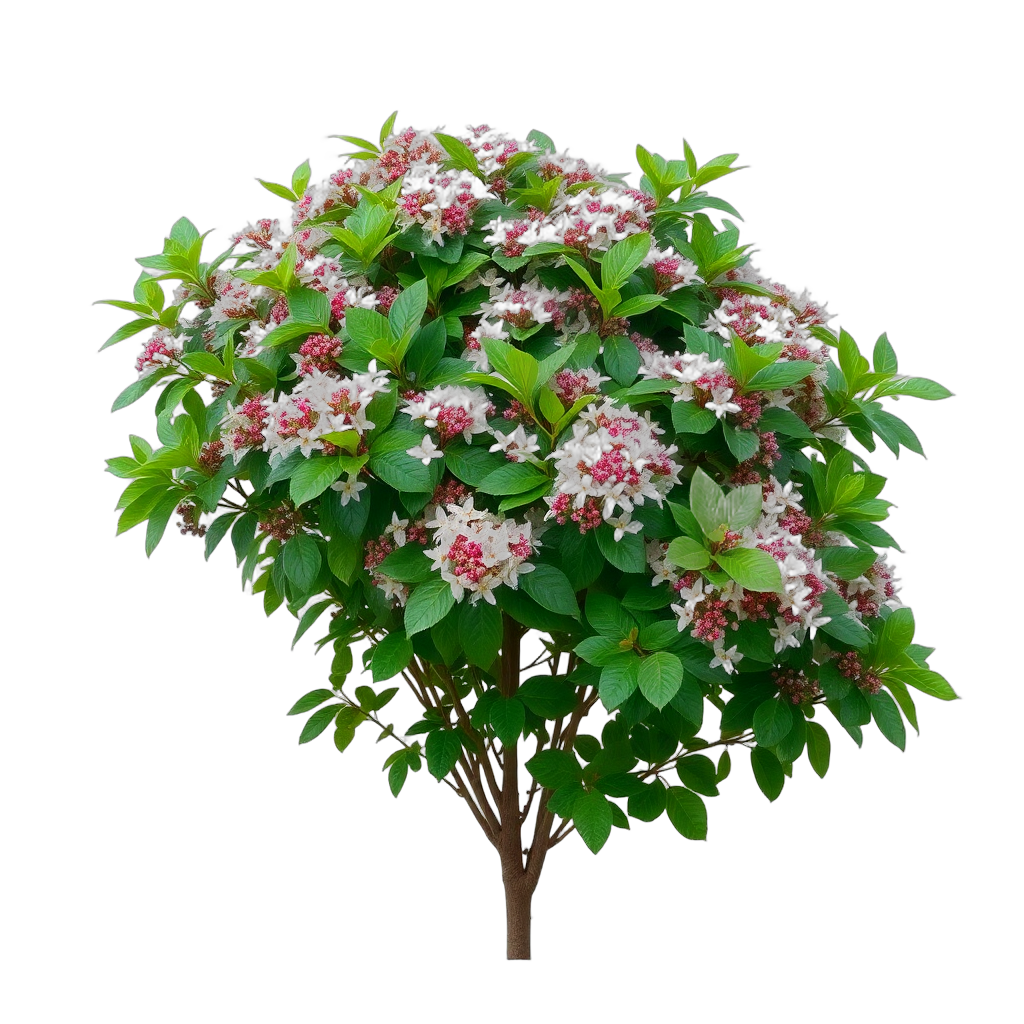
Blackhaw Viburnum
Viburnum prunifolium
medium-sized at 12 feet, white blooms in spring. Pollinator-friendly.
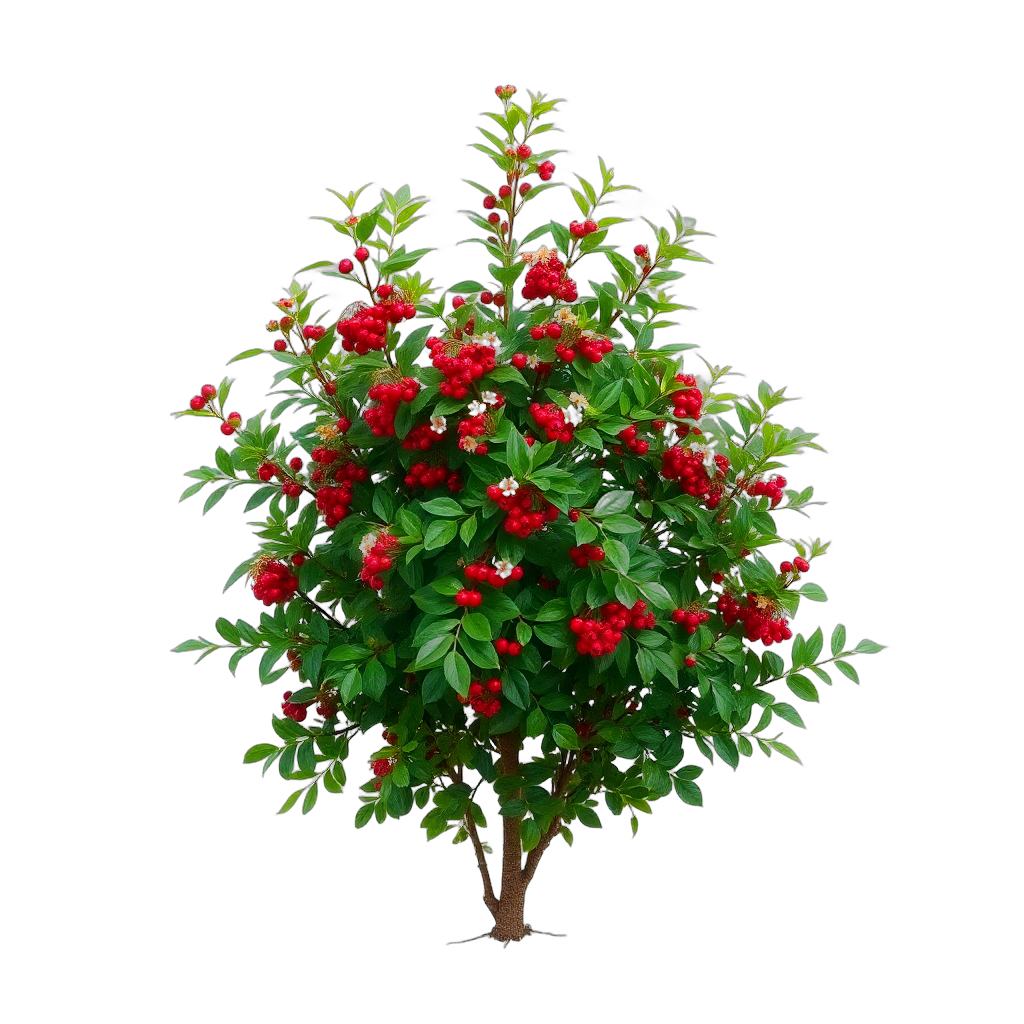
Coralberry
Symphoricarpos orbiculatus
grows to 6 feet, pink blooms in summer. Pollinator-friendly.

Shrubby St. John's Wort
Hypericum prolificum
grows to 4 feet, yellow blooms in summer. Pollinator-friendly.

Vernal Witch Hazel
Hamamelis vernalis
medium-sized at 8 feet, yellow blooms in spring. Pollinator-friendly.
Featured Grasses & Groundcovers for Cottage/English Gardens
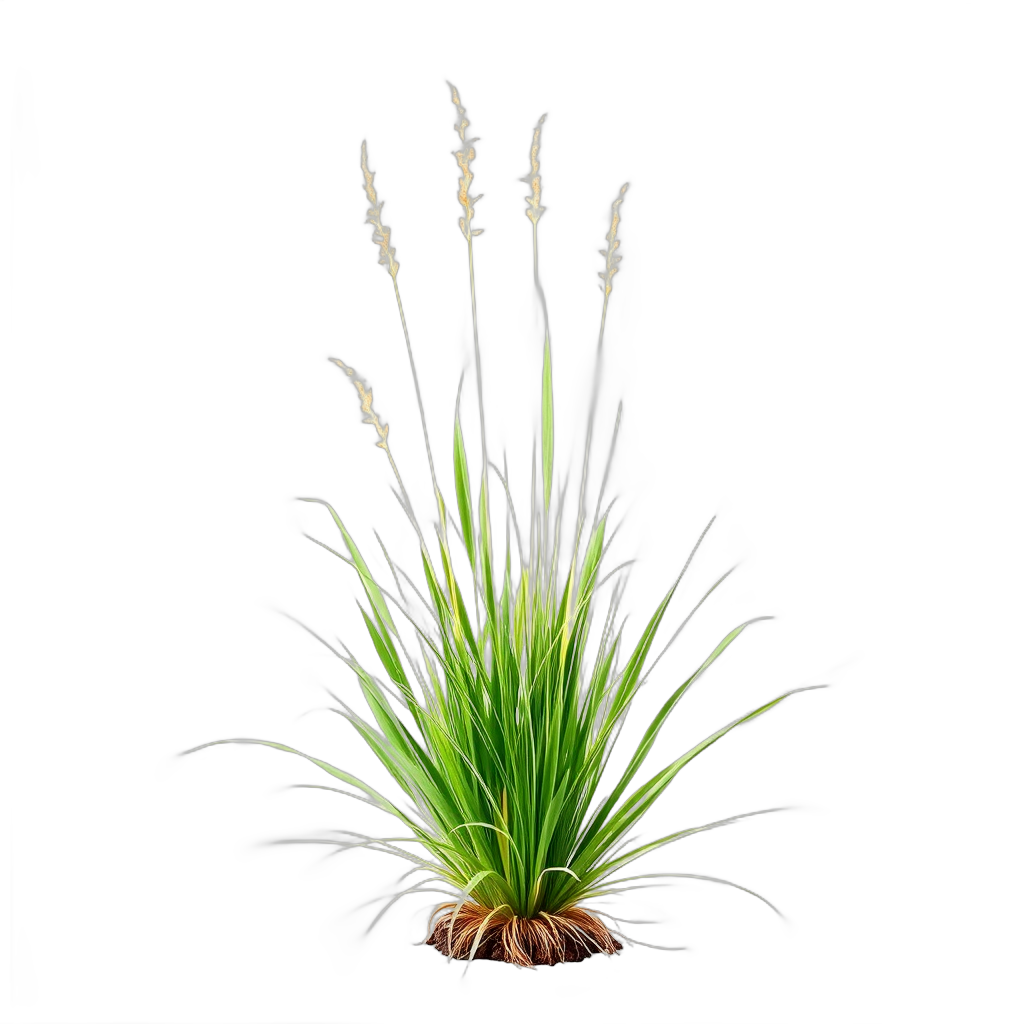
Northern Sea Oats
Chasmanthium latifolium
grows to 4 feet, blooms in fall. Bronze fall color.

Dwarf Fernleaf Bamboo
Pleioblastus distichus
low-growing ground cover, blooms in none. Evergreen year-round.
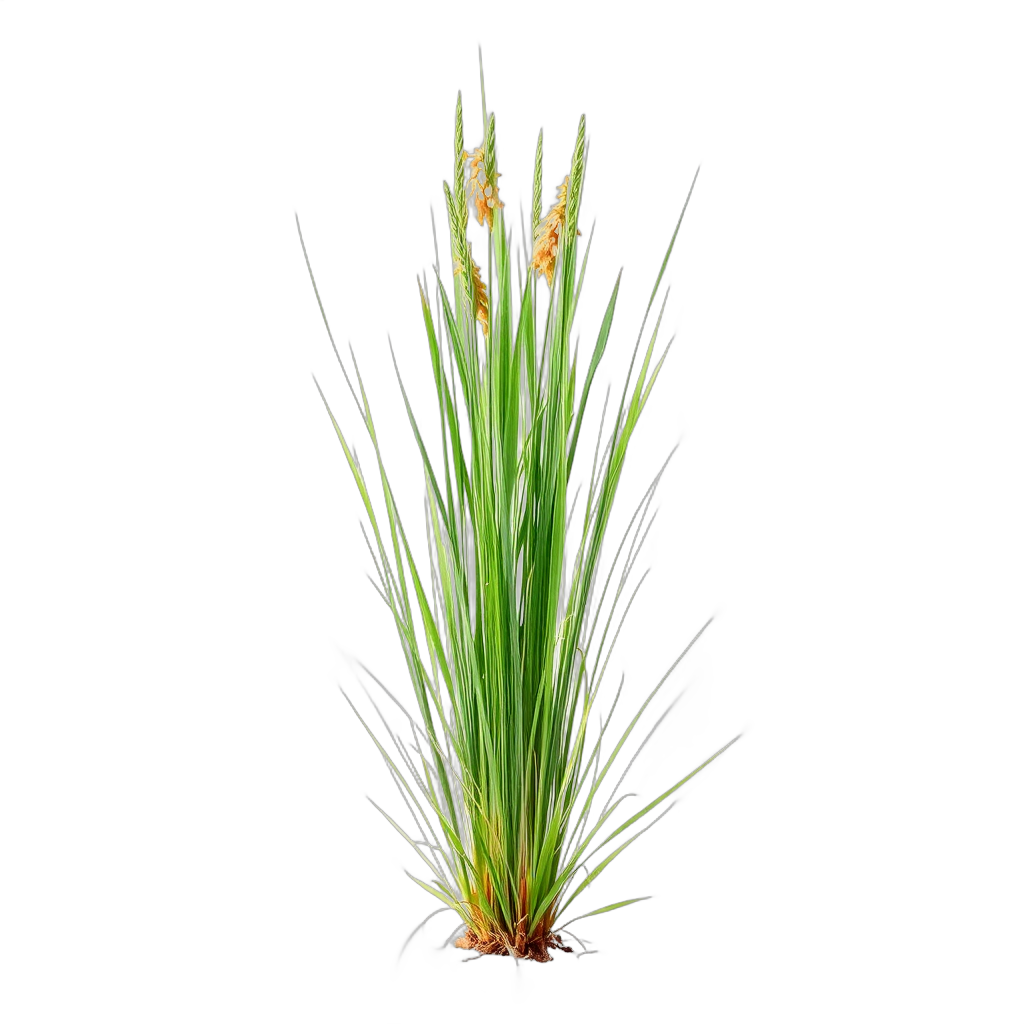
Eastern Gamagrass
Tripsacum dactyloides
grows to 6 feet, blooms in summer. Yellow fall color.

Large-leaf Bamboo
Indocalamus tessellatus
grows to 5 feet, blooms in none. Evergreen year-round.
Featured Flowers & Perennials for Cottage/English Gardens
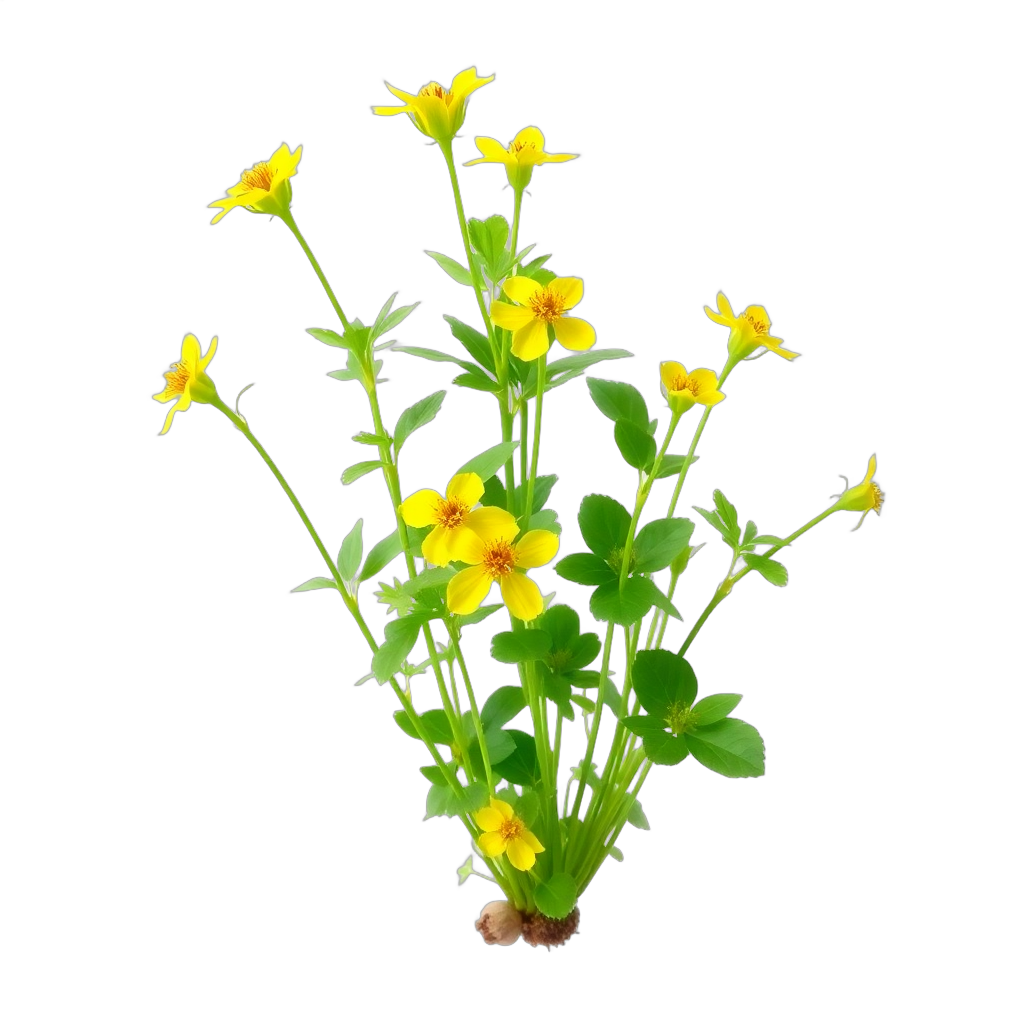
Celandine Poppy
Stylophorum diphyllum
low-growing ground cover, yellow blooms in spring.
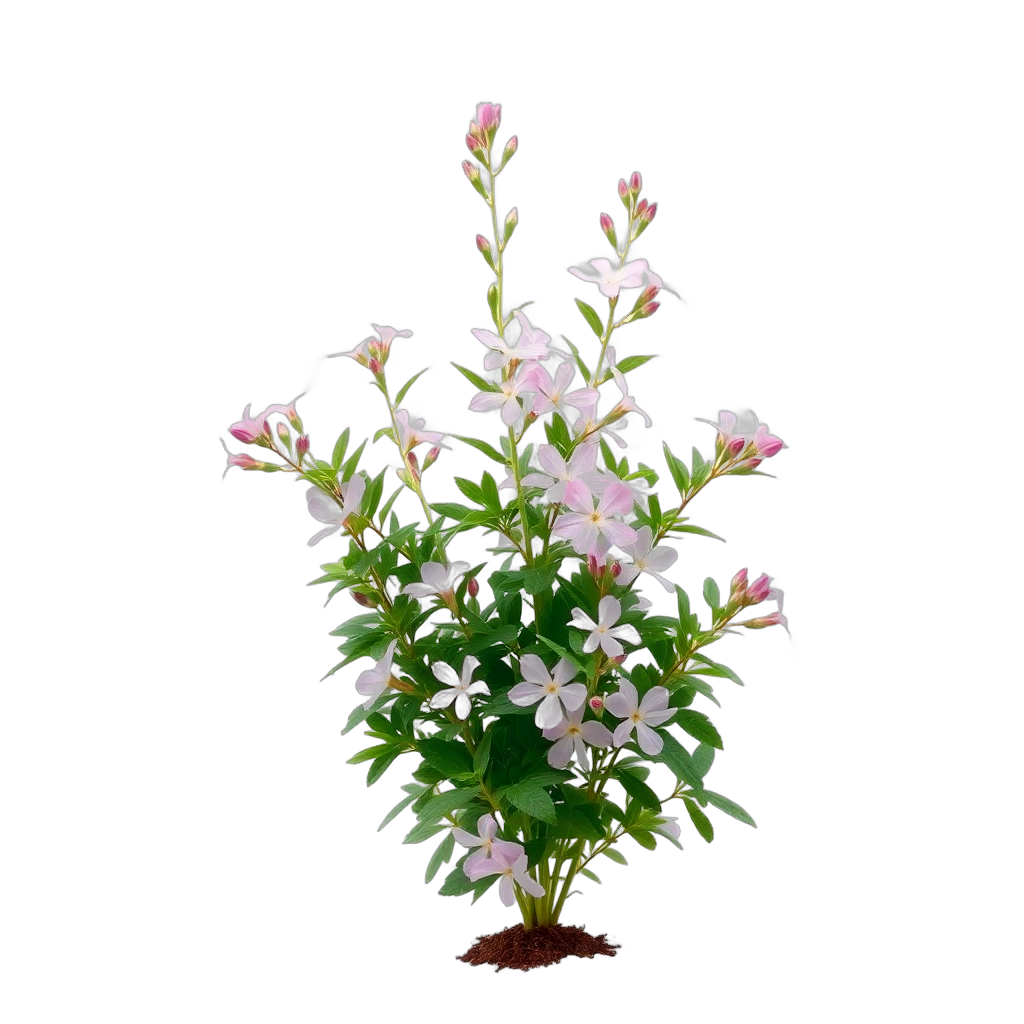
Garden Phlox
Phlox paniculata
grows to 3 feet, multi blooms in summer. Attracts hummingbirds.
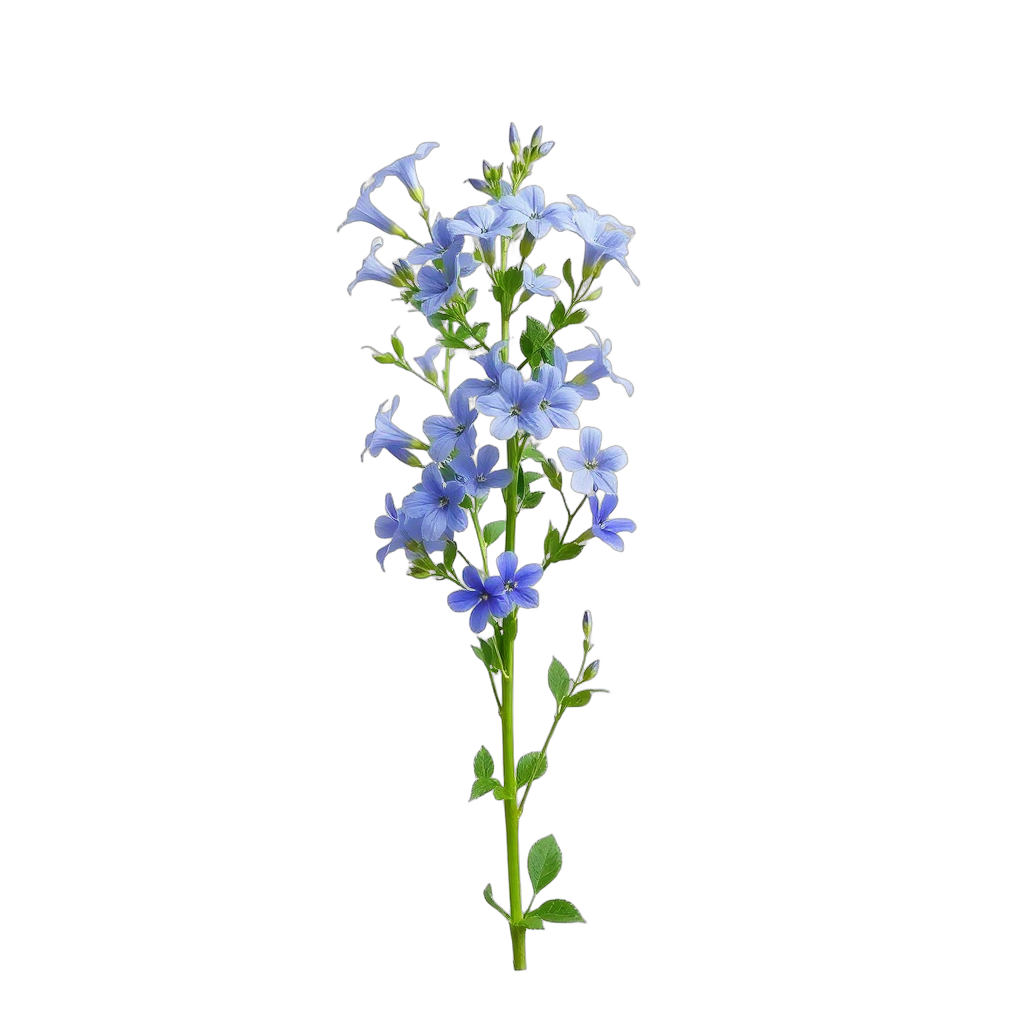
Wild Blue Phlox
Phlox divaricata
low-growing ground cover, blue blooms in spring. Attracts butterflies.

Parrot's Feather
Myriophyllum aquaticum
grows to 3 feet, white blooms in summer. Evergreen year-round.
Zone and sun checks come from our database — confirm with your local nursery before you buy.
Bloom Calendar for Cincinnati
spring
Celandine Poppy, Wild Blue Phlox, Blackhaw Viburnumsummer
Garden Phlox, Coralberry, Shrubby St. John's Wortfall
Northern Sea Oatswinter
Limited bloomsDesign Tips for Cincinnati (Zone 6b)
- Choose disease-resistant phlox cultivars—'David', 'Jeana', or 'Shortwood'—for all Cincinnati cottage garden plantings; Ohio Valley humidity drives powdery mildew on susceptible phlox varieties, and mildew-resistant selections deliver full cottage bloom from July through September without the disfiguring coating that ruins older varieties
- Plant Virginia bluebells in drifts behind late-emerging hostas or daylilies—their spectacular April blue bloom is followed by complete summer dormancy, leaving gaps that need covering; siting late-emerging perennials in front allows the bluebells to be invisible when dormant and spectacular when blooming
- Amend Cincinnati’s heavy clay soil with 4–6 inches of compost before any cottage planting—this single soil preparation step is more important than any plant selection decision, transforming poorly draining clay into the productive, aerated soil that cottage perennials need to thrive
- Use Ohio limestone or local sandstone for all cottage garden hardscape—it’s geologically authentic to the Ohio Valley, ages beautifully in Cincinnati’s moist climate developing moss and lichen patina, costs less than imported stone, and provides the warm honey-tan tones that complement cottage planting colors
- Design the cottage garden for May and June peak—Cincinnati’s spring is genuinely spectacular, with cool temperatures, reliable rainfall, and the simultaneous bloom of peonies, roses, irises, and alliums; all design decisions should prioritize this peak moment while maintaining adequate interest through summer and fall
- Install a simple fire pit or chiminea on the back patio—Cincinnati’s spring (April–May) and fall (September–November) evenings are perfect for outdoor gathering with temperatures in the 50s–60s, and a fire feature extends outdoor use through both shoulders of the season by 4–6 weeks
Where to Source Plants in Cincinnati
Skip the big-box stores. These independent Cincinnati nurseries specialize in the plants that make cottage/english gardens thrive in Zone 6b.
Natorp’s Nursery
Loveland
Cincinnati’s premier independent nursery—outstanding cottage perennial selection, roses, native plants, and landscape design services
Civic Garden Center of Greater Cincinnati
Cincinnati (Avondale)
Educational garden center with native plants, cottage perennials, and Cincinnati Master Gardener expertise
Strader’s Garden Centers
Multiple Cincinnati area locations
Full-service nursery chain with extensive cottage rose, perennial, and native plant selection for Ohio Valley gardens
Gethsemane Garden Center
Cincinnati
Local nursery with specialty perennials, cottage plants, and knowledgeable staff for Ohio Zone 6b gardens
Lowe’s Garden Center
Multiple Cincinnati locations
Comprehensive cottage plants, roses, hardscape materials, and garden supplies at consistent pricing
Cottage/English Landscaping Costs in Cincinnati
| Project Scope | Estimated Cost |
|---|---|
| Cottage front entry with stone path, rose arbor, and perennial borders | $9,000 – $22,000 |
| Ohio Valley native shade wildflower garden conversion | $8,000 – $20,000 |
| Patio with pergola and cottage perennial borders | $20,000 – $46,000 |
| Full English cottage border garden with lawn panel | $22,000 – $54,000 |
| Raised bed installation for clay soil areas (per 4 beds) | $2,500 – $6,500 |
| Annual cottage garden maintenance (mulching, dividing, replanting) | $1,200 – $3,200/year |
| AI visualization with ProScapeAI | Free to start |
Estimates based on Cincinnati, OH-area contractor rates as of 2026. Actual costs vary by site conditions, materials, and contractor.
Cincinnati Climate & Growing Zone
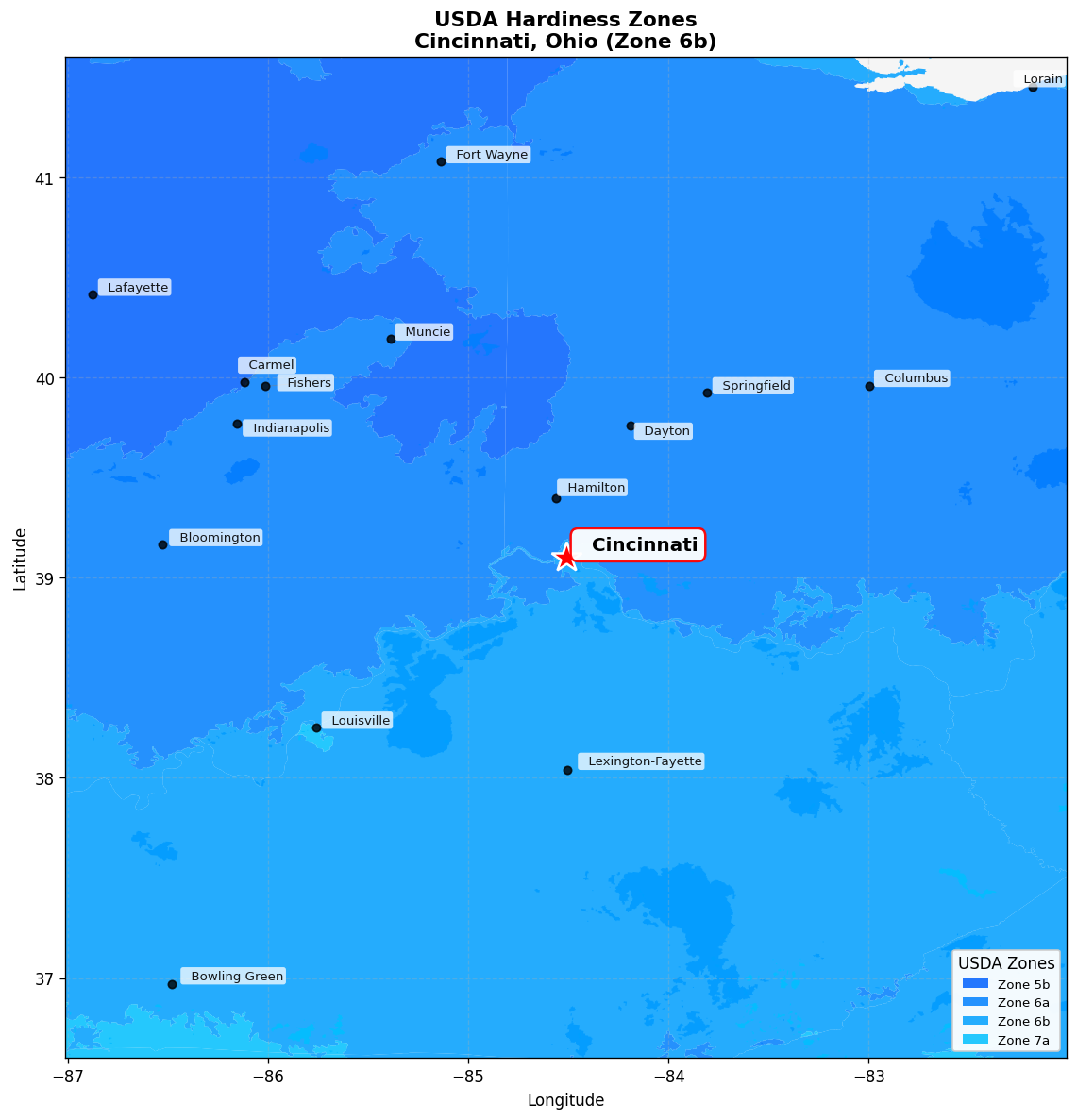
USDA Zone 6b
Hardiness zone for Cincinnati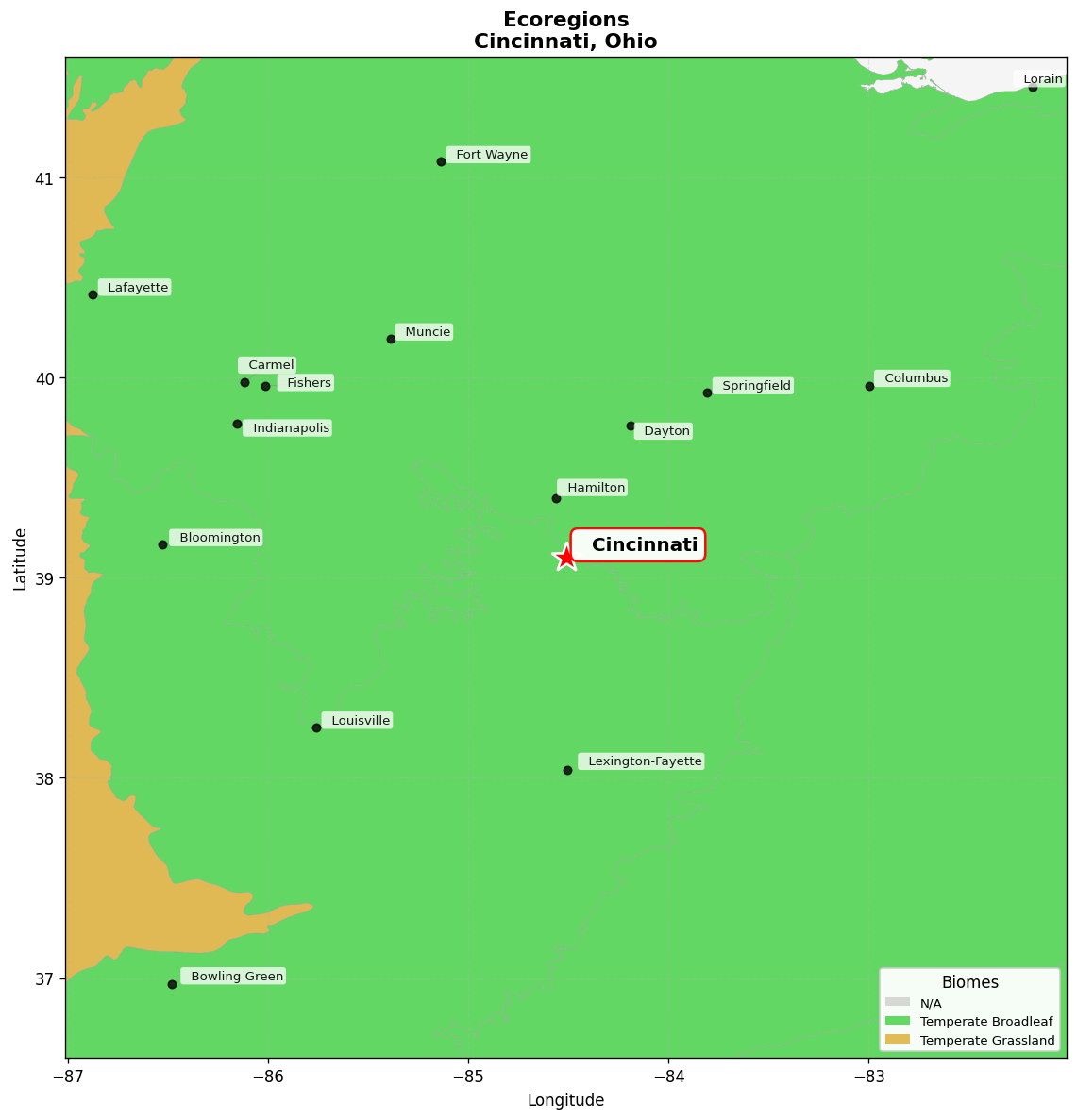
Interior Plateau US Hardwood Forests
Native ecoregionFrequently Asked Questions
What cottage plants thrive in Cincinnati’s humid Zone 6b climate?
Cincinnati’s humid summers require disease-resistant cultivar selection but support a rich cottage plant palette. Outstanding performers: peonies (exceptionally reliable in Zone 6, bloom spectacularly in Cincinnati’s cool May), Annabelle hydrangea (Zone 4 hardy, blooms June–August, handles humidity without disease), oakleaf hydrangea (native to Appalachians, exceptional in Cincinnati conditions), garden phlox 'David' or 'Jeana' (mildew-resistant cultivars essential in Ohio Valley humidity), coneflowers (Zone 4 hardy, blooms June–September), black-eyed Susan (native to Ohio, extremely reliable), delphiniums (Cincinnati’s cool springs are ideal—grow as biennials for best results), and Lenten rose (semi-evergreen, blooms February–April before anything else in Cincinnati gardens).
What roses perform well in Cincinnati’s humid summers?
Ohio Valley humidity is black spot and powdery mildew’s ideal environment, making disease-resistant rose selection critical for Cincinnati cottage gardens. Best choices: Knock Out roses (extraordinary disease resistance, blooms April–frost, excellent heat tolerance), David Austin English roses with demonstrated humid-climate performance ('Olivia Rose', 'Lady of Shalott', 'Princess Alexandra of Kent' are notably disease-resistant), 'Carefree Beauty' and the Parkland series (bred for Midwest conditions), and 'Bonica' (exceptional disease resistance, pink clusters June–October). Avoid traditional hybrid teas without a weekly fungicide program—they’re genuinely challenging in Cincinnati humidity. Rugosa roses (extremely disease-resistant, Zone 3 hardy, fragrant) are underused but excellent in Ohio Valley cottage gardens.
How do I deal with Cincinnati’s heavy clay soil for cottage gardening?
Cincinnati and Hamilton County’s heavy clay soils—common throughout the Ohio Valley—are fertile but poorly drained, which causes root rot in many cottage perennials planted directly without amendment. Solutions: for existing beds, till 4–6 inches of compost into the top 12 inches before planting; for new planting areas, build raised beds 8–12 inches above grade with quality topsoil and compost mix; install French drains in low areas where water pools after rain; and choose plants with tolerance for occasional wet feet (Annabelle hydrangeas, daylilies, and Siberian iris tolerate wet clay better than most). Avoid adding sand to clay—it creates concrete-like mixtures. Organic matter (compost) is the correct amendment.
What native Ohio Valley plants work well in a Cincinnati cottage garden?
The Ohio Valley’s Appalachian hardwood forest is botanically rich with cottage-compatible natives. Best performers: Virginia bluebells (Mertensia virginica, spectacular April blue bloom, then summer dormancy—plant behind later-emerging perennials to hide gaps), native columbine (Aquilegia canadensis, red and yellow, self-sows throughout the garden), wild blue phlox (Phlox divaricata, lavender-blue May bloom, naturalizes in shade), native trilliums (spectacular but slow from seed—purchase established plants), oakleaf hydrangea (Hydrangea quercifolia, spectacular June bloom and fall color), and black-eyed Susan (Rudbeckia hirta, native to Ohio, extremely reliable summer bloomer). All are adapted to Cincinnati’s climate without care.
How long is Cincinnati’s cottage garden season?
Cincinnati’s cottage garden season is generous by Midwest standards: average last spring frost is April 14, and average first fall frost is October 29—giving roughly 198 frost-free days. In practice, the usable outdoor garden season runs from early April (Lenten rose and hellebores blooming) through late November (ornamental kale and late asters). Spring wildflowers and bulbs begin in March; June is the classic cottage garden peak with peonies, roses, and delphiniums all simultaneously blooming; summer brings hydrangeas, coneflowers, and phlox; and fall provides asters, grasses, and chrysanthemums. With thoughtful season planning, a Cincinnati cottage garden can deliver 8 months of meaningful bloom.
How much does a cottage garden installation cost in Cincinnati?
Cincinnati landscaping costs are near the national average—slightly below major coastal markets. A cottage front entry with stone path, rose arbor, and perennial borders typically costs $9,000–22,000. A shade native wildflower garden conversion costs $8,000–20,000. A pergola patio with cottage borders runs $20,000–45,000. A full English cottage border garden with lawn panel ranges $22,000–52,000. Annual maintenance for an established Cincinnati cottage garden (mulching, deadheading, dividing, seasonal replanting) runs $1,200–3,200/year. Disease-resistant plant selection reduces the fungicide and replacement costs that traditional hybrid teas and susceptible phlox varieties can add.