4 English Cottage Garden Ideas for Citrus Heights, CA | Zone 9b Heat-Proof
Native plants from the California Central Valley grasslands (Zone 9b) — Mediterranean (hot summer) climate
For a cottage garden in Citrus Heights, CA, a zone 9b city with a mediterranean (hot summer) climate, start with Rosa 'Iceberg', Rosa 'Julia Child' and Lavandula × intermedia 'Provence', the plants this guide's first design is built on.
Why Cottage/English Gardens in Citrus Heights?
Citrus Heights has the right bones for a cottage garden. Much of the housing is made up of ranch and split-level homes with a wide, shallow front yard, and a lot of those yards are still a single lawn with one old oak in the corner. A cottage border works well there: a low fence or a row of shrub roses along the sidewalk, a winding path to the door, and beds deep enough to hold three layers of plants. Neighborhoods like Sylvan Corners, Birdcage Heights and the streets around Rusch Park have the mature trees and the setbacks to carry it.
The climate decides which English plants survive. NOAA's 1991–2020 normals for Sacramento Executive Airport, the nearest station, show a January average low of 39.2°F and a July average high of 92.6°F. The year averages about 76 days at 90°F or above and 14 days at 100°F or above, and the 18.14 inches of annual rain nearly all falls between November and April; July averages 0.00 inches. Delphinium elatum and Digitalis purpurea fade in that heat, so treat them as spring annuals. The backbone has to be plants from Mediterranean climates: Lavandula × intermedia 'Provence', Salvia nemorosa 'Caradonna', Nepeta × faassenii 'Walker's Low', Achillea 'Moonshine' and Erigeron karvinskianus. For roses, Rosa 'Iceberg', Rosa 'Gertrude Jekyll' and Rosa 'Julia Child' handle a dry summer without the blackspot that plagues eastern gardens, as long as you give them deep, regular water.
Frost is light. The same NOAA station gives a 50 percent chance that the last 28°F night comes around January 4 and the first around December 16, so the real planting season runs almost the whole year, and winter lows rarely hurt the plants listed here. USDA Zone 9b covers that. What kills cottage gardens in this valley is the summer: afternoon sun on west walls, and roots in dry compacted ground. Mulch every bed 3 inches deep with shredded bark, and run drip lines rather than sprinklers so the foliage stays dry and the water goes to the root zone.
Mind the oaks. Many Citrus Heights lots have a mature valley or blue oak, and summer water on the trunk and root crown invites oak root fungus. Keep the beds under the canopy to dry-summer plants such as Cistus × hybridus, Santolina chamaecyparissus and Achillea 'Moonshine', and keep the thirsty roses and hydrangea out in the open sun. Which water district bills you depends on the block: the Citrus Heights Water District serves portions of the city, and it lists a demonstration garden and water efficiency classes on its own site. Call them before you rebuild an irrigation system, and check front-yard fence heights with the city's Building & Safety division before you order pickets.
4 Cottage/English Design Ideas for Citrus Heights
AI-generated image
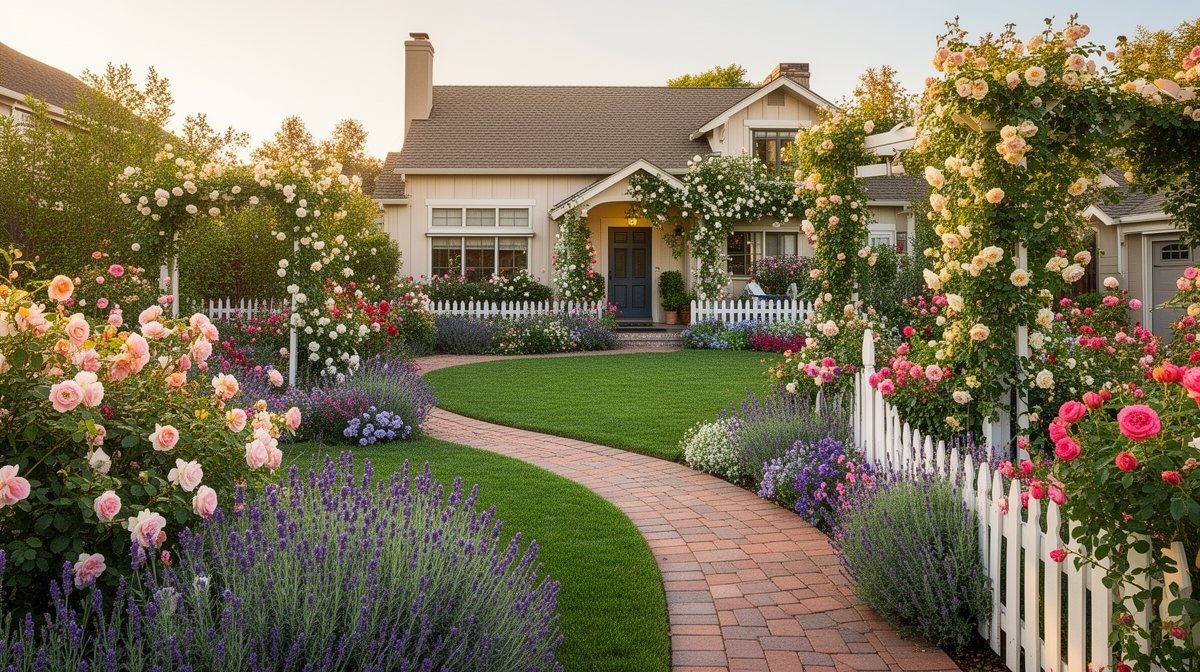
The Sidewalk Rose Border
$18–36/sqftA low white picket fence runs along the sidewalk of a 1960s ranch house, with a gate in the middle and a decomposed granite path curving to the front door. Shrub roses and lavender fill a bed 6 feet deep behind the fence, so the planting reads from the street, and the bed gets the full afternoon sun that roses need to bloom well here. A single rose arch over the gate carries the climbers.
Try this on your yard: The Sidewalk Rose BorderAI-generated image
The Oak Shade Cottage Bed
$20–40/sqftUnder a big valley oak in a front yard, a path of irregular flagstone winds past a bed of plants that need no summer water. Santolina and cistus form the mounds, white Erigeron spills over the path edge, and a bench sits in the oak's dappled shade where the afternoon sun is blocked. The beds stay outside the oak's trunk zone, so the tree gets no extra summer irrigation.
Try this on your yard: The Oak Shade Cottage BedAI-generated image
The Pollinator Cottage Backyard
$24–48/sqftA rectangle of lawn gets cut in half, and the back half becomes a deep cottage border filled with perennials that bloom from April into October. A gravel seating circle sits at the center with a round bistro table and two chairs, in the shade of a pergola with a climbing rose on the west post. Bees and butterflies work the Agastache and Echinacea all summer.
Try this on your yard: The Pollinator Cottage BackyardAI-generated image
The Herb and Lavender Kitchen Garden
$26–50/sqftRaised cedar beds line the south wall of a stucco house, with lavender, rosemary and thyme in the front row and a pair of 'Black Mission' fig and 'Meyer' lemon trees in half barrels by the patio. Paths between the beds are decomposed granite, and a pomegranate against the fence gives fall color. The whole bed sits in full sun, which suits herbs and which the clay beneath drains better through raised soil.
Try this on your yard: The Herb and Lavender Kitchen GardenSee how a cottage/english garden looks on YOUR property
Upload a photo of your Citrus Heights yard and visualize your dream garden in seconds.
Try ProScapeAI Free

AI-generated image
Featured Trees & Shrubs for Cottage/English Gardens
Browse all 160 plants for Citrus Heights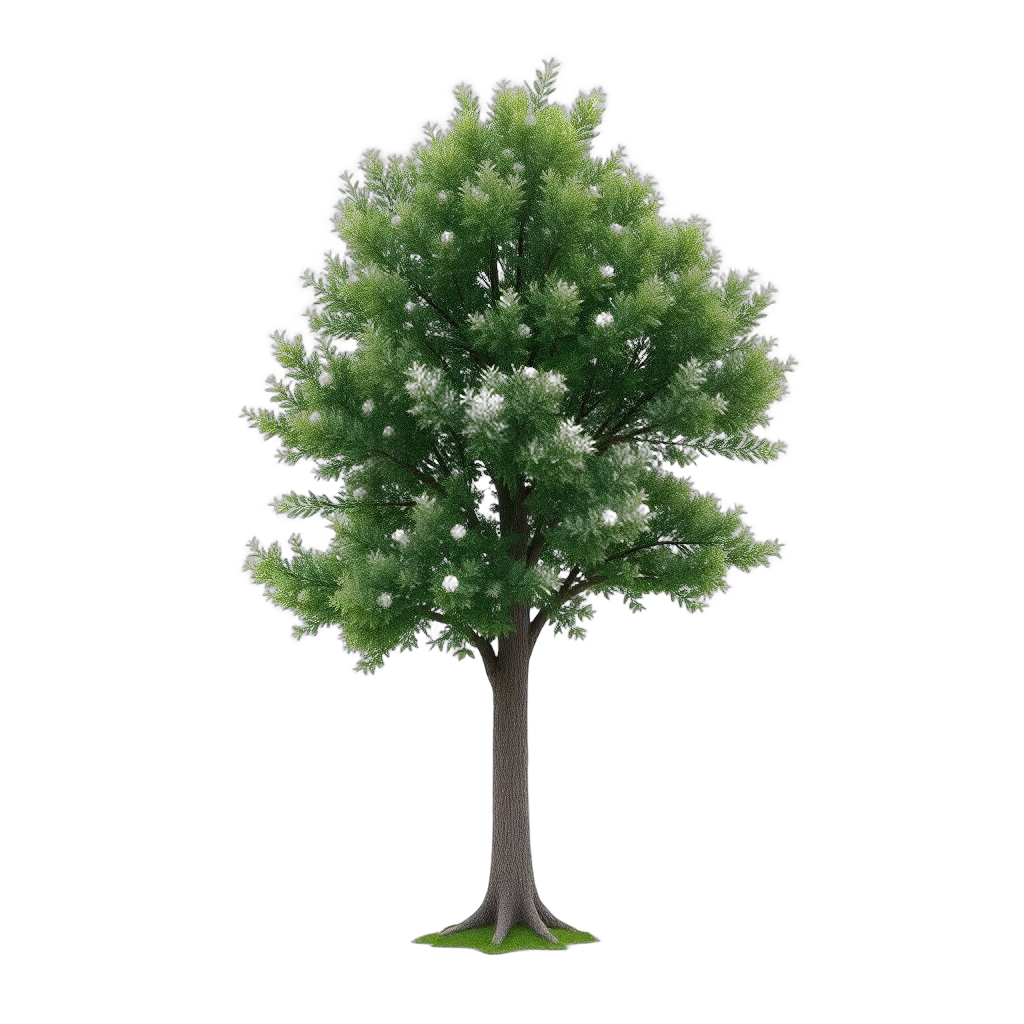
Blue Oak
Quercus douglasii
large shade tree reaching 50+ feet, blooms in spring. Yellow fall color.
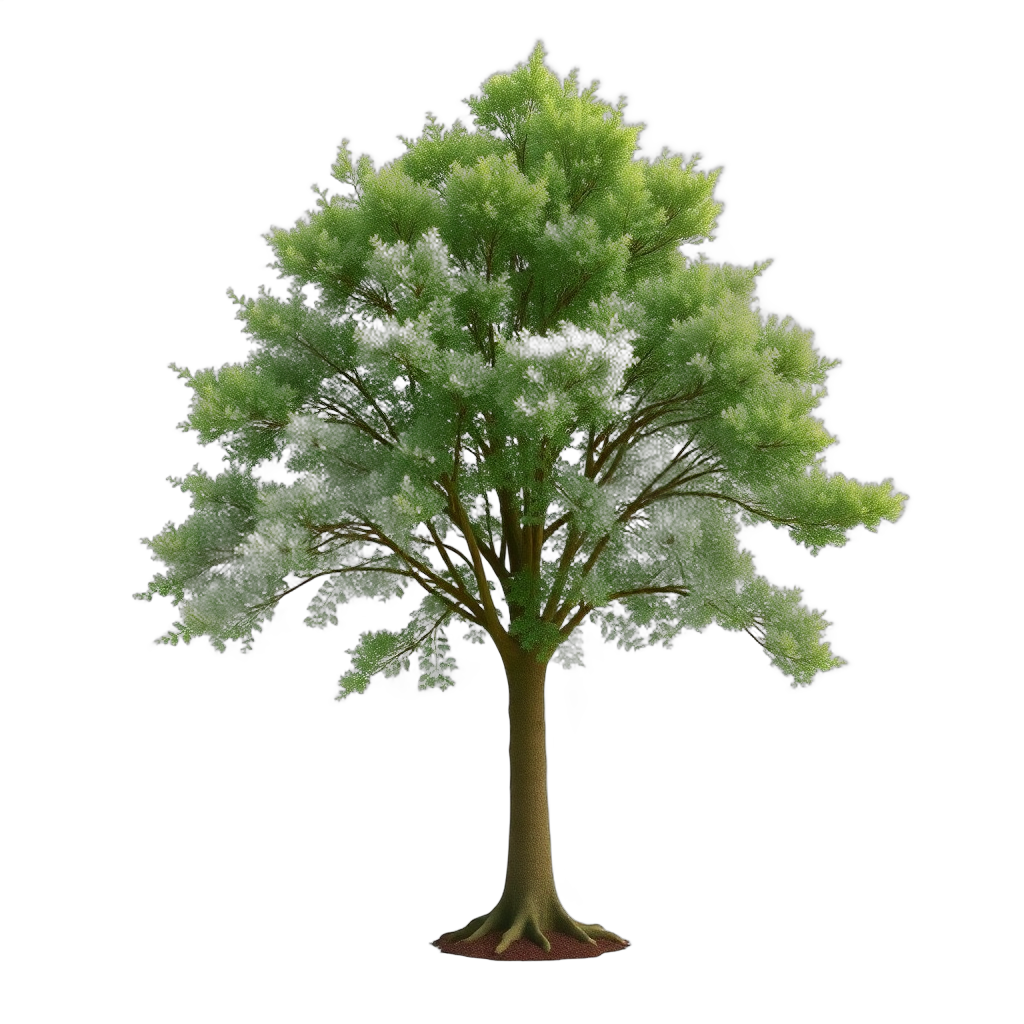
Fremont Cottonwood
Populus fremontii
large shade tree reaching 50+ feet, yellow blooms in spring. Yellow fall color.
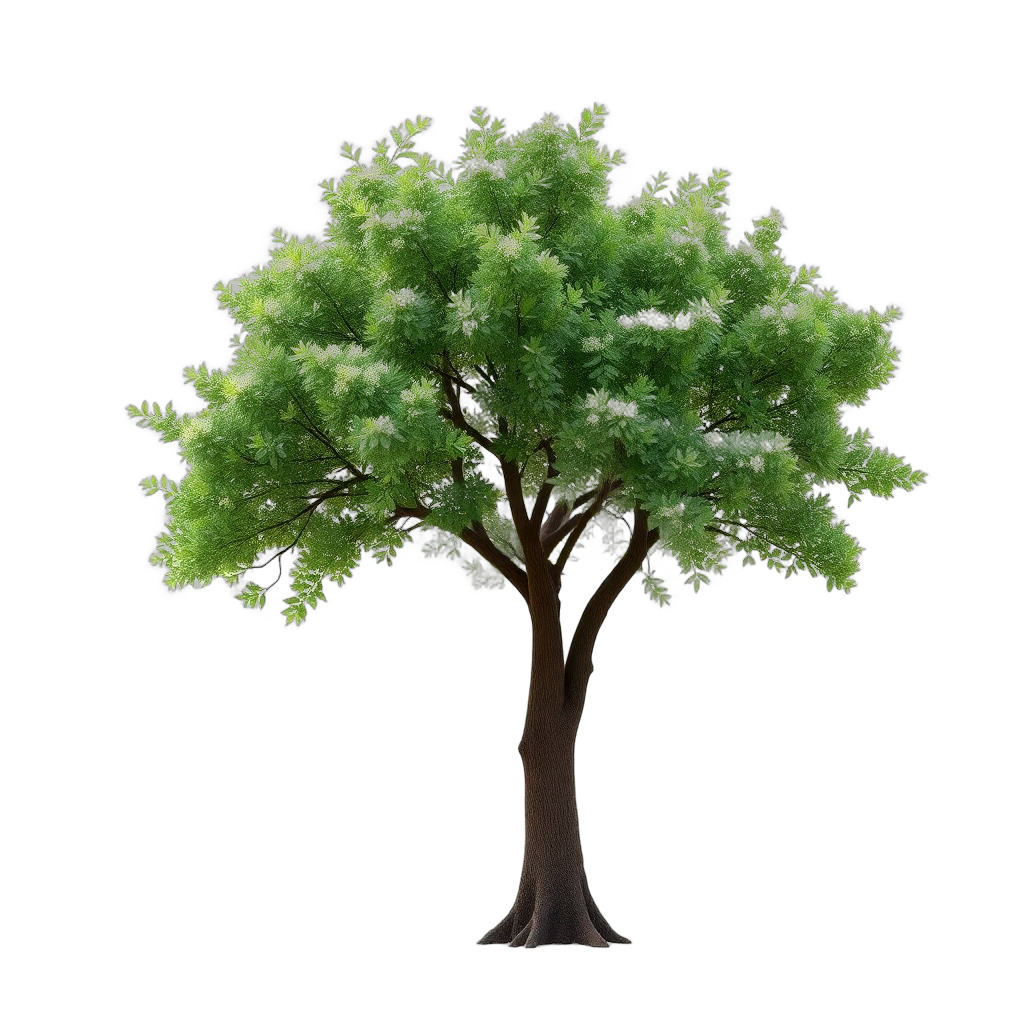
Valley Oak
Quercus lobata
large shade tree reaching 80+ feet, blooms in spring. Yellow fall color.
Featured Grasses & Groundcovers for Cottage/English Gardens
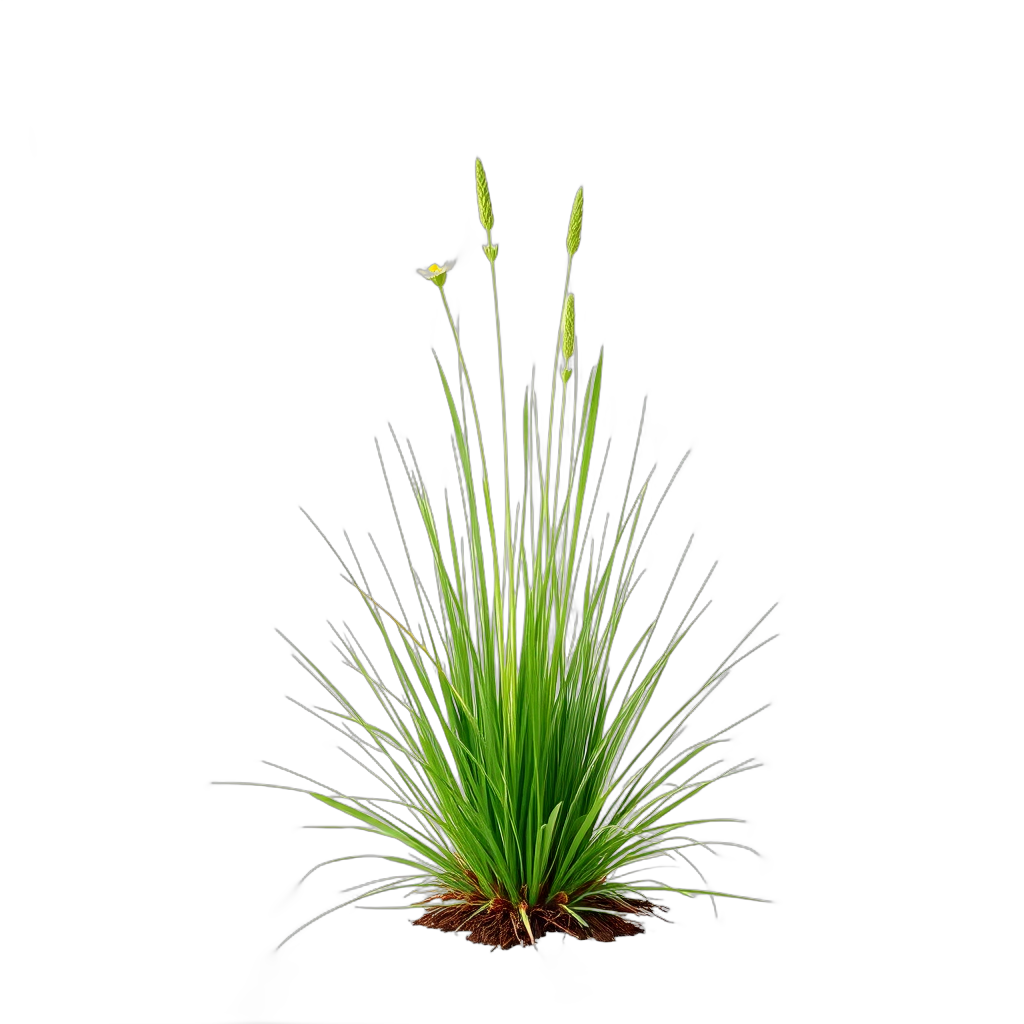
California Brome
Bromus carinatus
low-growing ground cover, blooms in spring. Yellow fall color.
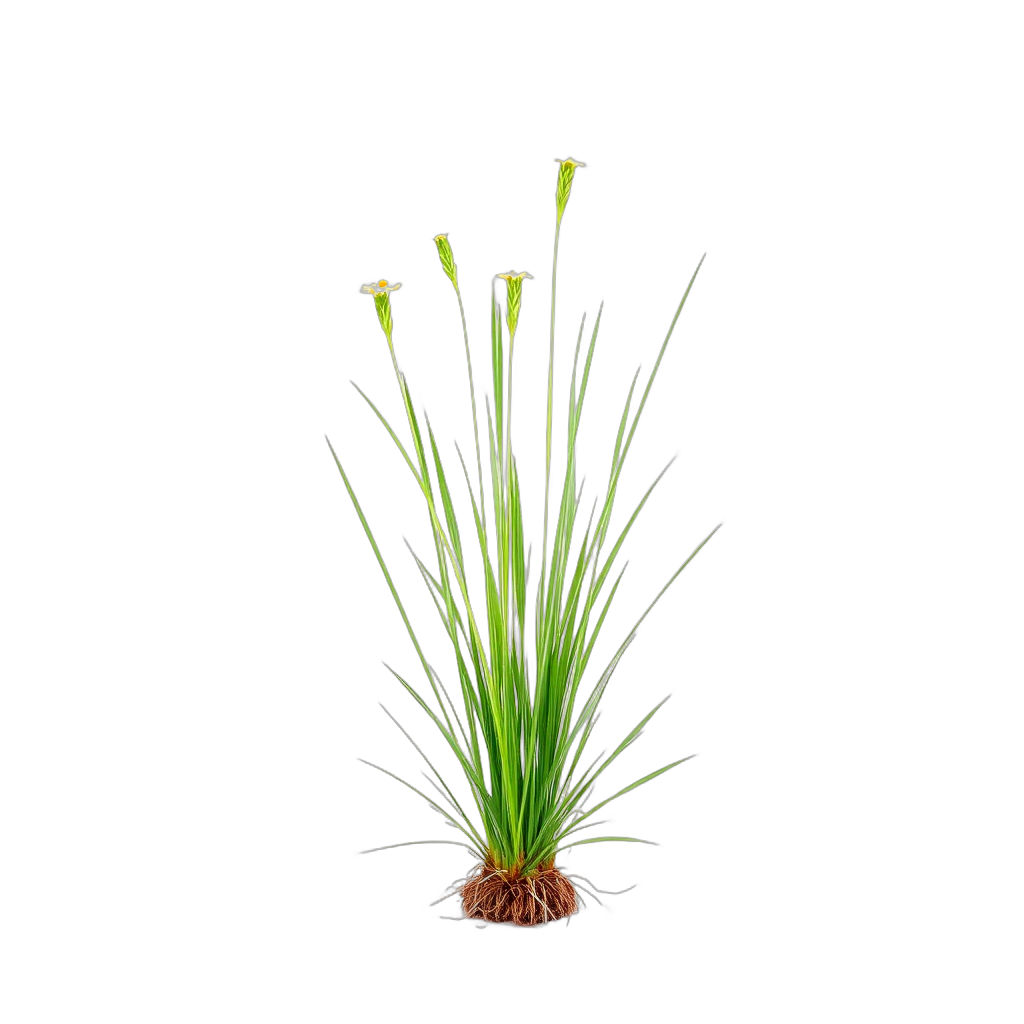
California Melic
Melica californica
low-growing ground cover, blooms in spring.
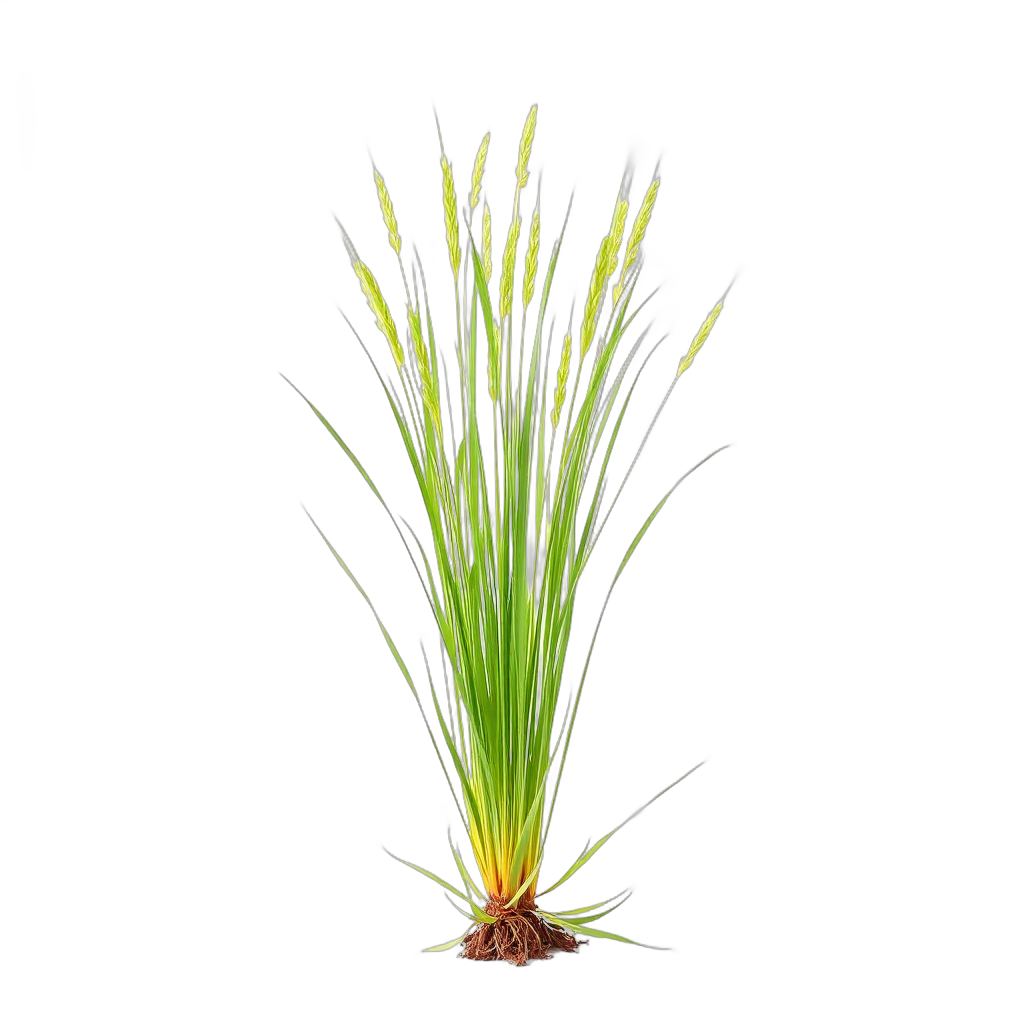
California Oatgrass
Danthonia californica
low-growing ground cover, blooms in spring. Yellow fall color.
Featured Flowers & Perennials for Cottage/English Gardens
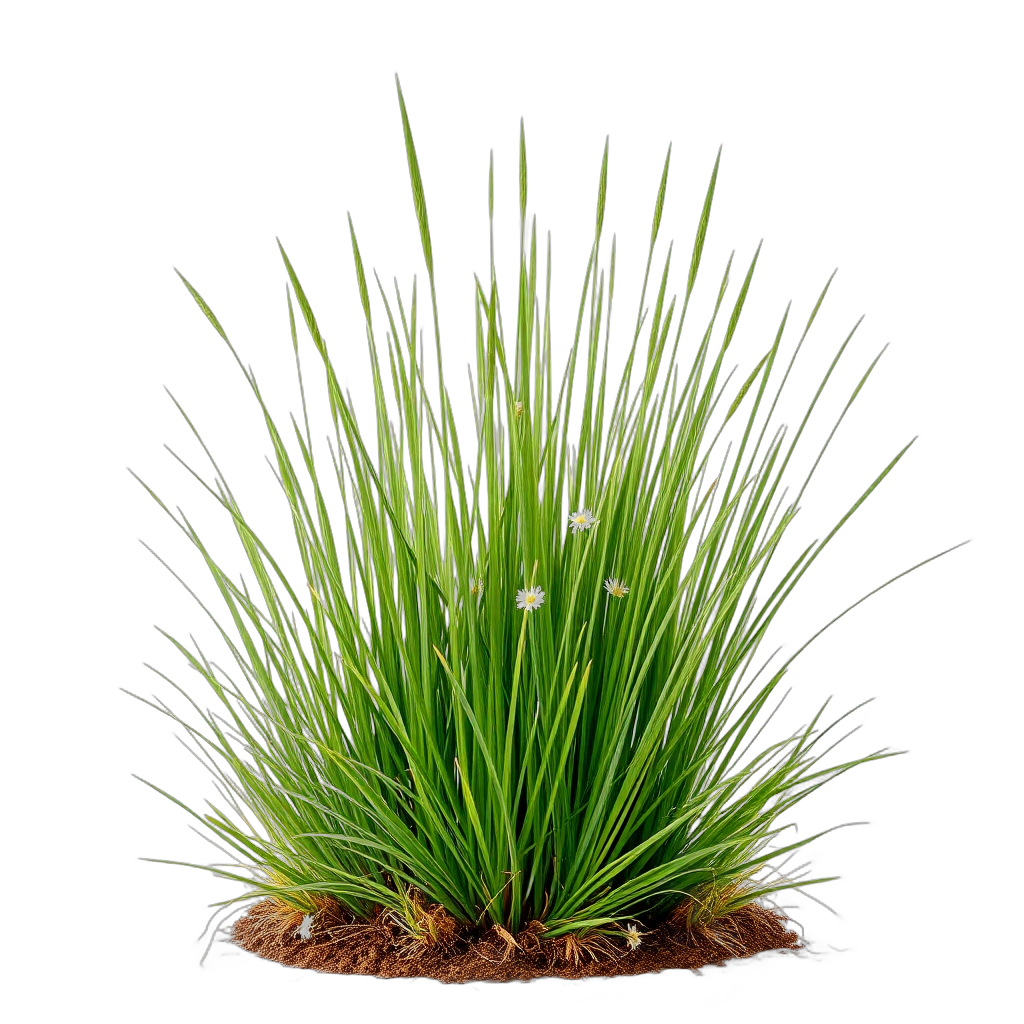
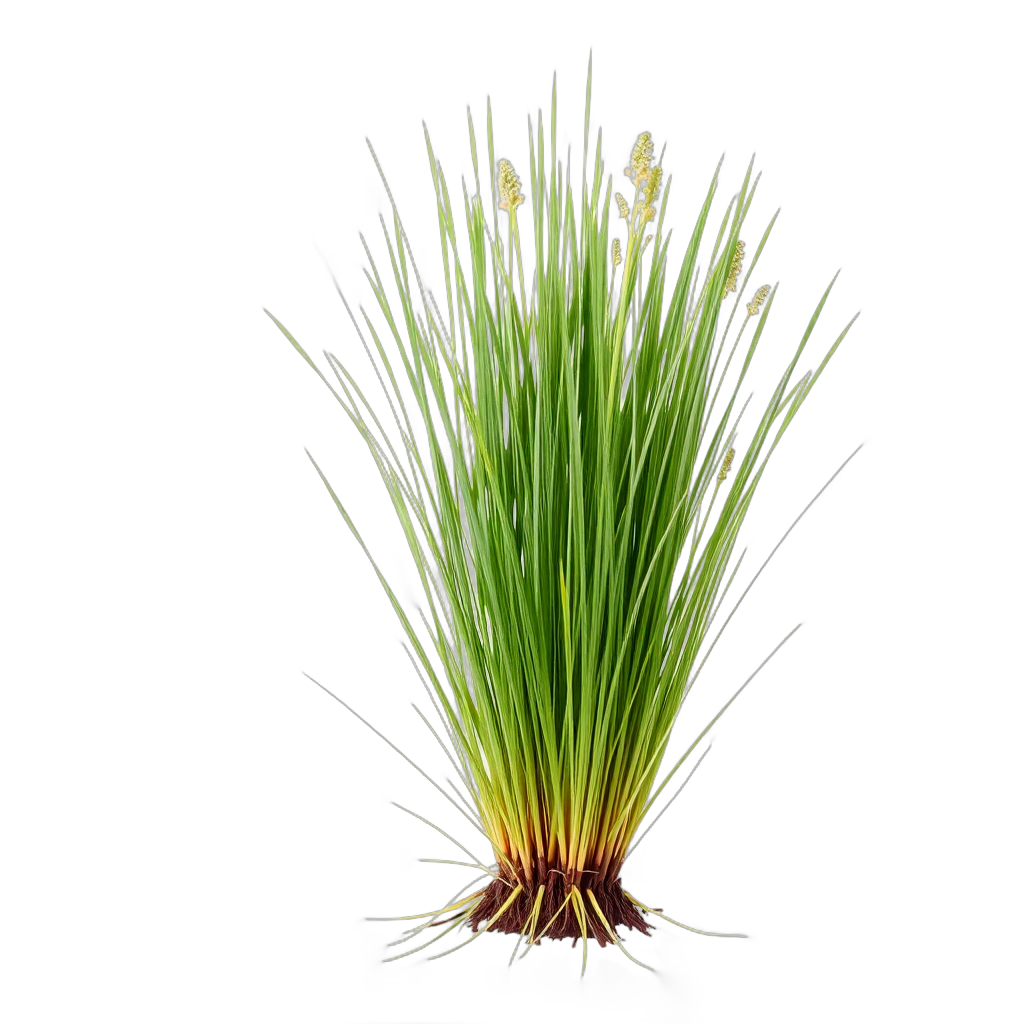
Baltic Rush
Juncus balticus
low-growing ground cover, blooms in summer. Evergreen year-round.
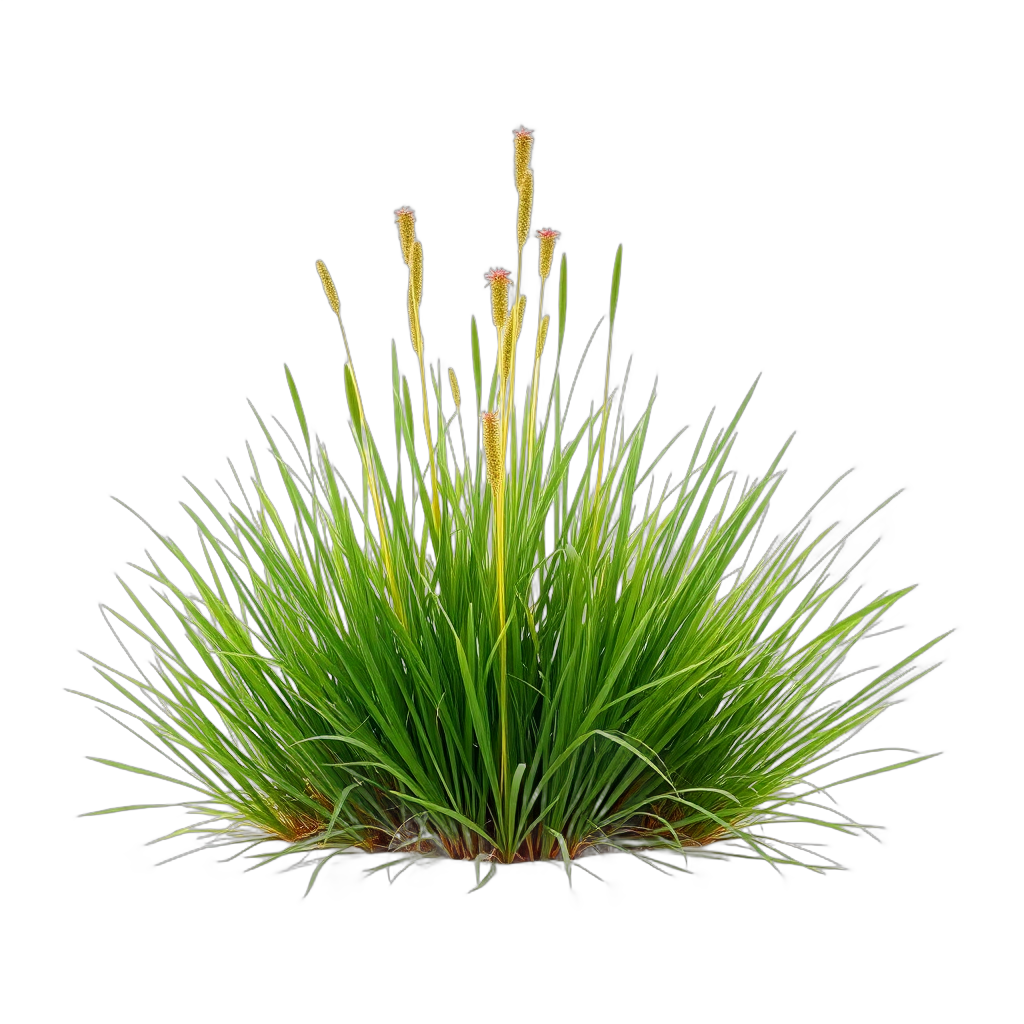
California Gray Rush
Juncus patens
low-growing ground cover, blooms in summer. Evergreen year-round.
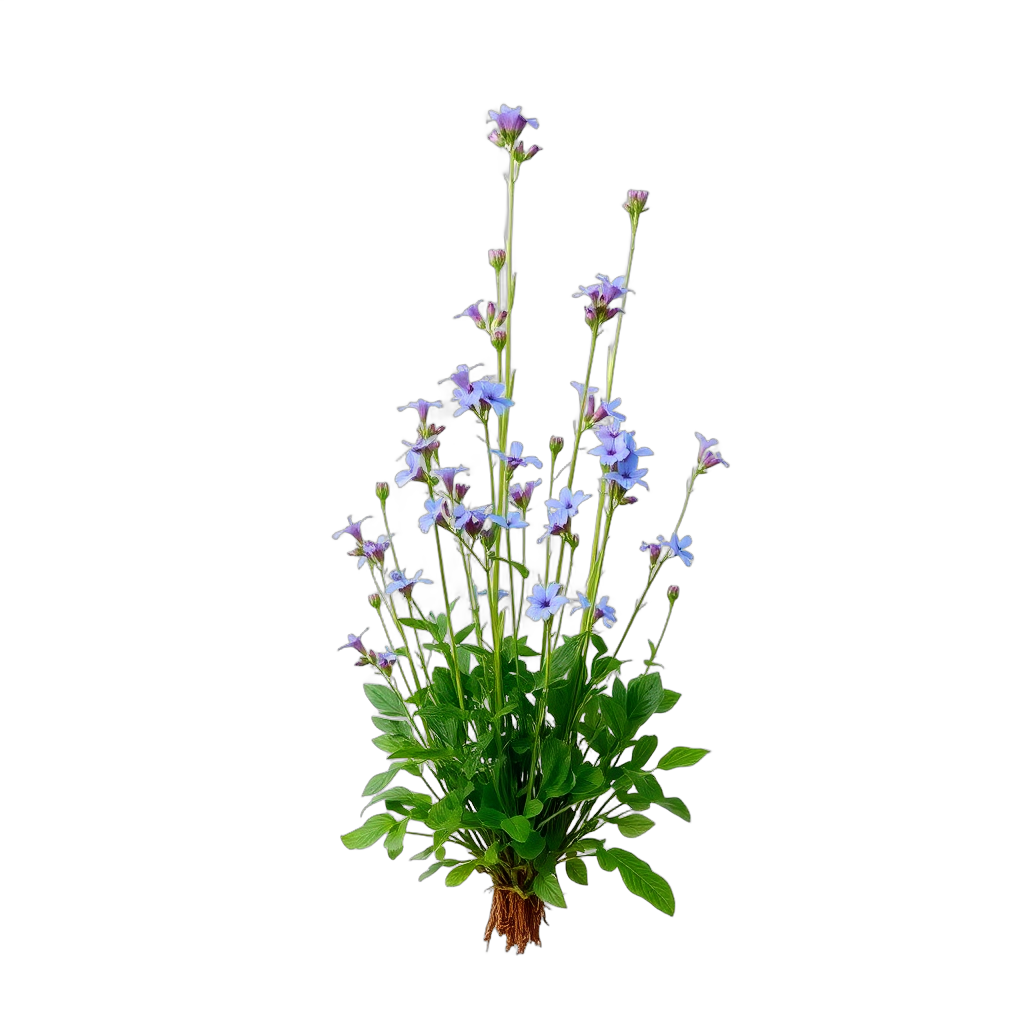
Clustered Field Sedge
Carex praegracilis
low-growing ground cover, blooms in spring.
Blue Dicks
Dichelostemma capitatum
low-growing ground cover, blue blooms in spring. Pollinator-friendly.
Zone and sun checks come from our database — confirm with your local nursery before you buy.
Bloom Calendar for Citrus Heights
spring
Clustered Field Sedge, Blue Dicks, Blue-Eyed Grasssummer
Baltic Rush, California Gray Rush, Papyrusfall
Limited bloomswinter
Limited bloomsDesign Tips for Citrus Heights (Zone 9b)
- Plan on a dry July: NOAA's Sacramento Executive Airport normals give 0.00 inches of rain in July, so every bed needs a drip line from May through October and 3 inches of bark mulch
- Pick Lavandula × intermedia 'Provence' or 'Grosso' over English lavenders: they carry the 92.6°F July average better and bloom longer into summer
- Treat Delphinium elatum and Digitalis purpurea as spring annuals, since the valley sees about 14 days a year at 100°F or above, and let Salvia nemorosa 'Caradonna' and Agastache 'Blue Fortune' hold the vertical lines in summer
- Keep thirsty roses and hydrangeas out in the open and put only dry-summer plants such as Cistus × hybridus and Santolina chamaecyparissus under valley oaks, to avoid root crown rot
- Face the rose beds south or west for full sun, but shade a west-facing wall with a pergola or a tall shrub so afternoon heat does not scorch the stems
- Check the percolation of your clay before you plant by filling a 12-inch test hole with water: if it still stands after a few hours, build the bed up 8–12 inches with a gritty mix instead of digging into it
- Plant in October and November: the last 28°F night comes around January 4 and the first around December 16, so roots get a whole mild winter to establish
Where to Source Plants in Citrus Heights
Skip the big-box stores. These independent Citrus Heights nurseries specialize in the plants that make cottage/english gardens thrive in Zone 9b.
Fair Oaks Boulevard Nursery
Arden-Arcade / Sacramento (Fair Oaks Blvd)
Independent nursery with roses, fruit and citrus trees, herbs, houseplants and a large California native section
Talini's Nursery & Garden Center
East Sacramento (Folsom Blvd)
Full-service garden center with roses, perennials, vines, succulents, fruit trees and organic herbs, plus statuary and garden decor
The Plant Foundry
Midtown / Sacramento (Broadway)
Urban nursery with trees, shrubs, perennials, bulbs and herbs, plus bulk soils and amendments
Mother Natives
Oak Park / Sacramento (24th St)
California native plants, with workshops and a community seed library
Cottage/English Landscaping Cost Ranges
| Project Scope | Estimated Cost |
|---|---|
| Picket fence, 4 ft tall (60 linear ft) | $1,500–$2,400 |
| Brick paver walk (100 sqft) | $2,000–$2,600 |
| Wood garden arbor (8 sqft footprint, about 4 x 2 ft) | $750–$1,100 |
| Drip irrigation system (500 sqft of planted area) | $1,200–$2,200 |
| AI visualization (ProScapeAI) | Free to start |
National average installed ranges for 2026 from our landscaping price list (Homewyse and other published sources). Prices in Citrus Heights, CA vary with site, materials and contractor, so get two or three local quotes.
Citrus Heights Climate & Growing Zone
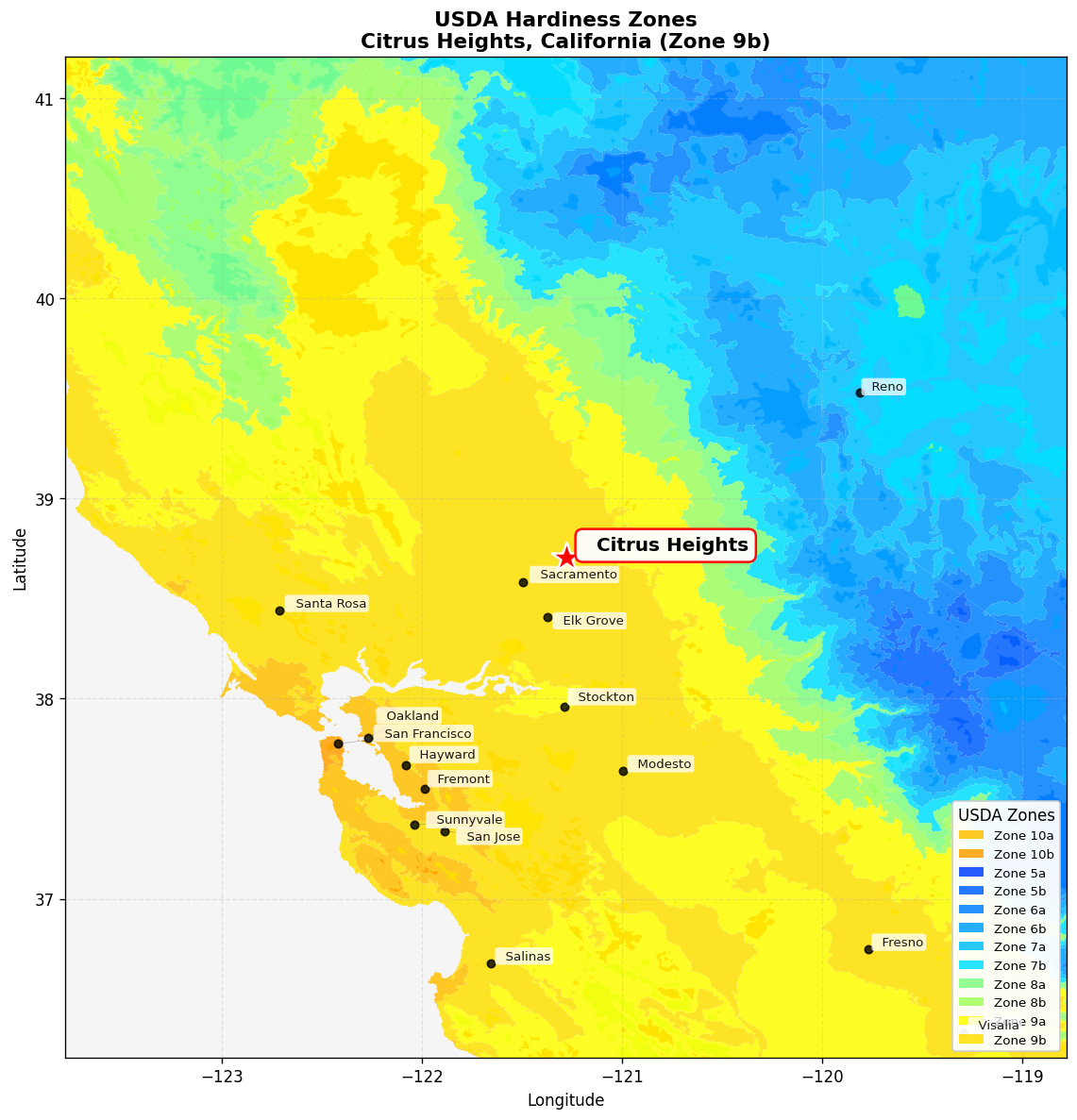
USDA Zone 9b
Hardiness zone for Citrus Heights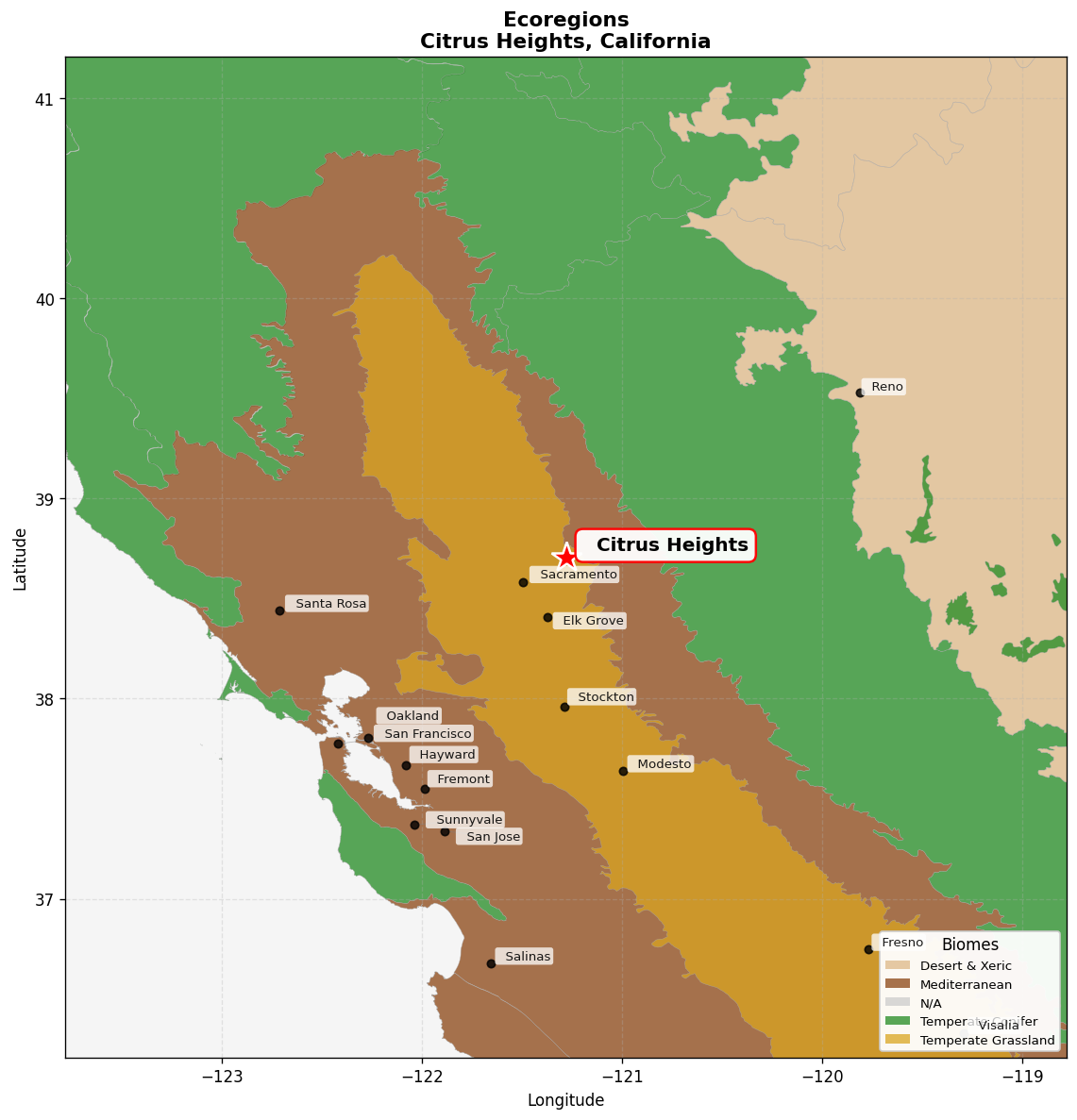
California Central Valley grasslands
Native ecoregionFrequently Asked Questions
How much does a cottage garden cost in Citrus Heights, CA?
Costs vary with yard size, materials and local labor, so get two or three local quotes before you commit.
Is a cottage garden low maintenance in Citrus Heights?
It is moderate. With 18.14 inches of rain a year, almost all of it between November and April, the beds need drip irrigation from May to October, and roses want deep water every week or two in July and August. Mulch 3 inches deep cuts that. Spring is the heaviest work: deadhead Rosa 'Iceberg' and shear Lavandula × intermedia 'Provence' by a third after the main bloom.
When is the best time to plant in Citrus Heights?
Fall, from October through November, is best: soil is warm, rains return and roots grow all winter. NOAA's normals for Sacramento Executive Airport put the last 28°F night around January 4 and the first around December 16, so a second window opens from late February to April. Avoid planting in July and August, when highs average 92.6°F.
Do I need a permit or approval for a fence or patio?
Fences, pergolas and retaining walls can need a permit or zoning review depending on height and location, and ask the city about front-yard fence height. Call Citrus Heights Building & Safety at (916) 727-4760 before building. HOAs in newer subdivisions can add their own plant and fence rules.
Which cottage plants survive the valley heat?
The Mediterranean-climate group does: Lavandula × intermedia 'Provence', Salvia nemorosa 'Caradonna', Achillea 'Moonshine', Cistus × hybridus, Santolina chamaecyparissus and Rosmarinus officinalis 'Tuscan Blue'. Delphinium elatum and Digitalis purpurea burn out in the 14 days a year above 100°F, so treat them as spring color. Rosa 'Iceberg' and Rosa 'Gertrude Jekyll' hold up with deep watering.
Can I plant under the oak trees in my yard?
Yes, but keep the beds out of the trunk zone and give them no summer irrigation. Summer water at the root crown of a valley oak encourages oak root fungus. Under the canopy use Cistus × hybridus, Santolina chamaecyparissus and Achillea 'Moonshine', which want a dry summer, and put the thirsty roses out in open sun.
Who do I call about water rules and rebates?
The Citrus Heights Water District serves portions of the city, and other districts serve other blocks, so check your bill first. The district's own site lists rebates for pressure reducing valves, toilets and washers, plus water efficiency classes and a demonstration garden, but it lists no landscape rebate. Call the district at 916-725-6873 to ask what is open now.