4 Modern Landscape Ideas for Costa Mesa, CA | Frost-Free Zone 10b Yards
Native plants from the California coastal sage and chaparral (Zone 10b) — Cold semi-arid climate
Why Modern/Minimalist Gardens in Costa Mesa?
Costa Mesa is a natural fit for a modern landscape because the house stock already suits it. The Eastside's 1950s and 1960s single-story ranches, the Mesa Verde tracts around the golf course, and the new small-lot two- and three-story homes going up on the Westside all have flat roofs, long low eaves or crisp stucco planes that a clean grid of concrete, gravel and sculptural plants finishes properly. Lots are modest, often a 20 to 25 foot front setback, so a few strong gestures (one specimen tree, one line of planks, one block of a single grass) read better than a crowded bed.
The climate removes almost every constraint a modern garden usually fights. NOAA's 1991–2020 normals at John Wayne Airport, on the city's eastern edge, put the average January low at 48.6°F and the August high at 80.4°F, with about 11.2 inches of rain a year, nearly all of it from November through March. Zone 10b means hard frost is rare enough that Agave attenuata 'Boutin Blue', Aloe 'Blue Elf', Furcraea foetida 'Mediopicta' and Aeonium arboreum 'Zwartkop' live outdoors all year without cover. The real local factor is the marine layer: May and June mornings are gray and damp, so plants that need dry radiant heat stall, while Olea europaea 'Wilsonii', Lomandra longifolia 'Breeze', Westringia fruticosa 'Morning Light' and Leucadendron 'Safari Sunset' do well in exactly that cool, bright air.
Some modern classics do not belong here. Purple fountain grass (Pennisetum setaceum) is on the California invasive plant list and seeds into Fairview Park and the Back Bay bluffs, so use Muhlenbergia rigens or Lomandra 'Breeze' for the same soft vertical line. A clipped lawn panel looks sharp but drinks the most water in the yard; Dymondia margaretae between concrete planks, or a gravel plane, gives the same flat negative space for a fraction of the irrigation. Soil across the mesa usually tests neutral to alkaline pH, so skip acid lovers like Japanese maple and gardenia in the ground and keep them in pots if you must have them.
Water policy makes the switch pay for itself faster than most places. Mesa Water District, which serves most of the city, lists turf removal rebates starting at $3 per square foot, drip irrigation from $1 per square foot, rotating nozzles at $2 each (15 minimum) and weather-based controllers from $80. Apply before you touch the lawn. Budget around Orange County labor, which runs well above the national average, and spend the money where a modern design shows it: the paving, the edges and one excellent tree.
4 Modern/Minimalist Design Ideas for Costa Mesa

AI-generated image
The Eastside Ranch Plank Walk
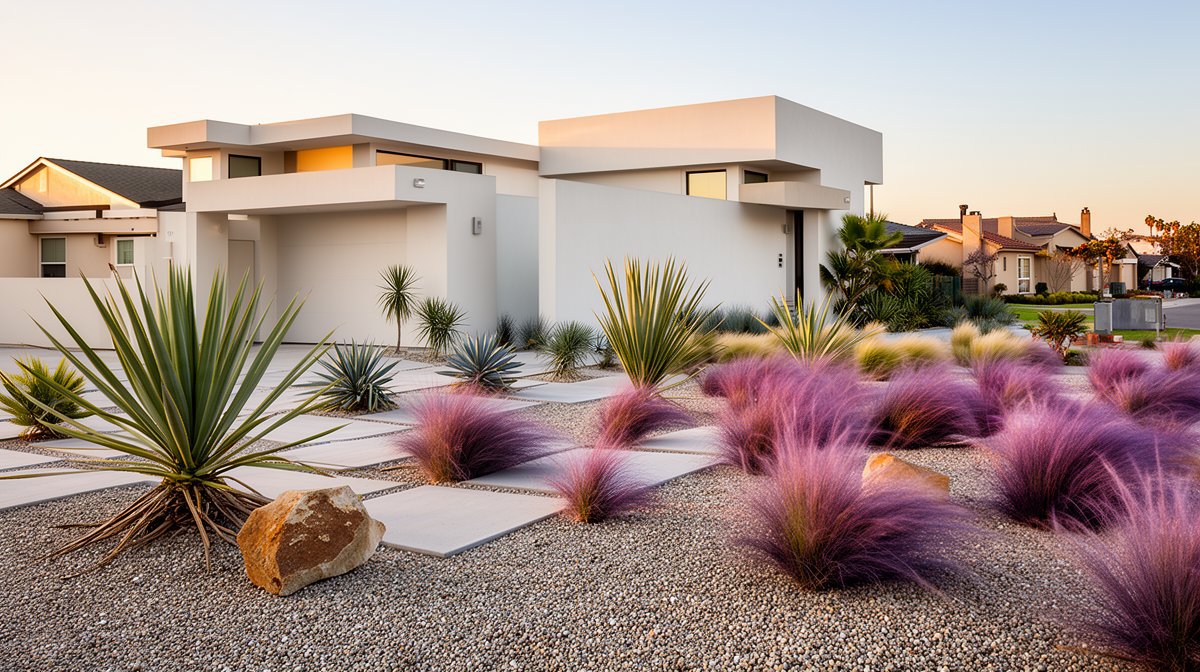
$22–40/sqftA low 1950s stucco ranch on the Eastside loses its front lawn to a run of 24 x 48 inch charcoal concrete planks set with 4-inch joints of Dymondia, stepping from the driveway to a front door painted a single strong color. A pair of multi-trunk fruitless olives sits off the corner of the house to break the afternoon sun from the west, and the beds either side are planted in blocks of one species each, never mixed. The south-facing bed under the picture window carries the agaves, where the morning gray burns off first.

AI-generated image
The Westside Small-Lot Courtyard
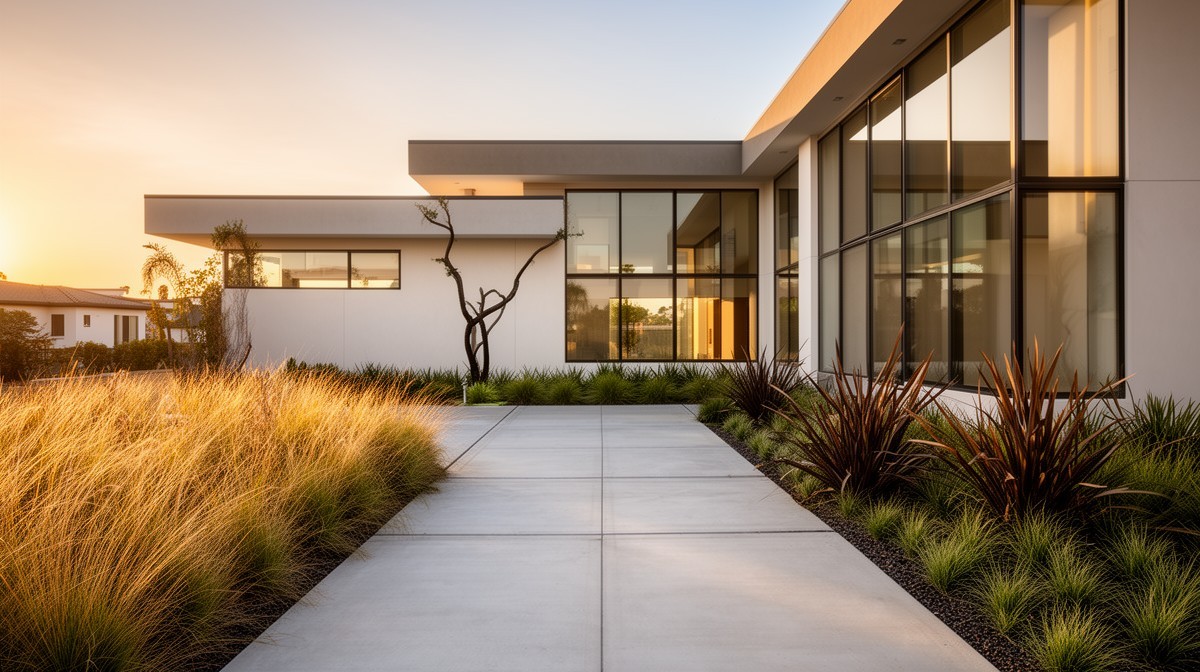
$30–55/sqftBehind a new three-story Westside small-lot home, a 15 x 20 foot side courtyard is paved wall to wall in pale broom-finished concrete with one cut-out planter holding a single Furcraea and a ring of Aeonium. A horizontal ipe slat screen on the property line blocks the neighbor's windows, and a tall bank of Podocarpus gracilior behind it softens the stucco without stealing floor space. The upper floors shade most of the court by early afternoon, so the plants are chosen to look good in bright shade.

AI-generated image
The Mesa Verde Gravel Terrace
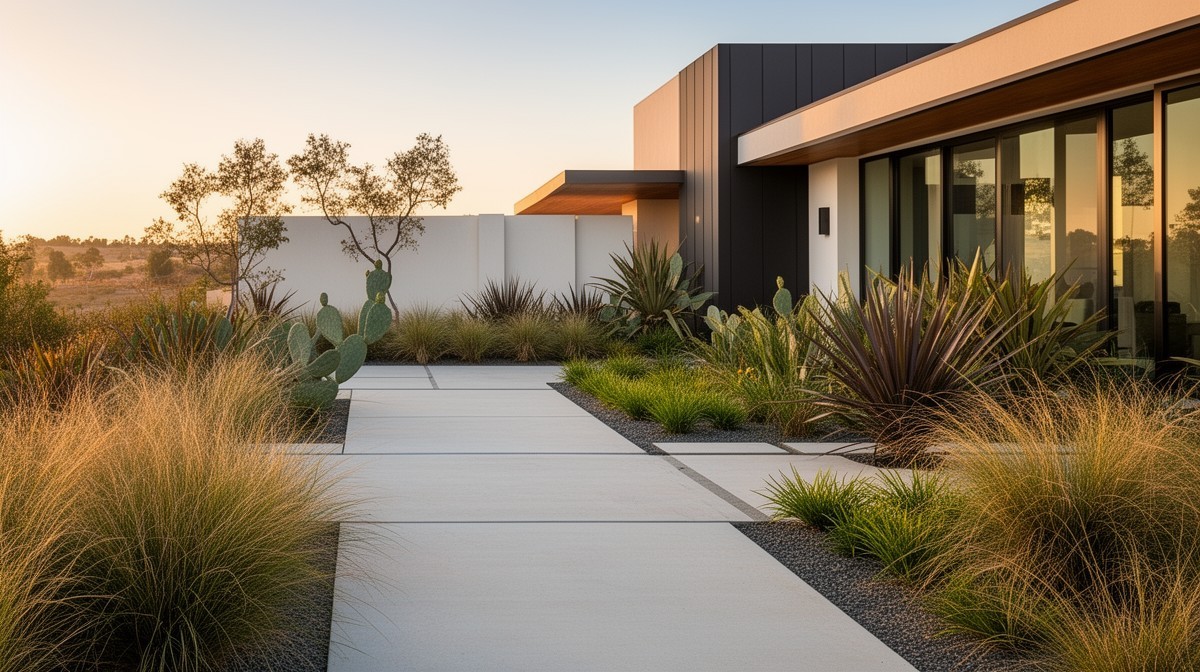
$28–50/sqftA 1960s Mesa Verde tract home swaps its sloping backyard lawn for two level terraces held by 18-inch board-formed concrete walls, the upper one a decomposed granite dining area and the lower one a gravel bed planted in tight drifts. A single Leucadendron hedge runs along the back fence for winter color, and Westringia is clipped into loose spheres at the steps. The terrace faces south toward the golf course, so the dining table sits under a cantilevered shade sail for July and August afternoons near 80°F.

AI-generated image
The Back Bay Fire Court
$45–85/sqftOn an upper Eastside lot near the Back Bay bluffs, the backyard becomes one large square of 24-inch porcelain pavers around a linear gas fire trough, with built-in concrete benches on two sides. The planting stays low and silver so the view and the evening onshore breeze come straight through: a band of Leymus along the far edge, Agave 'Blue Glow' in a single row, and a fruitless olive placed to frame rather than block. Uplights on the agaves do most of the work after dark, which is when this yard gets used.
See how a modern/minimalist garden looks on YOUR property
Upload a photo of your Costa Mesa yard and visualize your dream garden in seconds.
Try ProScapeAI Free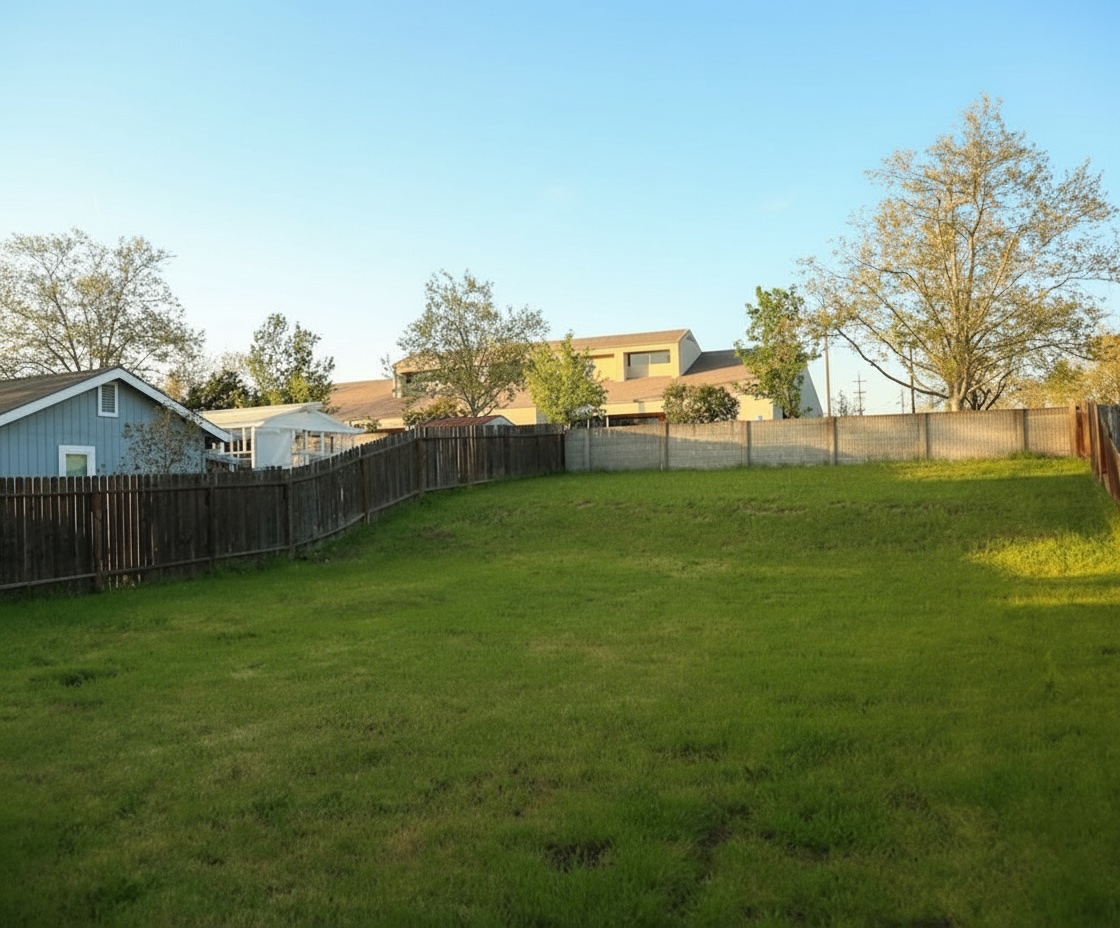
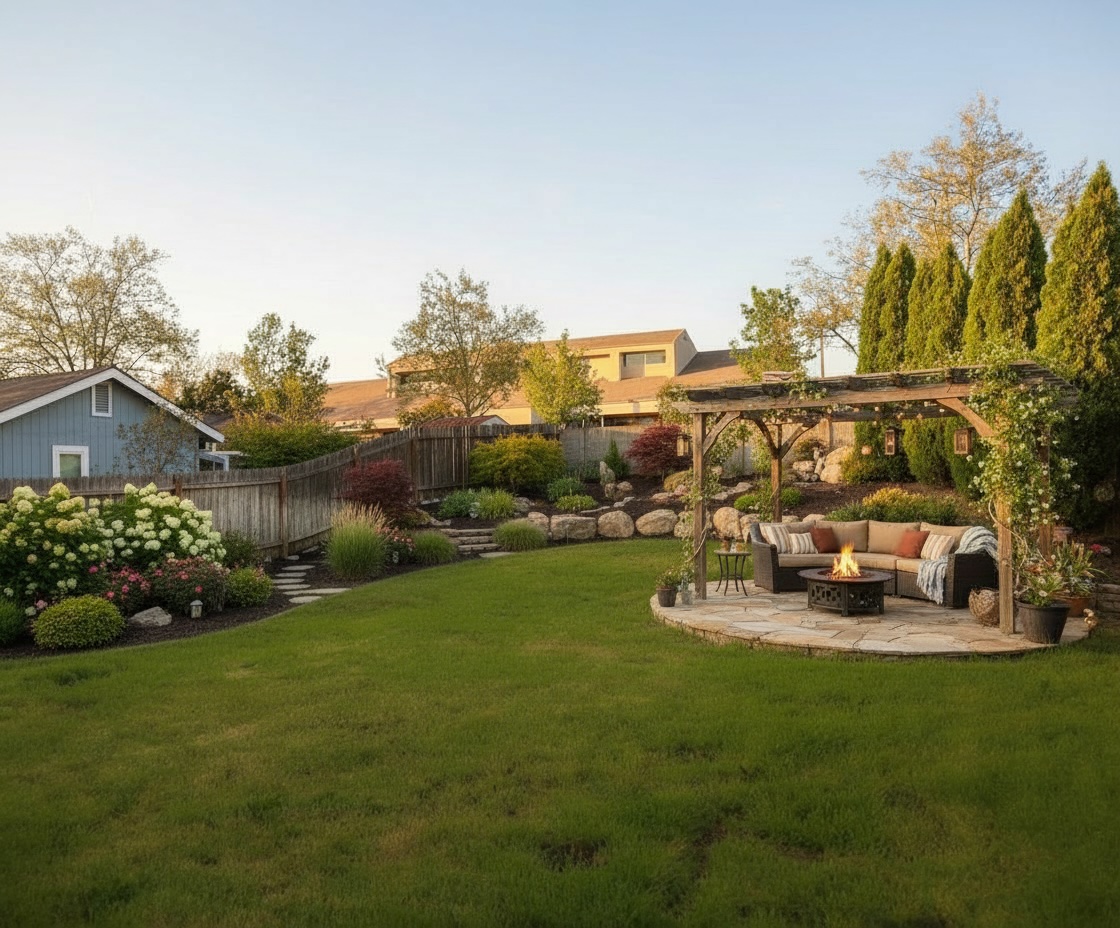
AI-generated image
Featured Trees & Shrubs for Modern/Minimalist Gardens
Browse all 212 plants for Costa Mesa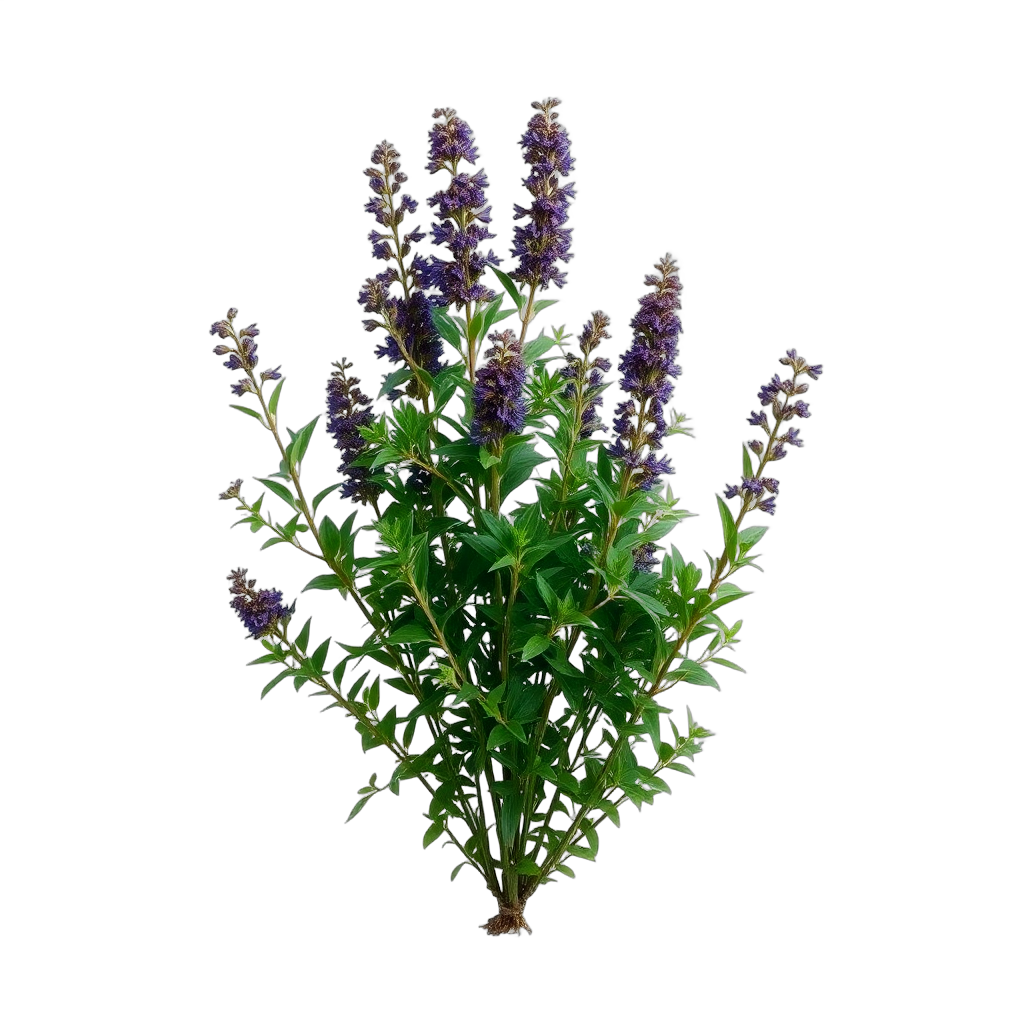
Black Sage
Salvia mellifera
grows to 4 feet, white blooms in spring. Attracts butterflies.
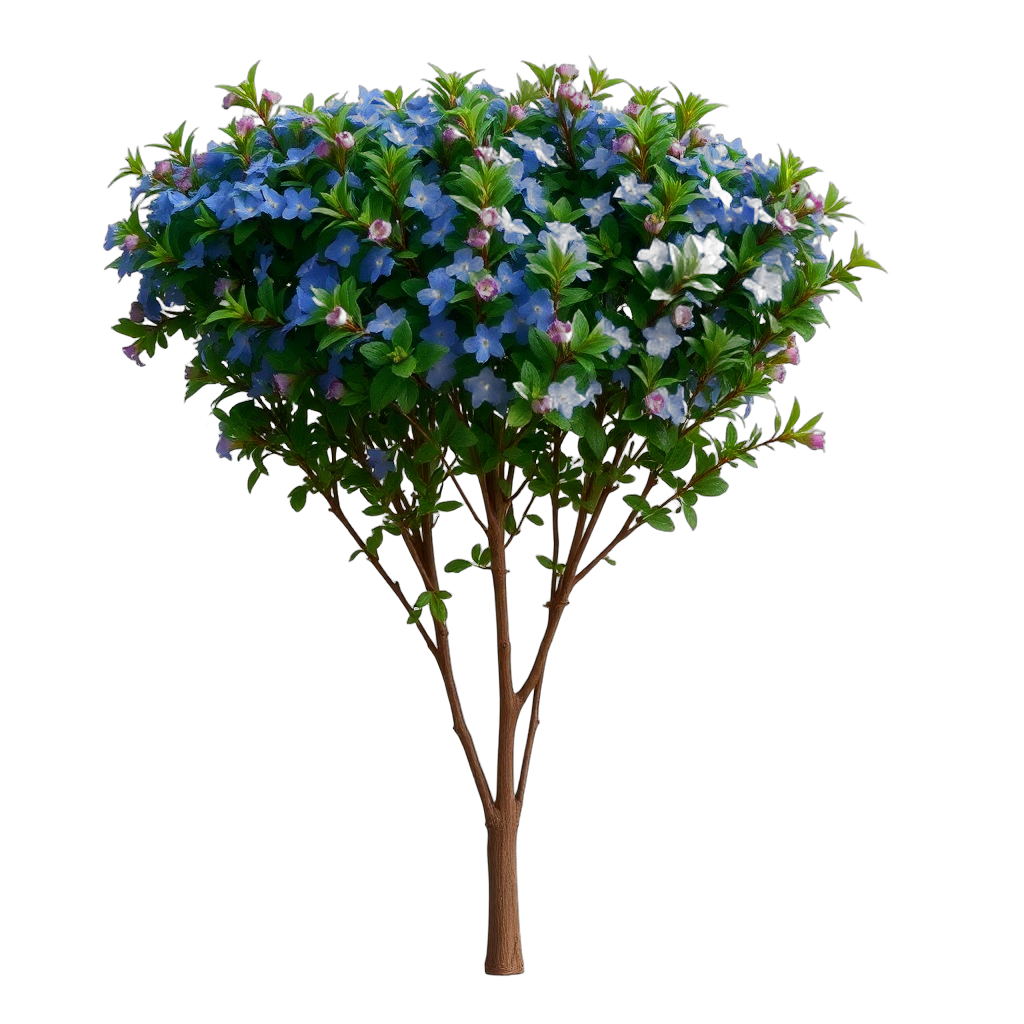
Blue Blossom
Ceanothus thyrsiflorus
medium-sized at 12 feet, blue blooms in spring. Attracts butterflies.
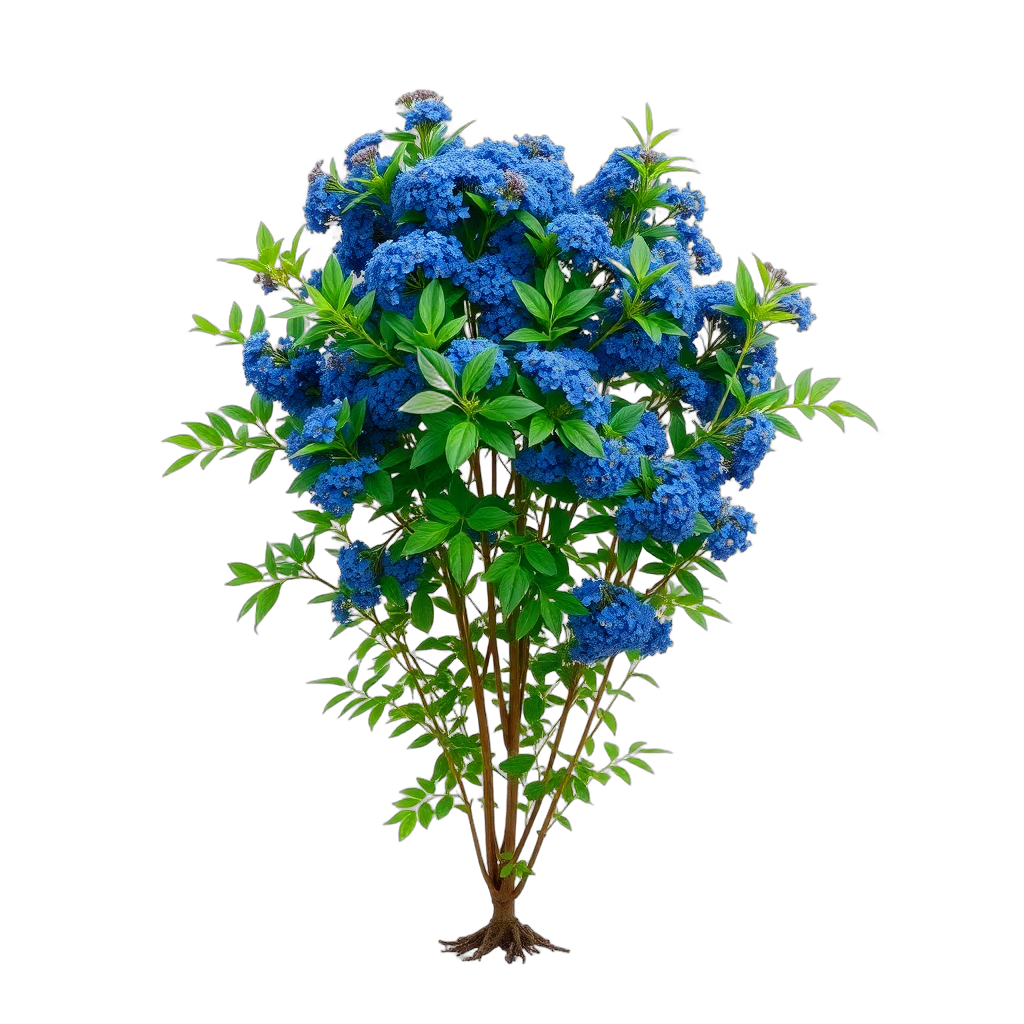
Blue Elderberry
Sambucus cerulea
medium-sized at 15 feet, white blooms in spring. Attracts butterflies.
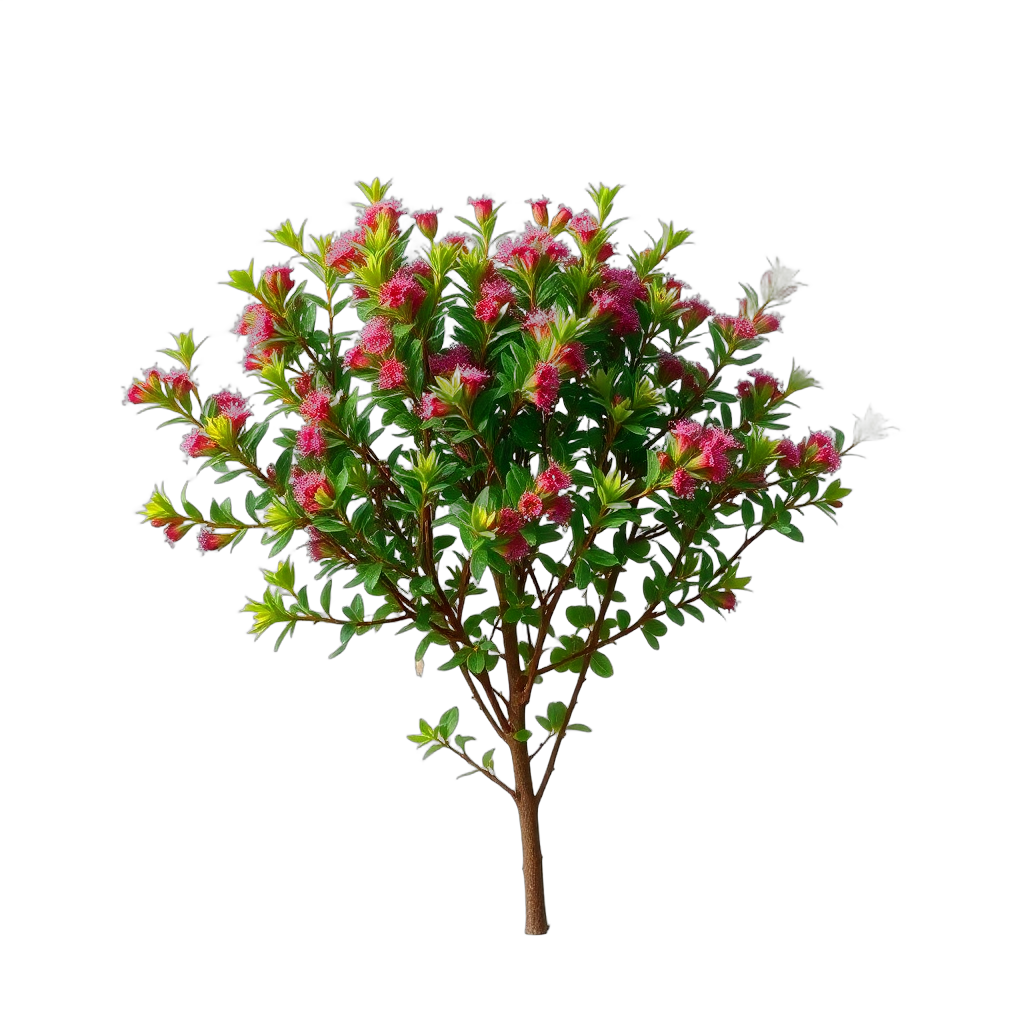
Buckbrush
Ceanothus cuneatus
medium-sized at 7 feet, white blooms in spring. Attracts butterflies.
Featured Grasses & Groundcovers for Modern/Minimalist Gardens
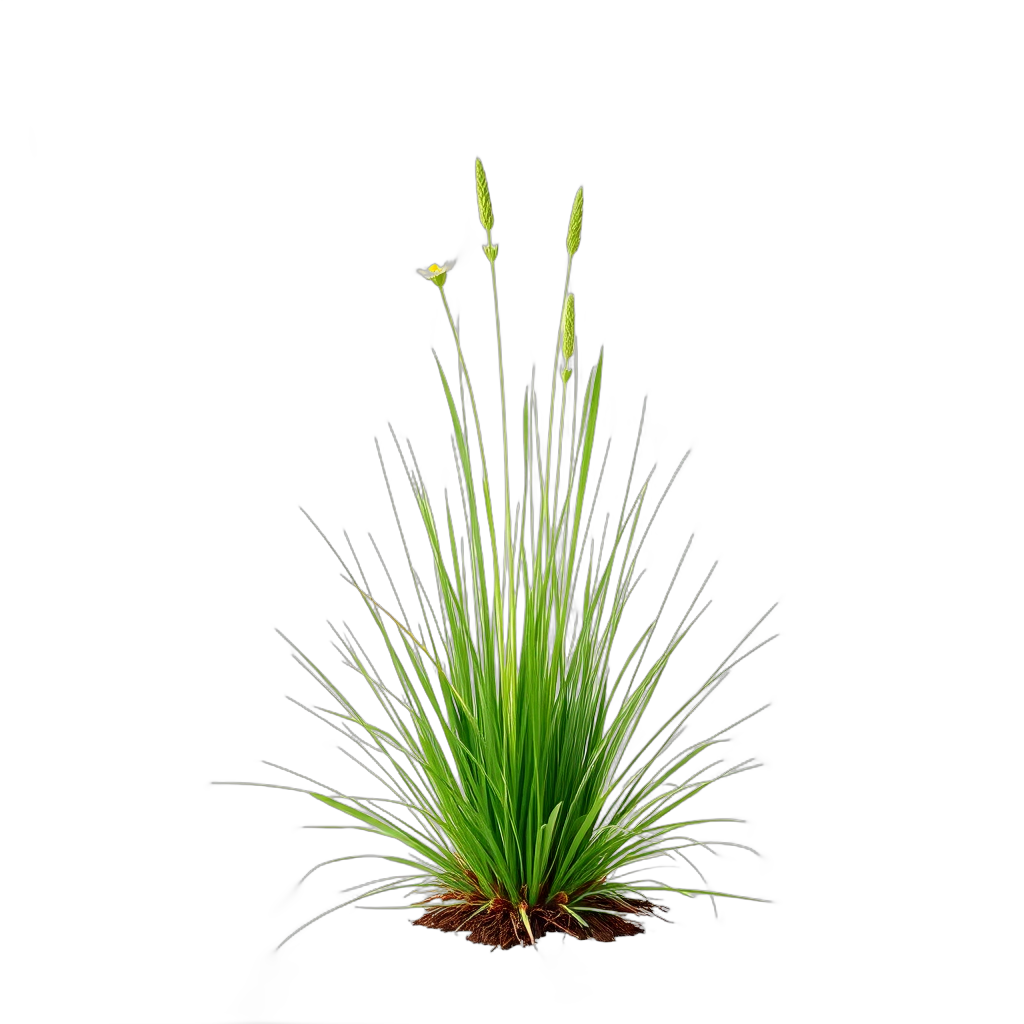
California Brome
Bromus carinatus
low-growing ground cover, blooms in spring. Yellow fall color.
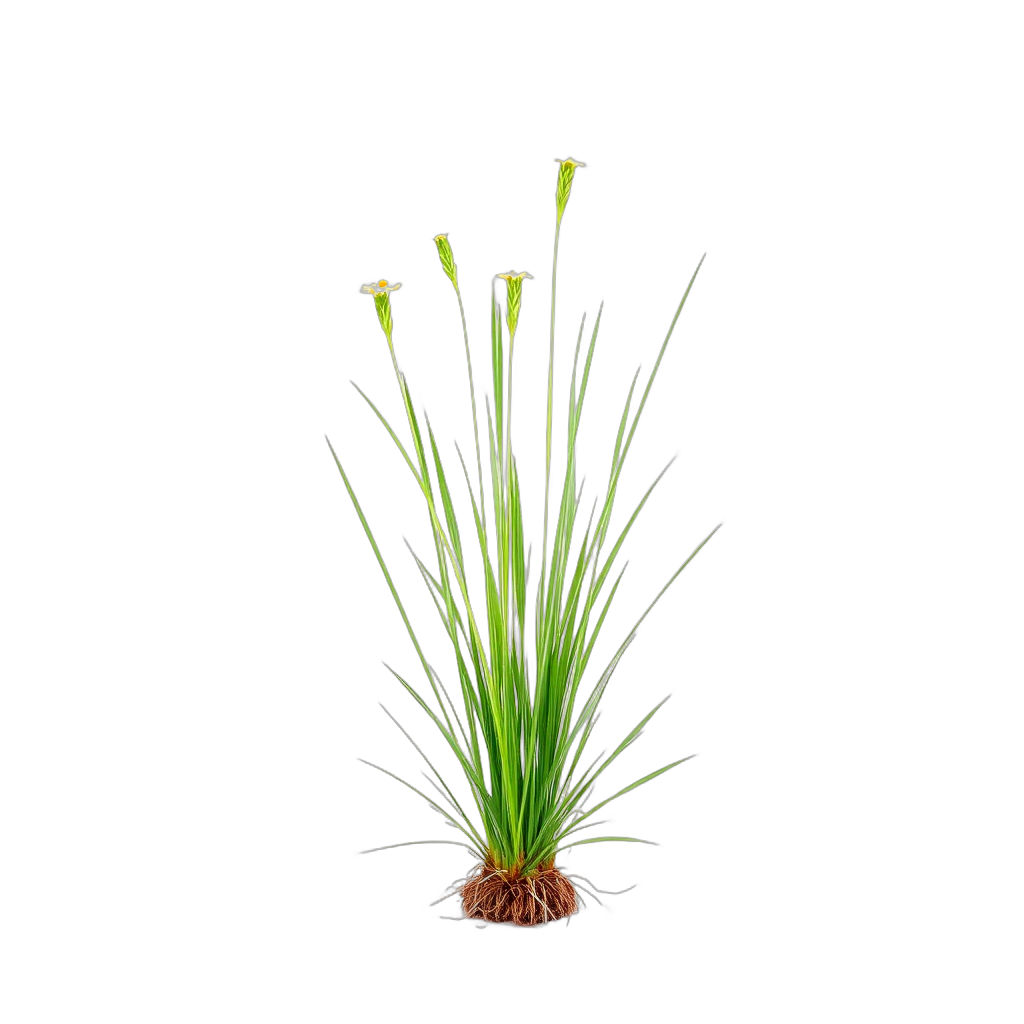
California Melic
Melica californica
low-growing ground cover, blooms in spring.
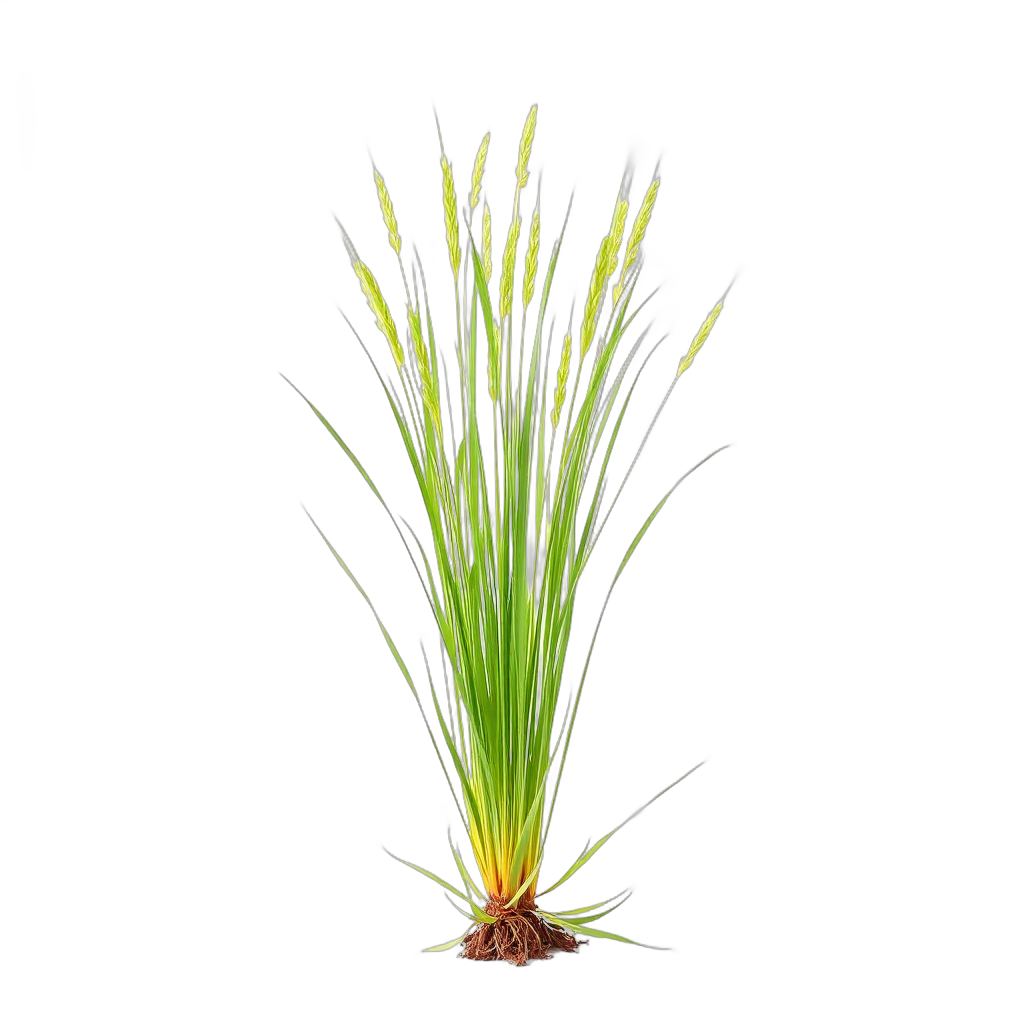
California Oatgrass
Danthonia californica
low-growing ground cover, blooms in spring. Yellow fall color.
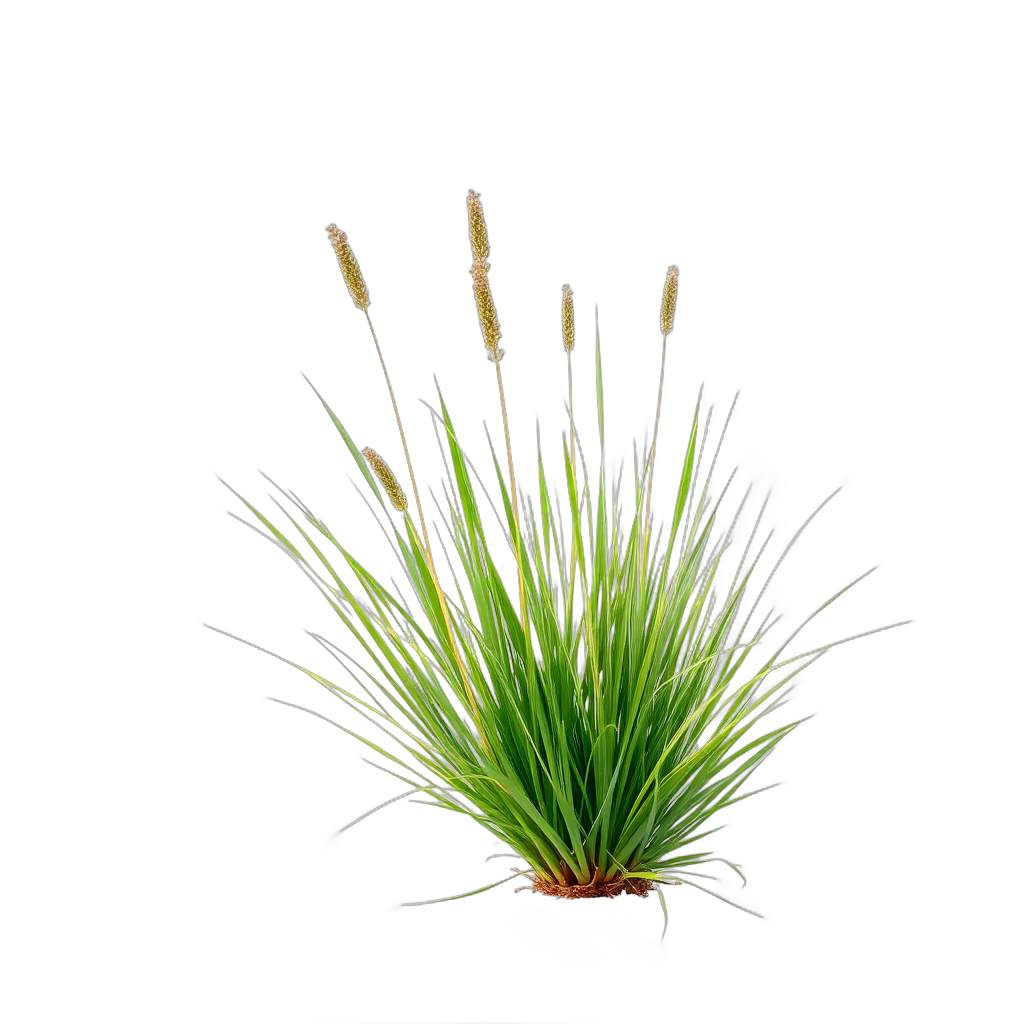
Deer Grass
Muhlenbergia rigens
grows to 3 feet, yellow blooms in fall. Evergreen year-round.
Featured Flowers & Perennials for Modern/Minimalist Gardens
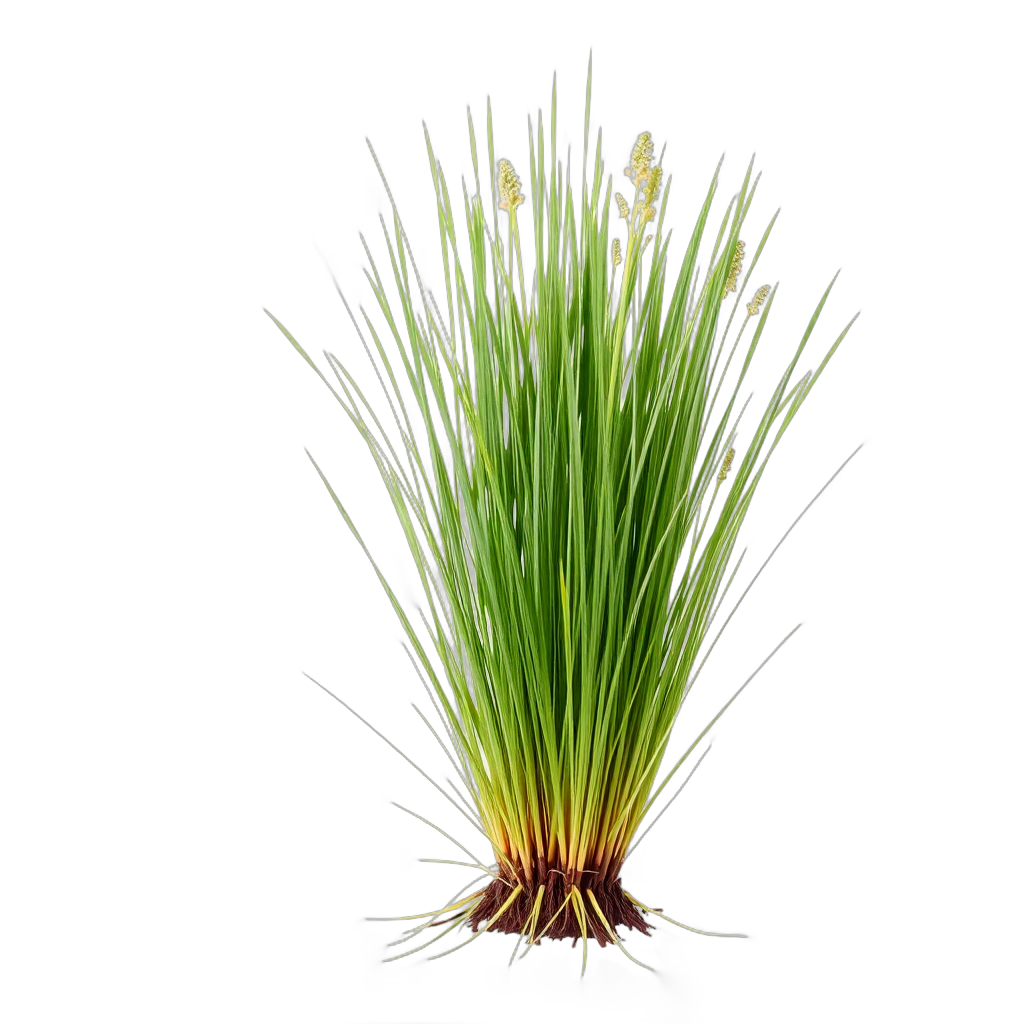
California Gray Rush
Juncus patens
low-growing ground cover, blooms in summer. Evergreen year-round.
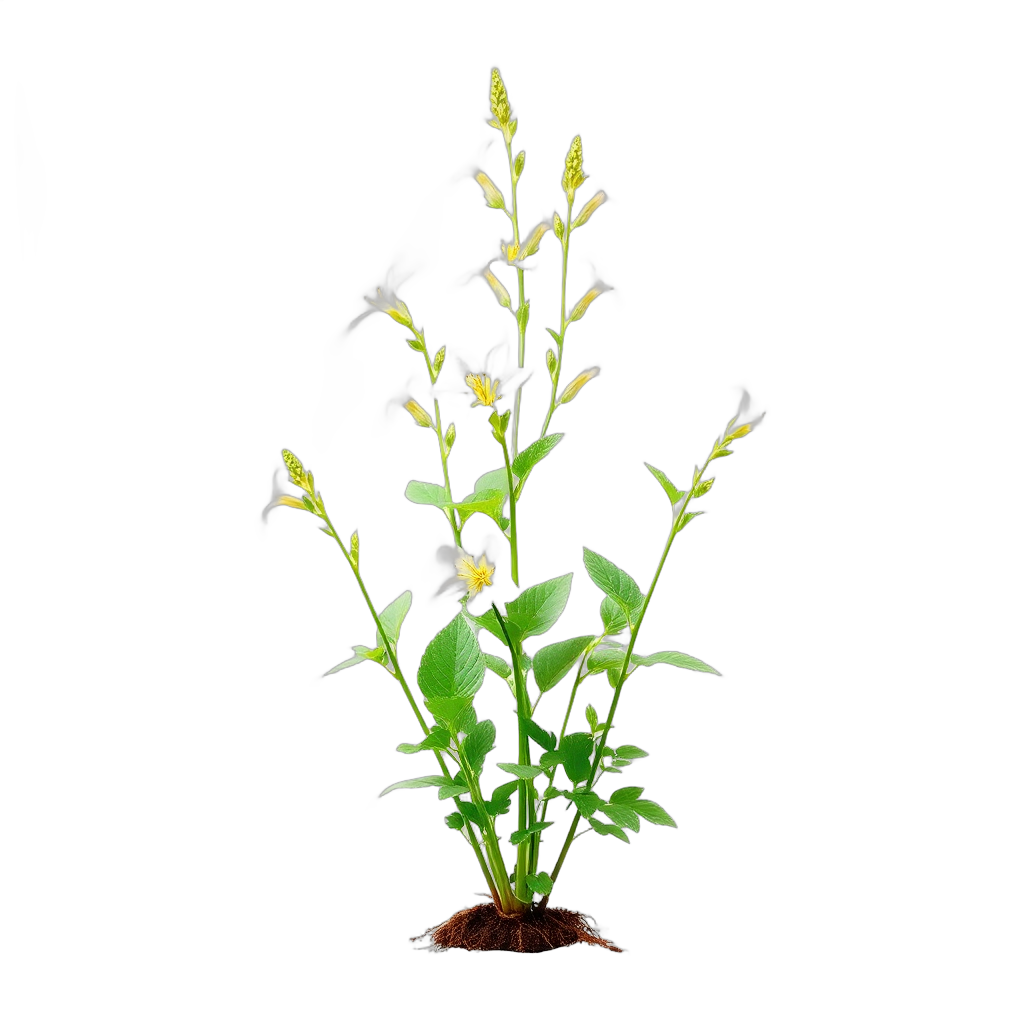
Beach Evening Primrose
Camissonia cheiranthifolia
low-growing ground cover, yellow blooms in spring. Attracts butterflies.
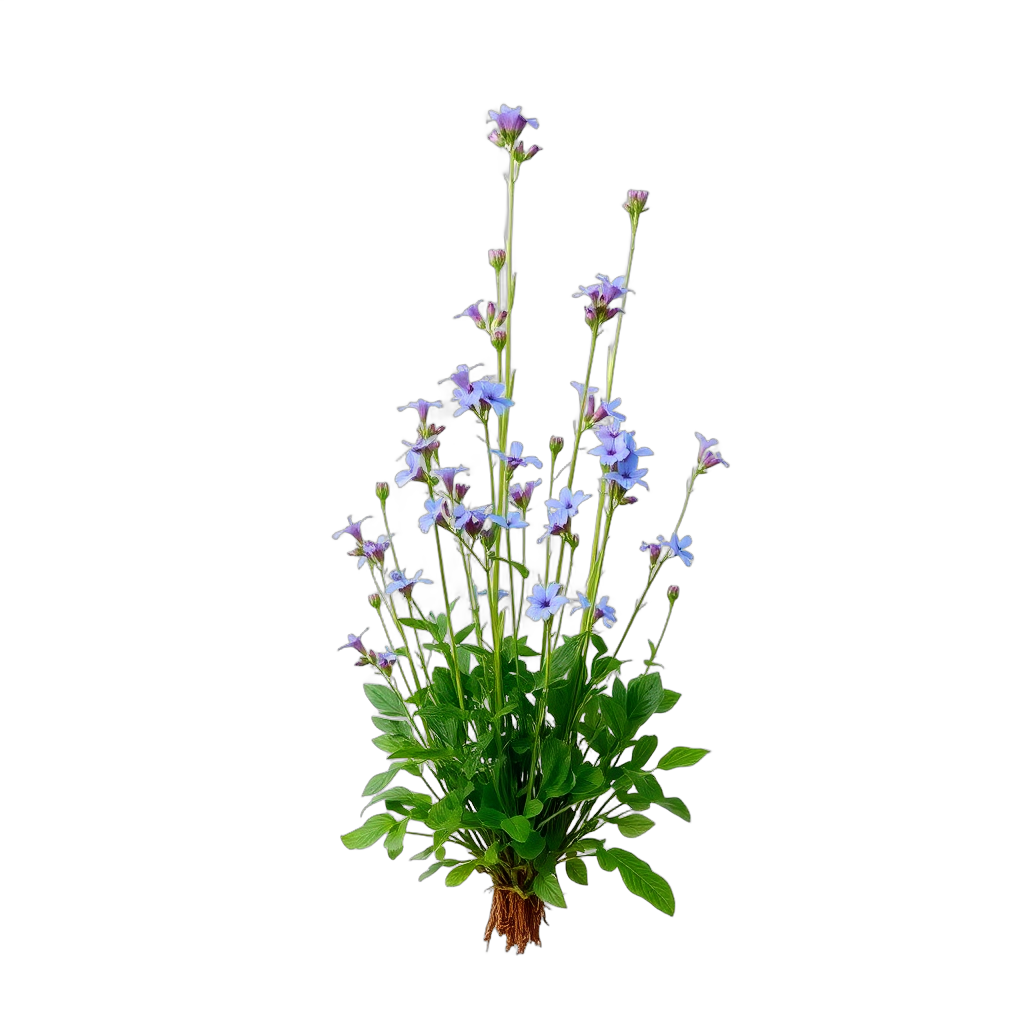
Blue Dicks
Dichelostemma capitatum
low-growing ground cover, blue blooms in spring. Pollinator-friendly.
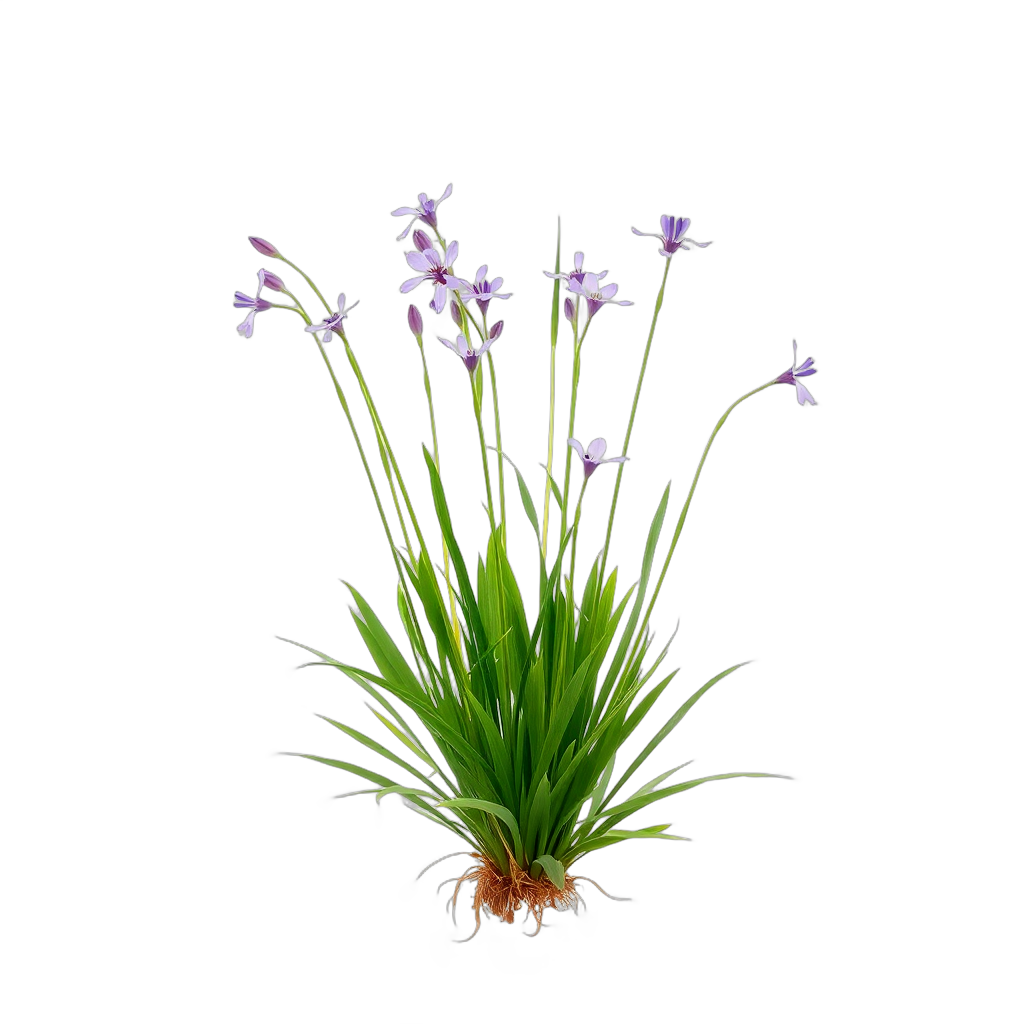
Blue-Eyed Grass
Sisyrinchium bellum
low-growing ground cover, blue blooms in spring. Attracts butterflies.
Zone and sun checks come from our database — confirm with your local nursery before you buy.
Bloom Calendar for Costa Mesa
spring
Beach Evening Primrose, Blue Dicks, Blue-Eyed Grasssummer
California Gray Rush, Hooker's Evening Primrose, Hummingbird Mintfall
California Fuchsiawinter
Limited bloomsDesign Tips for Costa Mesa (Zone 10b)
- Apply for Mesa Water's turf removal rebate (listed from $3 per square foot) before you cut a single strip of sod; the program needs approval and photos of the existing lawn, and demo-first homeowners lose the money
- Put the agaves and aloes on the south and west faces of the house, where the May and June marine layer burns off first, and give the shaded north side to Lomandra 'Breeze', Dianella 'Little Rev' and Carex divulsa
- Choose fruitless olive selections like Olea europaea 'Wilsonii' or 'Swan Hill' for the signature tree; fruiting olives stain concrete and pavers, and that is the first thing a modern yard shows
- Replace purple fountain grass with Muhlenbergia rigens or Lomandra 'Breeze': Pennisetum setaceum is on the California invasive list and seeds into Fairview Park and the Back Bay bluffs
- Run every bed on drip and keep spray heads off dark concrete; overspray leaves mineral spots on charcoal paving, and wet succulent crowns rot in the damp May and June mornings
- Plant in October and November so roughly 7 inches of December to February rain settles the new plants, and save the paving work for the dry months when concrete cures without rain delays
- There is no frost line to design footings around: the ground on the mesa does not freeze, so wall and post footings are sized for soil and load, which makes low concrete walls cheaper here than in colder cities
Where to Source Plants in Costa Mesa
Skip the big-box stores. These independent Costa Mesa nurseries specialize in the plants that make modern/minimalist gardens thrive in Zone 10b.
Roger's Gardens
Corona del Mar (Newport Beach)
Large independent garden center with a deep selection of Mediterranean, succulent and ornamental plants, display gardens and pottery; a short drive from the Eastside
Armstrong Garden Centers Costa Mesa
Newport Boulevard
Employee-owned California nursery chain with a lifetime guarantee on trees and shrubs, good stock of olives, Westringia, grasses and succulents, plus landscape design services
Tree of Life Nursery
San Juan Capistrano (south Orange County)
California native plant grower, the regional source for coastal sage scrub natives such as Leymus 'Canyon Prince', Salvia and Ceanothus selections
Modern/Minimalist Landscaping Costs in Costa Mesa
| Project Scope | Estimated Cost |
|---|---|
| Modern front yard conversion with turf removal, planks, gravel and drip (500–700 sqft) | $10,000 – $25,000 |
| Large-format concrete or porcelain patio (300–500 sqft) | $9,000 – $22,000 |
| Board-formed concrete retaining or seat wall (30–50 linear ft) | $3,000 – $7,500 |
| Linear gas fire trough with gas line | $4,000 – $12,000 |
| 36-inch box fruitless olive, delivered and planted | $900 – $1,800 |
| Full modern backyard: paving, walls, fire feature, lighting, planting | $45,000 – $120,000 |
| AI visualization (ProScapeAI) | Free to start |
Estimates based on Costa Mesa, CA-area contractor rates as of 2026. Actual costs vary by site conditions, materials, and contractor.
Costa Mesa Climate & Growing Zone
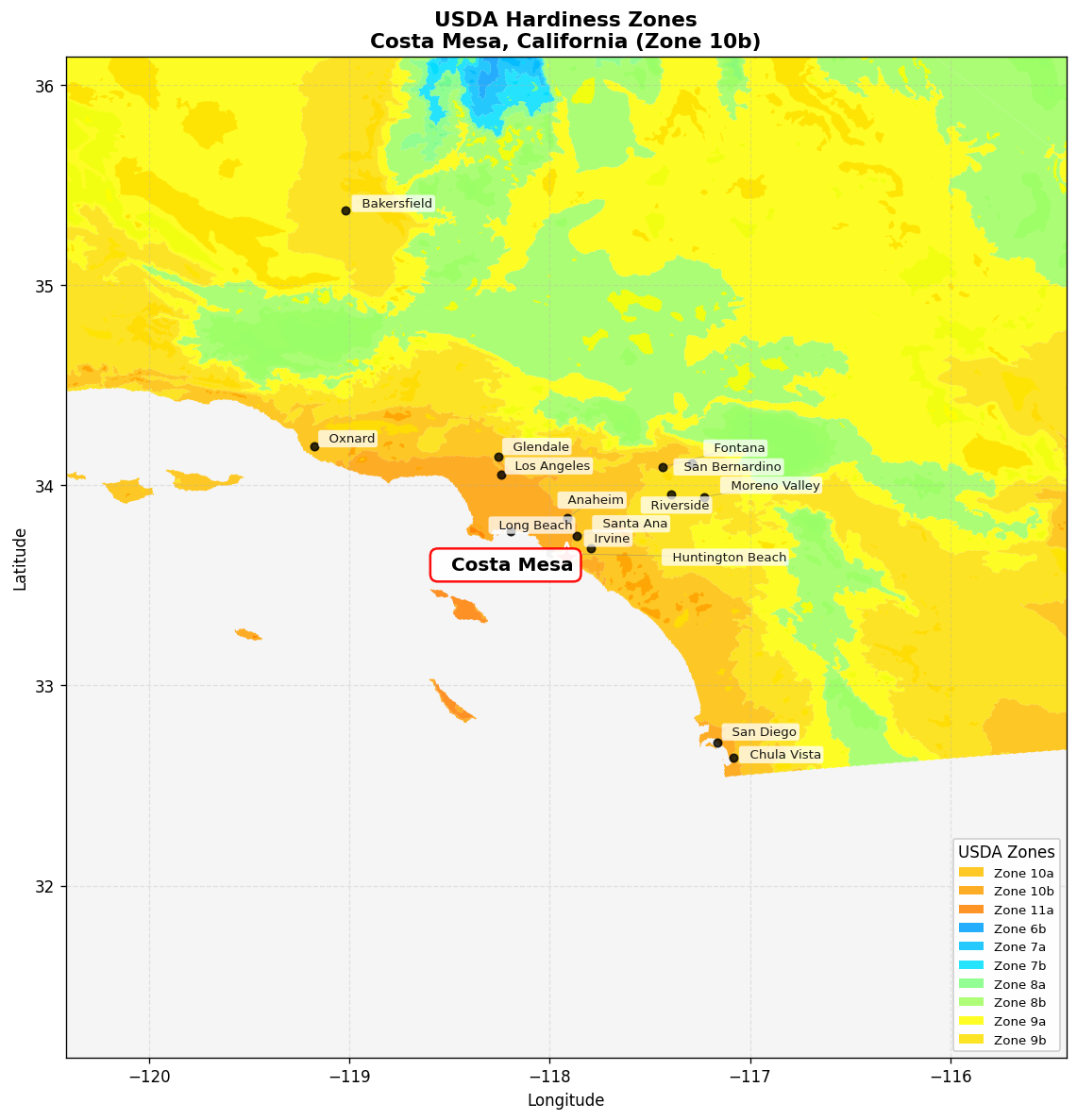
USDA Zone 10b
Hardiness zone for Costa Mesa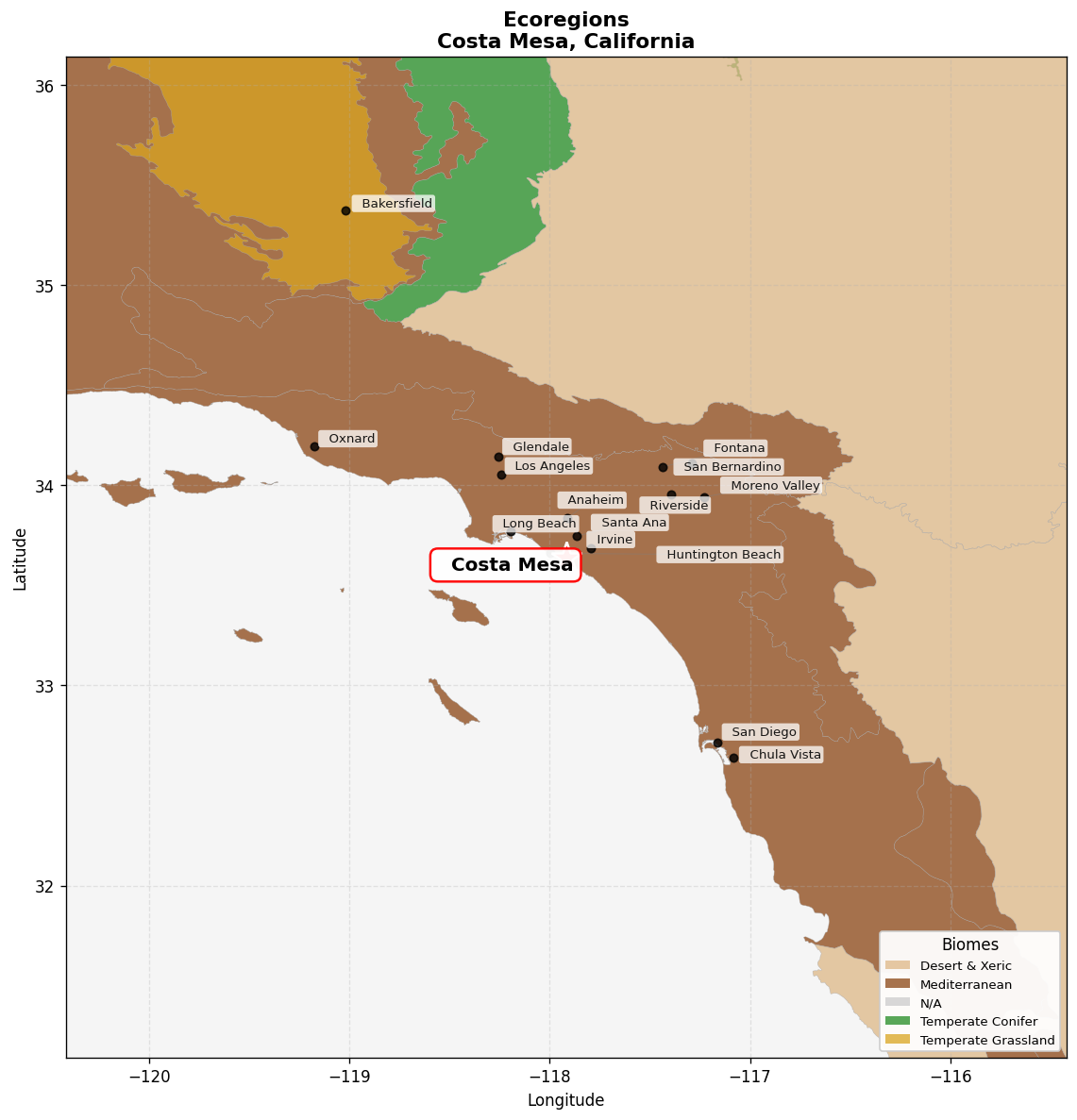
California coastal sage and chaparral
Native ecoregionFrequently Asked Questions
How much does a modern landscape cost in Costa Mesa?
Orange County labor costs more than most of the country, so plan on it. A modern front yard on a typical 500–700 sqft Eastside or Mesa Verde frontage, with turf removal, concrete planks, gravel, steel edging, drip and a real plant list, usually runs $10,000–25,000 installed. Large-format concrete or porcelain paving lands around $25–45 per square foot, board-formed concrete walls $80–150 per linear foot, and a linear gas fire feature $4,000–12,000 with the gas run. A 36-inch box Olea europaea 'Wilsonii' is a $900–1,800 tree delivered and planted. Mesa Water's turf removal rebate, listed as starting at $3 per square foot, takes $1,500–2,100 off a 500–700 sqft lawn if you get approval first.
Is a modern landscape low maintenance in Costa Mesa's climate?
It can be one of the lowest-maintenance yards you can own here, because there is no frost cleanup and no winter dieback. The work is mostly editing: cut Muhlenbergia rigens and Lomandra 'Breeze' back hard once a year in late winter, pull spent flower stalks and pups off Agave attenuata 'Boutin Blue', and shape Westringia 'Morning Light' twice a year. Gravel beds need a light rake and a weed pass after the winter rains. The one thing that will create work is overhead spray irrigation, which spots dark concrete and keeps succulents too wet in the marine layer, so put everything on drip.
When is the best time to plant in Costa Mesa?
October through early December. The soil is still warm, and the rain that arrives from December through February (about 7 inches of the roughly 11 inches a year at John Wayne Airport) does the establishment watering for you. Spring planting in March and April is the second choice. There is no frost date to work around in Zone 10b, but anything planted in July or August needs hand watering through its first dry season, and Leucadendron and Westringia set in the heat of September often sulk.
Do I need a permit, and what are the rules on artificial turf in Costa Mesa?
Planting, gravel and drip changes generally do not need a permit, but block walls, retaining walls, patio covers, pools and gas lines for a fire feature are building permit work, so check with the City's Building Division first. The City's Planning Division publishes guidance on approved ground covers and alternative landscapes, and its page states that artificial turf in R-1 single-family zones must be part of the landscape design and may not exceed 50 percent of the total landscaped area, with Planning approval. If you are in an HOA, California Civil Code Section 4735 stops the association from banning water-efficient landscaping outright, though it can still review the design.
What turf rebates can Costa Mesa homeowners get?
Most of the city is served by Mesa Water District, which lists residential rebates including turf removal starting at $3 per square foot, drip irrigation starting at $1 per square foot, rotating sprinkler nozzles at $2 each with a 15-nozzle minimum, weather-based irrigation controllers starting at $80, rain barrels at $35 and cisterns at $250–350. Turf programs require approval before the grass comes out, so photograph and apply first. Some parcels on the city's edges are served by a different water agency, so check which district is on your bill before you apply.
Which modern plants handle the June Gloom and the occasional heat wave?
The safest modern palette here is the one built from Mediterranean-climate and coastal plants: Olea europaea 'Wilsonii' and 'Swan Hill', Westringia fruticosa 'Morning Light', Leucadendron 'Safari Sunset', Lomandra longifolia 'Breeze', Dianella revoluta 'Little Rev', Leymus condensatus 'Canyon Prince', Agave attenuata 'Boutin Blue' and Senecio mandraliscae. All of them shrug off gray May mornings and also take a September Santa Ana day in the 90s. Skip Japanese maple and gardenia in the ground; the alkaline soil and dry winds yellow and scorch them. Phormium is popular but often rots at the base in heavy irrigated soil; Dianella or Lomandra gives a similar strap-leaf look more reliably.
What modern style fits Costa Mesa's mid-century ranch houses?
Keep it horizontal and quiet. The Eastside and Mesa Verde ranches have long low rooflines, so a modern yard works best with long concrete planks running parallel to the house, a low board-formed wall or bench at seat height, and plants massed in single-species blocks rather than dotted around. One multi-trunk Olea europaea 'Wilsonii' at the corner does more than five small trees. Pick hardscape colors from the house: charcoal or natural gray concrete, black steel, and a painted front door as the one accent.