4 Desert Garden Ideas for Costa Mesa, CA | Coastal Zone 10b Xeriscapes
Native plants from the California coastal sage and chaparral (Zone 10b) — Cold semi-arid climate
Why Desert/Xeriscape Gardens in Costa Mesa?
A desert garden in Costa Mesa is less of a stretch than it sounds. NOAA's 1991–2020 normals at John Wayne Airport show about 11.2 inches of rain a year, and almost none of it falls between May and October; June, July and August together average well under a tenth of an inch. That is true dry-summer country, and a lawn on the Eastside or in Mesa Verde survives it only on sprinklers. A gravel-and-succulent yard on drip lives on a small fraction of that water, and the January average low of 48.6°F means Agave ovatifolia, Aloe arborescens, Aloe 'Blue Elf' and Euphorbia tirucalli 'Sticks on Fire' never need frost cloth in Zone 10b.
The native landscape here is coastal sage scrub rather than Sonoran desert: the low gray-green shrubland still visible on the Fairview Park bluffs above the Santa Ana River. The best Costa Mesa desert gardens borrow from it: Opuntia littoralis (coastal prickly pear), Hesperoyucca whipplei, Dudleya lanceolata, Encelia californica, Eriogonum fasciculatum 'Warriner Lytle' and Artemisia californica 'Canyon Gray' are all adapted to exactly this soil, fog and rainfall, and they feed native bees and birds the way imported agaves do not. Mix them with the big architectural succulents and the garden reads as desert while behaving like it belongs on the mesa.
Some desert classics struggle in the marine layer. May Gray and June Gloom hold damp air over the city most mornings, so Echinocactus grusonii golden barrels can scar and rot, and Parkinsonia 'Desert Museum' grows leggier and blooms less than it does in Palm Springs. Put any barrels on a raised, south-facing gravel mound against a warm wall, or swap them for Aloe striata and Agave 'Blue Glow', which give the same round silhouette without the fungal risk. For a desert tree, a multi-trunk Acacia stenophylla or a native Rhus integrifolia trained high handles the cool summers better than palo verde. Mesa soils tend toward neutral to alkaline pH, which suits this palette; where your yard has heavy, slow-draining pockets, mound beds 8–12 inches with pumice before planting agaves.
The rebates make the numbers easy. Mesa Water District, which serves most of Costa Mesa, lists turf removal starting at $3 per square foot, drip irrigation from $1 per square foot and weather-based controllers from $80, so a 600 sqft lawn conversion can start with $1,800 back if it is approved before the grass comes out. One rule to plan around: the City's Planning Division guidance caps artificial turf in R-1 yards at half the landscaped area, so a desert yard should be built from living plants and gravel, not plastic grass.
4 Desert/Xeriscape Design Ideas for Costa Mesa

AI-generated image
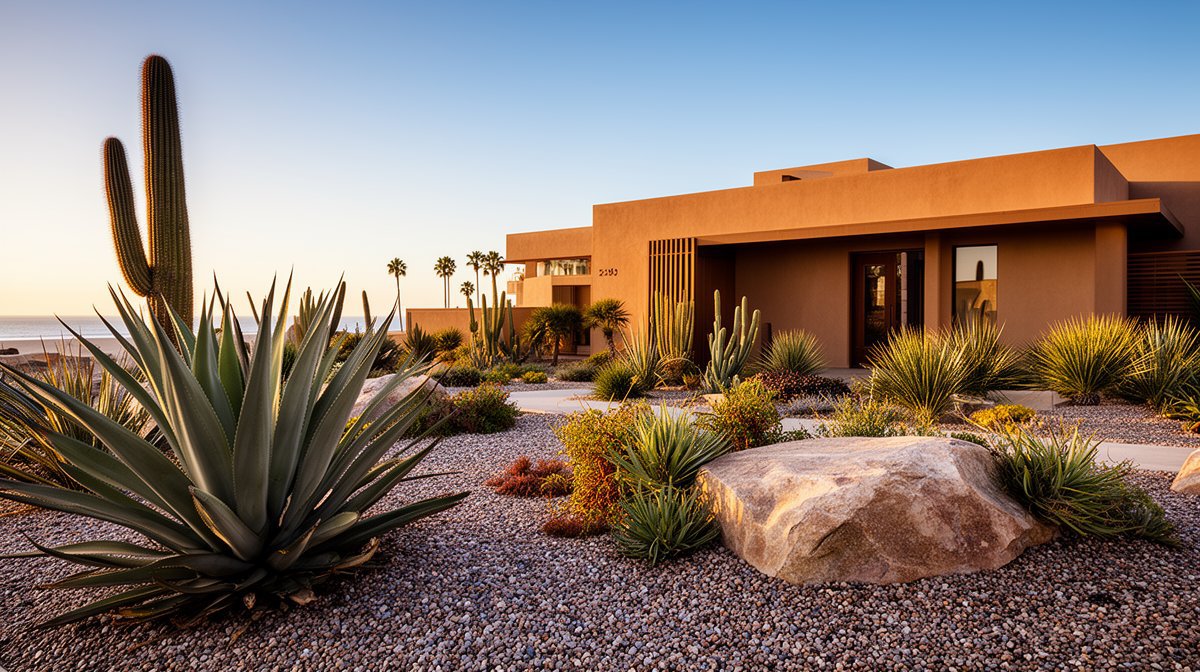
The Mesa Verde Agave Court
$14–28/sqftA 1960s Mesa Verde ranch replaces its front lawn with a field of tan decomposed granite crossed by a straight path of large flagstone slabs, with three Agave ovatifolia set as specimens in a loose triangle. Low mounds of Senecio mandraliscae and Aloe 'Blue Elf' fill between them, and a pair of buff granite boulders anchors the corner by the driveway. The yard faces south, so the agaves get full sun from mid-morning once the marine layer lifts.

AI-generated image
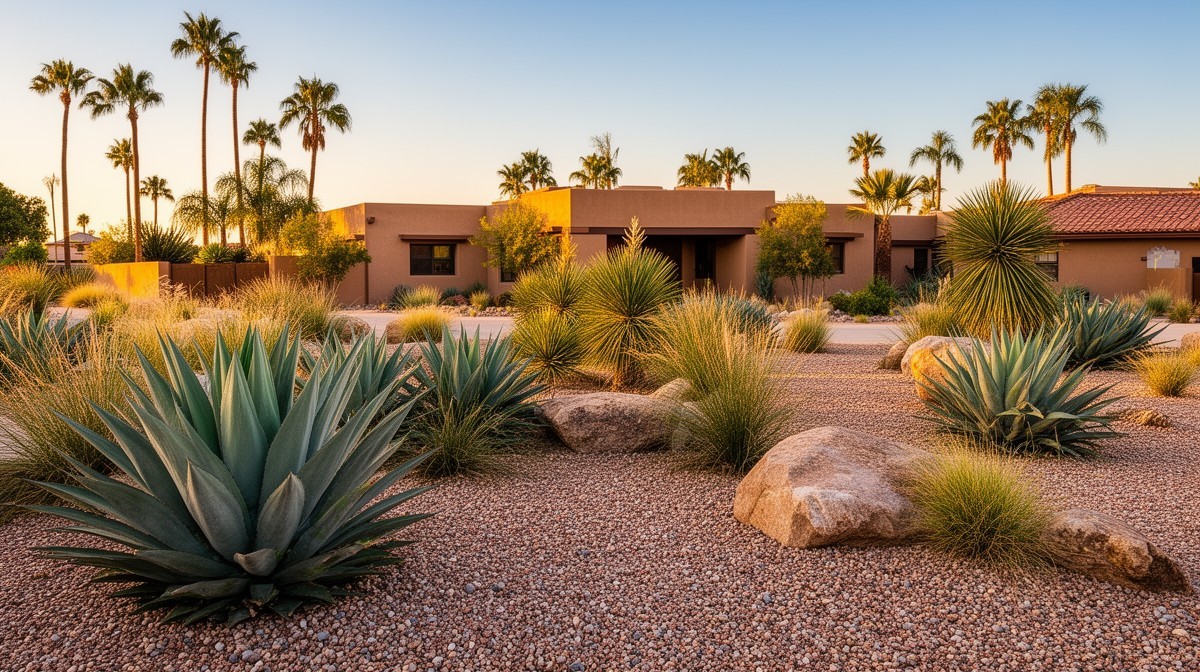
The Fairview Park Native Slope
$12–24/sqftA Westside home near the Fairview Park bluffs turns a sloped side yard into a coastal sage scrub planting: coastal prickly pear and Hesperoyucca whipplei as the bold forms, silver Artemisia and yellow-flowering Encelia filling the spaces, and Dudleya tucked into gaps between stacked local stone. A narrow gravel path switches back across the slope. It looks wild by March and goes summer-dormant gray in August, which is how these plants are meant to behave.

AI-generated image
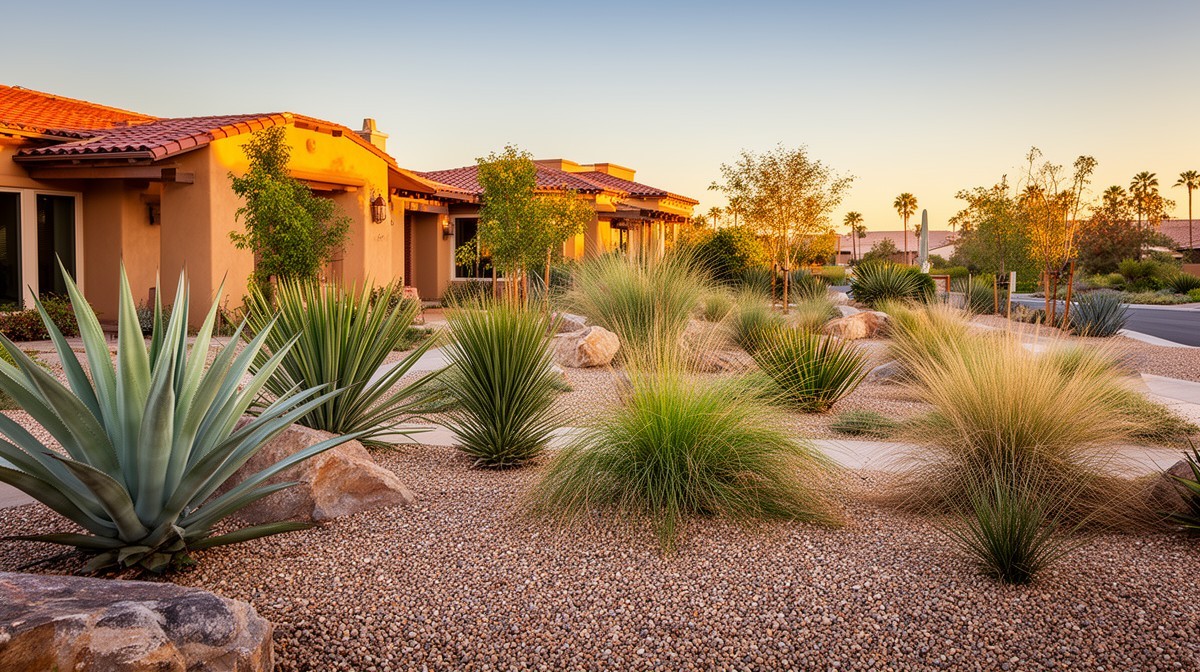
The Eastside Cactus and Aloe Garden
$18–34/sqftAlong the street-facing side of an Eastside corner lot, a raised gravel bed 12 inches high runs the length of the fence and holds a collector's mix: tall Aloe arborescens and Euphorbia 'Sticks on Fire' at the back, Aloe striata and Agave 'Blue Glow' in the middle, and a few golden barrels on the hottest south end. A low corten steel wall holds the bed, and the gravel is a warm tan so the red euphorbia and coral aloe flowers stand out in winter, when the aloes bloom.

AI-generated image
The Gravel Patio Fire Garden
$25–50/sqftThe backyard of a Mesa del Mar or Eastside home becomes one large gravel patio around a round gas fire bowl, ringed by low concrete seat walls. Behind the walls, a band of Leymus 'Canyon Prince' and Yucca rostrata gives height without shade, and a multi-trunk Acacia stenophylla in one corner throws light afternoon shade over the seating. The evening onshore breeze keeps summer nights cool here, so the fire bowl gets used most of the year.
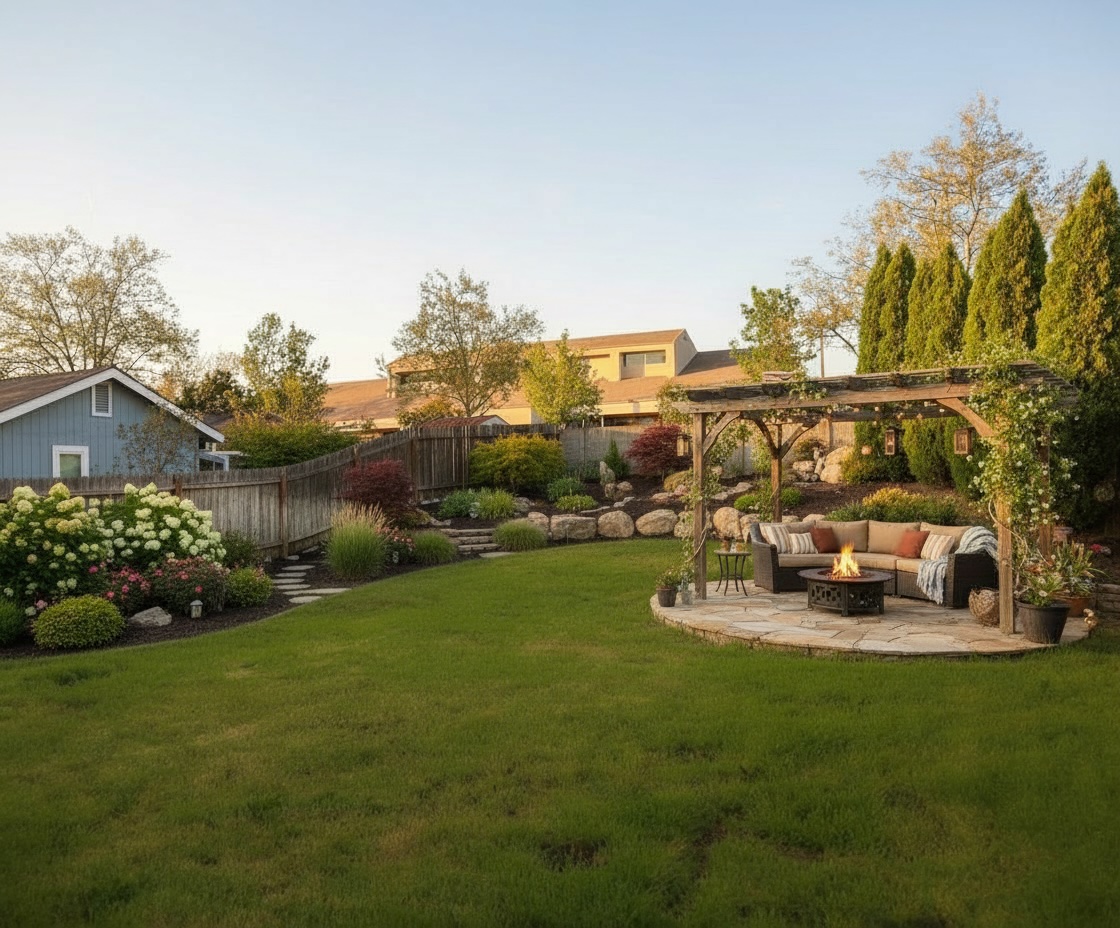
See how a desert/xeriscape garden looks on YOUR property
Upload a photo of your Costa Mesa yard and visualize your dream garden in seconds.
Try ProScapeAI Free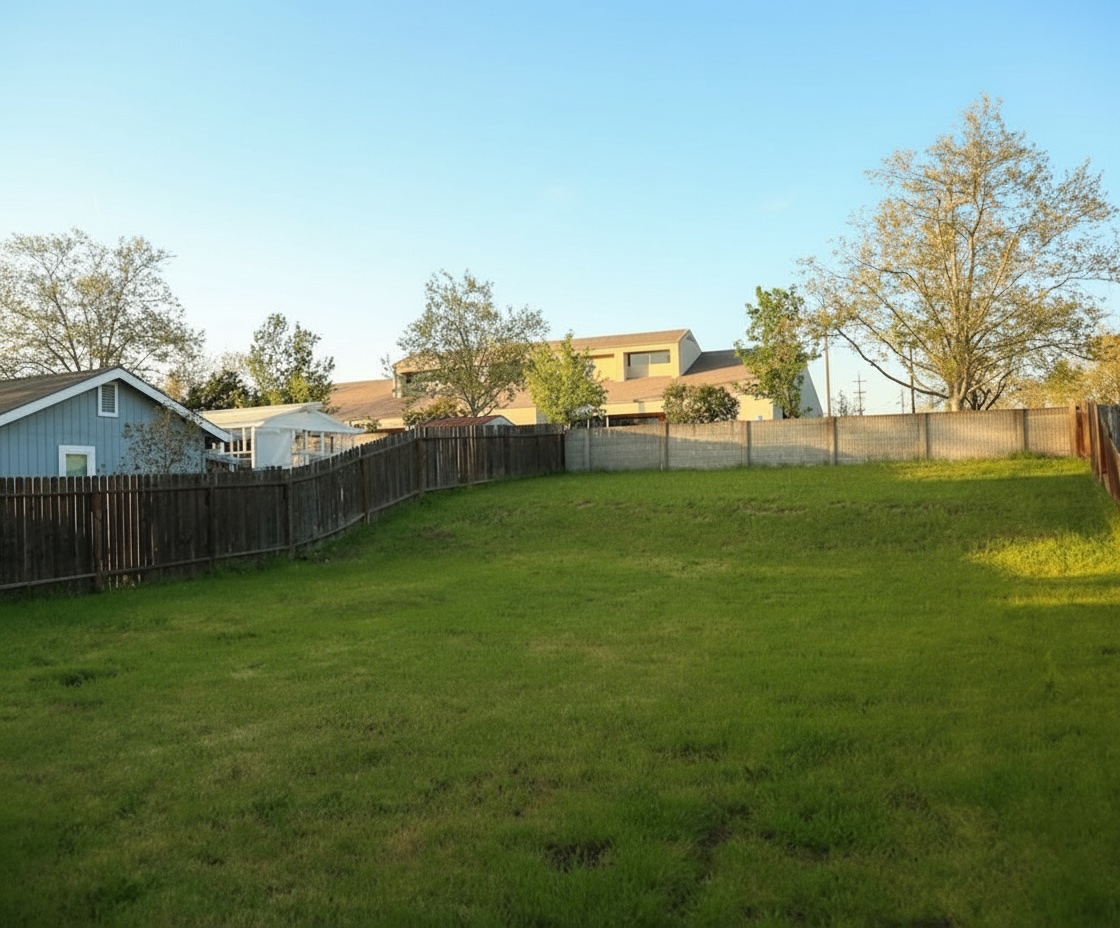
AI-generated image
Featured Trees & Shrubs for Desert/Xeriscape Gardens
Browse all 212 plants for Costa Mesa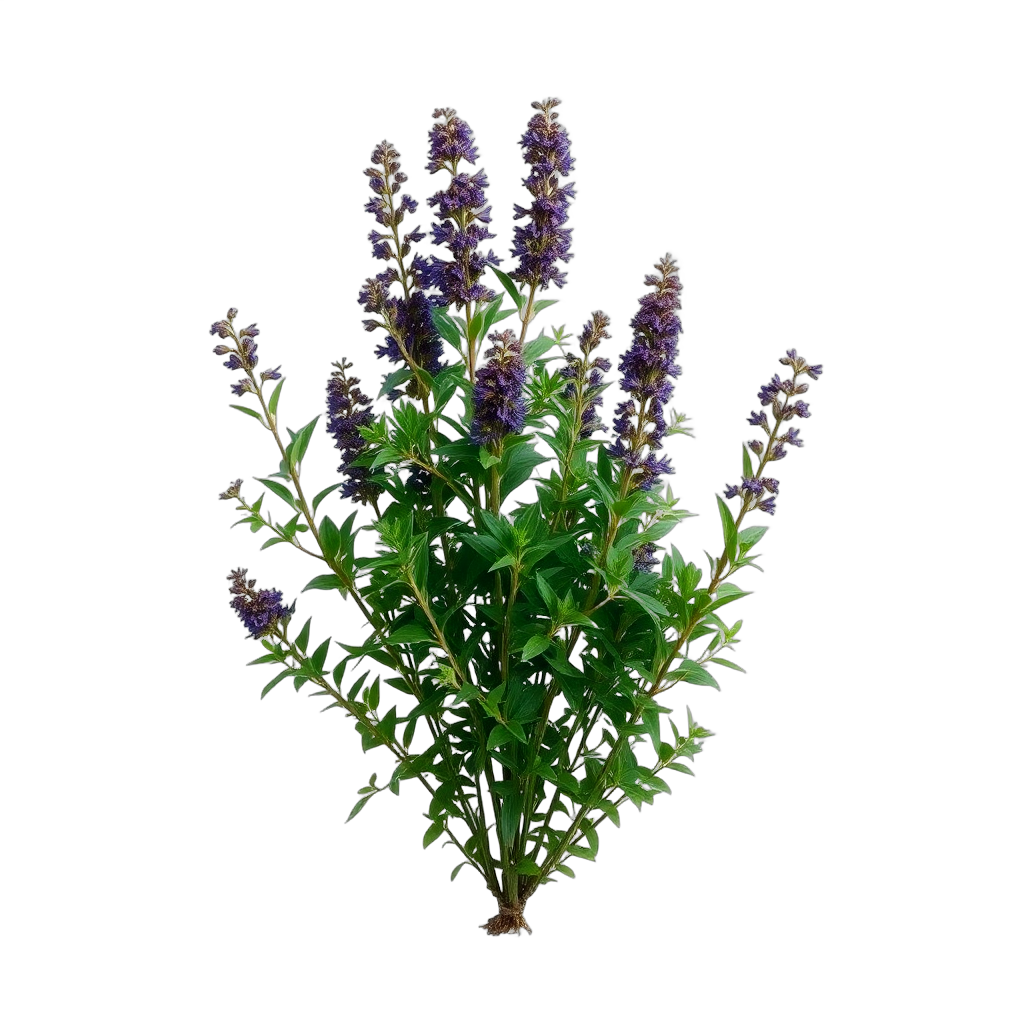
Black Sage
Salvia mellifera
grows to 4 feet, white blooms in spring. Attracts butterflies.
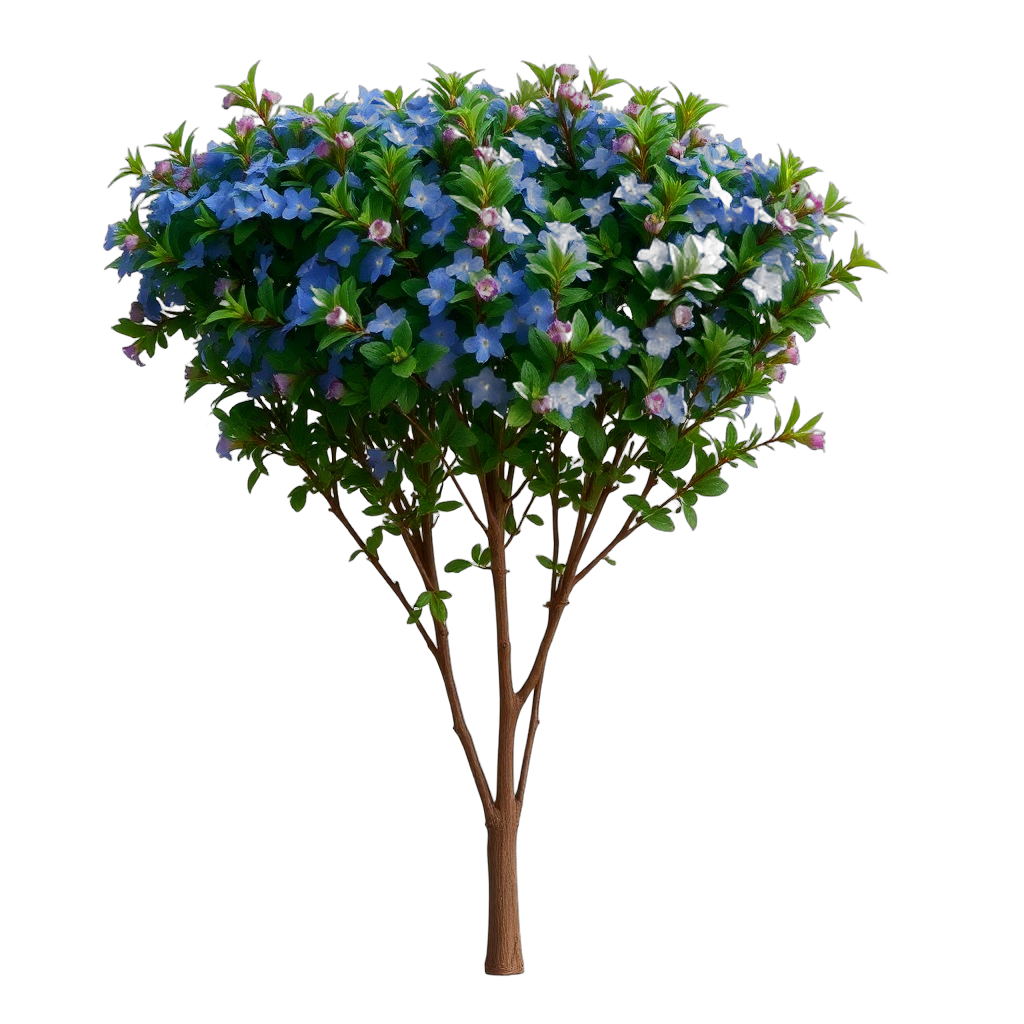
Blue Blossom
Ceanothus thyrsiflorus
medium-sized at 12 feet, blue blooms in spring. Attracts butterflies.
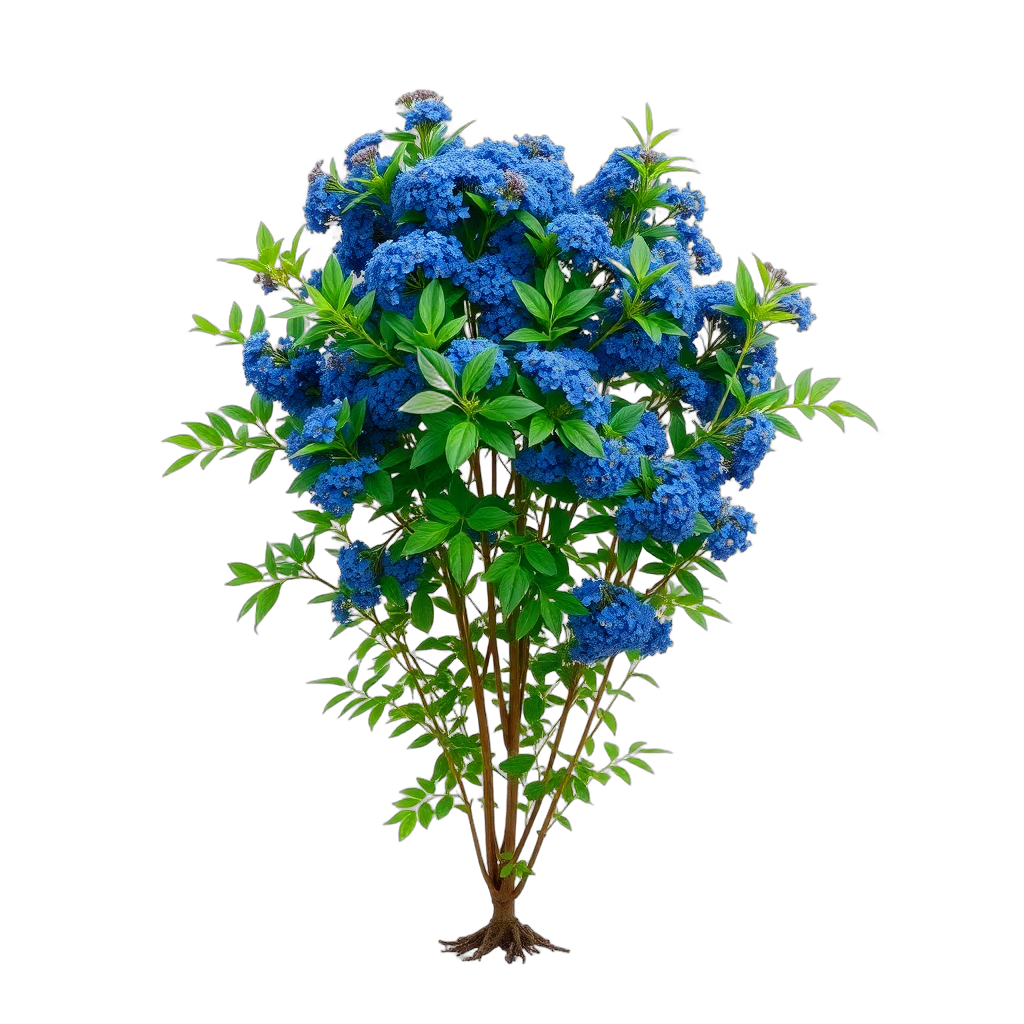
Blue Elderberry
Sambucus cerulea
medium-sized at 15 feet, white blooms in spring. Attracts butterflies.
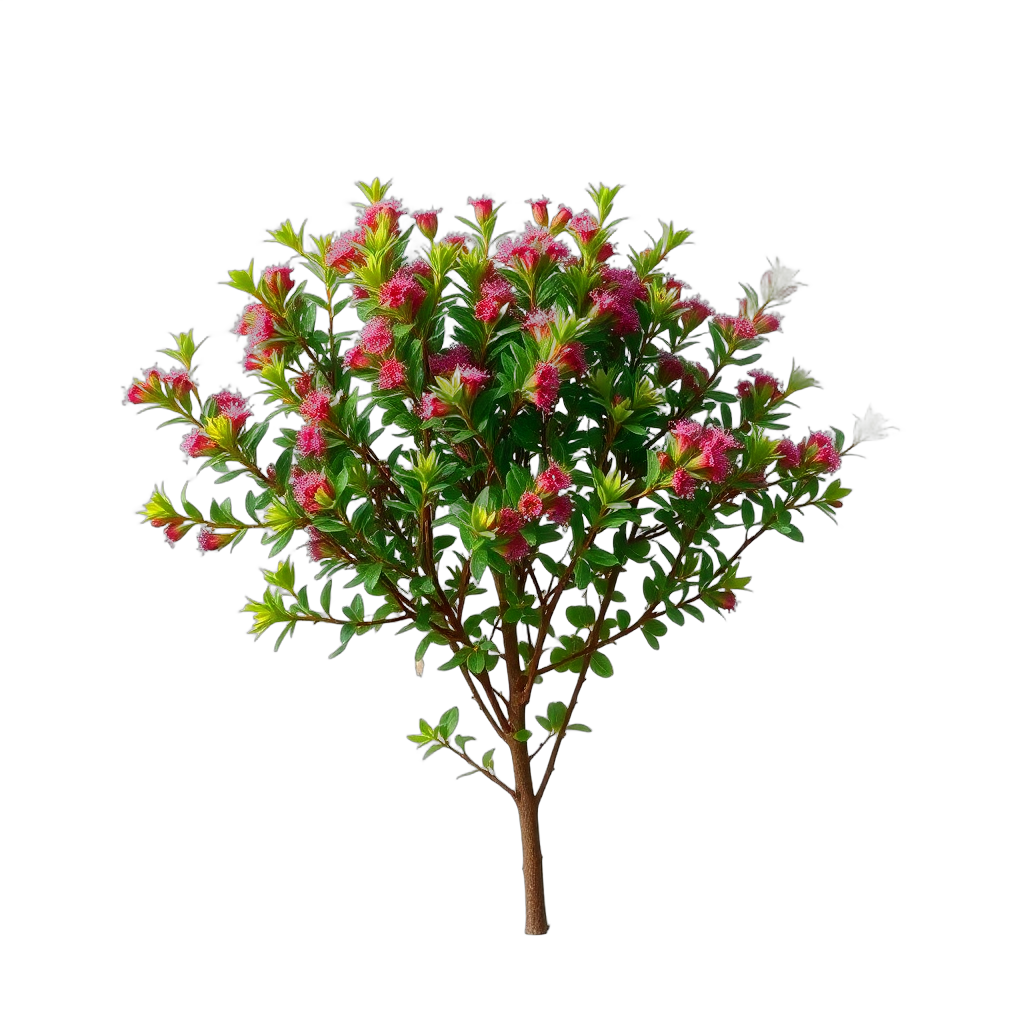
Buckbrush
Ceanothus cuneatus
medium-sized at 7 feet, white blooms in spring. Attracts butterflies.
Featured Grasses & Groundcovers for Desert/Xeriscape Gardens
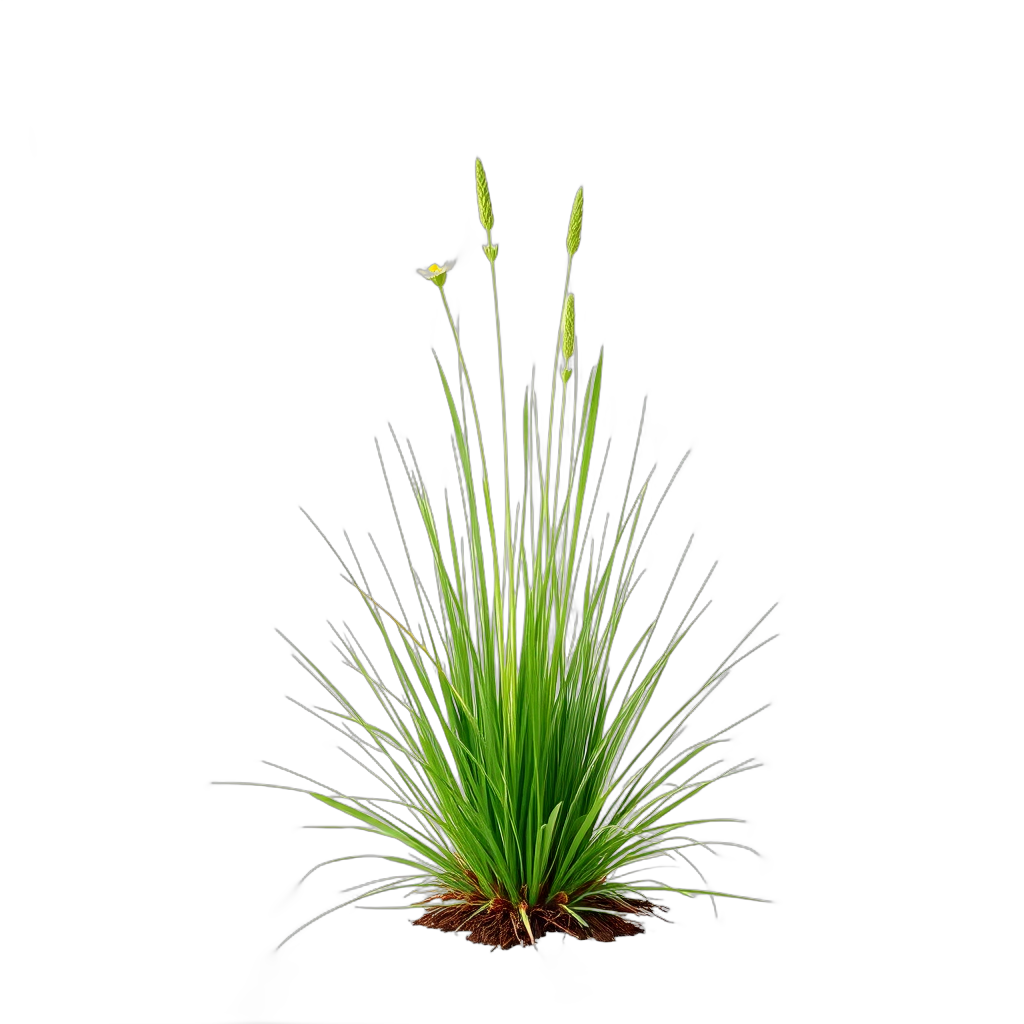
California Brome
Bromus carinatus
low-growing ground cover, blooms in spring. Yellow fall color.
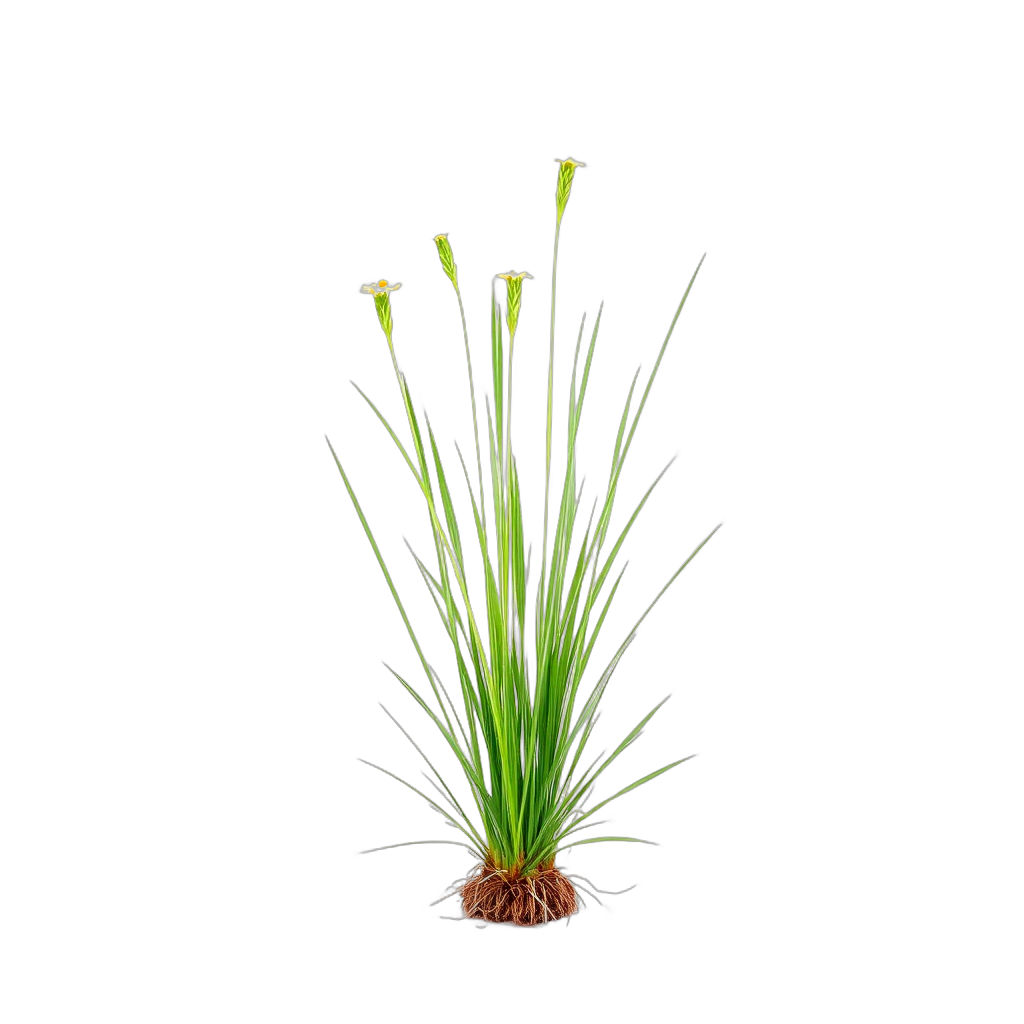
California Melic
Melica californica
low-growing ground cover, blooms in spring.
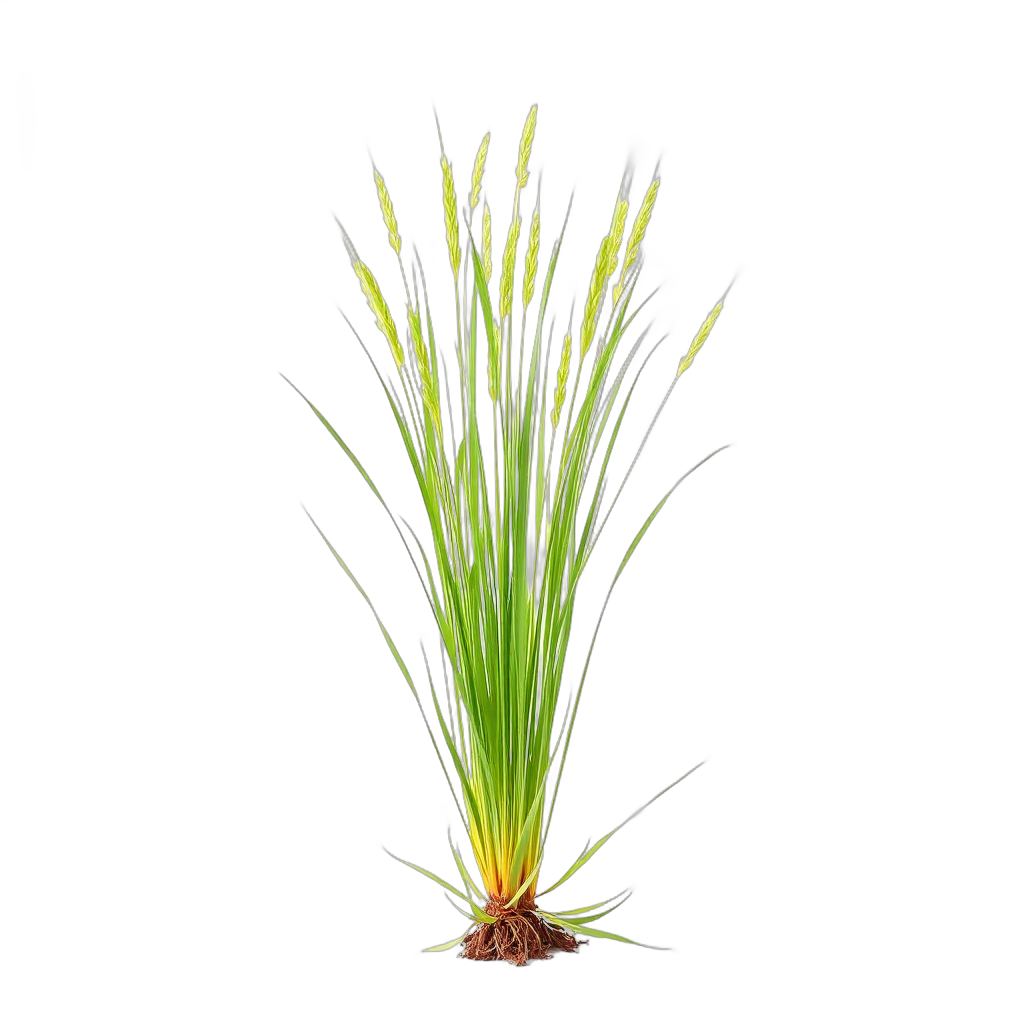
California Oatgrass
Danthonia californica
low-growing ground cover, blooms in spring. Yellow fall color.
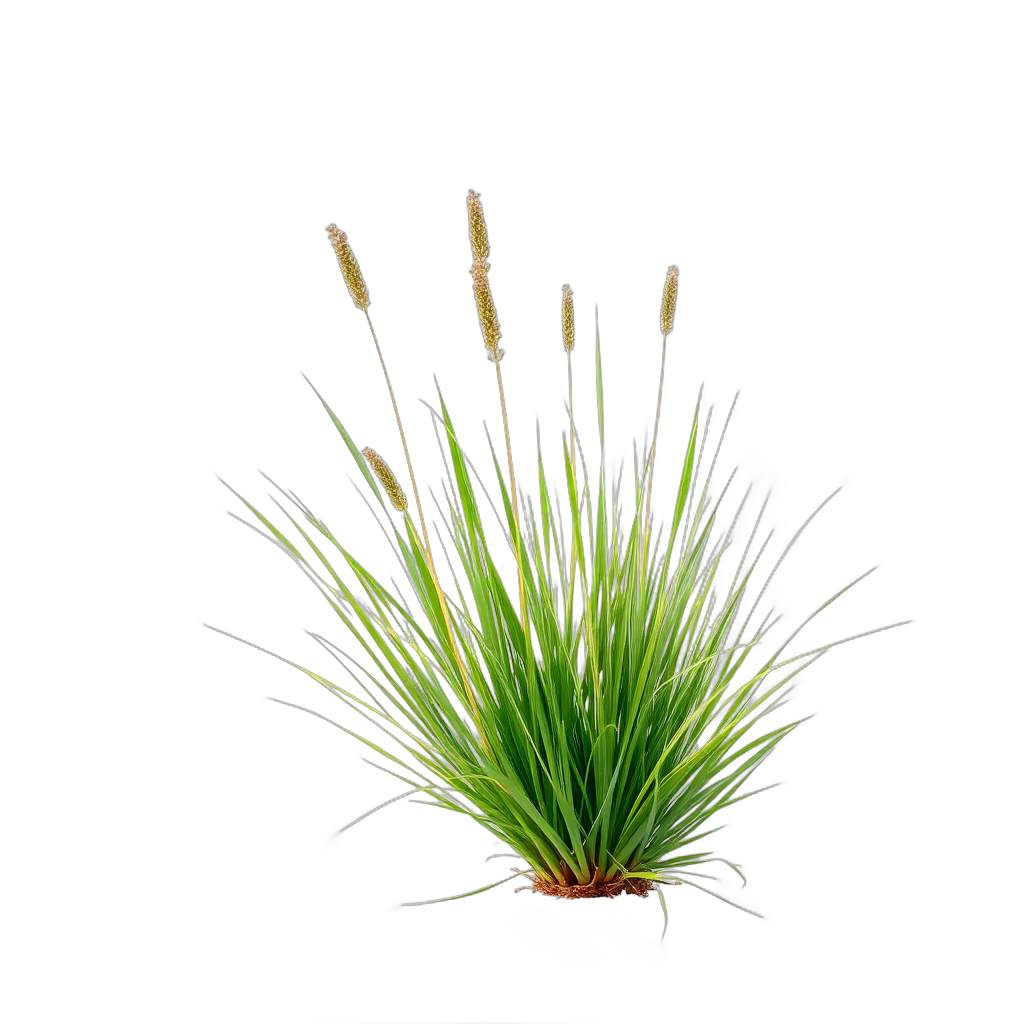
Deer Grass
Muhlenbergia rigens
grows to 3 feet, yellow blooms in fall. Evergreen year-round.
Featured Flowers & Perennials for Desert/Xeriscape Gardens
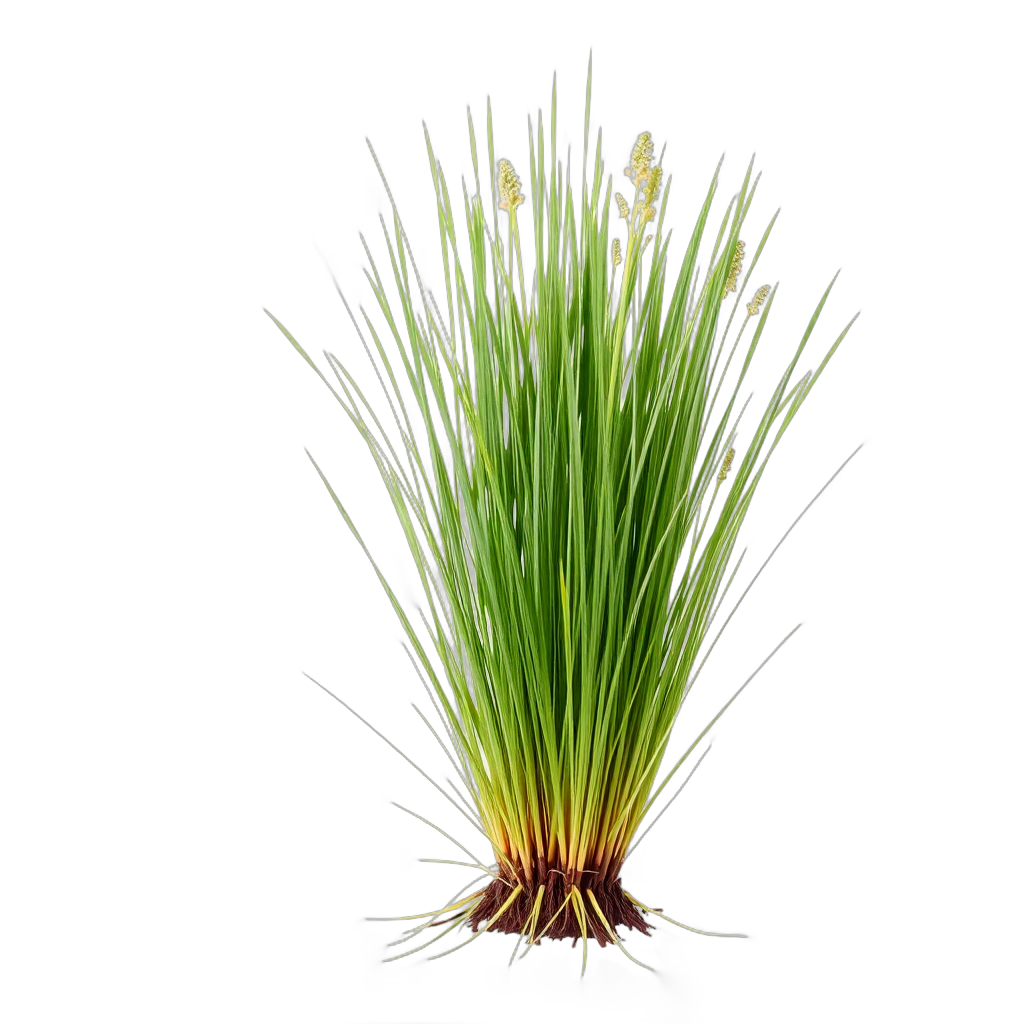
California Gray Rush
Juncus patens
low-growing ground cover, blooms in summer. Evergreen year-round.
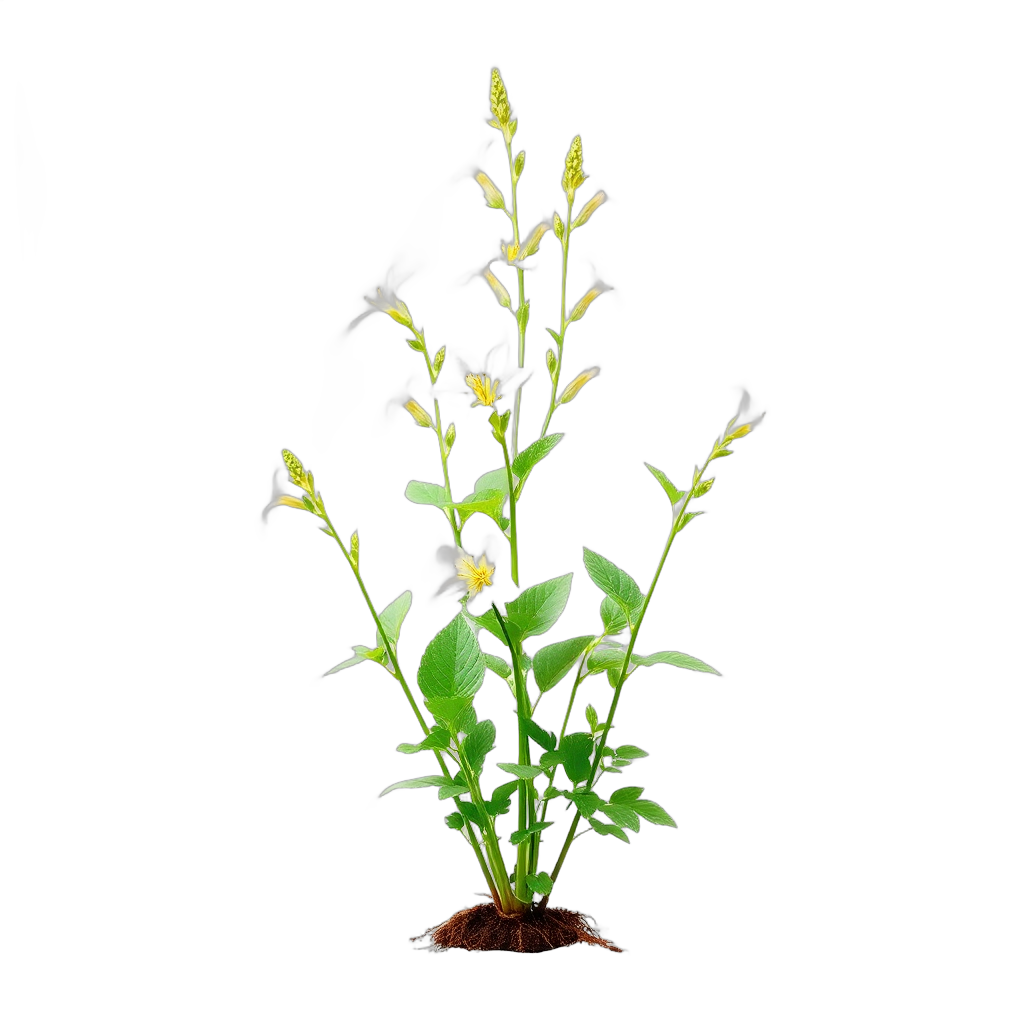
Beach Evening Primrose
Camissonia cheiranthifolia
low-growing ground cover, yellow blooms in spring. Attracts butterflies.
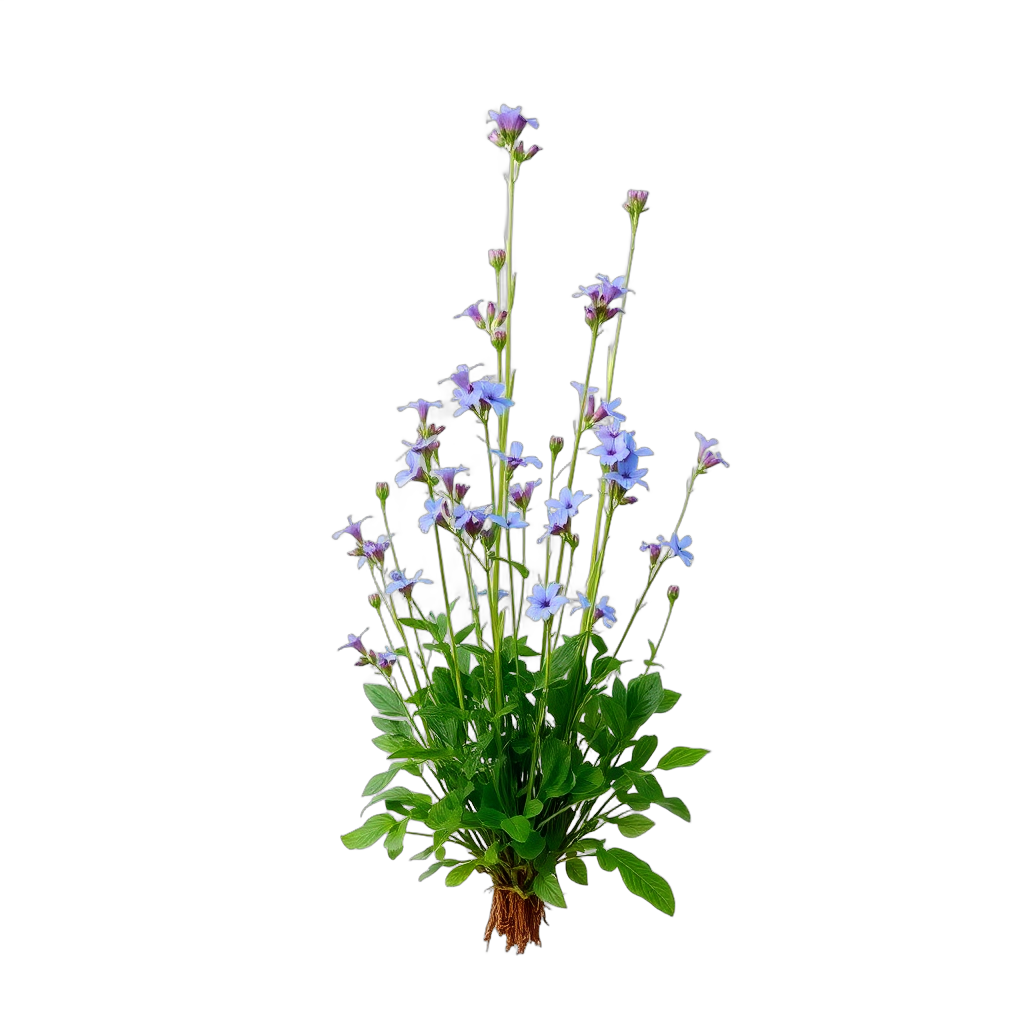
Blue Dicks
Dichelostemma capitatum
low-growing ground cover, blue blooms in spring. Pollinator-friendly.
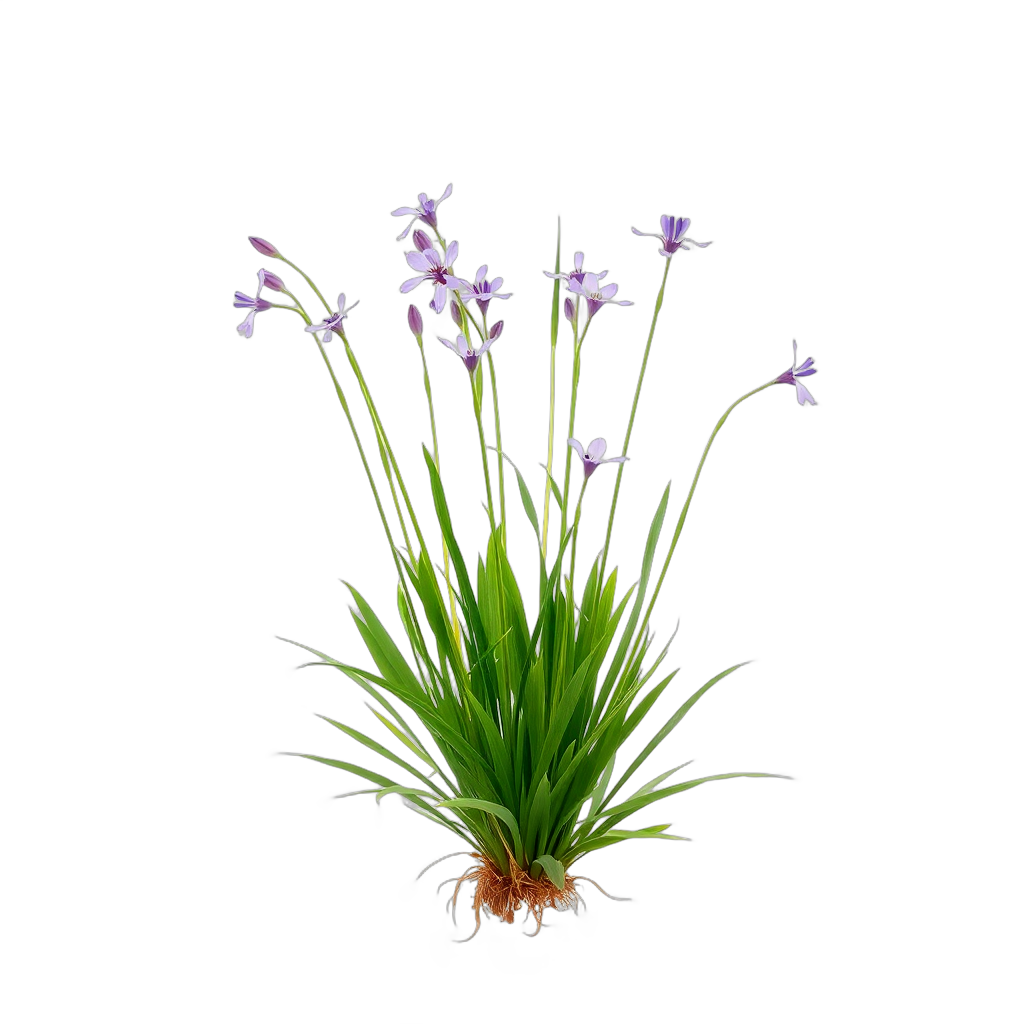
Blue-Eyed Grass
Sisyrinchium bellum
low-growing ground cover, blue blooms in spring. Attracts butterflies.
Zone and sun checks come from our database — confirm with your local nursery before you buy.
Bloom Calendar for Costa Mesa
spring
Beach Evening Primrose, Blue Dicks, Blue-Eyed Grasssummer
California Gray Rush, Hooker's Evening Primrose, Hummingbird Mintfall
California Fuchsiawinter
Limited bloomsDesign Tips for Costa Mesa (Zone 10b)
- Apply for Mesa Water's turf removal rebate, listed from $3 per square foot, before you remove anything; approval comes first, and homeowners who demo early forfeit it
- Plant in October to December so about 7 inches of December to February rain at John Wayne Airport does the establishment watering; summer-planted Salvia apiana and Encelia often fail
- Use coastal sage scrub natives from Fairview Park, like Opuntia littoralis, Hesperoyucca whipplei and Artemisia californica 'Canyon Gray', as the filler between big agaves; they suit the local fog and soil better than Sonoran shrubs
- Put golden barrels and other globe cacti only in raised pumice beds on south-facing walls; the May and June marine layer causes scarring and rot in flat, irrigated beds
- Swap Parkinsonia 'Desert Museum' for Acacia stenophylla or a high-pruned Rhus integrifolia as the desert tree; palo verde stays thin and leggy in Costa Mesa's cool summers
- Keep living plants as the main ground cover, not artificial turf; the City's guidance caps artificial turf in R-1 yards at 50 percent of the landscaped area
- There is no frost line to design footings around: the ground on the mesa does not freeze, so wall and post footings are sized for soil and load, which makes low concrete walls cheaper here than in colder cities
Where to Source Plants in Costa Mesa
Skip the big-box stores. These independent Costa Mesa nurseries specialize in the plants that make desert/xeriscape gardens thrive in Zone 10b.
Tree of Life Nursery
San Juan Capistrano (south Orange County)
California native plant grower and the regional source for coastal sage scrub plants such as Salvia apiana, Encelia californica, Eriogonum and Dudleya
Roger's Gardens
Corona del Mar (Newport Beach)
Large independent garden center with a strong succulent and Mediterranean selection, specimen pottery and display gardens, close to the Eastside
Armstrong Garden Centers Costa Mesa
Newport Boulevard
Employee-owned California nursery chain with agaves, aloes, natives, soil amendments and a lifetime guarantee on trees and shrubs
Desert/Xeriscape Landscaping Costs in Costa Mesa
| Project Scope | Estimated Cost |
|---|---|
| Front yard turf-to-gravel conversion with drip and plants (500–700 sqft) | $7,000 – $16,000 |
| Native coastal sage scrub slope planting (300–600 sqft) | $4,000 – $12,000 |
| Raised corten or block cactus bed (20–40 linear ft) | $3,500 – $9,000 |
| Specimen layer: 3 large agaves or yuccas plus 4 boulders, set | $1,500 – $4,000 |
| Gravel patio with seat walls and gas fire bowl (300–500 sqft) | $15,000 – $35,000 |
| Full desert backyard: patio, fire feature, planting, drip, lighting | $35,000 – $90,000 |
| AI visualization (ProScapeAI) | Free to start |
Estimates based on Costa Mesa, CA-area contractor rates as of 2026. Actual costs vary by site conditions, materials, and contractor.
Costa Mesa Climate & Growing Zone
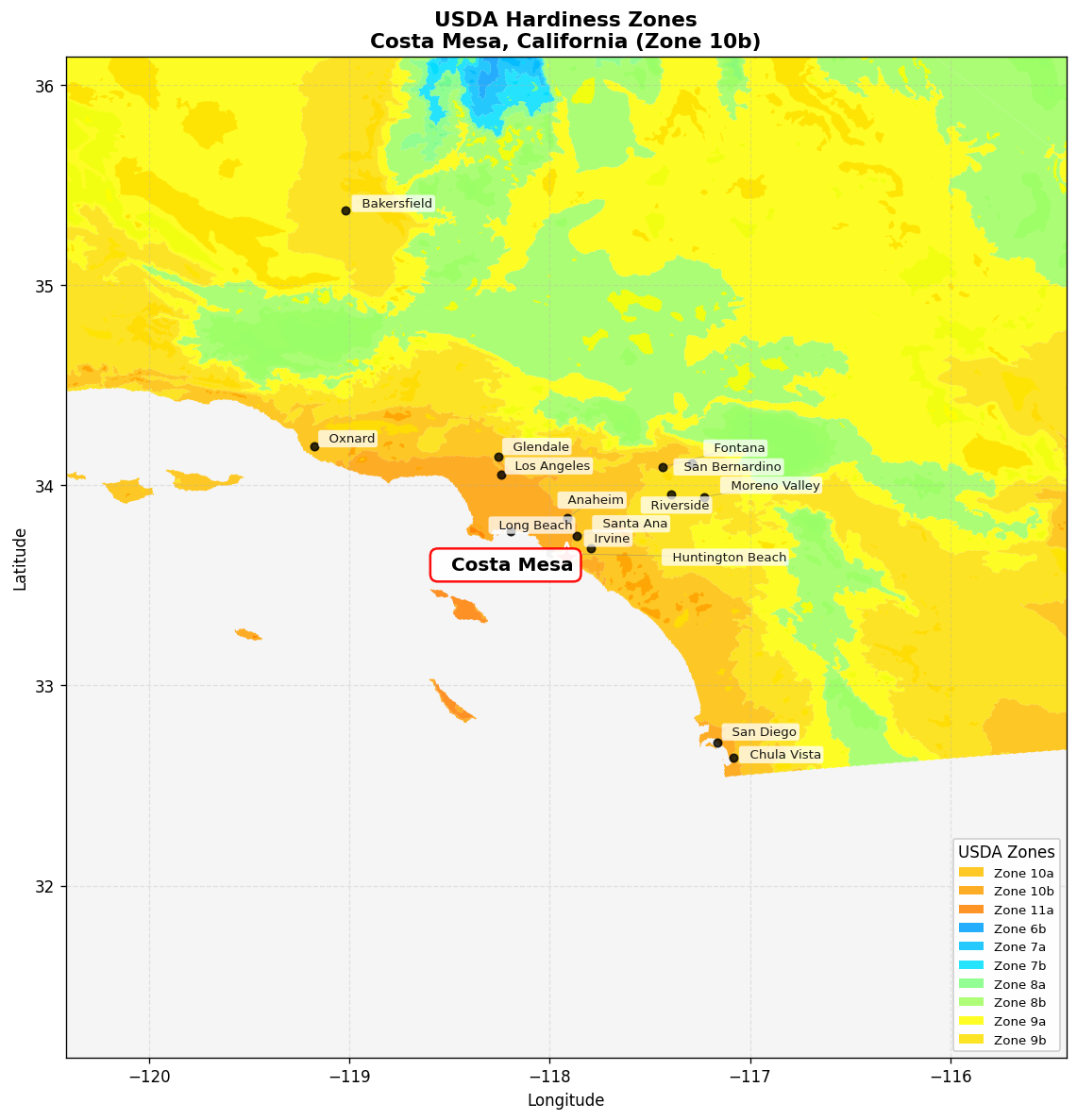
USDA Zone 10b
Hardiness zone for Costa Mesa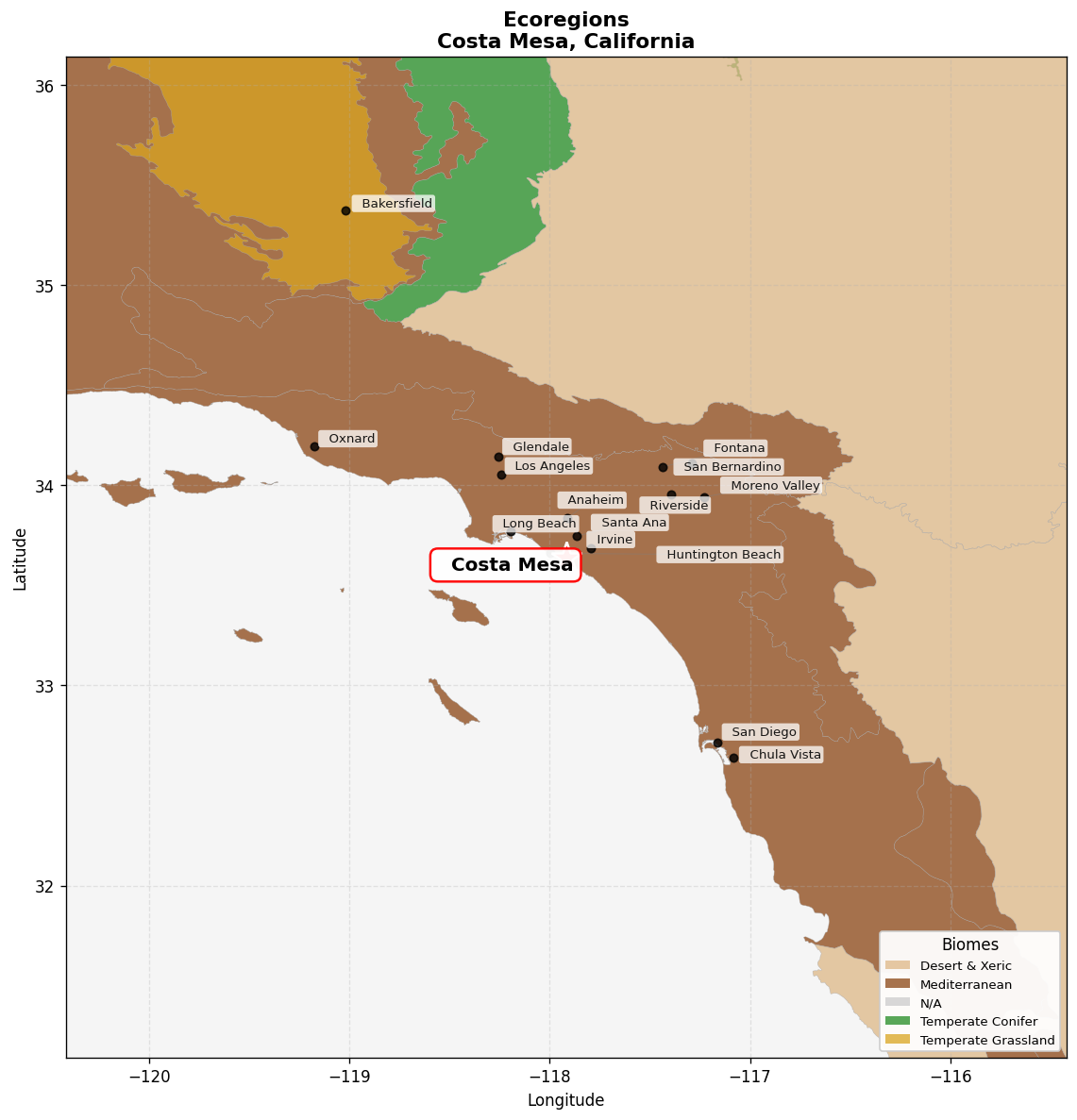
California coastal sage and chaparral
Native ecoregionFrequently Asked Questions
How much does a desert or xeriscape yard cost in Costa Mesa?
Orange County labor costs more than the national average, so budget for it. A front yard conversion on a 500–700 sqft lawn, with turf removal, decomposed granite or gravel, steel edging, drip and a full plant list, usually runs $7,000–16,000 installed. Specimens move the number: a 24-inch box Agave ovatifolia runs about $200–450 and a 15-gallon Yucca rostrata $250–600, while buff boulders are roughly $150–500 each set. A gravel patio with a gas fire bowl is about $15,000–35,000. Mesa Water's listed turf rebate, starting at $3 per square foot, returns $1,500–2,100 on a 500–700 sqft lawn if you are approved before you start.
Is a desert garden low maintenance in Costa Mesa?
Yes, once it is established. Expect weekly drip watering for the first summer, then every two to three weeks, and many natives like Opuntia littoralis and Encelia californica need almost nothing after year two. Yearly jobs are removing spent flower stalks from Aloe arborescens and Hesperaloe, pulling agave pups, cutting Leymus 'Canyon Prince' back in late winter and a weed pass in the gravel after the winter rains. Coastal sage scrub natives like Artemisia californica go gray and dormant in late summer; leave them, and they green up with the first rain.
When is the best time to plant a desert garden in Costa Mesa?
October through December. John Wayne Airport averages about 7 inches of rain from December through February, more than half the year's total, so plants set in autumn get established on rainfall. Native coastal sage scrub plants in particular should go in during autumn; planted in summer, Salvia apiana and Encelia often fail. Large agaves and cacti can be planted any time except a heat wave, and there is no frost window to wait for in Zone 10b.
What turf rebates and landscape rules apply in Costa Mesa?
Mesa Water District, which serves most of the city, lists turf removal rebates starting at $3 per square foot, drip irrigation from $1 per square foot, rotating nozzles at $2 each with a 15-nozzle minimum, weather-based controllers from $80, rain barrels at $35 and cisterns at $250–350. Apply and get approval before removing grass. On the city side, the Planning Division's page on approved ground covers states that artificial turf in R-1 single-family zones may not exceed 50 percent of the landscaped area and needs Planning approval. Planting and gravel work generally needs no permit, but retaining walls, gas lines and pool work do. HOAs cannot ban water-efficient landscaping under California Civil Code Section 4735, although they can review the design.
Do cacti and golden barrels survive the June Gloom in Costa Mesa?
Some do, with help. Costa Mesa sits a few miles inland, so the marine layer burns off earlier than at the beach, but Echinocactus grusonii can still scar and rot if it sits in damp soil under gray skies. Plant barrels in a raised bed of pumice and gravel, on the south side of a wall, and keep drip emitters away from the crown. Columnar and padded cacti are easier: Opuntia littoralis is native here, and Opuntia ficus-indica and Cereus peruvianus do well with good drainage. For a lower-risk round shape, use Aloe striata or Agave 'Blue Glow'.
Which desert plants handle heat waves and Santa Ana winds here?
Costa Mesa's August normal high is about 80°F at John Wayne Airport, but Santa Ana winds can push autumn days into the 90s with very dry air. Agave ovatifolia, Yucca rostrata, Dasylirion wheeleri, Hesperaloe parviflora 'Brakelights', Opuntia littoralis and Eriogonum fasciculatum 'Warriner Lytle' take both the heat and the wind. Soft succulents like Aeonium arboreum 'Zwartkop' and most Echeveria can scorch on those days, so keep them on the east side of the house or in pots you can move into shade.
Can a desert garden in Costa Mesa use local native plants?
It should. The coastal sage scrub that still covers parts of Fairview Park is a drought-adapted plant community with many plants that fit a desert look: Opuntia littoralis, Hesperoyucca whipplei, Dudleya lanceolata, Salvia apiana, Artemisia californica 'Canyon Gray' and Encelia californica. They need no fertilizer, very little summer water once established, and support local pollinators. Buy them from a native specialist such as Tree of Life Nursery so you get regional stock, and plant them in autumn.