4 Modern Garden Ideas for Detroit, MI | Minimalist Landscape Design in Zone 6b
Native plants from the Southern Great Lakes forests (Zone 6b) — Humid continental (hot summer) climate
Why Modern/Minimalist Gardens in Detroit?
Detroit's urban transformation is producing some of the most interesting residential landscape opportunities in the Midwest. The city's combination of deeply discounted historic properties with generous lot sizes, an active urban farming and greening culture, and a growing design-savvy population is creating demand for modern landscape design that meets the moment. Contemporary infill in Midtown, Corktown, and New Center sits alongside restored 1920s homes in Boston-Edison and Indian Village, and both contexts benefit from modern landscape thinking: clean lines, architectural plants, and minimal maintenance that respects the time constraints of urban professional life.
Zone 6b's winter lows around -5°F demand cold-hardy plant selection, but the plant palette for modern design in Detroit is genuinely excellent. Ornamental grasses (Karl Foerster, switchgrass, miscanthus), architectural conifers, hardy yucca, and structural perennials all survive Zone 6b winters without protection and provide the geometric masses and year-round form that modern design requires. Detroit's Southern Great Lakes forests ecoregion means fertile, reasonably organic soils in established neighborhoods — better than the construction-fill clay of many new suburban developments — which accelerates plant establishment.
The practical consideration specific to Detroit is soil history. Urban Detroit lots require soil testing before any planting investment, particularly on properties with pre-1978 construction or histories of industrial or commercial use. MSU Extension's Wayne County office offers low-cost soil testing, and raised planters built above grade — a natural modern design element — solve the soil uncertainty issue while adding architectural presence. Corten steel raised beds are both a modern design statement and a practical solution: they enclose clean imported growing medium, look spectacular against Detroit's brick and industrial architecture, and require essentially zero maintenance.
4 Modern/Minimalist Design Ideas for Detroit
AI-generated image
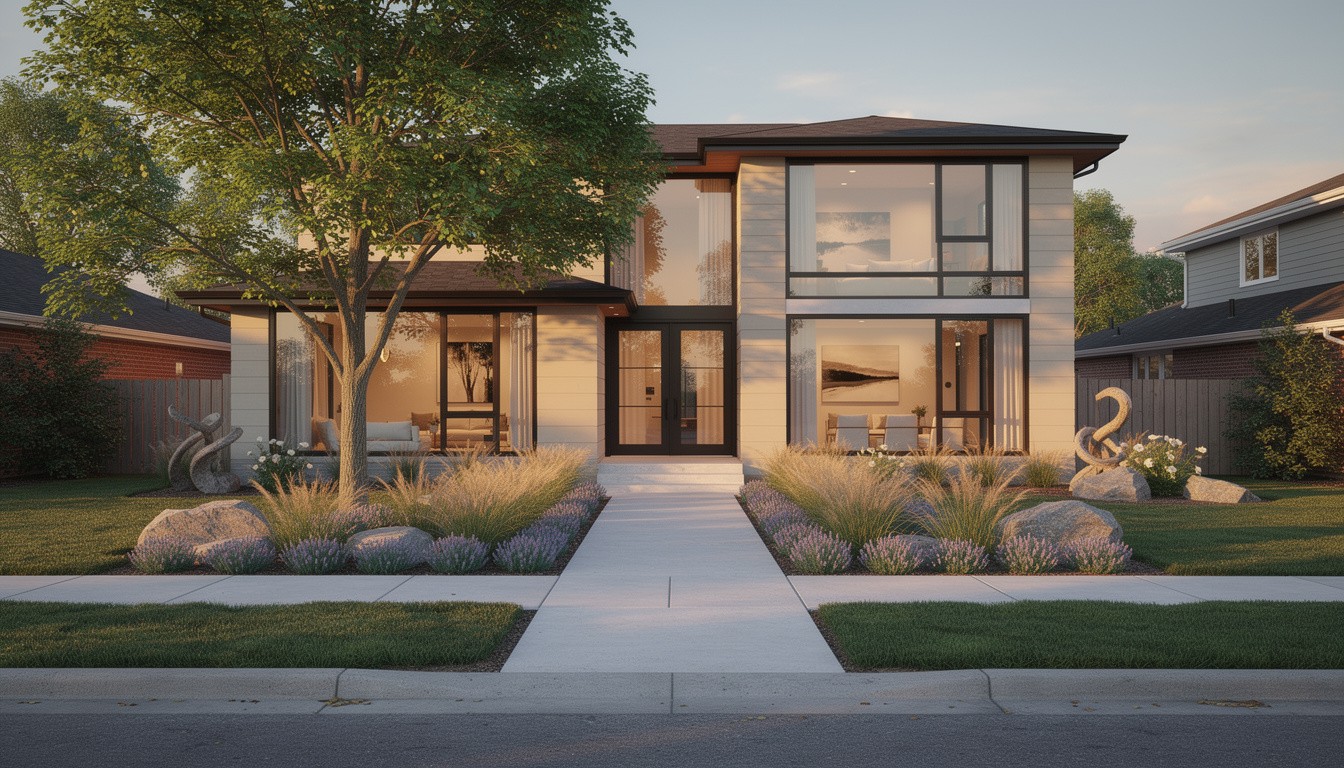
The Midtown Modern Architectural Front
$15–28/sqftA two-story contemporary home with large glass windows and mixed stone and panel cladding sits behind a concrete walkway framed by ornamental grasses and low sculptural plantings. Boulders are used as accent elements integrated into the planting beds, adding natural weight to the composition. Feather reed grass and low ornamental shrubs are massed on both sides with clear geometric discipline. The design suits Detroit's growing stock of modern new construction in Midtown, Corktown, and the University District, where contemporary homes sit on tighter lots and landscape must achieve impact with restraint.
AI-generated image
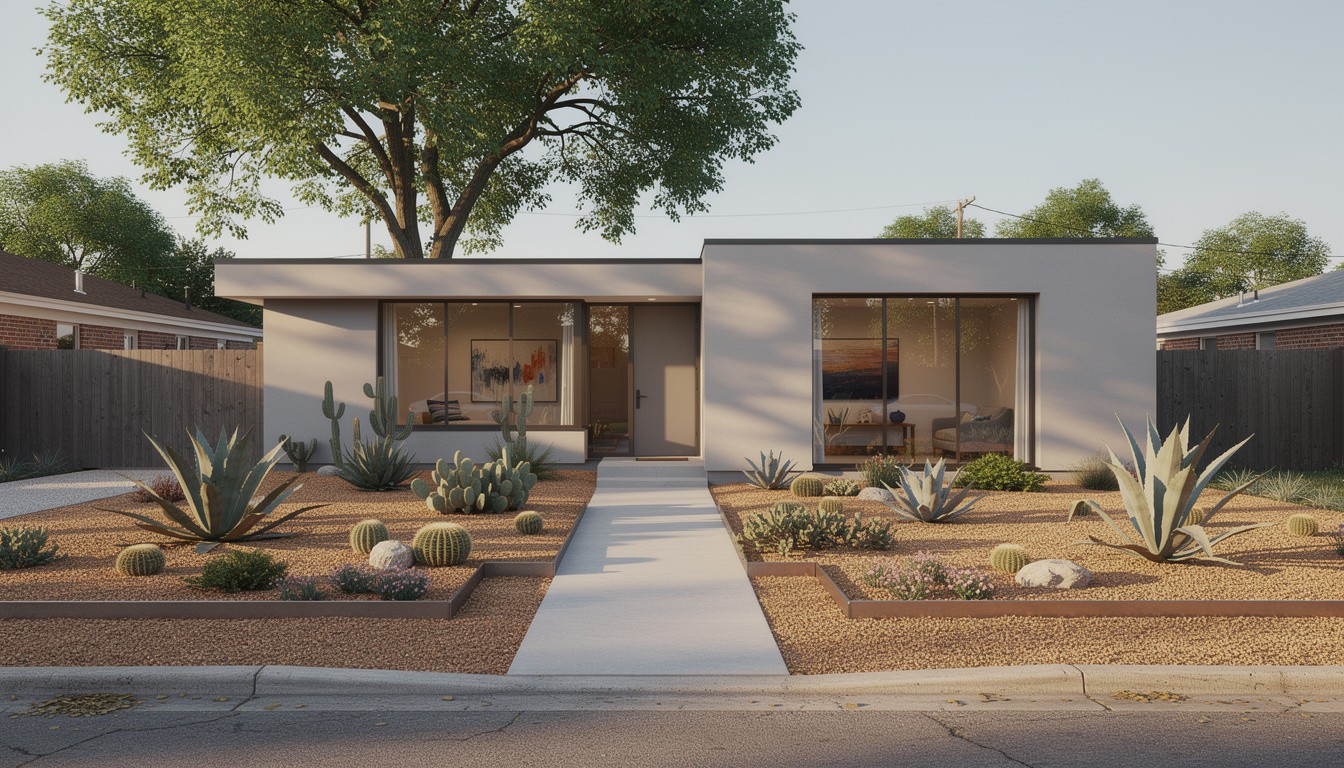
The Desert Modern Ranch Front
$12–25/sqftA flat-roofed white stucco modern ranch is landscaped with a crushed gravel field, straight concrete path, and Corten steel raised beds planted with agave, cacti, and ornamental grasses — a desert-modern aesthetic reinterpreted for Michigan's Zone 6b climate using fully cold-hardy plant substitutes. The composition uses bold specimen plants in asymmetric arrangement that reads as sculptural from the street. A mature shade tree at the back of the yard provides the natural canopy that softens the stark contemporary geometry. The front yard becomes a statement piece requiring almost no ongoing maintenance.
AI-generated image
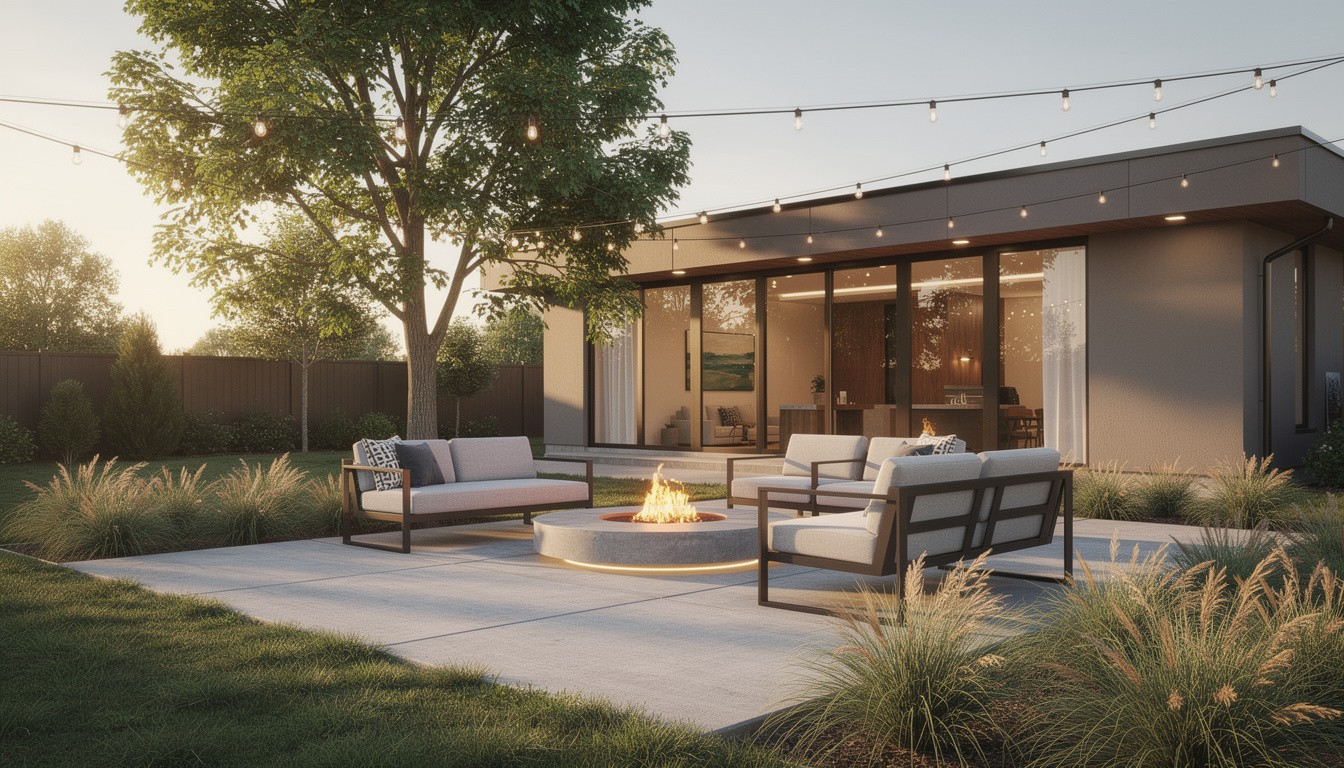
The Corktown Fire Pit Terrace
$18–38/sqftA concrete patio extends from the rear of a contemporary single-story home with large sliding glass doors, furnished with a modern outdoor sectional arranged around a circular concrete fire pit. The patio opens onto a surrounding lawn with ornamental grasses along the fence line and string lights overhead. The design captures Detroit's outdoor culture — built for backyard entertaining from May through October in a relaxed, welcoming layout that doesn't demand formal landscaping. The circular fire pit as focal point anchors the seating arrangement and draws people outdoors in the shoulder seasons.
AI-generated image
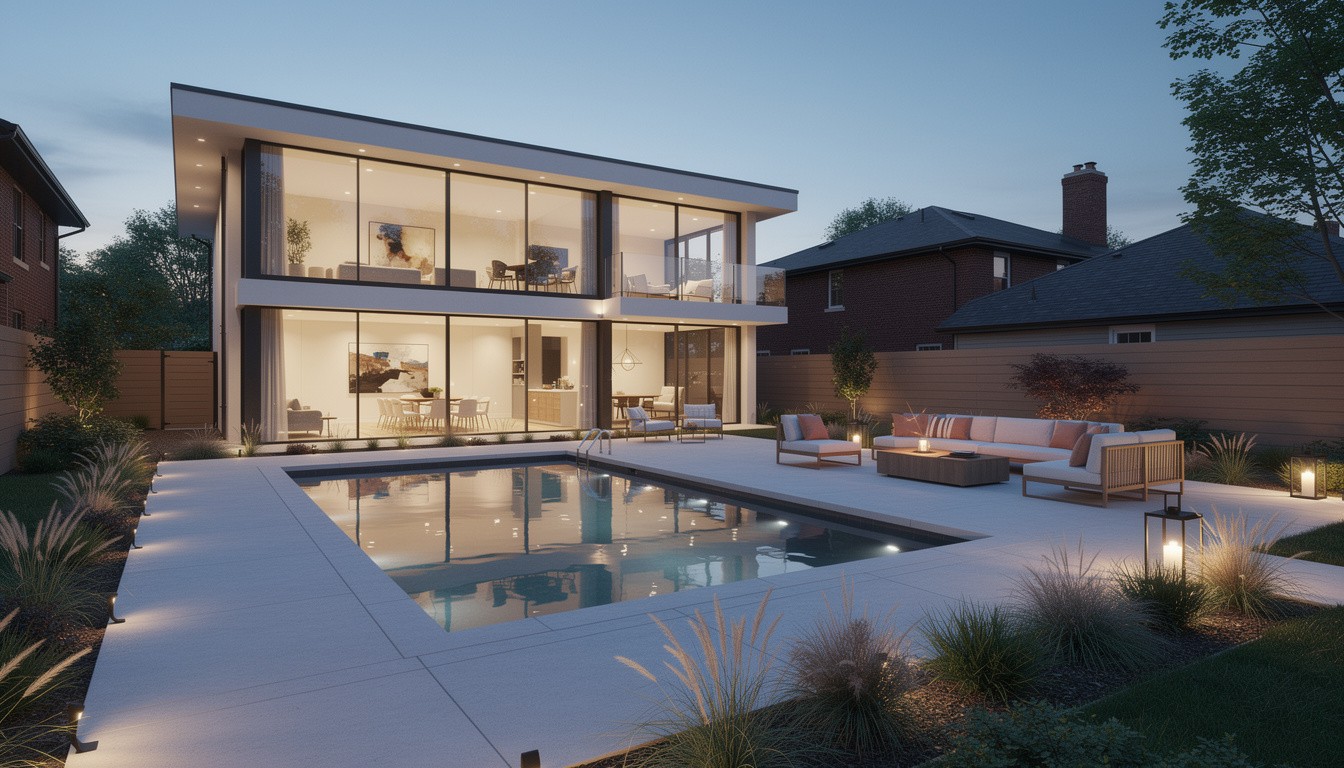
The Grosse Pointe Modern Pool Terrace
$40–80/sqftA glass-walled two-story modern home opens onto a full-width pool terrace with a rectangular pool flanked by wide concrete paver decks, outdoor lounge chairs, and resort-style planting borders. The pool deck is lit by inground LED strip lights and uplights in the surrounding plantings. Outdoor seating with fire elements sits at the far end of the terrace. The composition achieves the indoor-outdoor living ideal that Detroit's upper-market new construction in Grosse Pointe and Birmingham is increasingly demanding, and the warm Michigan summers make this outdoor room genuinely usable for four to five months.
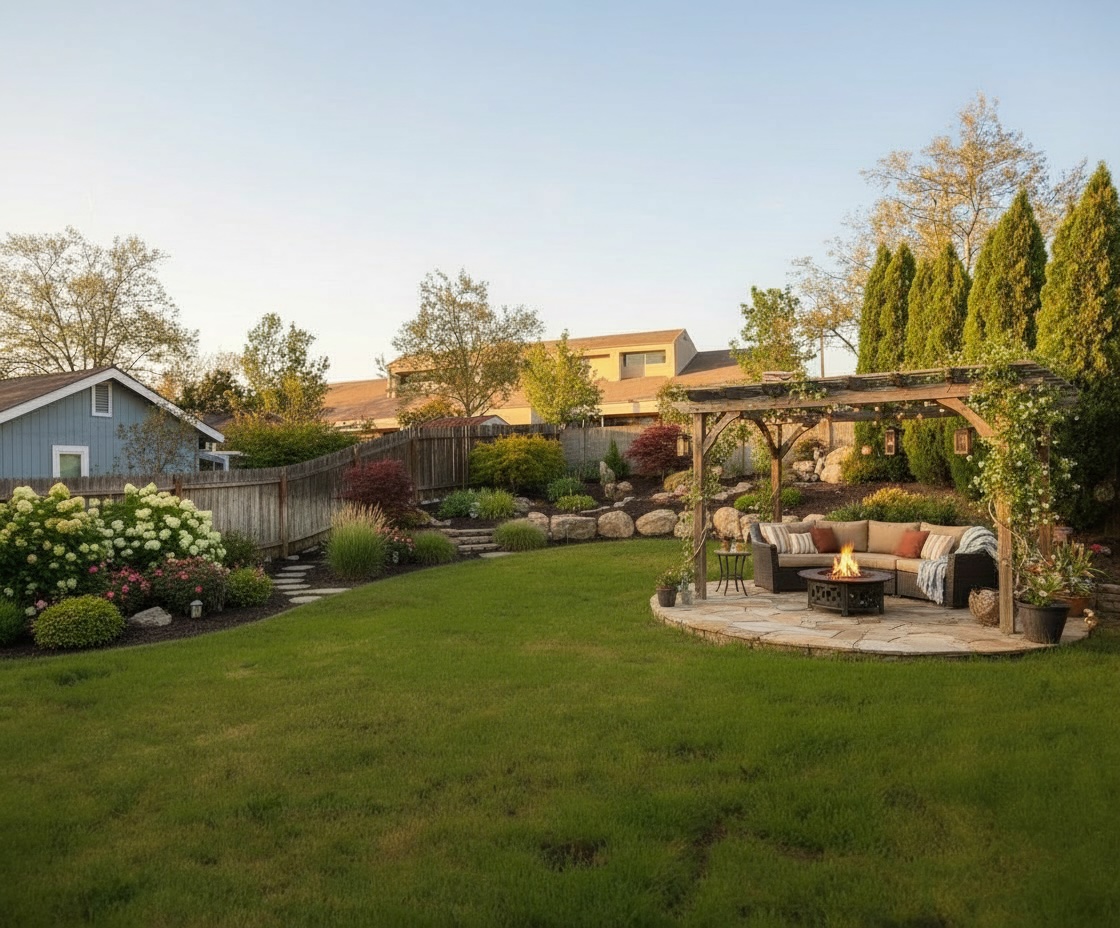
See how a modern/minimalist garden looks on YOUR property
Upload a photo of your Detroit yard and visualize your dream garden in seconds.
Try ProScapeAI Free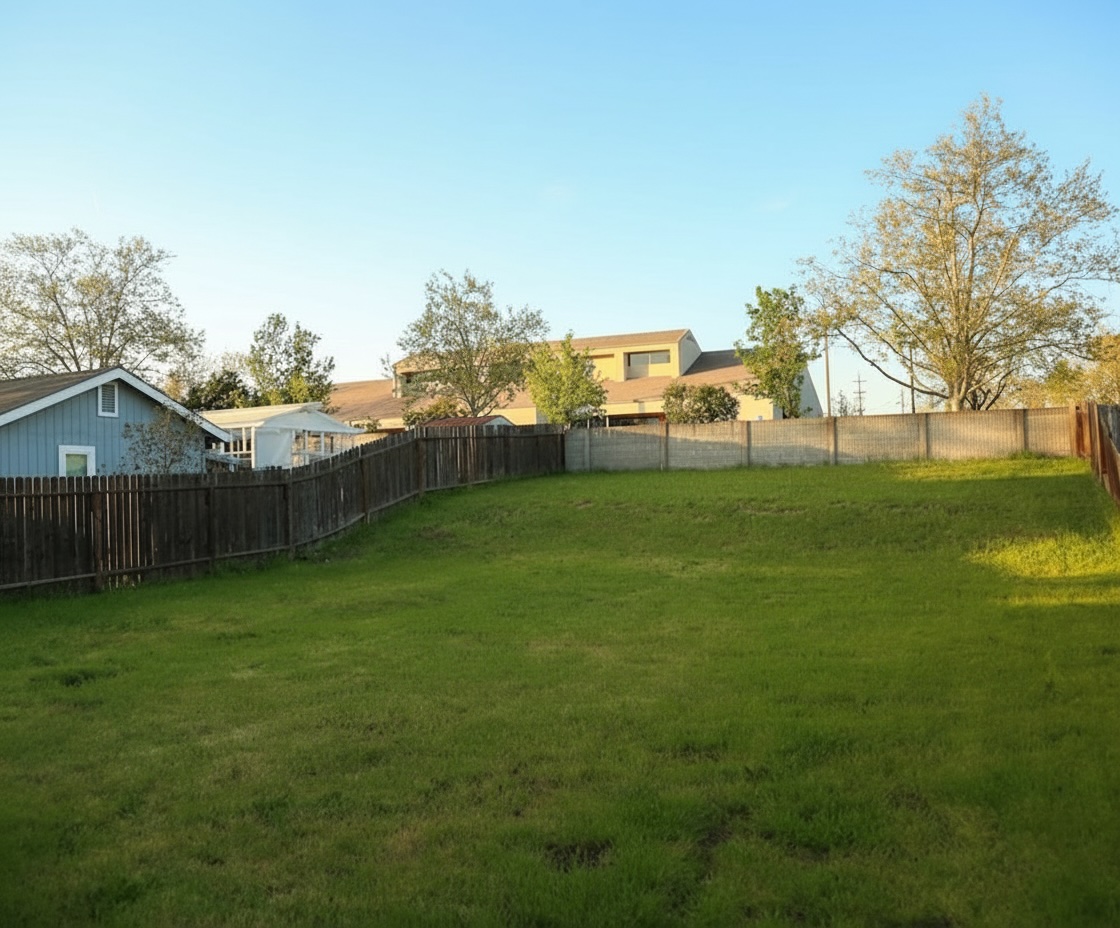
AI-generated image
Featured Trees & Shrubs for Modern/Minimalist Gardens
Browse all 248 plants for Detroit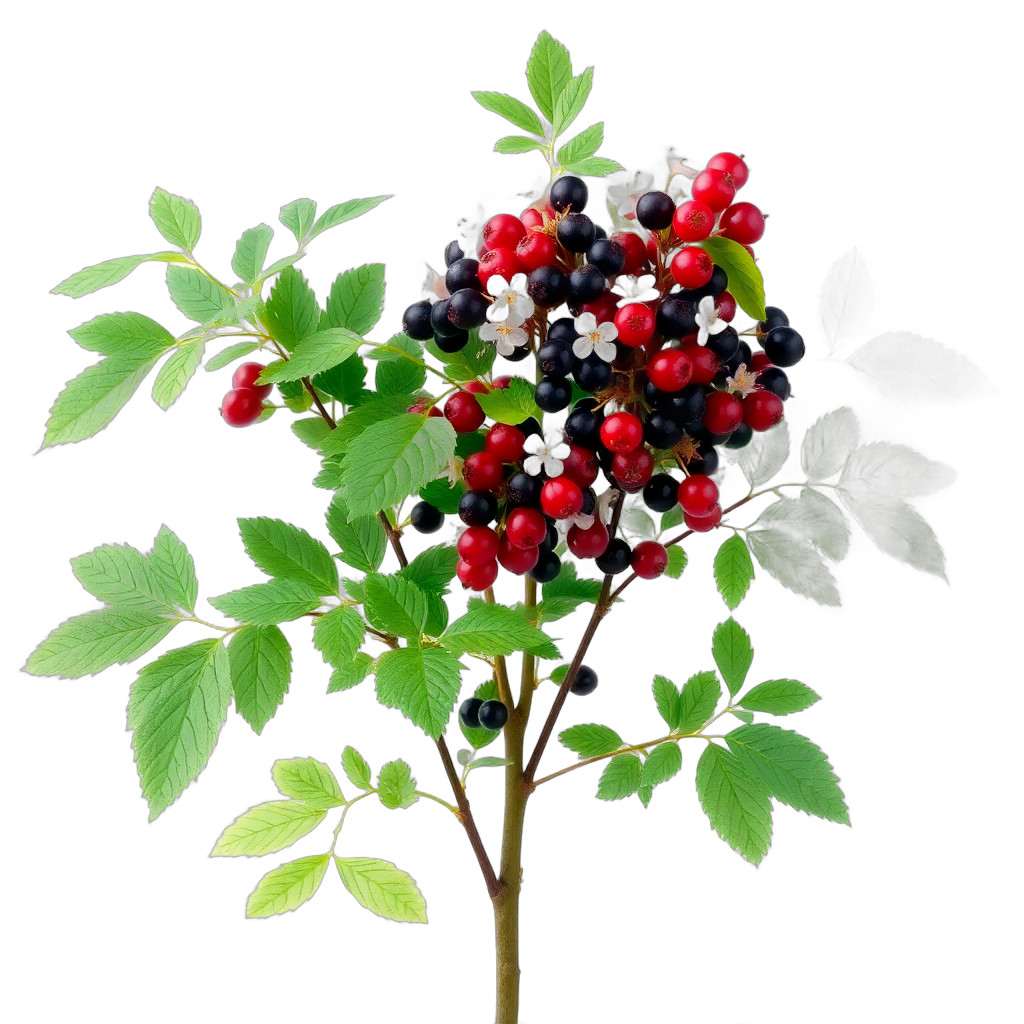
American Black Currant
Ribes americanum
grows to 5 feet, white,yellow blooms in spring. Attracts hummingbirds.
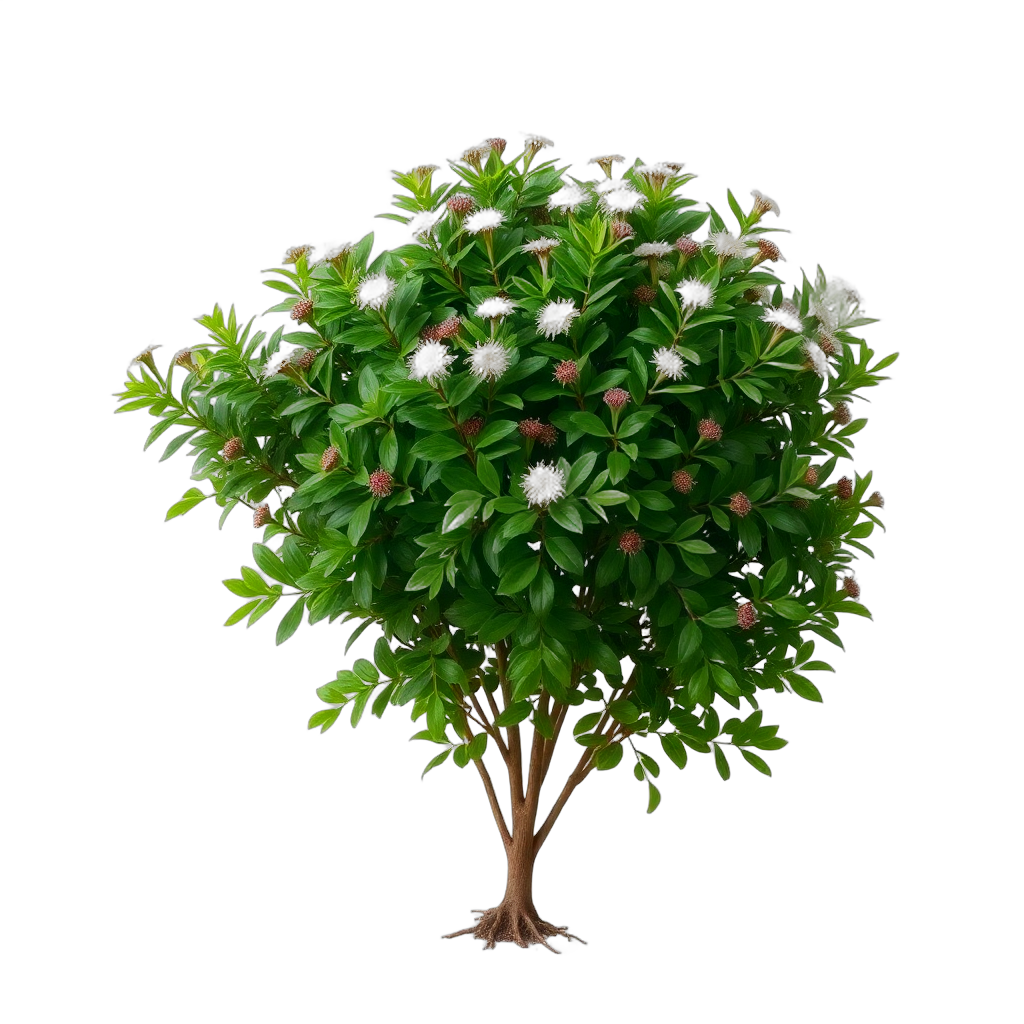
Buttonbush
Cephalanthus occidentalis
medium-sized at 8 feet, white blooms in summer. Attracts butterflies.
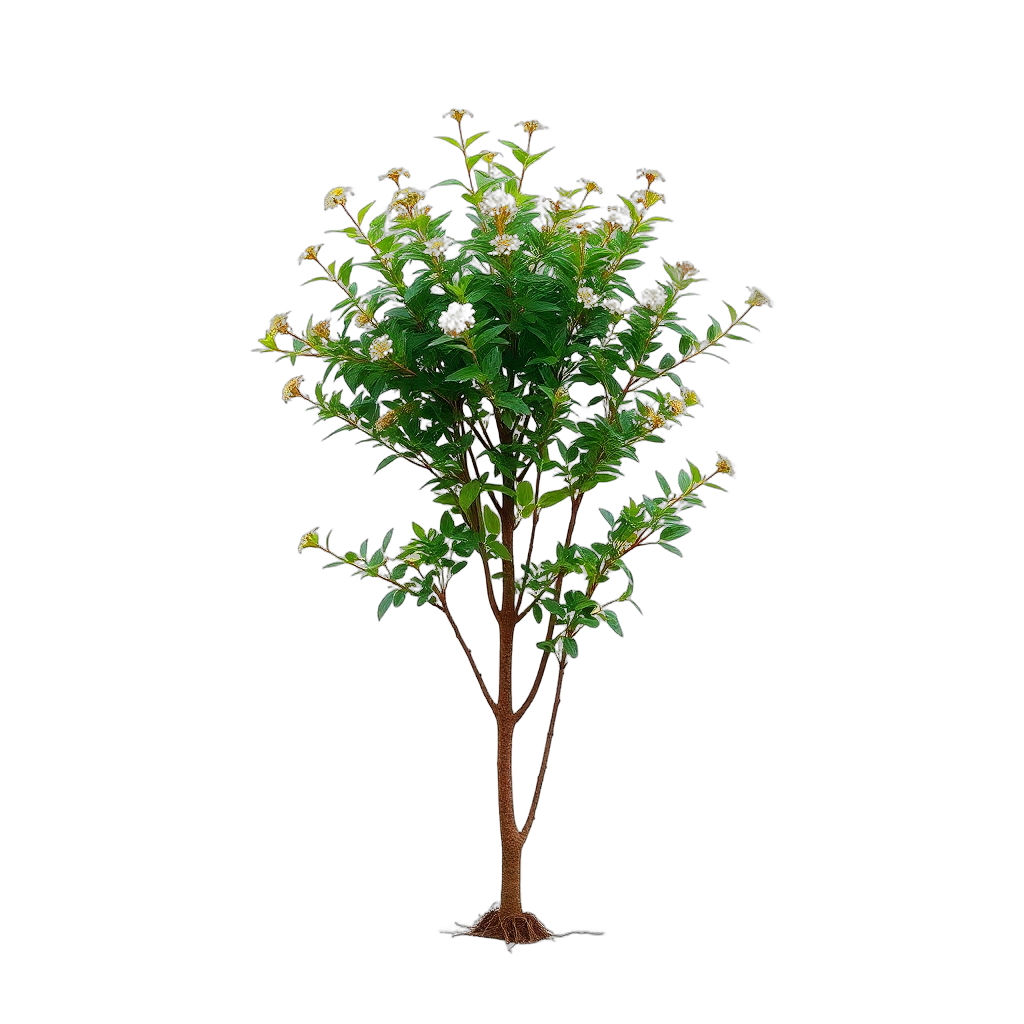
Coppertina Ninebark
Physocarpus 'Coppertina'
medium-sized at 7 feet, white blooms in spring. Pollinator-friendly.
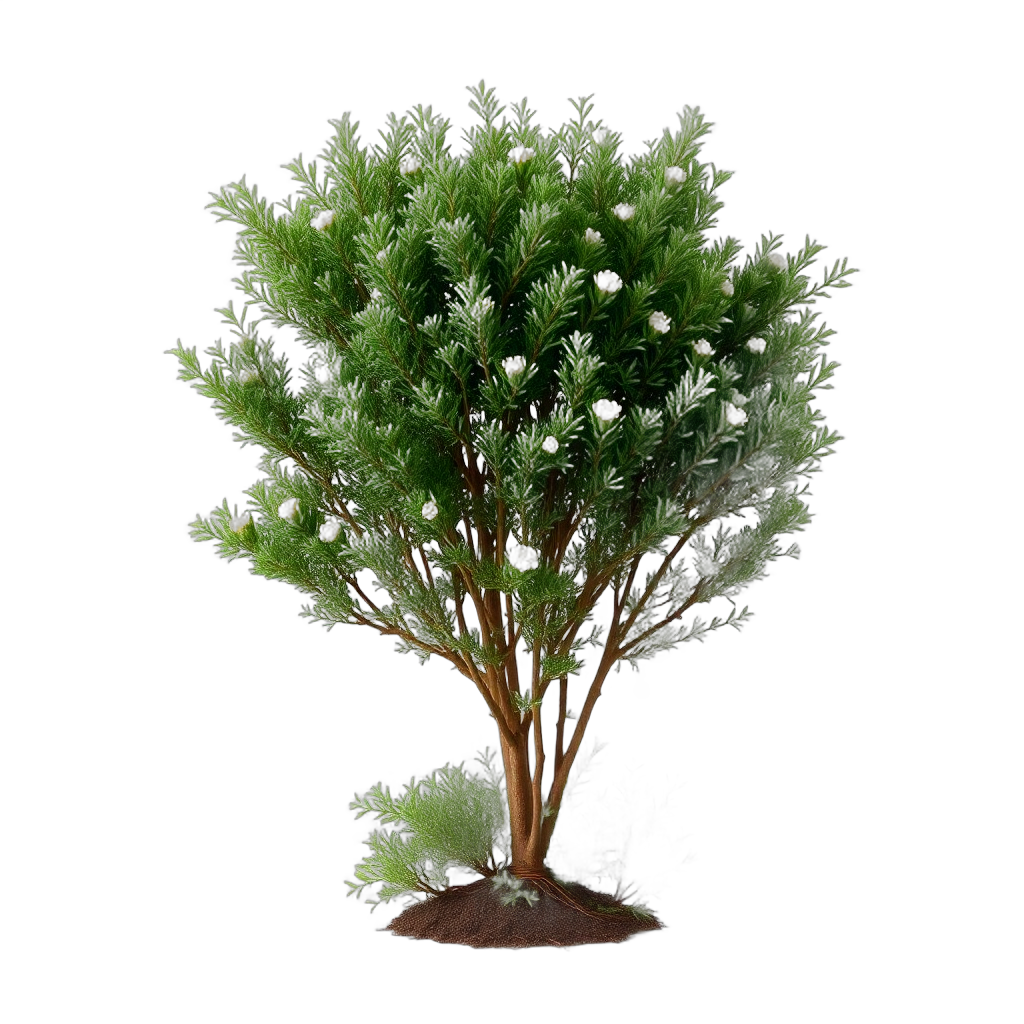
Creeping Juniper
Juniperus horizontalis
low-growing ground cover, blooms in spring. Evergreen year-round.
Featured Grasses & Groundcovers for Modern/Minimalist Gardens
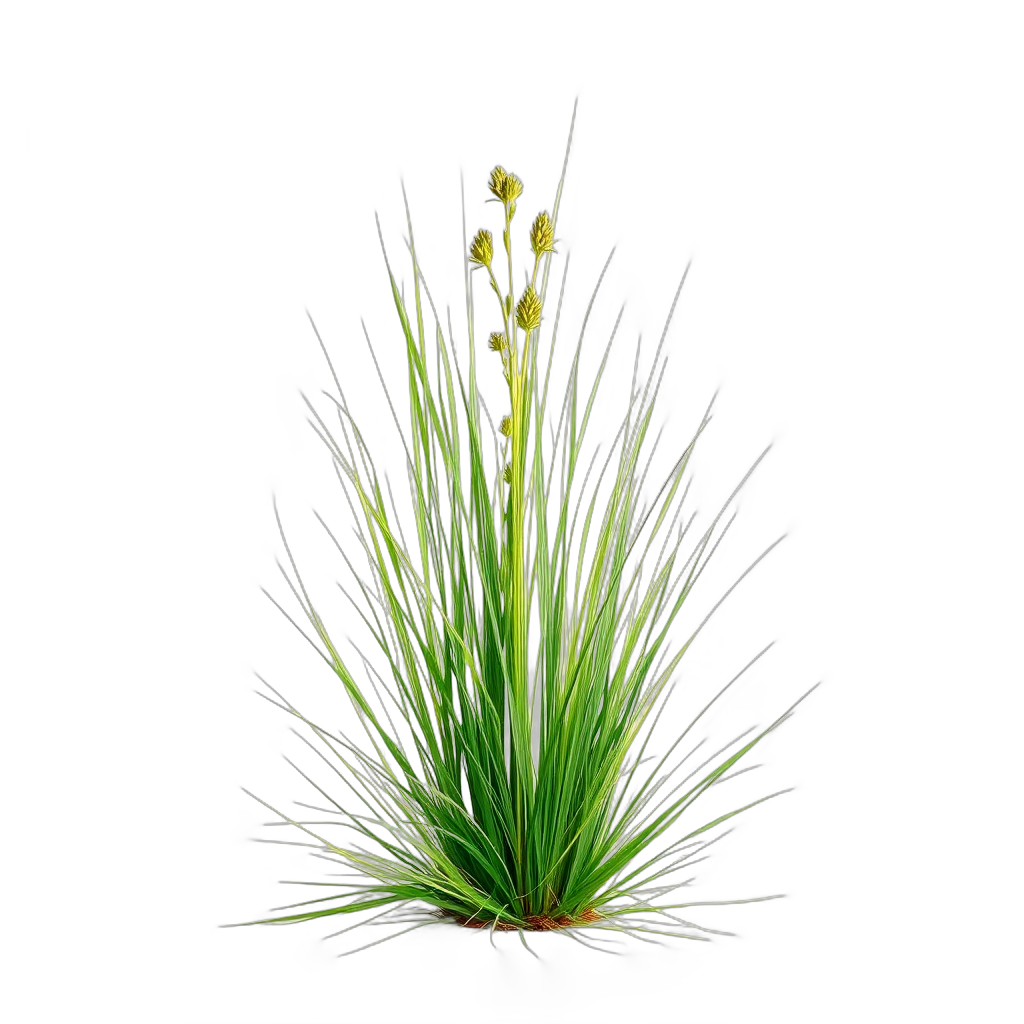
Canada Wild Rye
Elymus canadensis
grows to 4 feet, blooms in summer. Yellow fall color.
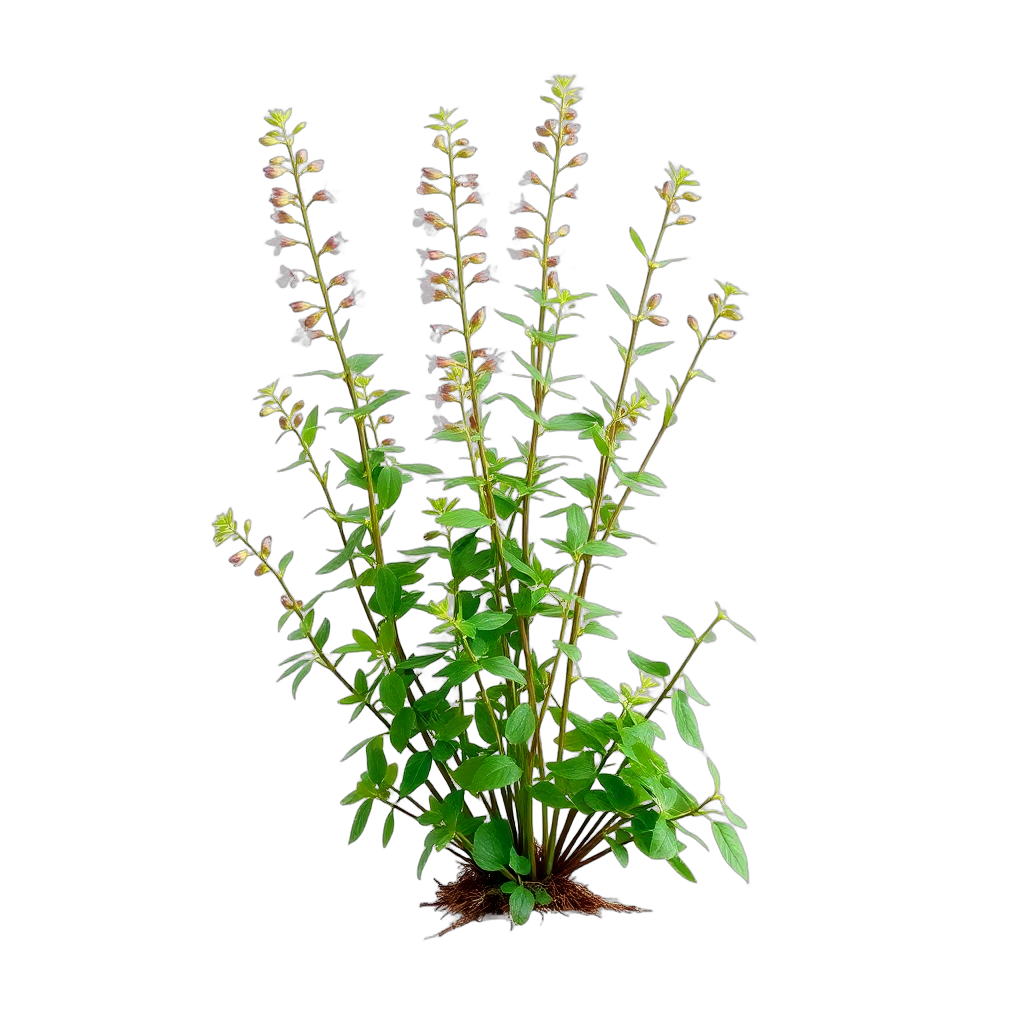
Creeping Jacob's Ladder
Polemonium reptans
low-growing ground cover, blue blooms in spring. Attracts butterflies.

Broad-leaf Bamboo
Sasa palmata
medium-sized at 7 feet, blooms in none. Evergreen year-round.
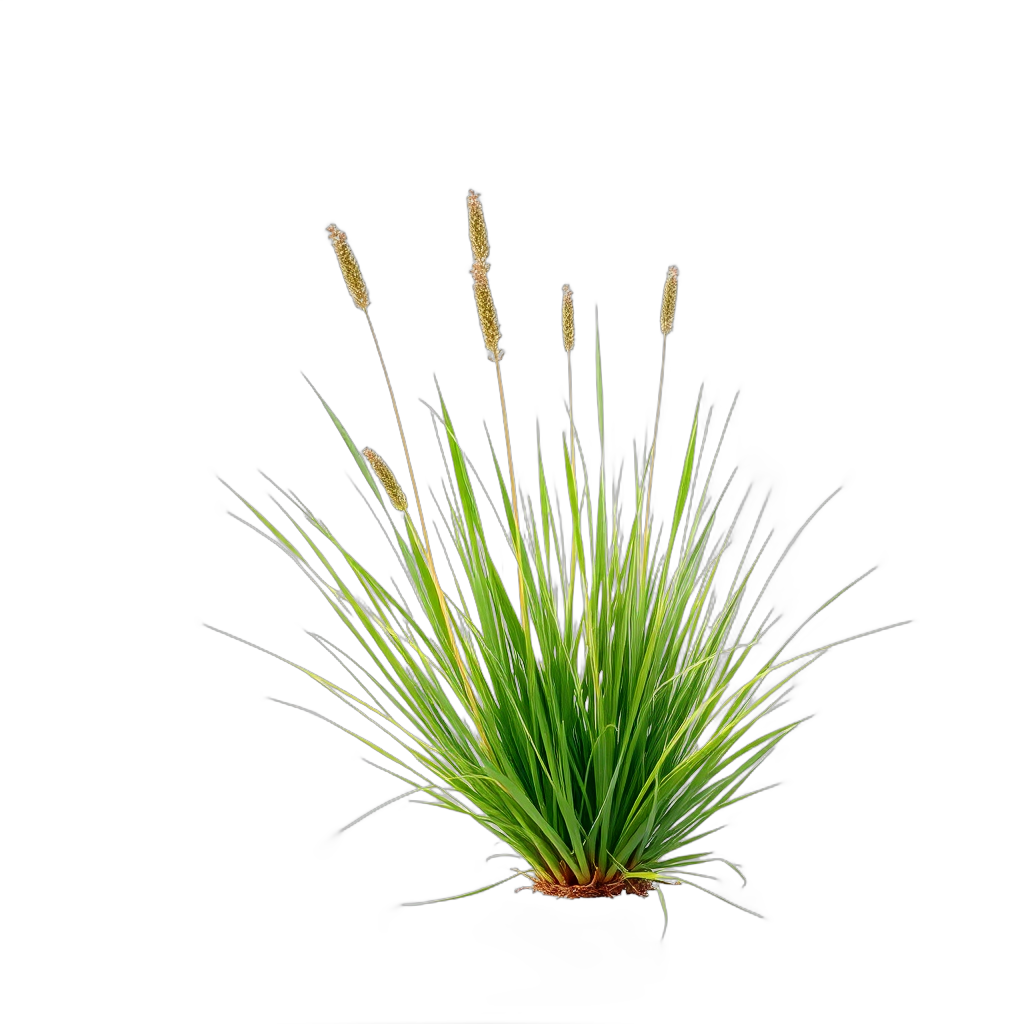
Deer Grass
Muhlenbergia rigens
grows to 3 feet, yellow blooms in fall. Evergreen year-round.
Featured Flowers & Perennials for Modern/Minimalist Gardens
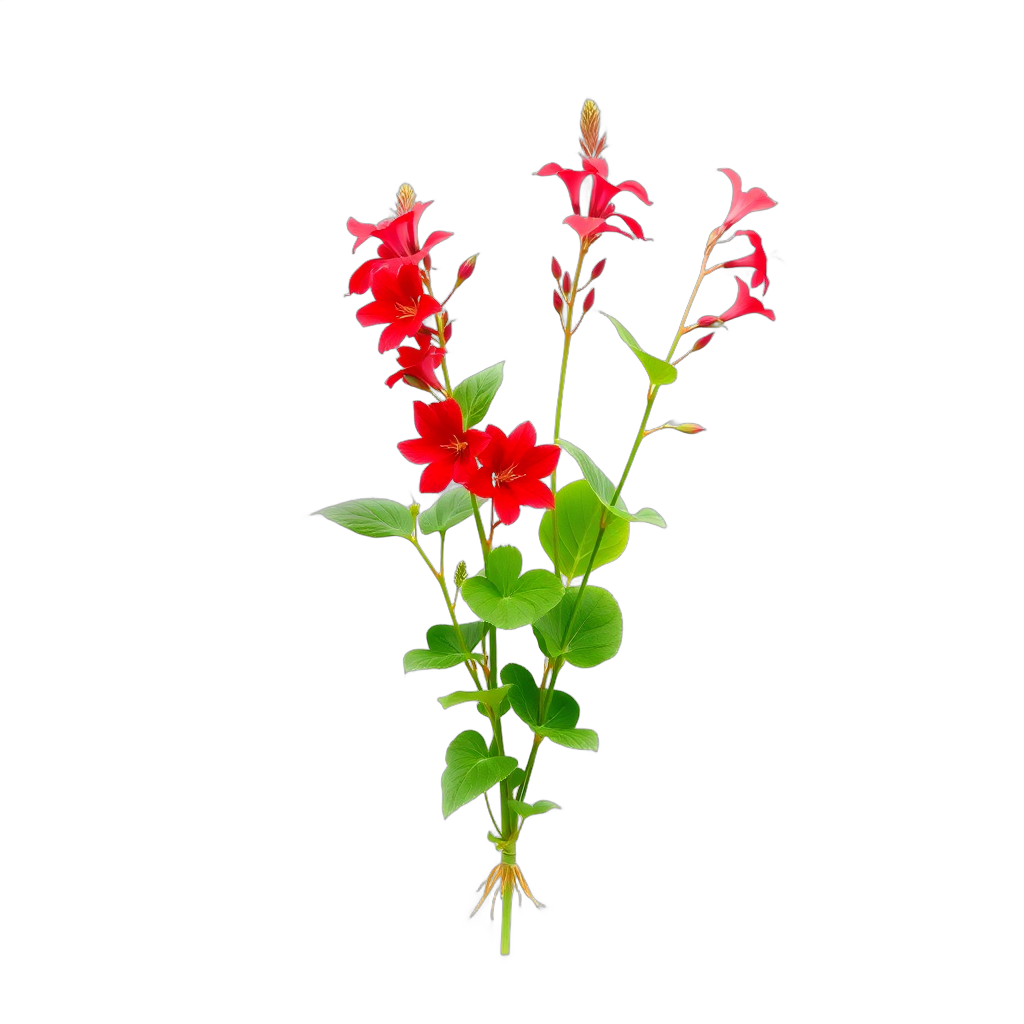
Cardinal Flower
Lobelia cardinalis
grows to 3 feet, red blooms in summer. Attracts hummingbirds.
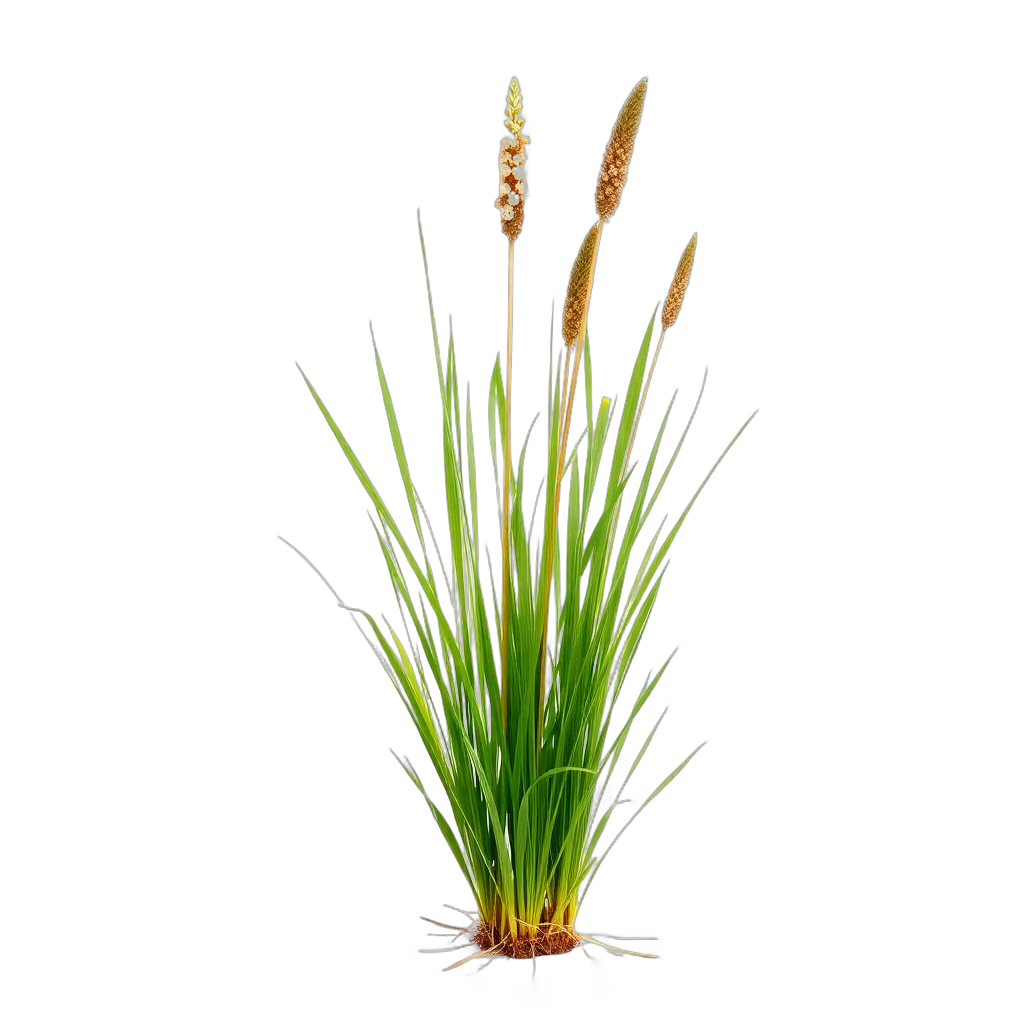
Hardstem Bulrush
Scirpus acutus
medium-sized at 7 feet, blooms in summer.
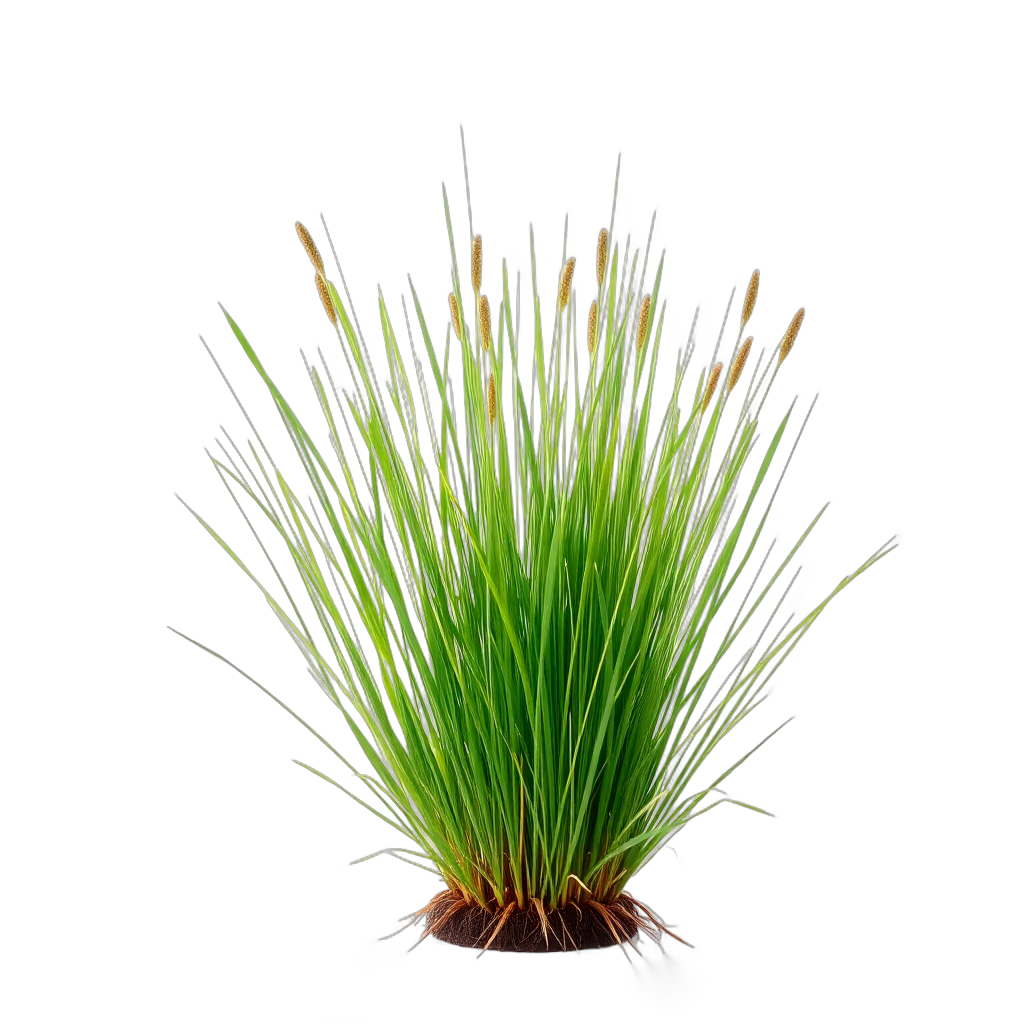
Path Rush
Juncus tenuis
low-growing ground cover, blooms in summer. Evergreen year-round.
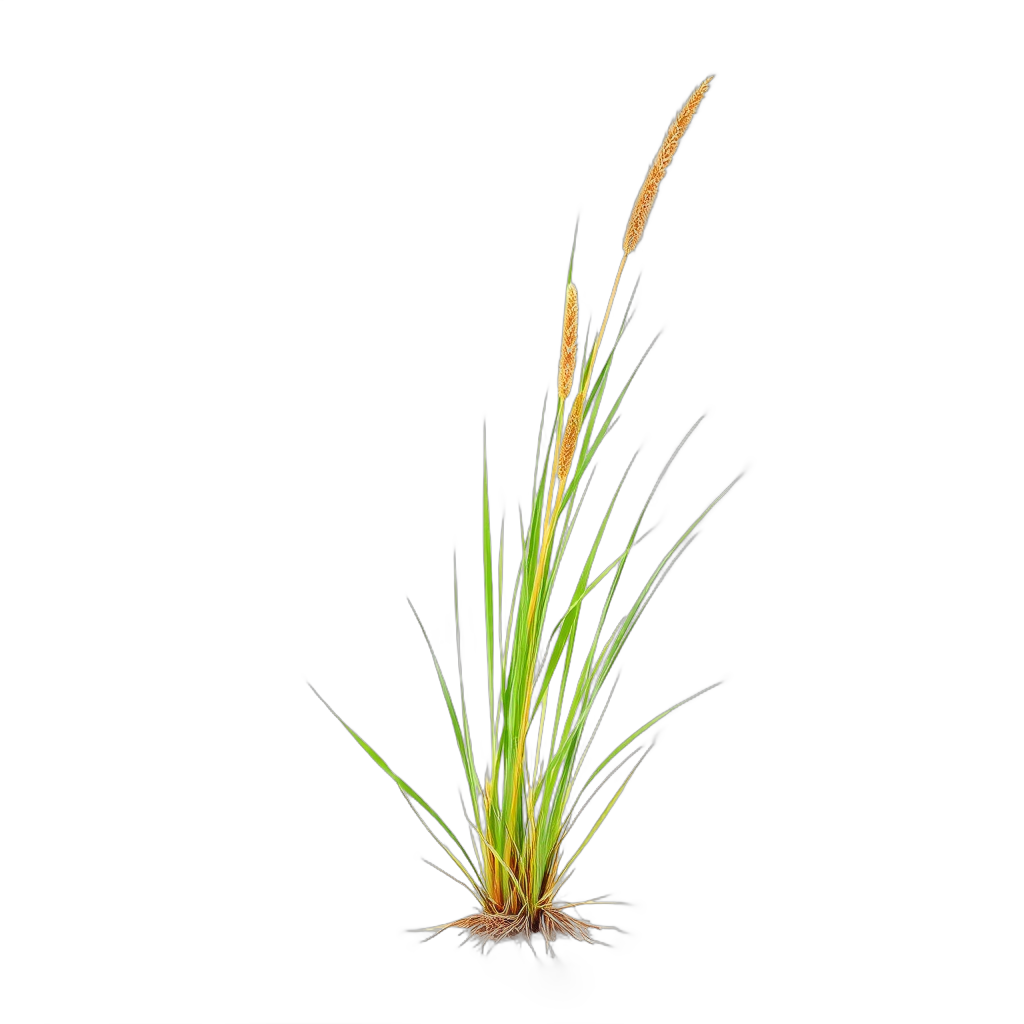
Softstem Bulrush
Schoenoplectus tabernaemontani
grows to 4 feet, blooms in summer.
Zone and sun checks come from our database — confirm with your local nursery before you buy.
Bloom Calendar for Detroit
spring
Bellwort, Blue Star, Blue-Eyed Grasssummer
Cardinal Flower, Hardstem Bulrush, Path Rushfall
Canada Goldenrod, New England Aster, Nodding Ladies' Tresseswinter
Limited bloomsDesign Tips for Detroit (Zone 6b)
- Embrace Detroit's industrial heritage in material choices: Corten steel, raw concrete, reclaimed brick from Detroit's own demolition salvage yards, and exposed aggregate align authentically with the city's character and create landscapes that feel rooted rather than imported
- Get soil tested before planting investment on urban Detroit lots — MSU Extension Wayne County testing costs under $30 and provides peace of mind; for ornamental planting on typical residential lots the results are usually acceptable, but testing eliminates uncertainty
- Corten steel planters develop rust-water staining during the first 6–12 months of patination — plan placement away from light-colored concrete entries and sidewalks, or use temporary drainage mats at the base until the finish stabilizes
- In Boston-Edison and Palmer Woods, match the scale of your landscape interventions to the architecture: these are large homes on large lots and require bold gestures — a single row of columnar trees reads at the right scale where a mixed perennial border would disappear
- Use Detroit's active metal fabrication community for custom Corten steel planters, fire features, and structural steel elements — local fabricators on the east side and in the industrial districts can produce custom work at 30–40% below out-of-state supplier pricing
- LED landscape lighting pays outsized dividends in Detroit: the city's long dark winters (sunset by 5pm December–February) mean a well-lit modern garden is visible and beautiful for more hours per day than the garden is usable in daylight, making lighting one of the highest ROI elements in a Detroit outdoor design
Where to Source Plants in Detroit
Skip the big-box stores. These independent Detroit nurseries specialize in the plants that make modern/minimalist gardens thrive in Zone 6b.
English Gardens
Multiple Detroit-area locations
Premier Metro Detroit garden center; excellent ornamental grass, conifer, and architectural shrub selection for Zone 6b
Bordine's Farm
Multiple suburban Michigan locations
Large Michigan chain; reliable Zone 6b-tested ornamental grasses, perennials, and landscape shrubs
Meadow Ridge Perennial Farm
South Lyon (west suburbs)
Specialty perennial grower; native and ornamental grasses, unique architectural perennials
Steinhauer's Greenhouse and Nursery
Allen Park (southwest suburbs)
Family-owned full-service nursery; wide selection of trees, shrubs, and perennials for Zone 6b
Modern/Minimalist Landscaping Costs in Detroit
| Project Scope | Estimated Cost |
|---|---|
| Front yard modern redesign (turf removal + gravel + specimen plants) | $6,000 – $16,000 |
| Concrete or paver terrace (200–400 sqft) | $10,000 – $25,000 |
| Backyard modern room with fire pit + seating | $18,000 – $50,000 |
| Pool deck + landscaping (full backyard) | $45,000 – $120,000 |
| Corten steel raised planter beds | $500 – $1,500 each |
| AI visualization with ProScapeAI | Free to start |
Estimates based on Detroit, MI-area contractor rates as of 2026. Actual costs vary by site conditions, materials, and contractor.
Detroit Climate & Growing Zone
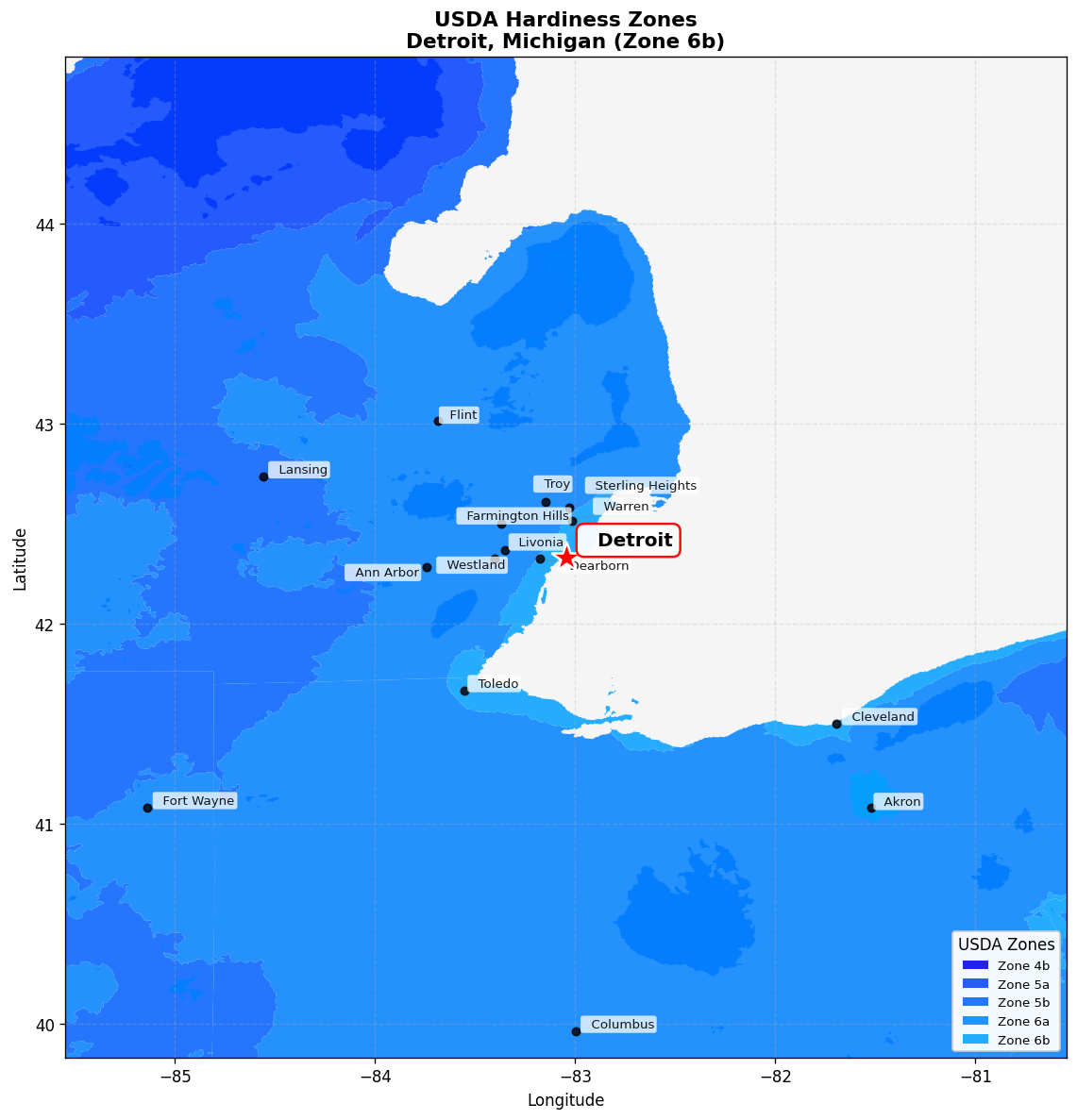
USDA Zone 6b
Hardiness zone for Detroit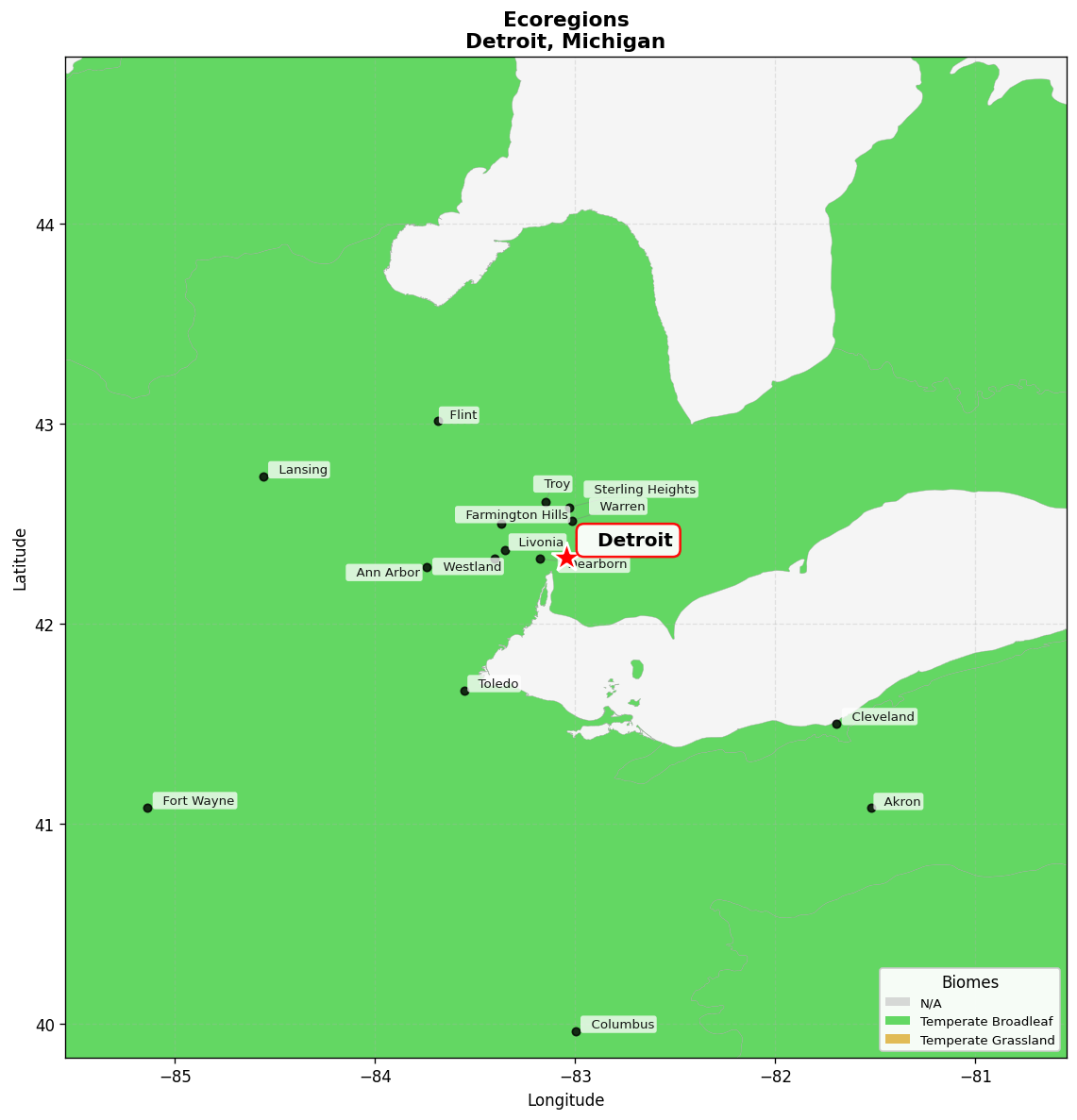
Southern Great Lakes forests
Native ecoregionFrequently Asked Questions
What modern architectural plants are reliably hardy in Detroit's Zone 6b?
Zone 5 or colder ratings are fully safe for Detroit. Top performers for modern design: Karl Foerster feather reed grass (Zone 5, vertical, architectural), switchgrass Shenandoah (Zone 4, red fall color), miscanthus Gracillimus (Zone 5, fine-textured, tall), yucca filamentosa (Zone 4, dramatic rosette form), columnar hornbeam (Zone 4, architectural tree form), sedum Autumn Joy (Zone 3, late-season color), and rudbeckia (Zone 3, bold gold flowers through frost). Japanese maple Bloodgood (Zone 5) provides organic counterpoint in sheltered spots. All of these are fully Detroit-hardy without winter protection.
Should I be concerned about soil contamination in Detroit for landscape planting?
For ornamental planting (not food production), lead and contamination risks are lower but still worth addressing. MSU Extension Wayne County offers soil testing for under $30 — test before investing in plant material. Properties with pre-1978 construction, industrial or commercial history, or visible soil disturbance warrant testing. If results show elevated lead, raised beds filled with certified clean growing medium solve the issue entirely and are a natural modern design element. For ornamental grasses and perennials in beds away from building drip lines, most Detroit residential lots have acceptable soil for ornamental use — but testing provides peace of mind.
How do Corten steel planters weather in Detroit's climate?
Exceptionally well. Corten steel (weathering steel, ASTM A588) develops its characteristic rust-orange patina within the first wet season and then stabilizes — the surface oxide layer becomes protective and self-healing. Detroit's wet winters accelerate the initial patina development, and by spring of year 2 the finish is fully stabilized and beautiful. Corten planters will stain adjacent concrete and light-colored surfaces with rust-water runoff during the initial 6–12 month patination period — plan placement accordingly, or apply a temporary drainage mat at the planter base. After stabilization, no maintenance is required and they're effectively permanent.
What are Detroit's best neighborhoods for modern landscape renovation?
Several Detroit neighborhoods have the combination of architectural context and renovation activity that makes modern landscape investment particularly rewarding. Midtown and New Center have active contemporary infill where modern landscape fits architecturally. Corktown's renovation momentum makes outdoor investment valuable for resale. Boston-Edison and Palmer Woods have the grand scale that rewards bold landscape moves. Jefferson-Chalmers and Rivertown offer larger lots with riverside character that suits expansive modern garden designs. Hamtramck's dense urban lots favor compact modern courtyard designs. All have active neighborhood associations and rising property values that support landscape investment.
Can I grow ornamental grasses in Detroit and do they survive winter?
Yes — ornamental grasses are among the best plants for Detroit modern gardens. Karl Foerster (Zone 5), switchgrass (Zone 4), miscanthus (Zone 5), and prairie dropseed (Zone 3) are all fully Zone 6b-hardy. They die back in November to an architectural brown structure that looks striking through the winter, then re-emerge in April. Cut them back to 6 inches in early March before new growth emerges. By June they're 3–6 feet tall again. The only limitation is site moisture: ornamental grasses prefer well-drained soil and underperform in wet, heavy clay without drainage improvement. Raised planters with amended growing mix solve this completely.
What's a realistic modern landscape budget for Detroit?
Detroit's labor market makes professional landscape installation meaningfully more affordable than Chicago, though materials costs are similar. A front yard modern redesign (turf removal, gravel, specimen plants, Corten planters) for 400–600 sqft runs $7,000–16,000 professionally installed. A compact Corktown-scale backyard paver terrace with raised steel planters runs $15,000–35,000. Larger Boston-Edison-scale projects with allée trees, formal hardscape, and full redesign run $30,000–75,000. Custom fabricated Corten steel planters are $500–1,200 each from local steel fabricators. Detroit has an active metal arts and fabrication community that can produce custom landscape steel elements at better prices than most cities.