4 Cottage Garden Ideas for Detroit, MI | English Garden Design in Zone 6b
Native plants from the Southern Great Lakes forests (Zone 6b) — Humid continental (hot summer) climate
Why Cottage/English Gardens in Detroit?
Detroit's garden culture is experiencing a genuine renaissance. The city's historic neighborhoods — Boston-Edison, Indian Village, Woodbridge, and Corktown — are filled with architectural gems from the 1880s through 1940s that were built with cottage gardens in mind, and a growing wave of homeowners are restoring both the homes and the garden traditions that belonged to them. Zone 6b (winter lows around -5°F) sits in the sweet spot for cottage gardening: cold enough to require true dormancy that keeps plants healthy long-term, but mild enough to grow an impressive range of English cottage classics without aggressive protection. Detroit's position in the Southern Great Lakes forests ecoregion means the soil, humidity, and summer growing conditions are genuinely excellent for this style.
The Great Lakes moderate Detroit's temperatures noticeably: Lake Erie to the southeast and Lake St. Clair to the east prevent the extreme continental cold that inland Michigan experiences, and Detroit's Zone 6b is meaningfully milder in practice than the same zone designation 100 miles north. Summer humidity is high — July averages 83°F with consistent rainfall around 31 inches annually — and this humidity is exactly what cottage garden classics like delphiniums, foxgloves, and climbing roses were bred to grow in. The lush foliage mass and generous bloom size that humid summers produce is part of what makes Detroit's historic gardens so impressive in their prime.
The land opportunity is real and significant. Detroit's urban renewal has created a remarkable inventory of lots and houses at price points that make ambitious garden investment feasible, particularly in Corktown, Midtown, Hamtramck, and the neighborhoods along the Dequindre Cut greenway. Homeowners who purchased in these areas are increasingly investing in serious landscaping that transforms the curb appeal of their historic homes. A cottage garden on a Boston-Edison or Indian Village Victorian is not just a beautiful outdoor space — it's an architectural restoration act.
4 Cottage/English Design Ideas for Detroit
AI-generated image
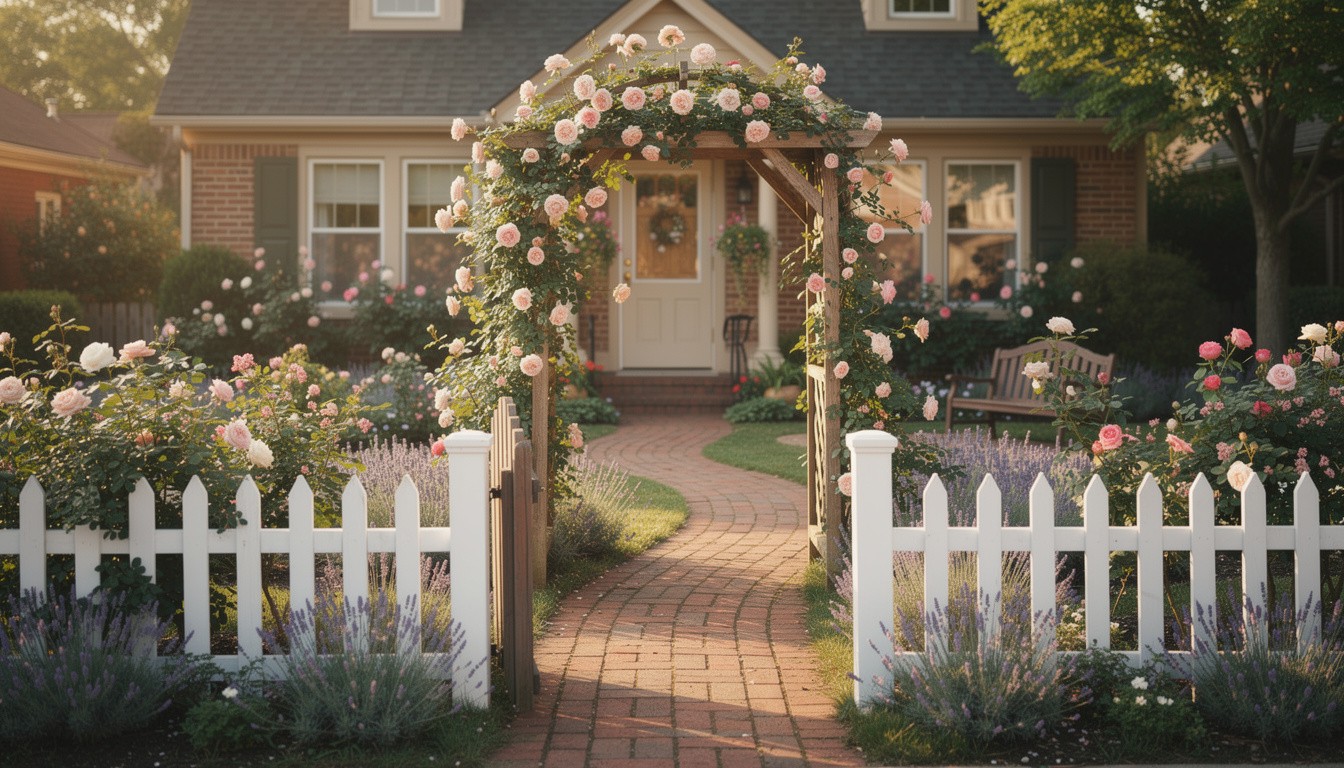
The Grosse Pointe Rose Gate Entry
$12–22/sqftA white picket fence with a central gate framed by a climbing-rose arch leads to a brick path approaching a grey craftsman-style cottage. Dense rose borders fill both sides of the path — full blowsy pink and cream roses at mid-height, with lavender, catmint, and cottage perennials spilling at the fence base. The composition has the settled, unhurried abundance that defines an established English cottage garden. Detroit's Zone 6b summers are warm enough to push climbing roses into their most vigorous growth, and the picket fence scale suits the intimate proportions of Grosse Pointe Park and Indian Village lot frontages.
AI-generated image
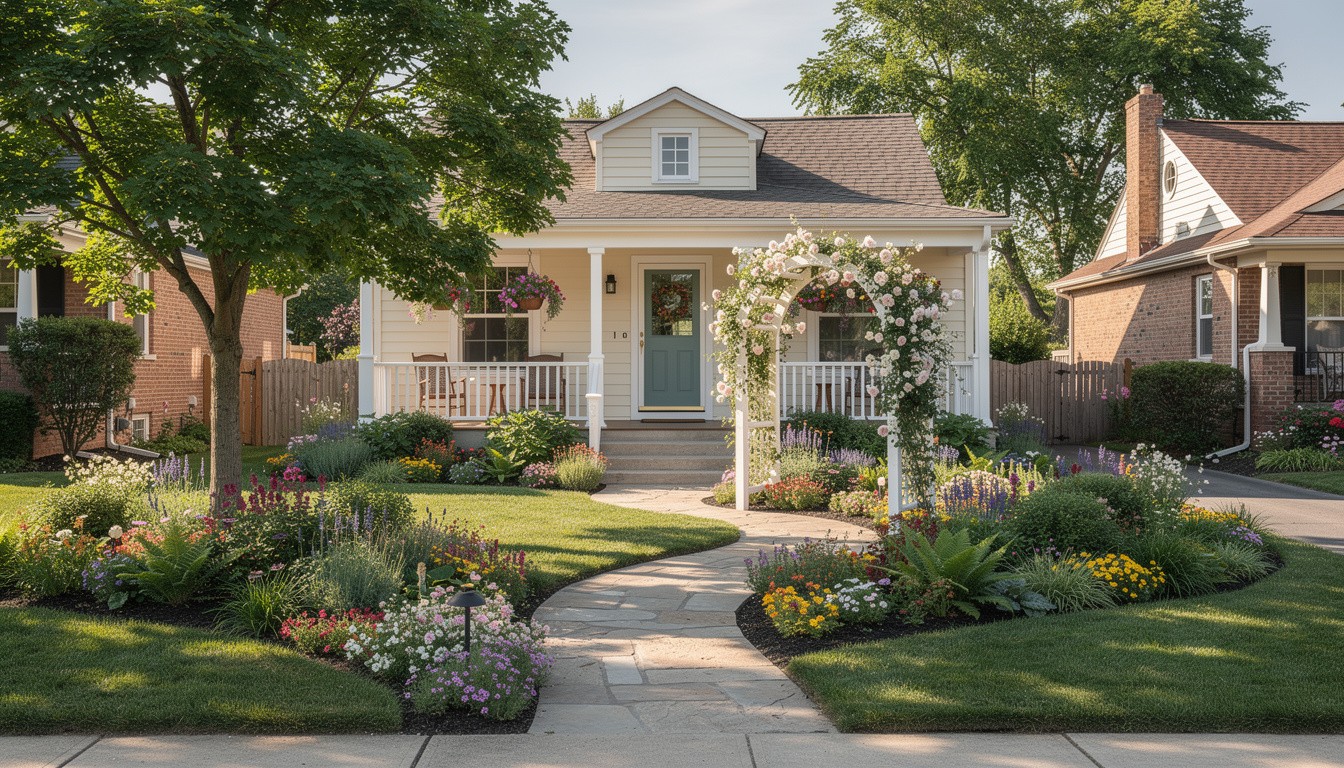
The Detroit Bungalow Cottage Border
$10–18/sqftA white rose arch on the front walk of a pale craftsman bungalow with a generous wrap-around mixed cottage border filling the entire front yard. The border overflows with roses, foxgloves, phlox, lavender, and bright annuals, with curved bed edges softening the lawn and a mature tree providing dappled shade to the left. The porch features white railings with the same cottage character. This design suits the beloved bungalow stock of Rosedale Park, Palmer Woods fringe, and Ferndale, where modest lot sizes become genuine showpiece front gardens when planted with cottage generosity.
AI-generated image
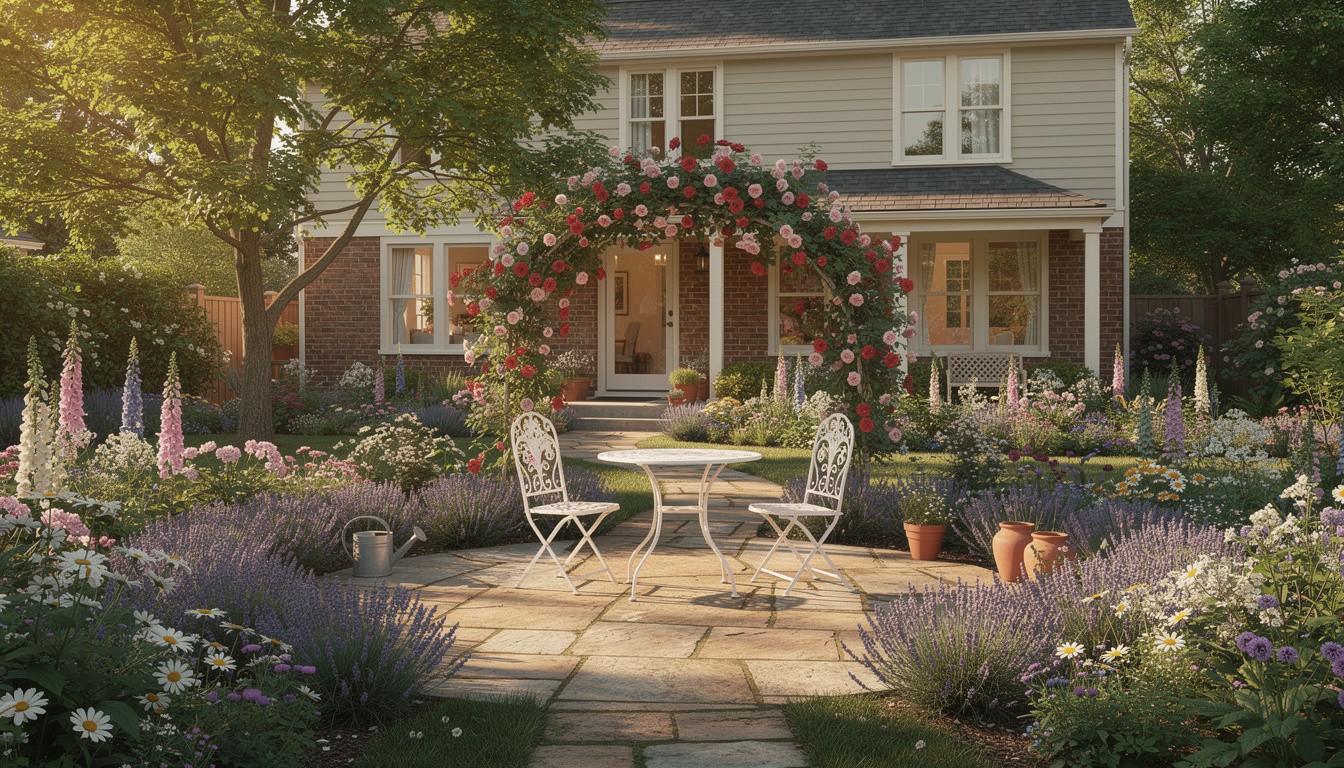
The Brick Colonial Rose Terrace
$18–38/sqftA golden-hour backyard terrace beside a large brick colonial home, with a climbing rose arch as the central focal point and a small bistro table and chairs on the flagstone patio beneath it. The borders are planted in full cottage abundance — lavender in generous masses, foxgloves, daisies, and roses — while mature trees frame the scene from both sides. The warmth and intimacy of the scene typifies what makes cottage gardens so compelling: an enclosed, fragrant, endlessly detailed outdoor room that rewards slow exploration.
AI-generated image
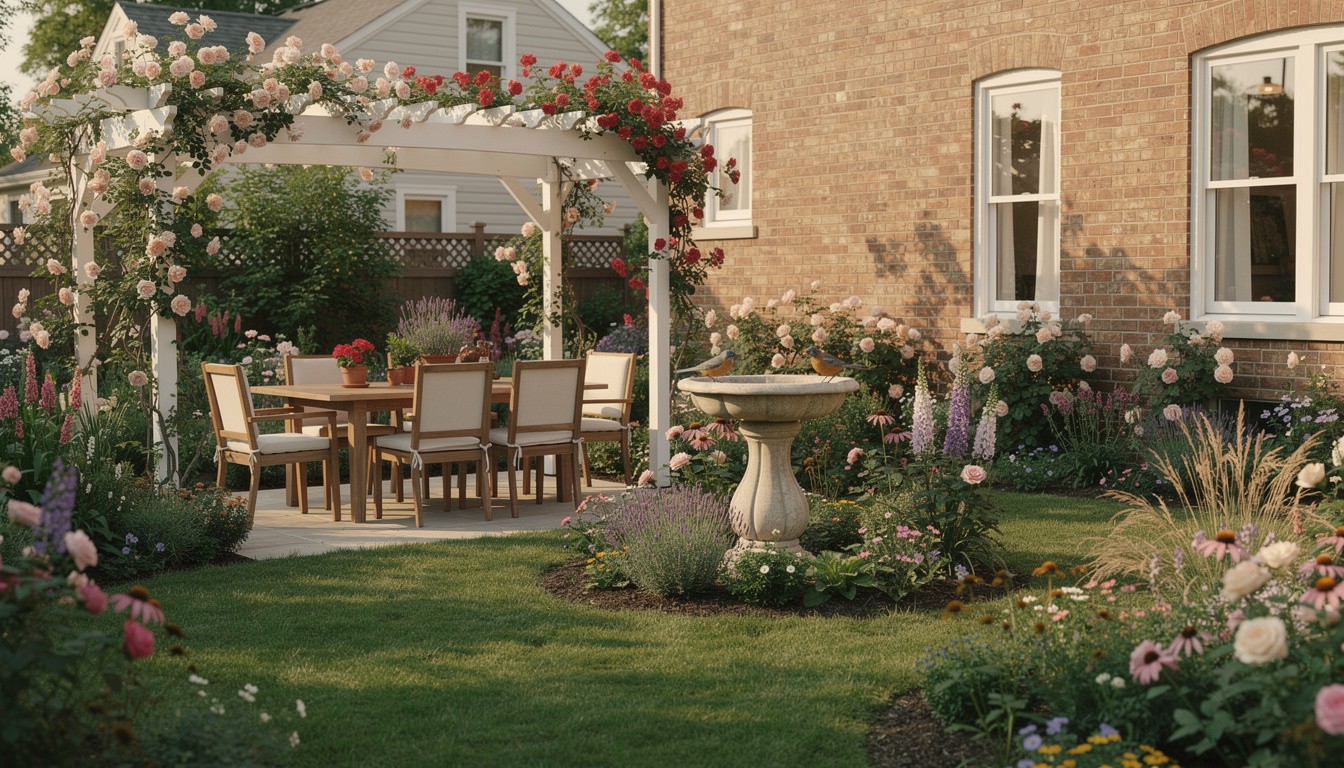
The Bloomfield Hills Backyard Rose Garden
$22–45/sqftA full backyard cottage garden anchored by a large white pergola with climbing roses draped over the dining area, with a substantial lawn panel, a stone birdbath as the garden centerpiece, and deep mixed borders ringing the entire property. The pergola shelters a six-person dining table and the rose coverage is dense and lush. A cedar lattice privacy fence on one side is clothed in climbing roses. The borders hold foxgloves, delphiniums, phlox, and roses in overlapping waves of bloom. This design scales perfectly to the generous lots of Bloomfield Hills and Grosse Pointe Shores.
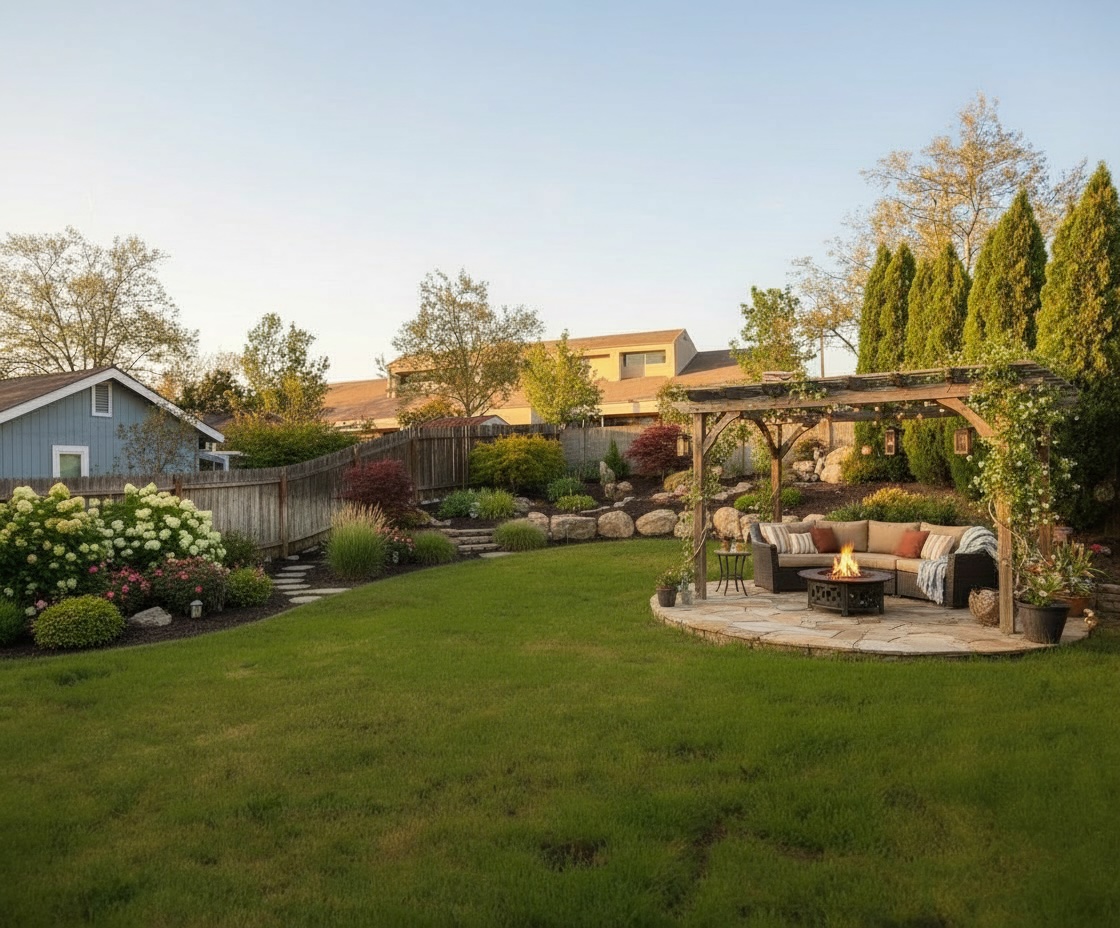
See how a cottage/english garden looks on YOUR property
Upload a photo of your Detroit yard and visualize your dream garden in seconds.
Try ProScapeAI Free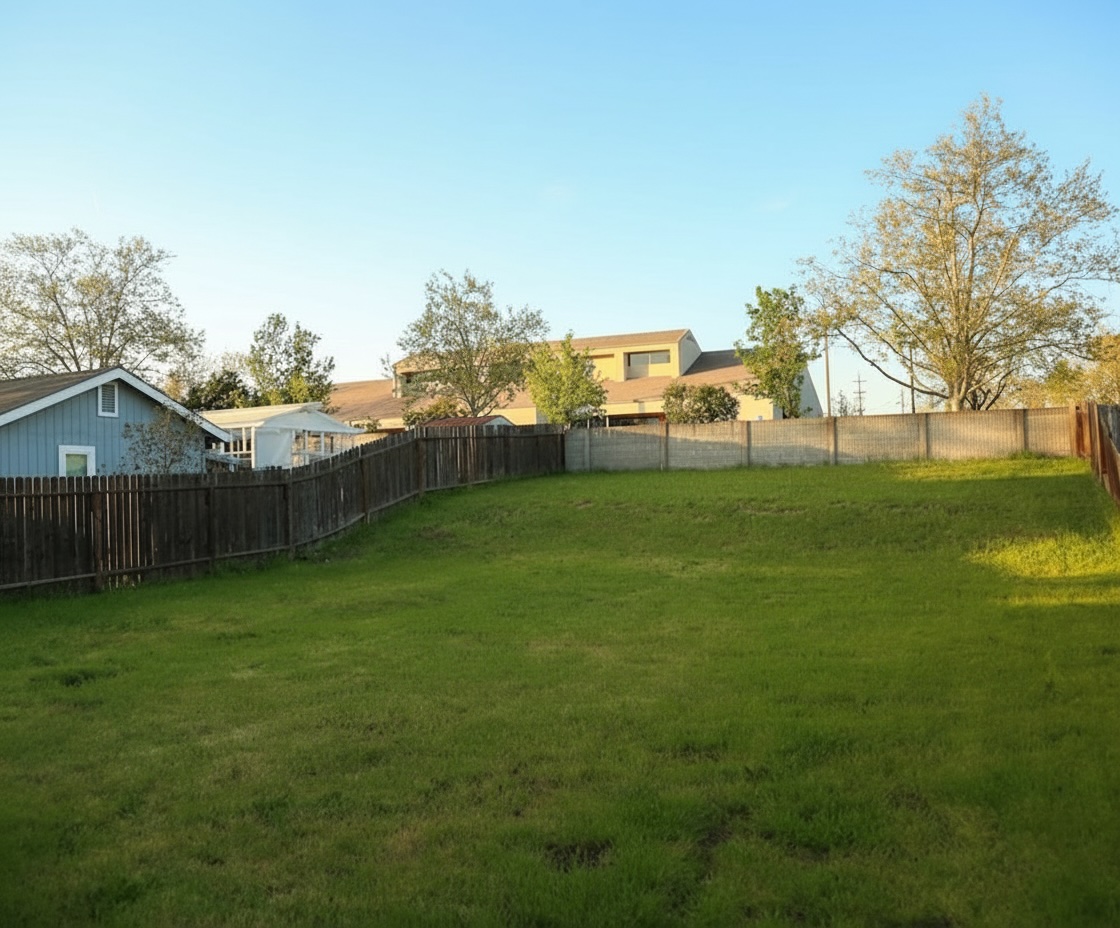
AI-generated image
Featured Trees & Shrubs for Cottage/English Gardens
Browse all 248 plants for Detroit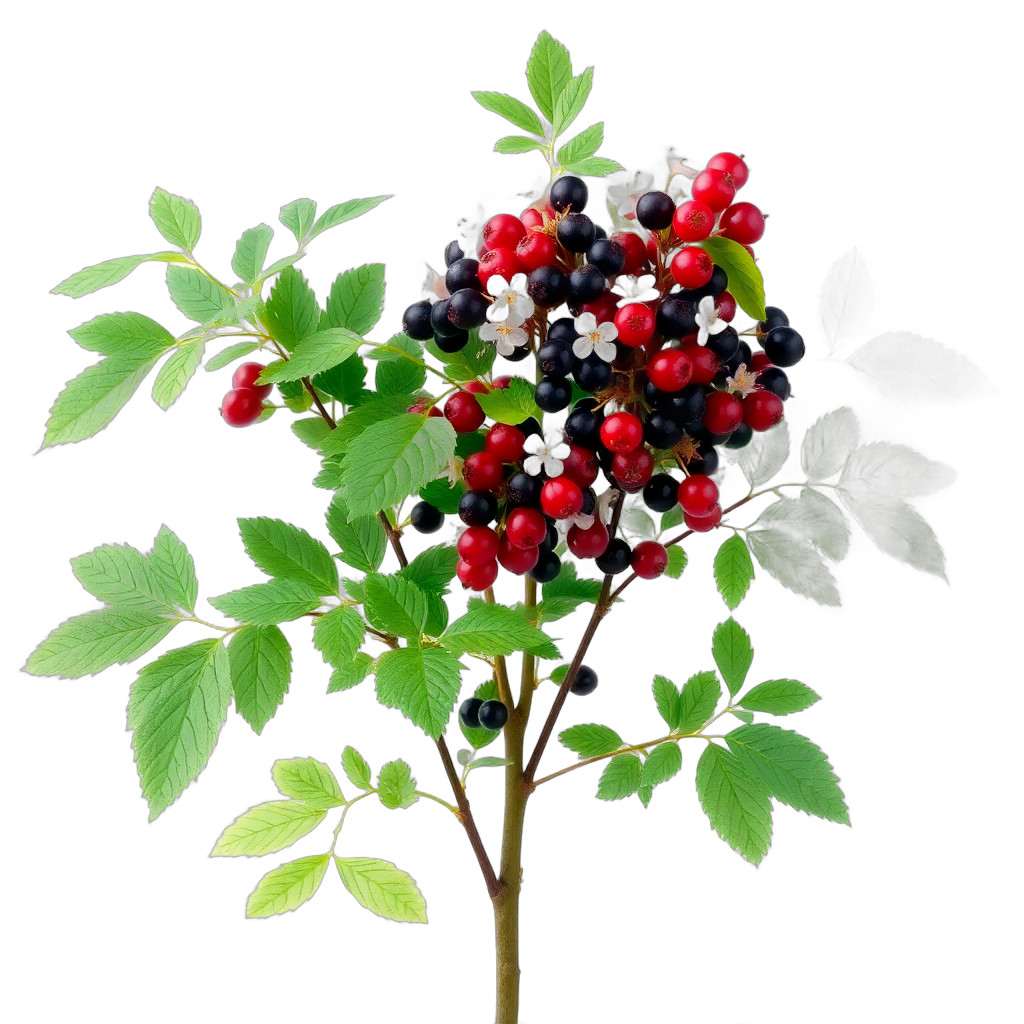
American Black Currant
Ribes americanum
grows to 5 feet, white,yellow blooms in spring. Attracts hummingbirds.

Buttonbush
Cephalanthus occidentalis
medium-sized at 8 feet, white blooms in summer. Attracts butterflies.
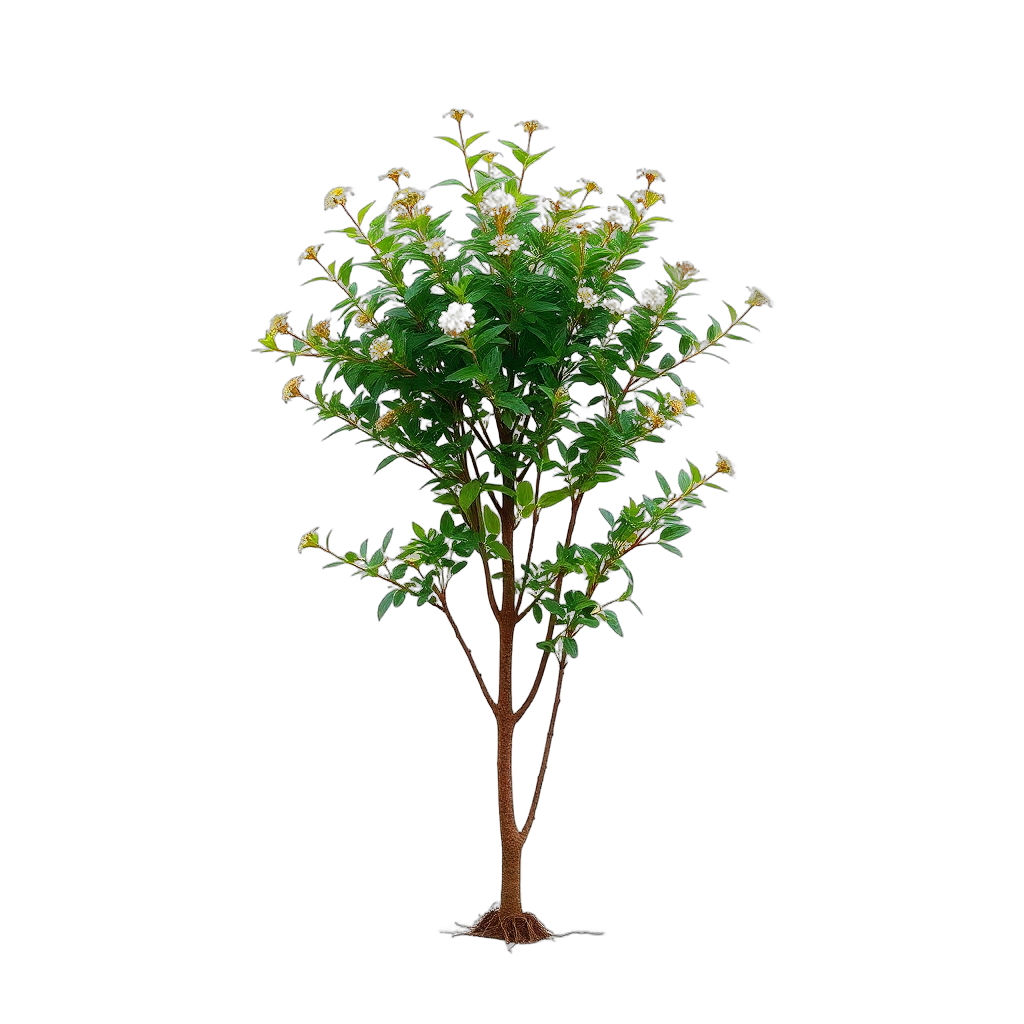
Coppertina Ninebark
Physocarpus 'Coppertina'
medium-sized at 7 feet, white blooms in spring. Pollinator-friendly.
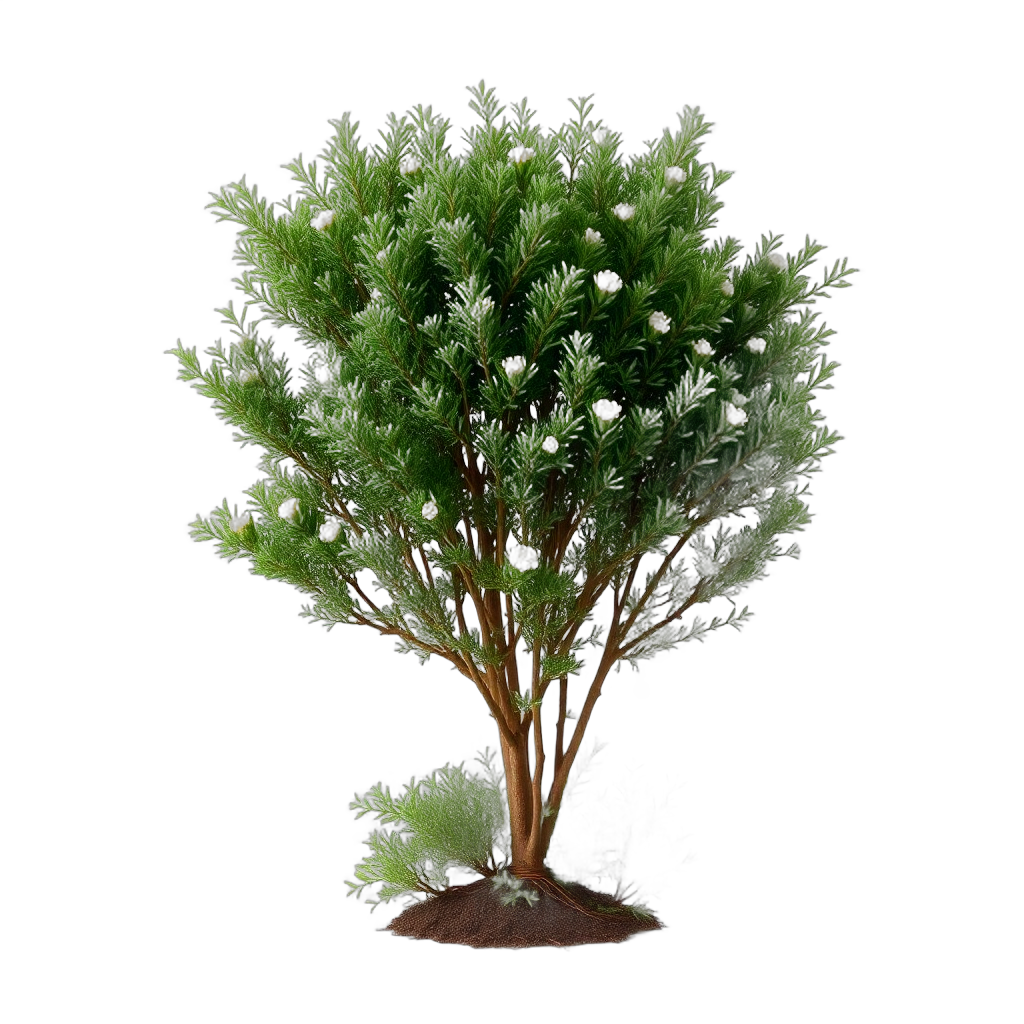
Creeping Juniper
Juniperus horizontalis
low-growing ground cover, blooms in spring. Evergreen year-round.
Featured Grasses & Groundcovers for Cottage/English Gardens
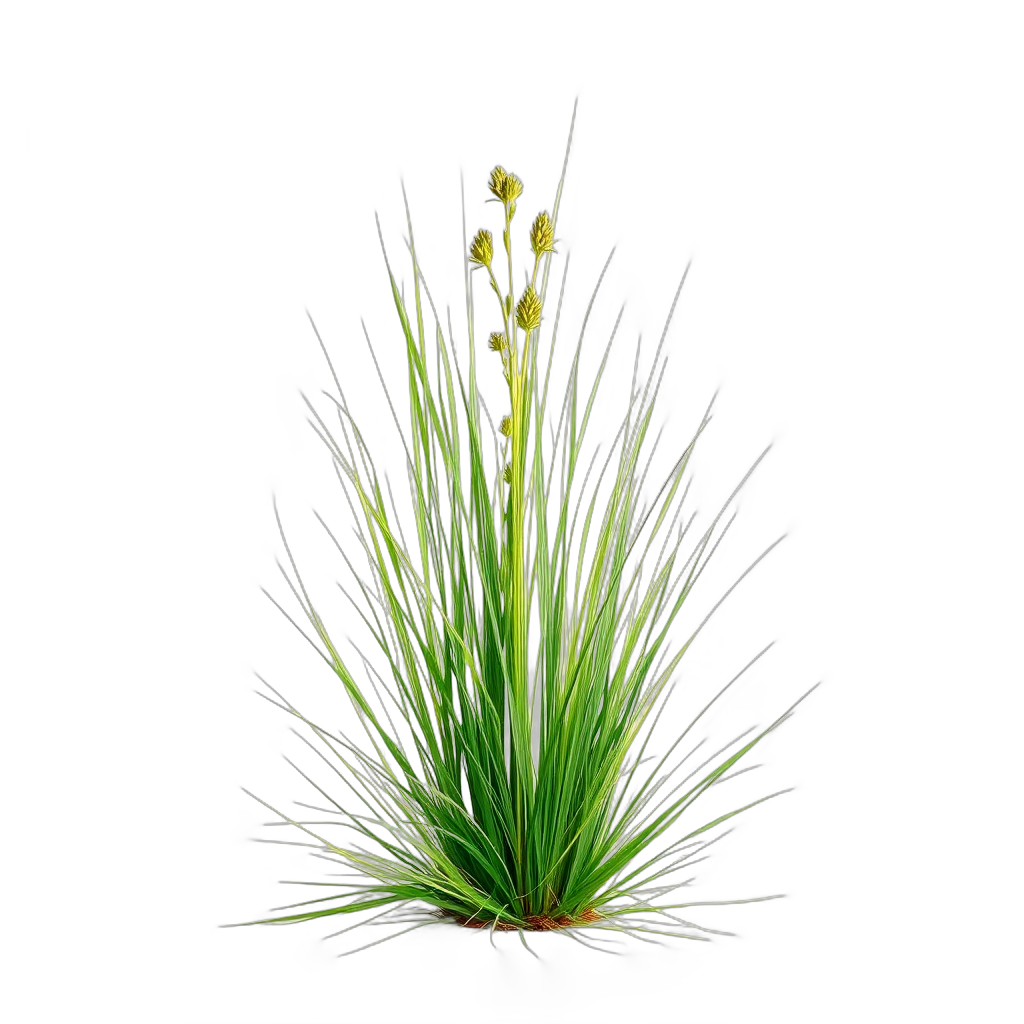
Canada Wild Rye
Elymus canadensis
grows to 4 feet, blooms in summer. Yellow fall color.
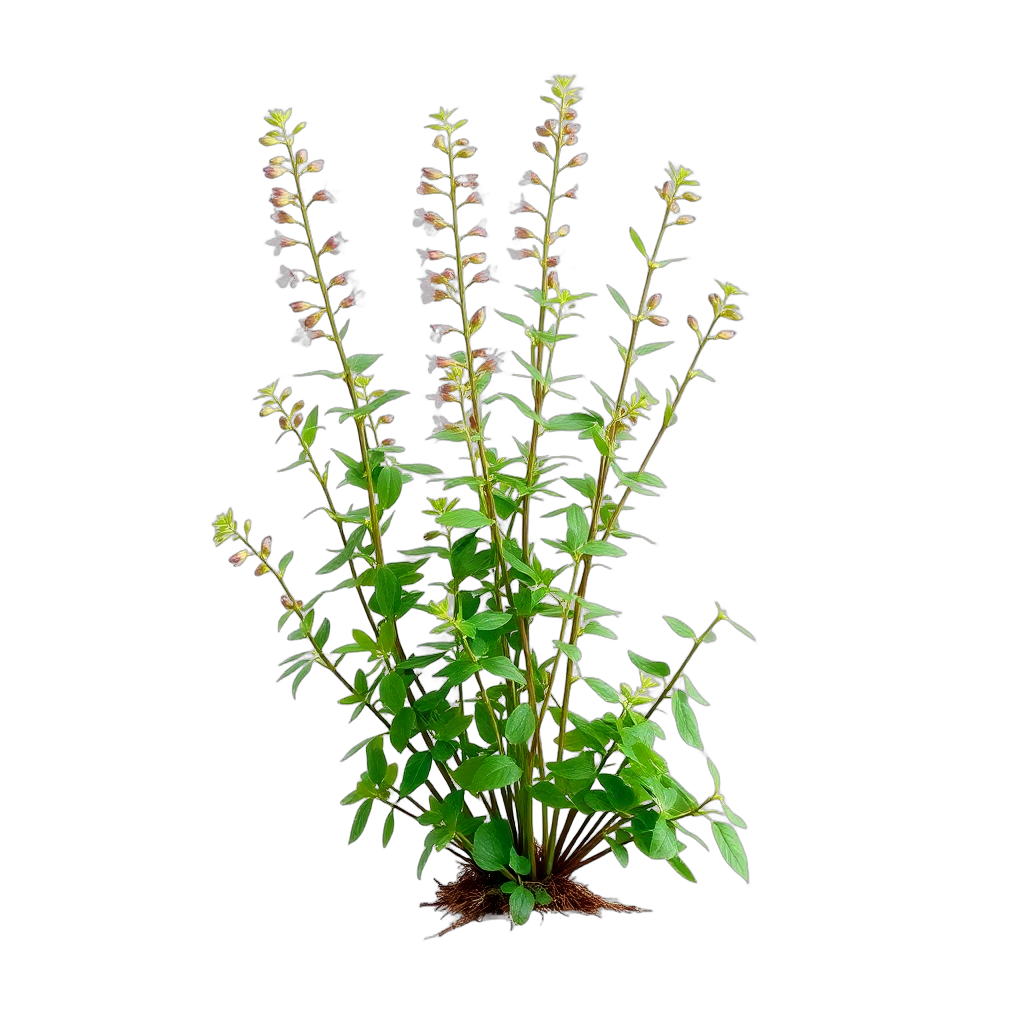
Creeping Jacob's Ladder
Polemonium reptans
low-growing ground cover, blue blooms in spring. Attracts butterflies.

Broad-leaf Bamboo
Sasa palmata
medium-sized at 7 feet, blooms in none. Evergreen year-round.
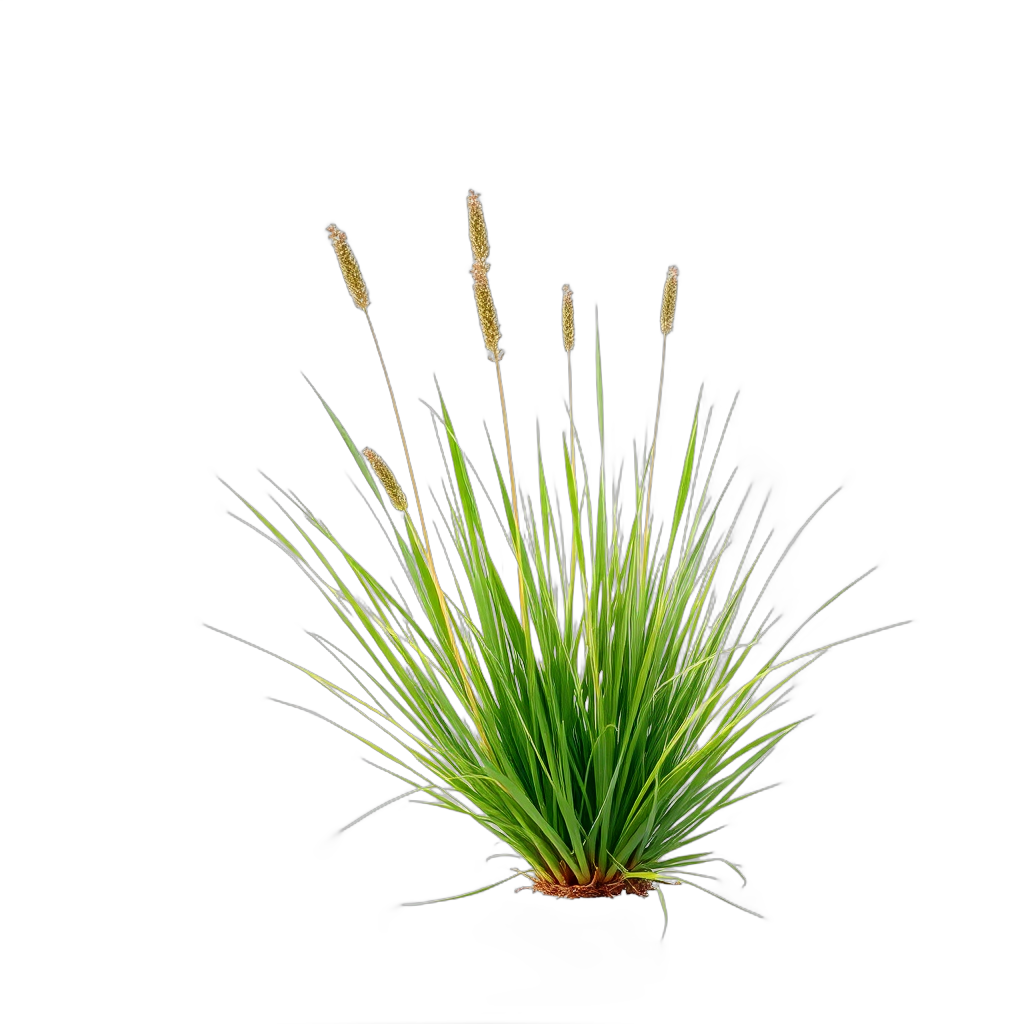
Deer Grass
Muhlenbergia rigens
grows to 3 feet, yellow blooms in fall. Evergreen year-round.
Featured Flowers & Perennials for Cottage/English Gardens
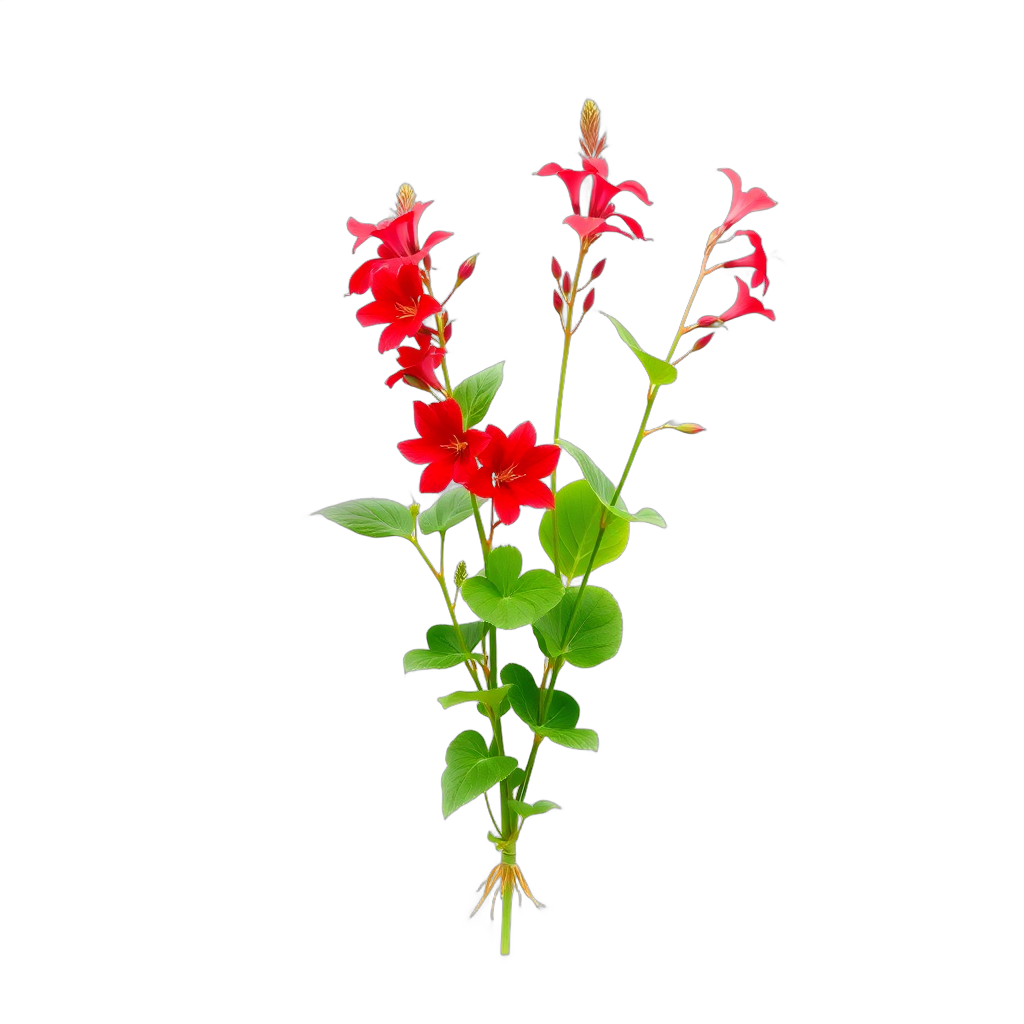
Cardinal Flower
Lobelia cardinalis
grows to 3 feet, red blooms in summer. Attracts hummingbirds.
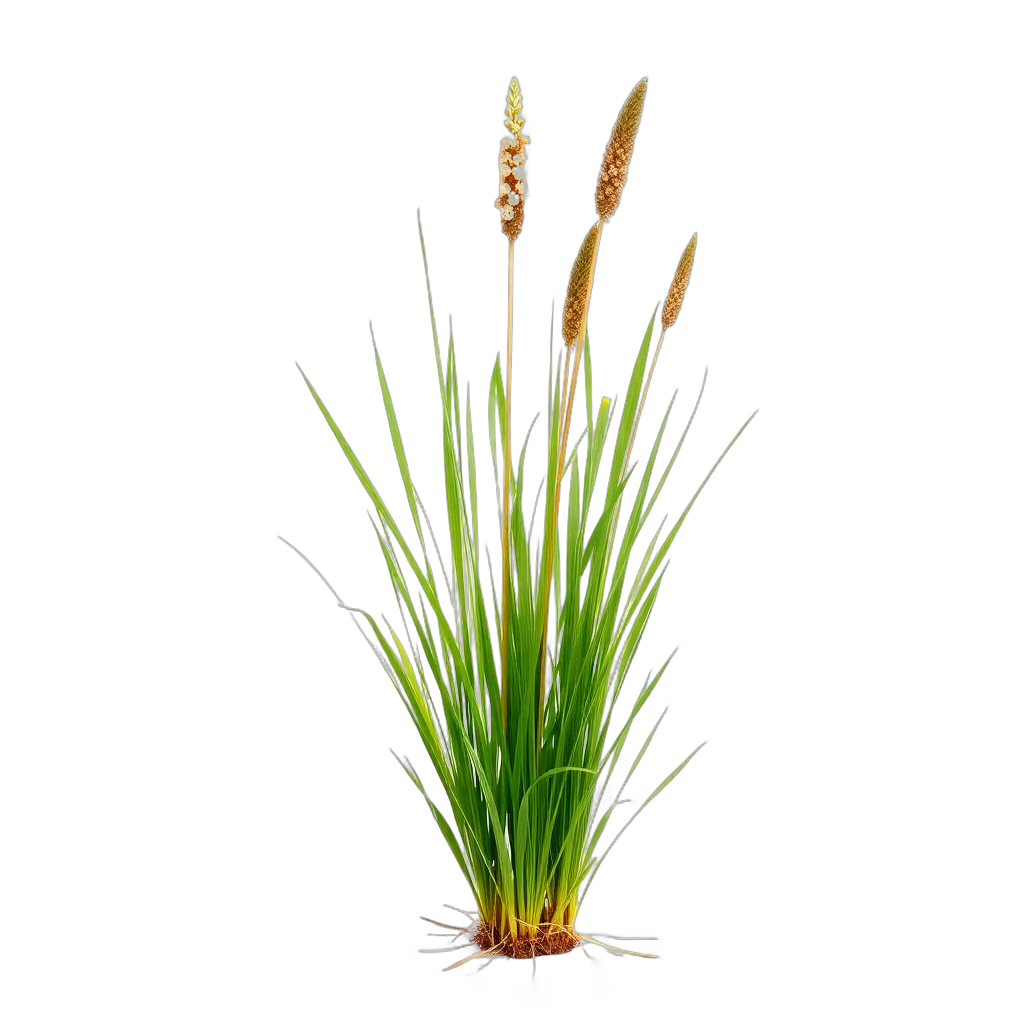
Hardstem Bulrush
Scirpus acutus
medium-sized at 7 feet, blooms in summer.
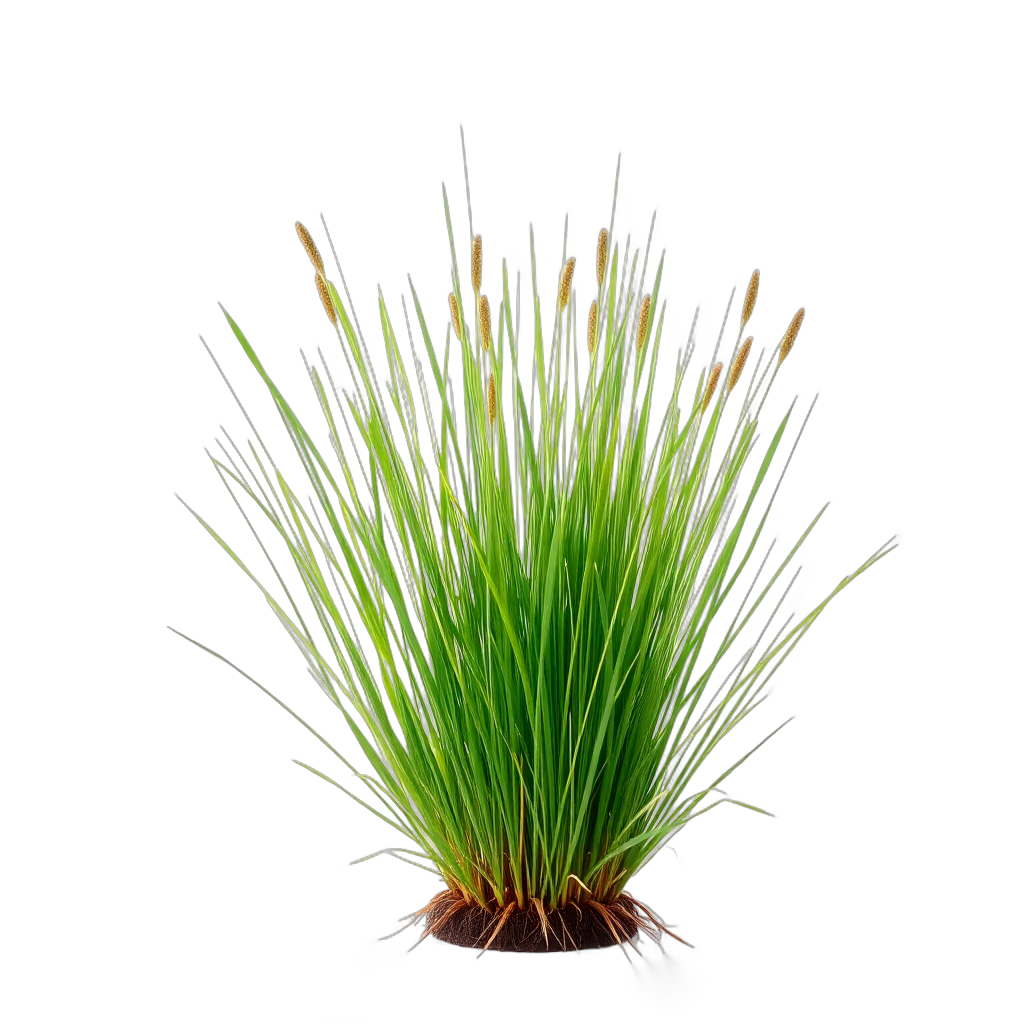
Path Rush
Juncus tenuis
low-growing ground cover, blooms in summer. Evergreen year-round.
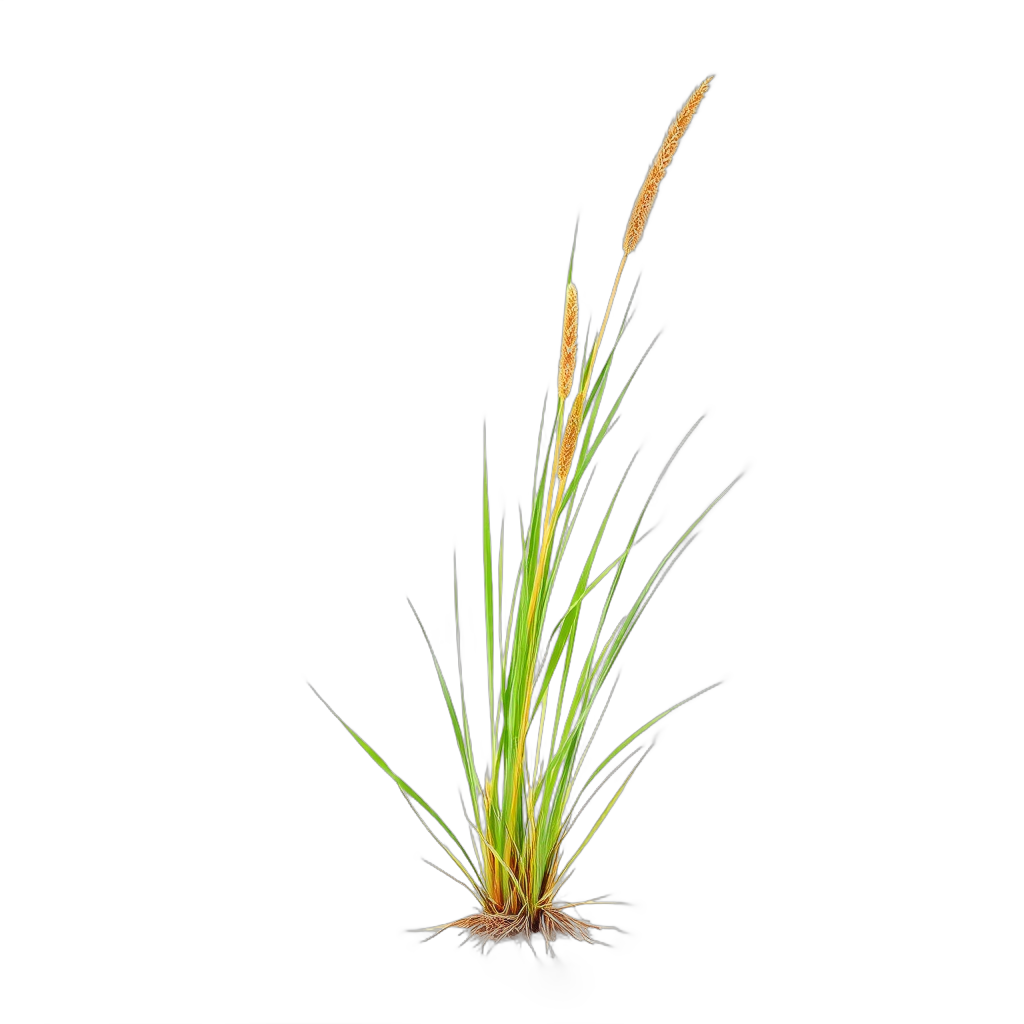
Softstem Bulrush
Schoenoplectus tabernaemontani
grows to 4 feet, blooms in summer.
Zone and sun checks come from our database — confirm with your local nursery before you buy.
Bloom Calendar for Detroit
spring
Bellwort, Blue Star, Blue-Eyed Grasssummer
Cardinal Flower, Hardstem Bulrush, Path Rushfall
Canada Goldenrod, New England Aster, Nodding Ladies' Tresseswinter
Limited bloomsDesign Tips for Detroit (Zone 6b)
- For pre-1978 Detroit urban properties, get a soil lead test (MSU Extension offers low-cost testing) before planting food crops or children's play areas — raised beds with clean certified compost are the safest approach for unknown soil-history urban lots
- Train climbing roses on porch columns of Boston-Edison and Indian Village Victorians — this is historically authentic restoration as much as landscaping, and 'New Dawn' or 'William Baffin' will cover a porch column in 3 seasons and bloom for decades
- Detroit's humidity makes disease-resistant rose varieties non-negotiable: choose 'Knock Out', 'Carefree Beauty', or rugosa types over hybrid teas, and enjoy roses that essentially care for themselves rather than requiring weekly spray programs
- Apply 3–4 inches of shredded leaf mulch over all perennial crowns after the first hard freeze in mid-November — this one annual task is the difference between a cottage garden that returns vigorously each spring and one that depletes over time
- Corktown and Woodbridge's narrow deep lots are ideal for a side-garden design: a long mixed cottage border along the property line with a mown path creates the feel of walking into a country garden just steps from urban Detroit
- Plant spring bulbs — tulips, alliums, camassia — in October while Detroit's soil is still workable. They overwinter reliably in Zone 6b and deliver the peak spring color sequence that sets the cottage tone for the entire season
Where to Source Plants in Detroit
Skip the big-box stores. These independent Detroit nurseries specialize in the plants that make cottage/english gardens thrive in Zone 6b.
English Gardens
Multiple Detroit-area locations
Premier Detroit-area garden center chain; exceptional perennial, rose, and cottage plant selection for Zone 6b
City Farm Detroit
Eastern Market area
Urban farm and plant nursery; native plants, herbs, edibles — actively supporting Detroit urban greening
Rolling Oaks Garden Center
Livonia (west suburbs)
Full-service independent garden center; strong perennial, shrub rose, and ornamental grass selection
Bordine's Farm
Multiple suburban locations
Large Michigan garden center chain; excellent Zone 6b-tested perennial and rose inventory
Rosen's Flowers and Gifts
Birmingham (north suburbs)
Specialty perennials, cottage garden plants, and design consultation; serving north Detroit suburbs
Cottage/English Landscaping Costs in Detroit
| Project Scope | Estimated Cost |
|---|---|
| Rose arbor + picket fence front entry (cottage) | $5,000 – $12,000 |
| Full cottage front yard redesign (400–600 sqft) | $8,000 – $20,000 |
| Backyard cottage terrace with pergola + planting | $18,000 – $50,000 |
| Flagstone patio installation (200–400 sqft) | $6,000 – $16,000 |
| Soil amendment and raised bed construction | $1,000 – $4,000 |
| AI visualization with ProScapeAI | Free to start |
Estimates based on Detroit, MI-area contractor rates as of 2026. Actual costs vary by site conditions, materials, and contractor.
Detroit Climate & Growing Zone
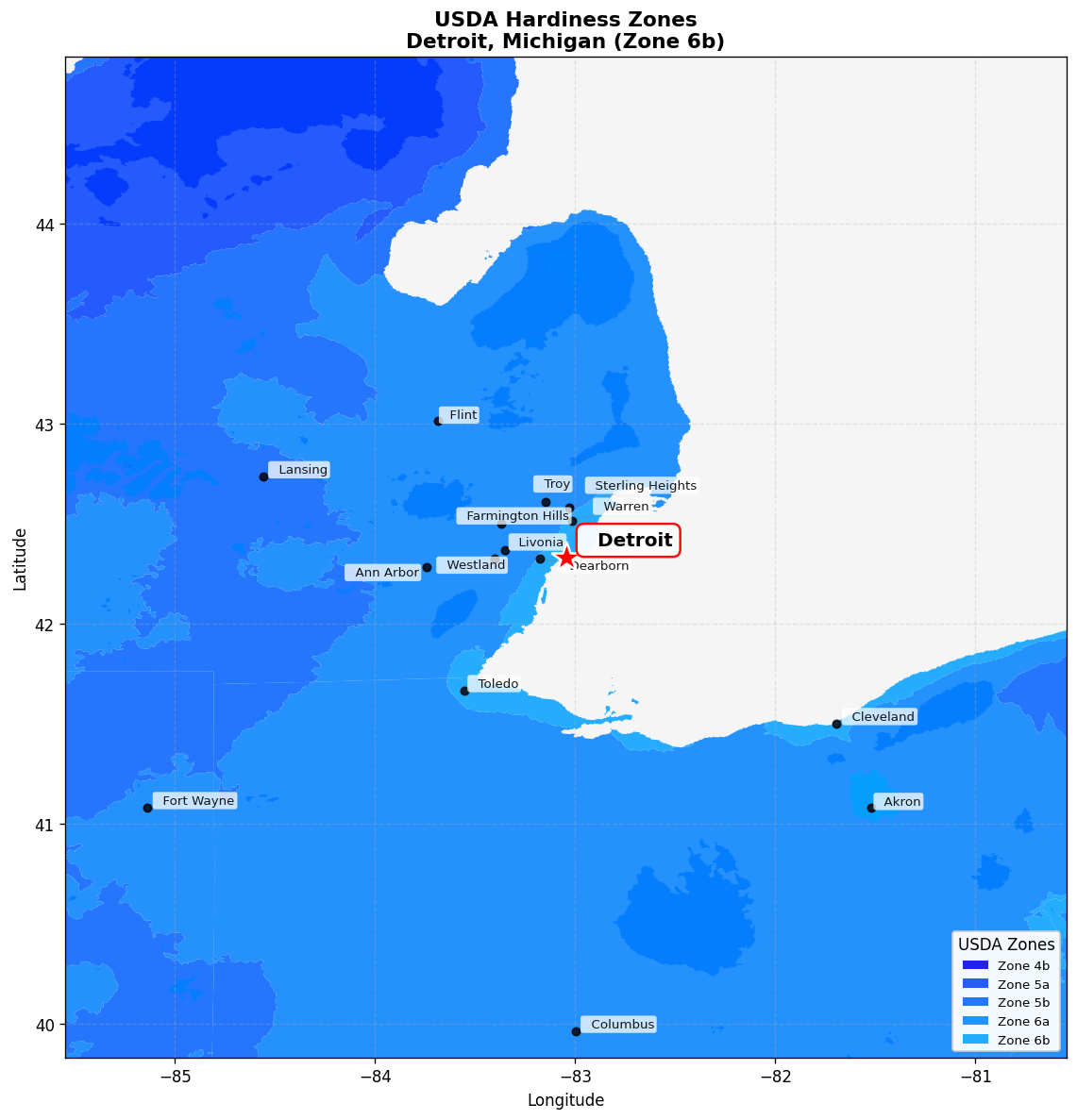
USDA Zone 6b
Hardiness zone for Detroit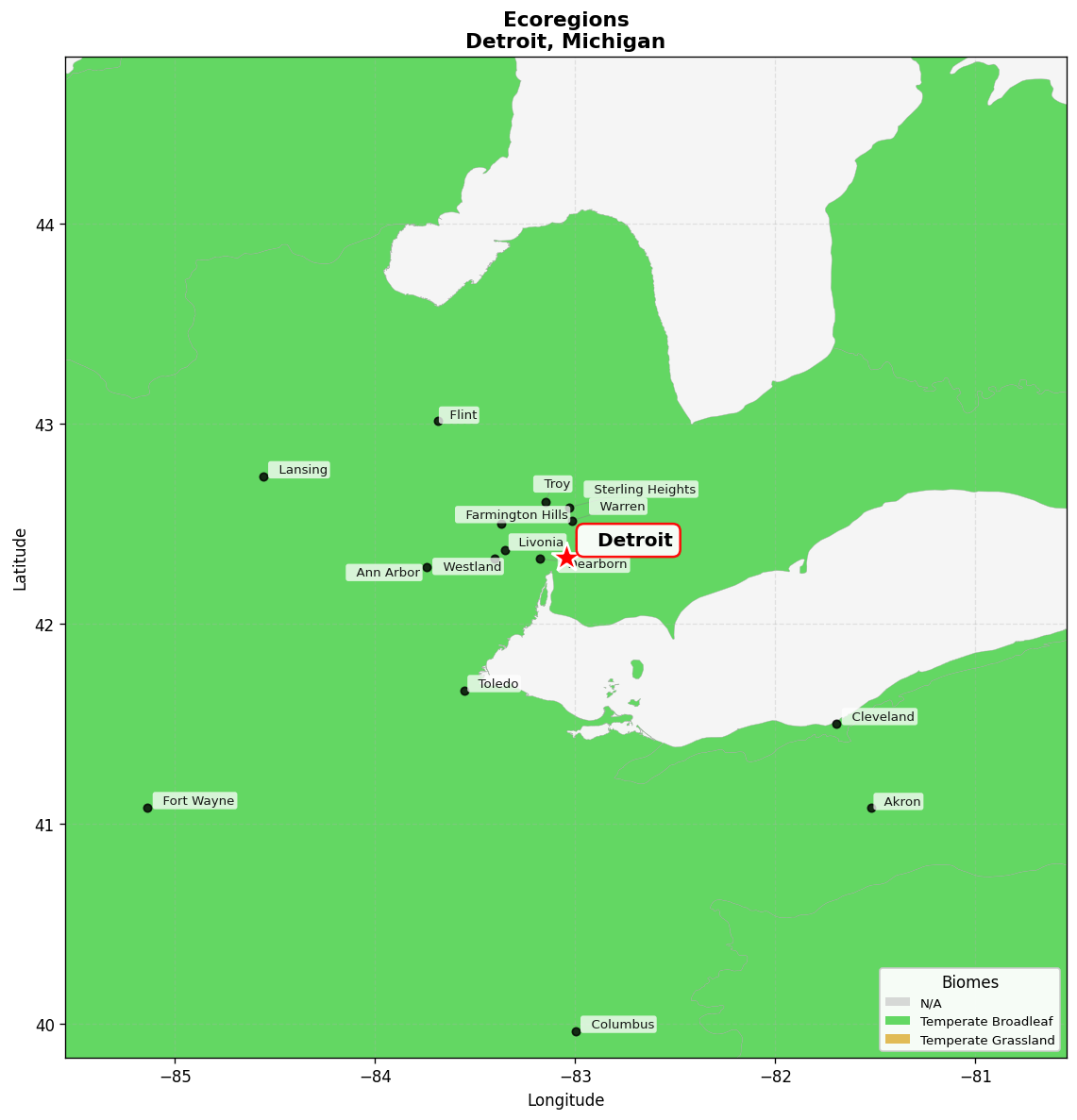
Southern Great Lakes forests
Native ecoregionFrequently Asked Questions
What cottage plants survive Detroit's Zone 6b winters?
Zone 6b (lows to -5°F) supports a generous range of cottage classics. Peonies (Zone 3), delphiniums (Zone 3–4), foxgloves (biennial, reseeds), hollyhocks (biennial/short perennial), salvia, catmint, coneflower, and black-eyed Susan all overwinter without any protection. Climbing roses need base mounding with 6–8 inches of compost or soil in November. Shrub roses (Knock Out, Carefree Beauty, William Baffin) overwinter fully reliably. Apply 3–4 inches of shredded leaf mulch over all perennial crowns after the first hard freeze (typically mid-November in Detroit). Remove mulch gradually in late March as temperatures rise.
How does Detroit's Great Lakes location affect the growing season?
Favorably for gardeners. Lake Erie and Lake St. Clair moderate Detroit's temperatures, making Zone 6b meaningfully milder in practice than the zone number alone suggests. Last frost averages May 5–10; first fall frost around October 15–20. The lakes' thermal mass delays spring cold snaps and extends fall usability, giving a growing season of 160–170 days. Summer humidity from the lakes keeps cottage plants lush and reduces heat stress. The main downside is spring overcast: Detroit's cloudiness from lake effect in April–May can delay spring bulb and early perennial performance by 1–2 weeks compared to interior cities.
Is Detroit's soil good for cottage gardens?
It varies significantly by neighborhood and history. Boston-Edison and Indian Village's older lots often have reasonably good topsoil from decades of cultivation. Corktown, Midtown, and many lots that experienced decades of deferred maintenance or demolition activity may have compacted, contaminated, or nutrient-depleted soil. For urban Detroit lots, a soil test (available through MSU Extension) is strongly recommended before planting — particularly for lead content in pre-1978 urban properties. Raised beds (8–12 inches above grade, filled with certified clean compost and topsoil) are the safest approach for food gardens in the urban core, and are a sound investment for ornamental gardens in any Detroit property with unknown soil history.
What roses work best for Detroit cottage gardens?
Hardiness and disease resistance are both important in Detroit's humid climate. Top performers: 'William Baffin' (Zone 3 climber, extremely vigorous, disease-resistant), 'New Dawn' (Zone 5 climber, blush pink, fragrant), 'Knock Out' series (Zone 4 shrub, disease-resistant, repeat blooming through frost), 'Carefree Beauty' (Zone 4 shrub, fragrant, reliable), 'Jens Munk' (Zone 3 rugosa shrub, disease-resistant, excellent for cold areas). Detroit's humidity makes black spot a real concern on susceptible varieties — choose disease-resistant shrub roses over high-maintenance hybrid teas, and the garden practically maintains itself.
Are there any historic garden preservation resources in Detroit?
Yes. The Historic District Study Committee and Detroit's Historic Preservation Office can provide guidance on historically appropriate garden treatments for designated historic neighborhoods (Boston-Edison, Indian Village, Corktown, and others have historic district status). The Detroit Garden Center at the Detroit Institute of Arts provides resources and occasional workshops. MSU Extension Wayne County offers Master Gardener programming and free soil testing. The Michigan Cottage Garden Society has local chapter activity. For Indian Village and Boston-Edison specifically, the neighborhood associations maintain design guidelines that may inform landscaping decisions.
What's a realistic cottage garden budget in Detroit?
Detroit's renovation economy makes professional landscape installation competitive. A front yard cottage redesign (400–600 sqft, including arbor, picket fence, plants, and soil amendment) runs $7,000–18,000 professionally installed. Picket fences are $20–40/linear foot installed. Soil amendment and raised bed construction adds $1,000–3,000. Backyard cottage terraces with flagstone and pergola run $18,000–50,000. Detroit's labor costs are below Chicago and Cleveland market rates, making ambitious projects more accessible. Perennials that return each year significantly reduce long-term cost — a well-planted cottage border essentially amortizes its cost over its multi-decade lifespan.