4 Mediterranean Landscape Ideas for Escondido, CA | Zone 10a
Native plants from the California coastal sage and chaparral (Zone 10a) — Mediterranean (hot summer) climate
Why Mediterranean Gardens in Escondido?
Most cities import the Mediterranean style. Escondido already lives in it. The valley sits squarely in the hot-summer Mediterranean climate band (Koppen Csa) — the same classification as Seville, Palermo and the hills behind Athens — with roughly 15 inches of rain a year, all of it between November and March, and a completely dry June through September. Olives, citrus, rosemary, lavender, bougainvillea and cypress are not exotics being coaxed along here; they are plants finally growing in the rainfall pattern they evolved for. That is why a Mediterranean garden in Escondido, done properly, is the cheapest garden in town to run: once established, an Olea europaea 'Swan Hill' or a stand of Lavandula x intermedia 'Grosso' wants a deep soak every ten to fourteen days in high summer and nothing at all from December to March.
The architecture backs it up. Spanish Colonial Revival and Mission Revival stucco with clay barrel-tile roofs run right through Escondido's building stock — the 1920s and 1930s houses around Old Escondido and Grand Avenue, the courtyard-plan homes of Rancho San Pasqual and The Vineyard, the tile-roofed hillside builds in Hidden Meadows and Emerald Heights. There is agricultural history underneath it too. The city's Grape Day heritage comes from Muscat of Alexandria vines, and the citrus and avocado groves that replaced them still terrace the San Pasqual Valley slopes. A courtyard of Citrus sinensis 'Washington' navels in terracotta, a fountain, and a wall of Bougainvillea 'Barbara Karst' is a local vernacular, not a theme.
The details that separate a good Escondido Mediterranean garden from a struggling one are all about soil, salt and cold-air drainage. The ground is decomposed granite off the Peninsular Ranges batholith — Fallbrook and Vista coarse sandy loams, fast-draining, low in organic matter and running pH 7.0 to 8.0, which olives, cistus, phlomis and rosemary are perfectly happy with and citrus is not. Citrus in alkaline granite needs chelated iron and a zinc-and-manganese foliar feed or the new growth comes in pale between the veins. Then there is the water: imported Colorado River supply is hard and high in dissolved solids, which means one long leaching irrigation a month to keep salts moving below the root zone, and a white scale crust on any fountain that is not dosed with a scale inhibitor and drained twice a year. And Escondido means "hidden" — cold air pools on the valley floor on still January nights, so the flats near Escondido Creek can dip to the upper 20s while lots up on the ridge stay ten degrees warmer. The old grove-planting rule still holds: put the tender citrus on the slope, not the bottom.
Two regulations shape the plant list. All of San Diego County is inside the Asian citrus psyllid and huanglongbing quarantine area, so citrus must be bought from a licensed California nursery that grows under protective structures, and trees may not be moved out of the quarantine zone — buy locally and do not accept budwood or a gift tree from out of the region. Second, fire. Much of the city and its surrounding hills is mapped Very High Fire Hazard Severity Zone, state law requires 100 feet of defensible space, and California is phasing in an ember-resistant 'Zone 0' standard for the first five feet around a house. That is bad news for one signature Mediterranean plant in particular: Cupressus sempervirens burns like a torch. Use it as a distant punctuation mark down the drive, keep it well clear of the walls, and let gravel, tile and terracotta pots occupy the ground right against the house — which happens to be exactly what the style wants anyway.
4 Mediterranean Design Ideas for Escondido

The Olive and Lavender Entry
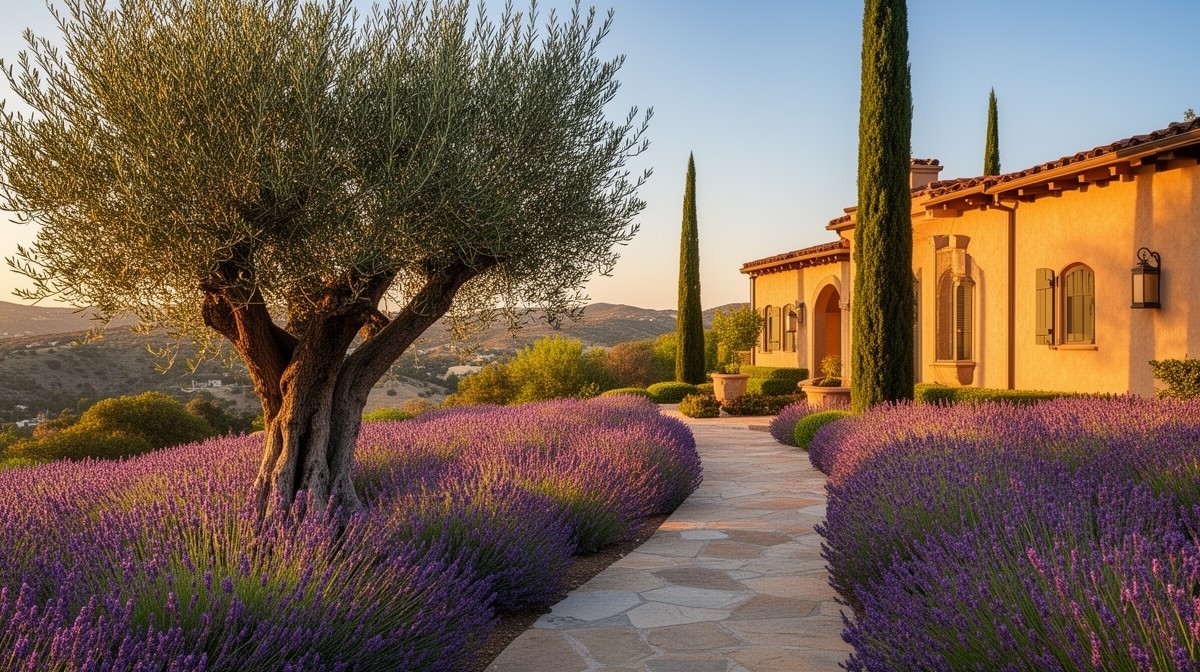
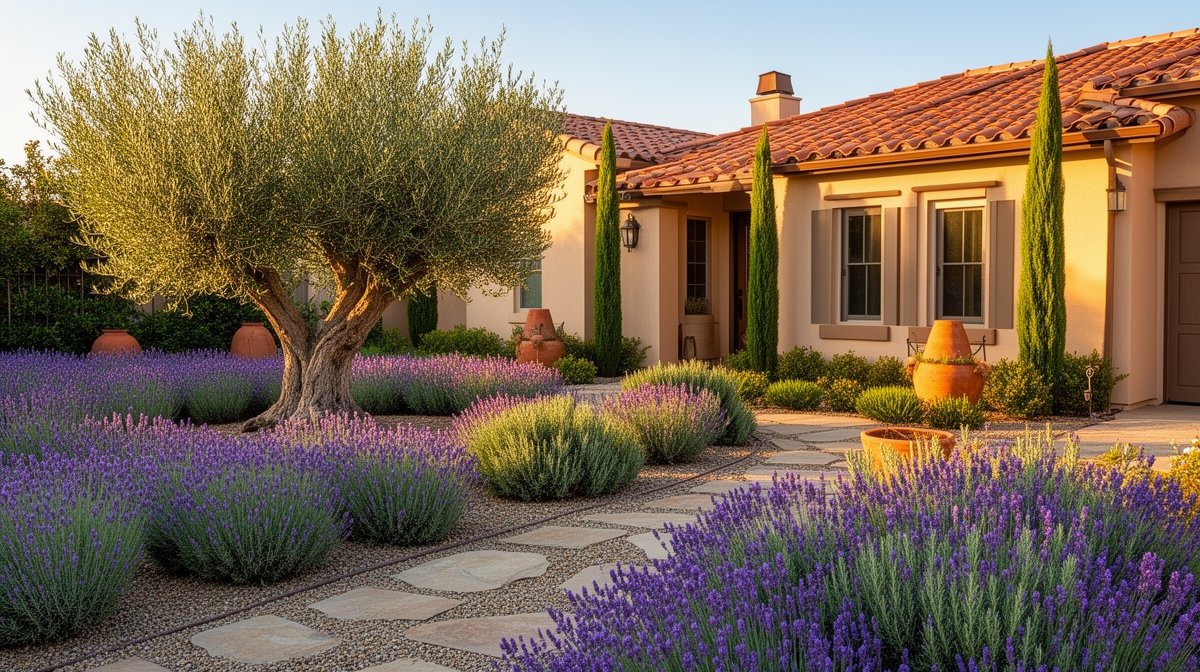
$22-42/sqftA white stucco single-story with a clay barrel-tile roof, deep-set windows and a dark carved wood front door, fronted by an irregular flagstone walk that curves rather than runs straight at the entry. The whole composition turns on two moves: a mature multi-trunk olive with a gnarled, sculptural trunk planted well off to one side so its canopy frames rather than blocks the facade, and three narrow Italian cypress used as vertical exclamation points against the stucco. Everything else is low and horizontal - deep masses of lavender flanking the path in gravel-mulched beds, a couple of tightly clipped evergreen balls at the door, and a thin ribbon of lawn held back to a supporting role. Uplights hidden in the lavender graze the olive trunk and the cypress after dark, which is when this frontage does its best work.

The Citrus Courtyard
$18-35/sqftA walled forecourt behind a wrought-iron gate hung between stuccoed pilasters, with a mission-tile roof and an arcaded entry porch beyond. The floor is compacted decomposed granite with large irregular flagstone pads set into it as a stepping path - permeable, cheap per square foot, and the right texture under a citrus canopy. Two mature orange trees stand heavy with fruit on either side of the gate, and a curtain of magenta bougainvillea pours over the top of the courtyard wall and throws its shadow across the stucco. The planting at ground level is done almost entirely in terracotta: a big ornamented urn beside the gate, a graduated cluster of smaller pots running along the wall base, filled with geraniums, marigolds, trailing rosemary and small culinary herbs. It is the most affordable way to get a fully furnished garden into a small space.

The Fountain Courtyard
$30-55/sqftA terracotta-tiled terrace laid off the back of a white stucco house with a three-arch loggia and a clay tile roof, organized around a three-tier cast-stone fountain standing in a wide round basin. A mature multi-trunk olive leans over the fountain from one side and an orange tree in full fruit closes the other, so the two signature Mediterranean trees bracket the space rather than compete. The seating is deliberately modest - a teak dining table for four set to one side, not in the middle - and the planting is all low ribbons: lavender running the length of the tile edge, clipped evergreen mounds against the loggia piers, and a spiky accent in a pot by the steps. The point of this design is sound and shade in a valley that hits 100 degrees in September, and it costs a fraction of a built structure.

The Bougainvillea Pergola Lounge
$35-65/sqftA heavy dark-stained timber pergola projects off a two-story white stucco house with a clay tile roof, and the entire roof plane of it is smothered in magenta bougainvillea that hangs down between the rafters. Under it, a full outdoor living room on terracotta tile - a wicker sectional and two matching armchairs in cream cushions around a low teak table - with the tile paving running out as a wide path across the lawn. Citrus does the flanking: an orange on one side, a lemon on the other, both planted as small standards so their canopies sit at eye level and frame the pergola. Lavender and silver santolina fill the mulched borders on both sides with brass path lights tucked among them, and the golden chaparral ridge behind the property line finishes the view. This is the design that turns a blank rear lawn into the room the house actually uses.
See how a mediterranean garden looks on YOUR property
Upload a photo of your Escondido yard and visualize your dream garden in seconds.
Try ProScapeAI Free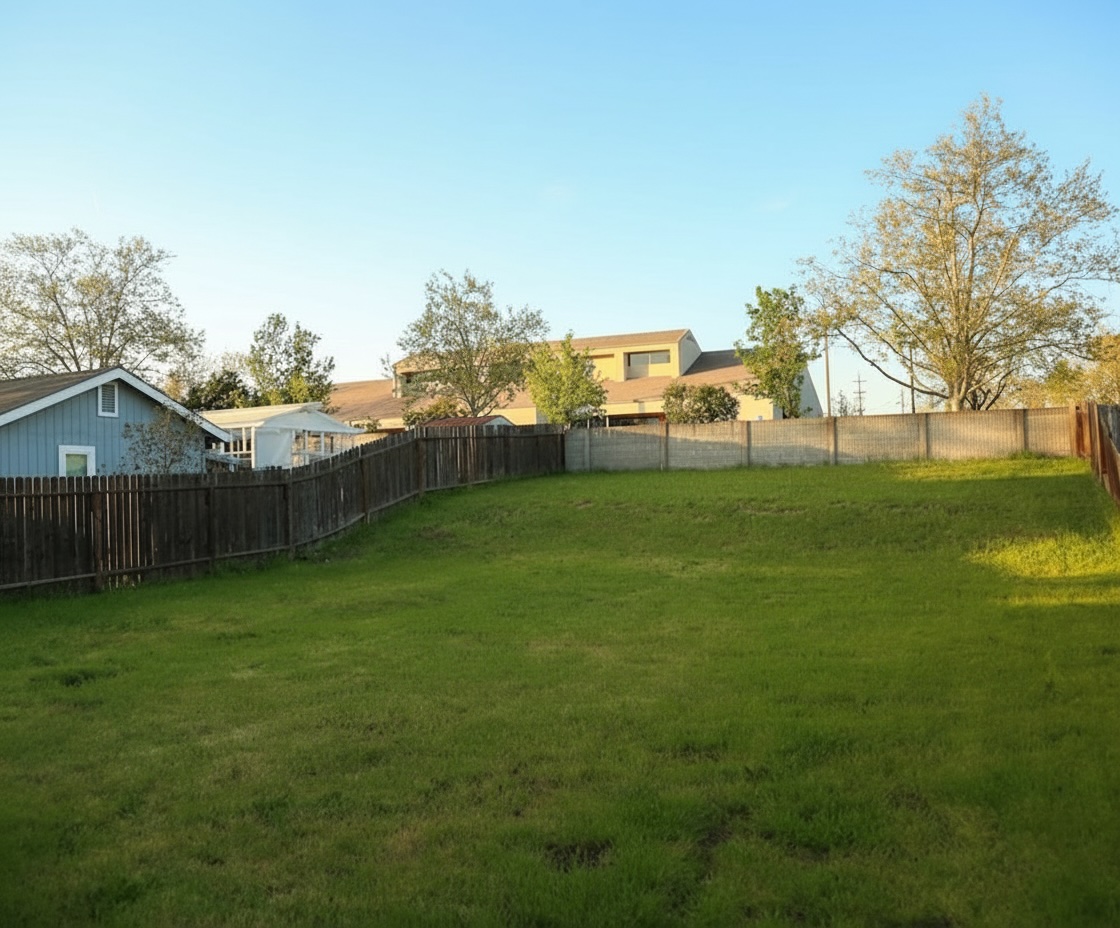
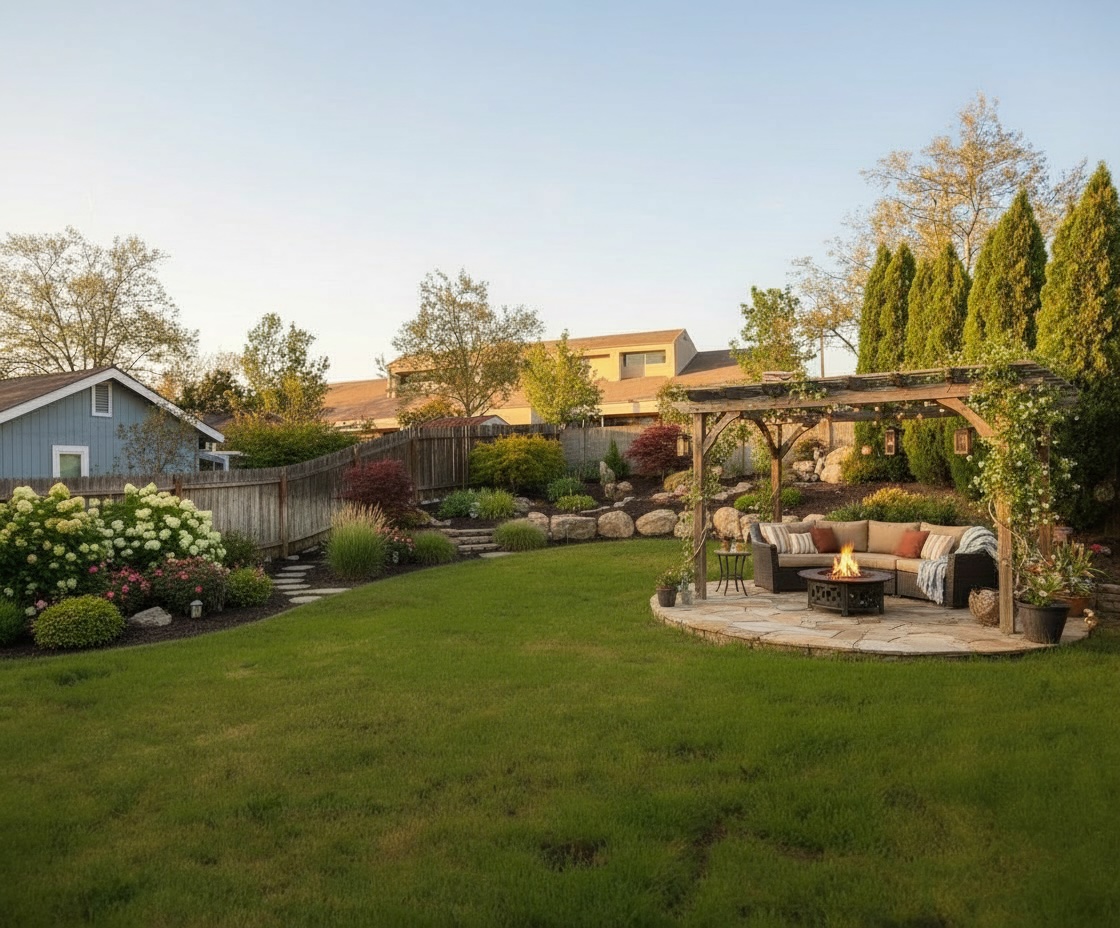
Featured Trees & Shrubs for Mediterranean Gardens
Browse all 219 plants for Escondido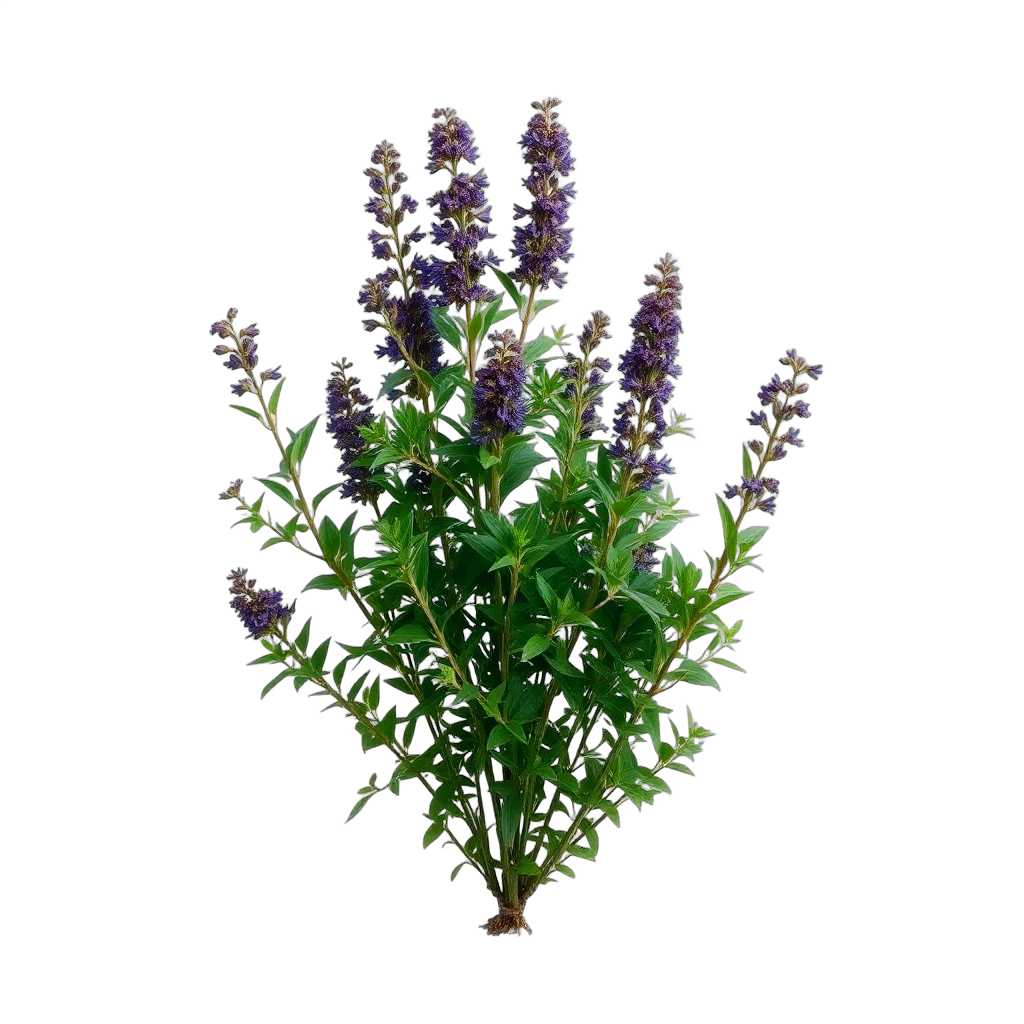
Black Sage
Salvia mellifera
grows to 4 feet, white blooms in spring. Attracts butterflies.
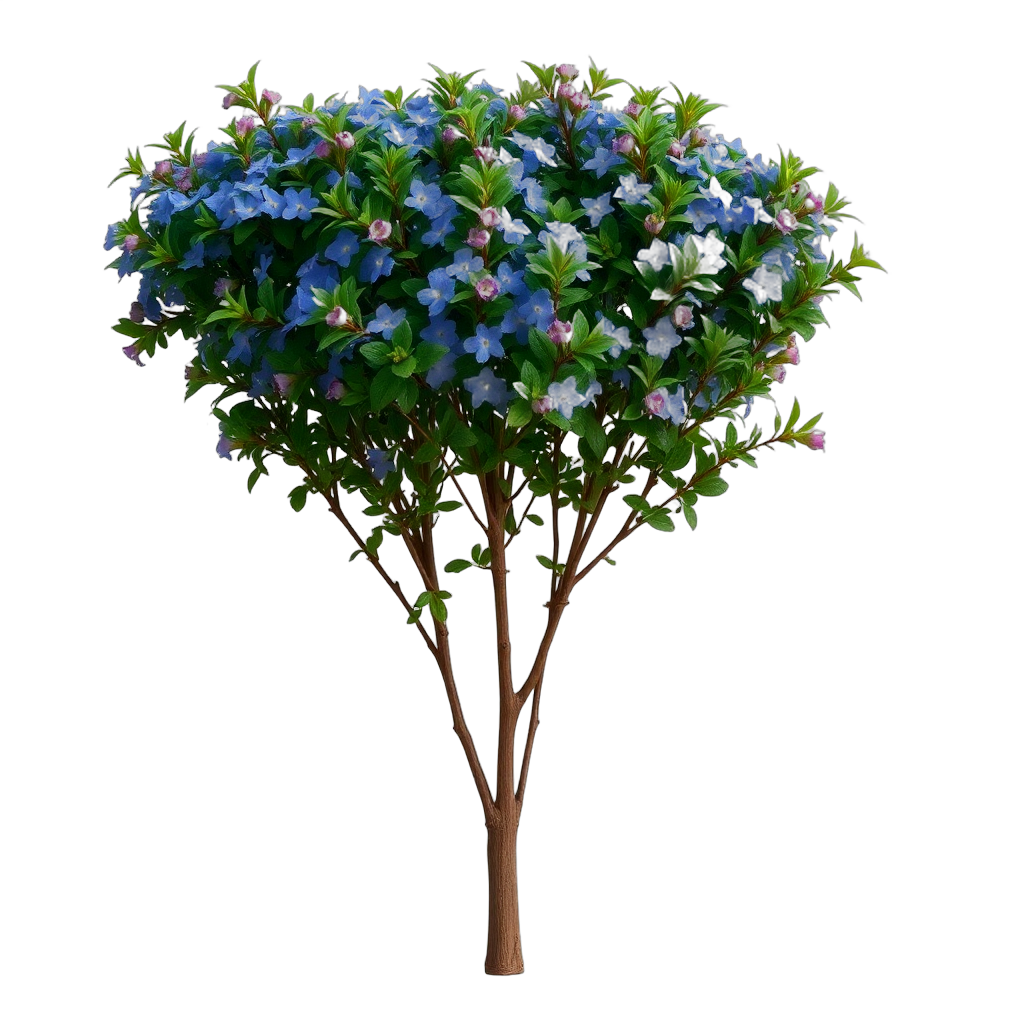
Blue Blossom
Ceanothus thyrsiflorus
medium-sized at 12 feet, blue blooms in spring. Attracts butterflies.

Blue Elderberry
Sambucus cerulea
medium-sized at 15 feet, white blooms in spring. Attracts butterflies.
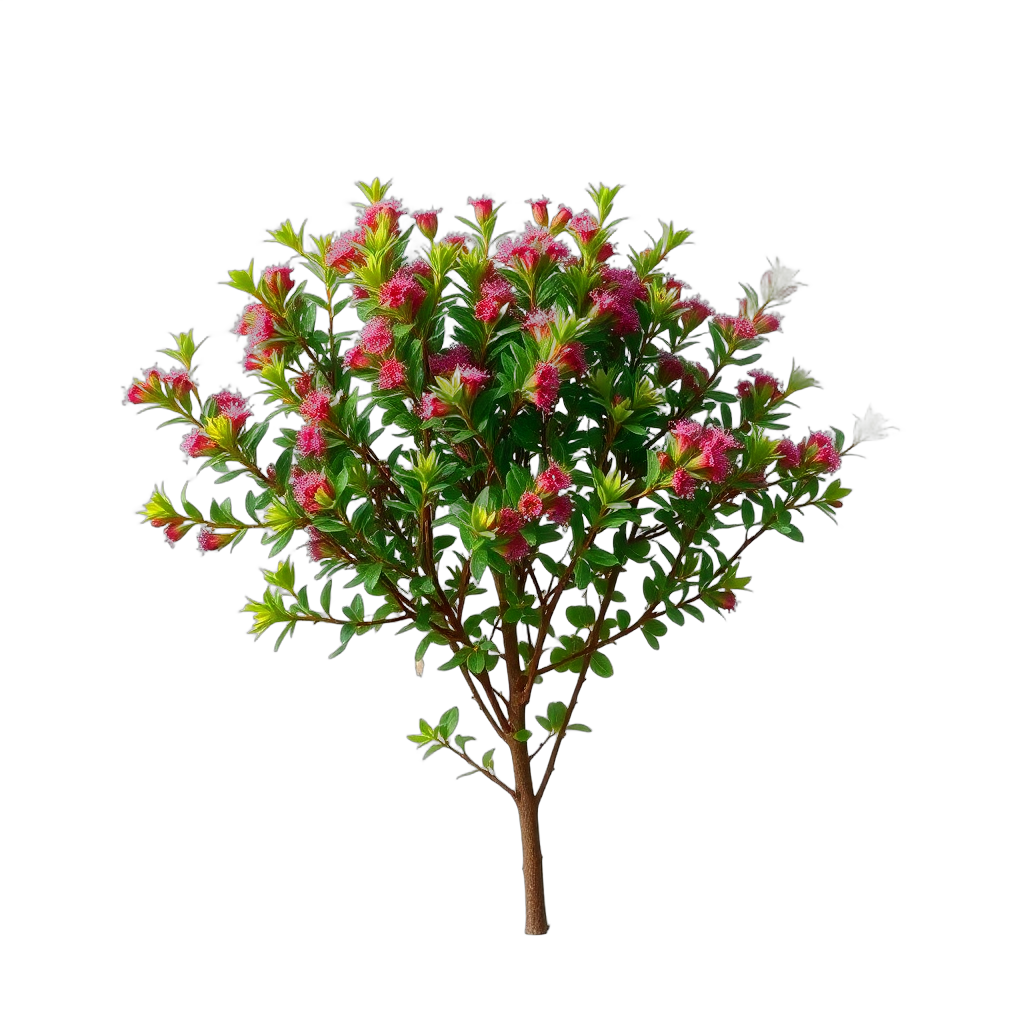
Buckbrush
Ceanothus cuneatus
medium-sized at 7 feet, white blooms in spring. Attracts butterflies.
Featured Grasses & Groundcovers for Mediterranean Gardens
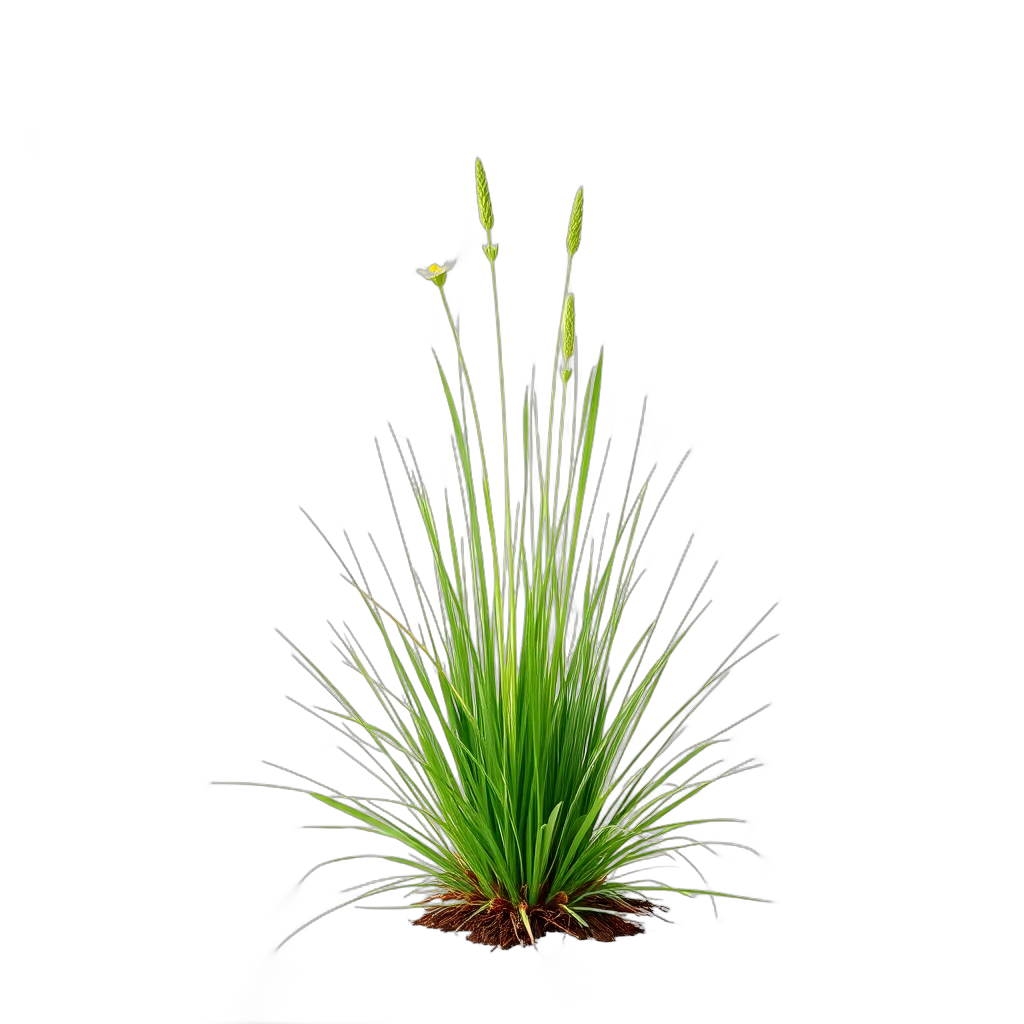
California Brome
Bromus carinatus
low-growing ground cover, blooms in spring. Yellow fall color.
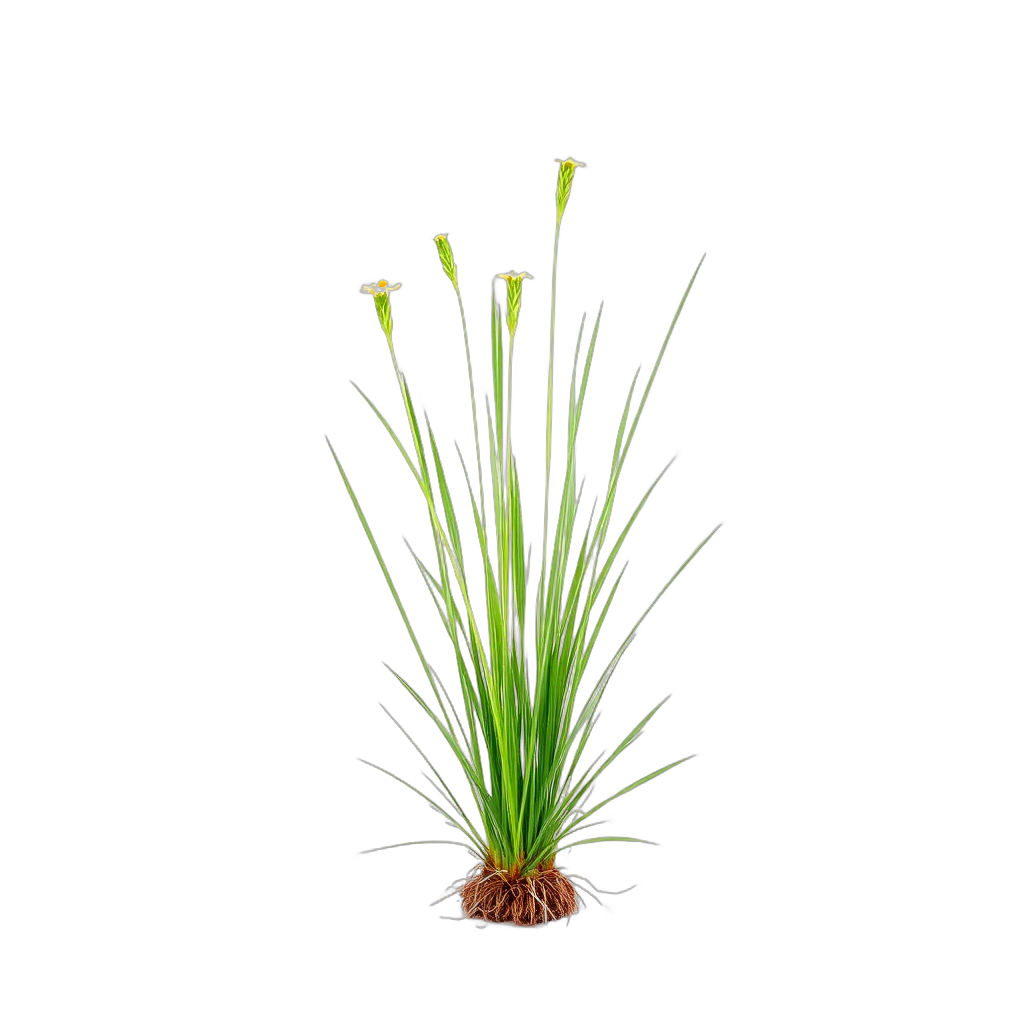
California Melic
Melica californica
low-growing ground cover, blooms in spring.
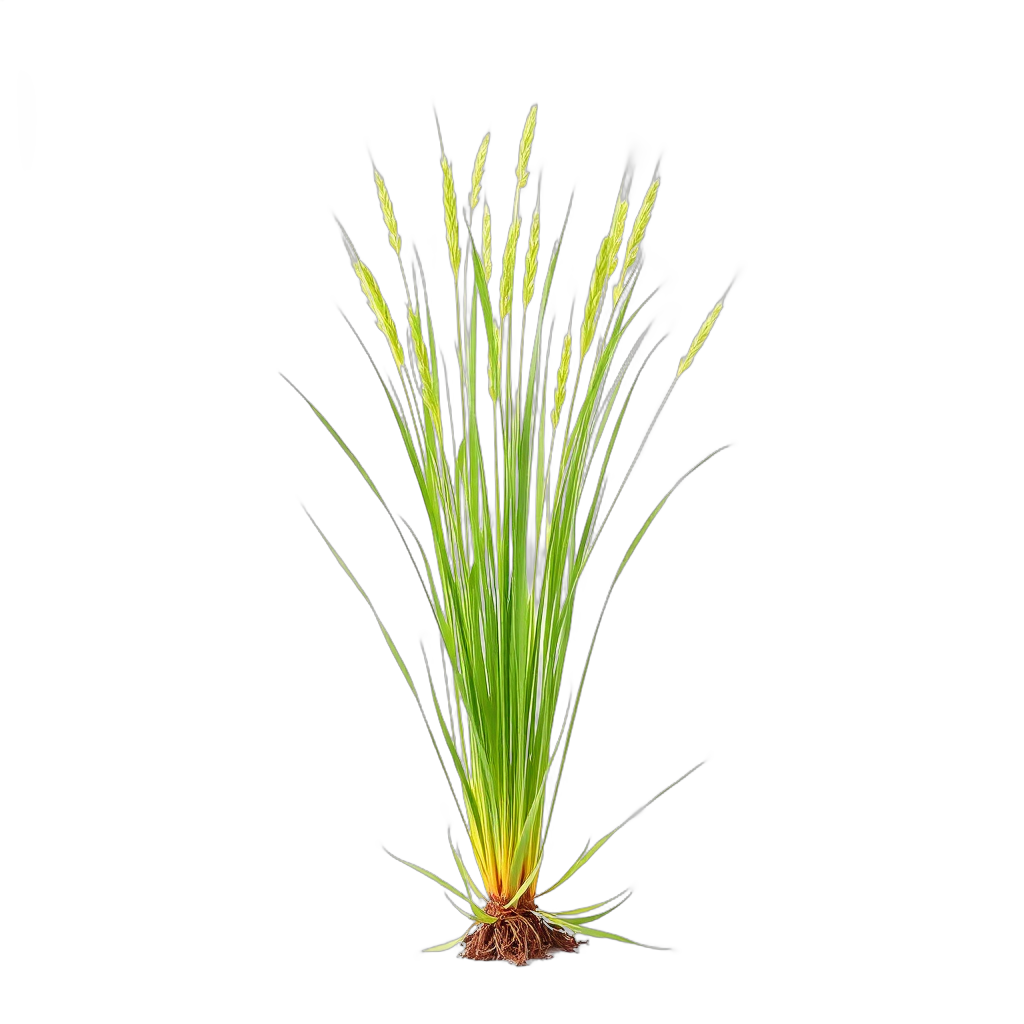
California Oatgrass
Danthonia californica
low-growing ground cover, blooms in spring. Yellow fall color.
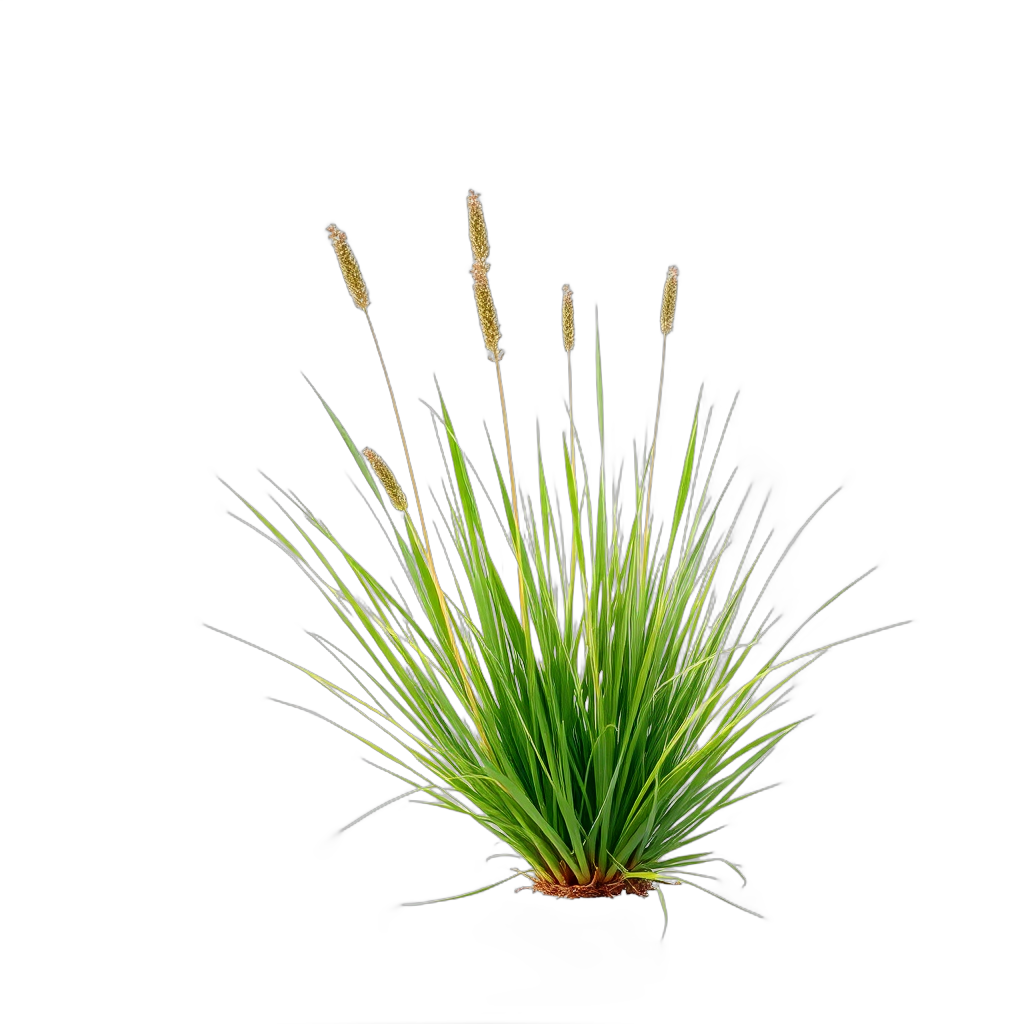
Deer Grass
Muhlenbergia rigens
grows to 3 feet, yellow blooms in fall. Evergreen year-round.
Featured Flowers & Perennials for Mediterranean Gardens
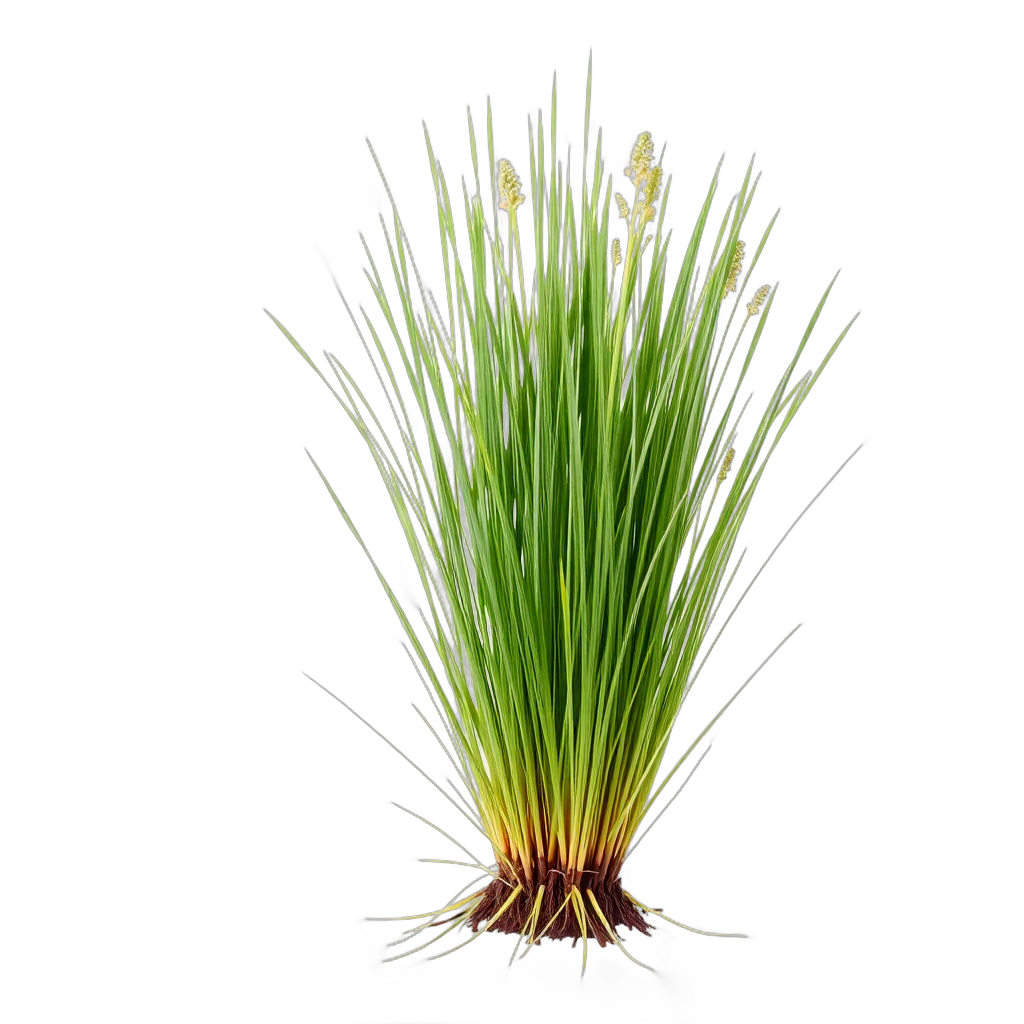
California Gray Rush
Juncus patens
low-growing ground cover, blooms in summer. Evergreen year-round.
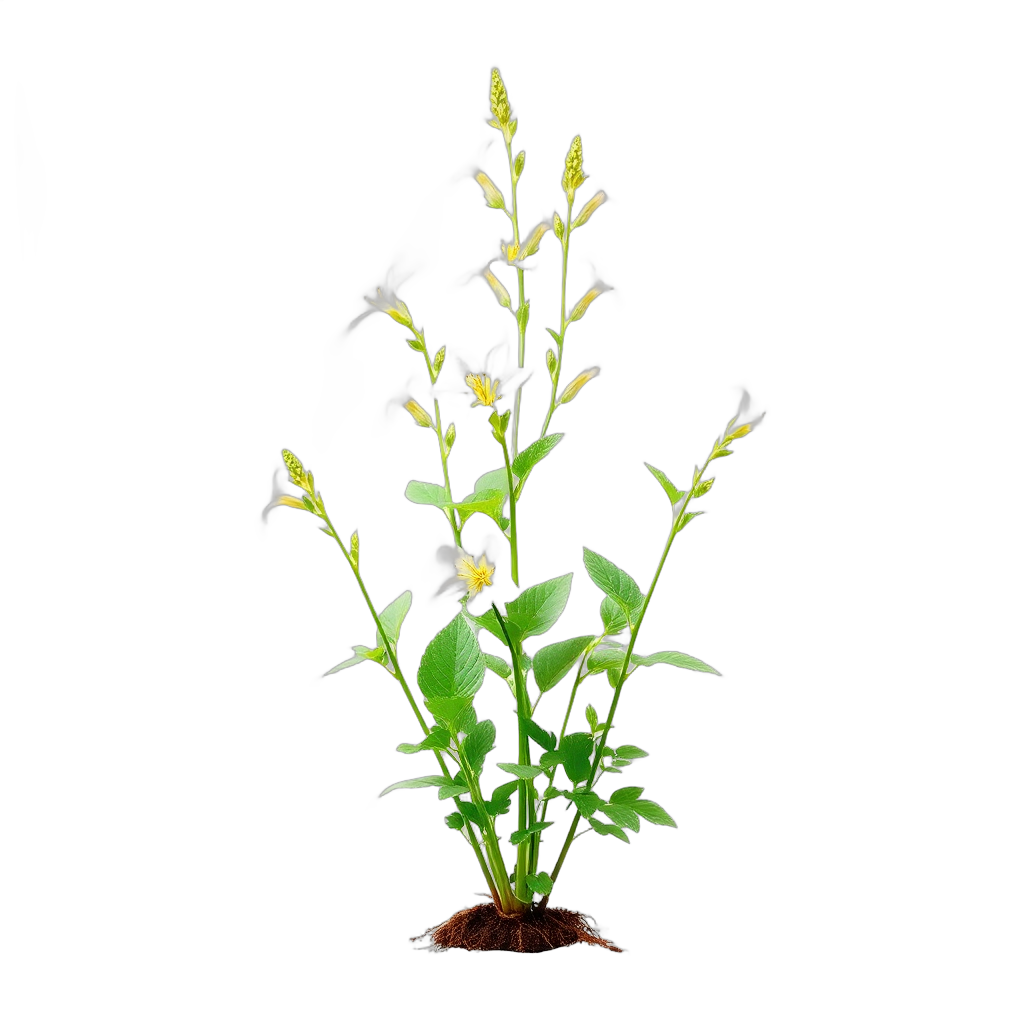
Beach Evening Primrose
Camissonia cheiranthifolia
low-growing ground cover, yellow blooms in spring. Attracts butterflies.
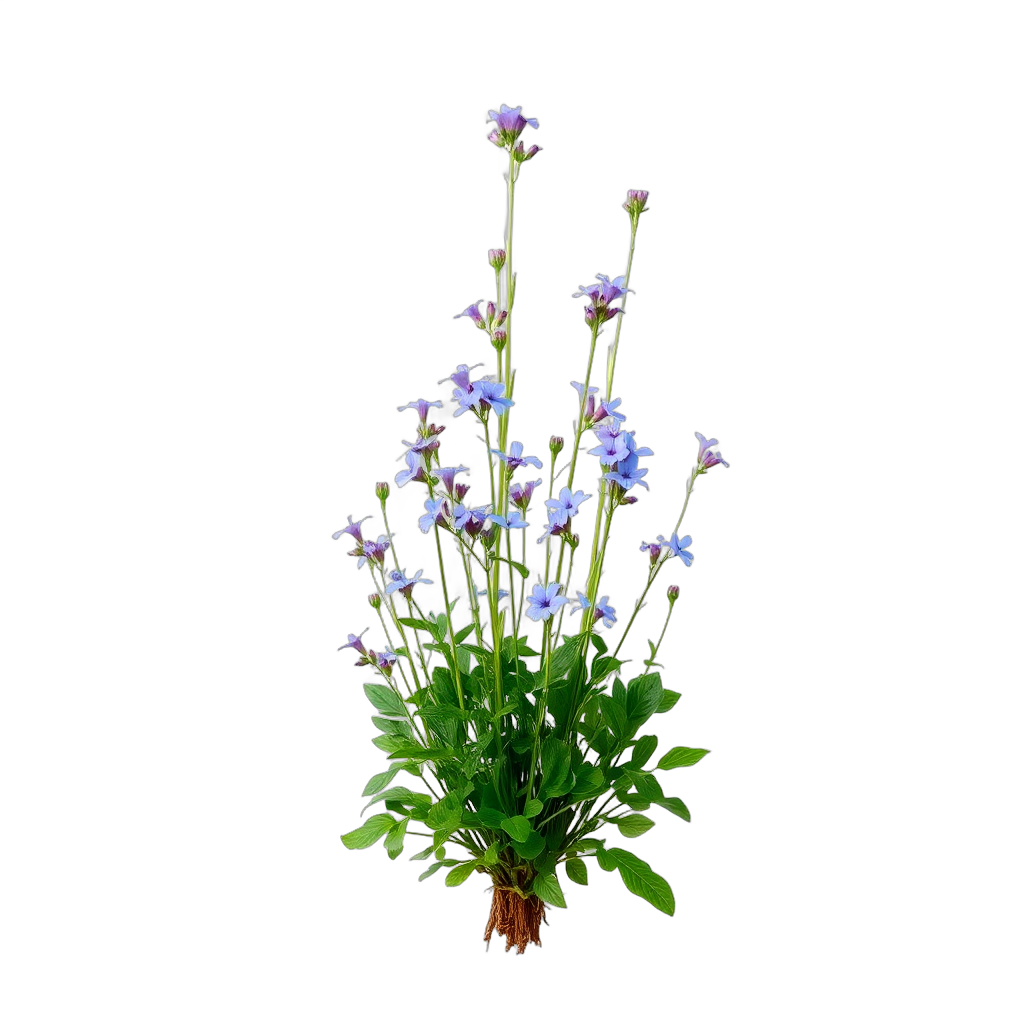
Blue Dicks
Dichelostemma capitatum
low-growing ground cover, blue blooms in spring. Pollinator-friendly.
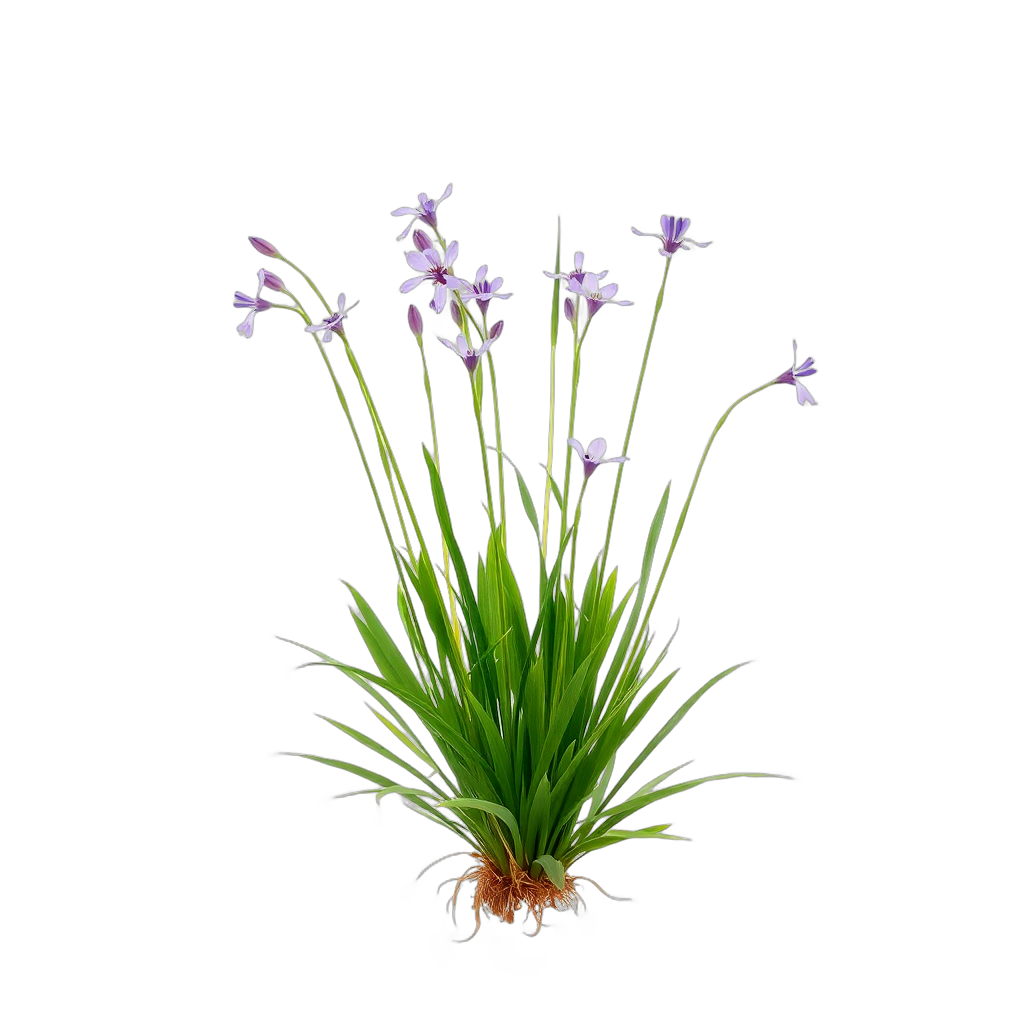
Blue-Eyed Grass
Sisyrinchium bellum
low-growing ground cover, blue blooms in spring. Attracts butterflies.
Zone and sun checks come from our database — confirm with your local nursery before you buy.
Bloom Calendar for Escondido
spring
Beach Evening Primrose, Blue Dicks, Blue-Eyed Grasssummer
California Gray Rush, Hooker's Evening Primrose, Hummingbird Mintfall
California Fuchsiawinter
Limited bloomsDesign Tips for Escondido (Zone 10a)
- Hydrozone the citrus separately from everything else - Citrus sinensis 'Washington' wants a deep soak every 7 to 10 days all summer while Olea europaea 'Swan Hill' and Lavandula x intermedia 'Grosso' want one every 10 to 14 days and will rot on a citrus schedule; one shared valve is the most common reason Escondido Mediterranean gardens look half dead by August
- Plant tender citrus and bougainvillea on a slope or a raised mound, never in the low spot - cold air drains off the ridges into the valley floor on still January nights and the flats near Escondido Creek can hit the upper 20s while hillside lots stay ten degrees warmer
- Use gravel mulch, not bark, in the first five feet around the house: it suits the style, it keeps decomposed granite from crusting, and it is what California's phased-in ember-resistant Zone 0 standard is pushing toward in a city with this much Very High Fire Hazard Severity Zone acreage
- Add chelated iron and a zinc-manganese foliar feed to the citrus program - Escondido's granite soils run pH 7.0 to 8.0 and citrus will show pale interveinal new growth every spring without it, while olives, Cistus x purpureus, Phlomis fruticosa and Salvia rosmarinus never need a thing
- Buy the olive one size larger than feels sensible and everything else one size smaller: a Mediterranean garden reads as instantly authentic the moment there is one gnarled trunk in it, and lavender, Westringia fruticosa 'Grey Box' and Teucrium fruticans planted from one-gallon cans in October catch five-gallon plants inside two seasons
- Give the fountain a monthly maintenance slot from the start - hard imported water leaves a calcium crust within weeks, so dose with a scale inhibitor, seal porous cast stone when it is new, and drain and vinegar-scrub twice a year
- Run one long leaching irrigation a month from June to September on every zone; imported Colorado River water is high in dissolved solids, and in fast-draining granite the salts concentrate in the root zone rather than washing through on their own
Where to Source Plants in Escondido
Skip the big-box stores. These independent Escondido nurseries specialize in the plants that make mediterranean gardens thrive in Zone 10a.
El Plantio Nursery & Landscaping
East Escondido, San Pasqual Valley Road
Family-run Escondido nursery stocking fruit trees, berries, vegetables and drought-tolerant material, with landscape, irrigation and hardscape services alongside
Clausen Nursery
East Vista, about 14 miles northwest of Escondido
Family-owned fruit tree nursery operating since 1930, specialising in citrus, avocado and deciduous fruit trees selected for Southern California
Walter Andersen Nursery
Poway, Scripps Poway Parkway at Community Road
Long-established independent San Diego garden center with deep rose, tree and shrub selections and staff horticulturists on the floor
Barrels & Branches
Encinitas, Santa Fe Drive near the San Diego Botanic Garden
One of the most diverse independent inventories in the county - specimen trees, shrubs and hard-to-find plants, plus in-house landscape design
Grangetto's Farm & Garden Supply
West Escondido, W Mission Avenue
North County farm and garden supply since 1952 - soil amendments, fertilizers, drip irrigation parts, seed and organic pest control, with staff who know local soils
Mediterranean Landscaping Costs in Escondido
| Project Scope | Estimated Cost |
|---|---|
| Front-yard Mediterranean conversion, approx. 600 sqft (flagstone walk, gravel mulch, lavender, specimen olive) | $14,000 - $28,000 |
| Specimen multi-trunk 'Swan Hill' olive, 36-inch box, delivered and planted | $1,800 - $3,500 |
| Saltillo or terracotta tile terrace on slab (300-500 sqft) | $18,000 - $38,000 |
| Timber pergola, 14 x 16 ft, with footings and bougainvillea training wires | $14,000 - $32,000 |
| Three-tier cast-stone fountain, plumbed, wired and set | $4,000 - $12,000 |
| Stucco courtyard wall with tile cap and wrought-iron gate (40 linear feet) | $12,000 - $28,000 |
| Drip conversion, hydrozoned valves and WaterSense controller | $2,500 - $6,000 |
| AI visualization with ProScapeAI | Free to start |
Estimates based on Escondido, CA-area contractor rates as of 2026. Actual costs vary by site conditions, materials, and contractor.
Escondido Climate & Growing Zone
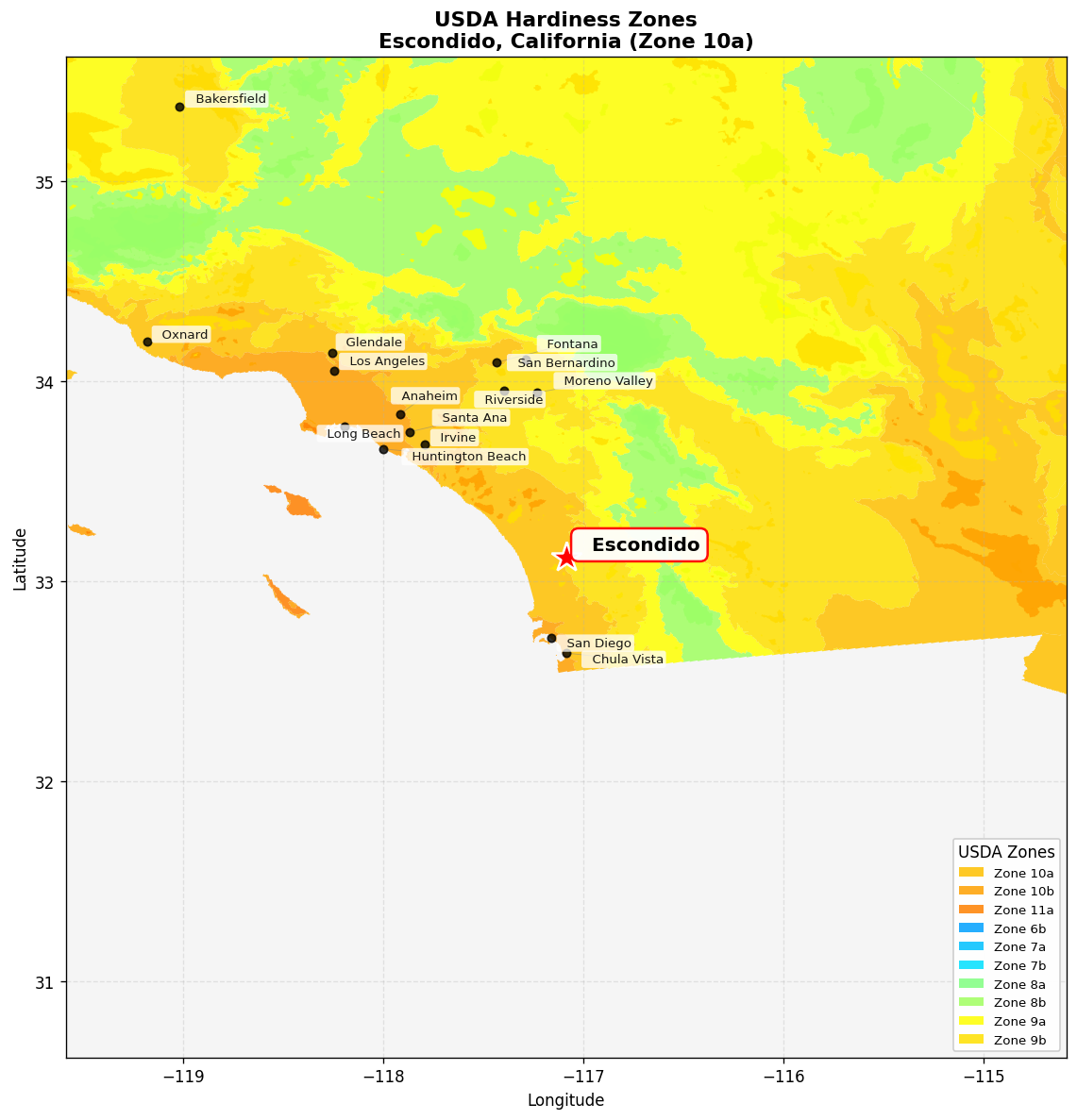
USDA Zone 10a
Hardiness zone for Escondido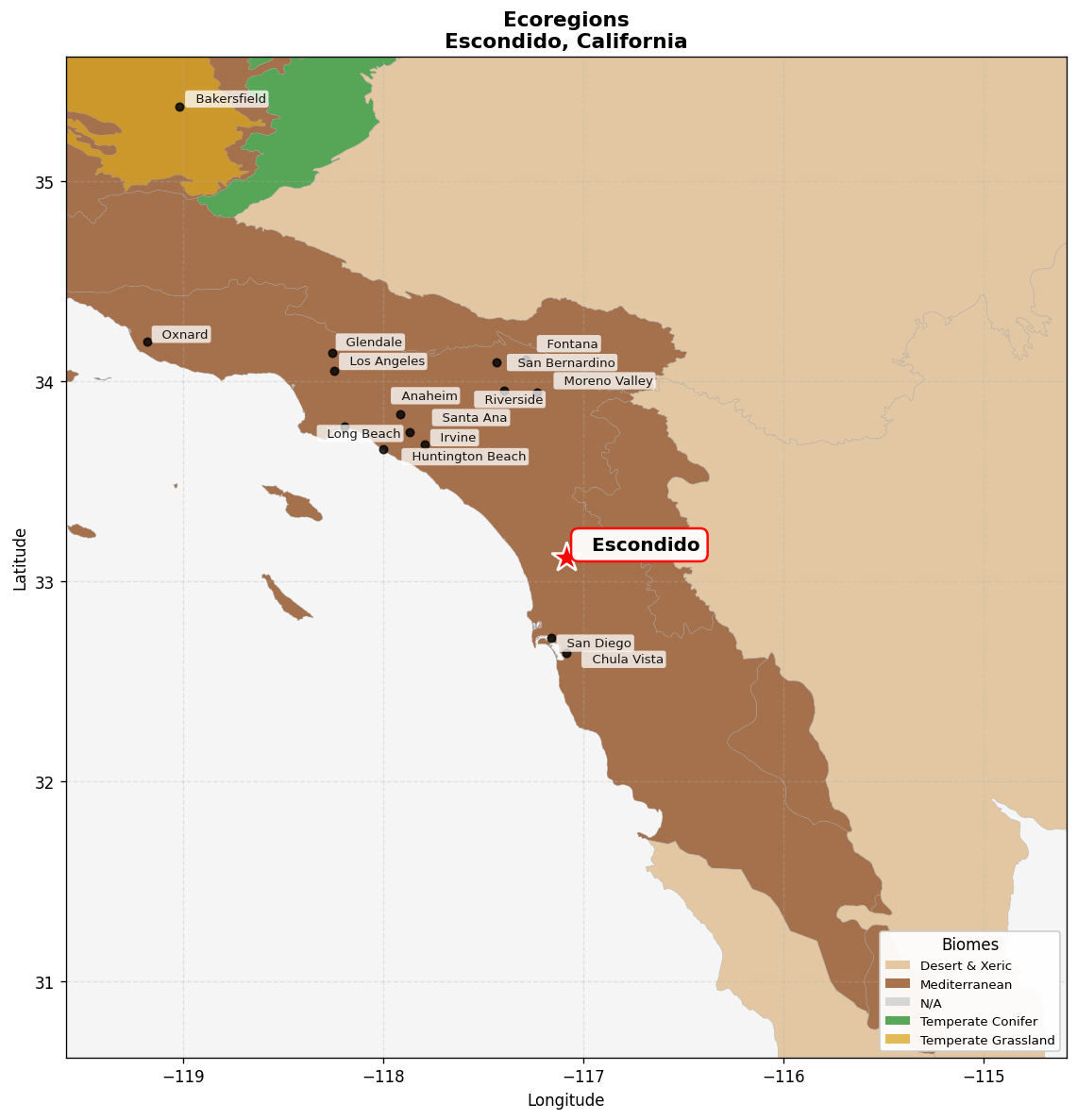
California coastal sage and chaparral
Native ecoregionFrequently Asked Questions
How much does a Mediterranean landscape cost in Escondido?
San Diego County labour runs 15 to 25 percent above the national average, and specimen material is the other big variable. A front-yard conversion of about 600 square feet with a flagstone walk, gravel mulch, lavender masses and a specimen olive typically lands between $14,000 and $28,000 installed. A saltillo or terracotta terrace of 300 to 500 square feet on a proper slab runs $18,000 to $38,000. A timber pergola of 14 by 16 feet adds $14,000 to $32,000, and a three-tier cast-stone fountain plumbed, wired and set on a footing comes in at $4,000 to $12,000. The single biggest line item is usually the olive: a 36-inch box multi-trunk 'Swan Hill' delivered and craned in runs $1,800 to $3,500, and a 60-inch box specimen can reach $7,500.
Should I plant a fruiting olive or a fruitless one?
Fruitless, in almost every case. Olea europaea 'Swan Hill' and 'Wilsonii' were selected specifically because they set little or no fruit and 'Swan Hill' produces very little pollen, which matters in a region where olive pollen is a significant spring allergen and several Southern California jurisdictions restrict fruiting varieties. A fruiting olive over a terrace will stain terracotta and concrete black every autumn and attract olive fruit fly, which is now established across coastal and inland San Diego County. If you specifically want to cure your own olives, plant 'Manzanillo' or 'Mission' out in the lawn or on a slope well away from paving, and expect to manage the fly with traps and bait sprays.
What do I need to know before buying citrus in Escondido?
San Diego County is inside the Asian citrus psyllid and huanglongbing quarantine, so buy only from a licensed California retail nursery that sources trees grown under insect-proof protective structures, never accept a gift tree or budwood from outside the region, and do not move citrus out of the quarantine area. For varieties, low chill is not an issue but heat and salt are: 'Washington' navel, 'Valencia', 'Improved Meyer' lemon, 'Bearss' lime, 'Oroblanco' grapefruit and 'Gold Nugget' mandarin all perform in the valley. Ask for trees on 'Flying Dragon' trifoliate rootstock if you want a semi-dwarf tree for a courtyard or a large pot. Plant citrus on a slope or a mounded bed rather than on the valley floor - cold air drains into the Escondido Creek flats and can touch the upper 20s on a still January night.
Why does my fountain get a white crust, and how do I stop it?
Because imported Colorado River water is hard - Escondido's supply typically runs in the moderately hard to hard range - and every gallon that evaporates off a fountain leaves its calcium behind on the stone. In summer a three-tier fountain can lose several gallons a day to evaporation, so the concentration builds quickly. The routine that works is: dose the basin with a fountain-safe scale and algae inhibitor, top up with a hose bib rather than letting the autofill run unattended, drain and scrub the basin twice a year with a 1:4 white vinegar solution before the crust hardens, and never let the pump run dry. Sealing porous cast stone with a penetrating masonry sealer when it is new makes the twice-yearly clean far easier.
Are Italian cypress a good idea in Escondido?
As a design element, yes - nothing else gives you that vertical line. As a plant, use them carefully. Cupressus sempervirens is highly flammable and behaves like a torch in an ember storm, which is a real consideration in a city with substantial Very High Fire Hazard Severity Zone acreage and a Santa Ana season; keep them well clear of the house and out of the first five feet entirely, and check current Escondido Fire defensible-space guidance before planting a row against a wall. Horticulturally, spider mites are the inland problem - hot dry air is their ideal condition, and an infested cypress goes bronze and thin from the inside out. Hose the interior of the columns down every few weeks in summer, and choose the narrow selections such as 'Glauca' or the compact 'Tiny Tower' so you are not shearing them every year.
How often does an established Mediterranean garden need watering here?
Far less than most irrigation controllers are set for. Once established, Olea europaea, Salvia rosmarinus 'Tuscan Blue', Lavandula x intermedia 'Grosso', Cistus x purpureus, Phlomis fruticosa and Westringia want one deep soak every 10 to 14 days from June through September and effectively nothing between December and March. Citrus is the exception and wants a deep soak every 7 to 10 days year-round in the dry months. The failure mode in Escondido is not underwatering, it is frequent shallow watering: three short cycles a week keeps the top two inches wet, rots olive and lavender crowns, and never trains roots downward. Run pressure-compensating inline drip on a WaterSense controller, group citrus on its own valve, and add one long leaching irrigation a month in summer to move salt below the roots.
Does saltillo tile work outdoors in this climate?
Yes, and it is the right material for the style, but it needs specification. Buy sealed or factory-sealed tile rather than raw saltillo, and use a breathable penetrating sealer rather than a high-gloss topical one - topical sealers turn slick when wet and cloud under Escondido's UV load. Set tile on a properly reinforced concrete slab, not on sand, because a tile terrace on a flexible base will crack at the grout lines within a couple of seasons. Expect the surface to run genuinely hot barefoot on a 95-degree August afternoon; that is an argument for pairing it with a pergola or a mature canopy tree, which is how the tiled terraces that actually get used are always built. Budget resealing every two to three years.