4 Modern Landscape Ideas for Escondido, CA | Zone 10a Design
Native plants from the California coastal sage and chaparral (Zone 10a) — Mediterranean (hot summer) climate
Why Modern/Minimalist Gardens in Escondido?
Modern landscape design works in Escondido for a reason that has nothing to do with fashion: the plants that give the style its architecture — agaves, aloes, yuccas, prickly pear, dasylirion — are the plants that actually want a valley with roughly 15 inches of rain a year, all of it between November and March, and a dead-dry June through September. In a wet climate a gravel-and-agave garden is a costly act of horticultural defiance. Here it is simply the correct answer, and it happens to look like the pages of a design magazine. The building stock cooperates too. Escondido is full of low-slung post-war ranch houses in Jesmond Dene, Eureka Springs and around Kit Carson Park whose flat rooflines and long horizontal fascias only ever needed a clean groundplane to read as mid-century, and the newer glass-and-stucco builds in Harmony Grove Village, The Vineyard and Rancho San Pasqual arrive with the geometry already in place.
The climate numbers set the palette. This is a hot-summer Mediterranean climate (Koppen Csa) with July and August highs in the upper 80s and low 90s, September Santa Ana events that push past 100°F at single-digit humidity, and a reference evapotranspiration around 50 inches a year — more than three times the rainfall. The USDA rates the area Zone 10a, but Escondido means "hidden," and cold air drains off the surrounding ridges into the valley on still January nights: the flats near Escondido Creek can touch the upper 20s while a hillside lot in Lomas Serenas never drops below 40. That single fact decides your agaves. Agave attenuata and its selections turn to mush below about 28°F and belong on a slope, in a raised planter or against a warm wall; Agave ovatifolia 'Frosty Blue', Agave 'Blue Glow', Agave parryi var. truncata, Yucca rostrata 'Sapphire Skies' and Hesperaloe parviflora 'Brakelights' handle a valley-floor frost without blinking.
The soil is decomposed granite off the Peninsular Ranges batholith — Fallbrook and Vista coarse sandy loams on the slopes, heavier alluvium in the creek bottoms — and for once that is an advantage. Sharp drainage is exactly what succulents and cacti need, and low-shrink granitic soils are far kinder to poured concrete than the expansive clays that crack slabs elsewhere. Build hardscape on four inches of compacted Class II base, keep control joints at sensible spacing in large-format concrete, and it will stay flat. What granite soil will not do is forgive salt: imported Colorado River water is hard and high in dissolved solids, so give every zone one long leaching irrigation a month in summer and expect white scale on any water feature that is not dosed and drained twice a year. Two plant-choice rules matter locally as well. Buy only the sterile Pennisetum setaceum 'Rubrum' — the straight species is an aggressive weed of San Diego County canyons and should never leave a nursery lot. And Muhlenbergia rigens, the deergrass that gives so many of these designs their golden mounded texture, is native to the coastal sage and chaparral ecoregion the city sits in, alongside Salvia clevelandii 'Winnifred Gilman', Eriogonum fasciculatum and Leymus condensatus 'Canyon Prince'.
Water and fire rules make the modern approach the practical one, not just the pretty one. California's Model Water Efficient Landscape Ordinance applies to permitted new landscapes of 500 square feet or more and caps turf at roughly a quarter of the landscape area under its prescriptive path, and regional turf-replacement rebates through SoCal Water$mart and the San Diego County Water Authority have run in the two-to-five-dollars-per-square-foot range. Meanwhile large parts of Escondido sit in Very High Fire Hazard Severity Zones, state law requires 100 feet of defensible space, and California is phasing in an ember-resistant 'Zone 0' standard for the first five feet around a structure. A gravel groundplane with steel edging and low, well-spaced succulent islands is close to a textbook answer to all three at once — confirm the current requirements with Escondido Fire before you build, then design the look you wanted anyway.
4 Modern/Minimalist Design Ideas for Escondido

The Glass and Agave Frontage
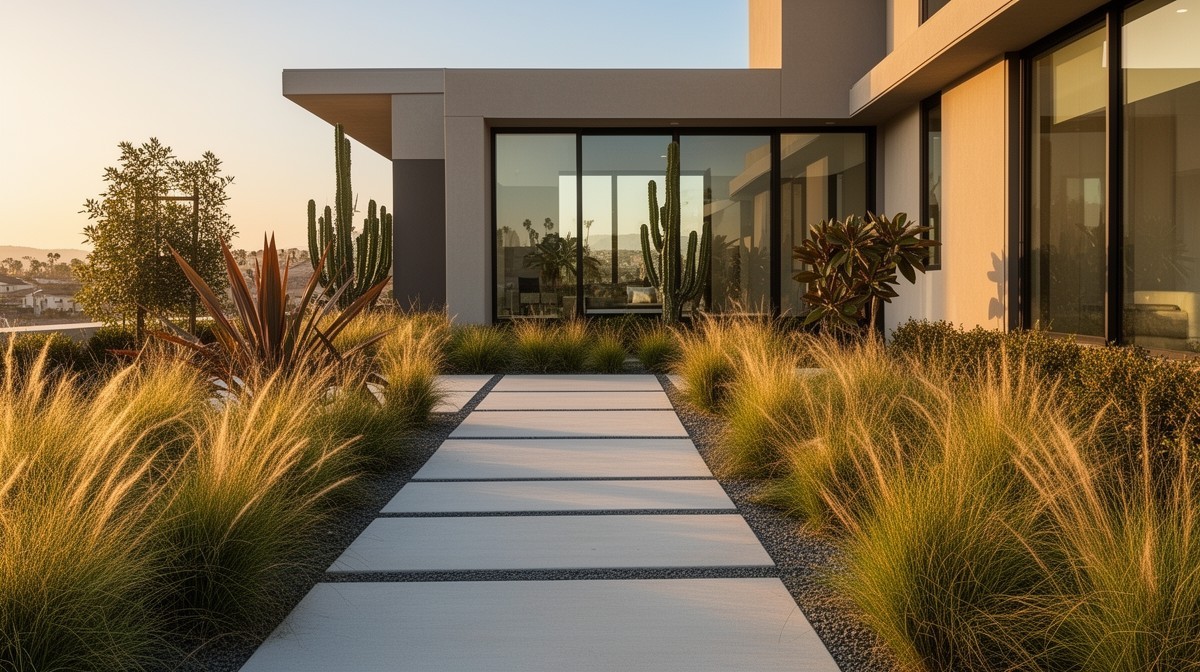
$18-34/sqftA flat-roofed single-story in warm stucco with a deep cantilevered overhang, a full-height glass wall to the living room and a vertical-grain wood slab door set into a raised entry mass. The landscape does almost nothing, deliberately: a single broad poured-concrete walk runs dead straight from the street to the door, splitting two shallow panels of lawn that are kept only as green negative space. Everything expressive happens in the beds on either side - big blue-grey agave rosettes spaced far enough apart to be read as individual sculptures, golden mounded deergrass catching the low sun, a few placed boulders, a drift of lavender for colour, and a multi-trunk olive off to one side softening the hard corner of the house. Dark gravel mulch sets the whole thing off and a horizontal slat fence closes the side yard.

The Zero-Lawn Gravel Grid
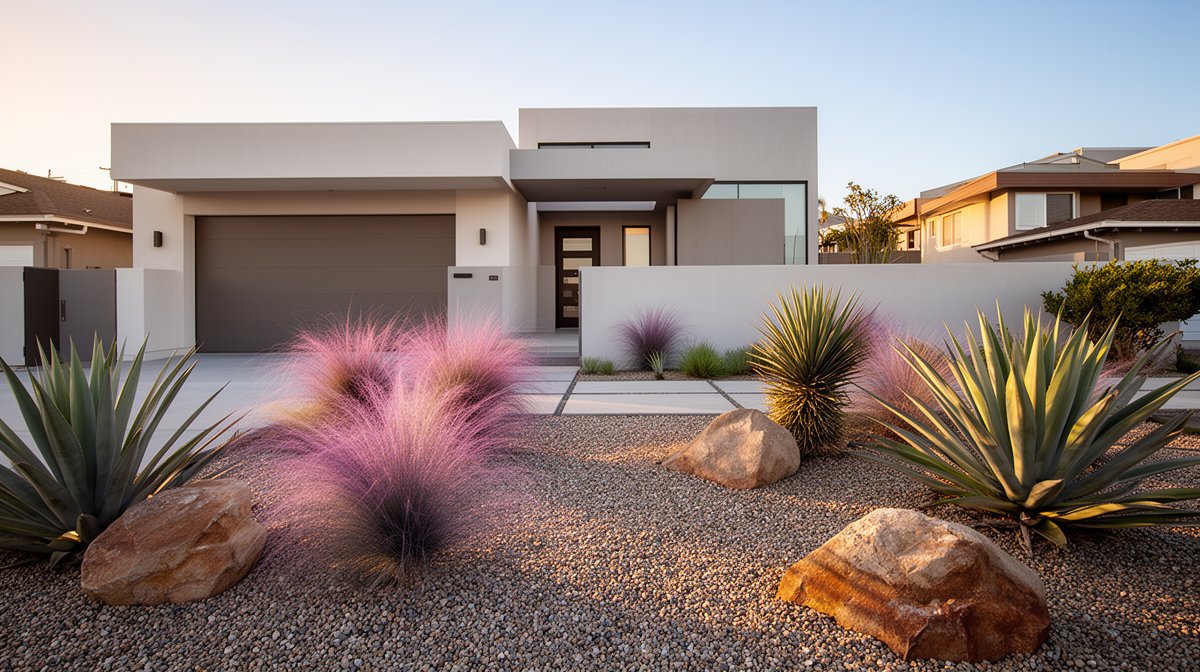
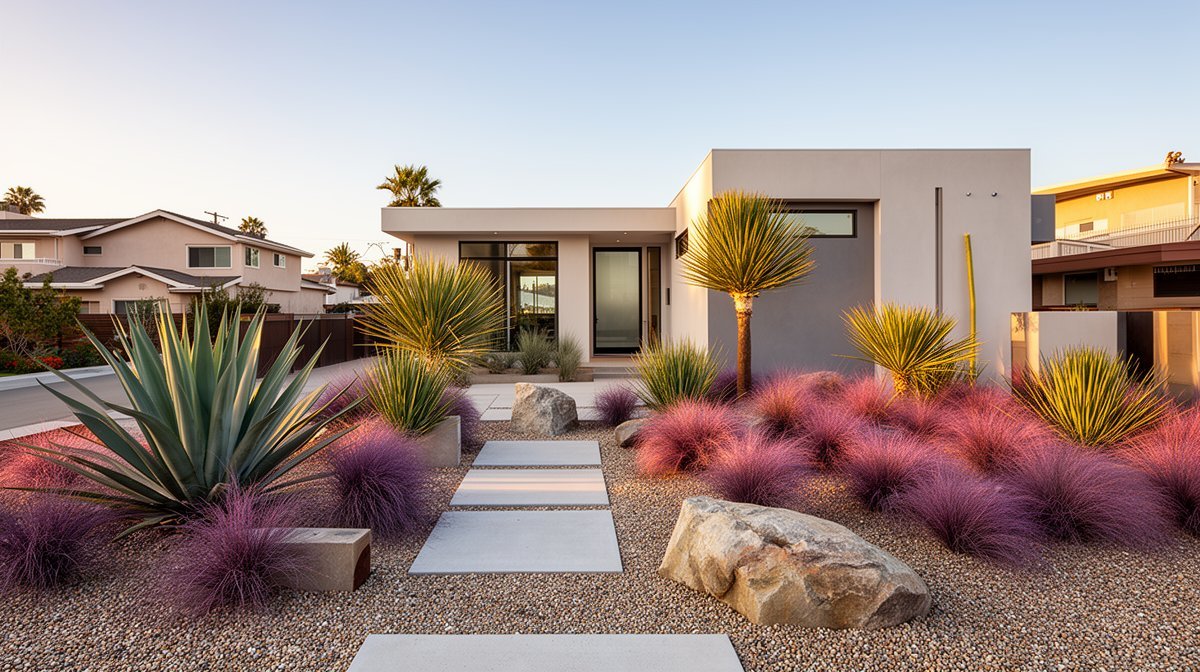
$12-26/sqftNo turf at all. The entire front yard is a field of pale crushed gravel divided into rectangles by weathered Corten steel edging, with large flat concrete pads set flush as a stepping route and a wider concrete ribbon leading to the door. Planting is a spaced collection rather than a mass: flat-padded prickly pear at the corners, a column of upright cactus rising against the stucco, silvery agave rosettes, tight echeveria clusters at the gravel edge and low blue chalksticks running between them, all punctuated by rounded granite boulders. A big eucalyptus canopy behind the roofline supplies the only overhead shade. This is the lowest-water, lowest-maintenance front yard the city allows, and it puts the mid-century roofline centre stage.

The Fire Table Terrace
$28-52/sqftA wide terrace of large-format grey concrete pavers laid in a running pattern off a glass slider, with a round poured-concrete gas fire table at its centre, an L-shaped grey sectional wrapped around two sides and a single slim-framed lounge chair opposite. Catenary string lights are strung overhead from the house to a post at the property line, and a multi-trunk olive stands just off the paving to break the horizon. A clipped evergreen hedge screens the neighbours at head height, and beyond it the ridgelines of the hidden valley go gold at sunset - the borrowed view is the whole point. The beds surrounding the paving are gravel-mulched and planted loosely with agaves, tufted grasses, blue chalksticks and boulders so the terrace edge dissolves rather than stops.

The Pool and Water Wall at Dusk
$45-95/sqft (pool area inclusive)A rectangular pool with a broad poured-concrete surround, lit from within so the water reads turquoise at blue hour, and a raised rendered wall at the far end sending two sheer-descent spillways into it. On the house side, a linear gas fire trough sits between a low blush sectional and a pair of dark-framed lounge chairs, all of it fronting a flat-roofed glass pavilion with the kitchen lit up behind the glazing. A small rectangle of lawn survives as a soft counterpoint to all the concrete. A rendered privacy wall wraps the perimeter with olive trees uplit against it, spiky bronze accents and agaves fill the gravel beds at the deck edges, and the chaparral hillside beyond carries the last of the light. Every element is horizontal except the planting, which is the discipline the style depends on.
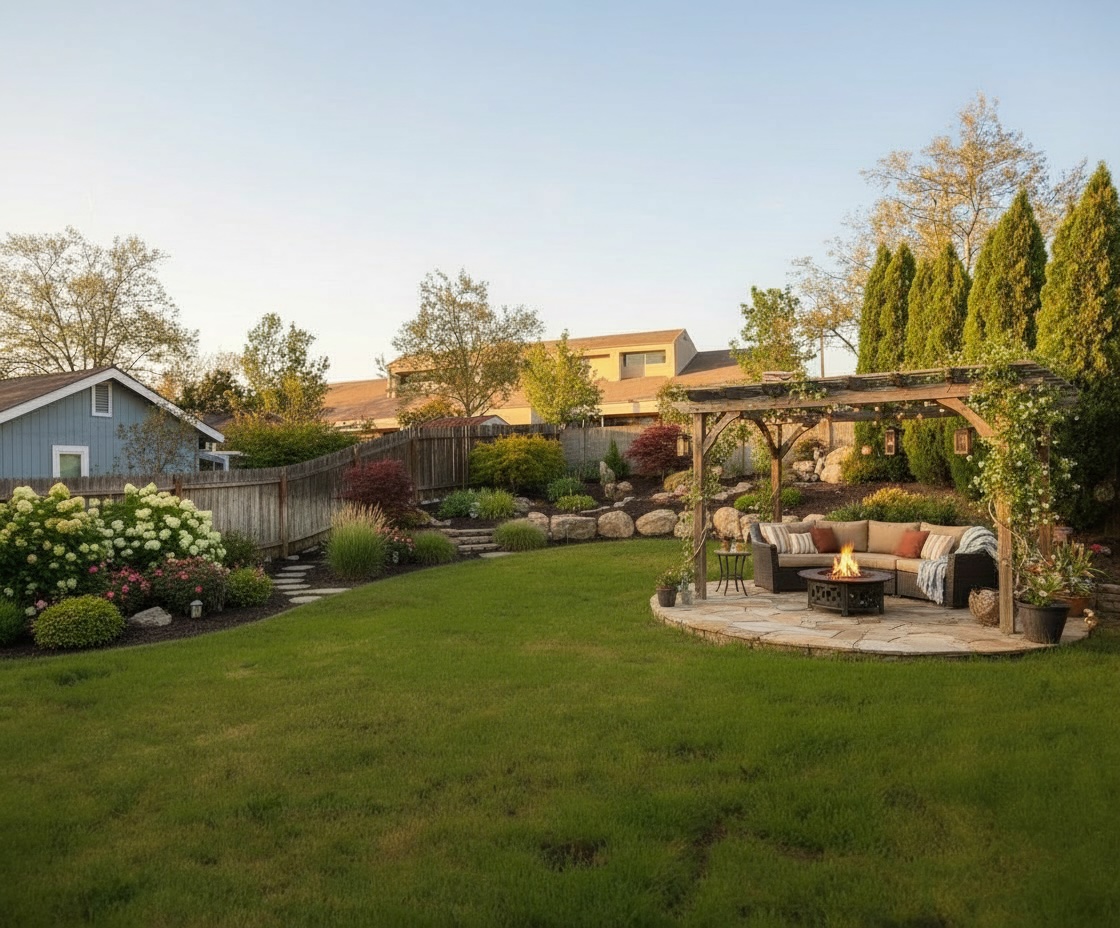
See how a modern/minimalist garden looks on YOUR property
Upload a photo of your Escondido yard and visualize your dream garden in seconds.
Try ProScapeAI Free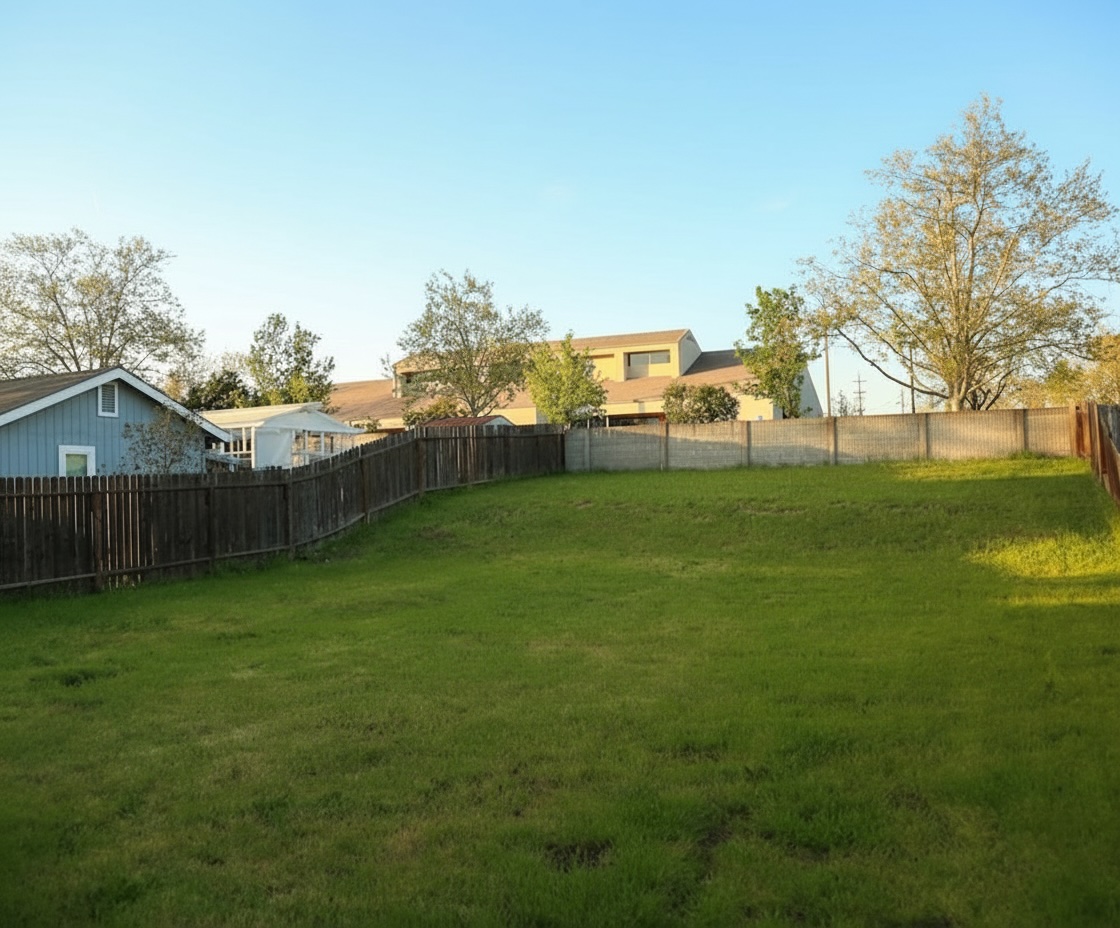
Featured Trees & Shrubs for Modern/Minimalist Gardens
Browse all 219 plants for Escondido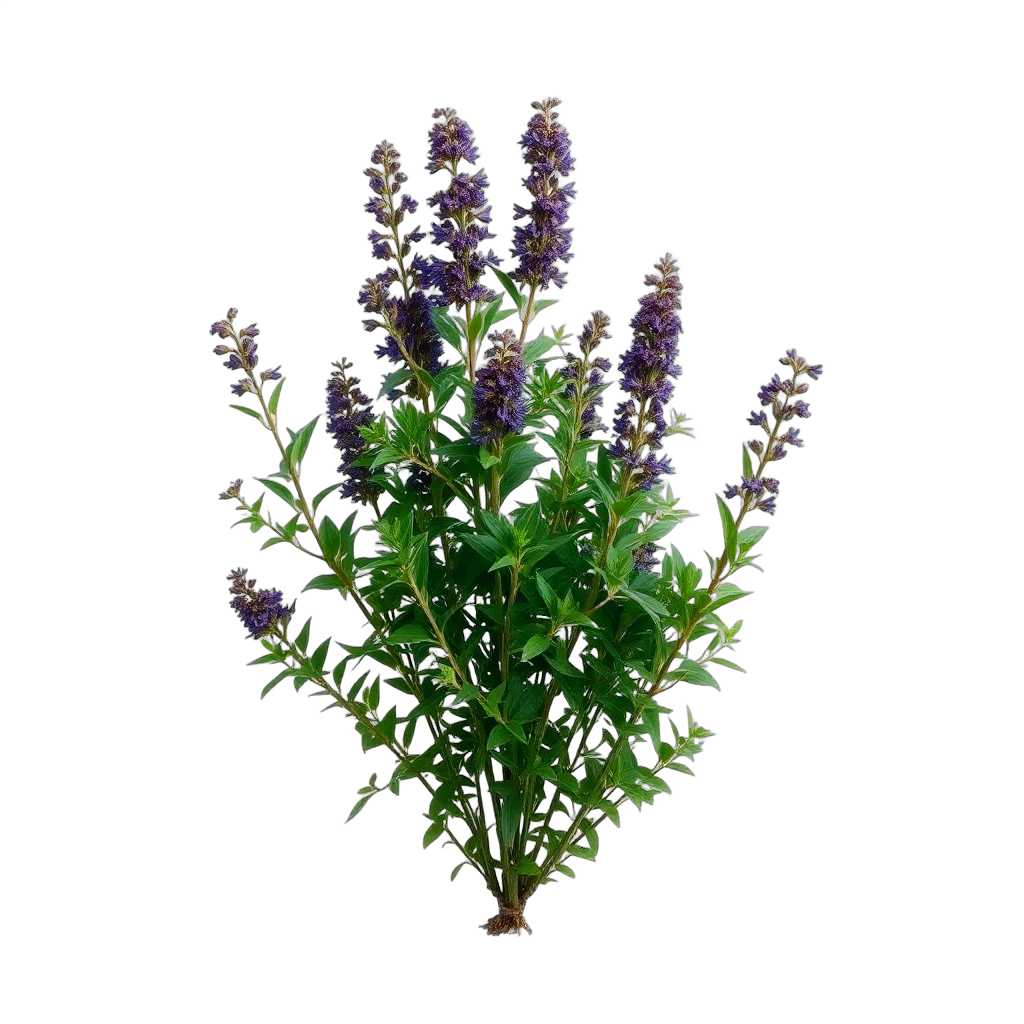
Black Sage
Salvia mellifera
grows to 4 feet, white blooms in spring. Attracts butterflies.
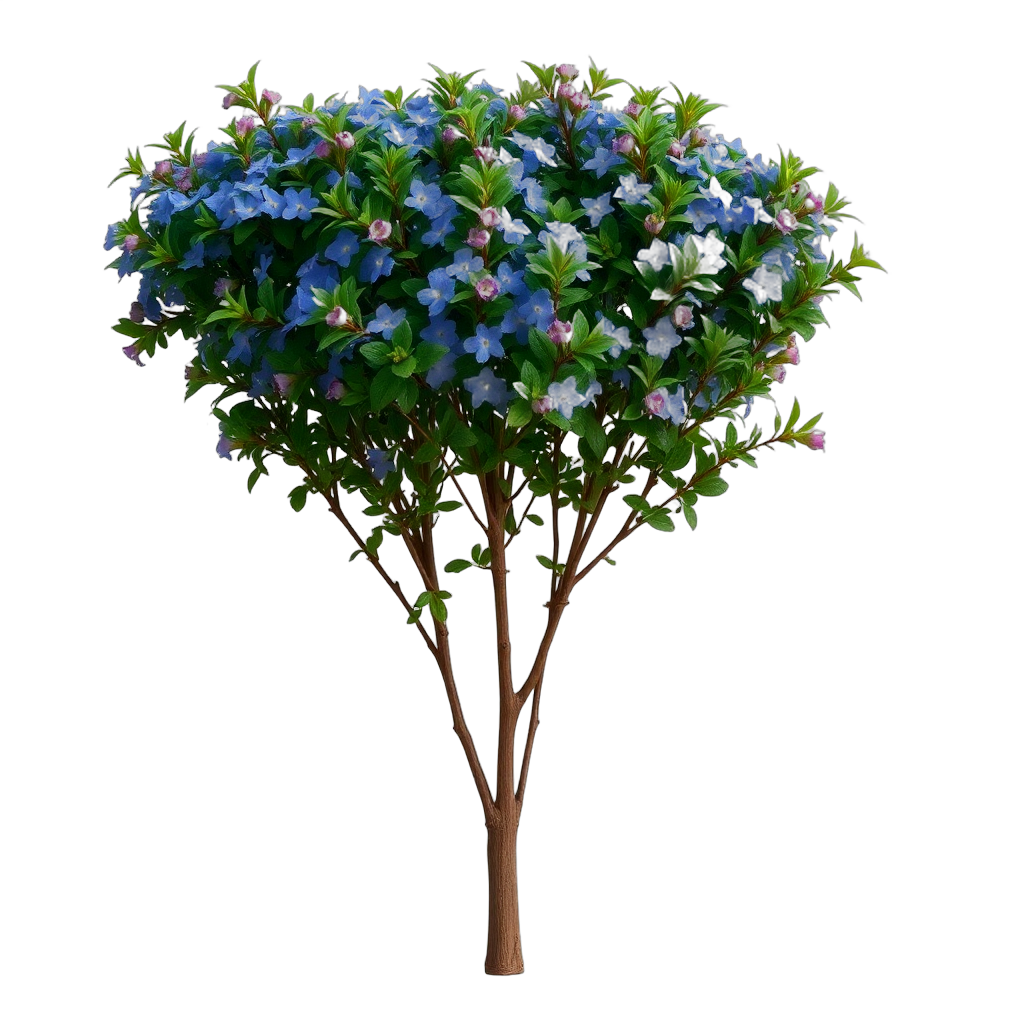
Blue Blossom
Ceanothus thyrsiflorus
medium-sized at 12 feet, blue blooms in spring. Attracts butterflies.
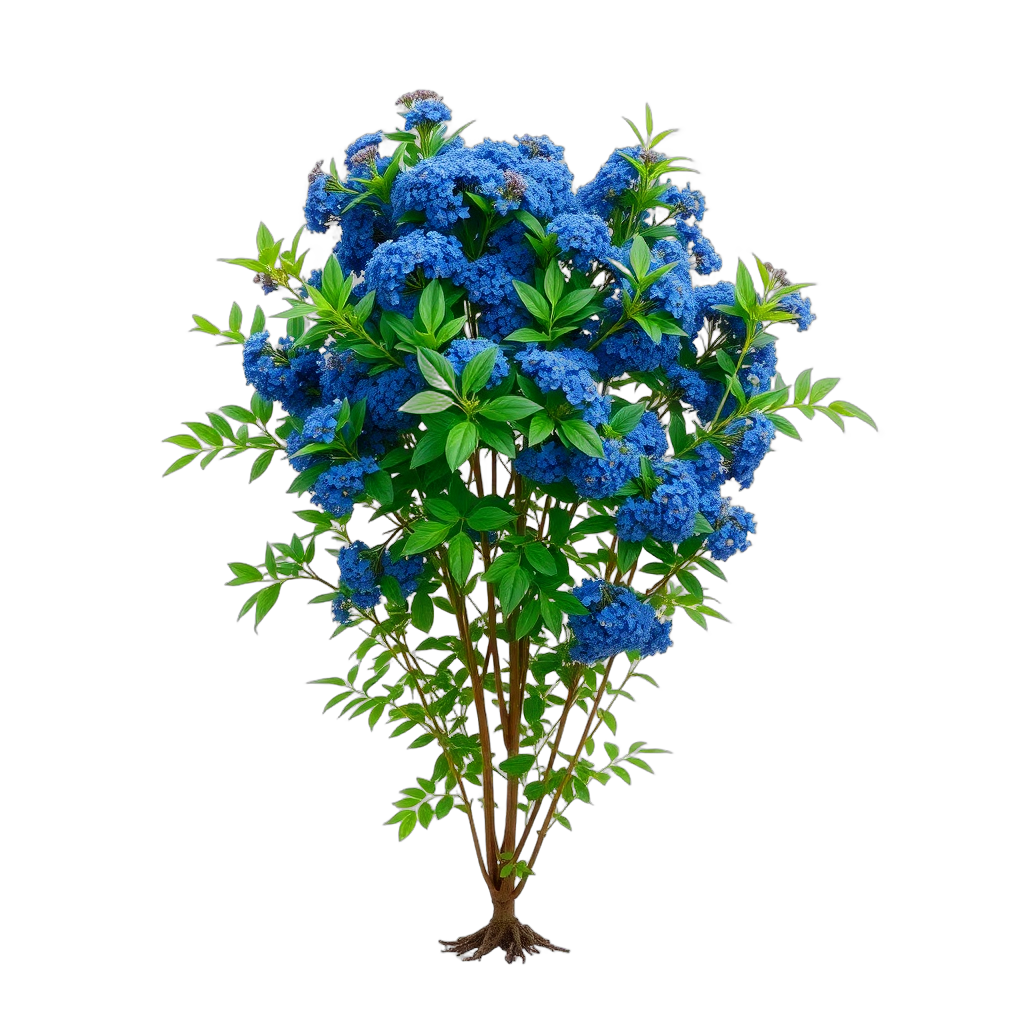
Blue Elderberry
Sambucus cerulea
medium-sized at 15 feet, white blooms in spring. Attracts butterflies.
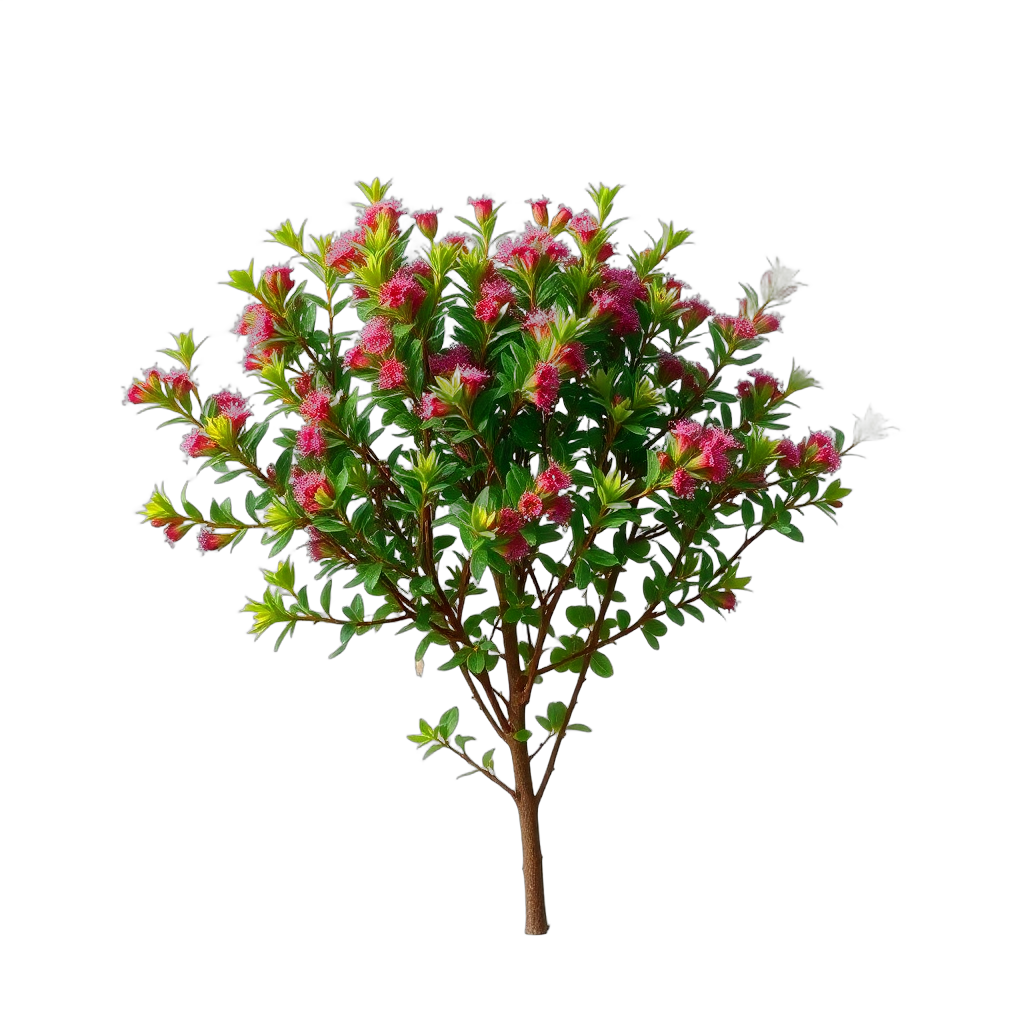
Buckbrush
Ceanothus cuneatus
medium-sized at 7 feet, white blooms in spring. Attracts butterflies.
Featured Grasses & Groundcovers for Modern/Minimalist Gardens
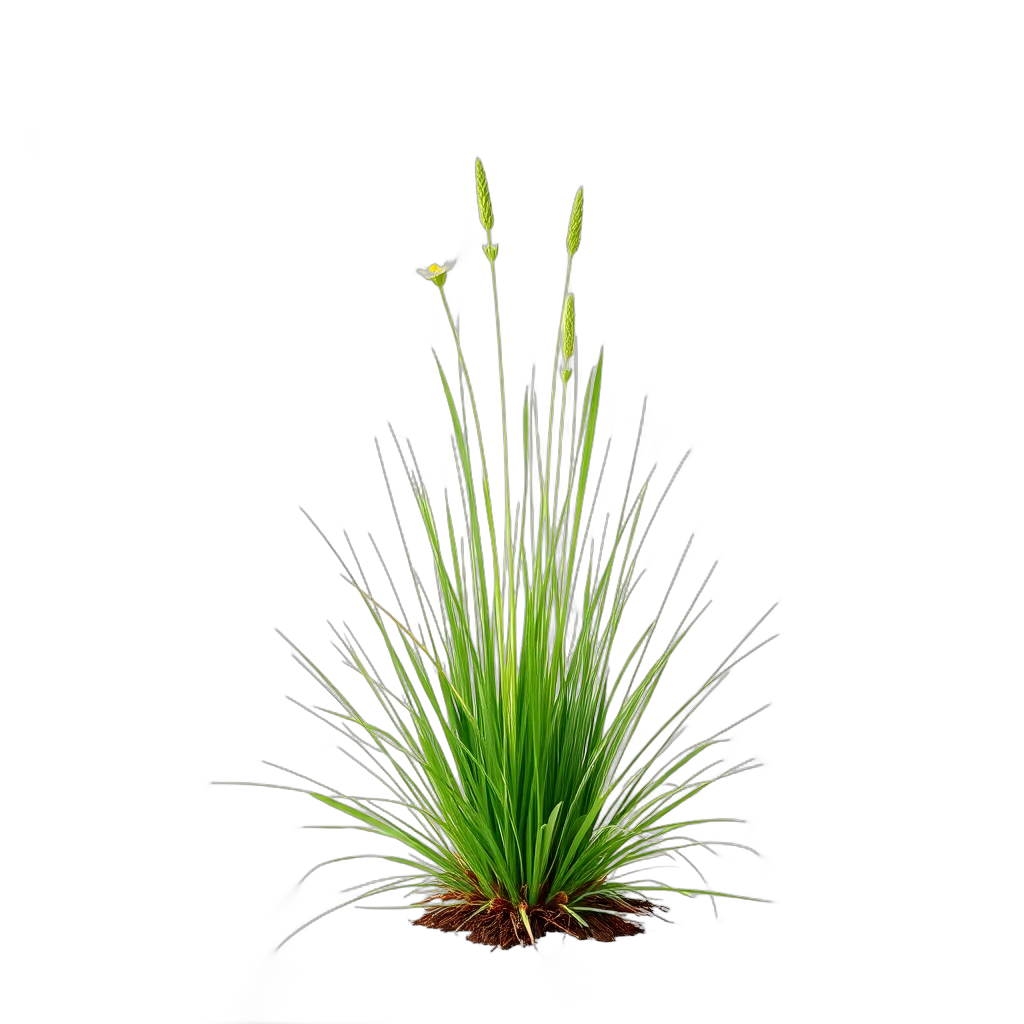
California Brome
Bromus carinatus
low-growing ground cover, blooms in spring. Yellow fall color.
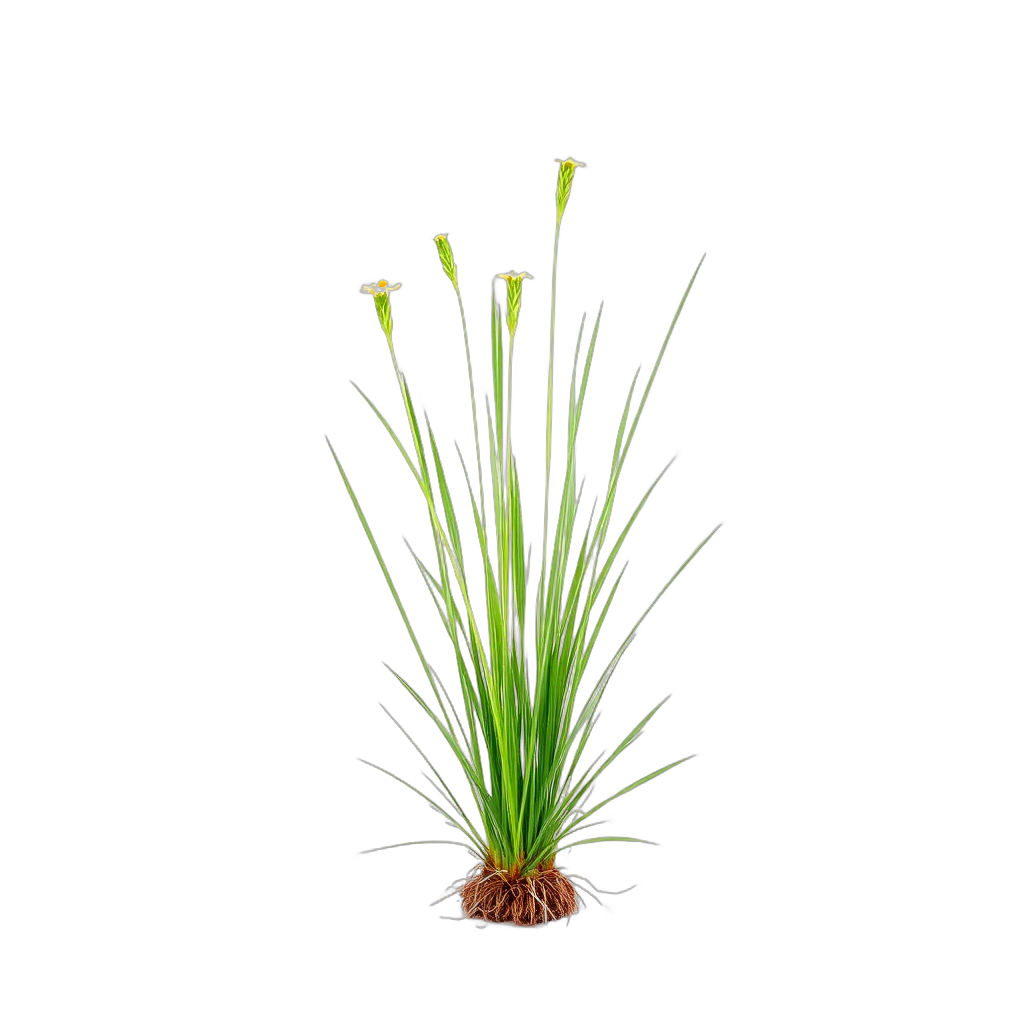
California Melic
Melica californica
low-growing ground cover, blooms in spring.
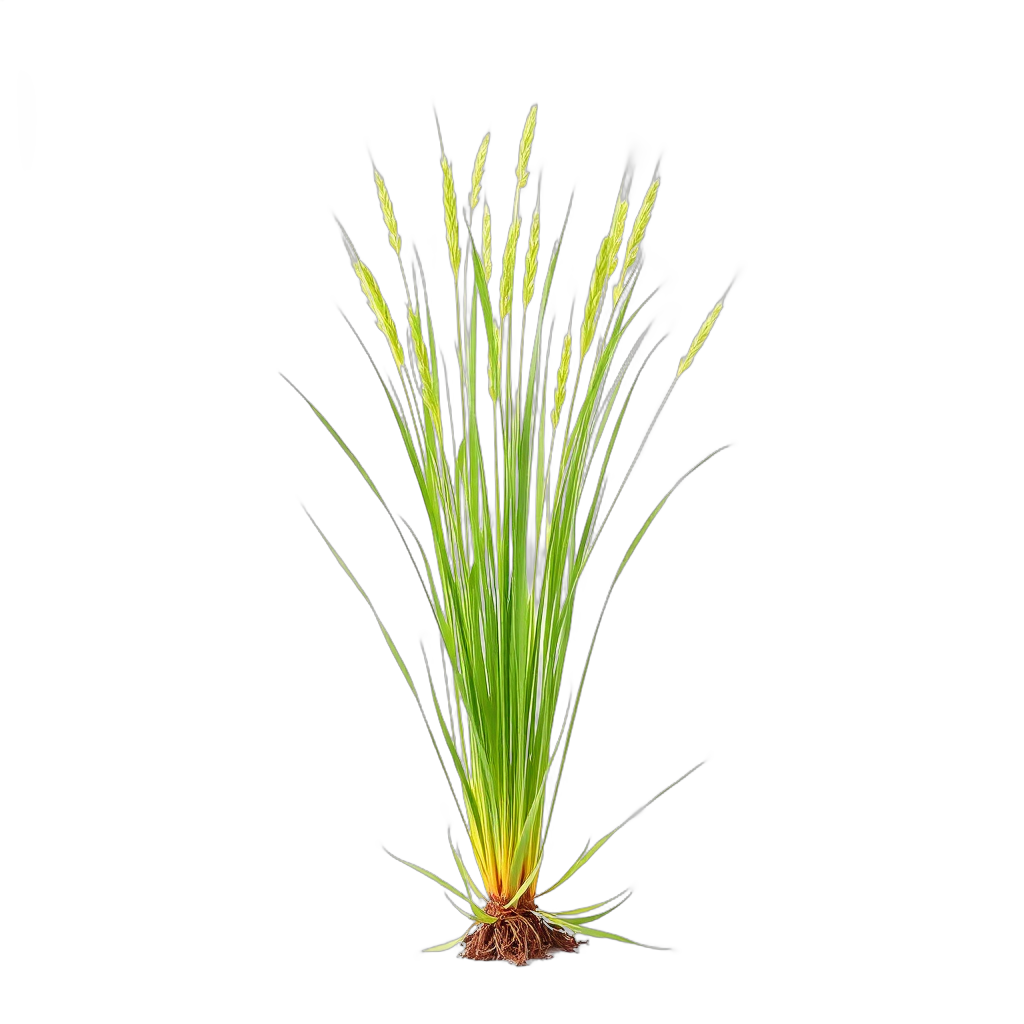
California Oatgrass
Danthonia californica
low-growing ground cover, blooms in spring. Yellow fall color.
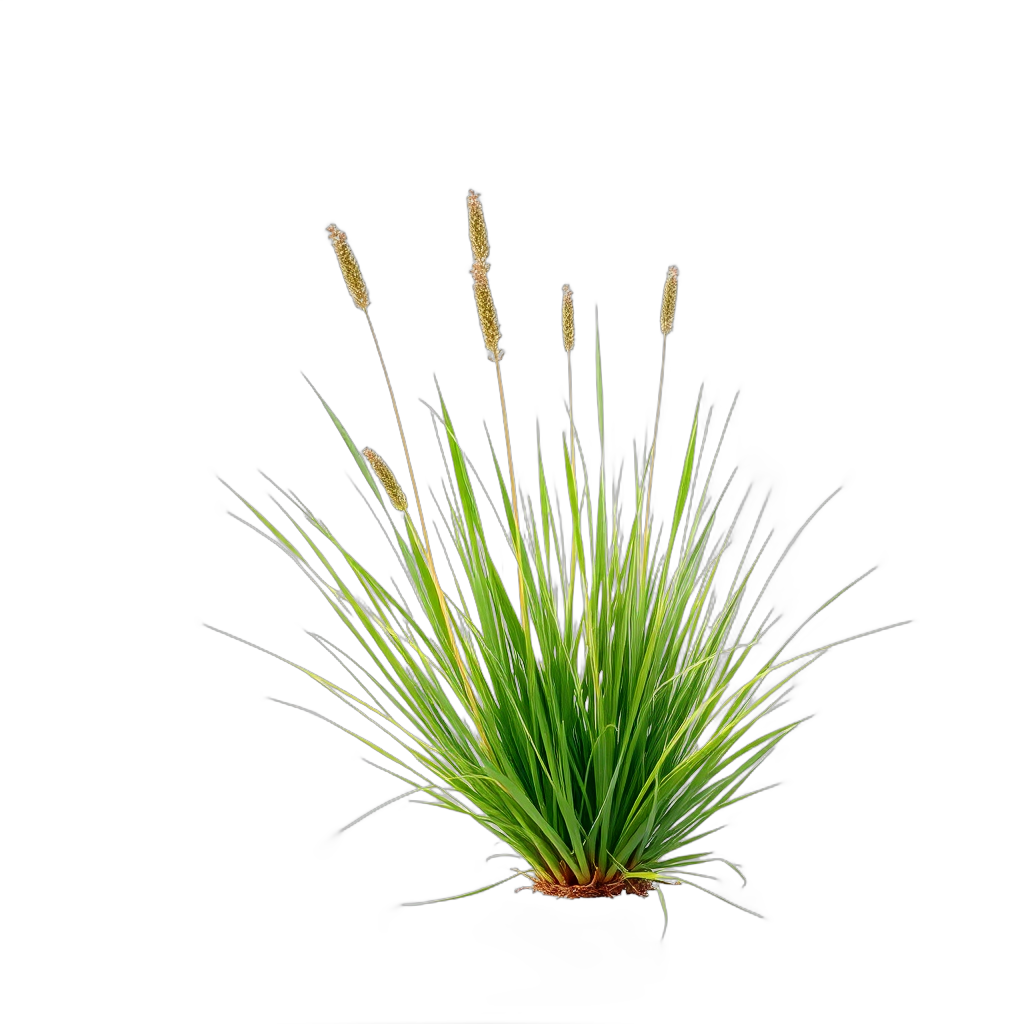
Deer Grass
Muhlenbergia rigens
grows to 3 feet, yellow blooms in fall. Evergreen year-round.
Featured Flowers & Perennials for Modern/Minimalist Gardens
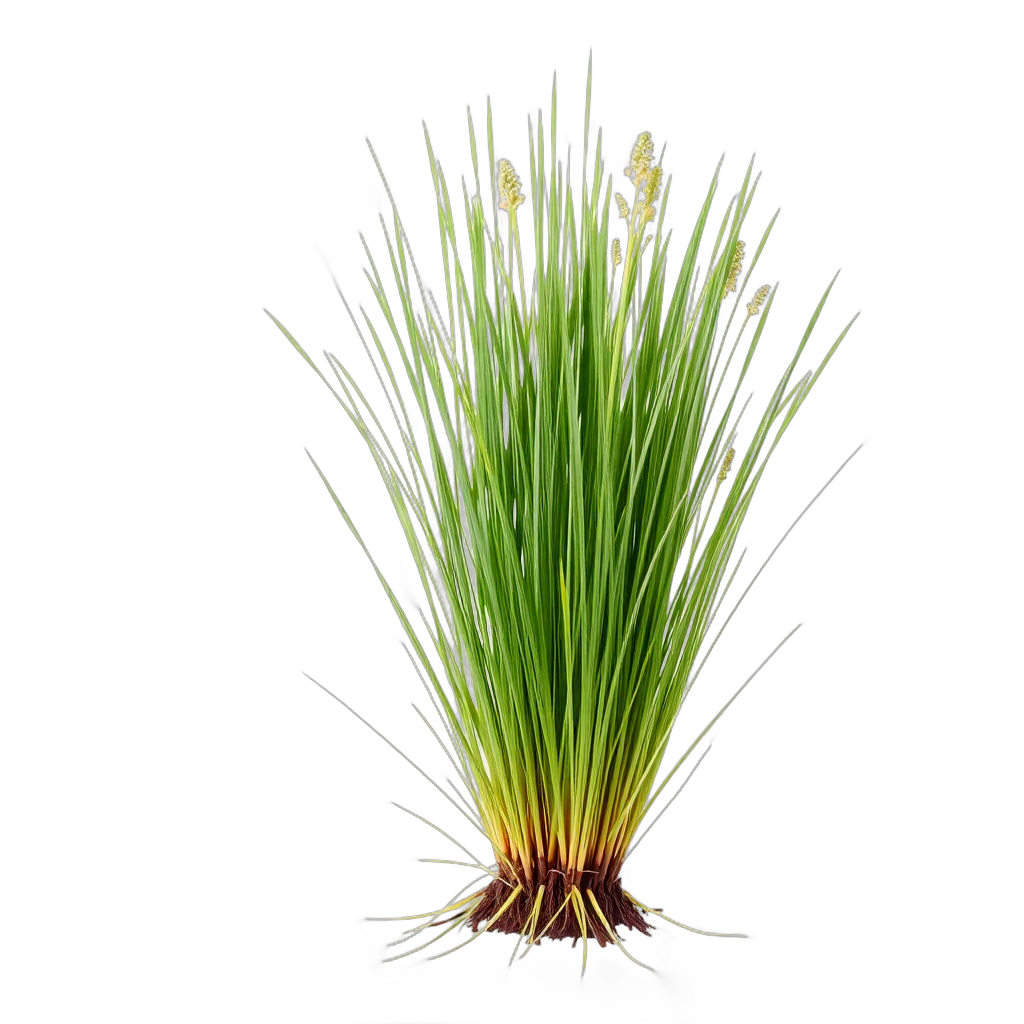
California Gray Rush
Juncus patens
low-growing ground cover, blooms in summer. Evergreen year-round.
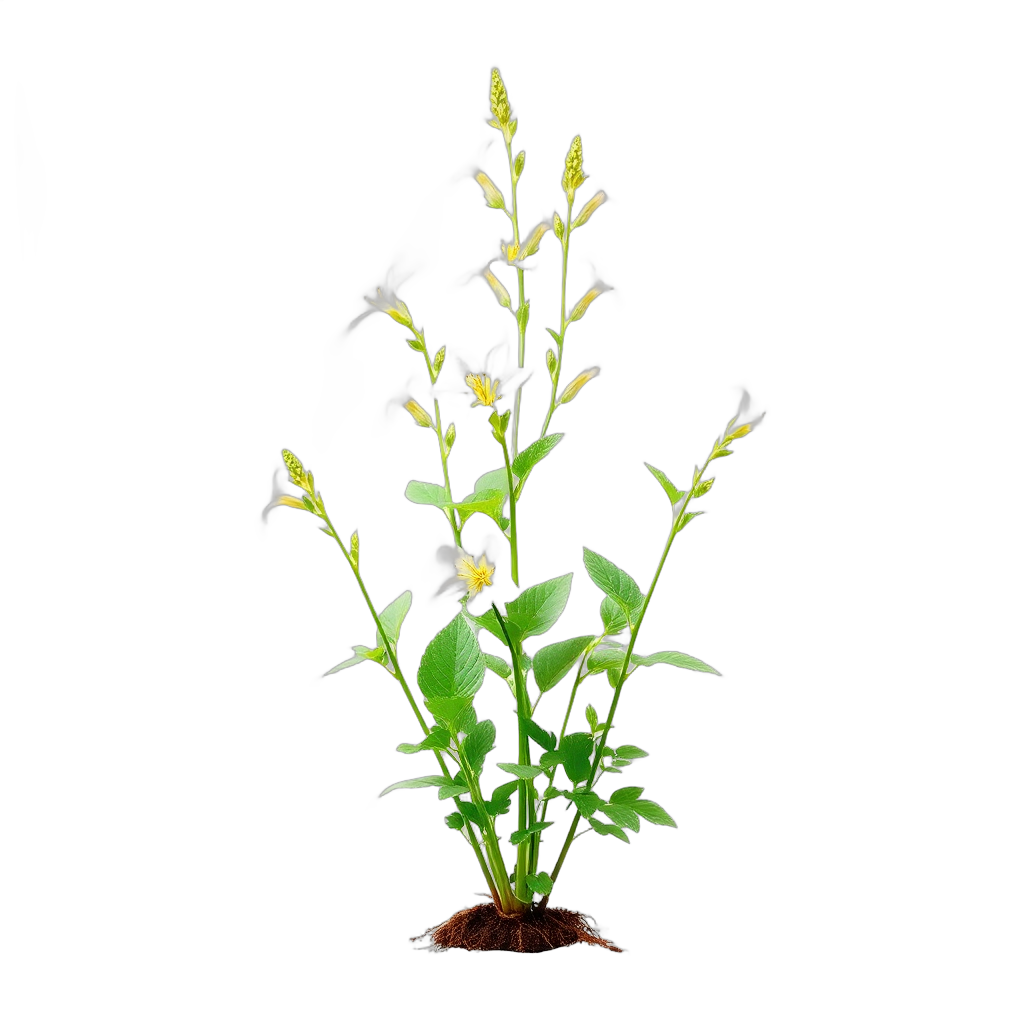
Beach Evening Primrose
Camissonia cheiranthifolia
low-growing ground cover, yellow blooms in spring. Attracts butterflies.
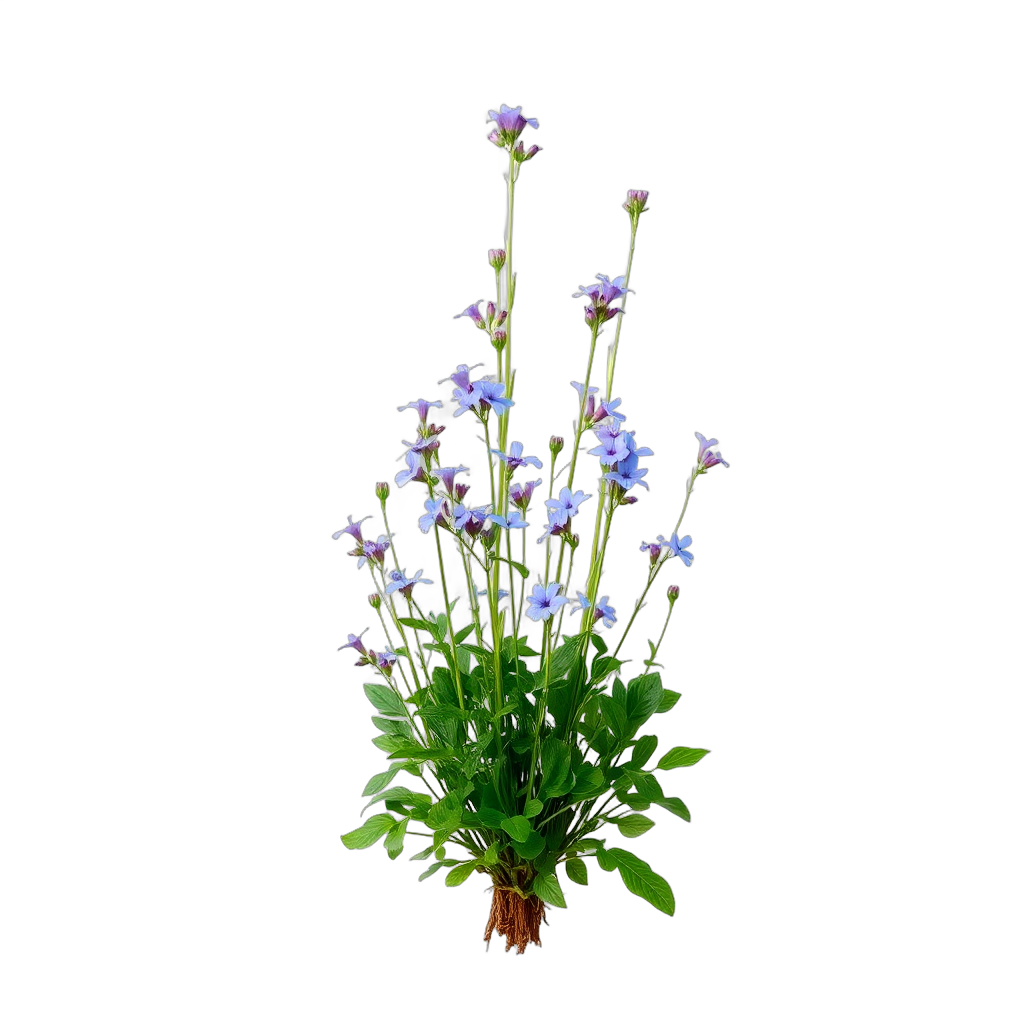
Blue Dicks
Dichelostemma capitatum
low-growing ground cover, blue blooms in spring. Pollinator-friendly.
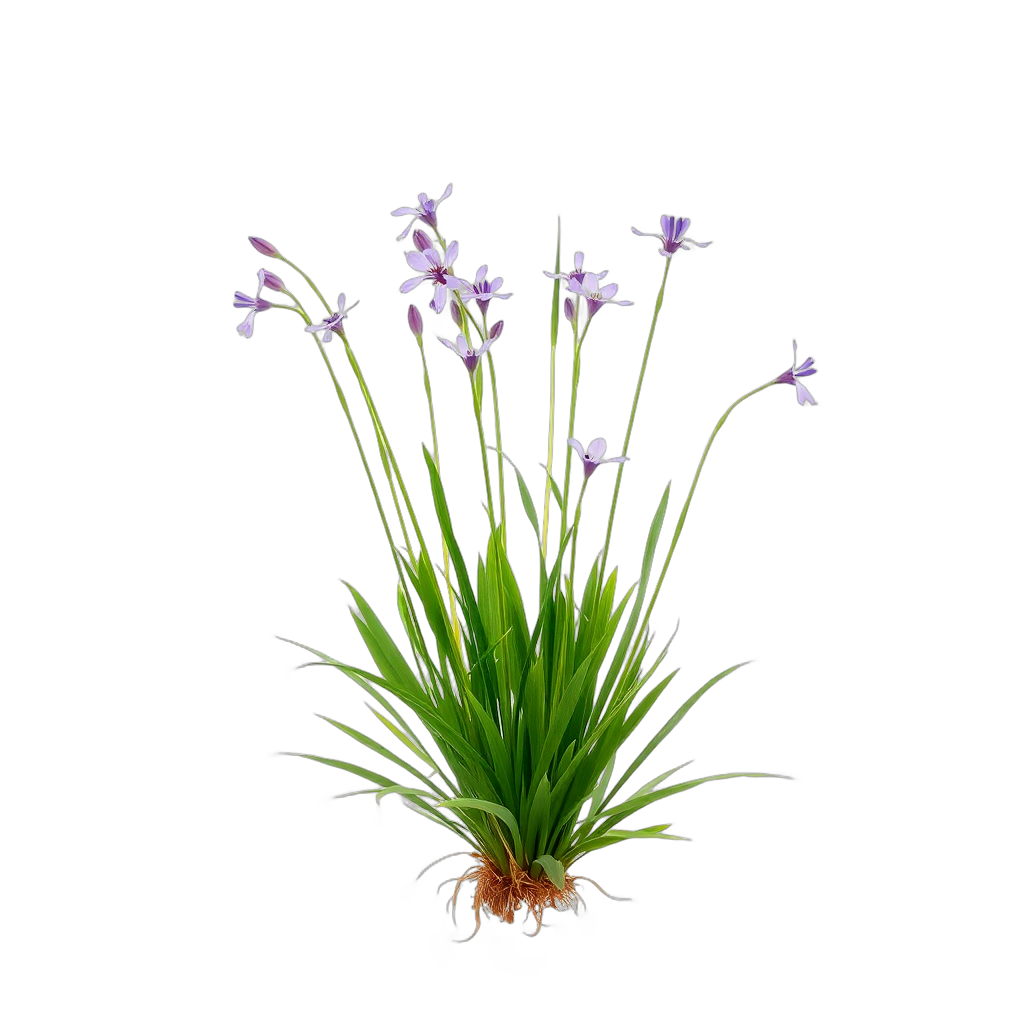
Blue-Eyed Grass
Sisyrinchium bellum
low-growing ground cover, blue blooms in spring. Attracts butterflies.
Zone and sun checks come from our database — confirm with your local nursery before you buy.
Bloom Calendar for Escondido
spring
Beach Evening Primrose, Blue Dicks, Blue-Eyed Grasssummer
California Gray Rush, Hooker's Evening Primrose, Hummingbird Mintfall
California Fuchsiawinter
Limited bloomsDesign Tips for Escondido (Zone 10a)
- Site the tender rosettes uphill: Agave attenuata and Aeonium arboreum 'Zwartkop' scar below about 28 degrees, and cold air drains off the ridges into the Escondido valley floor overnight, so put them on the slope or in a raised planter and keep Agave ovatifolia 'Frosty Blue', Agave parryi var. truncata and Yucca rostrata 'Sapphire Skies' for the low ground
- Space the sculptural plants further apart than the nursery tag suggests - modern design reads through negative space, and an Agave 'Blue Glow' at full size wants three feet of clear gravel around it to be seen as an object rather than as filler
- Skip the landscape fabric and run a pre-emergent program instead; within two seasons dust and litter build a weed seedbed on top of the fabric anyway, and by then you cannot pull anything cleanly
- Buy only the sterile Pennisetum setaceum 'Rubrum' - the straight species is an aggressive invader of San Diego County canyons - and reach for Muhlenbergia rigens and Leymus condensatus 'Canyon Prince' when you want the same texture from plants native to the coastal sage and chaparral this city sits in
- Keep gravel, decomposed granite or concrete in the first five feet around the house and leave bark mulch, juniper and Italian cypress out of it entirely; California's phased-in ember-resistant Zone 0 standard and Escondido's fire-zone mapping both point the same way, and it is the look you were building anyway
- Give succulent beds their own low-flow drip valve rather than inheriting the old lawn schedule - short daily cycles rot agave crowns and invite agave snout weevil, while a single deep soak every two to three weeks in summer keeps them tight and blue
- Light the plants, not the paving: brass uplights grazing an olive trunk, an Agave ovatifolia and a Yucca rostrata do more for a modern Escondido garden after dark than any amount of deck lighting, and the long warm evenings here give you eight or nine months of use out of them
Where to Source Plants in Escondido
Skip the big-box stores. These independent Escondido nurseries specialize in the plants that make modern/minimalist gardens thrive in Zone 10a.
El Plantio Nursery & Landscaping
East Escondido, San Pasqual Valley Road
Family-run Escondido nursery stocking fruit trees, berries, vegetables and drought-tolerant material, with landscape, irrigation and hardscape services alongside
Desert Theater Cactus Nursery
North Escondido (by appointment only - call ahead)
Escondido specialist grower of cacti, agaves, aloes and euphorbias, including landscape-size specimens; visits are by appointment rather than walk-in
Solana Succulents
Solana Beach, Coast Highway 101
Walk-in specialty succulent and cactus nursery carrying everything from two-inch rosettes to landscape-size collector specimens, plus succulent-focused design
Barrels & Branches
Encinitas, Santa Fe Drive near the San Diego Botanic Garden
One of the most diverse independent inventories in the county - specimen trees, shrubs and hard-to-find plants, plus in-house landscape design
Walter Andersen Nursery
Poway, Scripps Poway Parkway at Community Road
Long-established independent San Diego garden center with deep rose, tree and shrub selections and staff horticulturists on the floor
Modern/Minimalist Landscaping Costs in Escondido
| Project Scope | Estimated Cost |
|---|---|
| Front-yard modern conversion, approx. 600 sqft (turf removal, gravel field, steel edging, concrete walk, specimen plants) | $9,000 - $20,000 |
| Zero-lawn gravel and Corten grid frontage (per square foot installed) | $12 - $26/sqft |
| Large-format concrete paver terrace (300-500 sqft) | $12,000 - $30,000 |
| Concrete gas fire table or linear fire trough, plumbed and set | $4,500 - $14,000 |
| Specimen agave, yucca or cactus (landscape size, planted) | $150 - $1,200 each |
| Pool, modern concrete deck, spillway wall and lighting | $85,000 - $200,000 |
| Low-voltage architectural and plant uplighting (14-20 fixtures) | $4,000 - $9,500 |
| AI visualization with ProScapeAI | Free to start |
Estimates based on Escondido, CA-area contractor rates as of 2026. Actual costs vary by site conditions, materials, and contractor.
Escondido Climate & Growing Zone
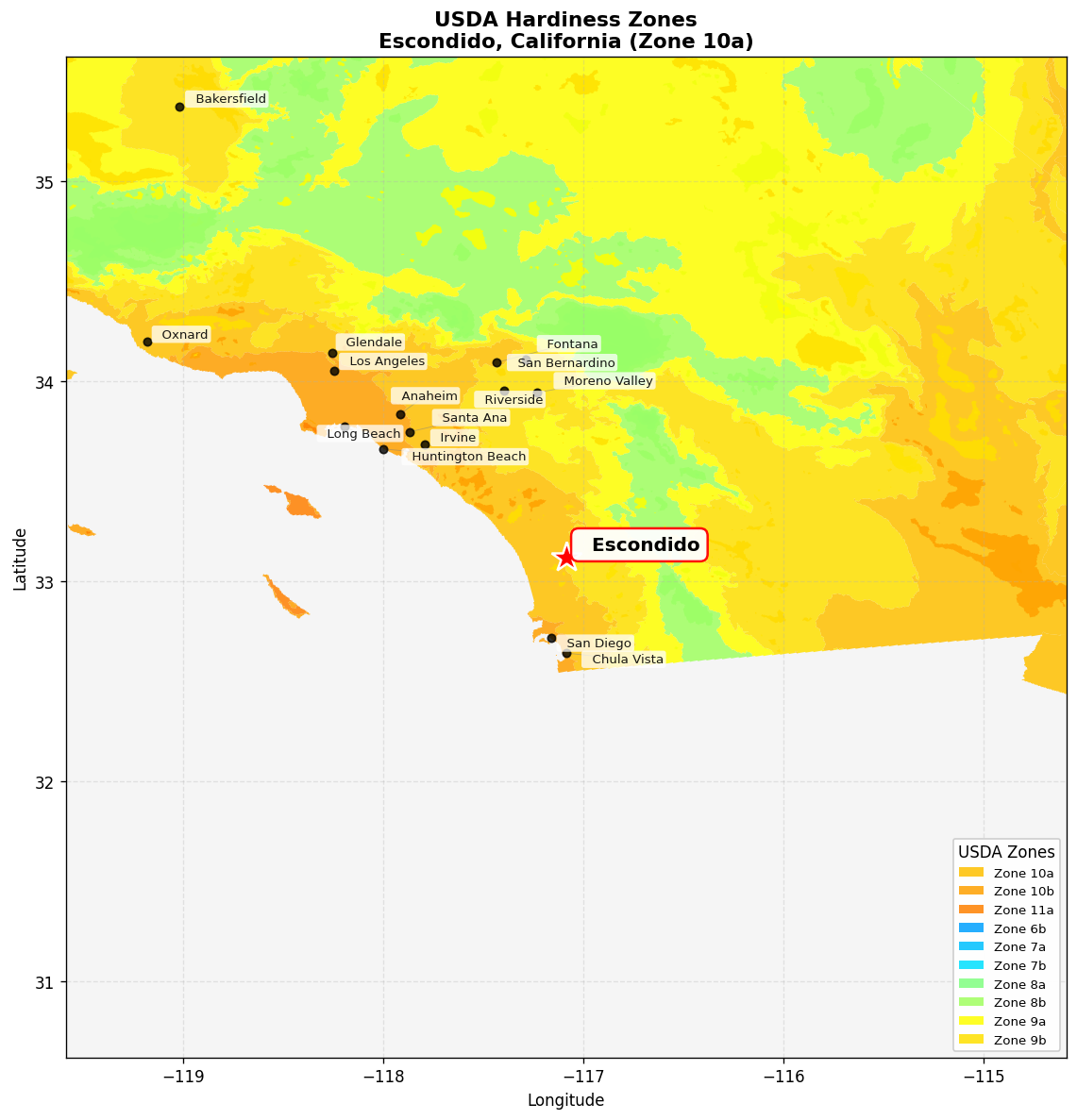
USDA Zone 10a
Hardiness zone for Escondido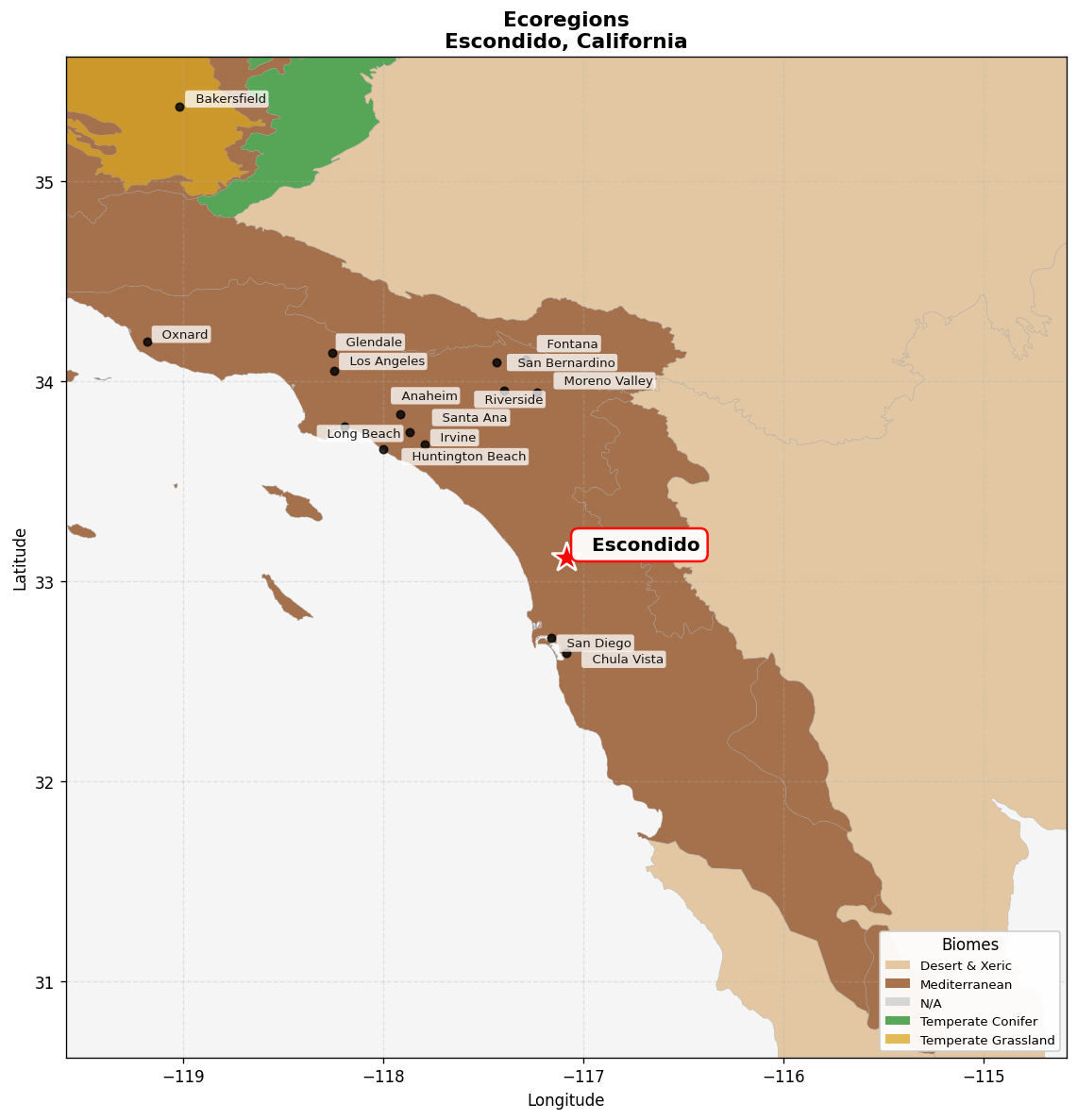
California coastal sage and chaparral
Native ecoregionFrequently Asked Questions
How much does a modern landscape cost in Escondido?
Expect San Diego County pricing, roughly 15 to 25 percent above national averages. A complete front-yard conversion of about 600 square feet - turf removal, gravel field, steel edging, concrete walk and specimen succulents - typically runs $9,000 to $20,000 installed, and the simplest zero-lawn gravel version can land near $12 per square foot. A large-format concrete paver terrace with a gas fire table and seating comes in around $25,000 to $55,000. A pool with a modern concrete deck, a spillway wall and lighting is a different order of project in this county: $85,000 to $200,000 is the realistic band. Specimen material moves the number more than people expect - a landscape-size Agave ovatifolia or Yucca rostrata runs $150 to $1,200 each.
Which agaves and succulents survive an Escondido winter?
Most of them, but siting matters because of cold-air drainage. Escondido is nominally Zone 10a, yet the valley floor near Escondido Creek can hit the upper 20s on a still January night while a hillside lot stays ten degrees warmer. Agave ovatifolia 'Frosty Blue', Agave parryi var. truncata, Agave 'Blue Glow', Yucca rostrata 'Sapphire Skies', Hesperaloe parviflora 'Brakelights', Dasylirion wheeleri and Opuntia ficus-indica are all safe anywhere in town. Agave attenuata, Agave desmettiana 'Variegata' and most Echeveria and Aeonium are the tender ones - they scar or collapse below about 28 degrees, so put them on a slope, in a raised planter or tight against a warm south wall rather than in the low spot at the bottom of the garden.
Do succulents and cacti really need no irrigation?
They need almost none once established, and quite a lot before that. Plan on a deep soak once a week through the first summer, tapering to every two or three weeks in the second, then effectively nothing between December and March and a monthly deep soak from June through September in normal years. The mistake that kills Escondido succulent gardens is not drought, it is a controller running short daily cycles left over from the lawn that used to be there - constant surface moisture rots agave crowns and encourages agave snout weevil. Put the succulent beds on their own low-flow drip valve with pressure-compensating emitters, and include one long leaching irrigation a month in summer to move the salts from hard imported water below the root zone.
Is a gravel front yard a good idea in a fire zone?
It is one of the better ones. Large parts of Escondido and the surrounding hills are mapped Very High Fire Hazard Severity Zone, state law requires 100 feet of defensible space around structures, and California is phasing in an ember-resistant 'Zone 0' standard covering the first five feet around a house - confirm current requirements with Escondido Fire before building. Gravel, decomposed granite and concrete in that first five feet, with well-spaced low succulents rather than continuous shrub mass, is close to what that standard is asking for. Two cautions: keep bark and shredded mulch out of Zone 0 because embers ignite it readily, and avoid juniper, Italian cypress and pampas grass near the house entirely - Muhlenbergia rigens and Curio repens are far better behaved in an ember storm.
Should I use landscape fabric under gravel?
No. It is the most common regret in Southern California gravel gardens. Within two or three seasons enough dust and organic litter accumulates on top of the fabric for weeds to germinate above it, at which point you have weeds that are impossible to pull cleanly and a sheet of plastic strangling your soil. Instead, grade and compact the subgrade, lay three inches of gravel or stabilized decomposed granite, and run a pre-emergent program in autumn and again in late winter after the rains. Cut generous planting pockets and top-dress right up to the plant crowns. The one place fabric earns its keep is directly under a Corten or steel-edged gravel band that carries no plants at all.
Will poured concrete crack in Escondido's soil?
Far less than in most of the country, which is one reason large-format concrete works so well here. Escondido's decomposed granite is a low-shrink, sandy, fast-draining soil rather than the expansive clay that heaves slabs elsewhere, and frost depth is effectively zero. Build on four inches of compacted Class II base, keep saw-cut control joints at roughly 10 to 12 feet in each direction on a four-inch slab, and use a proper expansion joint where paving meets the house. The exception is the creek-bottom alluvium along Escondido Creek and the low-lying flats, which is heavier and does move - get a soils opinion before pouring a large monolithic terrace there, and consider large-format pavers on a flexible base instead.
What does a pool actually cost to run in this climate?
The build is the headline number - $85,000 to $200,000 in San Diego County for a modern pool with a concrete deck, a spillway wall and lighting - but evaporation is the running cost people miss. In an Escondido August an uncovered pool loses roughly a quarter of an inch of water a day, so a 400 square foot surface gives up on the order of 60 to 75 gallons daily, and a Santa Ana event with single-digit humidity and wind can double that for a few days. A pool cover cuts evaporation dramatically and is the single highest-return accessory you can buy. Wind-sheltering the pool with a rendered wall or a clipped Podocarpus elongatus 'Icee Blue' hedge helps as well, and it makes the terrace usable on the evenings when the offshore flow kicks up.