4 Modern Landscape Ideas for Fort Collins, CO | Zone 5b Design
Native plants from the Western shortgrass prairie (Zone 5b) — Cold semi-arid climate
Why Modern/Minimalist Gardens in Fort Collins?
Fort Collins has better modern bones than most cities its size. The Sheely Drive Historic District — a pocket of low-slung, flat-and-shed-roofed mid-century houses built for CSU faculty in the 1950s and 60s, and listed on the National Register — is the clearest statement of it, but the language carries right through the contemporary infill going up in Old Town North, the boxy modern farmhouses in Bucking Horse, and the new streets at Montava and along the Harmony corridor. These are houses with long horizontal rooflines, deep cedar cladding, black window frames and big glass, and they want a landscape that answers in straight lines: one walk material, one lawn shape, one repeated plant, and nothing fussy in between. Fort Collins also gives modern design something the plains cities cannot — a Front Range skyline behind almost every west-facing back yard, which means the smartest local move is usually to keep the middle of the yard low and let the view do the work.
The climate sets the palette hard: about 16 inches of precipitation and 48 inches of snow a year, 5,003 feet of elevation with heavy ultraviolet load, and Zone 5b lows around -10°F to -15°F, over a growing season of roughly 145 days between a last frost near May 5 and a first frost near October 5. That kills the clipped-hedge version of modern that works in milder cities. What thrives instead is the loose architectural look built on structural grasses and silver mounds — Calamagrostis x acutiflora 'Karl Foerster' holds a vertical column through snow, Panicum virgatum 'Northwind' stays upright when Schizachyrium scoparium 'Blue Heaven' has gone copper, and Lavandula angustifolia 'Munstead' and Nepeta x faassenii 'Walker's Low' give you the purple bands that read as a designed stripe from the street. Where the design calls for hard geometry that must stay green all winter, use Juniperus scopulorum 'Blue Arrow' or Pinus mugo 'Slowmound' rather than boxwood; Buxus 'Green Velvet' survives here but scorches badly in January chinooks unless it is sited out of the west wind. Hardy rosettes — Agave parryi var. neomexicana, Yucca filamentosa 'Color Guard' and mats of Sempervivum — supply the sculptural punctuation that modern gravel beds are built around.
Hardscape is where Fort Collins modern projects go wrong, because clean geometry has nowhere to hide a heave. The soils are alkaline clay loam, generally pH 7.5 to 8.3, expansive enough to lift a slab, and the freeze-thaw cycle at this elevation is relentless — sunny 50°F afternoons over frozen subgrade, dozens of times a winter. Large-format pavers and poured panels need a properly compacted road-base section, air-entrained concrete on any pour, and control joints laid out as part of the design rather than cut wherever the crew feels like it, because on a modern plan the sawcut grid is a visible line. That same clay is why an unamended planting strip along a new walk stays soggy in April: cut it with coarse material and crown it slightly rather than trenching a channel that collects runoff against your new concrete.
Water rules reward restraint, which suits the style. A modern Fort Collins yard usually keeps a small, deliberately shaped lawn as negative space and converts everything else, and that is precisely the project the Fort Collins Utilities Xeriscape Incentive Program pays for — historically about $0.75 per square foot of removed irrigated turf up to roughly $750 per address, with an extra bonus near $0.25 per square foot for heavily native plant lists, all requiring approval before the sod comes out; confirm the current terms at fcgov.com/xip. Colorado law also prevents an HOA from banning drought-tolerant landscaping, so the gravel-and-grass front yard is defensible in Bucking Horse or Water's Edge covenants. Keep in mind that south and west Fort Collins addresses are often served by the Fort Collins-Loveland Water District or ELCO instead of city utilities, with different rates and different rebate programs.
4 Modern/Minimalist Design Ideas for Fort Collins

The Cedar-and-Concrete Front Walk
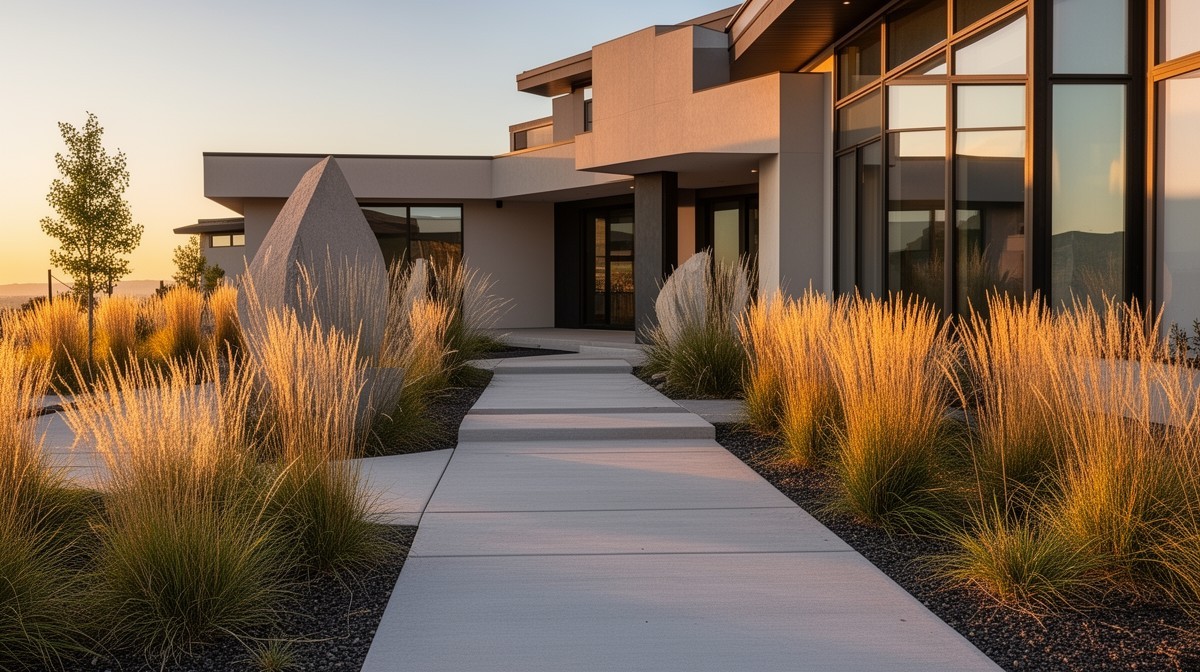
$11–20/sqftA two-story contemporary with a vertical cedar entry bay, white stucco flanks and a shed roof, approached on a dead-straight broom-finished concrete walk that runs from the sidewalk to the door with no curves and no detours. The lawn is kept, but reduced to two clean green panels either side of the walk, and the entire edge is drawn in purple: continuous bands of lavender set in a gravel strip, with tall wheat-coloured grass plumes repeated at the foundation and again at the far corners. A single young shade tree stands slightly off-axis to break the symmetry, low boulders sit at the lawn edge, and short bollard path lights repeat at even intervals down the walk.

The Steel-Edged Gravel Forecourt
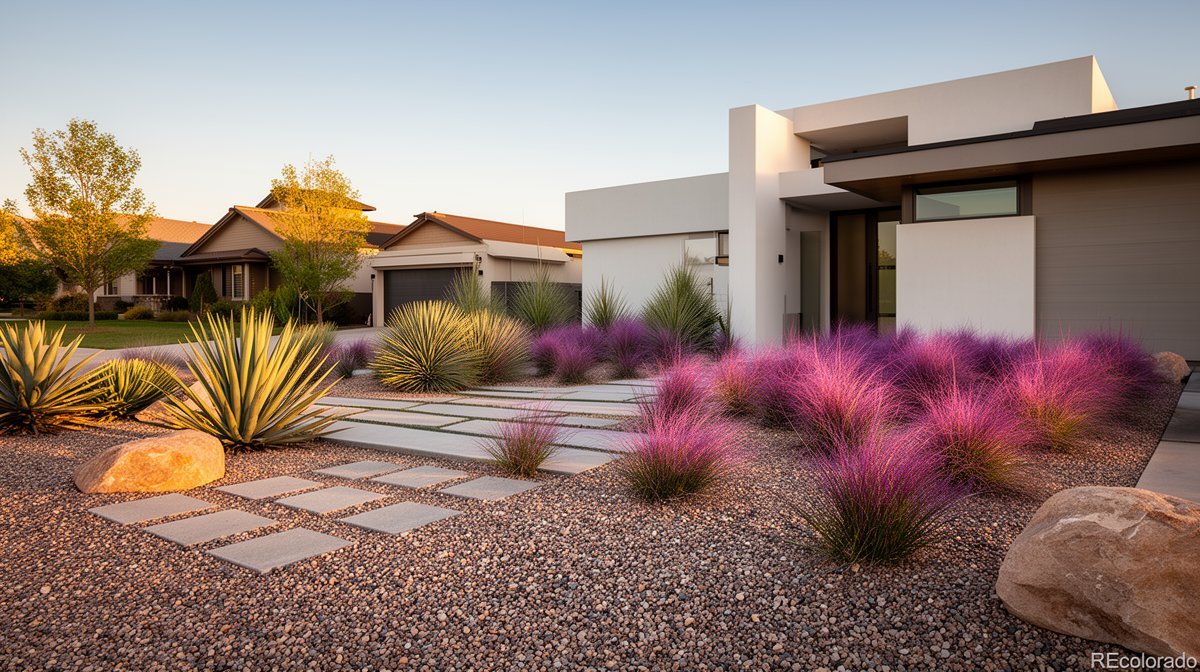
$10–19/sqftThe lawn is gone from the front of this single-story flat-roofed house and replaced by a broad decomposed-granite forecourt, organised entirely by steel-edged rectangles set at angles to each other like floating trays. Each rectangle is a composition rather than a bed: one large blue-grey agave as the focal rosette, smaller rosettes stepped around it, and tufts of fine blue-green grass filling the spaces so the rock never reads as empty. A mature cottonwood behind the roofline supplies the scale the low house cannot, and a narrow ribbon of lawn survives only where it meets the driveway.

The Floating Patio Pad and Fire Table
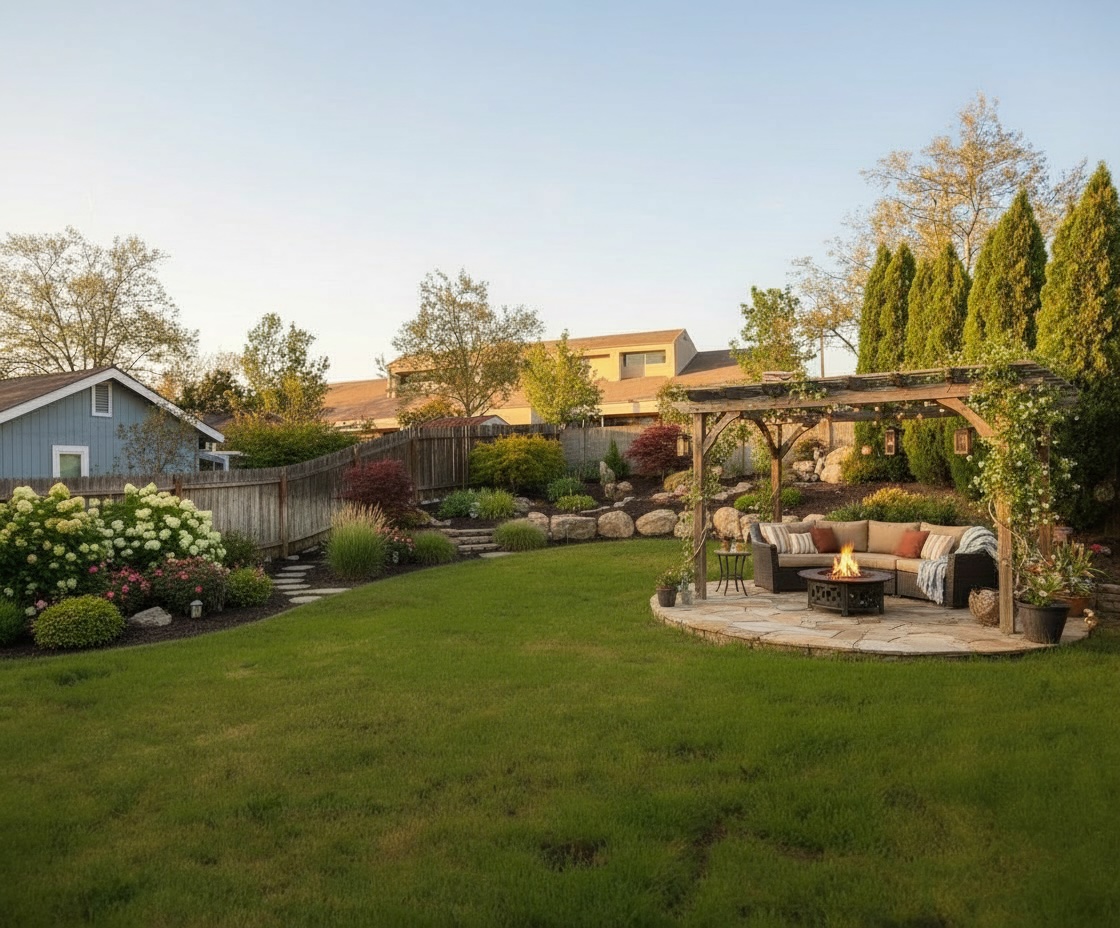
$16–30/sqftA square concrete pad sits detached in the middle of the back lawn rather than attached to the house, so the patio reads as an object in the yard. Black-framed lounge chairs and two sofas face a round cast-concrete gas fire table, string lights run overhead on slim poles rather than off the roofline, and a young shade tree grows straight through the middle of the arrangement. Wide planting borders wrap the pad on three sides — tall grass plumes catching evening light, purple flower spikes at the front edge, dark mulch keeping everything crisp — and the lawn becomes the negative space between the pad and the fence rather than the main event.

The Twilight Pool Court
$50–95/sqft (pool area inclusive)Shot at blue hour, this is a rectangular pool with a shallow tanning ledge, lit from inside, set in a field of large-format concrete pavers that runs uninterrupted from the glass wall of the house to the far stucco boundary. A linear gas fire table anchors a wicker sectional on the far side, board-formed concrete planters with recessed strip lighting mark the near corner, and grass clumps in narrow mulch beds catch the deck lighting along both flanks. The planting is deliberately thin — the design is carried by the water, the lighting and the mountain silhouette behind the wall.
See how a modern/minimalist garden looks on YOUR property
Upload a photo of your Fort Collins yard and visualize your dream garden in seconds.
Try ProScapeAI Free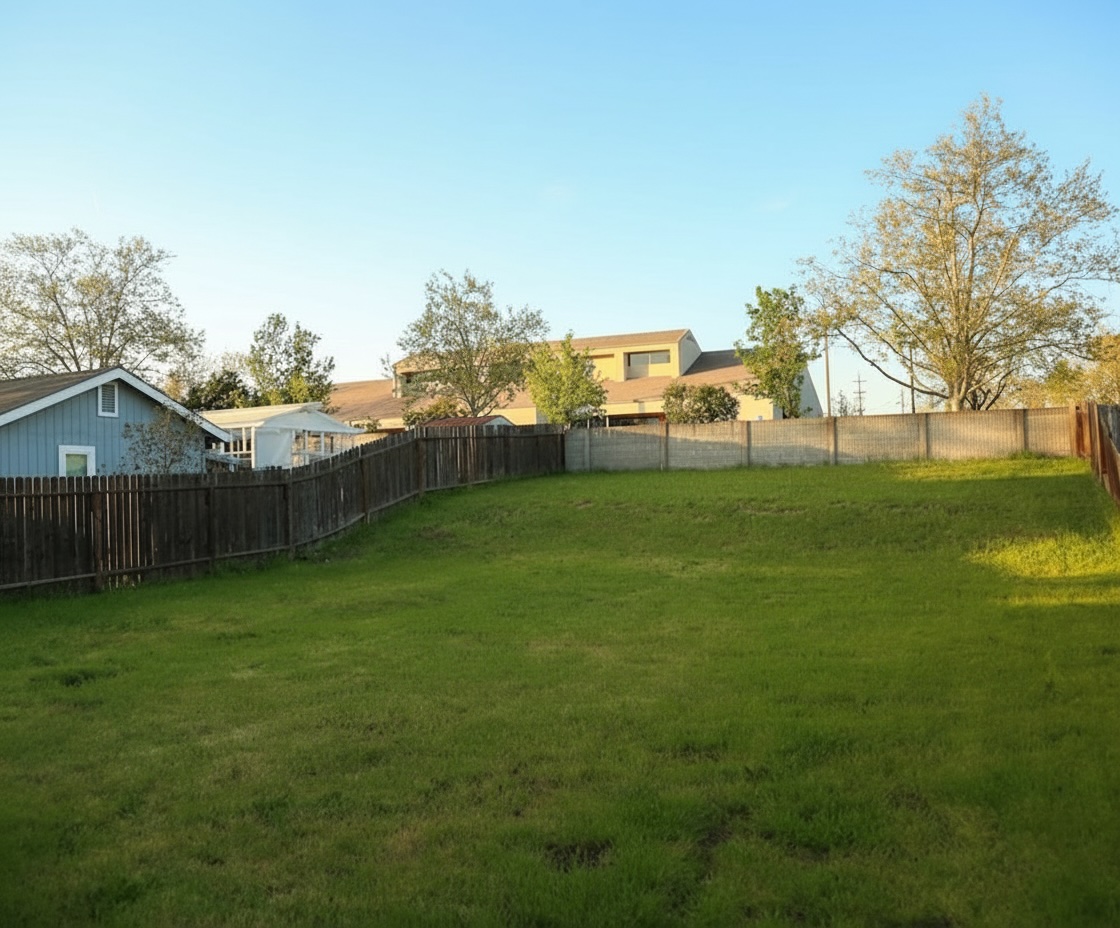
Featured Trees & Shrubs for Modern/Minimalist Gardens
Browse all 159 plants for Fort Collins
Golden Currant
Ribes aureum
grows to 6 feet, yellow blooms in spring. Attracts hummingbirds.
Featured Grasses & Groundcovers for Modern/Minimalist Gardens
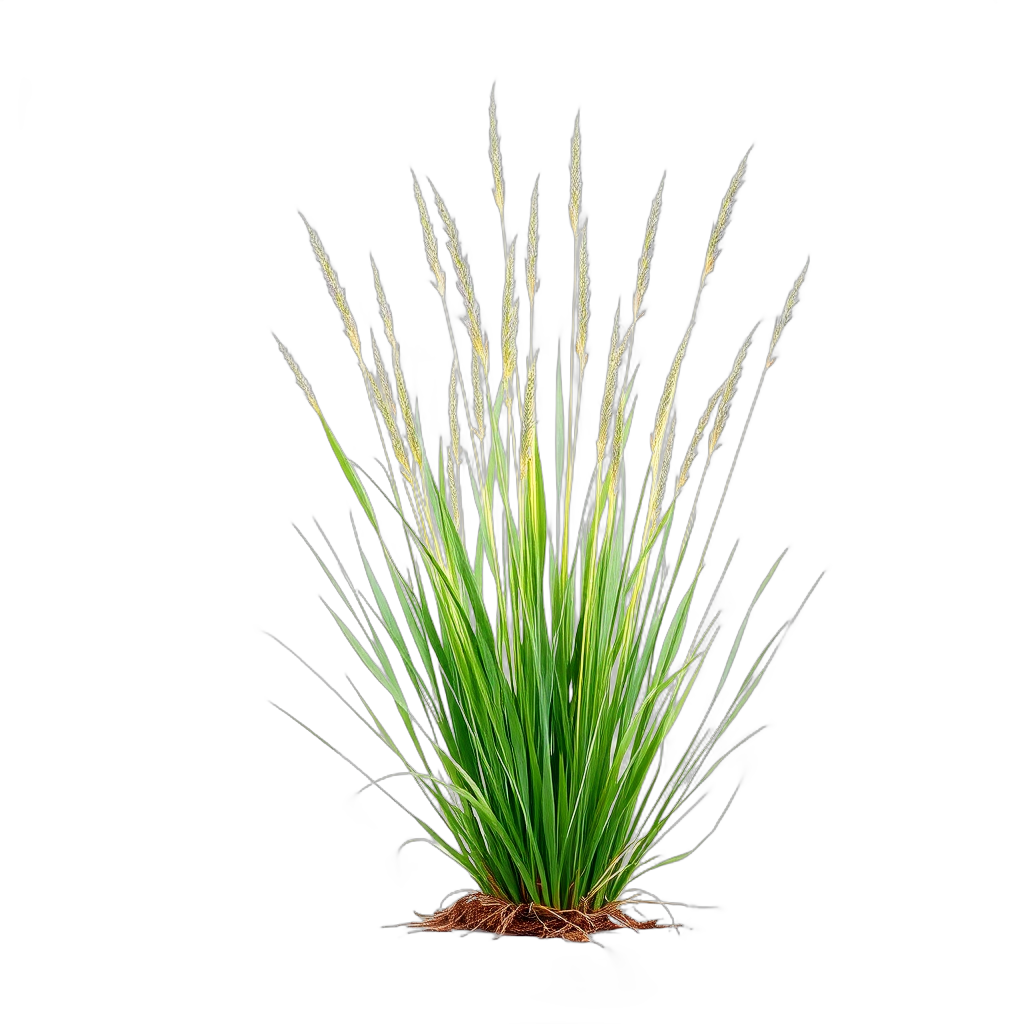
Blue Grama Grass
Bouteloua gracilis
low-growing ground cover, purple blooms in summer. Yellow fall color.
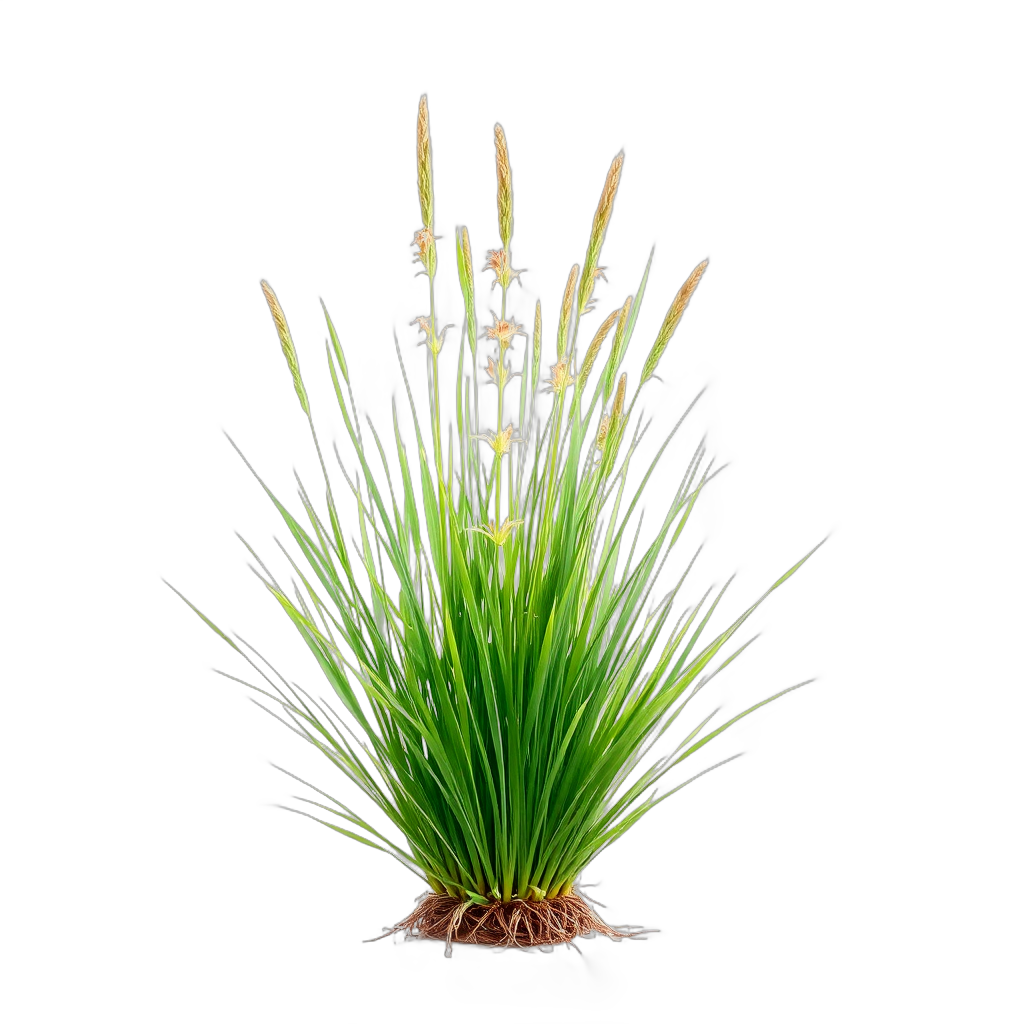
Buffalo Grass
Buchloe dactyloides
low-growing ground cover, blooms in summer. Yellow fall color.
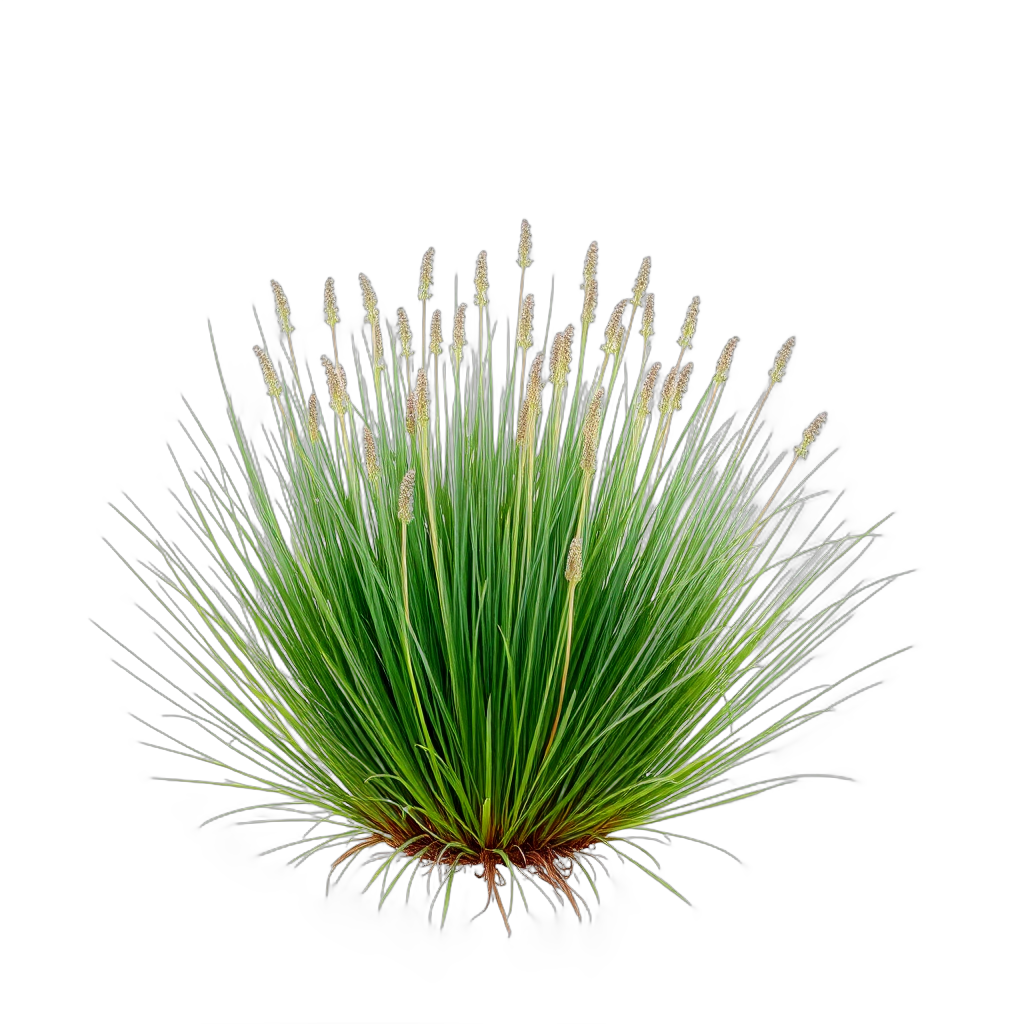
Little Bluestem
Schizachyrium scoparium
grows to 3 feet, blooms in summer. Red,burgundy fall color.
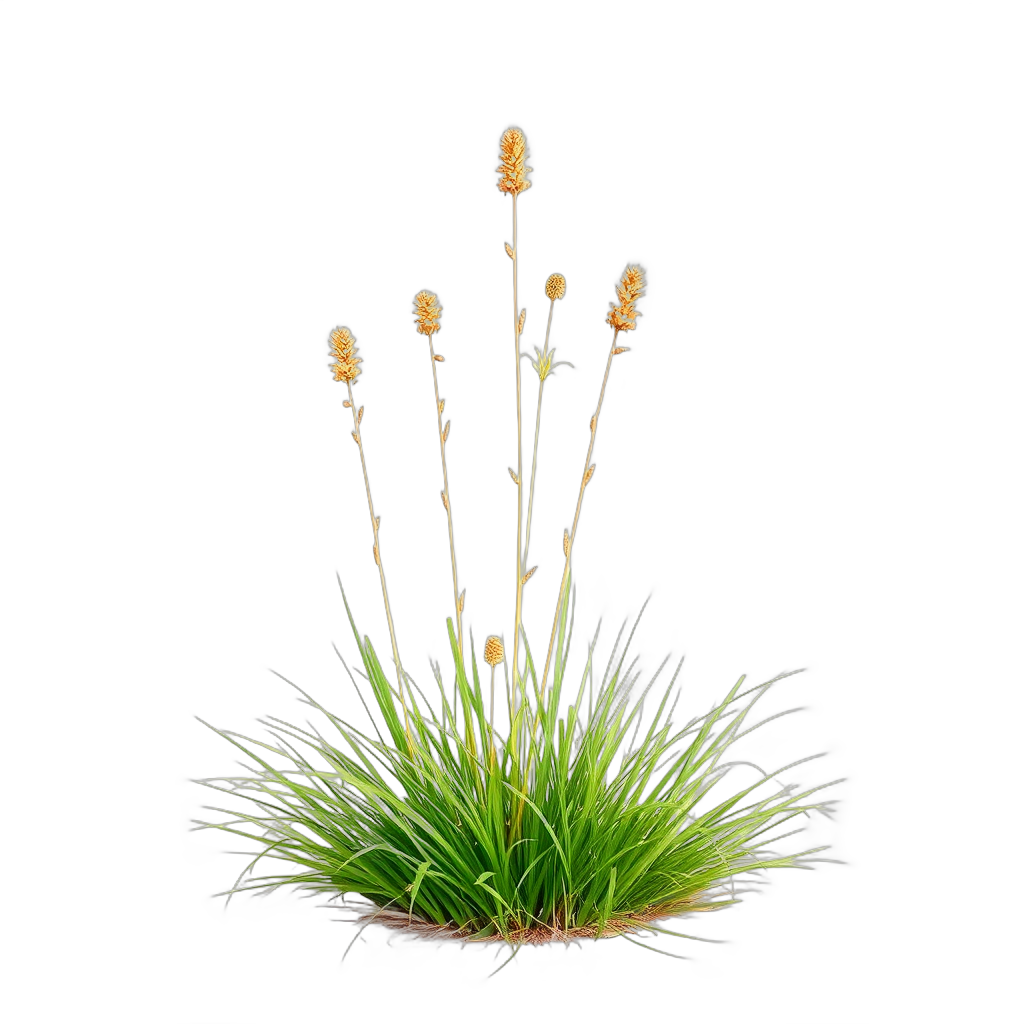
Sand Dropseed
Sporobolus cryptandrus
low-growing ground cover, blooms in summer. Orange fall color.
Featured Flowers & Perennials for Modern/Minimalist Gardens
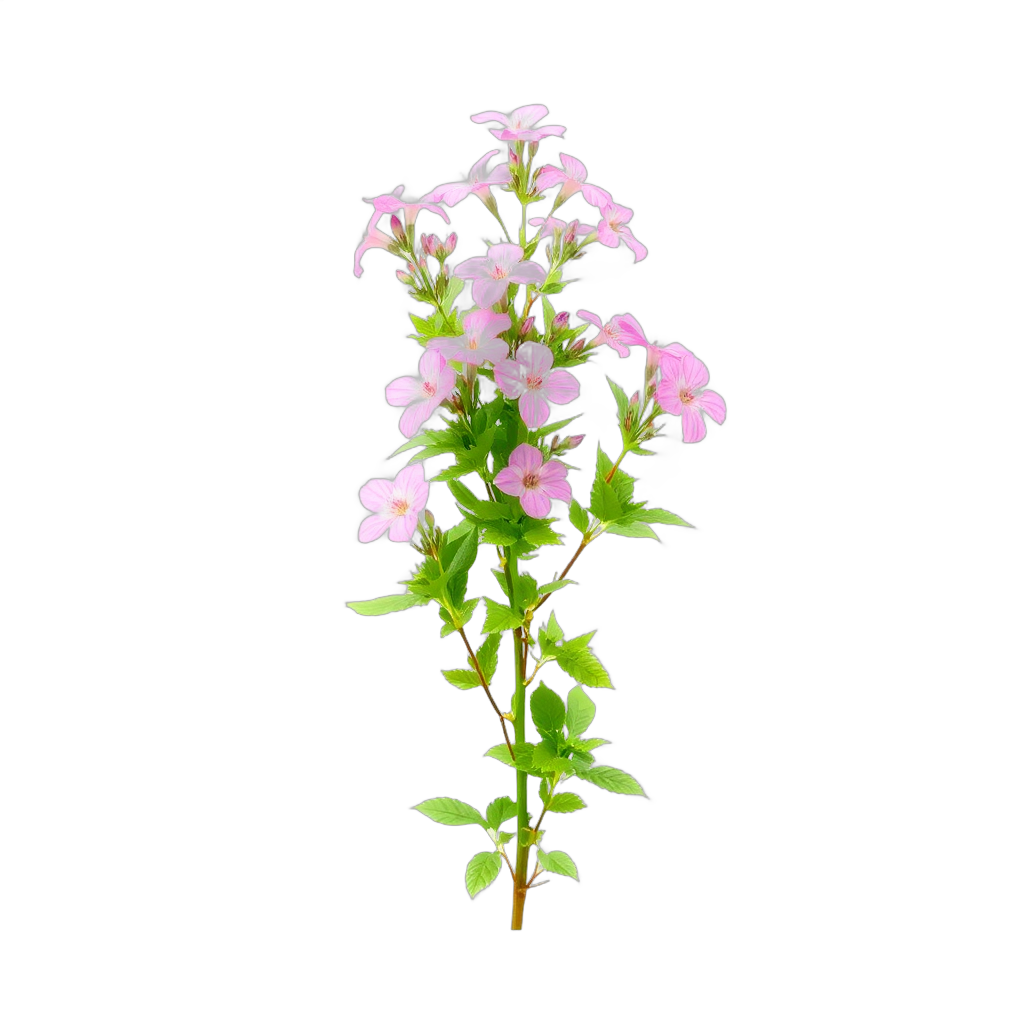
Hood's Phlox
Phlox hoodii
low-growing ground cover, white blooms in spring. Attracts butterflies.

Purple Poppy Mallow
Callirhoe involucrata
low-growing ground cover, purple blooms in summer. Attracts butterflies.
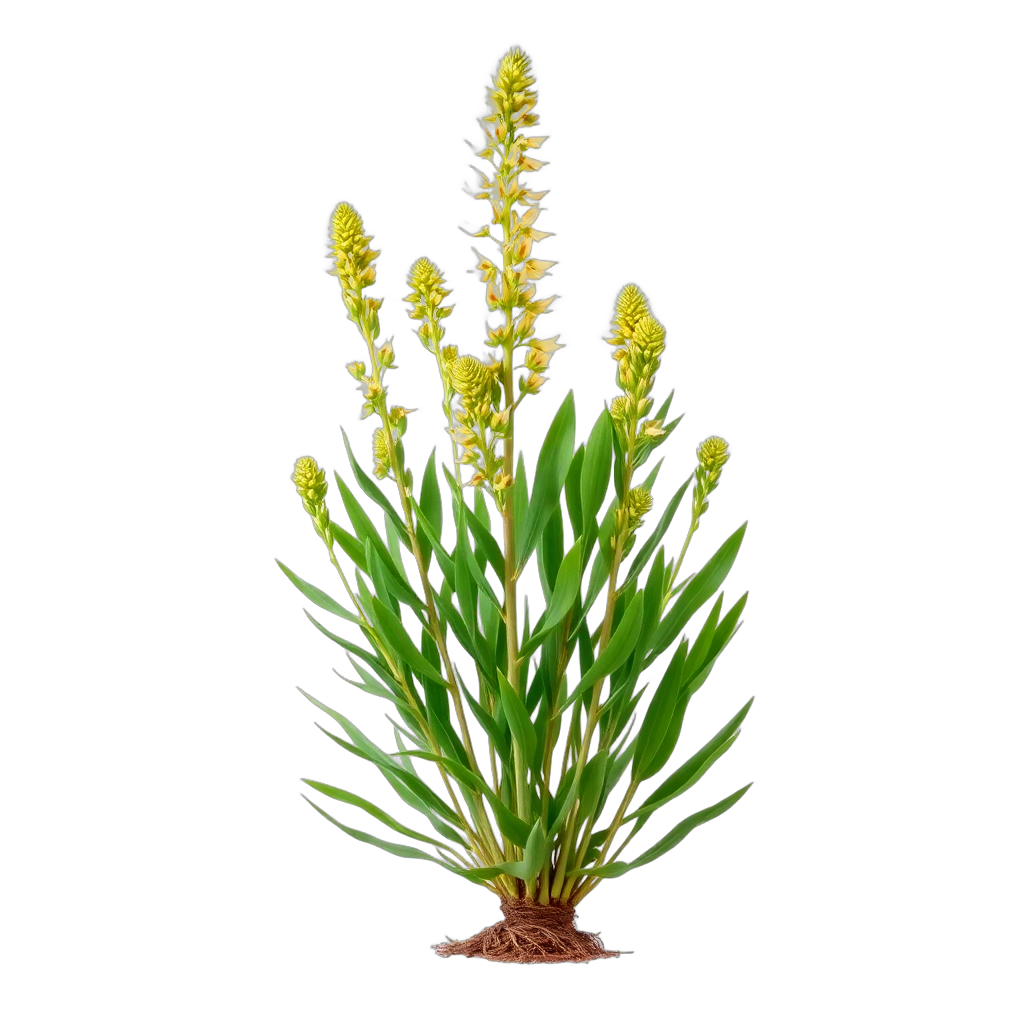
Soapweed Yucca
Yucca glauca
low-growing ground cover, white blooms in spring. Pollinator-friendly.
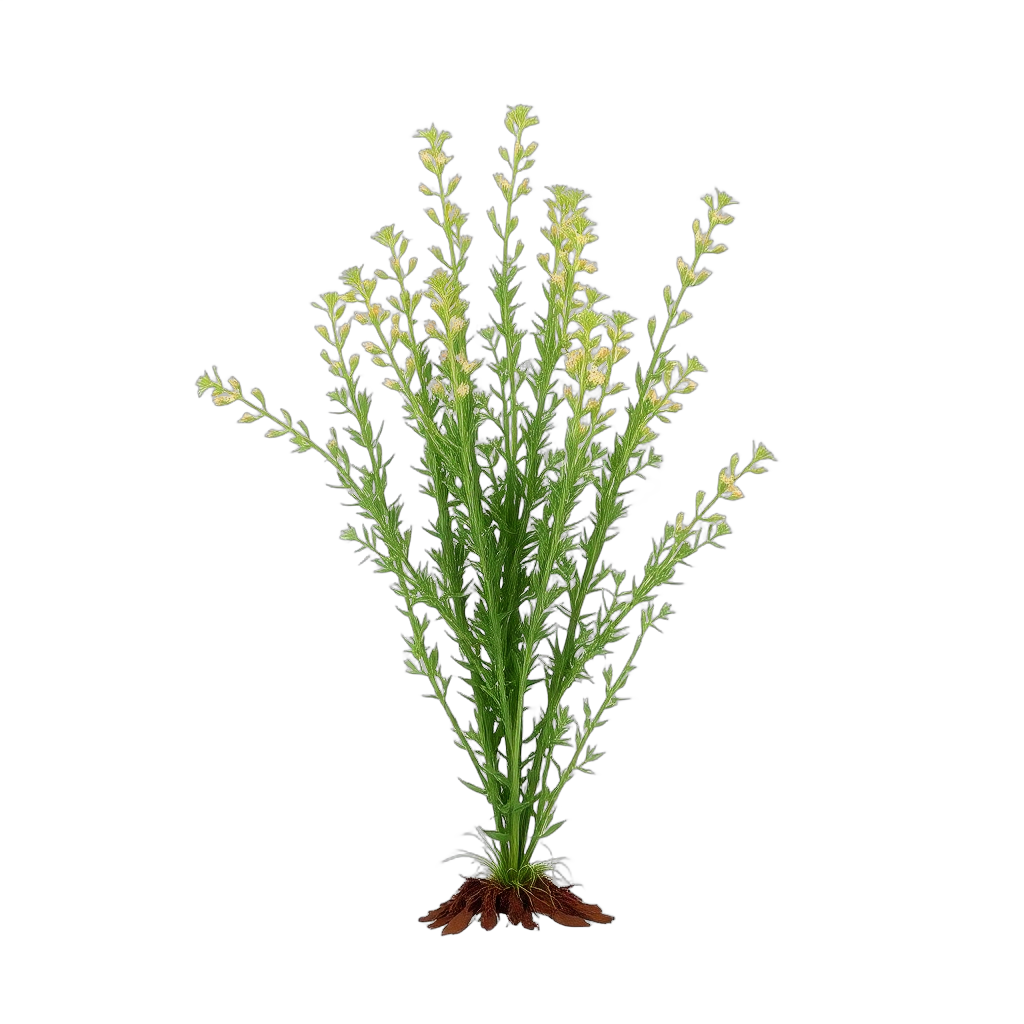
White Sage
Artemisia ludoviciana
low-growing ground cover, white blooms in summer. Fragrant.
Zone and sun checks come from our database — confirm with your local nursery before you buy.
Bloom Calendar for Fort Collins
spring
Hood's Phlox, Soapweed Yucca, Golden Currantsummer
Purple Poppy Mallow, White Sage, Blue Grama Grassfall
Limited bloomswinter
Limited bloomsDesign Tips for Fort Collins (Zone 5b)
- Draw the sawcut grid before you pour — on a modern Fort Collins plan the control joints are visible design, and expansive clay plus dozens of freeze-thaw cycles a winter means you will get joints whether you planned them or not
- Repeat three plants, not thirty — a band of Lavandula angustifolia 'Munstead', a rhythm of Calamagrostis x acutiflora 'Karl Foerster' and one repeated rosette such as Yucca filamentosa 'Color Guard' will look more designed in a 5b winter than any mixed border, because two thirds of the year is silhouette
- Keep boxwood out of the west wind — Buxus 'Green Velvet' is hardy here on paper but January chinooks scorch it brown; use Juniperus scopulorum 'Blue Arrow' or Pinus mugo 'Slowmound' where the geometry has to stay green
- Shrink the lawn into a deliberate shape rather than deleting it, then claim the Xeriscape Incentive Program rebate on the turf you removed — around $0.75 per square foot from Fort Collins Utilities, approval required before the sod comes out, and it frequently covers the steel edging and gravel
- Cut the grasses back in mid-March, never in autumn — standing Panicum virgatum 'Northwind' and Schizachyrium scoparium 'Blue Heaven' are the entire winter structure of a modern planting here, and they also catch and hold snow as insulation over the crowns
- Water new woody plants deeply once a month through winter whenever it is above 40°F and snow-free; at this elevation and 16 inches of annual precipitation, desiccation kills far more new evergreens than cold does
- Light from below and keep it warm — 2700K uplights on grass clumps and a tree trunk, recessed strips in planters, shielded and aimed down, give a Fort Collins modern yard its best hours from May through October
Where to Source Plants in Fort Collins
Skip the big-box stores. These independent Fort Collins nurseries specialize in the plants that make modern/minimalist gardens thrive in Zone 5b.
Fort Collins Nursery
East Mulberry / Poudre River corridor
Full-service garden center since 1932 with acres of outdoor yard along the Poudre; deep bench of Zone 5b trees, xeric shrubs, hardy cactus and Plant Select introductions
Fossil Creek Nursery
South College Avenue / Fossil Creek
Northern Colorado grower since 1969 with one of the largest native and xeric selections in the region, plus balled-and-burlapped conifers and yard rock
Bath Garden Center & Nursery
East Prospect Road / Rigden Farm side of town
Family-run since 1965; sells only trees, shrubs and hardy plants proven to take Colorado's swings, much of it grown on site or by local growers
Gulley Greenhouse & Garden Center
South Shields Street / Southwest Fort Collins
Third-generation Fort Collins grower with 40,000+ sq ft of production greenhouses; strong on hardy succulents, ice plants, penstemons and container specimens
Modern/Minimalist Landscaping Costs in Fort Collins
| Project Scope | Estimated Cost |
|---|---|
| Modern front yard: concrete walk, reduced lawn, gravel strips, steel edging, plants | $8,000 – $14,000 |
| Detached concrete patio pad, 250–400 sqft (base, air-entrained pour, joints) | $7,000 – $16,000 |
| Back-yard room with fire table, string lighting and wrapping borders | $18,000 – $38,000 |
| Low-voltage LED landscape lighting (10–16 fixtures, transformer, wiring) | $2,200 – $6,000 |
| Weathered steel bed edging (installed, per linear foot) | $28 – $55 |
| Pool court with large-format pavers and integrated lighting | $80,000 – $180,000 |
| AI visualization with ProScapeAI | Free to start |
Estimates based on Fort Collins, CO-area contractor rates as of 2026. Actual costs vary by site conditions, materials, and contractor.
Fort Collins Climate & Growing Zone
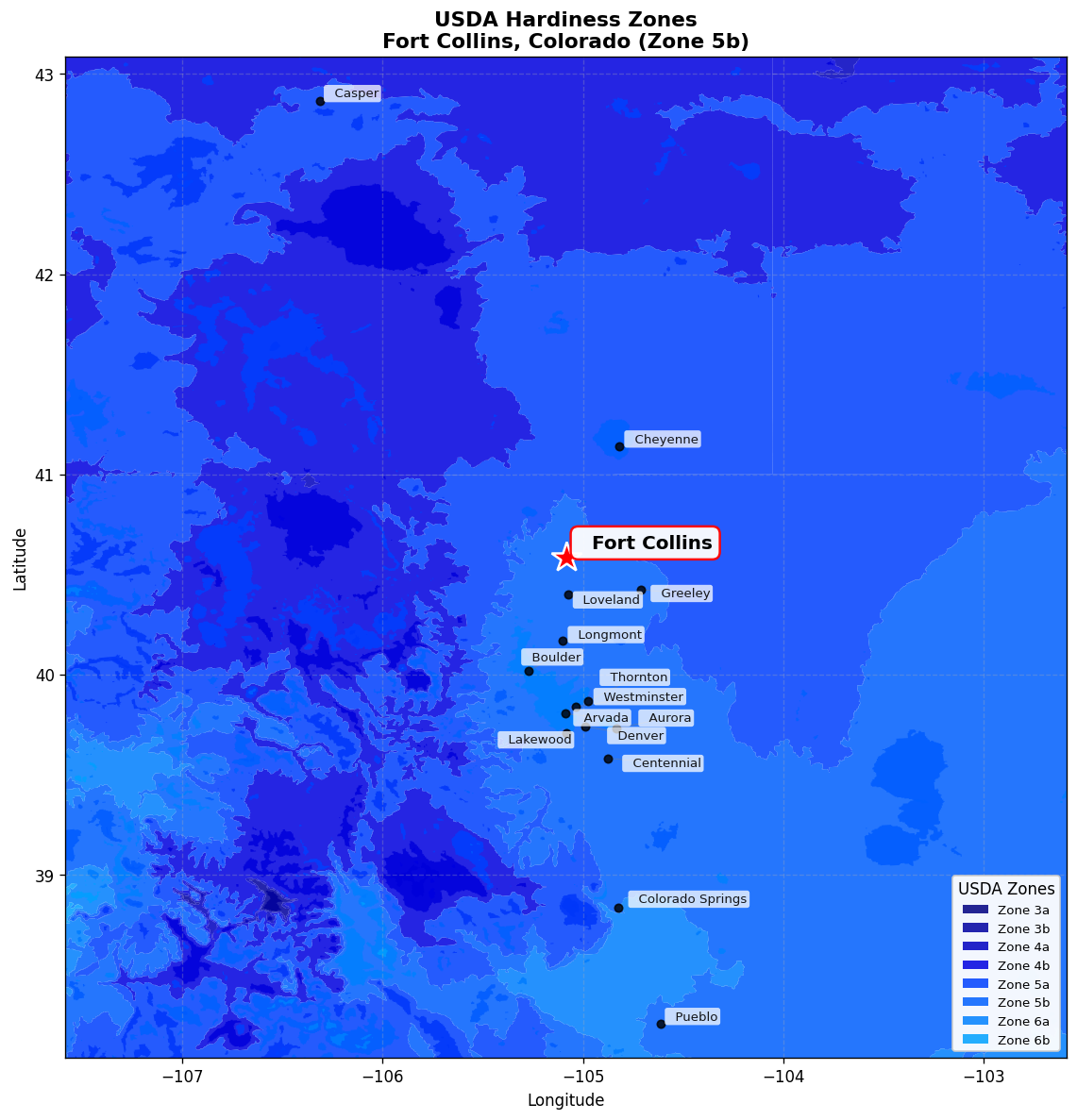
USDA Zone 5b
Hardiness zone for Fort Collins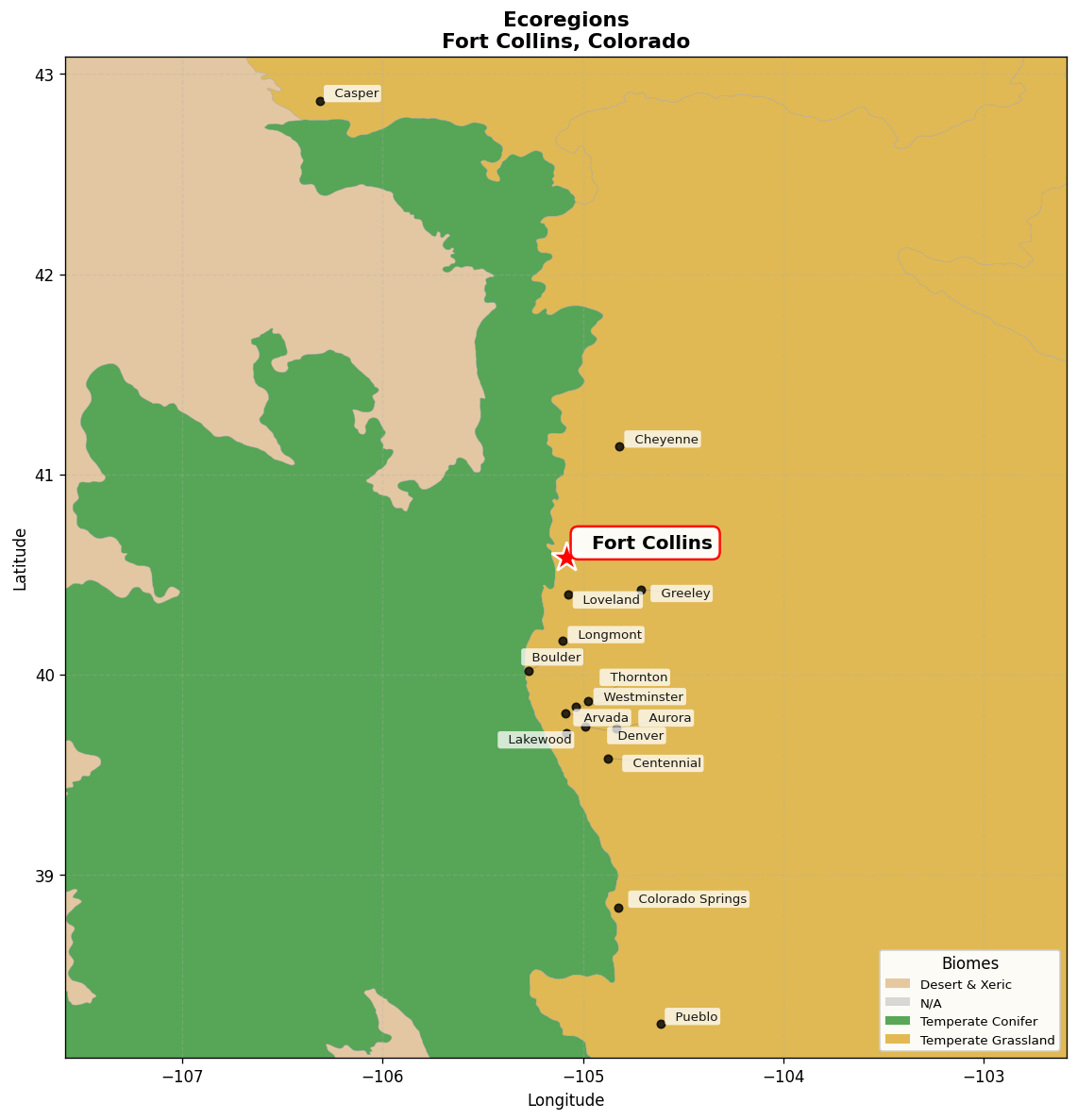
Western shortgrass prairie
Native ecoregionFrequently Asked Questions
How much does modern landscaping cost in Fort Collins?
A modern front-yard treatment — straight concrete walk, reduced lawn shape, gravel strips, steel edging and a repeated plant palette — runs about $11 to $20 per square foot installed, so a 700 sqft front yard typically lands between $8,000 and $14,000. A detached concrete patio pad with a gas fire table and wrapping borders runs $16 to $30 per square foot, commonly $18,000 to $38,000 for a usable back-yard room. Pool courts with large-format pavers and integrated lighting start around $80,000 and pass $180,000 quickly. Fort Collins labour and material costs track slightly above the national metro average, largely because of the road-base and concrete work that expansive clay demands.
Which grasses stay upright through a Fort Collins winter?
Structure through snow is the whole point of a modern planting here, and the reliable performers are Calamagrostis x acutiflora 'Karl Foerster', which holds a narrow vertical column into February, and Panicum virgatum 'Northwind', which is the most upright switchgrass available and does not flop after a wet snow. Schizachyrium scoparium 'Blue Heaven' and 'Standing Ovation' turn copper and keep their shape, Sporobolus heterolepis and Helictotrichon sempervirens hold tidy mounds, and Bouteloua gracilis 'Blonde Ambition' keeps its eyelash seed heads at ankle height all winter. Avoid Pennisetum setaceum 'Rubrum' as anything but an annual, and cut everything back in mid-March, not autumn — the standing stems are the winter design.
How do I keep concrete from cracking and heaving in Fort Collins clay?
Budget the base as part of the design, not as a line item to trim. Excavate to a proper depth and compact a road-base section under every pad and walk, specify air-entrained concrete for freeze-thaw resistance, and use fibre or rebar reinforcement — this soil is expansive alkaline clay and the elevation gives you dozens of thaw-refreeze cycles a winter. On a modern plan the control joints are visible geometry, so lay out the sawcut grid on the drawing and hold the panels roughly square rather than letting a crew cut them at random. Grade everything to fall away from the house and never trench a soft planting channel against a new slab, because meltwater collecting there is what lifts the edge first.
Can I keep a lawn in a modern Fort Collins design?
Yes, and the best local designs do — they just make the lawn a deliberate shape instead of leftover space. Two clean rectangles either side of a walk, or a single band framing a detached patio pad, gives the eye somewhere to rest and the kids somewhere to play. To cut the water, shrink the total area and consider Buchloe dactyloides 'Prestige' or 'Bowie' buffalograss or a blue grama blend for panels that are looked at more than walked on; both are High Plains natives that go dormant tan in a dry August rather than dying. Keep bluegrass only where there is real traffic, and note the utility rebate applies to irrigated turf you remove — so shrinking the lawn is often the piece that pays for the gravel and steel.
What lighting works for a modern landscape at this elevation?
Low-voltage LED, warm colour temperature around 2700K, and far fewer fixtures than you think. Light the grasses and the trunk of a Gymnocladus dioicus 'Espresso' from below rather than washing the lawn, use recessed strip lighting in board-formed planters and hardscape edges to draw the geometry after dark, and keep bollard path lights evenly spaced along a straight walk so the rhythm reads as designed. Fort Collins is serious about dark-sky-friendly practice, so shield fixtures and aim them down. In practical terms, the payoff is long: at 5,003 feet the evenings stay cool and usable from May well into October, and a fire feature plus lighting is what extends a patio past the first frost near October 5.
When should a modern landscape be installed in Fort Collins?
Split the project. Hardscape — pads, walks, walls, pool shells — is best in the dry stretch from late June through October, when the base can be compacted at proper moisture and concrete cures without a freeze risk. Planting goes in either mid-April to May, holding anything frost-tender until after the last frost around May 5 to May 10, or from late August into early October, which is genuinely the better window for woody plants and grasses because the soil is still warm. Whatever goes in during autumn needs deep watering once a month all winter on days above 40°F with no snow cover; skipping that is the most common way a new Juniperus scopulorum 'Blue Arrow' hedge fails by March.