4 Xeriscape Design Ideas for Fort Collins, CO | Zone 5b Yards
Native plants from the Western shortgrass prairie (Zone 5b) — Cold semi-arid climate
Why Desert/Xeriscape Gardens in Fort Collins?
Xeriscape is not an import in Fort Collins — the word itself was coined in Colorado in 1981, and this is one of the few American cities where a gravel-and-agave front yard reads as local rather than transplanted. The building stock makes the case on its own: the stucco-and-tile-roof ranches filling Registry Ridge, Fossil Lake Ranch and Observatory Village, the flat-roofed Pueblo Revival and Territorial houses scattered through southwest Fort Collins, and the brick Craftsman bungalows off Mountain Avenue in Old Town all sit better against buff gravel, sandstone boulders and sculptural form than against an irrigated bluegrass rectangle. Lots on the foothills side — Quail Hollow, Ridgewood Hills, the streets running up toward Horsetooth Reservoir — come with native rock outcrop and shortgrass prairie right over the fence, so a xeric front yard finishes the view instead of interrupting it.
The climate numbers explain why: Fort Collins receives roughly 16 inches of precipitation a year and about 48 inches of snow, sits at 5,003 feet where ultraviolet load is punishing, and runs a Zone 5b winter with lows in the -10°F to -15°F range. That combination rules out the Sonoran palette but leaves a genuinely dramatic one. Agave parryi var. neomexicana, Yucca glauca, Yucca baccata, Opuntia polyacantha and the tree cholla Cylindropuntia imbricata are all cold-hardy High Plains natives that hold architectural shape through a February cold snap, and Plant Select introductions such as Hesperaloe parviflora 'Brakelights', Delosperma 'Fire Spinner' and Penstemon x mexicali 'Red Rocks' add saturated colour on 8 to 12 inches of supplemental water a season. The real hazards are not the cold. Chinook winds gusting past 60 mph desiccate broadleaf evergreens in January, the growing season is a short 145 days between a last frost around May 5 and a first frost near October 5, and Fort Collins sits squarely in hail alley — which is a quiet argument for tough, replaceable plantings over fussy specimens.
Soil is where most Fort Collins xeriscapes are won or lost. The shortgrass prairie soils here are alkaline clay loam, commonly pH 7.5 to 8.3, low in organic matter and prone to holding winter moisture around a crown for weeks. Agaves and cactus in this town die of wet feet in March, not of cold in January. The fix is mechanical, not chemical: build beds up 8 to 14 inches into berms, cut the native clay with squeegee or 3/8-inch crushed granite rather than piling on compost, and finish with a 3-inch gravel mulch that keeps the crown dry. Alkalinity also drives the iron chlorosis you see on yellowing maples all over town, another reason to lean on Fallugia paradoxa, Rhus trilobata 'Autumn Amber', Ericameria nauseosa and Cercocarpus montanus, which evolved in this pH and never ask for chelated iron.
Water policy is actively on your side here. Fort Collins Utilities runs a Xeriscape Incentive Program that has paid on the order of $0.75 per square foot of removed irrigated turf, capped near 1,000 square feet and about $750 per address, with an additional bonus of roughly $0.25 per square foot for designs that go heavily native — confirm the current year's terms and pre-approval steps at fcgov.com/xip before you cut a single strip of sod, since the rebate requires approval first. Colorado law also blocks an HOA from forbidding this: homeowners are protected in using drought-tolerant landscaping across the large majority of their yard, so a Rigden Farm or Water's Edge covenant cannot force bluegrass on you. Rain barrels are legal statewide up to two barrels and 110 gallons total, and the 2024 state restriction on nonfunctional turf in new commercial and HOA common areas means the whole Front Range aesthetic is moving this direction anyway. Note that not every address is on city water — large parts of south and west Fort Collins are served by the Fort Collins-Loveland Water District or ELCO, each with its own rate structure and rebate rules.
4 Desert/Xeriscape Design Ideas for Fort Collins

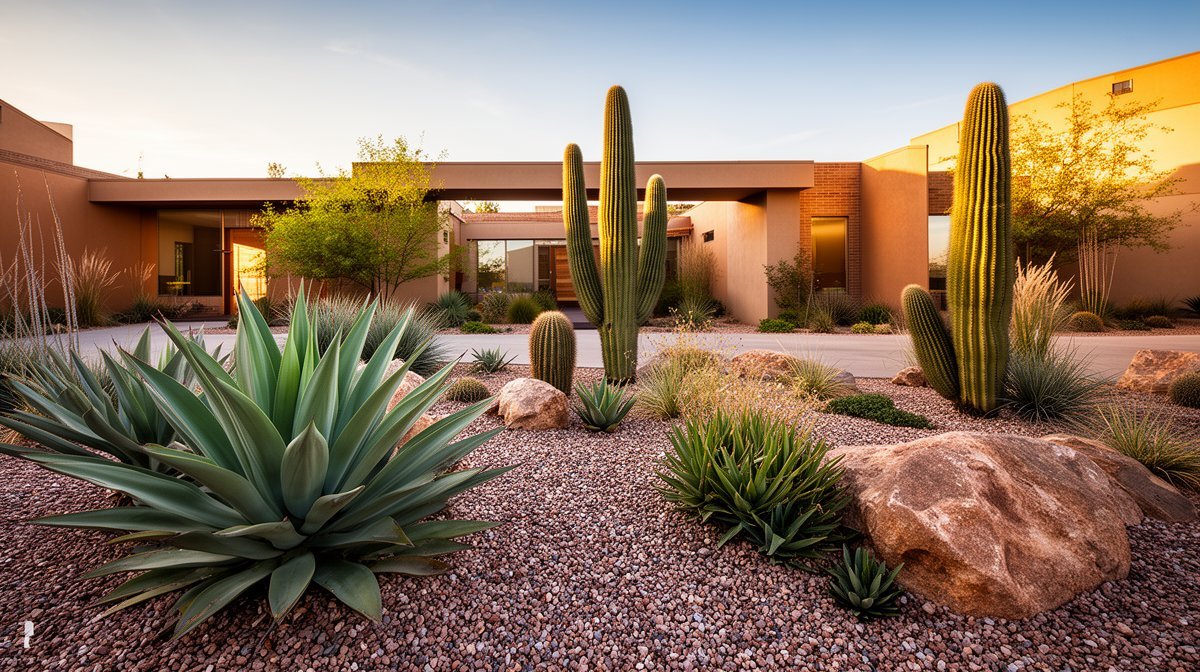
The Agave Court Driveway Entry
$9–18/sqftA stucco-and-tile-roof ranch with a stone-veneer entry arch, fronted by a wide sawcut concrete drive that a gravel field wraps on both sides. Big blue-grey agave rosettes carry the foreground at three different sizes, buff sandstone boulders sit half-buried between them so they read as outcrop rather than decoration, and low gold-green grass tufts break up the rock so the whole thing never looks like a parking lot. A pair of slim white-barked aspens throws light shade over the west-facing corner — exactly where a Fort Collins front room bakes at 6pm in July.

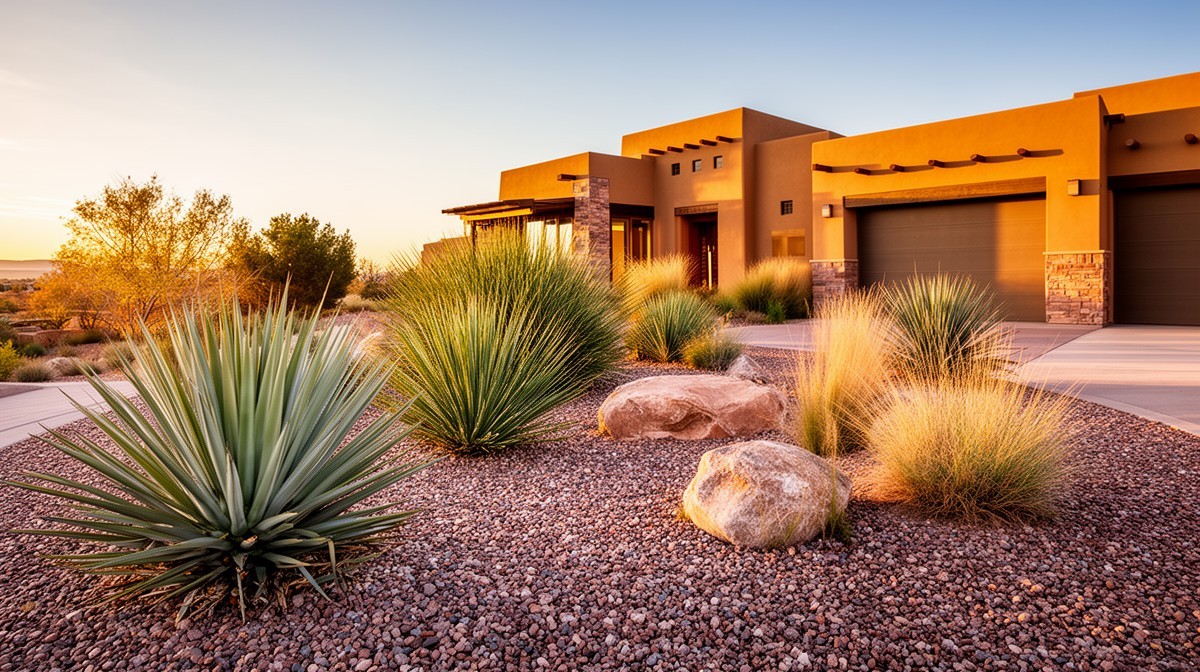
The Pueblo Revival Walkway Garden
$8–16/sqftA flat-roofed adobe-toned house with projecting vigas and terracotta window trim, approached on square flagstone pavers set as spaced stepping stones through gravel rather than as a continuous slab. The planting is loose and colourful instead of severe: silver-leafed mounds along the left, purple daisies and clear yellow blooms scattered through the middle, a low prickly pear colony with red fruit anchoring the right side by the drive, and glazed terracotta ollas placed as punctuation where a shrub would be too heavy. A fine-textured weeping canopy shades the garage apron.

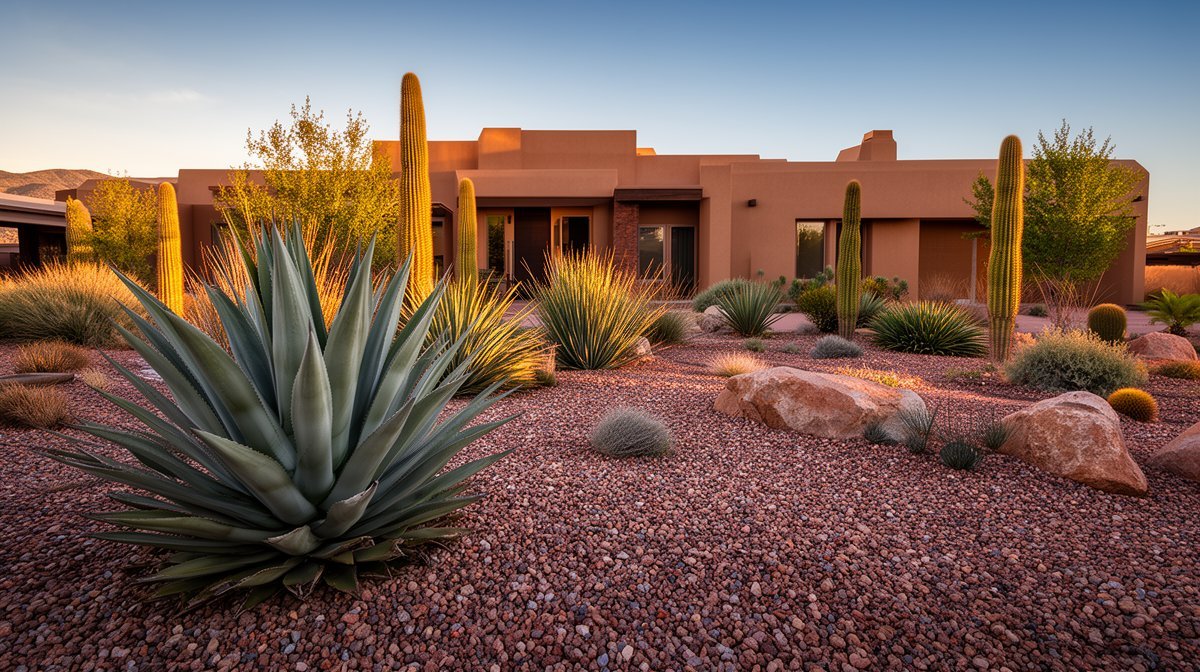
The Circular Fire Terrace with Mountain View
$22–40/sqftA round flagstone terrace cut into a gravel field behind an adobe-stucco home with a deep covered portal, with a low round gas fire bowl at the centre and four chairs plus a sofa pulled in around it. Stone-edged beds curve out from the terrace and are planted almost entirely in agave rosettes at staggered heights, so the composition is legible in silhouette at dusk when the Front Range goes purple behind it. Cafe lights swag overhead on a single wood post, and small trees on the perimeter soften the neighbouring rooflines without blocking the ridgeline view.

The Boulder-Waterfall Pool Garden
$45–85/sqft (pool area inclusive)A rectangular pool in pale limestone-toned decking, with a stacked boulder waterfall built into the far end so the water feature doubles as the screen between the deck and the open prairie beyond. Everything outside the coping is gravel: airy blonde grass clumps along both flanks catching backlight, deep purple lavender massed at the near corners, and scattered yellow and rose blooms keeping colour at ankle height. Four young upright trees repeat down the fence line to give the flat lot vertical rhythm without shading the water.
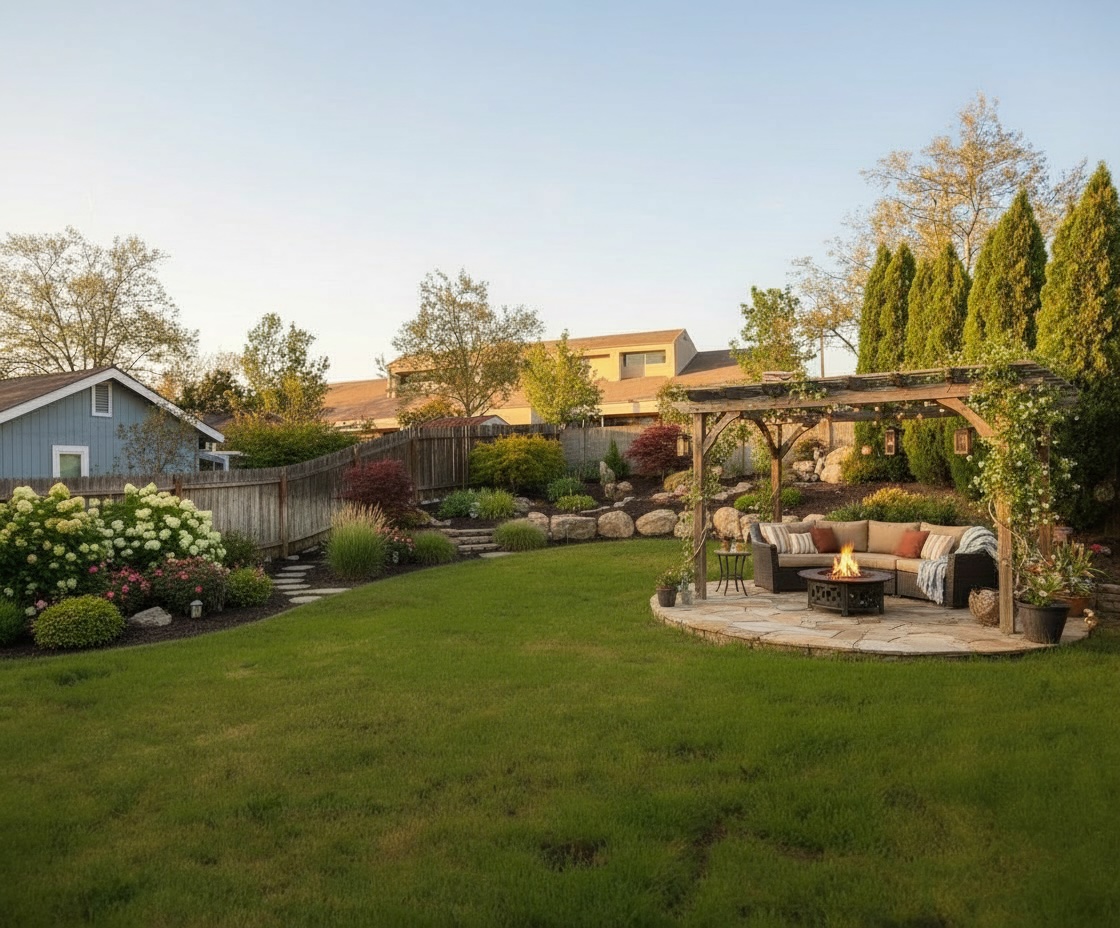
See how a desert/xeriscape garden looks on YOUR property
Upload a photo of your Fort Collins yard and visualize your dream garden in seconds.
Try ProScapeAI Free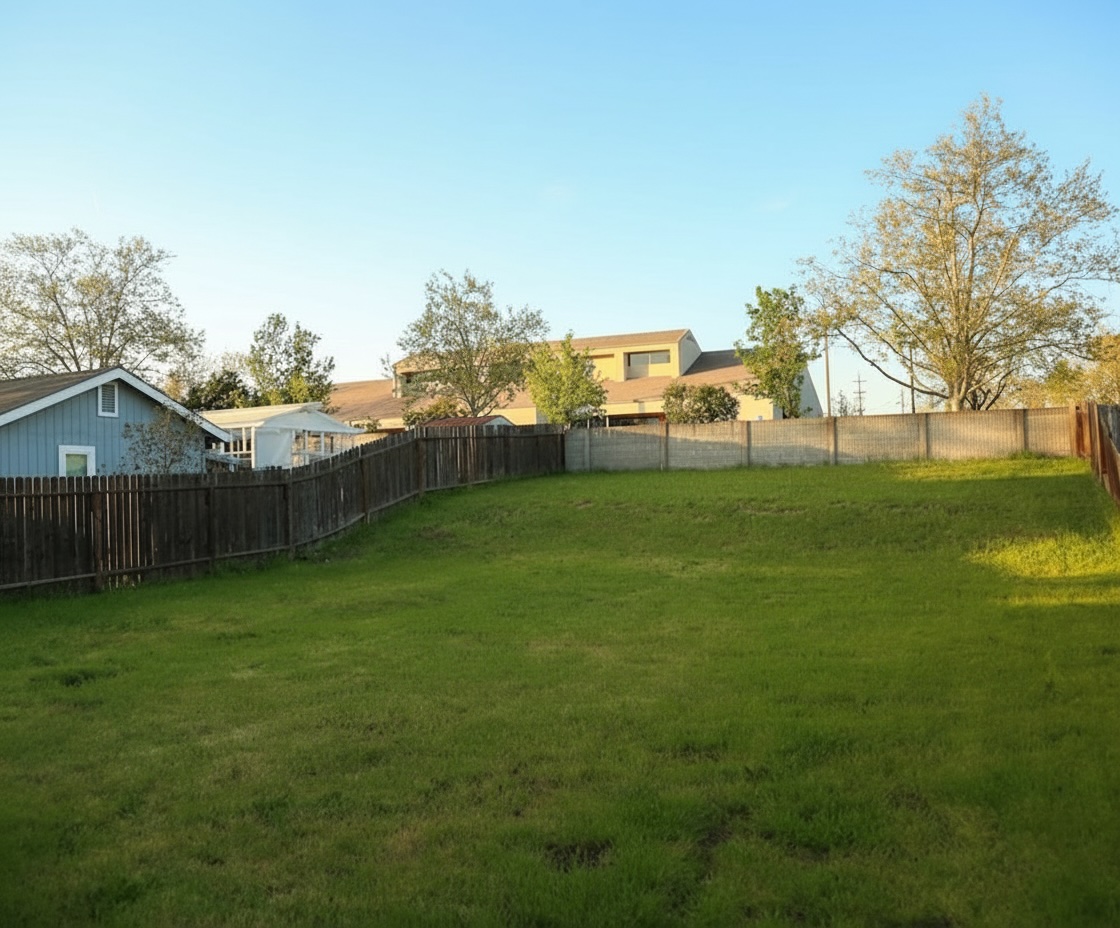
Featured Trees & Shrubs for Desert/Xeriscape Gardens
Browse all 159 plants for Fort Collins
Golden Currant
Ribes aureum
grows to 6 feet, yellow blooms in spring. Attracts hummingbirds.
Featured Grasses & Groundcovers for Desert/Xeriscape Gardens
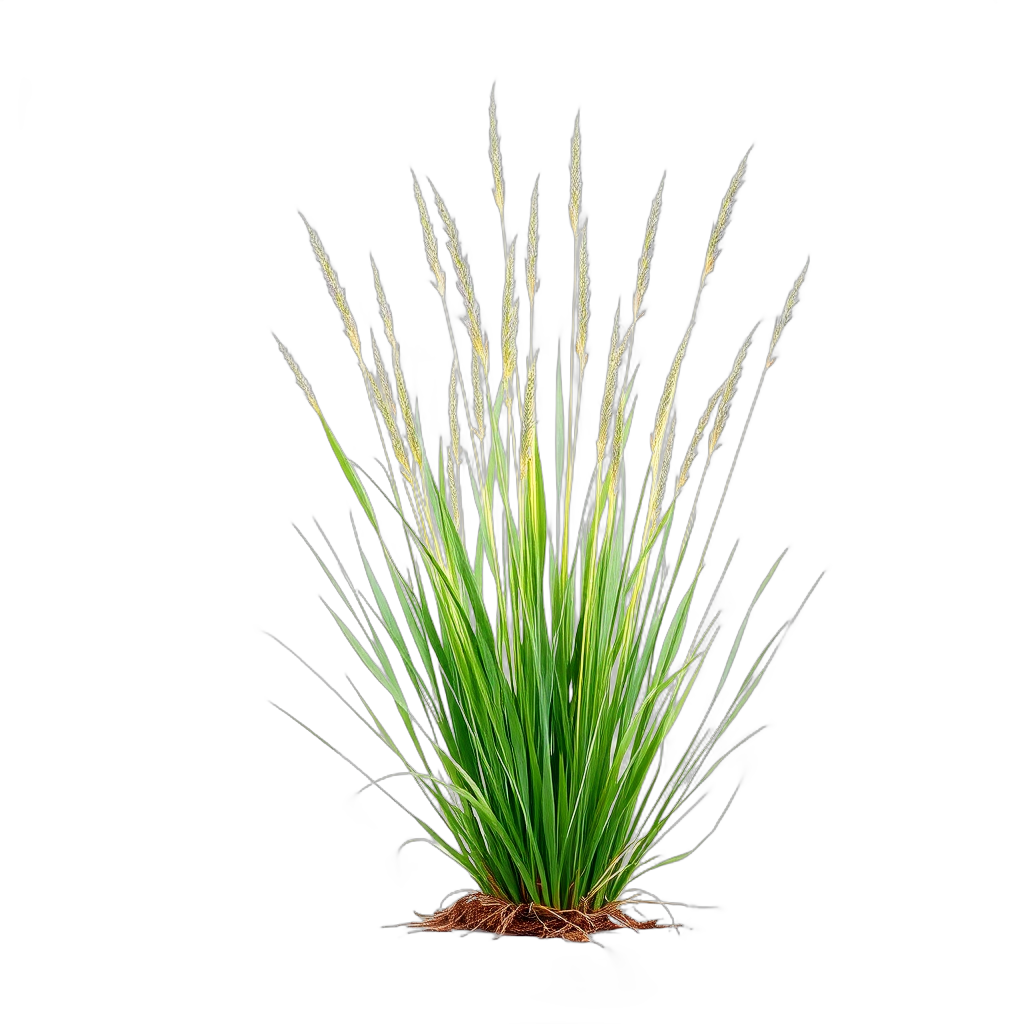
Blue Grama Grass
Bouteloua gracilis
low-growing ground cover, purple blooms in summer. Yellow fall color.
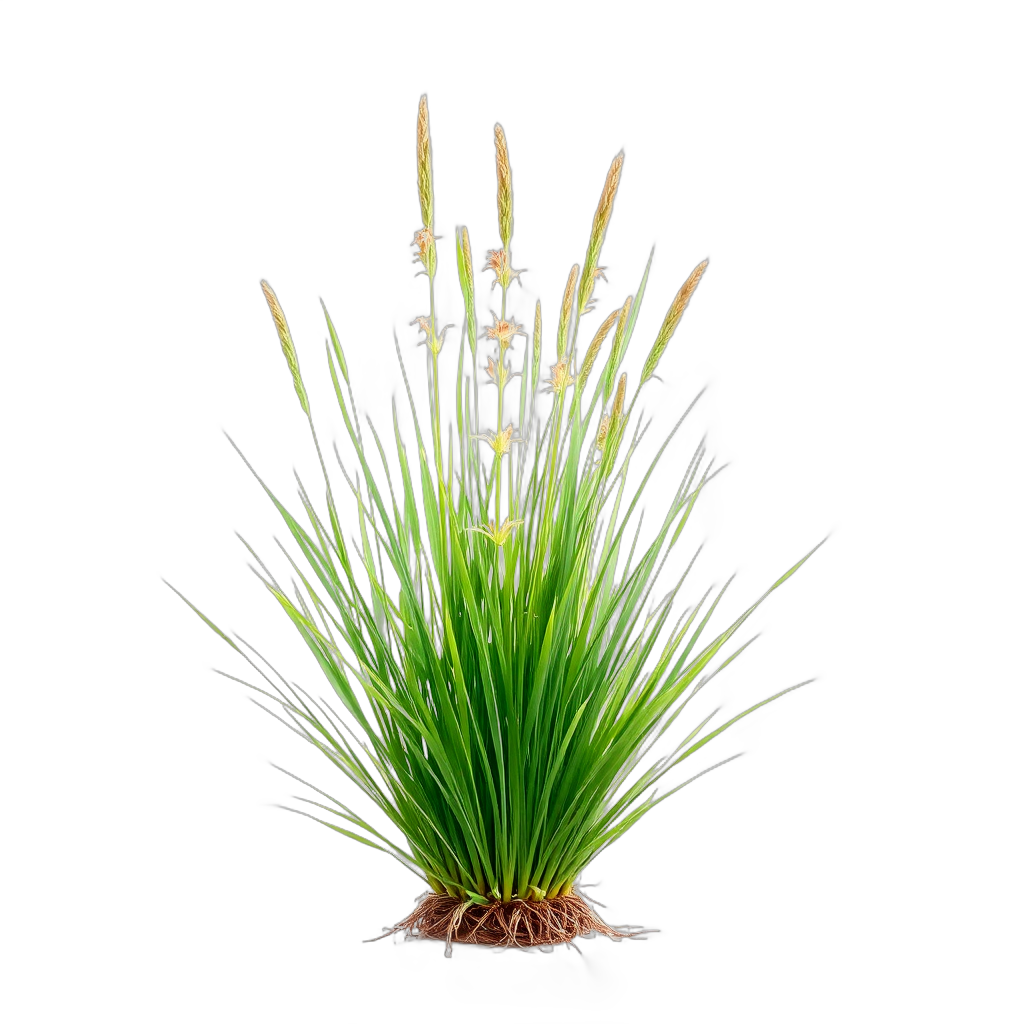
Buffalo Grass
Buchloe dactyloides
low-growing ground cover, blooms in summer. Yellow fall color.
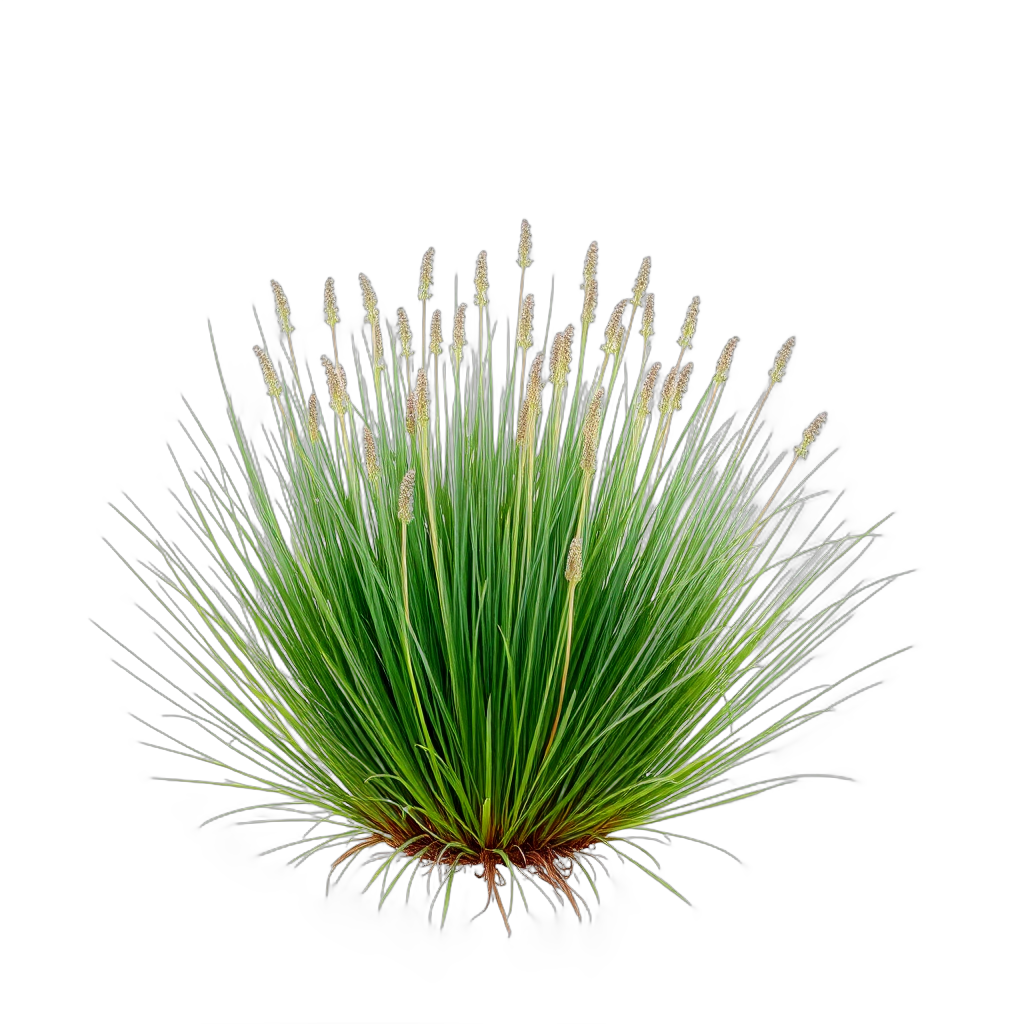
Little Bluestem
Schizachyrium scoparium
grows to 3 feet, blooms in summer. Red,burgundy fall color.
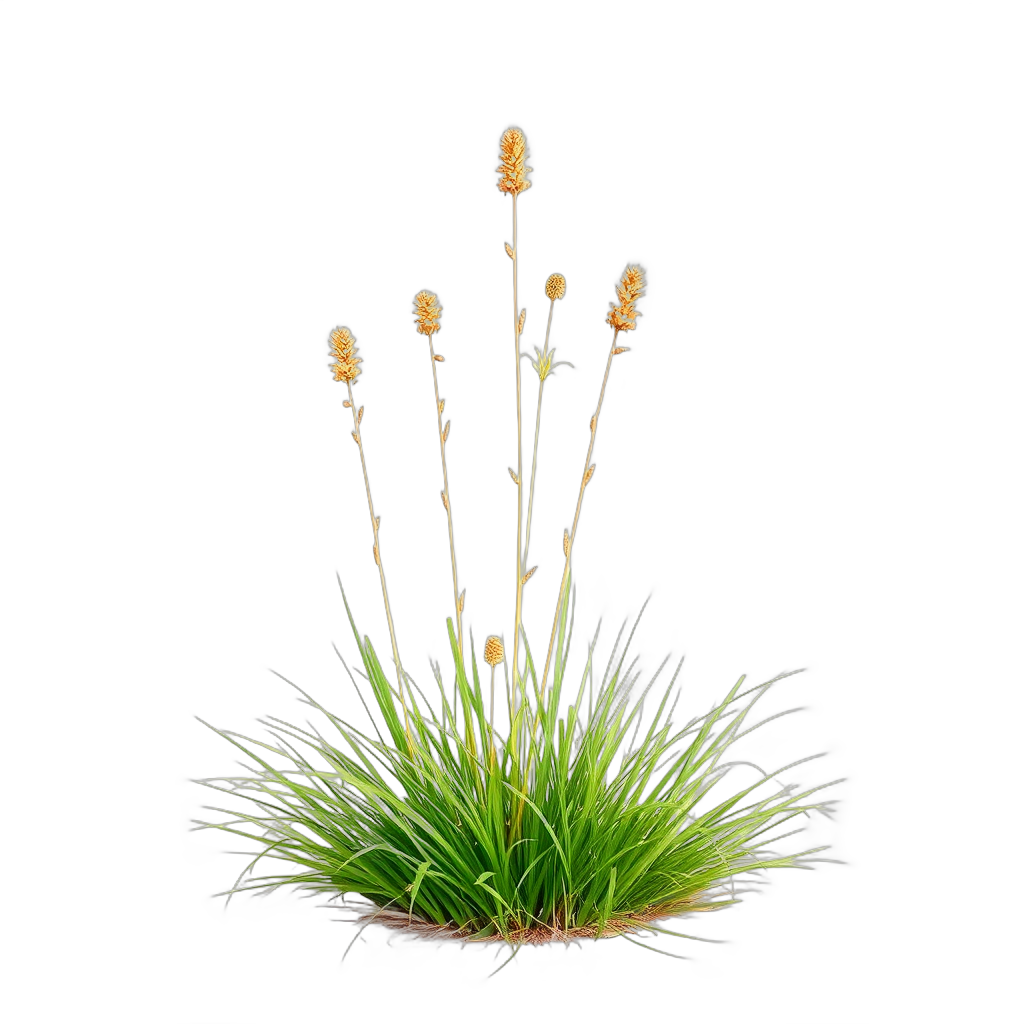
Sand Dropseed
Sporobolus cryptandrus
low-growing ground cover, blooms in summer. Orange fall color.
Featured Flowers & Perennials for Desert/Xeriscape Gardens
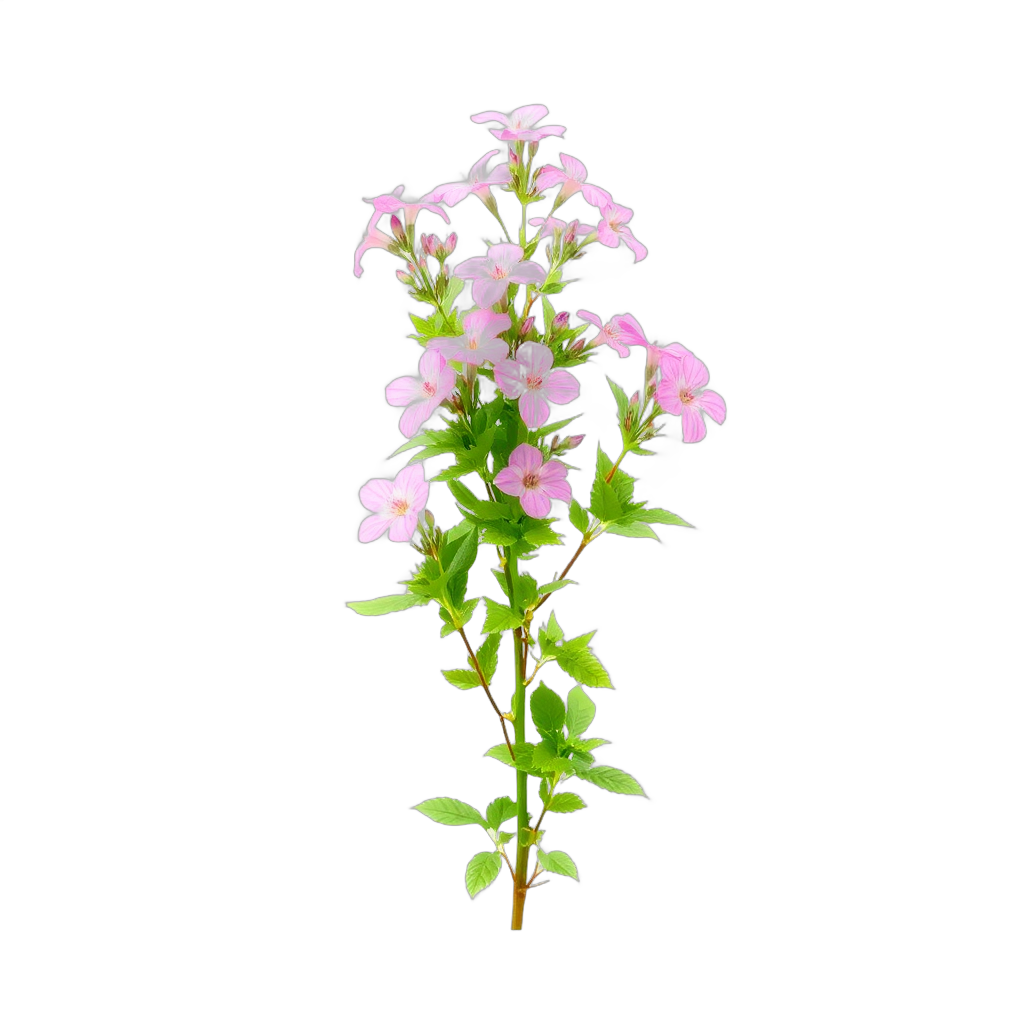
Hood's Phlox
Phlox hoodii
low-growing ground cover, white blooms in spring. Attracts butterflies.

Purple Poppy Mallow
Callirhoe involucrata
low-growing ground cover, purple blooms in summer. Attracts butterflies.
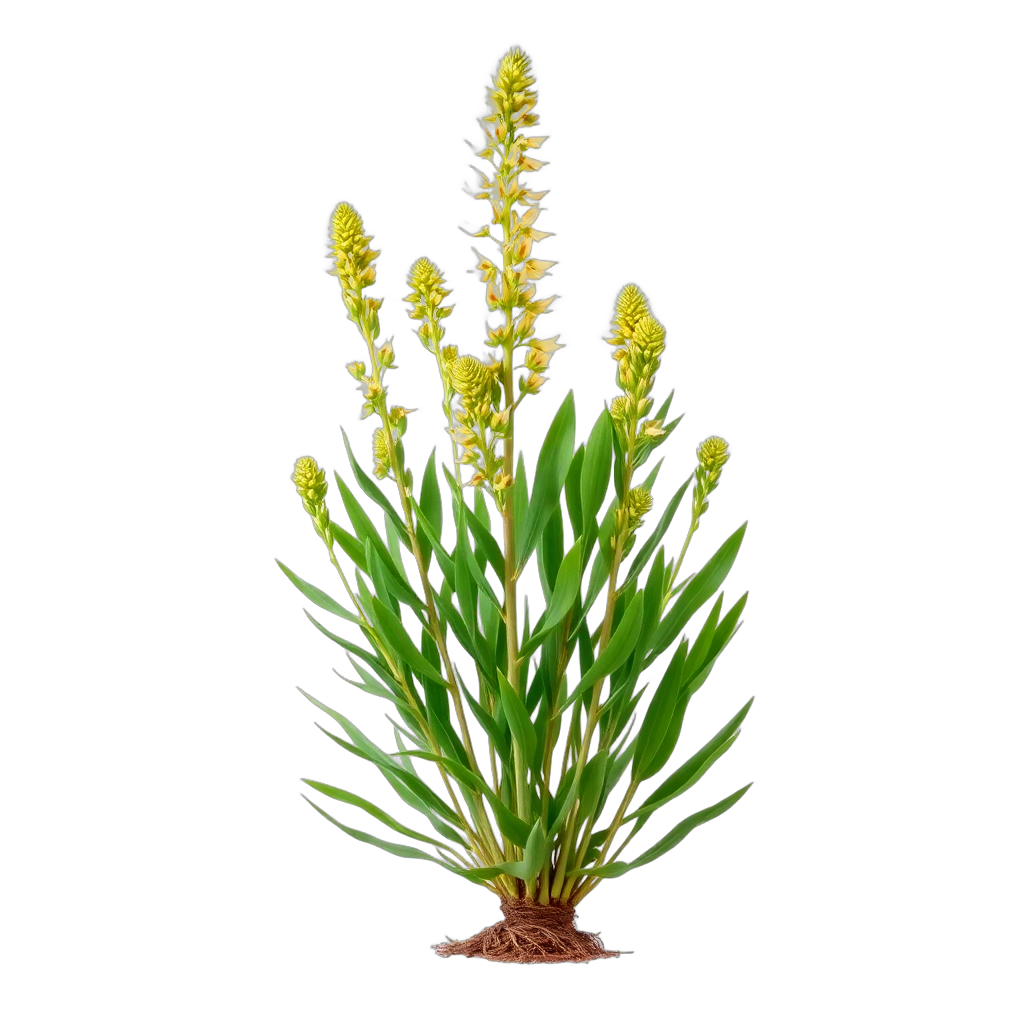
Soapweed Yucca
Yucca glauca
low-growing ground cover, white blooms in spring. Pollinator-friendly.
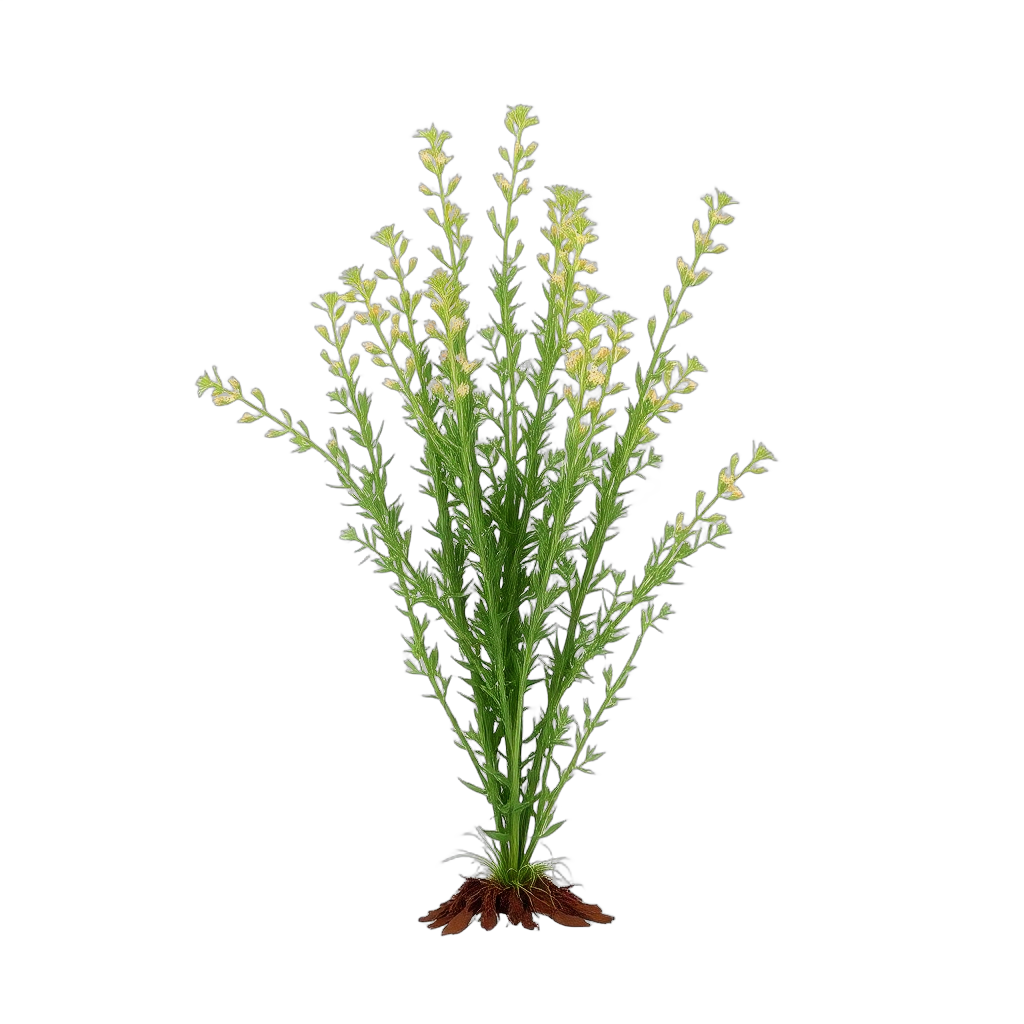
White Sage
Artemisia ludoviciana
low-growing ground cover, white blooms in summer. Fragrant.
Zone and sun checks come from our database — confirm with your local nursery before you buy.
Bloom Calendar for Fort Collins
spring
Hood's Phlox, Soapweed Yucca, Golden Currantsummer
Purple Poppy Mallow, White Sage, Blue Grama Grassfall
Limited bloomswinter
Limited bloomsDesign Tips for Fort Collins (Zone 5b)
- Get Xeriscape Incentive Program approval before you touch the sod — Fort Collins Utilities pays roughly $0.75 per square foot of removed turf, with a native bonus on top, but only on projects approved in advance at fcgov.com/xip
- Build every bed up, not down — 8 to 14 inches of berm with 3/8-inch squeegee cut into the native clay is what carries Agave parryi var. neomexicana and Opuntia polyacantha through a wet Fort Collins March, when far more of them die than in any January cold snap
- Gravel-mulch the xerics and bark-mulch nothing near them — 3 inches of 3/4-inch rock keeps crowns dry, survives 60 mph chinooks that blow shredded bark into the neighbour's yard, and reflects the heat that Yucca baccata and Hesperaloe parviflora 'Brakelights' actually want
- Water deeply once a month all winter on days above 40°F with no snow cover — Fort Collins loses more newly planted Juniperus scopulorum and Pinus edulis to February desiccation than to anything that happens in summer
- Choose Plant Select and High Plains material over catalogue xerics: Penstemon x mexicali 'Red Rocks', Delosperma 'Fire Spinner', Agastache rupestris, Fallugia paradoxa and Callirhoe involucrata are all bred or collected for exactly this pH, altitude and 16 inches of precipitation
- Design for hail — this is hail alley, so put brittle-leafed specimens under a portal or eave and let replaceable grasses like Bouteloua gracilis 'Blonde Ambition' and Sporobolus heterolepis take the beating in the open, since they shrug off a June storm that shreds broad-leaved plants
- Use boulders like outcrop, not ornaments — bury a third of every stone, group them in odd numbers, and match buff or moss rock to the sandstone in the foothills west of town rather than importing a contrasting colour
Where to Source Plants in Fort Collins
Skip the big-box stores. These independent Fort Collins nurseries specialize in the plants that make desert/xeriscape gardens thrive in Zone 5b.
Fort Collins Nursery
East Mulberry / Poudre River corridor
Full-service garden center since 1932 with acres of outdoor yard along the Poudre; deep bench of Zone 5b trees, xeric shrubs, hardy cactus and Plant Select introductions
Fossil Creek Nursery
South College Avenue / Fossil Creek
Northern Colorado grower since 1969 with one of the largest native and xeric selections in the region, plus balled-and-burlapped conifers and yard rock
Bath Garden Center & Nursery
East Prospect Road / Rigden Farm side of town
Family-run since 1965; sells only trees, shrubs and hardy plants proven to take Colorado's swings, much of it grown on site or by local growers
Gulley Greenhouse & Garden Center
South Shields Street / Southwest Fort Collins
Third-generation Fort Collins grower with 40,000+ sq ft of production greenhouses; strong on hardy succulents, ice plants, penstemons and container specimens
Desert/Xeriscape Landscaping Costs in Fort Collins
| Project Scope | Estimated Cost |
|---|---|
| Front yard xeriscape conversion, 500–900 sqft (sod removal, drip, gravel, plants) | $6,500 – $13,000 |
| Boulder placement and berm shaping (delivered and set, per boulder) | $250 – $900 |
| Flagstone fire terrace with gas fire bowl (250–400 sqft) | $9,000 – $22,000 |
| Drip irrigation retrofit from spray heads (per zone) | $450 – $1,100 |
| Full back yard xeriscape with patio, lighting and planting | $25,000 – $70,000 |
| Pool deck plus surrounding xeric landscape | $70,000 – $160,000 |
| AI visualization with ProScapeAI | Free to start |
Estimates based on Fort Collins, CO-area contractor rates as of 2026. Actual costs vary by site conditions, materials, and contractor.
Fort Collins Climate & Growing Zone
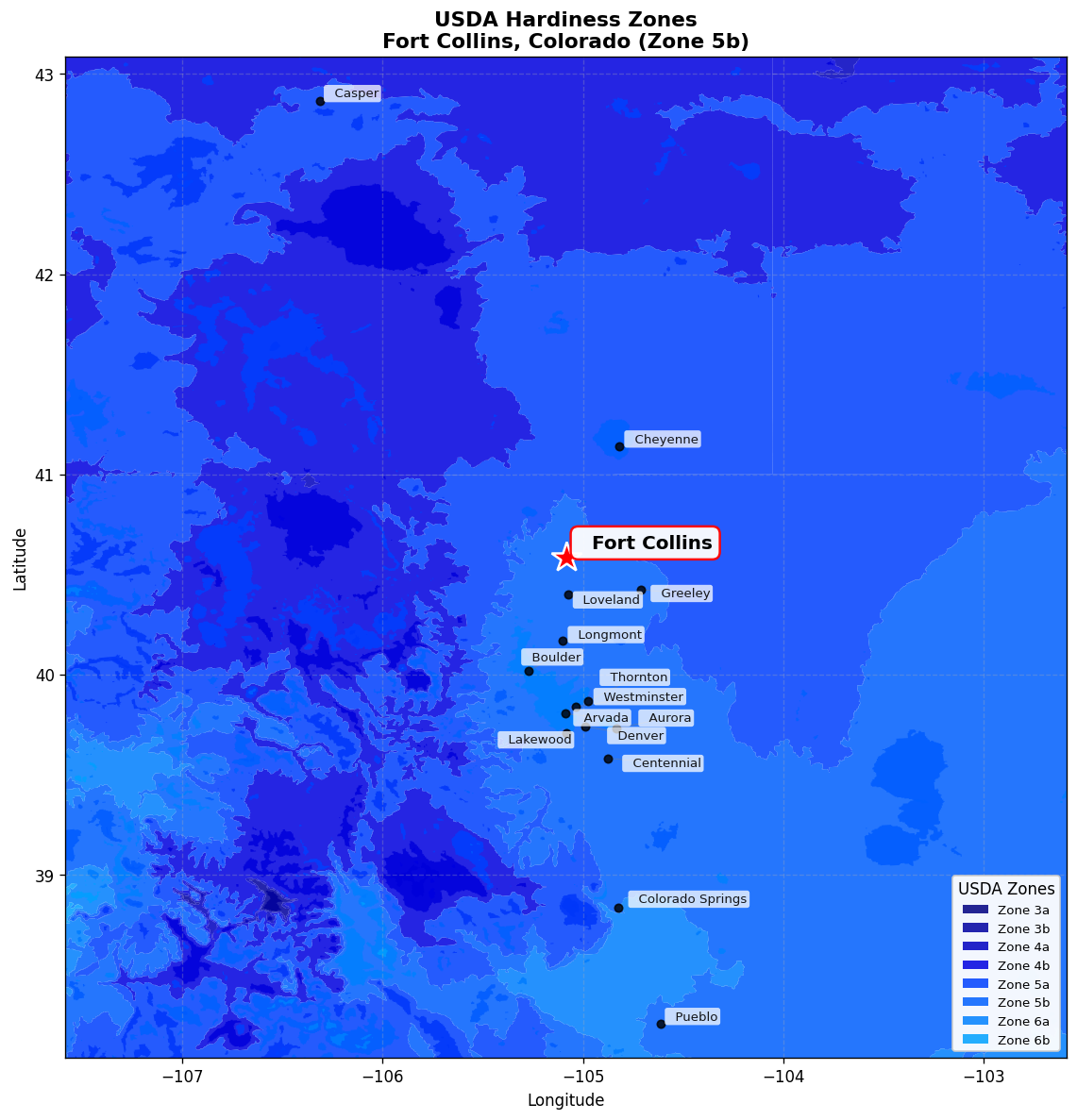
USDA Zone 5b
Hardiness zone for Fort Collins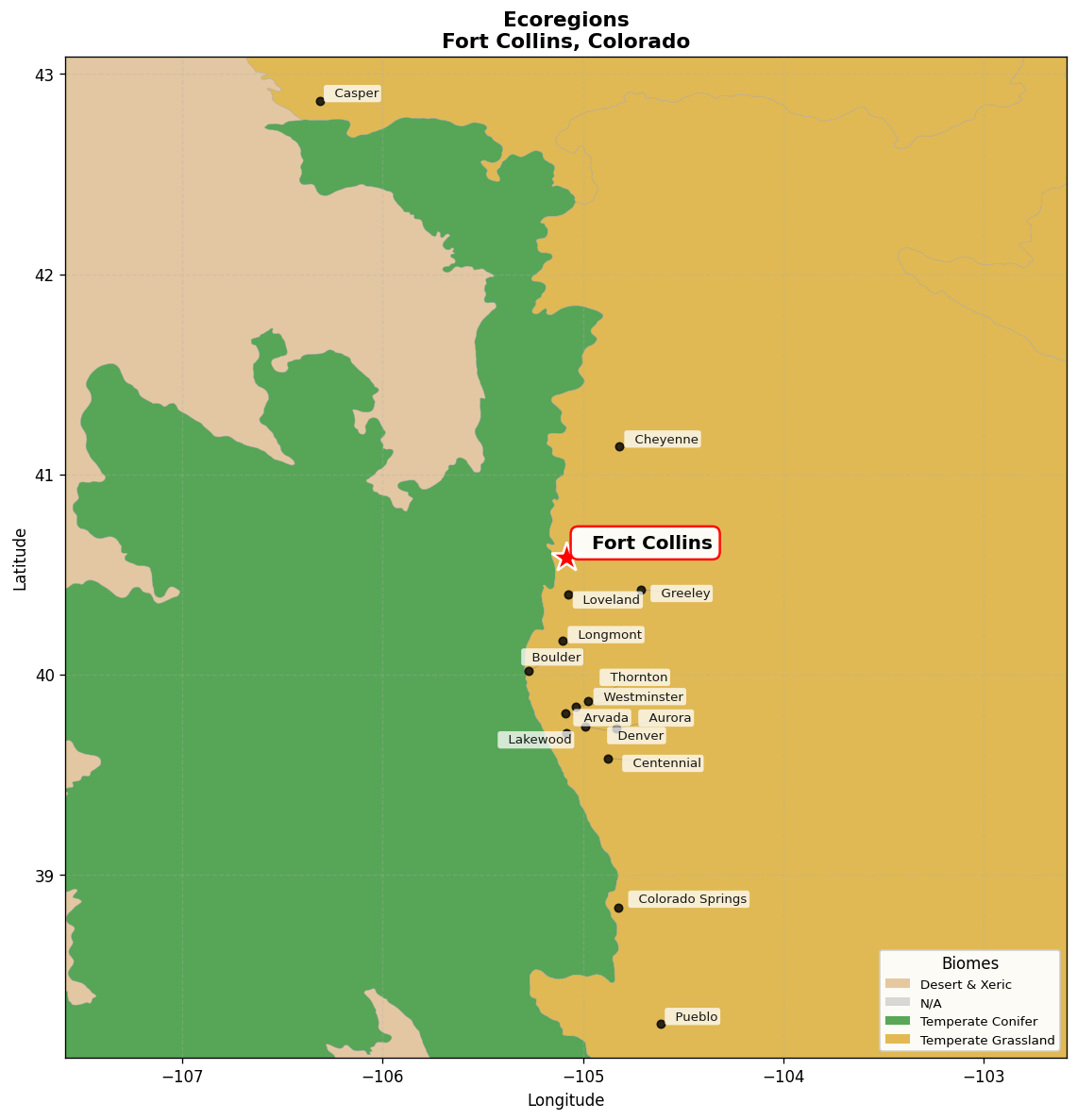
Western shortgrass prairie
Native ecoregionFrequently Asked Questions
How much does a xeriscape cost in Fort Collins?
A contractor-installed front-yard conversion — sod cut and hauled, drip retrofit, gravel mulch, boulders and a real plant list — runs about $9 to $18 per square foot, so a typical 700 sqft Fort Collins front yard lands between $6,500 and $13,000. Doing the demolition and gravel yourself and buying plants at retail brings that to roughly $3.50 to $6 per square foot. Fire terraces with flagstone and a gas bowl run $22 to $40 per square foot installed. Offsetting all of it, the Fort Collins Utilities Xeriscape Incentive Program has paid around $0.75 per square foot of removed turf up to about $750 per address, plus roughly $0.25 per square foot more for heavily native designs — but you must get approval before you remove the sod, so check fcgov.com/xip first.
Will agaves and cactus actually survive a Fort Collins winter?
The hardy ones will, easily. Zone 5b bottoms out around -10°F to -15°F, and Agave parryi var. neomexicana, Agave havardiana, Yucca glauca, Yucca baccata, Opuntia polyacantha and Cylindropuntia imbricata are all rated colder than that — several of them grow wild within an hour of town. What kills them here is March, not January: snowmelt sitting in heavy clay around the crown. Plant every one of them on a berm raised 8 to 14 inches, backfill with a coarse mix of native soil and 3/8-inch squeegee, and top-dress with 3 inches of gravel rather than bark. Skip the tender Agave americana and blue Agave tequilana sold as patio plants; they are annuals at this elevation.
How do I prepare Fort Collins clay soil for a xeric bed?
Test first — CSU's soil lab in Fort Collins runs a routine analysis for a modest fee and will tell you your pH, salts and organic matter. Expect alkaline clay loam around pH 7.5 to 8.3 with organic matter near 1 percent. For lawn or a mixed border, CSU Extension's rule of about 3 cubic yards of compost per 1,000 square feet tilled 6 inches deep is right. For a true xeric bed, do the opposite: no rich compost, because it holds the winter moisture that rots Agave and Opuntia crowns. Cut the clay with crushed granite instead, build up rather than down, and never dig a soft-soil hole into clay and backfill it — that is a bathtub. Alkalinity is also why Fallugia paradoxa and Cercocarpus montanus stay green here while imported maples go chlorotic yellow.
When is the best time to install a landscape in Fort Collins?
Mid-April through May and again from late August into early October are the two good windows. Spring planting gives roots the whole season, but hold frost-sensitive material until after the last frost around May 5 to May 10 — Fort Collins routinely gets a hard freeze in the first week of May. Early fall is arguably better for woody plants and grasses: soil is still warm, evaporative demand has dropped, and Calamagrostis x acutiflora 'Karl Foerster' or Schizachyrium scoparium put on serious root growth in September. Avoid planting hardy cactus and agave in fall; they want a full summer to root before facing their first wet spring. Hardscape and gravel work happen year-round outside of hard freezes.
How much water does a xeriscape need here, and when can I run it?
Established xeric plantings in Fort Collins typically need 8 to 12 inches of supplemental water a season against a bluegrass lawn's 24 to 30 inches — that is where the utility savings come from. New plants are different: budget deep weekly soakings through the entire first growing season and monthly winter watering on warm, snow-free days above 40°F, which is the single most overlooked task on the Front Range and the usual reason a fall-planted Juniperus scopulorum dies in March. Fort Collins Utilities bills tiered summer rates that punish heavy irrigation, and restrictions can be imposed in a drought year, so run drip in the early morning and check current rules with your provider — large parts of south and west Fort Collins are on the Fort Collins-Loveland Water District or ELCO rather than city water.
Can my HOA stop me from replacing my lawn with xeriscape?
No. Colorado law protects a homeowner's right to install drought-tolerant landscaping across the great majority of a residential yard, and an HOA cannot flatly ban xeriscape or require irrigated turf. What an HOA can still do is enforce reasonable design standards — plant coverage, no bare expanses of rock, edging quality, upkeep — so submit a drawn plan with a real plant list rather than the phrase rock garden. Showing named material such as Hesperaloe parviflora 'Brakelights', Penstemon strictus, Delosperma 'Fire Spinner' and Prunus besseyi 'Pawnee Buttes' with mature spreads, plus at least 50 percent living coverage at maturity, gets approvals through Fort Collins architectural committees far faster than a gravel plan does.