4 Modern Garden Ideas for Fort Worth, TX | Architectural Landscape Design in Zone 8a
Native plants from the Cross-Timbers savanna-woodland (Zone 8a) — Humid subtropical climate
Why Modern/Minimalist Gardens in Fort Worth?
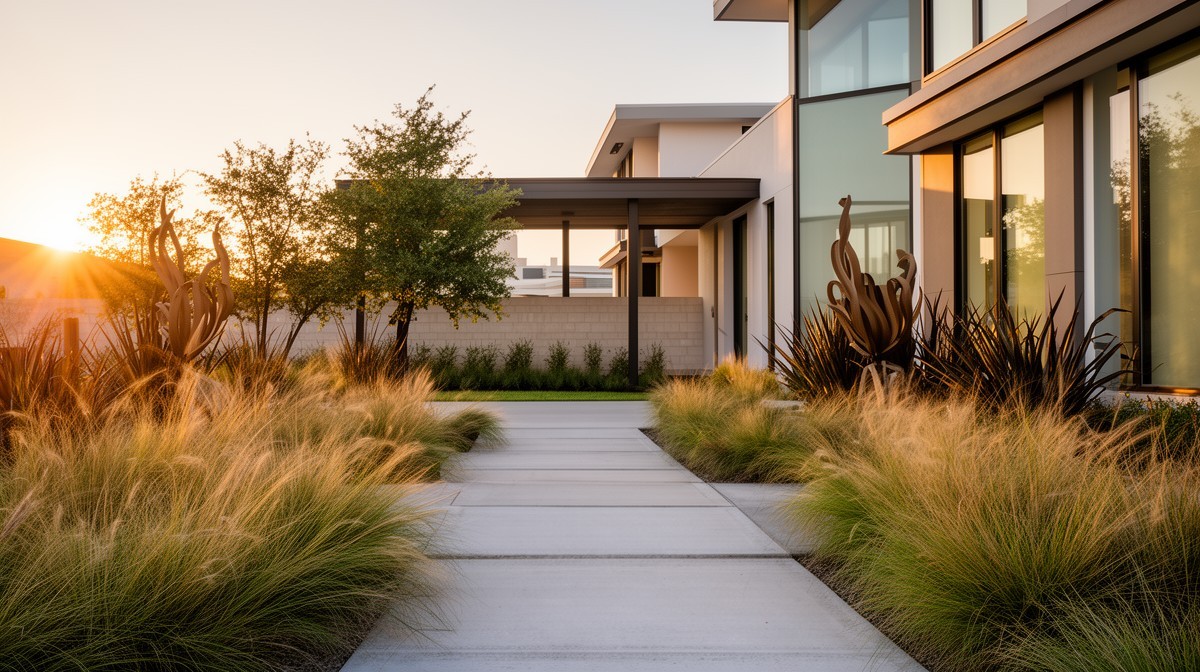
Fort Worth's identity as the place where the West begins is more than a slogan — it's a landscape design brief. The city's western character, open sky, and Cross-Timbers savanna-woodland ecoregion translate naturally into modern landscape aesthetics that favor horizontal planes, bold plant forms, and honest materials. Where Dallas tends toward the polished and cosmopolitan, Fort Worth rewards the raw and structural: Corten steel, native grasses, limestone outcrop, and the spare geometry of water-smart design.
The climate drives the design logic. Zone 8a summers average above 95°F for 90+ consecutive days, with Fort Worth's westerly exposure meaning less Gulf humidity than Dallas and more drying Southwestern winds. Annual rainfall of 34 inches falls in episodic bursts rather than steady moisture — design strategy must account for both extreme drought and occasional flash flooding. Modern landscape design's preference for fast-draining hardscape, bermed planting areas, and permeable surfaces handles both conditions better than conventional turf-and-shrub landscaping.
Fort Worth's newer development — the master-planned communities of Aledo, Walsh Ranch, and Chisholm Trail Ranch to the southwest — features contemporary architecture at a scale that demands equally considered landscapes. These homes have large lots, exposed limestone foundations, and clean architectural lines that call for modern landscape treatment: bold plant masses, geometric hardscape, and a restrained material palette. Even within the established urban core, neighborhoods like the Near Southside and the West 7th corridor have seen substantial contemporary infill development that benefits from modern landscape design. Fort Worth is a city where the modern landscape vocabulary is still being written.
4 Modern/Minimalist Design Ideas for Fort Worth
AI-generated image
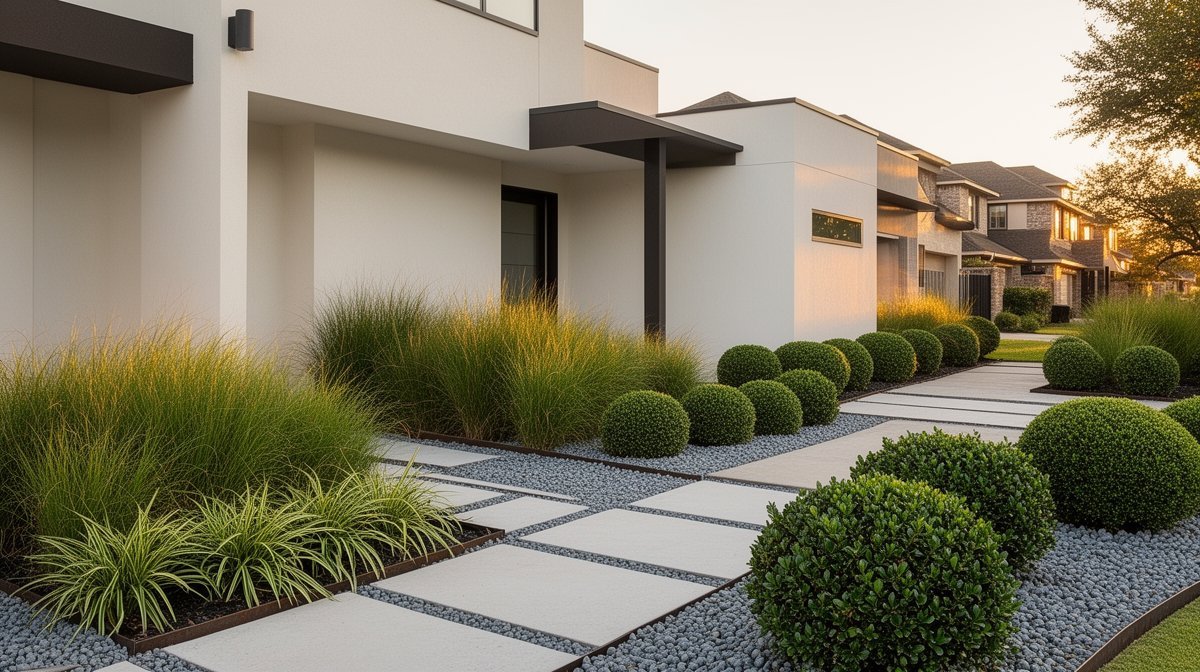
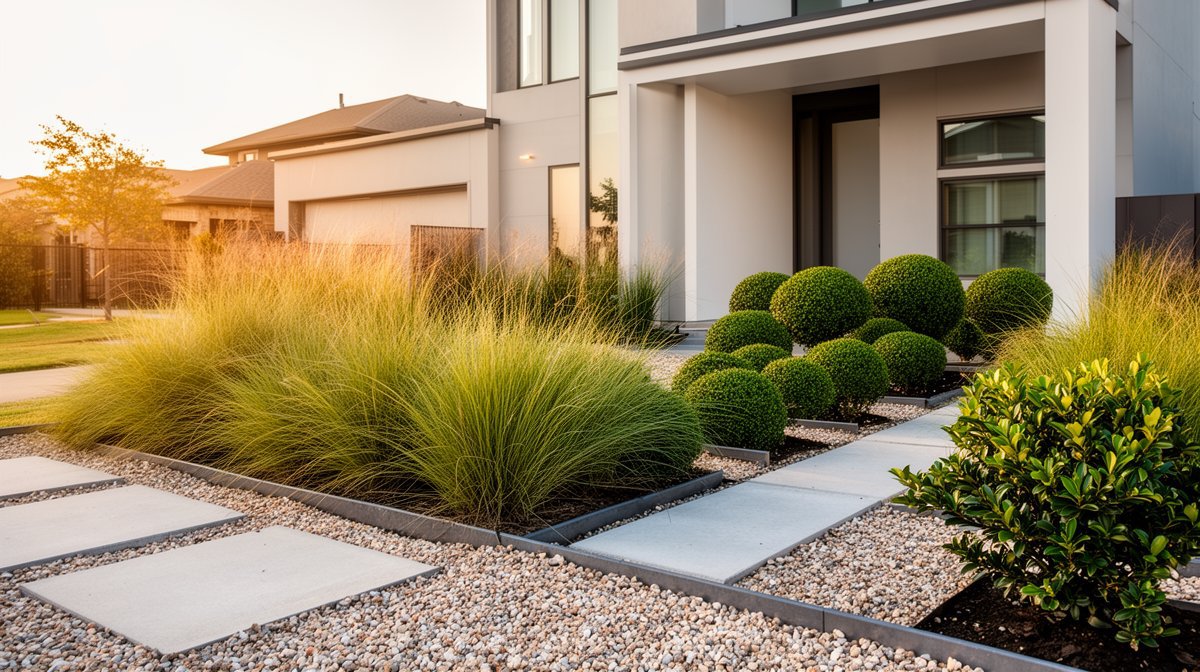
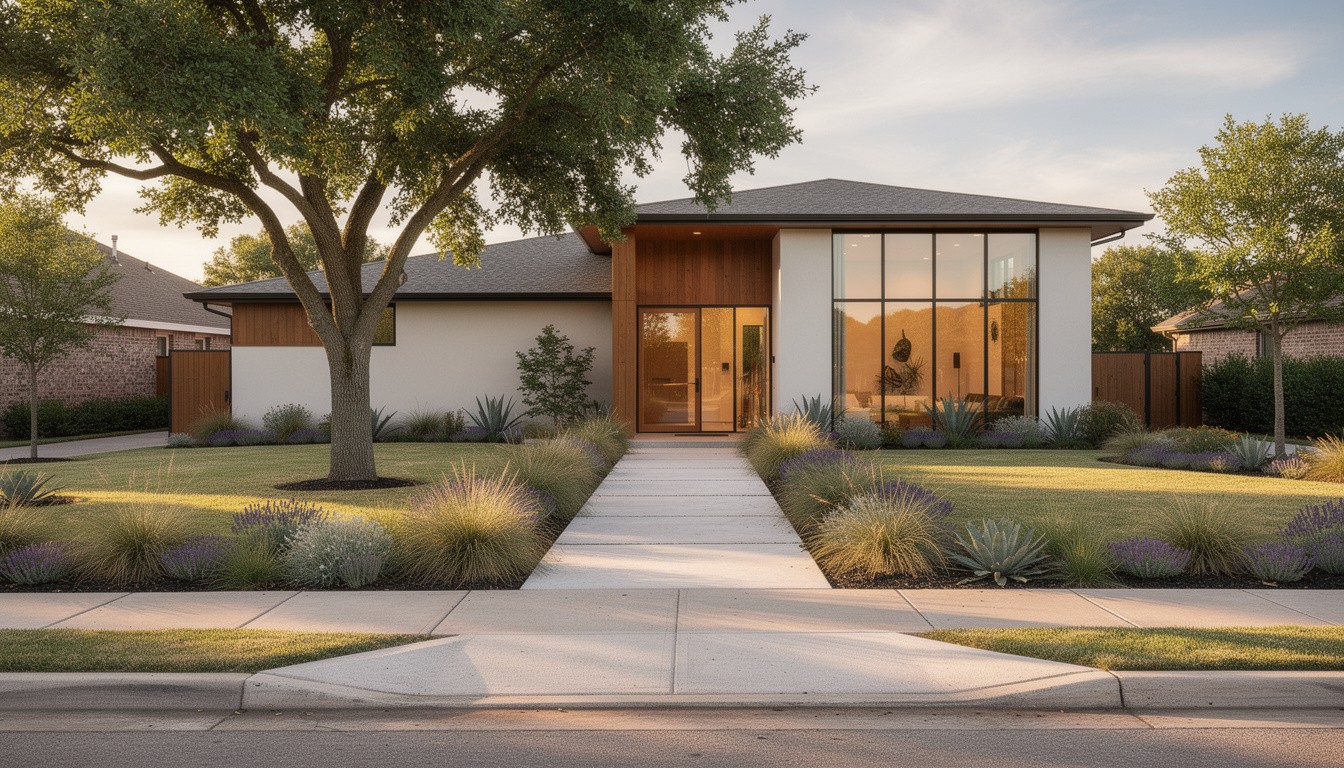
The Ornamental Grass and Concrete Entry
$12–22/sqftA clean concrete walkway leads to the front door of a contemporary Fort Worth home, flanked by sweeping masses of ornamental grasses in steel-edged beds. Gulf muhly, Little Bluestem, and purple-toned salvias create soft textural layers against the home's crisp white and warm wood exterior. A mature shade tree adds scale on one side without disrupting the composition's horizontal emphasis. This design is ideal for Fort Worth's Zone 8a conditions — every plant is drought-tolerant once established, the concrete walk handles clay-soil movement, and the overall maintenance demand drops to one annual cut-back in late February.
AI-generated image
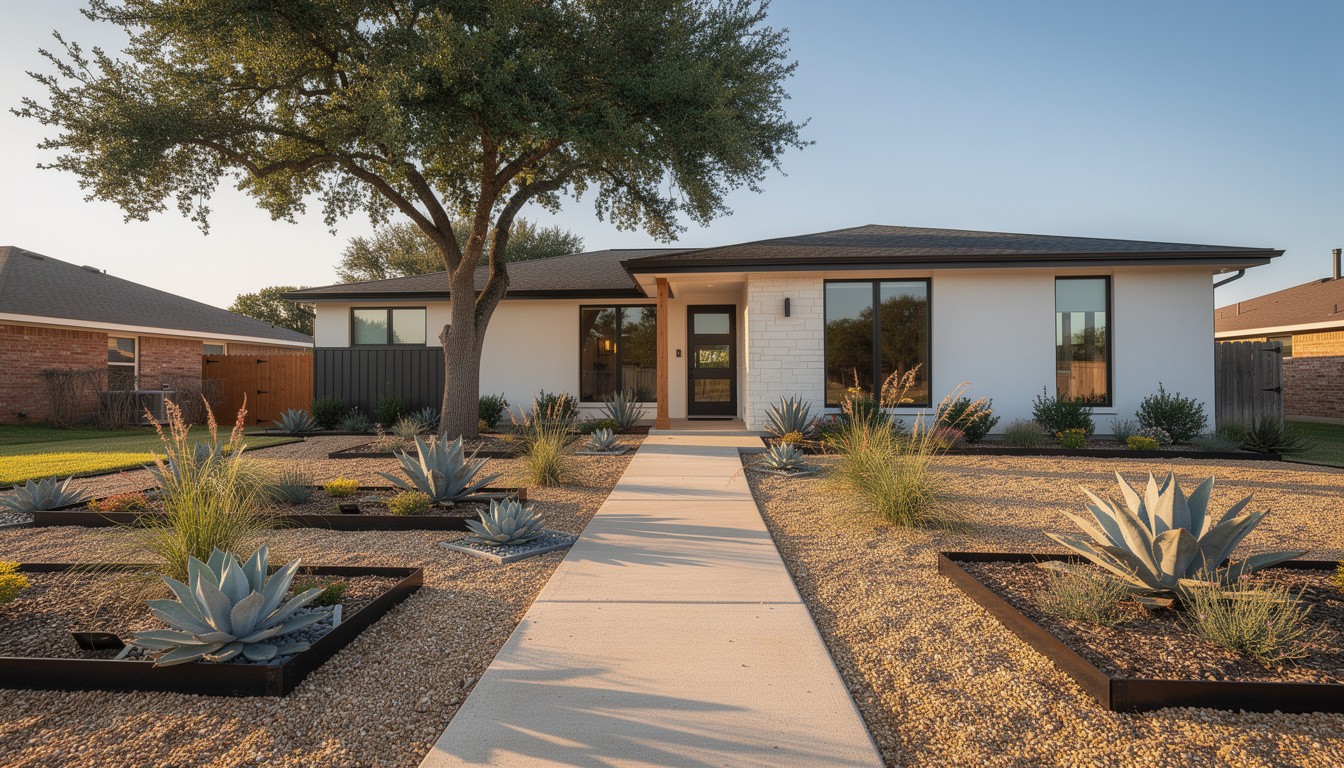
The Agave and Gravel Xeriscape Front
$14–26/sqftLawn is replaced with decomposed granite and gravel beds punctuated by bold agave rosettes and sculptural yuccas placed at precise intervals. A straight concrete path bisects the composition to the front door of a white flat-roofed modern home. A mature oak provides canopy structure in one corner. This design achieves what traditional turf lawns cannot in a Fort Worth summer — visual interest and structure that actually holds through July and August, when grass goes dormant. Zero ongoing irrigation after establishment and one annual maintenance pass make this Fort Worth's most genuinely low-effort front yard.
AI-generated image
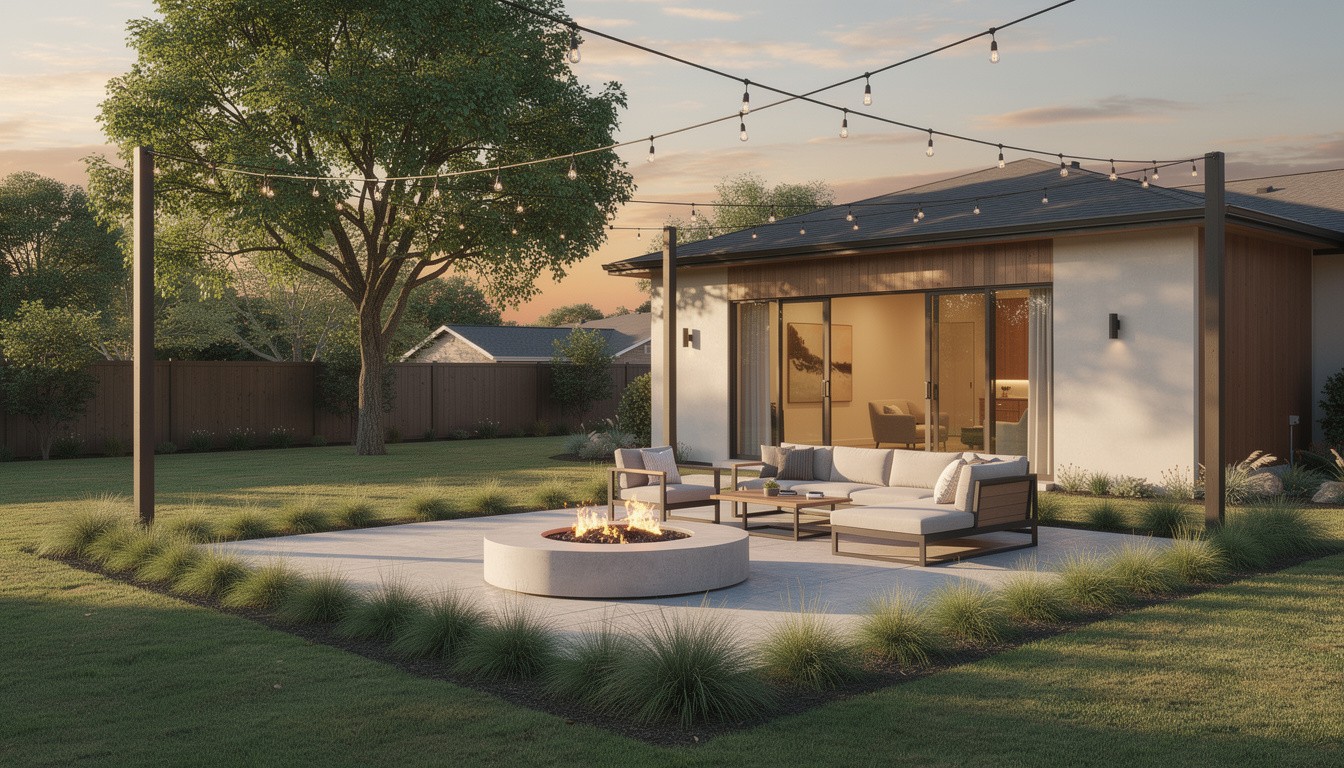
The Concrete Patio with Fire Pit Lounge
$18–35/sqftA wide poured concrete patio wraps the rear of a contemporary Fort Worth home, centered on a circular fire pit surrounded by modern outdoor lounge seating. String lights span overhead from a cedar post to the roofline and ornamental grasses in steel-edged beds line the perimeter. An existing shade tree provides a natural canopy above the seating zone. This design is built for Fort Worth's evening outdoor culture — the fire pit extends comfortable outdoor living from September through April, and the concrete surface stays cooler than pavers in afternoon sun, becoming genuinely pleasant after sundown.
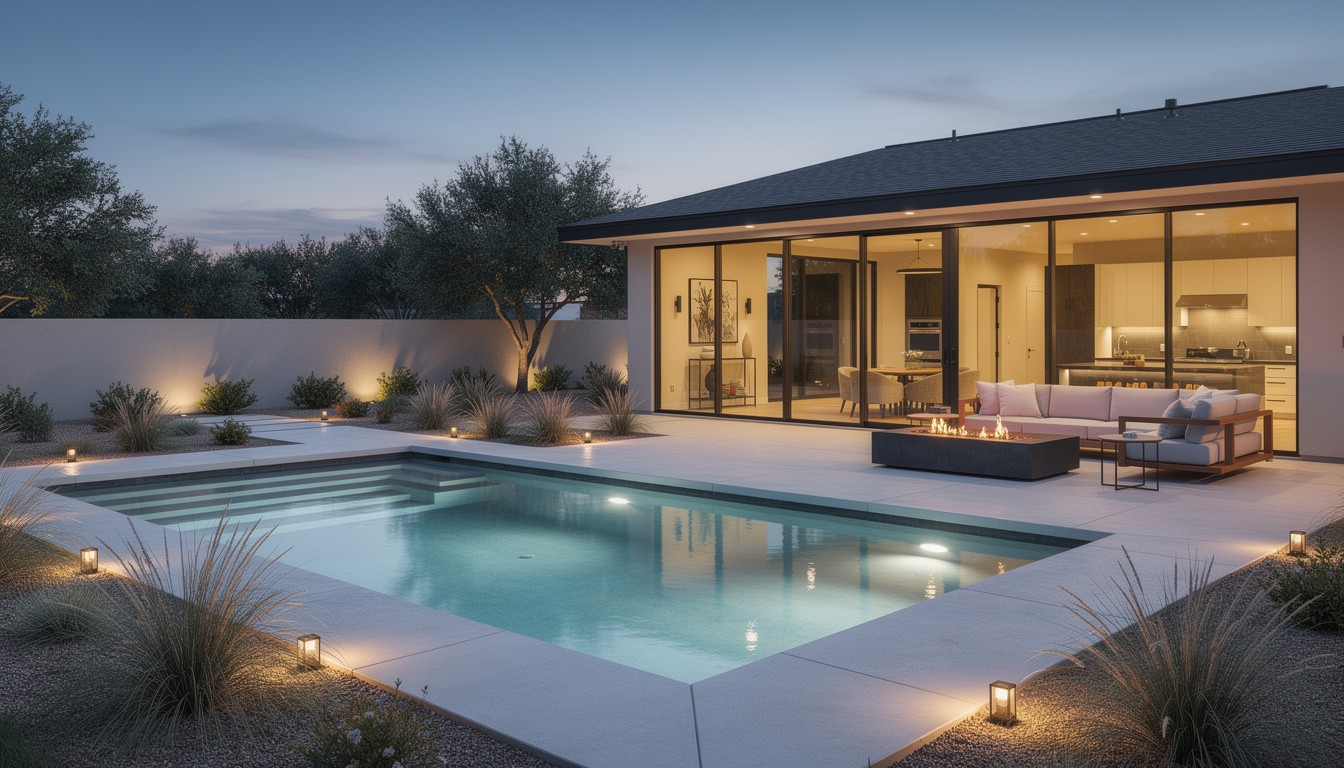
AI-generated image
The Illuminated Pool and Patio Garden
$45–95/sqft (pool included)A rectangular pool with a wide white concrete deck fills the rear yard of a contemporary Fort Worth home, with pool loungers flanking the sun deck and a fire pit seating area at one end. The pool is lit from within at dusk while ornamental grasses and low-water plants in raised beds line the perimeter fence. Large sliding glass doors open the interior directly onto the pool deck. Fort Worth summers demand a pool — this design makes it the organizing center of the entire backyard rather than an add-on, with every surface and plant chosen for durability in Texas heat and visual coherence after dark.
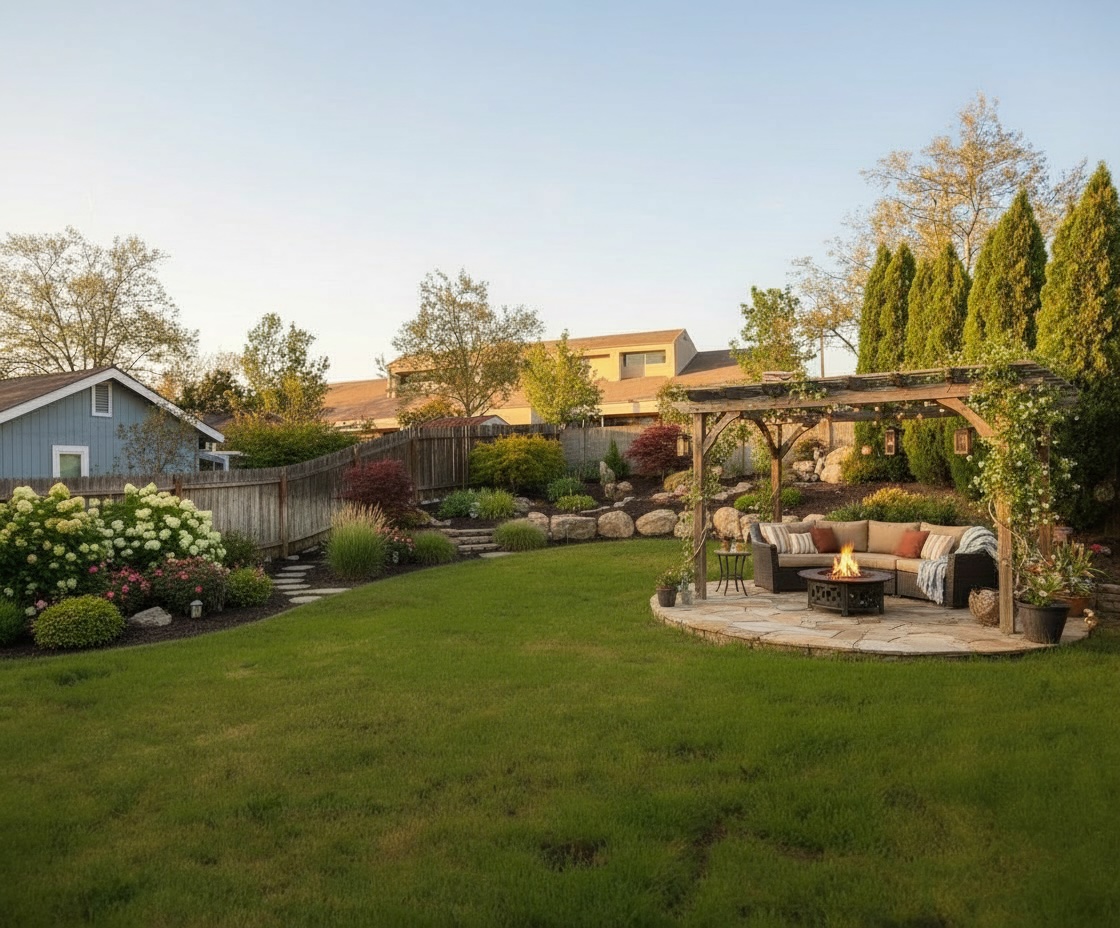
See how a modern/minimalist garden looks on YOUR property
Upload a photo of your Fort Worth yard and visualize your dream garden in seconds.
Try ProScapeAI Free
AI-generated image
Featured Trees & Shrubs for Modern/Minimalist Gardens
Browse all 154 plants for Fort Worth
Mexican Buckeye
Ungnadia speciosa
medium-sized at 12 feet, pink blooms in spring. Attracts butterflies.
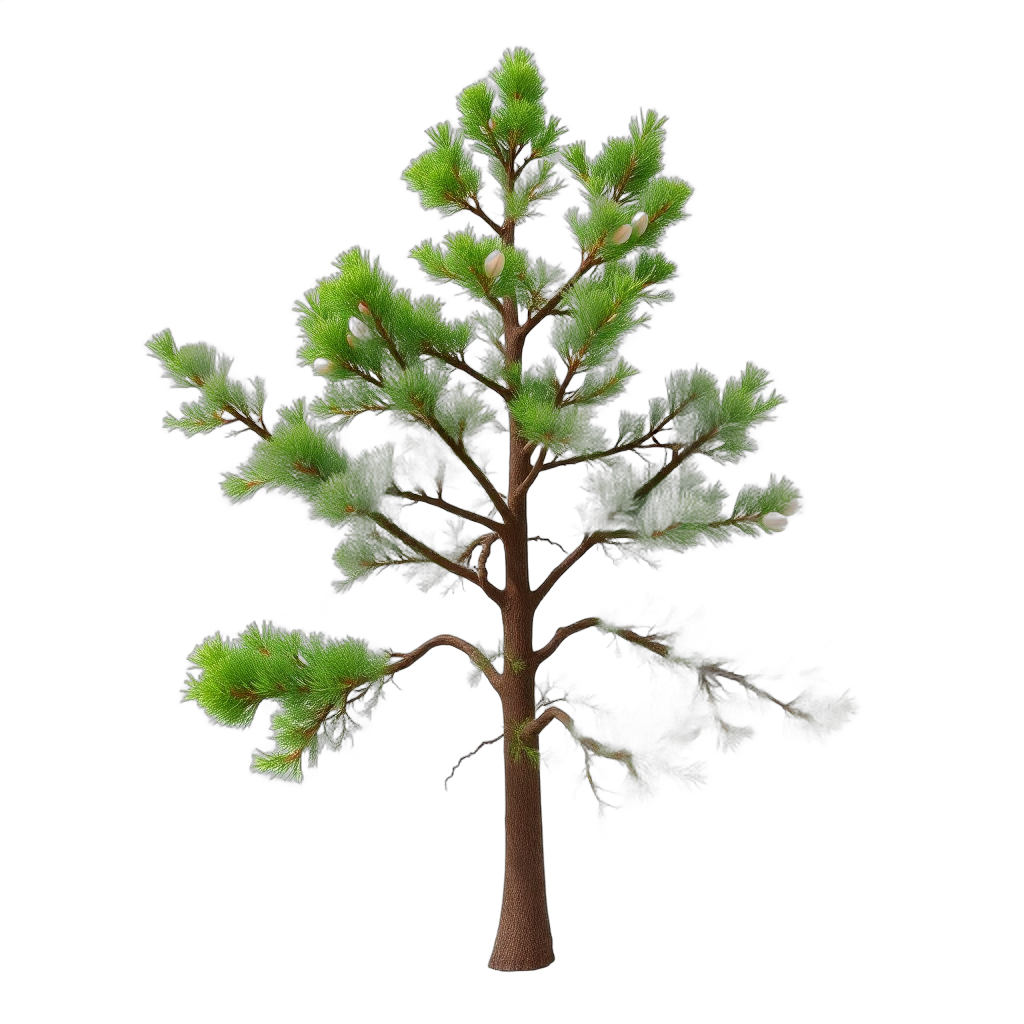
Ashe Juniper
Juniperus ashei
reaches 25 feet tall, blooms in winter. Evergreen year-round.
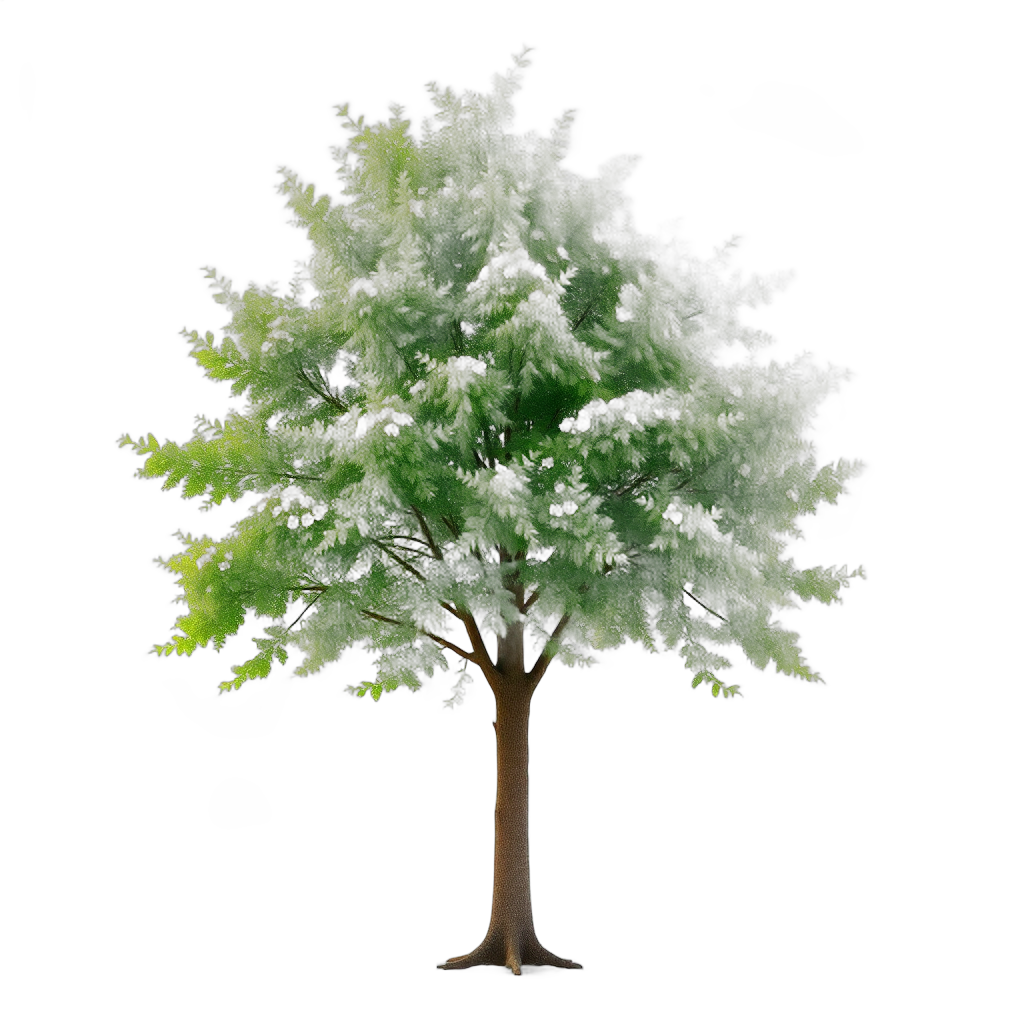
Cedar Elm
Ulmus crassifolia
large shade tree reaching 60+ feet, blooms in fall. Yellow fall color.
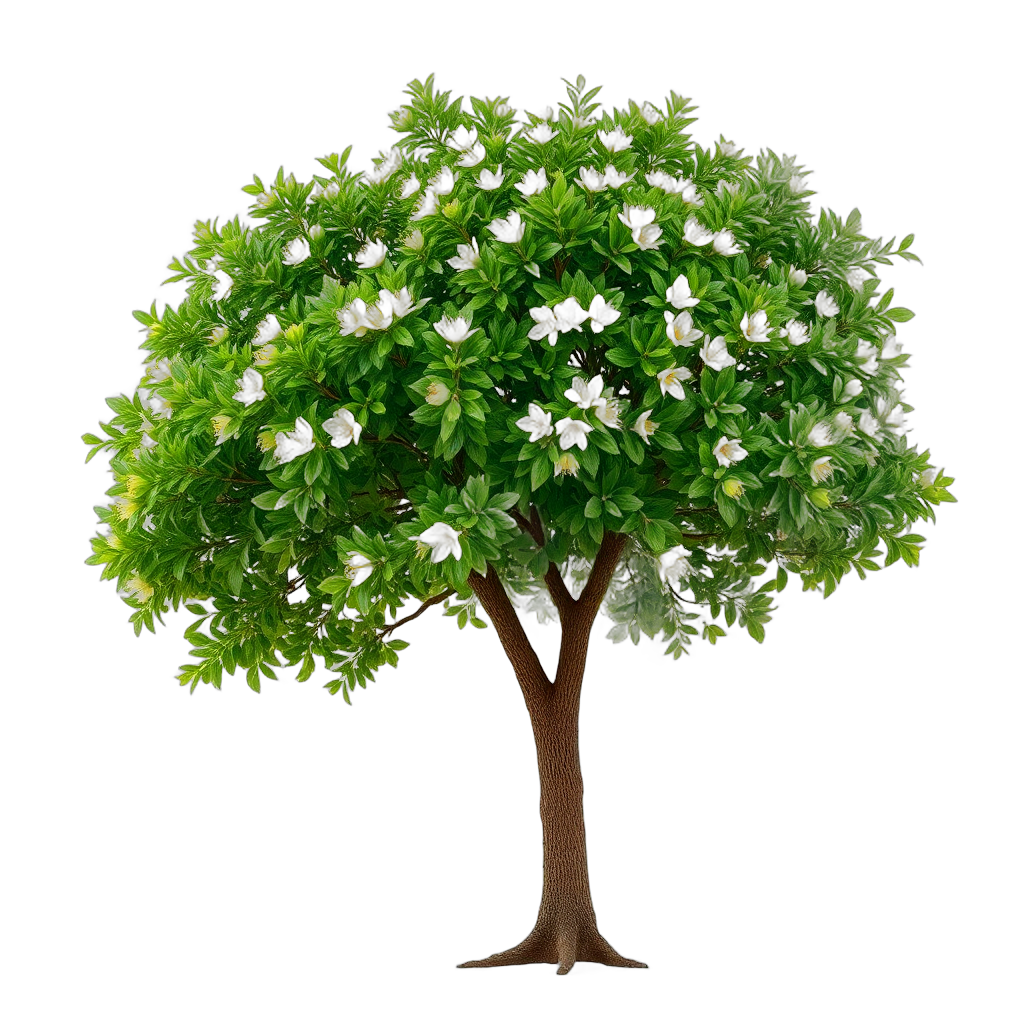
Osage Orange
Maclura pomifera
large shade tree reaching 50+ feet, blooms in spring. Yellow fall color.
Featured Flowers & Perennials for Modern/Minimalist Gardens

Water Lettuce
Pistia stratiotes
low-growing ground cover, white blooms in summer. Evergreen year-round.
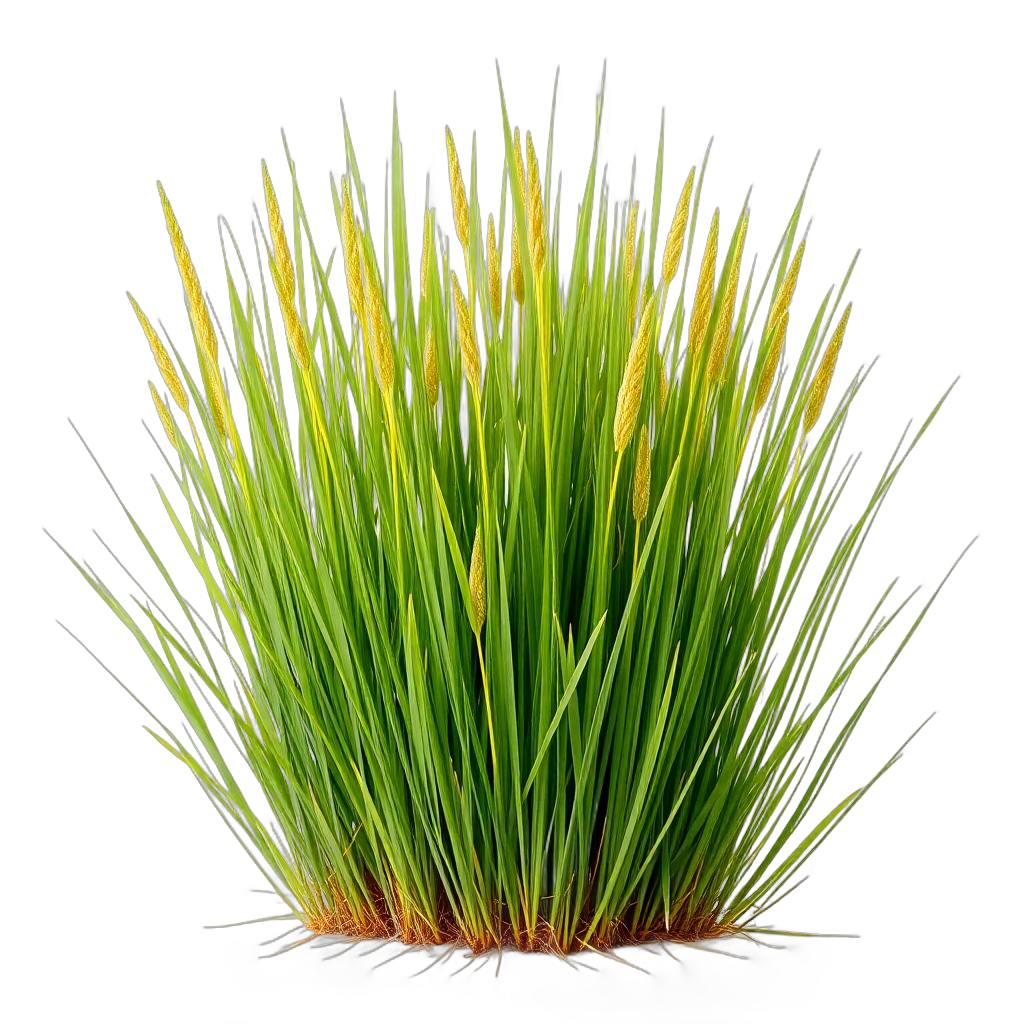
Bowles' Golden Sedge
Carex elata 'Aurea'
low-growing ground cover, blooms in none.

Tussock Sedge
Carex stricta
low-growing ground cover, blooms in spring. Brown fall color.

Umbrella Sedge
Cyperus alternifolius
grows to 4 feet, blooms in summer. Evergreen year-round.
Zone and sun checks come from our database — confirm with your local nursery before you buy.
Bloom Calendar for Fort Worth
spring
Mexican Buckeye, Ashe Juniper, Osage Orangesummer
Water Lettuce, Umbrella Sedge, Alpine Sea Hollyfall
Cedar Elm, Autumn Snakerootwinter
Ashe JuniperDesign Tips for Fort Worth (Zone 8a)
- Local limestone is Fort Worth's signature hardscape material — use it for paths, seat walls, and mulch to anchor the design in the region's specific geology and character
- Corten steel planters and edging develop their patina in a single Fort Worth summer and become maintenance-free permanent features that age with the landscape
- Agave ovatifolia (Wheeler century plant) is the most cold-hardy large agave for North Texas — it handles Zone 8a winters without damage and provides year-round architectural drama
- Fort Worth Water's WaterSmart rebate program offers incentives for turf removal and efficient irrigation; check their current offerings before finalizing a project budget
- Gulf muhly grass planted in large masses delivers Fort Worth's best fall landscape moment — a cloud of soft pink-lavender bloom in September and October that requires zero maintenance
- Design drainage intentionally before any hardscape: Fort Worth's episodic heavy rainfall and clay soil create flooding problems in under-designed landscapes within the first year
Where to Source Plants in Fort Worth
Skip the big-box stores. These independent Fort Worth nurseries specialize in the plants that make modern/minimalist gardens thrive in Zone 8a.
Nicholson-Hardie Nursery & Garden
Cultural District / Camp Bowie
Premium plants, design services, perennials, trees — established 1934
Calloway's Nursery – Fort Worth
Multiple Fort Worth locations
Broad plant selection, drought-tolerant varieties, trees, grasses
Fort Worth Botanic Garden Plant Sales
Botanic Garden District
Native and adapted plants, grasses, specialty perennials
The Natural Gardener
Austin, TX (for specialty native plant orders)
Native Texas plants, ornamental grasses, wildflowers
Milberger's Landscaping & Nursery
San Antonio (for specialty Texas natives by mail/pickup)
Native Texas plants, drought-tolerant varieties, expert advice
Modern/Minimalist Landscaping Costs in Fort Worth
| Project Scope | Estimated Cost |
|---|---|
| Lawn removal + decomposed granite front yard | $4,000 – $10,000 |
| Full modern front yard redesign with hardscape + plants | $8,000 – $20,000 |
| Concrete patio + fire pit lounge (backyard) | $10,000 – $28,000 |
| Rectangular pool + contemporary landscape (full backyard) | $50,000 – $120,000 |
| Privacy fence or cedar screen installation | $3,500 – $9,000 |
| Drip irrigation system (new install) | $1,200 – $3,000 |
| AI visualization with ProScapeAI | Free to start |
Estimates based on Fort Worth, TX-area contractor rates as of 2026. Actual costs vary by site conditions, materials, and contractor.
Fort Worth Climate & Growing Zone
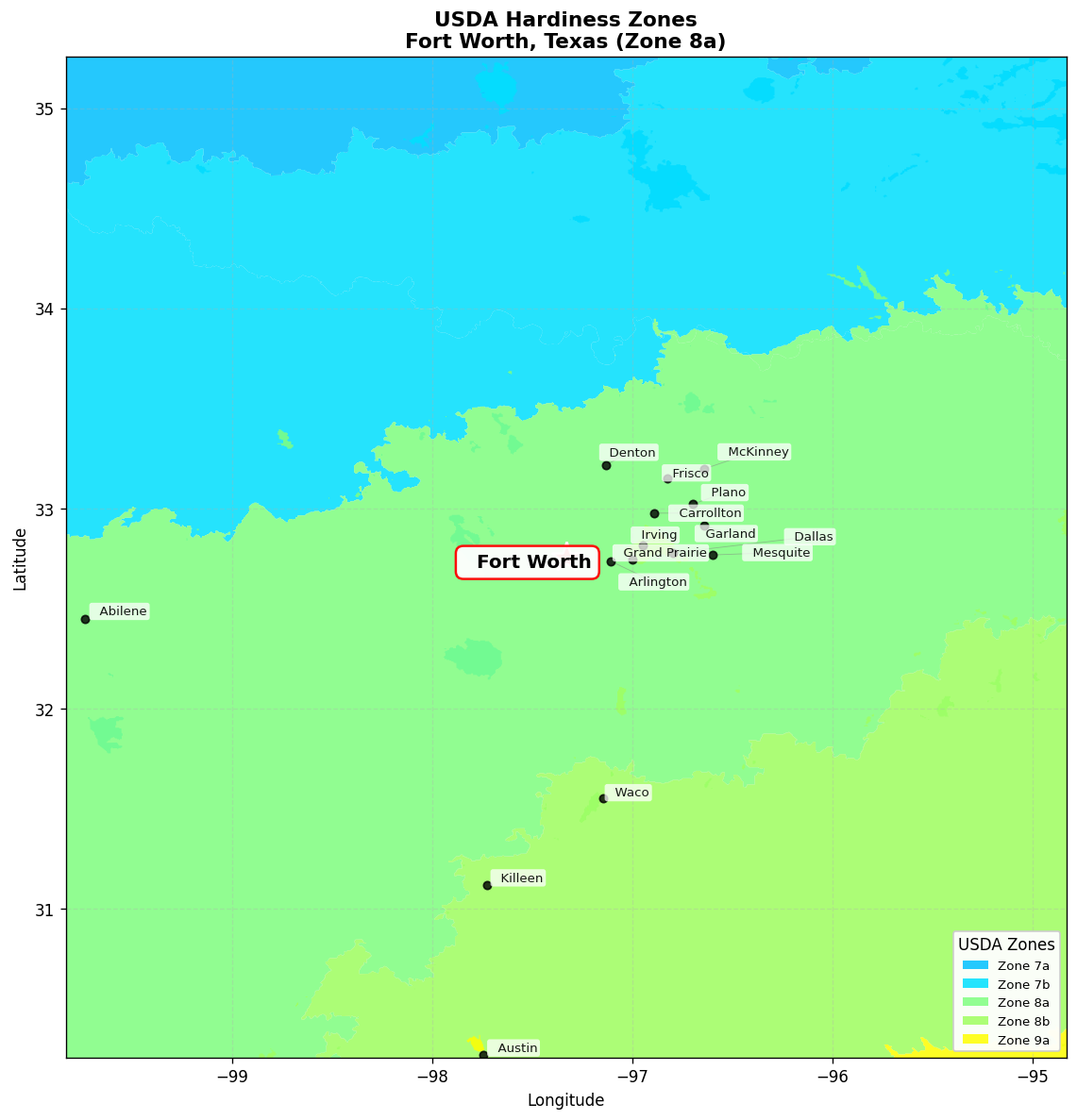
USDA Zone 8a
Hardiness zone for Fort Worth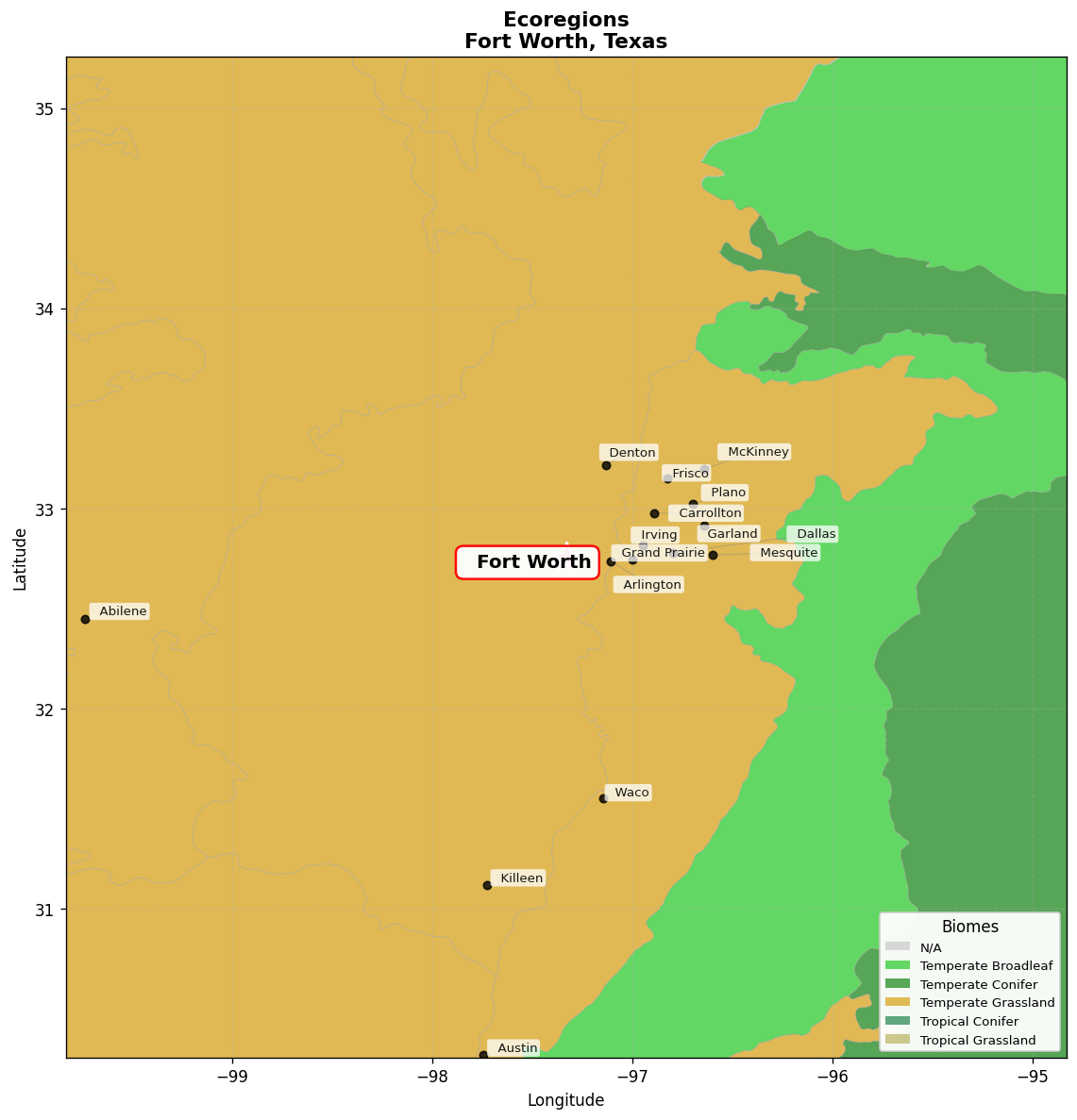
Cross-Timbers savanna-woodland
Native ecoregionFrequently Asked Questions
What modern plants work best in Fort Worth Zone 8a?
Fort Worth's best modern plants combine heat tolerance with strong architectural form. Top performers: Agave ovatifolia (Wheeler century plant — the best cold-hardy agave for North Texas), Yucca rostrata (single-trunk specimen, exceptional visual drama), Texas sage / Cenizo (silver foliage, purple bloom after rain), Gulf muhly grass (soft pink cloud in fall), Little Bluestem (copper-rust winter color, native prairie grass), desert willow (Chilopsis — summer-long bloom, multi-trunk structure), and Hesperaloe parviflora (red flower spikes all summer). All are Zone 8a hardy and drought-tolerant once established.
How do I deal with Fort Worth clay in a modern hardscape project?
Clay soil in Tarrant County expands and contracts seasonally — a 4–6 inch compacted crushed limestone base under all paving is the minimum standard, and 6–8 inches is better for areas with significant moisture fluctuation. Control joints in concrete every 8–10 feet are non-negotiable. Decomposed granite and permeable pavers accommodate clay movement better than rigid concrete slabs for large areas. Always design positive drainage away from the house foundation and toward low points where water can infiltrate or be channeled to the street. A local hardscape contractor familiar with Tarrant County conditions is worth the premium over a general contractor.
Can I replace my Fort Worth lawn with a native grass meadow?
Yes, and it's one of the best landscape decisions you can make in Tarrant County. Turfgrass is the largest water consumer in residential Fort Worth landscapes — replacing it with Little Bluestem, Gulf muhly, and native wildflowers reduces irrigation by 50–70% after establishment. The visual result in fall and winter — copper grasses, pink muhly plumes, seed heads catching low light — is better than dormant turf by any measure. Steel edging and a geometric path through the meadow impose the modern order that distinguishes a designed meadow from neglected grass. Fort Worth Water offers rebates for turf removal; check their current WaterSmart program before starting.
What are the best new Fort Worth neighborhoods for modern landscape design?
Walsh Ranch is Fort Worth's premier master-planned community with contemporary homes and design standards that reward modern landscape investment. Chisholm Trail Ranch (southwest Fort Worth) has newer construction at scale. Westover Hills, though established, has large lots and contemporary mansion-scale homes that justify major landscape projects. For urban modern design, the Near Southside and West 7th corridor have contemporary infill homes on tight urban lots where efficient, design-forward outdoor rooms are the appropriate response. Aledo (technically Parker County, outside Fort Worth city limits) is where many Fort Worth-area contemporary ranch-modern estates are being built.
How much does a modern landscape in Fort Worth cost?
Costs vary significantly by scope and material specification. Entry-level modern front yard (lawn removal + native grass meadow + path): $8,000–18,000 for a typical 500 sqft front yard. Contemporary patio + outdoor room: $15,000–35,000 for a 400–600 sqft patio with basic plantings. Full backyard transformation without pool: $25,000–60,000. Pool + landscape: $55,000–120,000+. Fort Worth labor rates are generally 10–15% lower than Dallas for equivalent work. Get three competitive bids and verify that each contractor carries current Texas Department of Agriculture nursery licenses and general liability insurance.
What hardscape materials are best for Fort Worth's West Texas character?
For a landscape that feels genuinely Fort Worth rather than generic DFW, lean on materials from the region's geology and building tradition: crushed local limestone (buff to cream color, widely available from Tarrant County quarries), Corten weathering steel (develops a rust patina that references working ranch aesthetics), cedar (native to the Cross-Timbers, available rough-sawn for a more authentic texture), and concrete with an exposed aggregate or broom finish. Avoid imported tropical stone, highly polished marble, or materials that read as Austin or Houston rather than Fort Worth's distinct western character.