4 Desert Garden Ideas for Gilbert, AZ | Sonoran Desert Zone 9b Designs
Native plants from the Sonoran desert (Zone 9b) — Hot desert climate
Why Desert/Xeriscape Gardens in Gilbert?
A desert landscape in Gilbert, AZ works with the Sonoran desert ecoregion’s extraordinary biological richness rather than against it. Zone 9b’s summer highs regularly exceed 110°F and the 8-inch annual rainfall demands plants that have evolved specifically for this extreme environment — and the Sonoran desert delivers: saguaro cacti, palo verde trees, desert ironwood, brittlebush, and the spectacular array of native agave species that make this ecoregion the most biodiverse desert in North America. A well-designed Gilbert desert garden uses these plants to create a landscape that is simultaneously beautiful, water-free after establishment, and genuinely alive with birds, bees, and butterflies.
Gilbert’s residential neighborhoods like The Islands, Power Ranch, and Val Vista Lakes feature the stucco homes, block walls, and concrete driveways that accept desert landscaping naturally. The East Valley HOA landscape standards have evolved significantly in recent years to encourage or require drought-tolerant desert plantings — many Gilbert HOAs now mandate that new and renovated landscapes meet a maximum turf percentage and minimum desert coverage. This regulatory shift, combined with the Maricopa Municipal Water District’s tiered water pricing, makes desert landscaping both aesthetically and financially compelling.
Gilbert’s water rebate program through EPCOR and Arizona Water offers cash rebates for converting lawn to desert landscaping, with additional rebates for drip irrigation systems. A typical Gilbert front lawn replacement (800 sqft) can earn $400–$1,200 in rebates and reduce monthly water bills by $40–$80. Combined with the near-zero maintenance cost of an established desert garden, the return on investment for desert landscaping in Gilbert is among the strongest of any landscape investment in Arizona.
4 Desert/Xeriscape Design Ideas for Gilbert
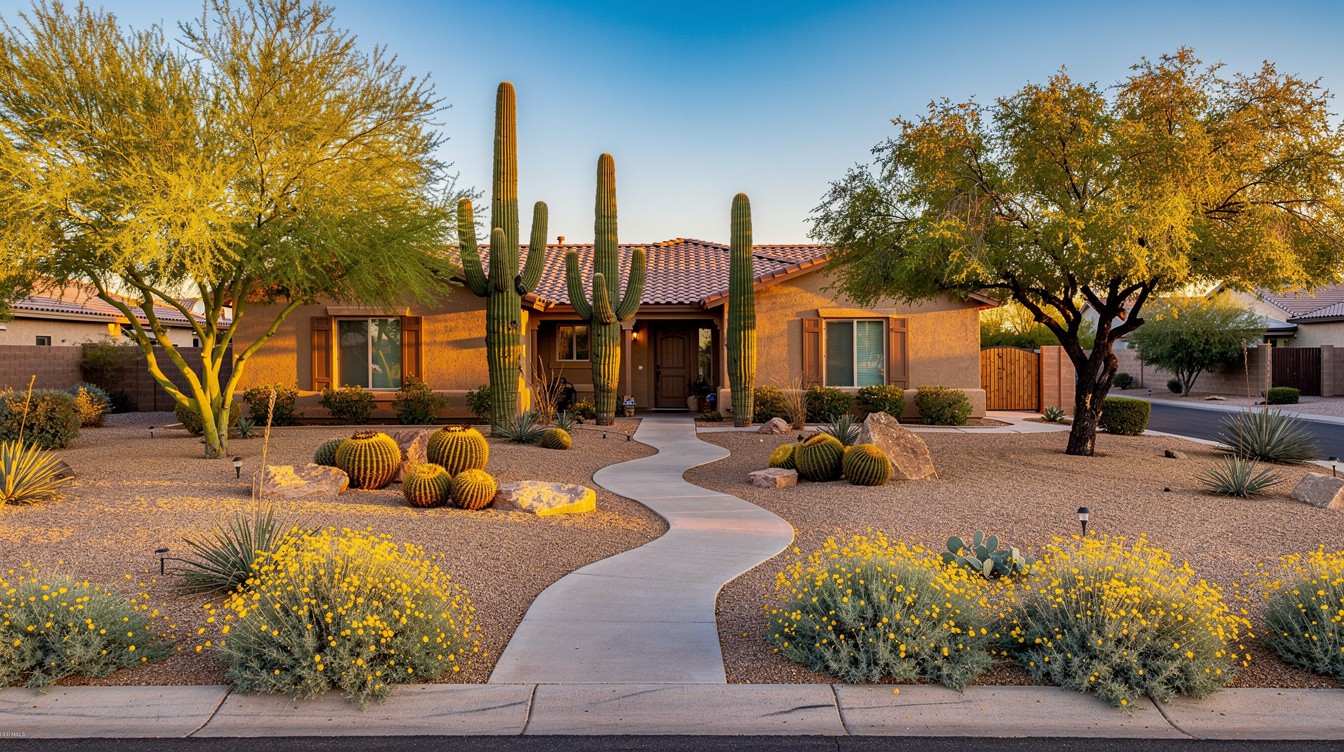
The Classic Sonoran Front Yard
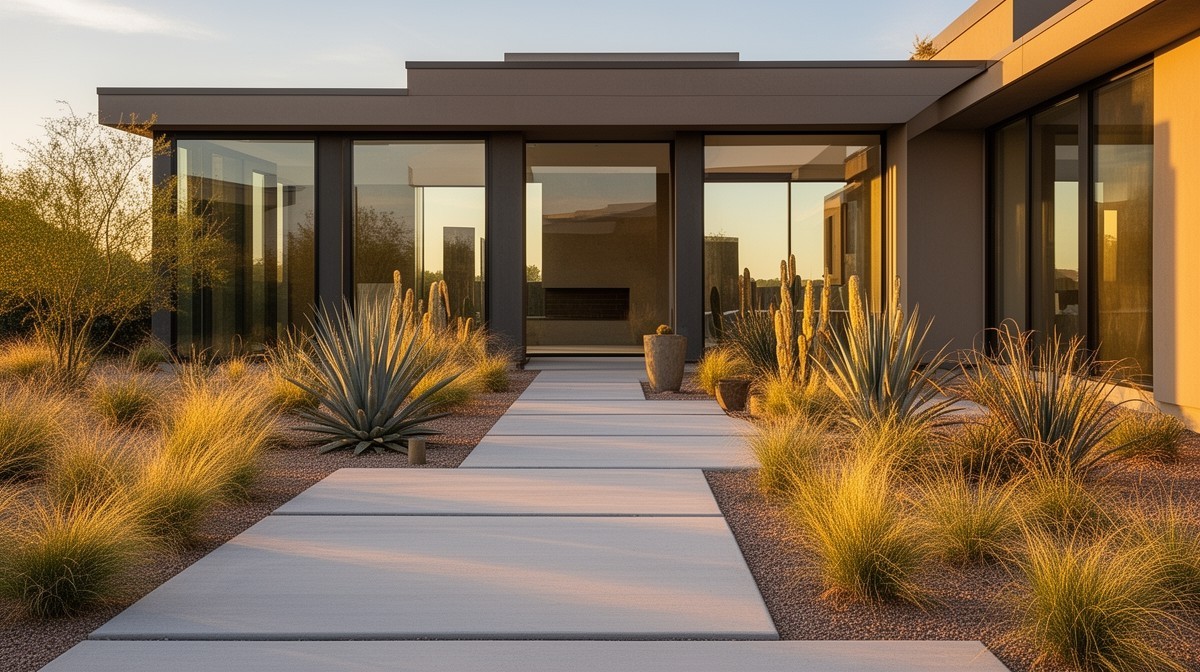
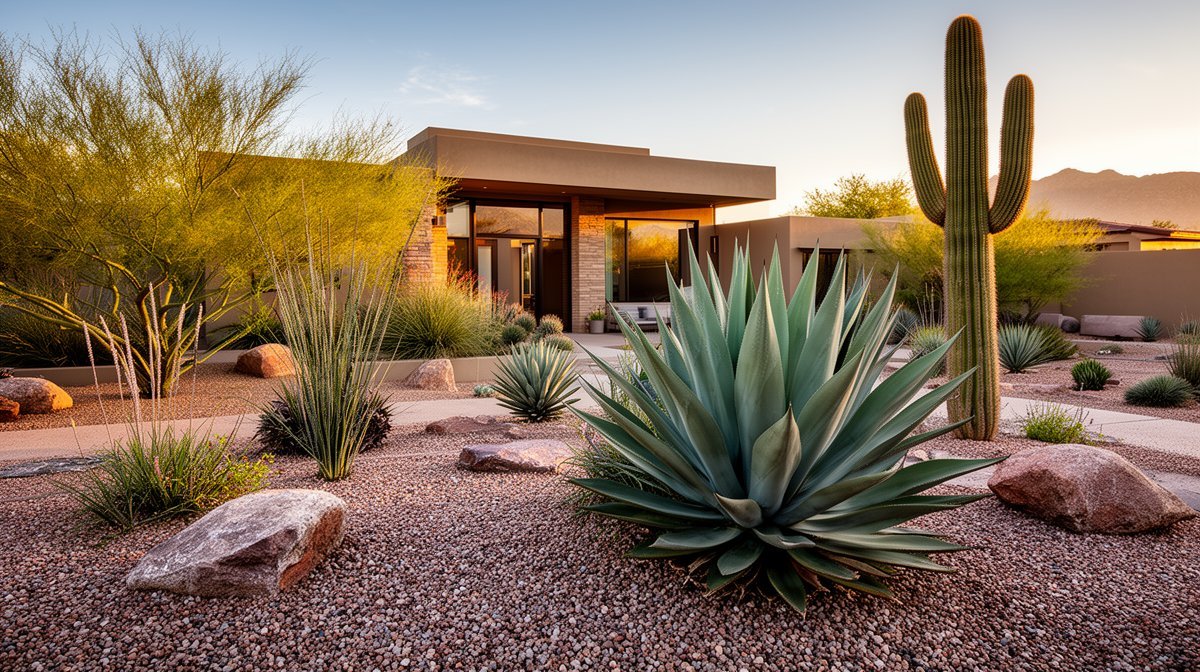
$9–18/sqftA Gilbert stucco home faces a front yard redesigned as a textbook Sonoran desert composition: a large decomposed granite ground plane in copper-tan provides the base while three saguaro cacti of different heights create the skyline character. Palo verde trees provide filtered shade and the signature yellow spring bloom while desert ironwood anchors the back corner. Golden barrel cacti cluster in odd-numbered groups near boulders while brittlebush softens the street edge with grey foliage and yellow February blooms. A concrete ribbon path leads to the front door. Authentic, spectacular, and essentially maintenance-free.
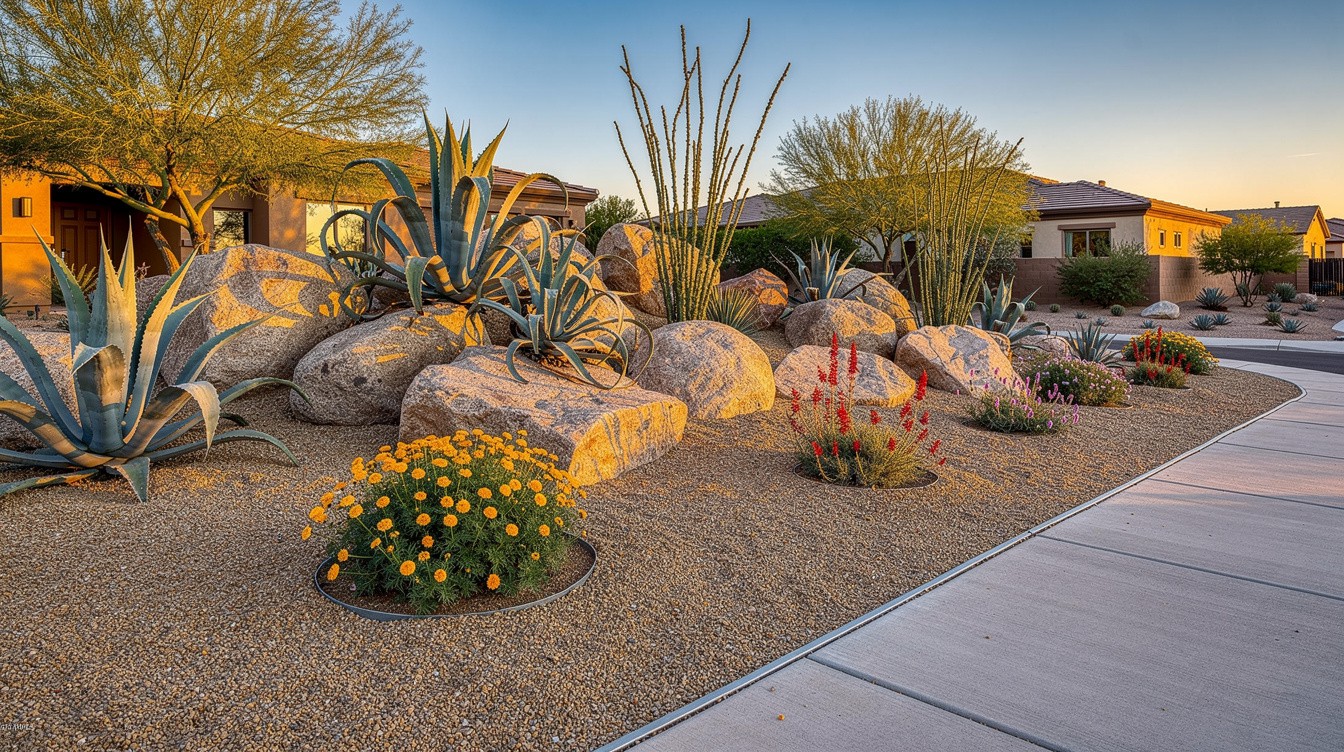
The Agave and Boulder Garden
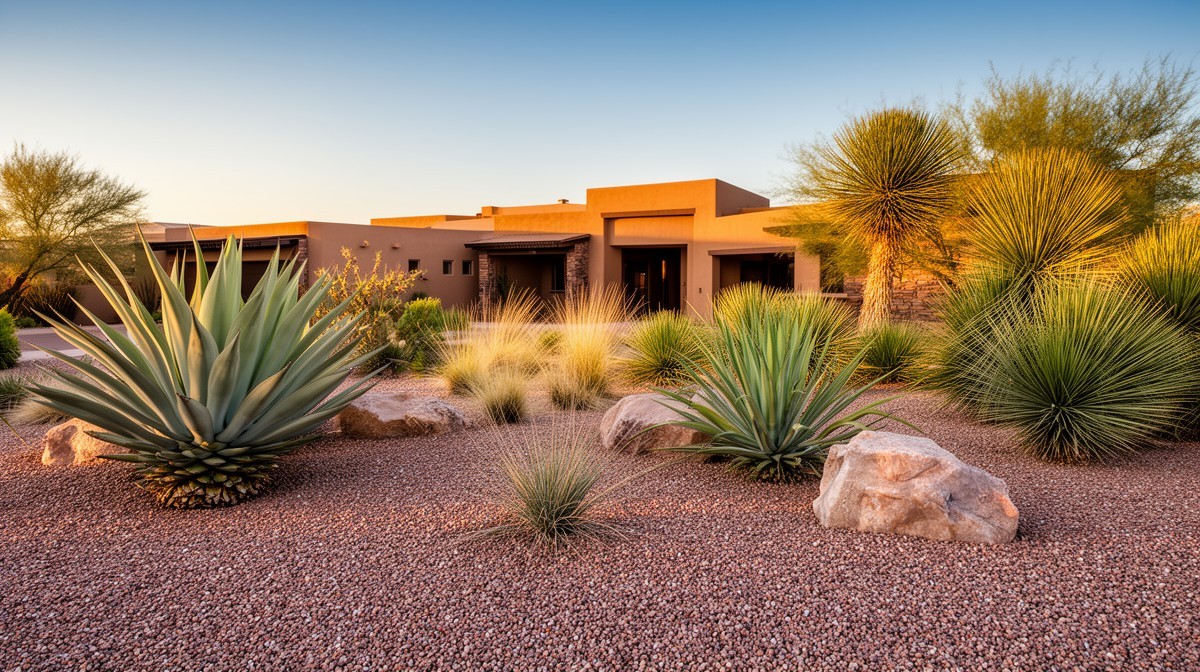
$10–20/sqftA dramatic Gilbert front or side yard uses large desert boulders arranged in naturalistic clusters as the primary design element, with bold agave specimens anchoring each boulder grouping. Agave americana, octopus agave, and century plant create a sculptural composition that looks intentional and powerful in Gilbert’s strong sunlight. Decomposed granite fills between the boulders while desert marigold and penstemons provide seasonal color. Steel edging defines the crisp boundary between the DG garden and the concrete drive. Requires virtually no water and no maintenance beyond removing spent agave flower stalks.
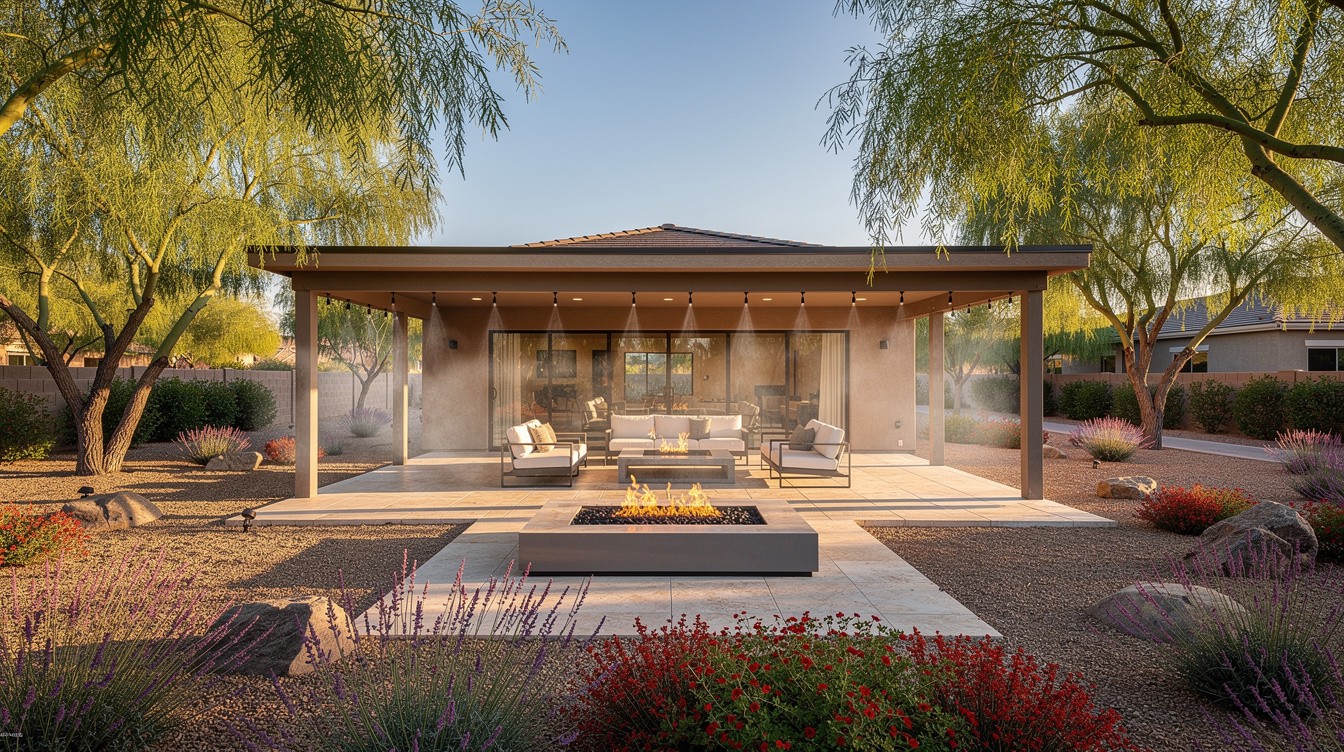
The Desert Backyard with Covered Patio
$18–35/sqftA full covered patio extension off the back of this Gilbert home provides the shade essential for outdoor living in the Sonoran desert. Travertine or concrete pavers fill the patio area while the surrounding yard uses a desert palette for privacy and year-round interest. Tall desert willow trees and palo verde provide a filtered canopy over the outer yard while hummingbird sage and autumn sage provide year-round color near the patio edge. A gas fire pit provides warmth for Gilbert’s November–March outdoor evenings while a misting system makes summer afternoons on the patio possible.
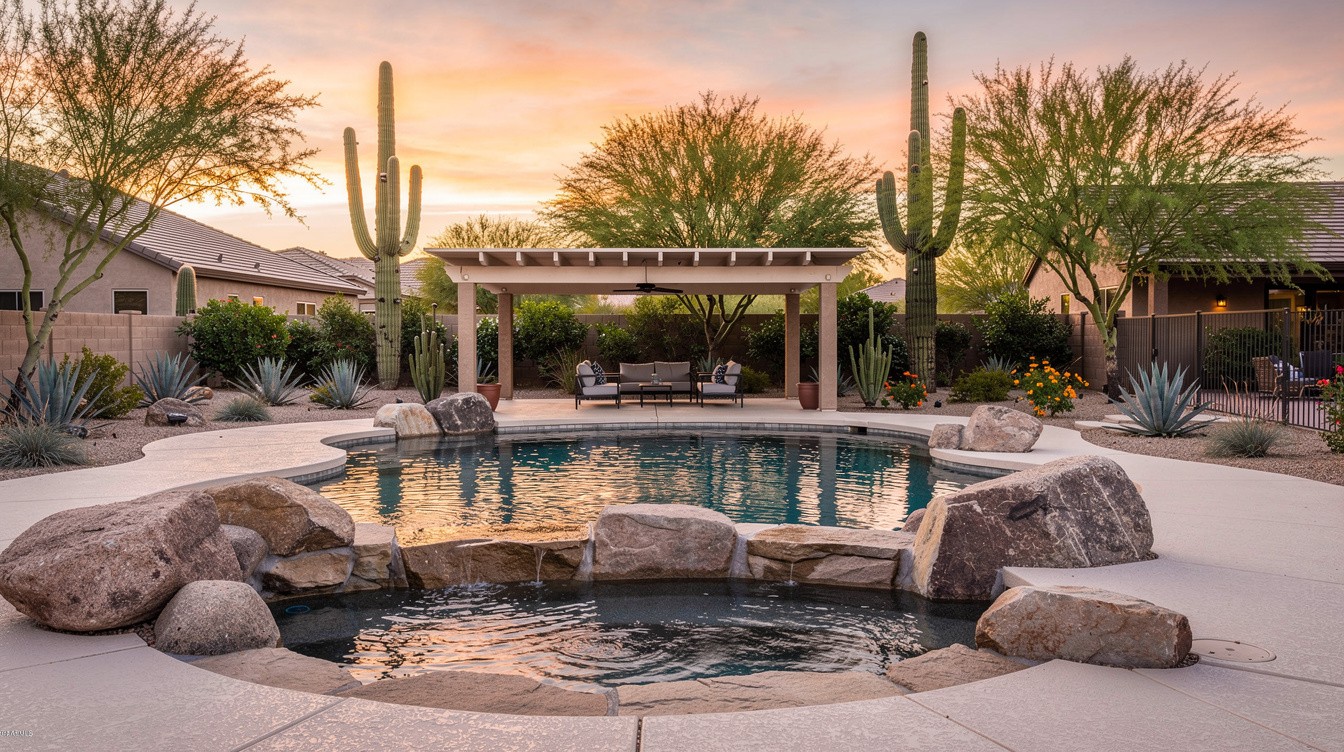
The Desert Pool Oasis
$28–50/sqftA rock-edge pool with baja shelf and a ramada shade structure creates a true desert oasis in this Gilbert backyard. Large natural boulders frame the pool edge while saguaro and palo verde trees are preserved or installed to screen the perimeter. The concrete deck surrounding the pool uses cool-coat sealer to reduce surface heat in Gilbert’s summer sun. Desert plants frame the outer fence line for privacy and year-round interest while the pool and shade ramada provide the essential combination for 12-month outdoor use in the East Valley.
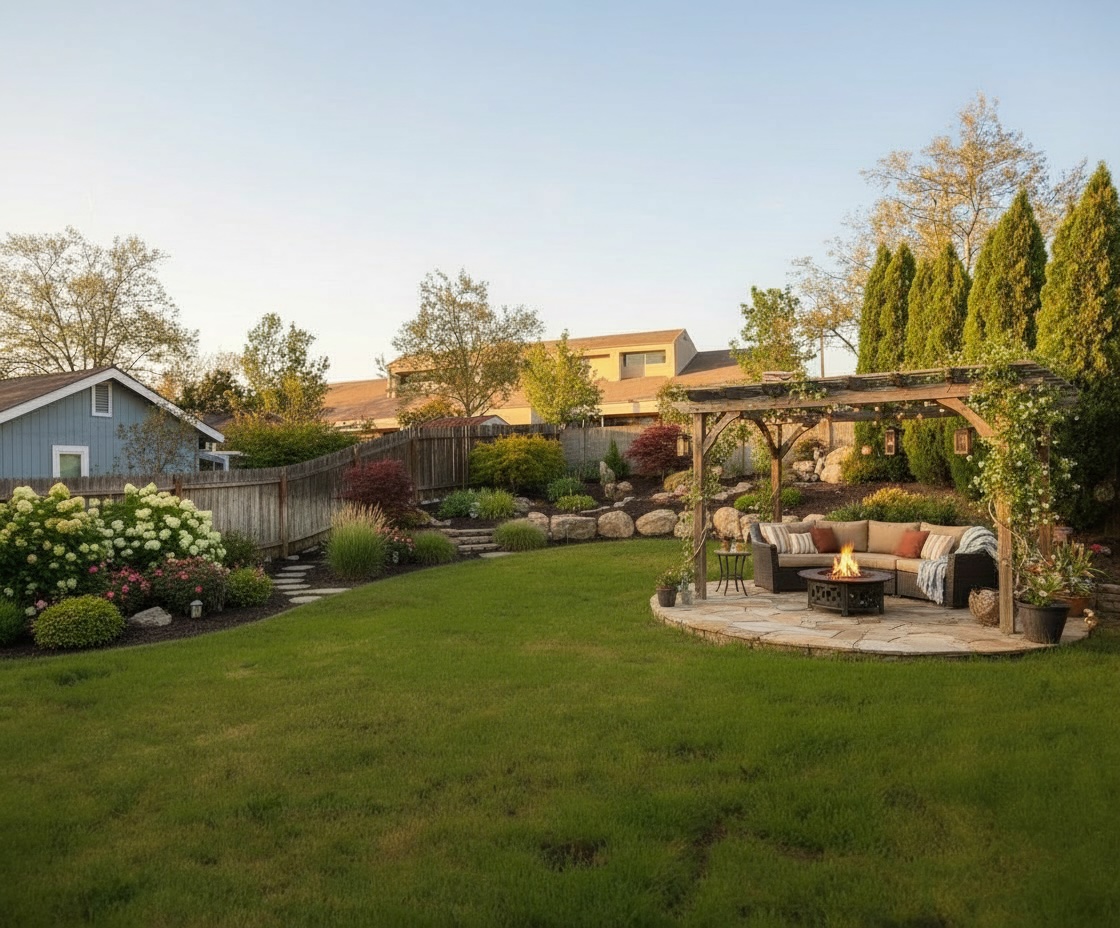
See how a desert/xeriscape garden looks on YOUR property
Upload a photo of your Gilbert yard and visualize your dream garden in seconds.
Try ProScapeAI Free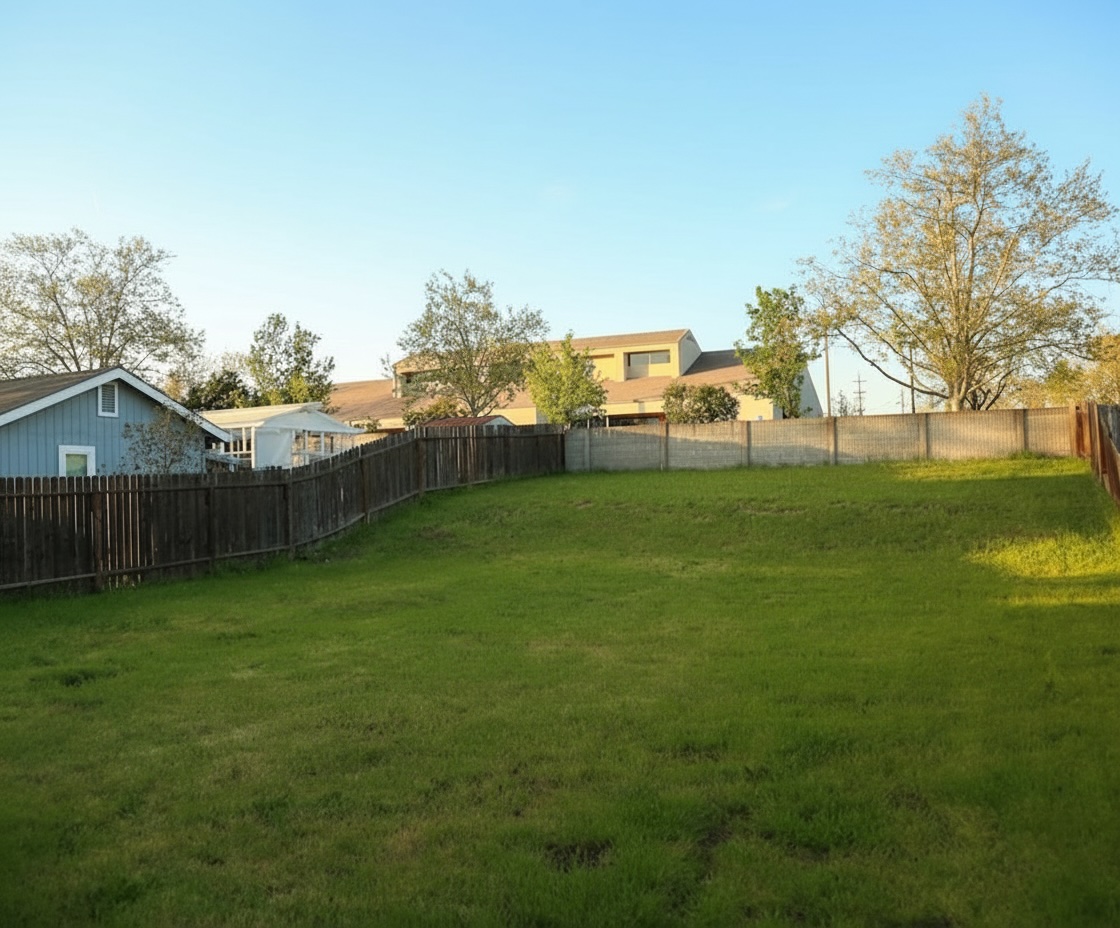
Featured Trees & Shrubs for Desert/Xeriscape Gardens
Browse all 185 plants for Gilbert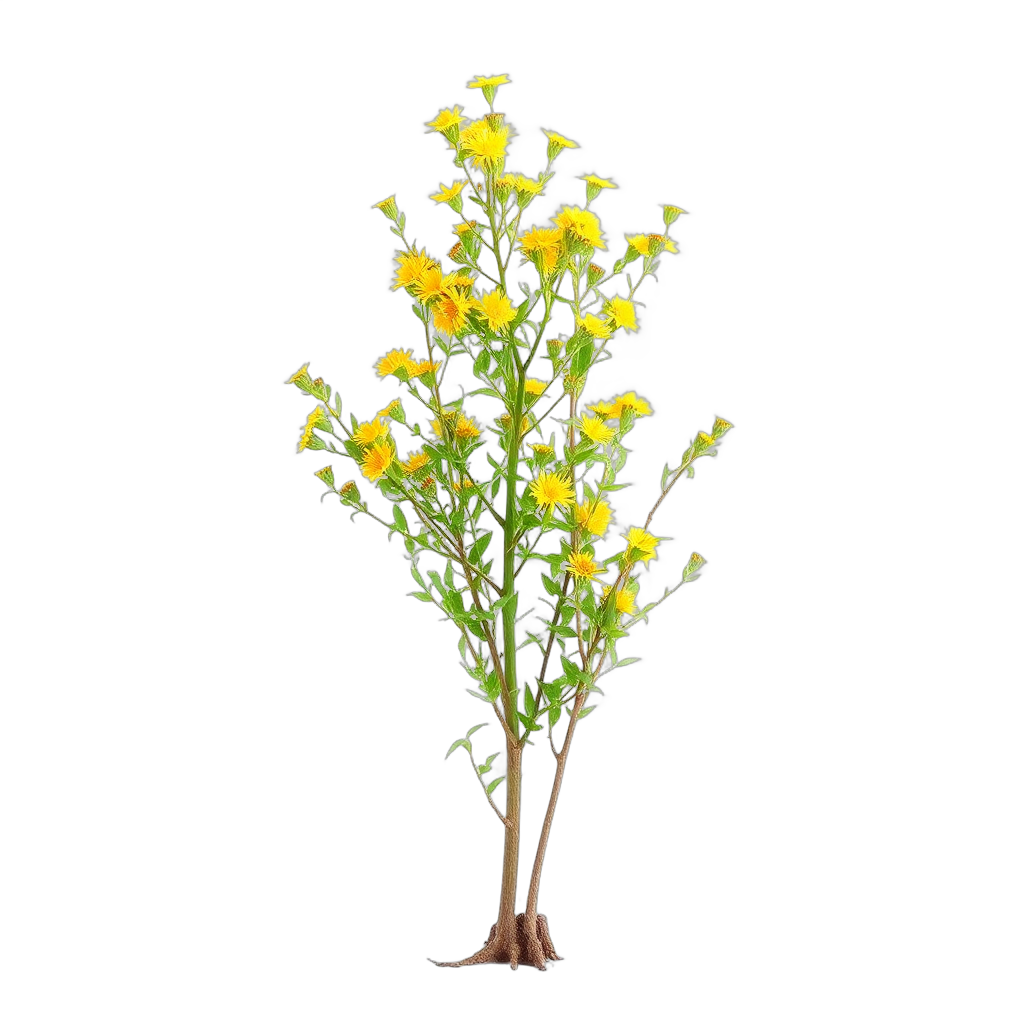
Brittlebush
Enca farinosa
grows to 3 feet, yellow blooms in spring. Attracts butterflies.
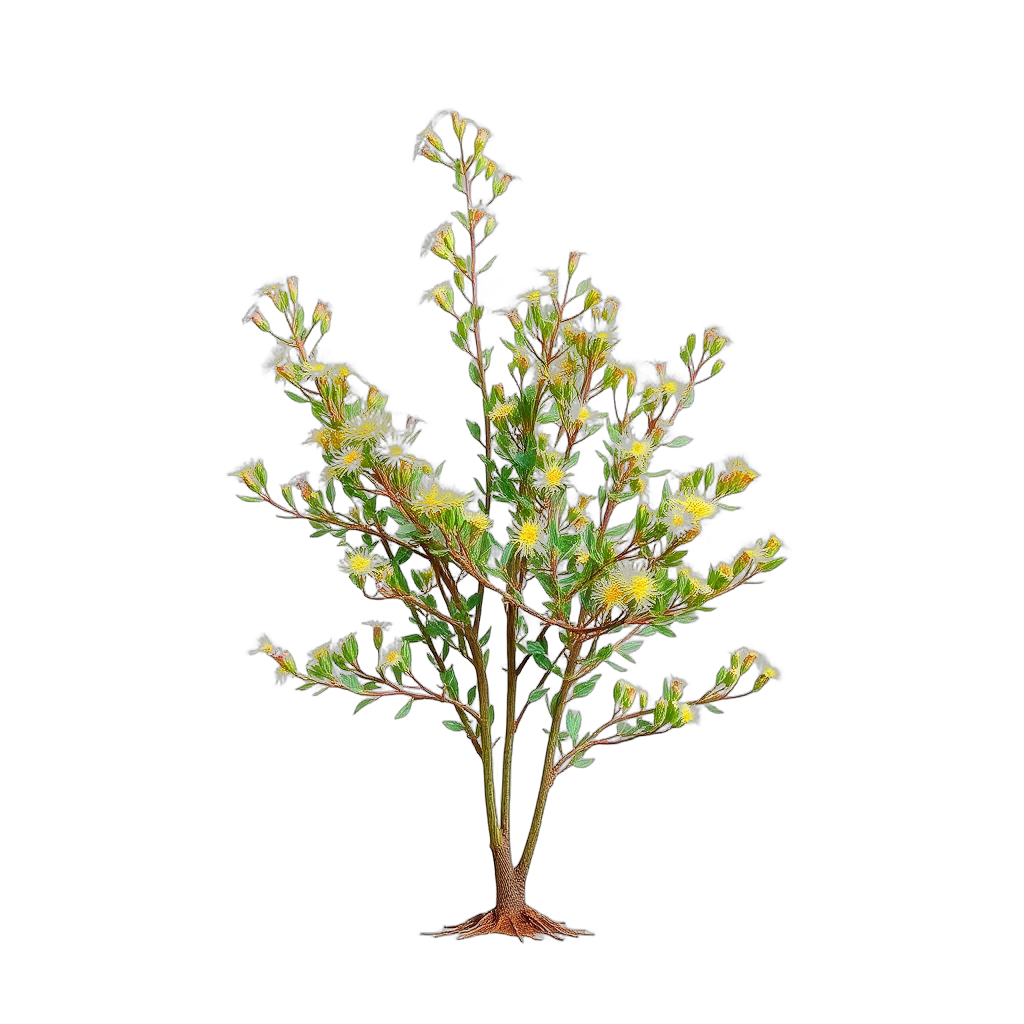
Catclaw Acacia
Acacia greggii
medium-sized at 15 feet, yellow blooms in spring. Pollinator-friendly.
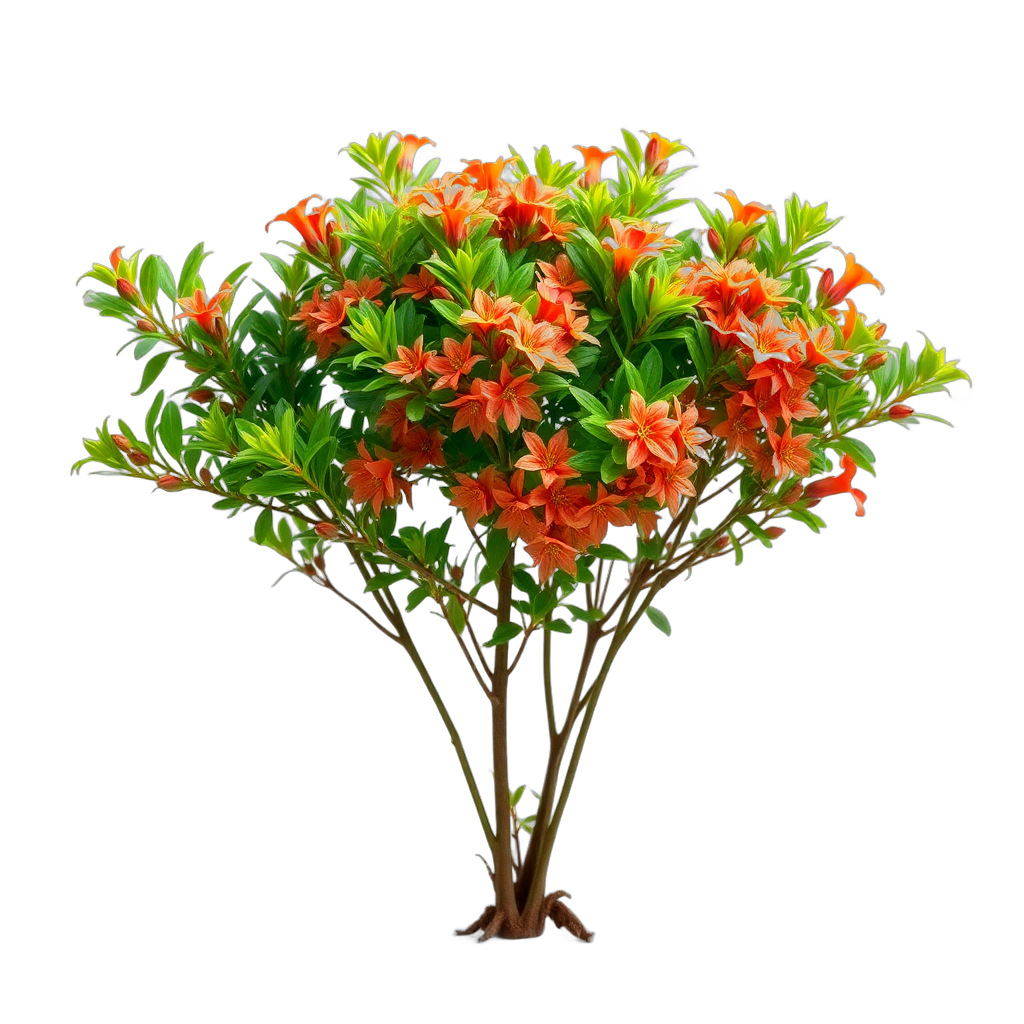
Chuparosa
Justicia californica
grows to 5 feet, red blooms in spring. Attracts hummingbirds.
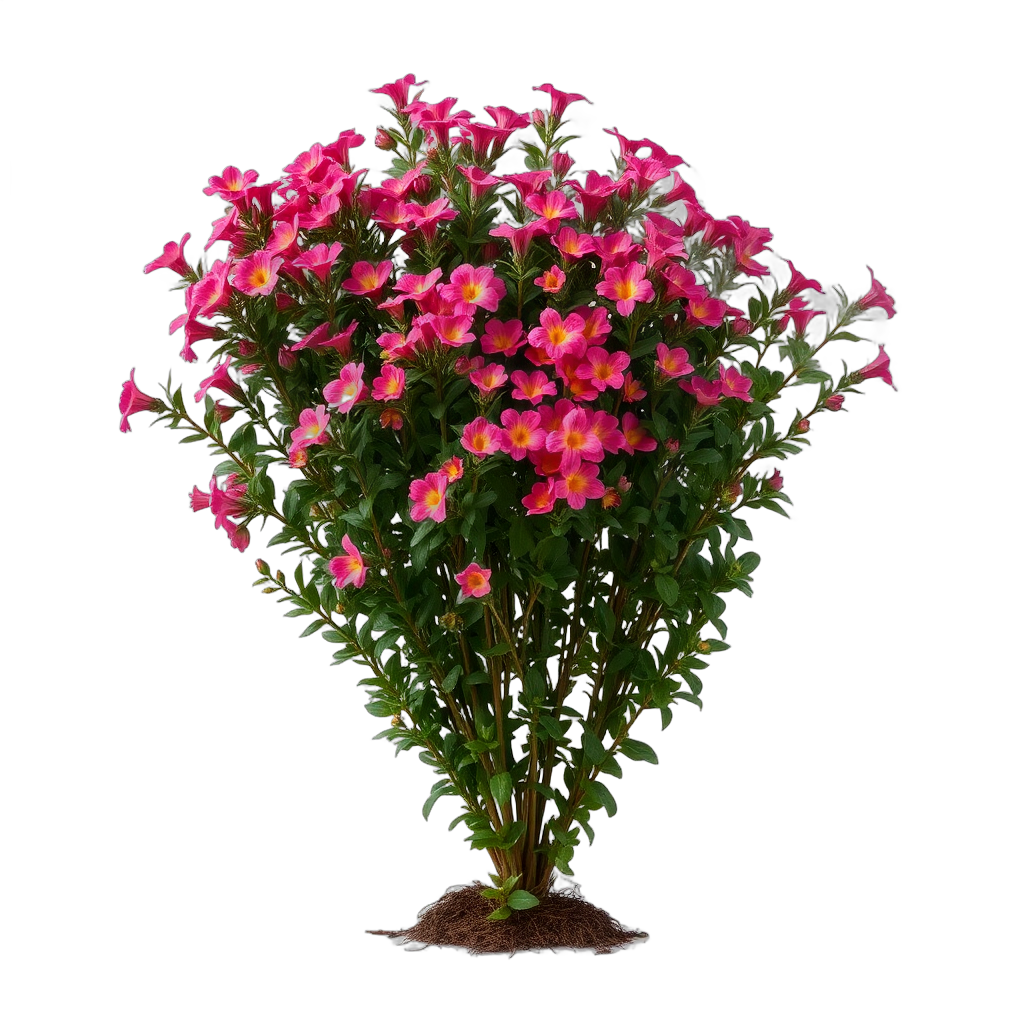
Cliffrose
Purshia mexicana
medium-sized at 8 feet, yellow blooms in spring. Attracts butterflies.
Featured Grasses & Groundcovers for Desert/Xeriscape Gardens
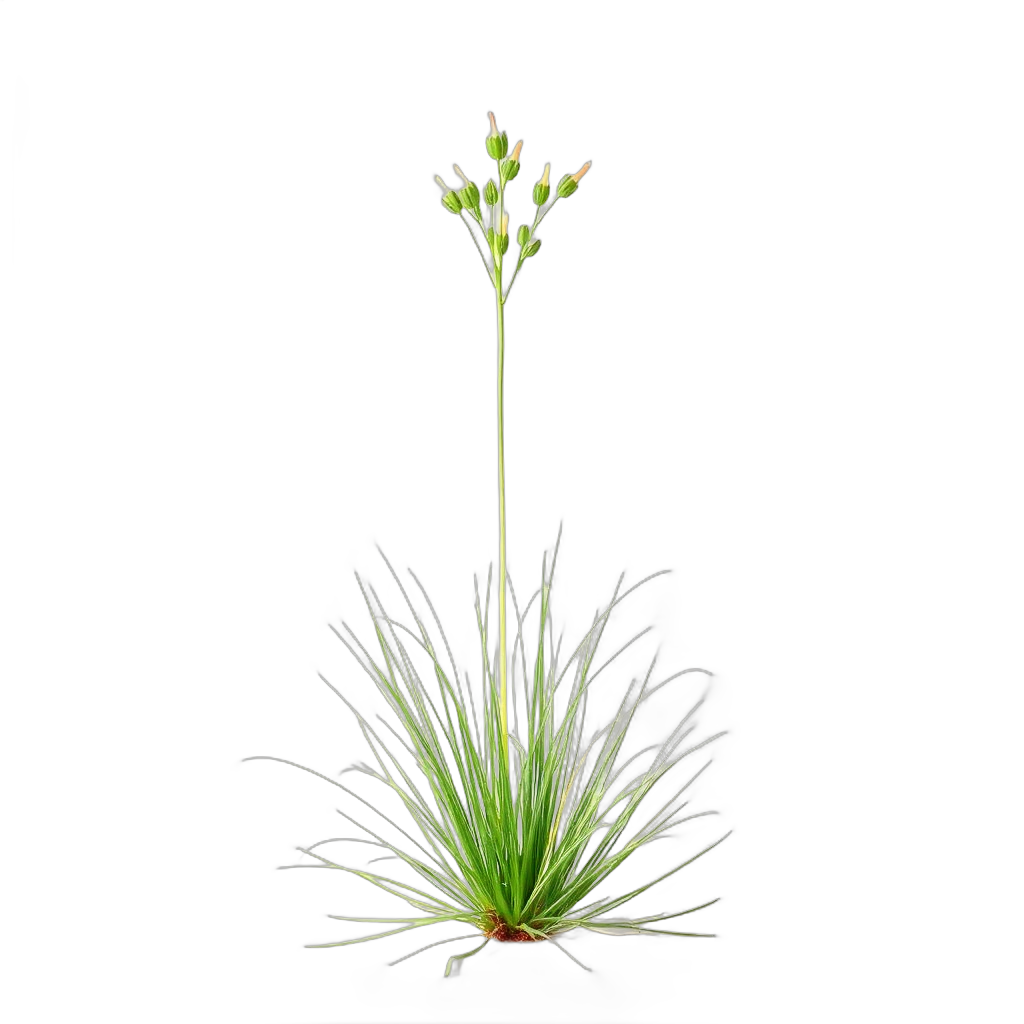
Alkali Sacaton
Sporobolus airoides
grows to 3 feet, blooms in summer. Yellow fall color.
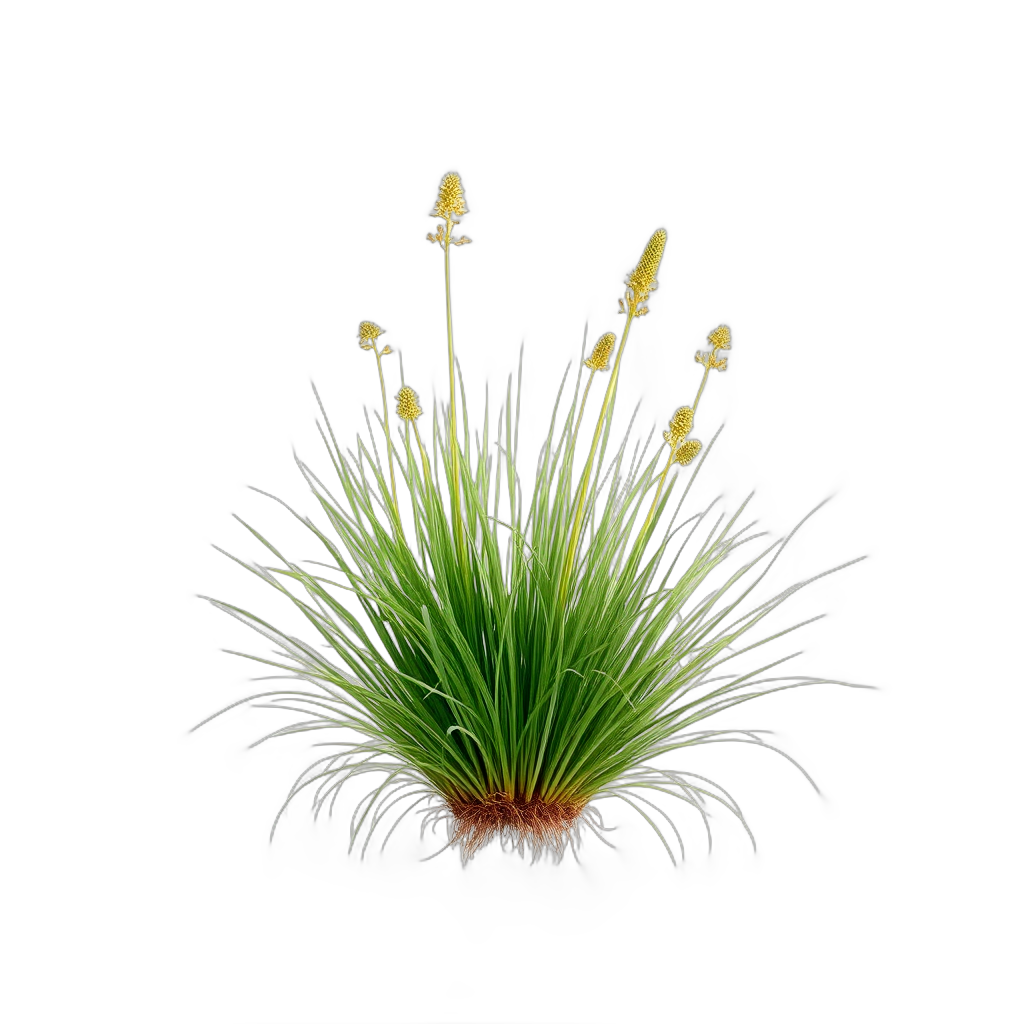
Big Sacaton
Sporobolus wrightii
grows to 5 feet, blooms in summer. Yellow fall color.
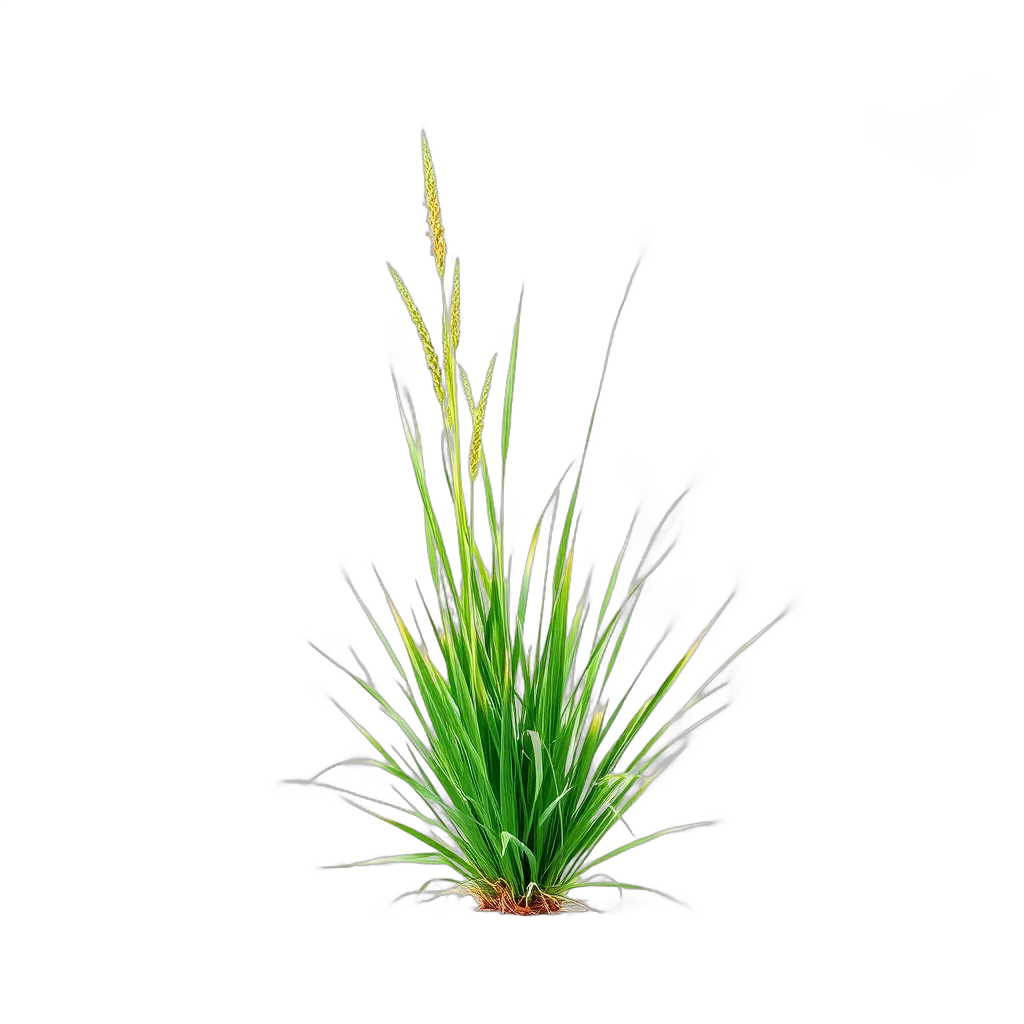
Bull Grass
Muhlenbergia emersleyi
grows to 4 feet, purple blooms in fall. Yellow fall color.
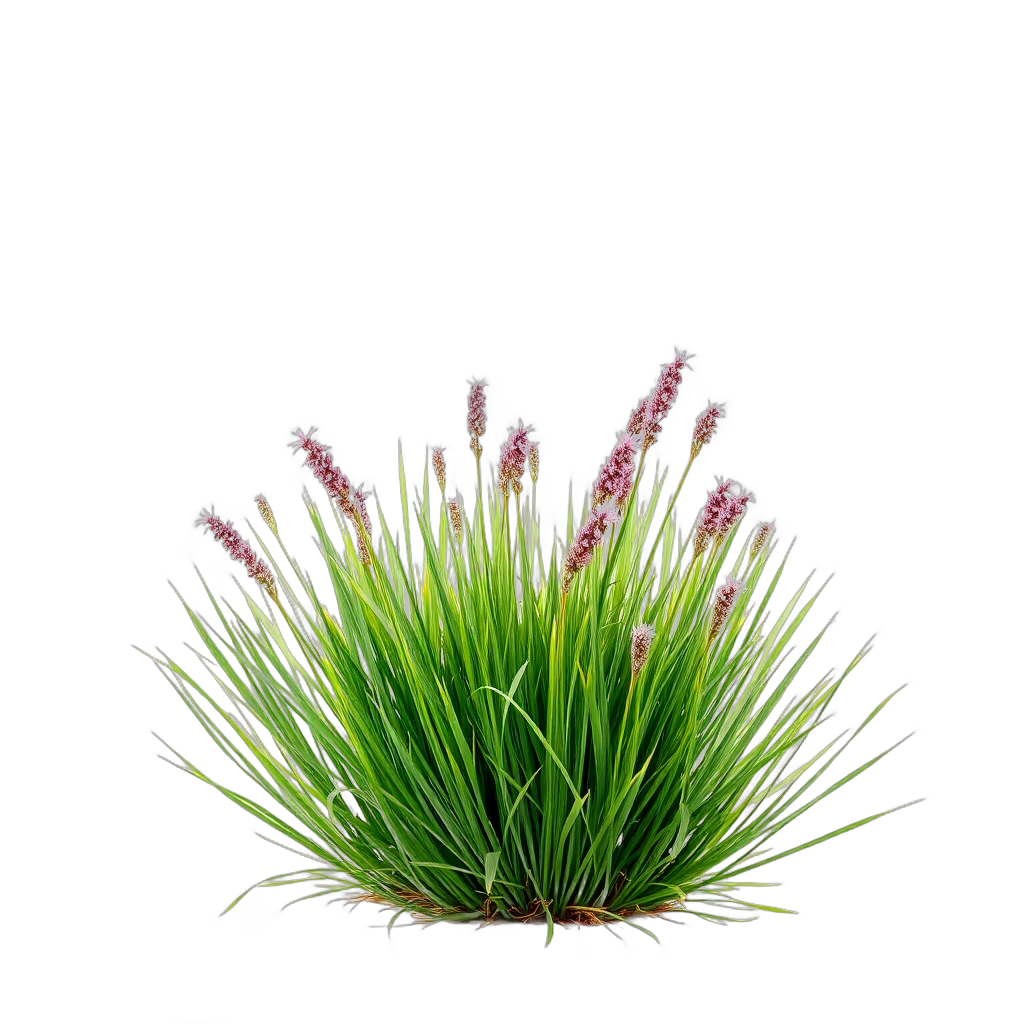
Purple Three-Awn
Aristida purpurea
low-growing ground cover, purple blooms in fall. Yellow fall color.
Featured Flowers & Perennials for Desert/Xeriscape Gardens
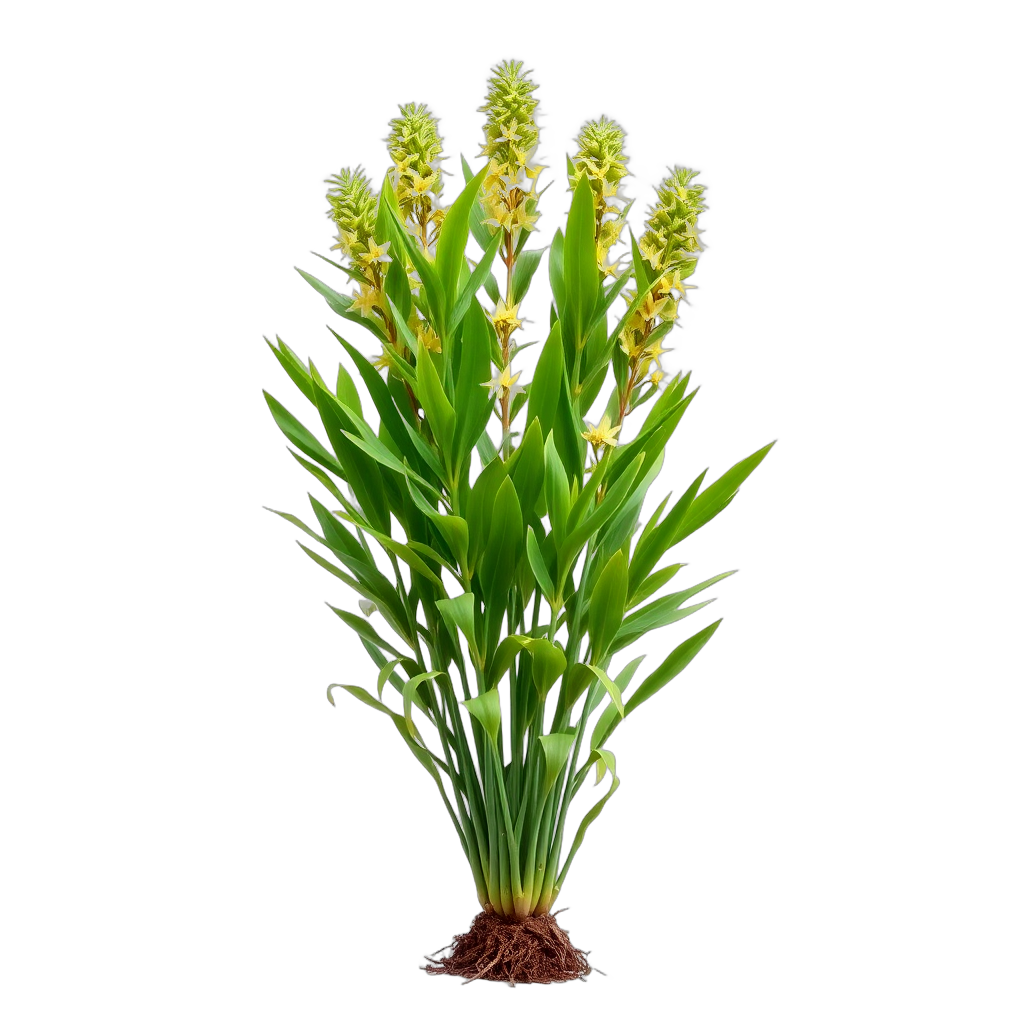
Banana Yucca
Yucca baccata
low-growing ground cover, white blooms in spring. Attracts hummingbirds.
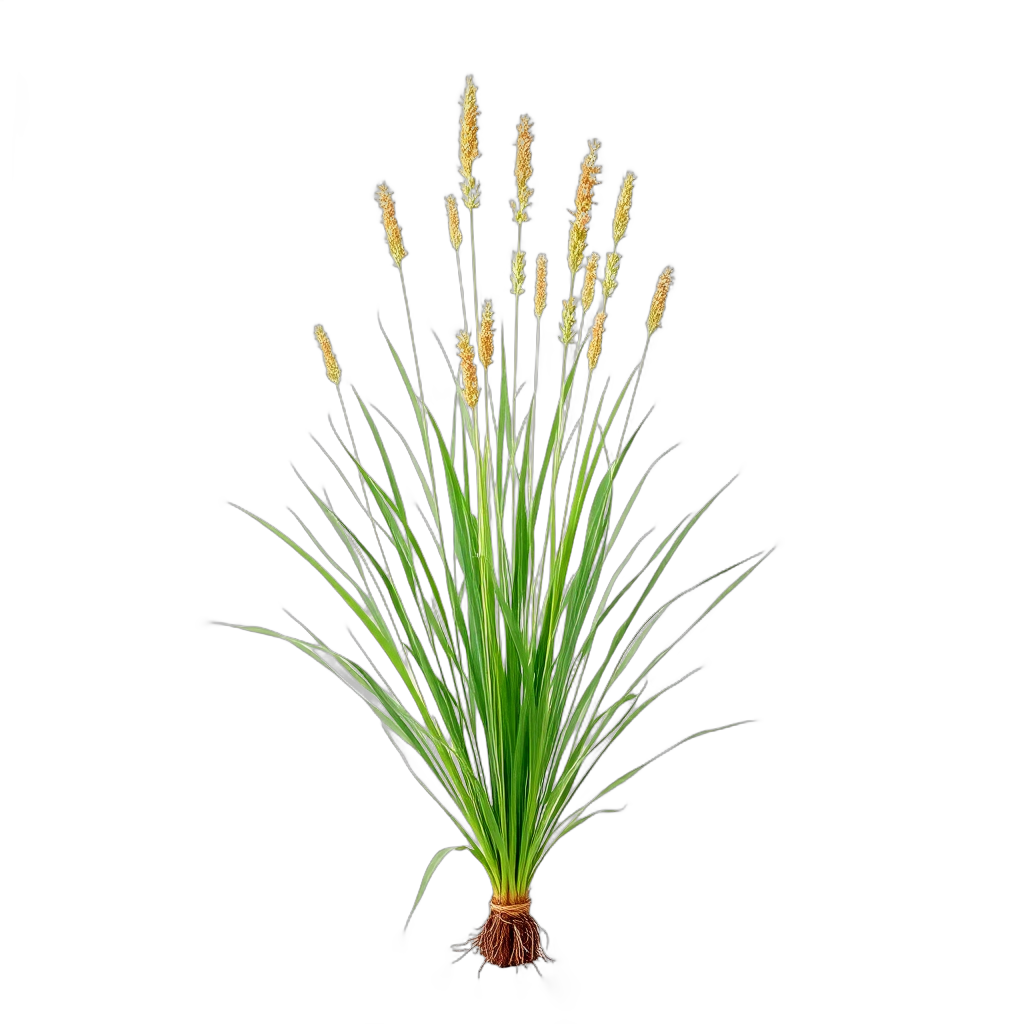
Beargrass
Nolina microcarpa
low-growing ground cover, white blooms in summer. Evergreen year-round.
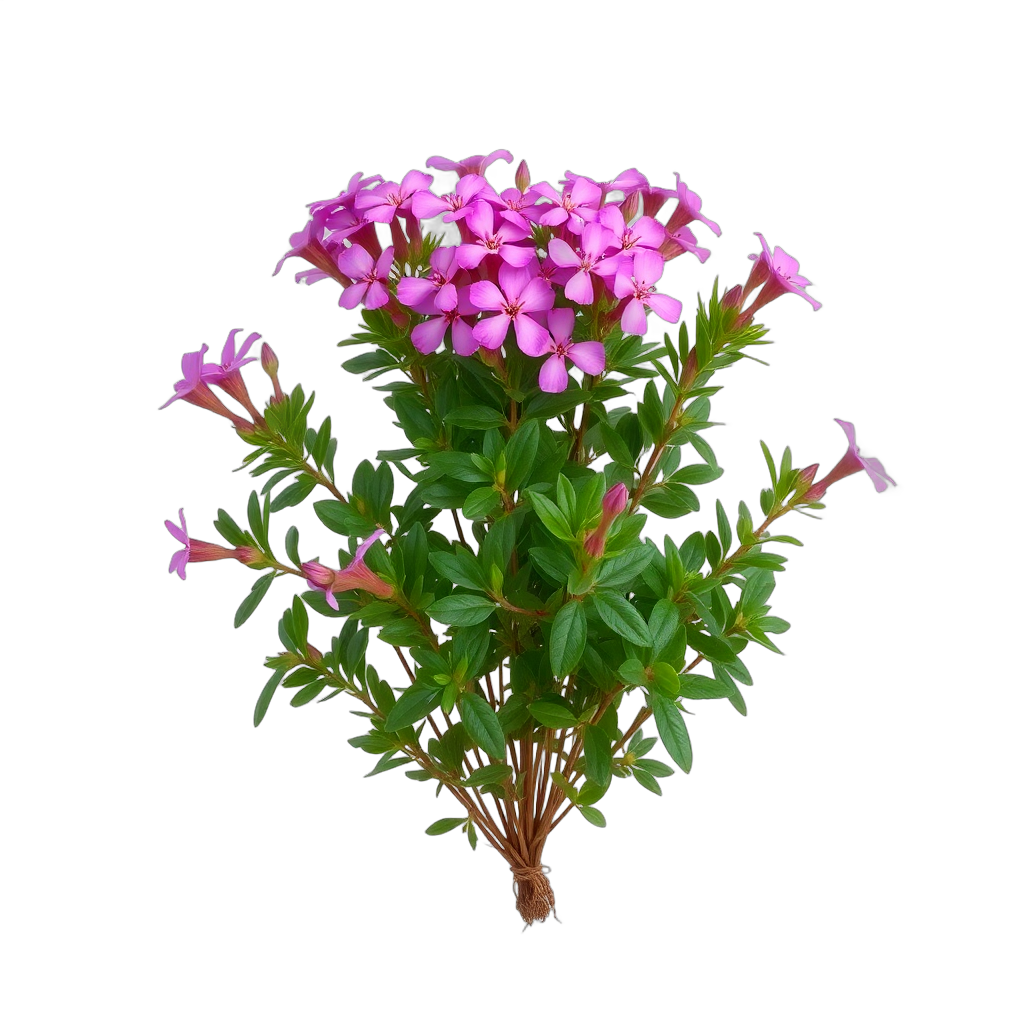
Desert Phlox
Phlox austromontana
low-growing ground cover, pink blooms in spring. Attracts hummingbirds.
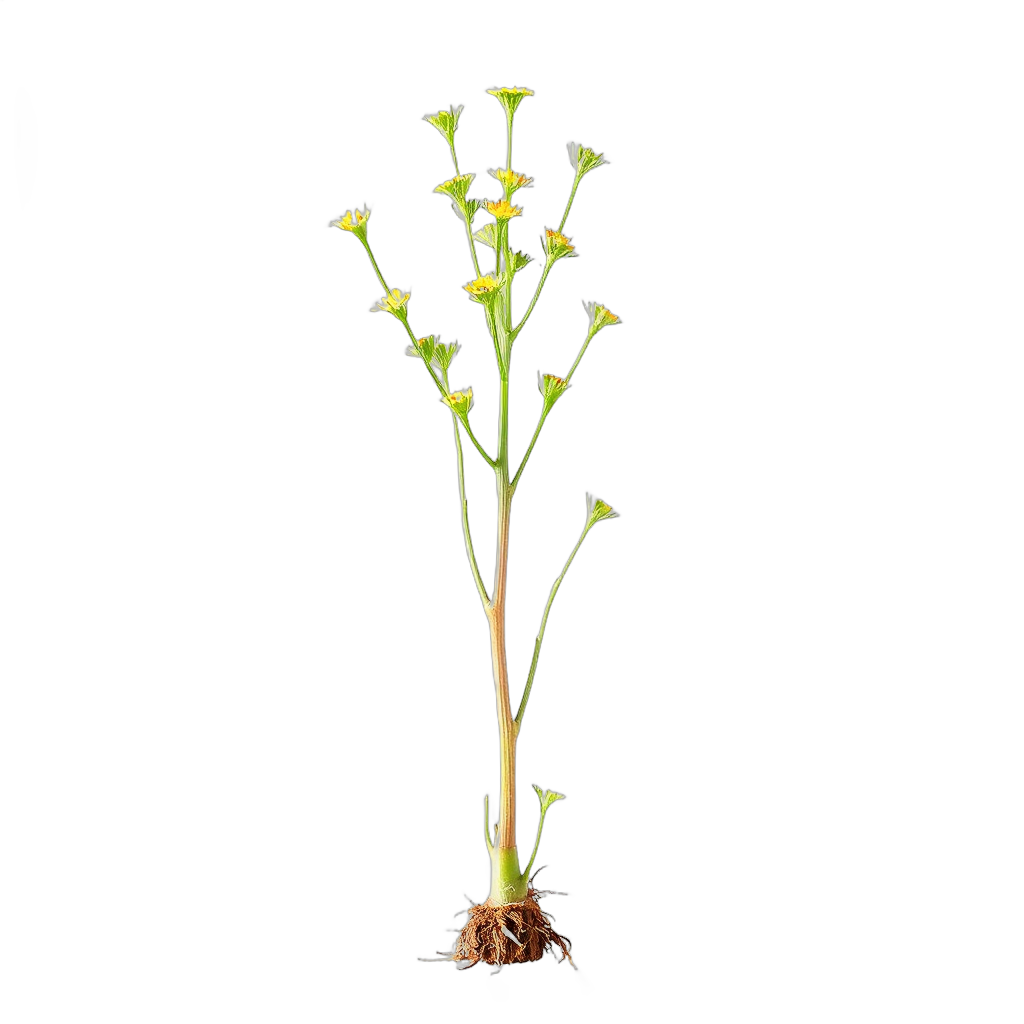
Desert Spoon
Dasylirion wheeleri
grows to 4 feet, white blooms in summer. Evergreen year-round.
Zone and sun checks come from our database — confirm with your local nursery before you buy.
Bloom Calendar for Gilbert
spring
Banana Yucca, Desert Phlox, Brittlebushsummer
Beargrass, Desert Spoon, Alkali Sacatonfall
Bull Grass, Purple Three-Awnwinter
Limited bloomsDesign Tips for Gilbert (Zone 9b)
- Bury boulders 1/3 of their height underground — above-ground boulders look artificial and out of place; partially buried rocks look like they’ve been there for centuries and create a naturalistic Sonoran desert aesthetic instantly
- Choose DG in warm copper or tan tones rather than grey for Gilbert’s Sonoran context — grey DG looks cold and industrial while warm tones harmonize with the desert soil and boulder colors of the East Valley
- Plant saguaro cacti rather than columnar Mexican cactus if authenticity matters — saguaro is native to the Sonoran desert, grows slowly (1 inch per year), and gives Gilbert landscapes their distinctive, irreplaceable skyline character
- Install a misting system at your covered patio from the start — Gilbert’s summer temperatures require active cooling to make the patio usable in June–September, and a properly designed misting system reduces the felt temperature by 20–25°F
- Apply for EPCOR and Town of Gilbert water rebates before removing lawn — the pre-application process is required for rebate eligibility and the paperwork is straightforward, potentially saving $400–$1,500 on your project
- Use concrete block walls as your perimeter rather than wood fencing — Gilbert’s extreme heat and termite pressure make wood fences a 5–7 year replacement cycle while concrete block walls last 50+ years and provide excellent sound and privacy performance
Where to Source Plants in Gilbert
Skip the big-box stores. These independent Gilbert nurseries specialize in the plants that make desert/xeriscape gardens thrive in Zone 9b.
Desert Survivors Nursery
Gilbert / East Gilbert
Sonoran desert natives, cacti, agaves, and desert trees for Gilbert and the East Valley
A&P Nursery
Multiple East Valley locations
Desert plants, boulders, DG supply, and full-service desert landscape plants for Maricopa County
Moon Valley Nurseries
Gilbert / Chandler area
Specimen desert trees, palms, cacti, and large-scale desert landscape plants with installation
Berridge Nurseries
Multiple Phoenix Metro locations
Desert plants, annuals, and full landscape plant selection for Maricopa County
Southwest Cactus World
Mesa (adjacent to Gilbert)
Cacti, succulents, and desert specimen plants native to the Sonoran desert
Desert/Xeriscape Landscaping Costs in Gilbert
| Project Scope | Estimated Cost |
|---|---|
| Desert front yard with DG, boulders, and native plants (800 sqft) | $5,000 – $14,000 |
| Backyard covered patio with travertine and misting system | $15,000 – $35,000 |
| Inground pool with ramada and boulders | $50,000 – $95,000 |
| Drip irrigation system with smart controller | $2,000 – $4,500 |
| Large boulder delivery and placement (each) | $300 – $1,500 |
| Specimen saguaro cactus (6–10 ft, installed) | $1,500 – $5,000 |
| AI visualization with ProScapeAI | Free to start |
Estimates based on Gilbert, AZ-area contractor rates as of 2026. Actual costs vary by site conditions, materials, and contractor.
Gilbert Climate & Growing Zone
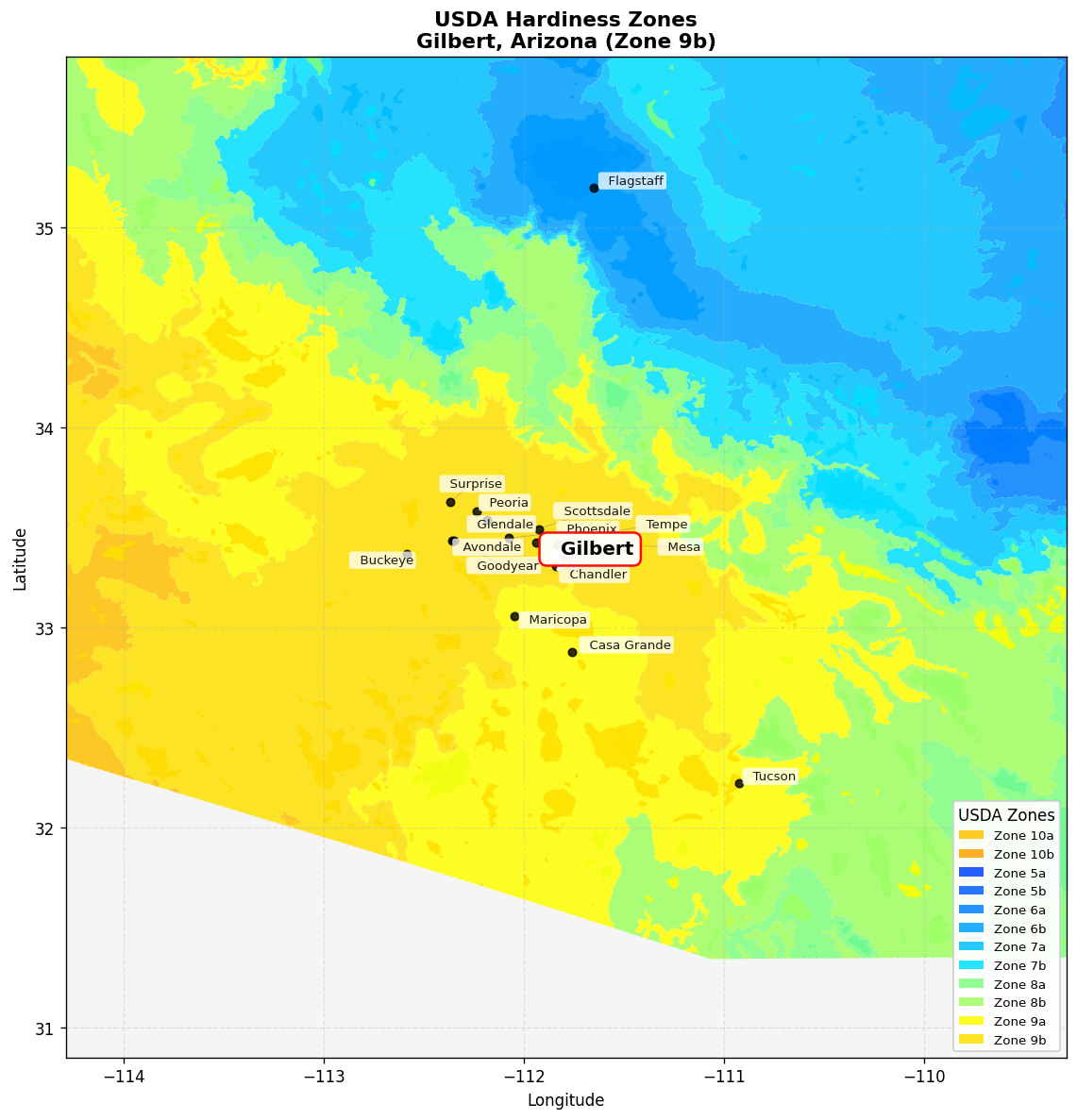
USDA Zone 9b
Hardiness zone for Gilbert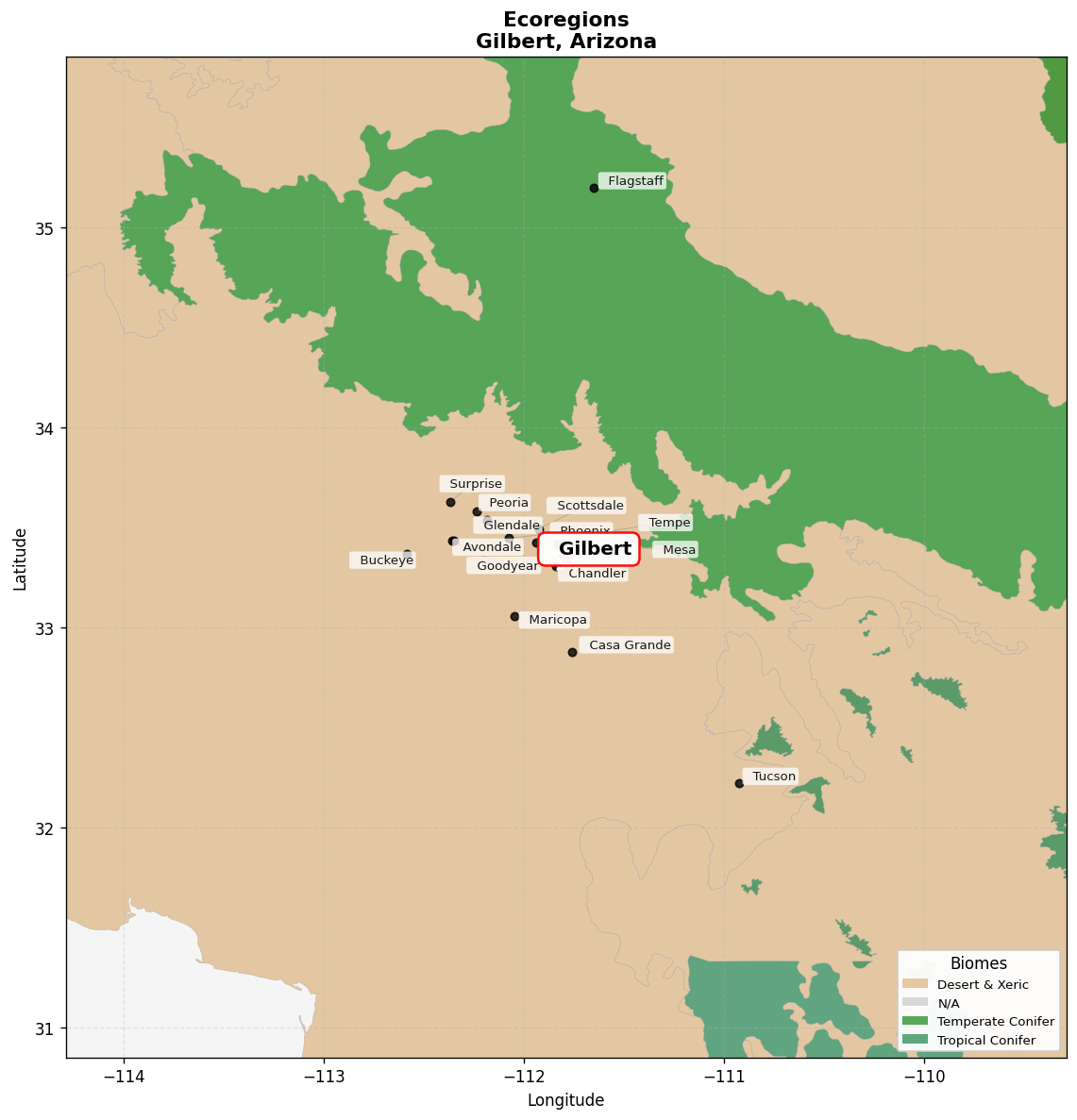
Sonoran desert
Native ecoregionFrequently Asked Questions
What are the best agave varieties for a Gilbert, AZ desert garden?
Gilbert’s Zone 9b heat and Sonoran desert context supports the full agave spectrum. Best performers: Agave americana for large-scale impact (4–6 feet across, spiky rosettes); octopus agave (A. vilmoriniana) for dramatic curling leaves without sharp terminal spines (safer near walkways); blue agave (A. tequilana) for the iconic blue-grey color; foxtail agave (A. attenuata) for its soft, spineless leaves in shade and semi-shade; and Agave ‘Blue Glow’ for a compact, elegant choice (18 inches across) near entry paths. All require virtually no supplemental water after the first year and perform excellently in Gilbert’s alkaline soils.
How much does desert landscaping cost in Gilbert, AZ?
Desert landscaping in Gilbert typically runs $4.50–$17/sqft depending on complexity. A basic DG and desert plant front yard (800 sqft) costs $4,000–$10,000. A full design with boulders, specimen cacti, and drip irrigation runs $10,000–$20,000. A backyard patio with ramada and desert planting costs $18,000–$40,000. EPCOR water rebates may apply for converting lawn to desert: check with the Town of Gilbert and EPCOR for current rebate amounts before starting. Labor in the East Valley runs $45–$85/hour.
How do I choose and place desert boulders in a Gilbert garden?
Desert boulder placement follows nature’s logic: boulders in the wild are partially buried, never sitting flat on top of the soil. Bury each boulder 1/3 of its height underground for a natural appearance. Choose granite, quartzite, or basalt native to the Sonoran region — they have the right color and patina. Use odd numbers (3, 5, 7) and varied sizes in each cluster. Position the most visually interesting face toward the primary viewing angle. Surrounding the boulders with DG mulch at the same grade as the buried base completes the naturalistic effect. Budget $300–$1,500 per large boulder (500–1,000 lb) delivered and placed.
When is the best time to plant a desert garden in Gilbert?
Fall planting (October–November) is ideal for Gilbert desert gardens: temperatures moderate, the risk of heat stress is eliminated, and plants establish roots through the mild winter before facing summer heat. Cacti and succulents can be planted fall through early spring. Spring planting (February–March) is the second window before heat sets in. Avoid summer planting (June–September) for all but the most heat-tolerant cacti — Gilbert’s 110°F+ temperatures combined with transplant stress cause very high failure rates even for desert natives. If you must plant in summer, water newly planted cacti twice weekly for the first month.
Do I need irrigation for a Sonoran desert garden in Gilbert?
Yes — even desert plants need supplemental irrigation for the first 1–2 growing seasons in Gilbert’s extreme heat. Install a drip system with emitters at each plant at installation. Water schedule: newly planted cacti and agaves twice weekly for 3 months, then reduce to once weekly, then once every 2 weeks, and eventually monthly during summer after 2 years. Established desert trees (palo verde, desert ironwood) benefit from monthly deep watering during June–August to maintain health. After full establishment (2–3 years), a properly selected Sonoran desert garden can survive on natural rainfall supplemented only by summer monsoon irrigation.
What does a Gilbert HOA typically require for desert landscaping?
Gilbert HOA requirements vary by community but most established HOA neighborhoods have similar standards. Typical requirements: minimum percentage of the front yard must be drought-tolerant or desert landscaping (varies from 50–80% depending on the HOA and year of construction); no bare dirt or DG-only landscapes without plants; maximum lawn coverage (often 25–33% of the front yard post-2022 in newer guidelines); approved plant lists that specify non-invasive species; and weed barrier fabric required under DG. Always submit your landscaping plan to the HOA for approval before starting — most have a 2–4 week review process and can require modifications before installation begins.