4 Desert Garden Ideas for Mesa, AZ | Sonoran Xeriscape for Zone 9b
Native plants from the Sonoran desert (Zone 9b) — Hot desert climate
Why Desert/Xeriscape Gardens in Mesa?
Mesa is built in the heart of the Sonoran Desert — the most biologically diverse hot desert on Earth. The saguaro cactus, growing only in the Sonoran, defines the regional skyline. Palo verde turns the desert yellow every April. Ocotillo lights scarlet tips for hummingbirds. Ironwood trees — among the longest-lived plants in North America at up to 1,500 years — provide dense canopy without a drop of irrigation. Mesa's 8 inches of annual rainfall, delivered in winter and monsoon pulses, is precisely what the Sonoran's native plants evolved to thrive on. Everything else is fighting the desert.
Mesa's eastern position in the Salt River Valley gives it direct sightlines to the Superstition Mountains — one of the most dramatic landscape backdrops in the Southwest. A well-designed Sonoran xeriscape garden frames those mountains, references their geology and plant palette, and connects the residential yard to the wilderness just beyond the city edge. Neighborhoods like Red Mountain, Las Sendas, and the historic Riverview area all offer this connection, and the best desert gardens here acknowledge it: warm-toned DG, native cacti in curated compositions, and the occasional ironwood or saguaro that will outlive every structure on the block.
Water in Mesa comes from the Salt River Project's system — Colorado River and Salt River water that the entire metro shares. Mesa Water Resources operates active conservation programs, and the city's residential landscaping standards increasingly reflect the regional reality that turf doesn't belong in the Sonoran Desert. A genuine Sonoran xeriscape eliminates outdoor irrigation after 2 establishment years, reduces water bills by $300–$600 annually, and creates a landscape more authentically beautiful than any lawn.
4 Desert/Xeriscape Design Ideas for Mesa
AI-generated image
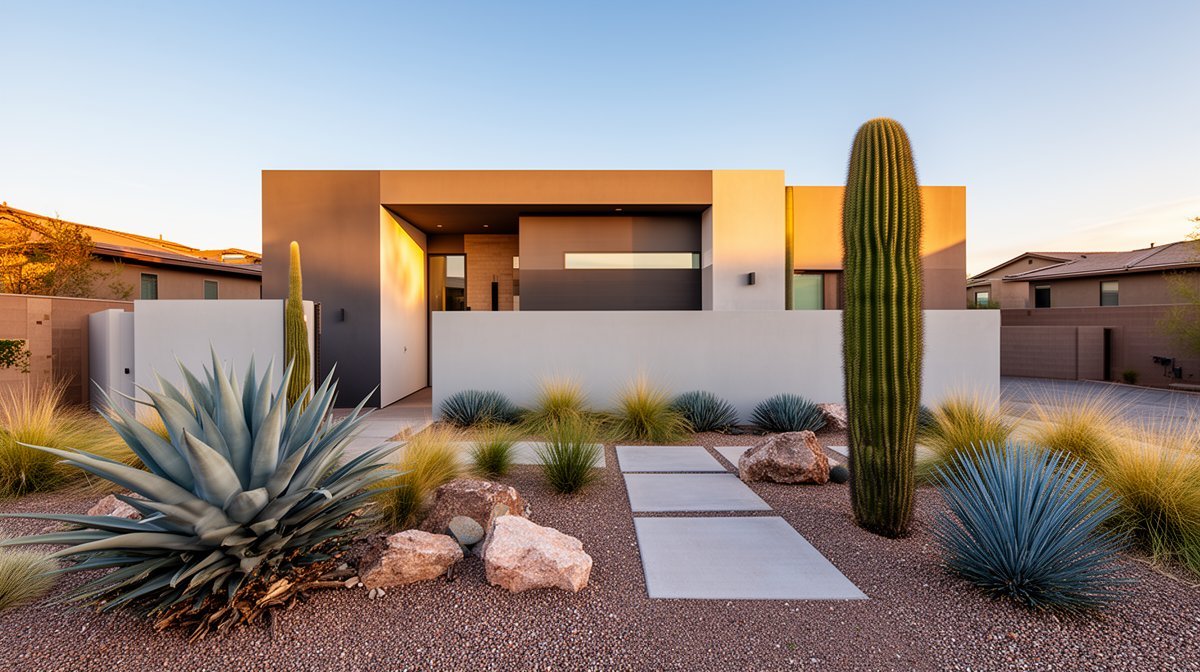
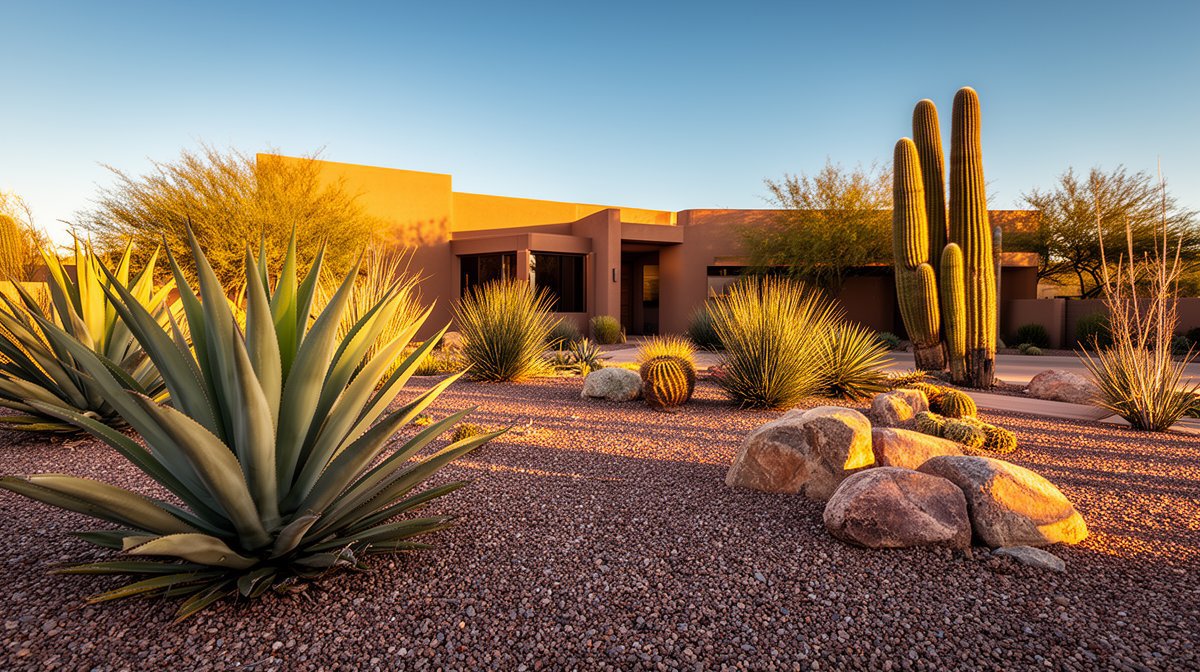
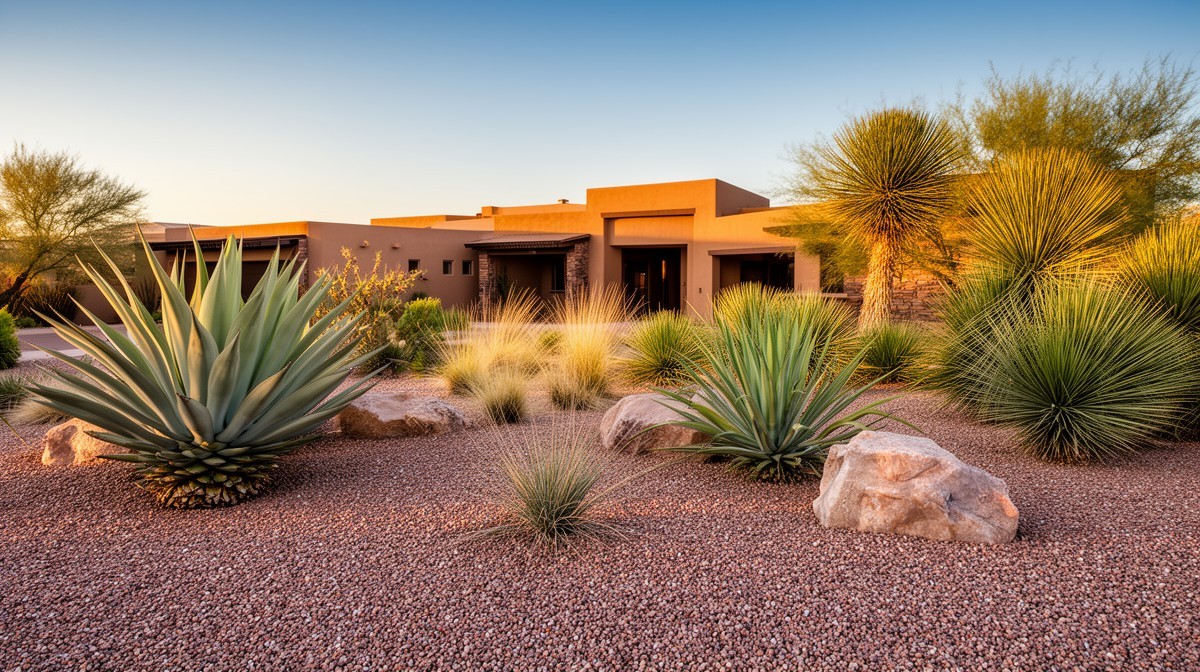
The Superstition Desert Front
$7–14/sqftA stucco home with a tile roof faces a front yard of warm tan gravel anchored by large blue agave specimens, tall desert spoon providing vertical drama, and granite boulders grounding the composition. The Superstition Mountains are visible above the roofline. This is Sonoran Desert xeriscape at its most authentic — every plant is native or near-native, nothing requires irrigation after year two.
AI-generated image
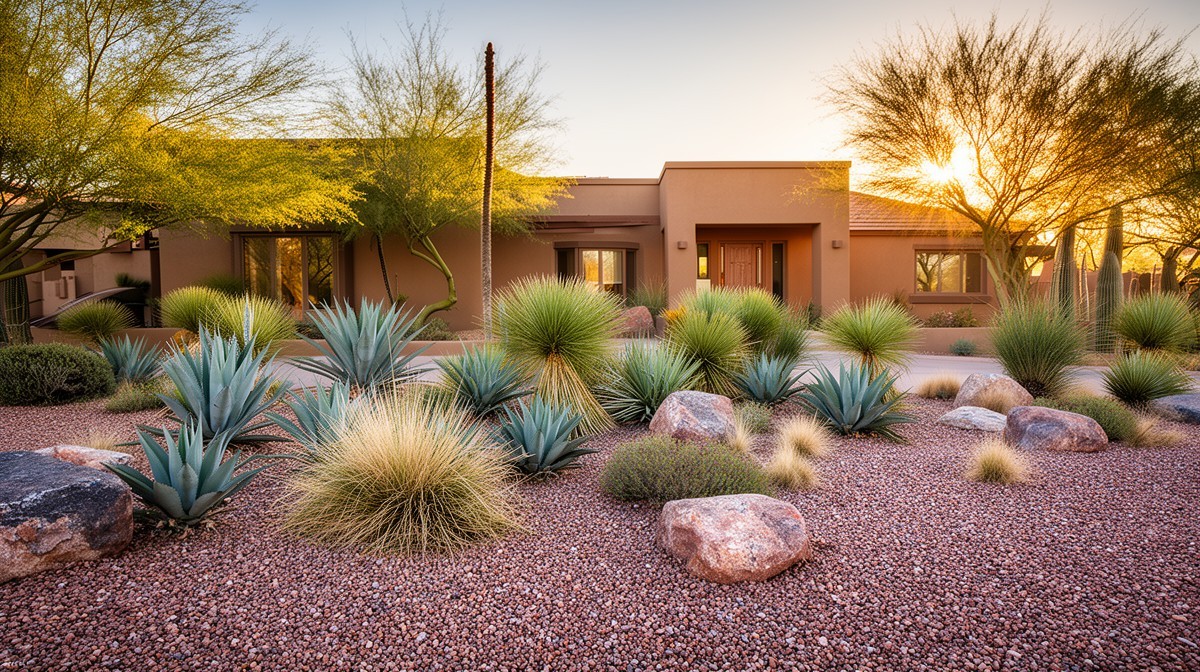
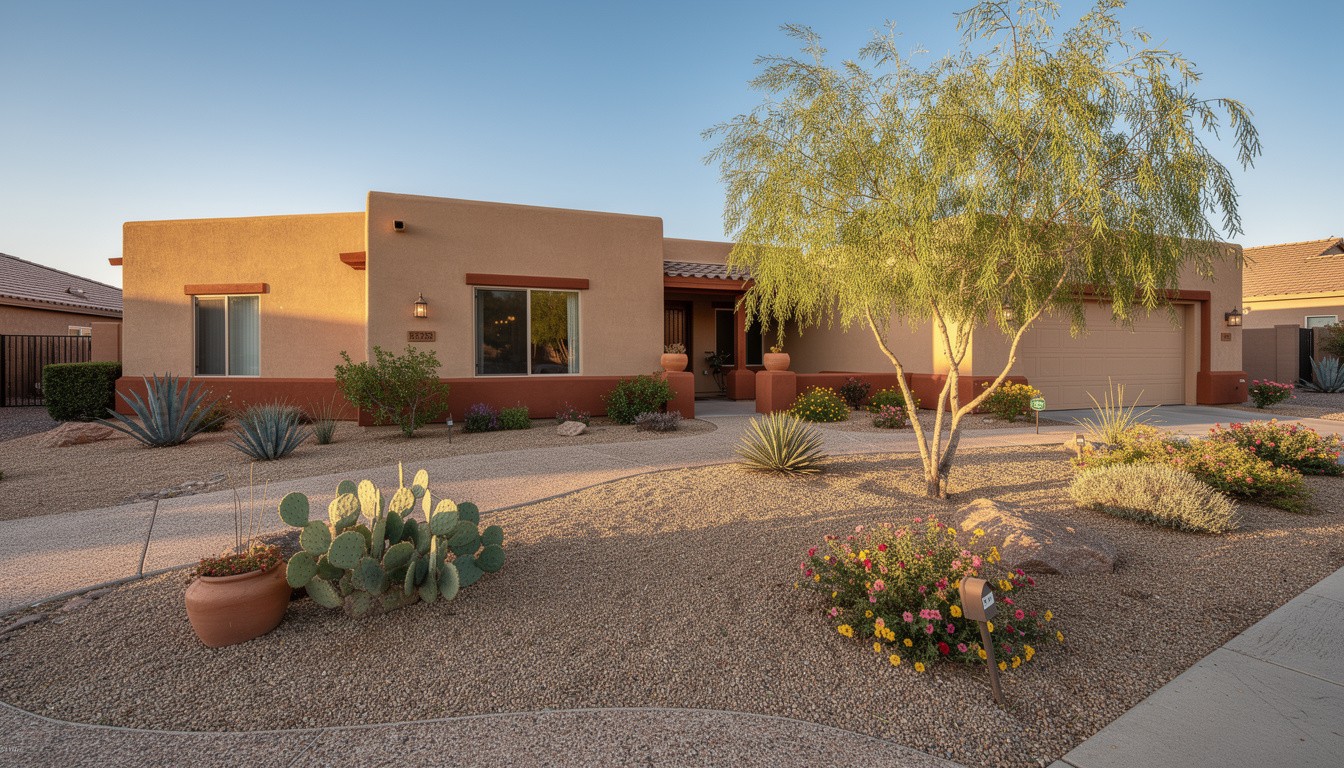
The Palo Verde and Cactus Garden
$9–18/sqftA weeping palo verde tree anchors the center of this Sonoran Desert front yard, its golden-green canopy shading a ground layer of prickly pear, agave, and desert wildflowers in warm pea gravel. Glazed ceramic pots at the entry add a touch of regional color. In spring the palo verde tree blooms brilliant yellow — simultaneously with prickly pear and brittlebush — making this the showiest xeriscape in the neighborhood.
AI-generated image
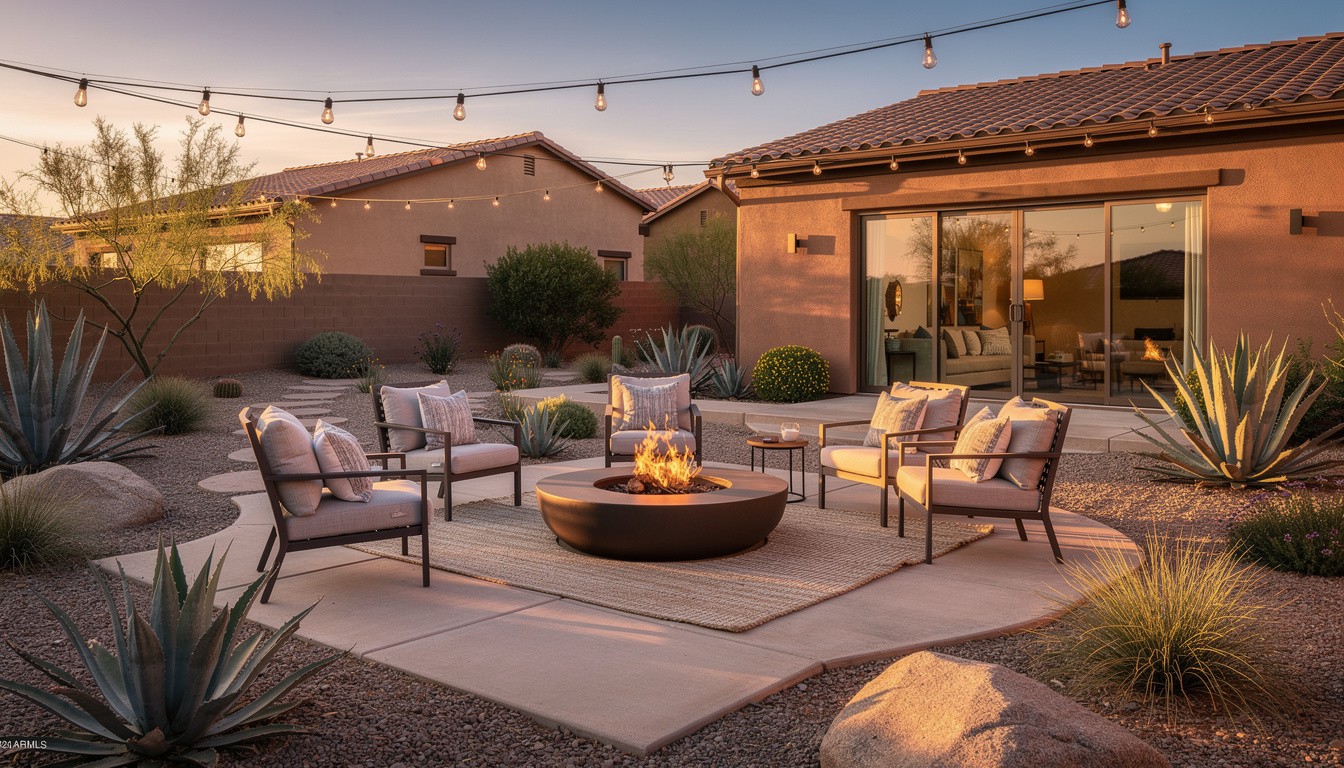
The Mesa Desert Patio Circle
$18–40/sqftA flagstone and paver patio ringed by festoon lights hosts lounge seating around a central round fire pit, surrounded by a ring of large agave and desert shrubs in crushed gravel. The ochre stucco home glows warm at dusk while the Superstition Mountains turn purple behind it. A built-in seat wall at the patio edge keeps the space functional and clean.
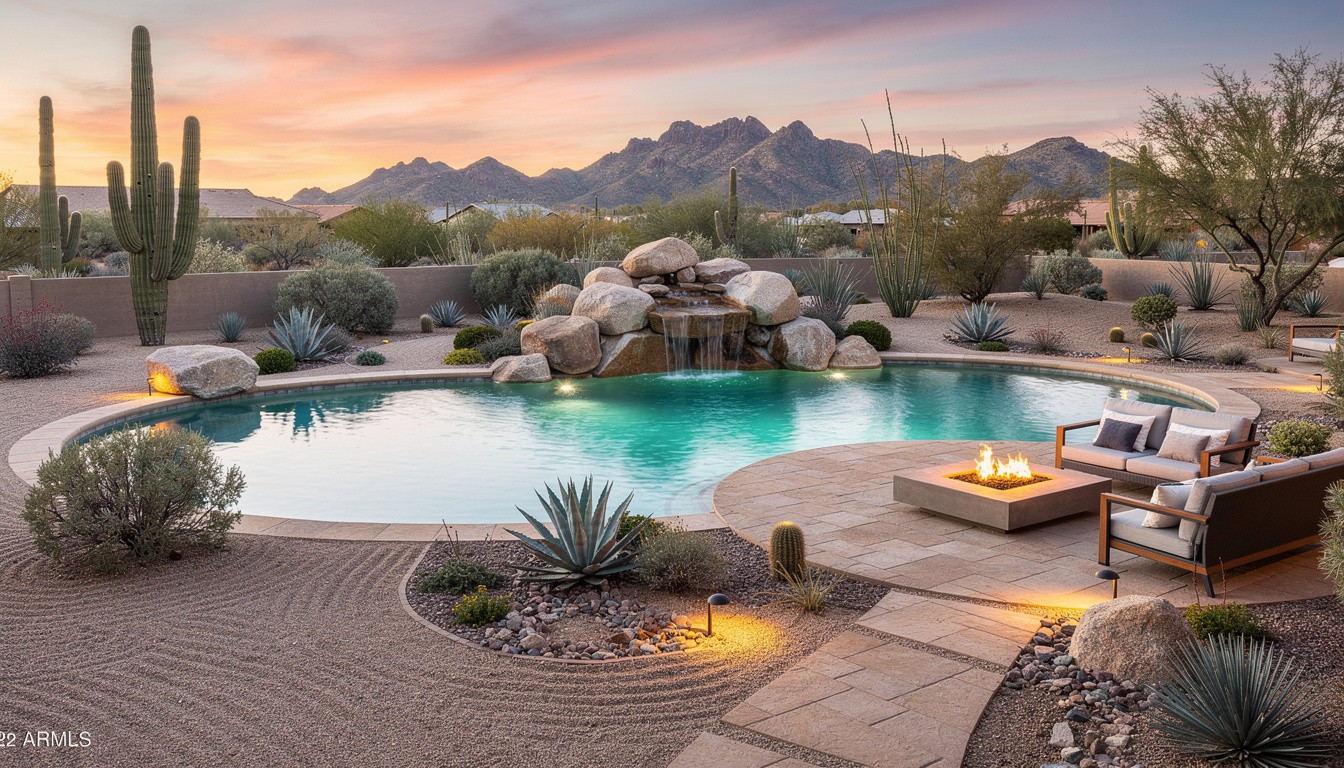
AI-generated image
The Sonoran Pool Xeriscape
$55–120/sqftA freeform pool with a dramatic multi-tiered boulder waterfall anchors the far end of the yard while a built-in gas fire table and curved lounge seating occupy the near end, all on a broad concrete patio. Saguaro cactus, agave, and desert flowering plants in decomposed granite borders frame the entire space. The Superstition Mountains are framed above the back wall — one of Arizona's truly exceptional backyard views.
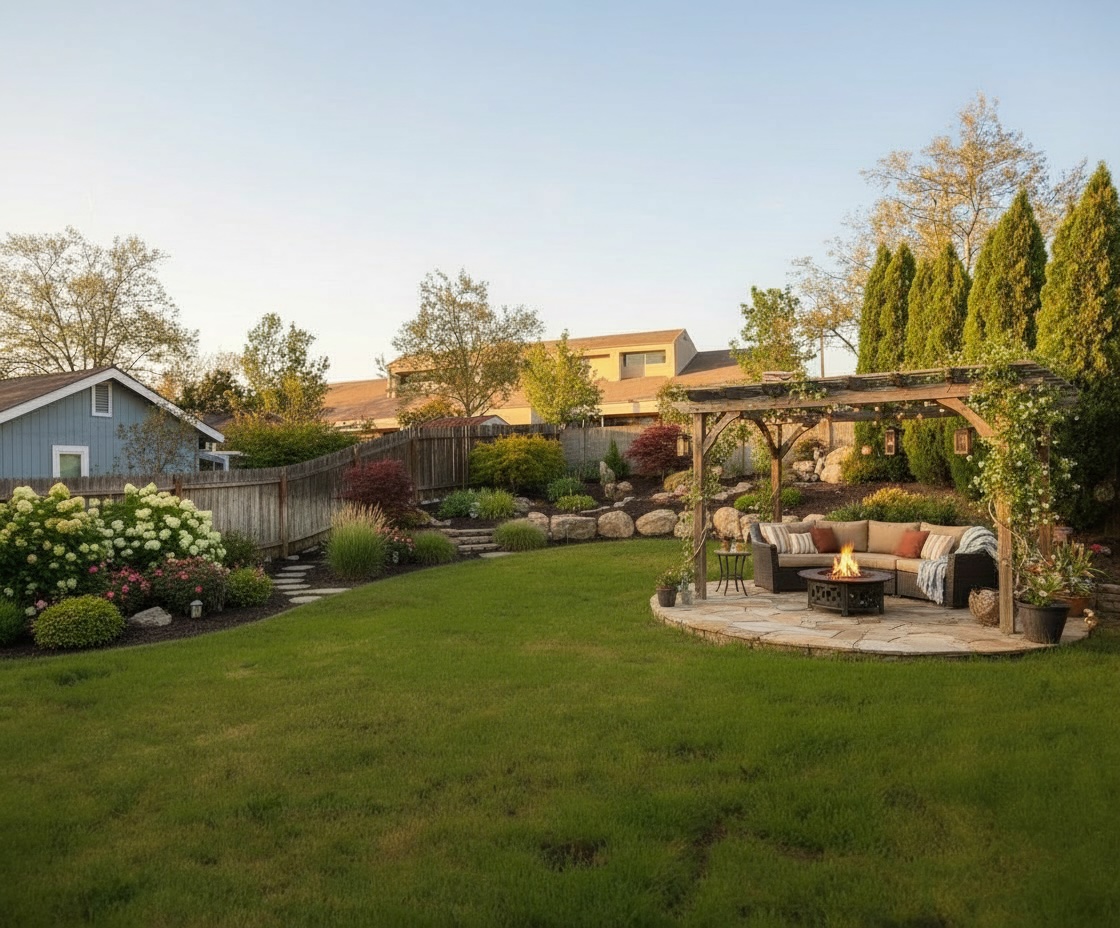
See how a desert/xeriscape garden looks on YOUR property
Upload a photo of your Mesa yard and visualize your dream garden in seconds.
Try ProScapeAI Free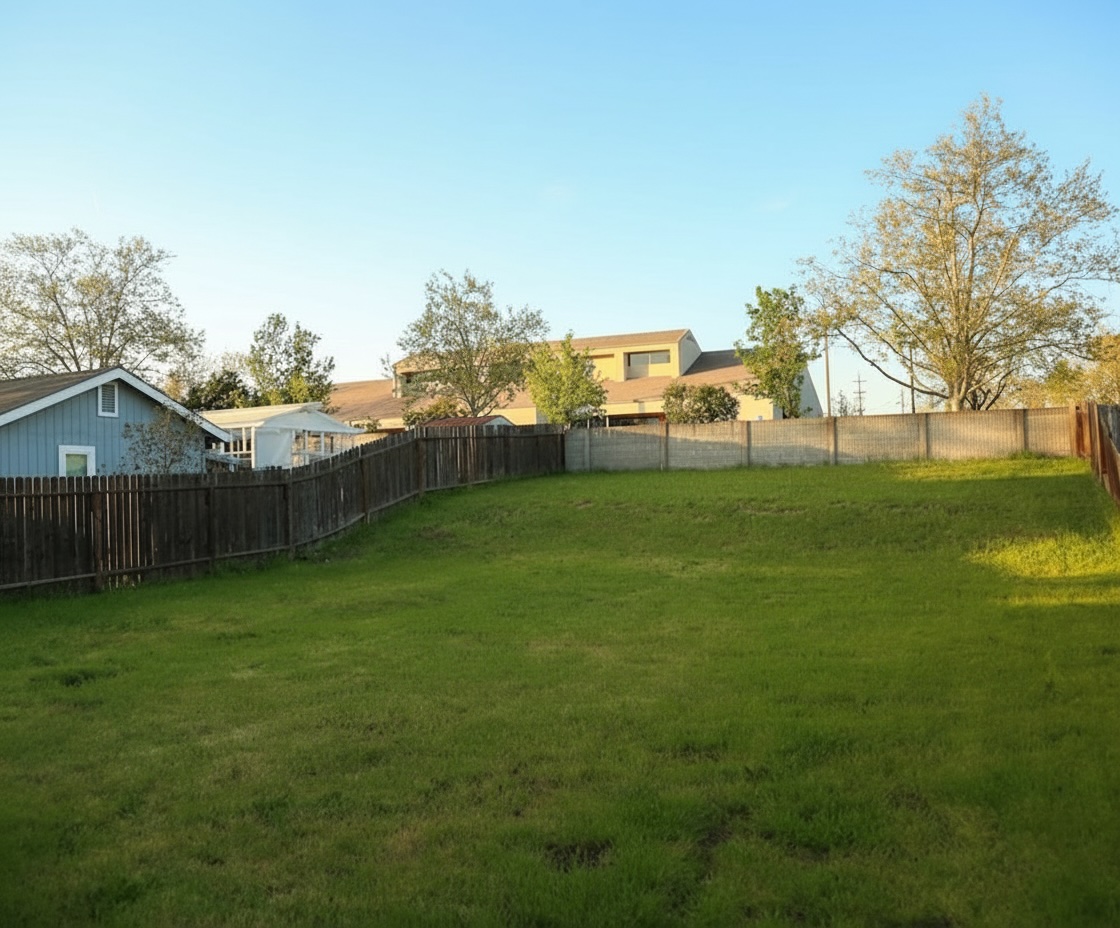
AI-generated image
Featured Trees & Shrubs for Desert/Xeriscape Gardens
Browse all 186 plants for Mesa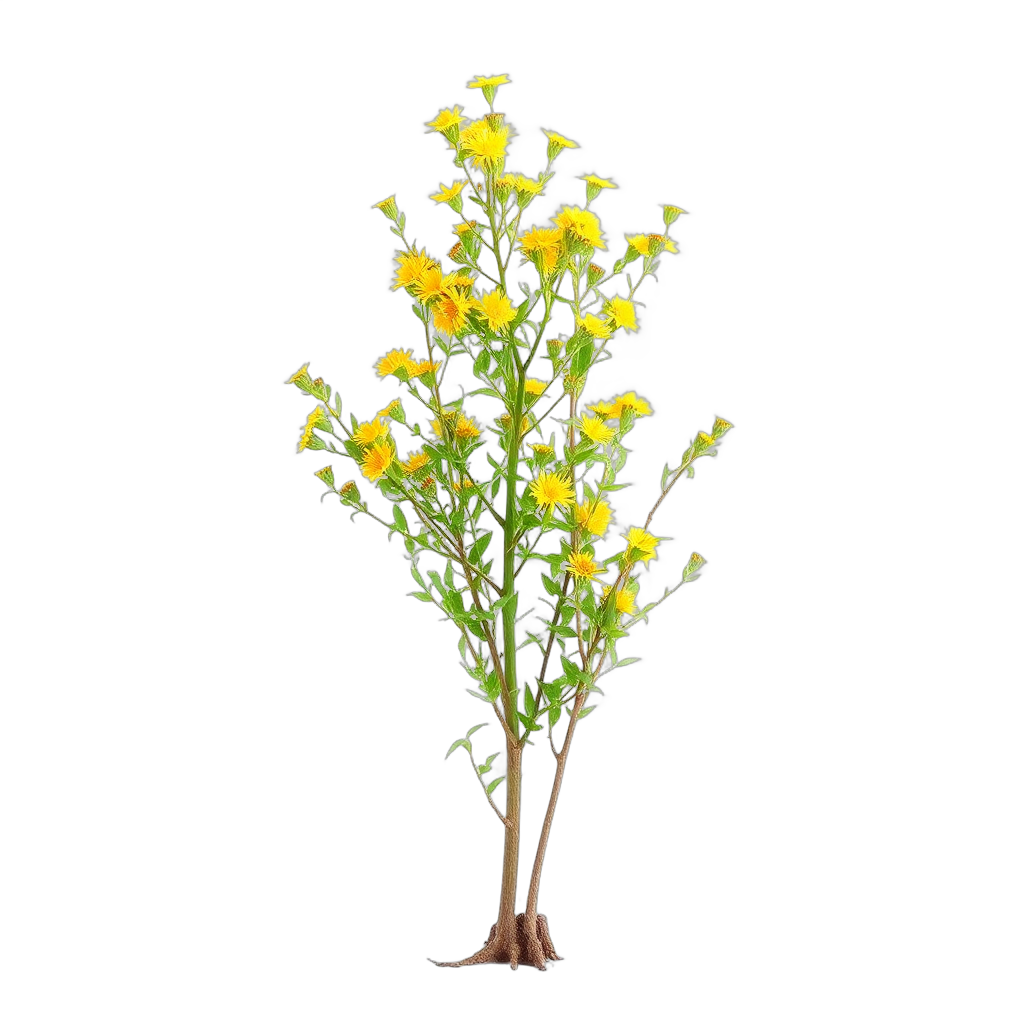
Brittlebush
Encelia farinosa
grows to 3 feet, yellow blooms in spring. Attracts butterflies.
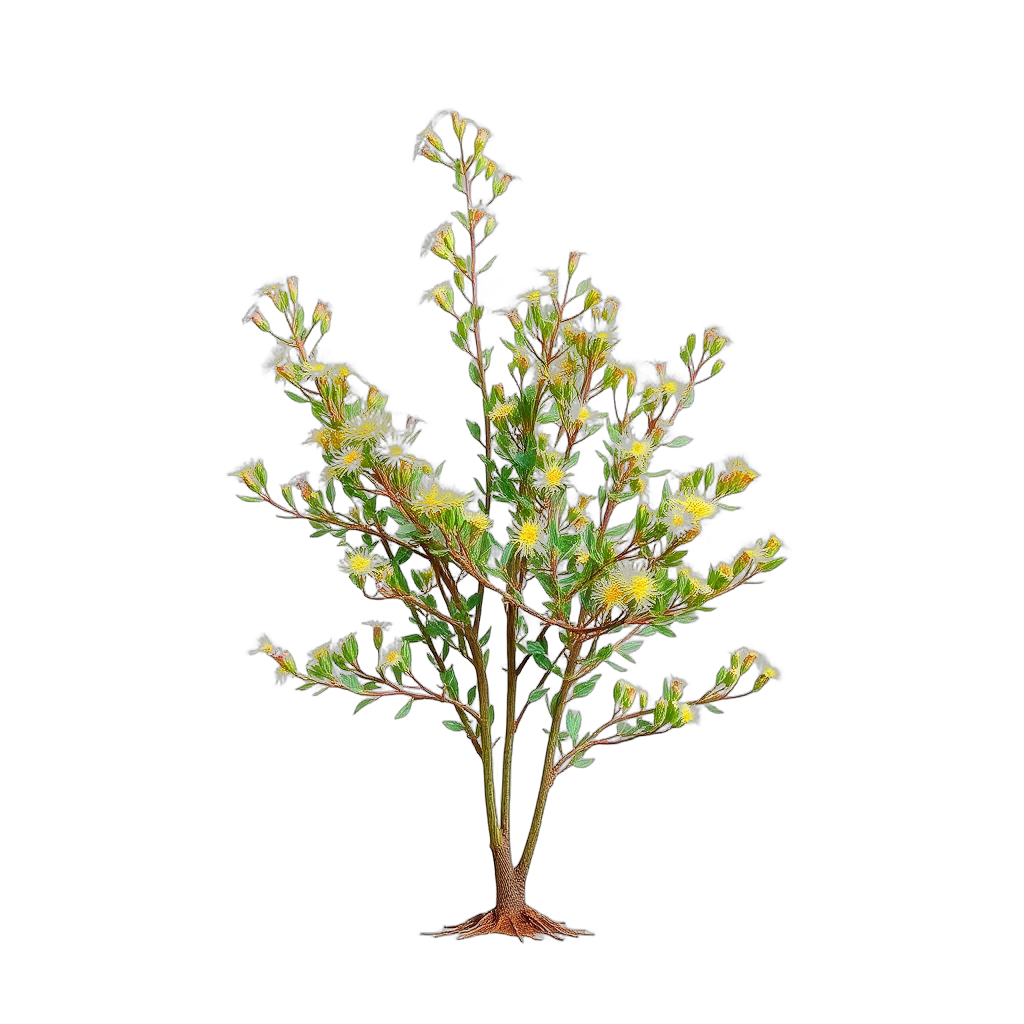
Catclaw Acacia
Acacia greggii
medium-sized at 15 feet, yellow blooms in spring. Pollinator-friendly.
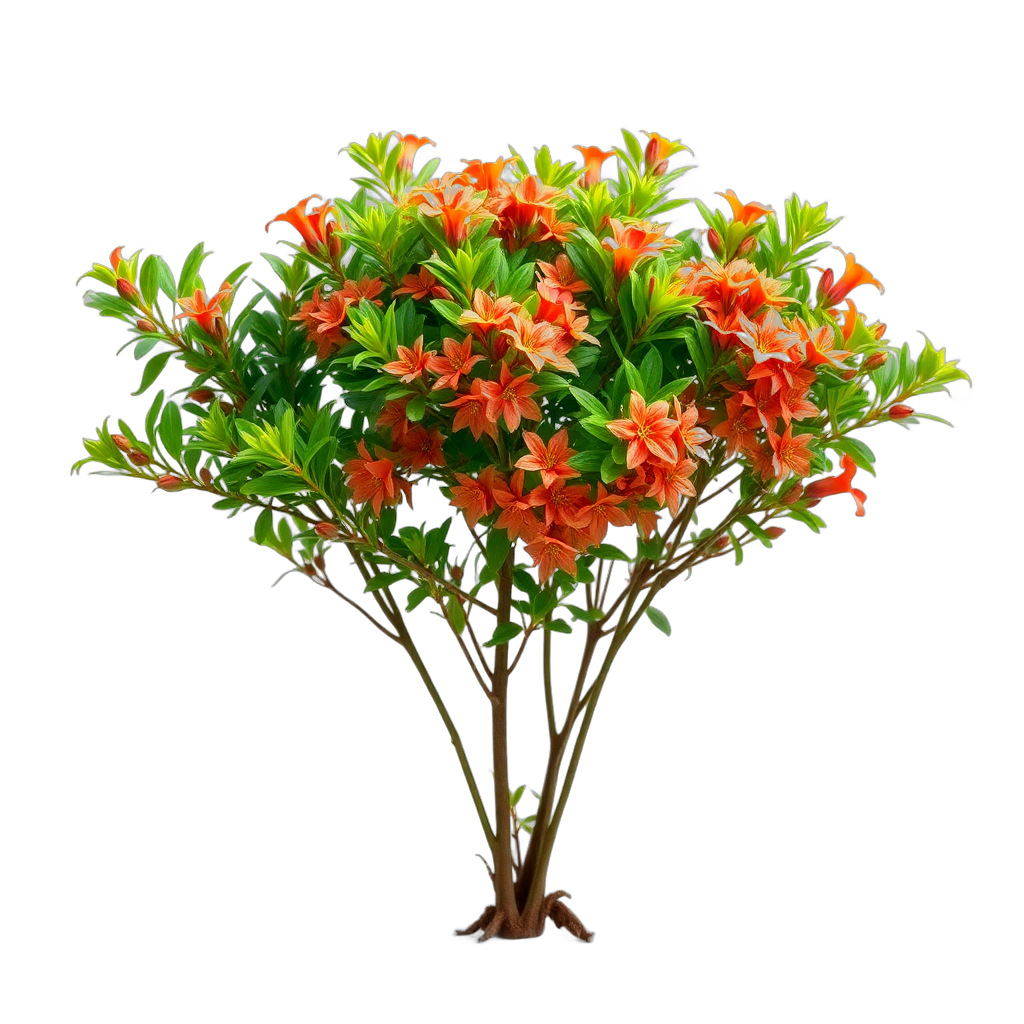
Chuparosa
Justicia californica
grows to 5 feet, red blooms in spring. Attracts hummingbirds.
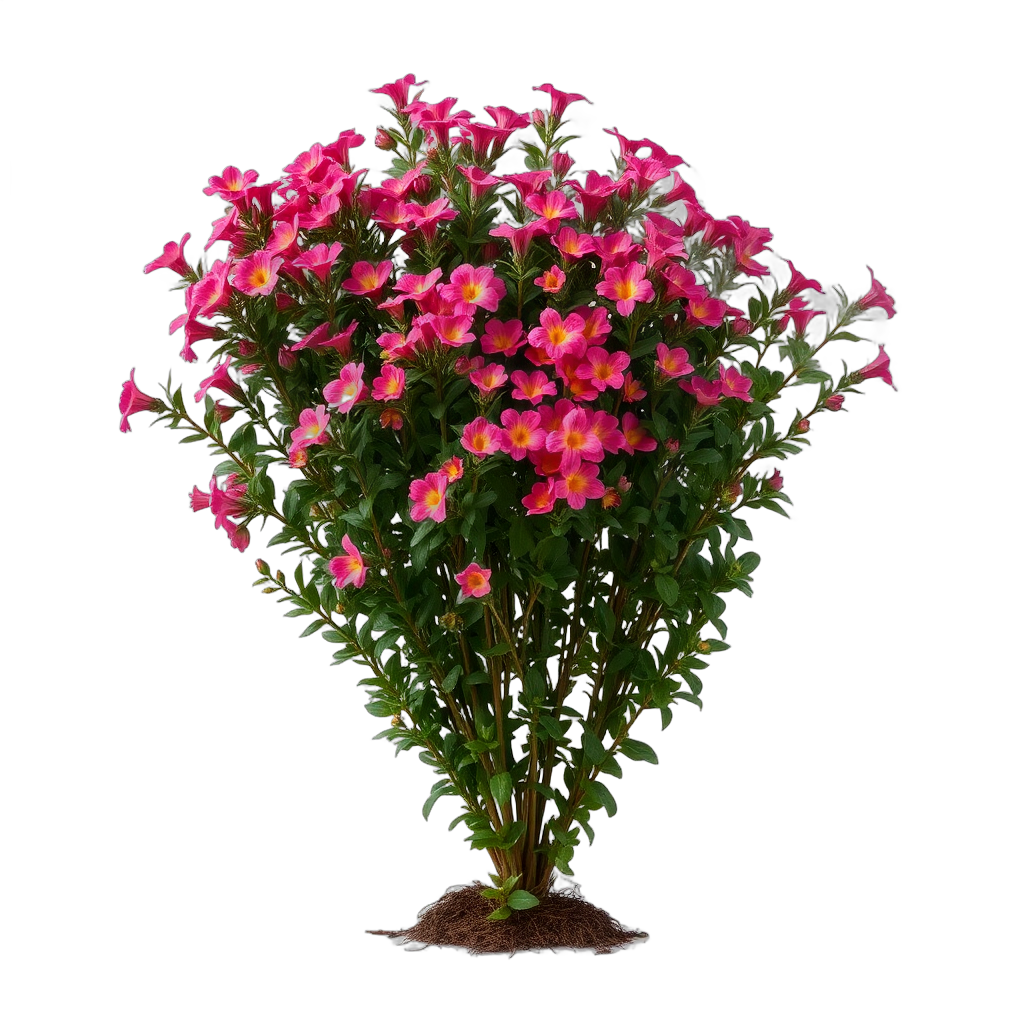
Cliffrose
Purshia mexicana
medium-sized at 8 feet, yellow blooms in spring. Attracts butterflies.
Featured Grasses & Groundcovers for Desert/Xeriscape Gardens
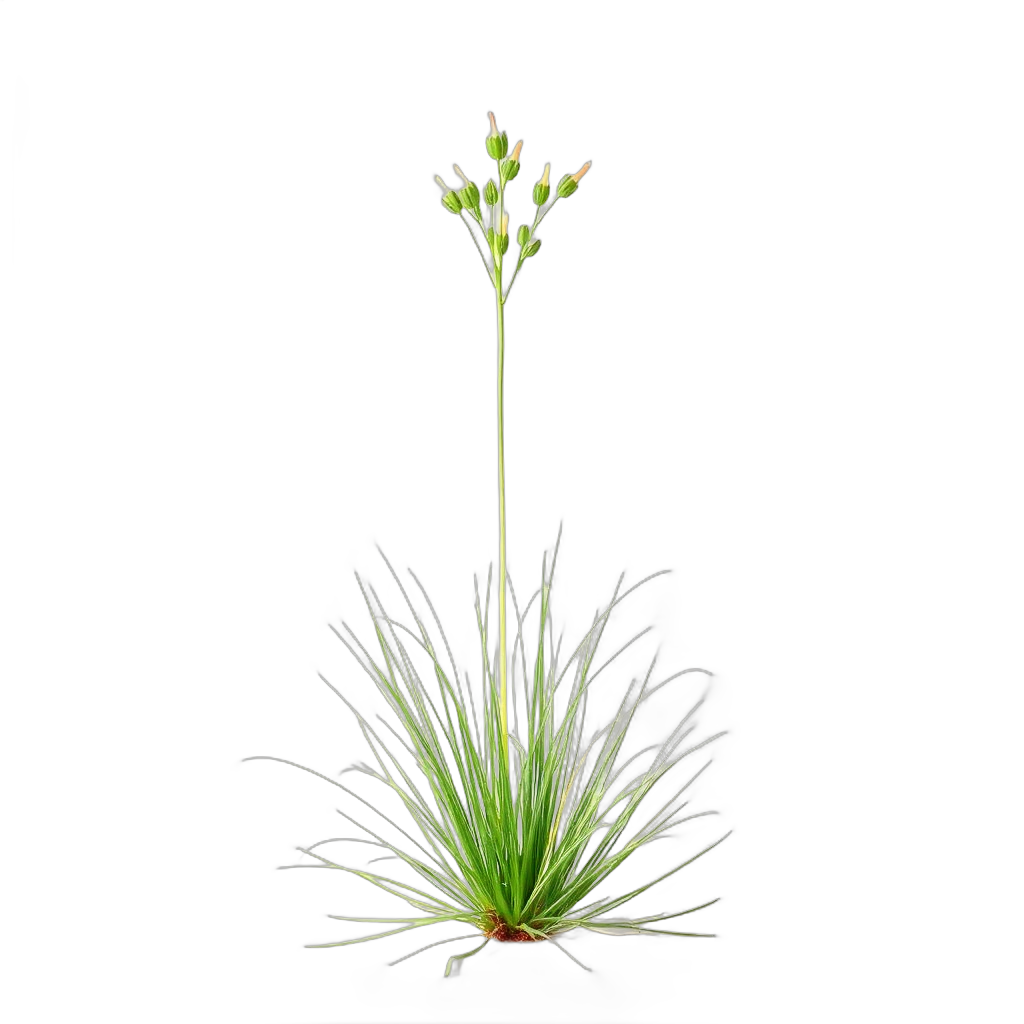
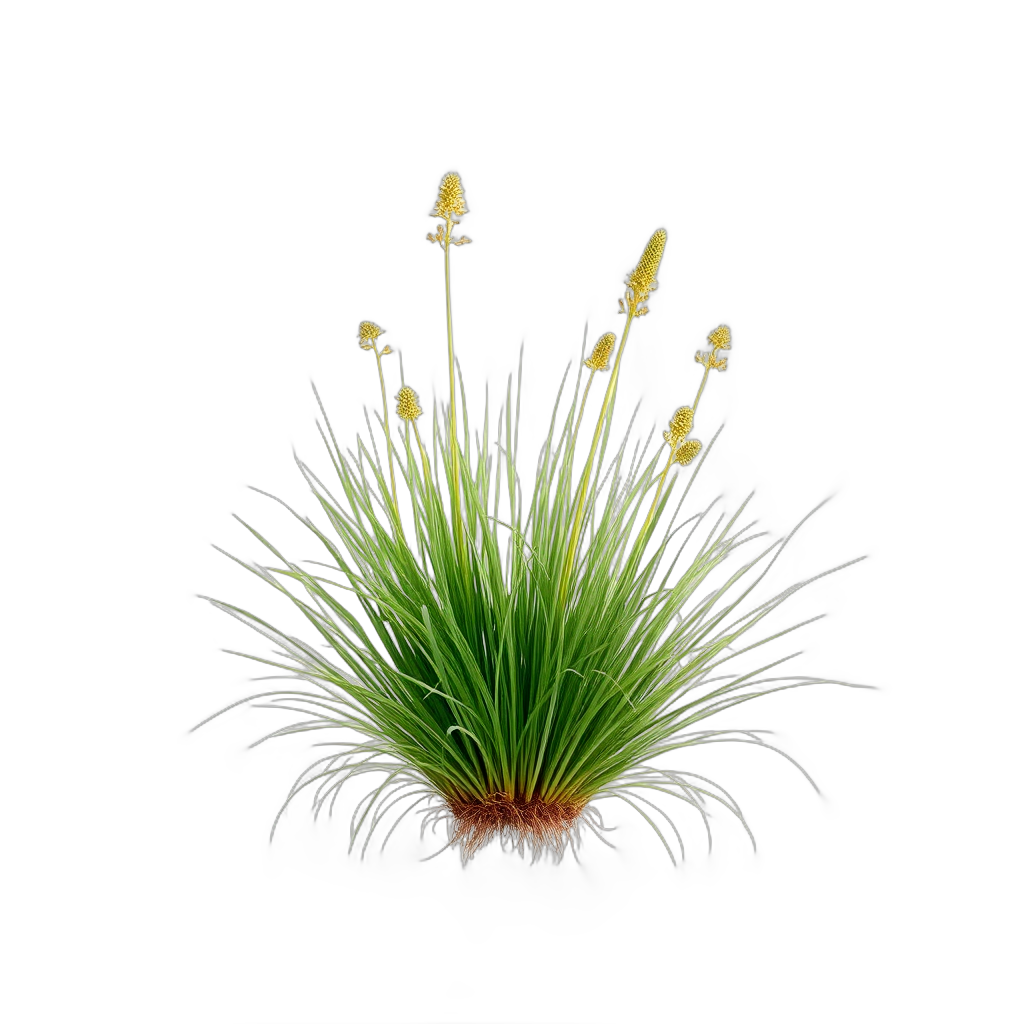
Alkali Sacaton
Sporobolus airoides
grows to 3 feet, blooms in summer. Yellow fall color.
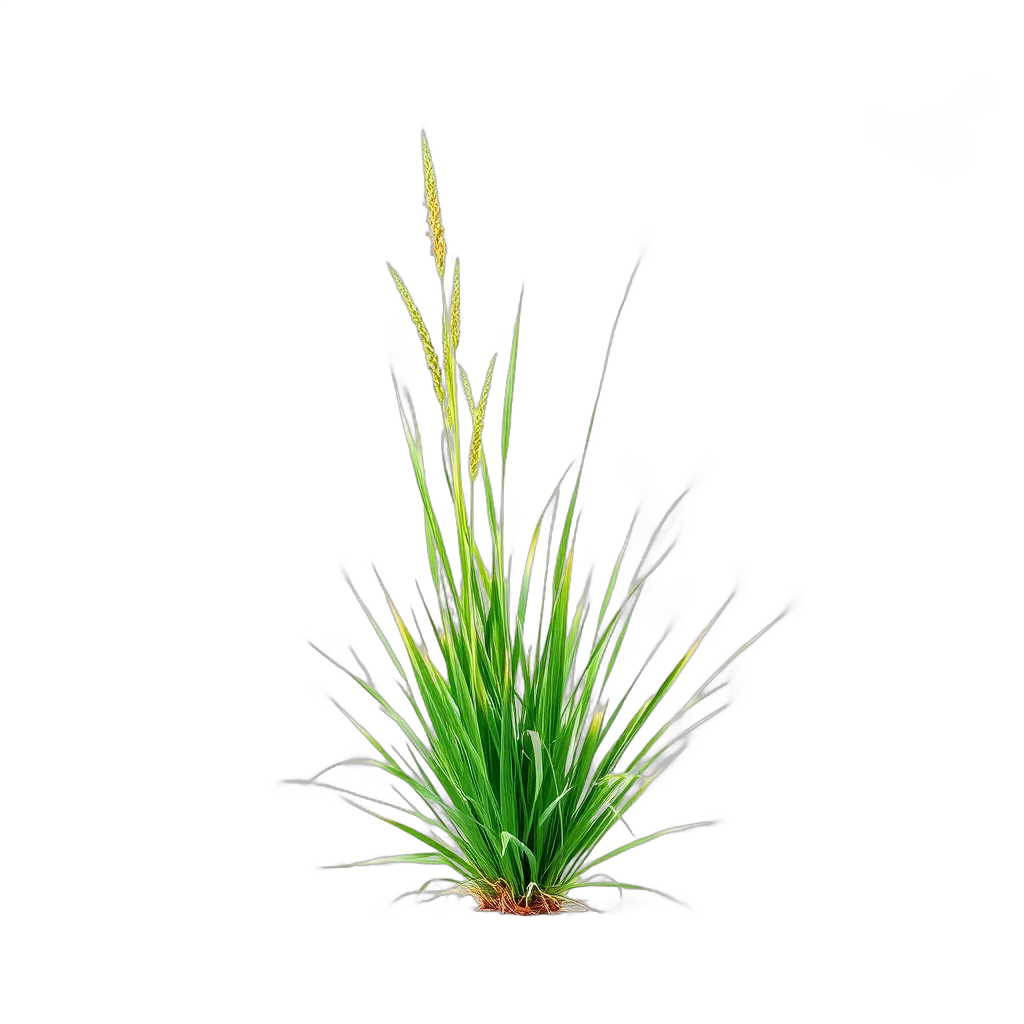
Big Sacaton
Sporobolus wrightii
grows to 5 feet, blooms in summer. Yellow fall color.
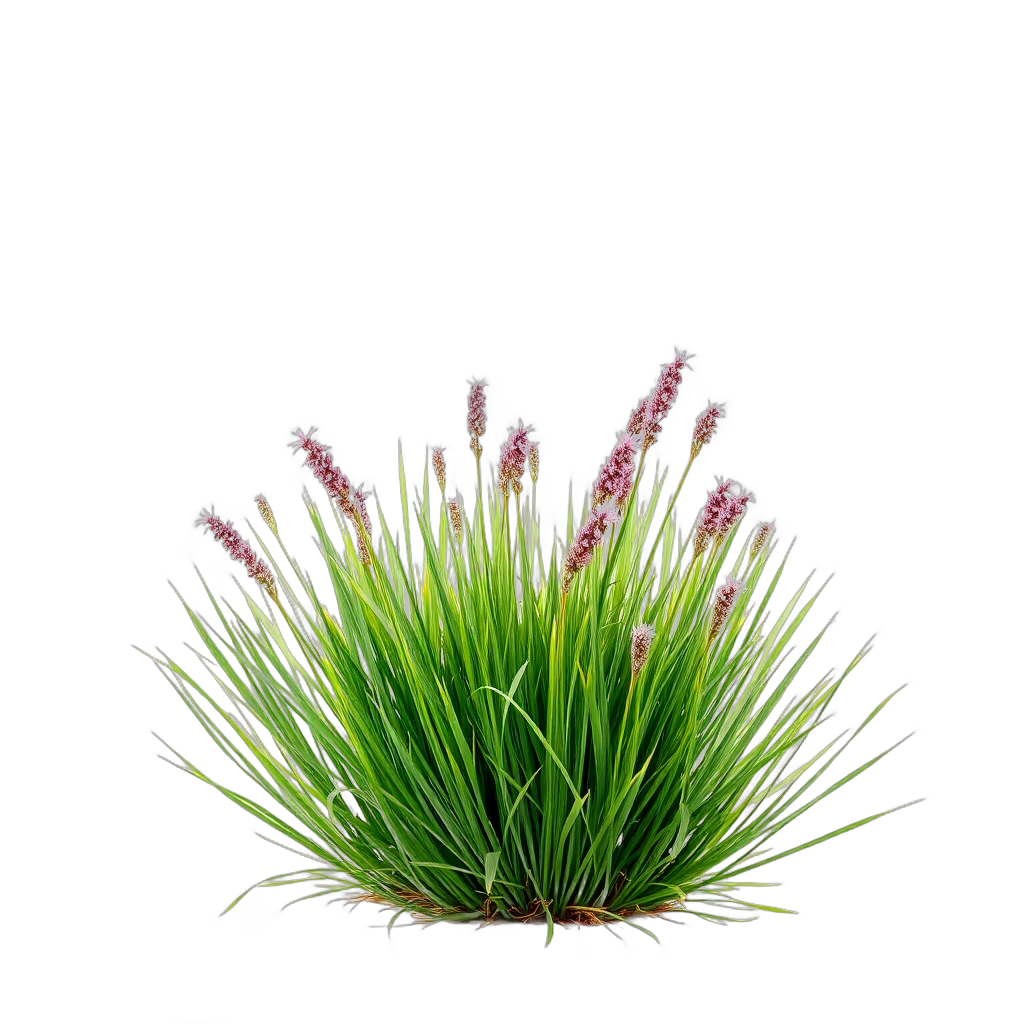
Bull Grass
Muhlenbergia emersleyi
grows to 4 feet, purple blooms in fall. Yellow fall color.
Purple Three-Awn
Aristida purpurea
low-growing ground cover, purple blooms in fall. Yellow fall color.
Featured Flowers & Perennials for Desert/Xeriscape Gardens
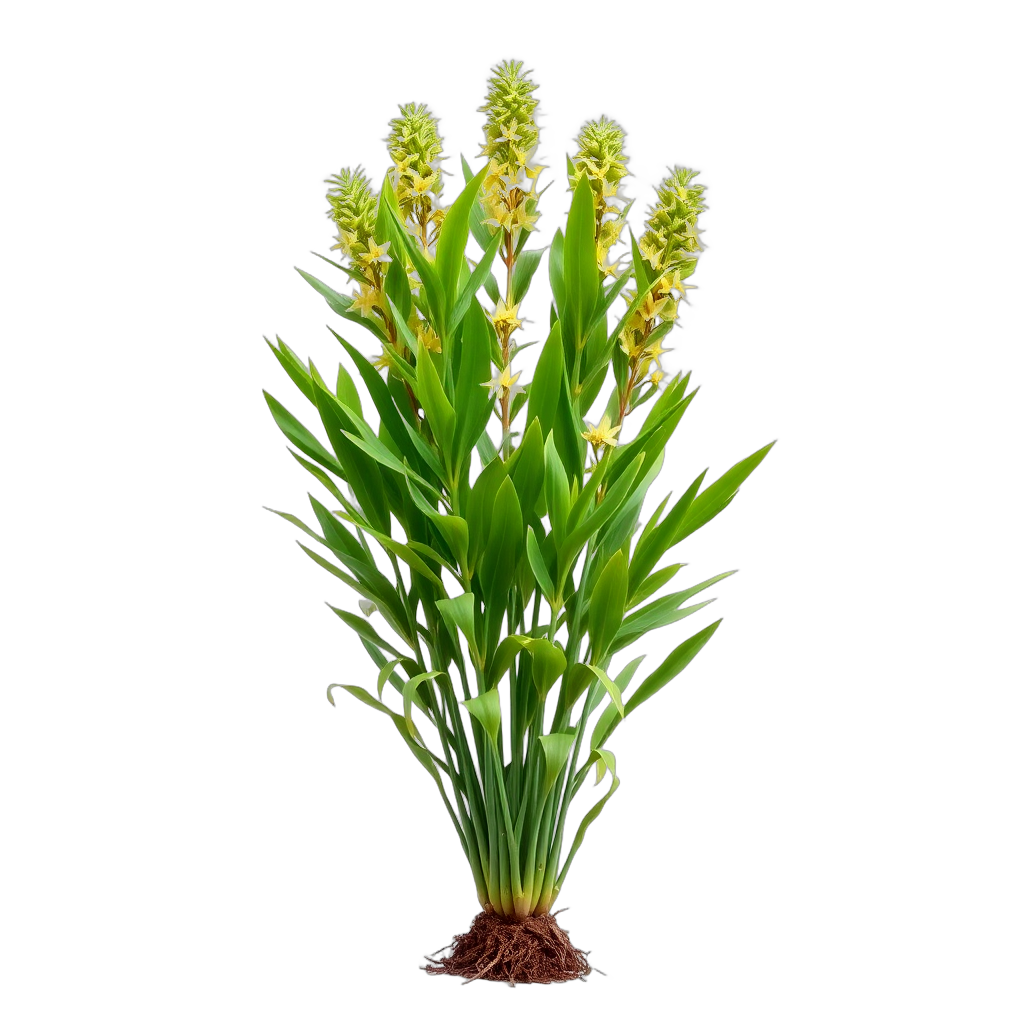
Banana Yucca
Yucca baccata
low-growing ground cover, white blooms in spring. Attracts hummingbirds.
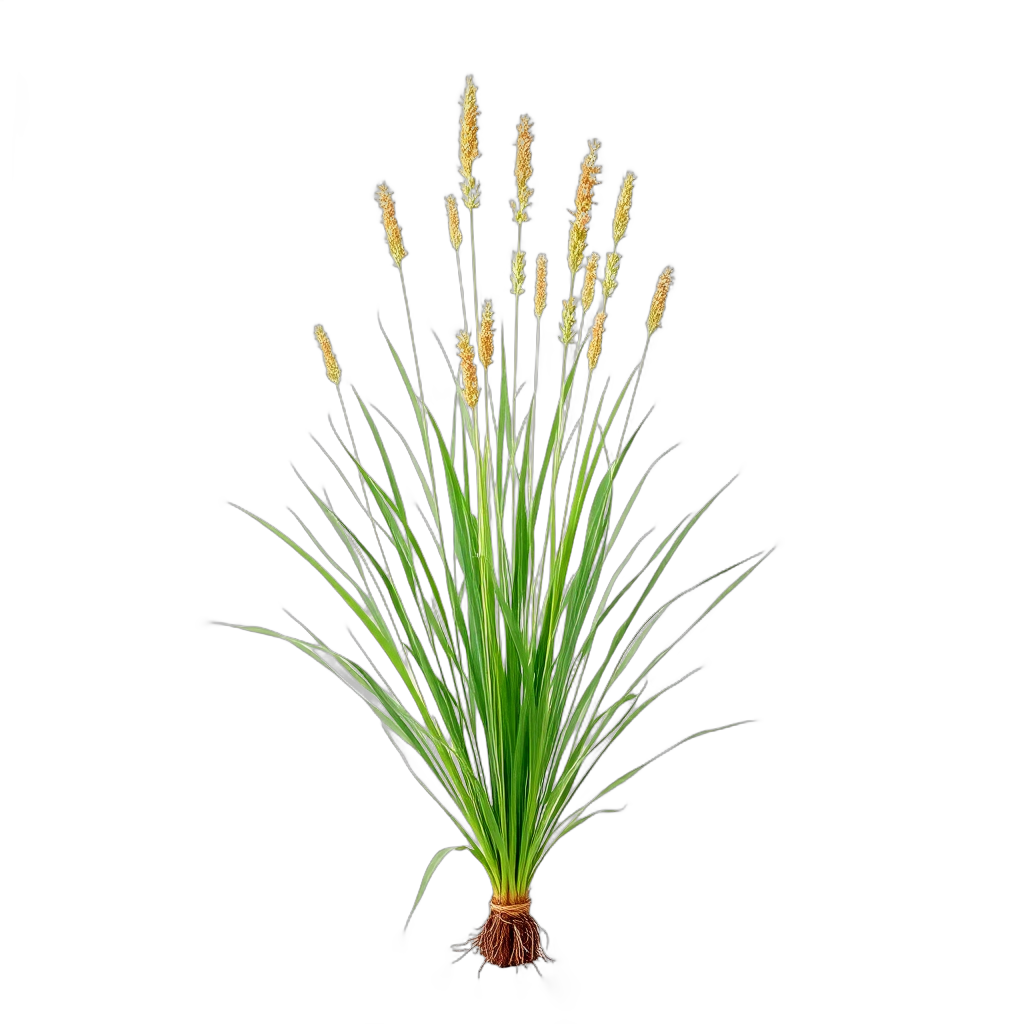
Beargrass
Nolina microcarpa
low-growing ground cover, white blooms in summer. Evergreen year-round.
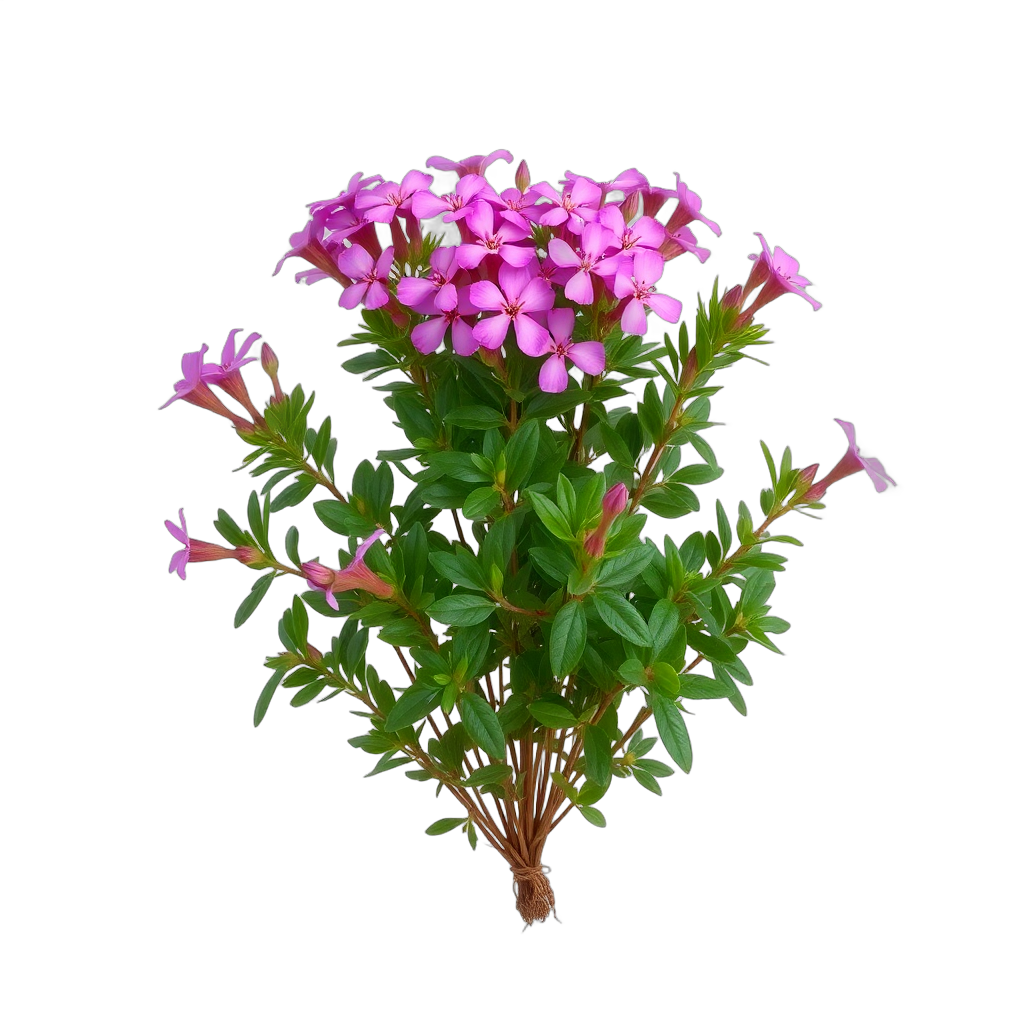
Desert Phlox
Phlox austromontana
low-growing ground cover, pink blooms in spring. Attracts hummingbirds.
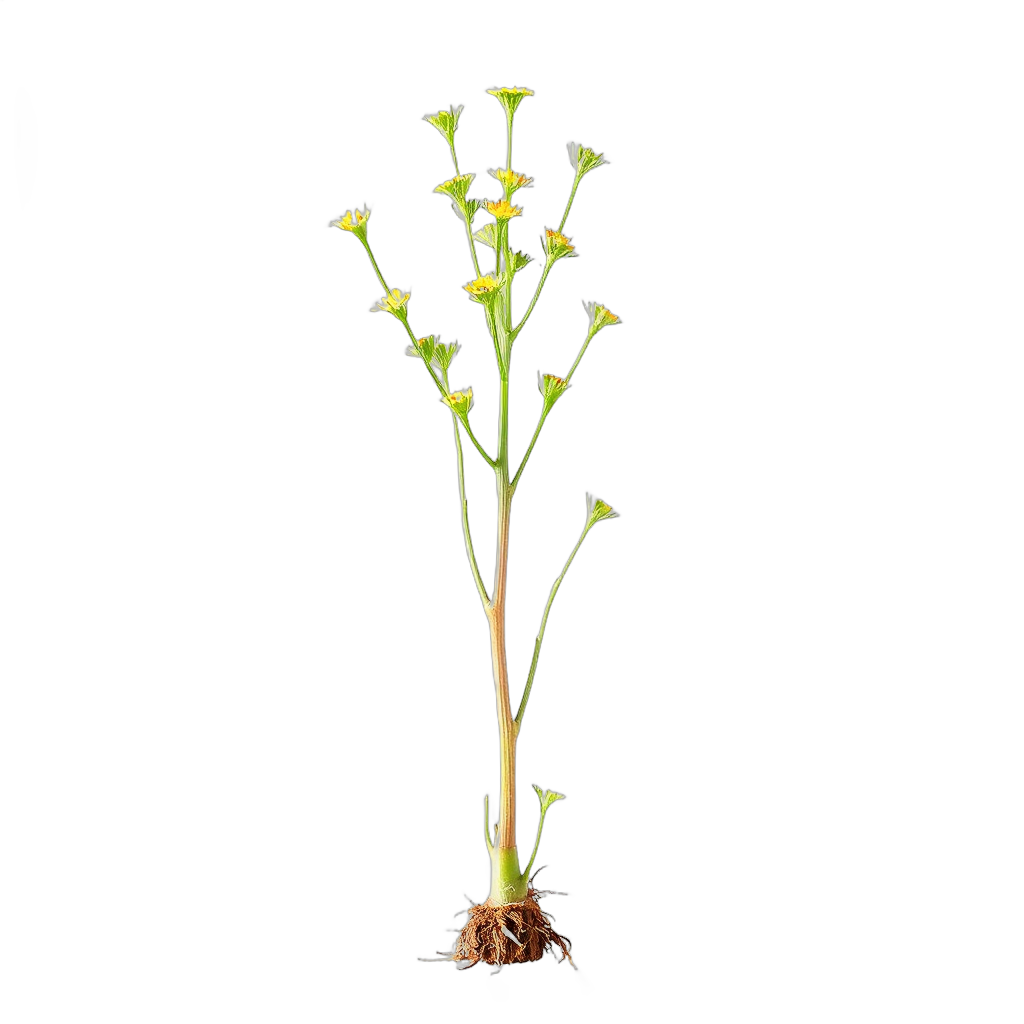
Desert Spoon
Dasylirion wheeleri
grows to 4 feet, white blooms in summer. Evergreen year-round.
Zone and sun checks come from our database — confirm with your local nursery before you buy.
Bloom Calendar for Mesa
spring
Banana Yucca, Desert Phlox, Brittlebushsummer
Beargrass, Desert Spoon, Alkali Sacatonfall
Bull Grass, Purple Three-Awnwinter
Limited bloomsDesign Tips for Mesa (Zone 9b)
- Plant ironwood trees with permanence in mind — they grow slowly but live up to 1,500 years and become more valuable every decade; a 50-year-old ironwood is worth more than the house it shades
- Mark the north-facing side of any saguaro before transplanting with paint or flagging tape — saguaro orient to the sun over decades and can sunburn fatally if installed facing the wrong direction
- Design your DG ground cover at 3–4 inch depth over landscape fabric — Mesa's monsoon storms wash away thin DG layers and the fabric prevents weed intrusion in Sonoran's warm, fast-growing seed environment
- Plant brittlebush and desert marigold for guaranteed color — brittlebush blazes yellow from February through April and desert marigold blooms nearly year-round in Mesa's climate with zero supplemental water
- Avoid placing saguaro within 12 feet of structures — they can reach 45 feet tall and fall without warning in monsoon microbursts; Mesa code may require specific setback distances from structures and utilities
- Use warm-toned DG (buff, rose, or tan) to complement Mesa's Sonoran boulder tones — the warm earth palette references the Superstition Mountains' geology and looks more natural than cool-gray gravel
Where to Source Plants in Mesa
Skip the big-box stores. These independent Mesa nurseries specialize in the plants that make desert/xeriscape gardens thrive in Zone 9b.
Civano Nursery
Tucson (ships statewide, widely used in East Valley)
Arizona's premier native Sonoran Desert plant nursery — largest selection of legally grown native cacti and shrubs
Moon Valley Nurseries
Gilbert / East Valley
Large specimen palo verde, saguaro, and desert trees for immediate-impact Mesa landscapes
Berridge Nurseries
Multiple Phoenix metro locations
Full-service nursery with strong Sonoran Desert and xeriscape plant selection
Horizon Nursery
Mesa / Superstition Springs
East Valley local nursery with desert trees, cacti, shrubs, and landscape materials
Arizona Cactus Sales
Central Phoenix (serves East Valley)
Specialty cacti, legally tagged saguaro, agave, and Sonoran natives
Desert/Xeriscape Landscaping Costs in Mesa
| Project Scope | Estimated Cost |
|---|---|
| Front yard Sonoran xeriscape conversion (400–600 sqft) | $3,500 – $9,000 |
| Flagstone patio with fire pit | $8,000 – $22,000 |
| Turf removal + gravel + native plants (per sqft) | $4.50 – $17/sqft |
| Hardscape patio installation | $15 – $35/sqft |
| Drip irrigation system | $1,200 – $3,000 |
| Large specimen saguaro (installed) | $1,000 – $6,000 depending on height |
| AI visualization with ProScapeAI | Free to start |
Estimates based on Mesa, AZ-area contractor rates as of 2026. Actual costs vary by site conditions, materials, and contractor.
Mesa Climate & Growing Zone
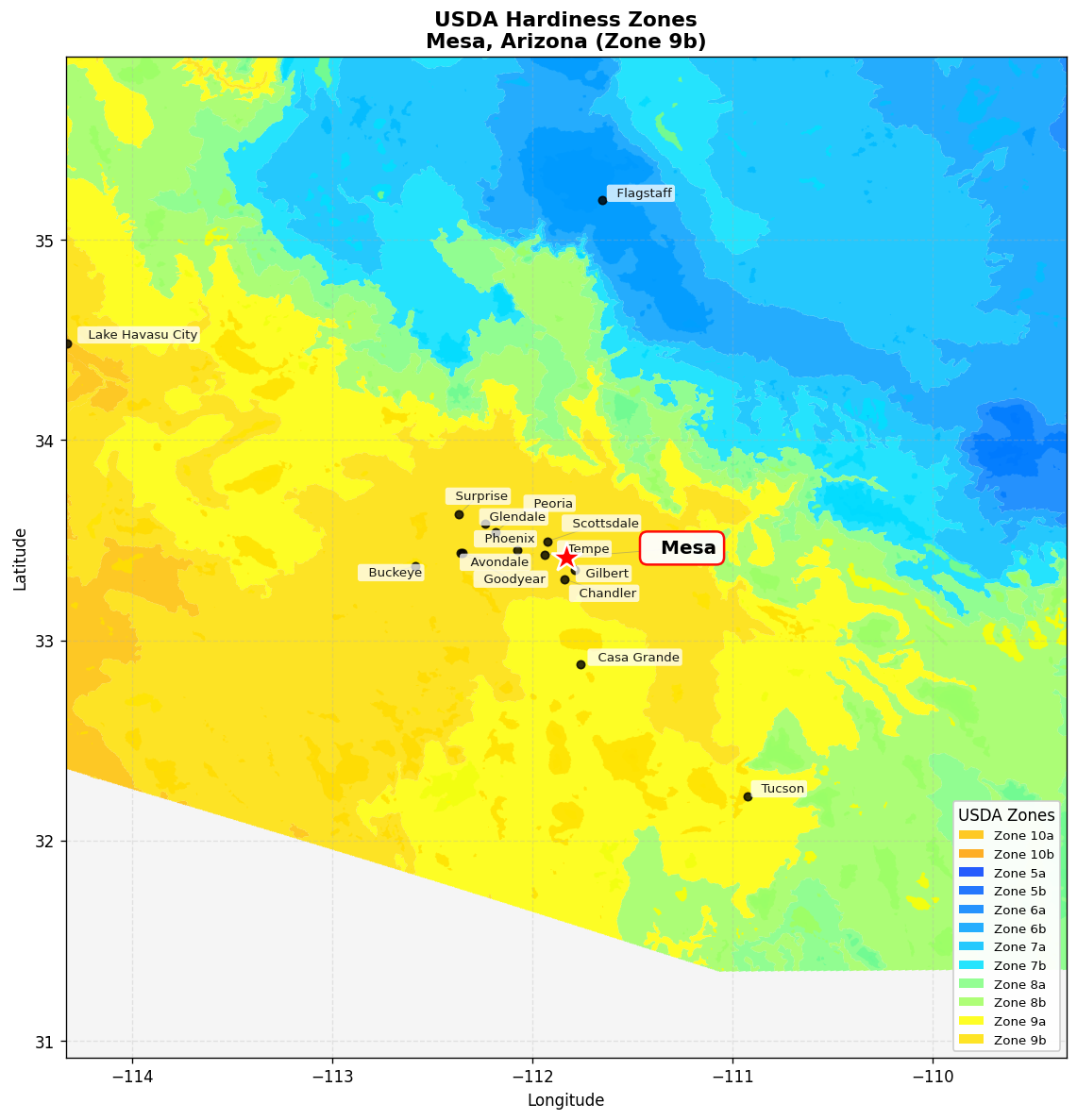
USDA Zone 9b
Hardiness zone for Mesa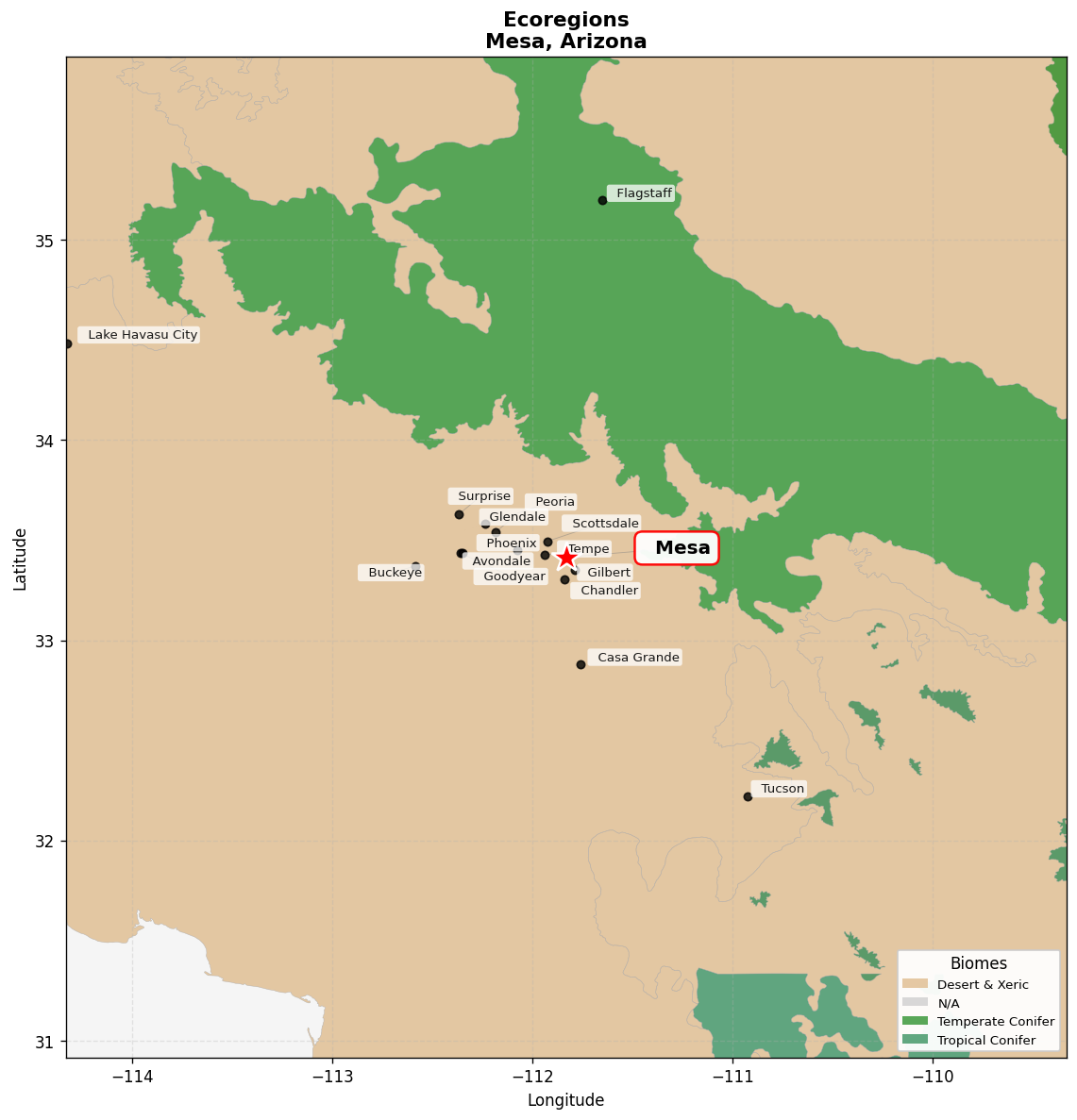
Sonoran desert
Native ecoregionFrequently Asked Questions
What native plants are best for a Sonoran Desert xeriscape in Mesa?
Mesa's Zone 9b Sonoran Desert supports a diverse native plant palette. Best performers for xeriscape: Desert Museum palo verde (best shade tree), ironwood, desert willow, saguaro (protected, requires legal plant), brittlebush, desert marigold, globe mallow, ocotillo, red yucca, desert spoon, Mexican bird of paradise, purple dalea, and native grasses (desert muhly, bush muhly). For succulents: blue agave, barrel cactus, beavertail prickly pear, and hedgehog cactus are all zone-appropriate. Arizona Cooperative Extension publishes a comprehensive Sonoran Desert plant guide for the Phoenix metro area including Mesa.
How do I legally obtain saguaro cactus for my Mesa landscape?
Saguaro are protected under Arizona's Native Plant Law. To plant saguaro legally in your landscape: purchase from a licensed nursery with a state-issued blue tag certifying legal salvage; or hire a licensed native plant dealer to locate and transplant a saguaro from a permitted salvage site. Costs run $150–$500 for 3–5 foot plants, $500–1,500 for 6–8 foot plants. Never accept saguaro without the blue tag. Transplanting large saguaro (over 6 feet) requires specialized contractors and careful attention to north-side orientation markers (plants can sunburn if rotated from their established solar orientation). Best planting season: late spring.
What are Mesa's water restrictions for residential landscaping?
Mesa Water Resources enforces year-round outdoor irrigation restrictions: watering is limited to twice per week May through October, three times per week November through April, permitted only before 10am or after 6pm, and prohibited during and 48 hours after measurable rainfall. Sprinkler systems must not produce runoff into streets or neighboring properties. Mesa also participates in Arizona's drought response framework — during declared drought emergencies, additional restrictions may apply. Mesa Water provides free landscape audits and a water-wise plant list. Check their website for current rebate program availability; programs have varied in recent years.
How do I design a Mesa desert garden for the summer monsoon?
Mesa's monsoon season (mid-June through September) delivers intense afternoon storms that can dump 1–2 inches in 30–60 minutes. The Sonoran's native plants evolved for exactly this pattern — long dry spring followed by intense summer rains — and handle it beautifully. Your design responsibility is routing that water. Minimum 2% grade away from the foundation, defined drainage channels or naturalistic arroyos that carry runoff to the street, and DG beds with proper steel edging that prevent washout. Planting in natural drainage channels should use riparian Sonoran species (desert willow, seep willow) that thrive in wet-dry cycles. Avoid invasive species like fountain grass that naturalize in disturbed monsoon drainage areas.
What is caliche and how does it affect landscaping in Mesa?
Caliche is a calcium carbonate hardpan layer found in Mesa soils, typically 6–24 inches below the surface. It blocks water drainage and root penetration. For desert xeriscape, caliche management is essential: when installing trees and large shrubs, break through the caliche layer completely with a jackhammer or power auger to create a planting pocket that allows proper root development. For DG ground covers, caliche actually provides a stable base that prevents settling. The key is ensuring that water can drain through planted areas — caliche that traps water around roots causes root rot even in drought-tolerant species. Test your soil with a metal probe before starting major projects; caliche depth varies significantly across Mesa.
Are there protected native plants other than saguaro in Mesa?
Yes — Arizona's Native Plant Law protects several species beyond saguaro. Protected plants include: ironwood, palo verde (blue and Mexican), desert willow, mesquite, Joshua tree, ocotillo, and various cacti species. On private property, removal of protected plants generally requires an Arizona Department of Agriculture permit, particularly for tree-size specimens. Fines for violations can be substantial. The practical implication for landscaping: if your property has mature ironwood, large saguaro, or heritage palo verde trees, protect them — they're irreplaceable assets. If a construction project requires removal, hire a licensed salvage contractor well in advance of the work.