4 Cottage/English Garden Ideas for Grand Rapids, MI | Rose-and-Perennial Landscape Design in Zone 6a
Native plants from the Southern Great Lakes forests (Zone 6a) — Humid continental (hot summer) climate
Why Cottage/English Gardens in Grand Rapids?
Few American cities give a cottage garden a better stage than Grand Rapids. Heritage Hill's 1,300-plus Victorian, Italianate and Queen Anne houses make up one of the largest historic districts in the country, and the porch-fronted bungalows of Eastown, Alger Heights and the Gaslight Village end of East Grand Rapids were built for exactly this kind of planting: a gate, a path, deep front borders, and something in flower from the last Narcissus 'Thalia' in early May to Symphyotrichum oblongifolium 'Raydon's Favorite' in November. The climate cooperates more than most of the country does. Grand Rapids gets roughly 37 inches of precipitation spread evenly across all twelve months, and the cool nights coming off Lake Michigan keep Delphinium elatum 'Blue Bird', Alchemilla mollis and Astilbe 'Fanal' looking the way they do in a Cotswolds border instead of melting the way they do in Atlanta.
The catch is Zone 6a — winter lows of -10°F to -5°F, which quietly eliminates about a third of the English cottage canon. Mophead Hydrangea macrophylla grows here but loses its flower buds most winters; substitute Hydrangea paniculata 'Limelight' or 'Fire Light', both introduced through Spring Meadow Nursery in Grand Haven forty minutes west, or the new-wood rebloomer 'Endless Summer BloomStruck'. Chinese wisteria is a coin flip in Kent County, while Wisteria macrostachya 'Blue Moon' shrugs off -40°F and reblooms three times a season. Fussy hybrid teas need burying every November, so build your arches around Rosa 'William Baffin' (hardy to -30°F), Rosa 'John Cabot' or Rosa 'New Dawn' instead. Even lavender demands the right cultivar: Lavandula x intermedia 'Grosso' is marginal here, but Lavandula angustifolia 'Munstead', 'Hidcote' and the lavandin 'Phenomenal' come through West Michigan winters intact.
Underneath everything sits glacial outwash sandy loam — fast-draining, mildly acidic at roughly pH 6.0 to 6.8. That is a gift for lavender, Nepeta 'Walker's Low' and Salvia nemorosa 'Caradonna', which die of wet feet far more often than of cold. It also means the thirsty half of a cottage border — Phlox paniculata 'David', delphinium, astilbe — wants compost worked in and about an inch of water a week through the dry stretch that reliably arrives in late July. The 75 inches of lake-effect snow you dread all winter is the best mulch money can't buy, insulating crowns through the January thaw-and-refreeze swings that kill more perennials than the cold itself. Two final local facts to design around: every arbor post needs a footing below Kent County's 42-inch frost depth, and Japanese beetles hit rose petals from the last week of June through mid-August.
4 Cottage/English Design Ideas for Grand Rapids
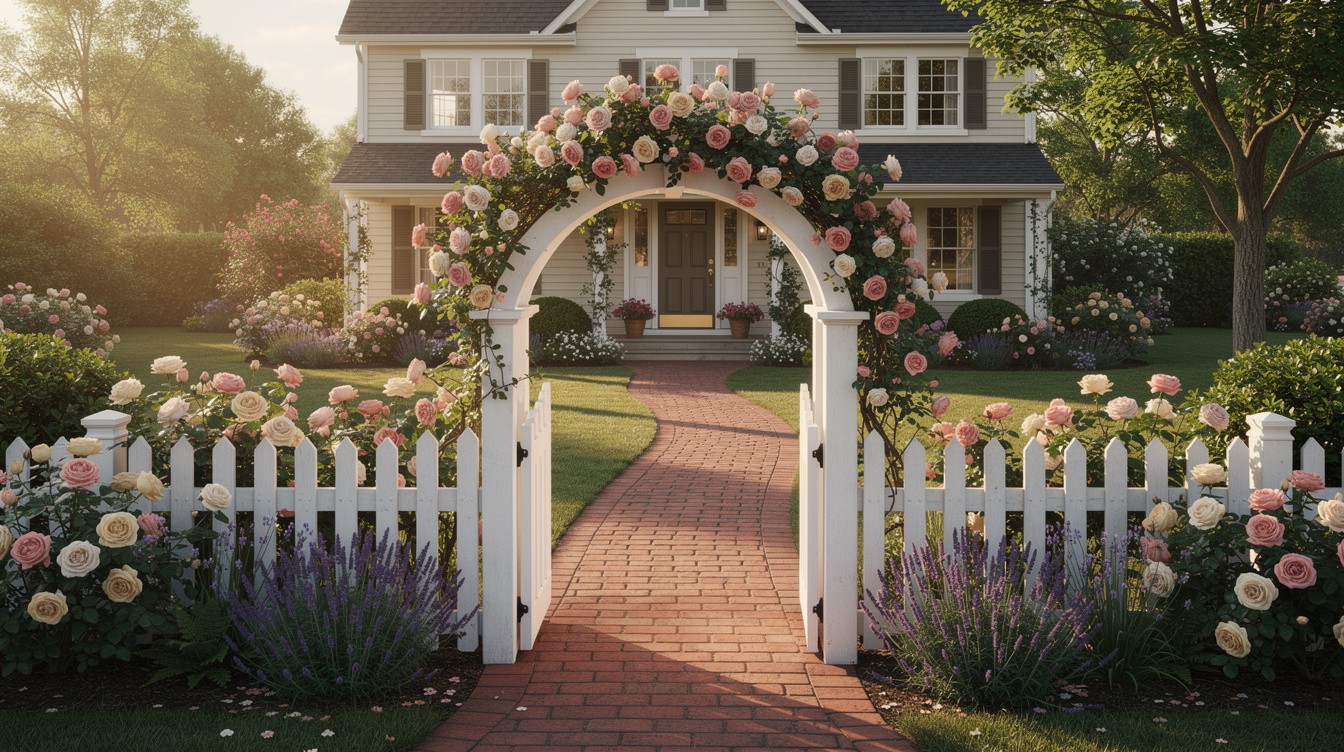
The Heritage Hill Rose Gate
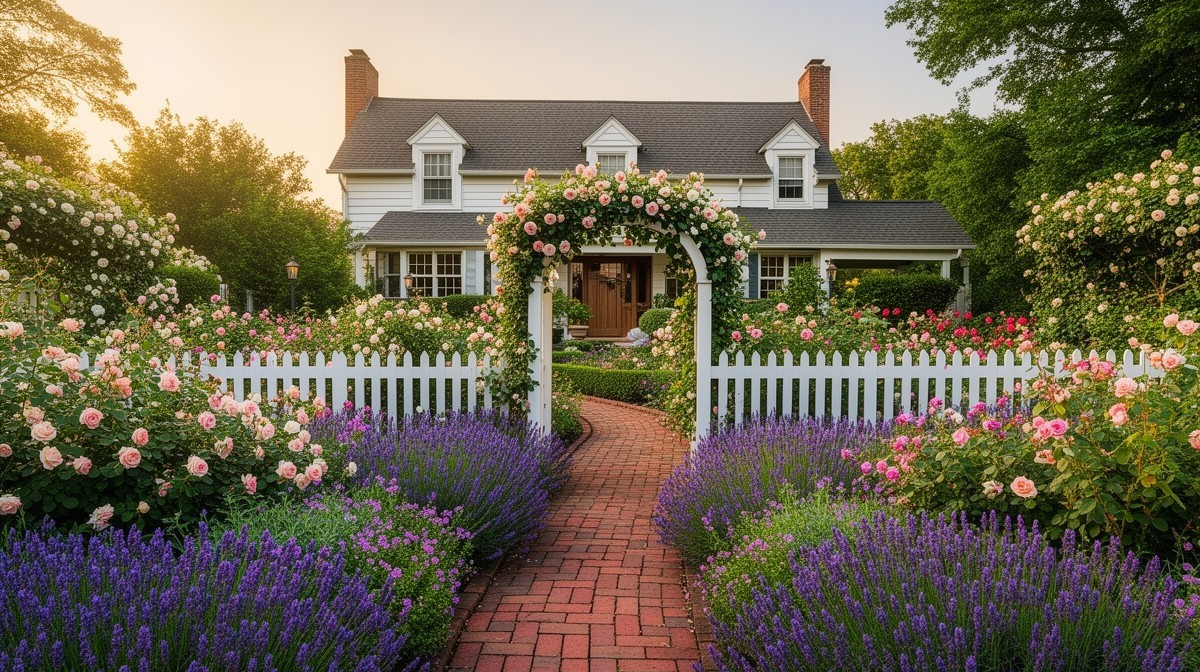
$16–28/sqftA cream clapboard two-story with charcoal shutters, fronted by a low white picket fence and a rose-smothered arch straddling the gate. Pink and ivory climbers cover the arch completely, the fence line is packed with shrub roses in the same palette, and a continuous ribbon of English lavender runs along the base of the pickets where it gets the sharp drainage and full sun it needs. A clay brick walk curves from gate to door past clipped evergreen globes, and two mature canopy trees frame the whole composition.
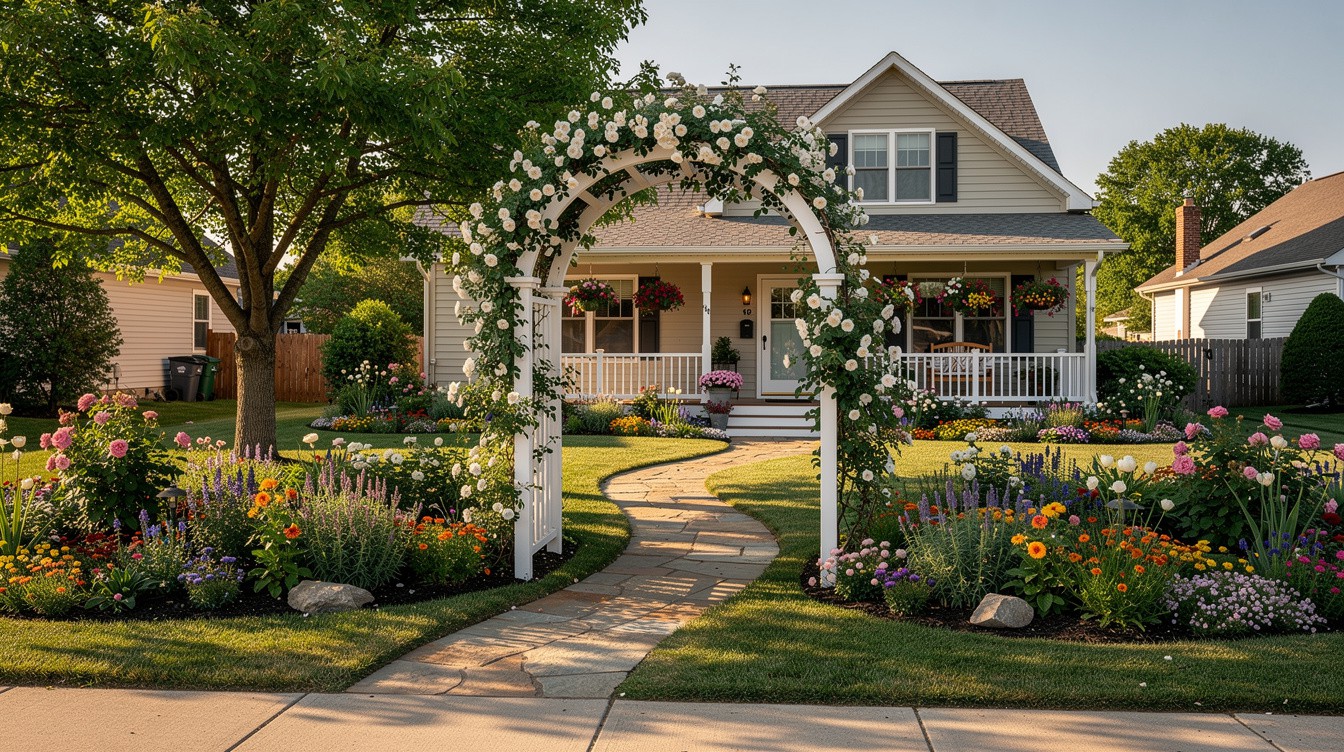
The Bungalow Cutting Border
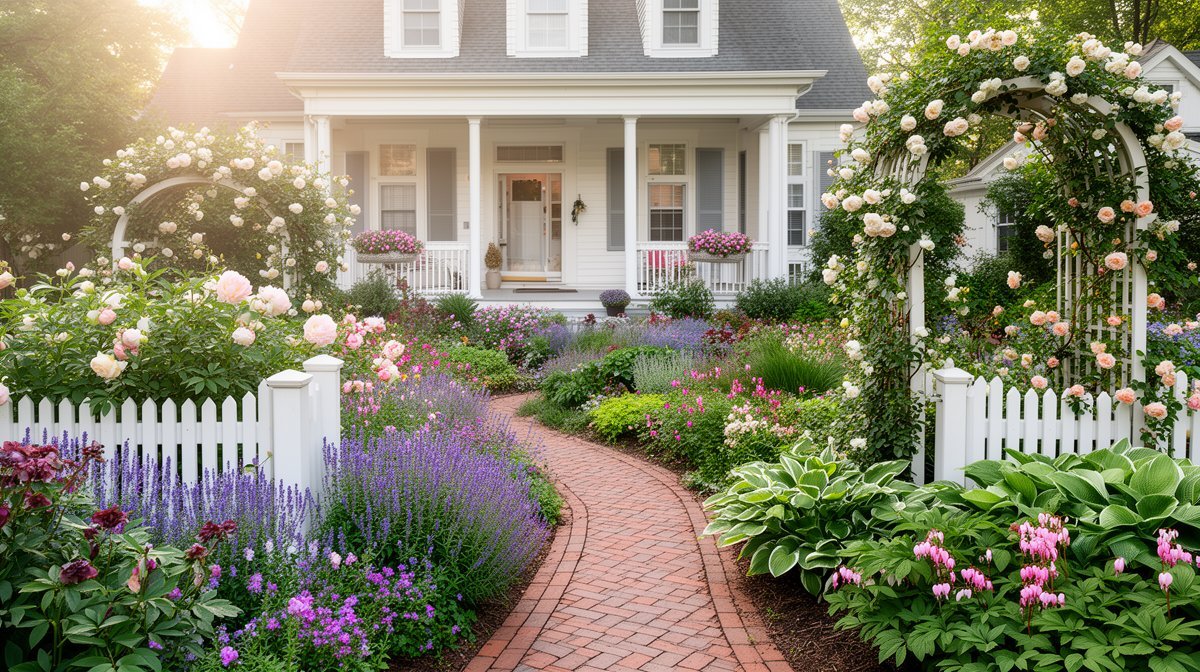
$12–22/sqftA 1.5-story cape with a full-width covered porch and hanging baskets, approached by a flagstone stepping path that curves through the lawn and under a white arbor draped in single white climbing roses. On both sides the lawn dissolves into big mulched island beds run as a cutting garden: purple salvia and lavender spikes for structure, coneflower and yarrow for mid-summer, and hot orange and gold annuals filling every gap. Glacial fieldstone boulders sit half-buried in the bed edges as a nod to West Michigan's moraine geology.
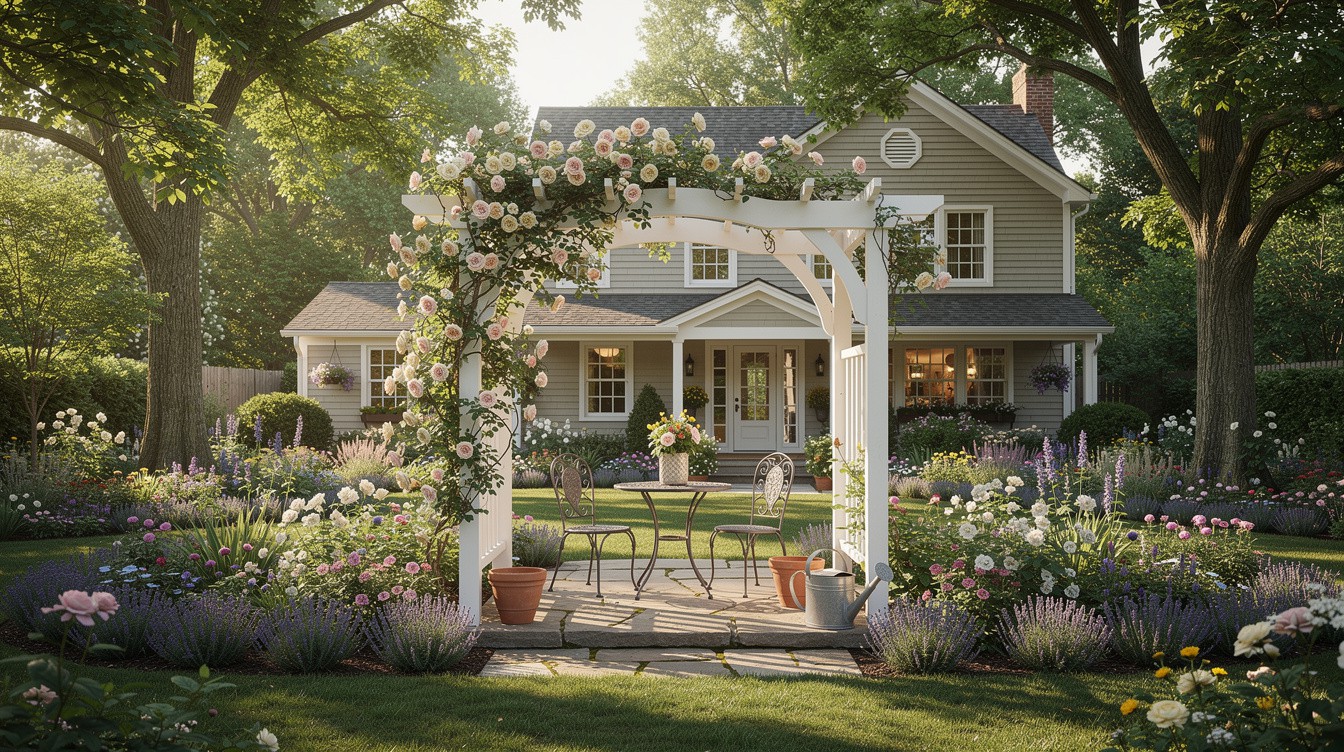
The Two-Chair Rose Pergola
$22–40/sqftA painted white pergola sits out in the lawn, its beams buried under pink and cream climbing roses, sheltering a small bluestone pad with a wrought-iron bistro table and two chairs. The lawn is treated as a green room, ringed on all sides by a deep double border stacked front to back — lavender and lady's mantle at the edge, roses and peonies through the middle, delphinium and foxglove spires at the back against the fence. Terracotta pots and a galvanized watering can sit where you actually left them.
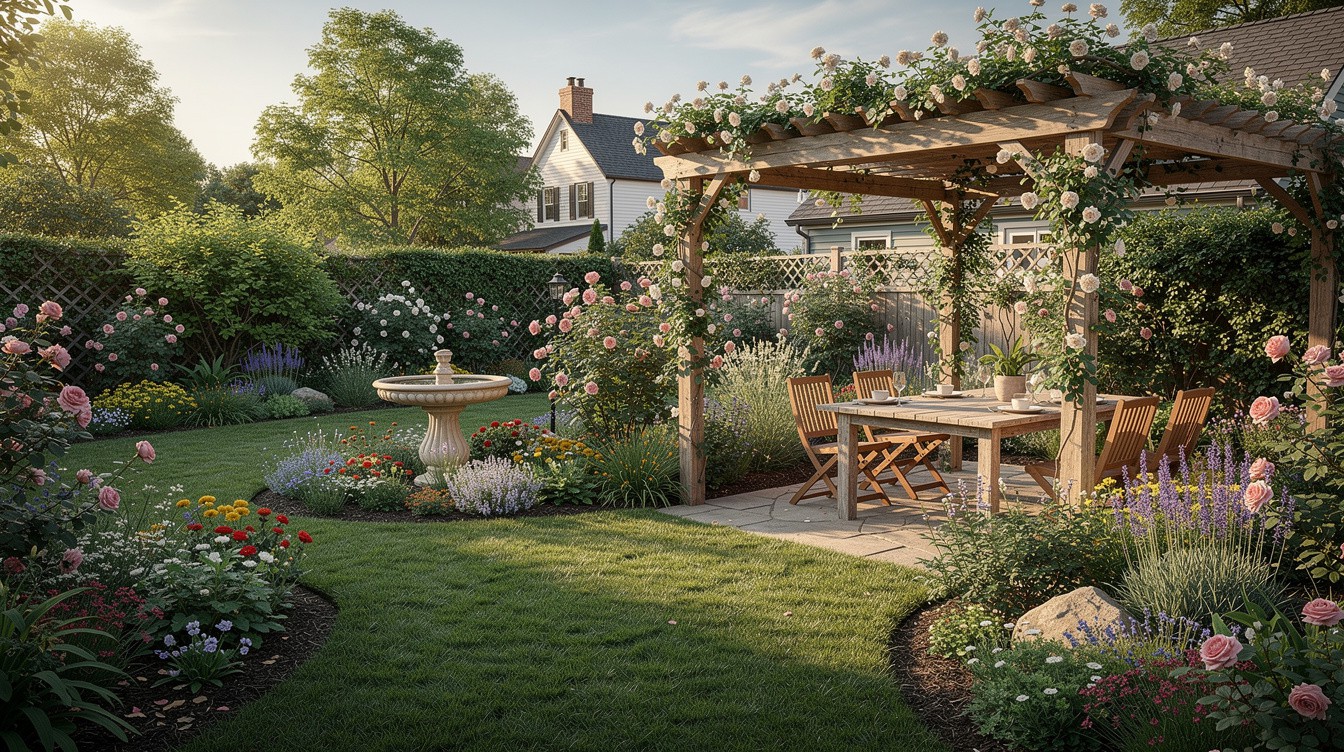
The Fountain Court Supper Garden
$25–45/sqftA heavy cedar pergola covered in white and blush climbers roofs a flagstone dining patio with a teak table for six, tucked into the corner of a lattice-topped privacy fence. The lawn sweeps as a curved lens between two mulched island beds, and a cast-stone pedestal fountain anchors the far bed as the focal point you look at from the table. Panicle hydrangeas and a clipped hedge screen the neighbor, while zinnias, salvia, yarrow and lavender keep the beds loud from June through frost.
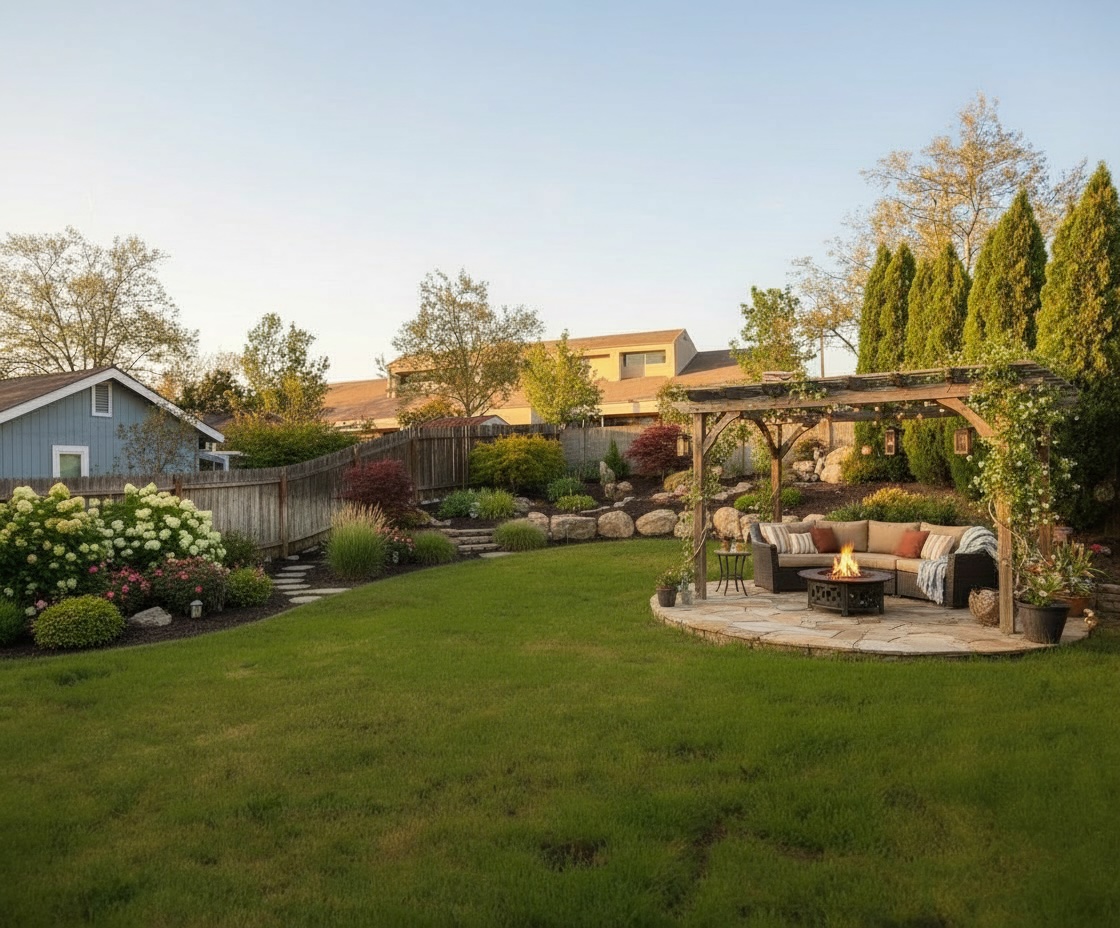
See how a cottage/english garden looks on YOUR property
Upload a photo of your Grand Rapids yard and visualize your dream garden in seconds.
Try ProScapeAI Free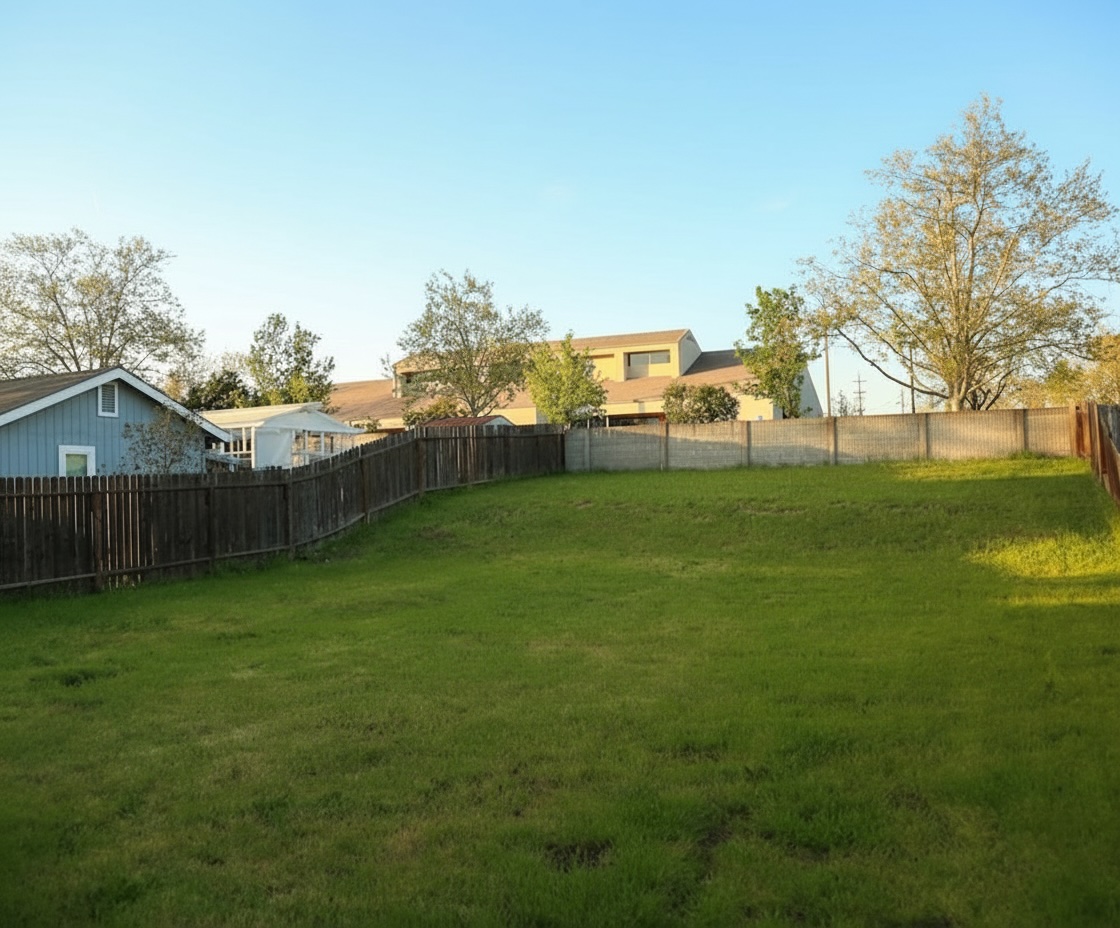
Featured Trees & Shrubs for Cottage/English Gardens
Browse all 105 plants for Grand Rapids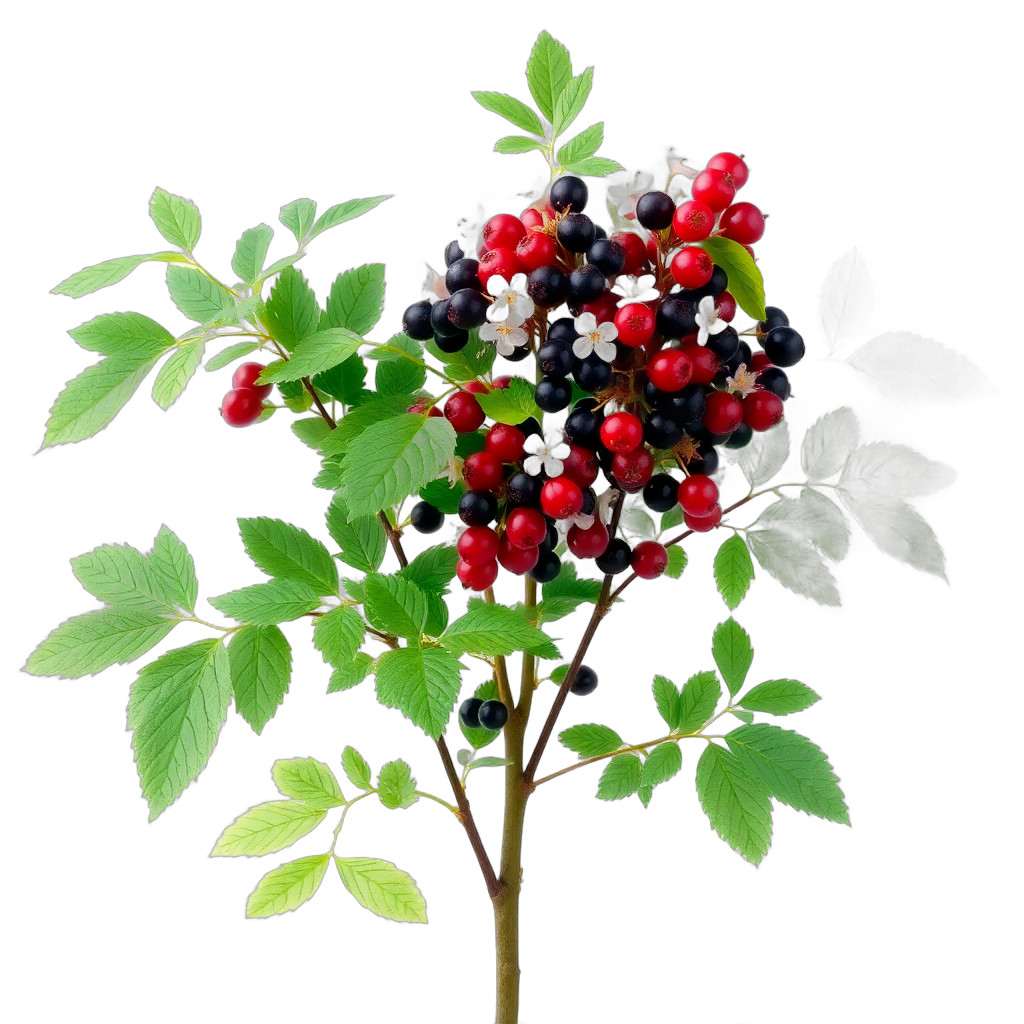
American Black Currant
Ribes americanum
grows to 5 feet, white,yellow blooms in spring. Attracts hummingbirds.
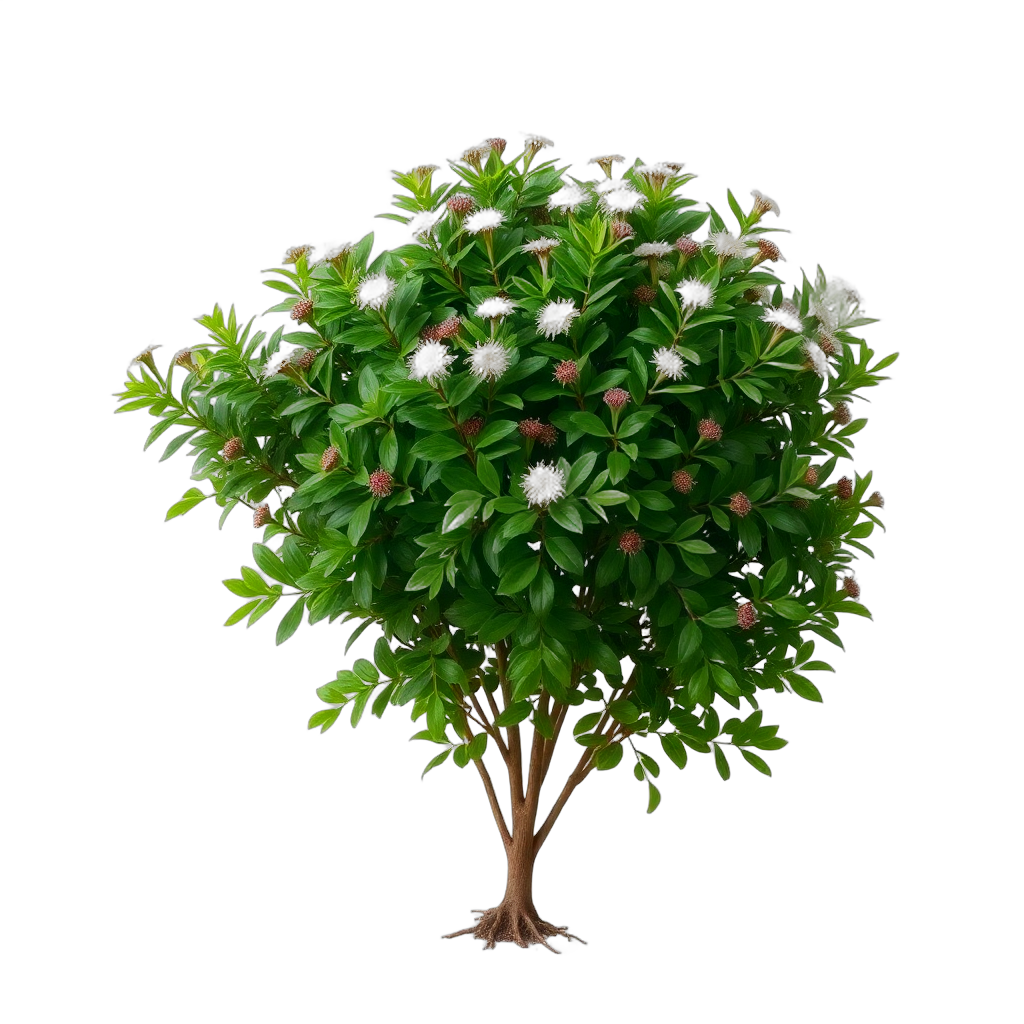
Buttonbush
Cephalanthus occidentalis
medium-sized at 8 feet, white blooms in summer. Attracts butterflies.
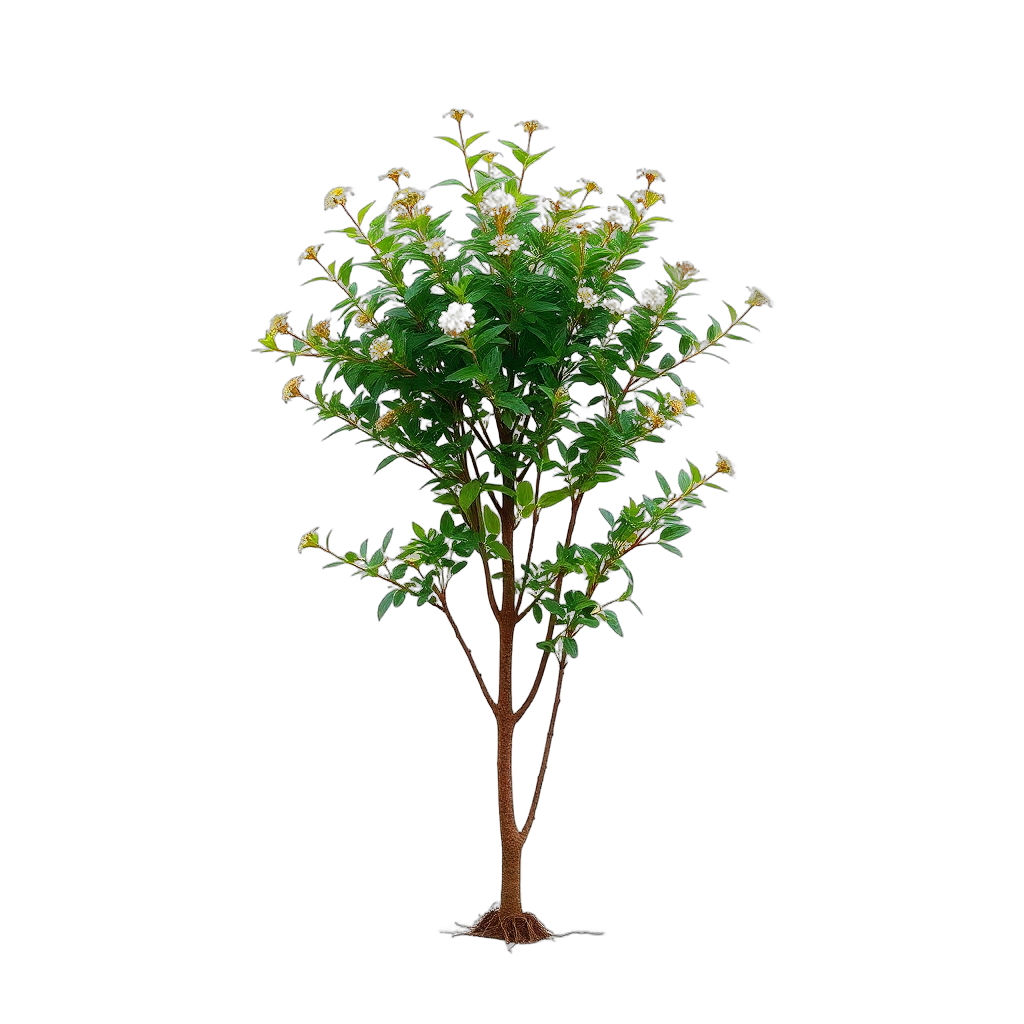
Coppertina Ninebark
Physocarpus 'Coppertina'
medium-sized at 7 feet, white blooms in spring. Pollinator-friendly.
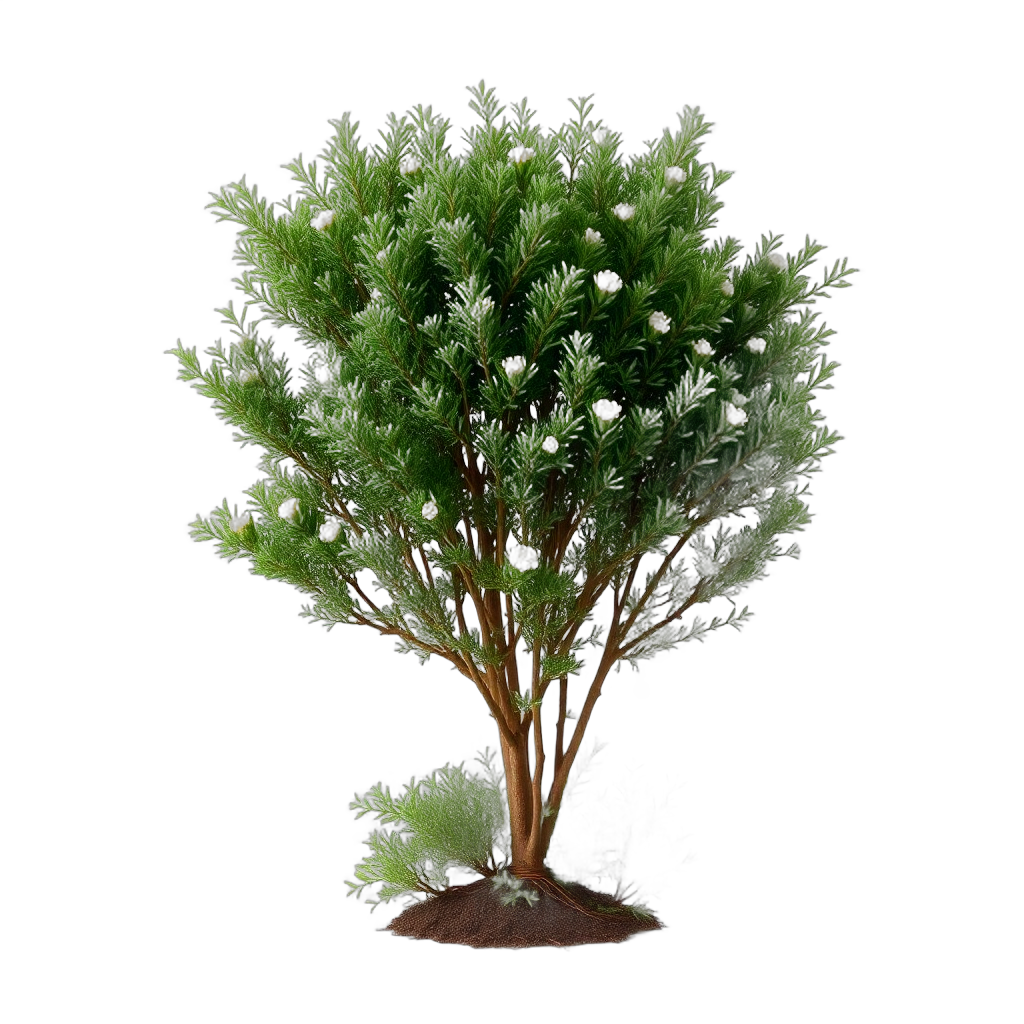
Creeping Juniper
Juniperus horizontalis
low-growing ground cover, blooms in spring. Evergreen year-round.
Featured Grasses & Groundcovers for Cottage/English Gardens
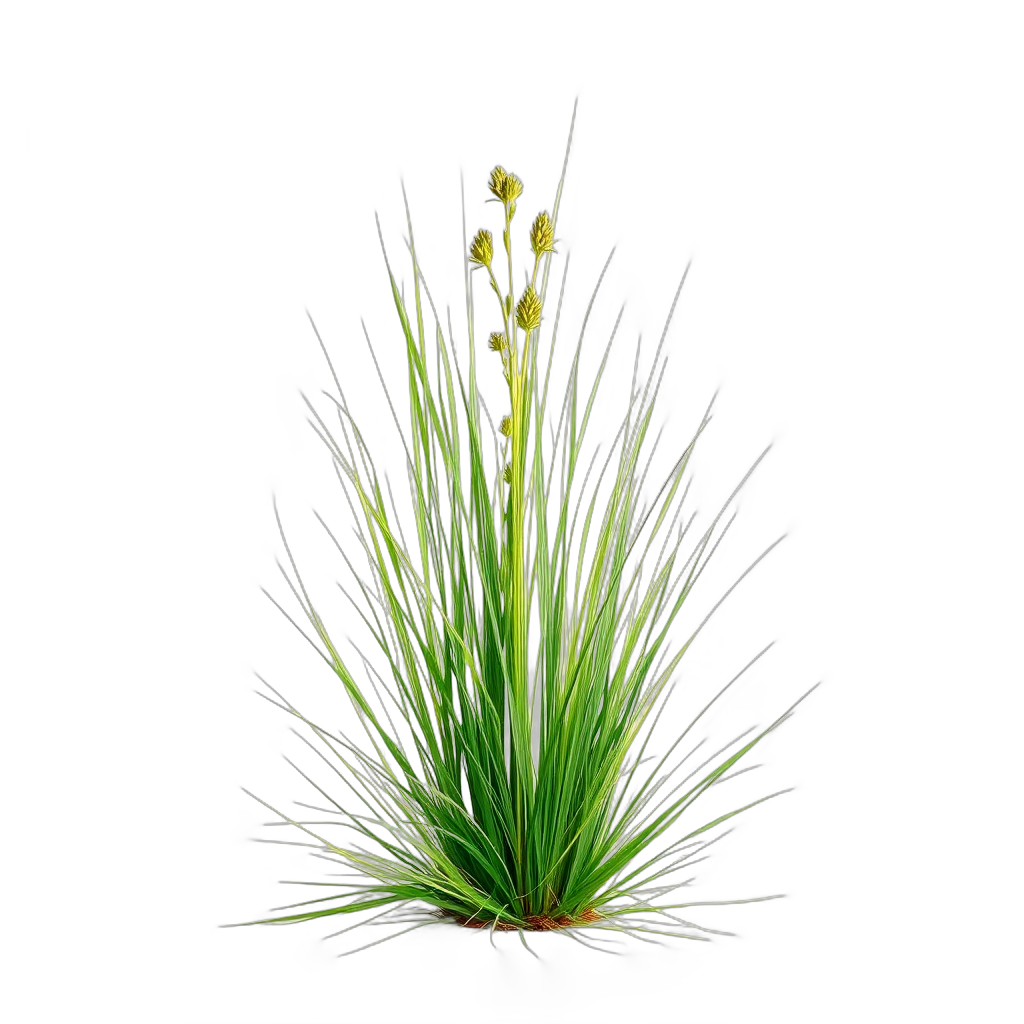
Canada Wild Rye
Elymus canadensis
grows to 4 feet, blooms in summer. Yellow fall color.
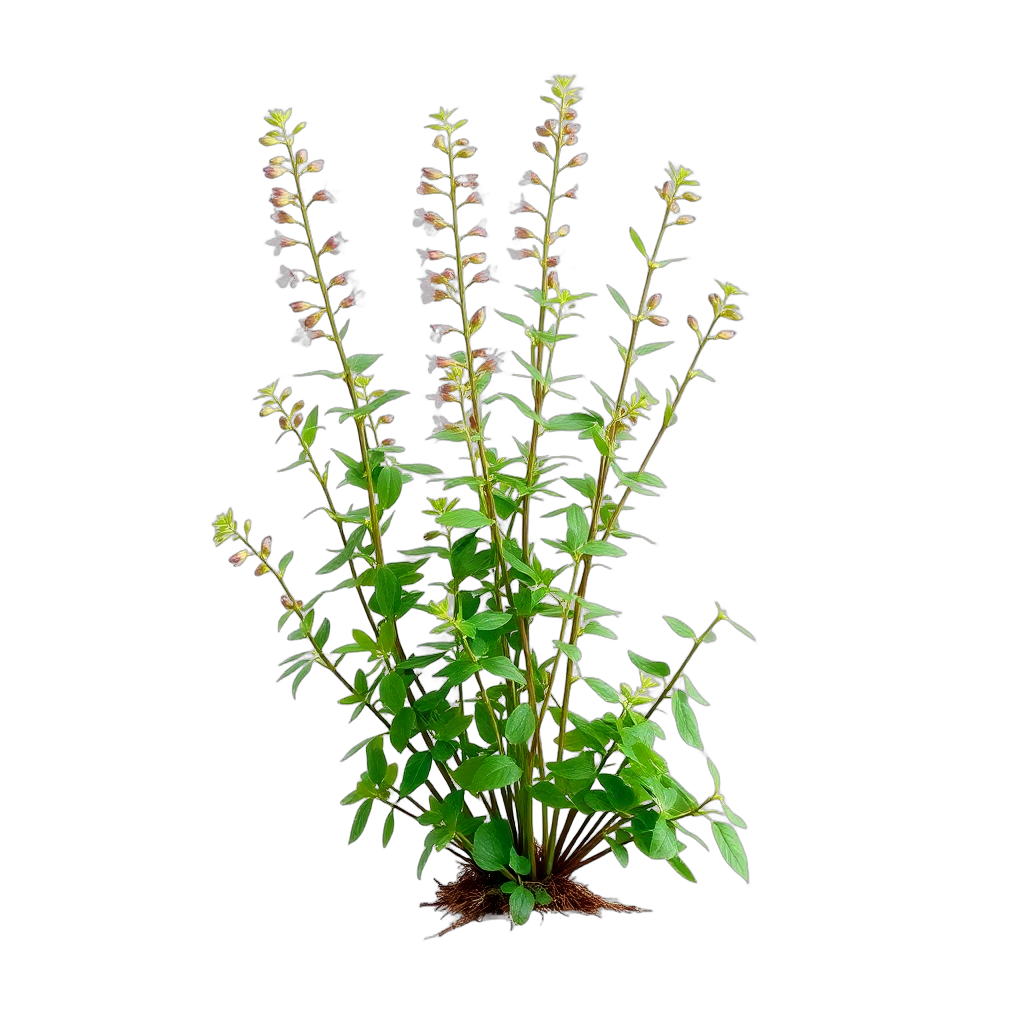
Creeping Jacob's Ladder
Polemonium reptans
low-growing ground cover, blue blooms in spring. Attracts butterflies.

Kentucky Bluegrass
Poa pratensis
low-growing ground cover, blooms in spring. Brown fall color.
Featured Flowers & Perennials for Cottage/English Gardens
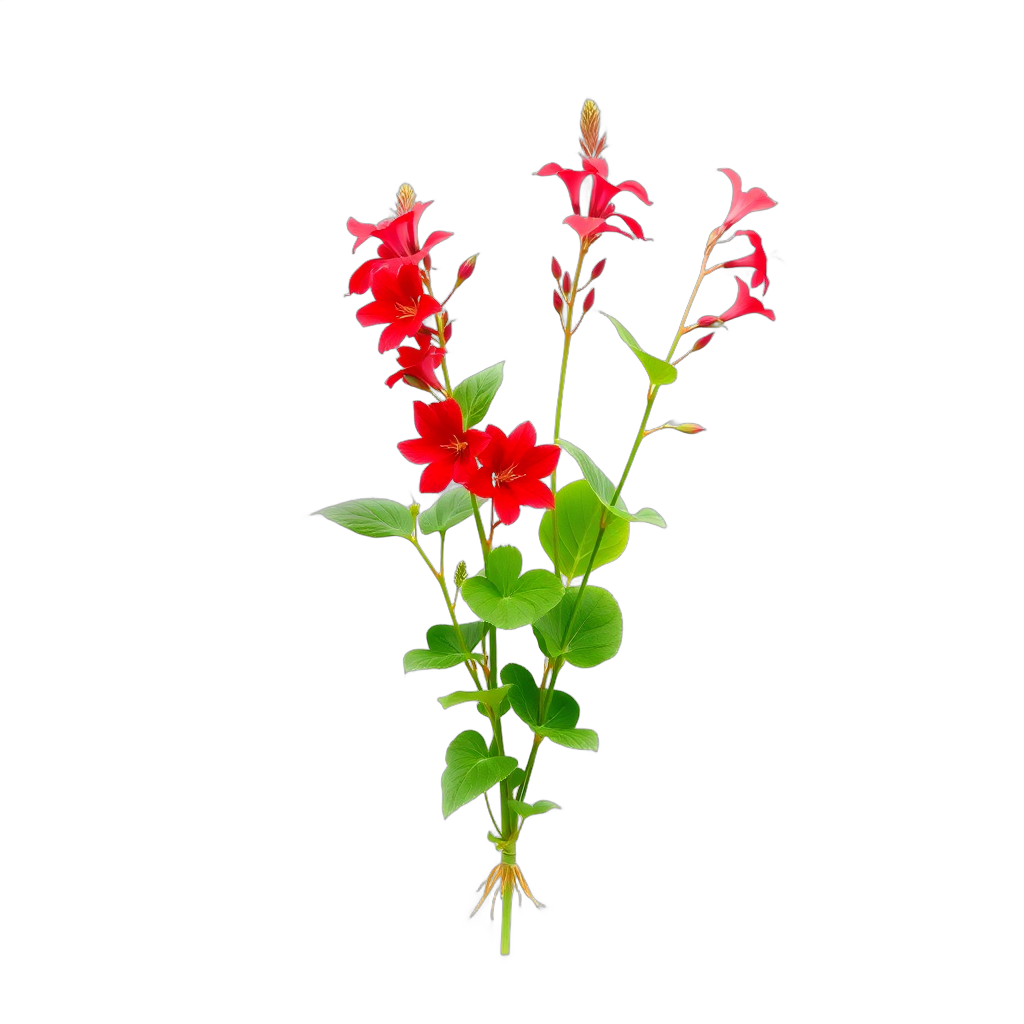
Cardinal Flower
Lobelia cardinalis
grows to 3 feet, red blooms in summer. Attracts hummingbirds.
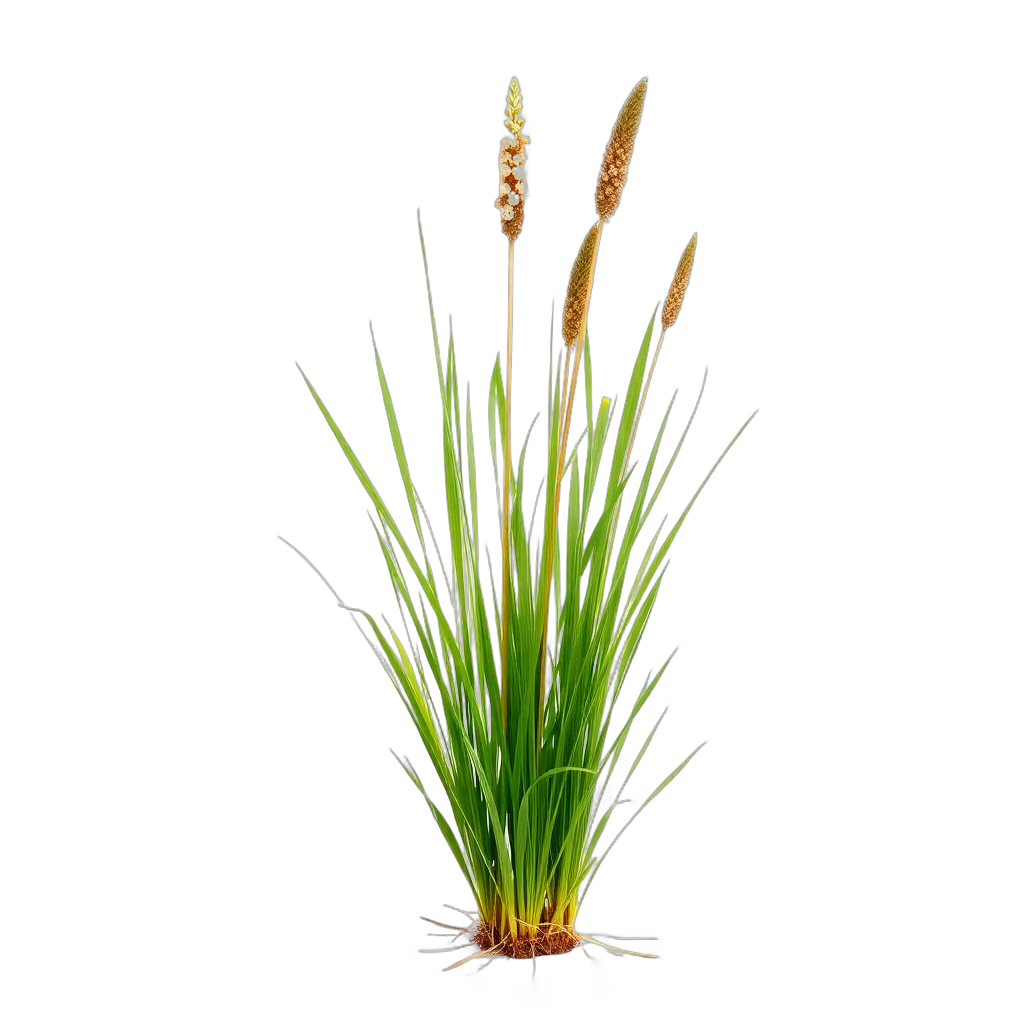
Hardstem Bulrush
Scirpus acutus
medium-sized at 7 feet, blooms in summer.
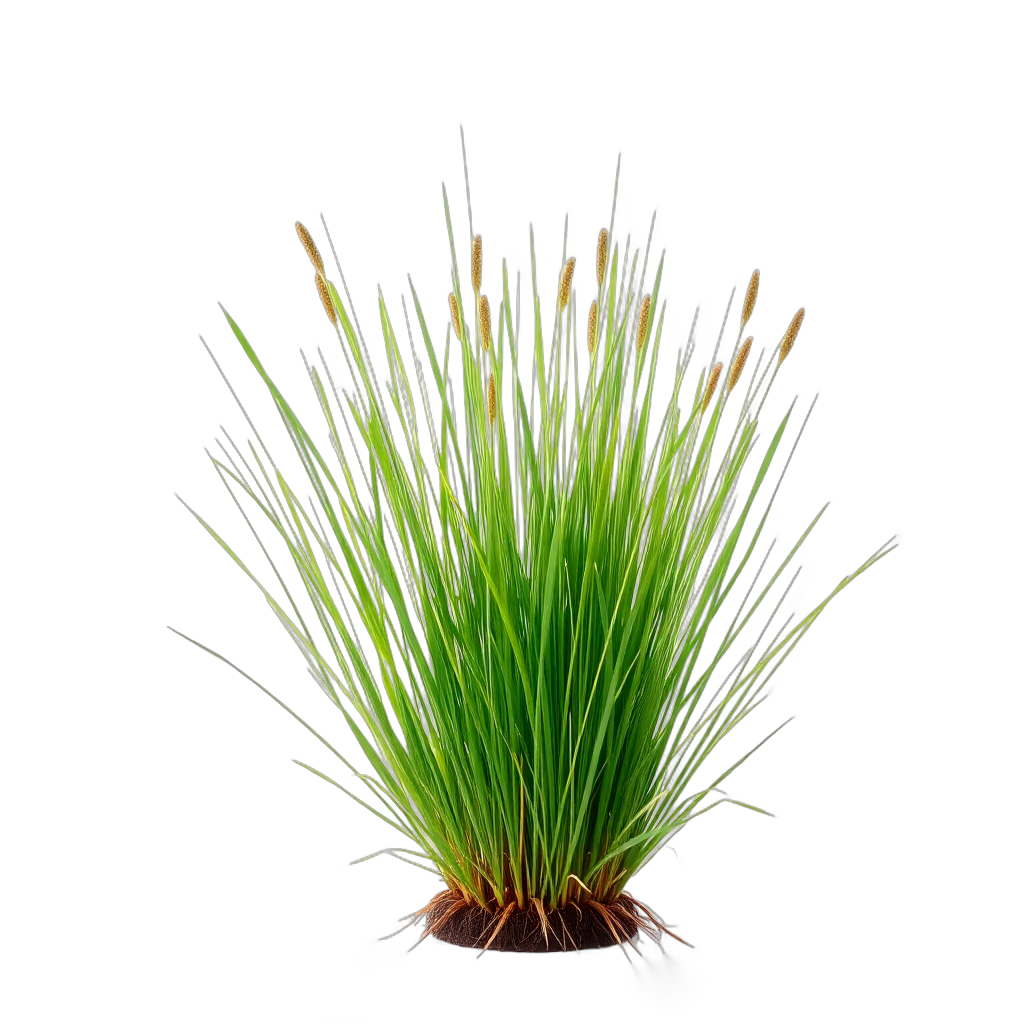
Path Rush
Juncus tenuis
low-growing ground cover, blooms in summer. Evergreen year-round.
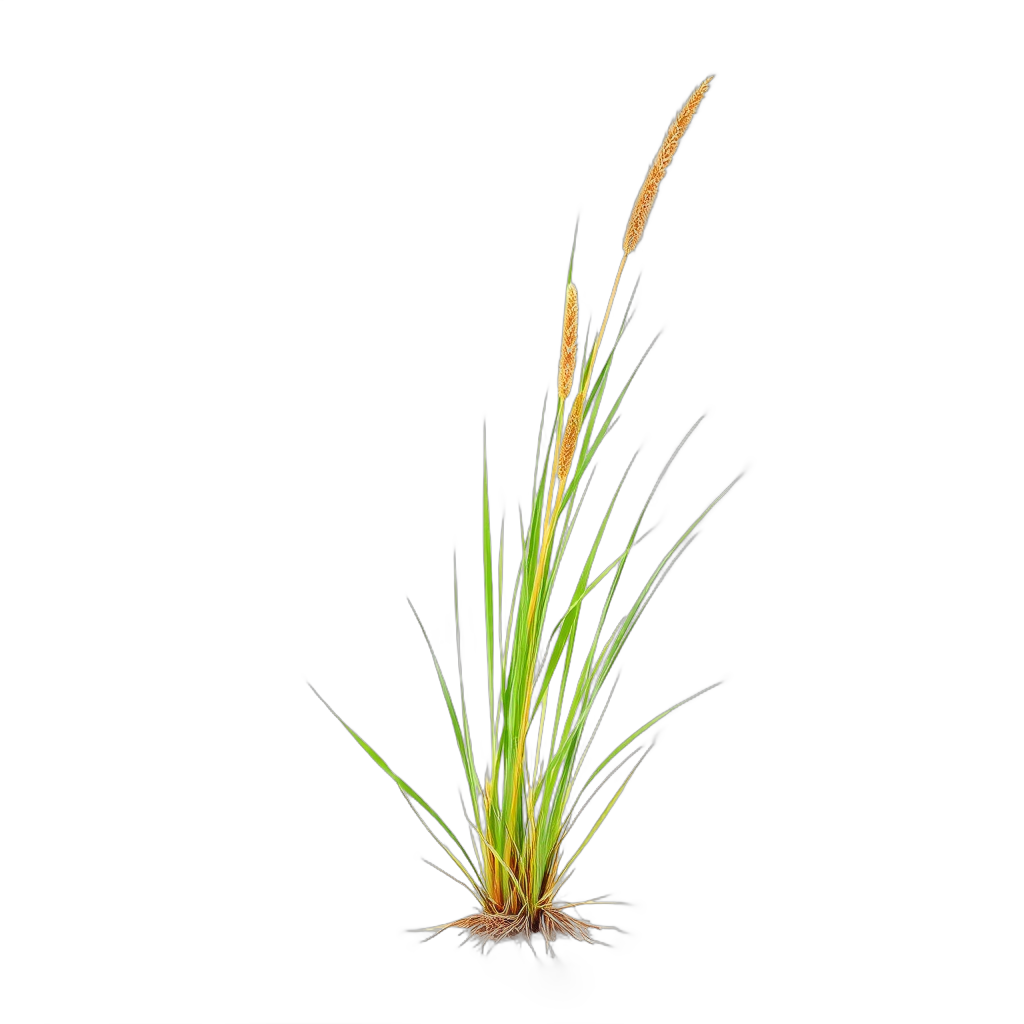
Softstem Bulrush
Schoenoplectus tabernaemontani
grows to 4 feet, blooms in summer.
Bloom Calendar for Grand Rapids
spring
Bellwort, Blue Star, Blue-Eyed Grasssummer
Cardinal Flower, Hardstem Bulrush, Path Rushfall
Canada Goldenrod, New England Aster, Nodding Ladies' Tresseswinter
Limited bloomsDesign Tips for Grand Rapids (Zone 6a)
- Choose climbers by hardiness before you choose them by color — Rosa 'William Baffin' and 'John Cabot' cover an arch in three seasons and need zero winter protection at -10°F, while a hybrid tea on the same arch is a November chore forever
- Swap mophead Hydrangea macrophylla for Hydrangea paniculata 'Limelight' or 'Fire Light'; paniculatas bloom on new wood so a Zone 6a winter can't take the flowers away, and they're propagated an hour west in Grand Haven
- Give lavender, nepeta and salvia a raised gravel-amended berm and pea gravel mulch — in Grand Rapids these plants die from soggy March crowns, never from the January cold
- Set every arbor, pergola and gate post on a footing below 42 inches; anything shallower will be visibly racked out of plumb after two Kent County freeze-thaw cycles
- Plant for the 75 inches of snow instead of against it — keep beds 3 feet back from where the plow throws, use Rosa rugosa and Amsonia hubrichtii along the salted curb strip, and leave grasses and Sedum 'Matrona' standing all winter for structure above the drifts
- Design a hard March-to-May bridge: Grand Rapids winters are long and gray, so mass Narcissus 'Thalia' and Allium 'Purple Sensation' through the borders, back them with Amelanchier 'Autumn Brilliance', and you'll have six weeks of bloom before the roses even leaf out
Where to Source Plants in Grand Rapids
Skip the big-box stores. These independent Grand Rapids nurseries specialize in the plants that make cottage/english gardens thrive in Zone 6a.
Koetsier's Greenhouse
East Grand Rapids
Family-owned seasonal greenhouse specializing in annual flowers and houseplants.
Everett's Gardens
Byron Center
Specialty nursery featuring over 100 Japanese maple varieties and premium ornamental trees.
Jonker's Garden
Holland
Third-generation greenhouse operation with 16 greenhouses offering annuals, perennials, and custom services.
Thornapple River Nursery
Ada
Large-scale wholesale and retail plant selection serving professional landscapers and homeowners.
Cottage/English Landscaping Costs in Grand Rapids
| Project Scope | Estimated Cost |
|---|---|
| Front yard cottage border conversion (300–500 sqft, soil amended + planted) | $4,500 – $11,000 |
| Clay brick or bluestone front walk with cedar arch and gate | $6,000 – $15,000 |
| Painted cedar picket fence, installed | $38 – $65 per linear foot |
| Rose pergola or arbor with 42-inch frost-depth footings | $4,000 – $12,000 |
| Full backyard cottage garden (patio, pergola, double borders, fountain) | $25,000 – $70,000 |
| AI visualization with ProScapeAI | Free to start |
Estimates based on Grand Rapids, MI-area contractor rates as of 2026. Actual costs vary by site conditions, materials, and contractor.
Grand Rapids Climate & Growing Zone
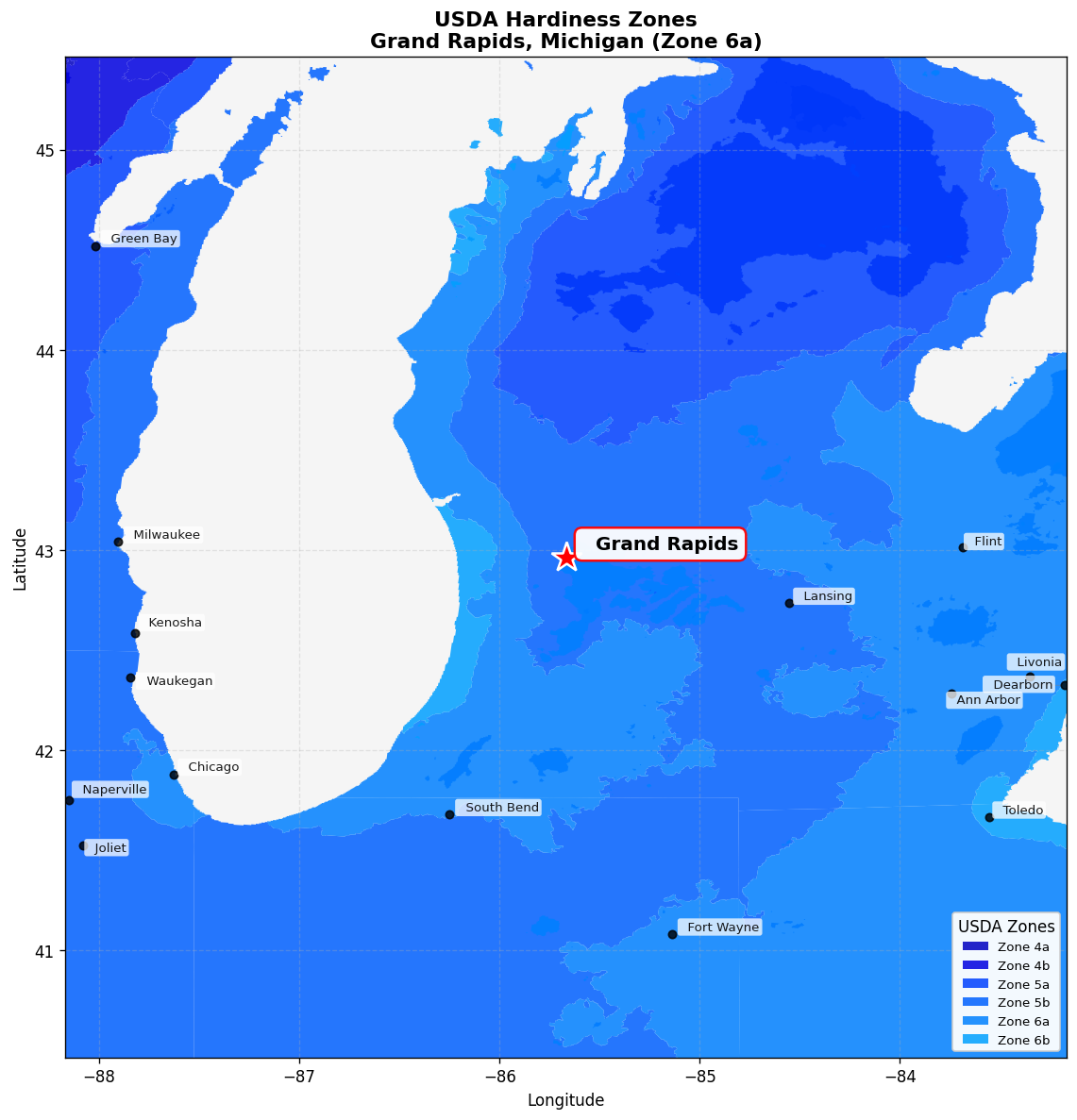
USDA Zone 6a
Hardiness zone for Grand Rapids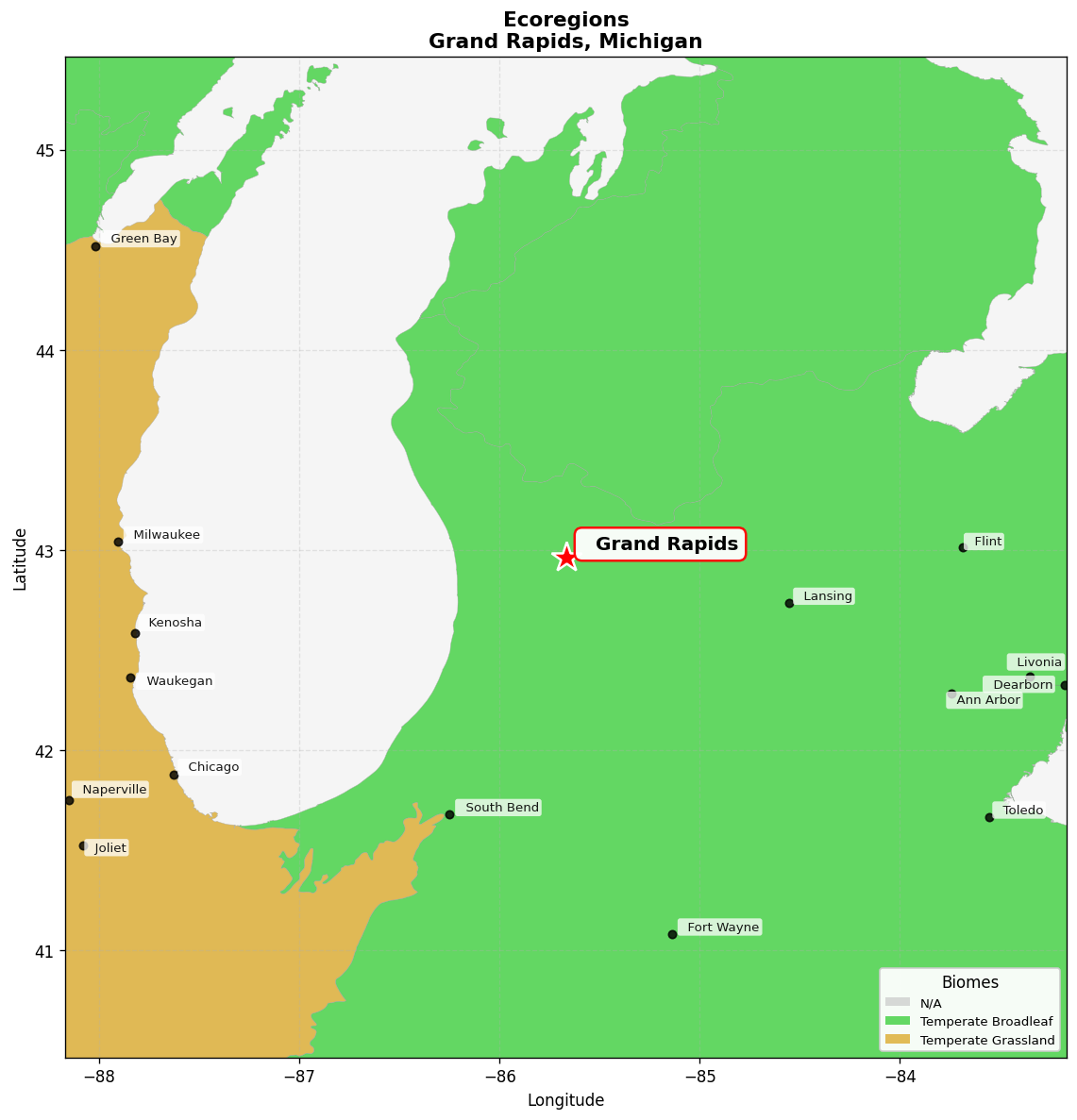
Southern Great Lakes forests
Native ecoregionFrequently Asked Questions
How much does a cottage garden cost in Grand Rapids?
West Michigan install labor runs roughly 10–20% below the national metro average, so cottage gardens are unusually affordable here. A front-yard border makeover of 300–500 sqft with amended soil, shrub roses, lavender and a perennial matrix runs $4,500–11,000 installed. A clay brick or bluestone front walk with a cedar arch and gate typically lands at $6,000–15,000. A full backyard treatment with a pergola, flagstone patio, double borders and a fountain runs $25,000–70,000. Doing your own planting behind a professionally built path and pergola can cut 30–40% off any of those numbers, because perennials are cheap and stone labor is not.
Which roses actually survive Grand Rapids winters?
Stick to the Canadian Explorer and Parkland series and the tougher shrub roses. Rosa 'William Baffin' is the workhorse climber here, hardy to -30°F and needing no winter protection at all; Rosa 'John Cabot' and Rosa 'Henry Kelsey' are close behind. Rosa 'New Dawn' handles Zone 5 and is the reliable pale-pink climber for an arch. Among the David Austins, 'Olivia Rose Austin' and 'Munstead Wood' are the safest Zone 5 bets. Rugosas like 'Blanc Double de Coubert' are effectively indestructible and tolerate road salt near the drive. Hybrid teas will survive Zone 6a only with mounded soil or rose collars every November, which most people abandon by year three.
Can I grow English lavender in West Michigan?
Yes, and Grand Rapids' sandy glacial soil is a real advantage — lavender dies of winter wet, not of Zone 6a cold. Use Lavandula angustifolia 'Munstead', 'Hidcote' or 'Vera', or the lavandin 'Phenomenal', which is the hardy substitute for the Provence favorite 'Grosso' that sulks here. Plant on a raised berm or gravel-amended bed with pea gravel mulch instead of bark, sweeten the naturally acidic pH 6.0–6.8 soil with a handful of lime to bring it toward 7.0, and never mulch over the crown. Prune by a third in late spring after new growth shows, never in fall.
Do I need a permit or historic review for landscaping in Grand Rapids?
Planting, mulching, and bed reshaping need no permit anywhere in the metro. Fences within the City of Grand Rapids require a zoning permit, retaining walls over 4 feet require a building permit, and any structure with a roof or a pool triggers full review. The big one locally: <strong>if you're inside the Heritage Hill, Heartside or another designated historic district, the Historical Preservation Commission reviews exterior site changes visible from the street</strong>, including fences, walls, walkways and driveways — file for a Certificate of Appropriateness before you order materials. East Grand Rapids, Ada Township and Cascade Township each run their own separate ordinances and setbacks.
When should I plant a cottage garden in Grand Rapids?
There are two windows. Late April through early June is the big one, but hold frost-tender annuals like zinnias and dahlias until after the average last frost around May 10 at Ford Airport. The better window for woody plants and perennials is September through mid-October: soil is still warm, fall rain does the watering, and roots establish before the ground freezes in late November. Avoid planting bare-root roses after mid-October — they need six weeks to root before the freeze. Hardscape can be built any time the ground isn't frozen, roughly March through early December.
How do I deal with deer and Japanese beetles here?
Deer pressure is heavy along the Thornapple River corridor in Ada, Cascade and Forest Hills, moderate in East Grand Rapids, and light in the urban core. Build the bones from plants deer avoid — Lavandula, Nepeta 'Walker's Low', Salvia nemorosa, Allium 'Millenium', Narcissus, Paeonia and Achillea — and reserve roses, hosta and tulips for fenced areas. Japanese beetles are the bigger nuisance city-wide, arriving the last week of June and feeding until mid-August: hand-pick into soapy water at 7am when they're sluggish, and never hang a pheromone trap, which pulls beetles in from three blocks away.