4 English Cottage Garden Ideas for Lansing, MI | Hardy Roses for Zone 5b
Native plants from the Southern Great Lakes forests (Zone 5b) — Humid continental (warm summer) climate
Why Cottage/English Gardens in Lansing?
Lansing has the right houses for a cottage garden. The Eastside is full of 1910s and 1920s bungalows and foursquares with front porches, Moores Park and Cherry Hill carry older brick and clapboard houses on narrow lots, and Colonial Village has the steep-roofed colonials and small Tudors that look best behind a picket fence and a border spilling onto the walk. Most of these front yards are shallow, 20–30 feet from porch to sidewalk, and that is the scale this style likes: a path, two deep beds and an arbour fill it, and the planting reads from the street instead of getting lost in lawn.
In Lansing, winter limits the English plant list more than summer does. Zone 5b means a typical coldest night of about -10°F (the 1991–2020 average annual minimum at the airport is -9.4°F), January nights average around 17°F, and the city gets about 33 inches of annual precipitation, including roughly 50 inches of snow. July highs average near 83°F, so summer is kind to the classic perennials. The catch is a short season: the average last freeze is around May 7 and the first around October 4, roughly 150 days. Hybrid tea roses and big-leaf Hydrangea macrophylla are where Lansing cottage gardens usually disappoint: the teas need hilling and still die back, and the mopheads lose their flower buds in a hard winter. The substitutes are proven: Canadian Explorer roses such as Rosa 'John Cabot' and Rosa 'William Baffin', the very hardy shrub Rosa 'At Last', Hydrangea arborescens 'Annabelle' and Hydrangea paniculata 'Limelight', which bloom on new wood no matter what January did.
Then there is the soil. Much of Lansing sits on glacial till, and in a lot of yards that means a heavy clay loam that stays cold and wet into May, with sandier ground in some pockets and poorly drained soil in the low spots near the Grand and Red Cedar rivers. pH commonly runs near neutral, roughly 6.0–7.5, which suits peonies, catmint and lavender but is worth confirming with an MSU Extension soil test before you add lime or sulfur. Lavandula angustifolia 'Hidcote' and 'Munstead' are hardy enough for 5b; what kills them here is a wet crown in March, so they go in raised, gritty beds or they do not go in at all.
The best part of gardening this style in Lansing is spring and early summer. Peonies like Paeonia 'Sarah Bernhardt', Siberian iris, Nepeta × faassenii 'Walker's Low' and Clematis 'Jackmanii' all want a proper cold winter and do better here than in the South. Plan for snow too: leave a strip along the walk and driveway free of anything precious, because that is where the shovelled, salted snow ends up, and footings for an arbour or pergola need to go down 42 inches under Michigan's residential code so the frost does not heave them.
4 Cottage/English Design Ideas for Lansing

AI-generated image
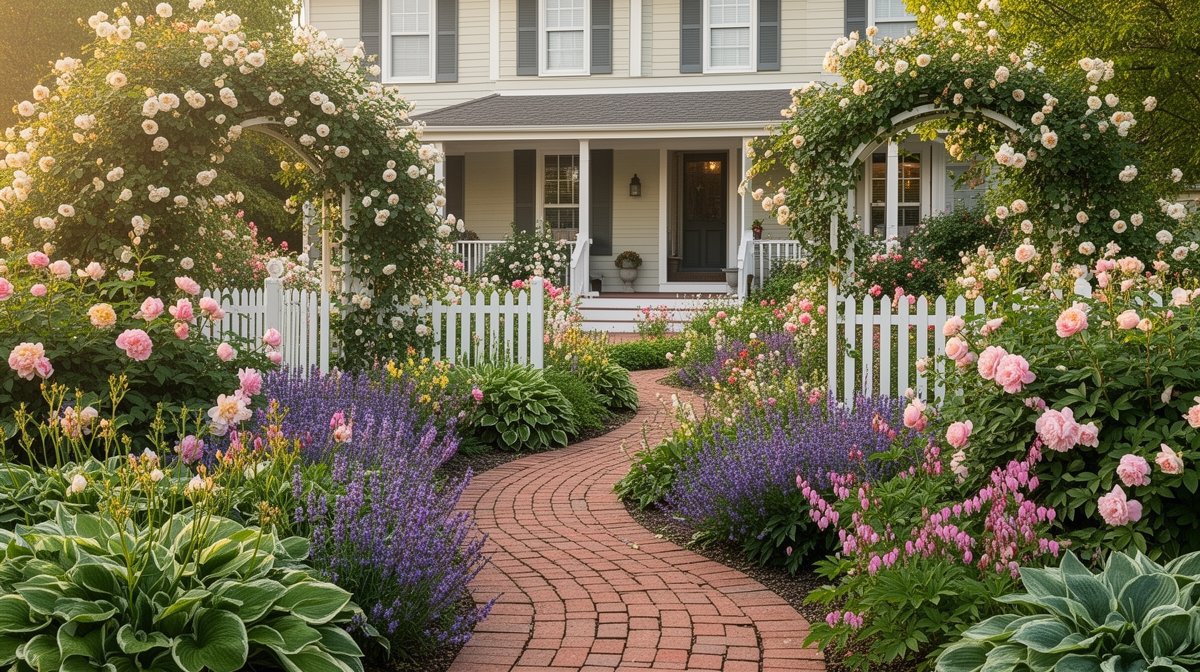
The Eastside Porch Border
$16–32/sqftA 1920s bungalow with a deep front porch sits about 25 feet back from the sidewalk, and a straight brick walk runs from the porch steps to a low white picket gate. Two beds, each 6 feet deep, line the walk: Explorer roses and peonies at the back, catmint and lady's mantle spilling over the bricks at the front, with a single clematis on the porch post. The house faces south, so the beds get full sun from late morning on, and the strip nearest the sidewalk holds tough catmint that does not mind a winter of shovelled snow.

AI-generated image
The Snow-Proof Rose Arbour
$20–40/sqftA cedar arbour set on 42-inch footings frames the side gate of a Colonial Village colonial, carrying a hardy climbing rose that needs no winter wrapping. A gravel path passes under it into a small back garden edged with raised beds built 10 inches above the clay, planted with lavender, salvia and pinks for a silver-and-purple June. Morning sun reaches the arbour first, which dries the rose foliage quickly after rain and keeps blackspot down.

AI-generated image
The Moores Park Shade Cottage
$14–28/sqftUnder the old maples and oaks of a riverside lot, a stepping-stone path of fieldstone winds from the drive to a back door, edged with the shade-tolerant half of the cottage palette. Annabelle hydrangeas give the big white heads that mopheads cannot reliably give here, hostas and astilbe fill the darker corners, and a band of perennial foxglove catches the dappled light in June. The one sunny patch by the garage holds a Limelight hydrangea that turns pink-tinged in September.

AI-generated image
The Lilac and Peony Hedge Garden
$15–30/sqftAlong the side property line of a corner lot, a loose hedge of compact lilacs replaces a chain-link fence, with a long peony and phlox border in front of it facing the street. A curved flagstone path breaks the border into two halves so it can be weeded from both sides, and a birdbath sits in the bend. It peaks twice: lilac and peony in late May and June, then tall phlox and coneflower carrying color through August before the early October freeze.
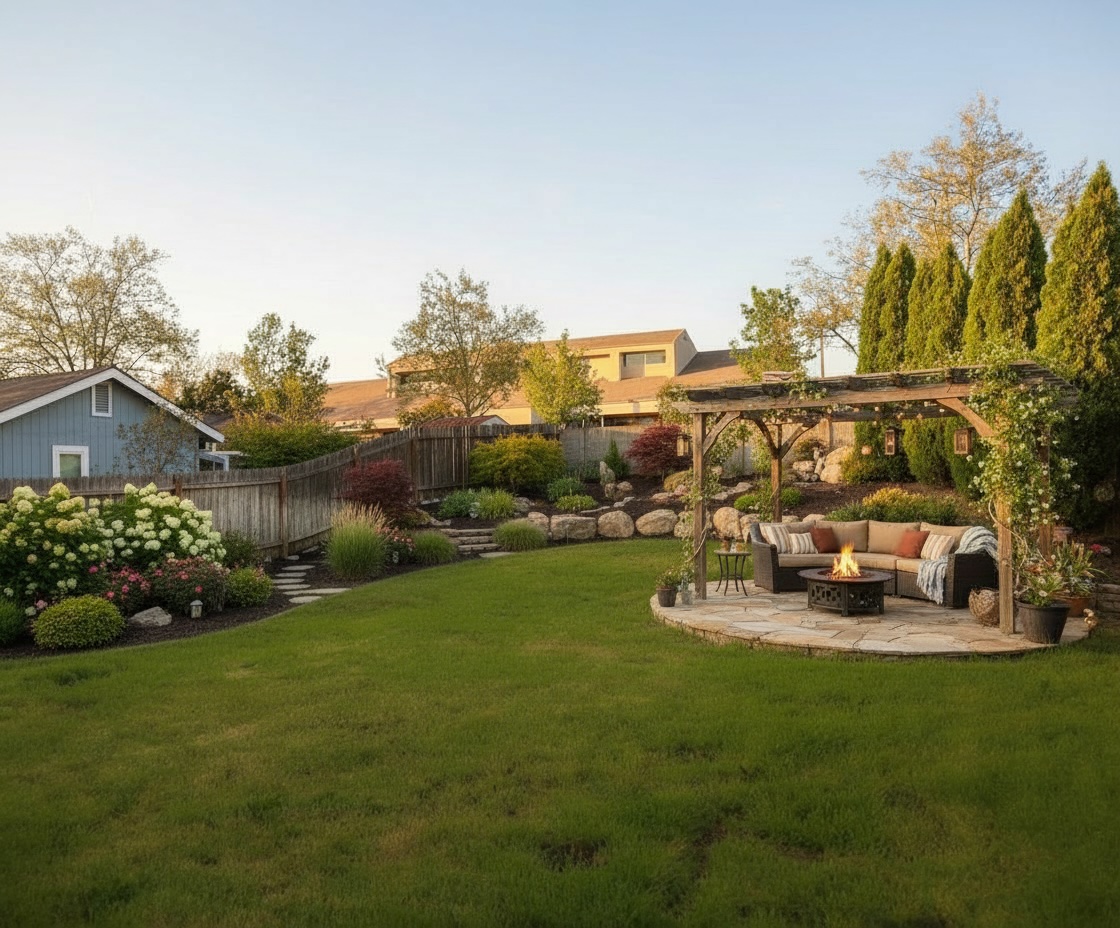
See how a cottage/english garden looks on YOUR property
Upload a photo of your Lansing yard and visualize your dream garden in seconds.
Try ProScapeAI Free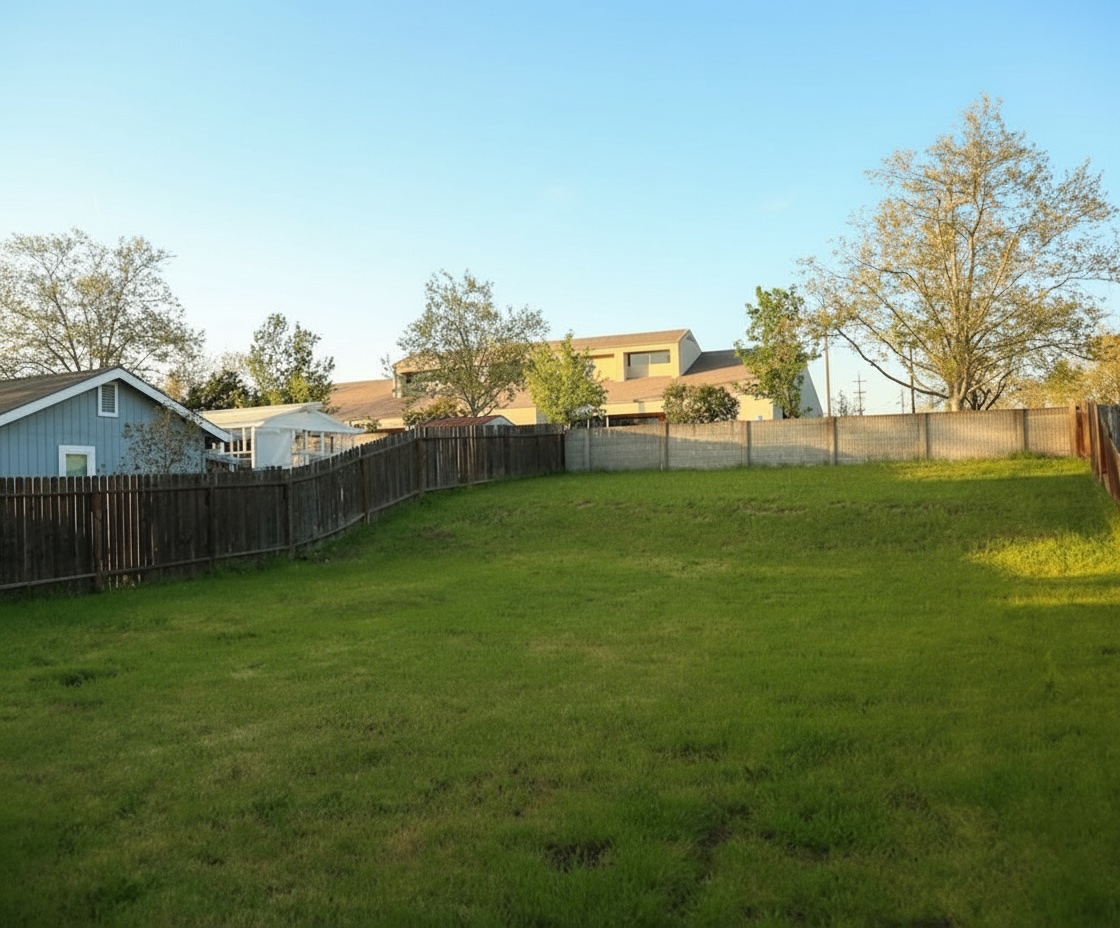
AI-generated image
Featured Trees & Shrubs for Cottage/English Gardens
Browse all 241 plants for Lansing
American Black Currant
Ribes americanum
grows to 5 feet, white,yellow blooms in spring. Attracts hummingbirds.
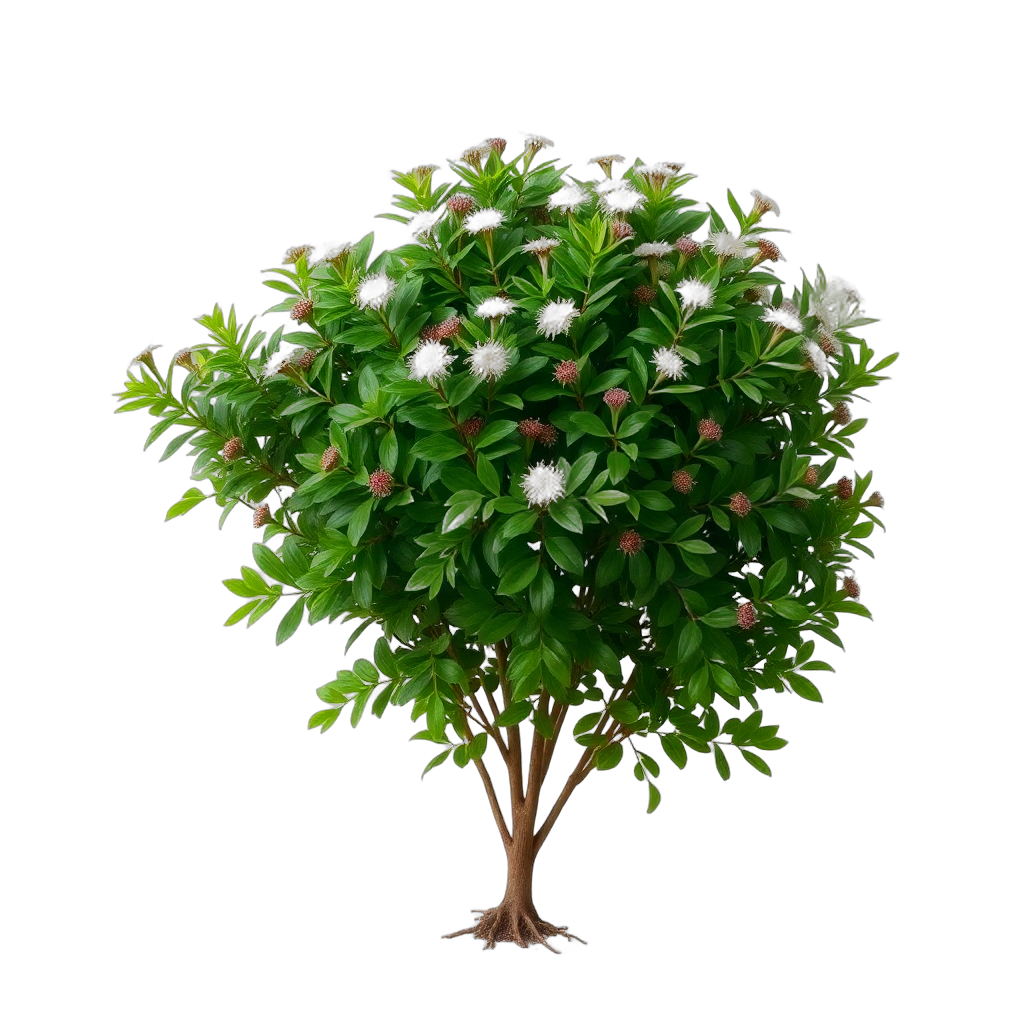
Buttonbush
Cephalanthus occidentalis
medium-sized at 8 feet, white blooms in summer. Attracts butterflies.
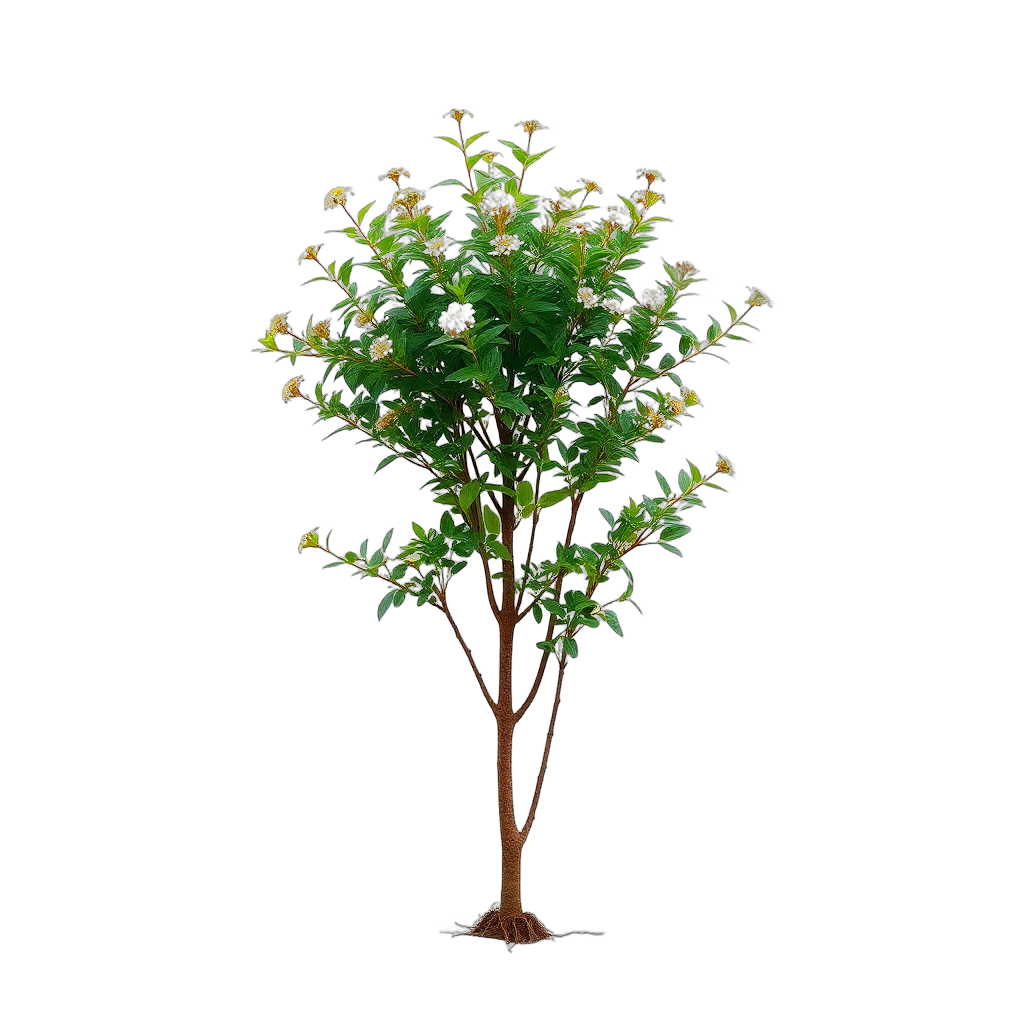
Coppertina Ninebark
Physocarpus 'Coppertina'
medium-sized at 7 feet, white blooms in spring. Pollinator-friendly.
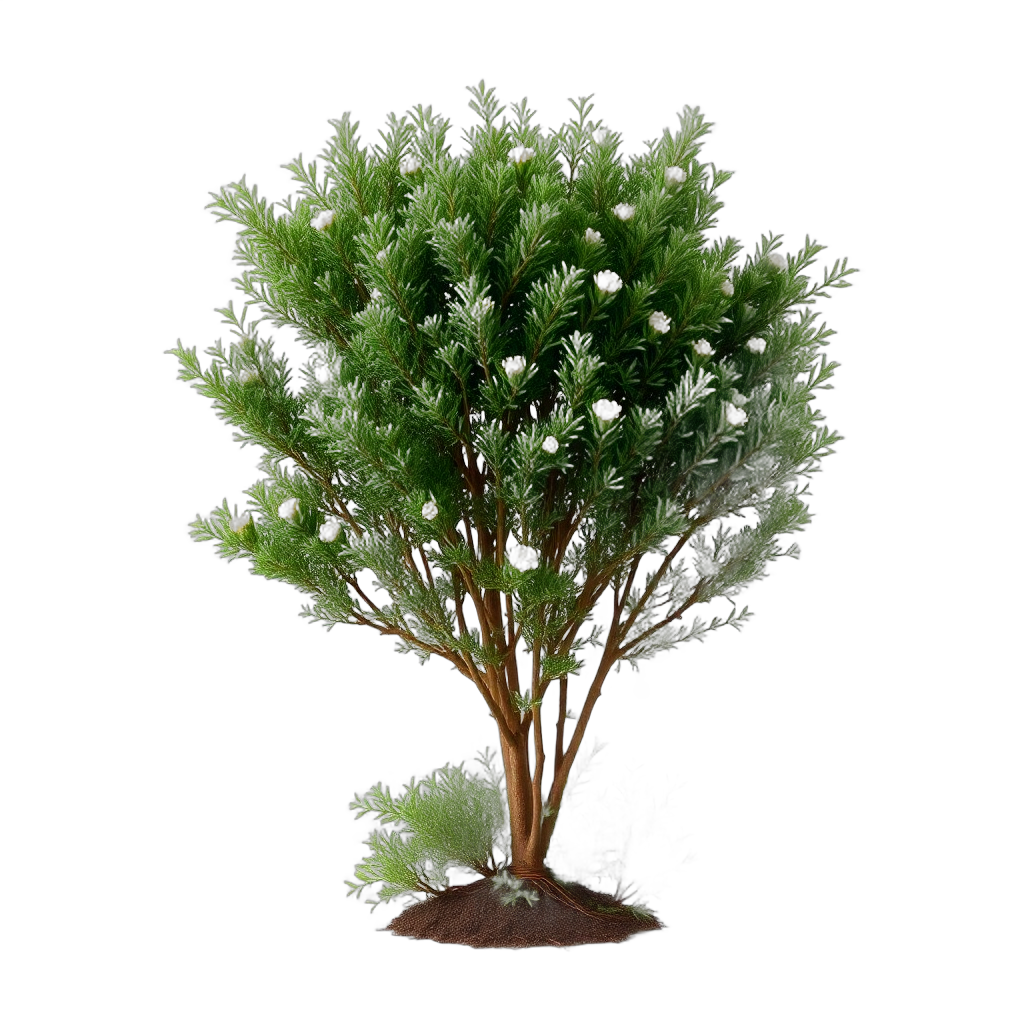
Creeping Juniper
Juniperus horizontalis
low-growing ground cover, blooms in spring. Evergreen year-round.
Featured Grasses & Groundcovers for Cottage/English Gardens
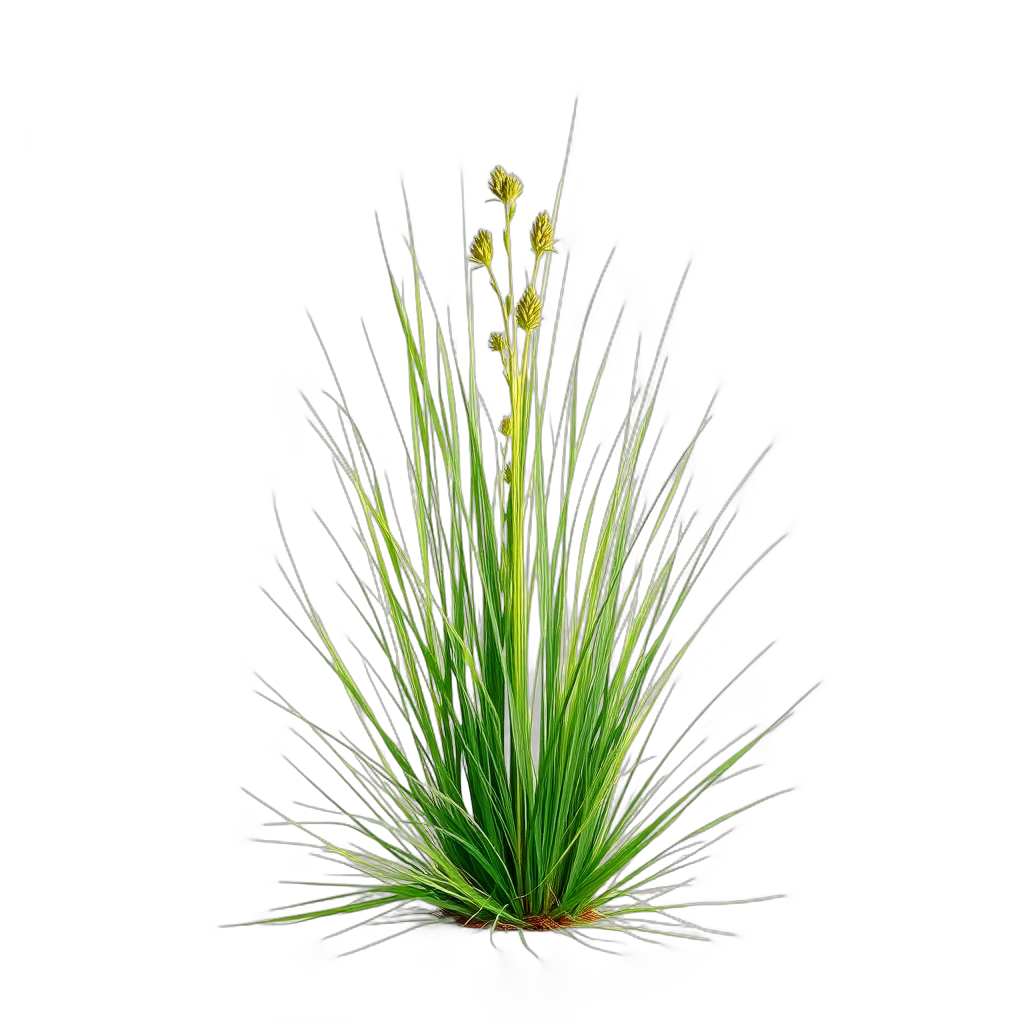
Canada Wild Rye
Elymus canadensis
grows to 4 feet, blooms in summer. Yellow fall color.
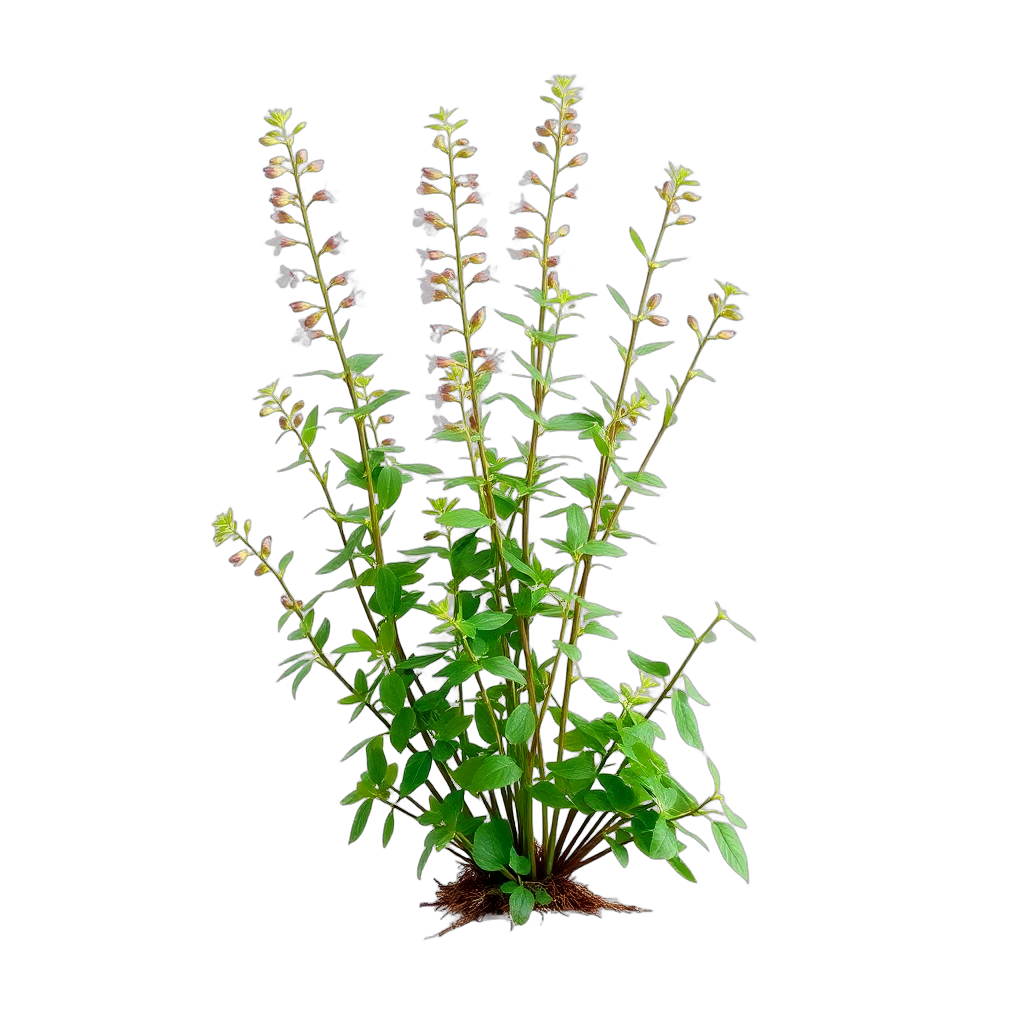
Creeping Jacob's Ladder
Polemonium reptans
low-growing ground cover, blue blooms in spring. Attracts butterflies.
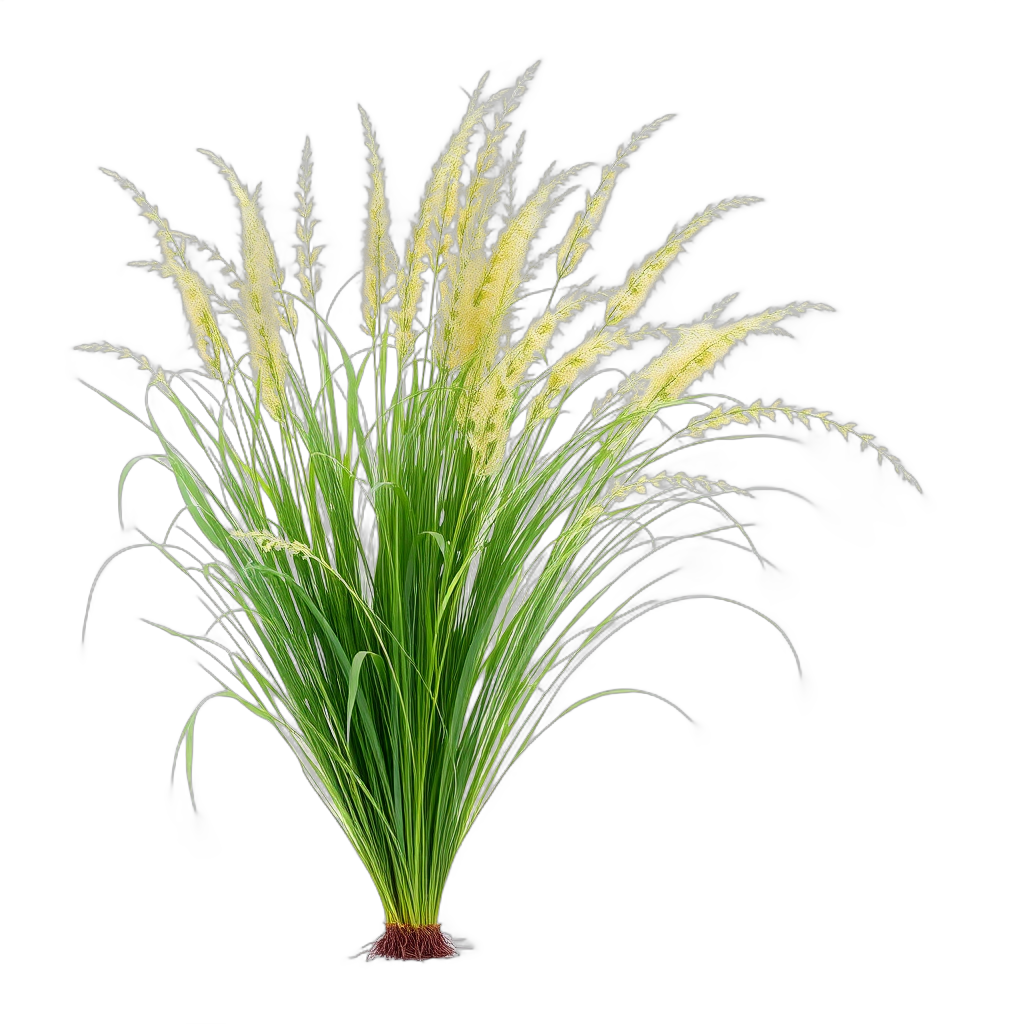
Adagio Maiden Grass
Miscanthus sinensis 'Adagio'
low-growing ground cover, pink blooms in summer. Orange fall color.
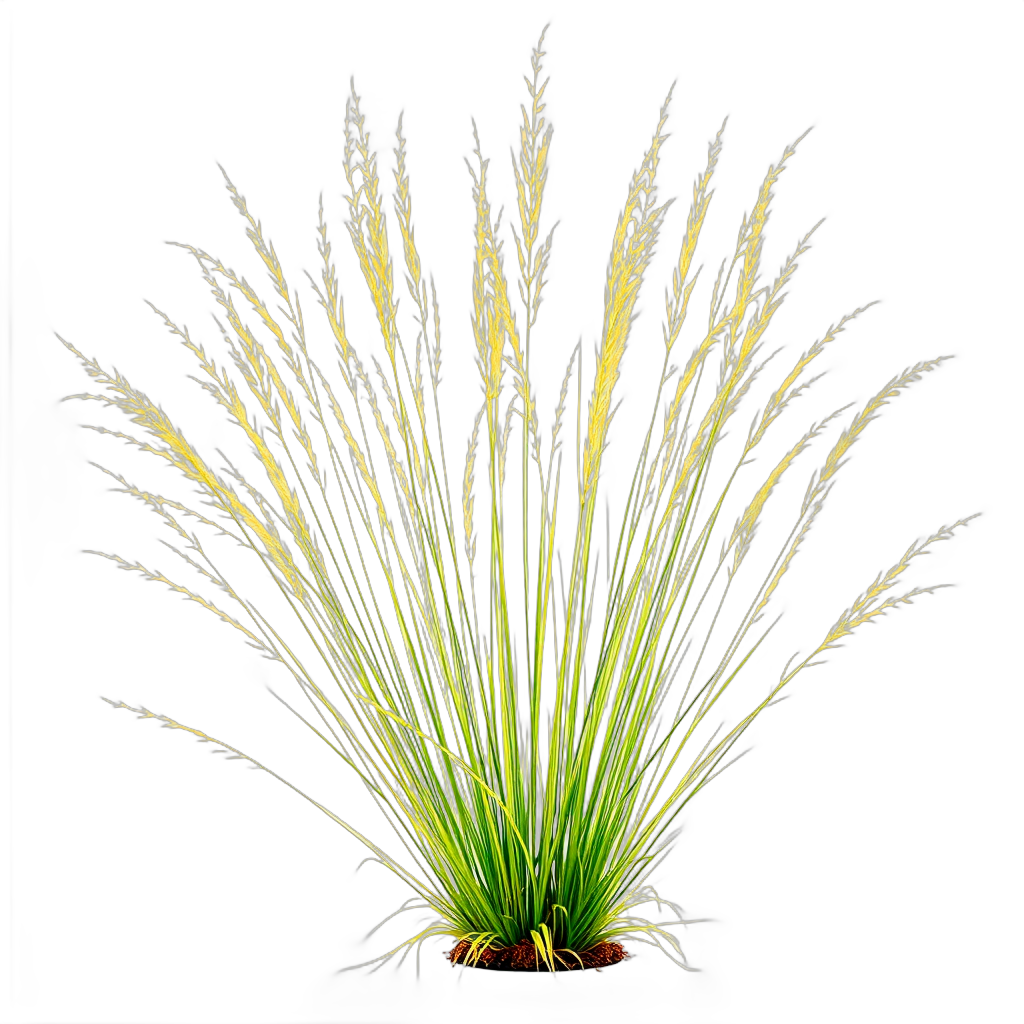
All Gold Japanese Forest Grass
Hakonechloa macra 'All Gold'
low-growing ground cover, blooms in summer.
Featured Flowers & Perennials for Cottage/English Gardens
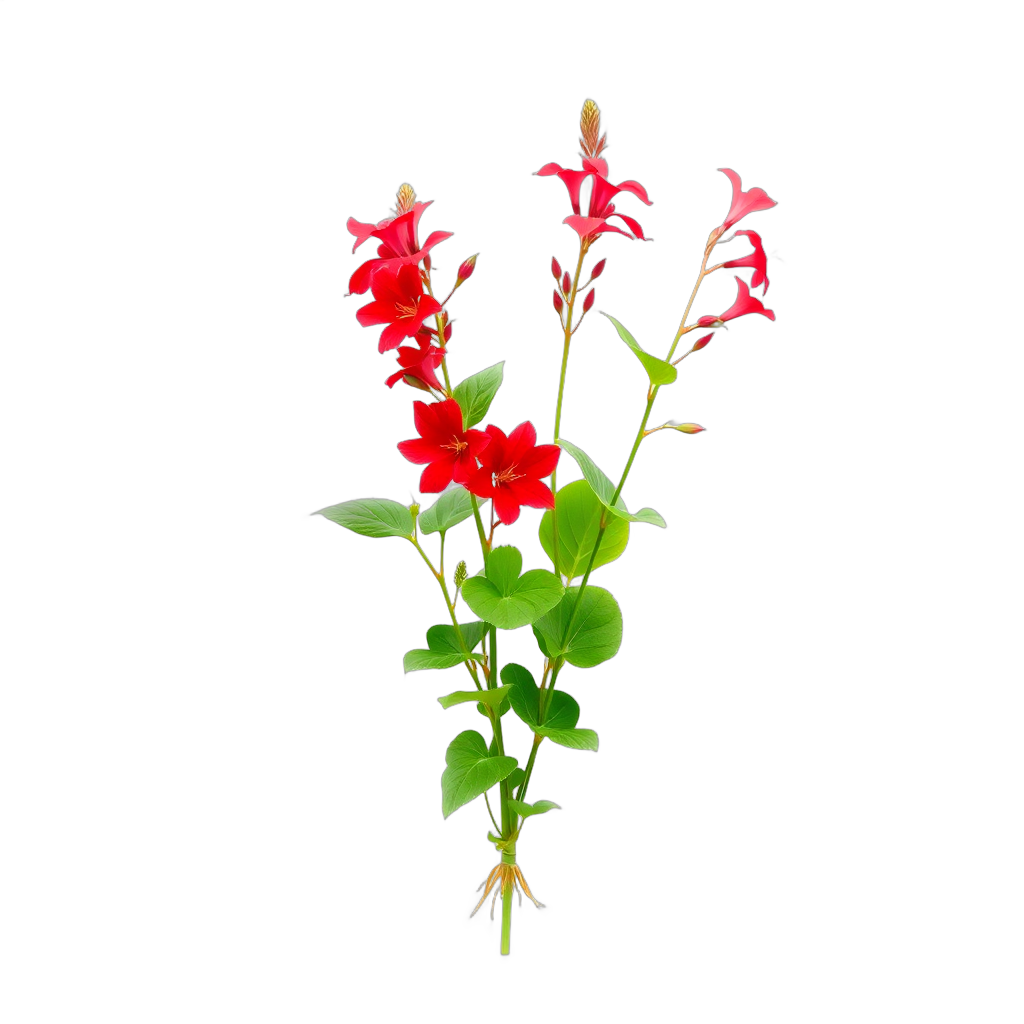
Cardinal Flower
Lobelia cardinalis
grows to 3 feet, red blooms in summer. Attracts hummingbirds.
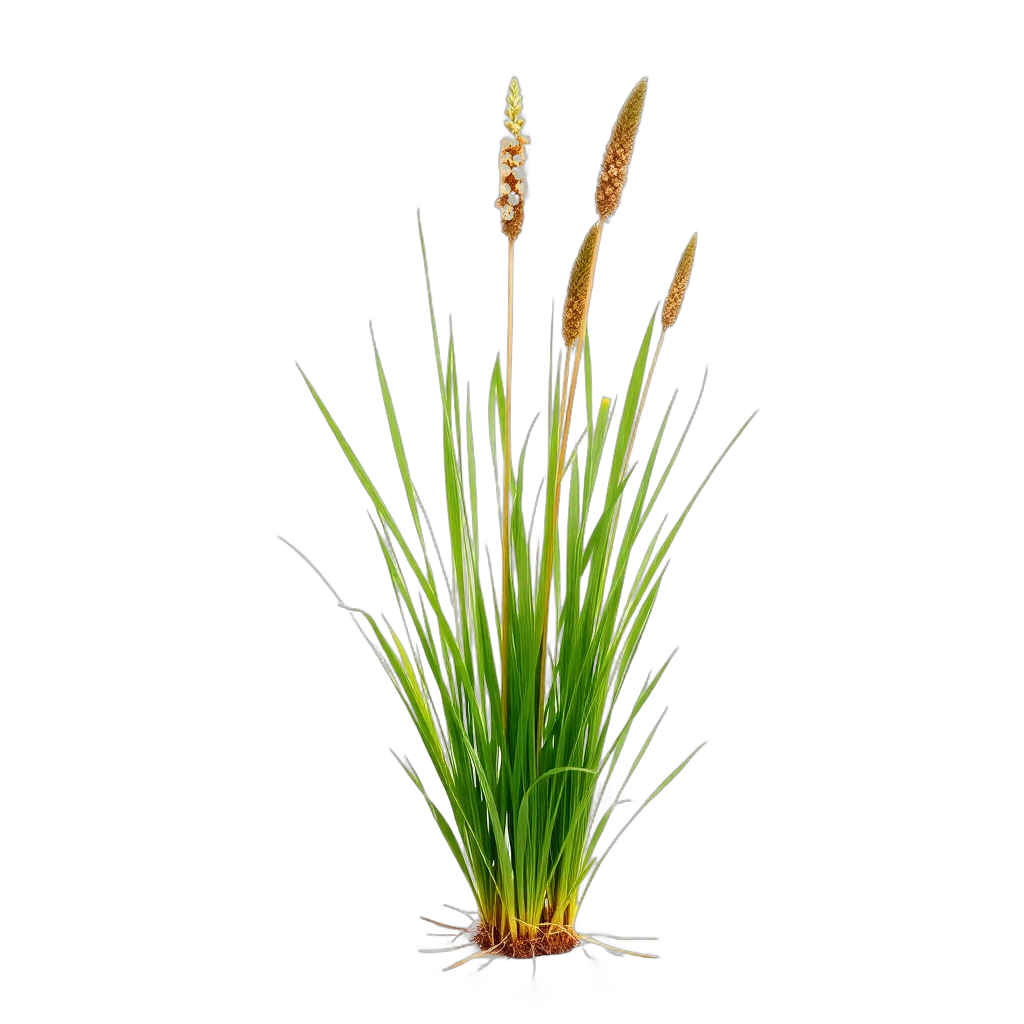
Hardstem Bulrush
Scirpus acutus
medium-sized at 7 feet, blooms in summer.
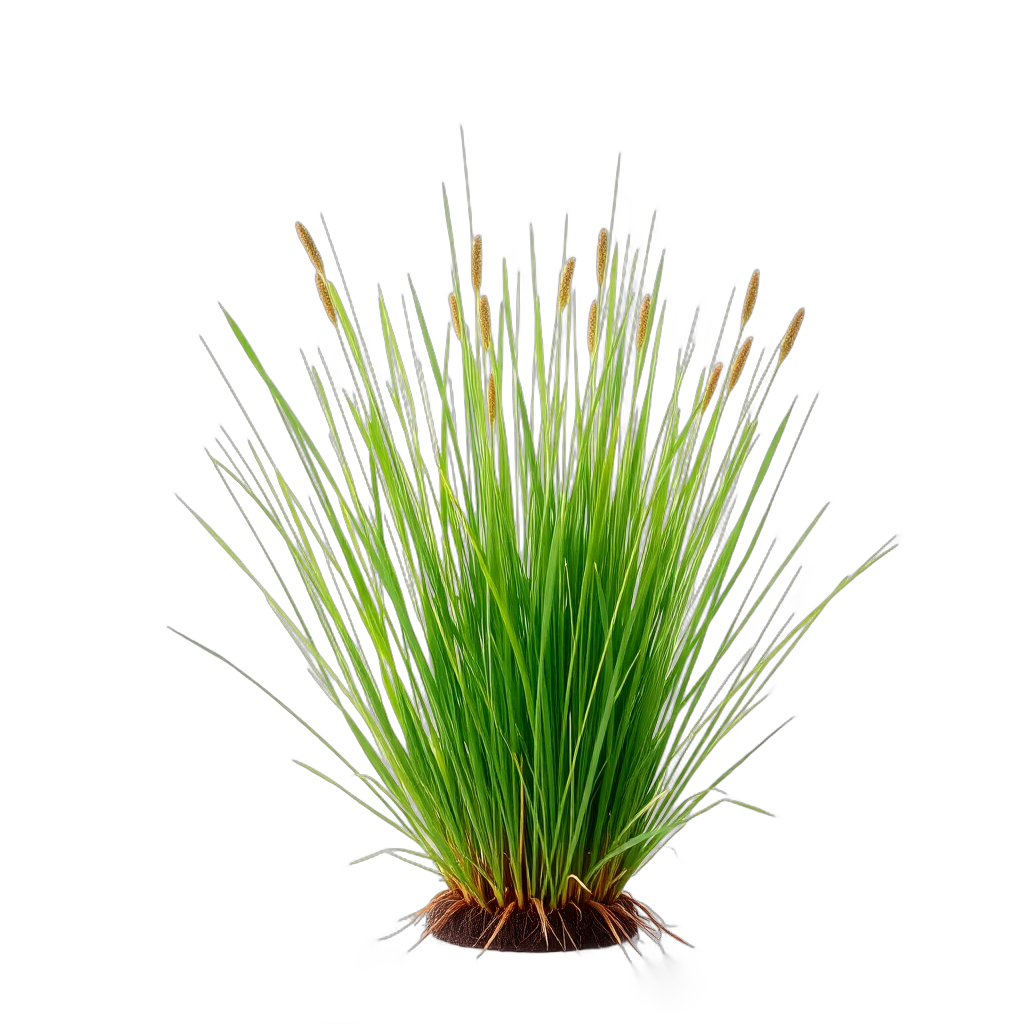
Path Rush
Juncus tenuis
low-growing ground cover, blooms in summer. Evergreen year-round.
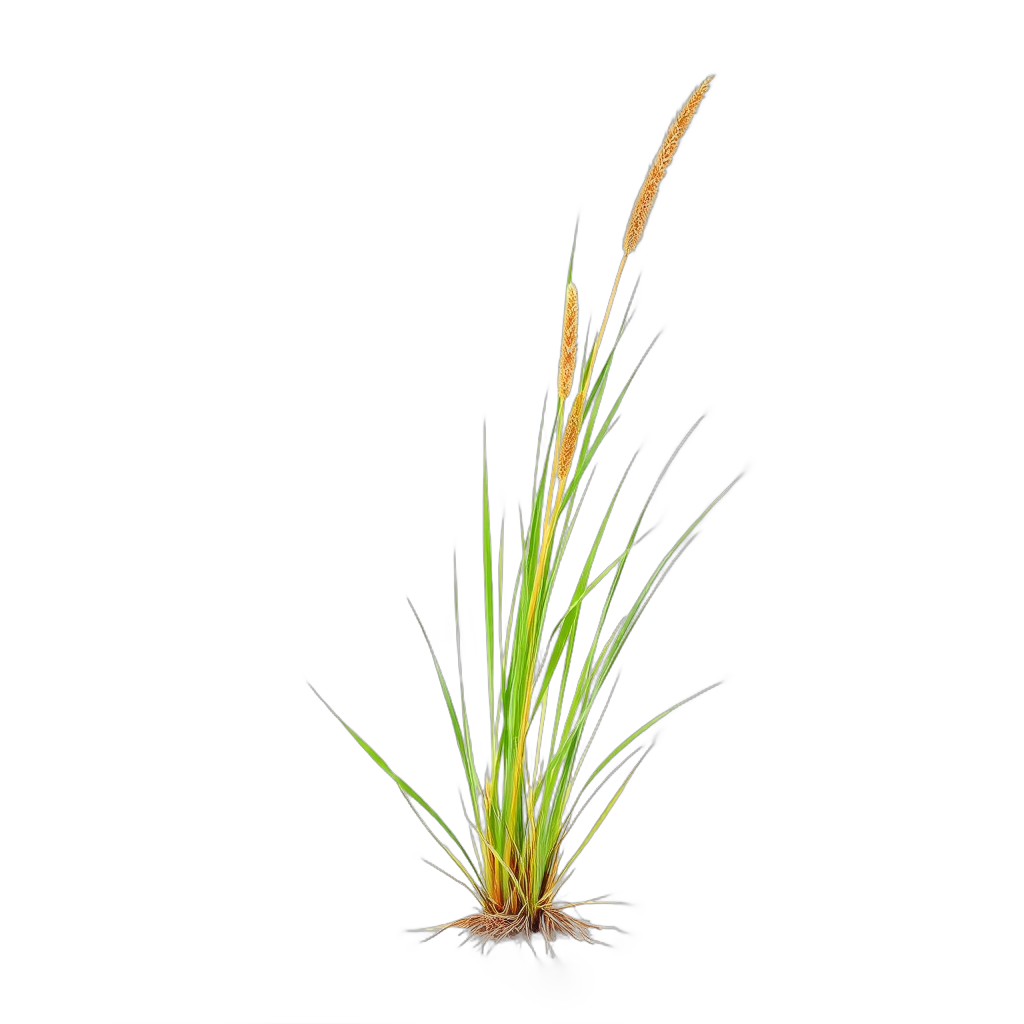
Softstem Bulrush
Schoenoplectus tabernaemontani
grows to 4 feet, blooms in summer.
Zone and sun checks come from our database — confirm with your local nursery before you buy.
Bloom Calendar for Lansing
spring
Bellwort, Blue Star, Blue-Eyed Grasssummer
Cardinal Flower, Hardstem Bulrush, Path Rushfall
Canada Goldenrod, New England Aster, Nodding Ladies' Tresseswinter
Limited bloomsDesign Tips for Lansing (Zone 5b)
- Raise the beds 8–10 inches over Lansing's glacial clay: wet, frozen crowns in March kill more lavender, pinks and roses here than the -10°F nights do
- Get an MSU Extension soil test before liming: Lansing soils often already run near neutral (about 6.0–7.5), and adding lime by habit can push them too high
- Pick roses for hardiness: Rosa 'John Cabot', 'William Baffin' and 'At Last' come through Zone 5b uncovered, while hybrid teas need hilling every November
- Swap mophead Hydrangea macrophylla for Hydrangea arborescens 'Annabelle' or H. paniculata 'Limelight', which bloom on new wood and flower every summer whatever the winter did
- Keep a salt strip: the first 3–4 feet along walks and drives gets salted snow all winter, so plant Nepeta 'Walker's Low' and sedum there and keep roses and peonies further back
- Set every arbour and pergola post on footings 42 inches deep, the Michigan code depth, or frost will push it out of line within a few winters
- Plan for a 150-day season: sow or plant foxglove and hollyhocks in late summer so they flower the next June, rather than waiting on spring plants that need time to settle
Where to Source Plants in Lansing
Skip the big-box stores. These independent Lansing nurseries specialize in the plants that make cottage/english gardens thrive in Zone 5b.
Van Atta's
Haslett
Employee-owned garden centre with over 30,000 square feet of trees, shrubs, perennials and annuals, plus a florist; a deep source for roses, peonies and cottage perennials
Heritage Nursery
South Lansing (Waverly Highway)
Family-owned nursery selling hardy trees, shrubs, perennials and seasonal plants to homeowners and landscapers, from native perennials to mature shade trees
Wildtype
Mason
Michigan native plant grower propagating over 350 species of wildflowers, grasses, trees and shrubs; mainly wholesale, with a few public sale days each season (many by appointment)
Cottage/English Landscaping Costs in Lansing
| Project Scope | Estimated Cost |
|---|---|
| Front cottage border with picket fence (400–600 sqft) | $8,000 – $20,000 |
| Clay brick or flagstone walk on a gravel base (150–250 sqft) | $3,500 – $8,500 |
| Cedar rose arbour on 42-inch footings | $2,500 – $6,000 |
| Raised lavender and rose beds over clay (100–200 sqft) | $2,000 – $5,500 |
| Shade cottage planting under mature trees (300–500 sqft) | $4,500 – $12,000 |
| Full back cottage garden: patio, arbour, deep borders | $25,000 – $65,000 |
| AI visualization (ProScapeAI) | Free to start |
Estimates based on Lansing, MI-area contractor rates as of 2026. Actual costs vary by site conditions, materials, and contractor.
Lansing Climate & Growing Zone
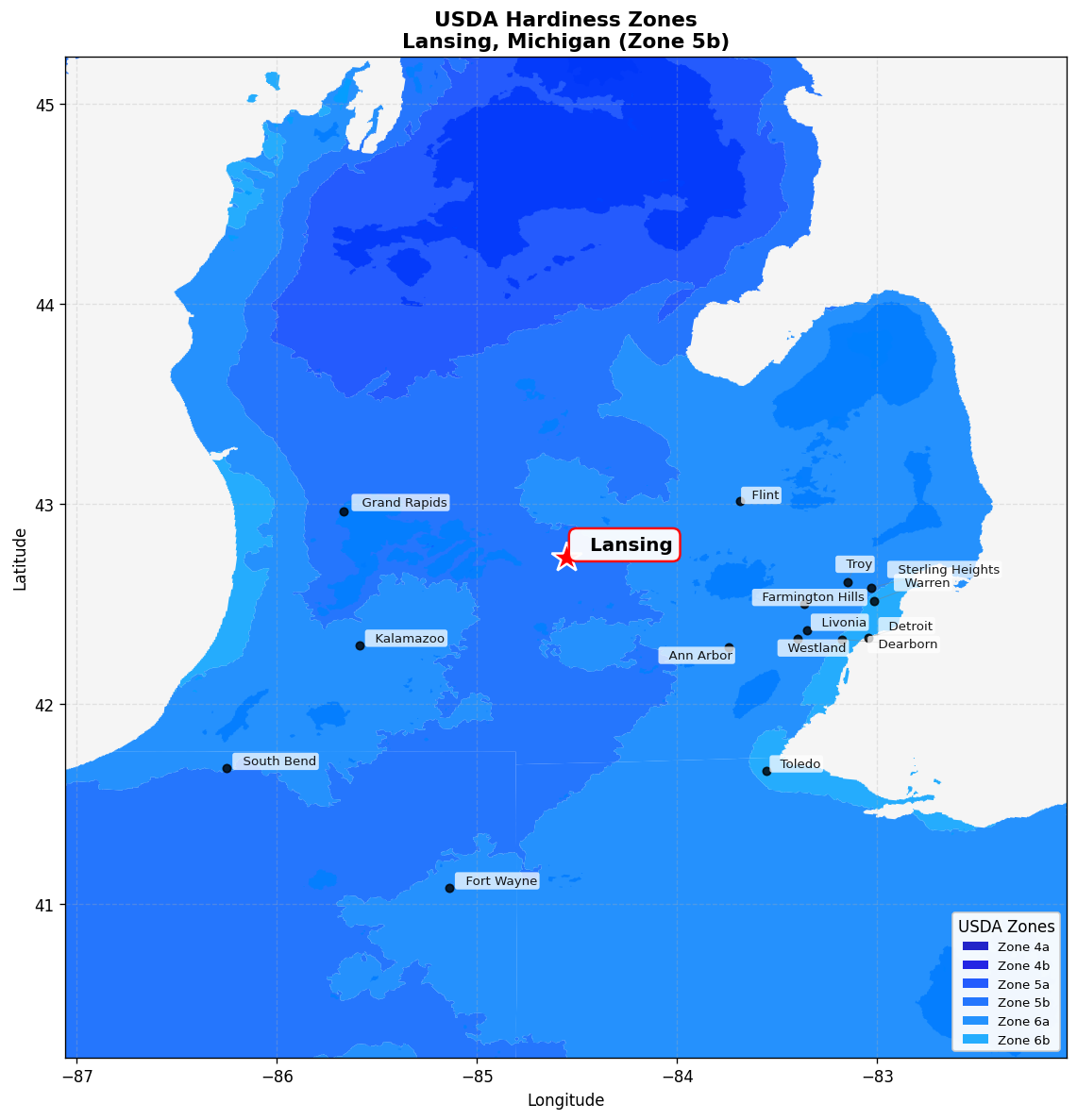
USDA Zone 5b
Hardiness zone for Lansing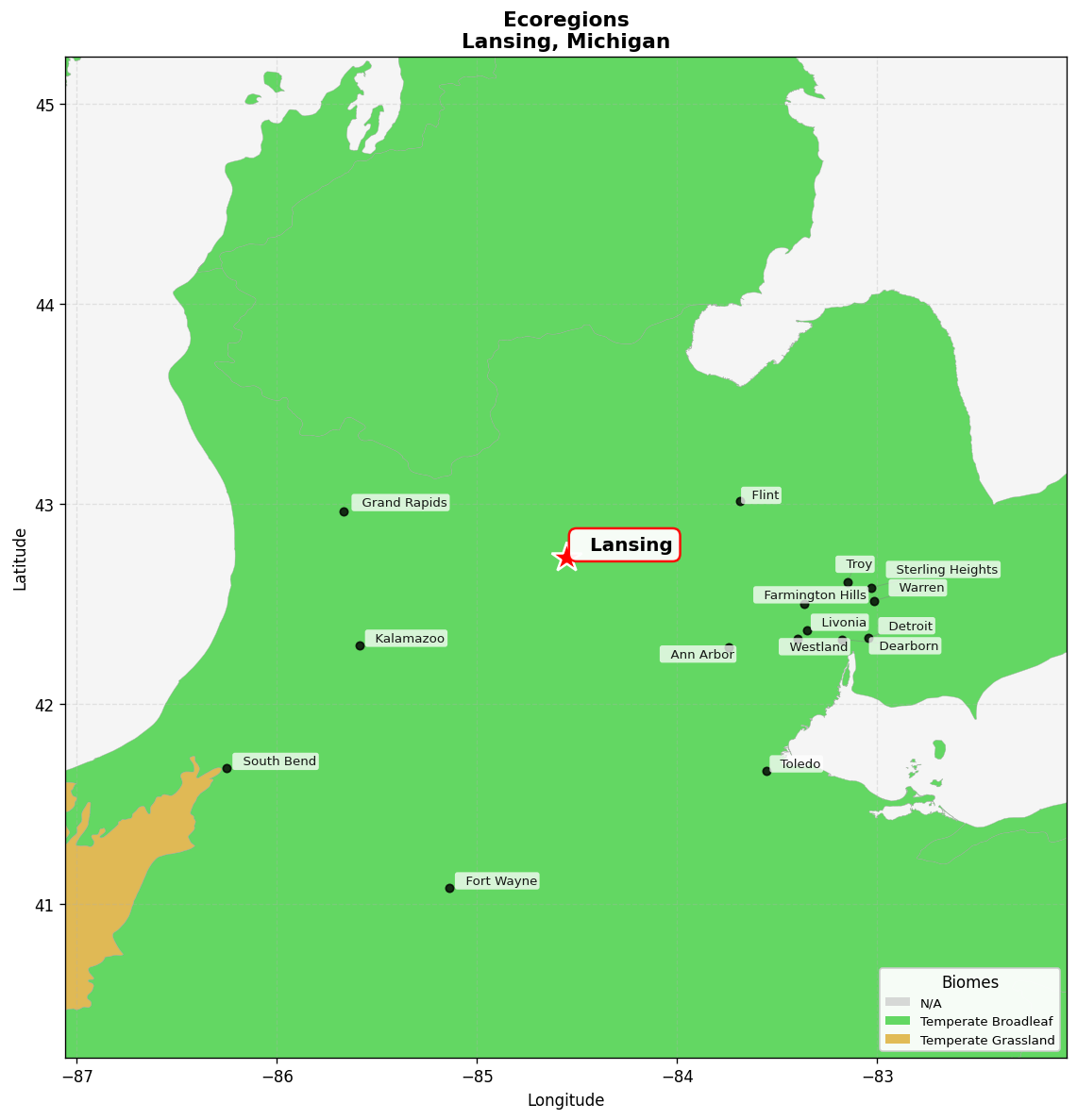
Southern Great Lakes forests
Native ecoregionFrequently Asked Questions
How much does a cottage garden cost in Lansing, MI?
Mid-Michigan labor is cheaper than the coasts: landscape crews around Lansing commonly bill roughly $55–85 per hour per worker, depending on the company and the season. A planted front border with a picket fence and a brick or flagstone walk on a typical Eastside frontage of 400–600 sqft runs about $8,000–20,000 installed. A cedar arbour on proper footings is $2,500–6,000. Doing the planting yourself, with one-gallon Nepeta 'Walker's Low', bare-root Rosa 'John Cabot' and peony divisions, brings a border in under $10 per square foot.
Which roses survive a Lansing winter without wrapping?
The Canadian Explorer roses are the safest: Rosa 'John Cabot' and Rosa 'William Baffin' as climbers, and Rosa 'At Last' or the Knock Out family as shrubs, all come through a -10°F night with no burlap. David Austin's Rosa 'Olivia Rose Austin' is usually fine in a sheltered spot with a mound of mulch over the crown. Hybrid teas are the classic that does not work well here: they need hilling every November and still die back hard. Give every rose six or more hours of sun and space them for airflow.
Can I grow lavender in Lansing's clay?
Yes, if you take the clay away from it. Lavandula angustifolia 'Hidcote' and 'Munstead' are hardy to Zone 5; what kills them is wet winter clay. Build the bed 8–10 inches above grade, mix in a third coarse grit or crushed limestone, mulch with pea gravel, and do not plant it where roof water or snowmelt pools. Skip rosemary and Lavandula × intermedia 'Phenomenal' unless you are happy to replace them, as they are less reliable at -10°F.
When is the best time to plant in Lansing?
Late August through late September is the best window for perennials and shrubs: soil is still warm, rain picks up, and roots have about six weeks before the average first freeze around October 4. Spring planting works from mid-May, after the average last freeze around May 7; the clay is often too wet to dig before that. Peonies go in during September, set with their eyes no more than 2 inches deep or they will not bloom. Bare-root roses go in as soon as the soil can be worked in late April or May.
Do I need a permit for a fence, arbour or patio in Lansing?
Check with the City of Lansing before you build. Fence height and placement are set by the city's zoning rules, corner lots have sight-line limits, and structures like pergolas may need a building permit. Under Michigan's residential code, permanent footings must go 42 inches below grade, so an arbour or pergola set on shallow posts will heave. If you are in a historic district, ask about review of fences and front-yard changes too. Call MISS DIG 811 before digging any footing.
How do I protect a cottage border from road salt and snow?
Assume the first 3–4 feet from the sidewalk and driveway will get salted snow piled on it every winter. Plant that strip with tough, salt-tolerant perennials such as Nepeta × faassenii 'Walker's Low', Sedum 'Autumn Joy' and daylilies, and keep roses, peonies and boxwood further back. Use calcium magnesium acetate or sand on your own walks instead of rock salt, and flush the beds with a good soaking in April once the ground thaws.
What will deer and rabbits leave alone?
Rabbits are the bigger problem in most Lansing yards, especially on young roses, phlox and lilies over winter. Catmint, lavender, peonies, Salvia 'Caradonna', foxglove and lady's mantle are rarely touched. Wrap the base of young roses and shrubs with hardware cloth from November to March. Deer are more of an issue on lots backing onto the river corridors and parks, where hostas and phlox go first.