4 Dry Garden Ideas for Honolulu, HI | Leeward Drought-Adapted Design in Zone 11a
Native plants from the Hawai'i tropical dry forests (Zone 11a) — Tropical savanna climate
Why Desert/Xeriscape Gardens in Honolulu?
Honolulu’s Hawaiʻi Tropical Dry Forests ecoregion designation reflects a reality that surprises many visitors: large portions of Oahu receive as little as 16–22 inches of annual rainfall—less than Phoenix, Arizona. Leeward neighborhoods like ʻEwa Beach, Pearl City, and the drier sections of ʻAiea sit in the rain shadow of the Koʻolau and Waiʻanae mountains, where trade winds dump moisture on the windward side before arriving dry on the south and west coasts. These neighborhoods face genuine drought stress during Oahu’s dry season (May–September), and water rates in Hawaii are among the highest in the nation—creating strong demand for water-wise landscape design.
The Hawaiian dry garden aesthetic is entirely distinct from continental desert design. There are no saguaro cacti, no Southwest-style decomposed granite, no pale ochre color palettes. Instead, the palette is built from Hawaiian native dry forest plants and globally adapted succulents and agaves that have been cultivated in Oahu for generations. Native wiliwili trees (Erythrina sandwicensis) provide canopy structure; agaves and aloes create sculptural ground-level drama; native pāʻuā (Cenchrus agrimonioides) and other dry-forest grasses create textural movement. Lava rock—Oahu’s most abundant natural material—serves as both mulch layer and architectural element, suppressing weeds and retaining soil moisture simultaneously.
The design challenge in Honolulu dry gardens is managing the contrast between dry and wet periods more than managing permanent drought. Leeward Oahu gets intense rainfall events even in dry years, and soil drainage becomes critical to prevent root rot in drought-adapted plants during these intense but brief wet periods. Raised planting beds with lava rock drainage material beneath the planting mix, combined with efficient drip irrigation during dry months, create conditions that most drought-adapted plants thrive in—dry roots most of the time, with well-drained watering available when needed.
4 Desert/Xeriscape Design Ideas for Honolulu
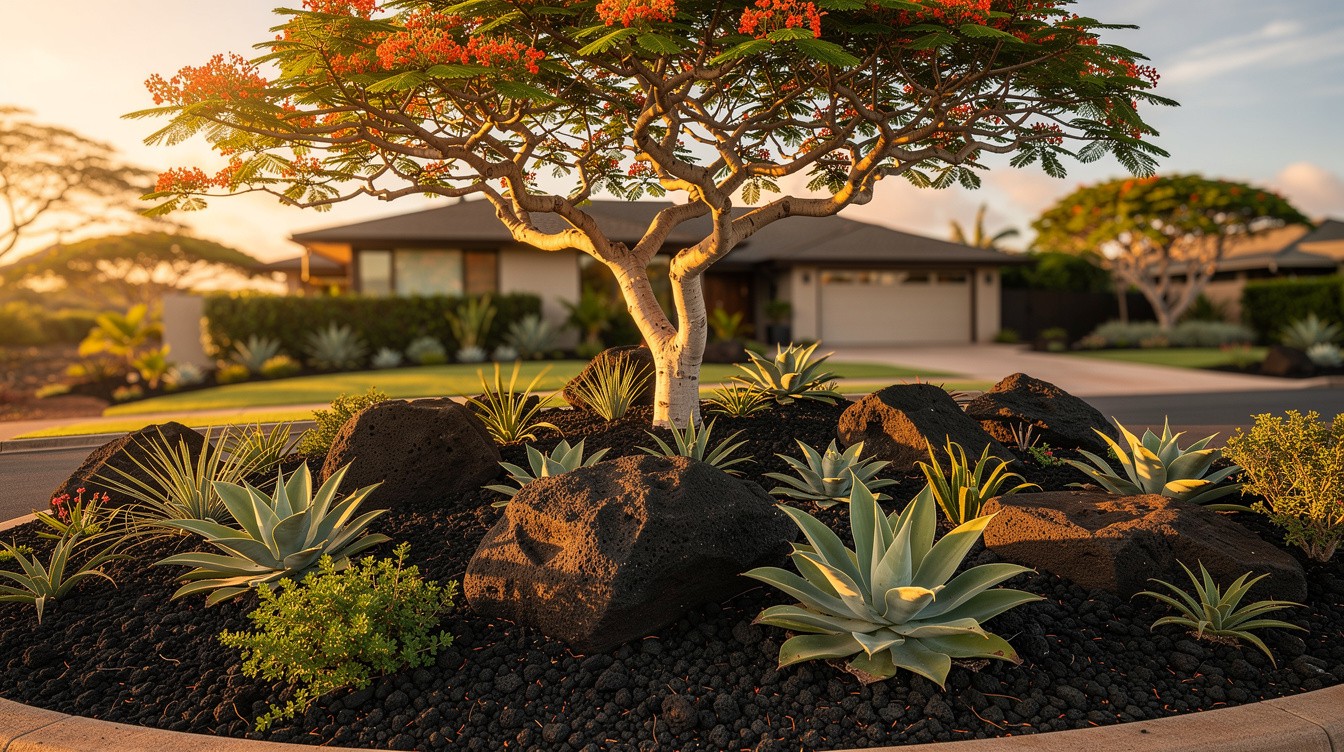
Lava Rock Agave Garden with Wiliwili Canopy
$12–26/sqftA composition of large basalt boulders and dark lava rock mulch hosts groupings of Agave attenuata (the spineless Hawaiian favorite), aloe vera, and native Hawaiian dry-forest plants under the irregular canopy of a wiliwili tree—Hawaii’s native dry-forest tree with coral-orange flowers and beautiful open branch structure. The design creates authentic Hawaiian dry forest character using local materials and endemic plants rather than importing a Southwest desert vocabulary that looks out of place in the islands.
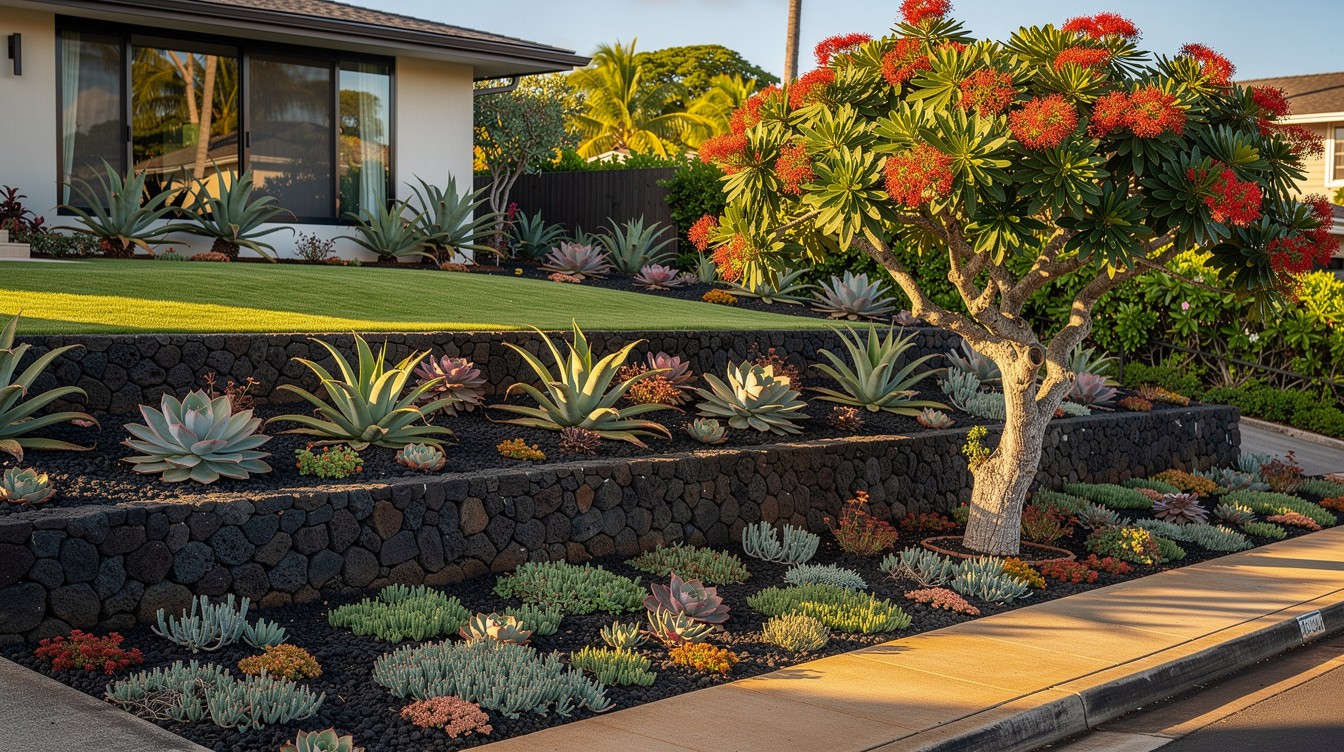
Succulent Terrace with Ohia and Aloe
$10–22/sqftA flat terraced front yard transitions from standard lawn to a dry succulent garden using lava rock retaining borders and a design anchored by specimen aloe vera, echeveria, and Hawaiian native plants including ʻohiʻa lehua (Metrosideros polymorpha) at the property corner. The terrace design uses the natural slope to create visual interest and drainage, with larger succulent groupings at upper levels and lower-spreading sedum and ice plant at the front. Lava stone mulch replaces grass entirely, eliminating the irrigation and mowing costs of a traditional lawn.
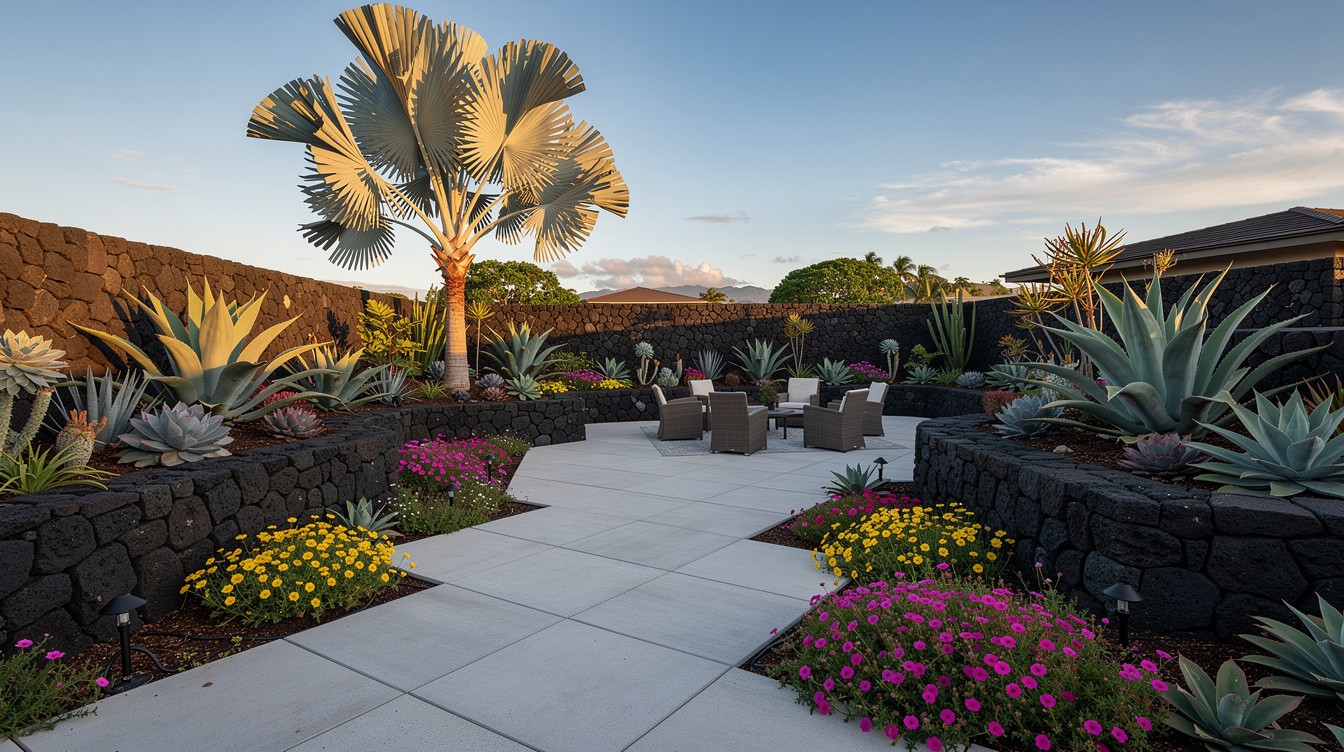
Dry Garden Courtyard with Water-Wise Entertaining Space
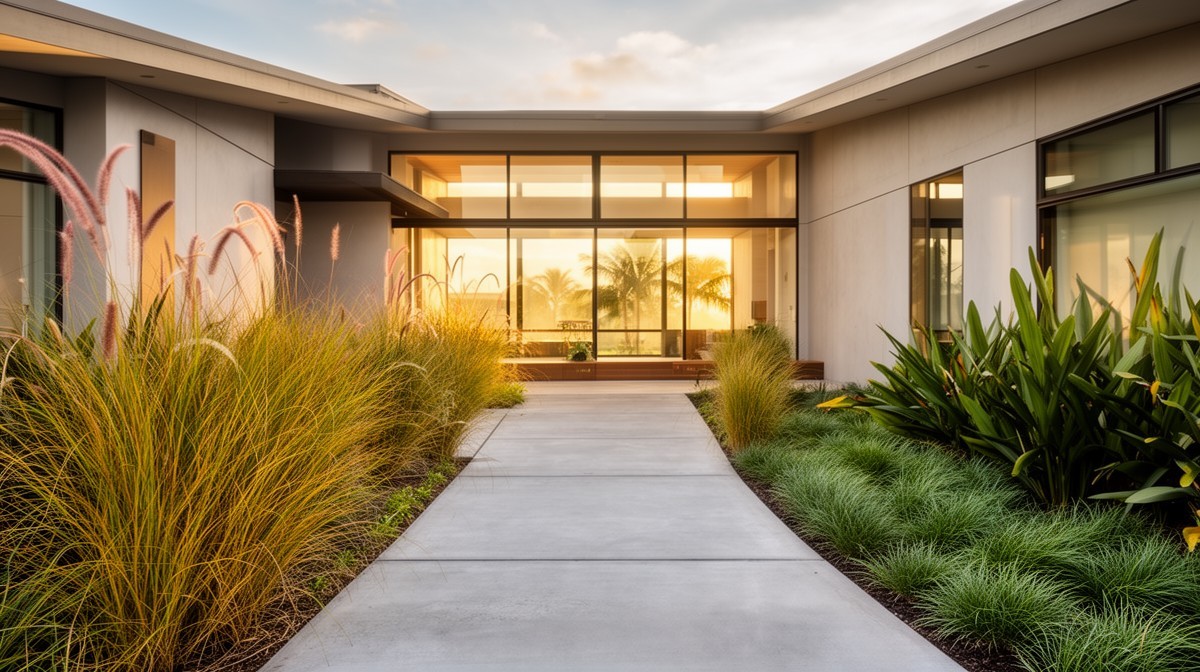
$16–35/sqftA courtyard entertaining space with large-format concrete pavers is surrounded by raised lava stone planting walls housing agaves, aloes, and sculptural succulent compositions. A single Bismarck palm anchors one corner with dramatic architectural presence, while low-growing portulaca and ice plant provide ground-level color in the beds flanking the paving. The design eliminates lawn and traditional irrigation entirely, using only a targeted drip system for the planted areas and creating an outdoor room that requires minimal water after the first year of establishment.
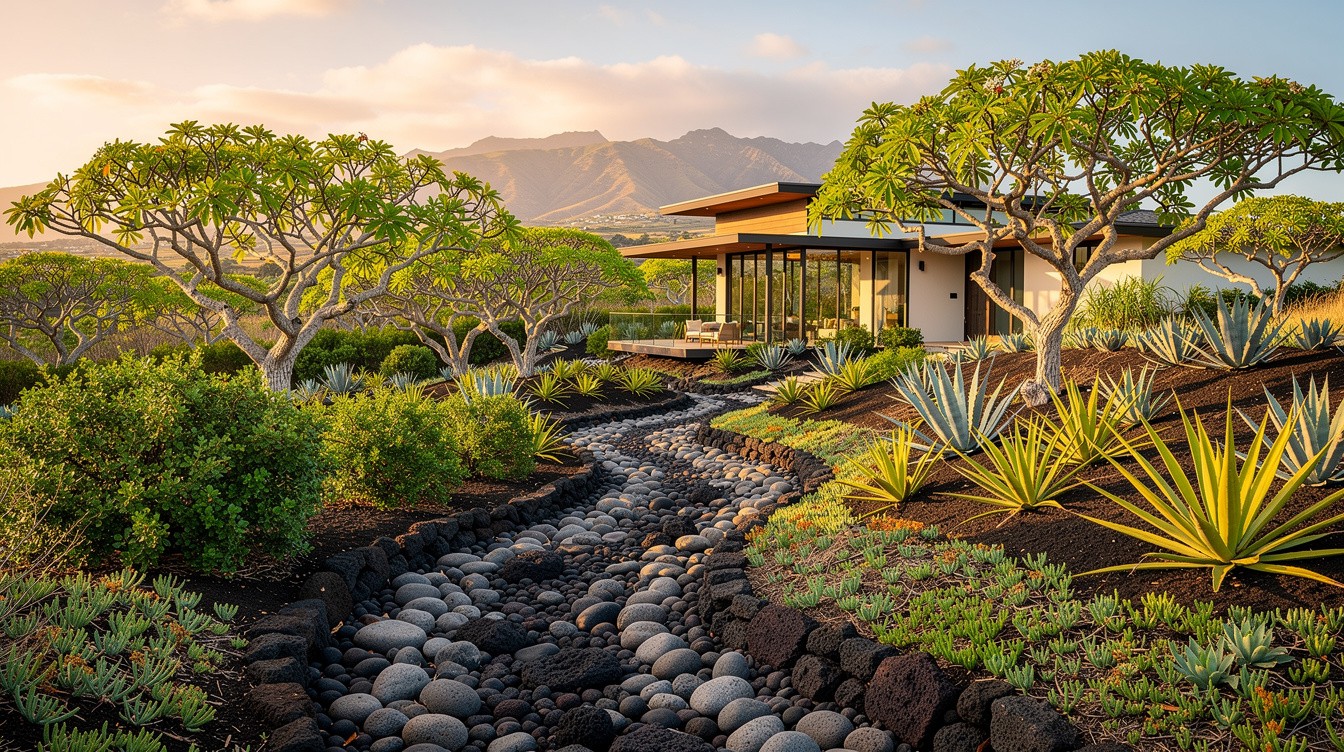
Naturalistic Dry Wash with Native Dry Forest Planting
$14–30/sqftA dry wash channel of smooth volcanic river rock creates a naturalistic drainage feature that channels water during heavy rain events while serving as a visual design element during dry periods. Native Hawaiian dry forest plants line the wash: wiliwili, ʻaʻi (native Hawaiian holly), and pāʻala (succulent native) with introduced drought-tolerant agave and aloe filling the drier upslope areas. The design reads as ecologically connected to leeward Oʻahu’s actual native landscape while providing the function of managed drainage and irrigation efficiency.
See how a desert/xeriscape garden looks on YOUR property
Upload a photo of your Honolulu yard and visualize your dream garden in seconds.
Try ProScapeAI Free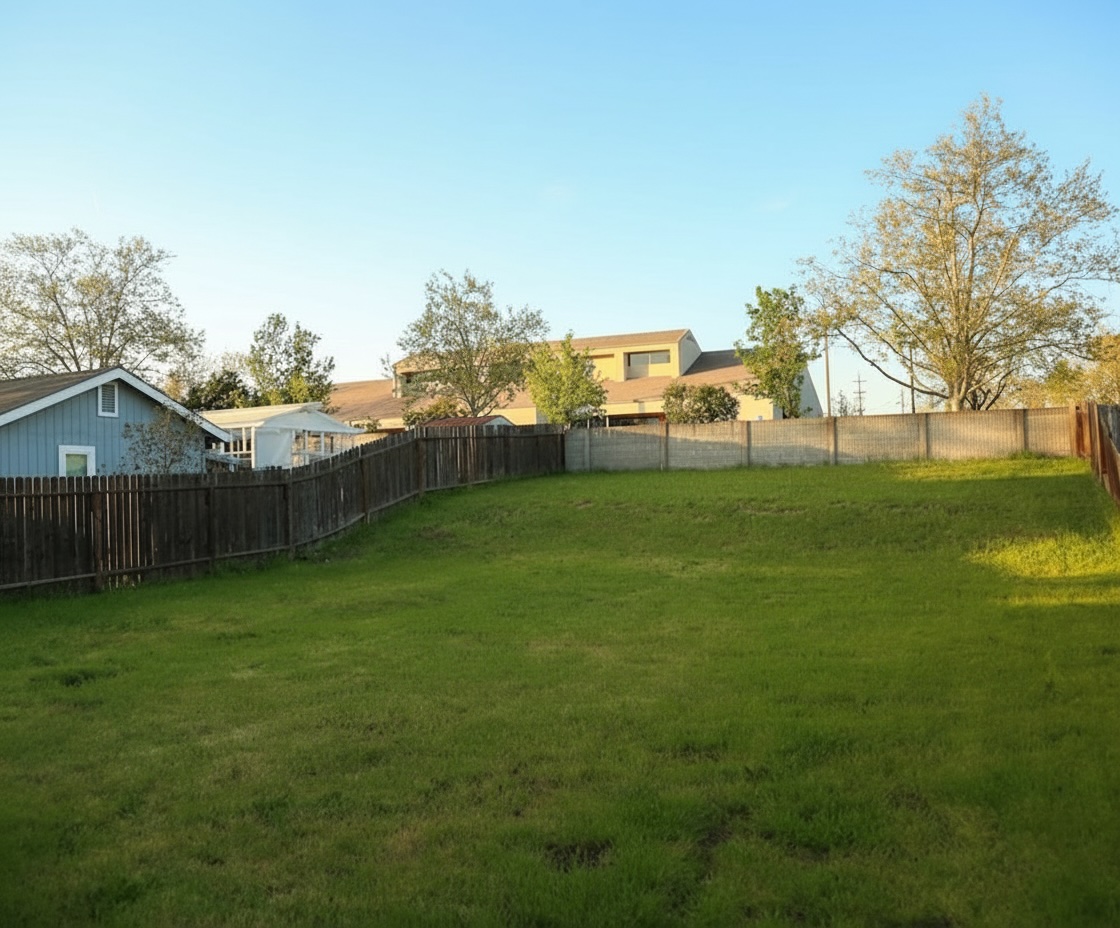
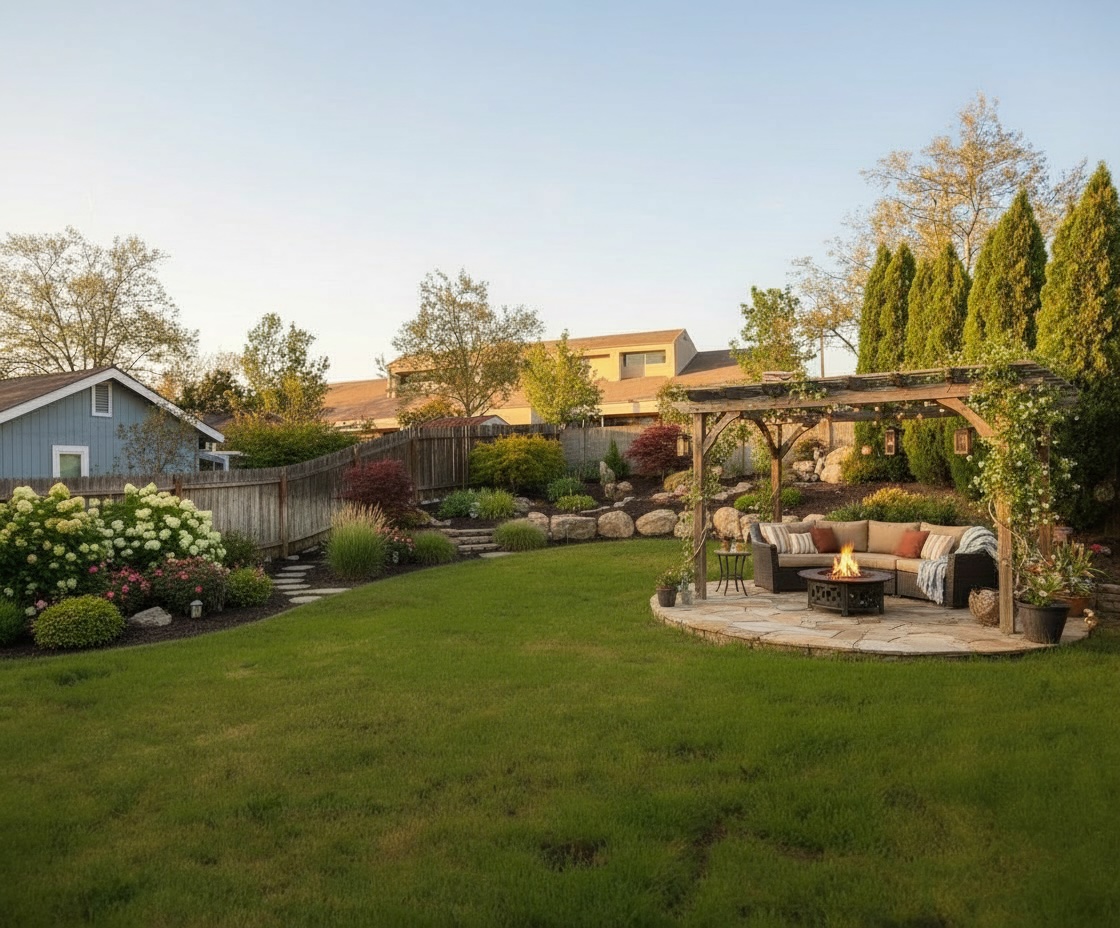
Featured Trees & Shrubs for Desert/Xeriscape Gardens
Browse all 150 plants for Honolulu
Cabbage Palm
Sabal palmetto
reaches 40 feet tall, white,yellow blooms in spring. Pollinator-friendly.

California Fan Palm
Washingtonia filifera
reaches 40 feet tall, white blooms in spring. Pollinator-friendly.

Canary Island Date Palm
Phoenix canariensis
reaches 40 feet tall, yellow blooms in spring. Pollinator-friendly.

Chilean Wine Palm
Jubaea chilensis
large shade tree reaching 60+ feet, purple,yellow blooms in summer. Pollinator-friendly.
Featured Grasses & Groundcovers for Desert/Xeriscape Gardens
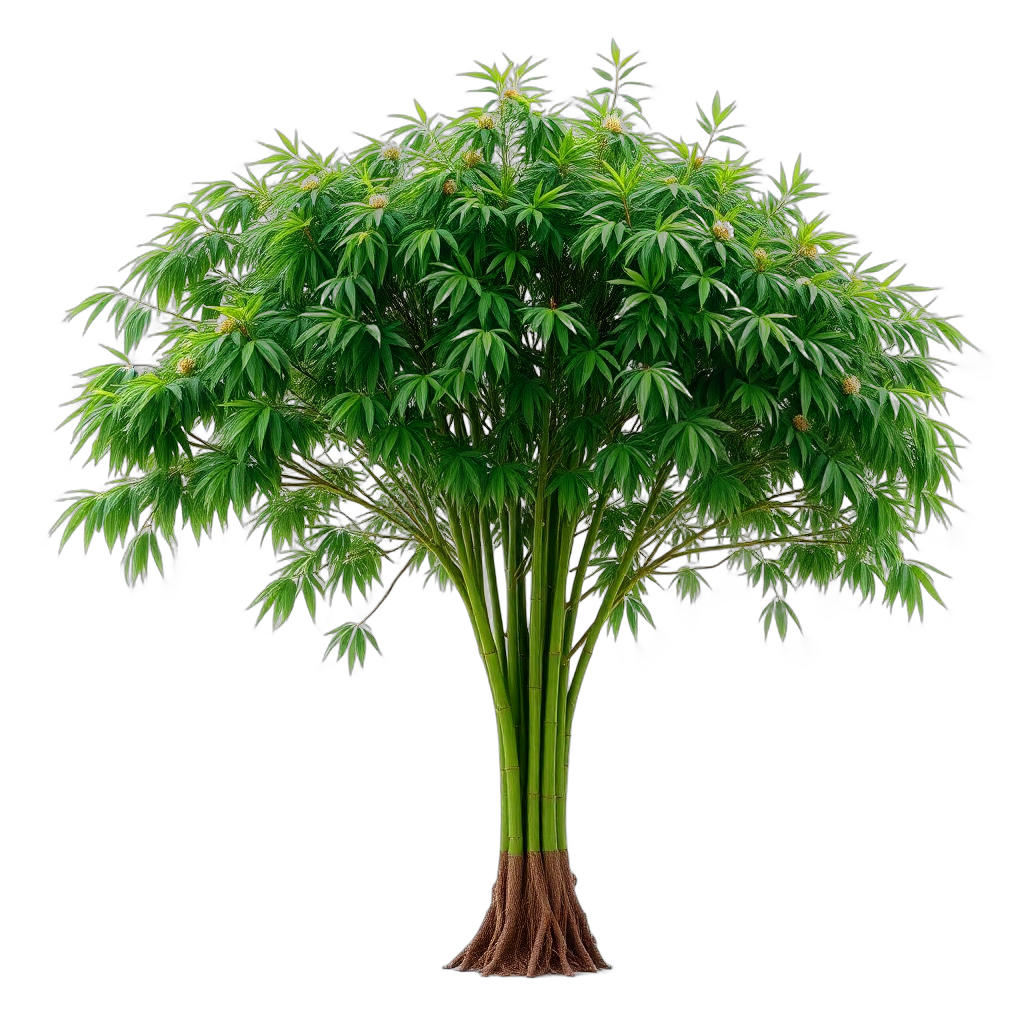
Giant Bamboo
Dendrocalamus giganteus
large shade tree reaching 90+ feet, blooms in none. Evergreen year-round.
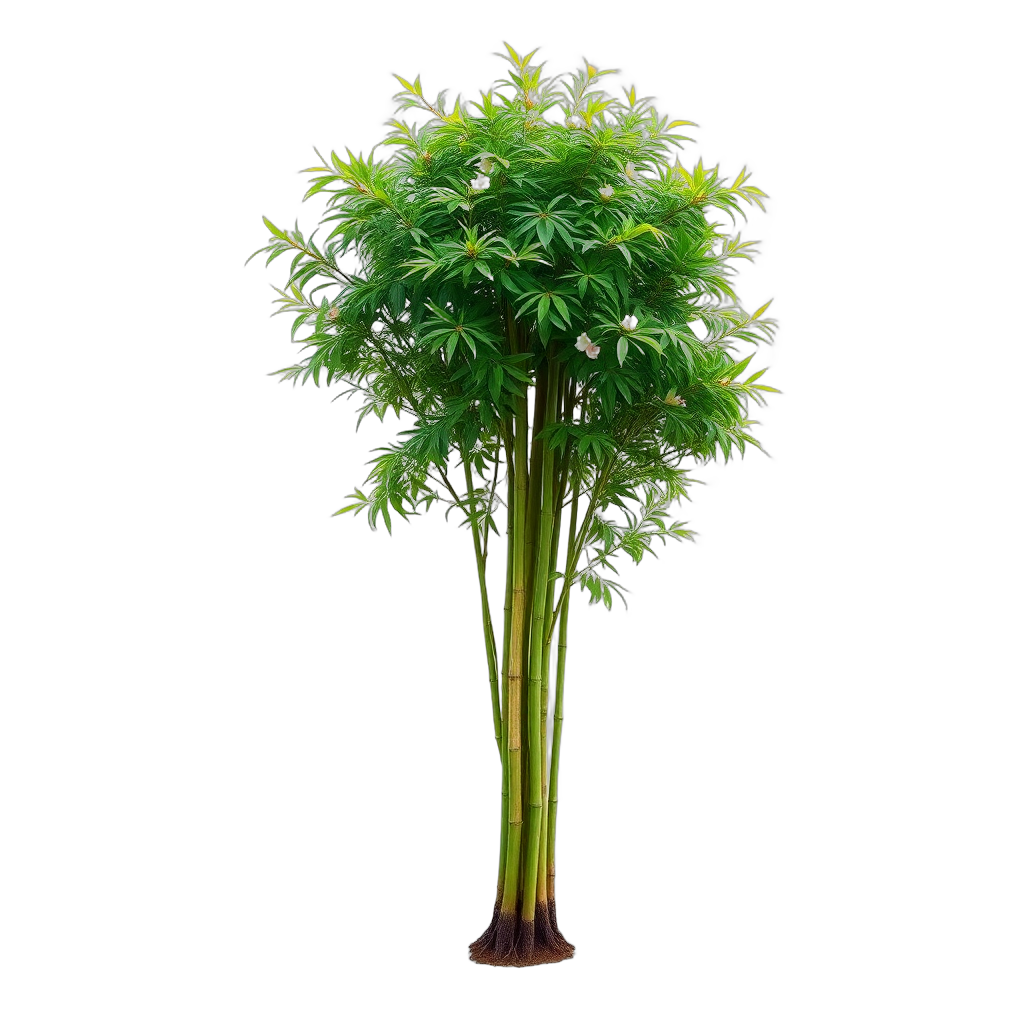
Hedge Bamboo
Bambusa multiplex
reaches 20 feet tall, blooms in none. Evergreen year-round.
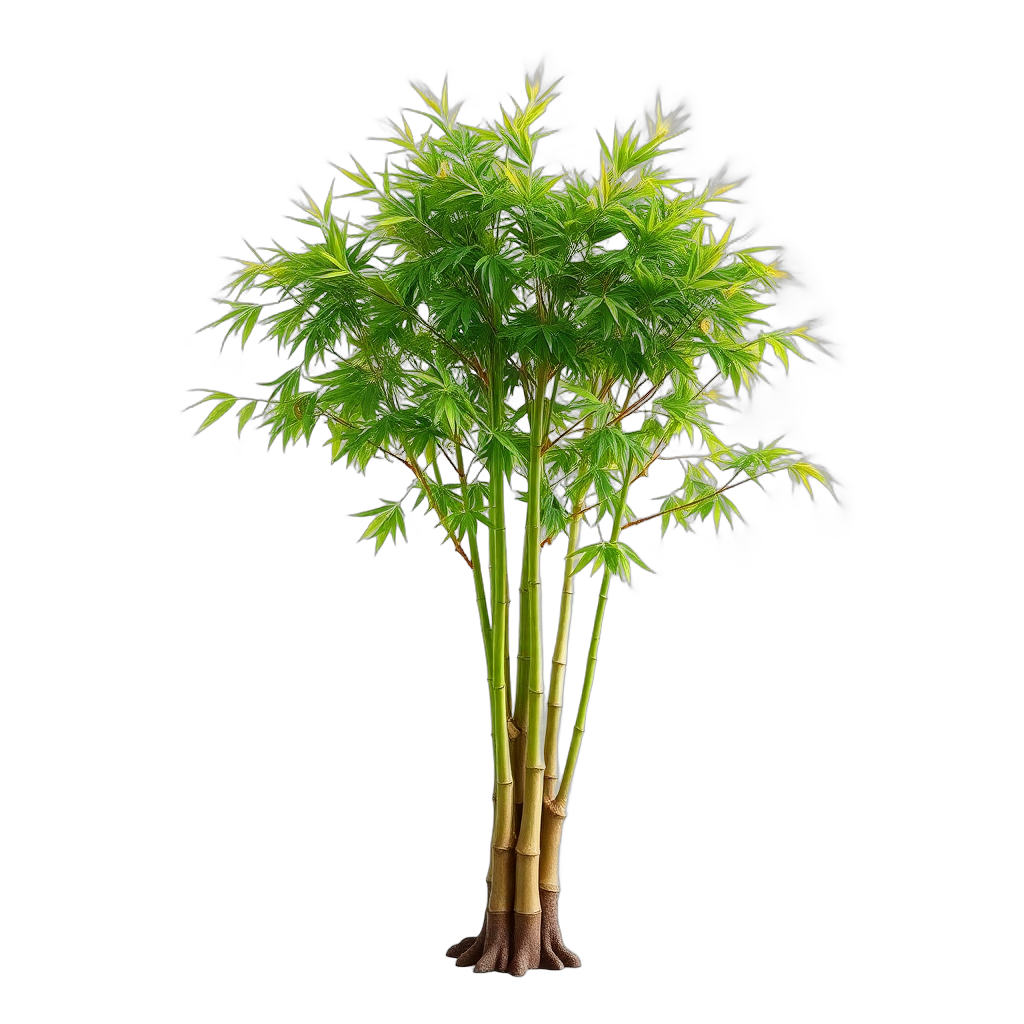
Yellow Groove Bamboo
Phyllostachys aureosulcata
reaches 30 feet tall, blooms in none. Evergreen year-round.
Featured Flowers & Perennials for Desert/Xeriscape Gardens

American White Water Lily
Nymphaea odorata
low-growing ground cover, white,pink blooms in summer. Attracts butterflies.

Broadleaf Arrowhead
Sagittaria latifolia
low-growing ground cover, white blooms in summer. Attracts butterflies.

European White Water Lily
Nymphaea alba
low-growing ground cover, white blooms in summer. Attracts butterflies.

Water Fern
Azolla filiculoides
low-growing ground cover, blooms in none. Red fall color.
Zone and sun checks come from our database — confirm with your local nursery before you buy.
Bloom Calendar for Honolulu
spring
Wild Celery, African Daisy, African Daisy Hybridsummer
American White Water Lily, Broadleaf Arrowhead, European White Water Lilyfall
American White Water Lily, Broadleaf Arrowhead, African Daisywinter
Limited bloomsDesign Tips for Honolulu (Zone 11a)
- Use Agave attenuata (spineless agave) rather than spiny varieties near paths, seating, and family areas—the same bold architectural form without the safety hazard, and it’s the most widely planted agave in Hawaii
- Choose lava rock mulch over decomposed granite for Hawaiian dry gardens—it’s geologically authentic, readily available, drains extremely well, and visually connects your landscape to the islands’ volcanic origin
- Install drip irrigation before placing mulch, not after—drip emitters set before mulching can be buried and protected; retrofitting drip under established lava rock mulch layers is difficult and time-consuming
- Contact Honolulu’s Board of Water Supply about WaterSmart rebates before beginning your dry garden conversion—rebates for turf removal and drought-tolerant planting can offset several thousand dollars of installation cost
- Plant wiliwili trees for authentic Hawaiian dry forest canopy—they are native, adapted to leeward drought, spectacularly ornamental with orange flowers, and provide shade that dramatically reduces ground-level temperature in leeward Honolulu’s intense sun
- Add bougainvillea to walls and fences for maximum color with minimum water—bougainvillea actually blooms more intensely under drought stress and is one of the few plants that performs better in leeward Oahu than in wetter areas
Where to Source Plants in Honolulu
Skip the big-box stores. These independent Honolulu nurseries specialize in the plants that make desert/xeriscape gardens thrive in Zone 11a.
Sunset Nursery
ʻAiea
Local nursery well-stocked with leeward-adapted plants, agaves, succulents, and drought-tolerant Hawaiian landscape material
Green World Farms
Wahiawa
Working farm with native Hawaiian plants, drought-adapted tropical specimens, and unusual dry-garden accent plants
Home Depot Garden Center
Multiple Oahu locations
Agave, aloe, and standard drought-tolerant landscape plants available island-wide
Waimea Valley Botanical Garden Shop
Haleiwa / North Shore
Hawaiian native dry-forest plants and rare succulents from the valley’s extensive botanical collection
Lowe’s Garden Center
ʻAiea / Pearl City
Drought-tolerant landscape plants, succulents, and lava rock landscape materials
Desert/Xeriscape Landscaping Costs in Honolulu
| Project Scope | Estimated Cost |
|---|---|
| Front yard lawn conversion to agave/lava rock dry garden | $10,000 – $25,000 |
| Succulent terrace with lava rock walls and specimen plants | $12,000 – $28,000 |
| Concrete paver courtyard with dry garden planting and drip irrigation | $18,000 – $42,000 |
| Naturalistic dry wash with native Hawaiian dry-forest planting | $15,000 – $35,000 |
| Drip irrigation system installation (full property) | $2,500 – $7,000 |
| Annual water savings vs. traditional lawn (leeward Honolulu) | $800 – $2,500/year |
| AI visualization with ProScapeAI | Free to start |
Estimates based on Honolulu, HI-area contractor rates as of 2026. Actual costs vary by site conditions, materials, and contractor.
Honolulu Climate & Growing Zone

USDA Zone 11a
Hardiness zone for Honolulu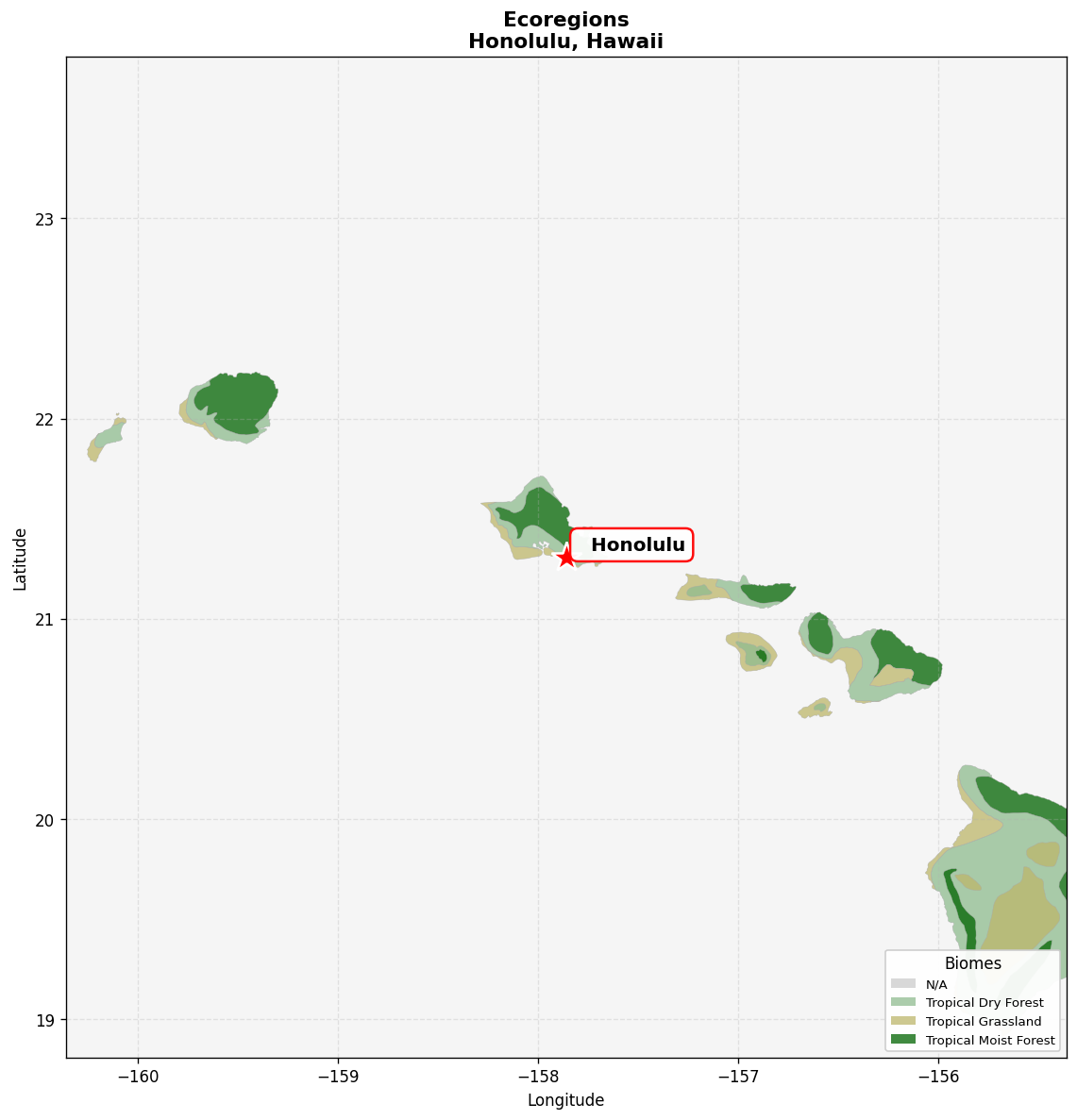
Hawai'i tropical dry forests
Native ecoregionFrequently Asked Questions
Why do some Honolulu neighborhoods need drought-adapted landscaping?
Oahu’s rainfall distribution is dramatically uneven due to orographic effect—the Koʻolau and Waiʻanae mountains intercept trade winds on the windward (northeast) side, dropping 60–300 inches of rain there annually while leeward areas receive only 16–25 inches. Neighborhoods like ʻEwa Beach, Pearl City, Makakilo, and the drier portions of ʻAiea regularly experience drought stress from May through September. Hawaii’s water rates are among the highest in the US, making irrigation costs a genuine household budget concern for leeward homeowners maintaining traditional lawns and water-thirsty landscapes.
What are the best drought-adapted plants for leeward Honolulu?
The best dry-garden plants for leeward Oahu combine native Hawaiian dry forest species with globally adapted drought-tolerant plants that look at home in the Hawaiian landscape. Top choices: Agave attenuata (spineless agave, extremely popular in Hawaii, no dangerous spines for family use), aloe vera (well-established in Hawaii, medicinal and ornamental), wiliwili (native dry-forest tree, spectacular orange flowers), ʻaʻi (native Hawaiian holly with red berries), ice plant (ground cover, vivid flowers), portulaca (drought-tolerant ground cover), Bismarck palm (water-efficient once established), and bougainvillea (extremely drought-tolerant, vivid color).
How do I transition from lawn to a drought-adapted Hawaiian garden?
The most effective transition strategy for leeward Honolulu lawns: first, solarize the existing grass using clear plastic tarps for 4–6 weeks during summer to kill the grass and weed seeds without herbicides. Then lay a 4-inch layer of lava rock mulch over the entire area to be converted—this suppresses regrowth and creates the material base of the dry garden aesthetic. Install a targeted drip irrigation system with emitters at each planting hole before placing plants. Plant drought-tolerant species in groupings with adequate spacing for mature size. The transition saves 30–60% on water bills in leeward Honolulu neighborhoods.
Does agave work in Honolulu’s climate?
Agave thrives in Honolulu’s leeward climate and has been widely cultivated in Hawaii for over a century. The most popular choice is Agave attenuata (foxtail agave or soft agave)—it lacks the dangerous terminal spine of most agaves, making it safe around children and pets, and grows to 4–5 feet in diameter with a spectacular 8-foot flower spike. Agave americana (century plant) is larger and more dramatic but has sharp terminal spines—appropriate for border or statement positions away from paths. Both thrive in Honolulu’s sandy or rocky leeward soils with minimal irrigation.
Do I need a permit to replace lawn with drought-tolerant landscaping in Honolulu?
Generally no permit is required for standard residential landscaping changes in Honolulu, including lawn-to-drought-landscape conversion. However, if you’re removing a tree over 25 inches in circumference, you may need a tree removal permit from the City and County of Honolulu. For retaining walls over 30 inches in height, building permits are required. The Board of Water Supply encourages water-wise landscaping and offers rebates for converting turf to drought-tolerant landscaping—check the current BWS WaterSmart program for available incentives.
How much does a drought-adapted landscape installation cost in Honolulu?
Honolulu dry garden installations are among the most expensive in the nation due to island logistics and labor costs. A front yard lawn-to-dry-garden conversion with lava rock mulch, agave and aloe planting, and drip irrigation typically costs $10,000–$25,000 for a standard residential lot. A full courtyard dry garden with concrete pavers and planting runs $18,000–$40,000. A naturalistic dry wash with native planting ranges $15,000–$35,000. The investment typically returns significant water bill savings—leeward Honolulu homeowners report $800–$2,500 annual water savings after converting lawn to drought-adapted landscaping.