4 Tropical Garden Ideas for Honolulu, HI | Lush Island Gardens in Zone 11a
Native plants from the Hawai'i tropical dry forests (Zone 11a) — Tropical savanna climate
Why Tropical/Lush Gardens in Honolulu?
Honolulu occupies a genuinely unique landscape position in the American context—Zone 11a means temperatures never freeze, average highs of 85°F year-round, and the Hawai‘i Tropical Dry Forests ecoregion creating distinct wet and dry sides to each island based on trade wind exposure. Landscapes in Honolulu’s wetter windward neighborhoods like Nuʻuuānu, ʻAāhuimanu, and Kāneʻohe receive 30–60 inches of rainfall annually, while leeward areas like Waikiki and Kahala receive only 16–20 inches—a significant difference that shapes plant selection even within the same city.
The defining asset of Honolulu tropical landscape design is access to the world’s most spectacular ornamental plants at their full natural scale. Plumeria trees bloom year-round and grow to 25-foot canopy trees; bird of paradise forms 6-foot clumps of dramatic orange and blue flowers; heliconia grows to 12 feet with spectacular bracts; royal palms reach 80 feet and anchor grand residential entrances. The challenge isn’t choosing enough plants—it’s editing the extraordinary abundance available into a design that feels composed rather than overwhelming.
Honolulu’s red laterite soil (oxisol) is well-draining but nutrient-poor—high rainfall has leached minerals over millennia, leaving soil that needs regular organic amendment to sustain the lush growth visitors associate with Hawaiian gardens. Quality compost, slow-release fertilizers, and heavy organic mulch from local wood chip sources are the backbone of successful Honolulu tropical garden maintenance. Water availability varies by neighborhood—windward properties often need no supplemental irrigation for established gardens, while leeward Honolulu properties require efficient drip irrigation for the dry summer months.
4 Tropical/Lush Design Ideas for Honolulu
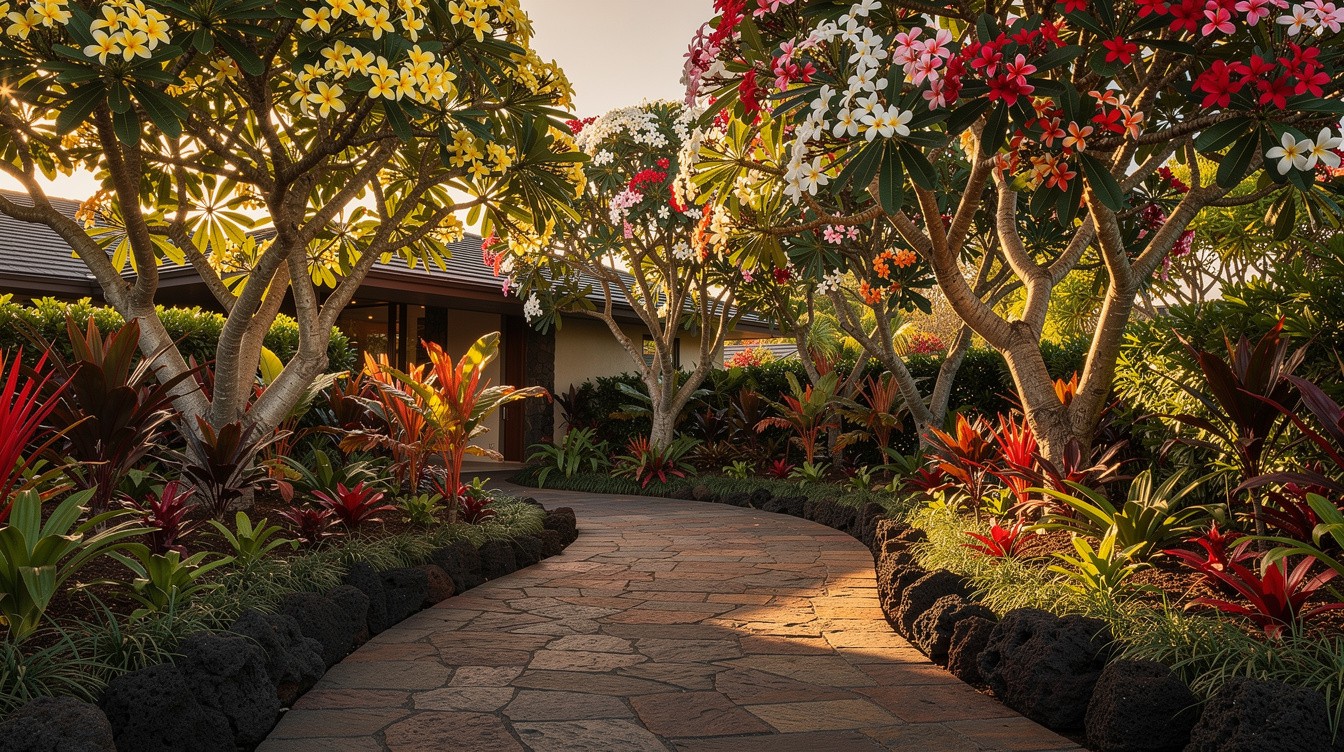
Plumeria Grove Entry with Lava Rock Border
$15–30/sqftA winding path of local lava stone pavers leads through a grove of multicolored plumeria trees whose waxy blooms—yellow, pink, red, and white—perfume the air from ground level to 20-foot canopy. Heliconia and ti plants fill the mid-level planting around the trunks, and a ground carpet of liriope and bromeliads completes the layered tropical entry. The design draws on the essential Hawaiian garden image—plumeria overhead, lava stone underfoot, and layered tropical foliage creating the sense of arrival into a genuinely different sensory world.
Bird of Paradise and Palm Garden with Koi Pond
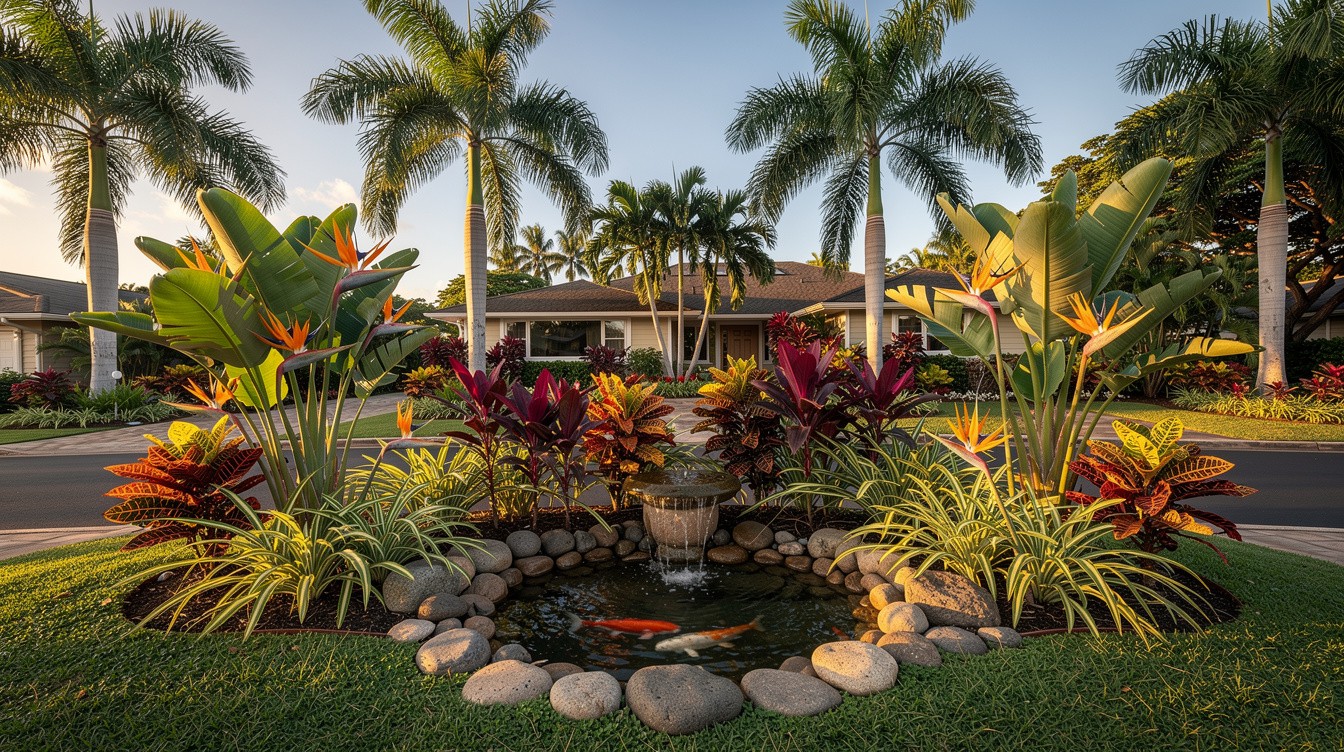
$18–38/sqftClusters of orange bird of paradise and white bird of paradise (Strelitzia nicolai) flank a small koi pond surrounded by river stones, with royal palms rising at the property corners to create a vertical framework visible from the street. Croton, Ti plant, and variegated ginger fill in the mid-story with vivid foliage color, while a carpet of dwarf mondo grass keeps the ground plane clean and weed-suppressed. The koi pond introduces the sound of water and creates a meditative focal point characteristic of thoughtful Hawaiian landscape design.
Outdoor Lanai Garden with Tropical Enclosure
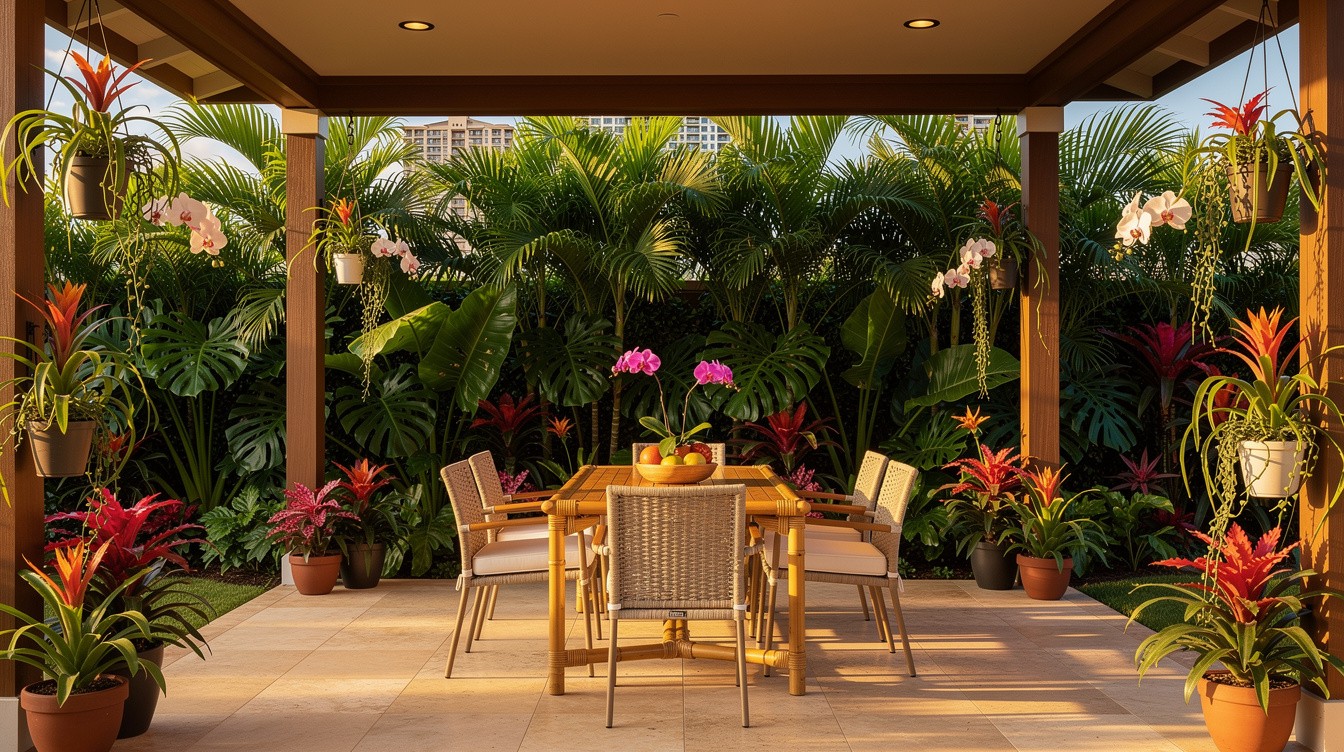
$20–45/sqftA covered lanai (the quintessential Hawaiian outdoor room) is surrounded on three sides by a dense tropical garden screen of areca palms, heliconia, and monstera that creates complete privacy from neighboring properties while filtering trade-wind breezes. Hanging orchids and potted bromeliads decorate the lanai perimeter, and a outdoor dining table with bamboo accents makes the space both functional and thoroughly tropical in character. The design maximizes Honolulu’s perfect outdoor climate with a space that feels private, lush, and genuinely Hawaiian.
Tropical Pool Garden with Full Botanical Abundance
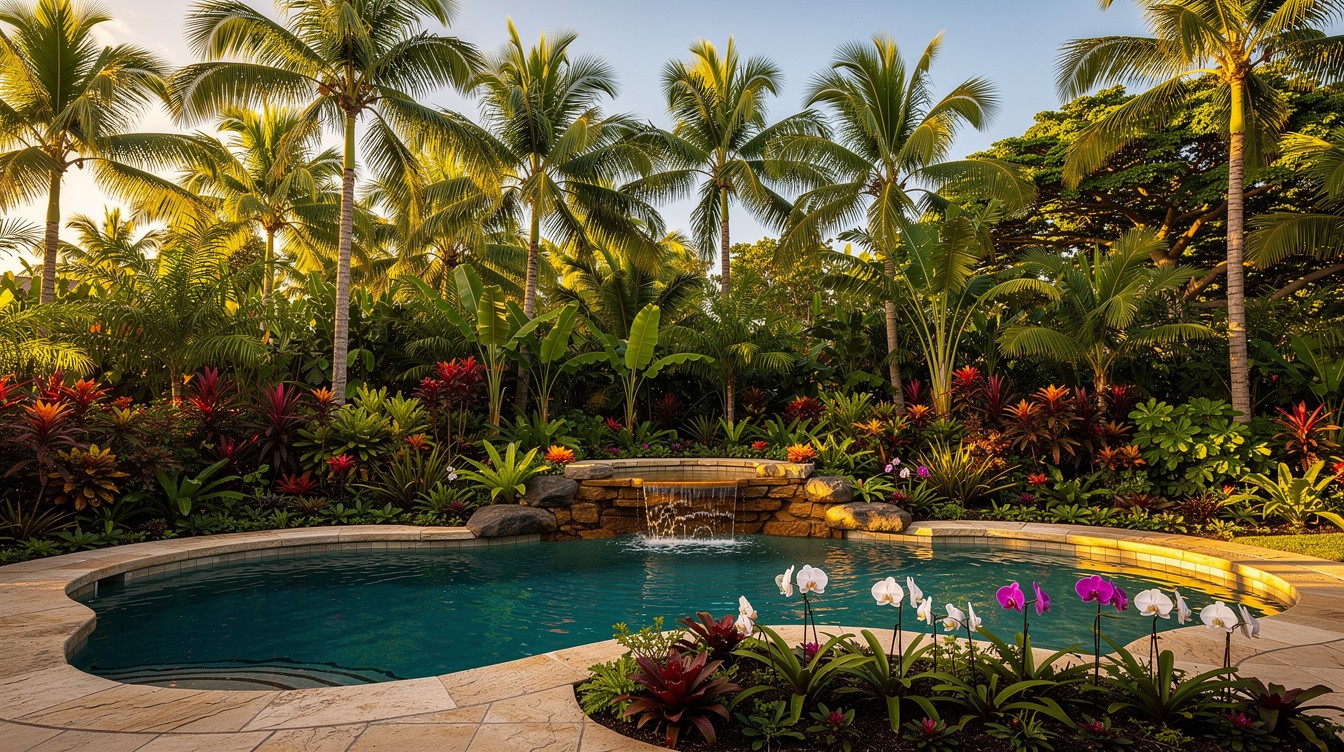
$38–80/sqftA freeform pool with natural stone coping sits within a full tropical garden enclosure of coconut palms, royal palms, heliconia, gingers, and bromeliads creating a resort-quality private landscape. A stone waterfall feature at the pool’s shallow end introduces the sound and visual movement of water. The planting design layers height from ground orchids through mid-story heliconia to tall palm canopy, creating the depth and complexity of a tropical forest rather than a residential garden. Honolulu’s year-round warmth means pool use every day of the year.
See how a tropical/lush garden looks on YOUR property
Upload a photo of your Honolulu yard and visualize your dream garden in seconds.
Try ProScapeAI Free
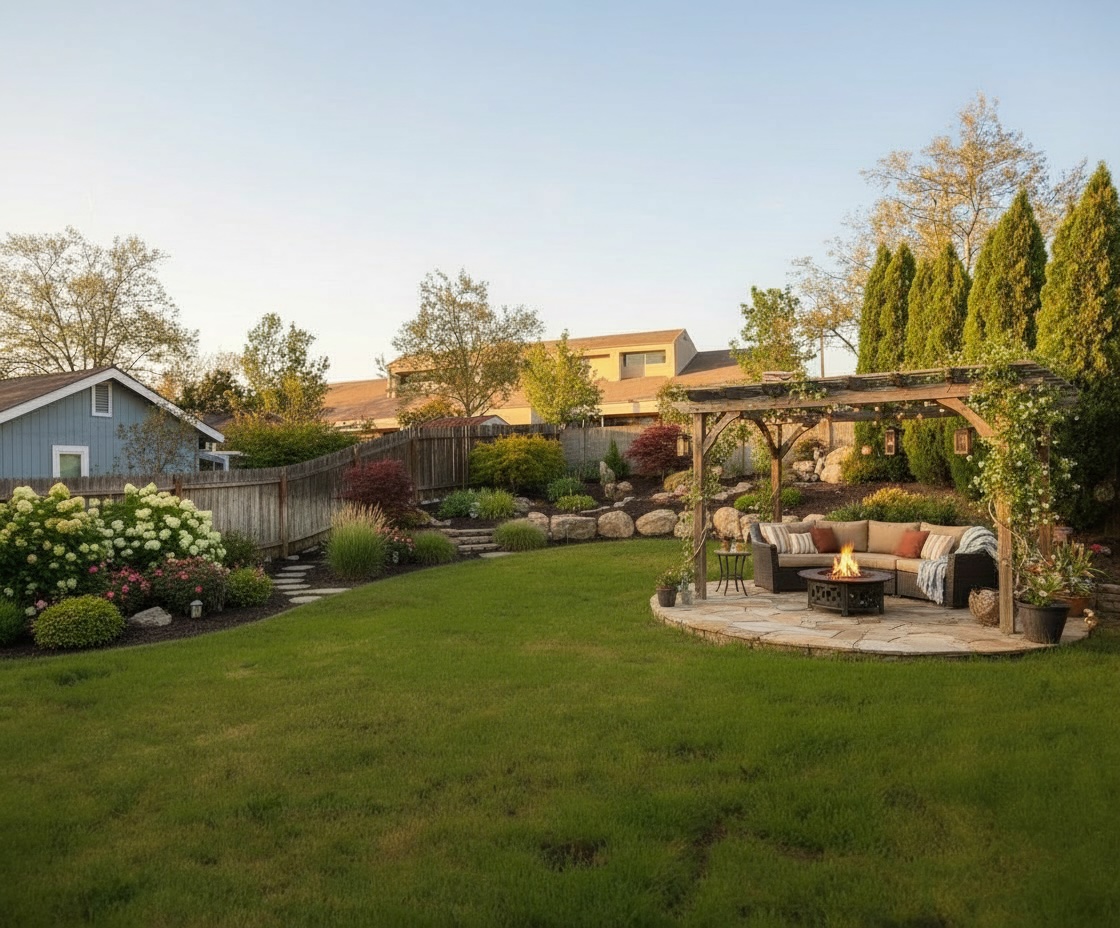
Featured Trees & Shrubs for Tropical/Lush Gardens
Browse all 150 plants for Honolulu
Cabbage Palm
Sabal palmetto
reaches 40 feet tall, white,yellow blooms in spring. Pollinator-friendly.

California Fan Palm
Washingtonia filifera
reaches 40 feet tall, white blooms in spring. Pollinator-friendly.

Canary Island Date Palm
Phoenix canariensis
reaches 40 feet tall, yellow blooms in spring. Pollinator-friendly.

Chilean Wine Palm
Jubaea chilensis
large shade tree reaching 60+ feet, purple,yellow blooms in summer. Pollinator-friendly.
Featured Grasses & Groundcovers for Tropical/Lush Gardens
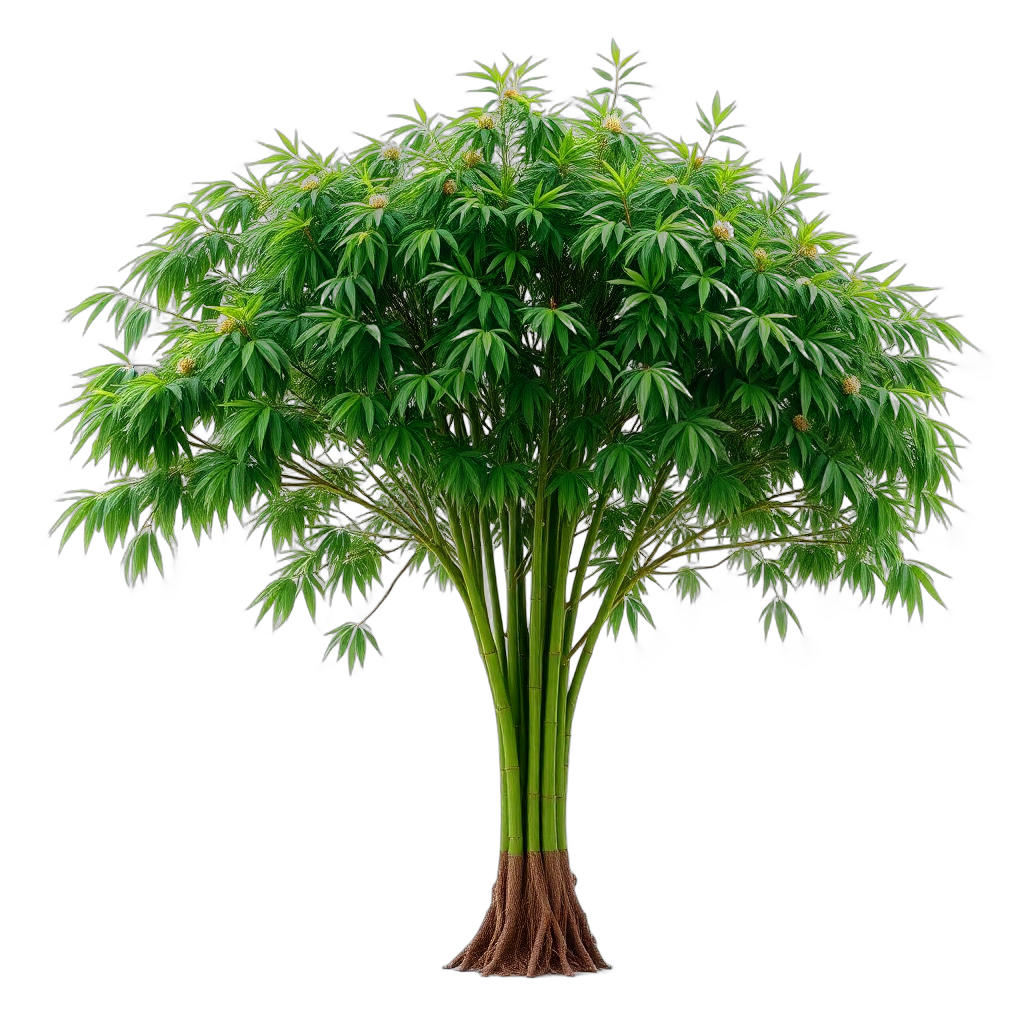
Giant Bamboo
Dendrocalamus giganteus
large shade tree reaching 90+ feet, blooms in none. Evergreen year-round.
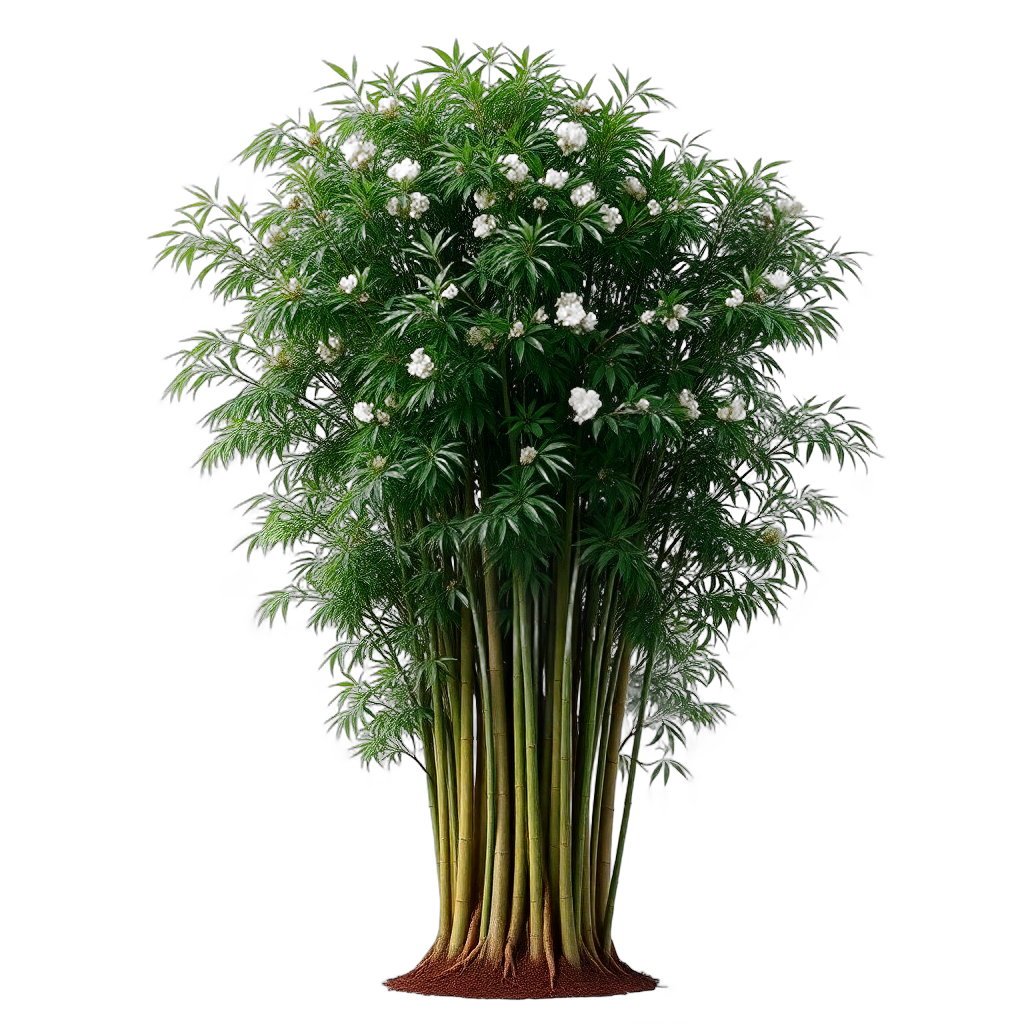
Giant Timber Bamboo
Bambusa oldhamii
large shade tree reaching 50+ feet, blooms in none. Evergreen year-round.
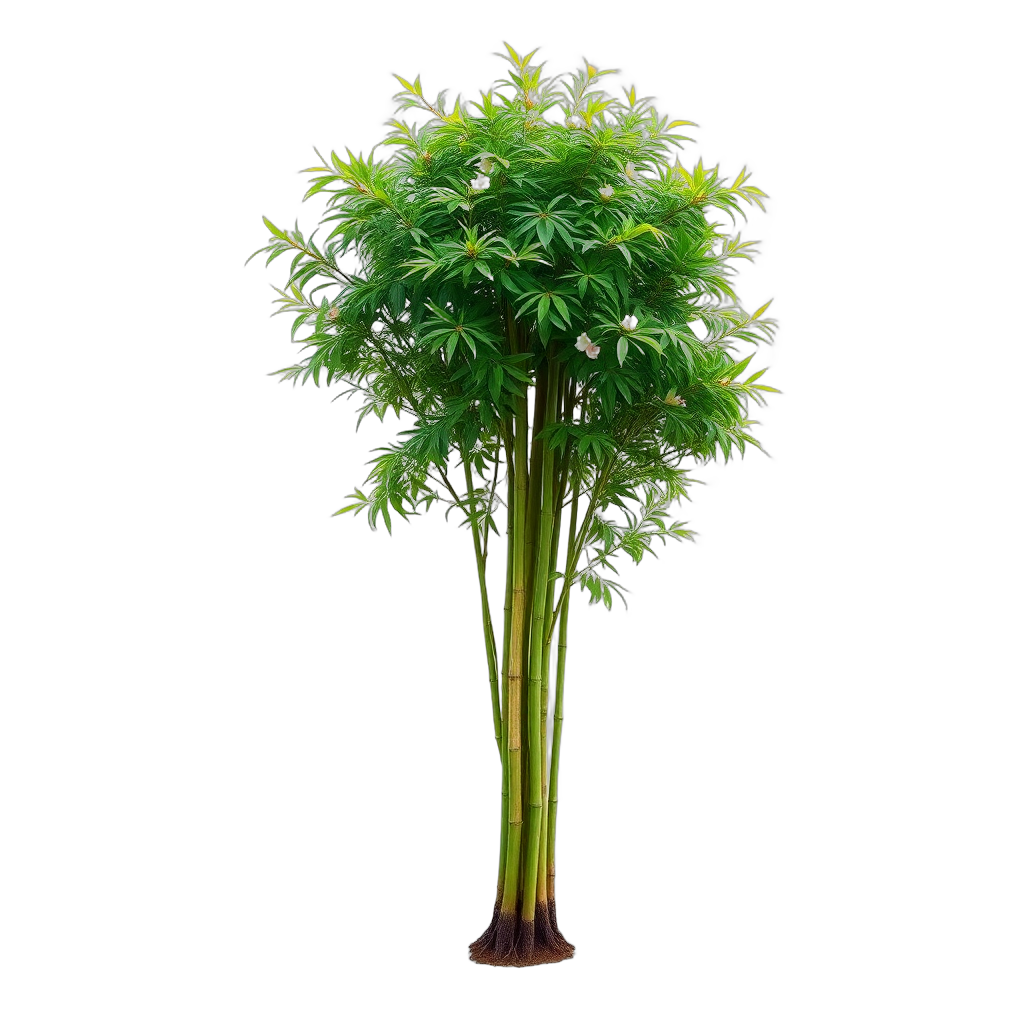
Hedge Bamboo
Bambusa multiplex
reaches 20 feet tall, blooms in none. Evergreen year-round.
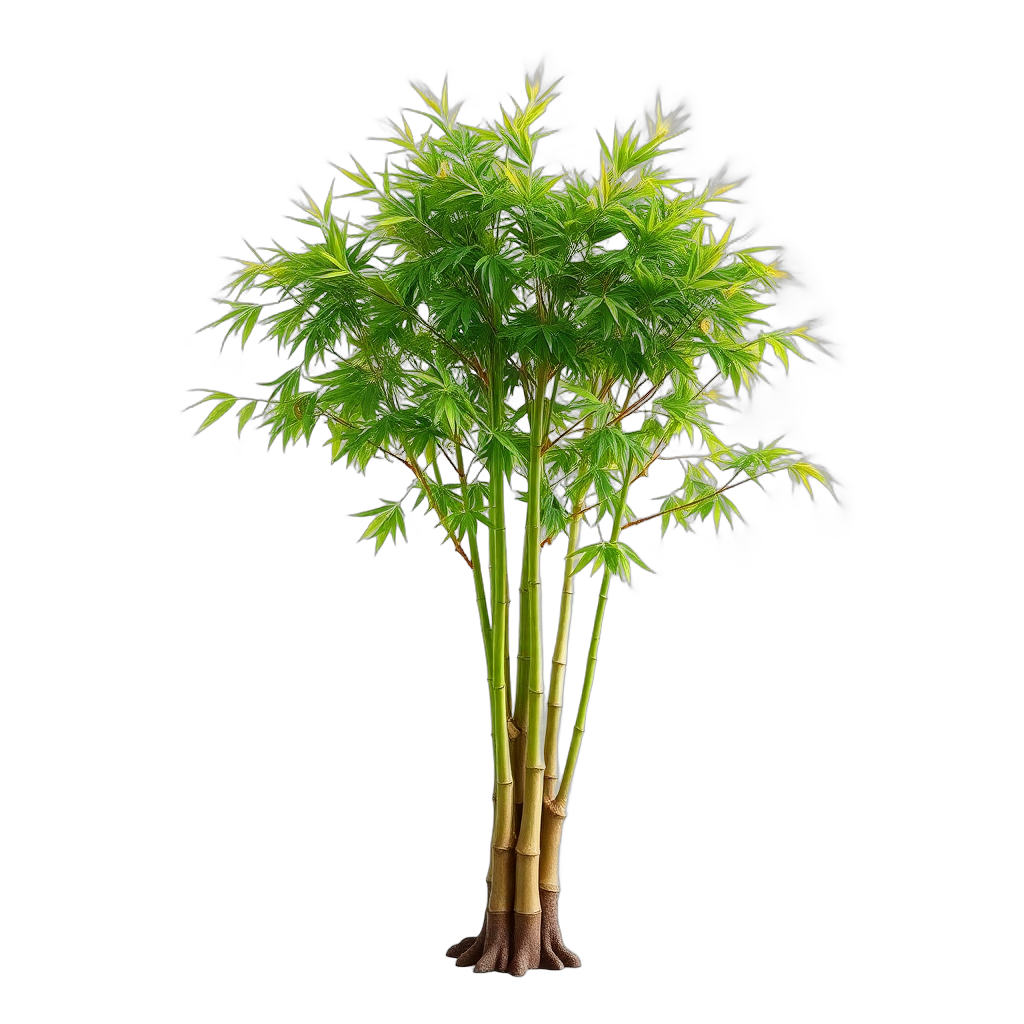
Yellow Groove Bamboo
Phyllostachys aureosulcata
reaches 30 feet tall, blooms in none. Evergreen year-round.
Featured Flowers & Perennials for Tropical/Lush Gardens

American White Water Lily
Nymphaea odorata
low-growing ground cover, white,pink blooms in summer. Attracts butterflies.

Broadleaf Arrowhead
Sagittaria latifolia
low-growing ground cover, white blooms in summer. Attracts butterflies.

European White Water Lily
Nymphaea alba
low-growing ground cover, white blooms in summer. Attracts butterflies.

Water Fern
Azolla filiculoides
low-growing ground cover, blooms in none. Red fall color.
Zone and sun checks come from our database — confirm with your local nursery before you buy.
Bloom Calendar for Honolulu
spring
Wild Celery, African Daisy, African Daisy Hybridsummer
American White Water Lily, Broadleaf Arrowhead, European White Water Lilyfall
American White Water Lily, Broadleaf Arrowhead, African Daisywinter
Limited bloomsDesign Tips for Honolulu (Zone 11a)
- Layer your tropical garden vertically—ground level orchids and bromeliads, mid-story heliconia and gingers, upper-story plumeria and palms—the depth created by multiple height layers is what makes tropical gardens feel truly lush rather than flat
- Use local lava rock as the primary hardscape material—it connects the landscape to Hawaii’s geological identity, drains perfectly in rain, and develops a beautiful moss patina in shaded areas that no imported material can replicate
- Plant plumeria trees as your backbone structure first—they grow slowly, so starting them early means you have mature, fragrant canopy within 8–10 years; everything else fills in around them
- Design for Honolulu’s trade winds by placing wind-tolerant plants on the windward property edge and reserving large-leaved specimens (monstera, heliconia) for sheltered interior spots
- Incorporate water features early—a koi pond or stone waterfall adds the sound dimension that completes the sensory experience of a tropical garden, and the masonry work is expensive to add after planting is mature
- Fertilize tropical plants quarterly with a slow-release tropical formula—Hawaii’s leached oxisol soils can’t sustain peak growth without supplemental nutrition, and well-fed plants are the difference between a lush garden and a struggling one
Where to Source Plants in Honolulu
Skip the big-box stores. These independent Honolulu nurseries specialize in the plants that make tropical/lush gardens thrive in Zone 11a.
Kawamoto Orchid Nursery
Kalihi
Premier Honolulu orchid nursery—outdoor orchid varieties, tropical accent plants, and expert advice on outdoor cultivation in Zone 11a
Rogers Bromeliad Nursery
Kaneohe
Specialty bromeliad and tropical foliage nursery—exceptional selection of outdoor bromeliads, ti plants, and tropical specimens
Liliha Bakery Garden Center
Liliha
Community nursery with tropical cottage plants, potted palms, and locally adapted annuals
Green World Farms
Central Oahu
Working farm and nursery selling tropical plants including heliconia, ginger, and unusual foliage plants to the public
Home Depot Garden Center
Multiple Oahu locations
Convenient source for palms, plumeria, and standard tropical landscape plants throughout the island
Tropical/Lush Landscaping Costs in Honolulu
| Project Scope | Estimated Cost |
|---|---|
| Plumeria grove entry with lava stone path and layered tropical planting | $15,000 – $35,000 |
| Bird of paradise and palm garden with koi pond | $20,000 – $45,000 |
| Backyard lanai garden with tropical privacy screening | $22,000 – $50,000 |
| Freeform pool with stone waterfall and full tropical garden | $85,000 – $200,000+ |
| Soil amendment and drip irrigation system for established garden | $3,500 – $9,000 |
| Annual tropical garden maintenance | $3,000 – $8,000/year |
| AI visualization with ProScapeAI | Free to start |
Estimates based on Honolulu, HI-area contractor rates as of 2026. Actual costs vary by site conditions, materials, and contractor.
Honolulu Climate & Growing Zone

USDA Zone 11a
Hardiness zone for Honolulu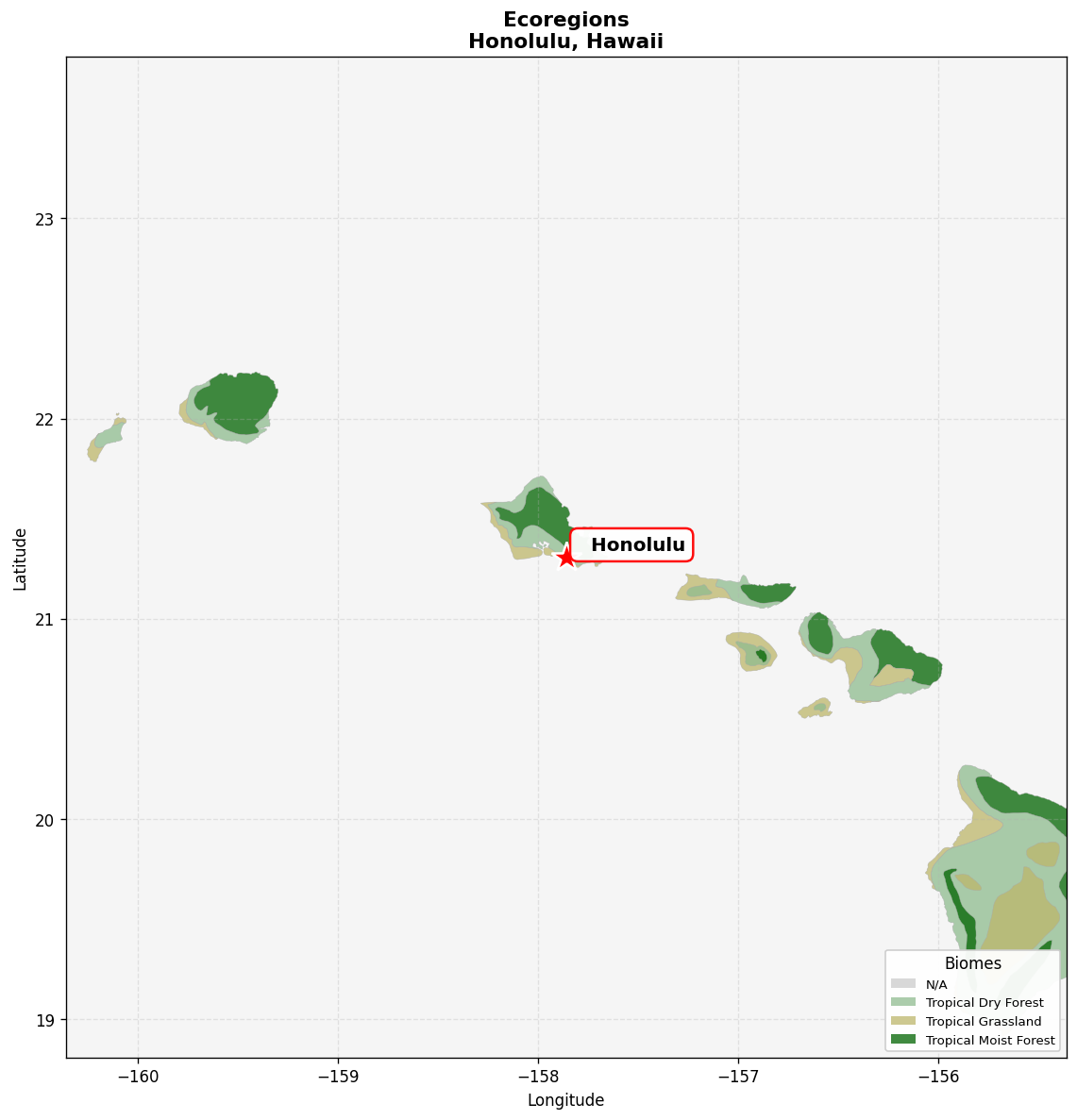
Hawai'i tropical dry forests
Native ecoregionFrequently Asked Questions
What tropical plants grow best in Honolulu’s Zone 11a climate?
Honolulu’s frost-free Zone 11a supports virtually the entire tropical plant palette. Exceptional performers: plumeria (multiple colors, fragrant year-round blooms), bird of paradise (orange and white varieties, perennial clumping), heliconia (spectacular bracts in red, orange, and yellow), royal and coconut palms (dramatic architecture), croton (vivid foliage color), Hawaiian hibiscus (native, flowers daily), monstera (bold tropical foliage), orchids (dozens of species grow outdoors year-round), bromeliads (low-maintenance color), and ginger (Hedychium species, fragrant summer blooms). Choose plants appropriate to your neighborhood’s rainfall—leeward areas need more drought-tolerant selections.
How do I work with Honolulu’s red laterite soil?
Hawaii’s oxisol soils are well-draining but nutrient-poor from millennia of tropical rainfall leaching. Before planting, work several inches of quality compost into planting beds and apply a slow-release fertilizer designed for tropical plants. Top-dress beds annually with 2–3 inches of organic mulch (local wood chips from tree services are economical) to maintain soil biology. Container gardening—which allows precise soil mix control—is popular in Honolulu partly because of this soil challenge. For large landscape planting, a quarterly fertilizer program keeps tropical specimens growing at their full potential.
Does Honolulu need irrigation for a tropical garden?
It depends on your neighborhood’s rainfall pattern. Windward areas (Nuʻuuānu, Kāneʻohe, Kāhala) receive 30–60 inches annually—established tropical gardens often need no supplemental irrigation once roots are established. Leeward areas (Waikiki, ʻAiea, Pearl City) receive only 16–24 inches annually, making efficient drip irrigation essential for a lush tropical garden. Trade winds also have a drying effect on plants—even in wetter neighborhoods, new plantings need irrigation for the first year. A smart irrigation controller responding to rainfall sensors is worth the investment for any large Honolulu garden.
What are the best orchids for an outdoor Honolulu garden?
Zone 11a allows orchids to grow outdoors year-round in Honolulu—one of the few places in the United States where this is possible. Best outdoor performers: Dendrobium orchids (hanging from trees or mounted on lava rock walls), Vanda orchids (grown in hanging baskets in full sun), Spathoglottis (terrestrial orchids in ground beds), and Epidendrum (colorful terrestrial orchids for border accents). Most orchids prefer to be mounted or grown in loose, free-draining media rather than planted in soil. Place them under partial shade of large tropical trees for ideal light conditions.
How do trade winds affect Honolulu landscape design?
Honolulu’s northeast trade winds blow at 10–18 mph for much of the year—a significant design factor. Wind-tolerant plants on the windward side of a property include native Hawaiian plants, palms, croton, and ti plants that flex without breaking. Large-leaved plants like monstera and heliconia are best placed in sheltered spots where wind won’t shred the foliage. Trade winds also affect outdoor room design—position covered lanai structures and seating areas with windward protection or design windbreaks with dense bamboo or hedge material to create calm zones for outdoor dining.
How much does a tropical landscape installation cost in Honolulu?
Honolulu landscaping costs are among the highest in the nation due to the island’s shipping costs for materials, high labor rates, and strong demand from the luxury real estate market. A plumeria grove front entry with lava stone pavers and layered tropical planting typically costs $15,000–$35,000. A backyard lanai garden with tropical privacy screening runs $22,000–$50,000. A full pool garden with botanical tropical planting ranges $80,000–$200,000+. Annual maintenance for an established tropical garden runs $3,000–$8,000/year given Honolulu’s year-round growing season and vigorous plant growth.