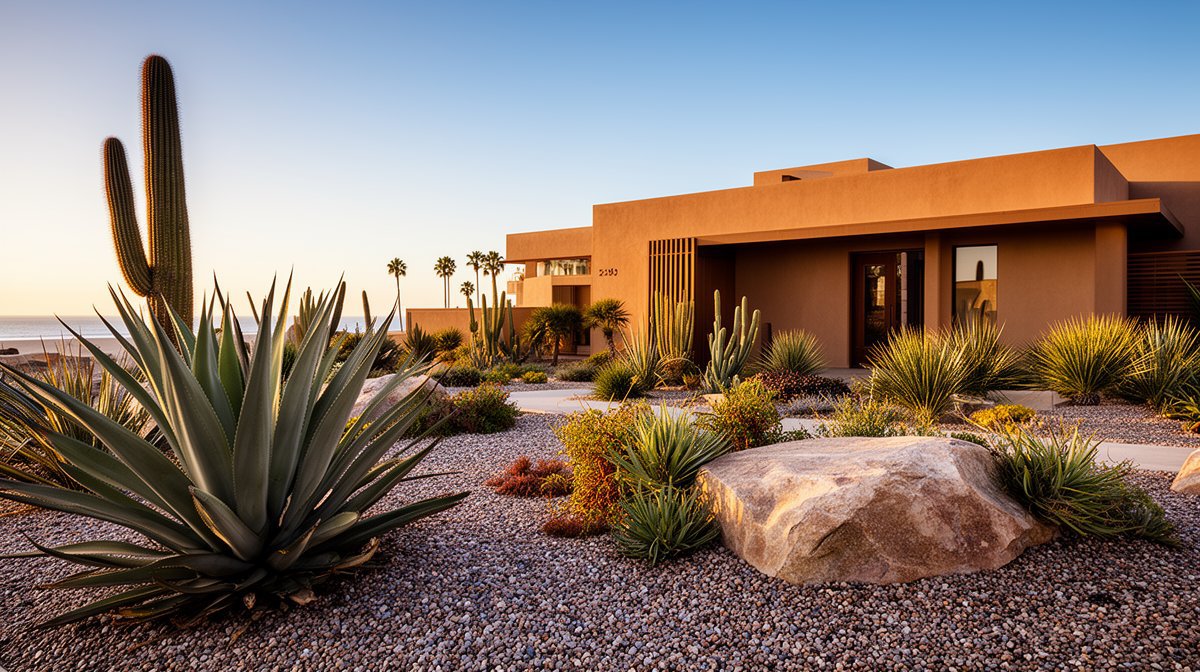
4 Desert Garden Ideas for Irvine, CA | Zone 10a California Coastal Sage Xeriscape
Native plants from the California coastal sage and chaparral (Zone 10a) — Cold semi-arid climate
Why Desert/Xeriscape Gardens in Irvine?
Irvine sits within the California coastal sage and chaparral ecoregion — one of the world’s five true Mediterranean climate zones, where drought-adapted shrubs, native bunch grasses, and flowering chaparral plants have evolved over millennia to thrive on winter rain and summer drought. The Irvine landscape is shaped by its position between the Santa Ana Mountains to the east and the Pacific Ocean to the west, creating a climate that is mild year-round but genuinely arid in the summer and early fall months when natural rainfall is minimal.
Irvine averages only 12–14 inches of rainfall annually, almost entirely concentrated in the winter months from November through March. The Santa Ana wind events of fall and winter can desiccate landscapes rapidly, and Southern California’s ongoing drought conditions and water rate structures make drought-tolerant landscaping not merely an aesthetic choice but an economic and civic necessity for Orange County homeowners. The Metropolitan Water District of Southern California and Irvine Ranch Water District have both invested heavily in rebate programs that reward turf removal and xeriscape installation.
Irvine’s planned community structure — developed under the Irvine Company’s master plan with neighborhoods like Woodbridge, Northwood, Turtle Rock, and Shady Canyon — creates a distinctive landscape context. The city’s strong HOA culture means that xeriscape design must balance water conservation goals with neighborhood aesthetic standards. California coastal sage scrub plants — native sage, monkeyflower, toyon, and ceanothus — combined with Mediterranean herbs and carefully placed boulders create landscapes that satisfy both criteria: they are beautiful, ecologically appropriate, and water-independent.
4 Desert/Xeriscape Design Ideas for Irvine
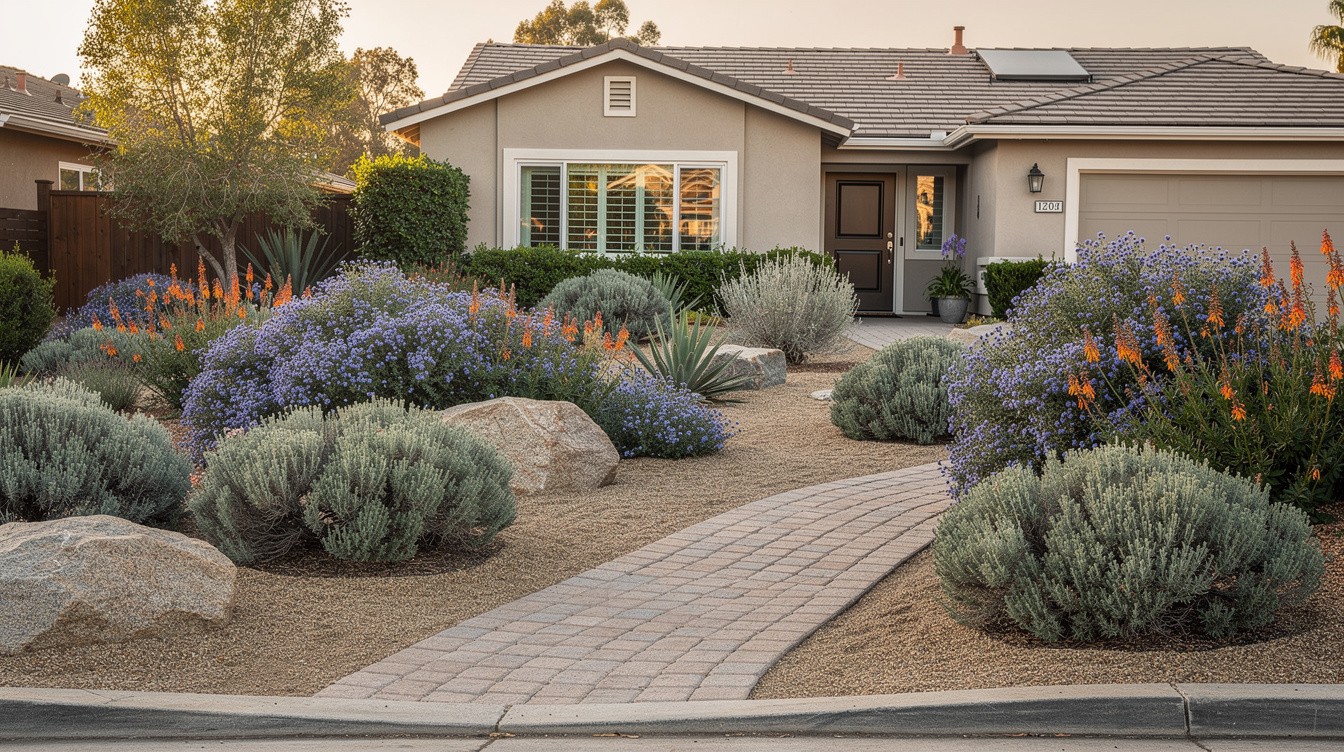
The California Coastal Sage Front Yard
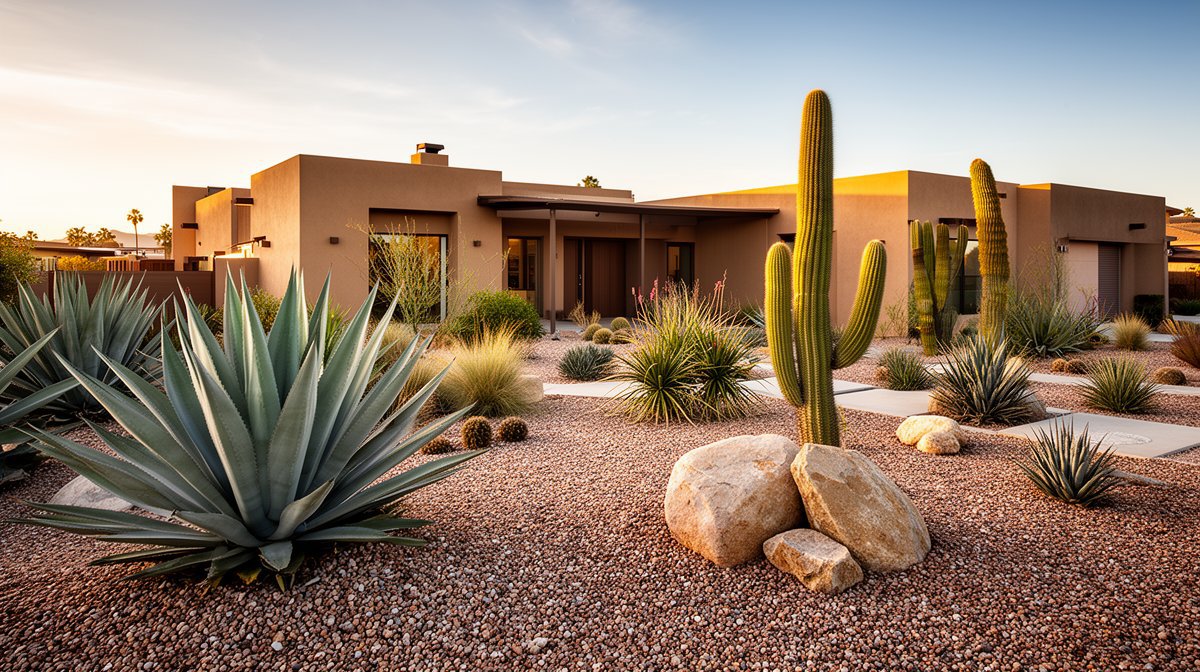
$5–12/sqftAn Irvine front yard transformed from thirsty turf to a California coastal sage and chaparral landscape: native Cleveland sage (Salvia clevelandii) creates the fragrant grey-green shrub layer, releasing its extraordinary herbal scent on warm afternoons. California lilac (Ceanothus) in one of its many cultivated forms provides the most spectacular California native bloom in March–April — a cloud of blue-purple flowers that is the definitive Orange County spring display. Native black sage, white sage, and California fuchsia (Epilobium) complete the palette. Decomposed granite in California buff or warm grey covers all groundplane areas. Placed granite boulders add natural mass and regional character. A simple cobblestone or DG path from the street to the front door creates a clean entry line. This design qualifies for IRWD and MWD turf replacement rebates.
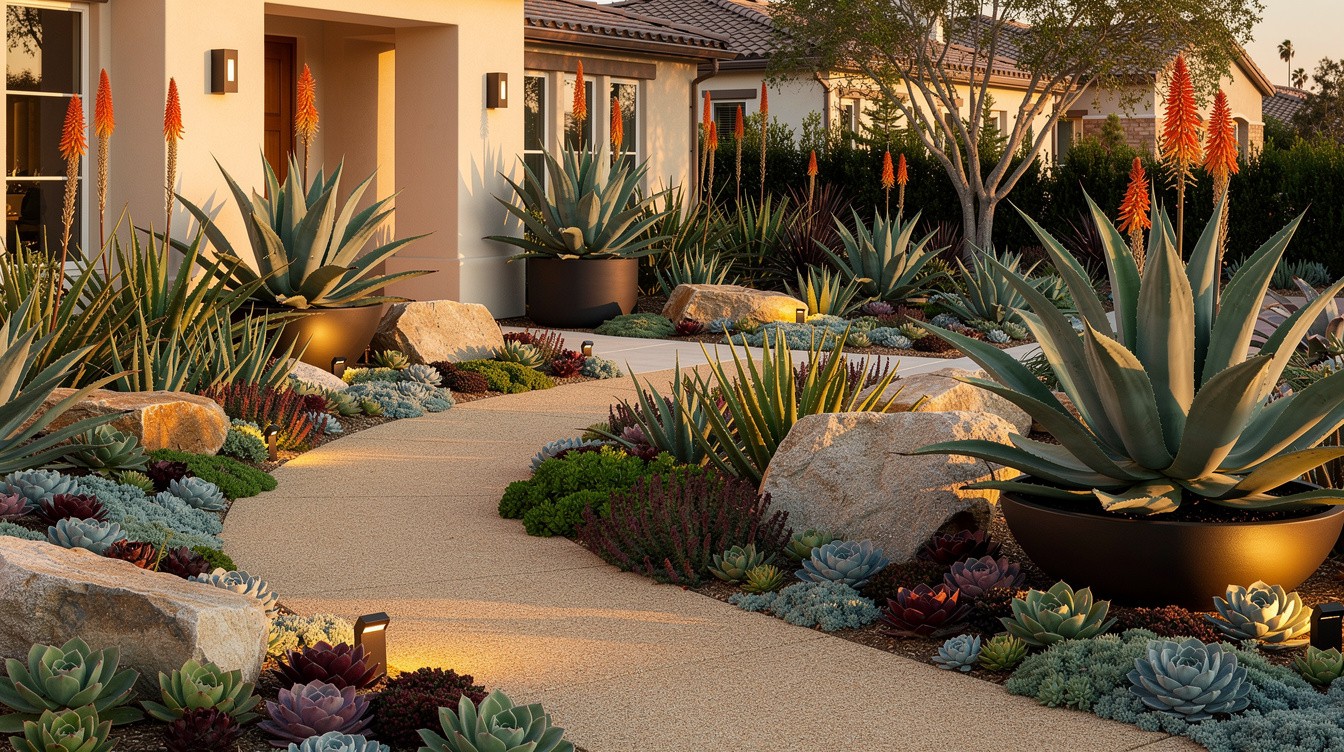
The Succulent and Agave Sculpture Garden
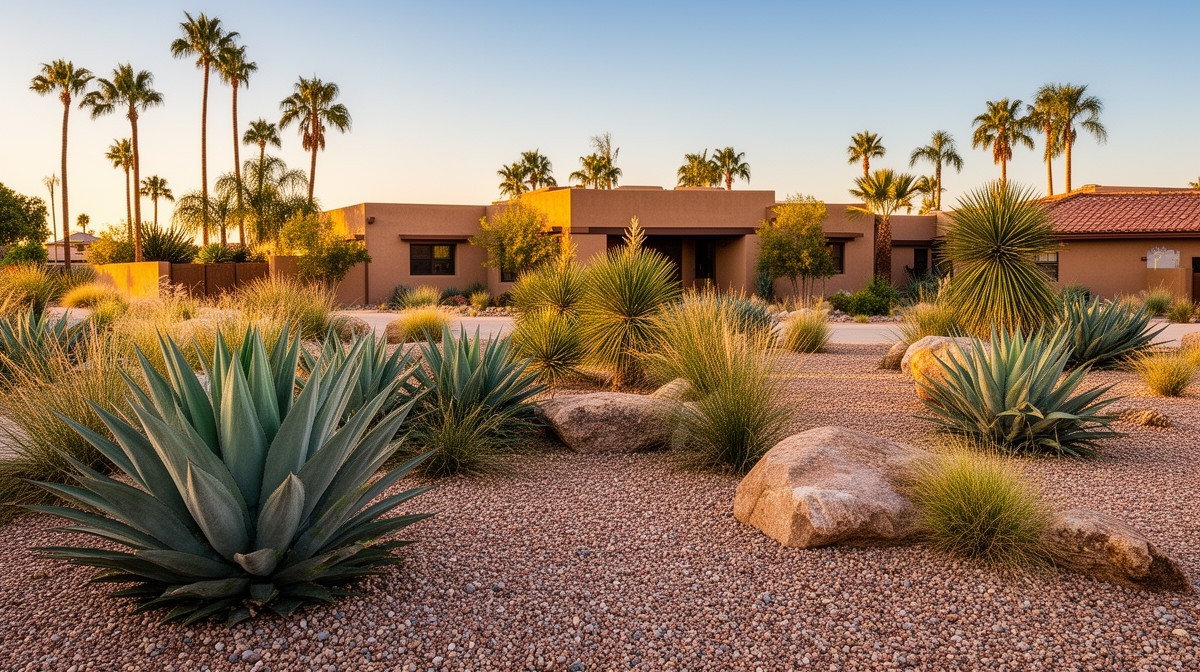
$6–14/sqftAn Irvine front or side yard designed as a Mediterranean succulent sculpture garden: large specimen agaves — Agave attenuata (soft agave, the Irvine standard for non-spiny residential use) and Agave americana in containers — create the bold architectural framework. Aloe vera and Aloe arborescens clusters add color from November through February with their extraordinary orange-red flowering at the peak of the winter gardening season. Mixed echeveria and aeonium carpet the DG groundplane. Placed Bouquet Canyon stone or local river rock creates natural mass between specimens. Low-voltage LED uplighting on the agave specimens creates dramatic evening silhouettes. A simple concrete or DG path threads through the composition. This design requires essentially zero irrigation after establishment in Irvine’s Zone 10a climate.
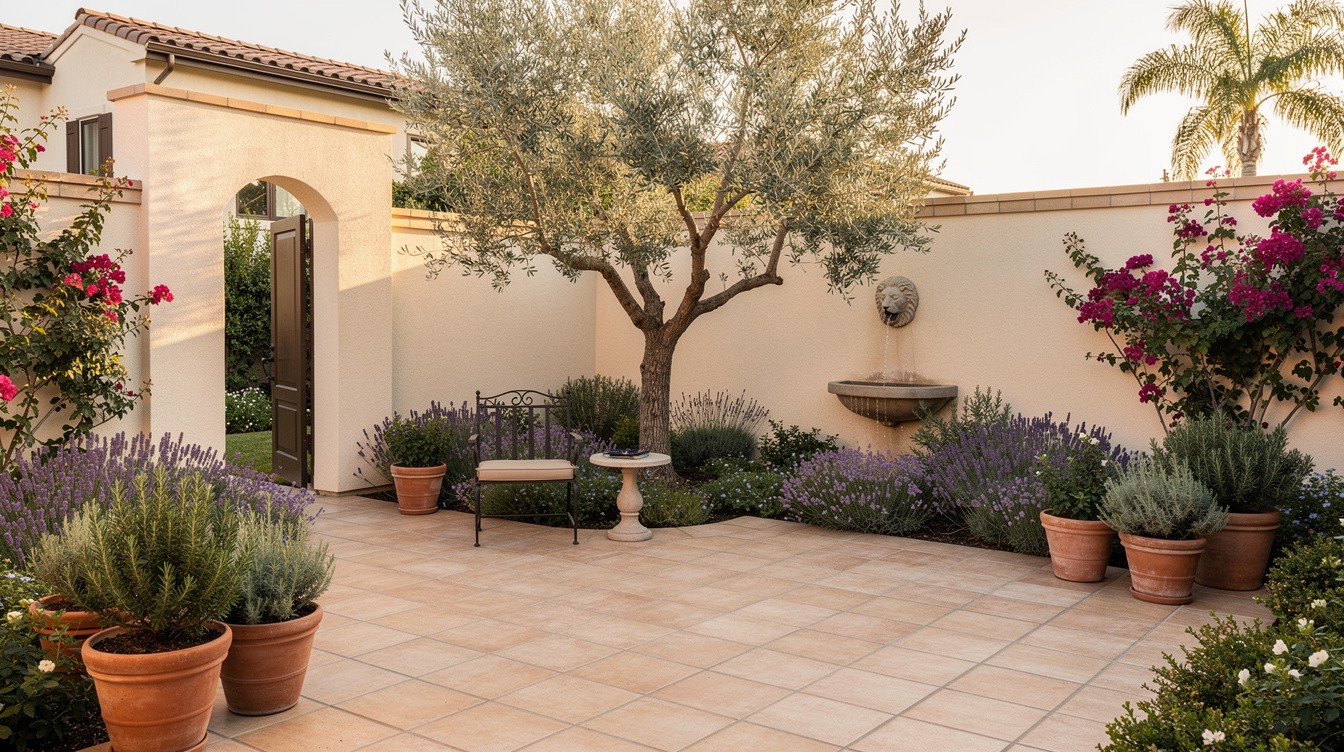
The Mediterranean Courtyard Garden
$14–28/sqftAn Irvine side or backyard designed as an enclosed Mediterranean courtyard: a low stucco or concrete block wall creates the courtyard perimeter with a simple arched or rectangular gateway. Inside, a Saltillo tile or large concrete paver floor anchors the space. A single mature olive tree (Olea europaea) at the courtyard’s center provides filtered shade, Mediterranean character, and the silver-grey foliage that catches Southern California’s coastal light beautifully. Lavender in mass plantings along the courtyard walls fills the space with fragrance from May through August. A simple concrete water feature — a wall-mounted lion’s head or simple basin — creates the quiet sound of moving water. Rosemary, Mediterranean herbs, and bougainvillea in terracotta containers complete the palette. This courtyard is comfortable year-round in Irvine’s mild Zone 10a climate.
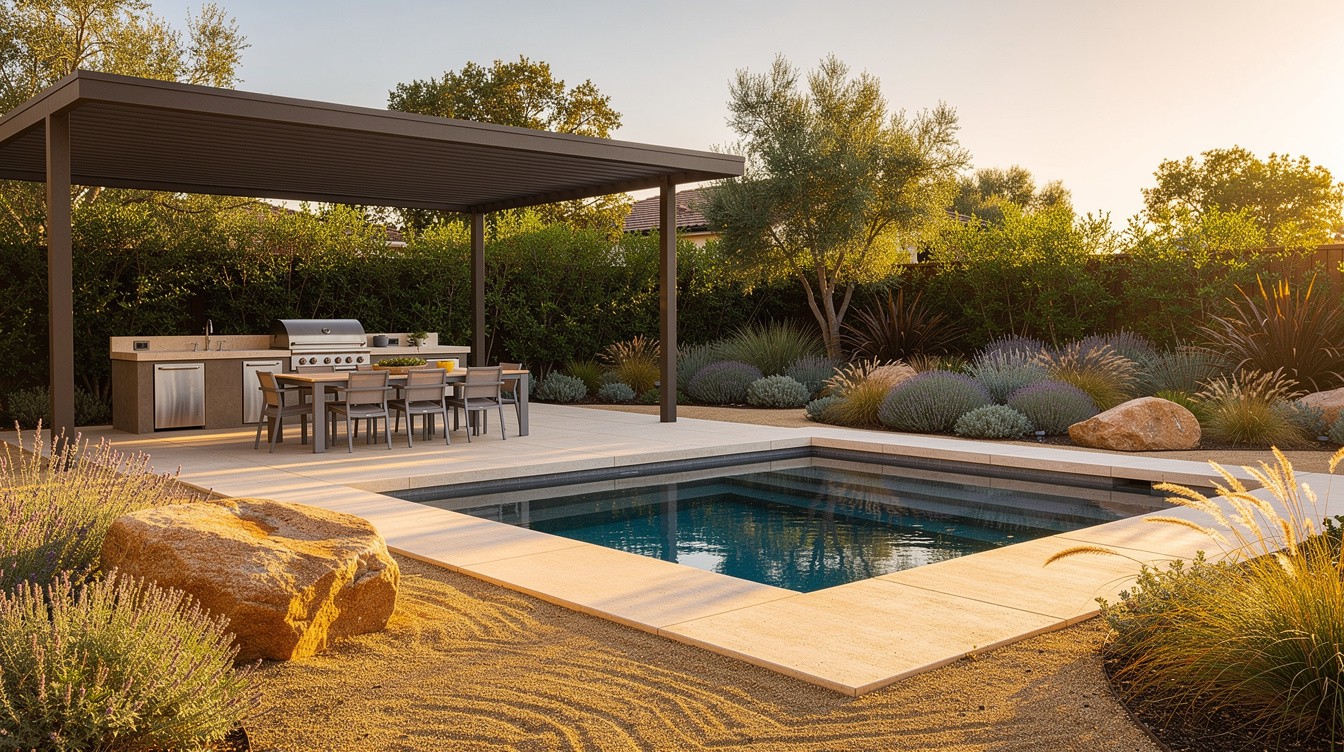
The Modern Xeriscape Pool Landscape
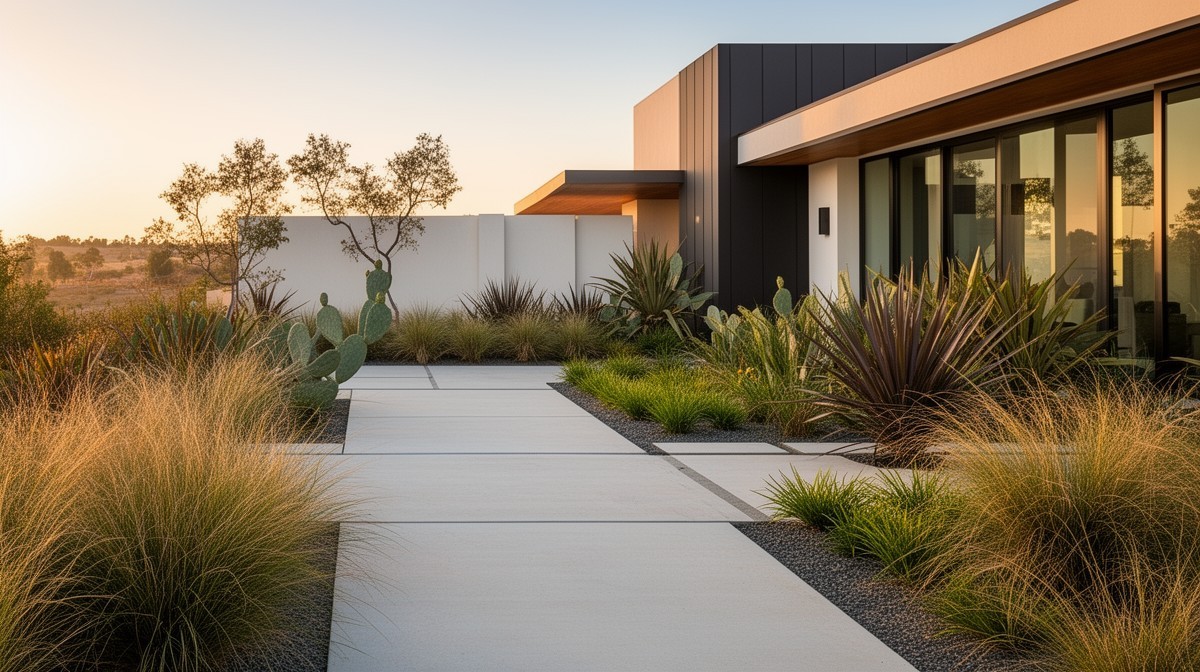
$30–65/sqft (complete project)A premium Irvine backyard combining a pool with a California-modern xeriscape landscape: a rectangular pool with travertine or concrete coping and a wide deck is used virtually year-round in Zone 10a’s mild climate. A solid Alumawood or steel shade structure covers the outdoor kitchen and lounge area. Native sages, ceanothus, and ornamental grasses frame the pool perimeter in DG groundplane. Placed granite boulders add natural mass and warm orange-grey color. An outdoor kitchen with stainless and concrete anchors the covered dining area. The entire landscape outside the pool deck is California-native-planted and irrigation-free after the first establishment season, creating a pool landscape with very low ongoing water costs — critical in Orange County’s tiered water rate structure. The combination of year-round swimming, drought-tolerant planting, and Southern California’s outdoor living climate creates an exceptional residential environment.
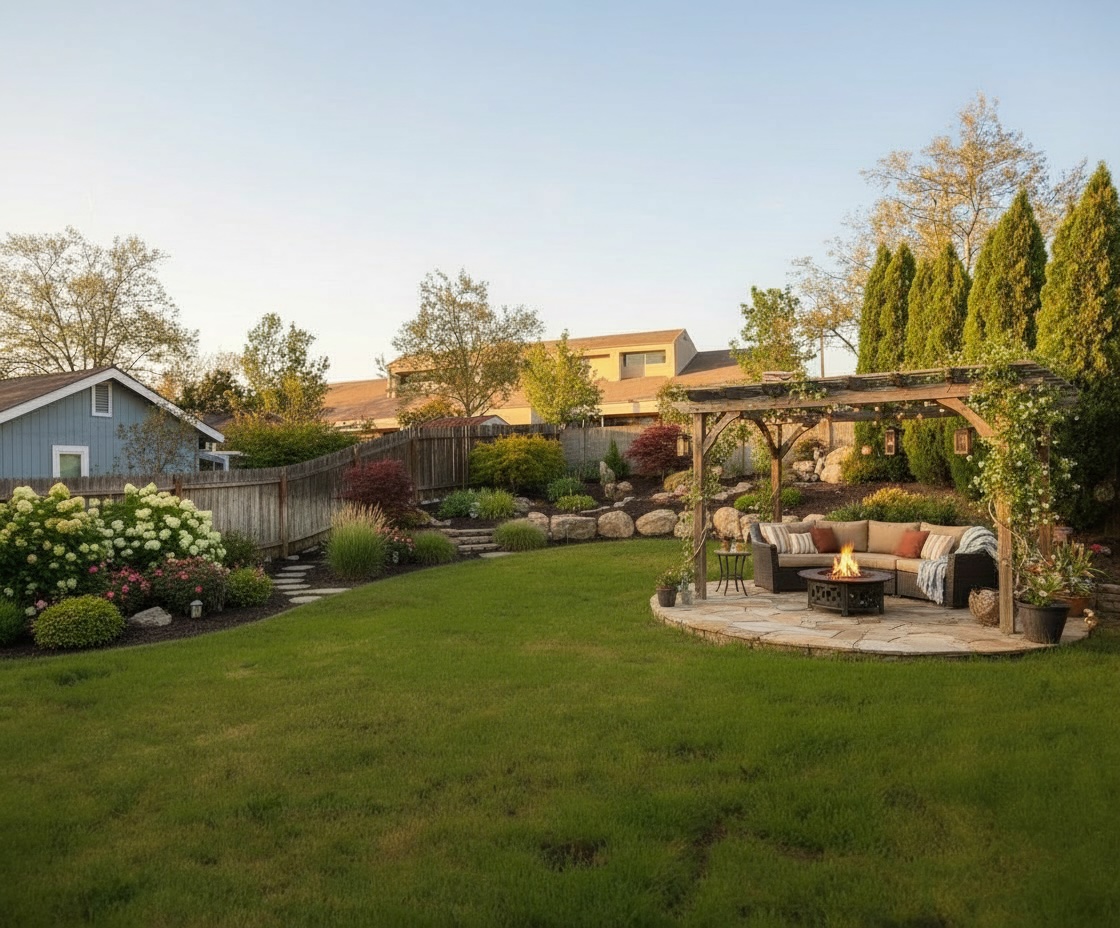
See how a desert/xeriscape garden looks on YOUR property
Upload a photo of your Irvine yard and visualize your dream garden in seconds.
Try ProScapeAI Free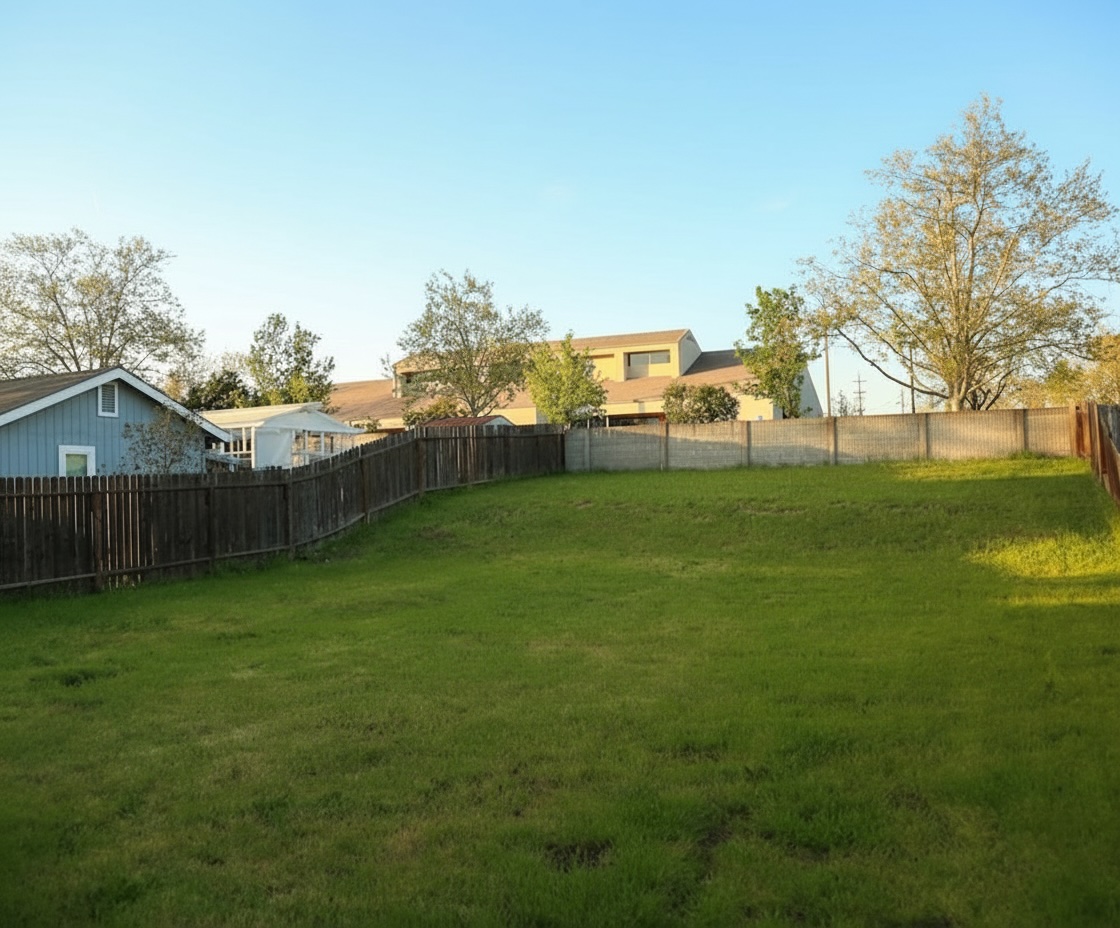
Featured Trees & Shrubs for Desert/Xeriscape Gardens
Browse all 115 plants for Irvine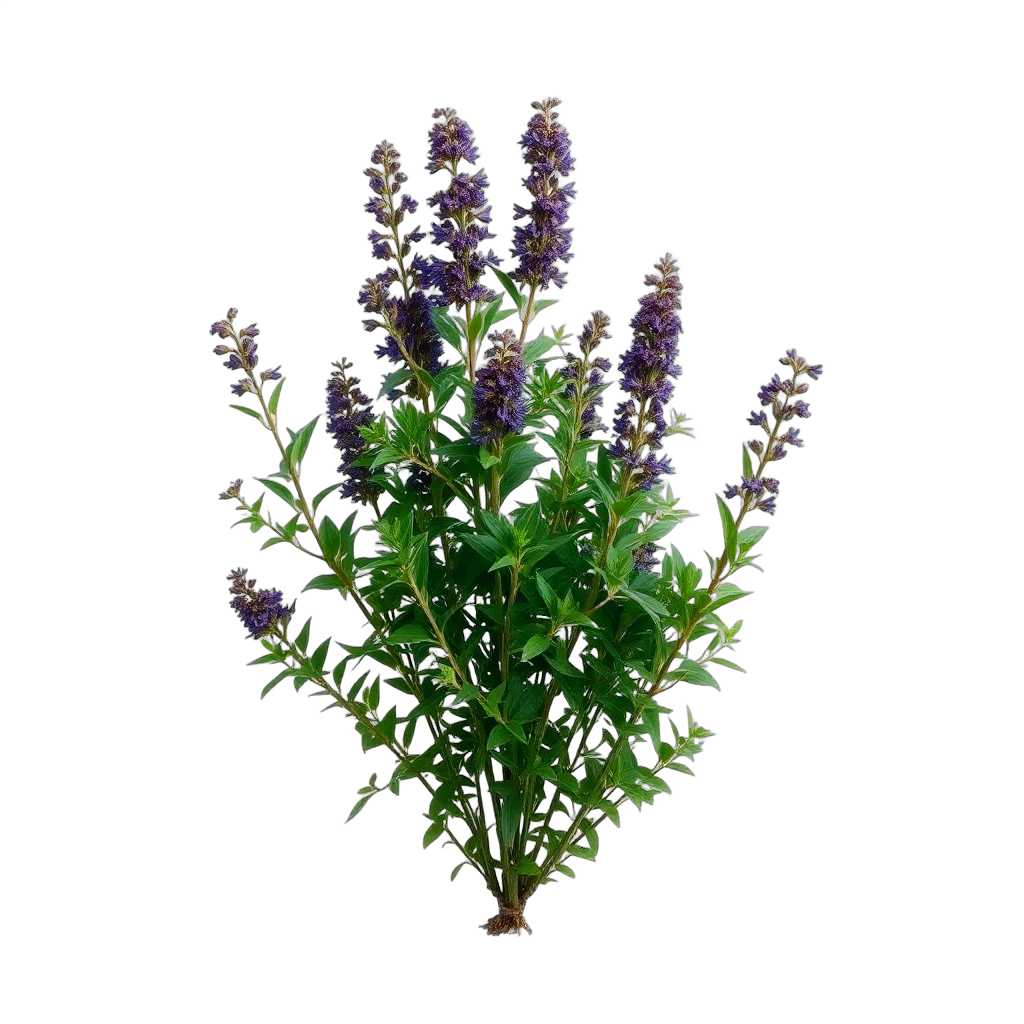
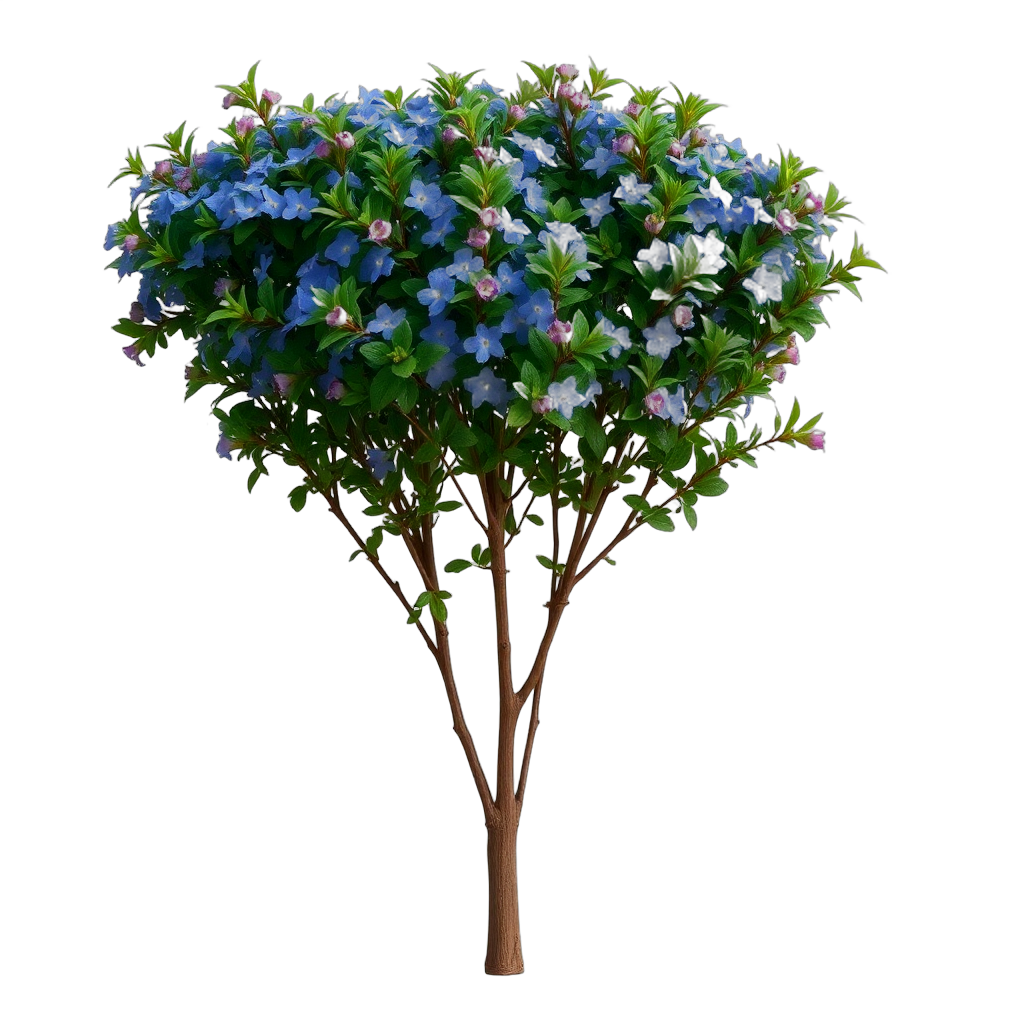
Black Sage
Salvia mellifera
grows to 4 feet, white blooms in spring. Attracts butterflies.
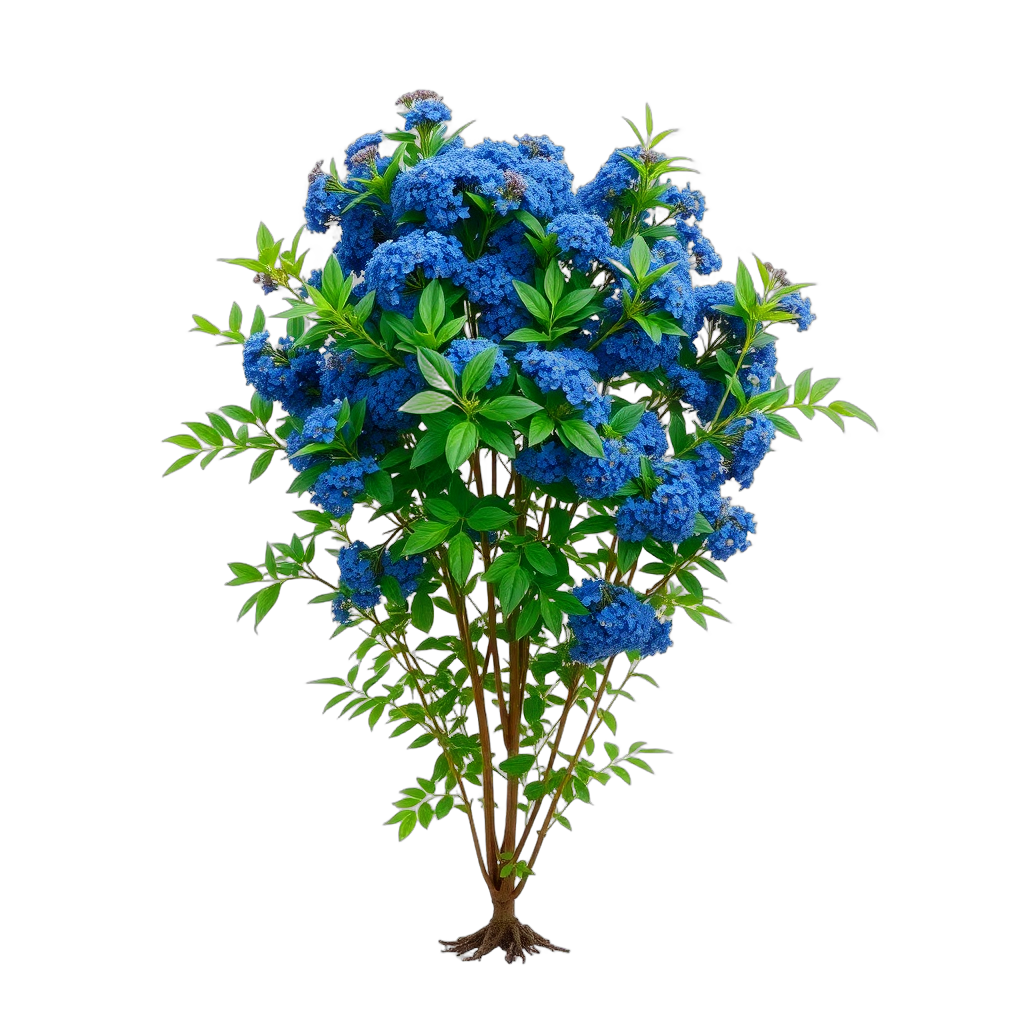
Blue Blossom
Ceanothus thyrsiflorus
medium-sized at 12 feet, blue blooms in spring. Attracts butterflies.
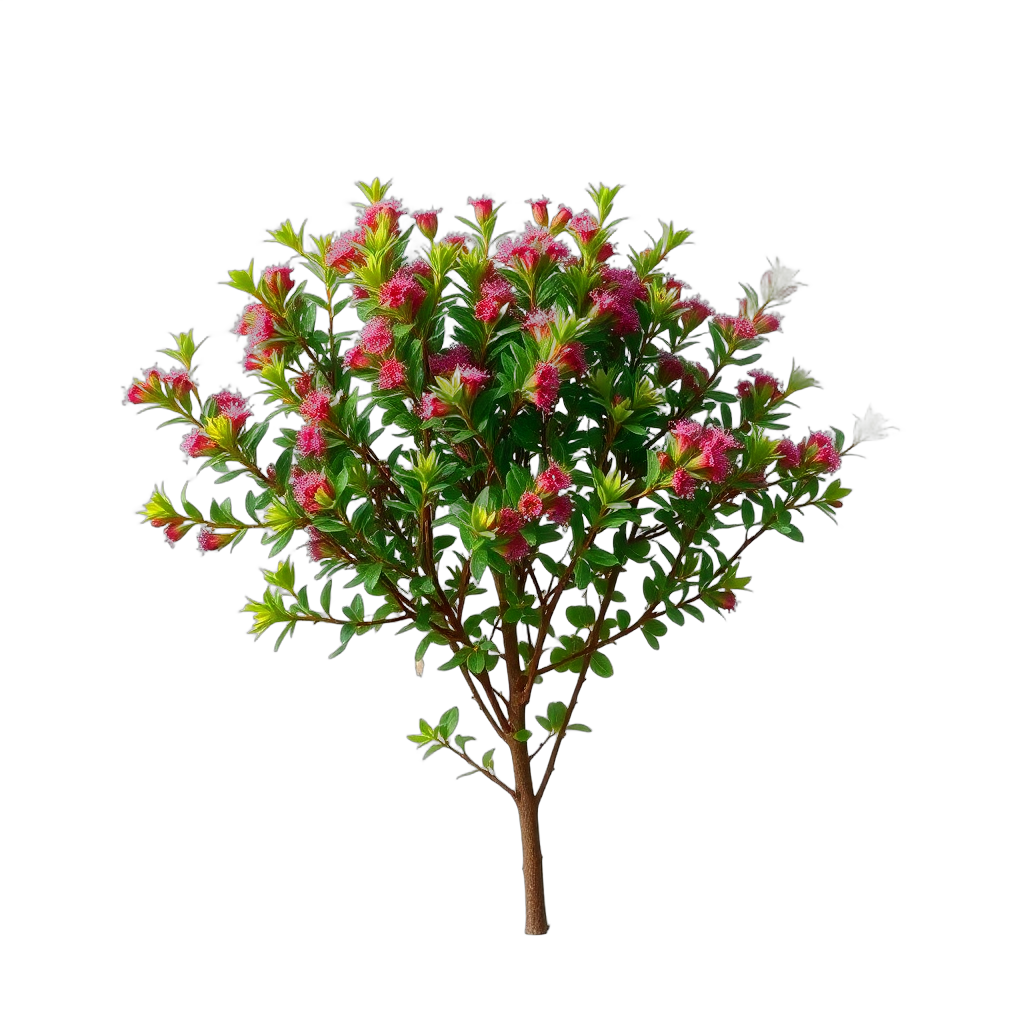
Blue Elderberry
Sambucus cerulea
medium-sized at 15 feet, white blooms in spring. Attracts butterflies.
Buckbrush
Ceanothus cuneatus
medium-sized at 7 feet, white blooms in spring. Attracts butterflies.
Featured Grasses & Groundcovers for Desert/Xeriscape Gardens
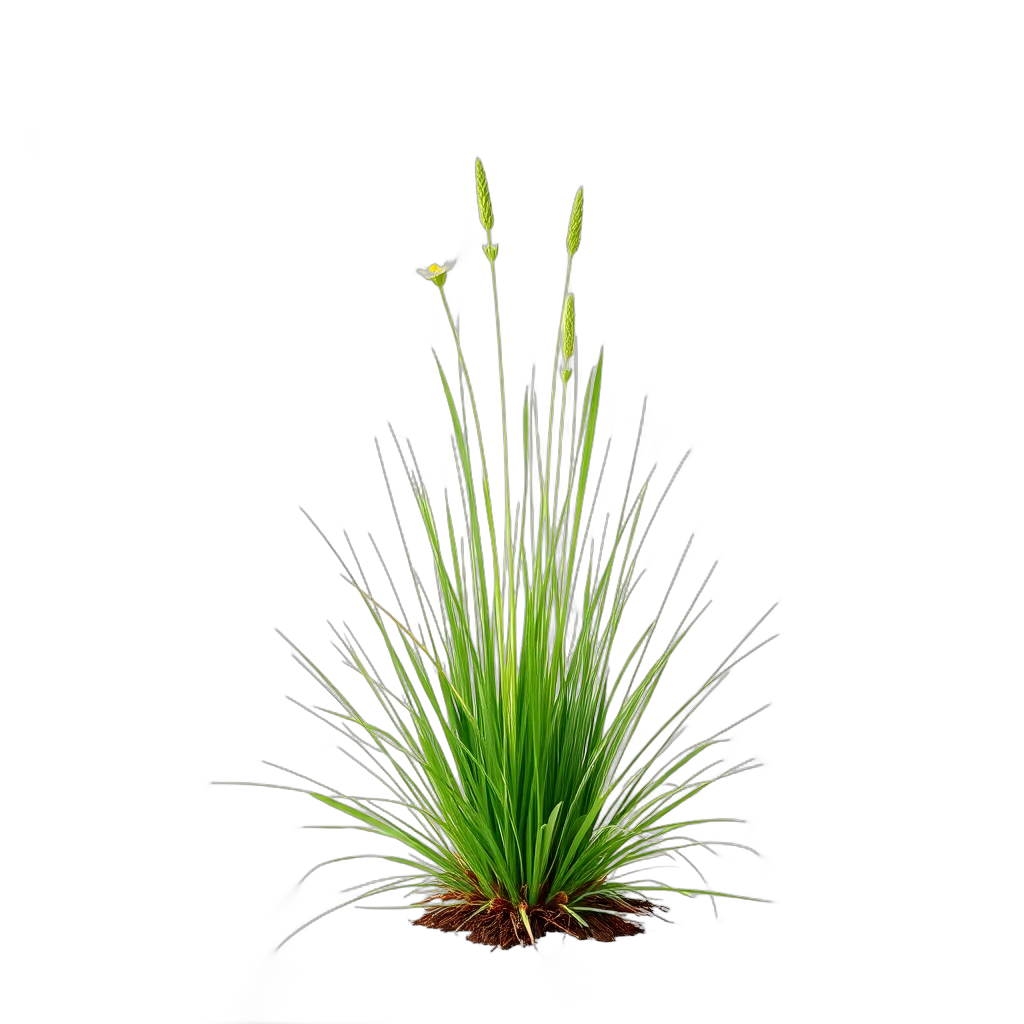
California Brome
Bromus carinatus
low-growing ground cover, blooms in spring. Yellow fall color.
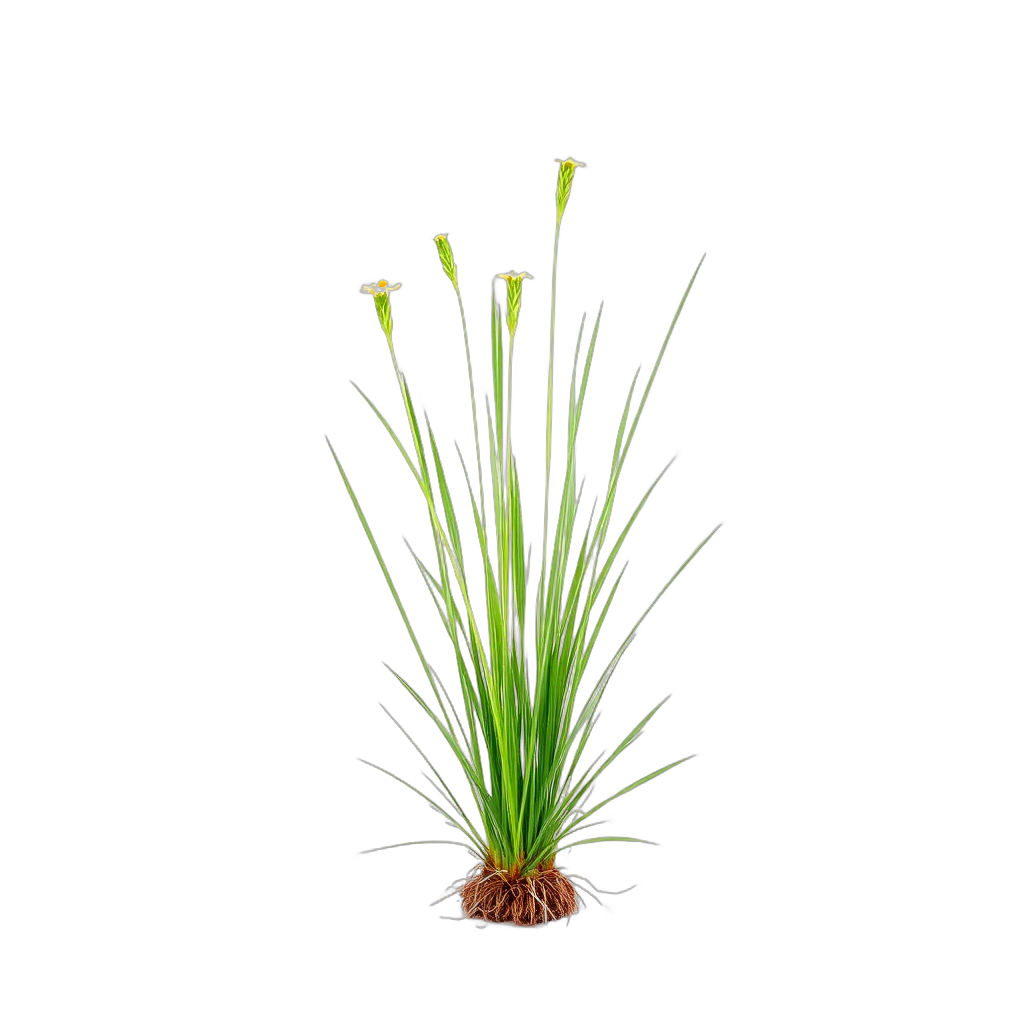
California Melic
Melica californica
low-growing ground cover, blooms in spring.
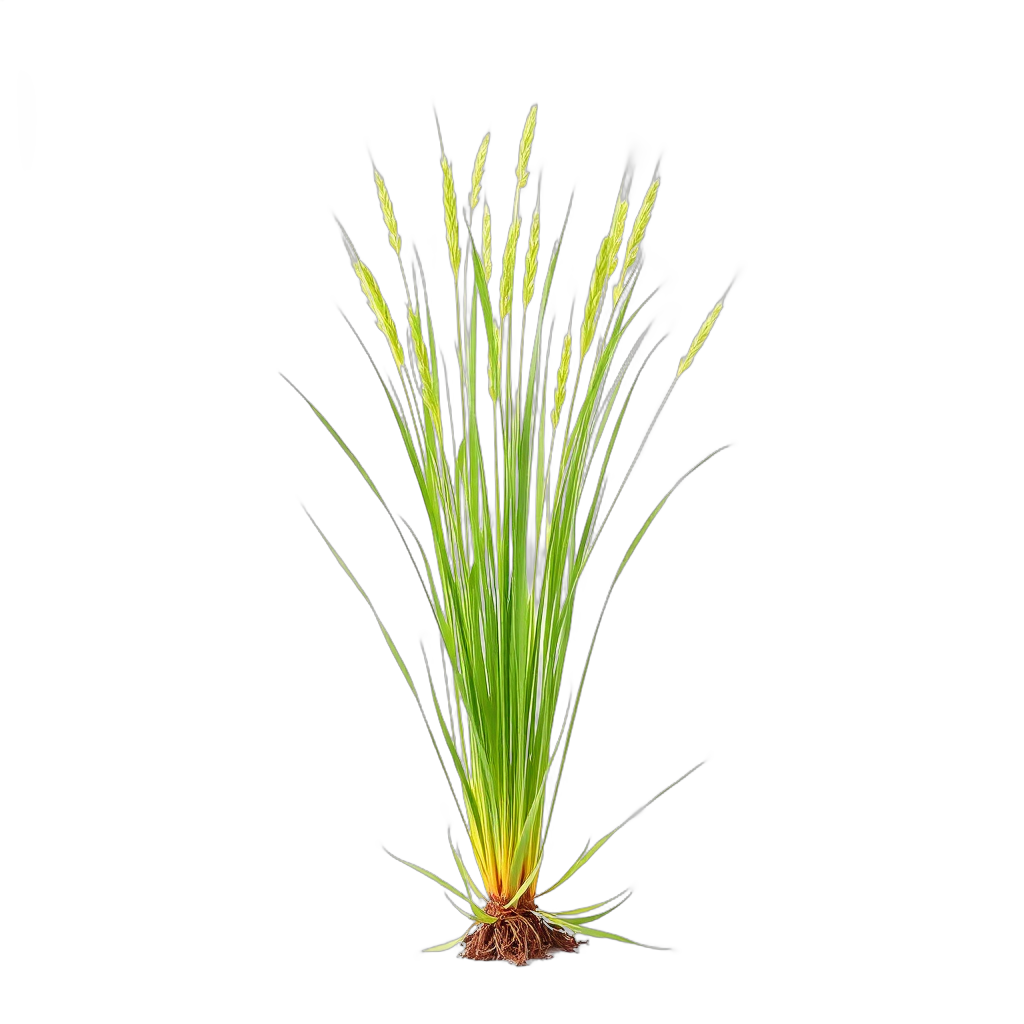
California Oatgrass
Danthonia californica
low-growing ground cover, blooms in spring. Yellow fall color.
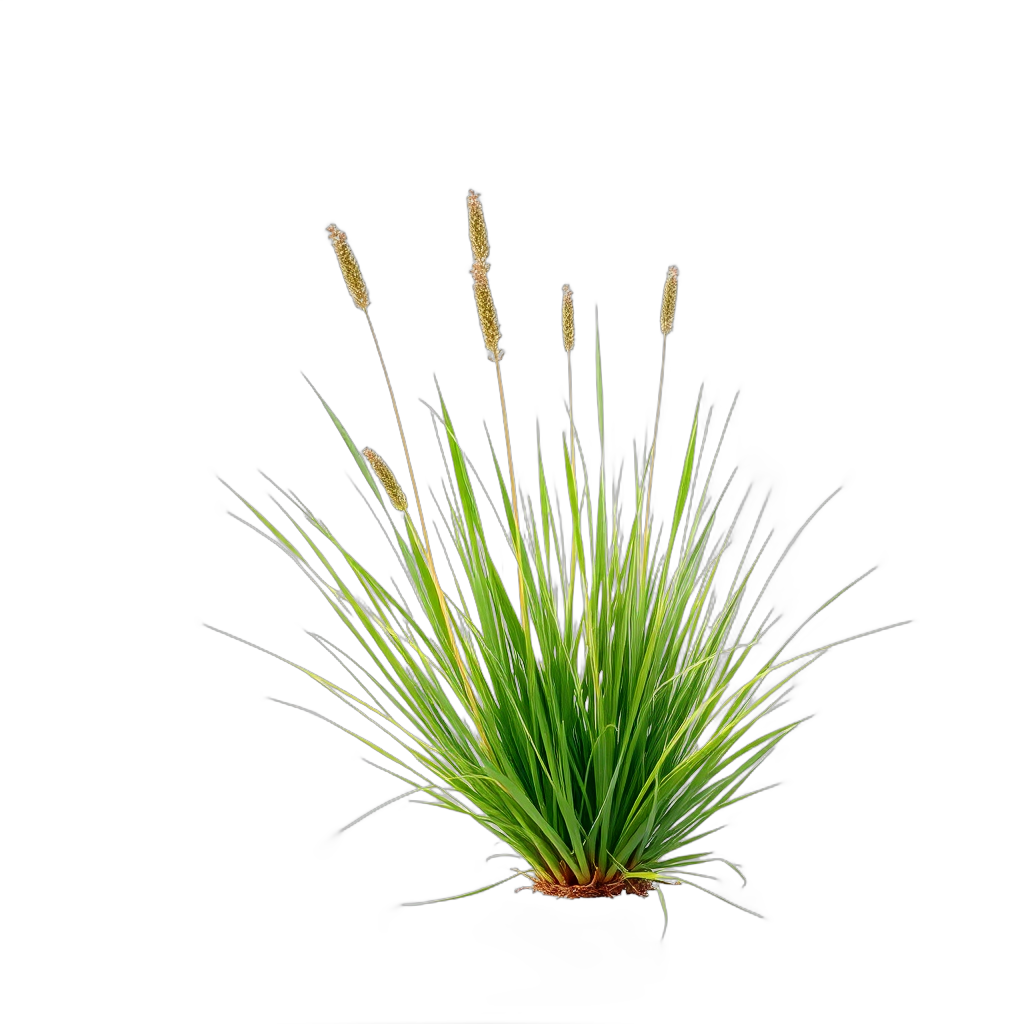
Deer Grass
Muhlenbergia rigens
grows to 3 feet, yellow blooms in fall. Evergreen year-round.
Featured Flowers & Perennials for Desert/Xeriscape Gardens
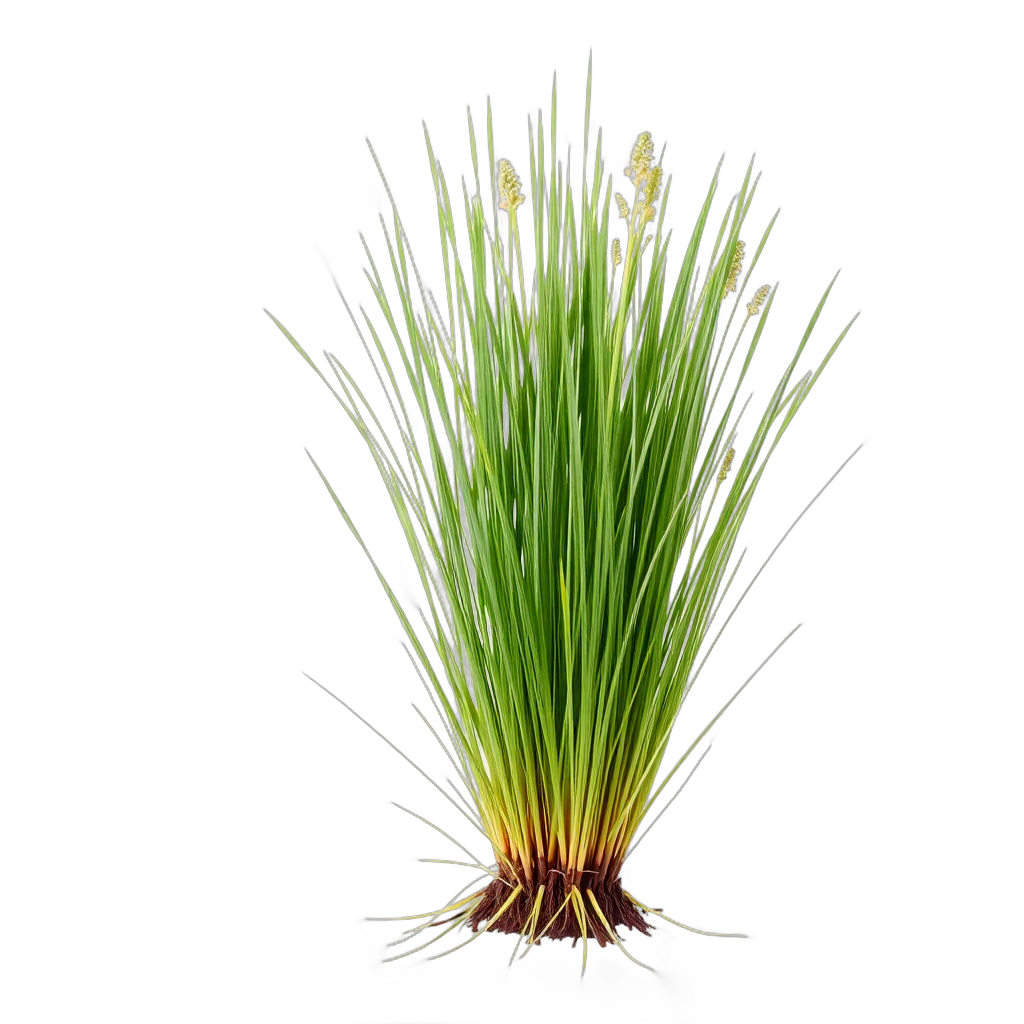
California Gray Rush
Juncus patens
low-growing ground cover, blooms in summer. Evergreen year-round.
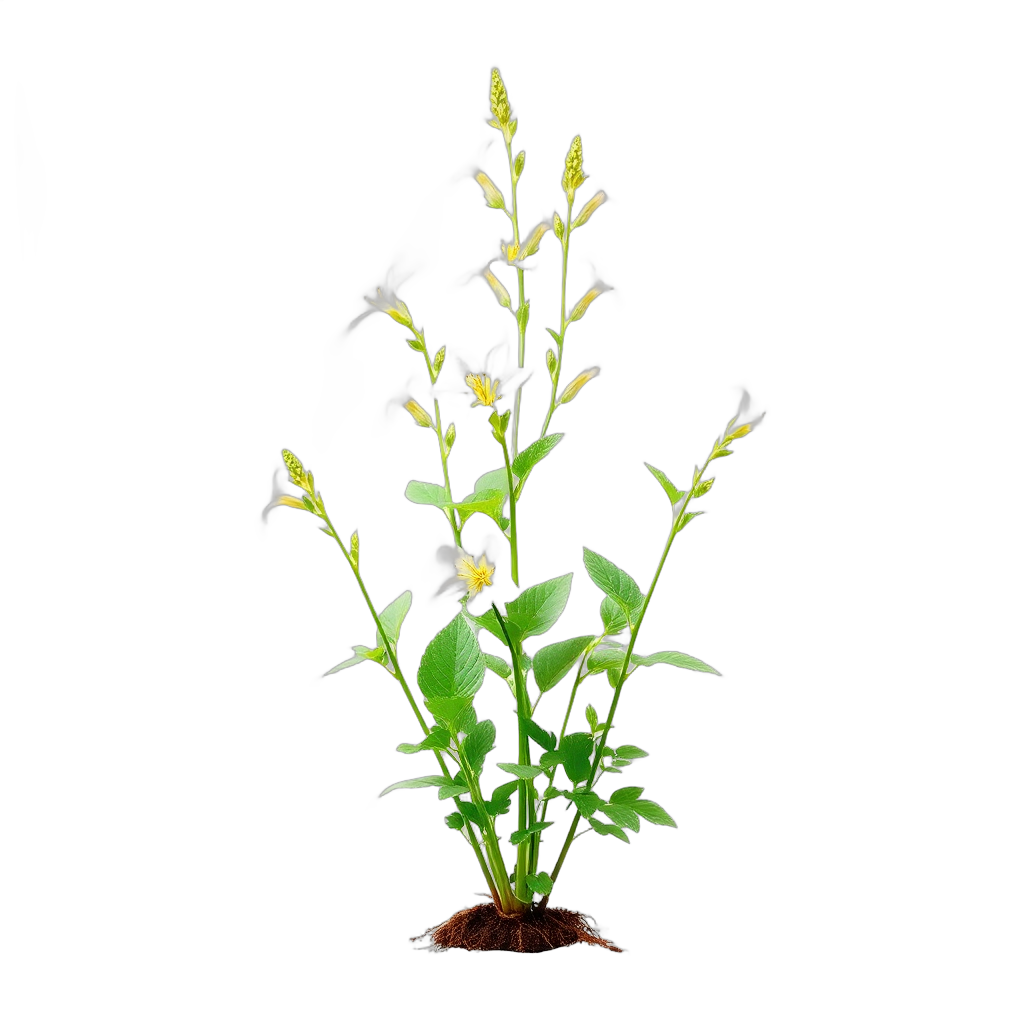
Beach Evening Primrose
Camissonia cheiranthifolia
low-growing ground cover, yellow blooms in spring. Attracts butterflies.
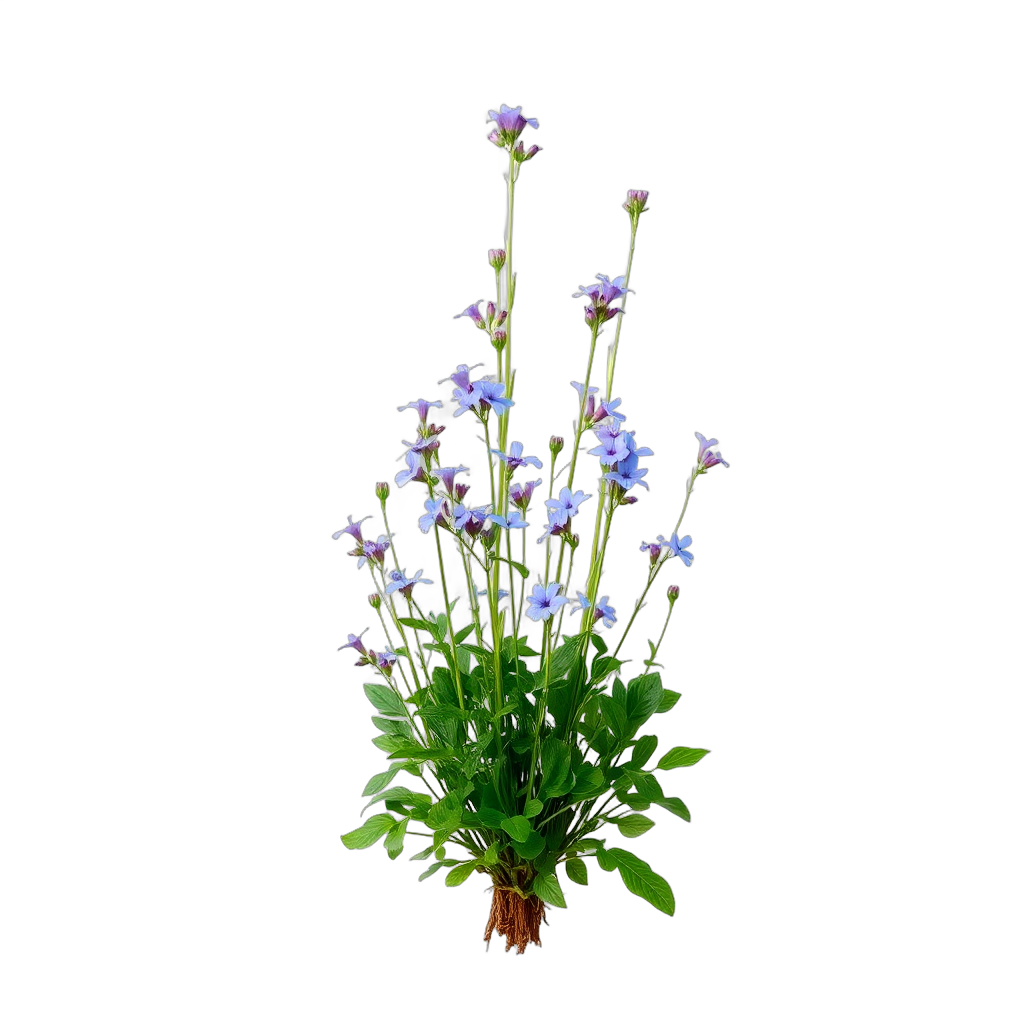
Blue Dicks
Dichelostemma capitatum
low-growing ground cover, blue blooms in spring. Pollinator-friendly.
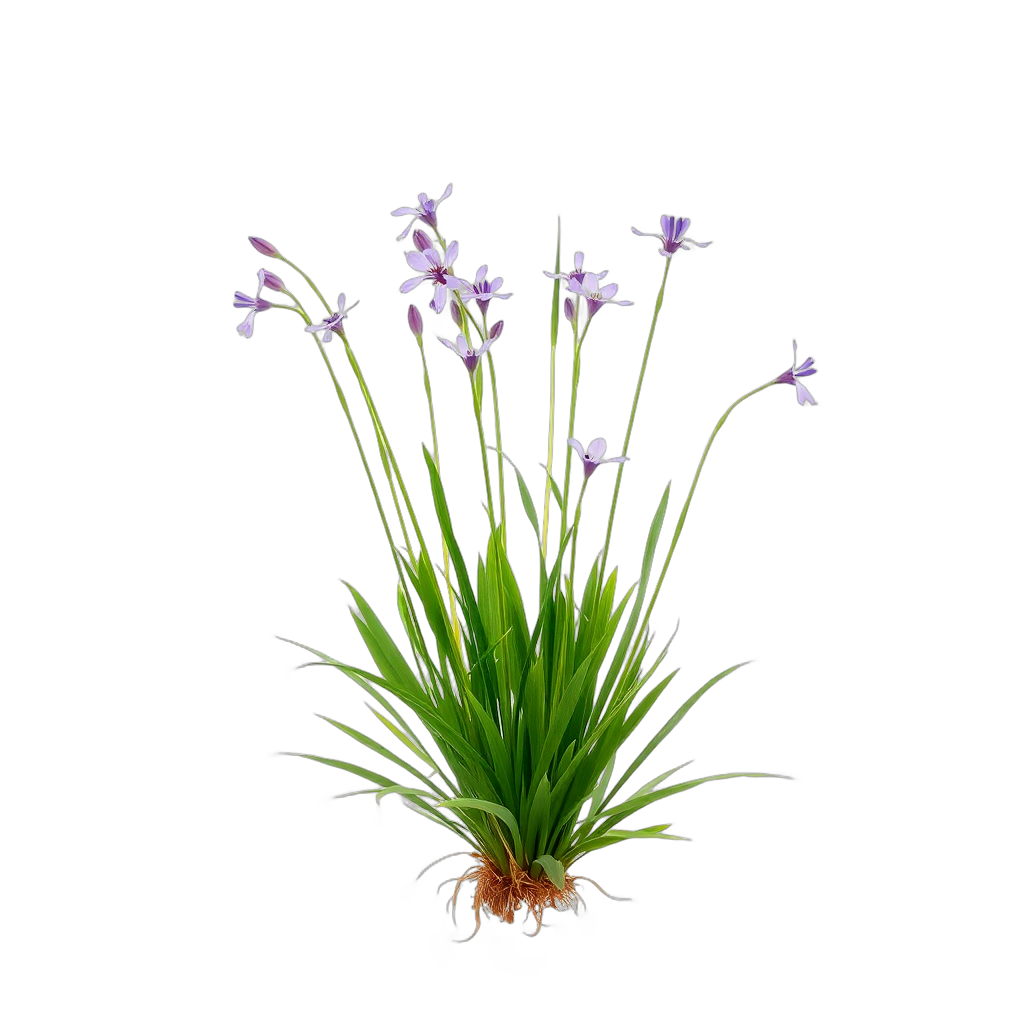
Blue-Eyed Grass
Sisyrinchium bellum
low-growing ground cover, blue blooms in spring. Attracts butterflies.
Bloom Calendar for Irvine
spring
Beach Evening Primrose, Blue Dicks, Blue-Eyed Grasssummer
California Gray Rush, Hooker's Evening Primrose, Hummingbird Mintfall
California Fuchsiawinter
Limited bloomsDesign Tips for Irvine (Zone 10a)
- Plant Cleveland sage (Salvia clevelandii) as the signature fragrant shrub of any Irvine xeriscape — when summer heat releases the plant’s volatile oils on warm afternoons, the herbaceous-herbal scent that fills a Southern California garden is one of the most distinctly California sensory experiences available in any residential landscape
- Use Agave attenuata (soft agave, no terminal spine) rather than spiny agave species in any Irvine front yard or pathway-adjacent planting — the soft blue-grey rosettes are equally sculptural and beautiful, and the absence of terminal spines eliminates the injury risk that makes spine-tipped agaves problematic near foot traffic areas in family neighborhoods
- Time ceanothus installation for October–November in Irvine to take advantage of the winter rain season for establishment — fall-planted California lilac roots into the rainy winter soil and emerges from its first spring with an established root system that makes it dramatically more drought-tolerant through its first summer than spring-planted specimens
- Layer DG groundplane at minimum 3 inches depth in any Irvine xeriscape installation — thin DG layers compact, displace, and require constant replenishment; 3-inch DG properly suppresses winter annual weeds, retains soil moisture, and maintains the clean California-modern aesthetic for 3–5 years between refreshes
- Install smart weather-based drip irrigation controllers for any Irvine xeriscape establishment — the IRWD offers rebates on qualifying smart controllers, and the controller pays for itself in water savings within the first year; program the controller to follow IRWD’s seasonal watering schedules that account for ET rate variations across the Southern California seasons
- Add California fuchsia (Epilobium canum) to any Irvine coastal sage xeriscape for the August–October hummingbird season — when every other Mediterranean-climate plant is dormant or resting in late summer drought, California fuchsia’s scarlet-red tubular flowers erupt in profusion, attracting Anna’s and Allen’s hummingbirds to the garden daily
Where to Source Plants in Irvine
Skip the big-box stores. These independent Irvine nurseries specialize in the plants that make desert/xeriscape gardens thrive in Zone 10a.
Moon Valley Nurseries Irvine
Irvine
California’s premier specialty tree nursery; large-specimen trees for immediate impact in Orange County landscapes; expert installation services
OC Succulents
Fountain Valley (near Irvine)
Dedicated succulent and drought-tolerant plant specialist for Orange County; extensive agave, aloe, and echeveria selection
Armstrong Garden Centers
Tustin (near Irvine)
California-focused garden center with strong native plant and drought-tolerant selection; design expertise for Southern California landscapes
Green Thumb Nursery
Lake Forest / South Orange County
Full-service Southern California garden center with excellent drought-tolerant, native, and Mediterranean plant selection for Zone 10a landscapes
Roger’s Gardens
Corona del Mar / Newport Beach
Premier Orange County garden destination since 1965; exceptional California native and drought-tolerant plant selection with design consultation services
Desert/Xeriscape Landscaping Costs in Irvine
| Project Scope | Estimated Cost |
|---|---|
| Front yard turf-to-xeriscape with native plants and DG (600–900 sqft) | $5,000 – $13,000 |
| Succulent sculpture garden installation (300–500 sqft) | $4,000 – $12,000 |
| Placed granite or river rock boulders (5–7 medium specimens) | $800 – $3,000 |
| Saltillo tile or large concrete paver patio (200–350 sqft) | $4,000 – $10,000 |
| Enclosed stucco courtyard walls (30–50 linear feet) | $5,000 – $14,000 |
| Full backyard xeriscape redesign with pool surround | $15,000 – $35,000 |
| AI visualization with ProScapeAI | Free to start |
Estimates based on Irvine, CA-area contractor rates as of 2026. Actual costs vary by site conditions, materials, and contractor.
Irvine Climate & Growing Zone
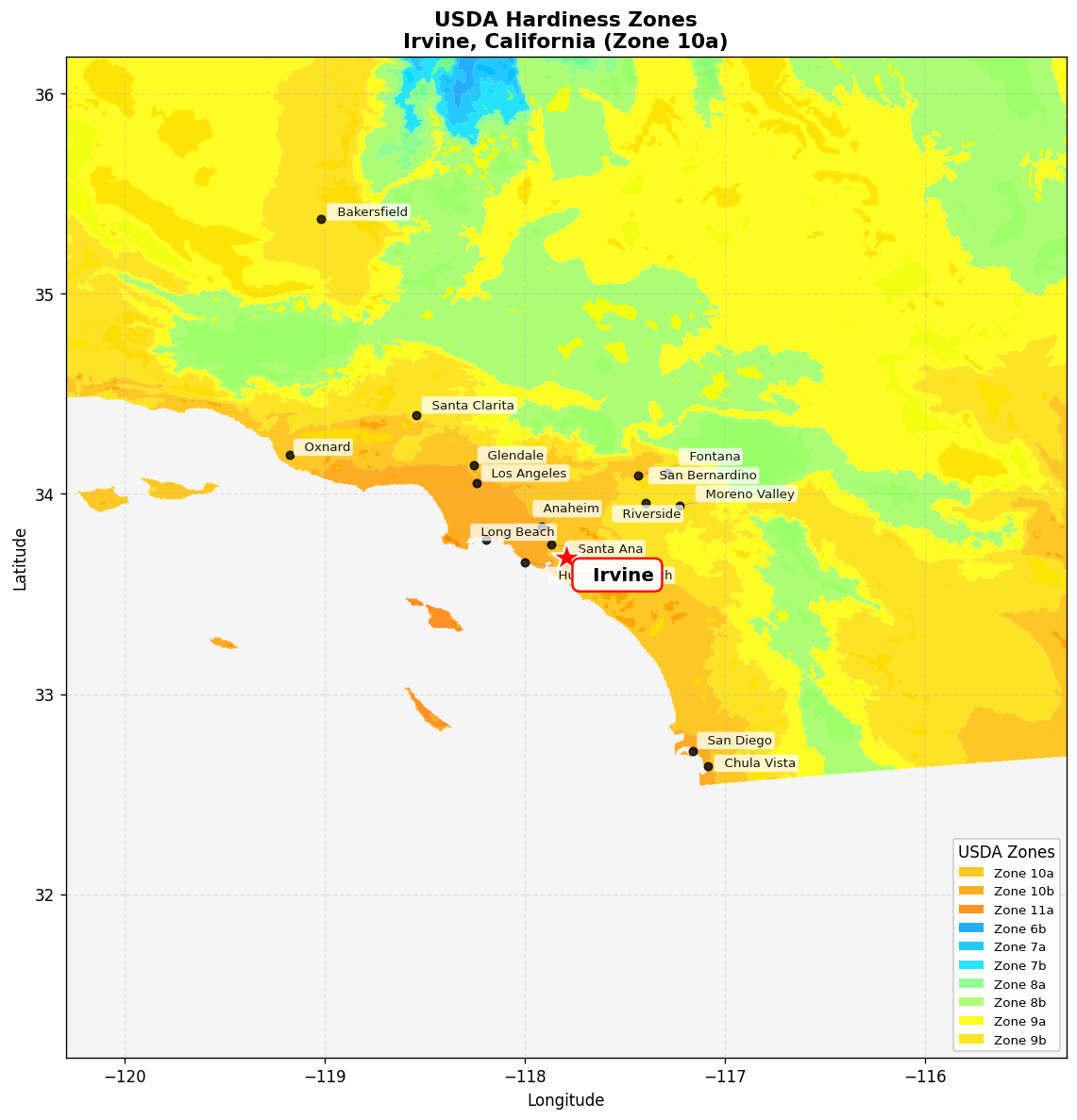
USDA Zone 10a
Hardiness zone for Irvine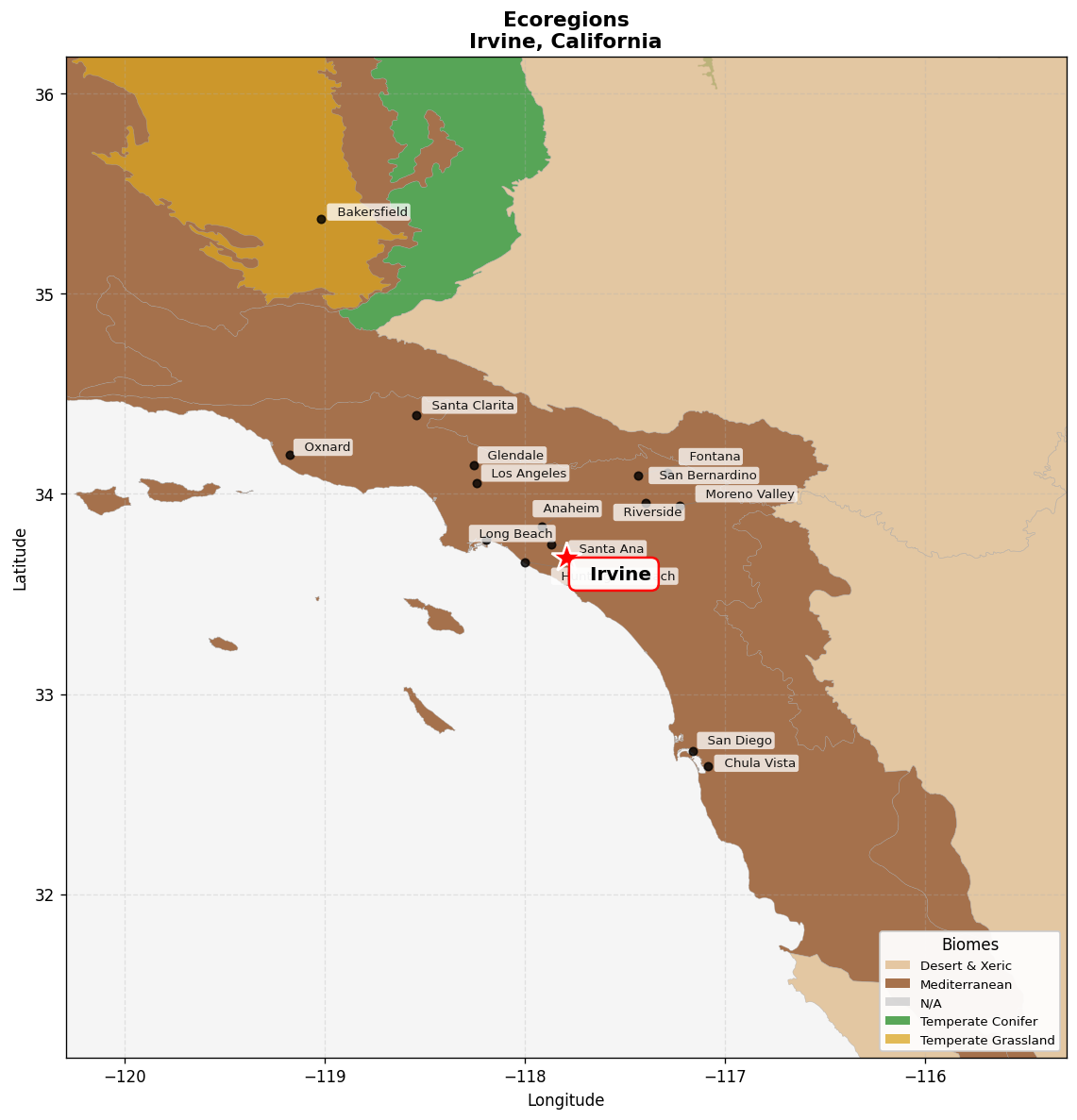
California coastal sage and chaparral
Native ecoregionFrequently Asked Questions
Does Irvine offer rebates for removing turf and installing xeriscape?
Yes — multiple agencies offer rebates for Irvine homeowners. Irvine Ranch Water District (IRWD) offers turf replacement rebates at approximately $2–$3 per square foot of turf removed and replaced with approved drought-tolerant plants, up to a maximum per project. The Metropolitan Water District of Southern California (MWD) provides additional rebates layered with IRWD’s program. The City of Irvine has also offered periodic rebate programs. To qualify: remove actively irrigated turf, install approved drought-tolerant plants with mulch or DG, and maintain drip or smart irrigation if any irrigation is installed. Contact IRWD directly at (949) 453-5300 for current rebate rates, requirements, and the turf replacement application process. Rebate programs are subject to funding availability and terms change annually.
What are the best California native plants for an Irvine xeriscape?
Irvine’s Zone 10a coastal sage ecoregion supports a rich native plant palette. Shrubs: Cleveland sage (fragrant grey-green, Zone 9–11), Ceanothus / California lilac (spectacular blue-purple spring bloom, Zone 8–11), toyon / California holly (red berries in December, Zone 8–11), lemonade berry (drought tolerant, Zone 9–11). Perennials and groundcovers: California fuchsia (Epilobium — hummingbird magnet, August–October red bloom), native buckwheat (Eriogonum — yellow and rust flowers, seed heads), deer grass (ornamental native bunch grass). Trees: native coast live oak (slow, magnificent, Zone 9–11), California sycamore (riparian areas). All zero irrigation after establishment in Irvine’s climate.
How much does xeriscape landscaping cost in Irvine?
Irvine landscaping costs are higher than most US cities due to Southern California labor and material rates. Basic DG and plant installation: $6–15 per square foot. A designed front yard xeriscape with native plants and boulders (600–900 sqft) costs $5,000–15,000. A courtyard or patio project (300–500 sqft) runs $7,000–20,000. Pool surround renovation is $12,000–28,000. Full backyard design-build: $18,000‑45,000. Rebates from IRWD and MWD can offset turf removal costs by $2,000–5,000 for a typical front yard project. The ongoing water savings from replacing turf in Irvine’s tiered rate structure typically pay back the cost premium within 3–6 years.
Can I grow succulents and agave through the Santa Ana wind season?
Yes — succulents and agave are among the most wind-tolerant plants for Irvine’s landscape. Santa Ana wind events (October–January, occasionally reaching 60–80 mph gusts) can cause rapid moisture loss in plants with large leaf surfaces, but succulents’ water-storing tissues and waxy cuticles make them naturally adapted to desiccating wind events. Key guidelines: don’t plant succulents in containers during Santa Ana season without moisture monitoring; mulch succulent beds heavily with DG or gravel to retain soil moisture; avoid recently transplanted specimens during high wind events. Agave attenuata (soft agave) is particularly well-adapted to Orange County’s conditions including Santa Ana winds. Avoid planting trees with large surface areas (coral trees, bougainvillea on arbors) in wind-exposed positions.
Are there HOA restrictions on xeriscape in Irvine’s master-planned communities?
Many of Irvine’s planned communities have HOA guidelines that affect landscape design. Historically, some HOAs required turf in front yards, but California’s Model Water Efficient Landscape Ordinance (AB 1594 and SB 1166) prohibit HOAs from requiring turf or preventing drought-tolerant landscaping. Under California law, HOAs may regulate the design aesthetic (requiring ‘neat and maintained’ appearance) but cannot prohibit water-efficient landscaping. Best practice: submit a design plan to your HOA for approval before installation, noting the California law protection. IRWD can provide documentation of rebate eligibility to support HOA approval. Contact your specific HOA for current design guidelines and the approval process.
How do I maintain a California native xeriscape in Irvine?
California native xeriscape requires a different maintenance mindset than traditional turf. Key principles: irrigation in year one (weekly deep watering during summer establishment); after establishment (year two onward), most California coastal sage plants need no irrigation from May through October. Annual tasks: cut back California sages in fall (after first rain) to maintain compact form; remove dead flower heads from ceanothus after bloom. DG maintenance: rake DG groundplane annually to refresh appearance and remove weed seedlings before they establish. Weed control: hand-pull winter annual weeds (mustard, filaree) before they set seed. Avoid: summer irrigation of established native plants — summer watering is the primary cause of death for California coastal sage plants, which expect summer drought.