4 Desert Garden Ideas for Santa Ana, CA | SoCal Drought-Tolerant Zone 10b
Native plants from the California coastal sage and chaparral (Zone 10b) — Cold semi-arid climate
Why Desert/Xeriscape Gardens in Santa Ana?
A desert landscape in Santa Ana, CA is a genuinely climate-appropriate choice for a city in Zone 10b at the heart of the California coastal sage and chaparral ecoregion. Santa Ana’s hot, dry summers, mild winters with 15 inches of annual rainfall concentrated in November–March, and the notorious Santa Ana winds that scour Orange County in October–February all make drought-tolerant desert design not just an aesthetic option but a practical imperative. The city’s location in the Santa Ana valley — warmer and drier than coastal Newport Beach but moderated by Pacific influence compared to the Inland Empire — places it in an ecological transition zone where California chaparral natives and true desert plants both find their footing.
Santa Ana’s residential neighborhoods range from the historic Victorian and Craftsman homes of the Floral Park and Park Santiago historic districts to the dense mid-century neighborhoods of Willard, Bristol Street Corridor, and French Park. Across all these contexts, water conservation has become the central landscape concern. Santa Ana’s municipal water comes through the Metropolitan Water District and several local agencies; the Metropolitan Water District’s Turf Replacement Program offers $2 per square foot for residential turf removal plus $100 per tree installed (up to 5 trees), making desert landscape conversions financially attractive.
The Santa Ana River trail corridor and the Santa Ana Mountains visible to the east define the visual backdrop for Inland Orange County gardens — a chaparral-dominated landscape of sage, manzanita, and California buckwheat that provides the most authentic plant palette for desert-style Santa Ana gardens. This California coastal sage and chaparral plant community is both ecologically appropriate and visually beautiful: silver-grey sages, the copper-red bark of manzanita, agave rosettes, and the orange spring bloom of California poppies define an authentic regional aesthetic.
4 Desert/Xeriscape Design Ideas for Santa Ana
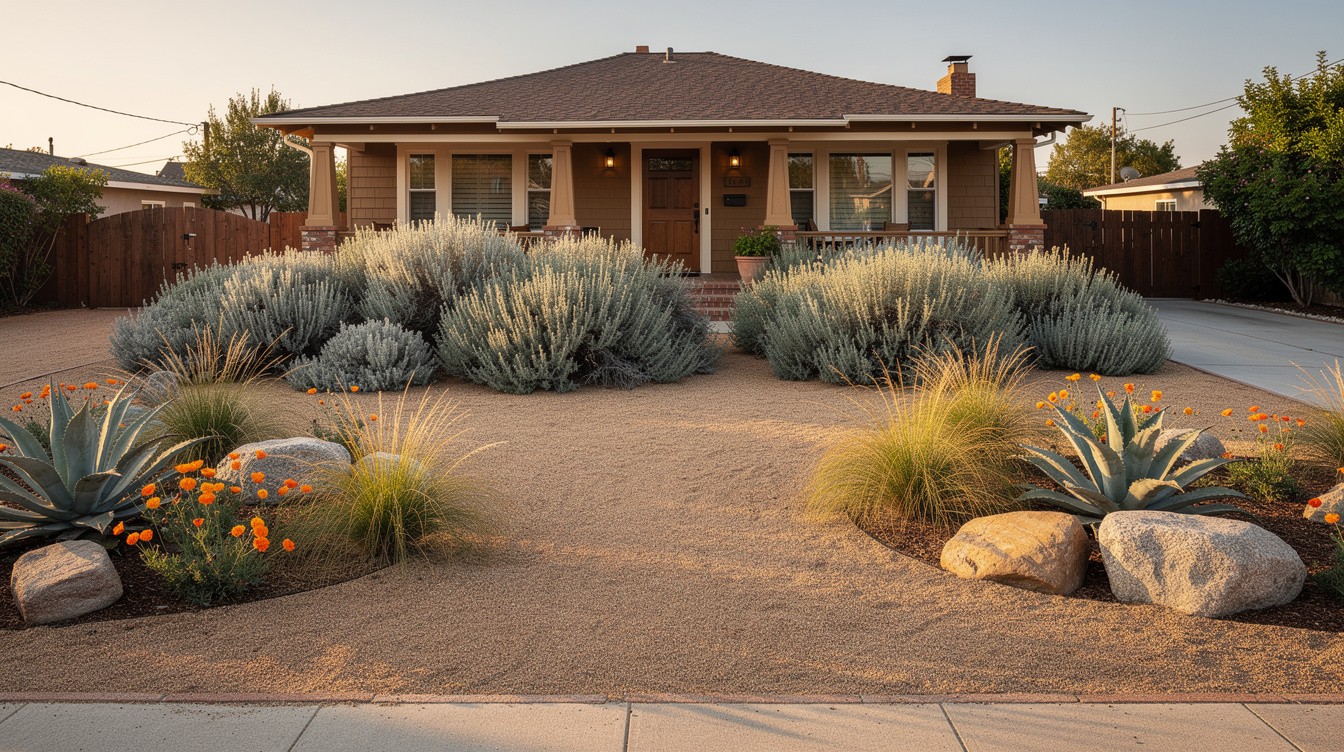
The California Chaparral Front Yard
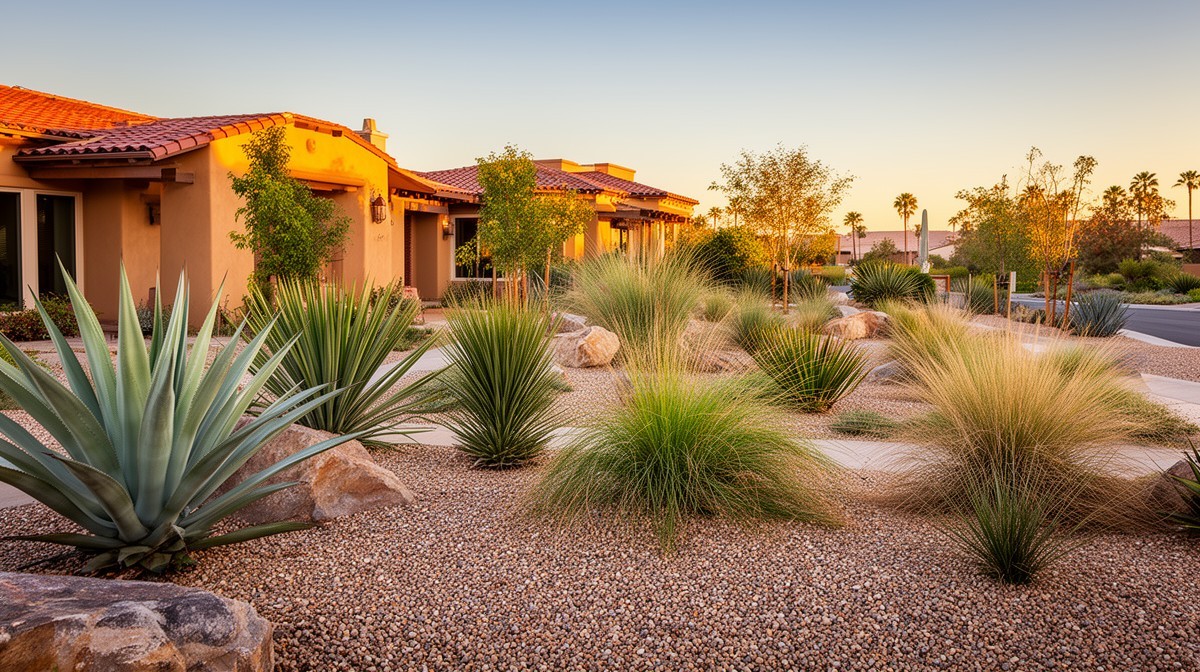
$9–18/sqftA Santa Ana Craftsman bungalow replaces its lawn with a California chaparral desert garden: warm tan decomposed granite fills the ground plane while California coastal sage plants arranged in naturalistic groupings replace the turf. California sagebrush provides the silver-green background mass while black sage and white sage fill the mid-ground with aromatic foliage. Deer grass in fountaining clumps creates textural contrast while agave anchor the boulder groupings at the corners. California poppies self-seed through the garden for brilliant orange spring bloom. The Metropolitan Water District turf removal rebate at $2/sqft helps offset the conversion cost.
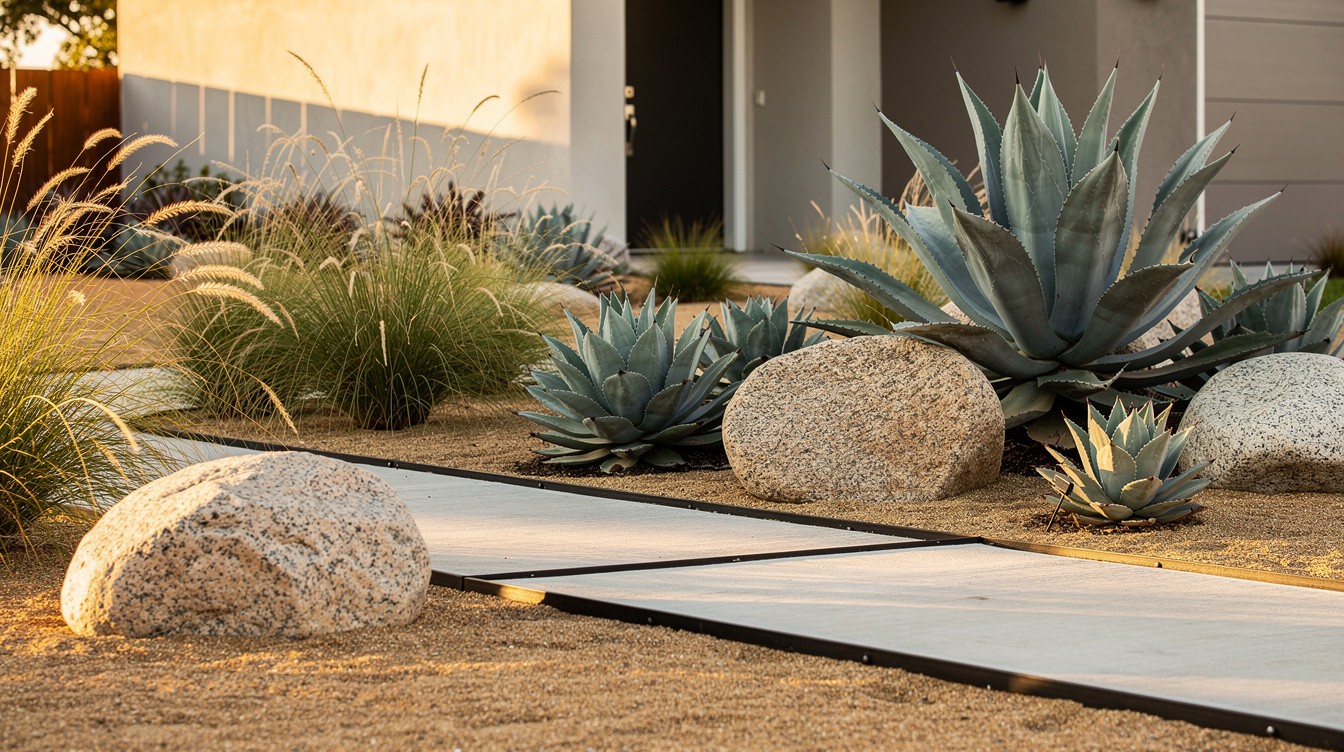
The Agave and DG Entry Garden
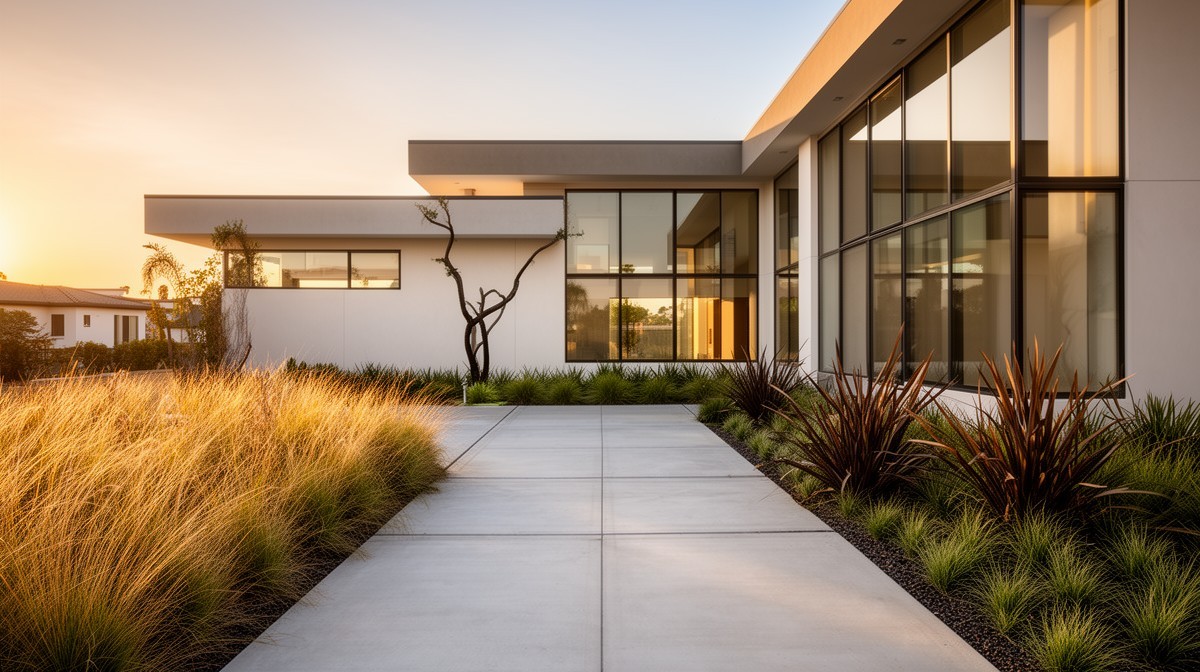
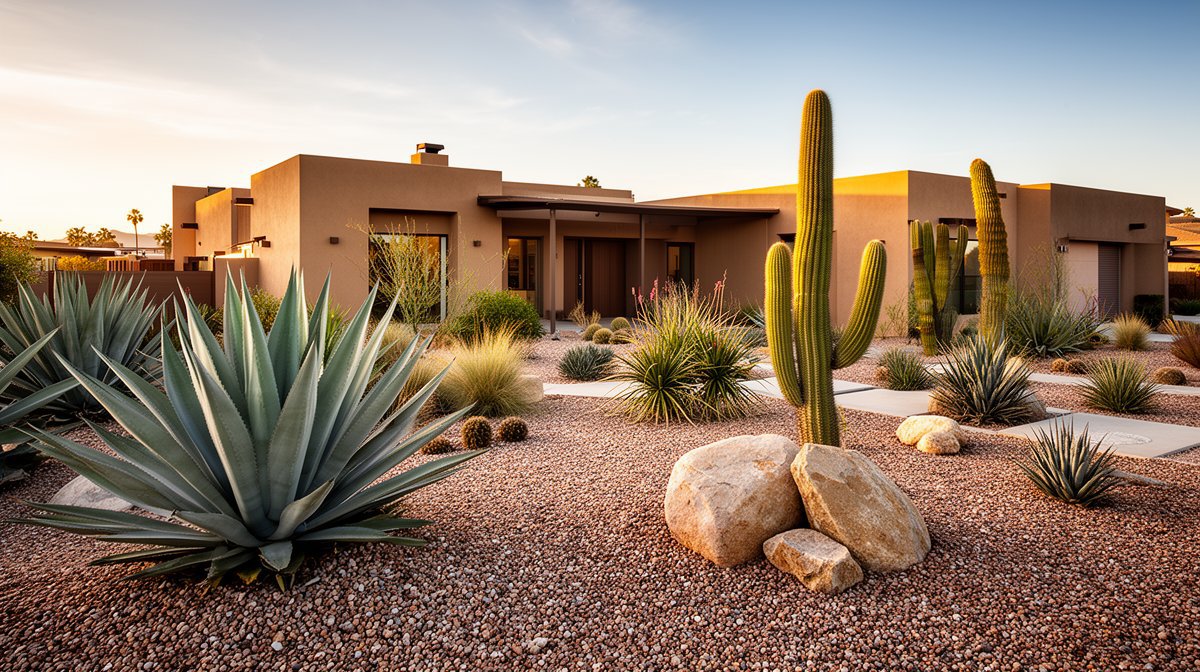
$10–20/sqftA bold Santa Ana front yard uses agave as sculptural objects in a warm tan decomposed granite composition. Agave ‘Blue Glow’ and Weber agave anchor large-boulder groupings while smaller agave types fill the mid-ground. Mexican feather grass and deer grass provide fine-textured movement between the bold rosettes. A concrete entry path with black steel edging creates clean geometry through the planting. Local rounded granite boulders provide authentic Southern California character. The garden requires minimal water after the second year and creates a strong architectural statement that improves as agave specimens mature over the next 10–15 years.
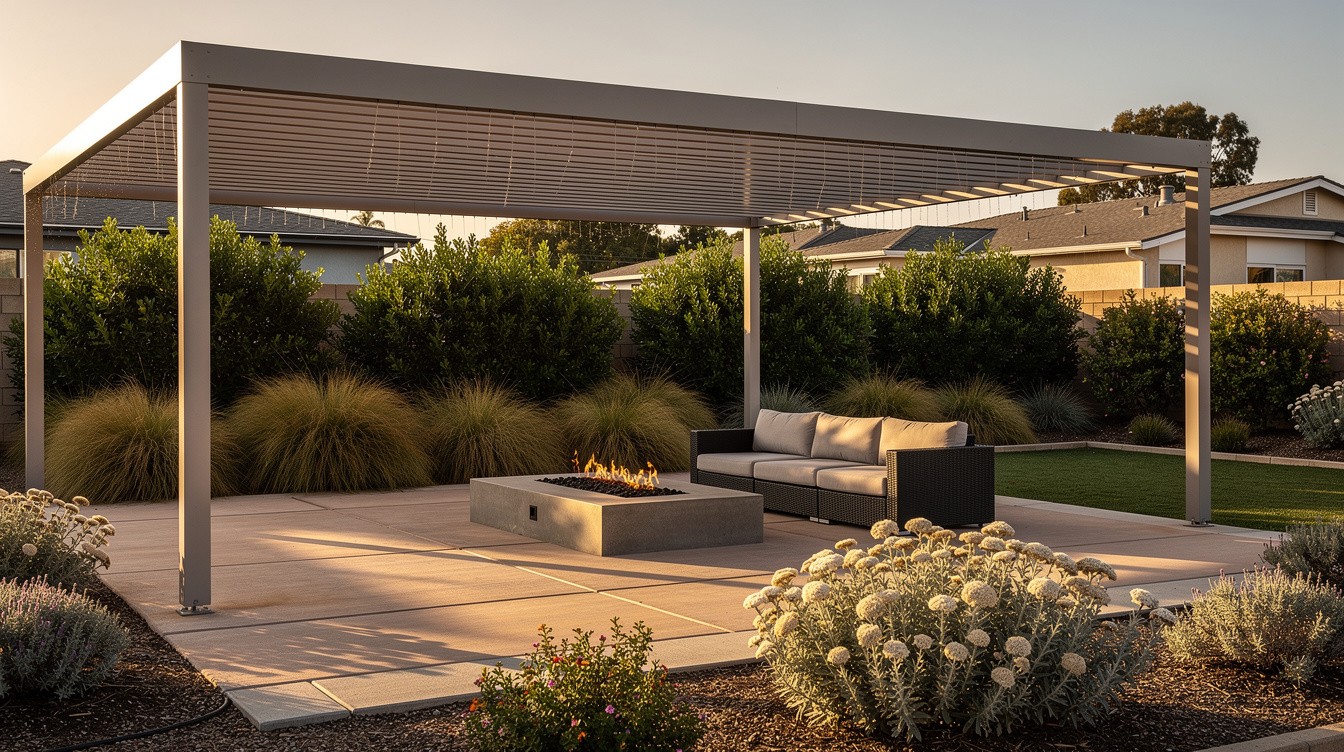
The Desert Patio with Shade Structure
$16–30/sqftA concrete paver patio with an aluminum patio cover or steel pergola occupies the backyard of this Santa Ana home. The shade structure is essential for Santa Ana’s 95°F+ summer afternoons while a gas fire pit extends the excellent October–April outdoor season. The surrounding yard uses coastal chaparral natives for privacy: toyon and lemonade berry provide evergreen screens while deer grass masses and California buckwheat fill the mid-ground. A misting line along the patio cover perimeter makes summer afternoons functional. The plant palette keeps water use minimal while creating year-round privacy.
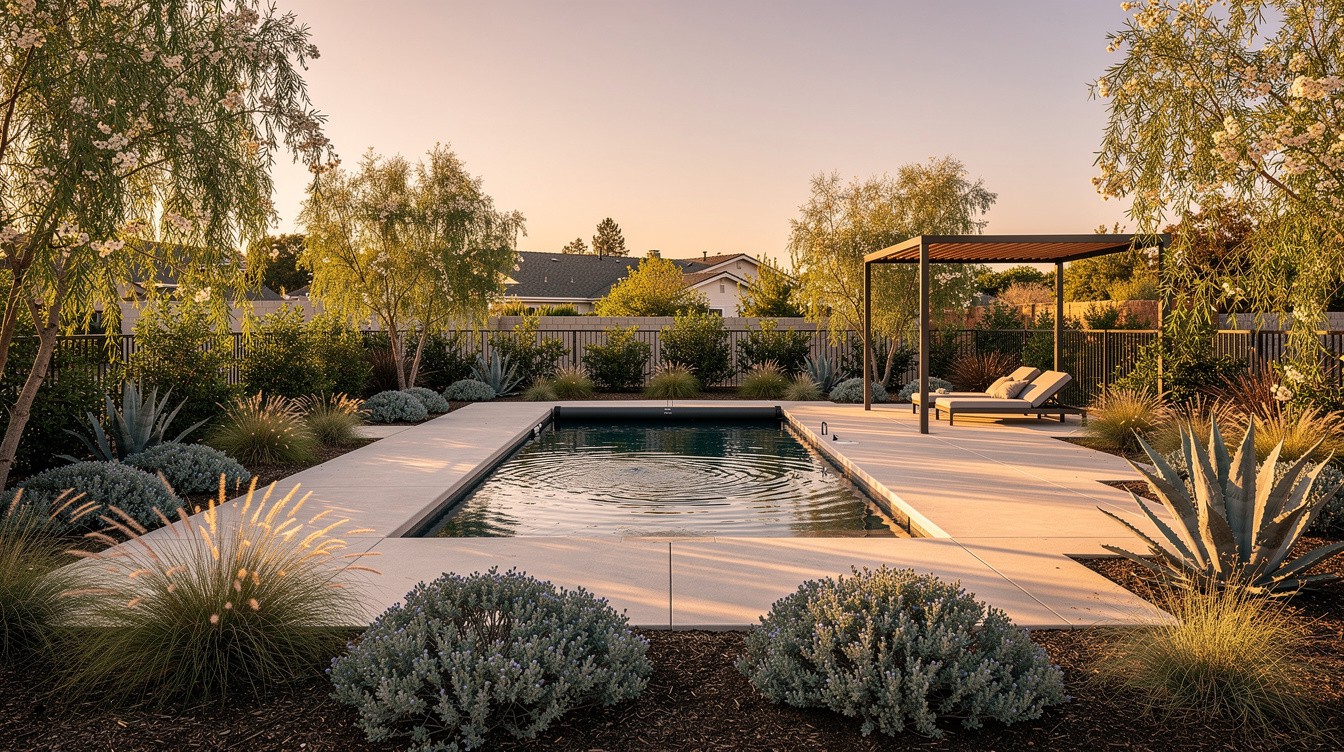
The Desert Pool with Native Surround
$20–40/sqftA dark-plaster rectangular pool serves as the centerpiece of this Santa Ana backyard. Cool-coat sealed concrete surrounds the pool deck while the perimeter is planted with native drought-tolerant species: desert willow, mounding ceanothus, deer grass, and agave. The Metropolitan Water District’s pool cover rebate helps offset the cost of an automatic cover that reduces evaporation in Santa Ana’s dry climate. A shade structure on the west end of the deck provides essential comfort during peak summer afternoons. The native perimeter requires no irrigation after Year 2 and creates an authentic California chaparral pool setting.
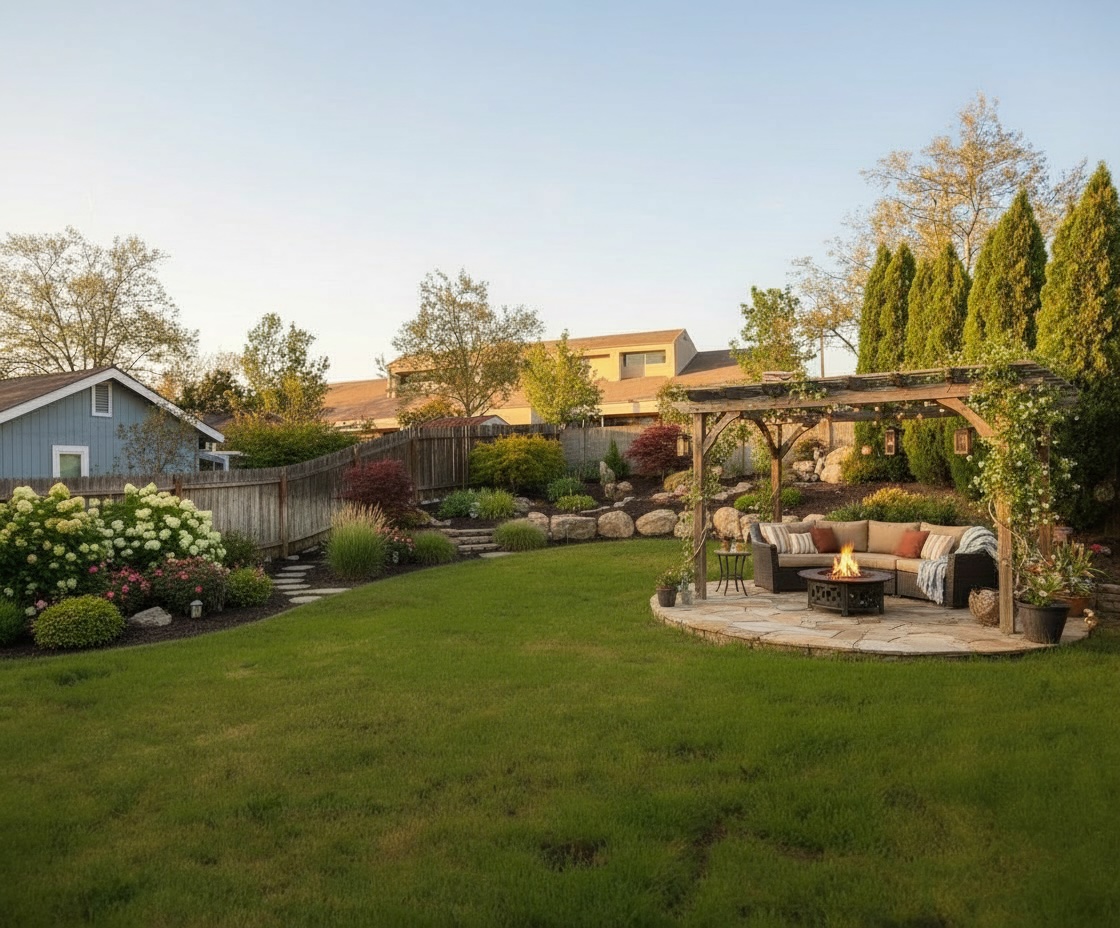
See how a desert/xeriscape garden looks on YOUR property
Upload a photo of your Santa Ana yard and visualize your dream garden in seconds.
Try ProScapeAI Free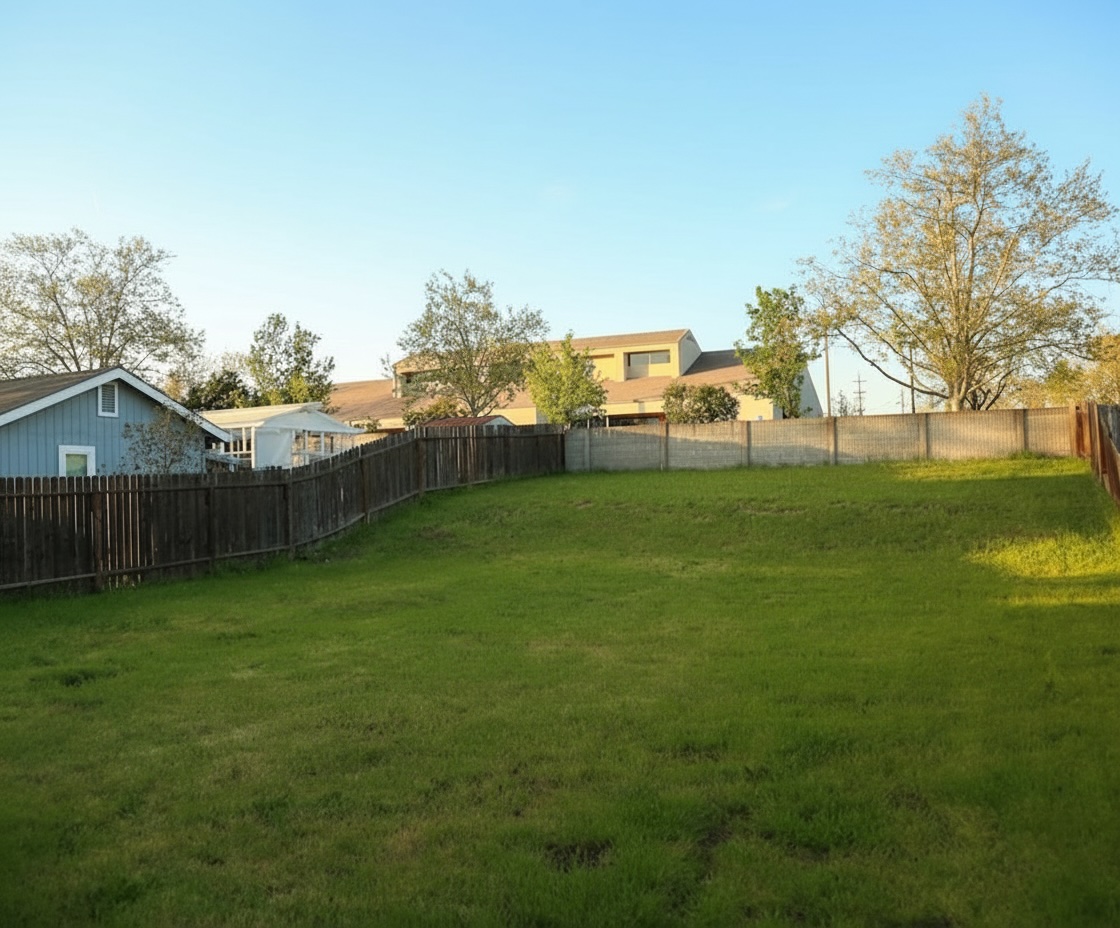
Featured Trees & Shrubs for Desert/Xeriscape Gardens
Browse all 219 plants for Santa Ana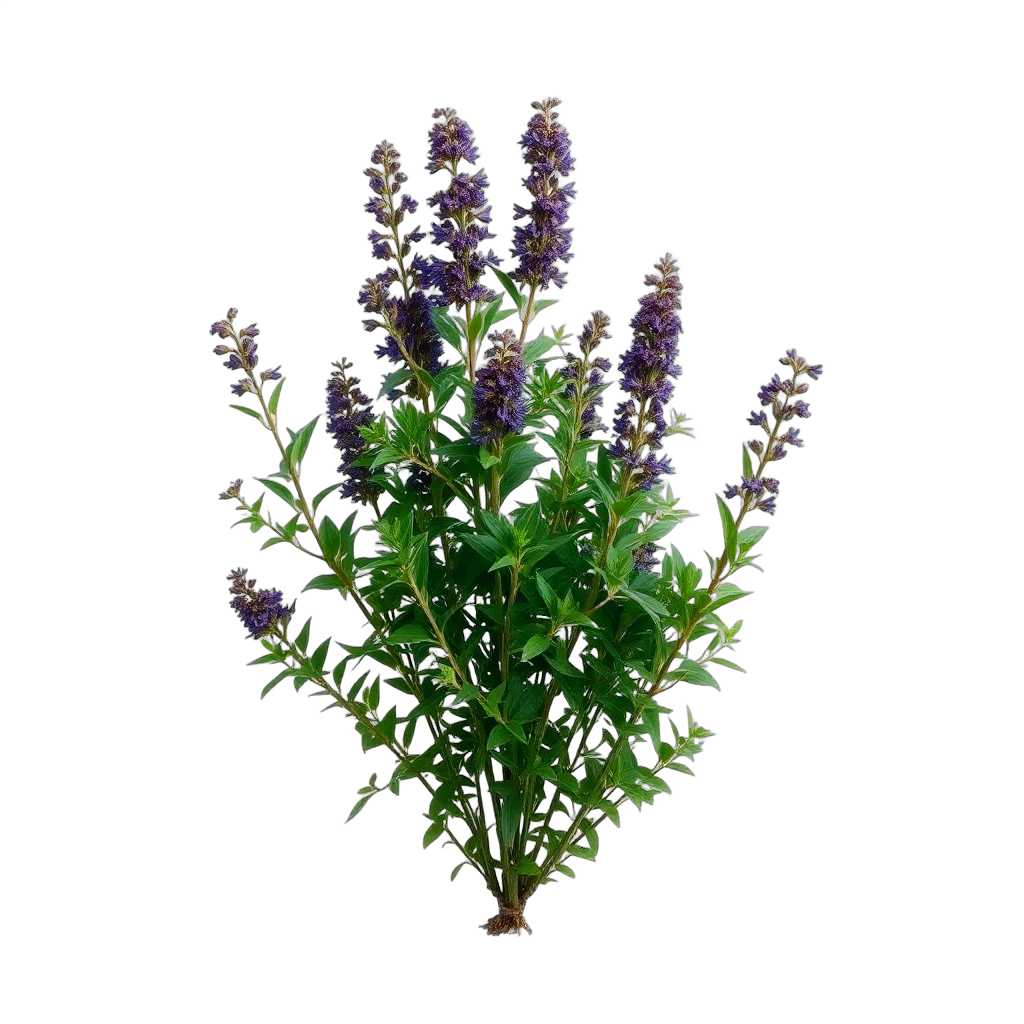
Black Sage
Salvia mellifera
grows to 4 feet, white blooms in spring. Attracts butterflies.
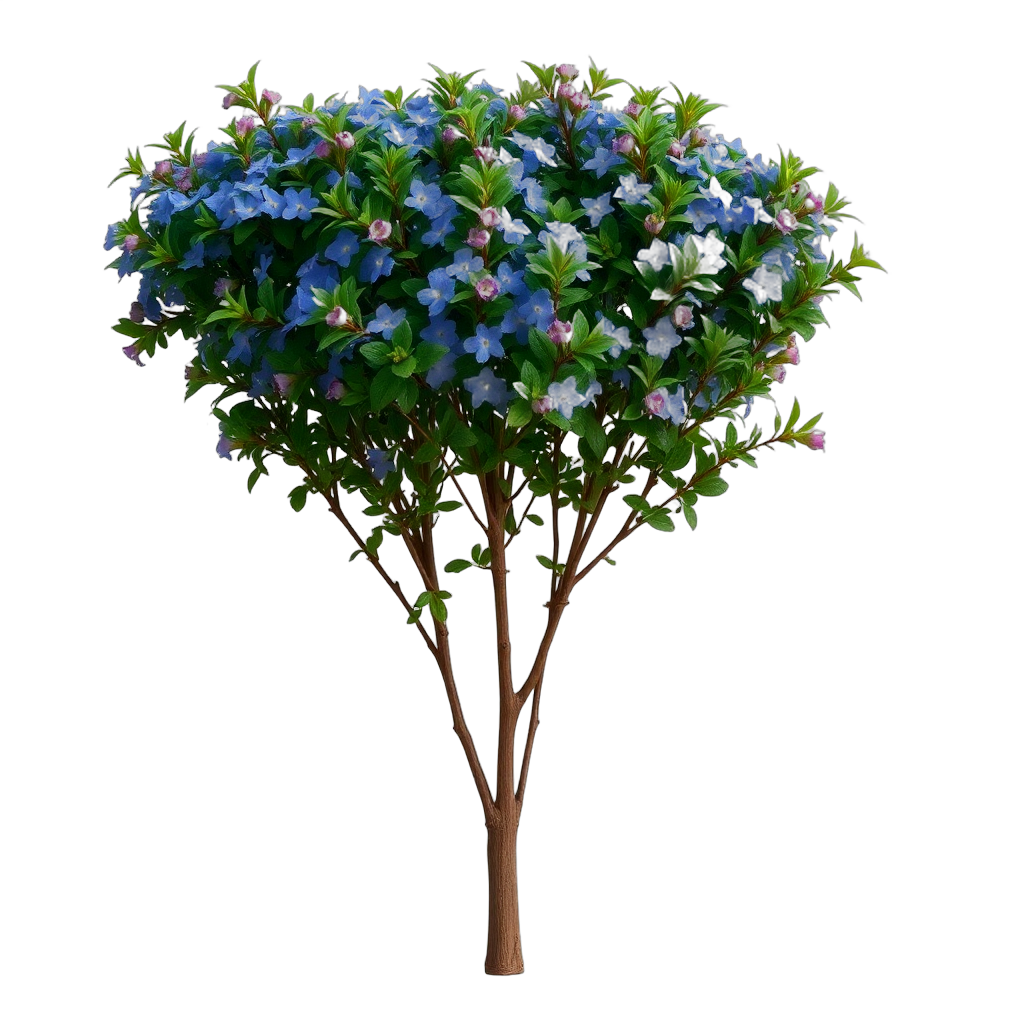
Blue Blossom
Ceanothus thyrsiflorus
medium-sized at 12 feet, blue blooms in spring. Attracts butterflies.
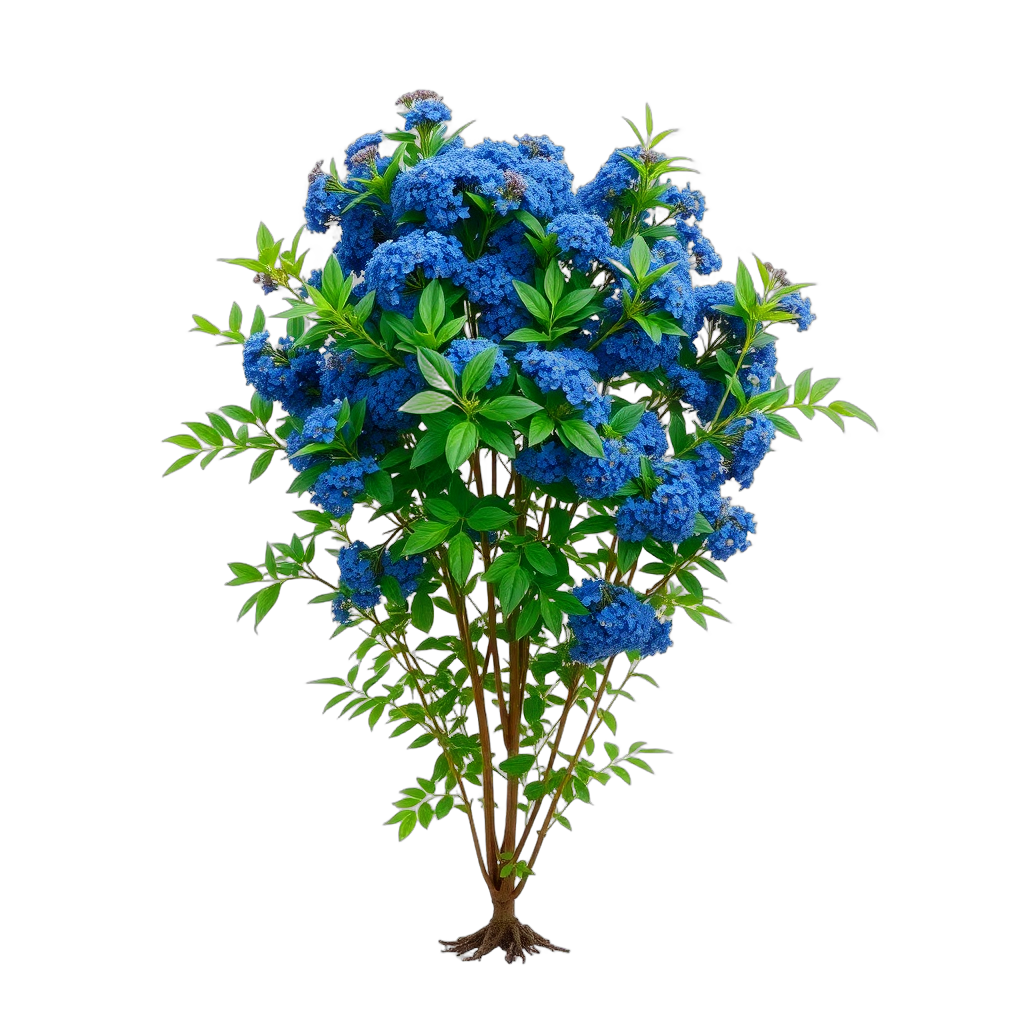
Blue Elderberry
Sambucus cerulea
medium-sized at 15 feet, white blooms in spring. Attracts butterflies.
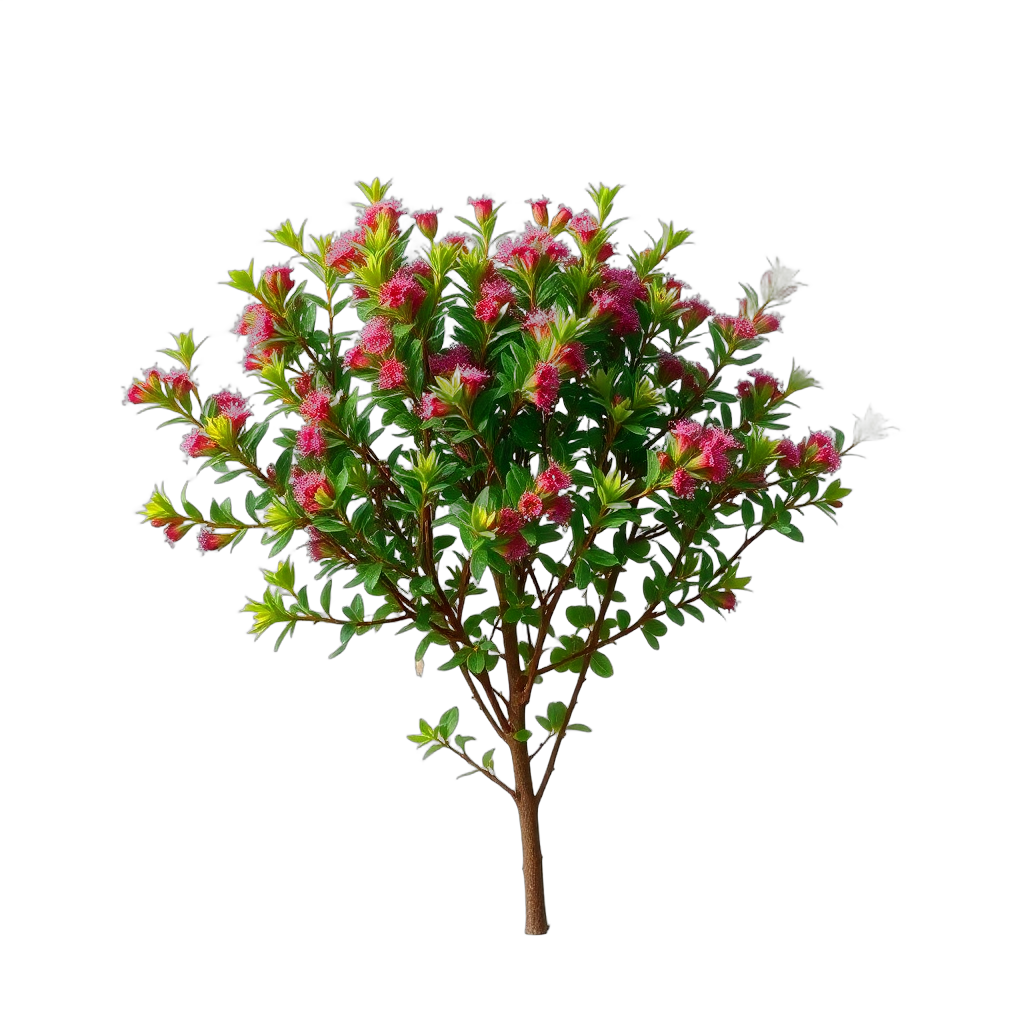
Buckbrush
Ceanothus cuneatus
medium-sized at 7 feet, white blooms in spring. Attracts butterflies.
Featured Grasses & Groundcovers for Desert/Xeriscape Gardens
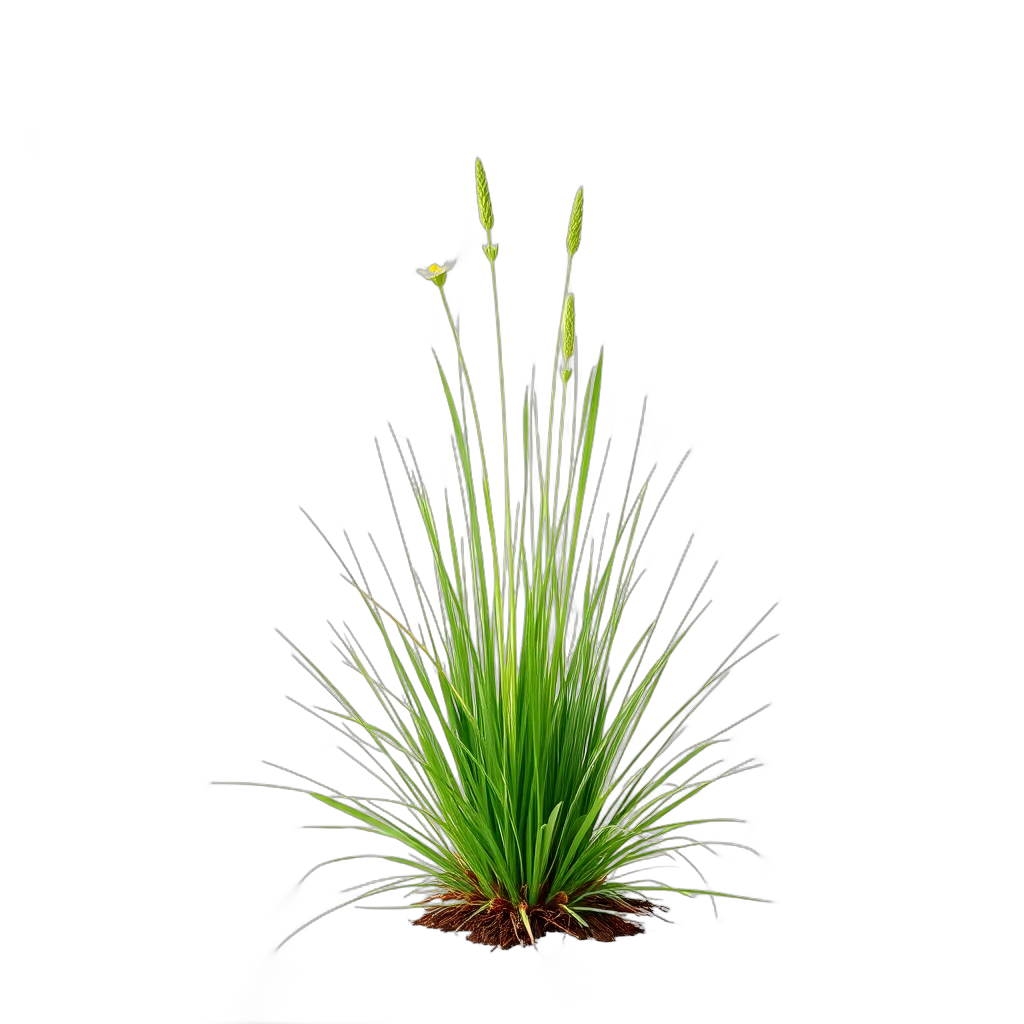
California Brome
Bromus carinatus
low-growing ground cover, blooms in spring. Yellow fall color.
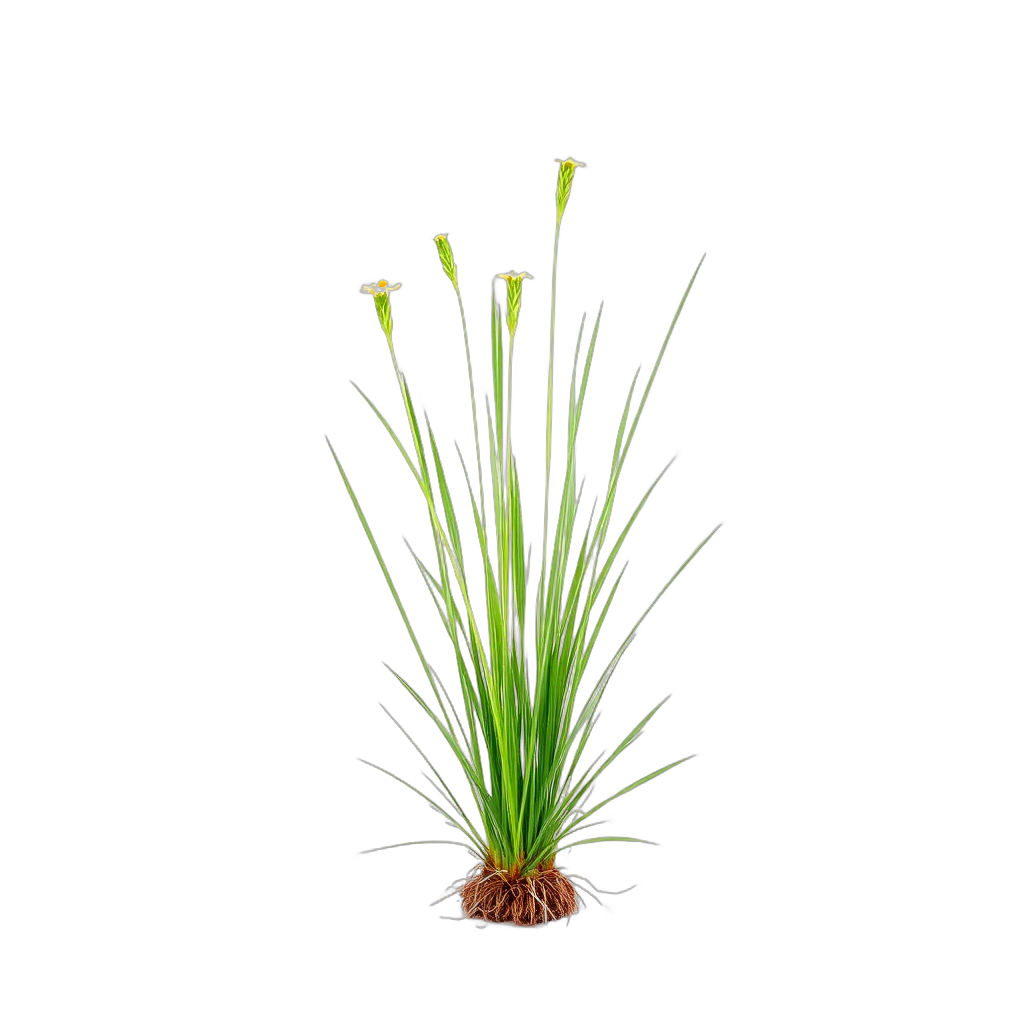
California Melic
Melica californica
low-growing ground cover, blooms in spring.
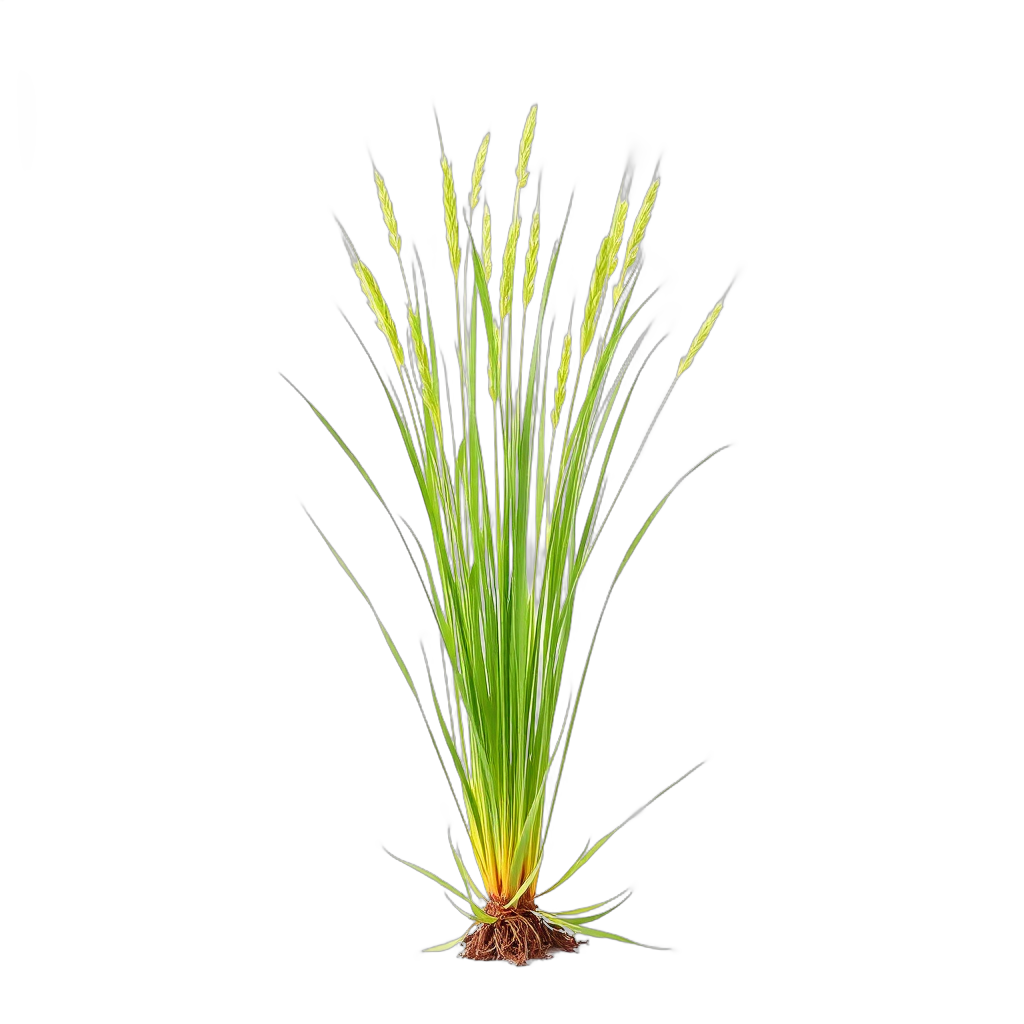
California Oatgrass
Danthonia californica
low-growing ground cover, blooms in spring. Yellow fall color.
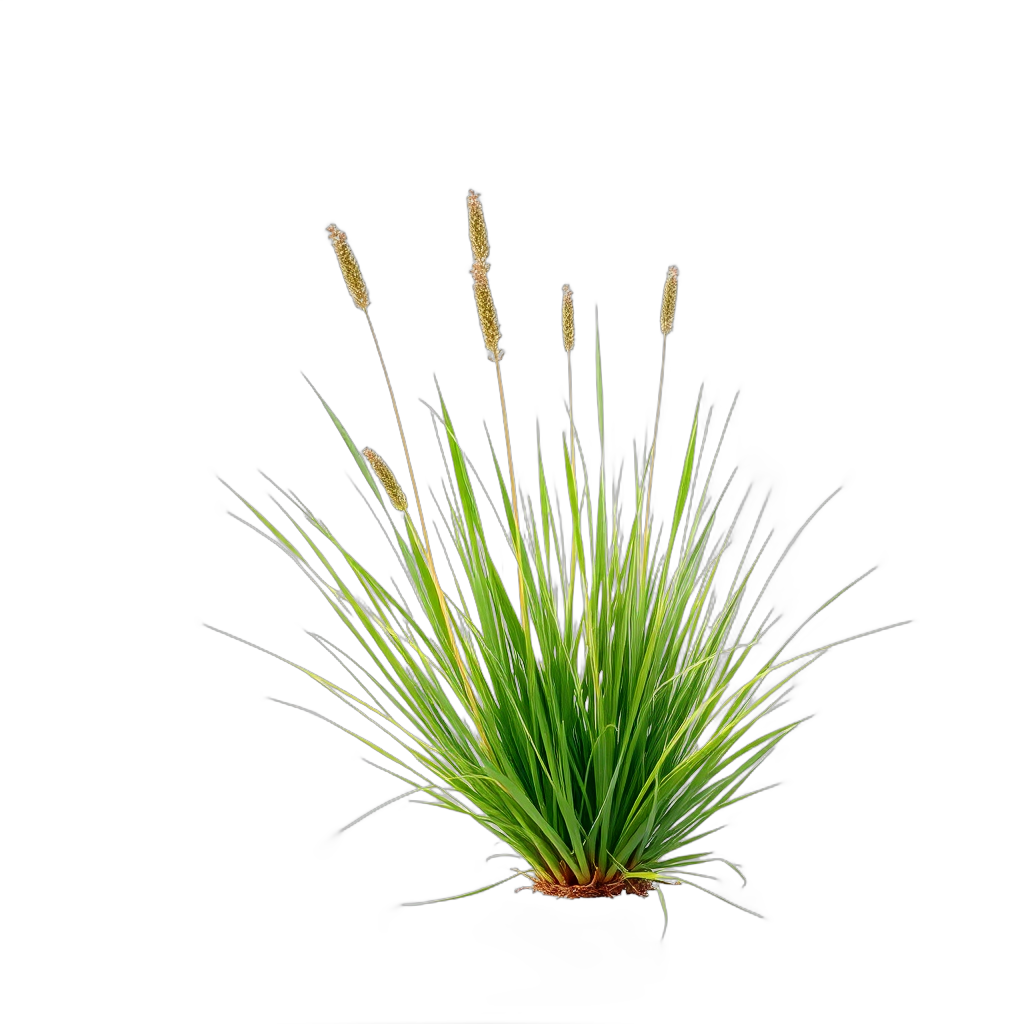
Deer Grass
Muhlenbergia rigens
grows to 3 feet, yellow blooms in fall. Evergreen year-round.
Featured Flowers & Perennials for Desert/Xeriscape Gardens
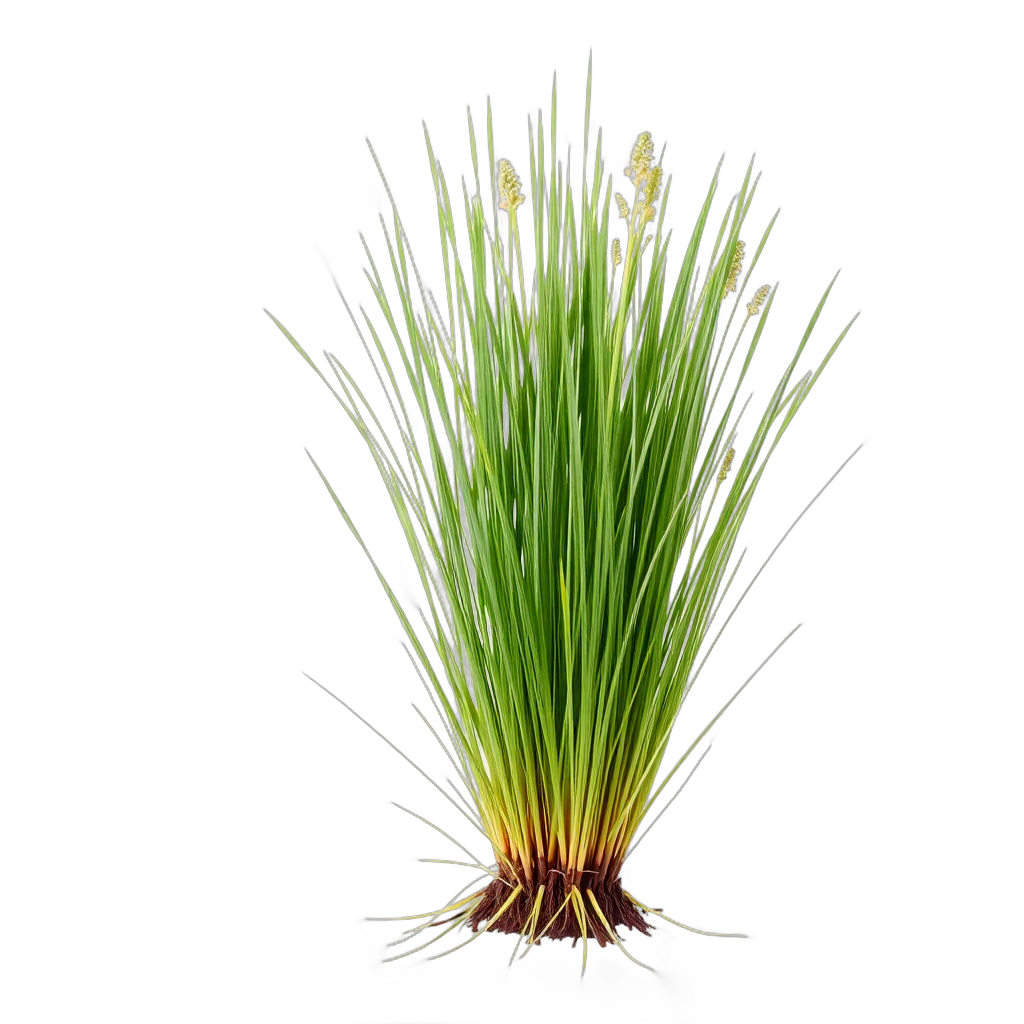
California Gray Rush
Juncus patens
low-growing ground cover, blooms in summer. Evergreen year-round.
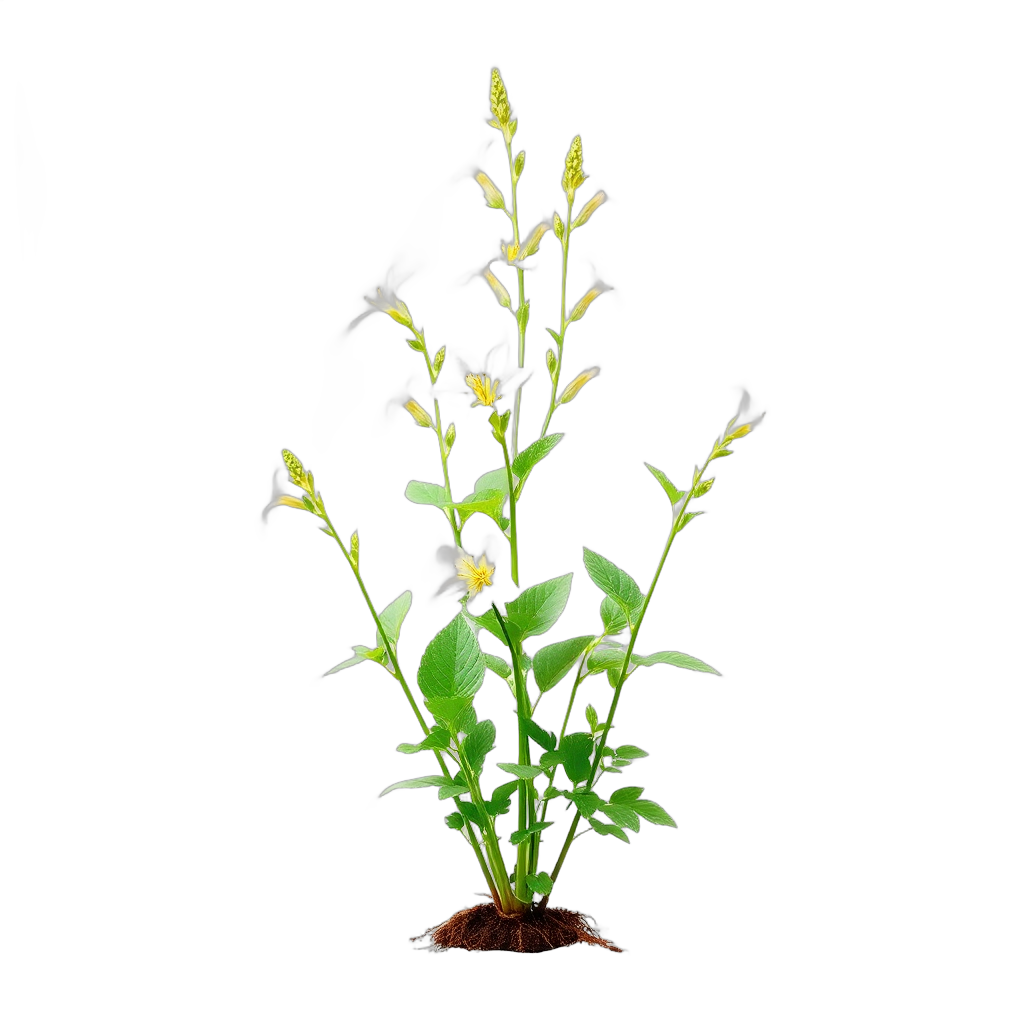
Beach Evening Primrose
Camissonia cheiranthifolia
low-growing ground cover, yellow blooms in spring. Attracts butterflies.
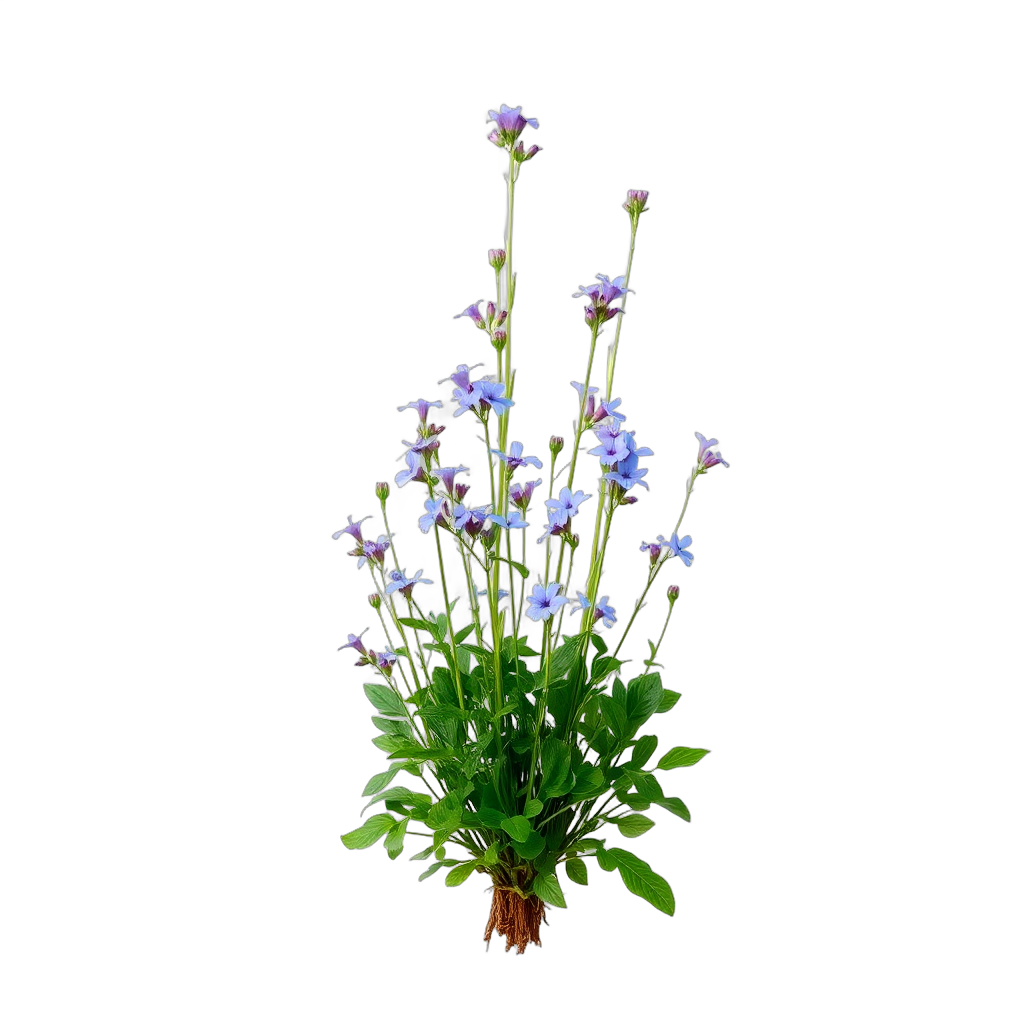
Blue Dicks
Dichelostemma capitatum
low-growing ground cover, blue blooms in spring. Pollinator-friendly.
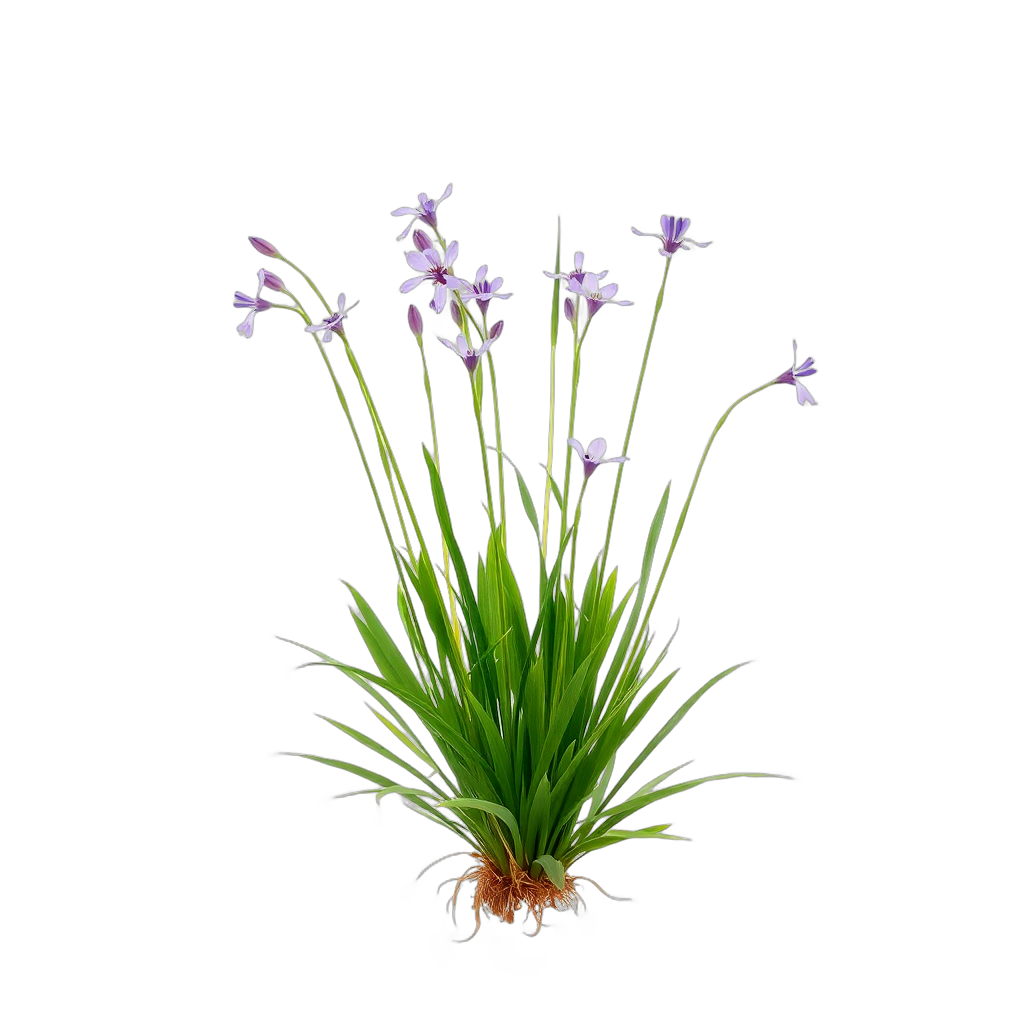
Blue-Eyed Grass
Sisyrinchium bellum
low-growing ground cover, blue blooms in spring. Attracts butterflies.
Zone and sun checks come from our database — confirm with your local nursery before you buy.
Bloom Calendar for Santa Ana
spring
Beach Evening Primrose, Blue Dicks, Blue-Eyed Grasssummer
California Gray Rush, Hooker's Evening Primrose, Hummingbird Mintfall
California Fuchsiawinter
Limited bloomsDesign Tips for Santa Ana (Zone 10b)
- Apply for the Metropolitan Water District’s $2/sqft turf replacement rebate BEFORE removing grass — pre-registration at socalwatersmart.com is required, and the $1,600+ cash back for a standard front yard is the best first step in any Santa Ana desert conversion
- Plant California coastal sage species — white sage, black sage, California sagebrush — in masses of 5–9 plants to create the sweeping grey-silver fragrant masses that define authentic Orange County chaparral gardens; single specimens look placed, not planted
- Use warm tan DG rather than grey for Santa Ana chaparral landscapes — warm tones harmonize with coastal sage color and the buff-colored granite boulders of the Santa Ana Mountains, while grey DG looks cold in Southern California light
- Install cool-coat sealer on all concrete surfaces — Santa Ana’s summer sun heats untreated concrete to dangerous temperatures; cool-coat sealers reduce surface temperatures by 30–40°F, making pool decks and patios genuinely usable in summer
- Design windbreak plantings of ceanothus and toyon on east-facing boundaries before the Santa Ana wind season begins — established shrubs at 3–4 feet height provide meaningful wind deflection within two growing seasons and protect more vulnerable garden areas
- Incorporate a tree — desert willow or California pepper tree — as the primary shade element in the front or backyard; the MWD’s $100-per-tree incentive subsidizes tree installation, and a single shade tree reduces summer patio temperatures by 8–12°F
Where to Source Plants in Santa Ana
Skip the big-box stores. These independent Santa Ana nurseries specialize in the plants that make desert/xeriscape gardens thrive in Zone 10b.
Theodore Payne Foundation Nursery
Sun Valley (serves all Southern California)
California native plants, coastal sage species, and wildflowers for authentic California chaparral gardens
Roger’s Gardens
Corona del Mar (near Santa Ana)
Premium landscape plants, drought-tolerant California natives, and design-forward plant selection for Orange County gardens
California Cactus Center
Pasadena (serves Orange County)
Agave, cacti, succulents, and desert specimens for Southern California landscapes
Armstrong Garden Centers
Multiple Orange County locations including Santa Ana area
Full-service Southern California garden center with drought-tolerant plants, DG, and landscape supplies
Moon Valley Nurseries
Orange County / Inland Empire area
Specimen trees, desert willows, palms, and large-scale landscape plants with delivery and installation
Desert/Xeriscape Landscaping Costs in Santa Ana
| Project Scope | Estimated Cost |
|---|---|
| Desert front yard with DG, boulders, and native plants (800 sqft, before rebate) | $7,200 – $14,000 |
| MWD turf replacement rebate (800 sqft residential) | –$1,600 (cash back) |
| Backyard patio with aluminum cover and fire pit | $10,000 – $22,000 |
| Inground pool with concrete deck | $42,000 – $80,000 |
| Drip irrigation system with smart controller | $1,800 – $4,000 |
| Boulder delivery and placement (per large boulder) | $200 – $1,000 each |
| AI visualization with ProScapeAI | Free to start |
Estimates based on Santa Ana, CA-area contractor rates as of 2026. Actual costs vary by site conditions, materials, and contractor.
Santa Ana Climate & Growing Zone
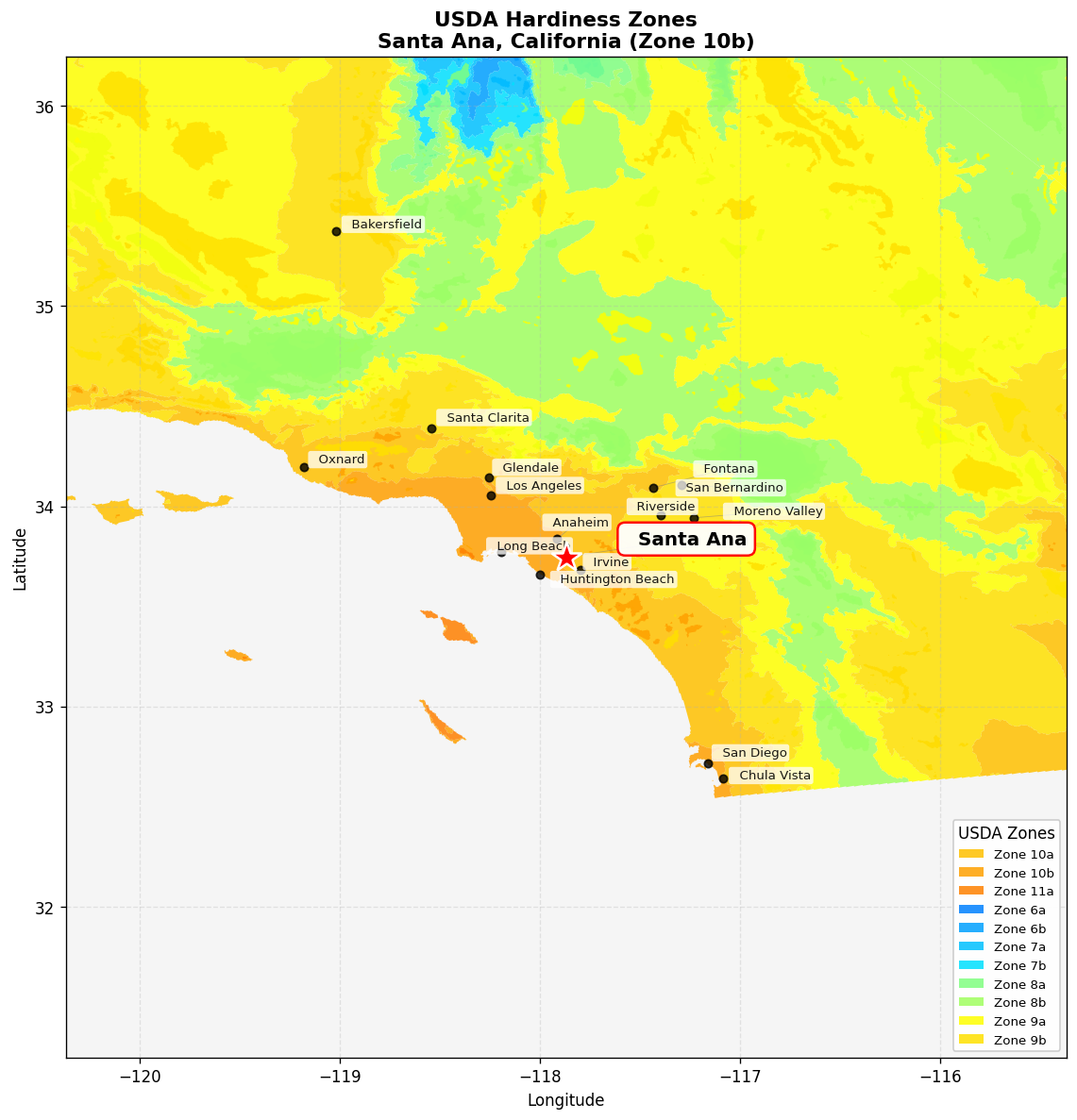
USDA Zone 10b
Hardiness zone for Santa Ana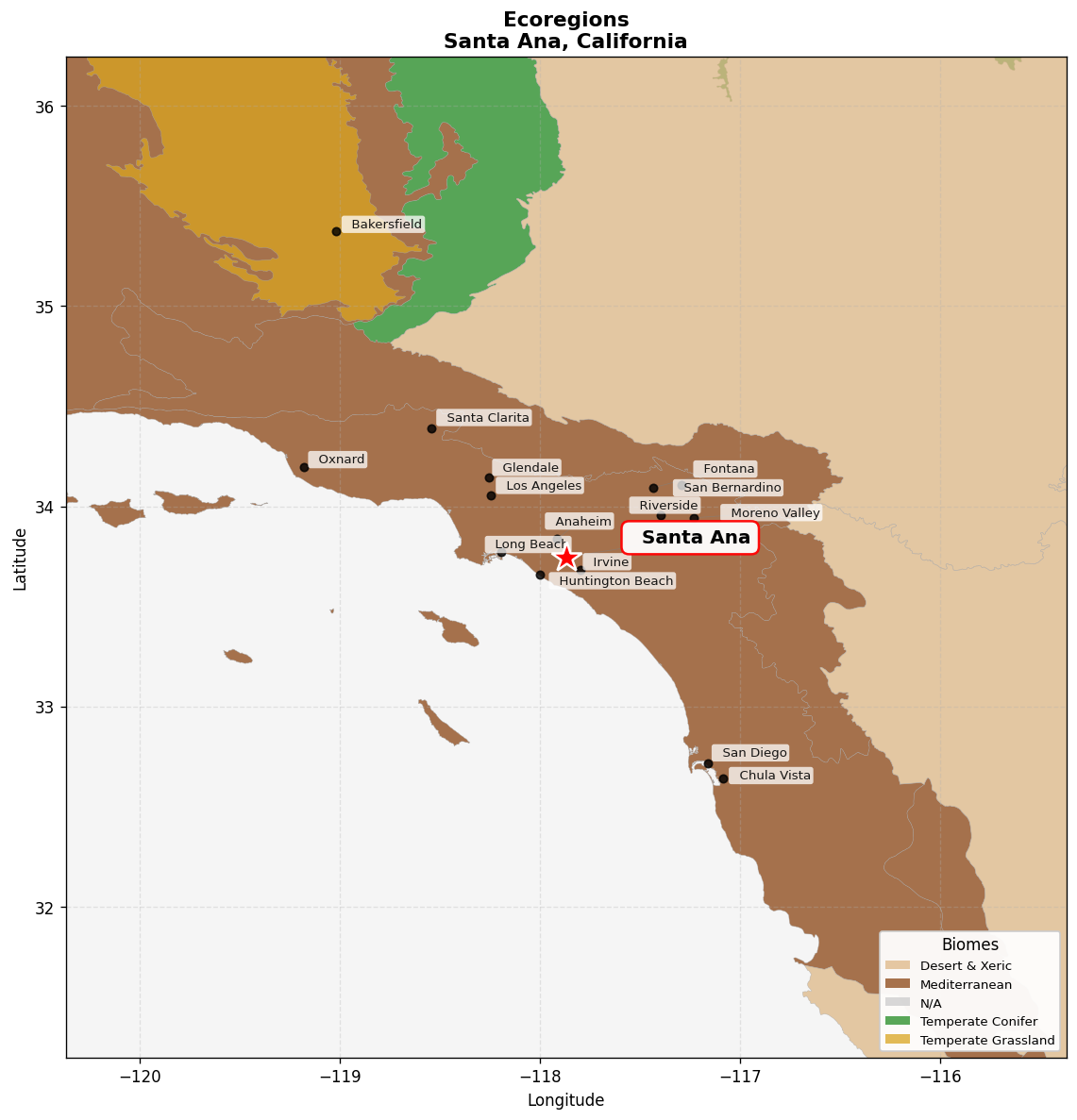
California coastal sage and chaparral
Native ecoregionFrequently Asked Questions
What turf removal rebates are available in Santa Ana, CA?
Santa Ana residents access turf removal rebates through the Metropolitan Water District of Southern California (MWD) via the SoCal Water$mart program. Residential rebates are $2 per square foot for qualifying turf removal and replacement with drought-tolerant landscaping, plus $100 per tree installed (up to 5 trees per application). A typical 800 sqft front yard conversion earns $1,600 in rebates plus up to $500 for tree installation. Requirements: existing living turf must be present; replacement must include approved drought-tolerant plants on drip irrigation; weed barrier and mulch are required; and pre-registration at socalwatersmart.com is mandatory before starting work. Commercial properties qualify for $7/sqft.
How much does desert landscaping cost in Santa Ana, CA?
Desert landscaping in Santa Ana runs $4–$12/sqft for standard installations and $9–$20/sqft for full design-build with boulders, specimen plants, and drip irrigation. Before MWD rebates, a complete front yard desert conversion (800 sqft) costs $7,200–$14,000; after the $2/sqft rebate, net cost drops to $5,600–$12,400. A full backyard with patio cover, desert planting, and fire feature runs $14,000–$28,000. Pool addition: $42,000–$80,000. Orange County / Inland Empire labor runs $45–$80/hour.
What California chaparral plants work best in a Santa Ana desert garden?
Santa Ana’s coastal sage and chaparral ecoregion supports one of California’s richest plant palettes for drought-tolerant design. Best performers: California sagebrush (Artemisia californica) for the quintessential silver-grey coastal sage mass; white sage (Salvia apiana) for strongly aromatic foliage and white summer flower spikes; California buckwheat (Eriogonum fasciculatum) for rust-colored seed heads that persist through fall; lemonade berry (Rhus integrifolia) for dense coastal evergreen screening; toyon (Heteromeles arbutifolia) for tall evergreen privacy and red December berries; ceanothus for brilliant blue spring bloom; and agave for bold year-round architectural structure. All are zero-water after Year 2 in Santa Ana’s climate.
How do Santa Ana winds affect desert landscape design?
Santa Ana’s namesake winds — hot, dry, and gusting 40–70 mph October through February — are the dominant seasonal weather event in Orange County landscape planning. Design strategies: plant windbreaks of dense shrubs (ceanothus, toyon, lemonade berry) on east and northeast boundaries where Santa Ana winds originate; choose low-growing, wind-flexible ornamental grasses and ground covers rather than tall brittle plants in exposed locations; anchor all lightweight landscape elements (pottery, furniture) or store during wind events; design covered patios with open lattice rather than solid panels to reduce structural wind loads; and choose steel or aluminum pergolas over wood, which can be damaged by high-wind events.
Is a pool a good investment in Santa Ana, CA?
Santa Ana’s Zone 10b climate provides 6–7 months of comfortable swimming (April–October) with hot summers (95°F+) that make pool investment logical. Key considerations: Santa Ana’s relatively dense lot sizes mean pools typically occupy a larger share of the yard than in Inland Empire cities — right-sizing the pool footprint matters; evaporation is significant in Santa Ana’s dry climate, making an automatic cover (with MWD rebate) an important efficiency investment; and Santa Ana’s older neighborhoods may have varied soil and drainage conditions that affect construction costs. Pools add 5–15% to Orange County property values in the current market.
What fire-resistant plants should I use in Santa Ana’s fire risk zones?
Santa Ana’s position adjacent to the Santa Ana Mountains places many neighborhoods near wildland-urban interface fire risk areas. Check your property’s CAL FIRE fire hazard severity zone designation before planting. Fire-resistant plant choices for Santa Ana desert gardens: agave and other succulents are among the most fire-resistant landscape plants available; deer grass recovers quickly after fire and has low flammability when adequately watered; California fuchsia (Epilobium) is a fire-resistant native ground cover; and low-growing, widely spaced plantings in the 30–100 foot defensible space zone reduce fire ladder risk. Avoid large masses of aromatic chaparral plants like sage immediately adjacent to structures during fire season — drought-stressed plants have significantly higher flammability.