4 Modern Landscape Ideas for Lakeland, FL | Low-Water Designs for Zone 10a
Native plants from the Southeast US conifer savannas (Zone 10a) — Humid subtropical climate
For a modern garden in Lakeland, FL, a zone 10a city with a humid subtropical climate, start with Muhlenbergia capillaris, Lagerstroemia 'Natchez' and Podocarpus macrophyllus 'Maki', the plants this guide's first design is built on.
Why Modern/Minimalist Gardens in Lakeland?
A modern landscape suits Lakeland because the city has so many flat, open lots with strong horizontal houses on them. Mid-century ranches in Cleveland Heights and around Lake Parker, newer stucco homes on the southwest side, and renovated bungalows near Lake Hollingsworth all gain from clean edges, repeated plant blocks and a few architectural focal points. Florida Southern College's Frank Lloyd Wright buildings add a local reference for the style: low lines, geometry and a limited palette.
Lakeland is in Zone 10a, with winter lows that usually reach 30–35°F on the coldest nights, summer highs near 92°F, and about 50 inches of rain, mostly June through September. Desert plants that need dry air, such as many large agaves and cacti, rot in that wet season unless planted on a mound with sharp drainage. The reliable modern palette here is Muhlenbergia capillaris for pink fall plumes, Dianella tasmanica 'Variegata' for strap leaves, Zamia integrifolia for a native cycad, Serenoa repens in its silver form, and Sabal palmetto as the architectural palm. Where a classic modern choice fails, there is a substitute: swap Dasylirion wheeleri for Yucca filamentosa 'Color Guard', and use Agave 'Blue Glow' only on a raised, gravel-topped bed.
Much of Lakeland sits on acidic, fast-draining sand around pH 5.0–6.5, so water runs straight through and nutrients leach out. That helps with the drainage that succulents and grasses want, but it means every bed needs a thin layer of compost and gravel or pine-bark mulch to hold some moisture. Near the lakes the water table rises in the wet season, so low planting beds are better built up 4–6 inches.
In 2026 the Southwest Florida Water Management District and the City of Lakeland moved to one-day-a-week watering by address during the drought, with fines up to $500, and the schedule can change, so confirm current days and hours with the city. A modern bed of Muhlenbergia capillaris, Sabal palmetto and Juniperus conferta 'Blue Pacific' on drip, with a small turf panel or none, works within those limits. Replacing 400 square feet of St. Augustine with mulch and grasses also reduces how much of the yard needs the watering day at all.
4 Modern/Minimalist Design Ideas for Lakeland
AI-generated image
The Ranch House Grass Block
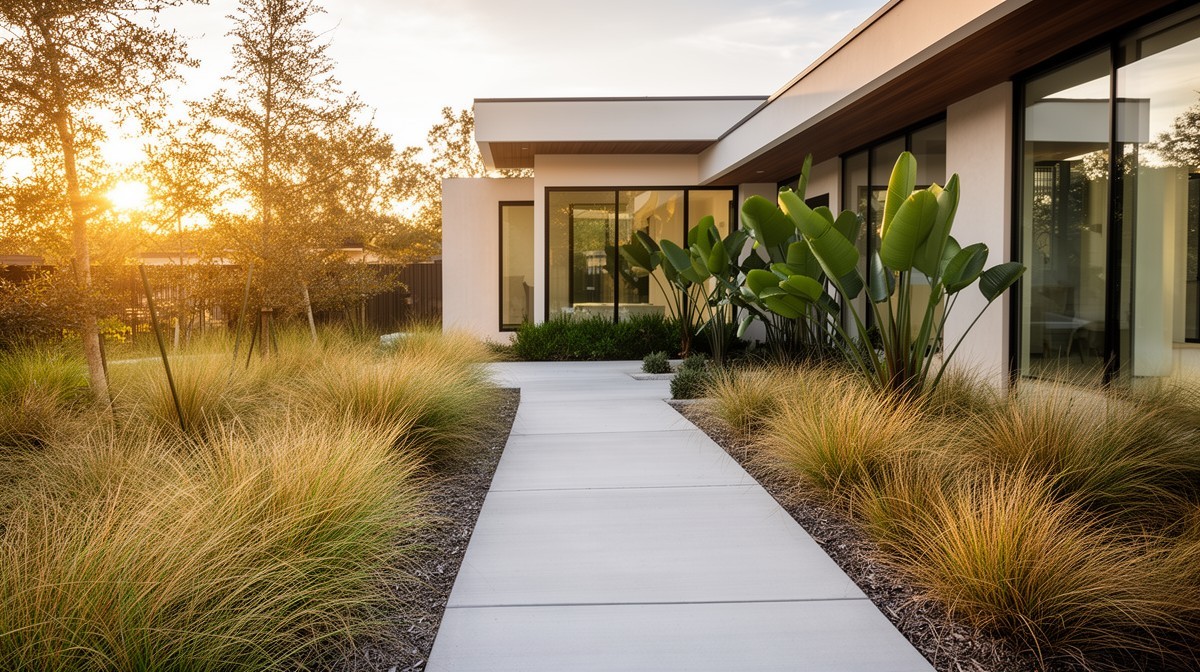
$16–34/sqftA long, low mid-century ranch in Cleveland Heights gets a wide rectangular bed of repeated Muhlenbergia capillaris, bordered by a crisp steel edge and a path of large-format concrete pavers set with narrow gaps. A single 'Natchez' crape myrtle anchors the corner and the garage side holds a row of clipped Podocarpus macrophyllus 'Maki'. Morning sun hits the grasses from the east, and in October the pink plumes catch the light against the pale stucco.
Try this on your yard: The Ranch House Grass BlockAI-generated image
The Palmetto Courtyard
$24–48/sqftA walled entry courtyard on a Mediterranean Revival home near Lake Morton has three Sabal palmetto clustered in a gravel bed, with Zamia integrifolia at the base and a trickle-fed concrete bowl water feature. Black steel planters hold Agave 'Blue Glow' on raised gravel so water drains away. The courtyard faces south, so afternoon sun is strong and the palms and agave carry the heat.
Try this on your yard: The Palmetto CourtyardAI-generated image
The Pool Terrace Edit
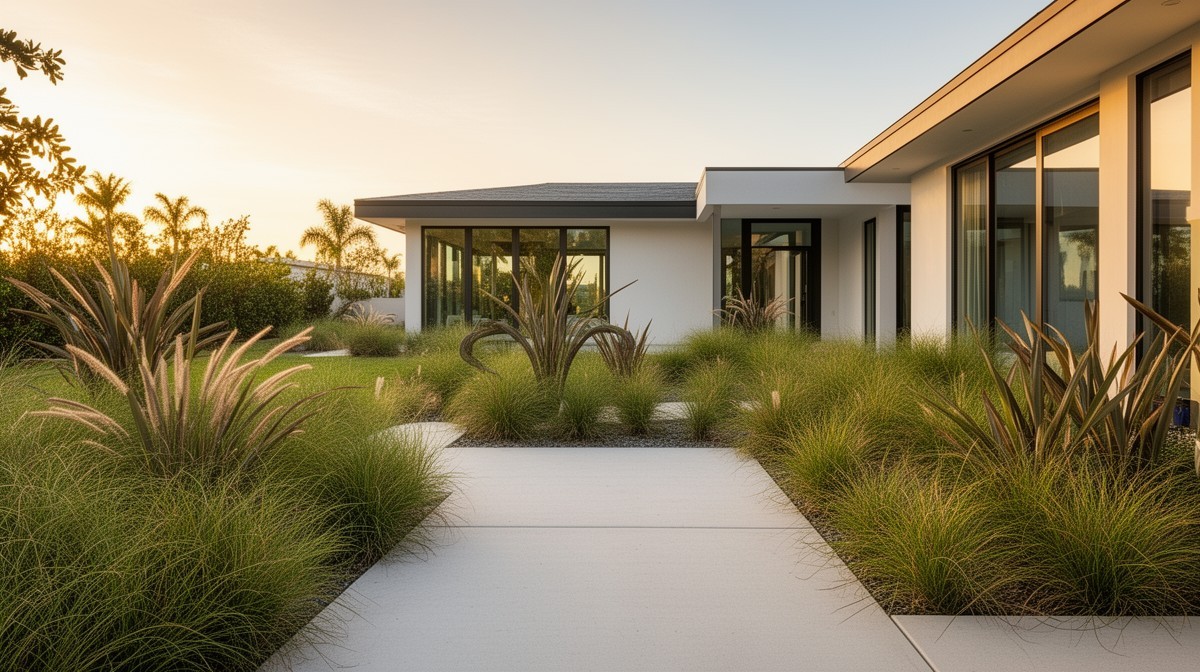
$30–60/sqftA newer southwest Lakeland house with a screened pool gets a poolside terrace of porcelain pavers, clipped Podocarpus macrophyllus 'Maki' in a long trough, and a row of Muhlenbergia capillaris behind it. Planters of Dianella 'Cassa Blue' soften the deck edge and Trachelospermum asiaticum covers the fence line. Plants sit in full sun, so every pick is heat-proof and sheds little litter into the pool.
Try this on your yard: The Pool Terrace EditAI-generated image
The Lakeside Meadow Block
$14–30/sqftA modern bungalow facing Lake Hollingsworth replaces turf with a flowing meadow strip of Tripsacum dactyloides and Muhlenbergia capillaris, cut by a straight concrete path to the door. Two clipped Ilex vomitoria 'Schillings' cubes sit either side of the steps, and a single live oak shades the left half of the lot. The strip handles wet-season water and dry spring alike, and shifts from green to gold to pink through the year.
Try this on your yard: The Lakeside Meadow BlockSee how a modern/minimalist garden looks on YOUR property
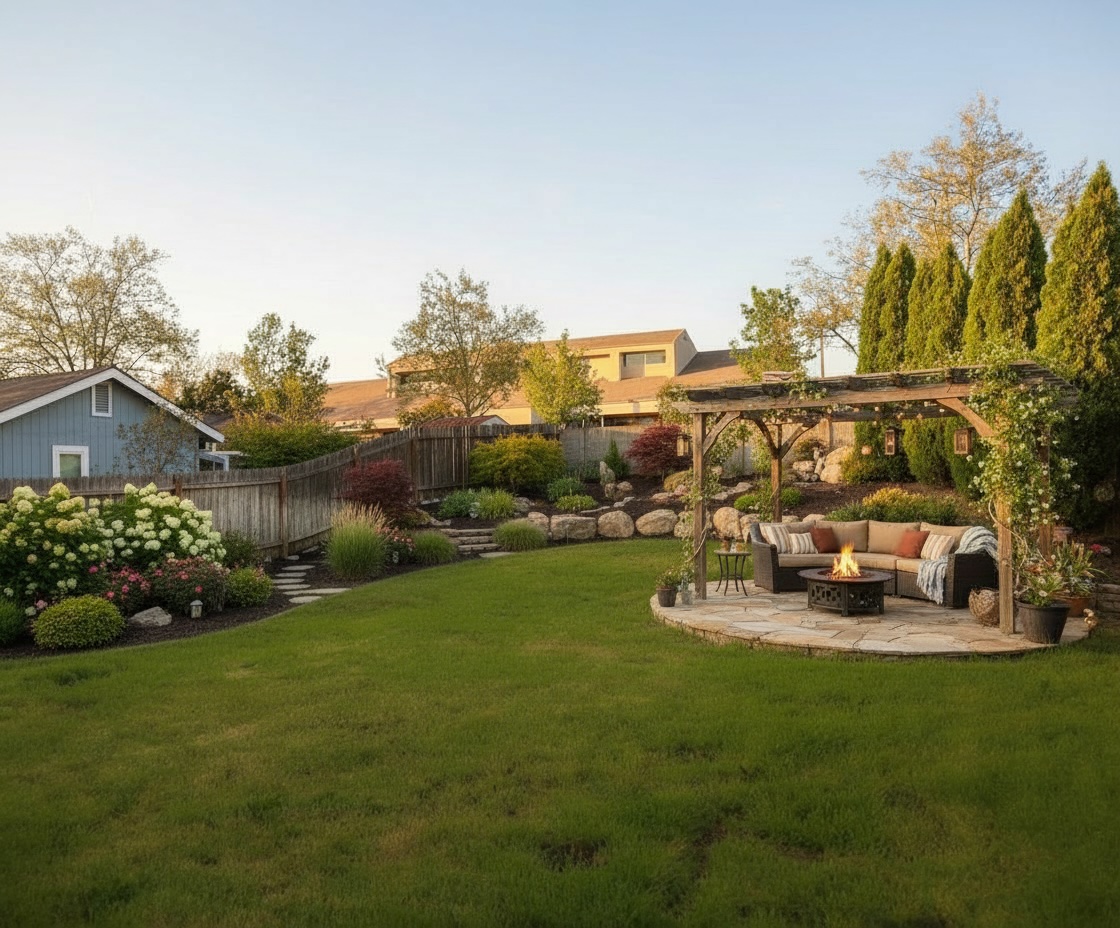
Upload a photo of your Lakeland yard and visualize your dream garden in seconds.
Try ProScapeAI Free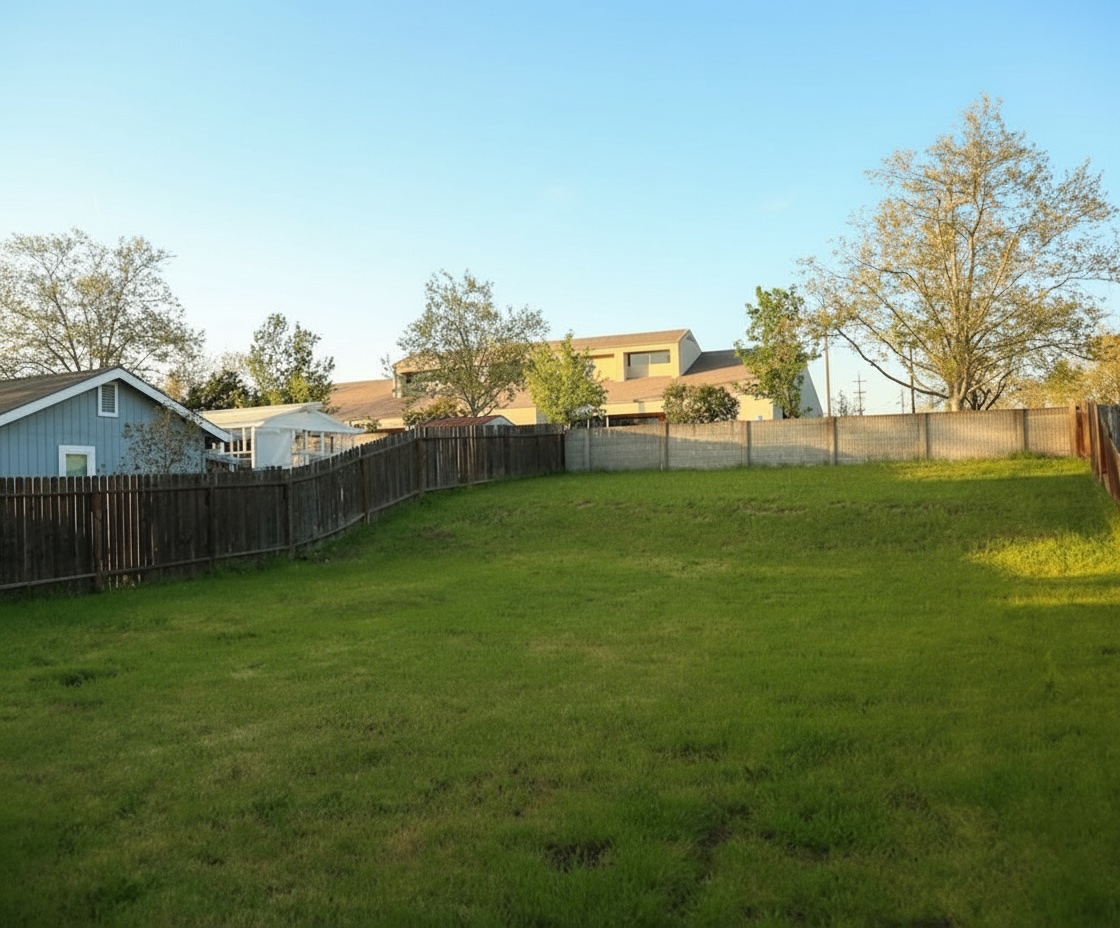
AI-generated image
Featured Trees & Shrubs for Modern/Minimalist Gardens
Browse all 178 plants for Lakeland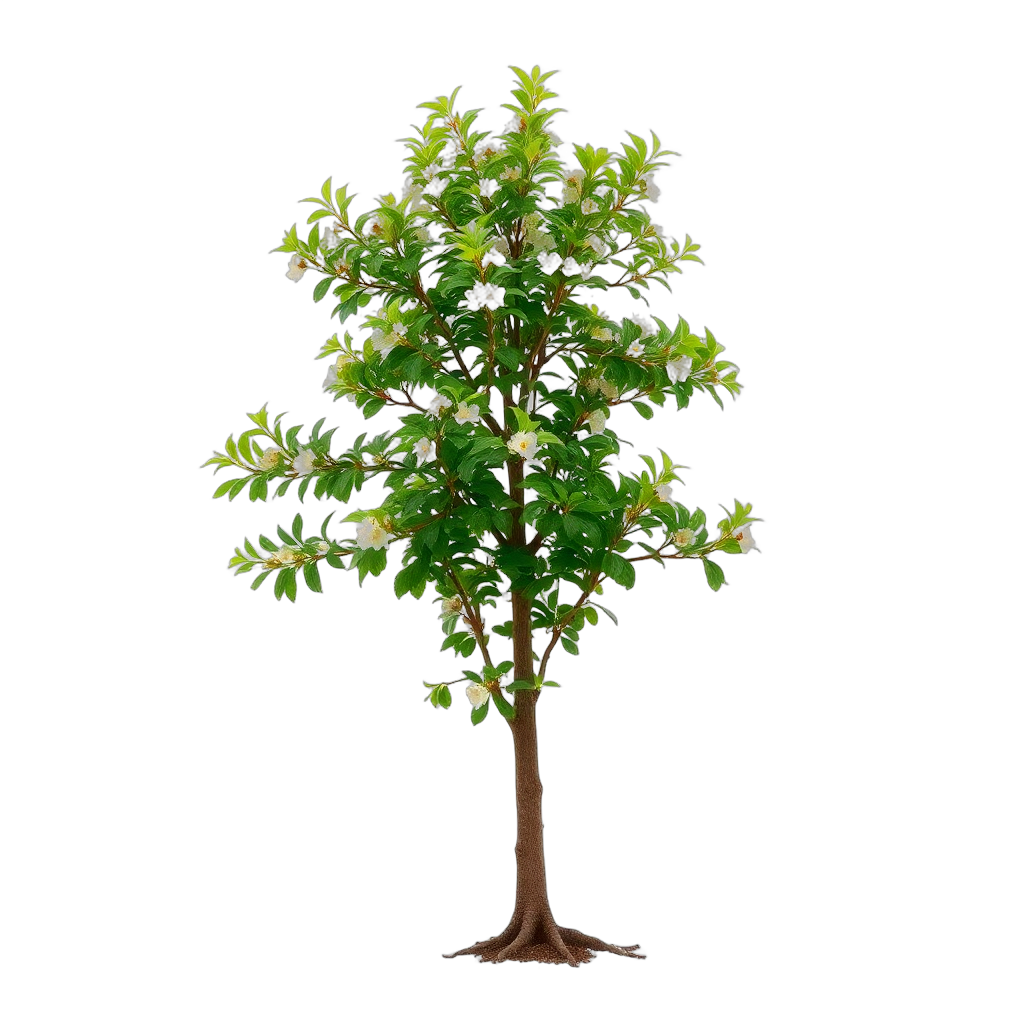
Buckwheat Tree
Cliftonia monophylla
medium-sized at 15 feet, white blooms in spring. Attracts butterflies.
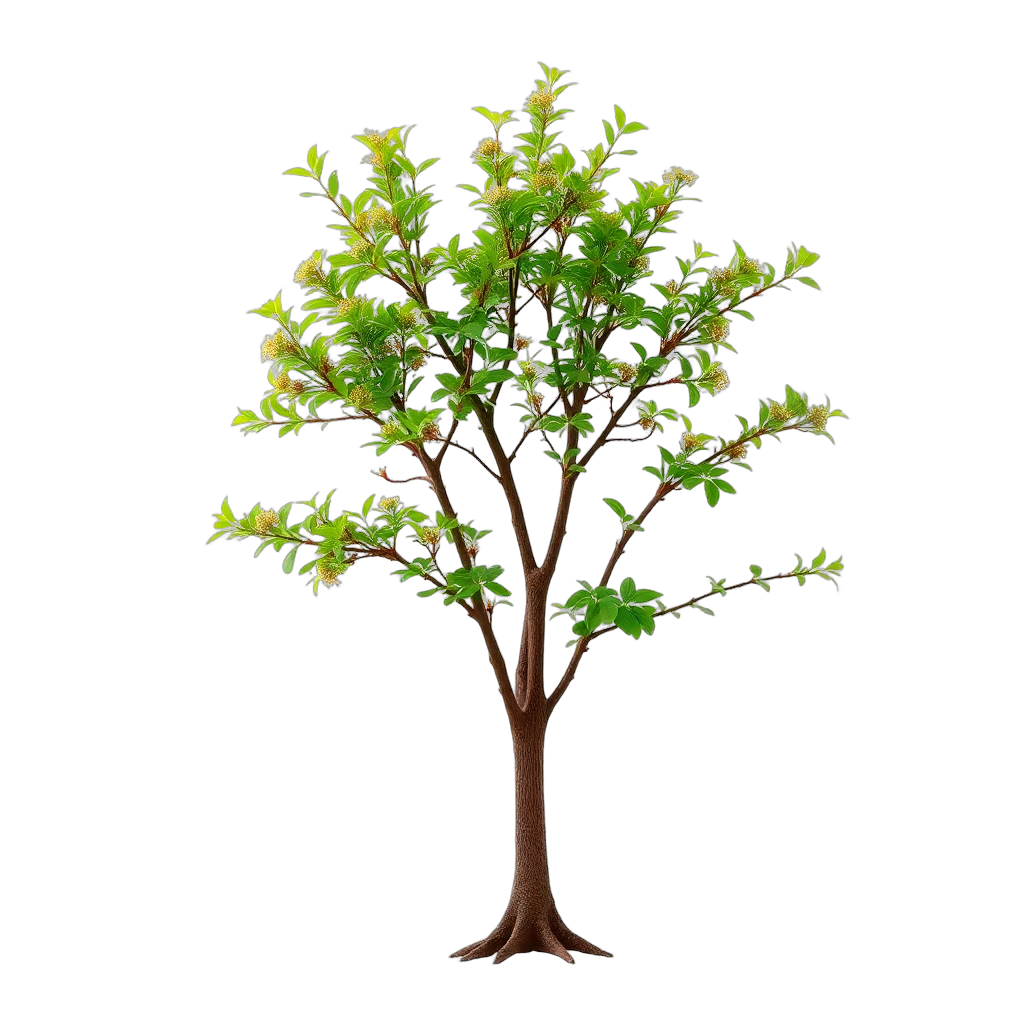
Fetterbush
Lyonia lucida
grows to 6 feet, white blooms in spring. Evergreen year-round.
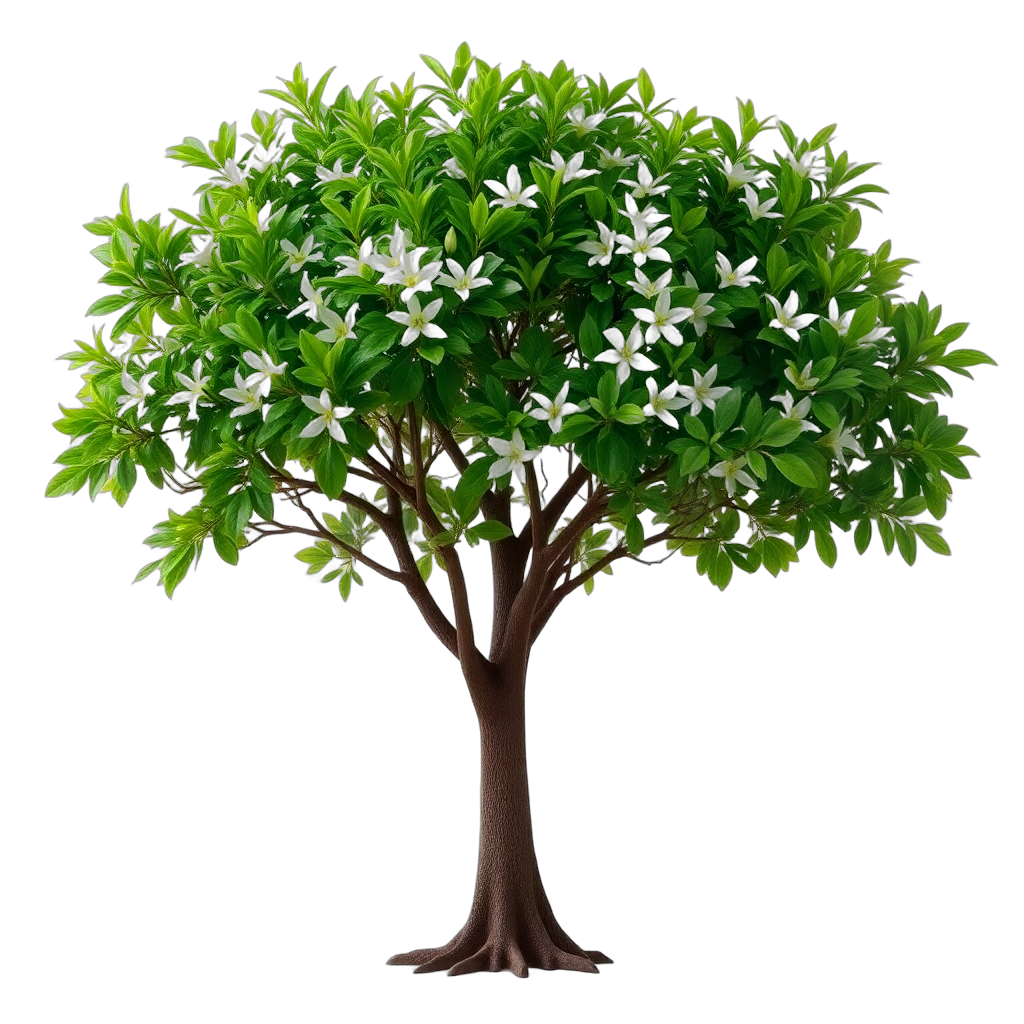
Florida Anise
Illicium floridanum
medium-sized at 8 feet, red blooms in spring. Evergreen year-round.

Inkberry
Ilex glabra
medium-sized at 8 feet, white blooms in spring. Pollinator-friendly.
Featured Grasses & Groundcovers for Modern/Minimalist Gardens

Pink Muhly Grass
Muhlenbergia capillaris
grows to 3 feet, pink blooms in fall.
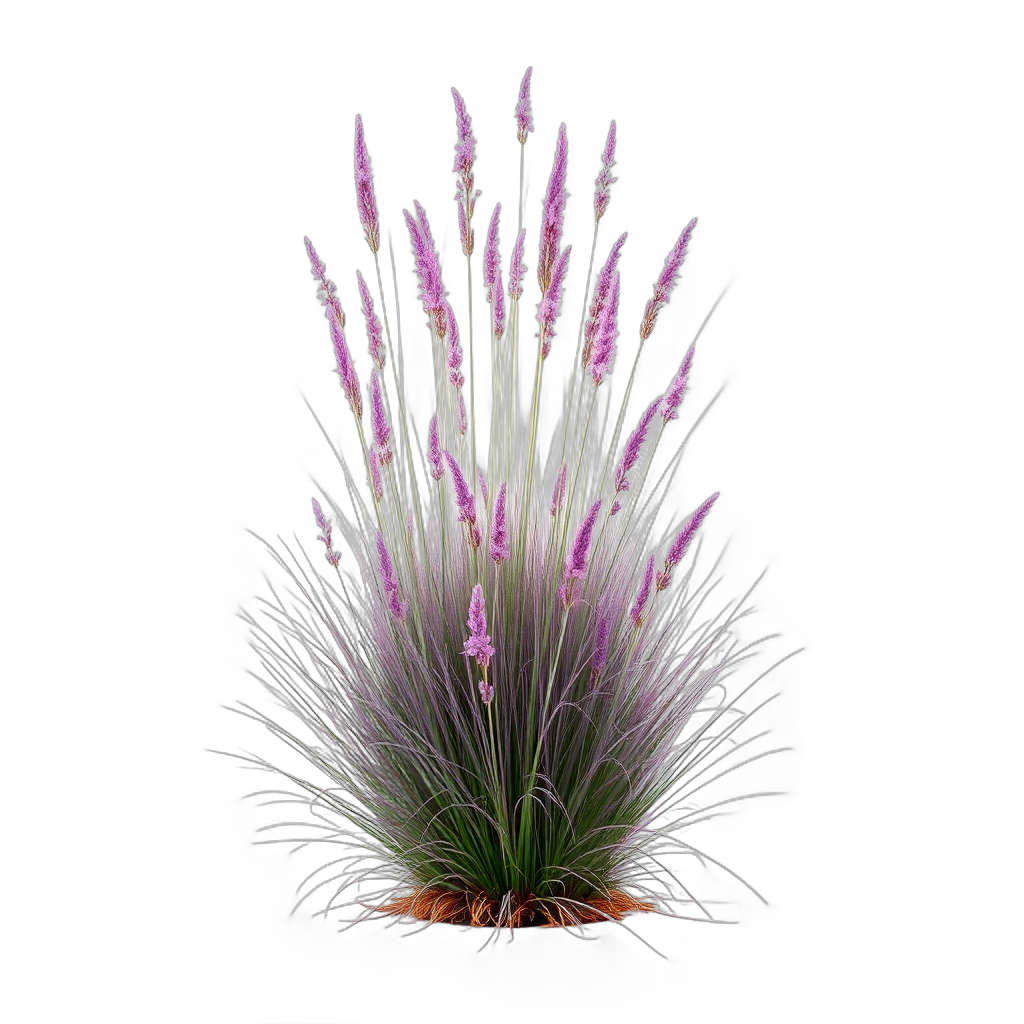
Purple Love Grass
Eragrostis spectabilis
low-growing ground cover, purple blooms in fall. Orange fall color.
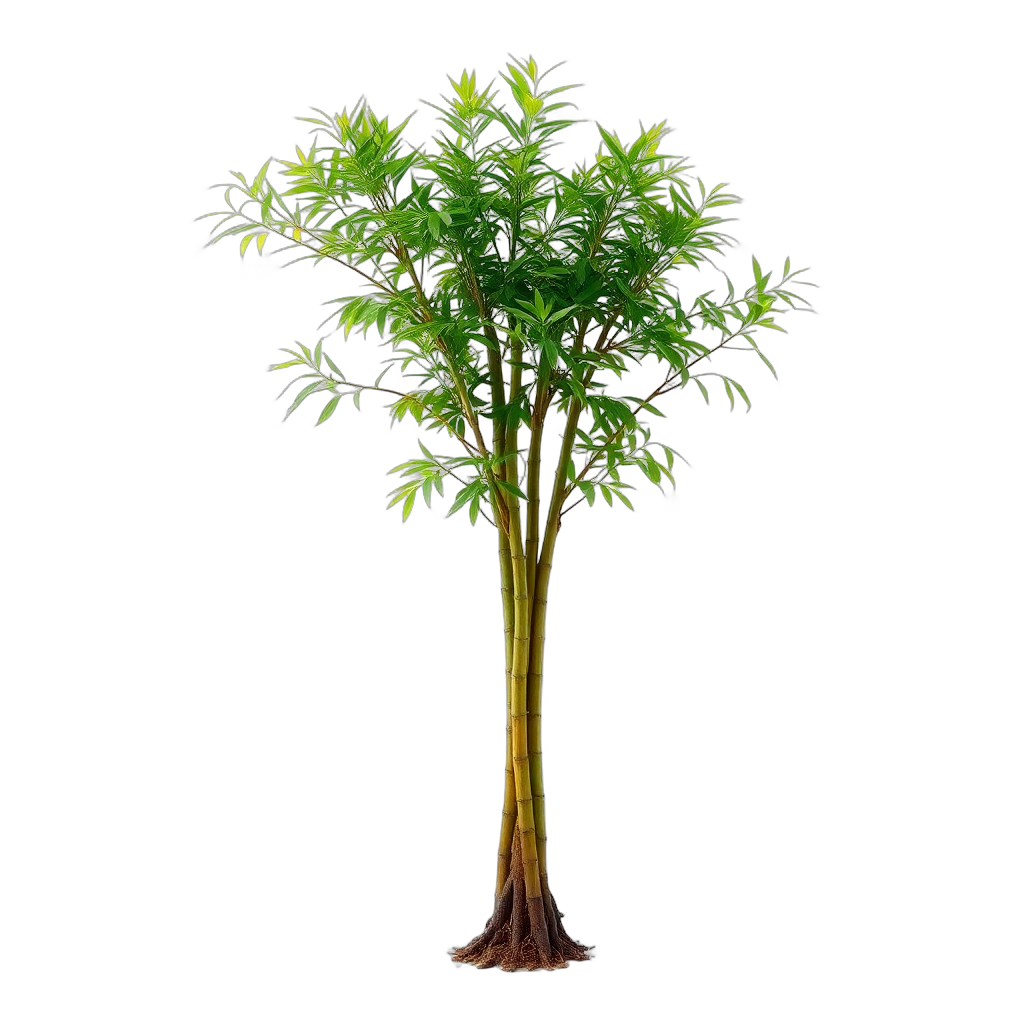
Anceps Bamboo
Yushania anceps
medium-sized at 12 feet, blooms in none. Evergreen year-round.
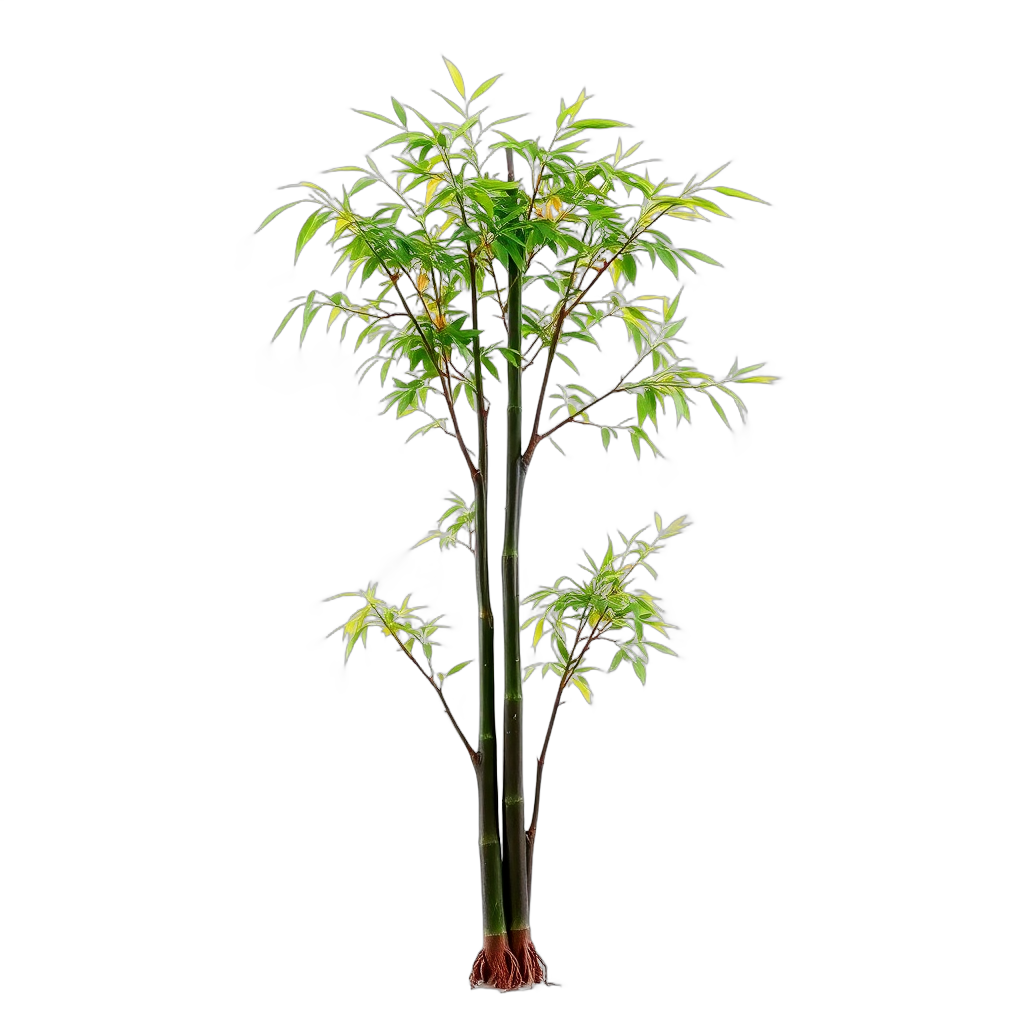
Black Bamboo
Phyllostachys nigra
reaches 25 feet tall, blooms in none. Evergreen year-round.
Featured Flowers & Perennials for Modern/Minimalist Gardens
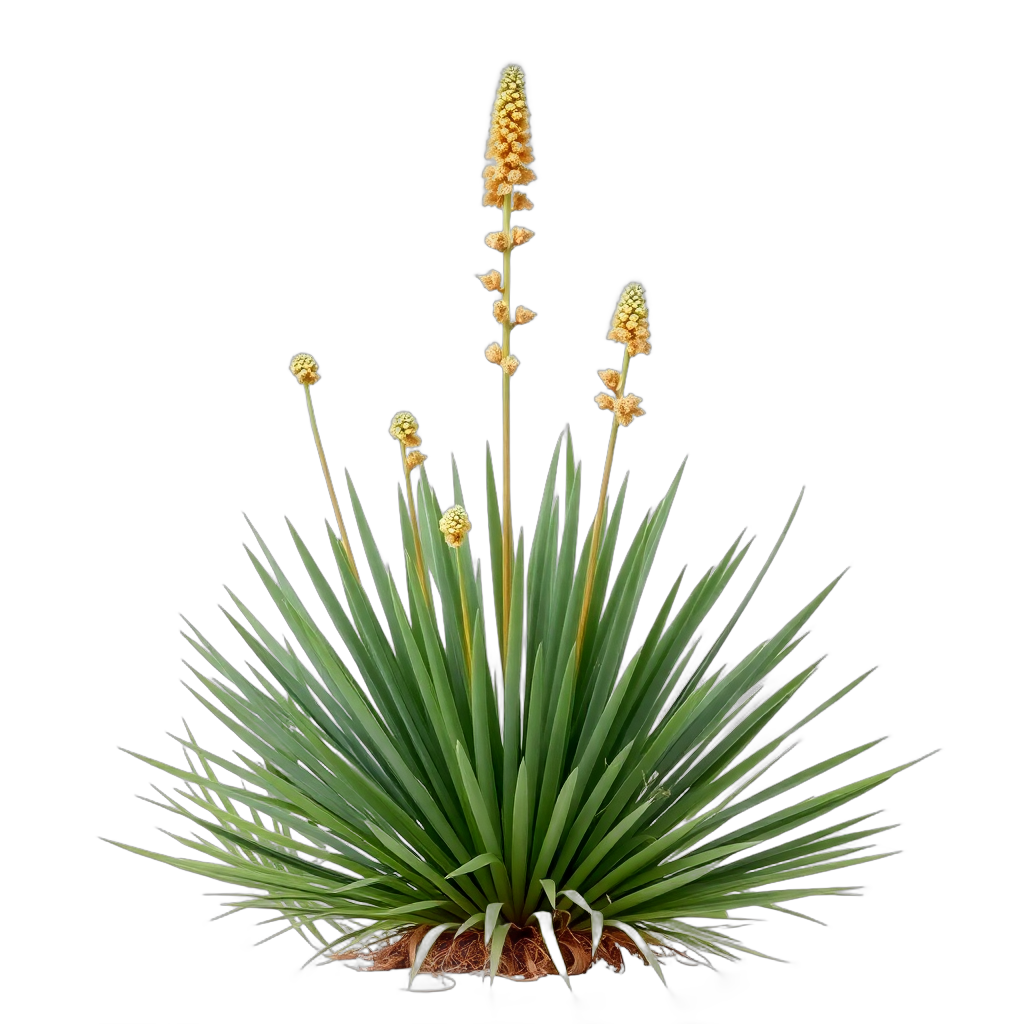
Adam's Needle
Yucca filamentosa
low-growing ground cover, white blooms in summer. Attracts hummingbirds.

Canadian Waterweed
Elodea canadensis
grows to 3 feet, white blooms in spring. Evergreen year-round.

Common Cattail
Typha latifolia
grows to 5 feet, blooms in summer. Pollinator-friendly.

Common Duckweed
Lemna minor
low-growing ground cover, white blooms in summer. Evergreen year-round.
Zone and sun checks come from our database — confirm with your local nursery before you buy.
Bloom Calendar for Lakeland
spring
Buckwheat Tree, Fetterbush, Florida Anisesummer
Adam's Needle, Swamp Cyrilla, Loblolly Bayfall
Pink Muhly Grass, Purple Love Grasswinter
Limited bloomsDesign Tips for Lakeland (Zone 10a)
- Use Muhlenbergia capillaris for mass planting: it takes Lakeland's sand, heat and 50 inches of rain, and the pink plumes in October make a modern bed look finished
- Raise any agave bed 6–8 inches and top it with gravel: Agave 'Blue Glow' rots in the wet season from June to September if it sits in flat sand
- Replace Dasylirion wheeleri with Yucca filamentosa 'Color Guard' for the spiky accent: it handles humidity and Zone 10a lows of 30–35°F without rot
- Put every bed on a drip timer: Lakeland's 2026 water restrictions dropped to one day a week by address, with fines up to $500, so confirm current rules before you design irrigation
- Mix compost into the sand and mulch with pine bark: the native soil runs pH 5.0–6.5, drains almost instantly and holds few nutrients
- Keep turf to a small panel or drop it: it is where most of the irrigation and mowing go, and a grass block of Tripsacum dactyloides or Muhlenbergia capillaris needs far less water once established
- Use Sabal palmetto and Quercus virginiana for structure: both stand up to summer storms and local lows, and give a modern composition height without the cold risk of tropical palms
Where to Source Plants in Lakeland
Skip the big-box stores. These independent Lakeland nurseries specialize in the plants that make modern/minimalist gardens thrive in Zone 10a.
Plant Local
Downtown Lakeland (East Main Street)
Native plant nursery for wildflowers, shrubs, vines and ground covers, useful for Tripsacum, Coreopsis leavenworthii and Salvia coccinea; open Thursday to Saturday, so call ahead for stock
Peterson Nursery and Garden Center
South Lakeland (County Road 540A)
Long-established independent garden center with grass plugs and sod, butterfly perennials, roses, tools and organic products
The Green House
Lakeland (Easton Drive, off South Florida Avenue)
Independent garden shop with indoor, outdoor and exotic plants, orchids, pots and garden tools, useful for courtyard containers
Modern/Minimalist Landscaping Cost Ranges
| Project Scope | Estimated Cost |
|---|---|
| Concrete patio, broom finish (200 sqft) | $2,100–$2,500 |
| Low-voltage landscape lighting (6 fixtures) | $1,200–$2,000 |
| Composite decking boards, surface only on existing framing (200 sqft) | $4,700–$5,800 |
| AI visualization (ProScapeAI) | Free to start |
National average installed ranges for 2026 from our landscaping price list (Homewyse and other published sources). Prices in Lakeland, FL vary with site, materials and contractor, so get two or three local quotes.
Lakeland Climate & Growing Zone
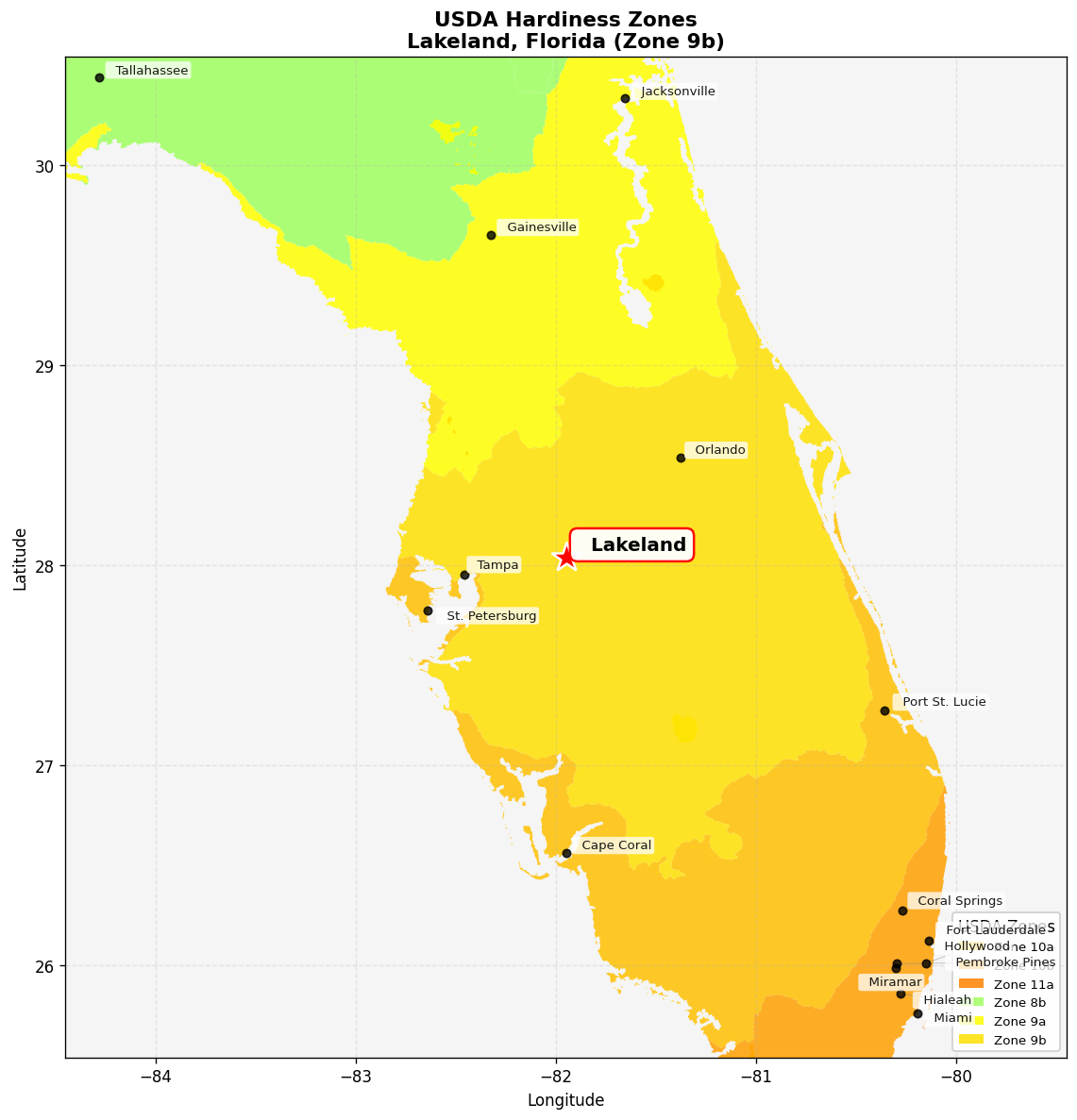
USDA Zone 10a
Hardiness zone for Lakeland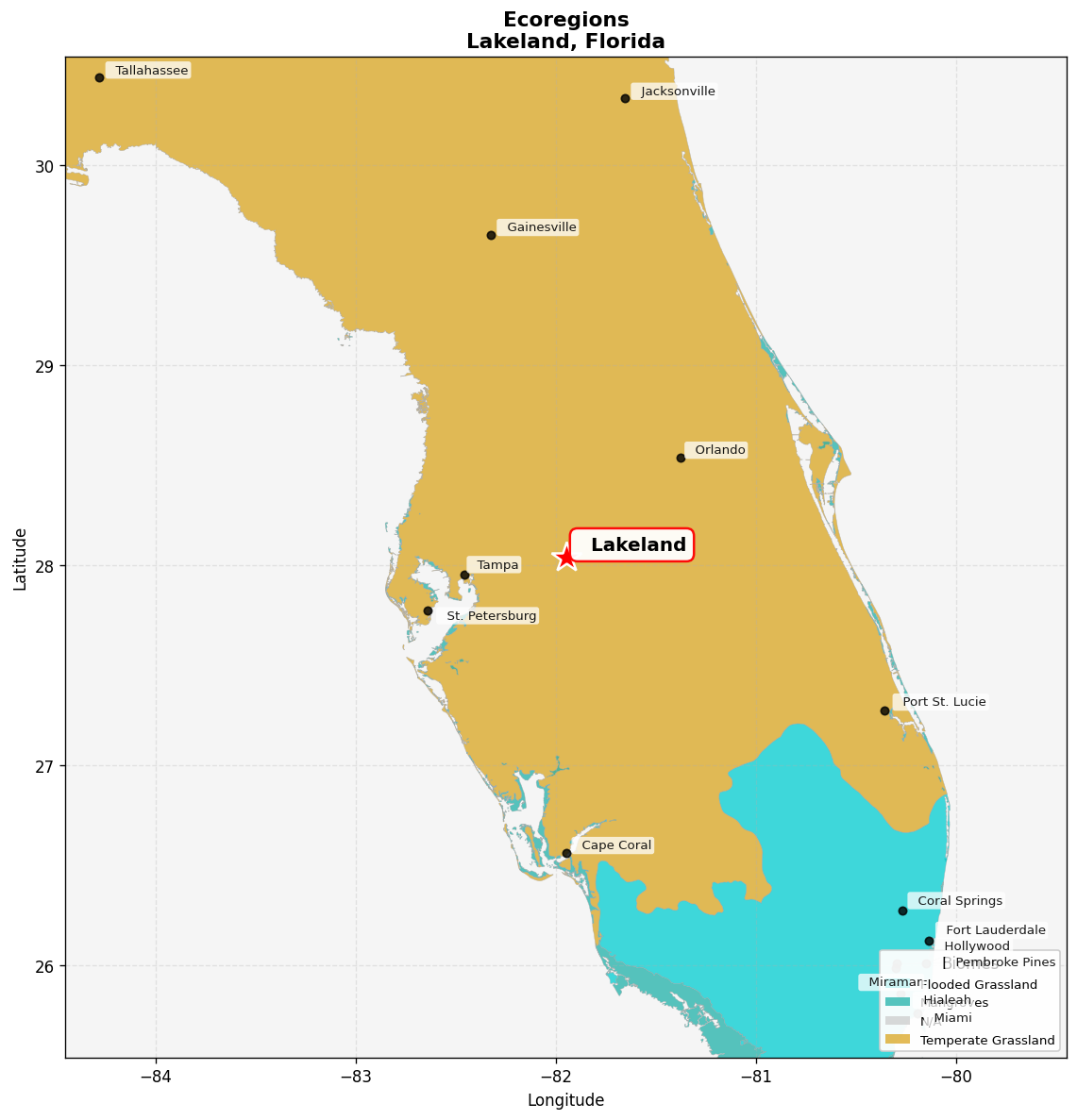
Southeast US conifer savannas
Native ecoregionFrequently Asked Questions
How much does a modern landscape cost in Lakeland, FL?
Costs vary with site, access, materials and local labor rates, so get two or three local quotes before you budget.
Is a modern landscape low maintenance in Lakeland's climate?
Yes, with the right plants. Muhlenbergia capillaris needs one cut-back in late winter, Sabal palmetto needs little beyond trimming dead fronds, and Podocarpus macrophyllus 'Maki' wants shearing a few times a year. The ongoing work is weeding gravel beds in the wet season from June to September and checking drip emitters. Keep turf panels small, since turf is where most of the water and mowing time goes.
When is the best time to plant in Lakeland?
October through March is the most comfortable window, with cooler air and lighter rain so roots can establish before summer. Palms like Sabal palmetto do best planted in the warm months, May through September, when roots grow fastest, as long as you water on your assigned day. Avoid pruning tender plants late in winter before the last cold snap, since Lakeland can still see a freeze into February.
What are the watering rules in Lakeland?
In 2026 the Southwest Florida Water Management District and the City of Lakeland moved to one-day-per-week watering, set by the last digit of the street address, during the drought. The city has also adopted enforcement, with fines up to $500. The schedule can change, so check with the City of Lakeland or SWFWMD for current days and hours. A drip system on a timer and drought-tough plants keep a modern landscape inside the rules.
Which modern landscape plants survive the heat and the wet season here?
Muhlenbergia capillaris, Sabal palmetto, Zamia integrifolia, Dianella tasmanica 'Variegata' and Yucca filamentosa 'Color Guard' all take 92°F summers and 50 inches of rain. Large desert agaves and Dasylirion wheeleri tend to rot in the wet season, so use Agave 'Blue Glow' only on a raised gravel bed. Frost is rare but 30–35°F nights occur, so protect tender tropicals such as Philodendron 'Xanadu' with mulch.
Will a gravel and grass design work on Lakeland's sandy soil?
Yes, because the sand drains fast, which grasses and succulents like. The weak point is nutrients and moisture holding, so mix 2 inches of compost into the top 6 inches before planting and mulch with pine bark or gravel. Test the soil through UF/IFAS Extension Polk County: it usually runs acidic, roughly pH 5.0–6.5, and most grasses tolerate it. Near the lakes, build beds up 4–6 inches where the water table rises.
Do I need a permit or approval for hardscape or a fence in Lakeland?
Fences, retaining walls and some patios or structures can need a permit and must meet setback and height limits, and homes in a designated historic district may face extra review of exterior changes. HOAs set their own rules. Check with City of Lakeland building and zoning staff and your HOA before you build, and settle the design first.