4 Modern Landscape Ideas for Lakewood, CO (Zone 6a Design)
Native plants from the Western shortgrass prairie (Zone 6a) — Humid continental (hot summer) climate
Why Modern/Minimalist Gardens in Lakewood?
Lakewood is one of the best mid-century cities in Colorado, and that is the whole argument for modern landscape design here. The Denver Federal Center boom filled Green Mountain, Glennon Heights, Sixth Avenue West and Lochwood with thousands of 1955 to 1975 brick ranches and split-levels - long low rooflines, wide eaves, big horizontal window bands - and those houses were designed for a clean groundplane, not for foundation shrubs pruned into meatballs. At the other end of the city, the newer contemporary builds in Solterra and Rooney Valley sit on the hogback with full Front Range views and want the opposite treatment: restraint, so nothing competes with the skyline. Between them sits Belmar, where the old Villa Italia site was rebuilt as a walkable urban core, and where small modern courtyards on tight lots are becoming the norm.
The climate is unusually generous to this style. Lakewood sits at roughly 5,500 feet in USDA Zone 6a, with winter lows of -5°F to -10°F, more than 240 sunny days, and only about 15 to 17 inches of precipitation a year. That combination is why the sculptural desert palette that defines modern landscapes in Phoenix or Palm Springs can genuinely overwinter here, where it cannot in wetter Zone 6 cities. Agave parryi var. neomexicana takes roughly -20°F, Yucca rostrata 'Sapphire Skies' and Yucca 'Color Guard' hold their form all winter, and Hesperaloe parviflora flowers through the driest July. The grasses do even more work: Calamagrostis x acutiflora 'Karl Foerster' stands up to chinook winds that flatten softer species, Bouteloua gracilis 'Blonde Ambition' is a Colorado shortgrass-prairie native selected by Plant Select, and Schizachyrium scoparium 'Standing Ovation' turns copper in October and holds that colour until you cut it in March.
Soil and hardscape are where modern designs actually fail in Lakewood. Front Range soil is alkaline clay loam at pH 7.5 to 8.2, and on the west side toward the hogback it becomes expansive bentonite that swells when wet and shrinks hard when dry - it will move a slab. Every square foot of concrete or paving needs four to six inches of compacted class 6 road base, a 4,000 psi air-entrained mix for freeze-thaw and de-icer resistance, control joints at eight to ten feet, and a quarter inch per foot of fall away from the house. For the plants, the killer is not cold but winter wet: an agave planted at grade in clay will rot by March. The fix is the same one that produces the look - build the bed up with a coarse squeegee and gravel mix, keep the crown proud of grade, and mulch with three-quarter-inch crushed rock instead of bark.
Water rules push the design in the same direction the style already wants to go. Denver Water and Consolidated Mutual Water Company serve most of the city, and Denver Water's summer rules run May 1 to October 1: three watering days a week maximum, nothing between 10 a.m. and 6 p.m., and no watering during rain or wind. A gravel-and-grasses front yard on drip typically uses 60 to 80 percent less water than the lawn it replaced, and both utilities plus Resource Central run conservation and turf-removal programs worth pricing before you commit to how much turf stays in the design.
4 Modern/Minimalist Design Ideas for Lakewood

The Clean-Line Entry Walk
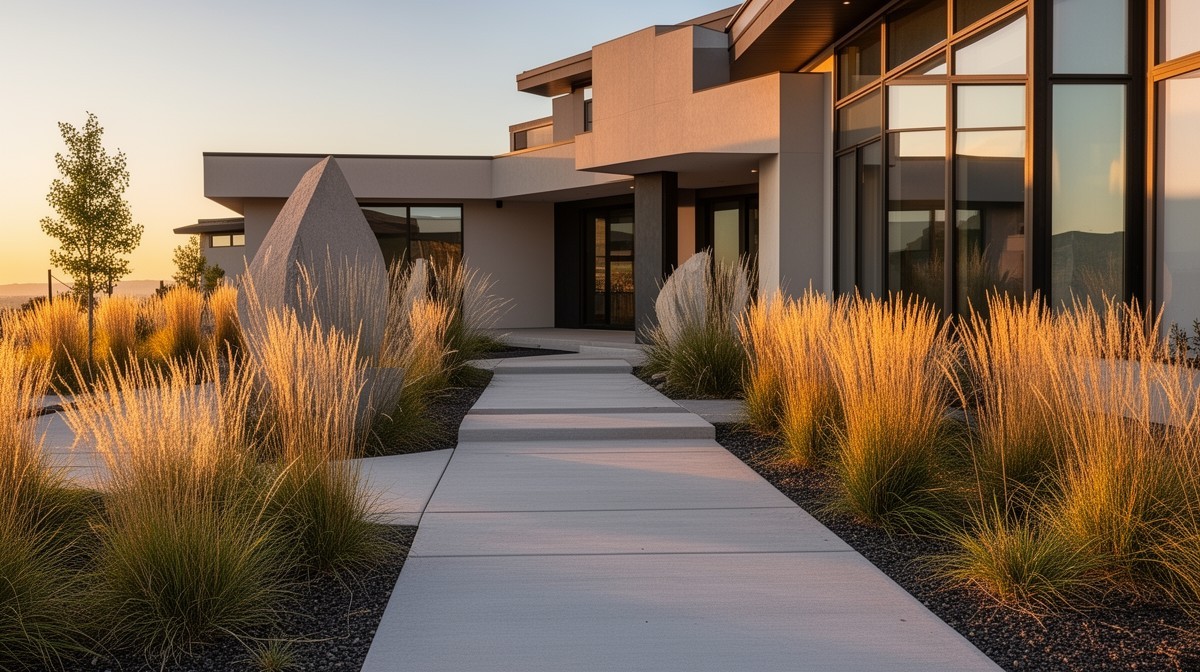
$14-26/sqftA single-story flat-roofed house in white stucco with a vertical cedar wing and a stacked stone entry pier, black window frames, and a dark flush door. The landscape is one strong move: a wide broom-finished concrete walk with sawcut joints runs dead straight from the public sidewalk to two low concrete steps at the door, splitting the front yard into two crushed-gravel beds. Those beds are planted rhythmically - tufts of fine blue-green grass, low purple salvia and lavender, and two weathered sandstone boulders set as punctuation - while two clean panels of green lawn are held out at the edges so the yard still reads as a front garden. A young maple leans over the walk and gives the west-facing facade the filtered afternoon shade it needs in July.

The Zero-Turf Terraced Ranch
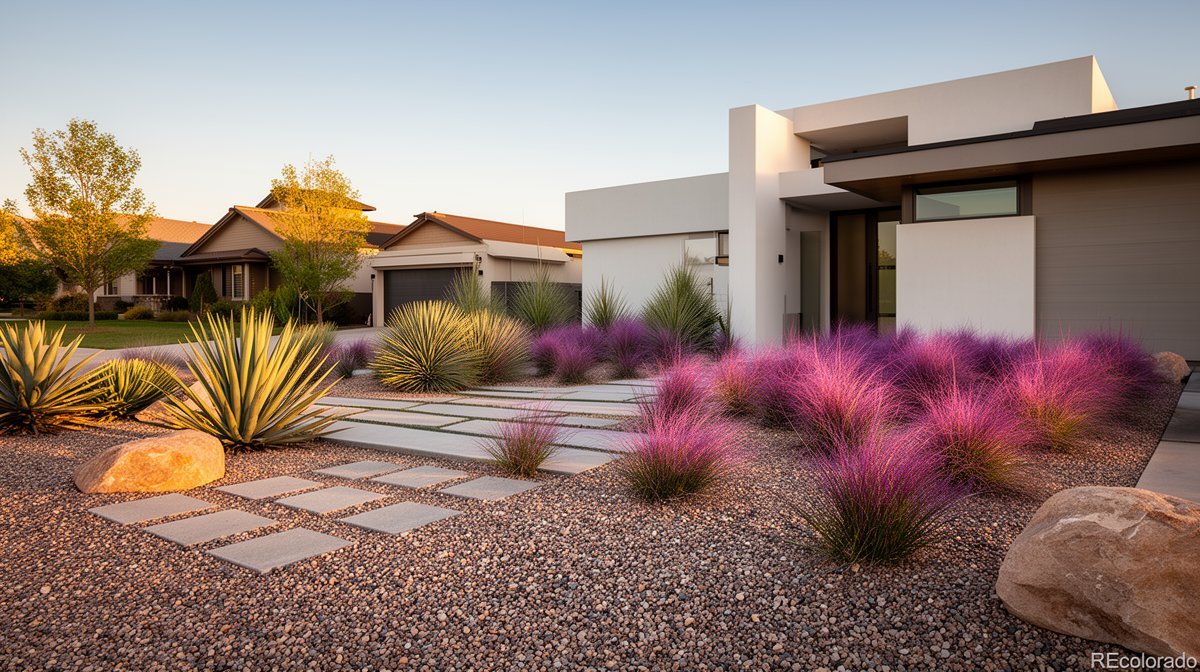
$9-18/sqftA long mid-century ranch in brick, stucco and wood under a low hipped roof, with a dark garage door and an existing cottonwood the size of the house. Every square foot of former front lawn is gone, replaced by a field of Colorado gold gravel divided into shallow terraces by weathering steel edging that steps the grade gently down toward the street. Big blue-green agave rosettes are spaced through the gravel like sculpture, with wheat-toned feather reed grass, blue fescue and low silver shrubs filling between them, and the original concrete walk and driveway left exactly where they were. The foothills sit on the horizon behind the roofline, and there is nothing left to mow, edge or water on a schedule.

The Fire Pit Terrace with a Front Range View
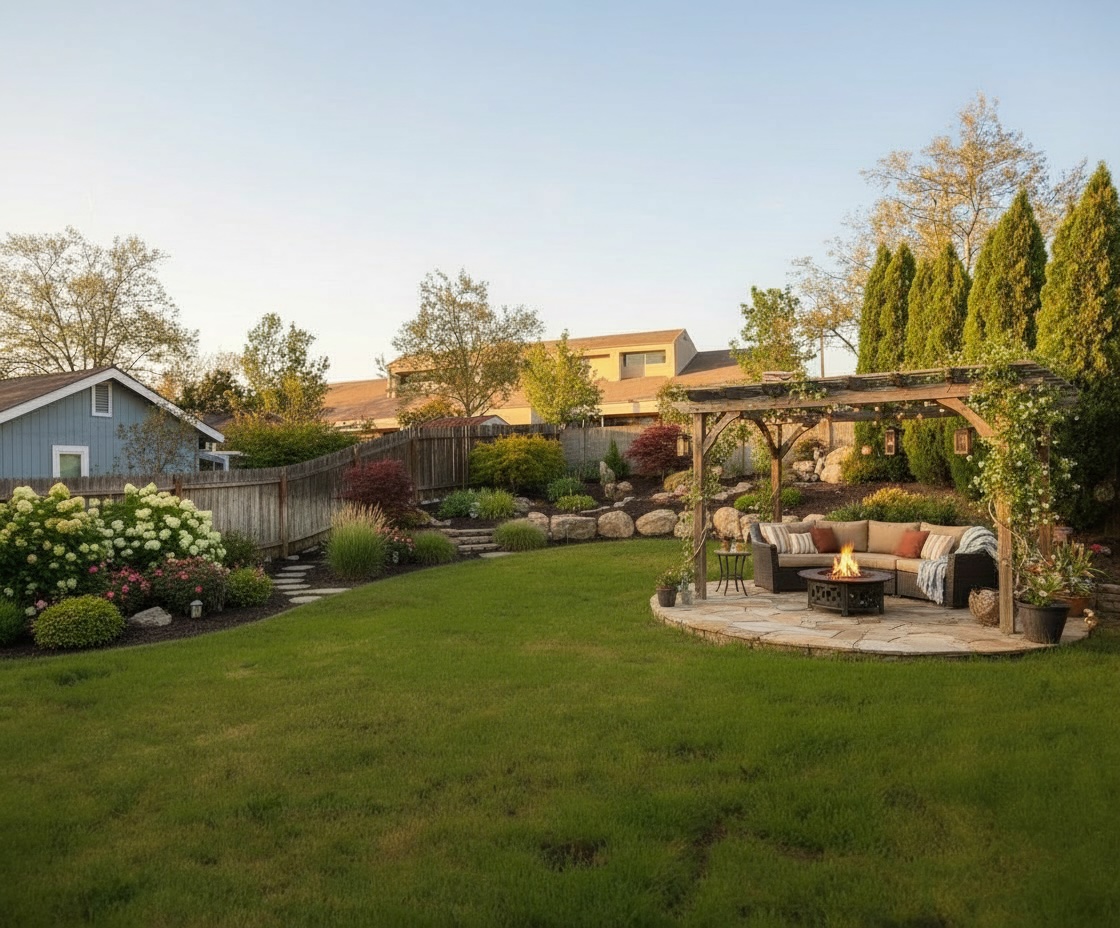
$22-40/sqftA two-story contemporary in white stucco and vertical cedar with a deep cantilevered overhang and black sliding glass doors, opening onto a large-format poured concrete terrace laid out on a wide sawcut grid. A round matte-black gas fire pit sits at the centre, ringed by two low lounge chairs and a long sofa in charcoal frames with cream cushions, and catenary string lights run from the roofline out to the shade tree. The terrace edges dissolve into drifts of plumed grasses rather than meeting the lawn hard, a strip of turf is kept for kids and dogs, and the fence is horizontal cedar slats kept low enough that the Front Range skyline stays part of the room at dusk.

The Glass-Edge Pool Court
$60-120/sqft (pool and spa inclusive)A large contemporary with a shed roof, a glass-railed upper balcony and floor-to-ceiling glazing lit warm at dusk. A rectangular pool runs along the house with a raised spa above a board-formed concrete wall, one side glazed so the water reads as a lit panel after dark. The deck is large-format poured concrete with recessed path lights washing the joints, holding a rectangular gas fire table and a deep sectional. All the softening is done by planting: drifts of blue and copper grasses and silver shrubs in bark beds along the deck edge, uplit multi-stem serviceberry at the fence line, and slim upright junipers standing in for the Italian cypress that will not survive a Zone 6a winter.
See how a modern/minimalist garden looks on YOUR property
Upload a photo of your Lakewood yard and visualize your dream garden in seconds.
Try ProScapeAI Free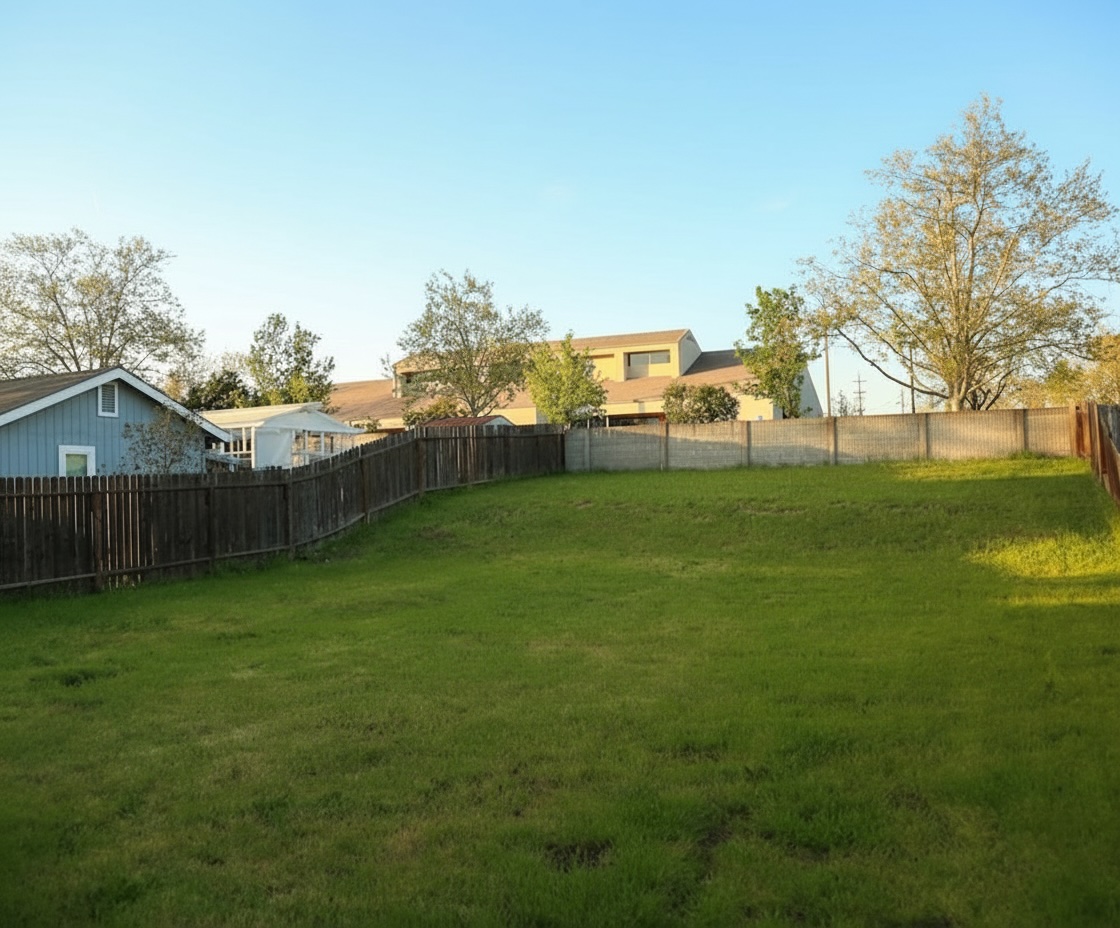
Featured Trees & Shrubs for Modern/Minimalist Gardens
Browse all 160 plants for Lakewood
Golden Currant
Ribes aureum
grows to 6 feet, yellow blooms in spring. Attracts hummingbirds.
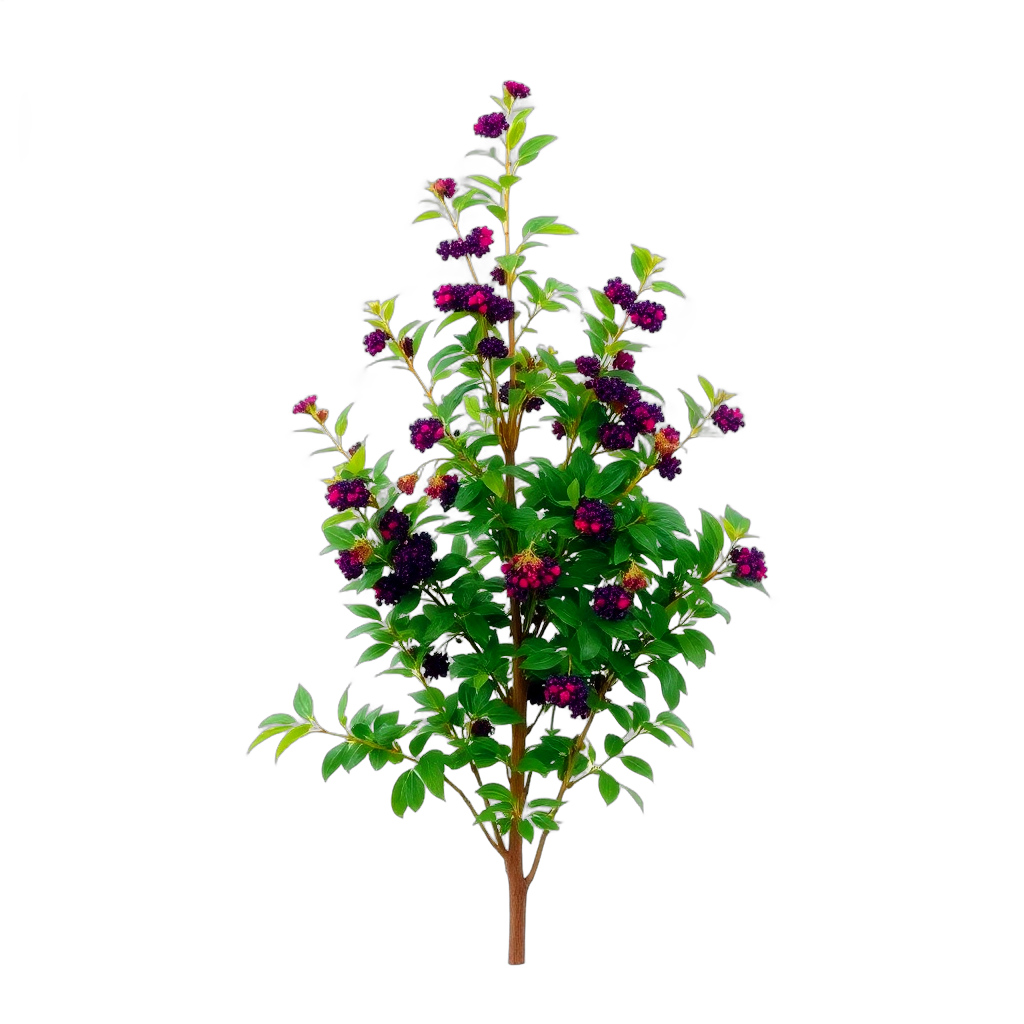
American Beautyberry
Callicarpa americana
grows to 6 feet, pink blooms in summer. Pollinator-friendly.
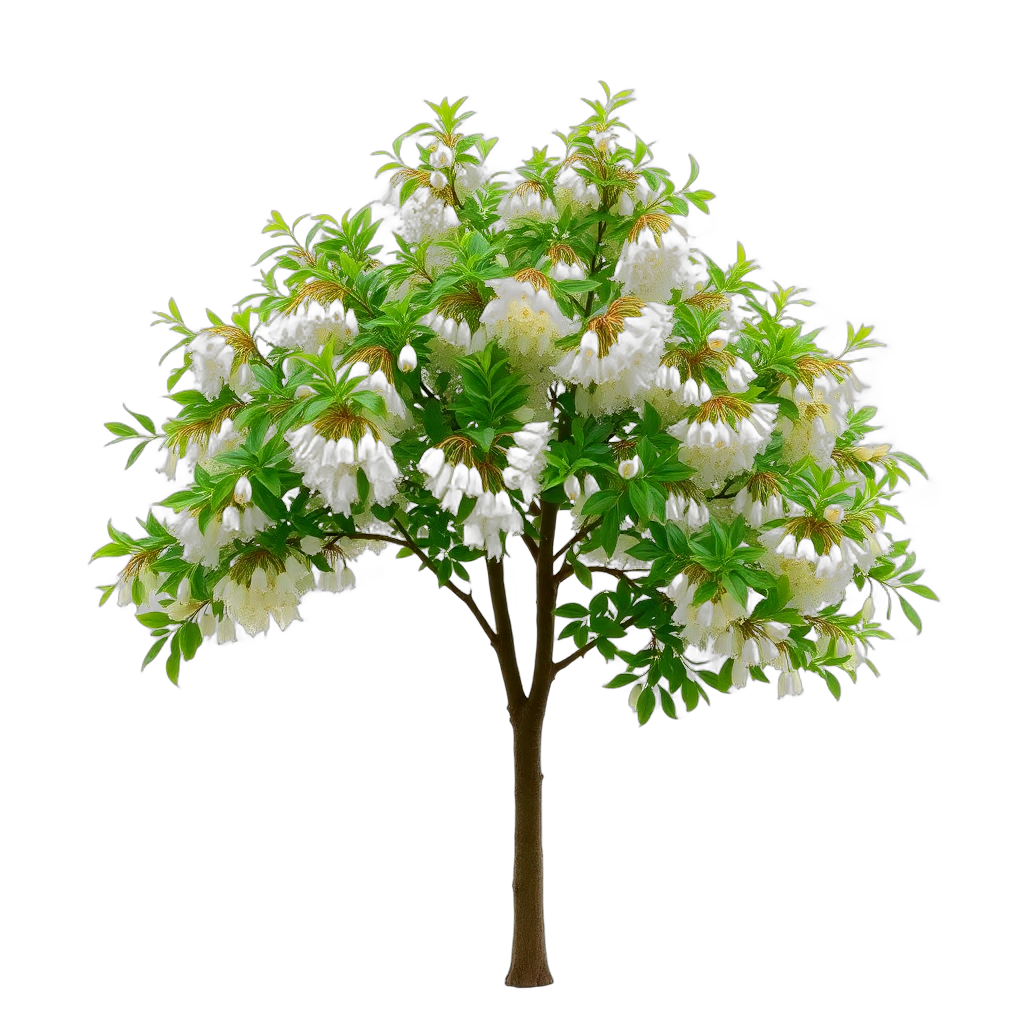
American Snowbell
Styrax americanus
medium-sized at 10 feet, white blooms in spring. Pollinator-friendly.

Anna Rose Whitney Rhododendron
Rhododendron 'Anna Rose Whitney'
medium-sized at 8 feet, pink blooms in spring. Attracts hummingbirds.
Featured Grasses & Groundcovers for Modern/Minimalist Gardens
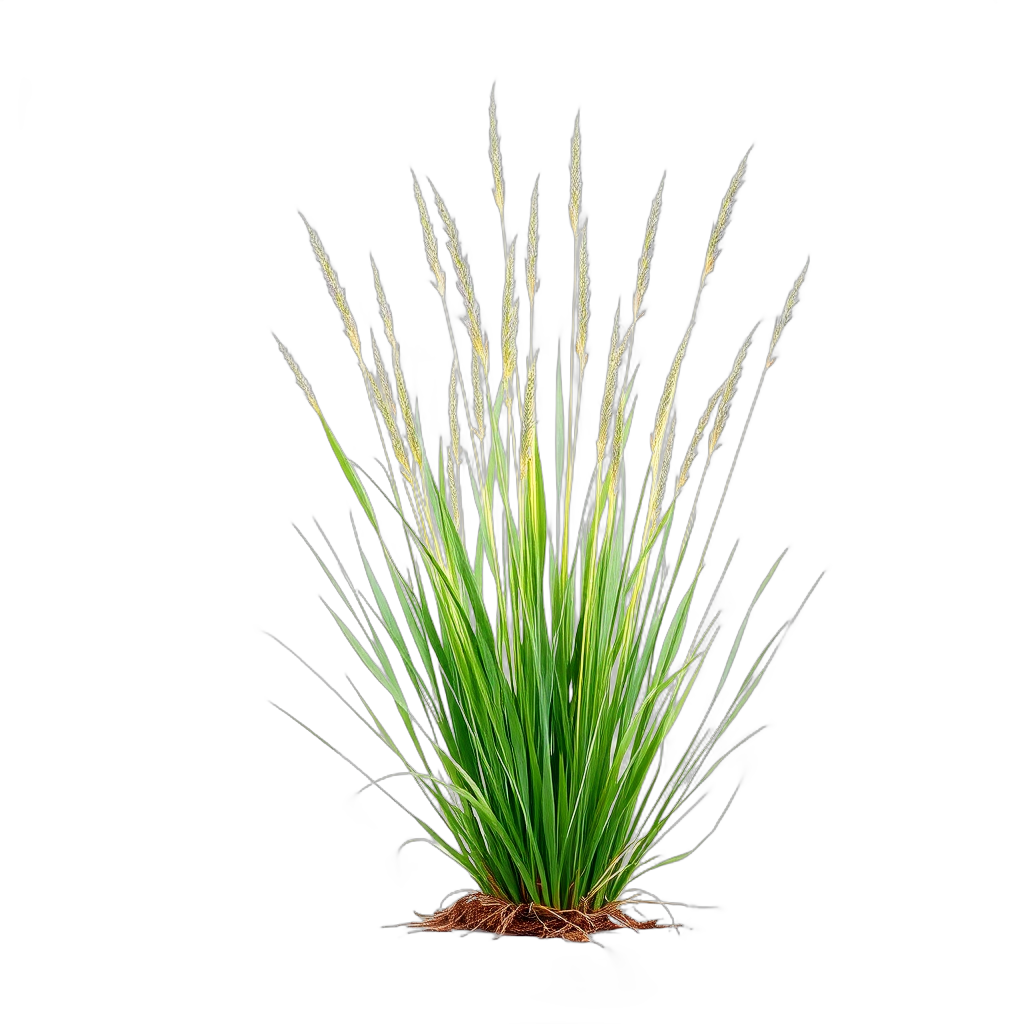
Blue Grama Grass
Bouteloua gracilis
low-growing ground cover, purple blooms in summer. Yellow fall color.
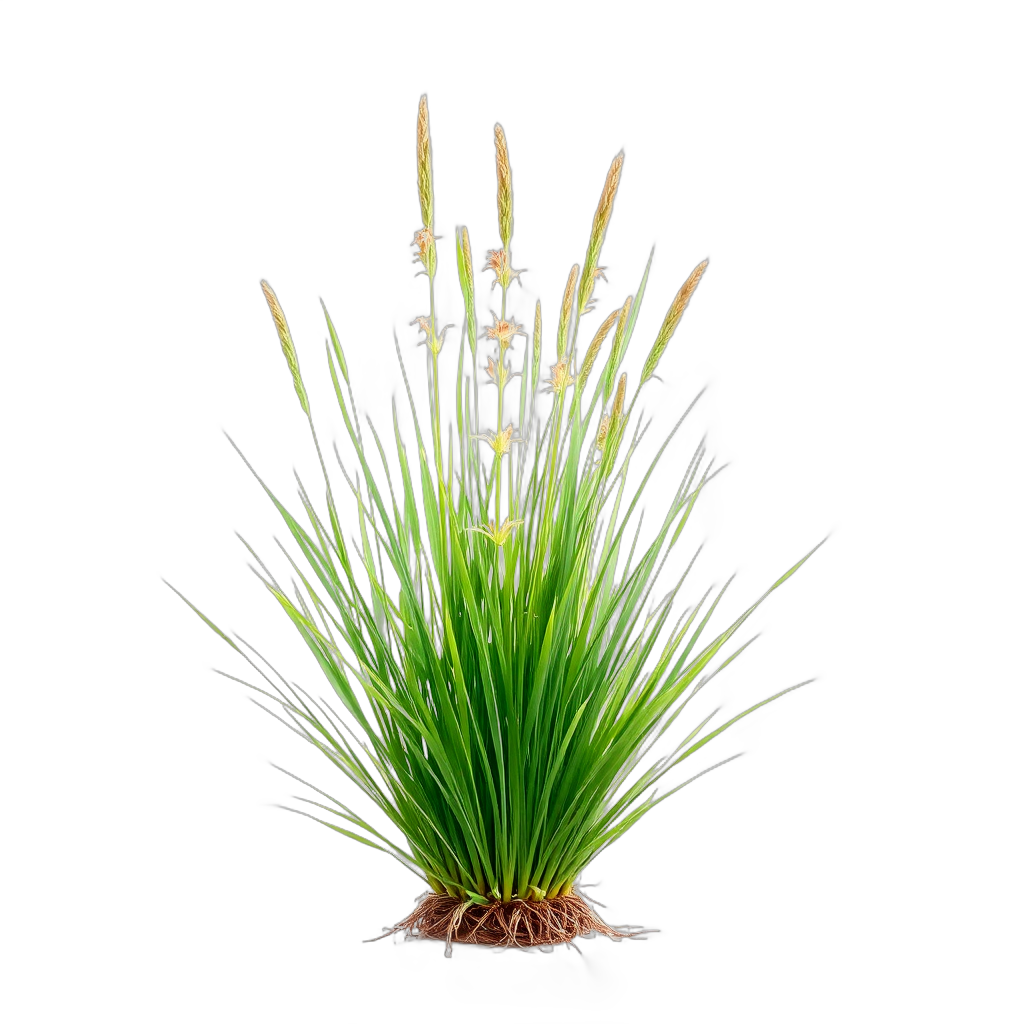
Buffalo Grass
Buchloe dactyloides
low-growing ground cover, blooms in summer. Yellow fall color.
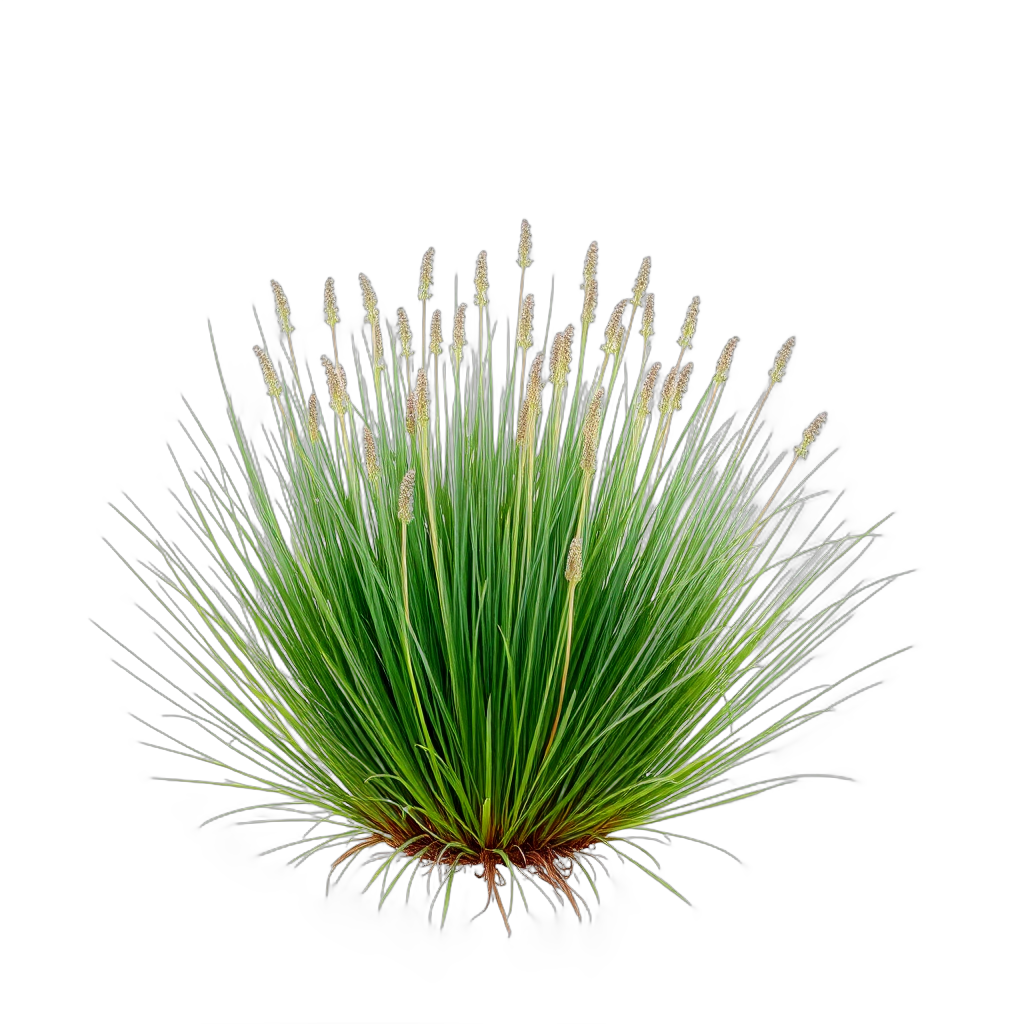
Little Bluestem
Schizachyrium scoparium
grows to 3 feet, blooms in summer. Red,burgundy fall color.
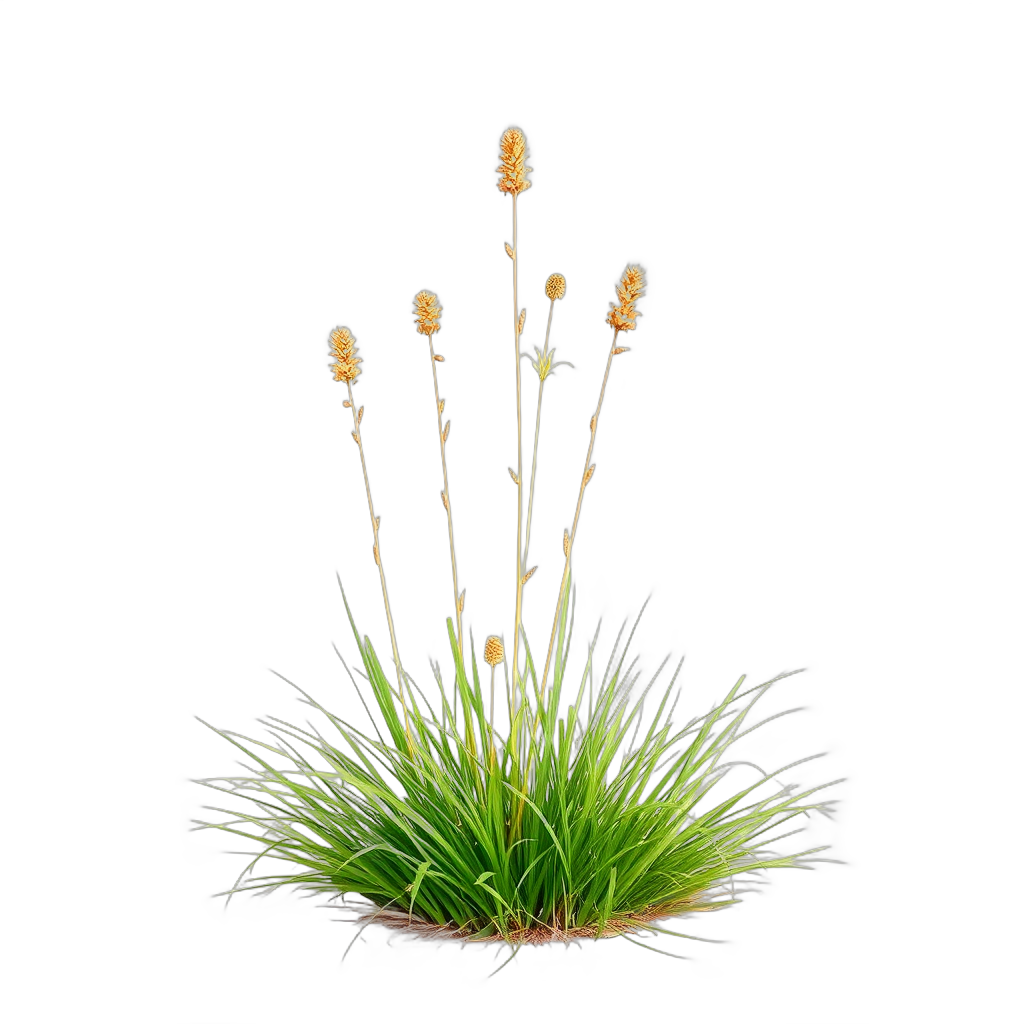
Sand Dropseed
Sporobolus cryptandrus
low-growing ground cover, blooms in summer. Orange fall color.
Featured Flowers & Perennials for Modern/Minimalist Gardens
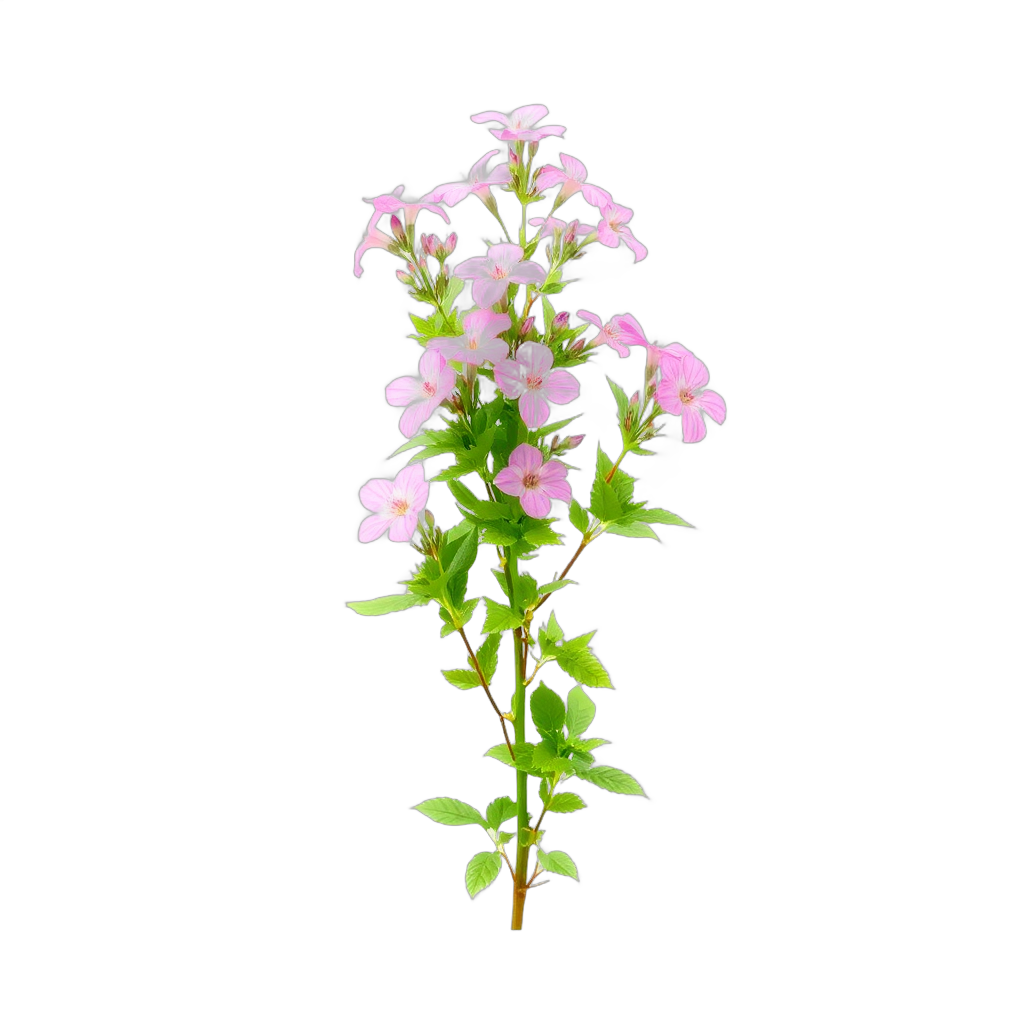
Hood's Phlox
Phlox hoodii
low-growing ground cover, white blooms in spring. Attracts butterflies.
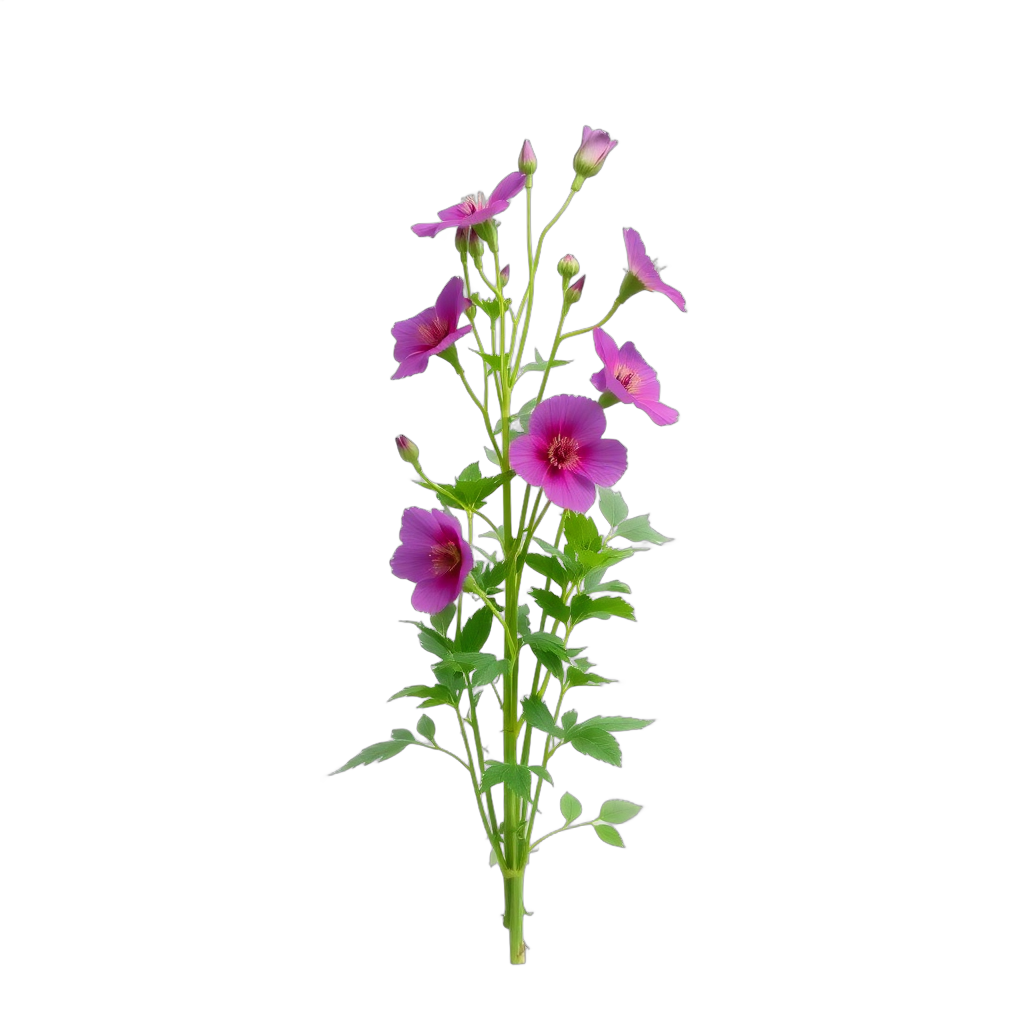
Purple Poppy Mallow
Callirhoe involucrata
low-growing ground cover, purple blooms in summer. Attracts butterflies.
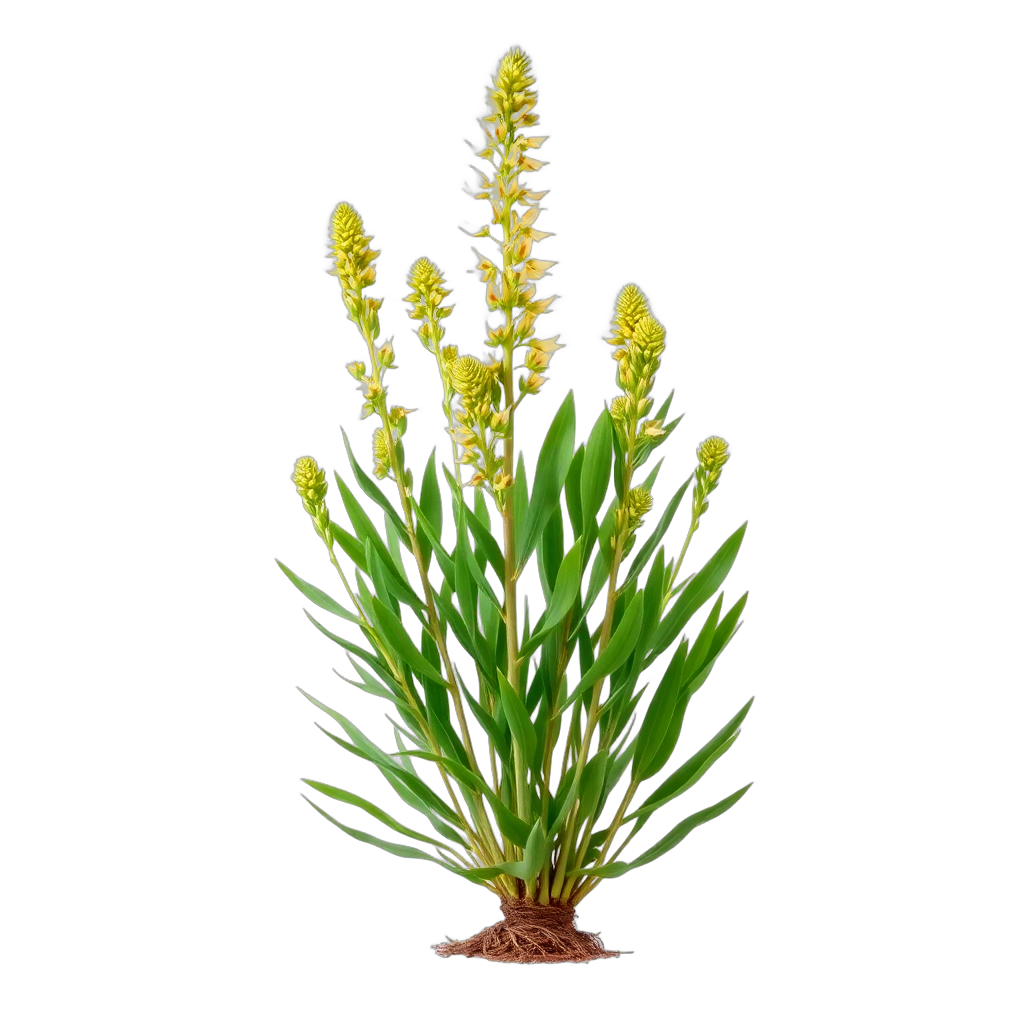
Soapweed Yucca
Yucca glauca
low-growing ground cover, white blooms in spring. Pollinator-friendly.
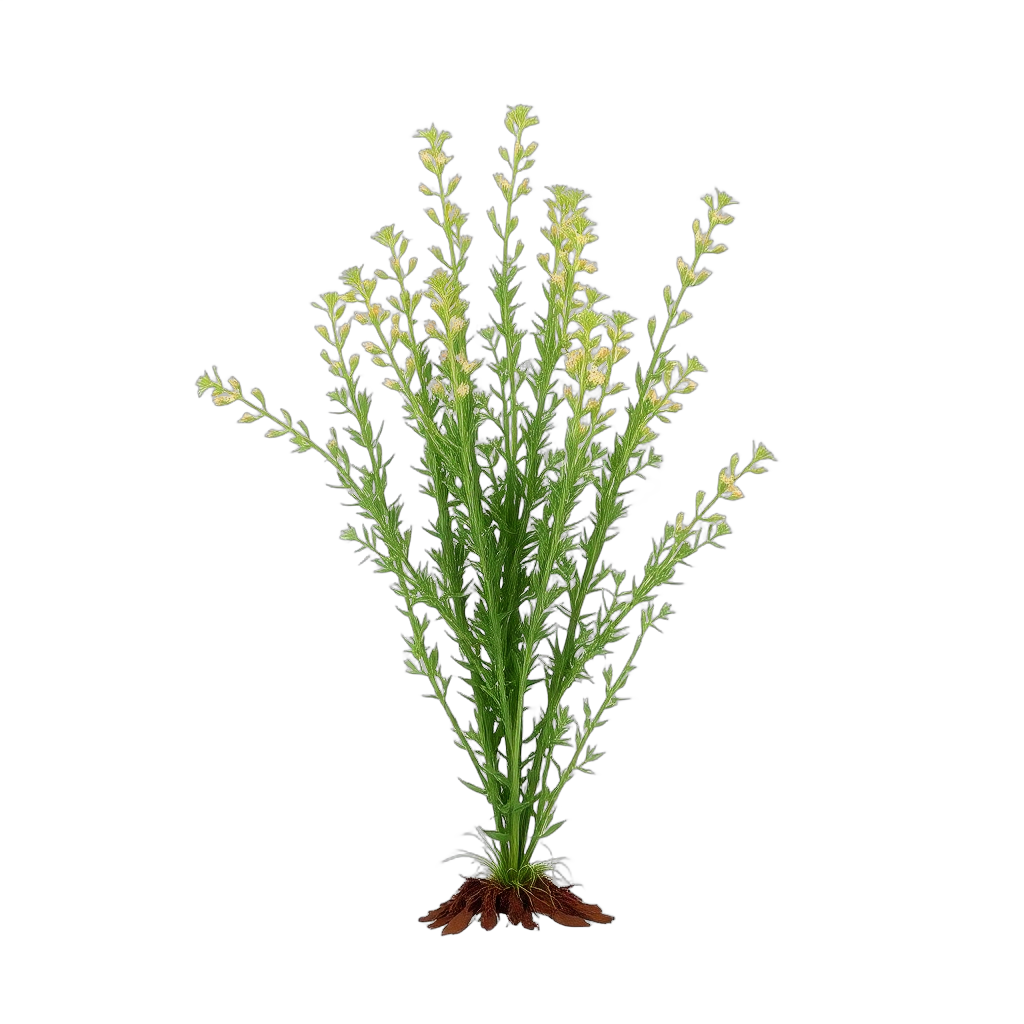
White Sage
Artemisia ludoviciana
low-growing ground cover, white blooms in summer. Fragrant.
Zone and sun checks come from our database — confirm with your local nursery before you buy.
Bloom Calendar for Lakewood
spring
Hood's Phlox, Soapweed Yucca, Golden Currantsummer
Purple Poppy Mallow, White Sage, Blue Grama Grassfall
Bog Sagewinter
Limited bloomsDesign Tips for Lakewood (Zone 6a)
- Set every agave, yucca and Hesperaloe crown one to two inches above finished grade in a squeegee-heavy mix - Lakewood's Zone 6a cold is not the threat, saturated clay during the March thaw is, and raising the crown is what makes the desert-modern look survivable here
- Compact four to six inches of class 6 road base under all hardscape and cut control joints at eight to ten feet - expansive bentonite clay on the west side of the city will heave concrete poured on bare ground within three or four winters
- Use crushed rock mulch, not bark, in the xeric beds: it holds against the chinook winds that blow bark mulch across the street each winter, it keeps root zones cooler, and it reflects the low winter sun into plants that want the heat
- Substitute Juniperus scopulorum 'Blue Arrow' for the Italian cypress you see in Phoenix and California modern gardens - it gives the same tight vertical exclamation, it is a Rocky Mountain native, and it will not brown out at -8 degrees F
- Keep a small, deliberately shaped lawn panel rather than none at all - a single clean rectangle of turf next to a gravel field reads as modern restraint, gives dogs and kids somewhere to go, and still keeps you well inside Denver Water's three-day-per-week limit
- Design the west edge for view, not for screening - on Green Mountain and Solterra lots, dropping the fence height and keeping planting under three feet along that side is worth more than any built feature, because the Front Range does the work for free
- Light the grasses from below and the trees from the base - Calamagrostis 'Karl Foerster' and Panicum virgatum 'Northwind' backlit at dusk give a modern Lakewood garden its evening depth, and at 5,500 feet with 240-plus clear nights you get eight months of use out of it
Where to Source Plants in Lakewood
Skip the big-box stores. These independent Lakewood nurseries specialize in the plants that make modern/minimalist gardens thrive in Zone 6a.
O'Toole's Garden Center
Lakewood, Quail Street just off West Colfax
The one full-scale garden center actually inside Lakewood - family owned for over 40 years, with trees, shrubs, roses, perennials, ornamental grasses and vines, plus staff who spend their days on the alkaline clay and drainage questions Jefferson County gardens raise
O'Toole's Garden Center - Westminster
Wadsworth Parkway at the Westminster/Broomfield line, about 20 minutes north
Sister store to the Lakewood location with a much larger tree and evergreen yard - the place to go for balled-and-burlapped Gleditsia, Amelanchier and Juniperus scopulorum in a size that reads immediately in a new design
City Floral Garden Center
Park Hill, Denver - Kearney Street at 14th Avenue, about 25 minutes east
Denver's oldest surviving greenhouse operation, strong on perennials, annual colour, trees and shrubs, seed and water-garden plants, with in-house diagnosis for the iron chlorosis and spider mite problems Front Range gardens run into
Harlequin's Gardens
North Boulder, 26th Street - roughly 40 minutes north of Lakewood
The regional specialist worth the drive: own-root hardy roses, xeriscape and Plant Select material, Colorado natives, hardy cactus and unusual perennials, all grown for Front Range conditions rather than trucked in from a milder climate
Nick's Garden Center & Farm Market
South Chambers Road, Aurora - about 35 minutes east across the metro
Denver metro grower-retailer since 1987 with a deep ornamental grass, perennial, tree and shrub bench plus cacti and succulents - useful when you need Calamagrostis, Schizachyrium and Panicum in quantity for a modern planting
Modern/Minimalist Landscaping Costs in Lakewood
| Project Scope | Estimated Cost |
|---|---|
| Front-yard turf-to-gravel xeriscape conversion (about 600 sqft) | $6,000 - $14,000 |
| Broom-finished concrete terrace with sawcut grid (300-500 sqft) | $7,500 - $20,000 |
| Weathering steel edging and low terrace risers | $45 - $110 per linear ft |
| Gas fire pit or fire table plumbed to the house line | $3,500 - $12,000 |
| Low-voltage landscape lighting (12-20 fixtures plus transformer) | $2,500 - $6,500 |
| Pool, spa and complete modern backyard build | $120,000 - $300,000 |
| AI visualization with ProScapeAI | Free to start |
Estimates based on Lakewood, CO-area contractor rates as of 2026. Actual costs vary by site conditions, materials, and contractor.
Lakewood Climate & Growing Zone
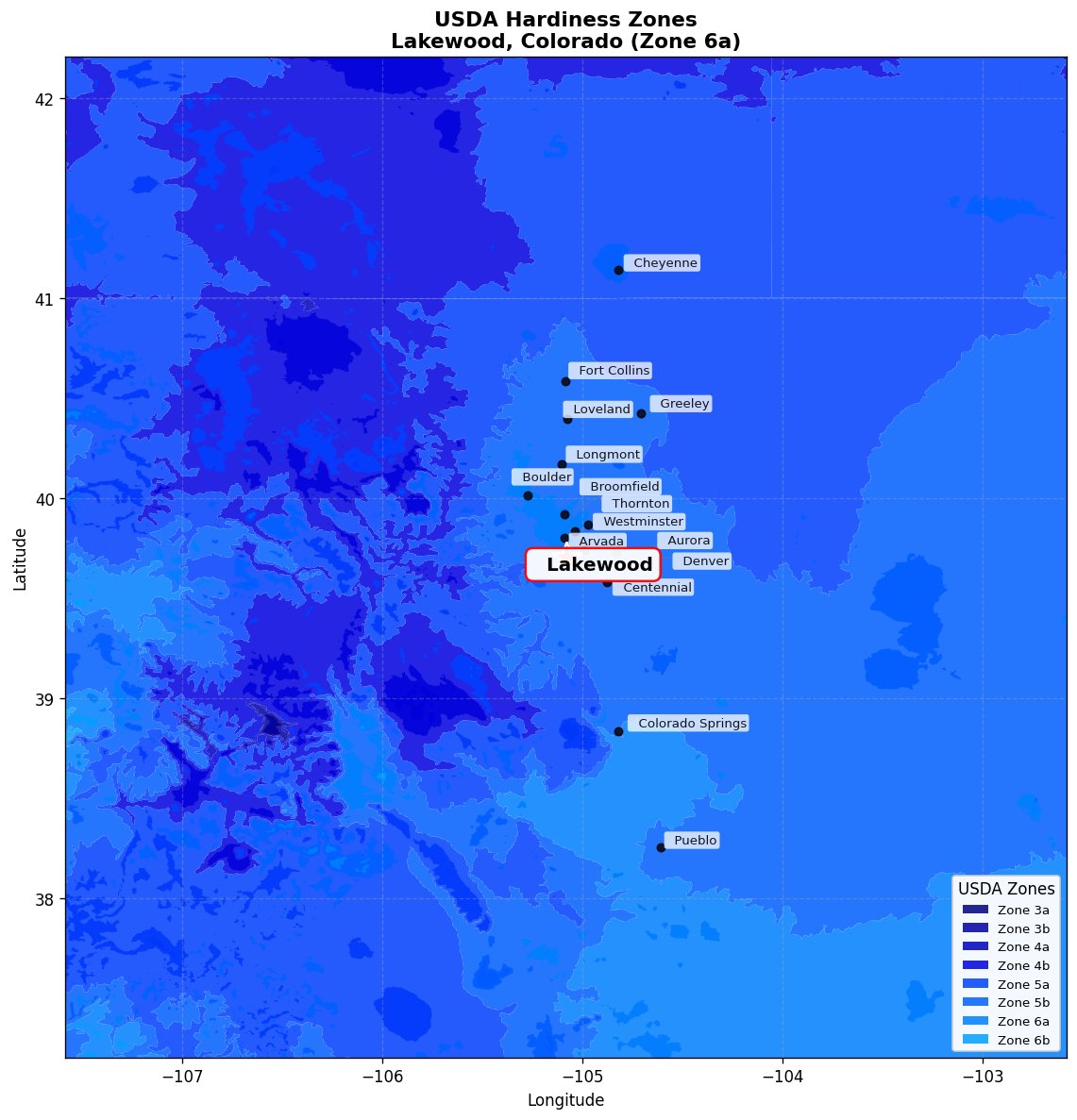
USDA Zone 6a
Hardiness zone for Lakewood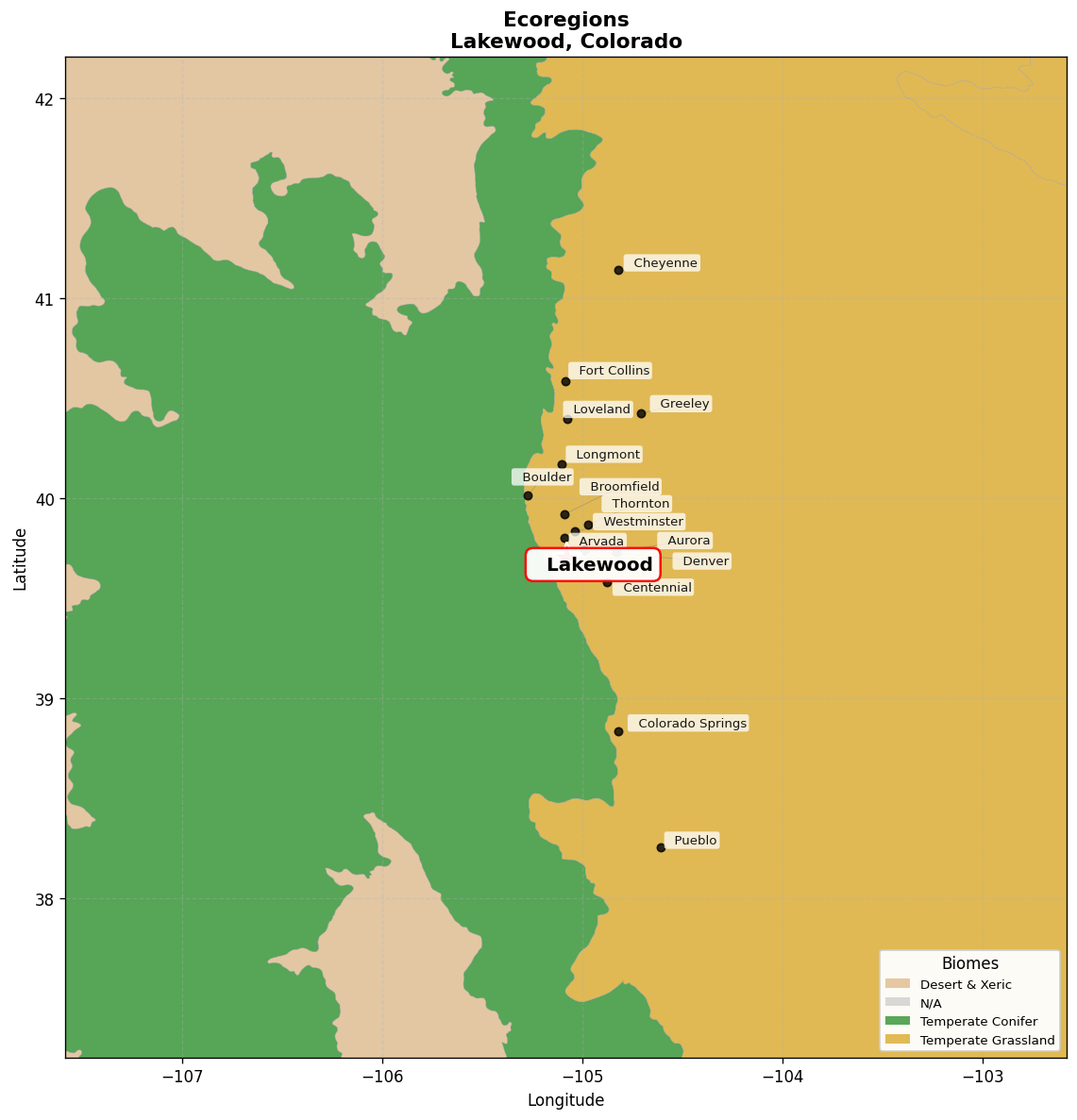
Western shortgrass prairie
Native ecoregionFrequently Asked Questions
How much does modern landscaping cost in Lakewood, CO?
Denver metro pricing sits close to national averages, with concrete work slightly above because of the base prep expansive clay demands. Converting a 600 square foot front lawn to a gravel-and-grasses design - sod removal, base grading, steel edging, Colorado gold gravel, drip, and a planting of Bouteloua gracilis 'Blonde Ambition', Calamagrostis x acutiflora 'Karl Foerster' and Agave parryi - runs $6,000 to $14,000 installed. A broom-finished concrete terrace of 300 to 500 square feet runs $7,500 to $20,000. A gas fire pit plumbed to the house line adds $3,500 to $12,000, and a full pool-and-spa modern backyard in Solterra typically lands between $120,000 and $300,000.
Will agaves and yuccas really survive a Lakewood winter?
Yes, if you get the drainage right, because the danger here is winter wet rather than cold. Agave parryi var. neomexicana is hardy to roughly -20 degrees F, well below Lakewood's Zone 6a lows of -5 to -10, and Yucca rostrata 'Sapphire Skies', Yucca 'Color Guard' and Hesperaloe parviflora are all comfortable. What kills them is sitting in saturated clay through a March thaw. Build the planting pocket with a 50/50 mix of native soil and coarse squeegee, set the crown one to two inches proud of finished grade, mulch with three-quarter-inch crushed rock rather than bark, and keep drip emitters at least a foot off the base. South and west-facing beds, and the top of a terrace rather than the bottom, are the safest positions.
Which grasses work best in Lakewood at 5,500 feet?
Calamagrostis x acutiflora 'Karl Foerster' is the local workhorse because it stays vertical through chinook winds that flatten looser species. Bouteloua gracilis 'Blonde Ambition' is a Colorado shortgrass-prairie native with horizontal seed heads that read beautifully against concrete, Schizachyrium scoparium 'Standing Ovation' gives copper autumn colour without flopping, Sporobolus heterolepis is the most drought-hardy of the group once established, and Festuca glauca 'Elijah Blue' and Helictotrichon sempervirens supply the blue tufts. Use Muhlenbergia reverchonii 'Undaunted' rather than pink muhly, which is not reliably hardy above Zone 6b. Cut all of them back to four inches in late March, not in autumn - the standing stems are winter structure and root protection.
How do I stop concrete cracking in Lakewood's expansive clay?
Budget the base as part of the hardscape, not as an extra. Excavate and compact four to six inches of class 6 road base, use a 4,000 psi air-entrained mix so freeze-thaw cycling and winter de-icers do not spall the surface, place control joints at eight to ten feet - roughly 24 to 30 times the slab thickness - and slope everything a quarter inch per foot away from the house. On the west side of Lakewood, where bentonite clay is common, add a subsurface drain along any uphill edge. A concrete terrace poured straight onto graded clay will crack and heave within three or four Colorado winters no matter how good the finish looks on day one.
What is the best time of year to build a modern landscape in Lakewood?
Hardscape runs from April through November; ready-mix suppliers restrict pours once overnight lows sit below 40 degrees F, and a February pour needs blankets and admixtures that add cost. For planting, ornamental grasses go in from late April through June so they root before winter, while trees, junipers and shrubs establish best in September and October. Agaves and yuccas should be planted in spring, never in autumn, so they enter their first winter fully rooted and dry. Average last frost is around May 8 and first frost near October 3, giving about 150 frost-free days to work with.
How much water does a gravel-and-grasses design actually save?
A typical Lakewood front lawn needs roughly 18 to 22 gallons per square foot per season to stay green through a Front Range summer. The same area planted as a xeric gravel bed on point-source drip - Karl Foerster feather reed grass, Hesperaloe parviflora, Agave parryi and low Artemisia - generally runs 60 to 80 percent less once established, and after the second season many of those plants need water only during long dry spells. That also puts you comfortably inside Denver Water's summer rules of three days per week with no watering between 10 a.m. and 6 p.m. Resource Central and both major utilities run turf-removal and Garden In A Box programs that reduce the conversion cost.
Does hail damage a modern planting scheme?
Less than it damages a traditional one, which is a genuine argument for the style in Jefferson County. Grasses, junipers and fine-leaved shrubs shed hail and regrow quickly, while broad soft leaves get shredded. The exception is agaves and yuccas: hailstones scar those thick leaves permanently, and the marks stay for the life of the leaf, so if the plant is a focal point, site it under the edge of a canopy or an eave rather than in the open middle of a gravel field. Recessed and low-voltage lighting fixtures should be specified with metal housings rather than plastic for the same reason.