4 Modern Garden Ideas for Denver, CO | Mile High Designs for Zone 5b
Native plants from the Western shortgrass prairie (Zone 5b) — Cold semi-arid climate
Why Modern/Minimalist Gardens in Denver?
Denver earns its Mile High City nickname at exactly 5,280 feet, where the semi-arid climate and Colorado's intense high-altitude sun make conventional landscaping a water-hungry, high-maintenance proposition. Zone 5b means lows to −15°F in cold snaps, yet summer brings 95°F days with afternoon thunderstorms and only 14 inches of annual rainfall — less than Los Angeles gets in a typical year. Modern garden design is perfectly suited to this climate: architectural clarity, low plant counts, and hardscape that carries the design through the challenging Colorado seasons.
Denver's design culture has evolved dramatically over the past decade. Neighborhoods like LoHi, Wash Park, Congress Park, and the newer Stapleton communities showcase contemporary landscaping that leans into the shortgrass prairie roots of the region while embracing clean modern aesthetics. Ornamental grasses in structured DG beds, wide concrete walkways, weathering steel planters, and specimen trees define the Denver modern look — a style that performs well from May's tulip bloom through October's first hard frost. Denver Water's tiered pricing and active conservation campaigns have pushed the market toward lower-water designs across all price points.
The Colorado Native Plant Society and Denver Botanic Gardens have done enormous public education work in promoting native plant landscapes, and their influence shows: contemporary Denver front yards increasingly feature little bluestem, prairie smoke, and blue grama in thoughtfully designed compositions. XeriBiz and similar programs offer rebates for commercial xeriscape but residential turf replacement is also incentivized through Denver Water. Modern design in Denver is both a style choice and a smart water strategy.
4 Modern/Minimalist Design Ideas for Denver
AI-generated image
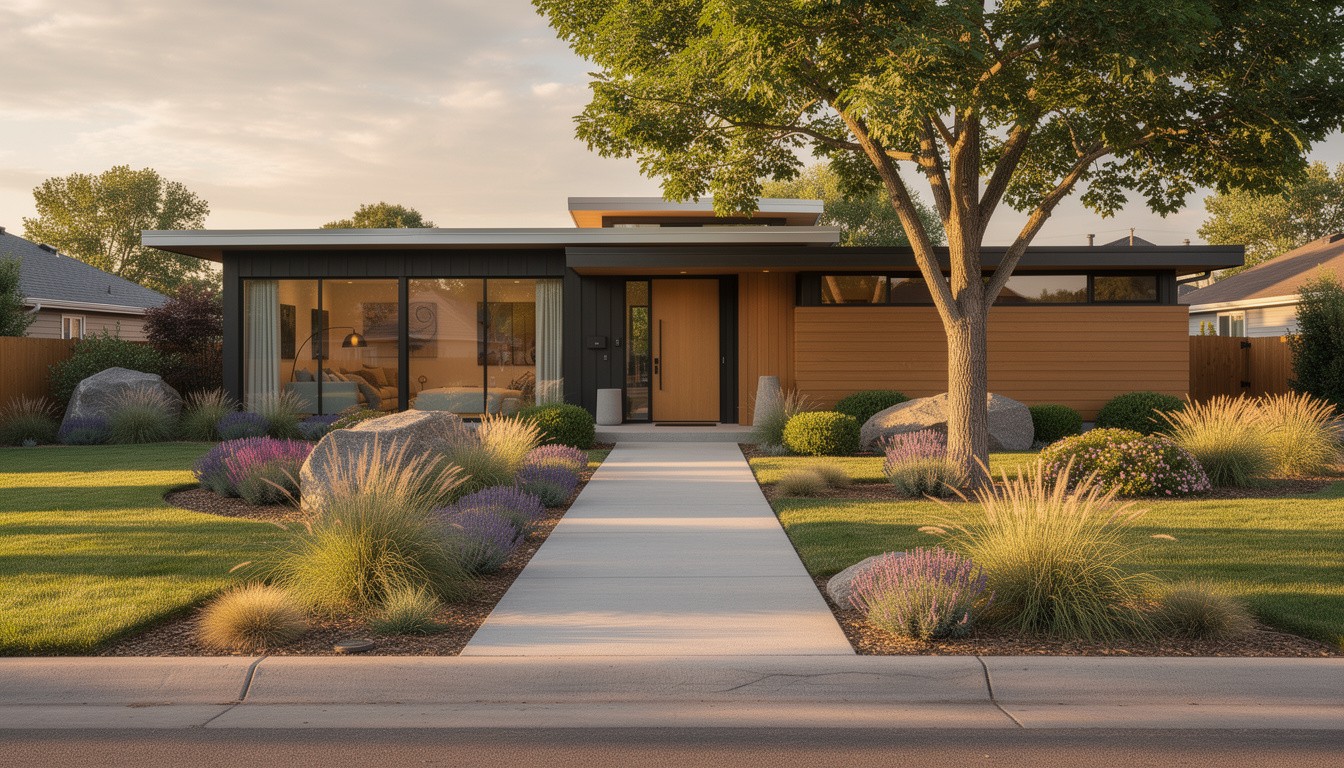
The Denver Mid-Century Modern Front
$12–22/sqftA flat-roofed mid-century ranch with wood-panel fascia faces a front yard mixing a narrow green lawn strip with wide ornamental grass and perennial borders in organic mulch beds. A large deciduous shade tree anchors the left side while a straight concrete path leads to the entry. The combination of warm wood tones, soft grass colors, and lavender creates a refined Front Range modern palette.
AI-generated image
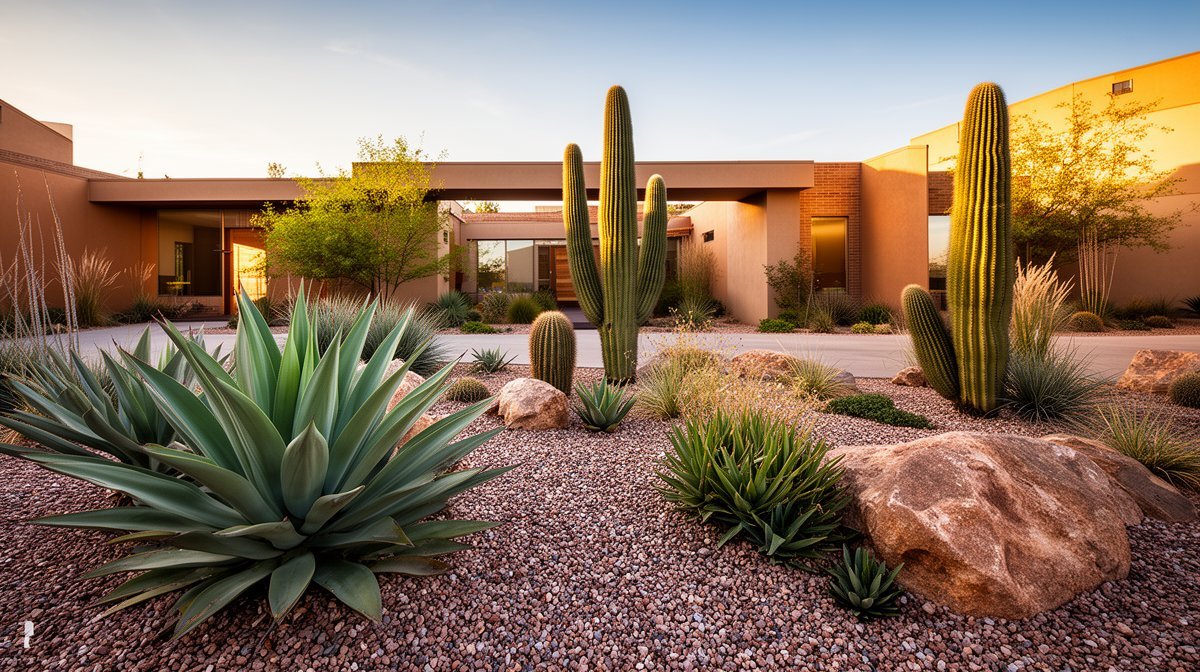
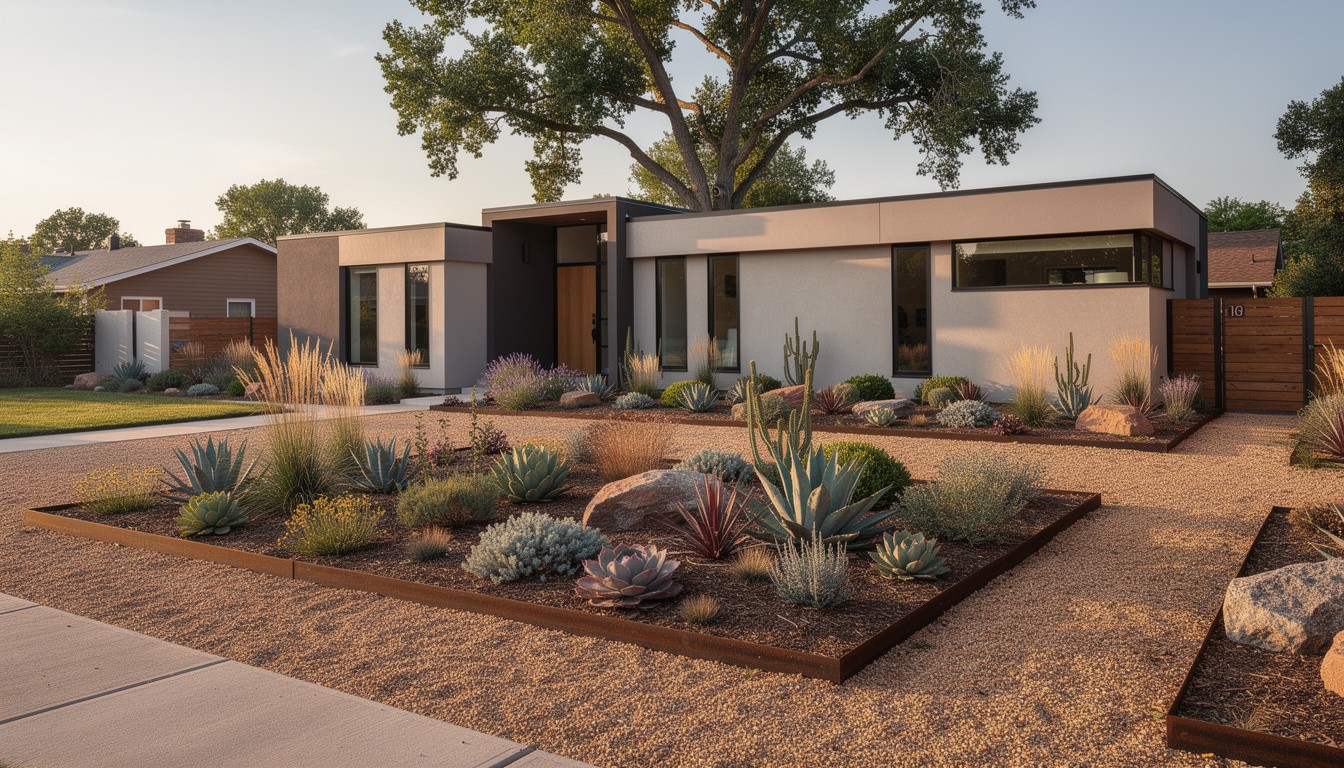
The Prairie Xeriscape Entry
$10–18/sqftA low-slung modern home with clean horizontal lines sits behind a gravel and steel-edged planting bed filled with agave rosettes, wispy ornamental grasses, and low-growing succulents. A large established cottonwood or oak provides canopy while the warm brown crushed granite ground plane reads as naturally Colorado. No lawn, all character.
AI-generated image
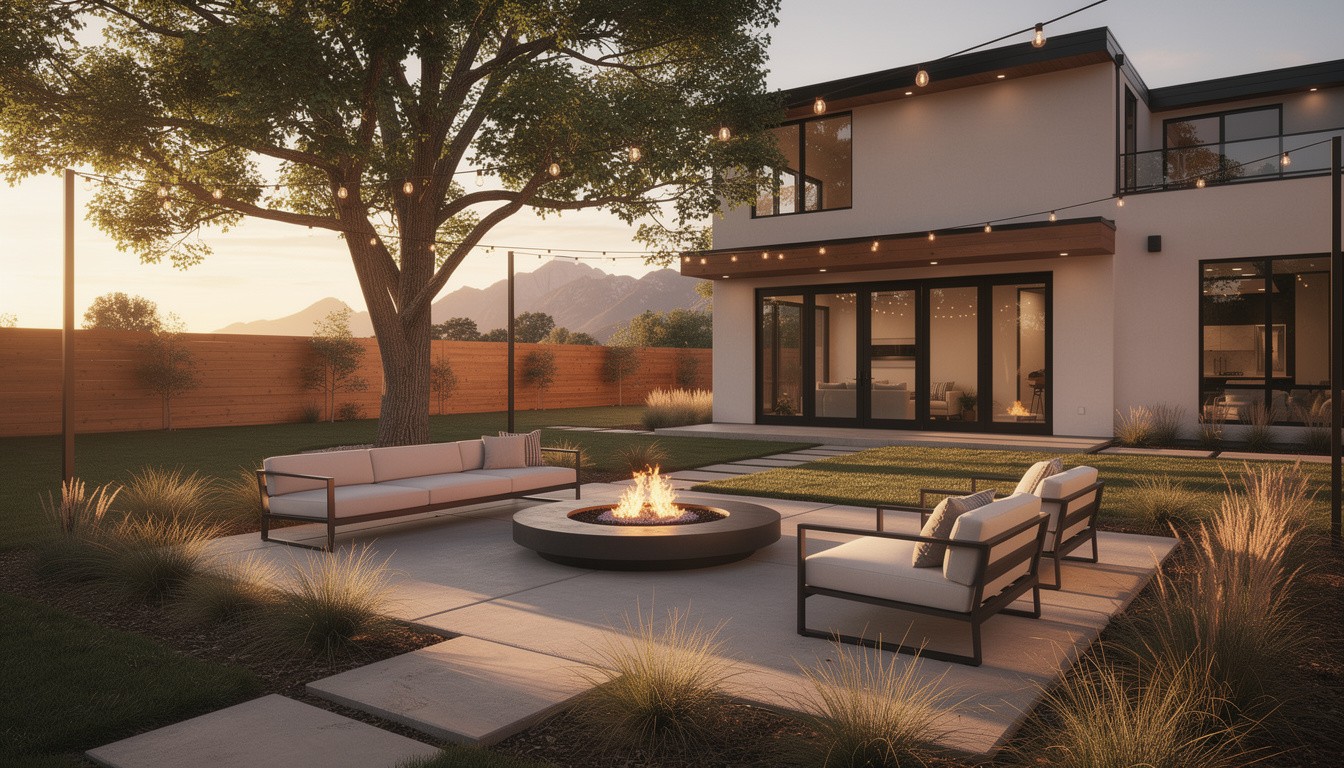
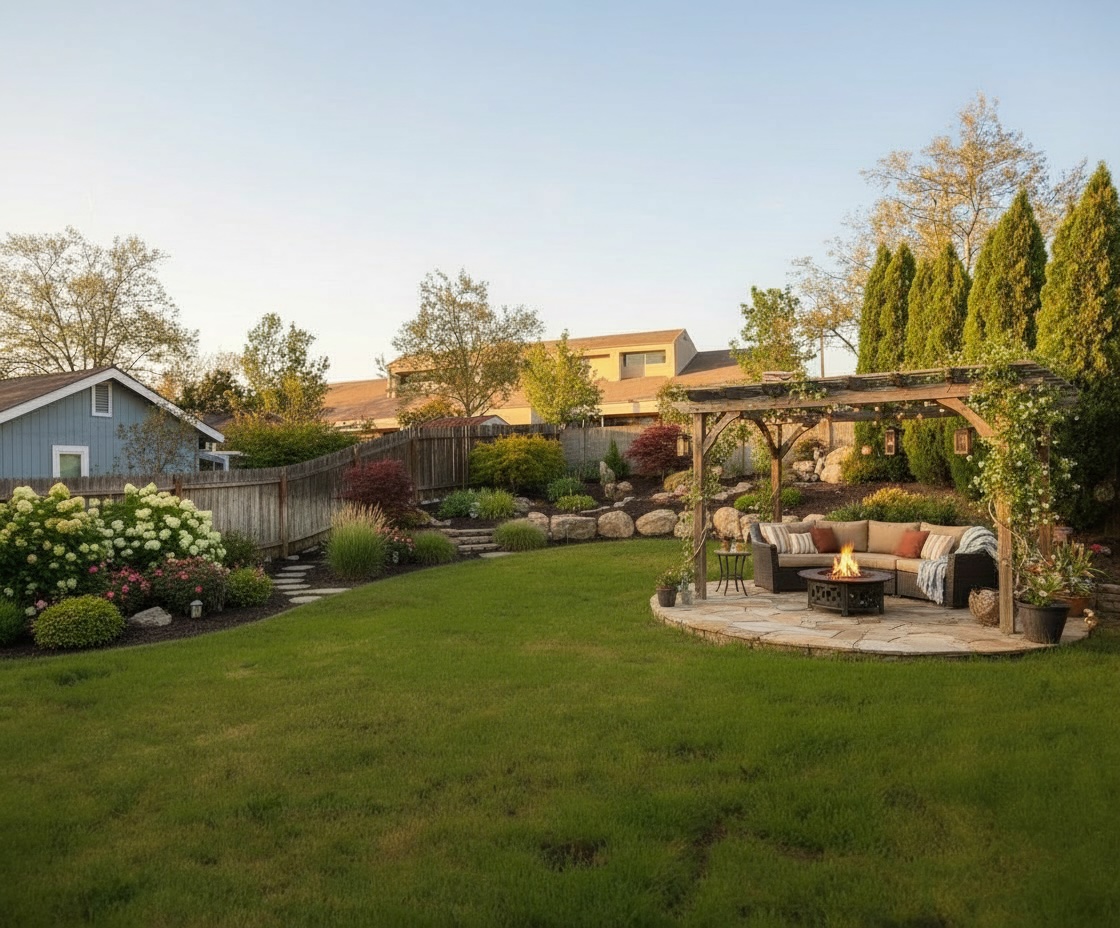
The Denver Backyard Patio Room
$20–42/sqftA large concrete patio extends from the rear of a two-story modern home, centered on a round raised fire pit surrounded by modern outdoor furniture. Ornamental grasses in gravel-edged borders frame the patio perimeter while a mature tree shades the right corner. String lights complete the warm evening ambiance. Denver's 300 sunny days per year means this space earns its budget ten months out of twelve.
AI-generated image
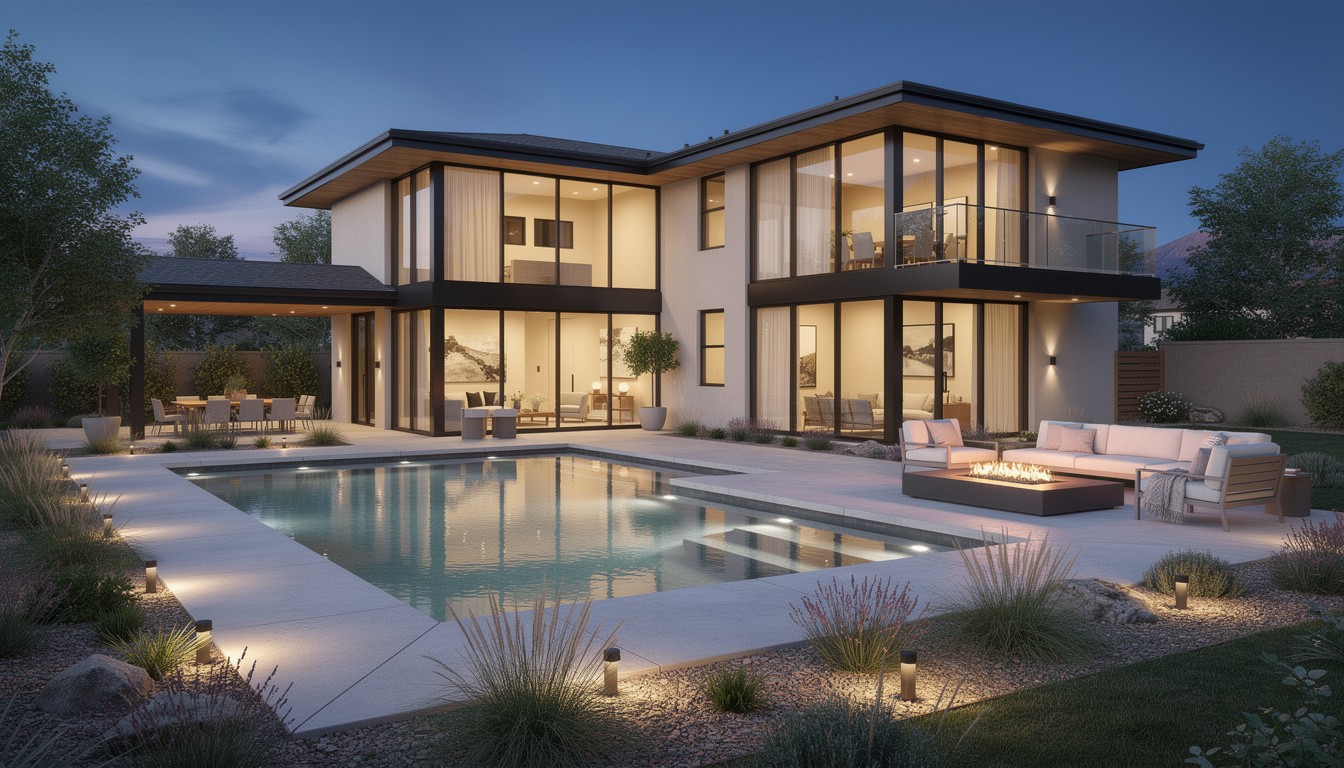
The Front Range Resort Backyard
$55–115/sqftA two-story contemporary home with full glass rear wall opens onto a dramatic backyard featuring a rectangular pool with illuminated edges, a built-in rectangular fire table, and ample lounge seating on a broad concrete deck. Ornamental grasses and low native perennials in gravel beds border the pool surround, with landscape lighting creating a glowing nighttime scene. The Front Range foothills are visible above the roofline.
See how a modern/minimalist garden looks on YOUR property
Upload a photo of your Denver yard and visualize your dream garden in seconds.
Try ProScapeAI Free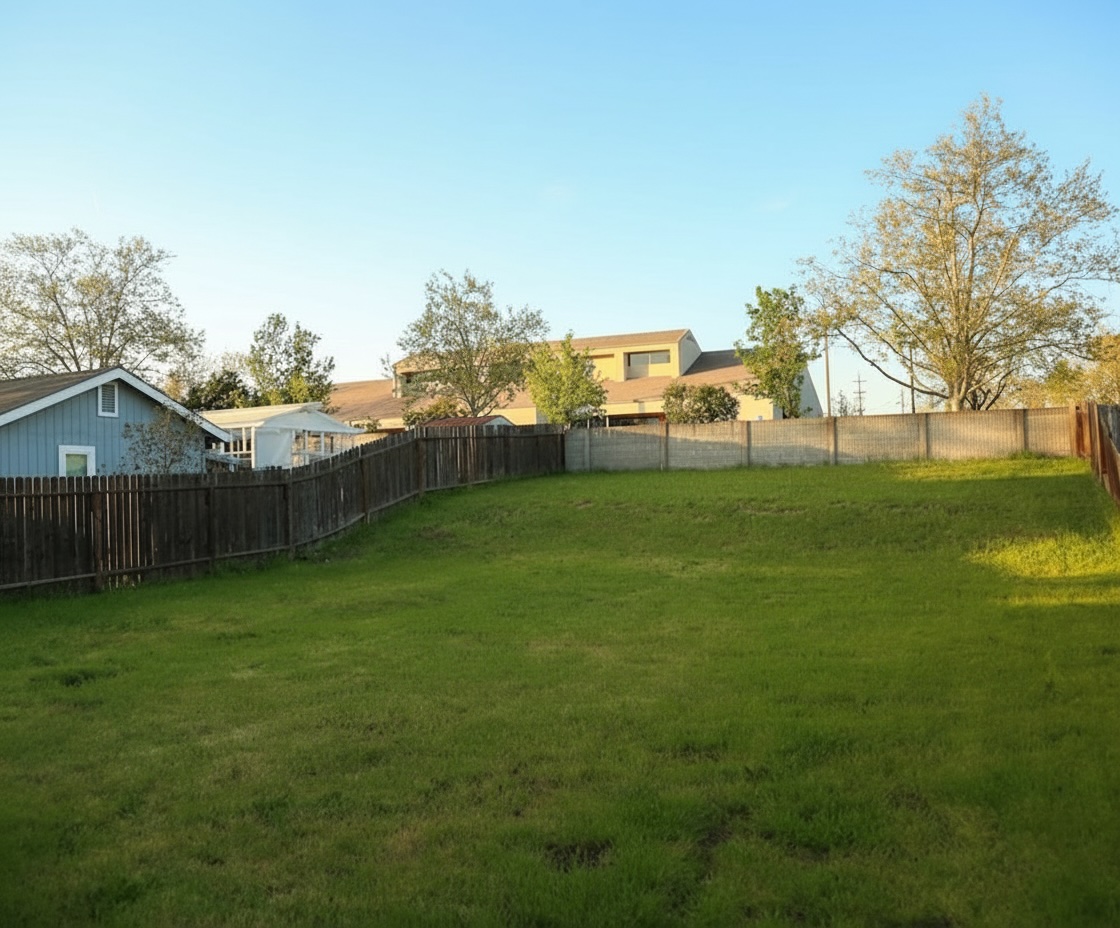
AI-generated image
Featured Trees & Shrubs for Modern/Minimalist Gardens
Browse all 159 plants for Denver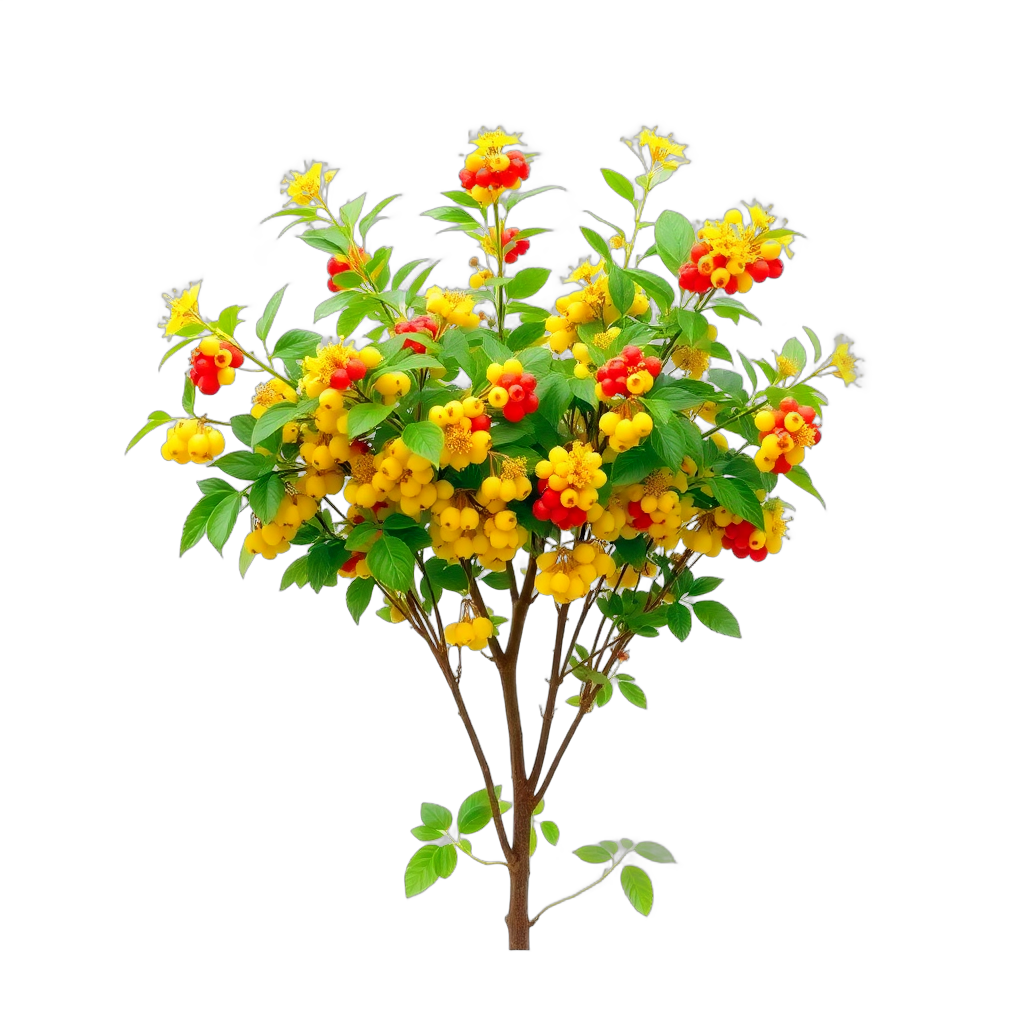
Golden Currant
Ribes aureum
grows to 6 feet, yellow blooms in spring. Attracts hummingbirds.
Featured Grasses & Groundcovers for Modern/Minimalist Gardens
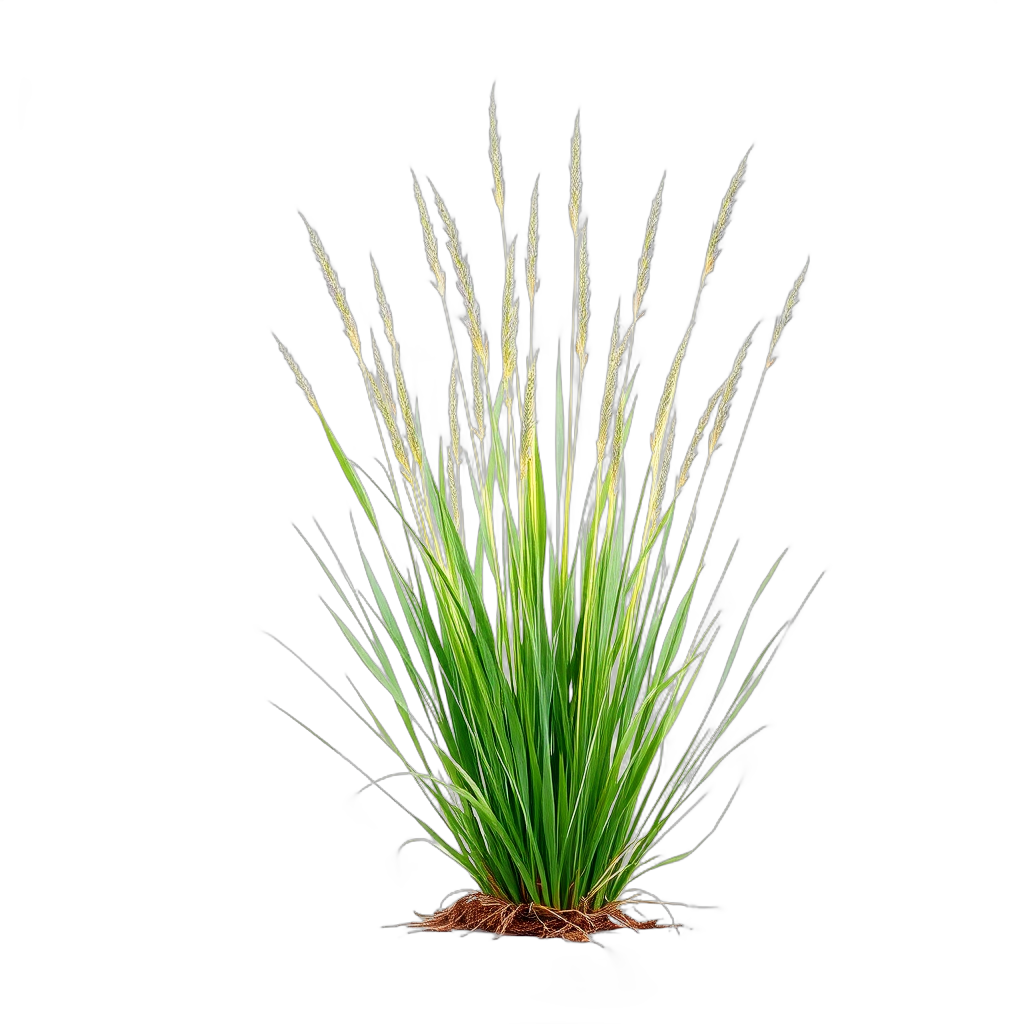
Blue Grama Grass
Bouteloua gracilis
low-growing ground cover, purple blooms in summer. Yellow fall color.
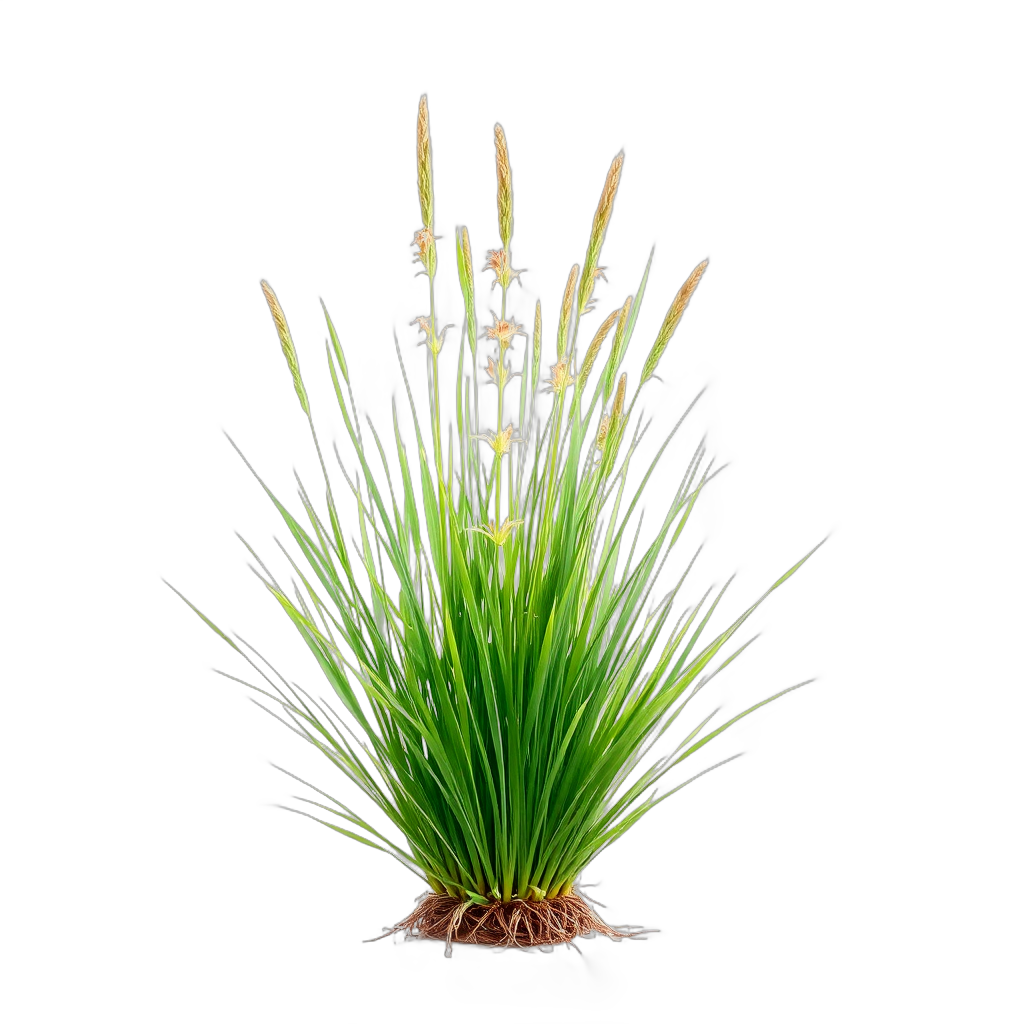
Buffalo Grass
Buchloe dactyloides
low-growing ground cover, blooms in summer. Yellow fall color.
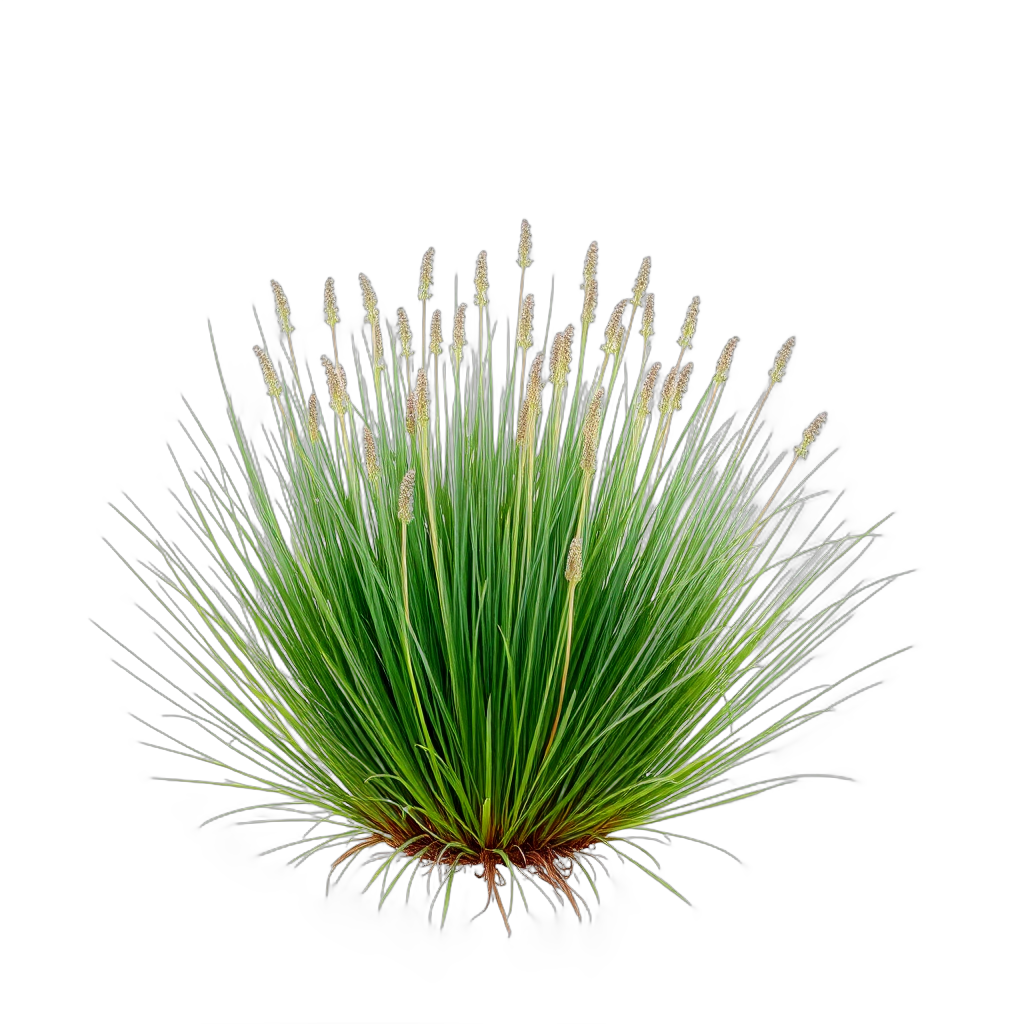
Little Bluestem
Schizachyrium scoparium
grows to 3 feet, blooms in summer. Red,burgundy fall color.
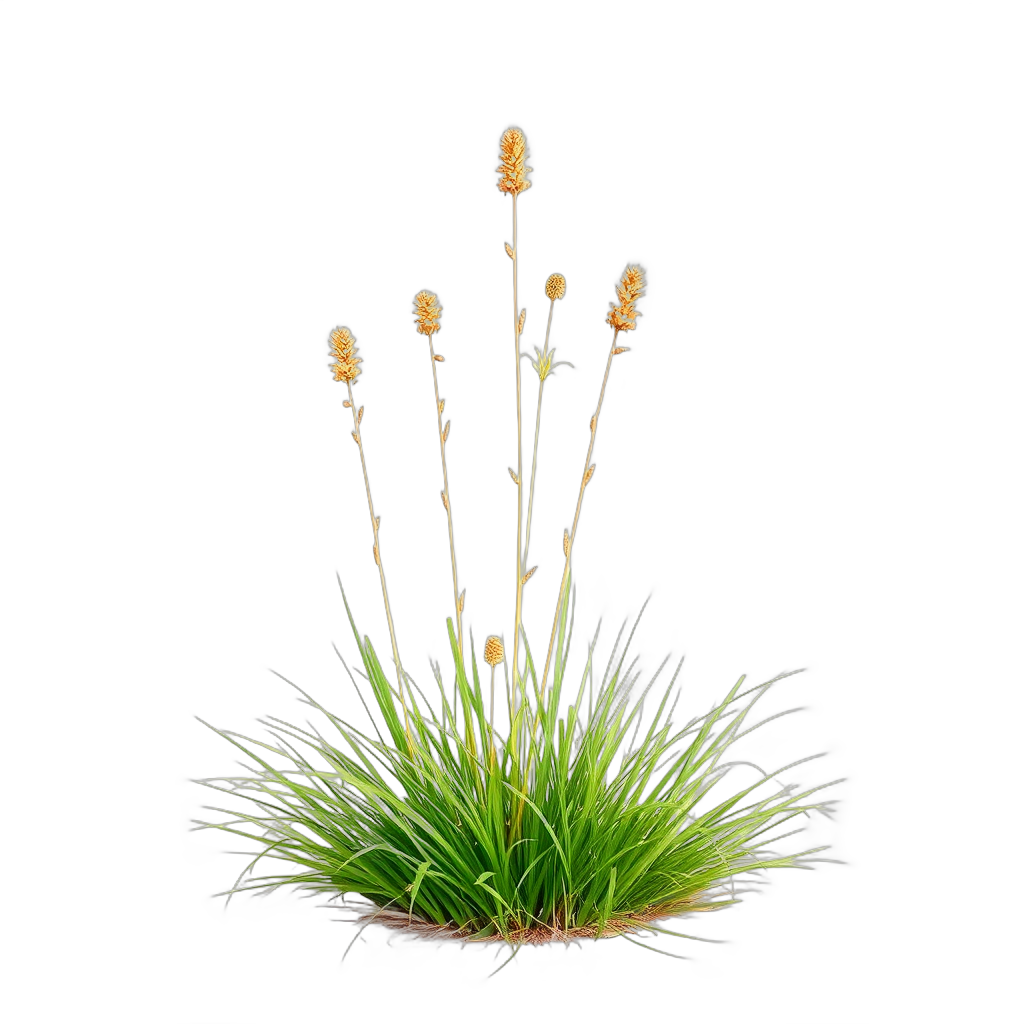
Sand Dropseed
Sporobolus cryptandrus
low-growing ground cover, blooms in summer. Orange fall color.
Featured Flowers & Perennials for Modern/Minimalist Gardens
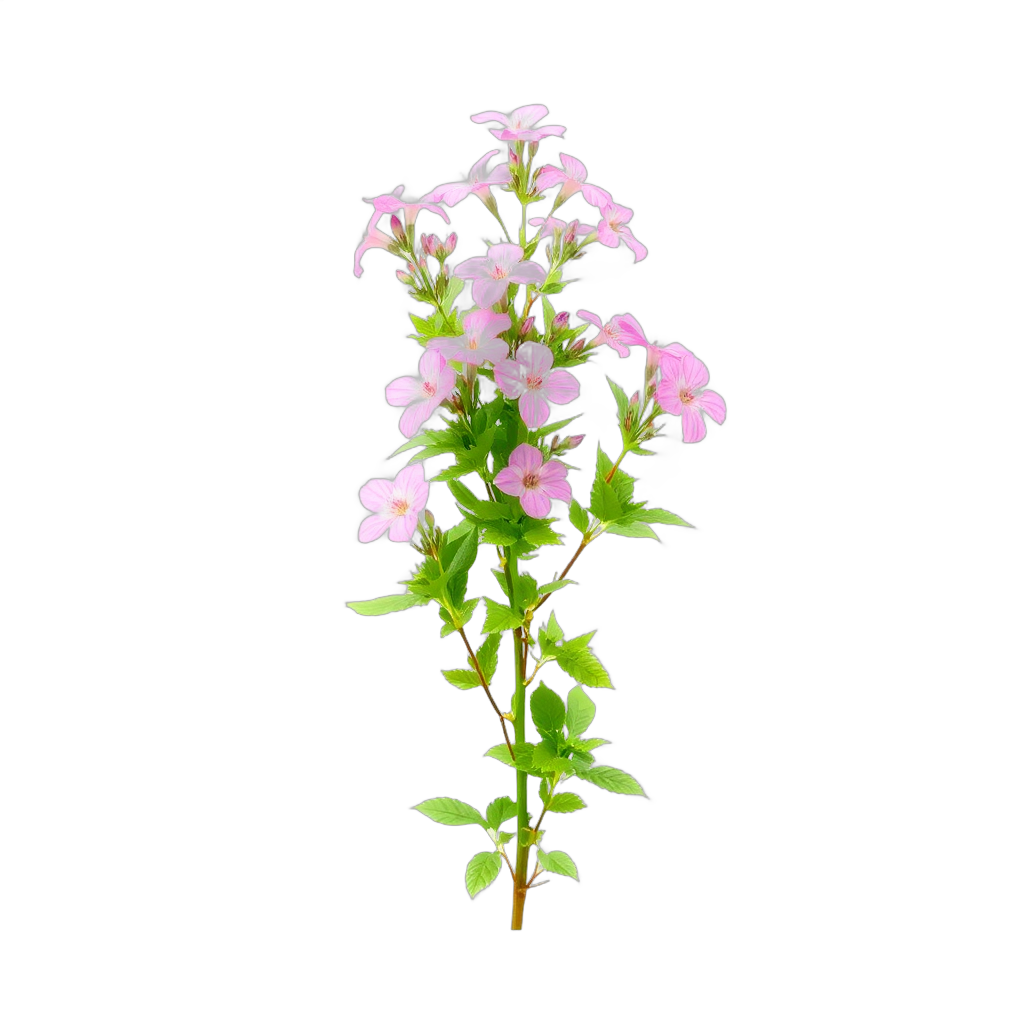
Hood's Phlox
Phlox hoodii
low-growing ground cover, white blooms in spring. Attracts butterflies.
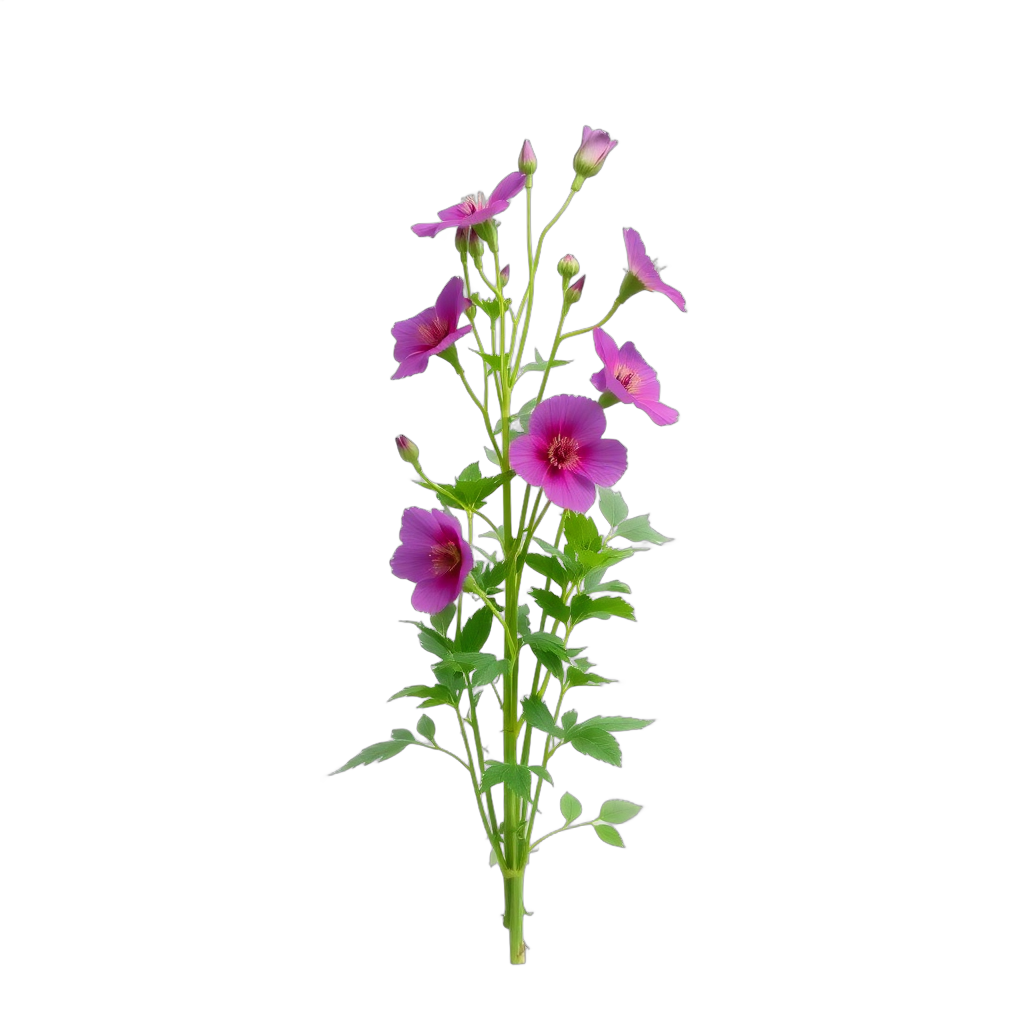
Purple Poppy Mallow
Callirhoe involucrata
low-growing ground cover, purple blooms in summer. Attracts butterflies.
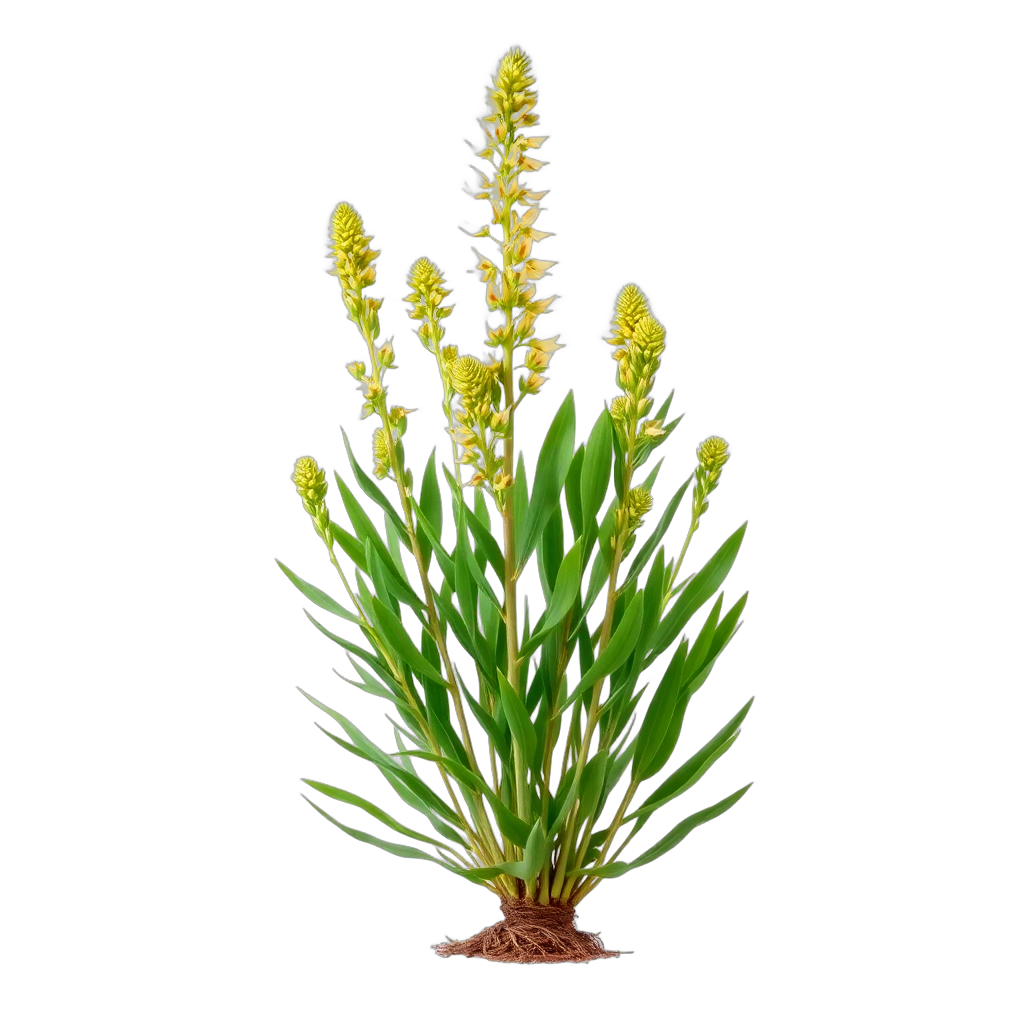
Soapweed Yucca
Yucca glauca
low-growing ground cover, white blooms in spring. Pollinator-friendly.
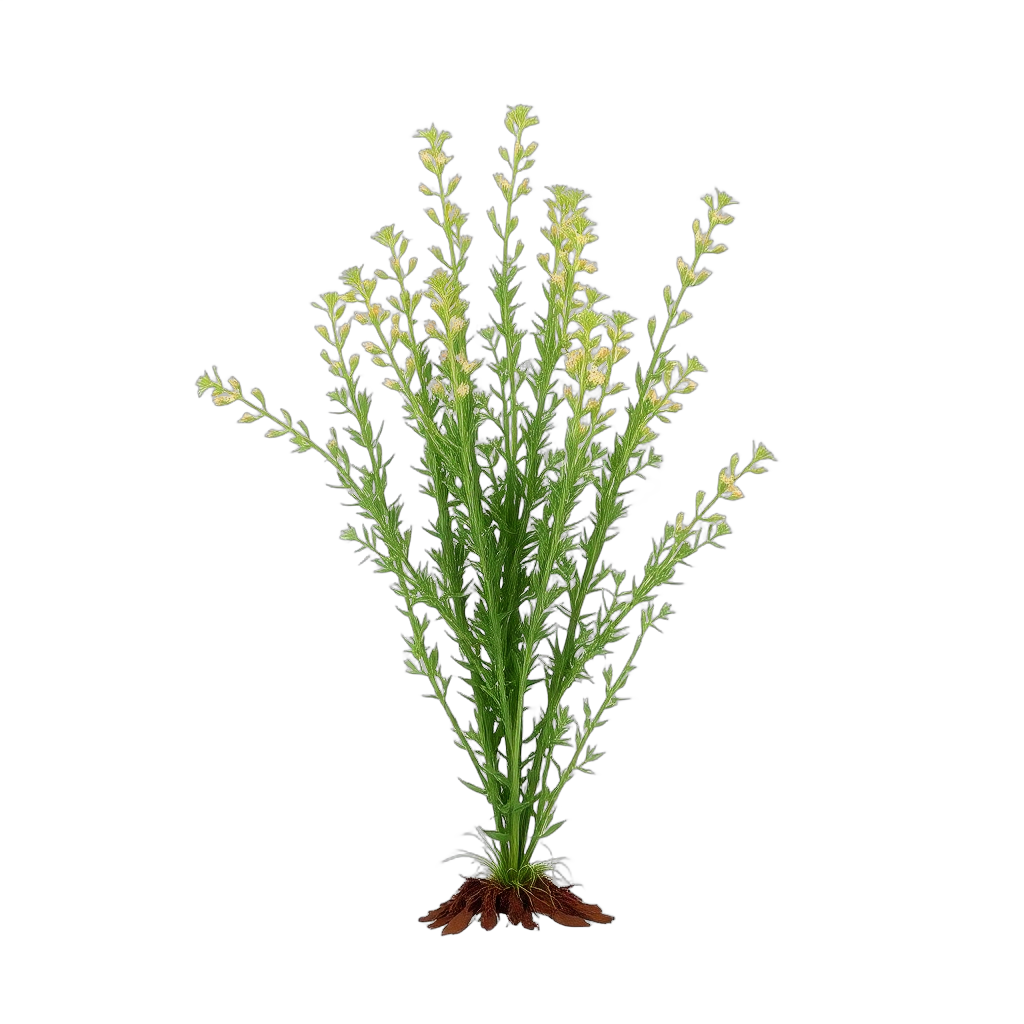
White Sage
Artemisia ludoviciana
low-growing ground cover, white blooms in summer. Fragrant.
Zone and sun checks come from our database — confirm with your local nursery before you buy.
Bloom Calendar for Denver
spring
Hood's Phlox, Soapweed Yucca, Golden Currantsummer
Purple Poppy Mallow, White Sage, Blue Grama Grassfall
Limited bloomswinter
Limited bloomsDesign Tips for Denver (Zone 5b)
- Plant ornamental grasses (Karl Foerster, little bluestem, prairie dropseed) as the backbone of your design — they provide structure through all four seasons and require no maintenance beyond one annual cutback in March
- Use air-entrained concrete specified for Colorado's freeze-thaw conditions on any poured surface — standard concrete mixes will crack within a few winters at Denver's altitude
- Install your drip irrigation on a smart controller calibrated to Denver Water's ETo table — over-irrigation is the number one cause of plant death in Denver landscapes, counterintuitively including native plants
- Design your outdoor room to face south or southeast for maximum usable days — Denver's 300+ sunny days mean a south-facing patio can be comfortable in February; a north-facing patio may be cold and shaded for six months
- Apply for Denver Water's Xeriscape Incentive Program before starting turf removal — the $0.75/sqft rebate (up to $750) requires pre-approval and is forfeited if you apply after the work is done
- Plant spring-blooming serviceberry or native plum for early-season interest — Denver's Mays are beautiful but gardens often feel empty in late April when perennials haven't filled in; serviceberry bridges the gap
Where to Source Plants in Denver
Skip the big-box stores. These independent Denver nurseries specialize in the plants that make modern/minimalist gardens thrive in Zone 5b.
Echter's Nursery & Garden Center
Arvada / West Denver Metro
Colorado's largest independent nursery — huge selection of Zone 5 natives, xeriscape plants, trees
Nick's Garden Center
Aurora / East Denver Metro
Excellent native and xeriscape plant selection, knowledgeable staff for Colorado landscapes
Tagawa Gardens
Centennial / Southeast Denver
Large garden center with strong perennial, native grass, and tree selection for Colorado
High Country Gardens
Online (ships from NM, founded in Denver context)
Premier source for water-wise, cold-hardy perennials and grasses for Zone 5
City Floral Garden Center
Park Hill, Denver - Kearney Street at 14th Avenue, about 25 minutes east
Denver's oldest surviving greenhouse operation, strong on perennials, annual colour, trees and shrubs, seed and water-garden plants, with in-house diagnosis for the iron chlorosis and spider mite problems Front Range gardens run into
Modern/Minimalist Landscaping Costs in Denver
| Project Scope | Estimated Cost |
|---|---|
| Front yard xeriscape redesign (400–600 sqft) | $5,000 – $12,000 |
| Concrete patio with fire pit (300–500 sqft) | $9,000 – $22,000 |
| Turf removal + gravel + native plants (per sqft) | $5 – $15/sqft |
| Flagstone or paver patio installation | $15 – $30/sqft |
| Drip irrigation system (Zone 5b) | $1,500 – $3,500 |
| Denver Water / Aurora xeriscape rebate | $1 – $3/sqft |
| AI visualization with ProScapeAI | Free to start |
Estimates based on Denver, CO-area contractor rates as of 2026. Actual costs vary by site conditions, materials, and contractor.
Denver Climate & Growing Zone
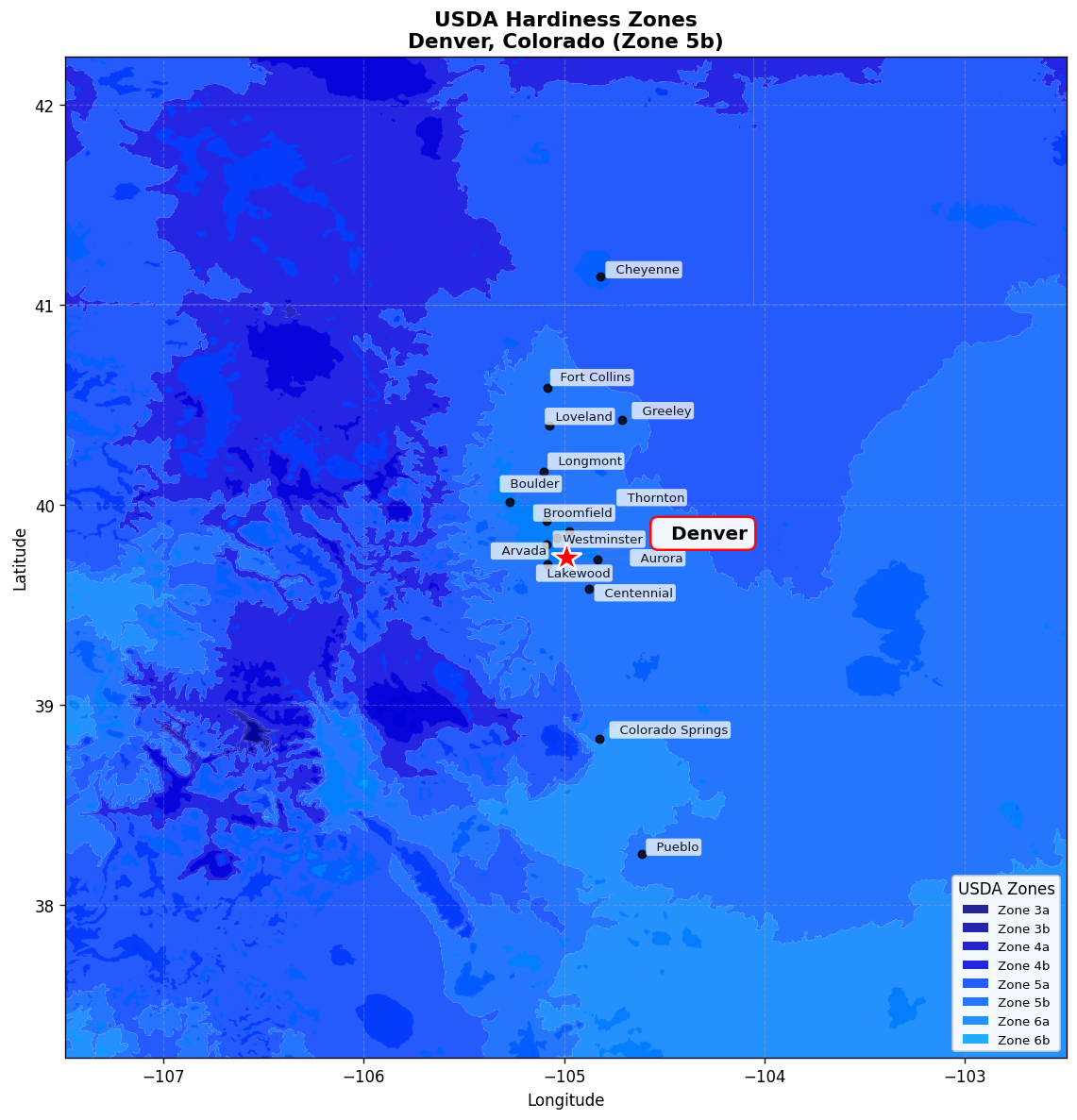
USDA Zone 5b
Hardiness zone for Denver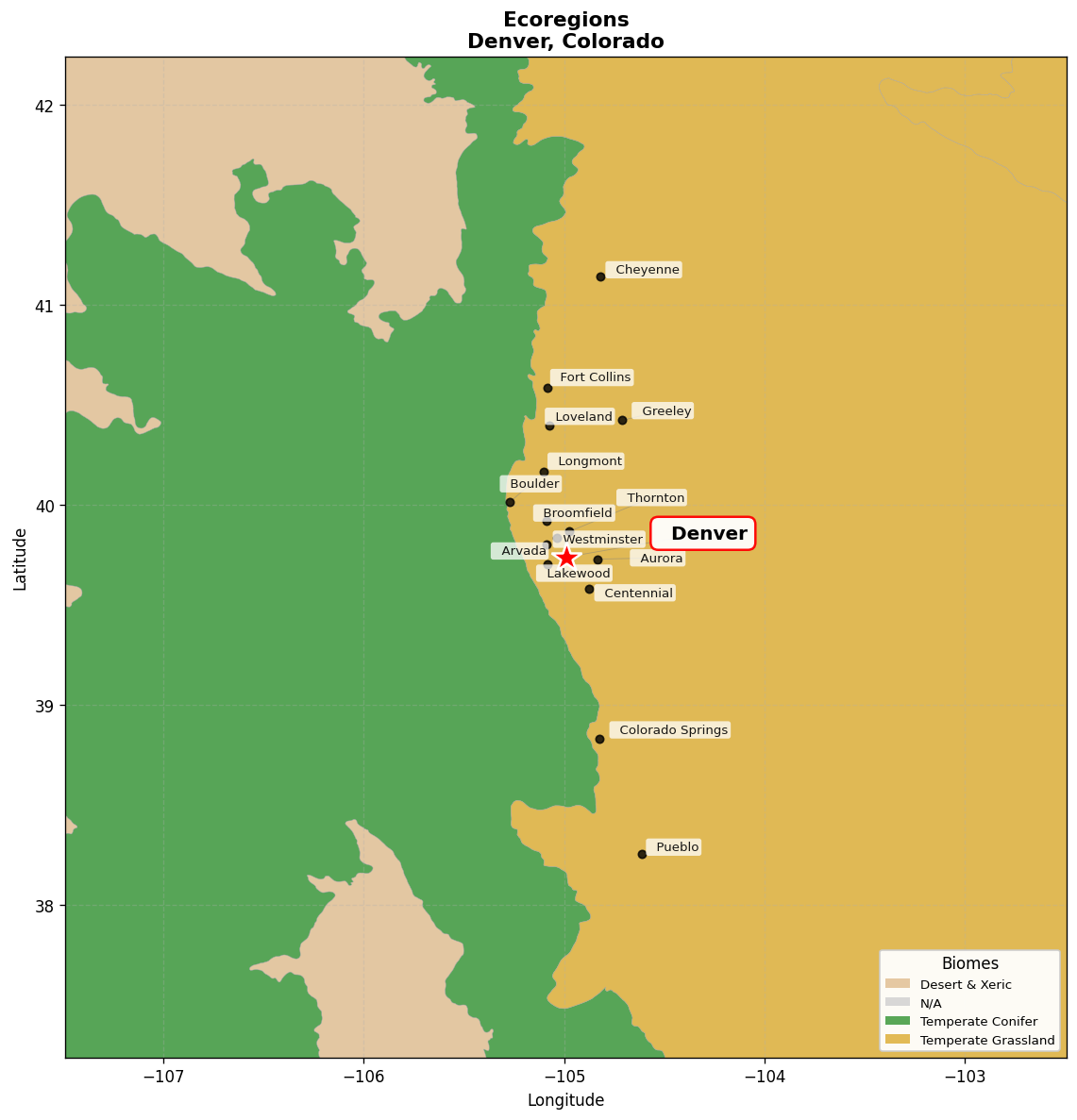
Western shortgrass prairie
Native ecoregionFrequently Asked Questions
Does Denver Water have restrictions on landscape irrigation?
Yes — Denver Water has year-round outdoor watering rules. Standard residential watering is limited to three days per week based on address type, permitted only before 10am and after 6pm, and prohibited during or 48 hours after measurable rainfall. Overwatering (water running into the street) is prohibited and enforced. Denver Water also offers tiered pricing that increases significantly above 15,000 gallons per month. The Xeriscape Incentive Program (XIP) provides up to $750 for qualifying turf replacement with xeriscape on residential properties. New construction landscaping must meet xeriscape standards.
What plants survive Denver's Zone 5b winters and dry summers?
Denver's Zone 5b (lows to −15°F) combined with 14-inch rainfall and 300+ sunny days requires plants that handle genuine cold AND summer aridity. Top performers: Karl Foerster feather reed grass, blue oat grass, little bluestem, prairie dropseed, purple coneflower, black-eyed Susan, penstemon, serviceberry, rabbitbrush, and gaillardia. Trees: quaking aspen, serviceberry, native cottonwood, hawthorn, and Austrian pine. For succulents: prickly pear and claret cup cactus are native and fully hardy. Avoid tender perennials labeled for Zones 7+.
How do I design a Denver yard that looks good through Colorado's long winter?
Denver's landscape season runs roughly May through October, meaning your design must hold up visually through 6 months of dormancy. Key strategies: plant ornamental grasses that hold their structure through winter (little bluestem, Karl Foerster, prairie dropseed), include evergreen elements (Austrian pine, juniper, kinnikinnick), use quality hardscape as the primary visual structure, and choose plants with interesting seedhead or bark texture. Avoid plants that collapse into brown mush at first frost. Decomposed granite looks clean year-round. The best Denver landscapes look intentional in January because the hardscape and plant structure do the work, not summer flowers.
What is Denver Water's Xeriscape Incentive Program?
Denver Water's Xeriscape Incentive Program (XIP) provides rebates for residential customers replacing qualifying irrigated turf with xeriscape landscaping. The rebate is $0.75 per square foot of turf converted, up to $750 per address per year. Requirements: the turf must be actively irrigated and living; replacement must use water-efficient plants or mulch; you must apply before removing turf; and before/after documentation is required. Denver Water also offers free xeriscape guides, plant lists, and a landscape assistance line. Applications are available on the Denver Water website and rebates are processed within 4–6 weeks of inspection.
Are there good designers or contractors in Denver specializing in xeriscape?
Yes — Denver has a deep pool of xeriscape-focused landscape contractors given the city's strong conservation culture. Look for contractors certified through the Colorado Nursery & Greenhouse Association or with EPA WaterSense certification. The Denver Botanic Gardens maintains a referral list of water-wise garden designers. Colorado State University Extension's 'Yard & Garden' program publishes contractor evaluation guides. When interviewing contractors, ask specifically about their plant source (local-grown natives versus shipped-in stock), irrigation design approach, and whether they design to Denver Water's ETo-based watering schedule standards.
Do Denver's altitude and freeze-thaw cycles affect hardscape choices?
Yes significantly. Denver's freeze-thaw cycles — temperatures crossing 32°F dozens of times per year, including rapid swings of 40°F in a single day — are punishing to porous or low-quality paving materials. Concrete should be air-entrained (specified for Colorado's climate) and properly reinforced; unreinforced concrete often cracks within 5–10 years. For flagstone, choose hard, dense materials like Colorado sandstone, slate, or quartzite rather than softer limestones that spall in freeze-thaw. Avoid standard brick pavers without proper freeze-thaw ratings. All mortared joints should use flexible sealants, not rigid grout. Sand-set flagstone can be repaired easily; mortar-set requires more work when individual stones heave.