4 Modern Garden Ideas for Madison, WI | Zone 5a Contemporary Prairie-Modern Landscaping
Native plants from the Central US forest-grasslands transition (Zone 5a) — Humid continental (hot summer) climate
For a modern garden in Madison, WI, a zone 5a city with a humid continental (hot summer) climate, start with Karl Foerster feather reed grass (mass planting), prairie dropseed or blue oat grass accent and little bluestem for groundplane texture, the plants this guide's first design is built on.
Why Modern/Minimalist Gardens in Madison?
Madison’s Central US forest-grasslands transition ecoregion provides a strong foundation for modern landscape design. The region’s native prairie aesthetic (bold grasses, structural seed heads, dramatic seasonal color change) is inherently contemporary in its graphic simplicity. Madison landscape designers have developed a distinctly Midwestern modernism: native grasses as the primary design material, concrete as the main hardscape, and four-season gardens that are as beautiful covered in snow as they are in July.
Madison’s growth as a tech and university hub has attracted a sophisticated homeowner demographic that values both design quality and ecological integrity. Neighborhoods like Regent, University Heights, Nakoma, Maple Bluff, and the East Side’s resurgent districts are seeing significant renovation investment, with outdoor spaces increasingly conceived as year-round functional extensions of interior living. The city’s progressive culture creates demand for landscapes that are both aesthetically bold and ecologically responsible.
Zone 5a’s extreme seasonal range (from −10°F winters to 90°F summers) makes material selection critical in Madison modern landscapes. Concrete, Corten steel, natural limestone, and the hardiest ornamental grasses form the palette that works across all four seasons. Winter is an asset in Madison modern design: snow on ornamental grass plumes, frost on Corten steel, and the graphic silhouettes of bare deciduous trees against a white January landscape create a garden aesthetic that is available only in cold-climate regions.
4 Modern/Minimalist Design Ideas for Madison

AI-generated image
The Prairie Modern Entry
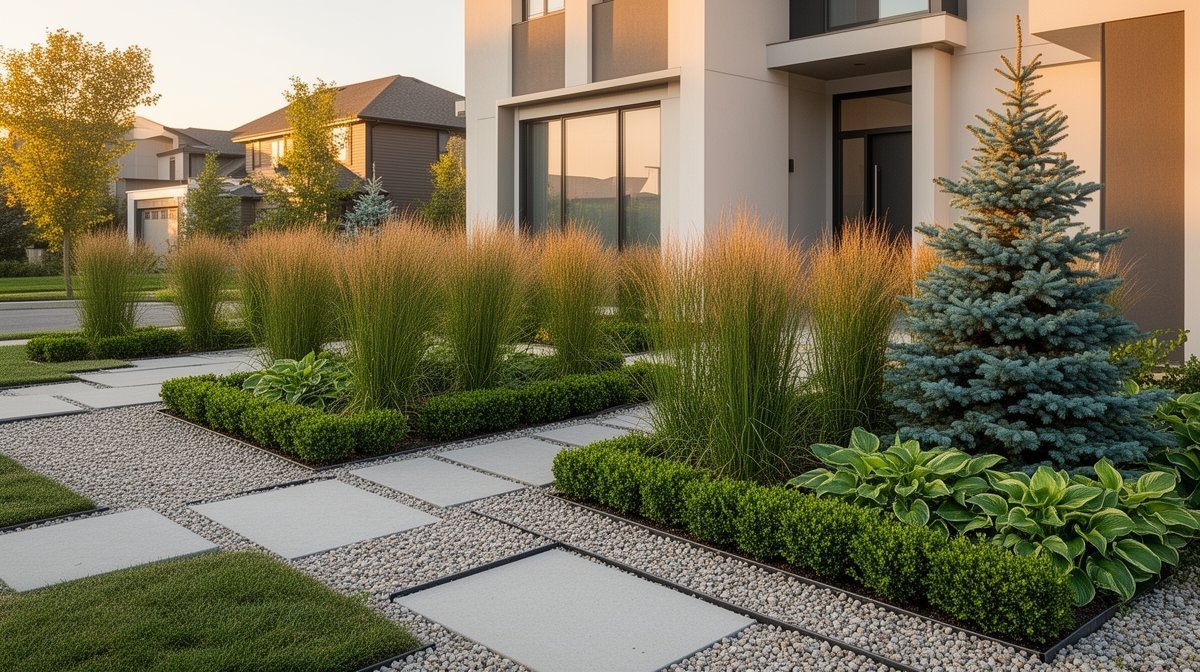
$7–15/sqftA Madison front yard designed in the distinctive prairie-modern idiom: a wide concrete path with a brushed finish runs from the street to the front entry, flanked by bold mass plantings of Karl Foerster feather reed grass. Pea gravel or crushed limestone covers the groundplane. A single specimen prairie dropseed or blue oat grass cluster marks each side of the path at the sidewalk. Corten steel edging frames all planting areas in clean lines that develop a warm rust patina suited to Madison’s winter palette. LED low-voltage ground lights on the grass masses create a warm glow on Madison’s long winter evenings. The dried grass plumes standing through January are one of the most distinctly Madison, and beautiful, winter garden experiences available.

AI-generated image
The Modern Patio and Fire Pit
$12–26/sqftA Madison backyard designed as a four-season outdoor room: a large concrete or limestone paver patio (18x22 feet) is anchored by a built-in concrete fire pit with integrated seating wall at one end and a simple cedar pergola at the other. Karl Foerster grass in masses of seven to nine plants frames the patio on two sides, creating the rustling prairie sound and golden winter-light effect that defines Madison outdoor living. Native coneflower and prairie blazingstar fill the planting beds in front of the grasses. The fire pit extends the outdoor season deep into Madison’s October, and even November on mild years. From behind the fire, looking through the dried grass at the first snow of the season, this is one of the most beautiful modern outdoor environments in the Midwest.

AI-generated image
The UW Arboretum-Inspired Native Landscape
$8–18/sqftA Madison yard designed in the spirit of the UW Arboretum’s Curtis Prairie, a bold contemporary interpretation of the native Central US forest-grassland transition. Tall prairie grasses (Indian grass, big bluestem) create the back-of-bed structure at 6–7 feet. Mid-height wildflowers (compass plant, prairie dock, Joe Pye weed) create the July–September flower layer. Shorter prairie wildflowers (black-eyed Susan, purple coneflower, wild bergamot) fill the foreground. Steel Corten edging and a concrete path create the contemporary vocabulary. The seed heads and dried forms of prairie plants in winter create a sculptural landscape that is uniquely beautiful in Madison’s snow. This design directly references and celebrates Madison’s conservation heritage.

AI-generated image
The Modern Pool and Prairie Garden
$40–75/sqft (complete project)A premium Madison backyard combining a contemporary pool with a prairie-inspired landscape, an unusual combination that works in Wisconsin’s warm summers: a rectangular pool with bluestone or concrete coping, clean-line deck, and sun shelf is used from May through September. Karl Foerster grass frames the pool on all sides, creating the experience of swimming in a field of prairie grasses, an only-in-Madison design concept. A covered cedar pavilion with a fire feature extends the outdoor season October–November. The pool cover system manages the winter months. An outdoor kitchen with simple concrete counters and gas grill anchors the dining area. The combination of clean pool geometry, ornamental grass informality, and Wisconsin limestone paving creates a distinctly Midwestern luxury.
See how a modern/minimalist garden looks on YOUR property
Upload a photo of your Madison yard and visualize your dream garden in seconds.
Try ProScapeAI Free

AI-generated image
Featured Trees & Shrubs for Modern/Minimalist Gardens
Browse all 169 plants for Madison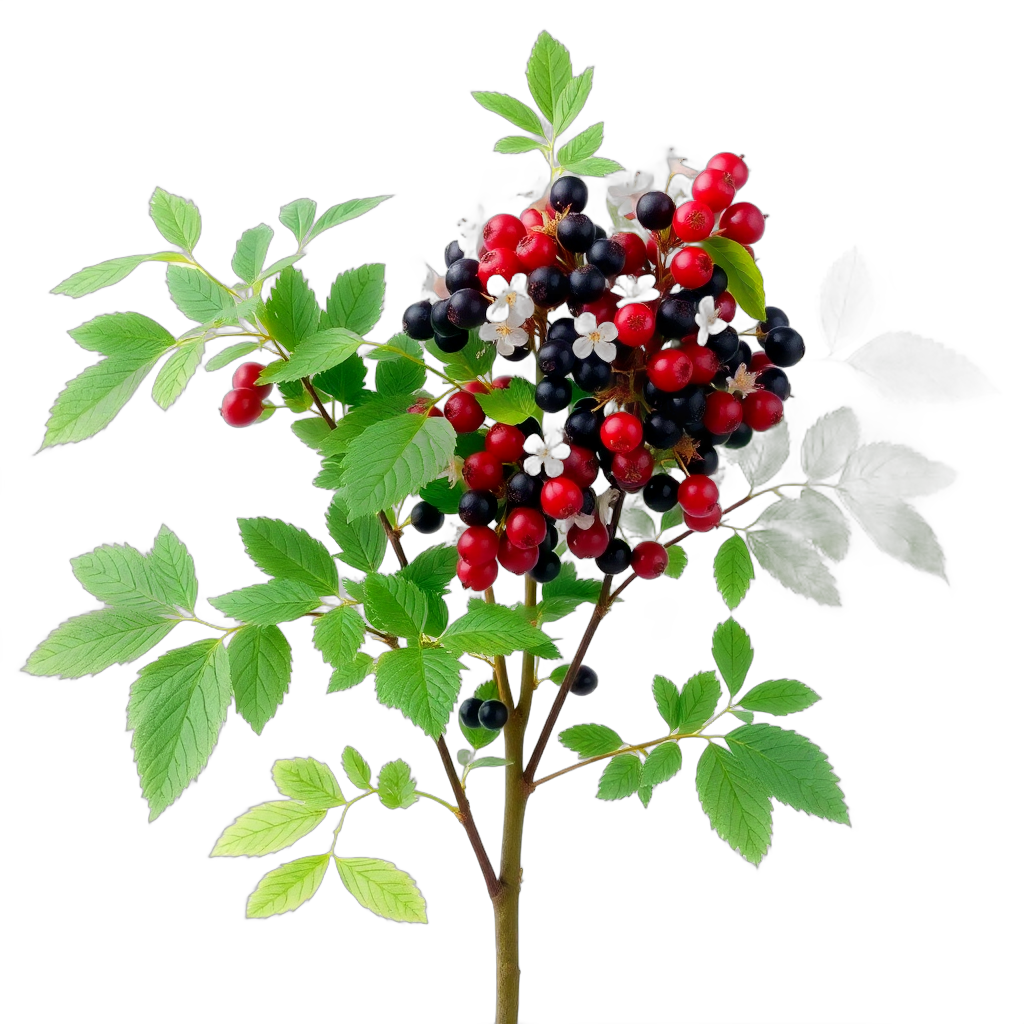
American Black Currant
Ribes americanum
grows to 5 feet, white,yellow blooms in spring. Attracts hummingbirds.
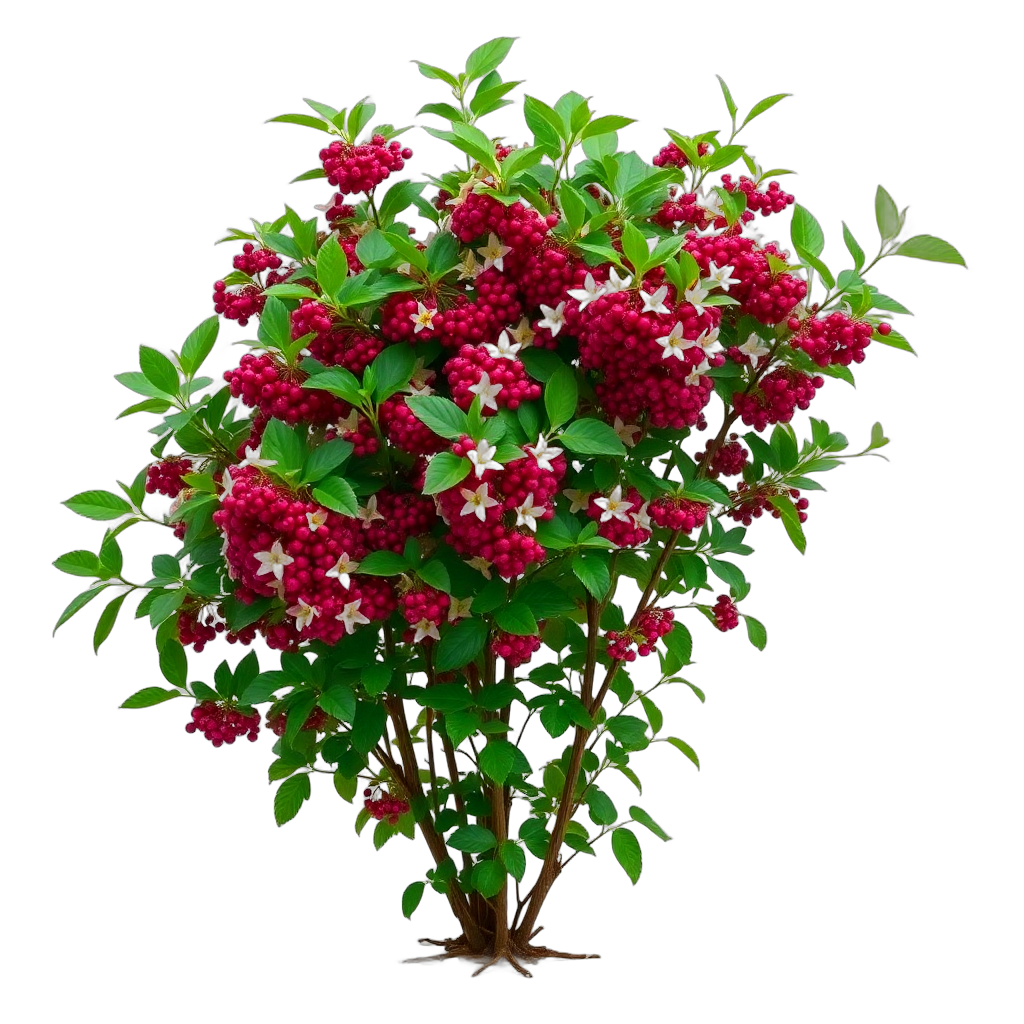
Clove Currant
Ribes odoratum
grows to 6 feet, yellow blooms in spring. Attracts hummingbirds.
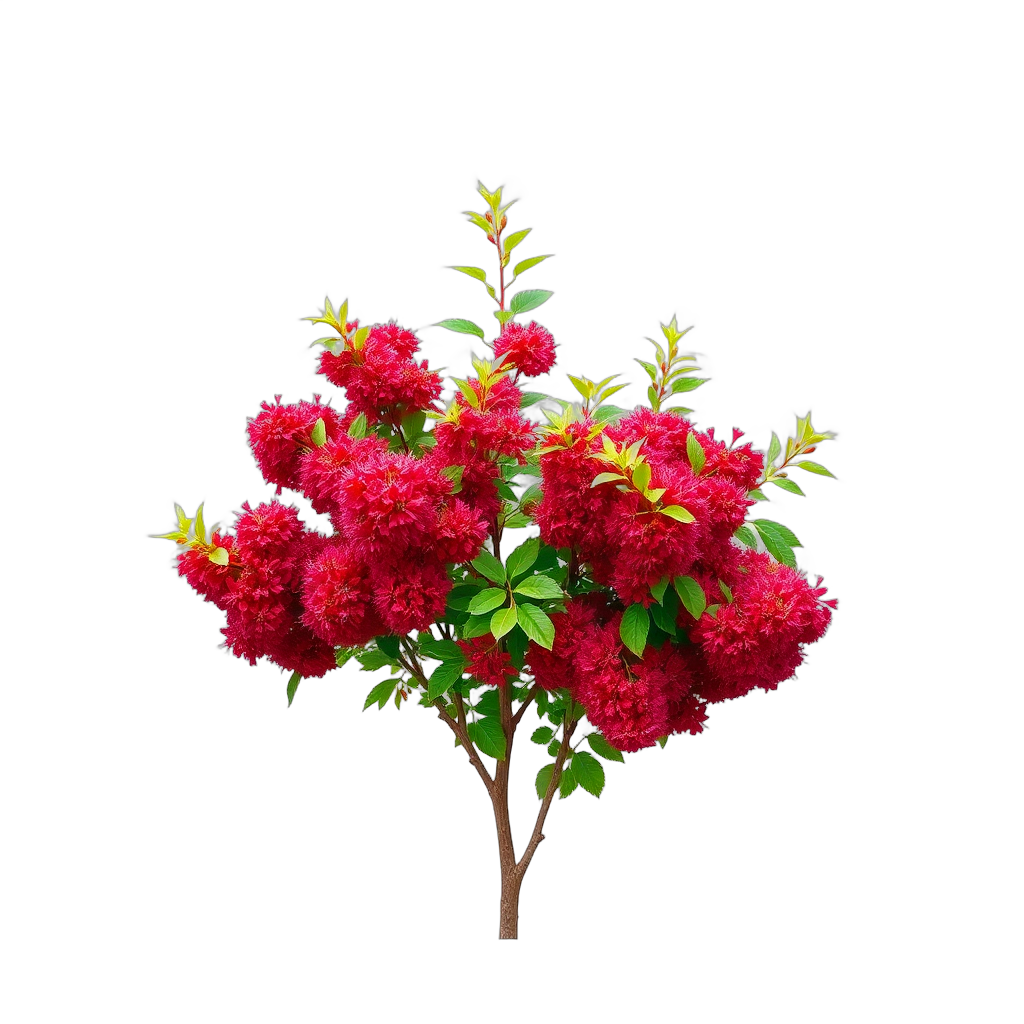
Fragrant Sumac
Rhus aromatica
grows to 4 feet, yellow blooms in spring. Attracts butterflies.
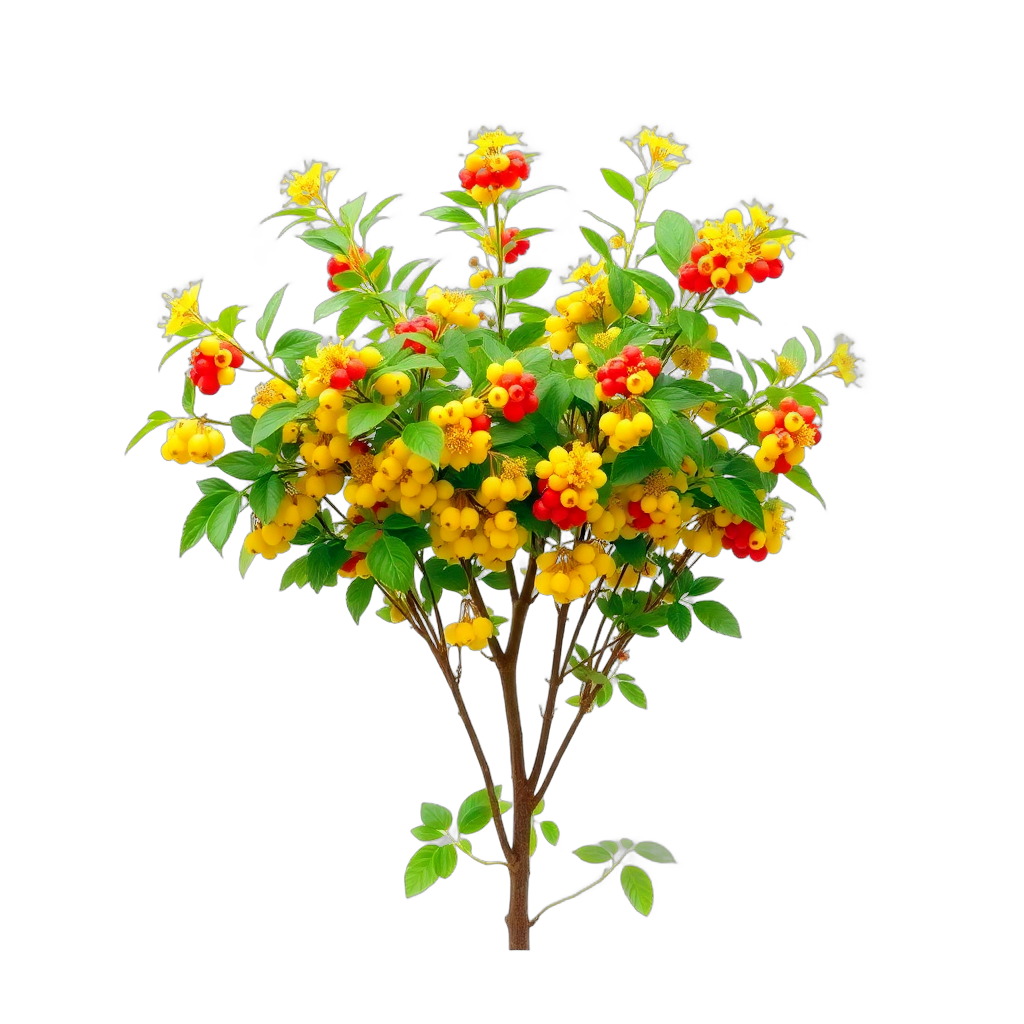
Golden Currant
Ribes aureum
grows to 6 feet, yellow blooms in spring. Attracts hummingbirds.
Featured Grasses & Groundcovers for Modern/Minimalist Gardens
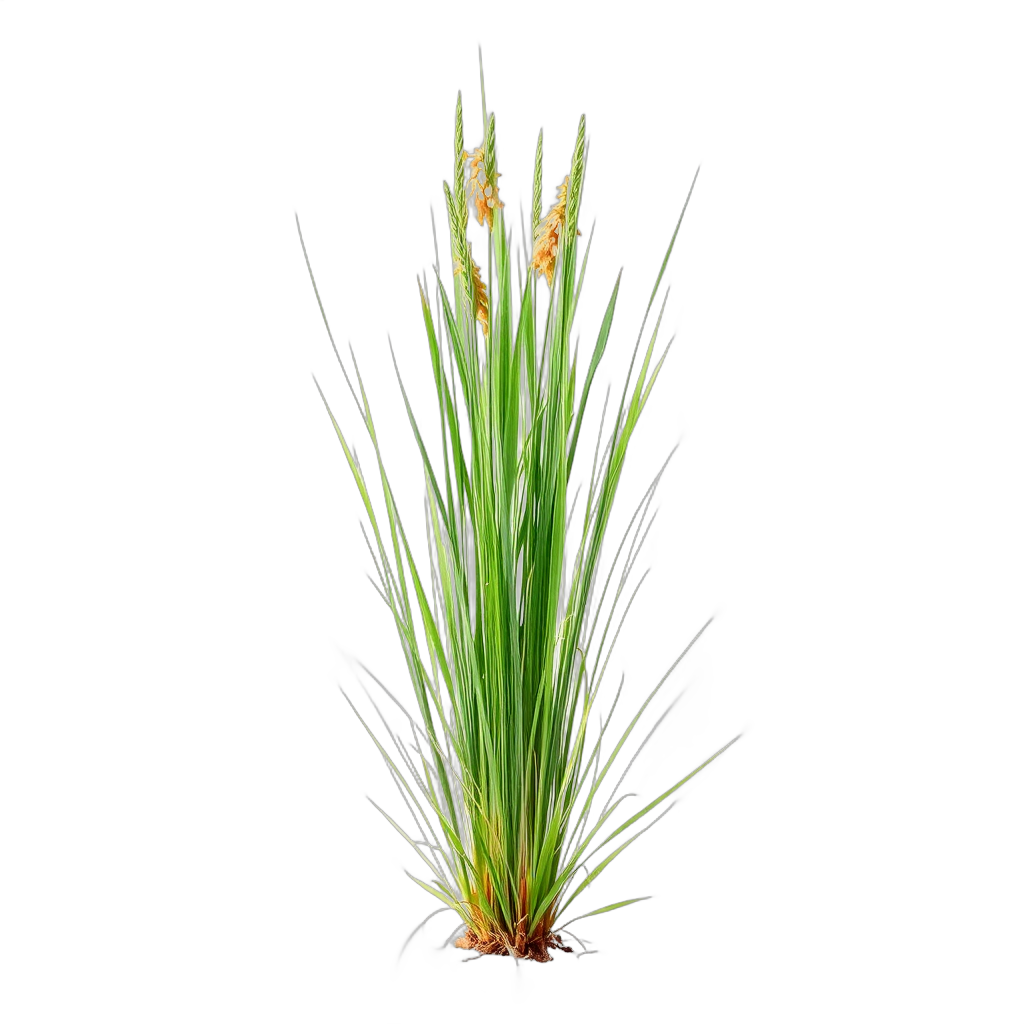
Eastern Gamagrass
Tripsacum dactyloides
grows to 6 feet, blooms in summer. Yellow fall color.
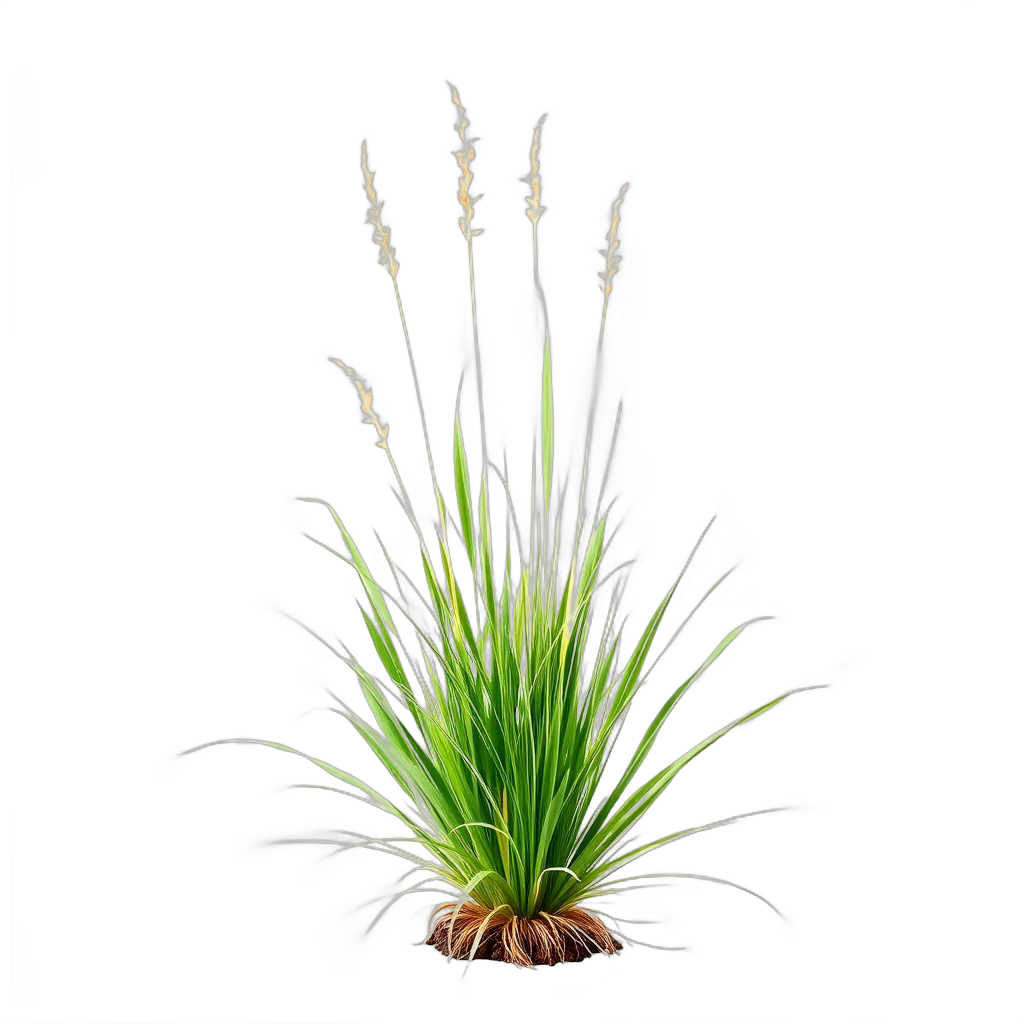
Northern Sea Oats
Chasmanthium latifolium
grows to 4 feet, blooms in fall. Bronze fall color.
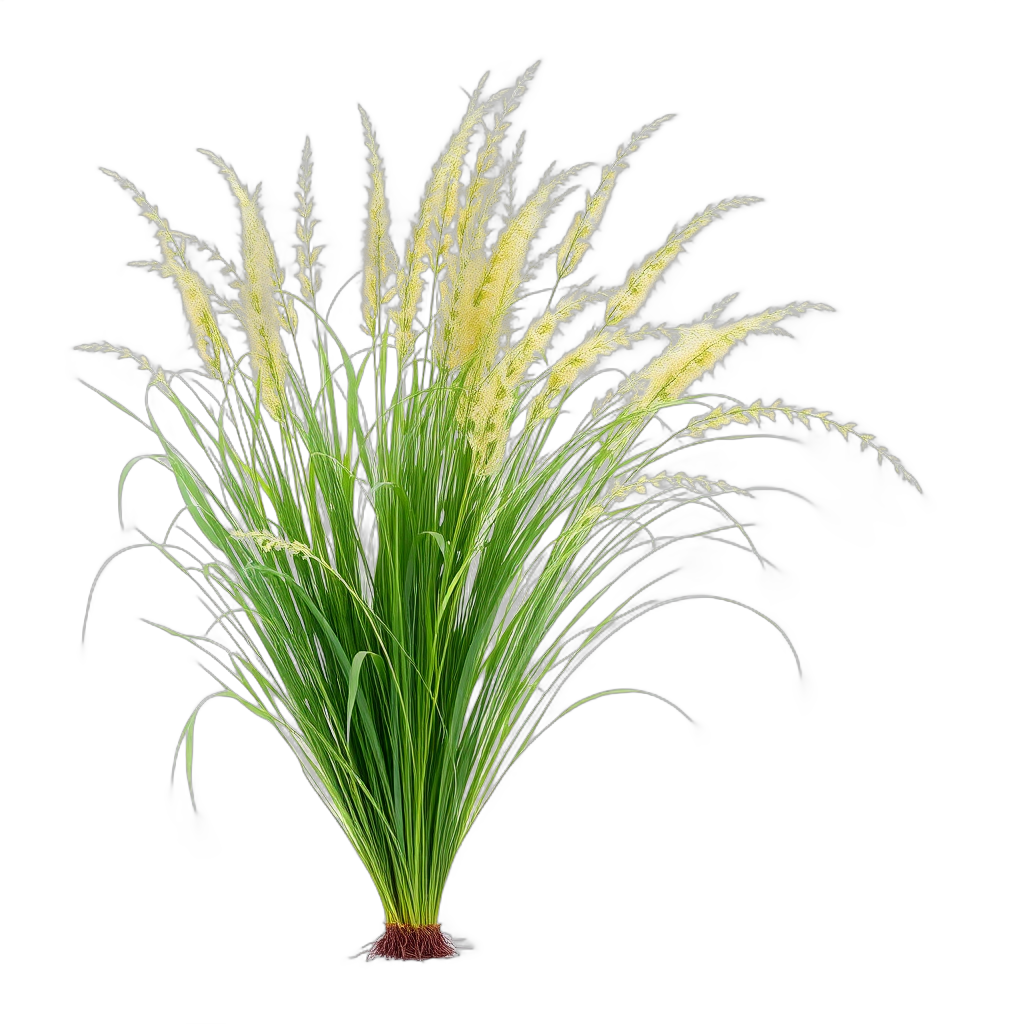
Adagio Maiden Grass
Miscanthus sinensis 'Adagio'
low-growing ground cover, pink blooms in summer. Orange fall color.
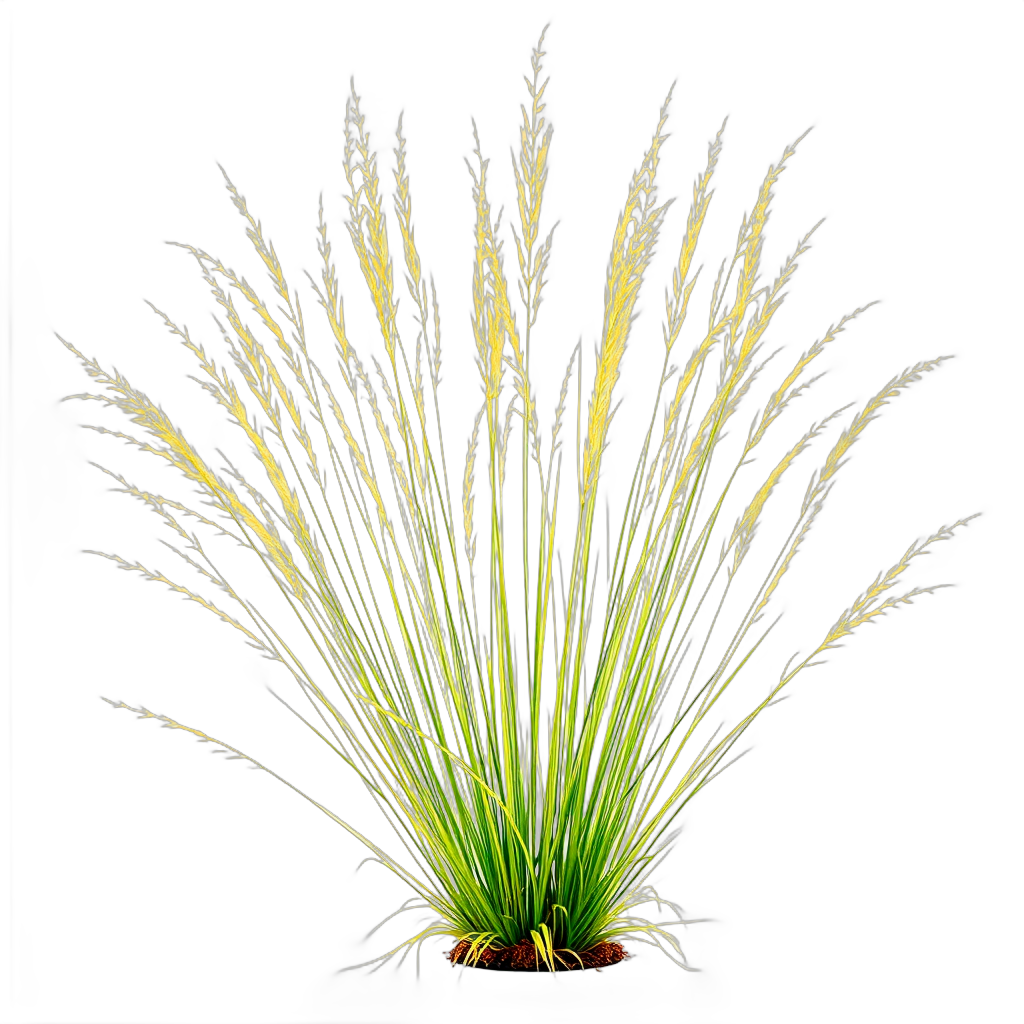
All Gold Japanese Forest Grass
Hakonechloa macra 'All Gold'
low-growing ground cover, blooms in summer.
Featured Flowers & Perennials for Modern/Minimalist Gardens
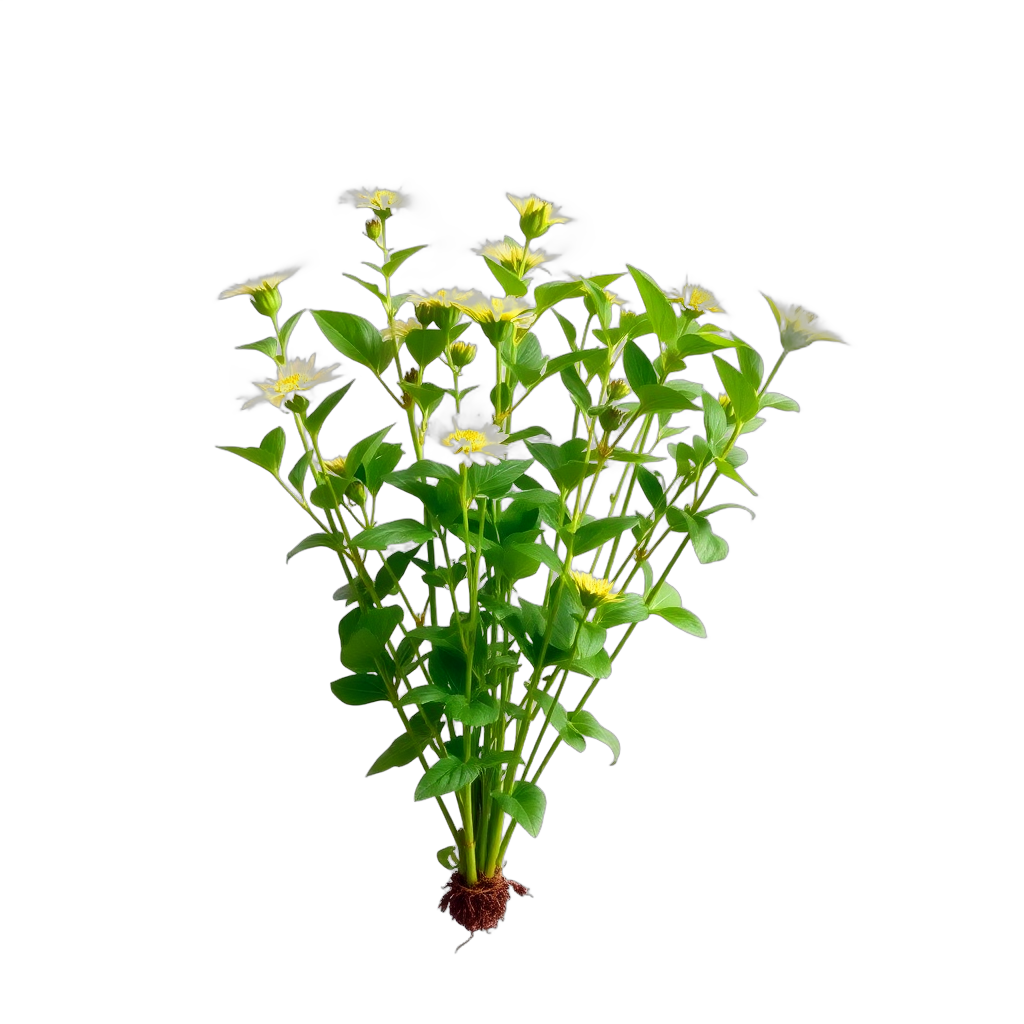
Cup Plant
Silphium perfoliatum
medium-sized at 7 feet, yellow blooms in summer. Attracts butterflies.
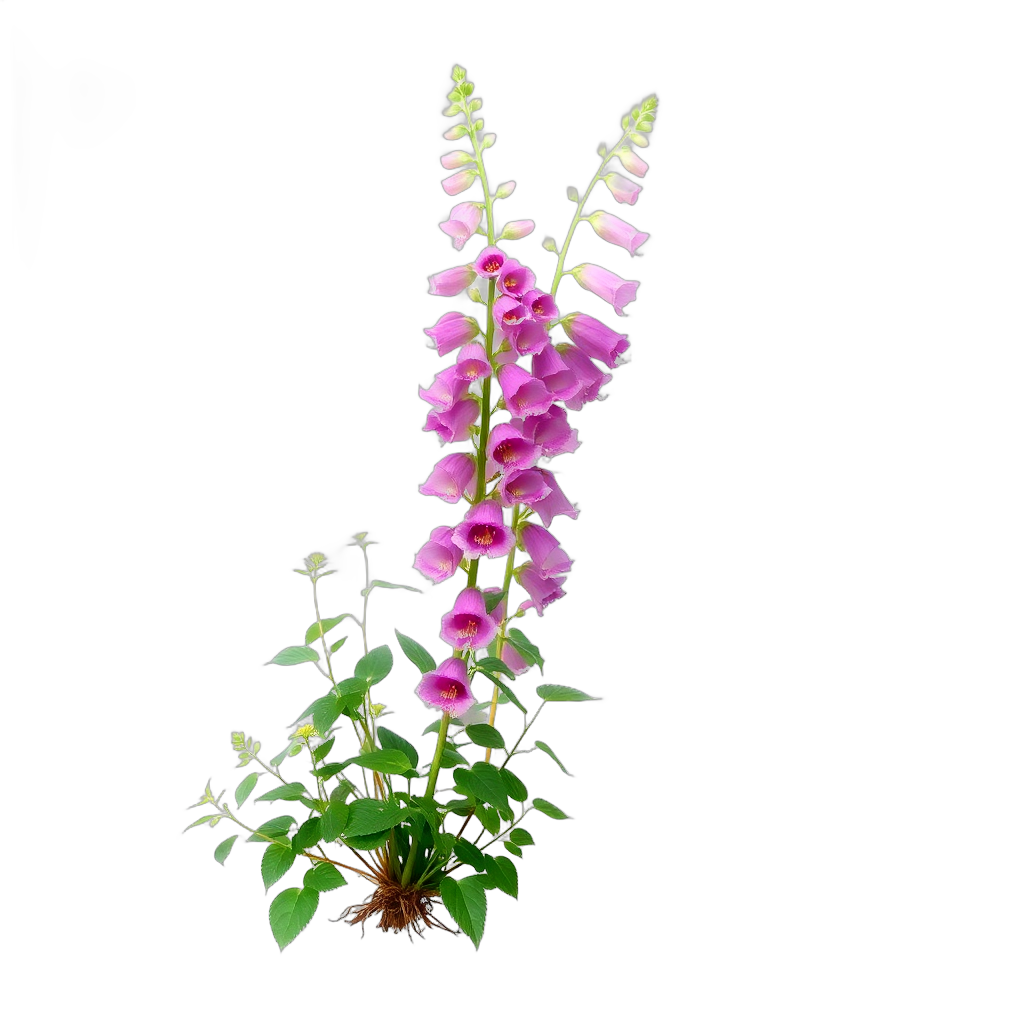
Foxglove Beardtongue
Penstemon digitalis
grows to 3 feet, white blooms in spring. Attracts hummingbirds.
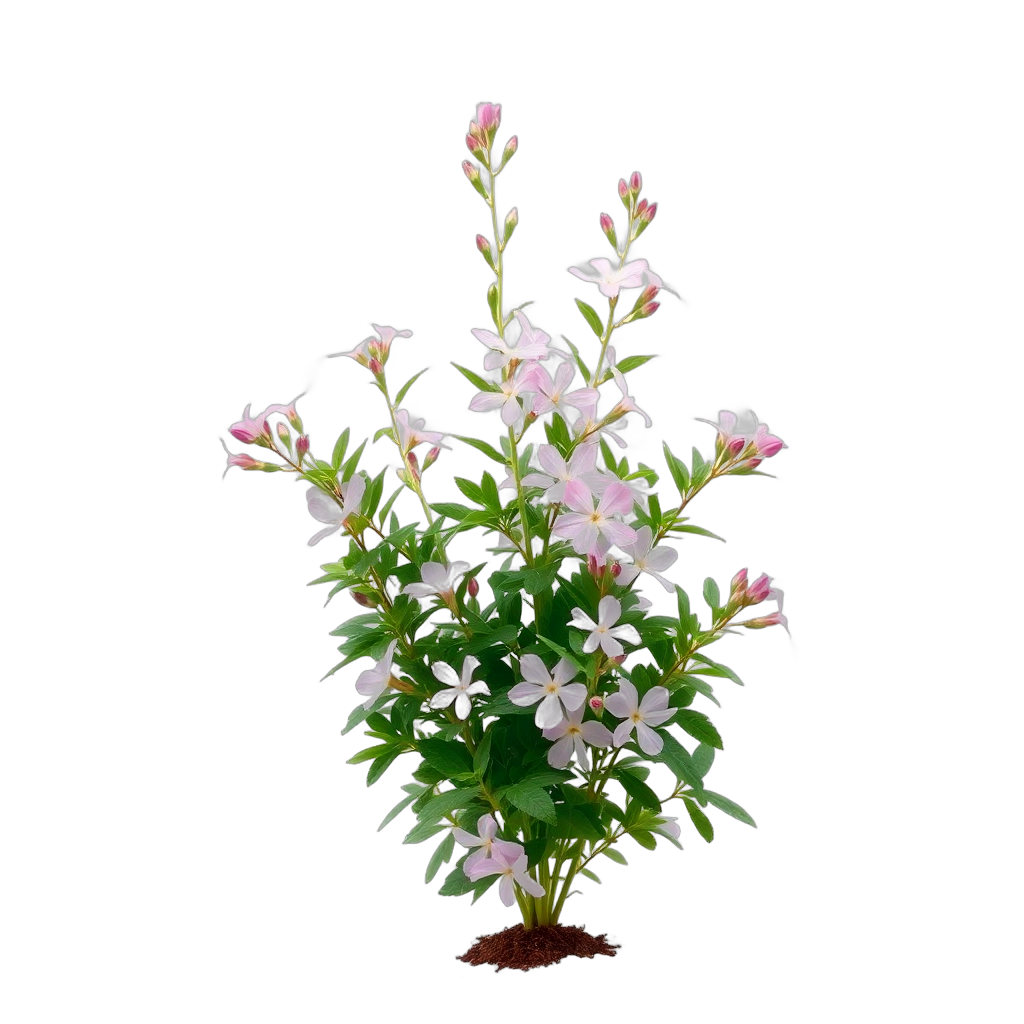
Garden Phlox
Phlox paniculata
grows to 3 feet, multi blooms in summer. Attracts hummingbirds.

Gloriosa Daisy
Rudbeckia hirta
low-growing ground cover, yellow blooms in summer. Attracts butterflies.
Zone and sun checks come from our database — confirm with your local nursery before you buy.
Bloom Calendar for Madison
spring
Foxglove Beardtongue, American Black Currant, Clove Currantsummer
Cup Plant, Garden Phlox, Gloriosa Daisyfall
Northern Sea Oatswinter
Limited bloomsDesign Tips for Madison (Zone 5a)
- Leave ornamental grasses, coneflowers, and prairie seed heads standing through Madison’s winter without cutting back: the dried plumes of Karl Foerster grass standing against a January snowscape, illuminated by morning sun, is one of the most beautiful winter garden effects possible in any climate
- Use Wisconsin Lannon stone or local limestone as the primary hardscape material in any Madison modern design: it’s the regional building material of Frank Lloyd Wright’s Prairie Style, is extremely durable in Zone 5a winters, and creates a design identity uniquely connected to Wisconsin’s landscape and architectural heritage
- Install a gas fire pit rather than wood-burning in Madison’s urban neighborhoods: Madison’s calm summer evenings can hold wood smoke low to the ground in the densely wooded residential neighborhoods, and gas eliminates this issue while providing instant, adjustable flame at the push of a button
- Plant Karl Foerster grass in spring (April–May) in Madison rather than fall: spring-planted grasses establish larger root systems before their first winter, making them more vigorous in their second year than fall-planted specimens in Zone 5a’s cold winters
- Specify Corten steel edging for all planting areas in a Madison modern design: standard black steel edging rusts uniformly and loses its structural integrity within 10 years in Madison’s freeze-thaw and salt exposure; Corten forms a stable rust patina that is visually beautiful and lasts indefinitely
- Design any Madison outdoor living space with the cold-season aesthetic in mind: what does the design look like in January under 8 inches of snow? Native prairie grasses, Corten steel, concrete, and Wisconsin limestone all improve under snow, while designs relying on green foliage or seasonal flowers disappear for 5 months
Where to Source Plants in Madison
Skip the big-box stores. These independent Madison nurseries specialize in the plants that make modern/minimalist gardens thrive in Zone 5a.
Sprig Native Plant Nursery
East Madison
Woman-owned; all plants from Midwest seed; Zone 5a prairie natives; no neonicotinoids; pickup on east side
Two Ferns Native Nursery
Madison
Native perennials for Madison’s Zone 5a; excellent prairie grass and wildflower selection for contemporary designs
Toddle-In Nursery
Madison area
Premier family-owned garden center with quality shrubs, evergreens, perennials, and grasses for Zone 5a landscapes
Modern/Minimalist Landscaping Cost Ranges
| Project Scope | Estimated Cost |
|---|---|
| Concrete patio, broom finish (200 sqft) | $2,100–$2,500 |
| Low-voltage landscape lighting (6 fixtures) | $1,200–$2,000 |
| Composite decking boards, surface only on existing framing (200 sqft) | $4,700–$5,800 |
| AI visualization with ProScapeAI | Free to start |
National average installed ranges for 2026 from our landscaping price list (Homewyse and other published sources). Prices in Madison, WI vary with site, materials and contractor, so get two or three local quotes.
Madison Climate & Growing Zone
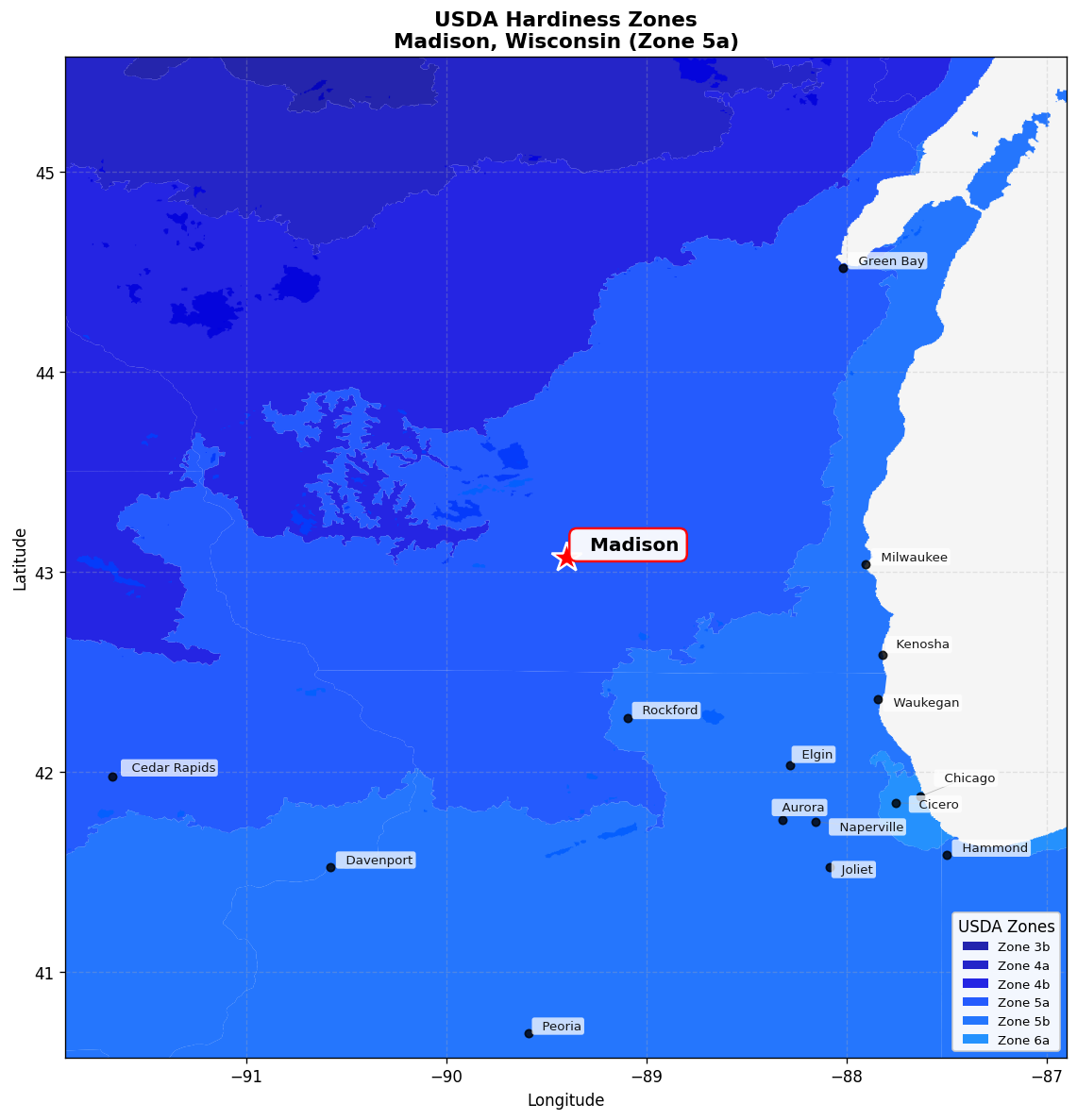
USDA Zone 5a
Hardiness zone for Madison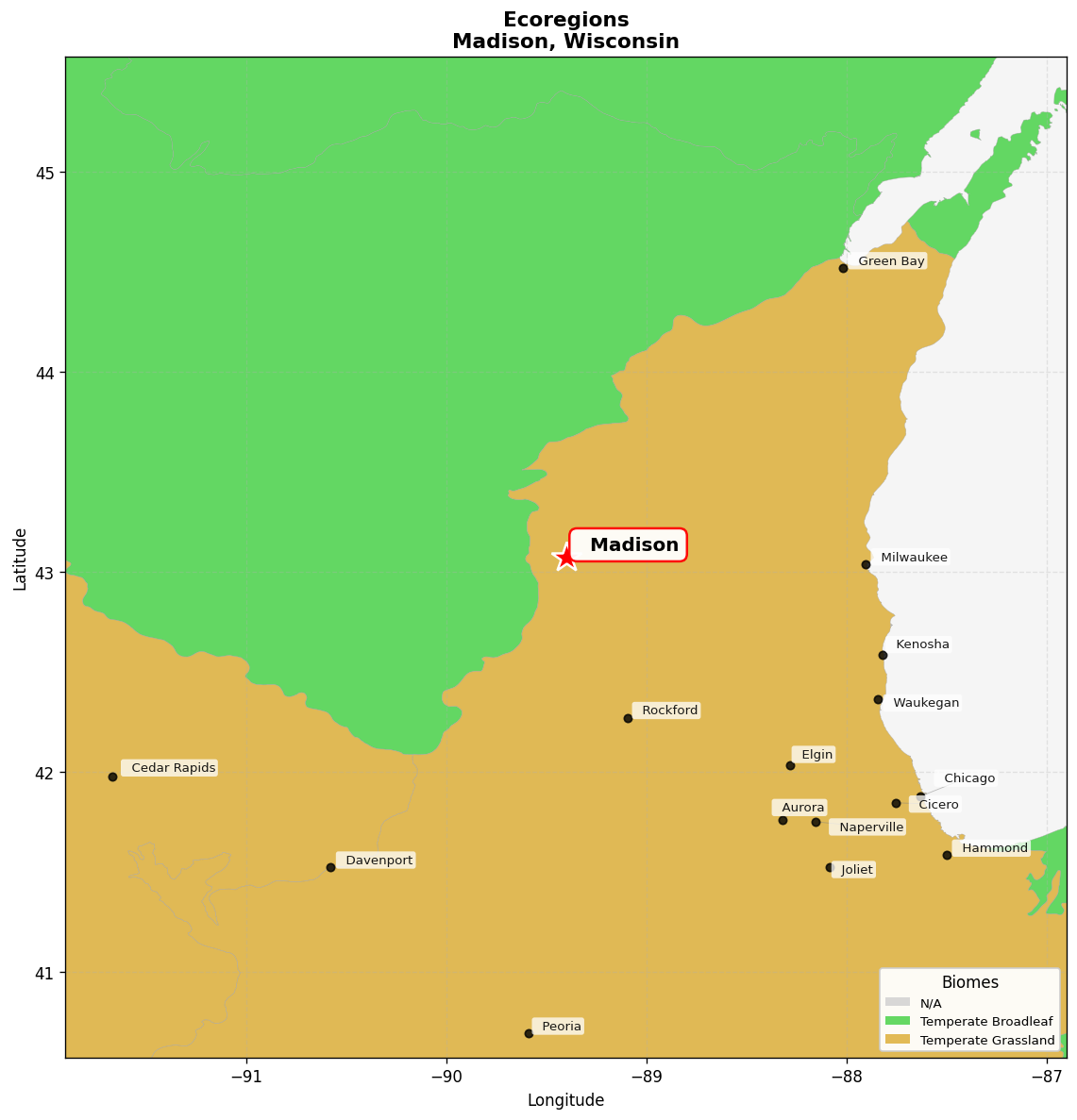
Central US forest-grasslands transition
Native ecoregionFrequently Asked Questions
How much does modern landscaping cost in Madison, WI?
Madison landscaping is moderately priced for the Midwest. Costs vary with site, access, materials and local labor rates, so get two or three local quotes before you budget.
What ornamental grasses are hardy in Madison’s Zone 5a winters?
Zone 5a requires grasses rated to at least Zone 4 for reliable Madison performance. Definitive Zone 5a performers: Karl Foerster feather reed grass (Zone 4–9, the most reliable architectural grass for Madison; stands upright through snow), Shenandoah switchgrass (Zone 4–9, brilliant red in September), little bluestem (Zone 3–9, native Midwest grass, copper-bronze winter color), big bluestem (Zone 4–9, 6–8 feet, blue-green summer), Indian grass (Zone 4–9, native tall prairie grass), prairie dropseed (Zone 3–9, fine-textured native clumping grass). Avoid: miscanthus (Zone 5b minimum, too cold for Madison’s Zone 5a), and pampas grass (Zone 8+).
What hardscape materials hold up to Madison’s Zone 5a winters?
Madison’s freeze-thaw cycles (30+ events per winter in active years) require frost-rated materials. Best choices: concrete pavers rated Zone 4–5 (all major brands); poured concrete with 6-inch gravel base, 4-inch slab, and control joints; Wisconsin limestone (local quarried stone, freeze-thaw stable, beautiful Midwestern character); Lannon stone (Wisconsin’s signature dolomitic limestone, used in Frank Lloyd Wright Prairie Style buildings, and extremely durable in freeze-thaw); Corten steel (weathers well in cold climates, never rusts through). Avoid: clay brick (water-absorbing, can spall in freeze-thaw unless rated for severe duty), non-frost-rated porcelain tile, terracotta pavers.
How do I maintain a Madison prairie-modern landscape in winter?
Winter maintenance is minimal, which is one of the advantages of prairie-modern design. Leave all ornamental grasses, coneflowers, goldenrod, and other native plants standing through winter: they are the design’s winter element and provide bird food. Cut back in March before new growth emerges. Concrete and paver surfaces: use sand or kitty litter instead of salt for traction, because salt damages Corten steel edging and kills adjacent grass plantings. Clear snow from patio surfaces promptly to prevent refreezing cycles that accelerate paver joint erosion. Remove Corten edging snow with a plastic shovel to avoid scratching the surface. The primary winter task is enjoying the dramatic frozen landscape.
Are fire pits allowed in Madison?
Recreational fire pits are permitted in Madison with restrictions. City of Madison fire ordinance requires: contained fire in a fire pit, ring, or fire bowl; minimum 15 feet from any structure or combustible materials; fires less than 3 feet in diameter; no burning of prohibited materials (trash, leaves, construction materials). Open fires are prohibited during air quality alerts. Gas fire pits require no open-burn permit and are preferred in Madison’s denser neighborhoods where wood smoke on calm evenings can affect neighbors. Check the Madison Fire Department or cityofmadison.com for current ordinance details. Most built-in concrete or stone fire features are gas rather than wood.
How long is the outdoor living season in Madison?
Madison’s practical outdoor living season runs from late April through mid-October, approximately 6 months. With a fire pit or outdoor heater, the season extends through November in most years. The most spectacular outdoor living months are: May (lilacs and peonies, cool and fresh), June (peak bloom, warm evenings), July (warm, social, evening dining), September (cool evenings, changing colors, excellent for fire pit use), and October (brilliant fall color, cool and crisp; Madison’s most beautiful month). December–March are deep winter; April is the transition. Plan outdoor spaces with this seasonality in mind: a fire feature is essential in Madison for full seasonal use.