4 Modern Landscape Ideas for McAllen, TX | Zone 9b Design
Native plants from the Western Gulf coastal grasslands (Zone 9b) — Hot semi-arid climate
Why Modern/Minimalist Gardens in McAllen?
Modern landscape design has an easier job in McAllen than almost anywhere else in Texas, because the raw materials are already here. The mid-century ranch stock in central McAllen — the low hipped roofs and wide eaves off Los Ebanos, Nolana and the older grid near Chicago Avenue — is exactly the architecture a clean-line landscape was invented to flatter, and the flat-roofed contemporary builds filling in Tres Lagos, Sharyland Plantation and the north side of Cimarron ask for the same thing in a newer accent. Modern design here does not mean importing a Palm Springs look; it means editing. Take the gravel, the agave and the bunch grasses that grow wild in the Tamaulipan thornscrub outside town, put them in rectangles instead of drifts, and the result reads as native and deliberate at the same time.
The climate rewards restraint. McAllen sits in USDA Zone 9b, with average winter lows of 25–30°F, inside a BSh hot semi-arid climate that delivers roughly 21 inches of rain a year against about 60 inches of evaporation. Roughly 110 days a year clear 90°F and about three weeks clear 100°F, and the rain arrives in a May–June burst and a September tropical-moisture peak rather than steadily. A fussy planting scheme cannot hold that line, but a spare one can: Agave ovatifolia, Agave americana, Muhlenbergia capillaris 'Regal Mist' and Salvia farinacea 'Henry Duelberg' keep their geometry through a Valley August on inline drip and very little else. Zone 9b also means evergreen structure year-round — nothing collapses into brown sticks in January — which is what lets a minimal design survive being minimal. The one event to design against is not the average winter but February 2021, when McAllen fell to roughly 20°F: keep the frost-tender colour in pots and let hardy architecture carry the composition.
Hardscape is where Valley modern projects most often fail, and the culprit is soil. Rio Grande delta clay loams over a caliche pan shrink and swell dramatically between a bone-dry April and a four-inch September night, which is brutal on the large-format concrete and pale slab paving that modern design depends on. Big panels laid on unprepared clay will crack diagonally within a couple of summers. The remedy is unglamorous and non-negotiable: excavate and compact 4–6 inches of crushed base, keep panels modest and let saw-cut or sand-set joints absorb the movement, and use colour and finish rather than sheer slab size to get the seamless look. The same soil runs pH 7.8–8.3 with free lime, so the plant list writes itself — Ulmus crassifolia, Ehretia anacua, Ilex vomitoria 'Nana' and Leucophyllum frutescens are all untroubled by alkalinity, while acid-lovers go chlorotic yellow by their second Valley summer.
Water policy closes the argument. McAllen draws from the Rio Grande, shared with Mexico under the 1944 water treaty and held in the Falcon and Amistad reservoirs, both of which have sat at historically low levels in recent years. McAllen Public Utility keeps a drought contingency plan that can assign irrigation to set days and block watering in the heat of the day. A modern design that treats lawn as a deliberate green rectangle rather than wall-to-wall carpet — the way the best Valley front yards now do — keeps looking sharp under those rules instead of yellowing under them.
4 Modern/Minimalist Design Ideas for McAllen

The Grass-Drift Walk
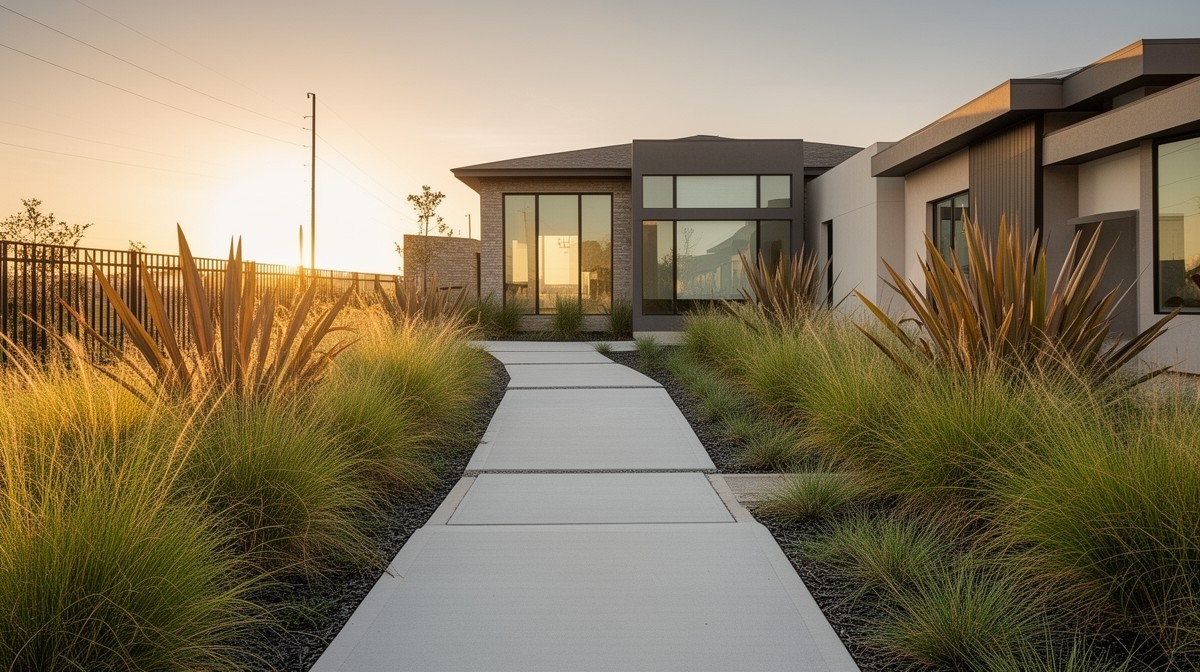
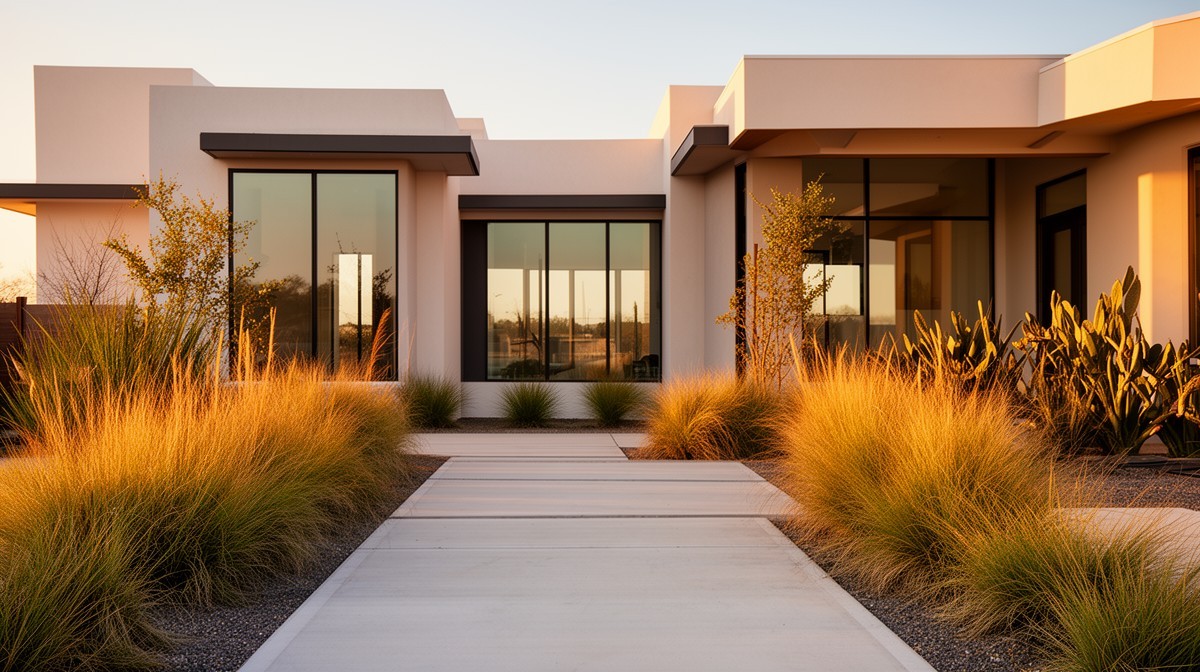
$8–16/sqftA low contemporary front with white stucco, pale horizontal siding, a shallow floating roofline and tall black-framed glass, approached by a wide, dead-straight concrete walk that runs uninterrupted from the street to a black-framed entry door. The planting either side is deliberately soft to offset all that geometry: broad continuous drifts of fine-textured bunch grass catching the morning backlight, threaded with upright purple flower spikes, with a narrow gravel band holding the walk edge and clipped green mounds tucked to the foundation. A young multi-trunk tree on the left throws dappled shade across the facade, and a few blue-grey rosettes punctuate the grass so the scheme has hard edges as well as soft ones.

The Corten Grid Front Yard
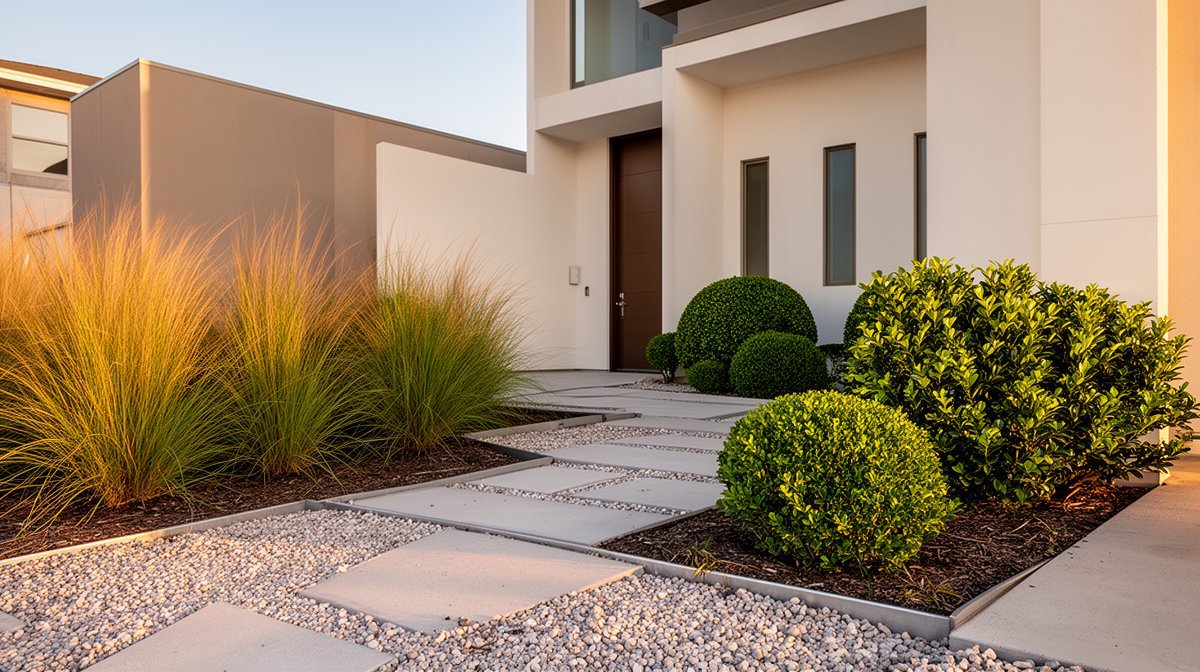
$9–18/sqftA cream-stucco mid-century ranch with a low hipped roof, black-framed picture windows and a huge live oak arching over the roofline — and not one blade of grass in front of it. The entire yard is a field of gold gravel divided by a grid of rectangular Corten-steel-edged beds, each holding a single large blue agave rosette set in dark mulch, with smaller grey rosettes and a slim columnar cactus filling the secondary boxes. Floating concrete pads step from the sidewalk to the front door in a broken rhythm rather than a solid path. It is the most graphic front yard on the block and the cheapest to run.

The Concrete Fire Terrace
$16–30/sqftA sunset backyard where a wide light-grey concrete terrace, scored into large saw-cut bands, steps down from stucco walls and a sliding-glass wall with a built-in grill under the overhang. Six black-framed lounge chairs in cream cushions face a low round poured-concrete gas fire bowl at the centre. String lights run from the roofline to the fence, a mature live oak leans in from the left, and a single crisp rectangle of lawn is kept as a green counterpoint rather than a surface. The beds are narrow and simple: backlit plumes of fine bunch grass along both edges, clipped mounds at the wall, dark mulch throughout.

The Blue-Hour Pool Deck
$45–90/sqft (pool area inclusive)Photographed at dusk: a single-story home with a dark hipped roof and a full wall of black-framed sliders glowing from inside, opening onto an expansive pale concrete pool deck poured in big saw-cut panels. The rectangular pool has a shallow tanning ledge at the near end and one submerged light throwing a pale bar across the water. The landscape is intentionally quiet — low clumps of fine grass, gravel and boulder pockets at the deck edges, a slim ornamental tree against the board fence — and all the drama comes from lighting: in-ground uplights washing the stucco, small deck lights tracing the pool edge, nothing overhead.
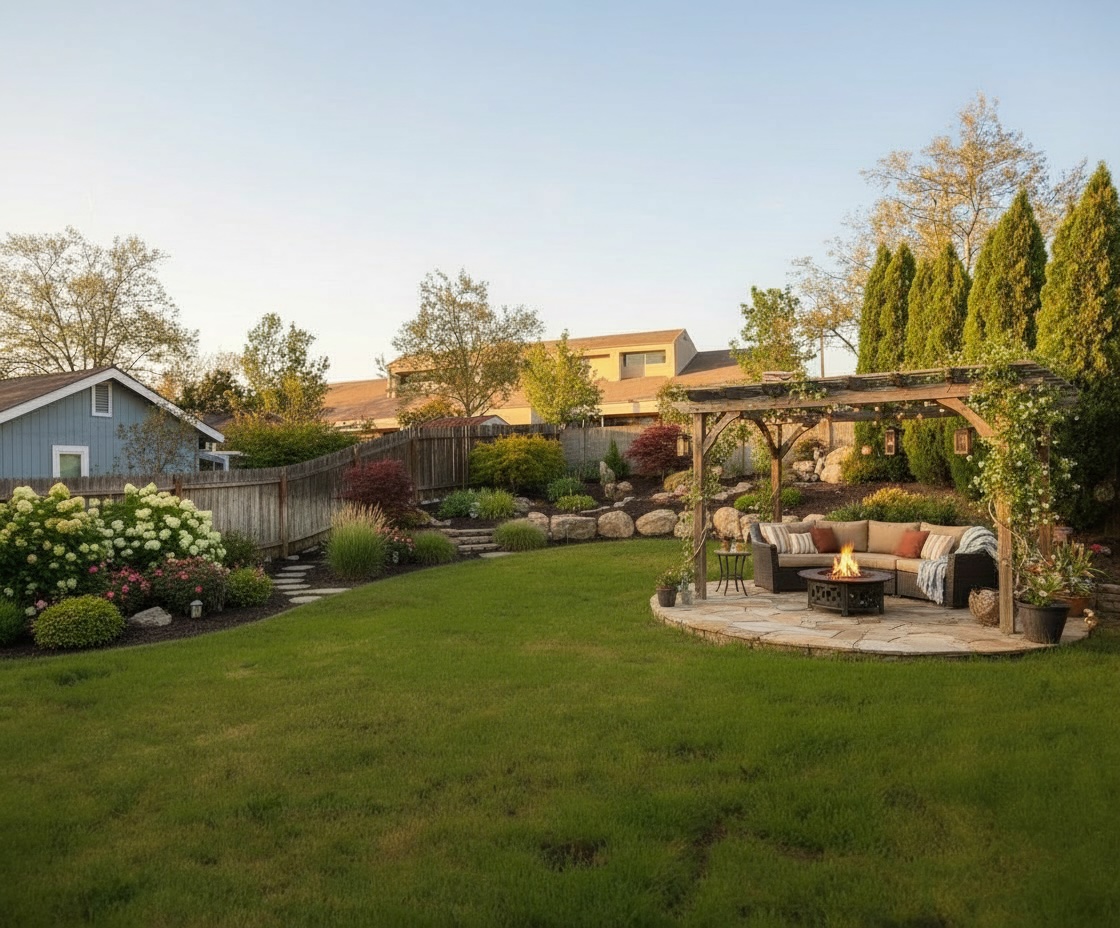
See how a modern/minimalist garden looks on YOUR property
Upload a photo of your McAllen yard and visualize your dream garden in seconds.
Try ProScapeAI Free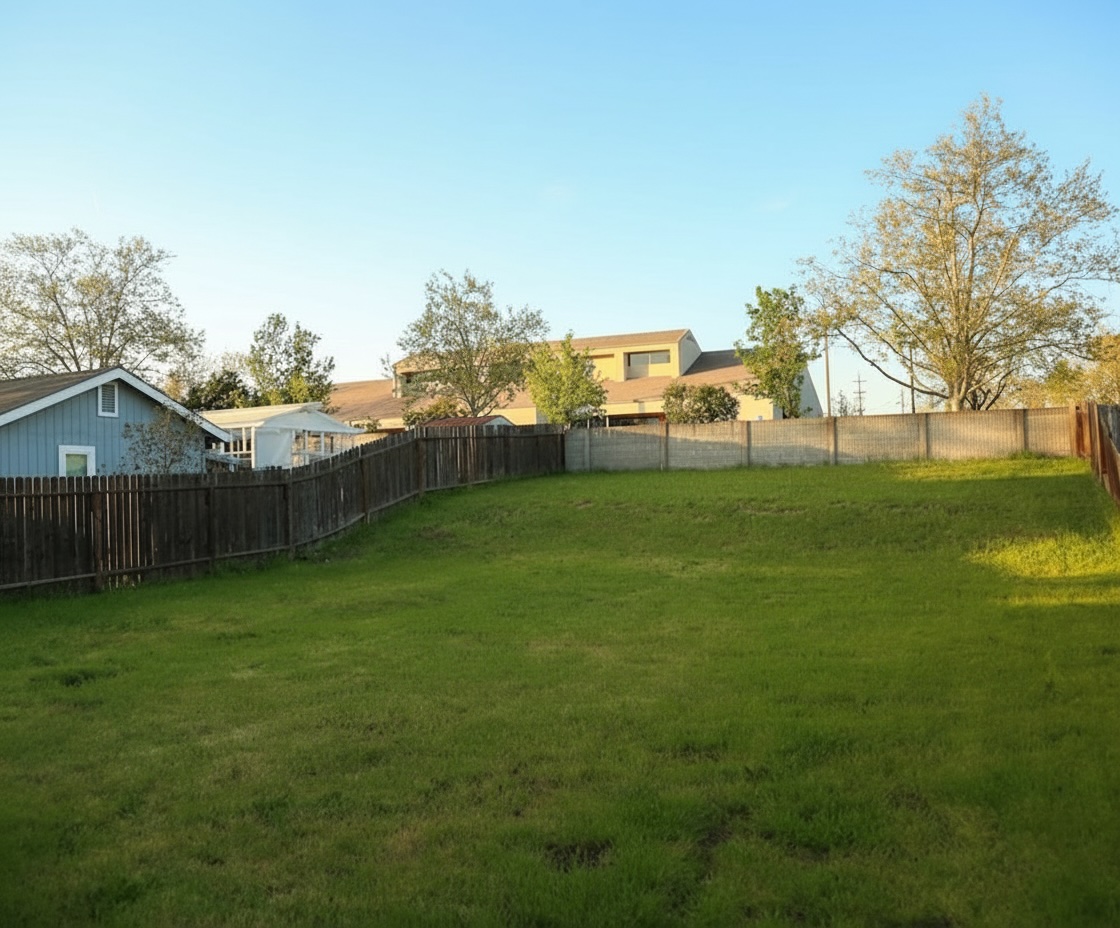
Featured Trees & Shrubs for Modern/Minimalist Gardens
Browse all 156 plants for McAllen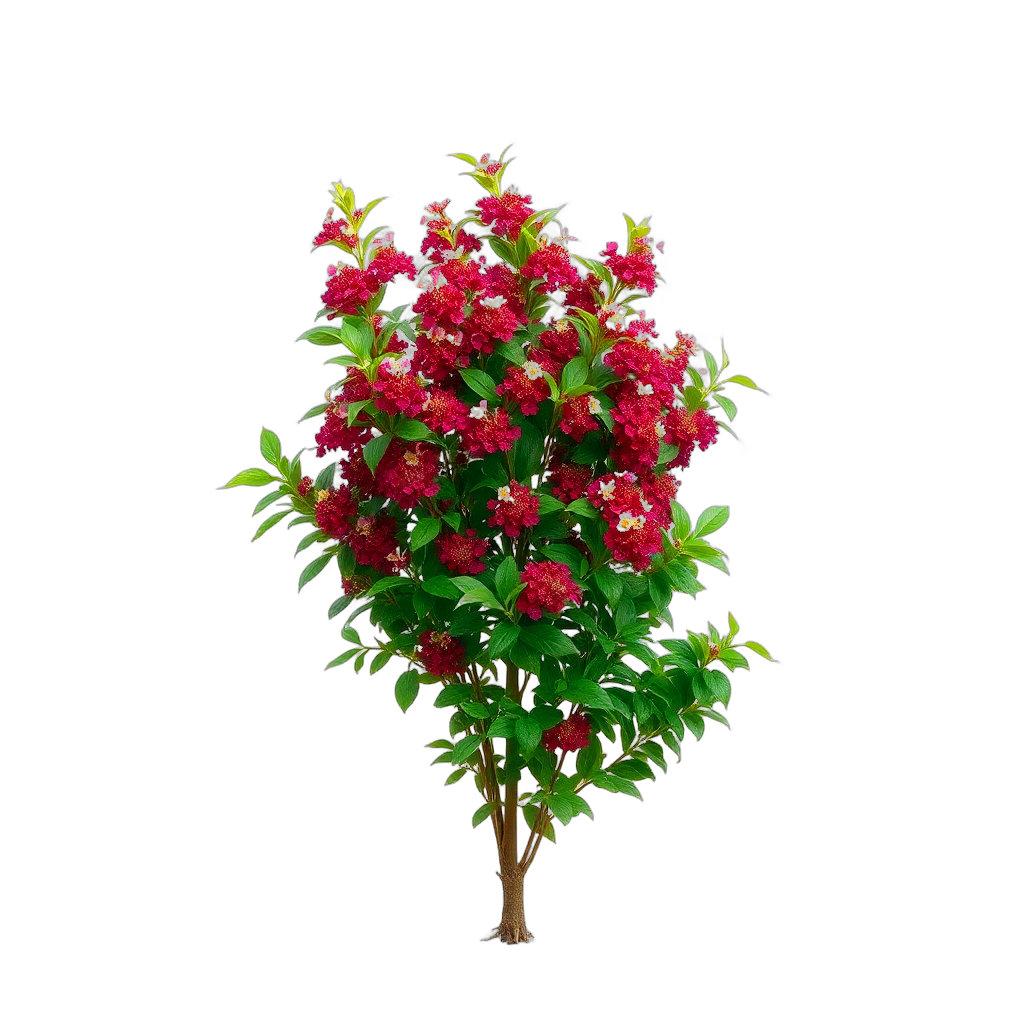
Ruby Spice Summersweet
Clethra alnifolia 'Ruby Spice'
grows to 5 feet, pink blooms in summer. Attracts butterflies.
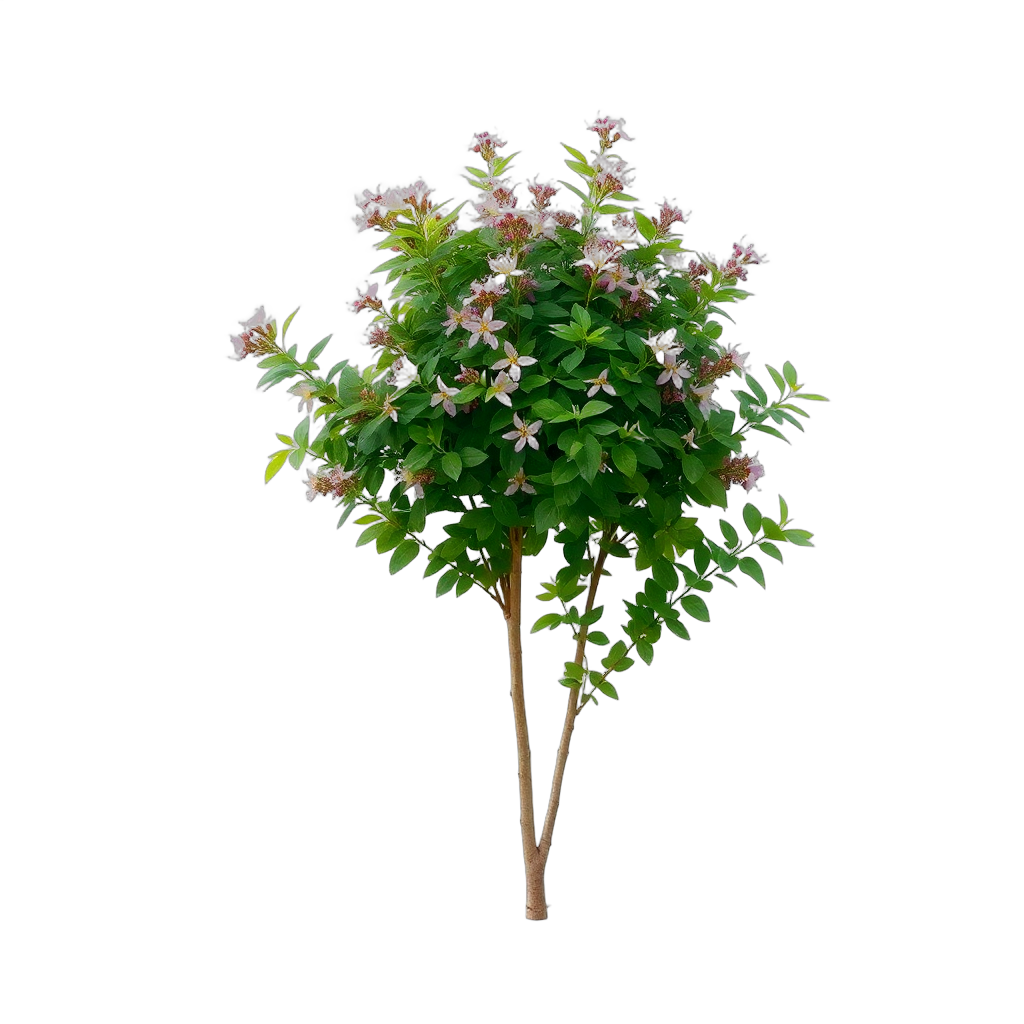
Summersweet
Clethra alnifolia
grows to 6 feet, white blooms in summer. Attracts butterflies.
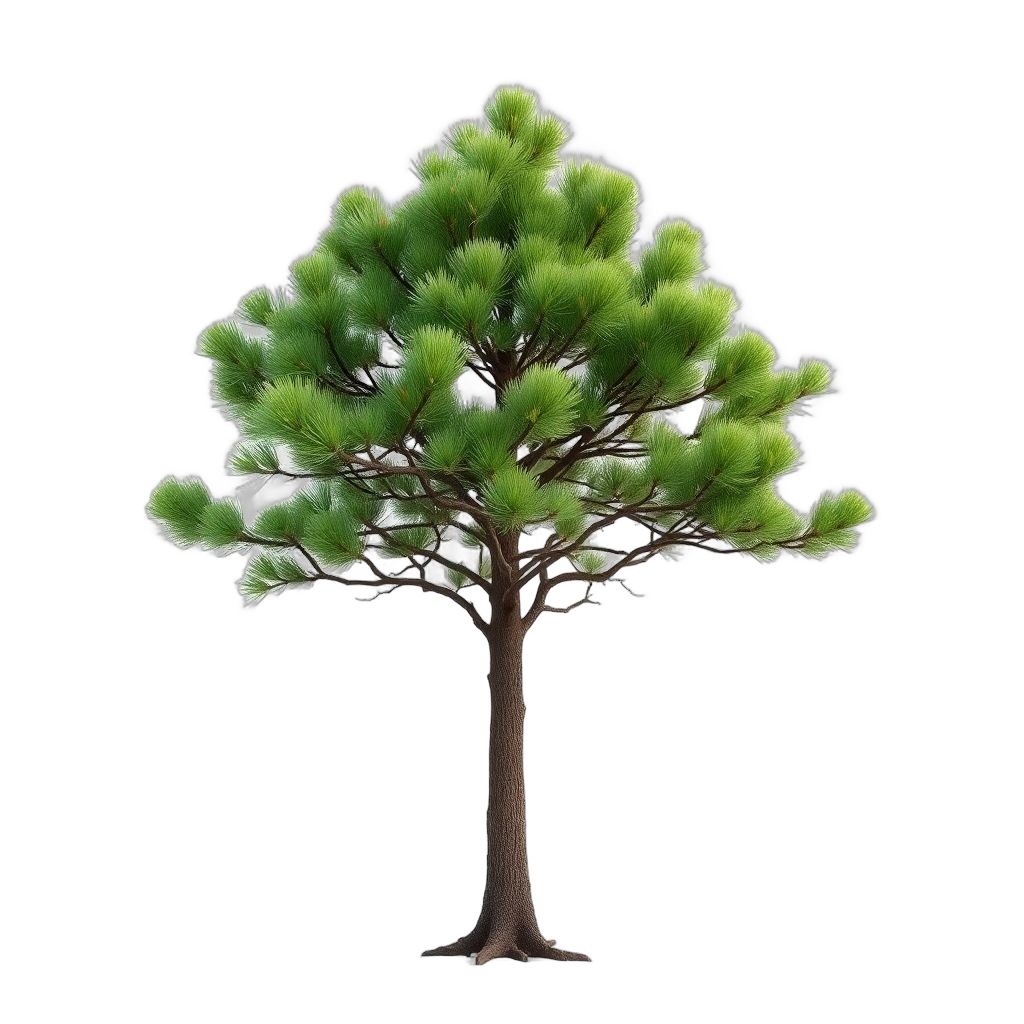
Longleaf Pine
Pinus palustris
large shade tree reaching 90+ feet, blooms in spring. Evergreen year-round.
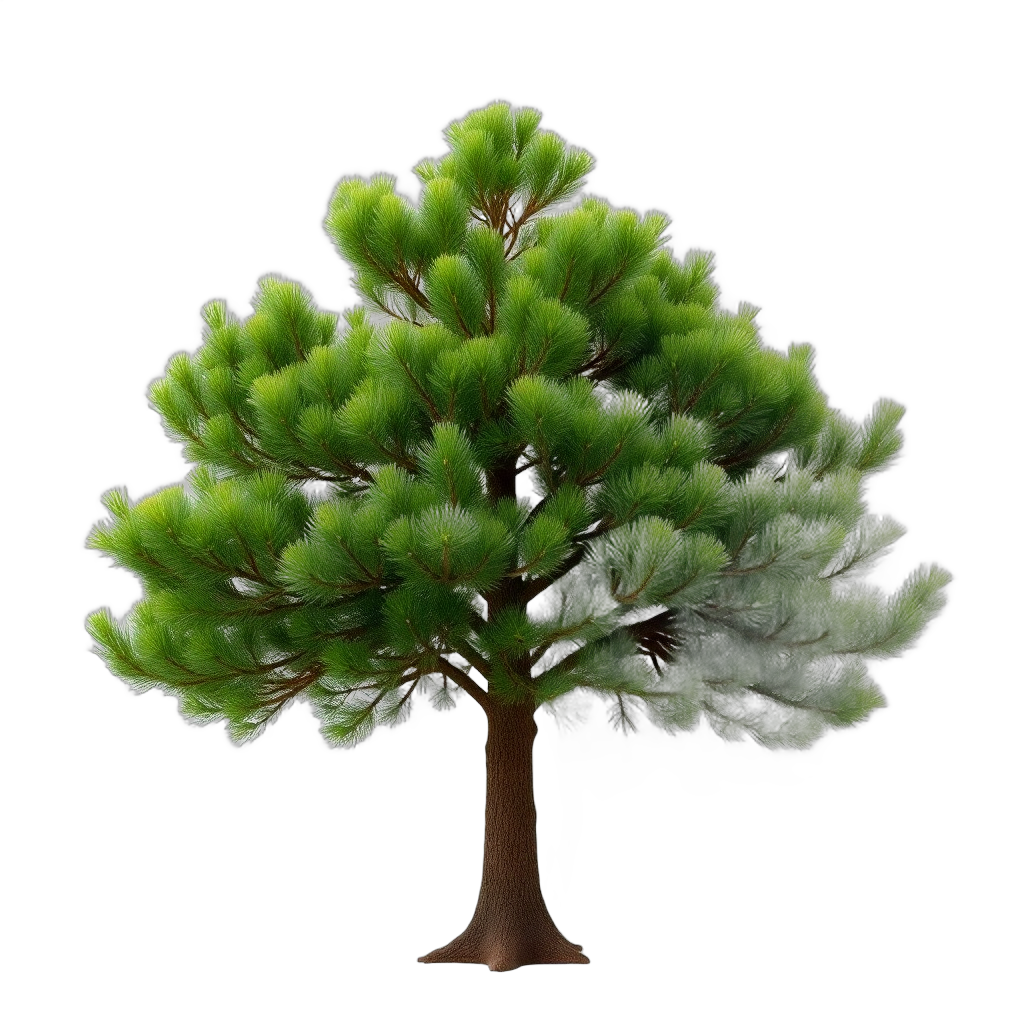
Slash Pine
Pinus elliottii
large shade tree reaching 80+ feet, blooms in spring. Evergreen year-round.
Featured Grasses & Groundcovers for Modern/Minimalist Gardens

Pink Muhly Grass
Muhlenbergia capillaris
grows to 3 feet, pink blooms in fall.
Featured Flowers & Perennials for Modern/Minimalist Gardens

Papyrus
Cyperus papyrus
grows to 5 feet, blooms in summer. Pollinator-friendly.

Water Hyacinth
Eichhornia crassipes
low-growing ground cover, purple blooms in summer. Attracts butterflies.

Water Plantain
Alisma plantago-aquatica
low-growing ground cover, white blooms in summer. Attracts butterflies.

Arrow Arum
Peltandra virginica
low-growing ground cover, blooms in spring.
Zone and sun checks come from our database — confirm with your local nursery before you buy.
Bloom Calendar for McAllen
spring
Longleaf Pine, Slash Pine, Sweet Acaciasummer
Ruby Spice Summersweet, Summersweet, Papyrusfall
Pink Muhly Grasswinter
Limited bloomsDesign Tips for McAllen (Zone 9b)
- Compact 4–6 inches of crushed base under every slab and keep saw-cut joints close — McAllen's caliche clay swells after a four-inch September night and shrinks through a rainless April, and that swing, not frost, is what cracks modern paving
- Let one canopy tree break the geometry: at roughly 110 days a year above 90°F, a shadeless concrete terrace is unusable by June, and a Quercus virginiana or Ehretia anacua leaning over the corner is what makes the space work May through September
- Reduce lawn to a single hard-edged rectangle on its own irrigation zone and switch it to seashore paspalum, which takes Valley heat and the mineral content of Rio Grande water better than St. Augustine and mows lower for a crisper line
- Choose plants for pH 8 before you choose them for looks — Leucophyllum frutescens, Ilex vomitoria 'Nana', Muhlenbergia lindheimeri and Ulmus crassifolia all shrug off free lime, while acid-lovers turn chlorotic yellow by their second McAllen summer
- Uplight the agaves and backlight the grasses rather than flooding the lawn: McAllen evenings are usable eight months a year, and a $3,000 low-voltage scheme changes the yard more than another $3,000 of paving would
- Design the frost-tender colour into pots, not beds — February 2021 took McAllen to roughly 20°F, and a modern scheme carried by Agave ovatifolia and Muhlenbergia capillaris survives that night untouched while bougainvillea in the ground does not
Where to Source Plants in McAllen
Skip the big-box stores. These independent McAllen nurseries specialize in the plants that make modern/minimalist gardens thrive in Zone 9b.
Tree of Life Nursery
San Juan, with Mission and Edinburg yards serving McAllen
Family-run Valley grower with three Rio Grande Valley yards; strong on specimen agave, palms and clean-form trees, plus delivery and installation for larger designs
107 Nursery & Garden Center
Edinburg — Highway 107 corridor, 15 minutes north of McAllen
Local garden center stocking only material proven in South Texas, plus in-house design, irrigation and low-voltage landscape lighting work
Rancho Lomitas Native Plant Nursery
Rio Grande City, Starr County — an hour west up US 83
Benito and Toni Treviño's specialist South Texas native nursery; custom-grows thornscrub trees and structural cactus, and accepts special orders for design projects
Modern/Minimalist Landscaping Costs in McAllen
| Project Scope | Estimated Cost |
|---|---|
| Front yard modern conversion (turf removal + gravel + Corten beds + agave) | $4,500 – $11,000 |
| Poured concrete entry walk with saw-cut banding (120–200 sqft) | $1,600 – $4,200 |
| Concrete terrace with round gas fire bowl (350–500 sqft) | $10,000 – $26,000 |
| Fabricated Corten steel planter bed, delivered and filled | $450 – $1,100 each |
| Low-voltage LED lighting design (12–18 fixtures, installed) | $2,200 – $6,000 |
| Pool deck + full modern backyard landscape | $60,000 – $145,000 |
| AI visualization with ProScapeAI | Free to start |
Estimates based on McAllen, TX-area contractor rates as of 2026. Actual costs vary by site conditions, materials, and contractor.
McAllen Climate & Growing Zone
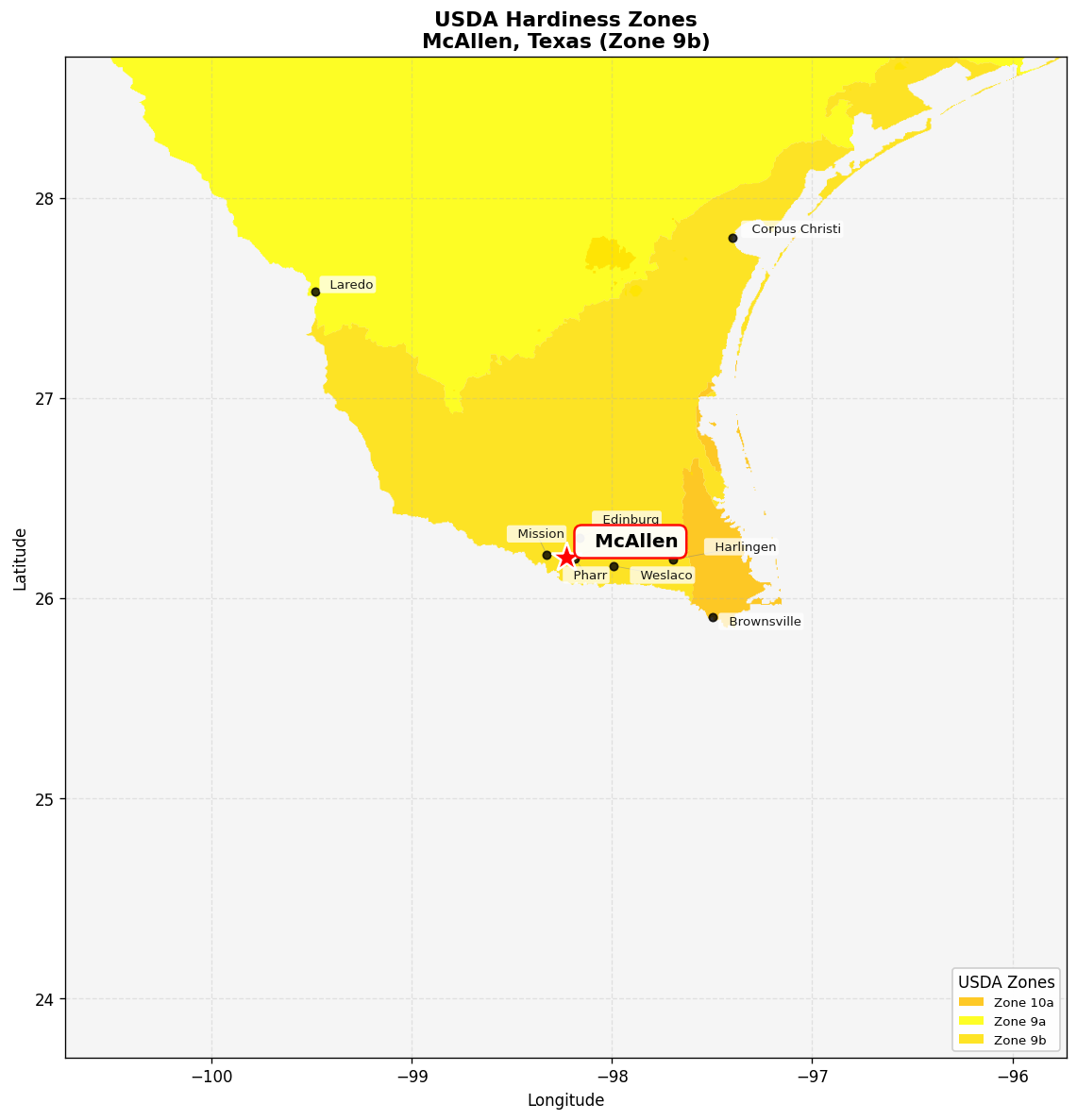
USDA Zone 9b
Hardiness zone for McAllen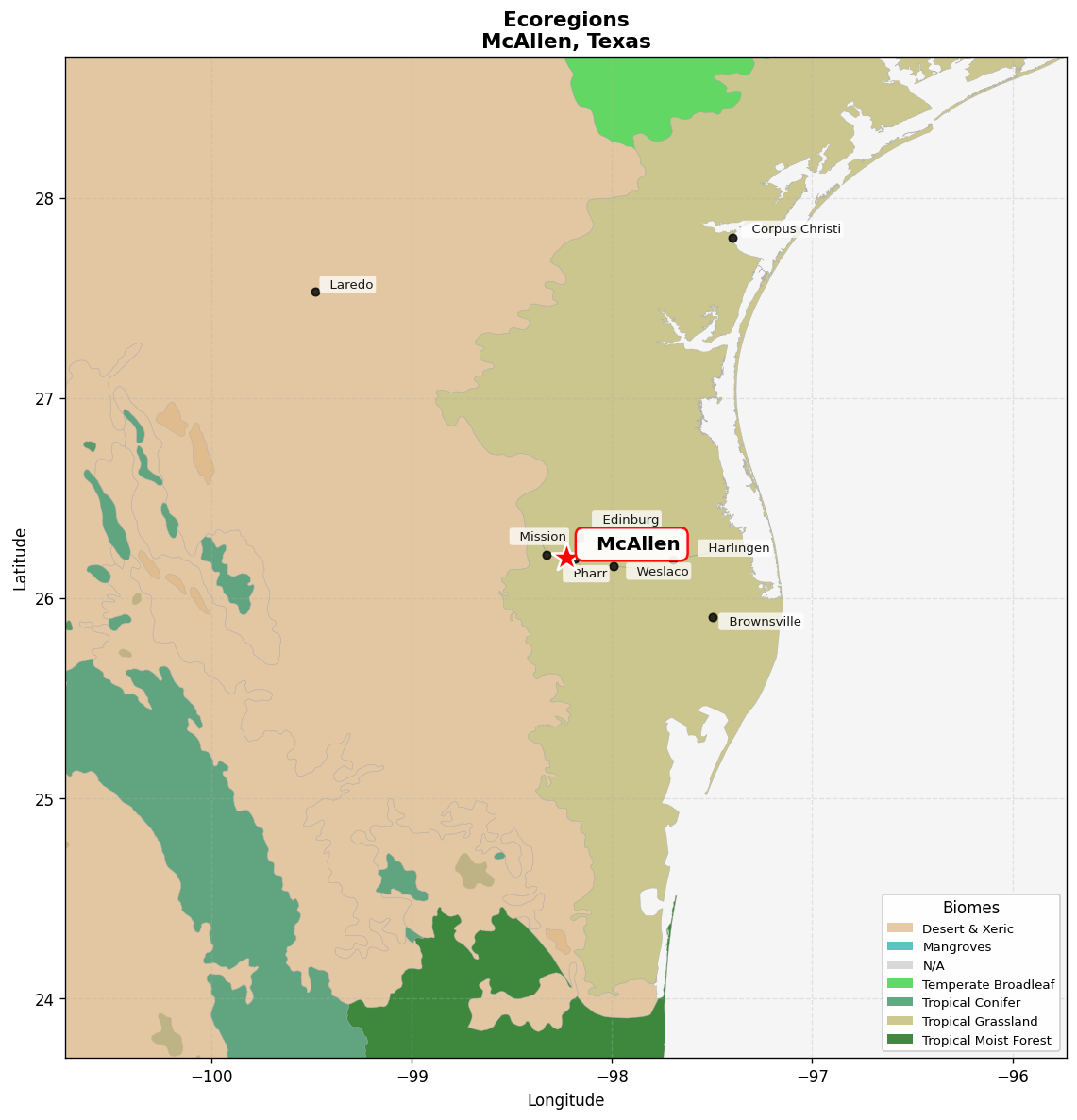
Western Gulf coastal grasslands
Native ecoregionFrequently Asked Questions
How much does a modern landscape cost in McAllen?
Rio Grande Valley labour runs roughly 20–30% below national metro averages, so modern design goes further here than the magazines suggest. A front-yard conversion — turf removal, compacted base, gravel field, Corten-edged beds and a dozen specimen Agave americana and Agave ovatifolia — typically comes in at $4,500–$11,000 for a standard McAllen lot. A saw-cut concrete terrace with a round gas fire bowl runs $10,000–$26,000 depending on square footage. A full pool deck with lighting and surrounding planting is a $60,000–$145,000 project. The single cheapest upgrade with the biggest visual return is low-voltage lighting: $2,200–$6,000 buys a scheme that transforms the yard for the eight months a year McAllen evenings are pleasant.
Will poured concrete crack in McAllen's clay soil?
It will if you skip the base. Rio Grande delta clay loams over caliche shrink through a rainless April and swell after a four-inch September night, and that seasonal movement is what cracks large concrete panels — frost has nothing to do with it, since McAllen averages around 330 frost-free days. Excavate and compact 4–6 inches of crushed base under every square foot, reinforce with mesh or fibre, and keep panels modest with saw-cut control joints at close spacing so the slab cracks where you drew the line rather than diagonally across the terrace. For very large surfaces, sand-set pavers over the same base are more forgiving than one monolithic pour and can be lifted and relaid if a corner settles.
What plants give modern structure without needing much water here?
Structure comes from three families in McAllen. Rosettes give you the hard geometry — Agave ovatifolia, Agave americana and Agave lophantha 'Quadricolor' all hold form through a Valley August. Bunch grasses give you the soft counterpoint: Muhlenbergia capillaris 'Regal Mist' turns pink in October, Muhlenbergia lindheimeri holds a clean fountain shape year-round, and Muhlenbergia dumosa reads almost like bamboo. Clipped evergreen mass comes from Ilex vomitoria 'Nana' and Leucophyllum frutescens, both of which take shearing and both of which are indifferent to pH 8 soil. Add one canopy tree — Quercus virginiana, Ulmus crassifolia or Ehretia anacua — and the whole scheme runs on drip every 10–14 days in summer.
Should I keep any lawn in a modern McAllen design?
Keep it, but make it a shape rather than a surface. A single crisp rectangle of turf reads as a design element and gives kids and dogs somewhere to land; wall-to-wall St. Augustine reads as the default and costs a fortune, because turf in Hidalgo County wants roughly 45–55 inches of water a year while McAllen supplies only about 21 as rain. Seashore paspalum handles Valley heat and the mineral content of local water better than St. Augustine and takes a lower mowing height, which suits the crisp look. Size the panel so it sits inside one irrigation zone, edge it hard with steel or concrete, and let gravel and planting take the rest of the lot.
When is the best time to build a modern landscape in McAllen?
Plant October through March and build hardscape almost any time. Cool-season planting lets roots establish through a nearly uninterrupted growing season, so a November install of Agave ovatifolia and Muhlenbergia capillaris is settled well before the first 100°F day. Avoid planting mid-June through mid-September, when even xeric species need daily babysitting. For concrete and paving, the constraint is rain rather than cold — September is McAllen's wettest month and the most likely to flood a fresh base course, so most Valley contractors prefer to pour from October through May. Lighting and irrigation retrofits can happen any week of the year.
Do I need a permit or HOA approval for a modern front yard in McAllen?
Planting, gravel fields, steel edging and drip irrigation generally need no city permit, and McAllen does not require you to keep a lawn. Retaining walls above a few feet, pools, and any roofed structure do fall under City of McAllen permitting and inspection, so confirm the current thresholds with the city before building rather than after. HOA review is the more common hurdle: Sharyland Plantation, Cimarron and several Tres Lagos associations run architectural committees with approved-materials lists and, in some cases, minimum living-cover percentages — a planted modern design with Agave americana beds and Muhlenbergia drifts satisfies those easily, while a bare gravel rectangle may not. Submit the design before you order material.