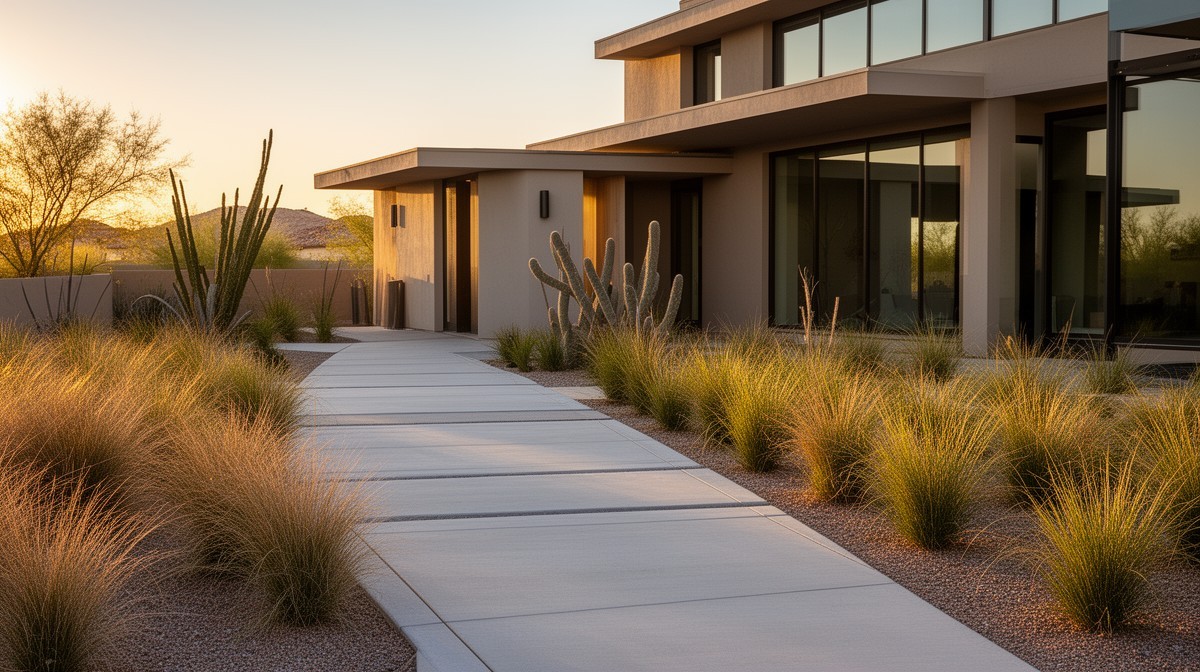
4 Modern Garden Ideas for Mesa, AZ | Sonoran Desert Designs for Zone 9b
Native plants from the Sonoran desert (Zone 9b) — Hot desert climate
Why Modern/Minimalist Gardens in Mesa?
Mesa is Arizona's third-largest city, sprawling across the eastern Salt River Valley floor at the foot of the Superstition Mountains. Zone 9b means mild winters (lows to 25°F) and brutal Sonoran summers — July averages 105°F with a daily high and lows that rarely dip below 85°F at night. Annual rainfall averages 8 inches, delivered almost entirely in the winter season and the summer monsoon. Modern desert landscaping here isn't a trend — it's the only format that makes functional and financial sense in a Sonoran Desert city.
Mesa's landscape sits squarely in the Sonoran Desert ecoregion — the world's most botanically diverse hot desert, home to saguaro cactus, palo verde, ironwood, and hundreds of species that evolved here over millions of years. The contemporary design scene in Mesa's historic districts like Mesa Arts District, Dobson Ranch, and the Eastmark development reflects a mature understanding of how modern design and desert native plants work together: clean geometry, DG ground planes, specimen cacti, and the architectural drama of desert trees like the Desert Museum palo verde provide everything a great garden needs without a drop of supplemental water after establishment.
The Salt River Project (SRP) and Mesa Water Resources both run active conservation programs, and Mesa's residential landscape standards increasingly require or incentivize xeriscape. Modern landscaping in Mesa means making the most of the Sonoran's extraordinary design vocabulary — the warm DG tones, the structural cacti, the yellow spring bloom of palo verde — in compositions that are sophisticated, seasonal, and completely climate-honest.
4 Modern/Minimalist Design Ideas for Mesa
AI-generated image
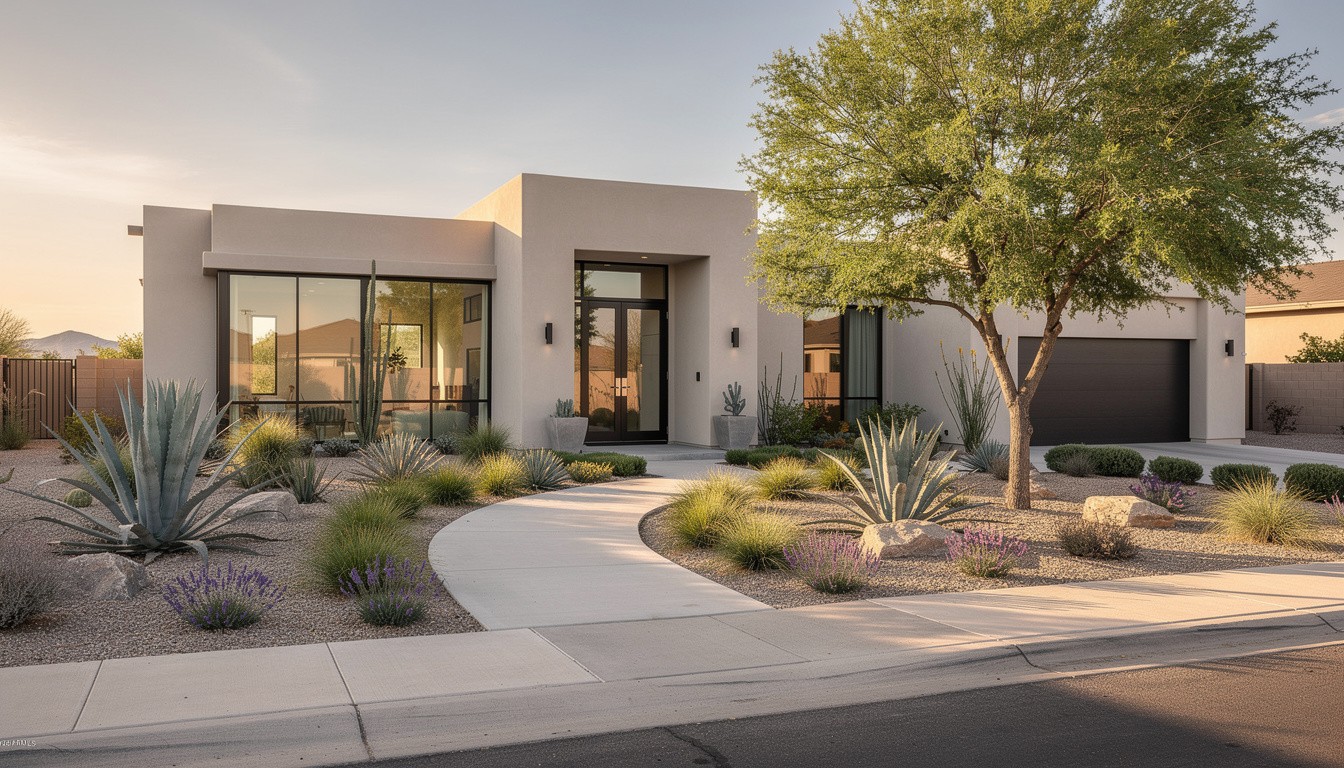
The Sonoran Modern Entry
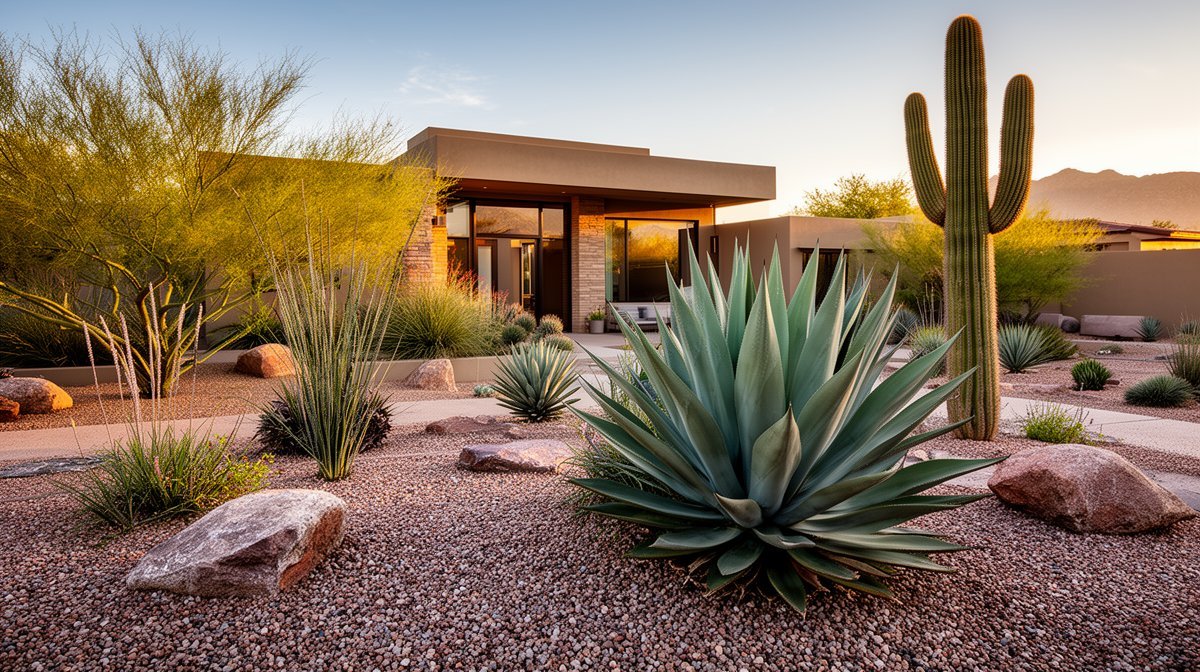
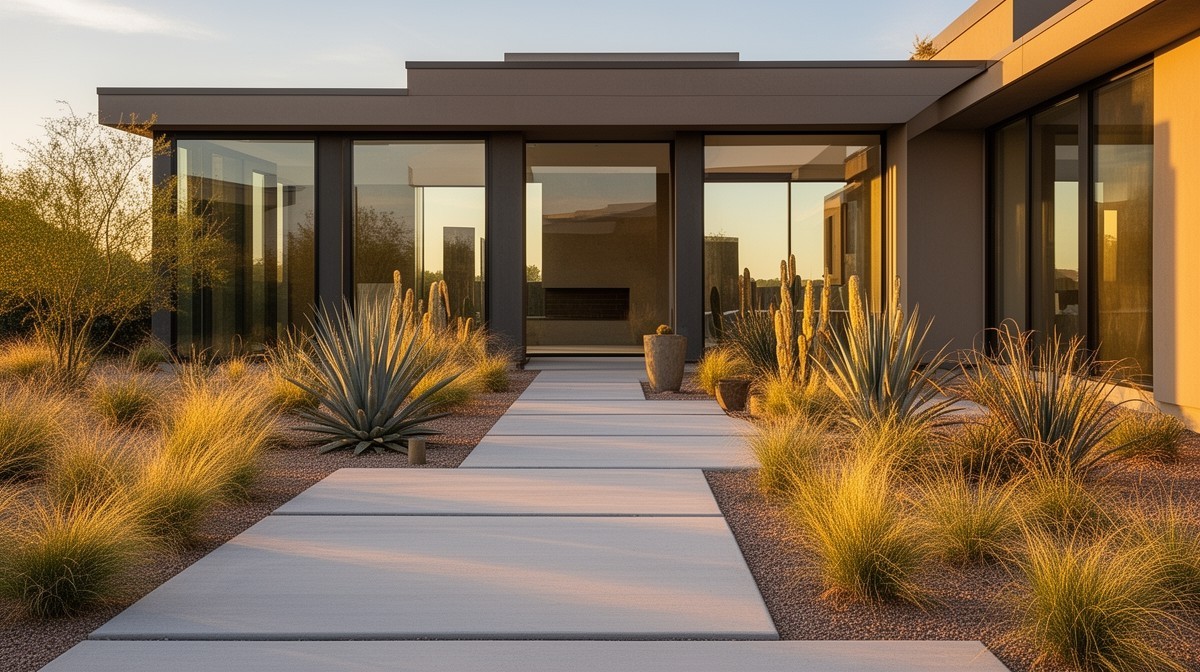
$10–20/sqftA clean flat-roofed contemporary home in warm stucco faces a sweeping curved driveway entrance with masses of Mexican feather grass, blue agave, and palo verde trees creating layered canopy and texture. The wide concrete path leads past the naturalistic desert planting to the front entry. Superstition Mountains catch the warm amber light behind the roofline at dusk.
AI-generated image
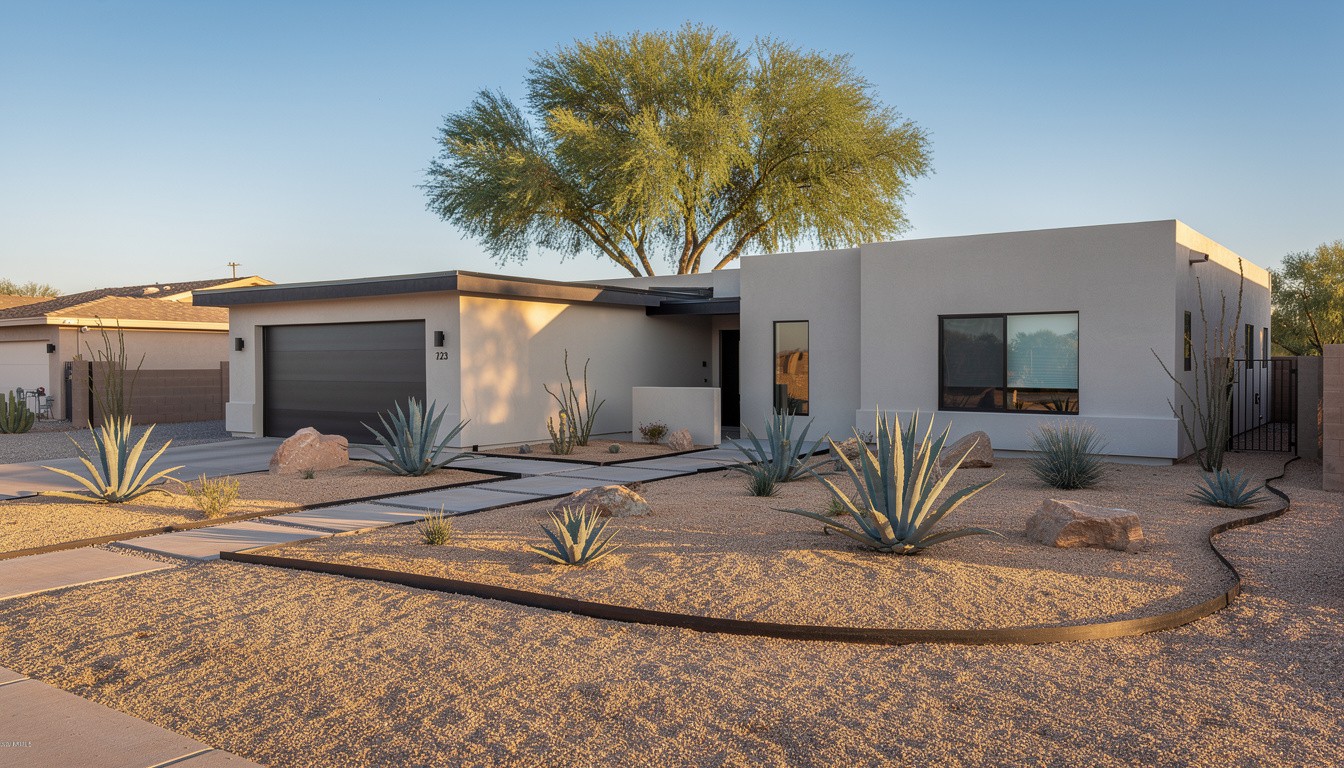
The Mesa Desert Modern Front
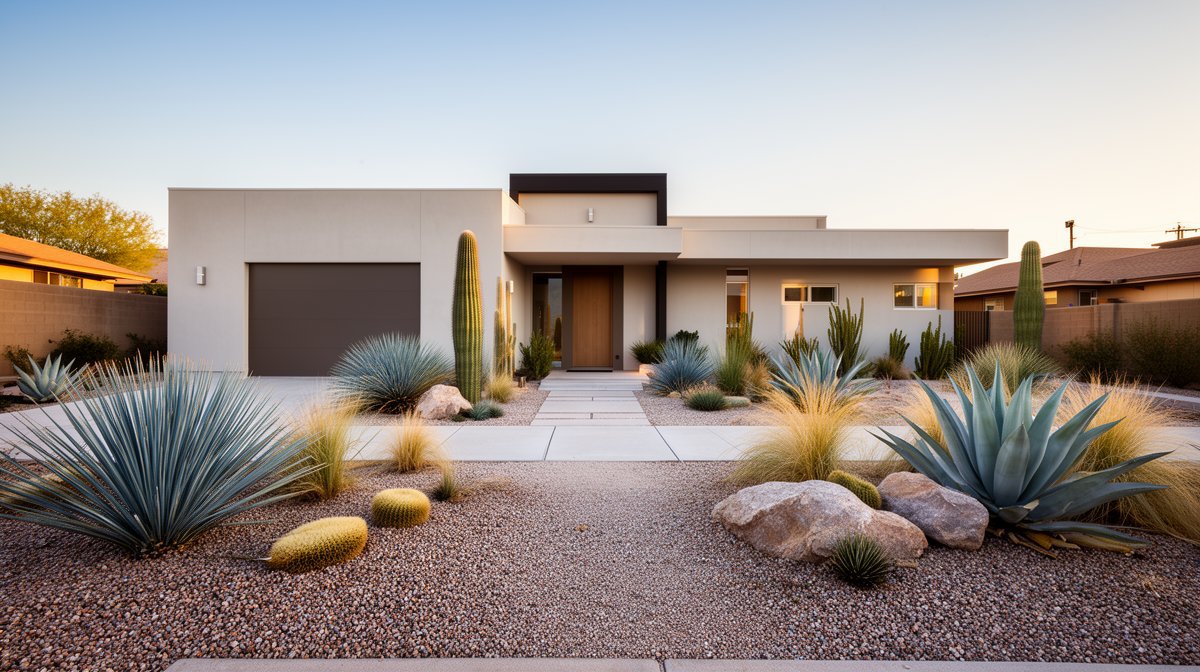
$8–16/sqftA low-slung modern ranch home sits behind a front yard of warm tan gravel featuring large blue-green agave rosettes arranged in an asymmetric but structured composition, flanked by a mature palo verde tree providing filtered canopy over the garage. Steel-edged gravel beds give the yard a clean, intentional edge. Zero lawn, minimal water, maximum character.
AI-generated image
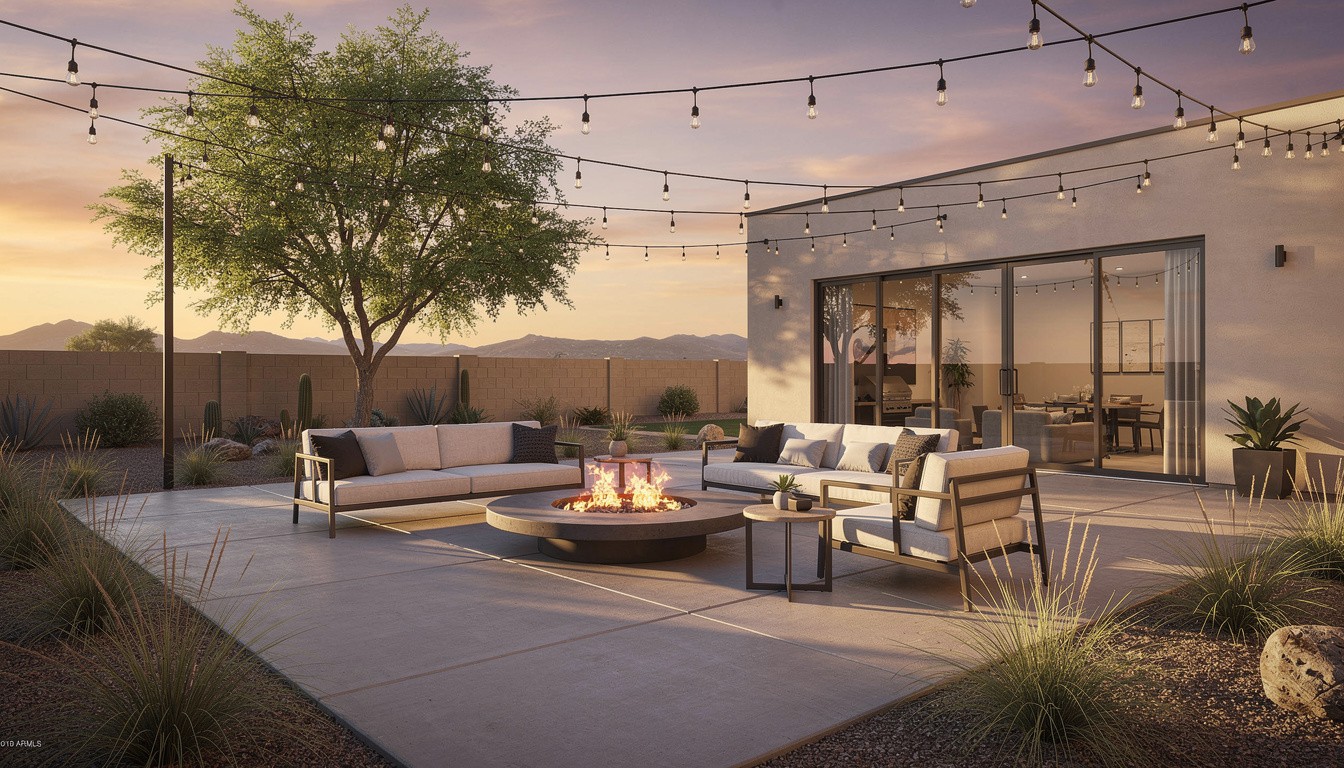
The Mesa Sunset Patio
$18–40/sqftA broad concrete patio with string lights extends from the rear of the home, centered on a round concrete fire bowl surrounded by modern lounge seating. A mature shade tree anchors one corner while ornamental grasses and desert shrubs in gravel borders frame the patio edges. The Superstition Mountains catch pink and gold at dusk above the stucco back wall.
AI-generated image
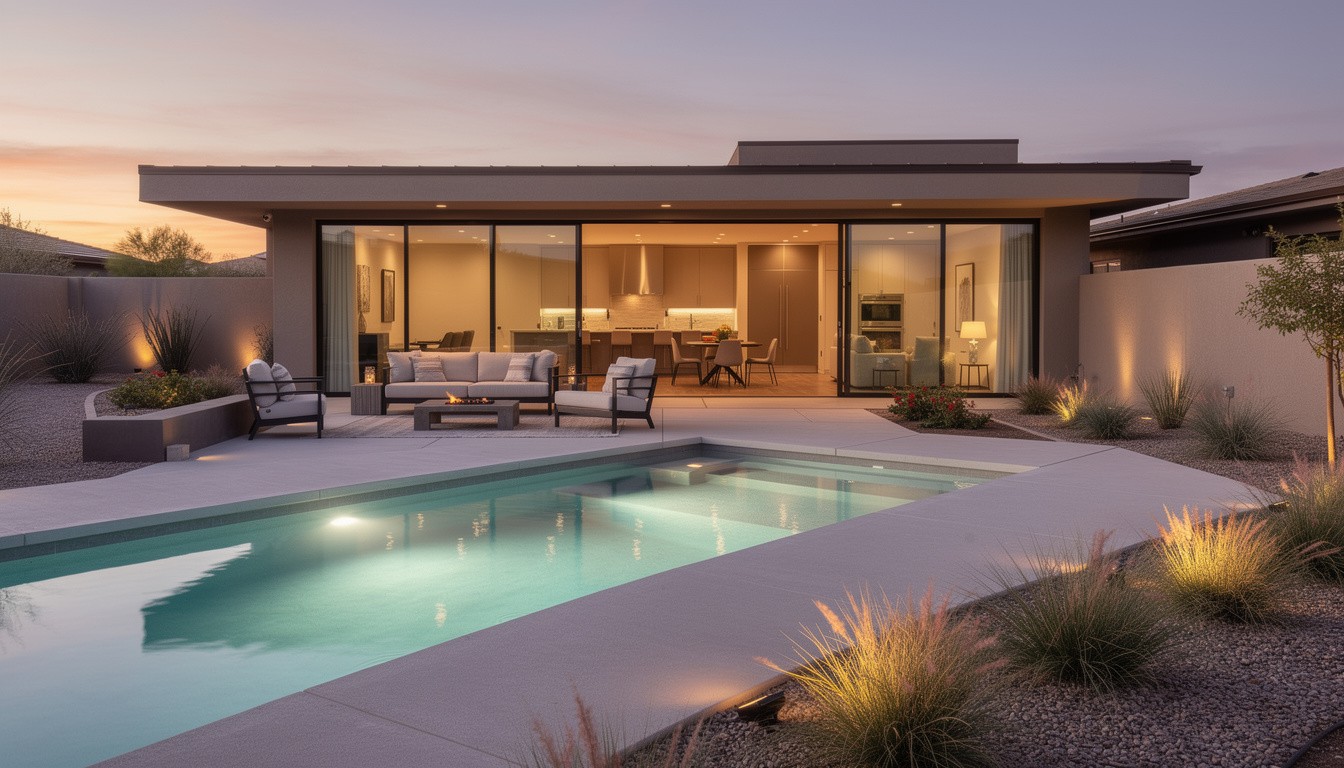
The Sonoran Pool Garden
$55–115/sqftA rectangular pool with a broad concrete surround runs the length of the backyard, with full-width glass walls of the home opening completely onto the pool deck. Modern lounge furniture and a low fire table occupy the poolside. Ornamental grasses and agave in crushed gravel borders flank the pool with subtle landscape lighting. In Mesa's 110°F summers, a pool is infrastructure, not luxury.
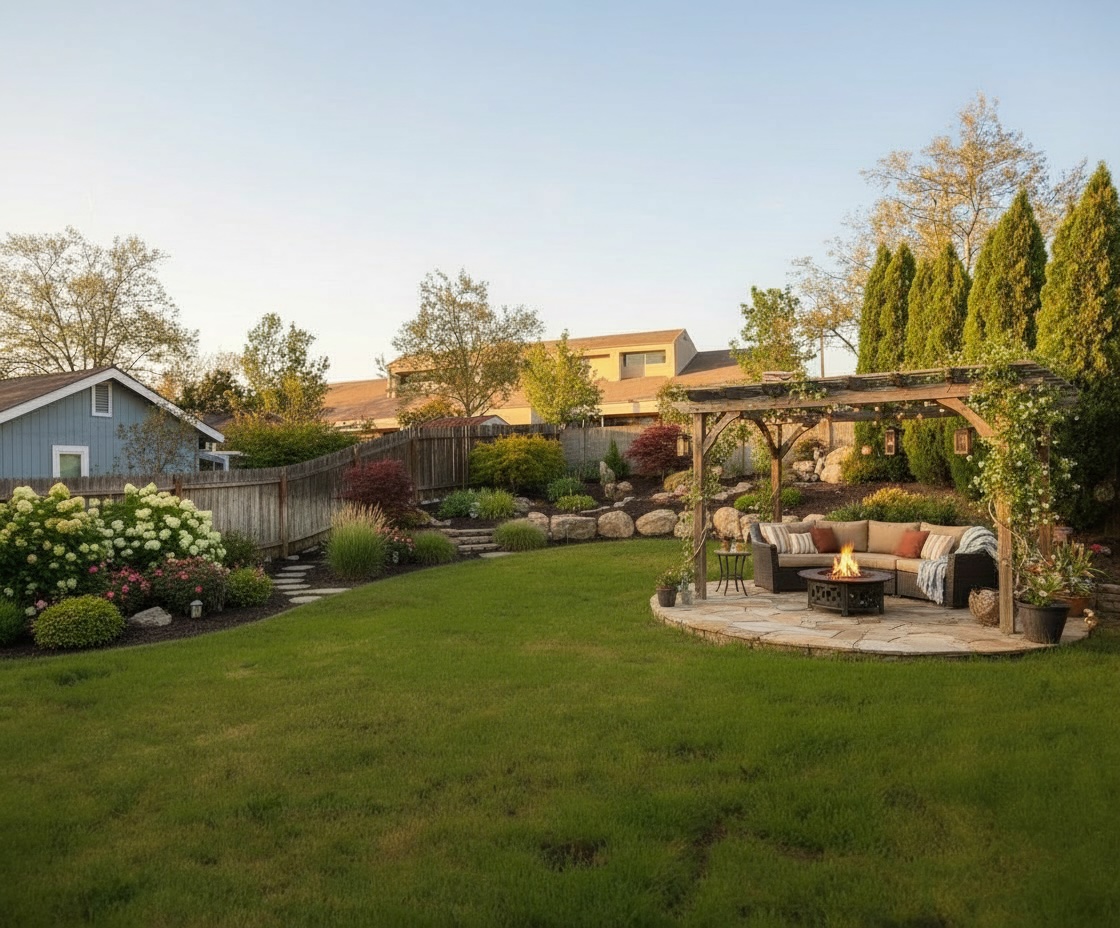
See how a modern/minimalist garden looks on YOUR property
Upload a photo of your Mesa yard and visualize your dream garden in seconds.
Try ProScapeAI Free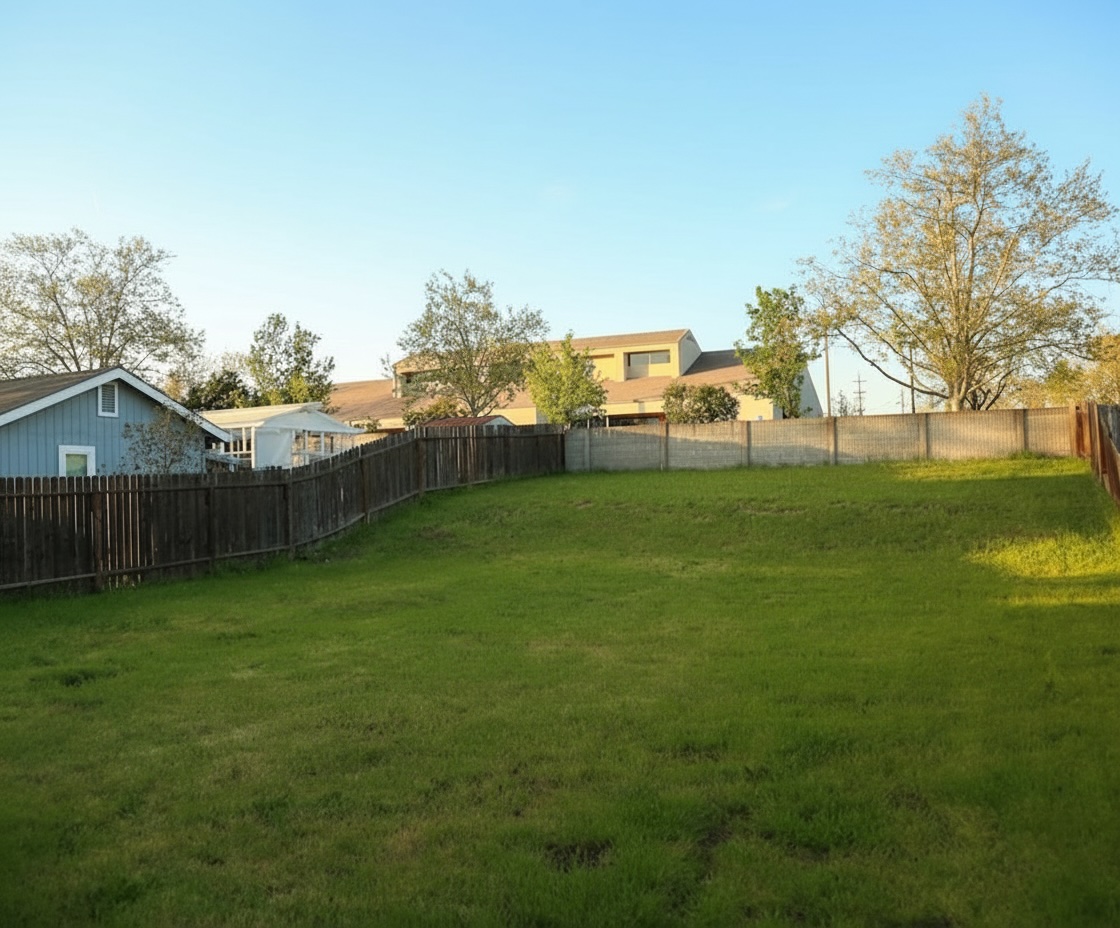
AI-generated image
Featured Trees & Shrubs for Modern/Minimalist Gardens
Browse all 186 plants for Mesa
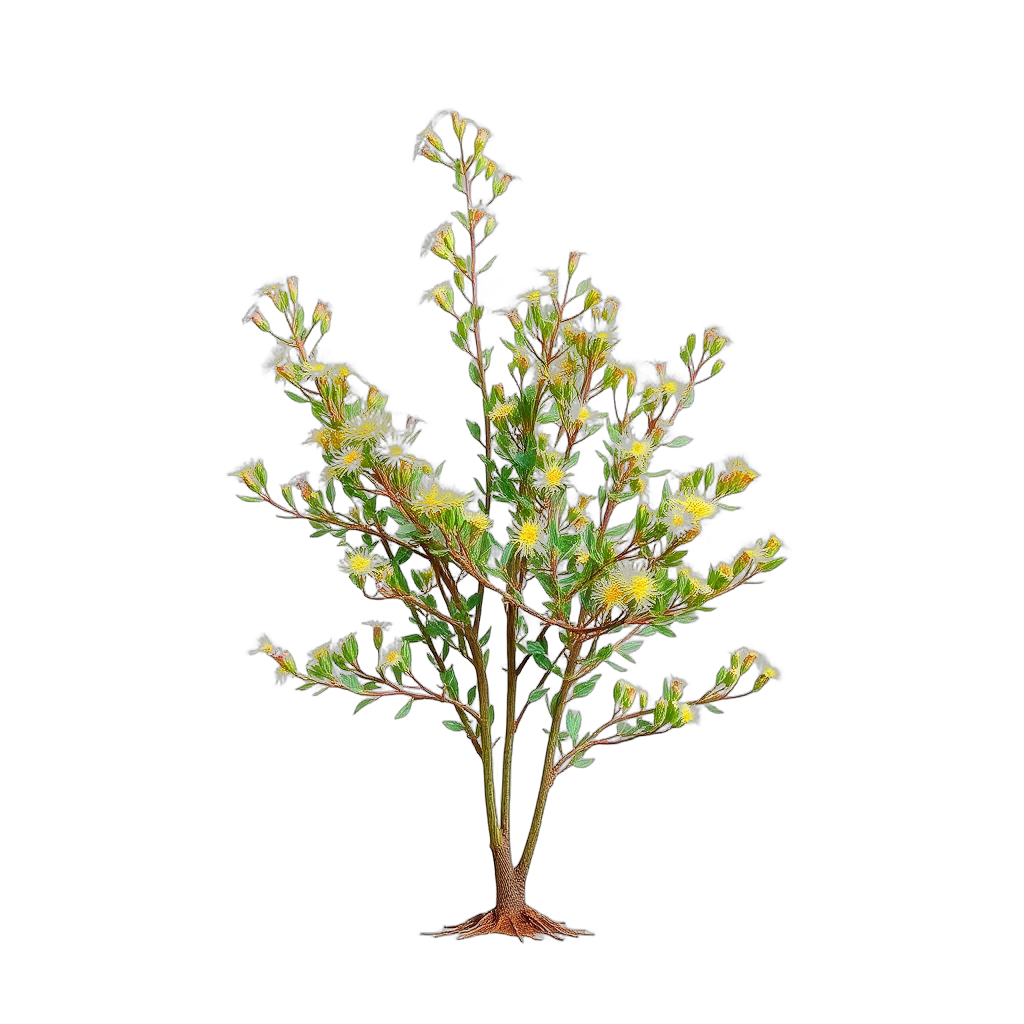
Brittlebush
Encelia farinosa
grows to 3 feet, yellow blooms in spring. Attracts butterflies.
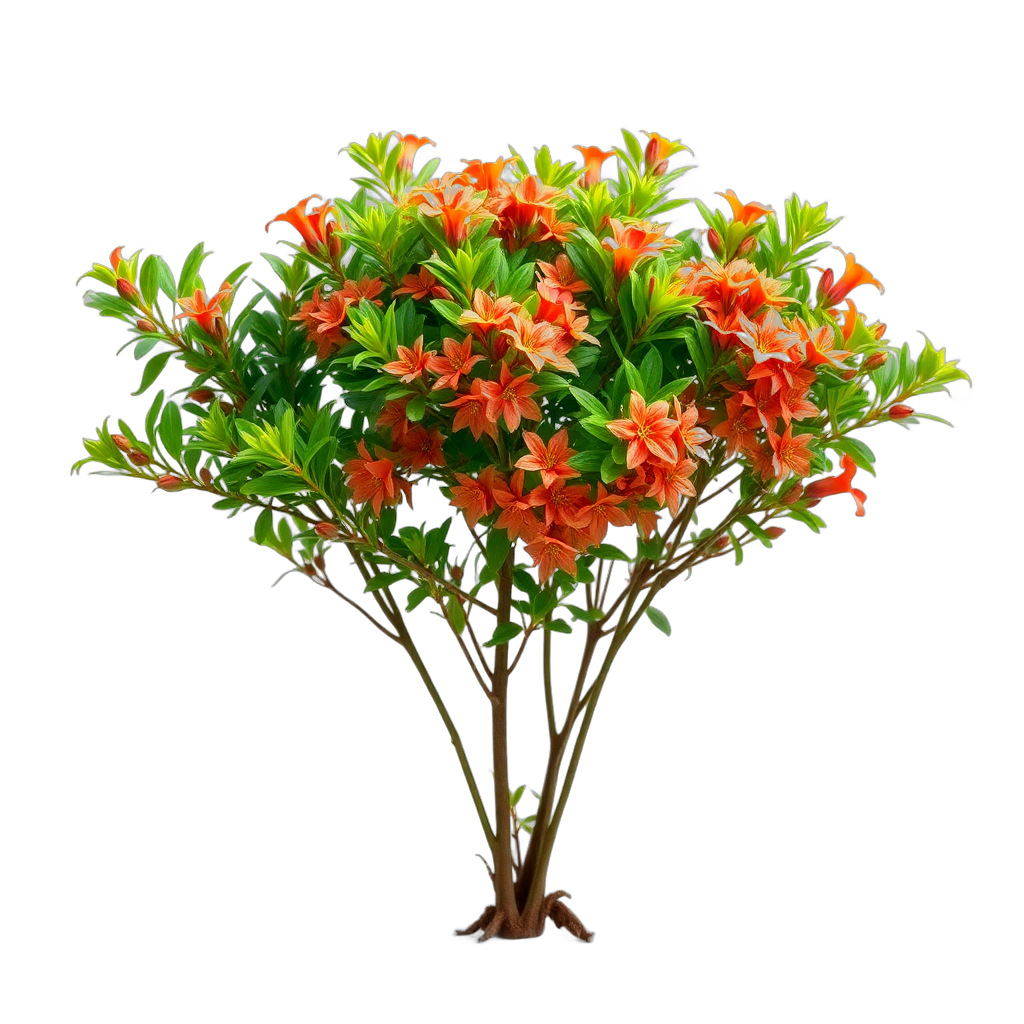
Catclaw Acacia
Acacia greggii
medium-sized at 15 feet, yellow blooms in spring. Pollinator-friendly.
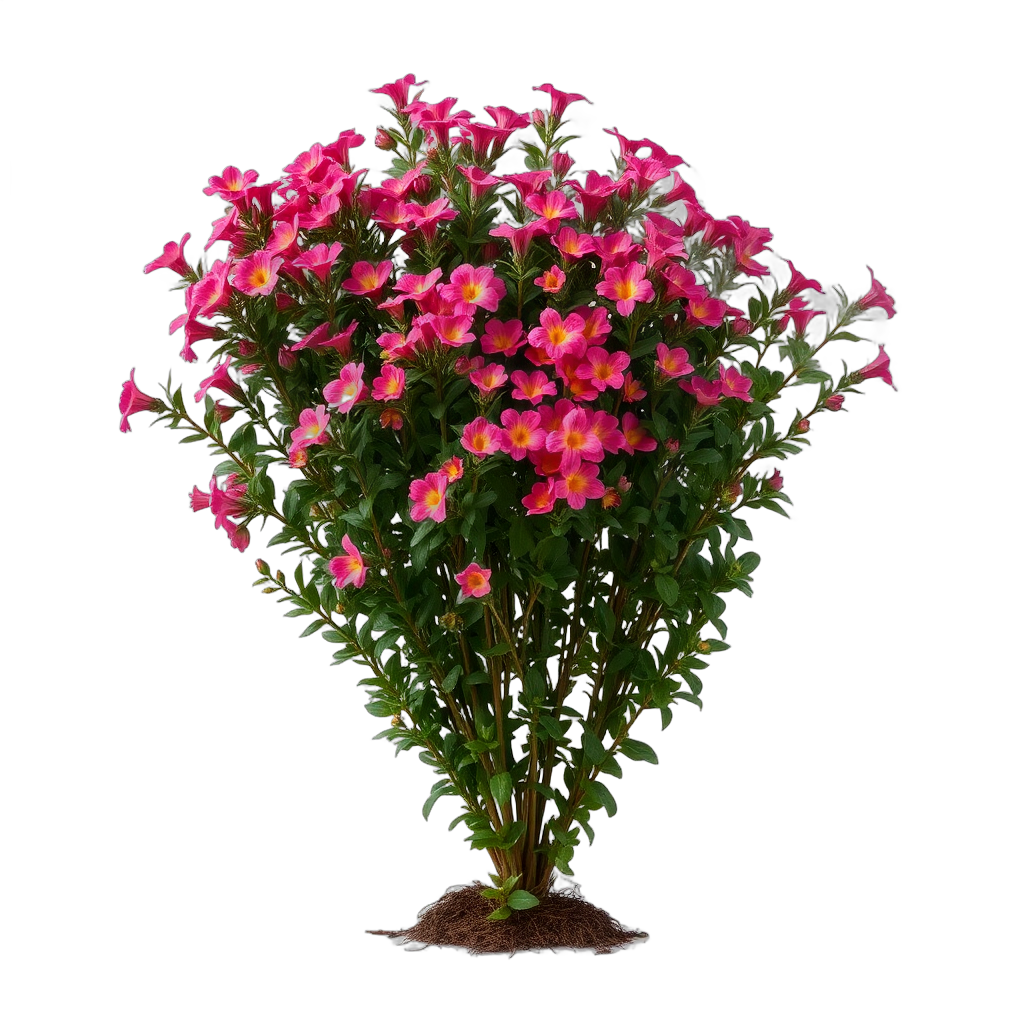
Chuparosa
Justicia californica
grows to 5 feet, red blooms in spring. Attracts hummingbirds.
Cliffrose
Purshia mexicana
medium-sized at 8 feet, yellow blooms in spring. Attracts butterflies.
Featured Grasses & Groundcovers for Modern/Minimalist Gardens
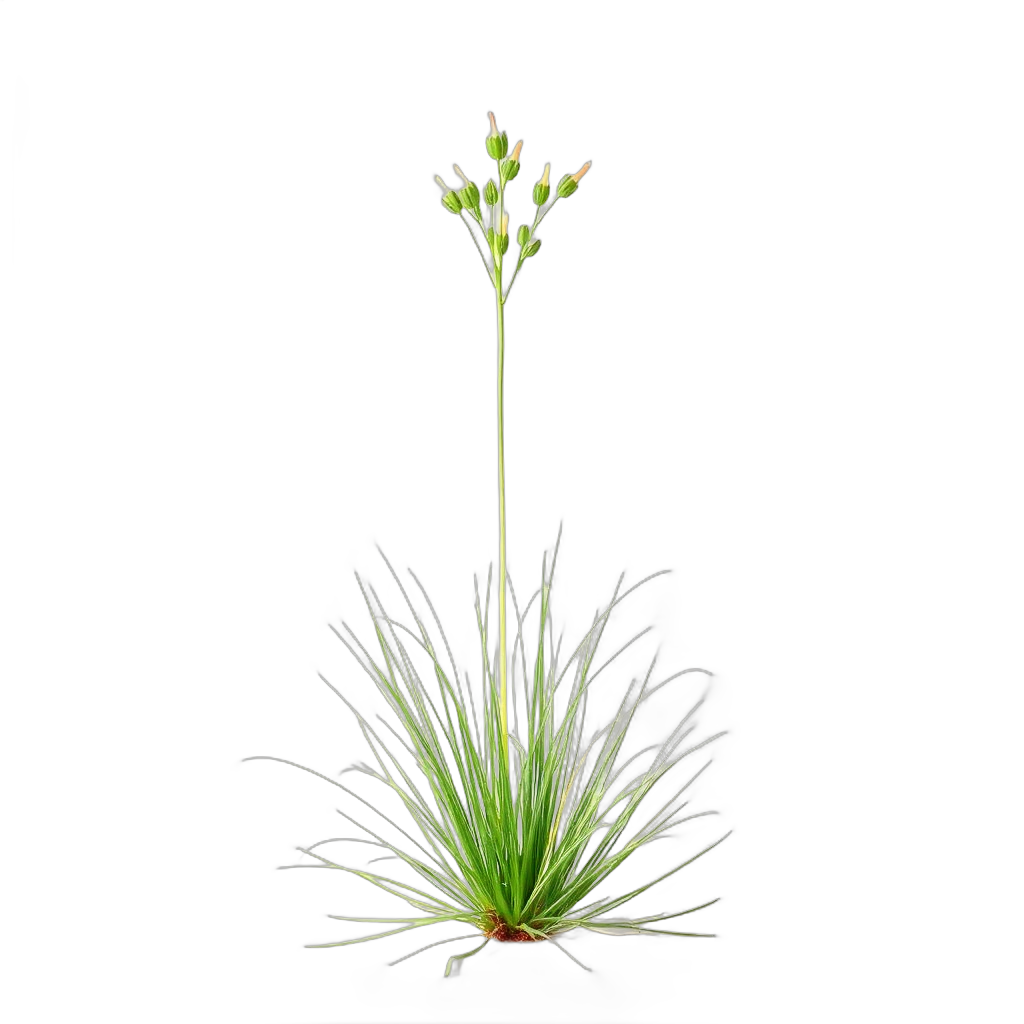
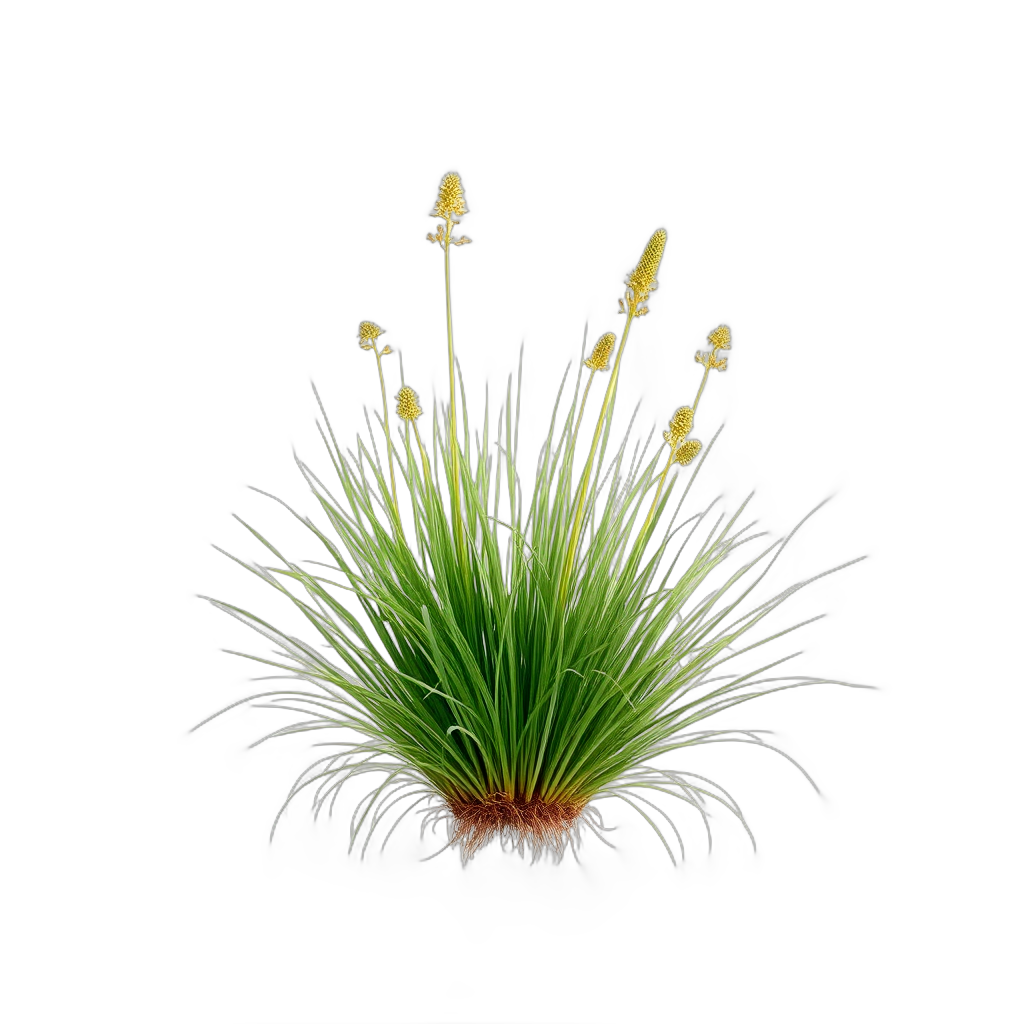
Alkali Sacaton
Sporobolus airoides
grows to 3 feet, blooms in summer. Yellow fall color.
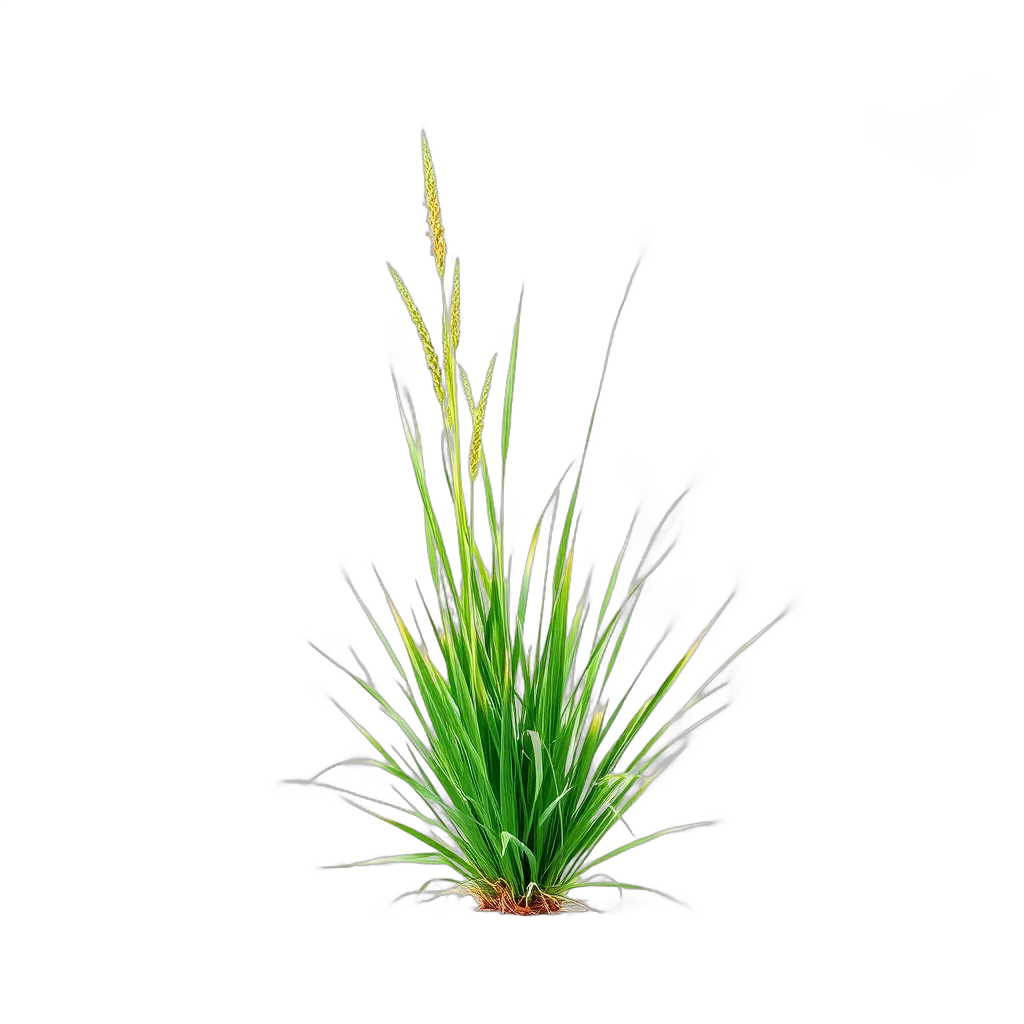
Big Sacaton
Sporobolus wrightii
grows to 5 feet, blooms in summer. Yellow fall color.
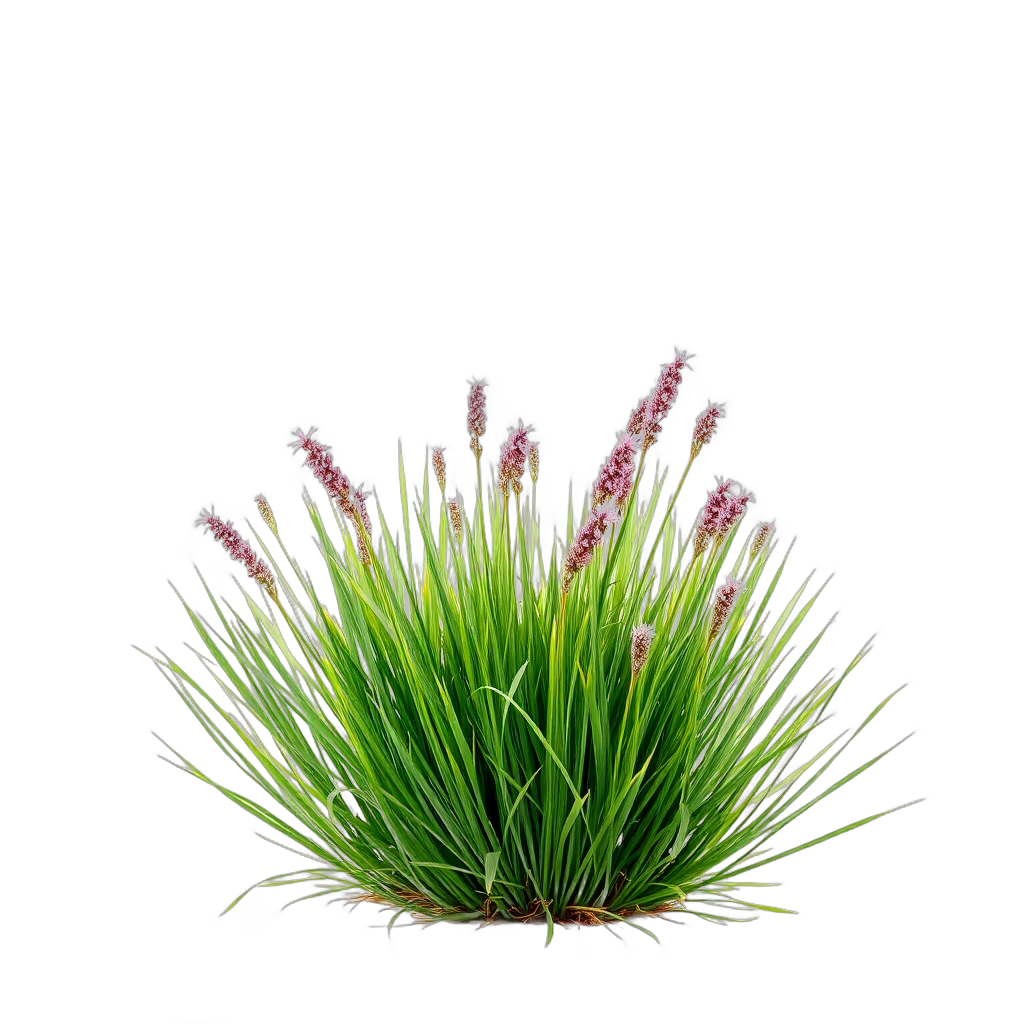
Bull Grass
Muhlenbergia emersleyi
grows to 4 feet, purple blooms in fall. Yellow fall color.
Purple Three-Awn
Aristida purpurea
low-growing ground cover, purple blooms in fall. Yellow fall color.
Featured Flowers & Perennials for Modern/Minimalist Gardens
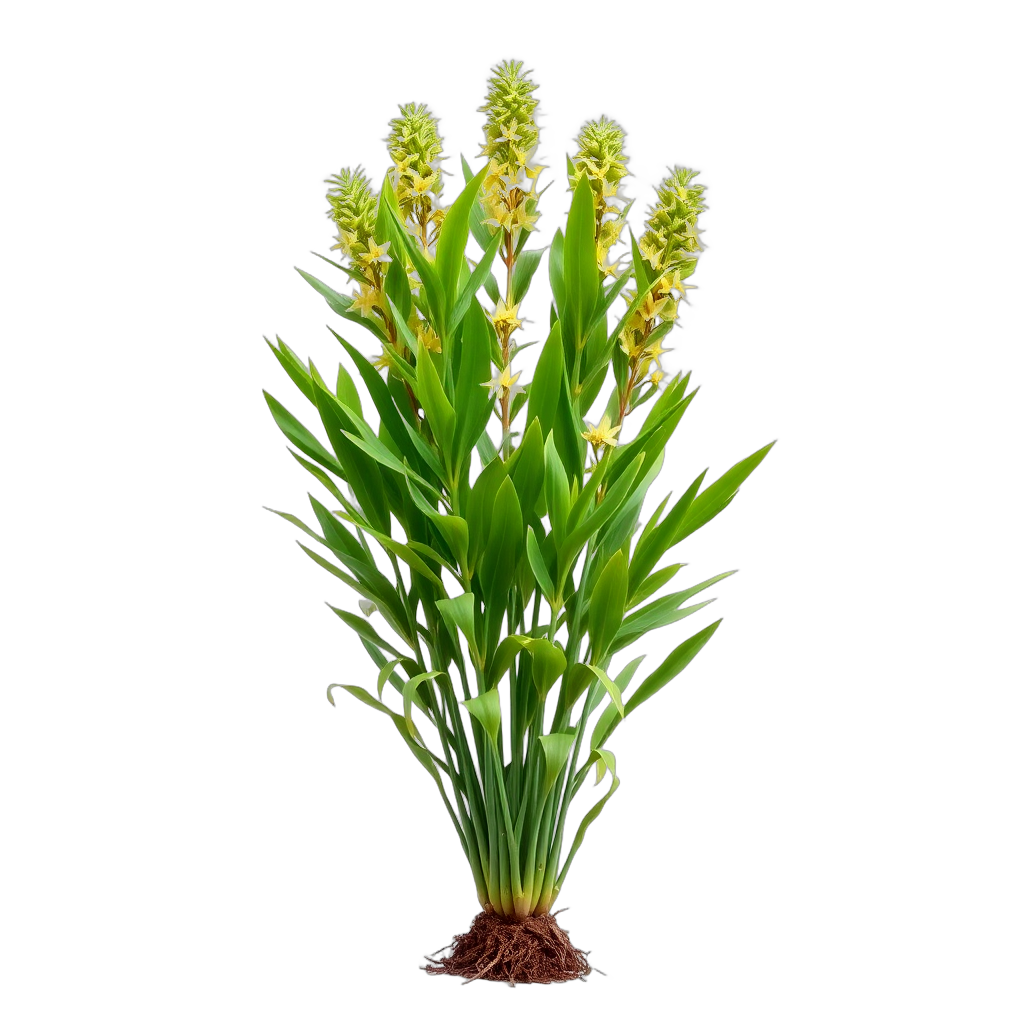
Banana Yucca
Yucca baccata
low-growing ground cover, white blooms in spring. Attracts hummingbirds.
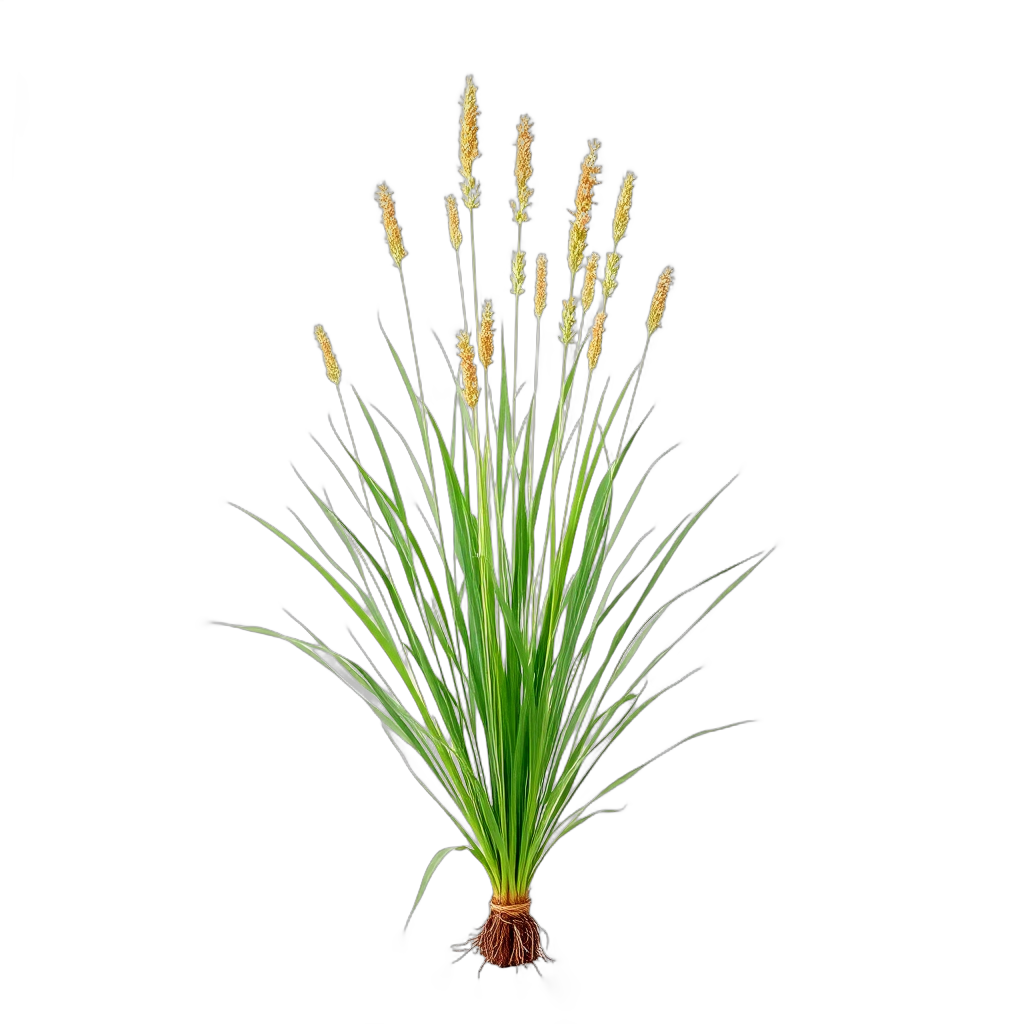
Beargrass
Nolina microcarpa
low-growing ground cover, white blooms in summer. Evergreen year-round.
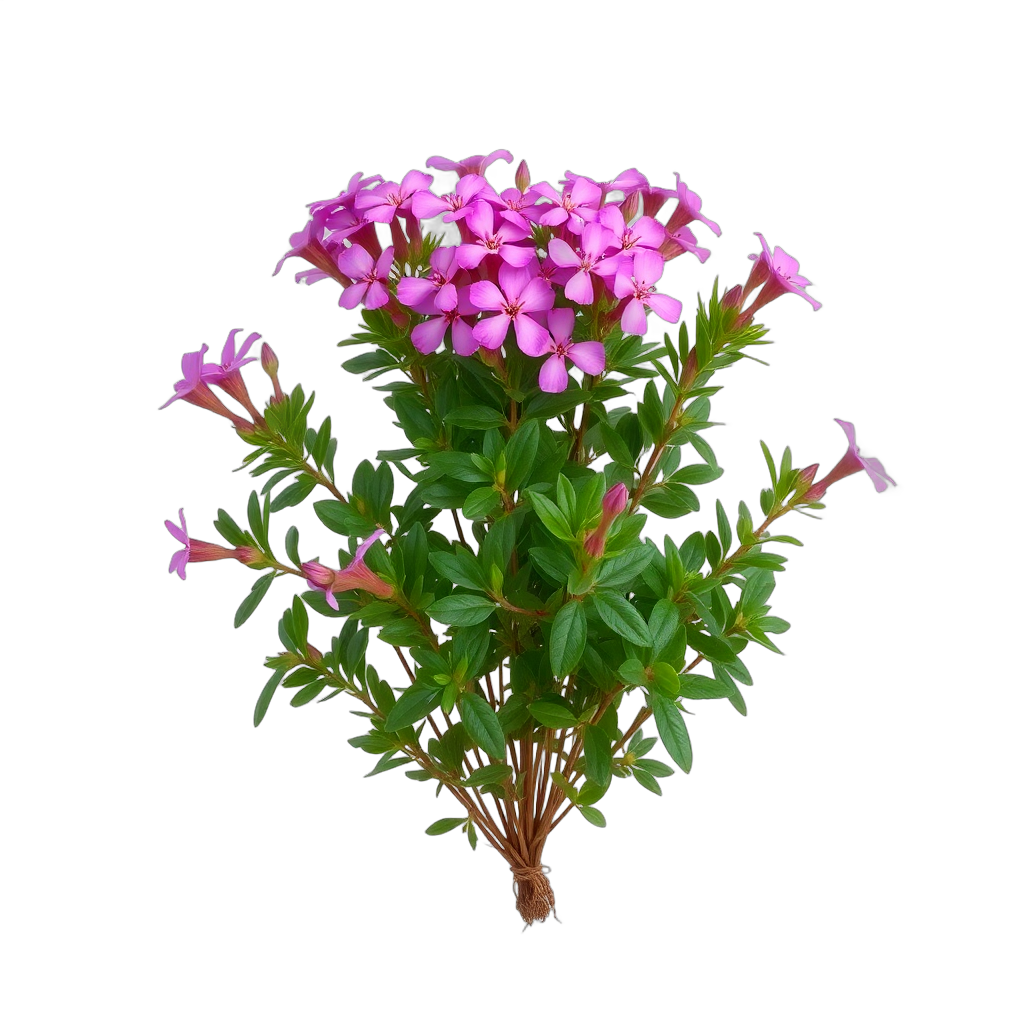
Desert Phlox
Phlox austromontana
low-growing ground cover, pink blooms in spring. Attracts hummingbirds.
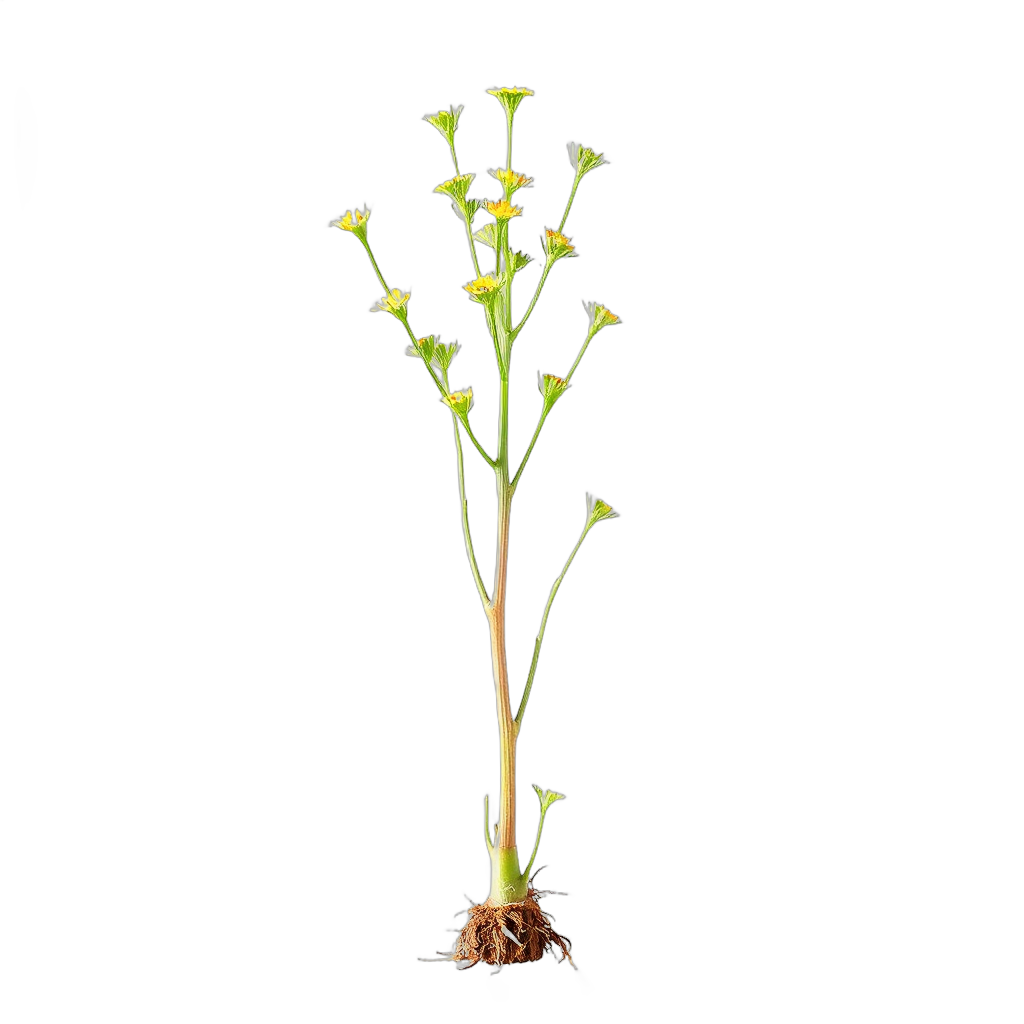
Desert Spoon
Dasylirion wheeleri
grows to 4 feet, white blooms in summer. Evergreen year-round.
Zone and sun checks come from our database — confirm with your local nursery before you buy.
Bloom Calendar for Mesa
spring
Banana Yucca, Desert Phlox, Brittlebushsummer
Beargrass, Desert Spoon, Alkali Sacatonfall
Bull Grass, Purple Three-Awnwinter
Limited bloomsDesign Tips for Mesa (Zone 9b)
- Plant your Desert Museum palo verde in a location where its spring bloom is visible from inside the house — Mesa's April palo verde season (every tree bright yellow simultaneously) is one of the great Sonoran Desert spectacles
- Design shade on the west side of all outdoor seating — Mesa's afternoon sun from 2–6 PM makes west-facing patios genuinely painful in June through September without tree canopy or shade structure
- Use warm buff or desert rose DG rather than white or bright tones — reflective white gravel near seating areas creates uncomfortable glare in Mesa's intense desert sun
- Space large agave at least 5 feet from walkways and 8 feet from walls — Blue agave reach 5–6 feet across at maturity and their terminal spines can cause serious injuries without warning
- Design a dry creek bed as your primary monsoon drainage feature — it handles Mesa's intense July–September storm runoff and provides visual interest the other 9 months of the year
- Plant ornamental desert shrubs (brittlebush, desert marigold, purple dalea) in masses of 5–7 plants rather than individual spacing — massed native plants read as designed rather than random and suppress weeds far more effectively
Where to Source Plants in Mesa
Skip the big-box stores. These independent Mesa nurseries specialize in the plants that make modern/minimalist gardens thrive in Zone 9b.
Civano Nursery
Tucson (widely used by AZ landscapers, ships statewide)
Largest selection of native Sonoran Desert plants in Arizona — specializes in sustainable, locally grown stock
Berridge Nurseries
Multiple Phoenix metro locations including East Valley
Full-service nursery chain with strong desert and xeriscape plant selection for the Phoenix metro
Moon Valley Nurseries
Mesa / East Valley
Large specimen palo verde, mesquite, saguaro — immediate-impact trees and cacti installed
Desert Tree Farm
North Phoenix (serves East Valley)
300+ native arid plant varieties propagated on-site since the 1970s
Horizon Nursery
Mesa / Superstition Springs area
Local nursery with desert trees, shrubs, cacti, and landscape materials for the East Valley
Modern/Minimalist Landscaping Costs in Mesa
| Project Scope | Estimated Cost |
|---|---|
| Front yard xeriscape redesign (400–600 sqft) | $4,000 – $10,000 |
| Concrete patio with fire feature (300–500 sqft) | $8,000 – $22,000 |
| Turf removal + desert gravel + plants (per sqft) | $4.50 – $17/sqft |
| Hardscape patio installation (pavers or flagstone) | $15 – $35/sqft |
| Drip irrigation system | $1,200 – $3,000 |
| Pool installation (inground, standard) | $45,000 – $85,000 |
| AI visualization with ProScapeAI | Free to start |
Estimates based on Mesa, AZ-area contractor rates as of 2026. Actual costs vary by site conditions, materials, and contractor.
Mesa Climate & Growing Zone
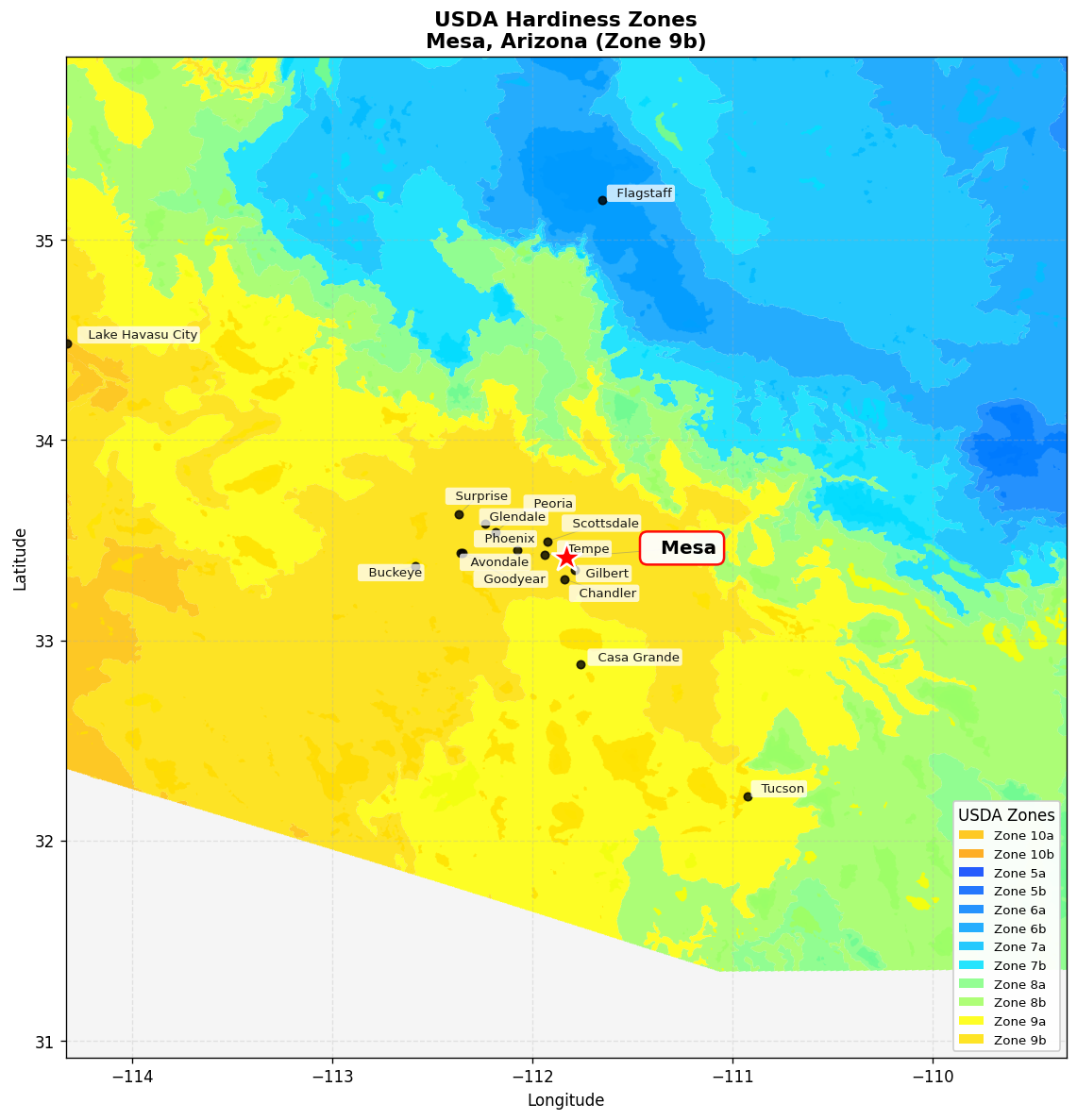
USDA Zone 9b
Hardiness zone for Mesa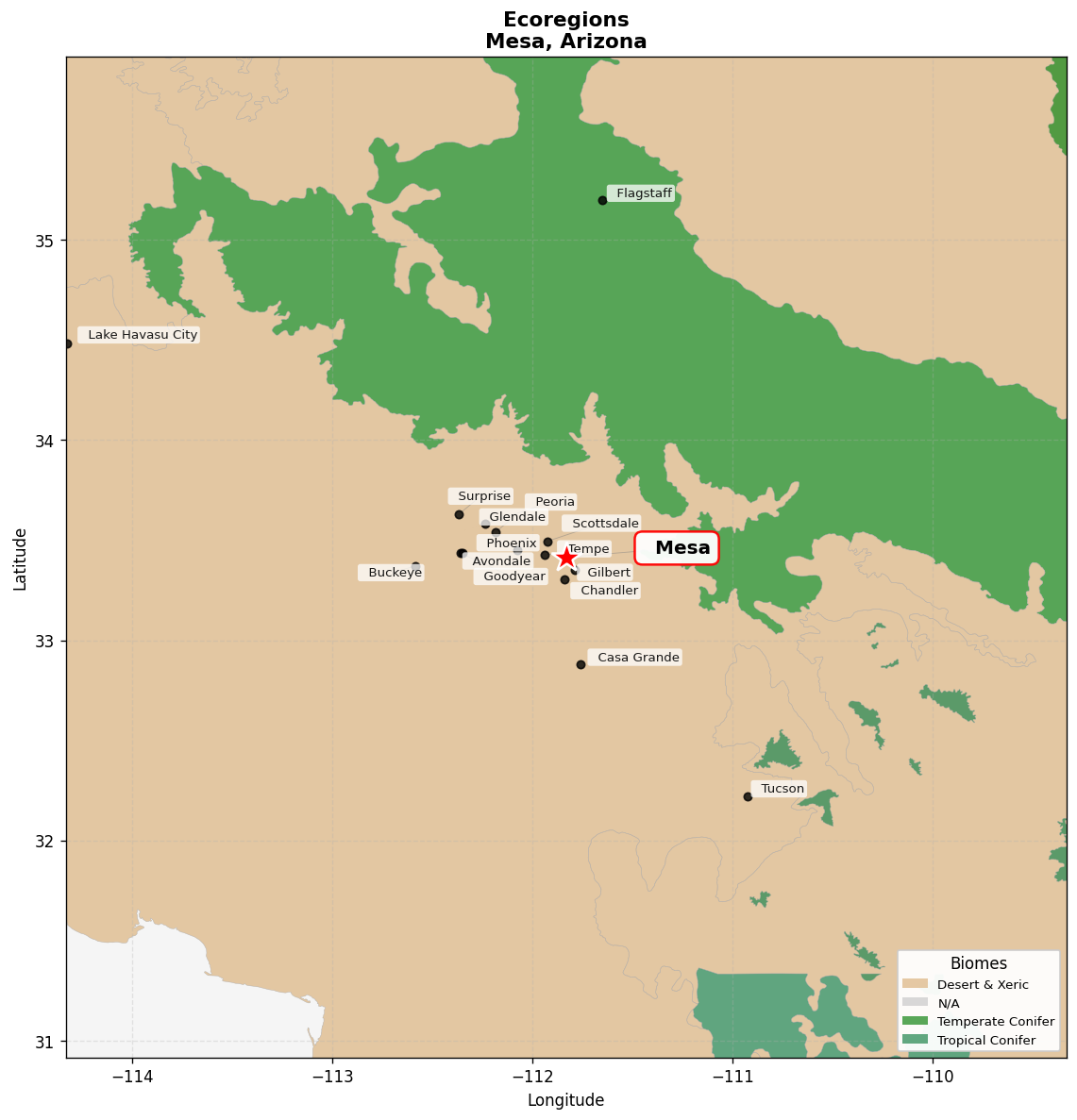
Sonoran desert
Native ecoregionFrequently Asked Questions
Does Mesa have water restrictions or xeriscape incentives?
Yes — Mesa Water Resources enforces mandatory watering schedules: outdoor irrigation is limited to twice per week May–October, three times per week November–April, only before 10am or after 6pm, and prohibited during and 48 hours after significant rain. The city also participates in Arizona's statewide conservation efforts and complies with Arizona Department of Water Resources (ADWR) requirements. Mesa Water offers a free landscape audit program and publishes a water-wise plant list. Check with Mesa Water Resources for current rebate program status — programs have varied in recent years with drought conditions.
What are the best plants for Mesa's Zone 9b Sonoran Desert climate?
Mesa's Zone 9b (lows to 25°F) and Sonoran Desert ecoregion support one of the richest desert plant palettes in the world. Top performers: Desert Museum palo verde, ironwood (Olneya tesota), desert willow, blue agave, red yucca, Mexican fence post cactus, barrel cactus, ocotillo, Mexican bird of paradise, desert marigold, brittlebush, and purple dalea. Note: saguaro cactus grows here but is protected under Arizona law. Desert spoon (Dasylirion wheeleri) is excellent for structural contrast. Pink muhly grass is a beautiful ornamental grass suited to Mesa conditions.
Do I need a permit to plant or remove saguaro cactus in Mesa?
Yes — saguaro are protected under Arizona's Native Plant Law (ARS 3-904). You cannot remove, damage, or transplant a saguaro from your property without a permit from the Arizona Department of Agriculture. Transplanting requires a licensed nursery or contractor with proper salvage documentation. Purchasing saguaro for landscaping requires they carry a state-issued tag certifying legal salvage. Penalties for violations reach $25,000 per plant. If construction or landscaping requires removing saguaro, plan well in advance — permits take 2–4 weeks, and proper salvage by a licensed contractor adds cost but avoids significant legal exposure.
How should I landscape around a pool in Mesa's desert climate?
Mesa pool landscaping has two primary concerns: debris in the water and surface temperature. Palo verde drops tiny leaflets but far less than most broadleaf trees. Avoid deciduous trees that lose large leaves over the pool. Use concrete or cool-deck near the pool edge rather than DG (which migrates into the water). Install drip irrigation to plant beds rather than spray heads near the pool. For structure and drama: Mexican fence post cactus, desert spoon, and blue agave require virtually no maintenance and shed no debris. Ornamental grasses add movement without mess. Orient shade structures on the west side of the pool deck for afternoon relief.
What are the best shade trees for a Mesa desert garden?
Desert Museum palo verde is the premier choice for Mesa: thornless, fast-growing, covered in yellow blooms every spring, and drought-tolerant once established. Ironwood (Olneya tesota) grows slower but eventually provides dense shade and is extraordinarily long-lived (up to 1,500 years). Desert willow provides filtered shade with orchid-like blooms May through September. For western-facing yards: Argentine mesquite provides fast, dense shade but needs more water and has invasive root spread. Netleaf hackberry is native and provides good medium-sized shade. Avoid ash, mulberry, and ornamental pear — all require significant summer irrigation and produce allergy-triggering pollen.
How do Mesa's monsoon storms affect desert landscaping?
Mesa's monsoon season (June 15–September 30) delivers 3–4 inches of Mesa's 8-inch annual rainfall in intense afternoon storms, often dropping an inch or more in 30–60 minutes. Mesa's flat valley topography means water can sheet-flow quickly across compacted DG and concrete. Design requirements: grade all surfaces at minimum 2% slope away from the foundation, install French drains or swales to route monsoon runoff to the street, consider naturalistic dry creek features that handle runoff while looking beautiful year-round, and ensure DG is properly edged and sloped so it doesn't wash into street drains. Mesa code may require erosion control measures for new landscape projects.