4 Modern Landscape Ideas for Miramar, FL | Zone 10b Design
Native plants from the Everglades flooded grasslands (Zone 10b) — Tropical monsoon climate
Why Modern/Minimalist Gardens in Miramar?
Modern landscape design has an easy time in Miramar, because the city's building stock already leans that way. West of Flamingo Road, the 1990s to 2010s subdivisions — Sunset Lakes, Riviera Isles, Monarch Lakes, Vizcaya, Silver Lakes — sit on flat, rectangular quarter-acre lots with low-pitch tile or flat-parapet stucco elevations, wide level driveways and dead-flat rear yards. That is exactly the geometry modern design wants: no grade to fight, long uninterrupted sight lines, and a stucco plane that reads as a clean backdrop behind a sculptural planting. Historic Miramar, the 1950s and 1960s concrete-block grid east of Red Road, offers something different and arguably better — genuine mid-century bones, low horizontal rooflines and 70 foot frontages that can take a hard-edged gravel court without looking bare.
USDA Zone 10b, with winter lows of 35–40°F, removes almost every limitation a northern modern garden lives with. Nothing here needs winter protection, evergreen structure is permanent, and Agave desmettiana, Zamia integrifolia, Bismarckia nobilis and Cocos nucifera hold their silhouette twelve months a year. The real constraint is the opposite one. Miramar's tropical monsoon climate (Köppen Am) delivers roughly 60 inches of rain annually, two thirds of it in the June-to-October wet season and often four inches in a single afternoon. Agaves and other sculptural rosettes die of a wet crown here, never of cold. Every gravel bed therefore has to be a raised, free-draining mound — coarse sand and limerock screenings over filter fabric, crowned six to ten inches above the surrounding turf — with each plant's neck sitting proud of the pebble mulch. Do that and Agave angustifolia 'Marginata' and Furcraea foetida 'Mediopicta' will look like Palm Springs while draining like Broward.
Under the sod, Miramar is limestone. The western half of the city is drained Everglades — the flooded-grasslands ecoregion begins right at the Turnpike — so those lots are marl and rock-plowed oolitic fill with a wet-season water table two to four feet down, while the eastern neighbourhoods sit on Pompano and Margate fine sand. Both run pH 7.5 to 8.3, which means chelated iron in the Fe-EDDHA form for anything that yellows, and both make an excellent hardscape base once compacted: a 4 to 6 inch compacted limerock base under concrete or pavers is standard local practice, and there is no frost depth to design around. One caution — Broward sits inside Florida's High Velocity Hurricane Zone, so pergolas, shade sails, tall privacy screens and pool cages have to be specified and anchored to a much higher wind standard than elsewhere in the country. Confirm the current requirements with the city before you commit to a lightweight cantilevered canopy.
Broward County's permanent two-day irrigation rule — odd-numbered addresses Wednesday and Saturday, even-numbered addresses Thursday and Sunday, nothing between 10 a.m. and 4 p.m. — rewards modern design more than any other style. Replacing 1,200 sqft of Floratam St. Augustine with a pebble field, raised agave mounds and drifts of Muhlenbergia capillaris and Tripsacum floridanum cuts irrigation demand sharply, ends the chinch bug and grey leaf spot treadmill, and drops mowing from weekly to nothing. Keep one crisp panel of turf if you want a green foreground: a single rectangle of 'CitraBlue' St. Augustine, mown at 3.5 inches and edged hard against steel, does more for a modern composition than a whole lawn ever will.
4 Modern/Minimalist Design Ideas for Miramar

The Parapet Entry with Grass Mounds
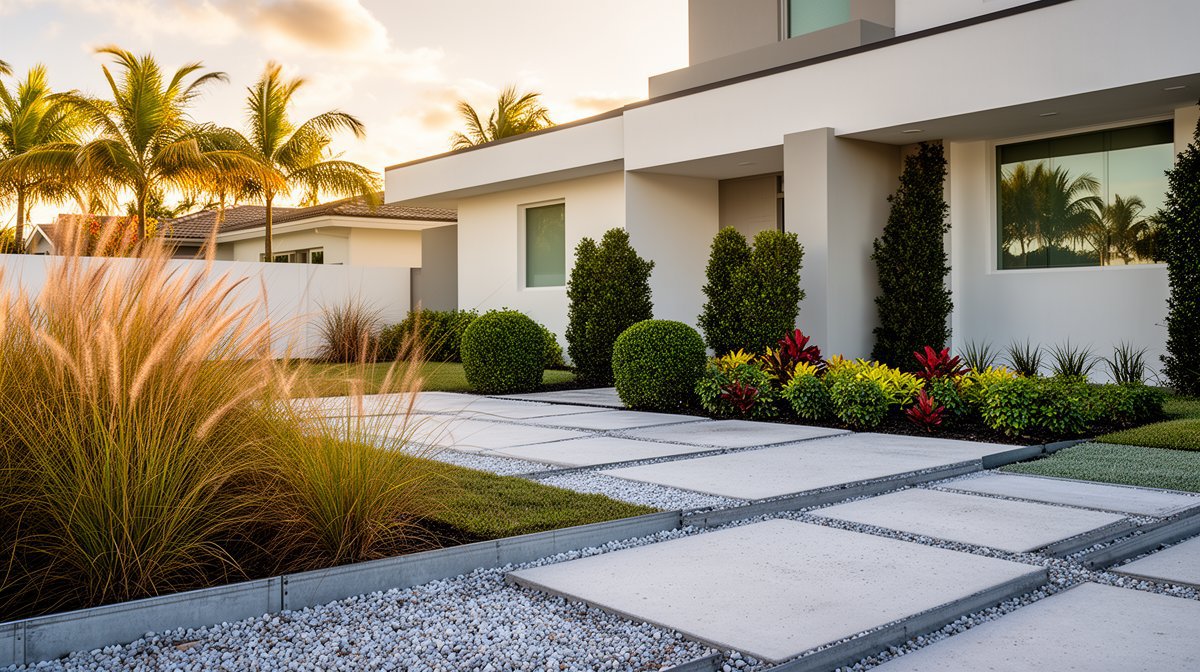
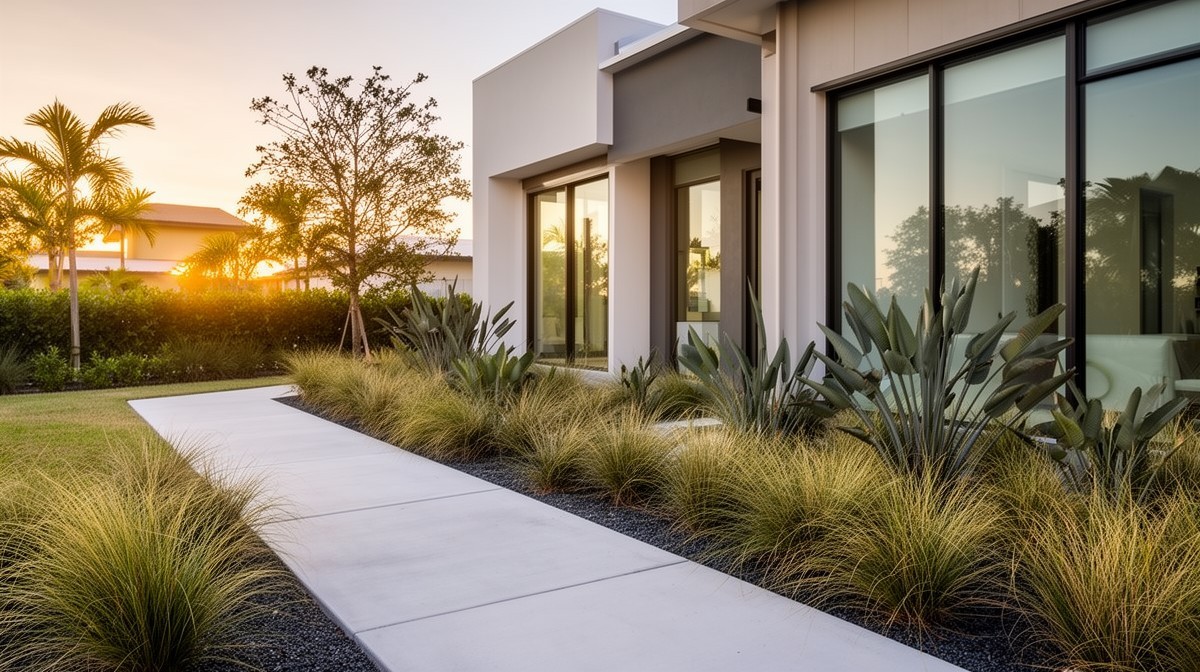
$14–26/sqftA single-storey contemporary home with a raised flat parapet over the entry, dark bronze window frames and full-height glass glowing amber at sunset. A narrow concrete walk runs dead straight from the sidewalk to a tall dark front door, and the planting is arranged in two mirrored layers: blue-grey rosettes and low purple flower spikes tight against the stucco, then big loose grass mounds spilling over the walk edges at knee height. Trimmed panels of turf hold the composition in place, dark metal side gates close both flanks, and one mature shade tree on the left throws dappled shadow right across the facade.

The Gravel Grid Agave Court
$11–20/sqftThe lawn in front of this hip-roof stucco house has been reduced to a green frame around two large rectangles of pale washed pebble, each edged in rusted steel and split by a straight poured-concrete walk. Inside the gravel, blue-grey and variegated rosettes are set out on an even grid with small clipped green domes threaded between them, so the planting reads as pattern rather than as a border. Nothing touches the wall, nothing softens the corners, and a single spreading tree behind the roofline supplies the only curve in the composition. It is the cheapest square-foot modern conversion there is, and the most water-thrifty.

The Fire Bowl Lawn Room
$18–34/sqftA pale concrete pad floats in the middle of the back lawn, no steps and no walls, holding two low grey sofas and two armchairs on slim black frames around a round precast concrete gas fire bowl. Catenary string lights run overhead from black poles set into the turf, and behind the seating a white stucco house opens through a wide slider onto a covered rear porch. The pad's edges are deliberately soft: mounded grasses ring the whole perimeter, a clipped low hedge runs along the house wall, a broad shade tree leans in from the right, and a screen of big-leaved foliage closes off the rear boundary against a pink Miramar sunset.

The Walled Pool Pavilion
$45–90/sqft (pool area inclusive)At dusk, a low modern pavilion with a deep flat overhang and a full wall of glass looks straight down a rectangular pool set in a wide pale deck. White stucco privacy walls run the length of both sides, coconut palms are uplit against them, and low bollard lights march along the deck edge. The planting is restrained on purpose — grass tufts and large glossy foliage in a pebble drainage strip at the foot of the walls, nothing above waist height near the water — so the reflections in the pool stay clean. Dark timber-look cladding on the pavilion columns is the only warm note in an otherwise white, grey and green palette.
See how a modern/minimalist garden looks on YOUR property
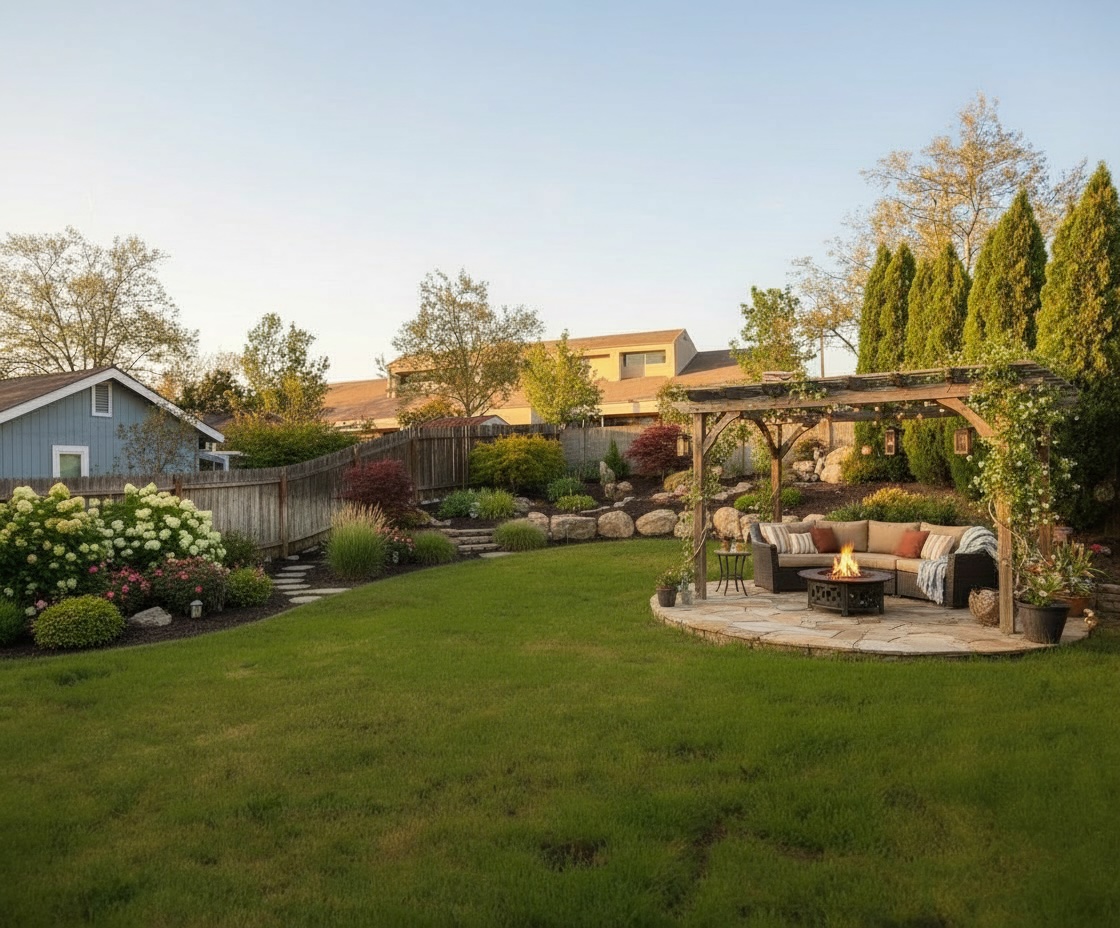
Upload a photo of your Miramar yard and visualize your dream garden in seconds.
Try ProScapeAI Free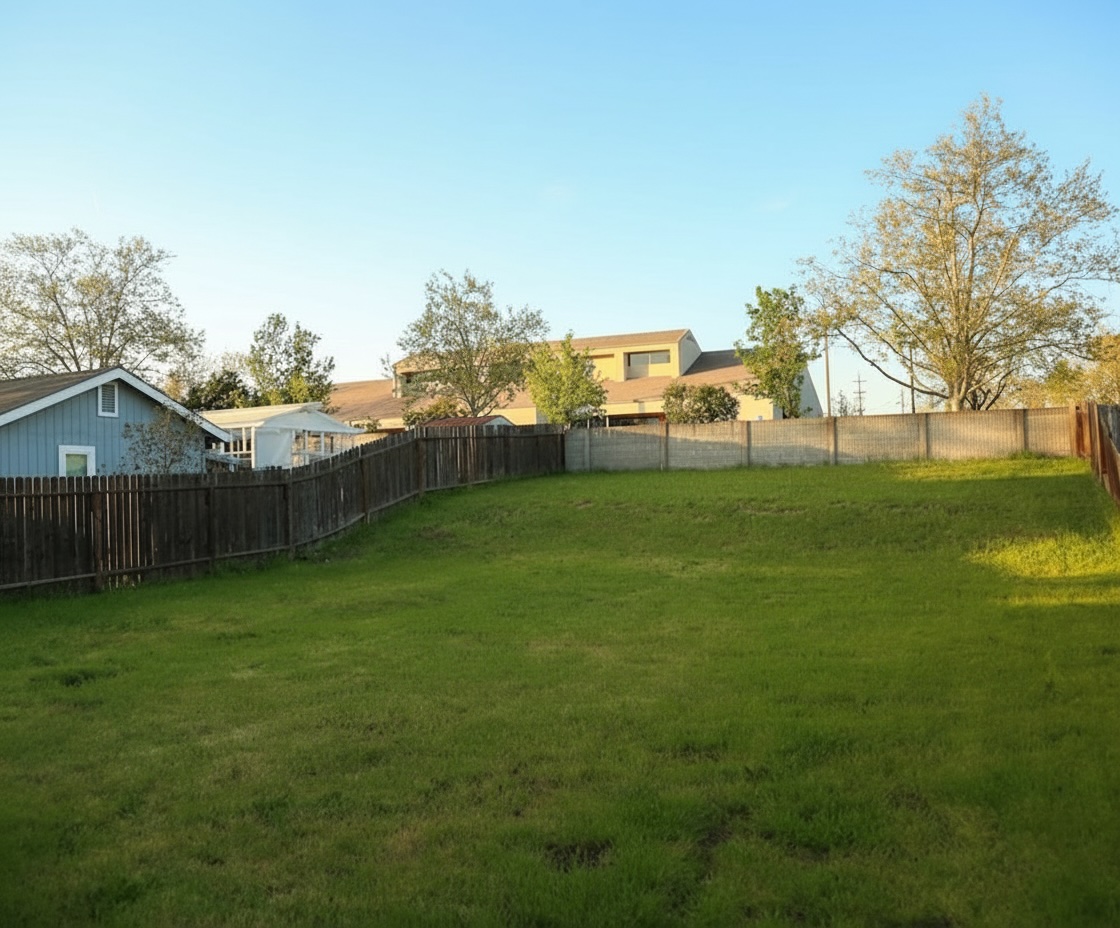
Featured Trees & Shrubs for Modern/Minimalist Gardens
Browse all 150 plants for Miramar
Bismarck Palm
Bismarckia nobilis
reaches 30 feet tall, blooms in summer. Pollinator-friendly.

Clustering Fishtail Palm
Caryota mitis
medium-sized at 15 feet, yellow blooms in summer. Pollinator-friendly.

Pygmy Date Palm
Phoenix roebelenii
grows to 6 feet, yellow blooms in spring. Pollinator-friendly.

Royal Palm
Roystonea regia
large shade tree reaching 50+ feet, white blooms in spring. Pollinator-friendly.
Featured Grasses & Groundcovers for Modern/Minimalist Gardens
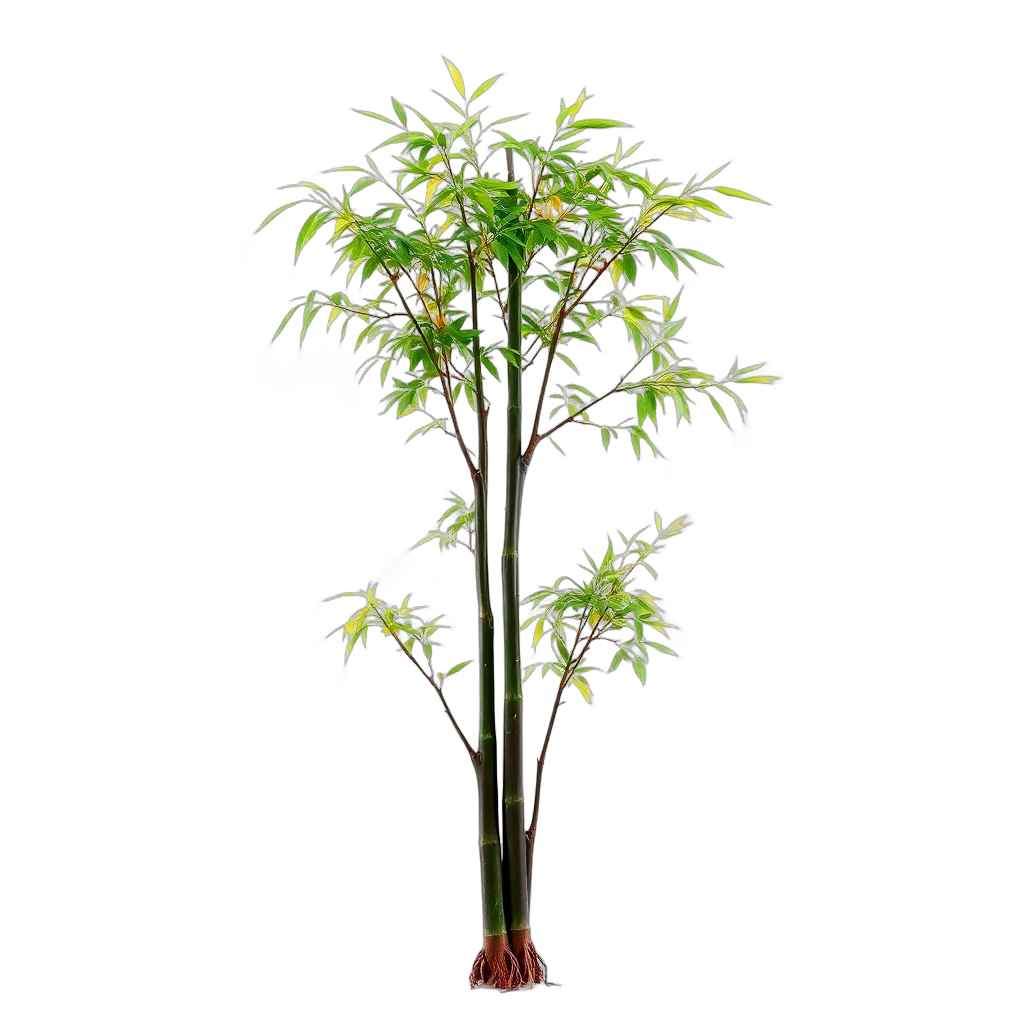
Black Bamboo
Phyllostachys nigra
reaches 25 feet tall, blooms in none. Evergreen year-round.
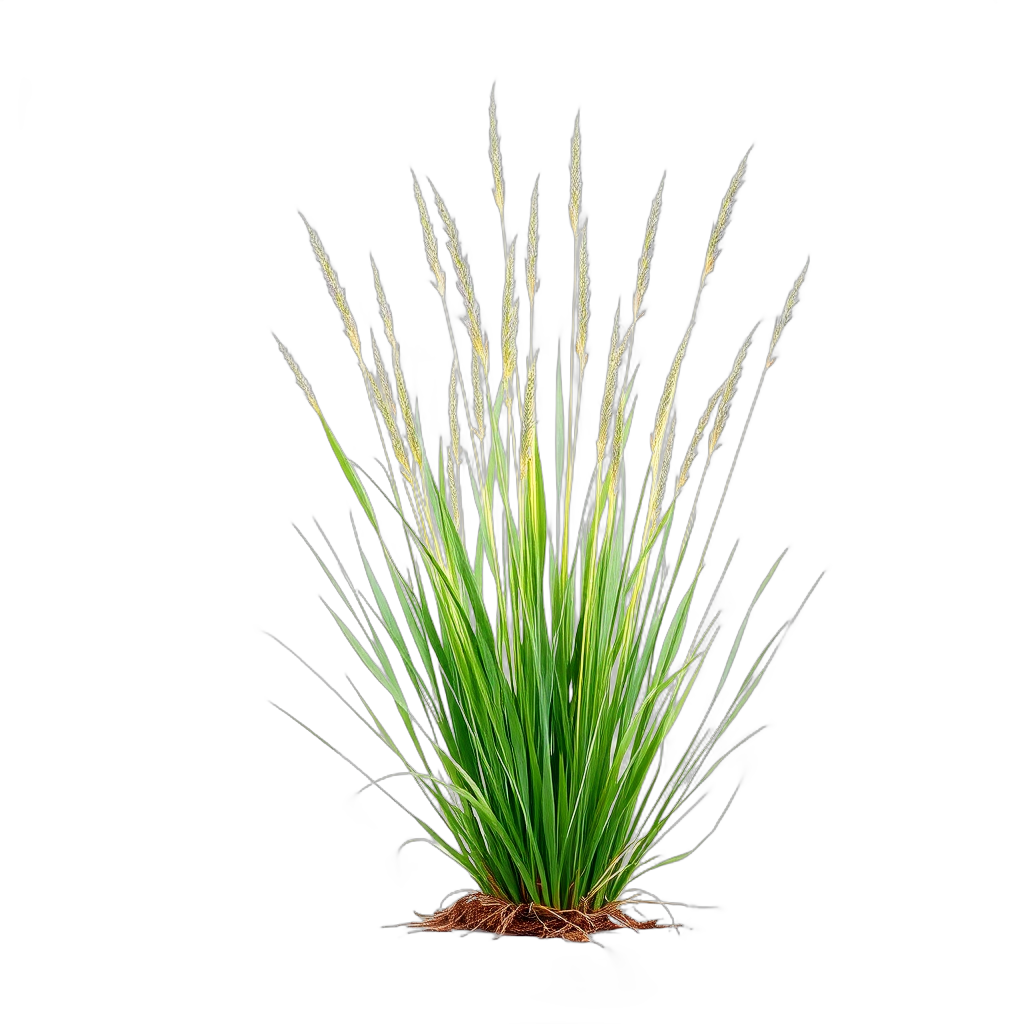
Blue Grama Grass
Bouteloua gracilis
low-growing ground cover, purple blooms in summer. Yellow fall color.
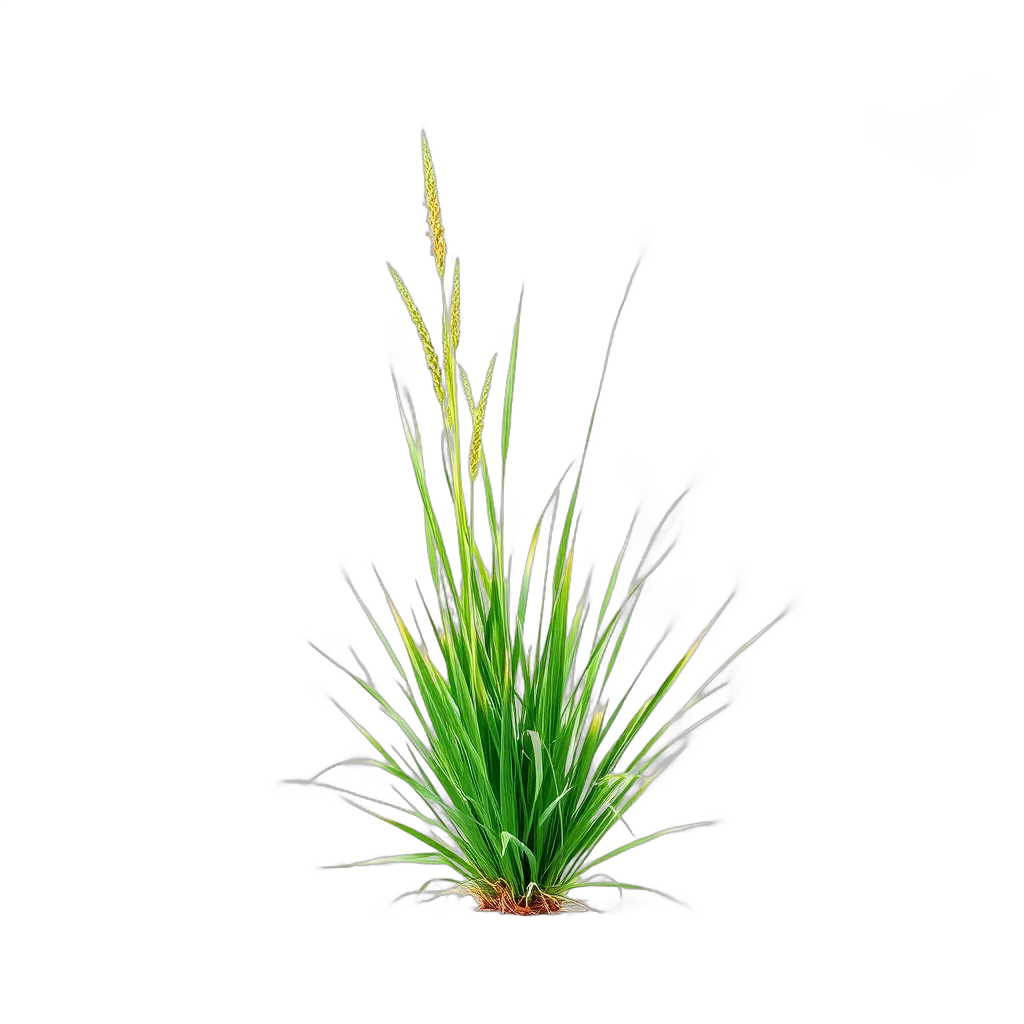
Bull Grass
Muhlenbergia emersleyi
grows to 4 feet, purple blooms in fall. Yellow fall color.
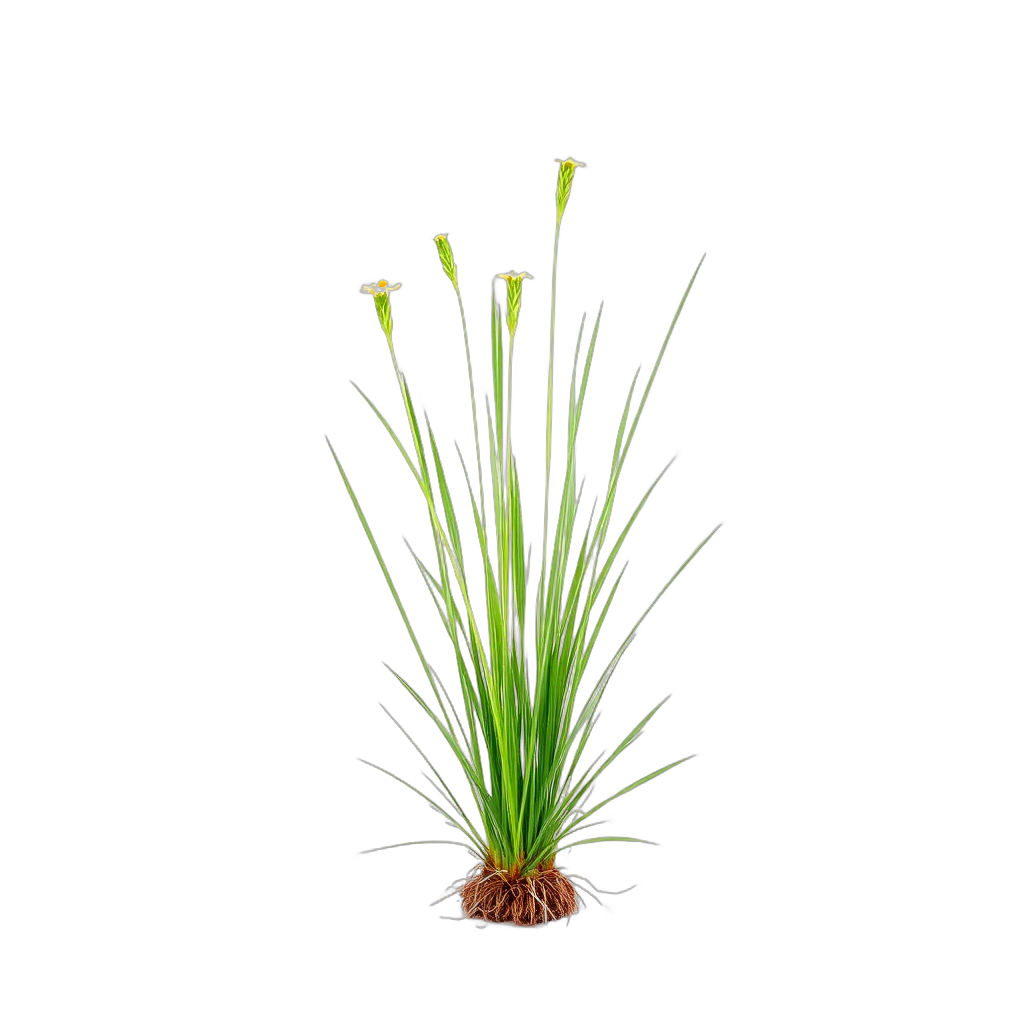
California Melic
Melica californica
low-growing ground cover, blooms in spring.
Featured Flowers & Perennials for Modern/Minimalist Gardens

Canadian Waterweed
Elodea canadensis
grows to 3 feet, white blooms in spring. Evergreen year-round.

Common Cattail
Typha latifolia
grows to 5 feet, blooms in summer. Pollinator-friendly.

Common Duckweed
Lemna minor
low-growing ground cover, white blooms in summer. Evergreen year-round.

European Frogbit
Hydrocharis morsus-ranae
low-growing ground cover, white blooms in summer. Pollinator-friendly.
Zone and sun checks come from our database — confirm with your local nursery before you buy.
Bloom Calendar for Miramar
spring
Canadian Waterweed, Sweet Flag, African Daisysummer
Canadian Waterweed, Common Cattail, Common Duckweedfall
Canadian Waterweed, Pickerelweed, African Daisywinter
Limited bloomsDesign Tips for Miramar (Zone 10b)
- Crown every gravel bed six to ten inches above grade — in a 60-inch rainfall year the difference between a sculptural Agave desmettiana and a rotted one is entirely about whether its neck sits above or below the mulch line
- Use Tripsacum floridanum where a desert designer would use a mounded shrub; the dwarf Fakahatchee holds a tight 3 ft dome year-round in Zone 10b, never browns off in winter, and needs one February cut-back and nothing else
- Compact a 4 to 6 inch limerock base under all concrete and pavers and pitch it a quarter inch per foot away from the slab — there is no frost heave in Miramar, but a wet-season storm can drop four inches in an afternoon and standing water is what wrecks hardscape here
- Keep the turf, if you keep any, as one hard-edged geometric panel of 'CitraBlue' St. Augustine on its own irrigation zone; a shaped panel reads as design intent while an all-over lawn just reads as leftover space
- Choose brass or 316 stainless light fixtures, not aluminium — Miramar is only nine miles inland and the salt in the air pits cheap housings within two or three seasons, which is the fastest way to make a new modern garden look tired
- Screen the rear boundary with a single species at one height — Clusia guttifera at 8 ft or Podocarpus macrophyllus 'Pringles Dwarf' at 4 ft — rather than a mixed hedge; the flat plane of green is what makes a modern back garden feel like a room
- Skip Ficus benjamina for hedging no matter how cheap it is: the ficus whitefly outbreaks that swept Broward defoliate it repeatedly, its roots lift pavers and pool decks, and a Clusia guttifera hedge costs less over ten years
Where to Source Plants in Miramar
Skip the big-box stores. These independent Miramar nurseries specialize in the plants that make modern/minimalist gardens thrive in Zone 10b.
Flamingo Road Nursery
Davie (Flamingo Road at Griffin Road)
Twelve-acre independent garden centre and the closest full-line nursery to west Miramar; deep bench of Zone 10b perennials, roses on Fortuniana rootstock, herbs, crotons and specimen palms, plus an on-site plant clinic
Jesse Durko's Nursery
Davie (SW 70th Avenue)
Long-established collector's nursery for rare tropicals, aroids, bromeliads, gingers, heliconias and unusual specimen palms — the place to go when a design needs one irreplaceable focal plant
Pop's Nursery
Hollywood (North University Drive)
Family-run tropical nursery about ten minutes from Historic Miramar, carrying container plants, decorative pebble and rock for gravel beds, and in-house landscape design help
Living Color Garden Center
Fort Lauderdale (Griffin Road)
Large independent centre known across Broward for mature specimen palms, crotons, orchids, bromeliads and oversized container stock, with a strong pottery and hardscape accent selection
Modern/Minimalist Landscaping Costs in Miramar
| Project Scope | Estimated Cost |
|---|---|
| Front yard modern conversion (turf removal, pebble field, steel edging, agave mounds) | $6,000 – $14,000 |
| Poured concrete lounge pad with sawcut joints (250–400 sqft) | $5,500 – $13,000 |
| Backyard fire bowl room with catenary lighting and seating | $14,000 – $32,000 |
| Travertine or shellstone pool deck (600–900 sqft) | $14,000 – $30,000 |
| Walled pool courtyard with full landscape and lighting | $80,000 – $180,000 |
| Low-voltage brass lighting system (12–18 fixtures) | $2,800 – $6,500 |
| Specimen Bismarckia nobilis, 8–10 ft, delivered and set | $1,400 – $3,200 |
| AI visualization with ProScapeAI | Free to start |
Estimates based on Miramar, FL-area contractor rates as of 2026. Actual costs vary by site conditions, materials, and contractor.
Miramar Climate & Growing Zone
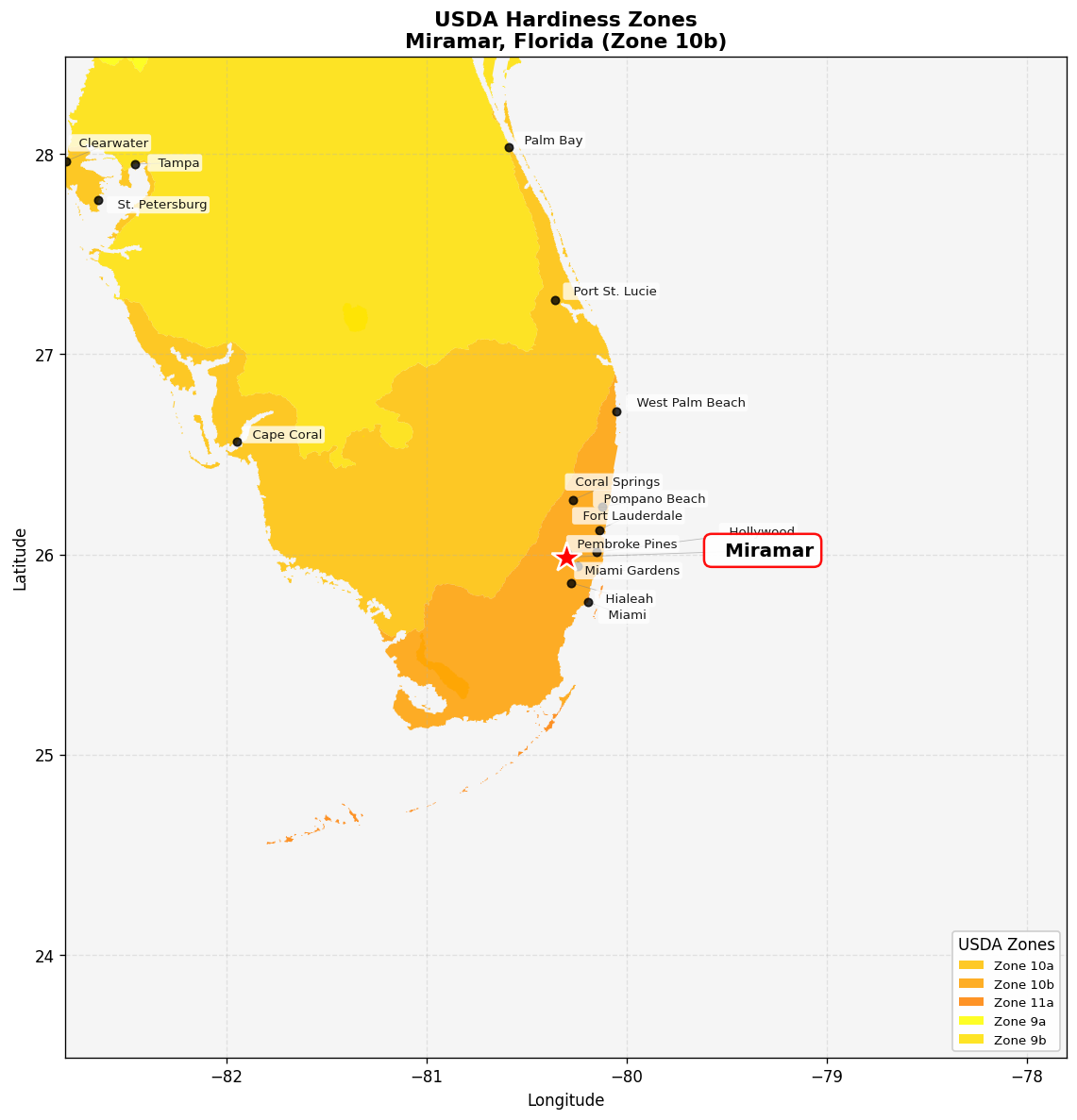
USDA Zone 10b
Hardiness zone for Miramar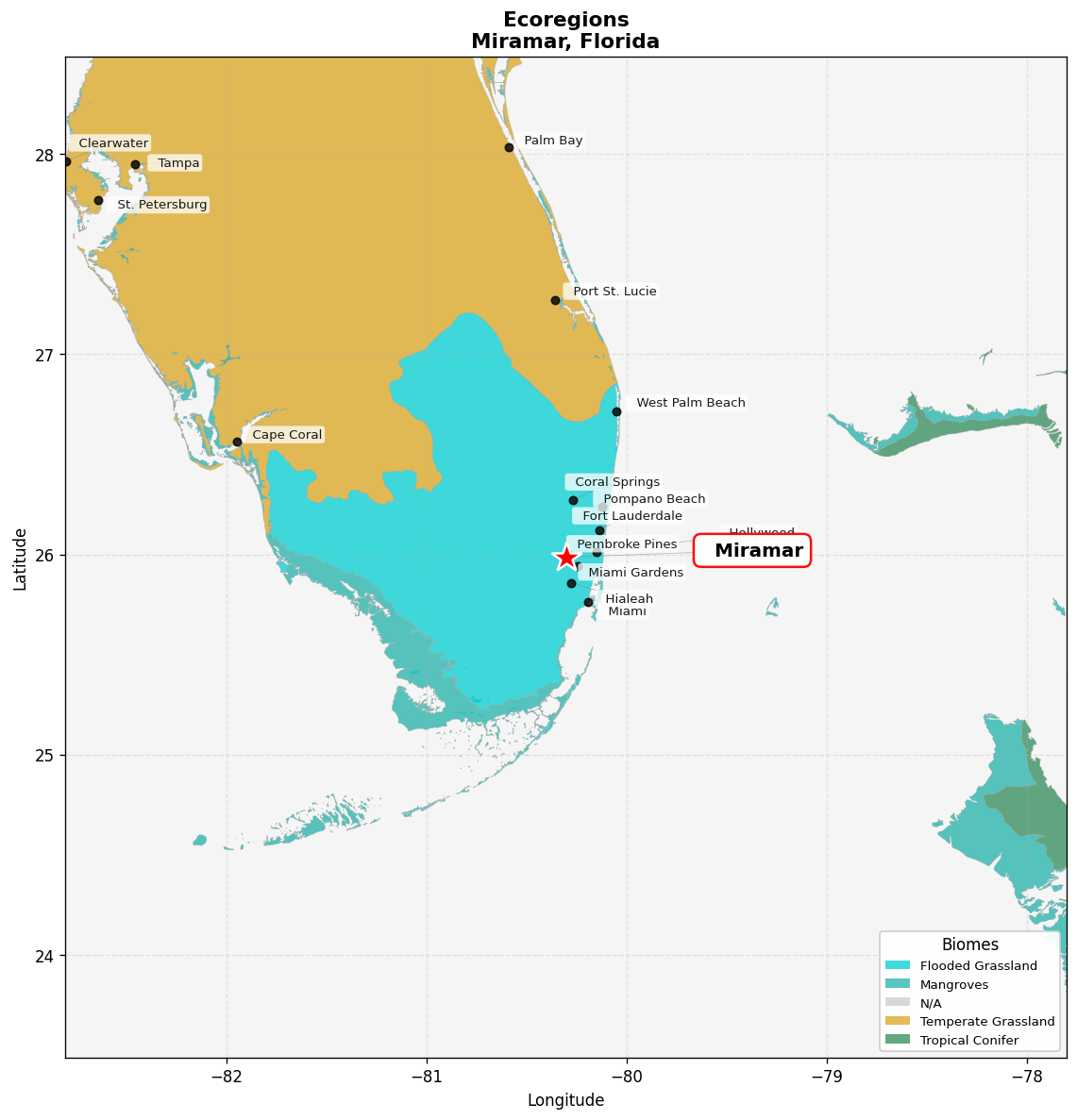
Everglades flooded grasslands
Native ecoregionFrequently Asked Questions
How much does a modern landscape cost in Miramar?
Broward pricing runs about 10–20% above the national average. A front-yard modern conversion — turf removal, pebble field, steel edging, raised mounds and architectural plants — costs $6,000–14,000 for a typical 500–700 sqft Miramar frontage, or under $6/sqft if you do the labour yourself and buy pebble by the yard. A concrete lounge pad with a gas fire bowl and catenary lighting runs $14,000–32,000. A walled pool courtyard with travertine or shellstone decking, lighting and planting commonly lands between $80,000 and $180,000. Add $1,800–4,000 for a drip retrofit so the beds come off the lawn irrigation zones.
Will agaves survive Miramar's 60 inches of rain?
Yes, if you never plant one at grade. Cold is not the issue in Zone 10b — a wet crown through a June-to-October wet season is. Build raised mounds of coarse sand and limerock screenings six to ten inches above turf level, top-dress with pebble rather than bark, and set each rosette so its neck sits proud of the mulch. Choose species proven in South Florida: Agave desmettiana and its 'Variegata' form, Agave angustifolia 'Marginata', Agave attenuata in part shade, and Furcraea foetida 'Mediopicta' for scale. Watch for agave snout weevil, which mostly targets Agave americana here — the first sign is a rosette that suddenly collapses at the base.
What should replace the lawn in a modern front yard?
A pebble or shell-rock field with raised planting mounds is the standard answer, and it drops a 700 sqft front yard from weekly mowing and two irrigation days a week to an occasional weed pull. If you want to keep some green, hold one geometric turf panel and switch to 'CitraBlue' St. Augustine, a University of Florida release with better grey leaf spot and drought performance than 'Floratam', mown at 3.5 inches. For a soft groundplane with no mowing at all, mass Tripsacum floridanum at 30 inches on centre or Muhlenbergia capillaris at 36 inches — both are Florida natives, both hold structure year-round, and both take one cut-back in February.
Which palms work in a modern Miramar design?
Bismarckia nobilis is the strongest single statement palm for Zone 10b — one specimen, silver-blue, sited off-centre, is usually enough. Wodyetia bifurcata, Ptychosperma elegans and Adonidia merrillii give slim clean trunks close to a building, and Coccothrinax argentata or Thrinax radiata suit narrow beds. Be careful with lethal bronzing disease, which is well established in South Florida and hits Phoenix sylvestris, Phoenix canariensis and Sabal palmetto hardest; if you plant those, expect a preventive trunk-injection programme. For coconut palms, buy 'Maypan' or 'Green Malayan' rather than the tall Jamaica type, which is far more prone to lethal yellowing.
How do I keep concrete and pale pavers clean in South Florida?
Humidity and 60 inches of rain grow algae on any horizontal surface that stays shaded, so plan for it. Specify a light broom or sawcut finish rather than a smooth trowel, keep a two to three foot pebble drainage strip between paving and planting so soil never washes across it, and pitch every slab at least a quarter inch per foot away from the house. A penetrating silane or siloxane sealer applied every two to three years slows staining without leaving a gloss. Expect a soft wash once or twice a year, and avoid limestone-based pavers directly around a salt pool, where efflorescence shows up fastest.
When should modern hardscape and planting go in?
Hardscape can be built year-round in Miramar because there is no frost depth, but the November-to-April dry season is far easier on scheduling: the wet season brings storms most afternoons, and a saturated limerock base will not compact properly. Planting also belongs in October through March, when soil is still warm but Phytophthora and Pythium pressure is low and roots get months to establish before May heat. Agaves in particular should be planted in the dry season so the crown has time to seal before the first four-inch rainfall of June.
What lighting makes a modern Miramar garden work at night?
Almost the whole payoff of a modern landscape here happens after dark, because Miramar evenings are comfortable eight or nine months a year. Uplight palm trunks with narrow-beam fixtures at 15–25 degrees to get the shadow up onto the stucco, graze the wall behind agaves so their silhouette is projected rather than lit flat, and use shielded bollards no brighter than 200 lumens along pool decks so the water stays reflective. Specify brass or 316 stainless fixtures rather than aluminium — salt-laden air off the Atlantic reaches Miramar and eats cheap housings within a couple of seasons. A 12-volt system with 12–18 fixtures typically runs $2,800–6,500 installed.