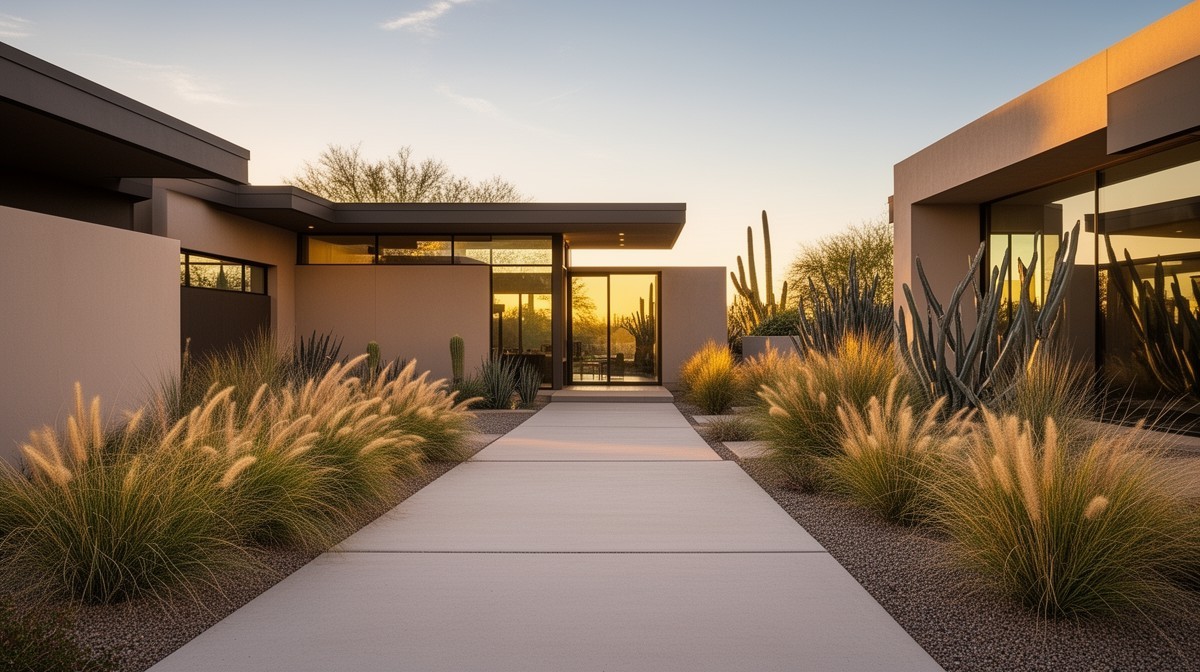
4 Modern Garden Ideas for Peoria, AZ | Clean-Line Sonoran Desert Landscape Design in Zone 9b
Native plants from the Sonoran desert (Zone 9b) — Hot desert climate
Why Modern/Minimalist Gardens in Peoria?
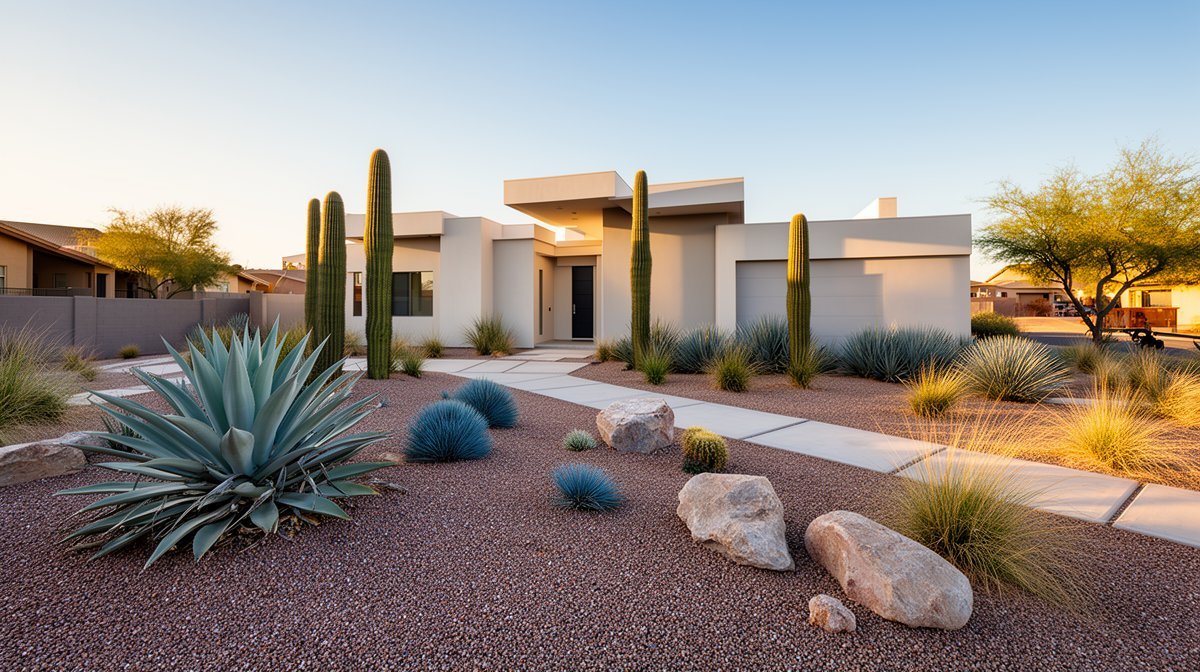
Modern landscaping isn't an import in Peoria — it's the native dialect. The flat-roof, parapet-and-stucco contemporary homes filling Vistancia and Blackstone, the crisp 2000s builds in Fletcher Heights, and the low-slung mid-century ranches scattered around Old Town Peoria all give you the horizontal lines modern design needs, and the Sonoran plant palette supplies the geometry for free. Where a Midwest designer has to buy sculpture, you plant it: Agave ovatifolia 'Frosty Blue' throws a three-foot silver rosette, Yucca rostrata 'Sapphire Skies' reads as a blue starburst on a trunk, Dasylirion wheeleri makes a perfect sphere of spines, and Hesperaloe parviflora 'Brakelights' fires red spikes from April into October. Set those against Madison Gold decomposed granite and broom-finished concrete and the design is essentially finished.
The climate sets hard rules. Peoria is USDA Zone 9b with roughly 8 inches of annual rain, 110 days above 100°F, and two to four weeks a year over 110°F — but the number that actually kills plants is reflected heat. A west-facing stucco wall backed by gravel can hit 150°F surface temperature at 5 p.m. in July, and that microclimate incinerates Buxus, photinia, and Nassella tenuissima within one season. What shrugs it off: Leucophyllum frutescens 'Green Cloud' and Leucophyllum candidum 'Silver Cloud', Dalea greggii, Muhlenbergia rigens, Eremophila hygrophana 'Blue Bells', and Agave weberi. Soil pH runs 7.9–8.3, so anything not desert-adapted yellows into iron chlorosis by the second summer — chelated iron in EDDHA form is the only correction that works at that pH.
Two local realities decide whether the install lasts. First, caliche — a cemented calcium-carbonate hardpan sitting anywhere from 8 inches to 3 feet down across most of northwest Peoria. Dig a hole, fill it with water, and if it's still standing 24 hours later you have a bathtub, not a planting pit — the fix is punching a drainage chimney clear through the layer with a San Angelo bar, a rented jackhammer, or a 4-inch auger, then backfilling it with pea gravel. Second, monsoon microbursts between mid-July and late September routinely push 60–80 mph downdrafts through the Valley and lay over exactly the trees that were shallow-watered and over-canopied; a Parkinsonia 'Desert Museum' watered daily at the trunk builds a root plate that behaves like a hinge. Design around both and a modern Peoria landscape becomes almost self-running: drip irrigation twice a week in summer, one late-February cutback on the grasses, and hardscape that never freezes, never heaves, and never needs mowing.
4 Modern/Minimalist Design Ideas for Peoria
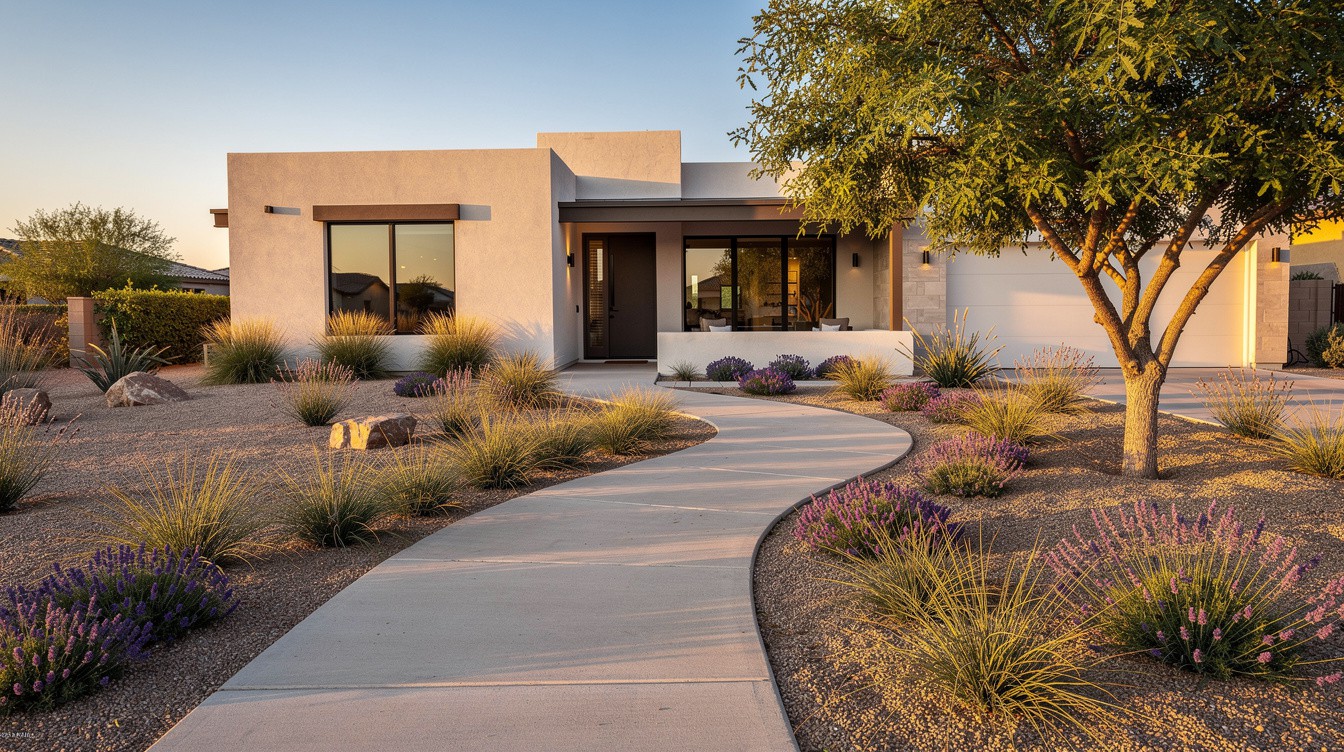
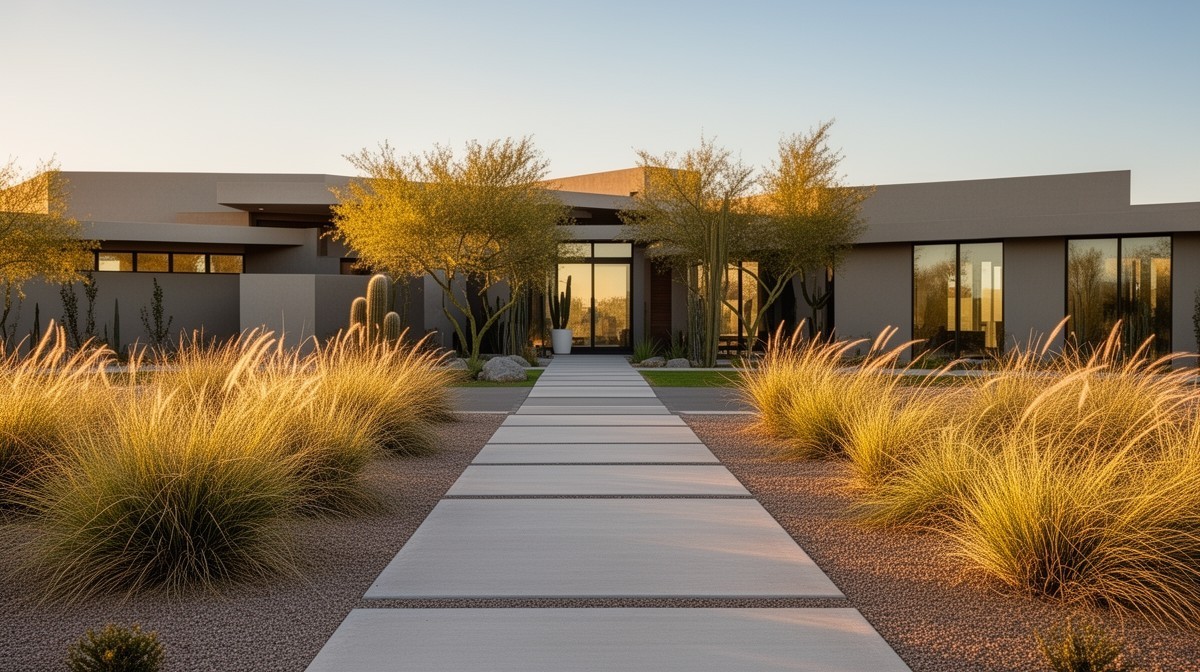
The Sweeping Walk Entry
$9–16/sqftA broom-finished concrete walkway curves in a long S from the street to a recessed dark-bronze front door, and the entire yard is organized around that one gesture. Feathery mounds of deergrass and burgundy fountain grass repeat down both edges at roughly six-foot intervals, interrupted by drifts of purple-spiked lavender and Mexican bush sage that catch low sun. A multi-trunk mesquite on the right throws filtered late-afternoon shade across the west elevation — the single most valuable thing you can do for a Peoria front room and its AC bill. Low stucco parapet walls hide the foundation line, and two placed granite boulders keep the gravel field from reading as a parking lot.
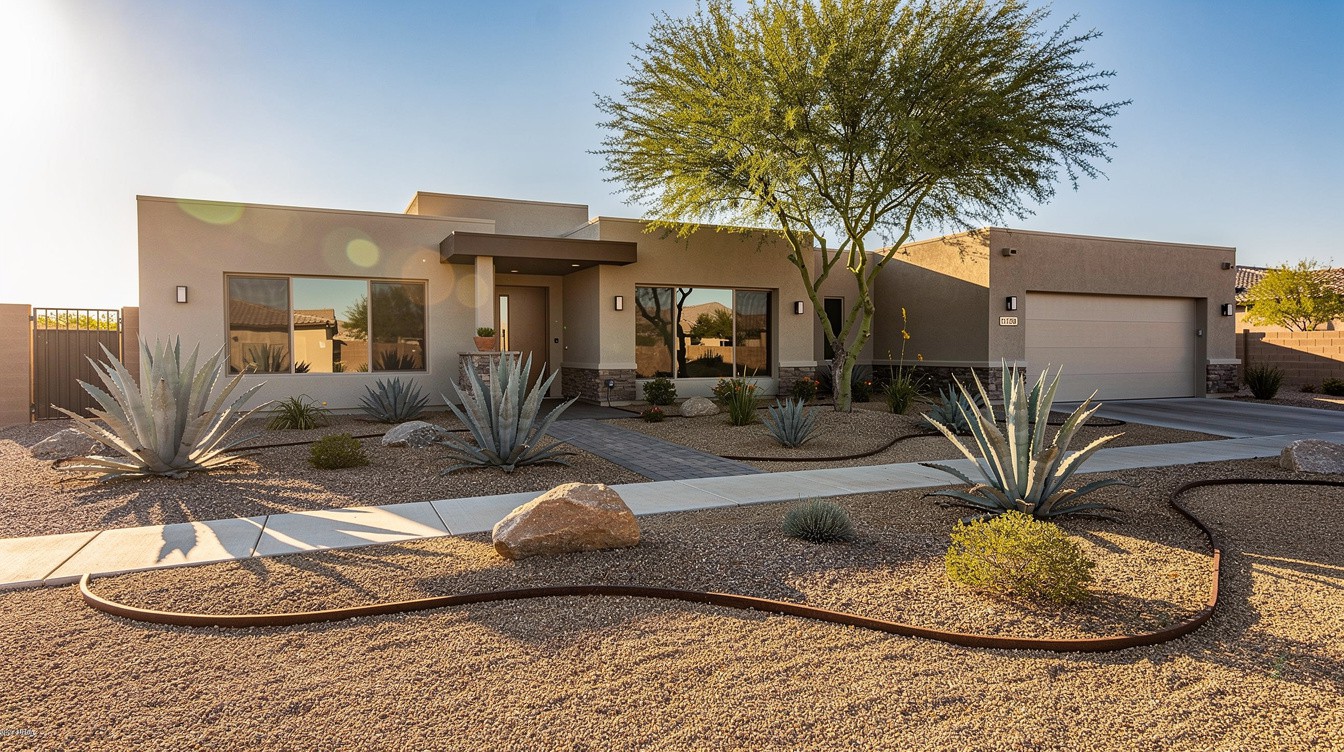
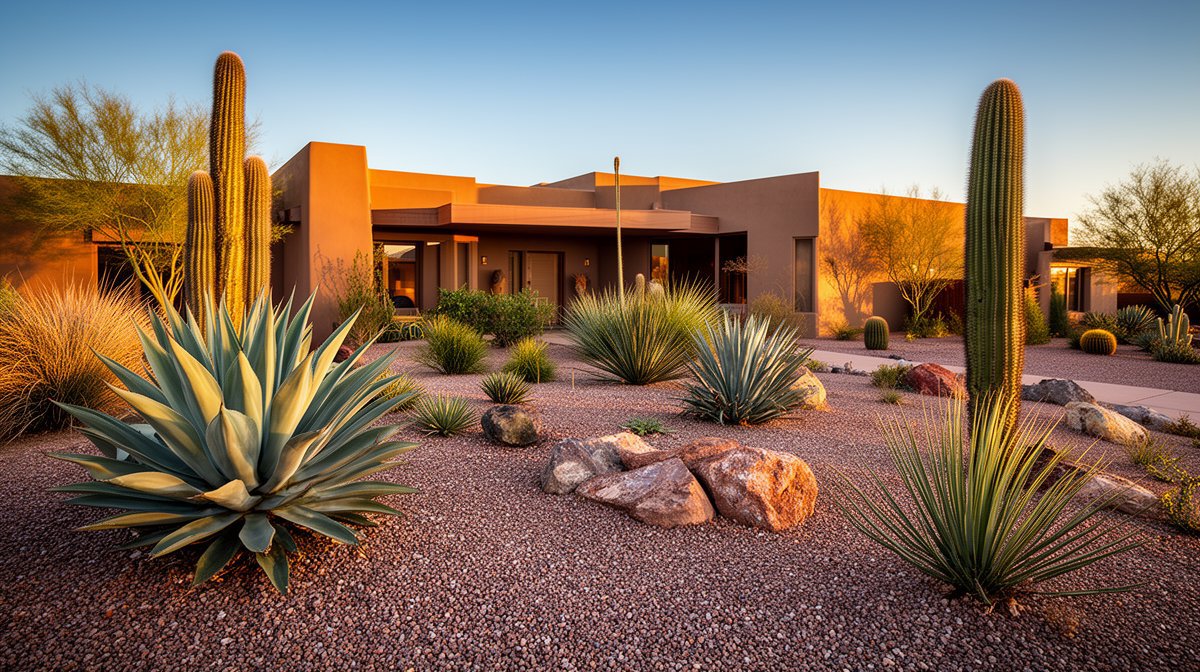
The Agave Gallery Front Yard
$6–12/sqftZero turf, zero fuss: a two-tone gravel field with a single ribbon of rusted steel edging tracing a long lazy curve across the whole frontage, and specimen agaves placed like objects in a gallery rather than massed like a hedge. Three big blue rosettes anchor the composition at unequal spacing, a thornless 'Desert Museum' palo verde arcs over the entry with its green trunk lit by the low sun, and everything else stays under knee height so the home's stone-veneer wainscot and roofline do the talking. The restraint is the design — and it's the cheapest square footage in landscaping, because gravel and eight specimen plants cost a fraction of what irrigated planting beds do.
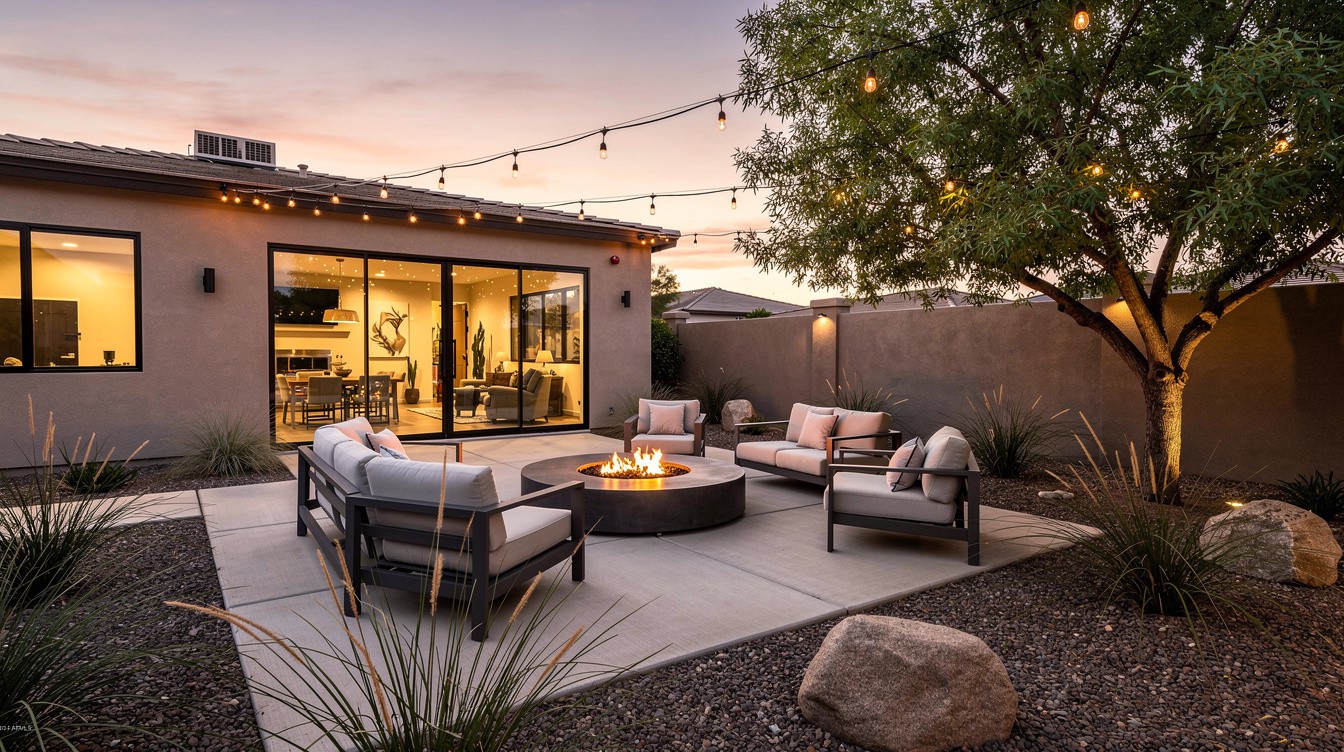
The Concrete-Pad Fire Courtyard
$18–32/sqftA side-yard-scale rear courtyard turned into the best room in the house. Large sandblasted concrete pads float with open gravel joints between them, holding four low black-framed lounge chairs around a 48-inch round concrete gas fire bowl. Commercial-grade string lights sweep from the fascia to the block wall, a velvet mesquite in the corner is uplit from below, and the pad edges dissolve into deergrass, bamboo muhly, and river cobble instead of a hard border. This is the design for the 1,200-square-foot Peoria backyard: one material, one focal point, one planting texture, usable from October through May and after 8 p.m. all summer.
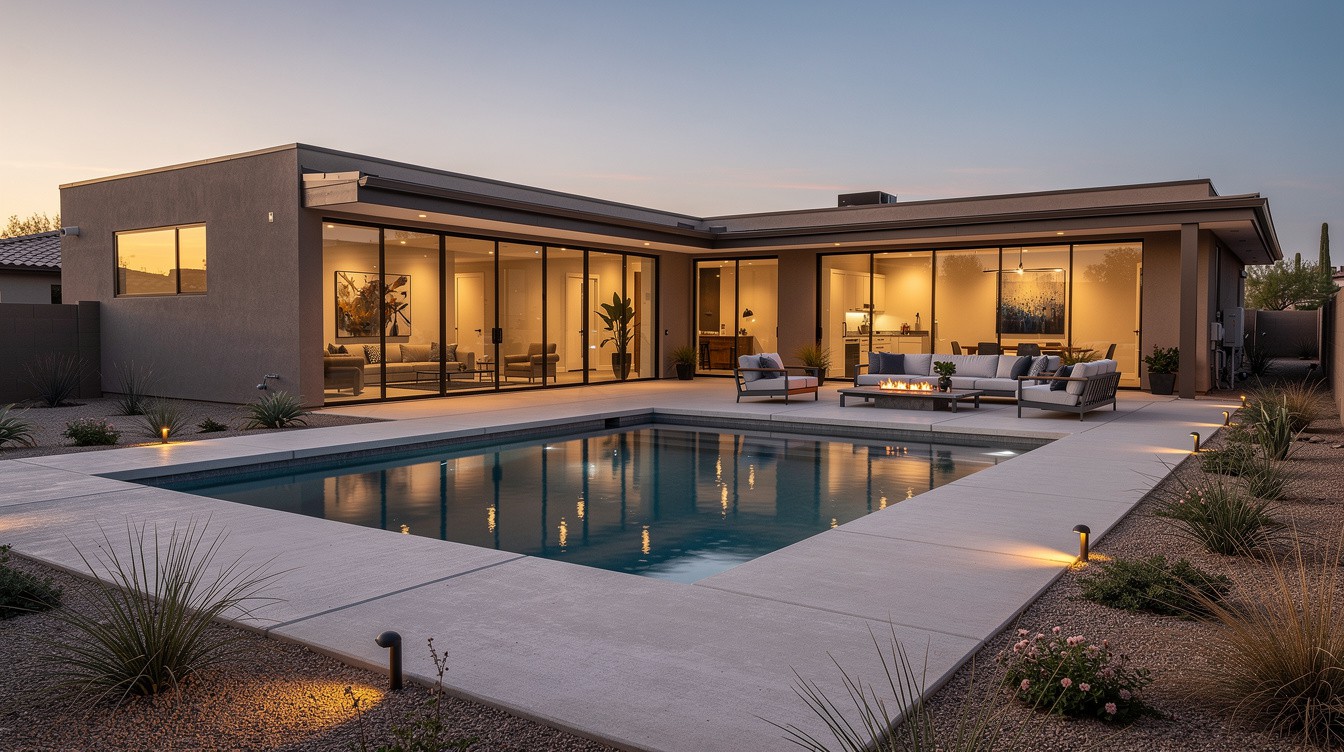
The Glass-Wall Pool Deck
$45–85/sqft (pool area inclusive)An L-shaped home with floor-to-ceiling black-framed sliders wrapping two sides of a rectangular pool, the water set flush into a wide, uninterrupted broom-finished concrete deck with no coping ledge to break the plane. A low linear gas fire table sits directly on the deck instead of a built-in surround, LED bollards wash the perimeter, and the landscape works entirely at the edges — blue-leaved yuccas and grass clumps in gravel beds throwing long shadows at dusk. The pale deck bounces a lot of heat, so shade sails or a ramada over the seating zone is a July necessity, not an upgrade.
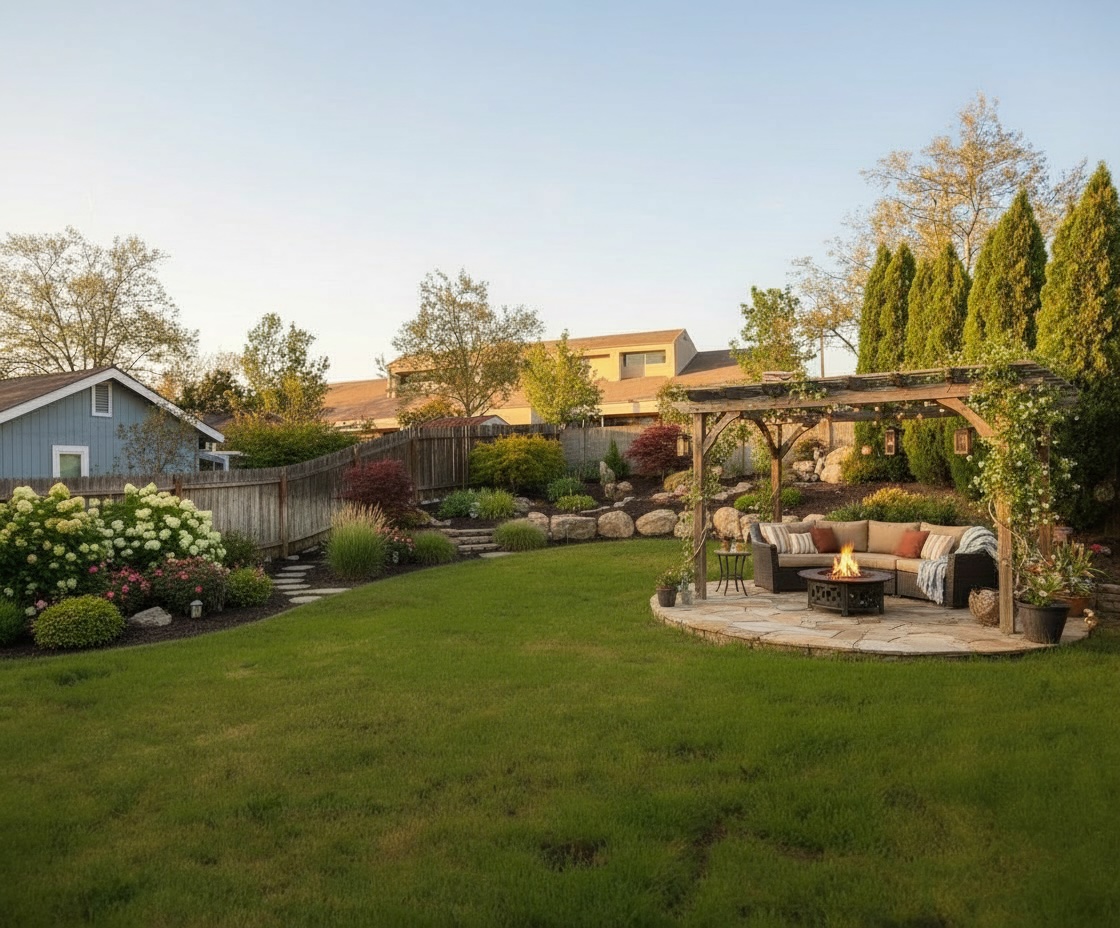
See how a modern/minimalist garden looks on YOUR property
Upload a photo of your Peoria yard and visualize your dream garden in seconds.
Try ProScapeAI Free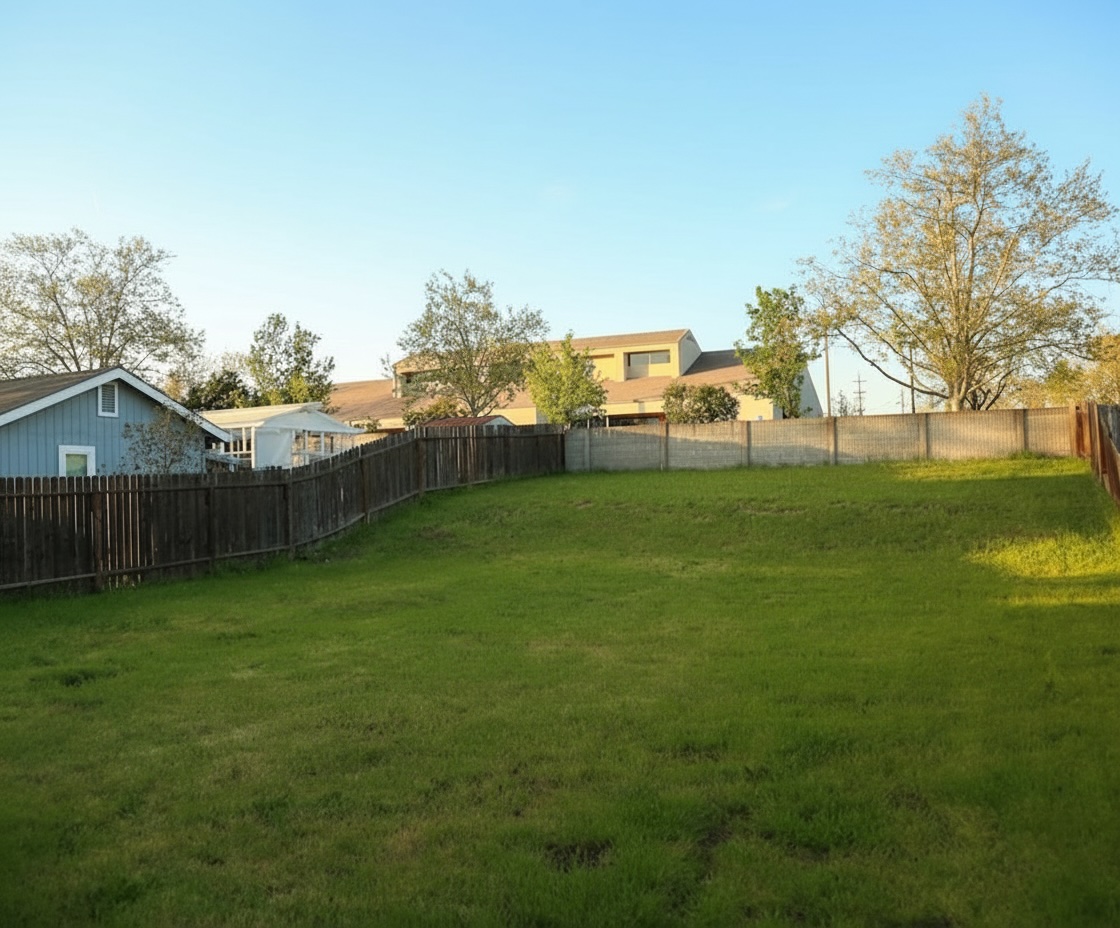
Featured Trees & Shrubs for Modern/Minimalist Gardens
Browse all 185 plants for Peoria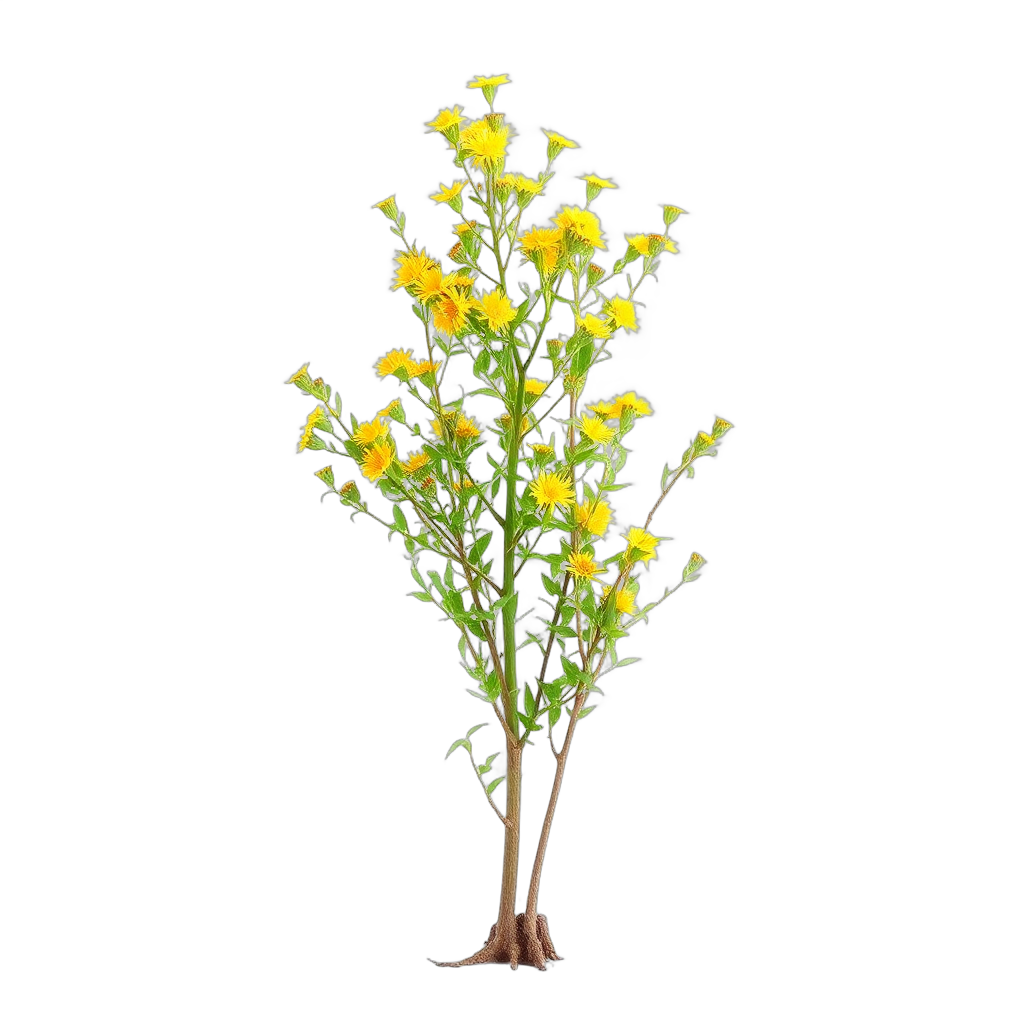
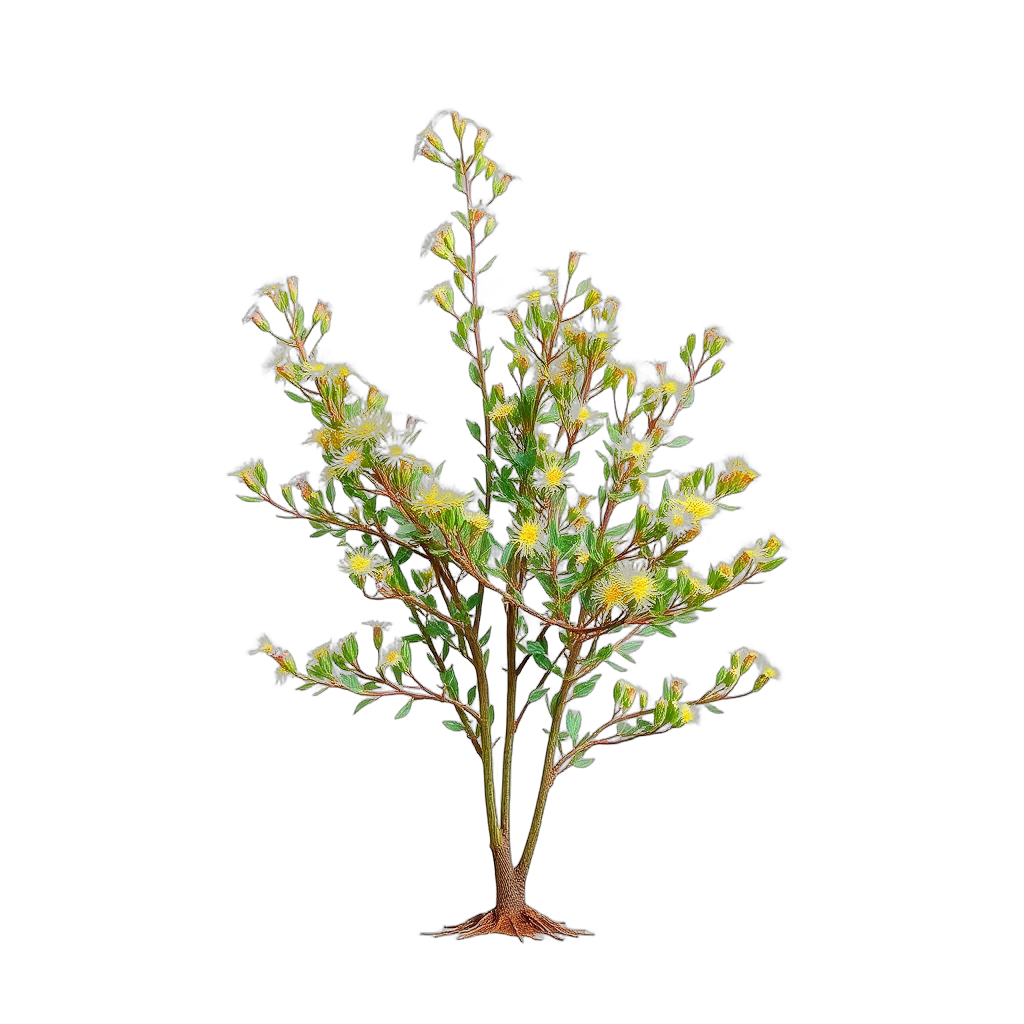
Brittlebush
Enca farinosa
grows to 3 feet, yellow blooms in spring. Attracts butterflies.
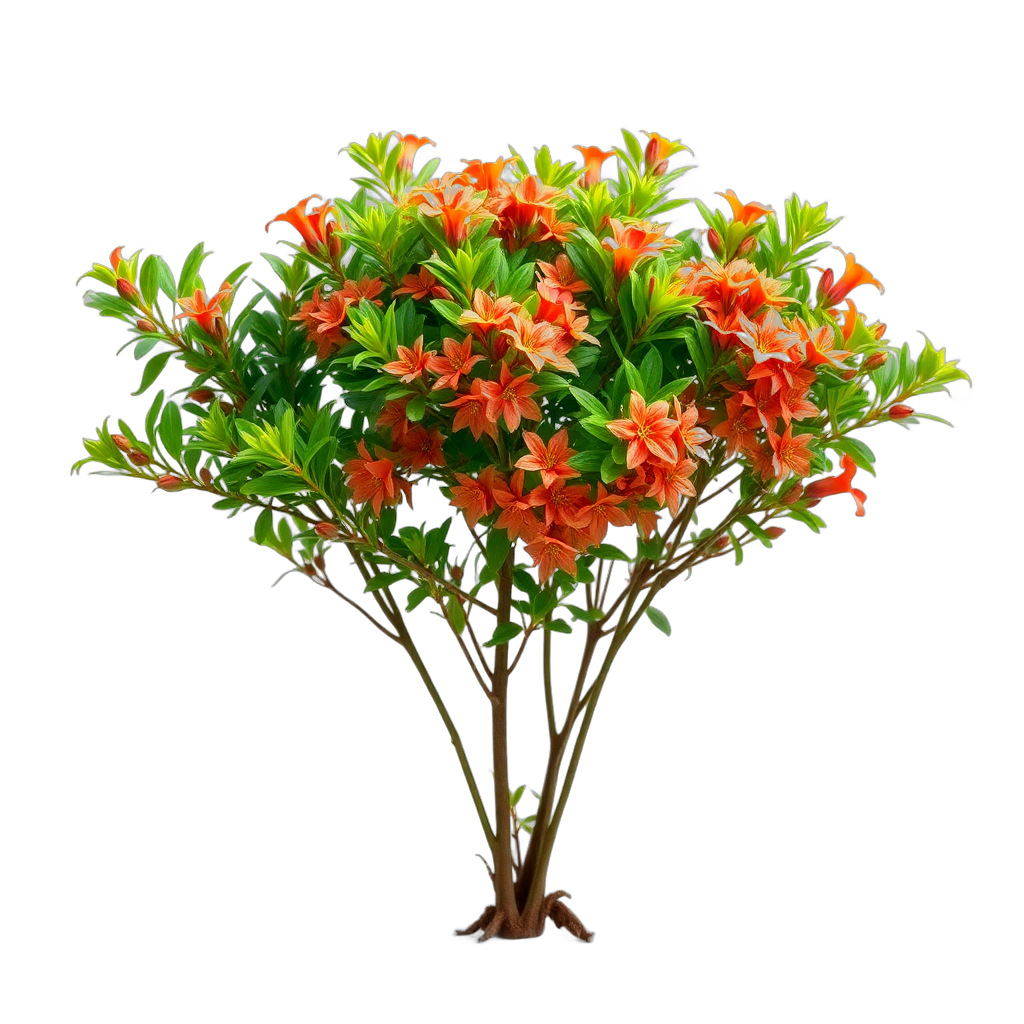
Catclaw Acacia
Acacia greggii
medium-sized at 15 feet, yellow blooms in spring. Pollinator-friendly.
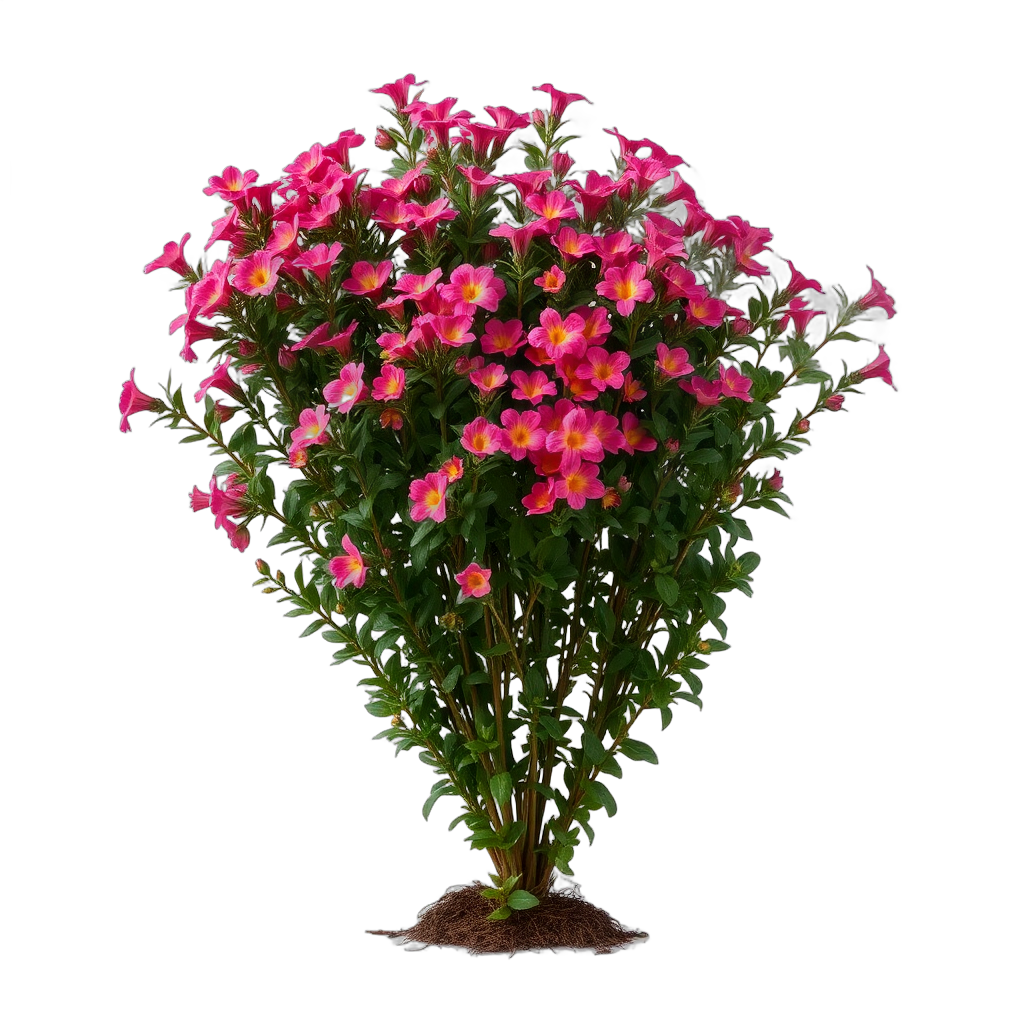
Chuparosa
Justicia californica
grows to 5 feet, red blooms in spring. Attracts hummingbirds.
Cliffrose
Purshia mexicana
medium-sized at 8 feet, yellow blooms in spring. Attracts butterflies.
Featured Grasses & Groundcovers for Modern/Minimalist Gardens
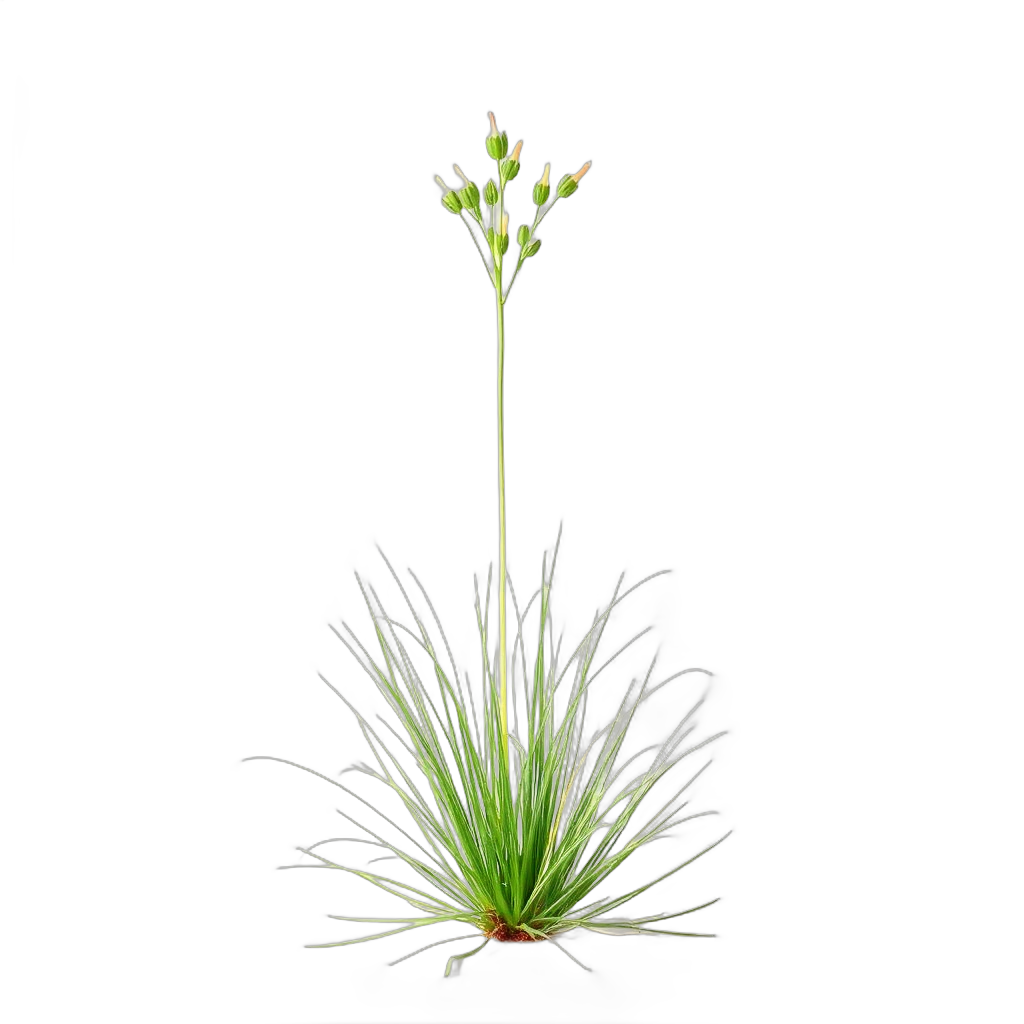
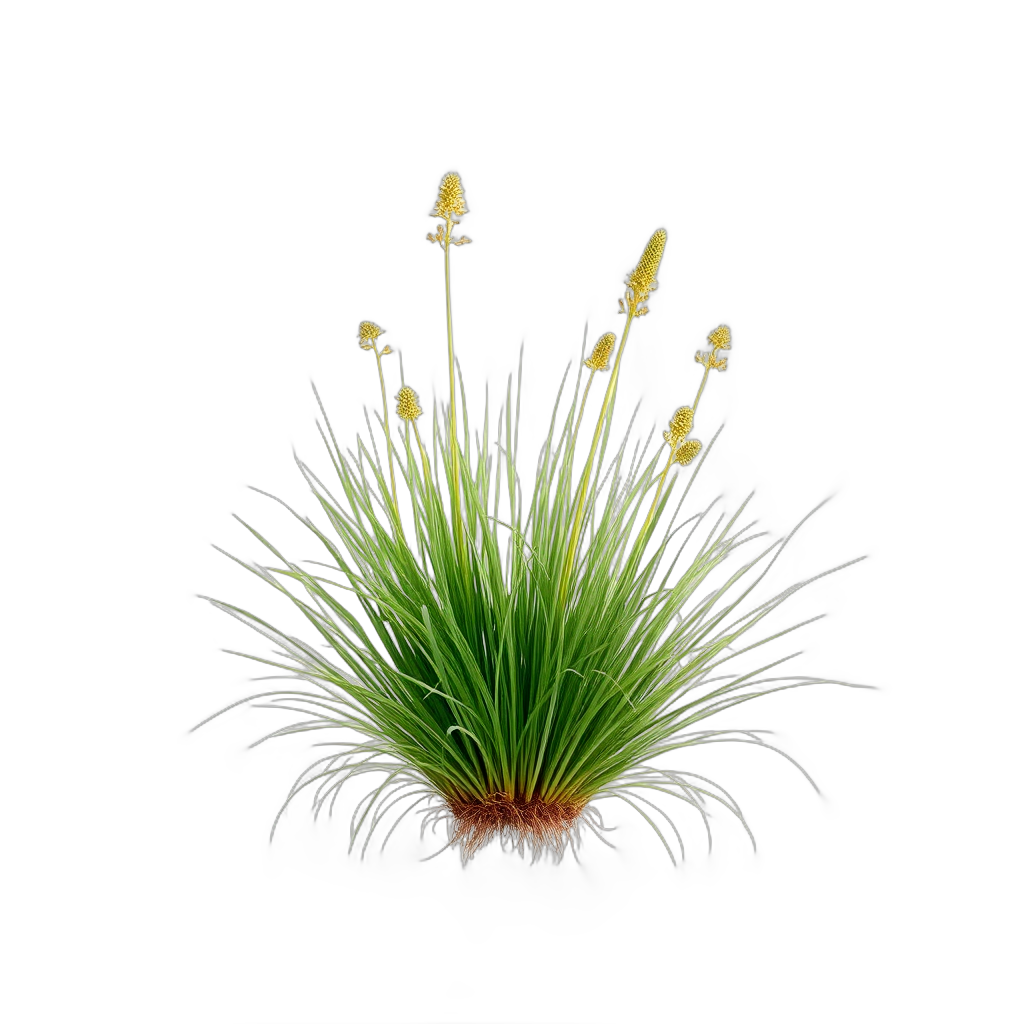
Alkali Sacaton
Sporobolus airoides
grows to 3 feet, blooms in summer. Yellow fall color.
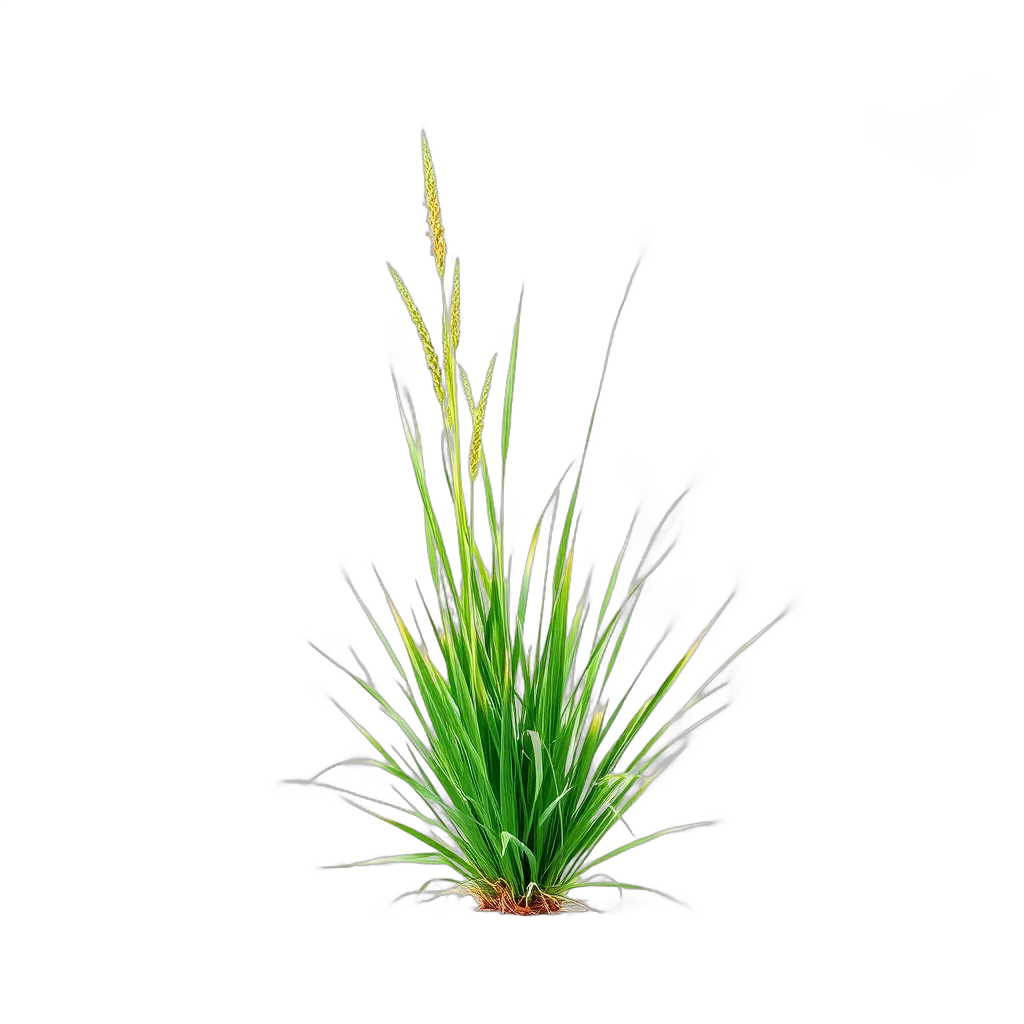
Big Sacaton
Sporobolus wrightii
grows to 5 feet, blooms in summer. Yellow fall color.
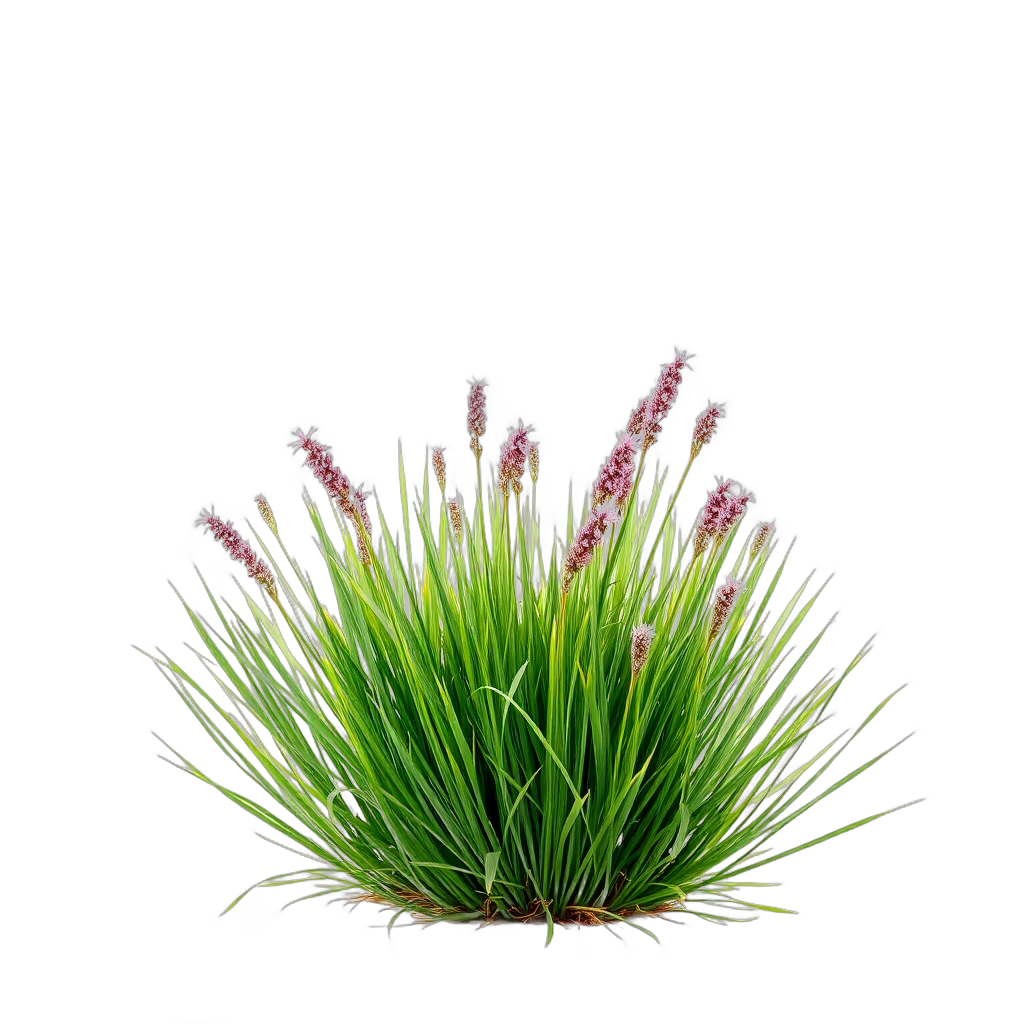
Bull Grass
Muhlenbergia emersleyi
grows to 4 feet, purple blooms in fall. Yellow fall color.
Purple Three-Awn
Aristida purpurea
low-growing ground cover, purple blooms in fall. Yellow fall color.
Featured Flowers & Perennials for Modern/Minimalist Gardens
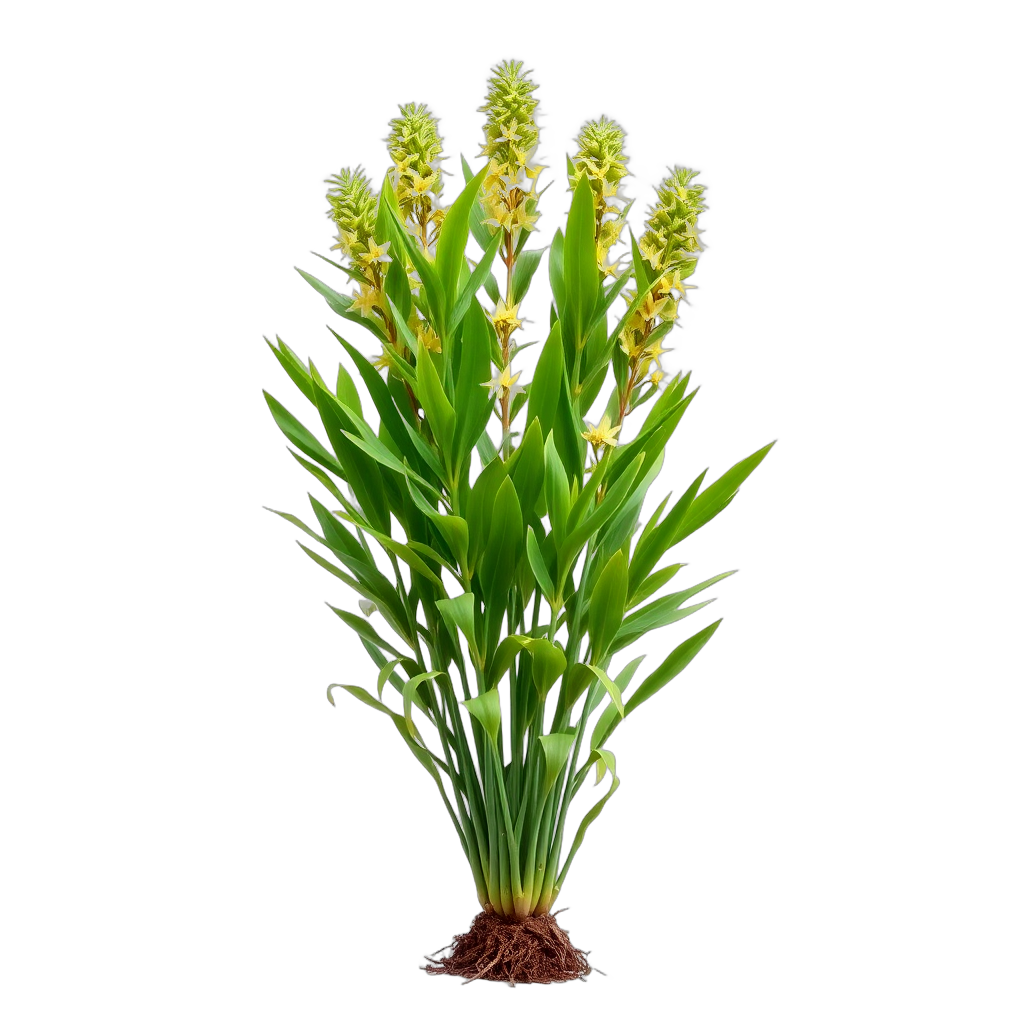
Banana Yucca
Yucca baccata
low-growing ground cover, white blooms in spring. Attracts hummingbirds.
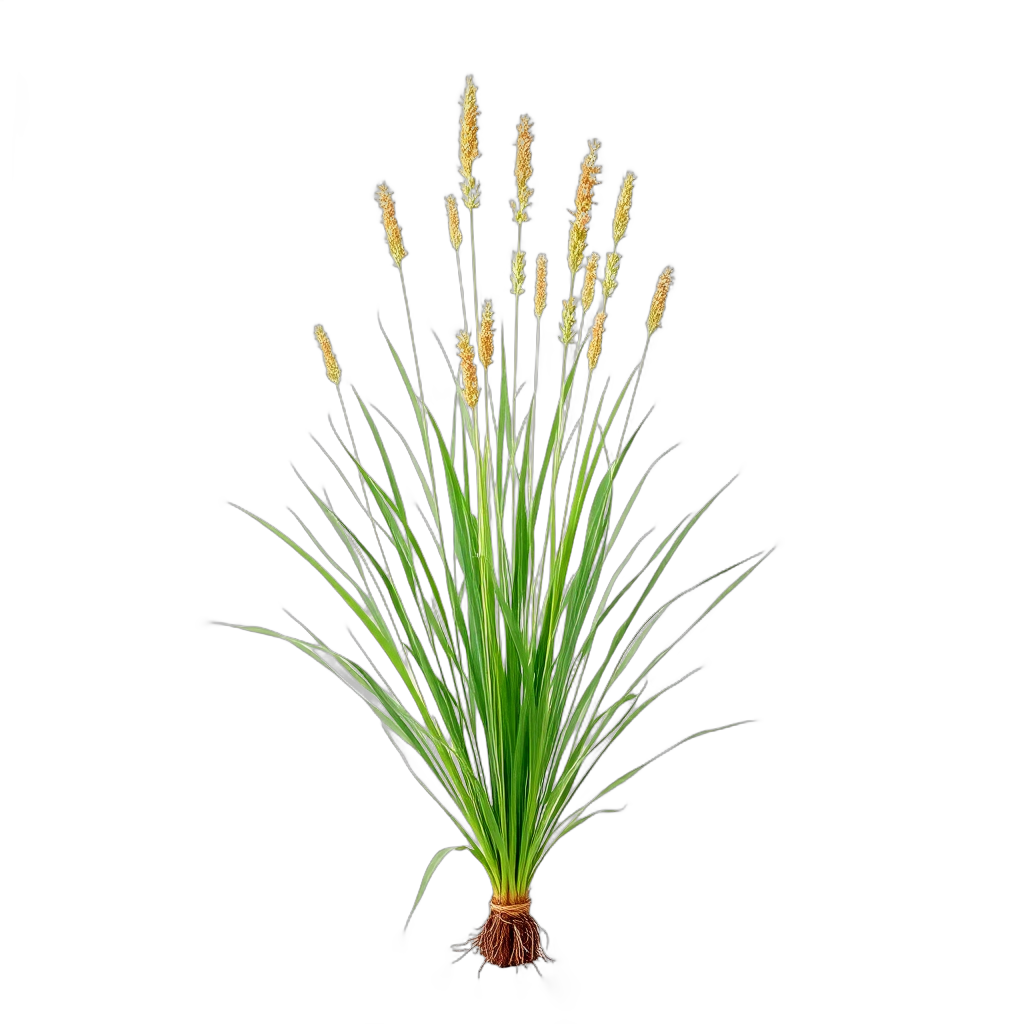
Beargrass
Nolina microcarpa
low-growing ground cover, white blooms in summer. Evergreen year-round.
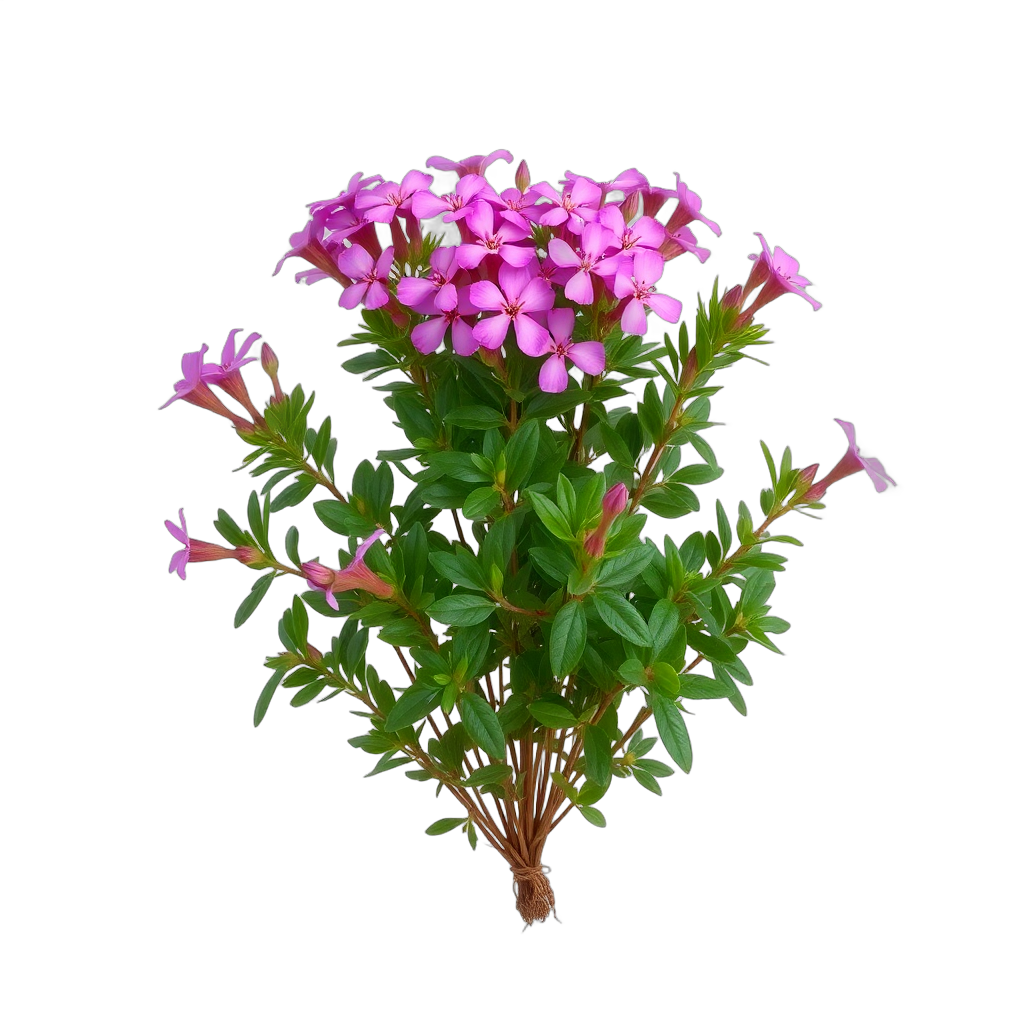
Desert Phlox
Phlox austromontana
low-growing ground cover, pink blooms in spring. Attracts hummingbirds.
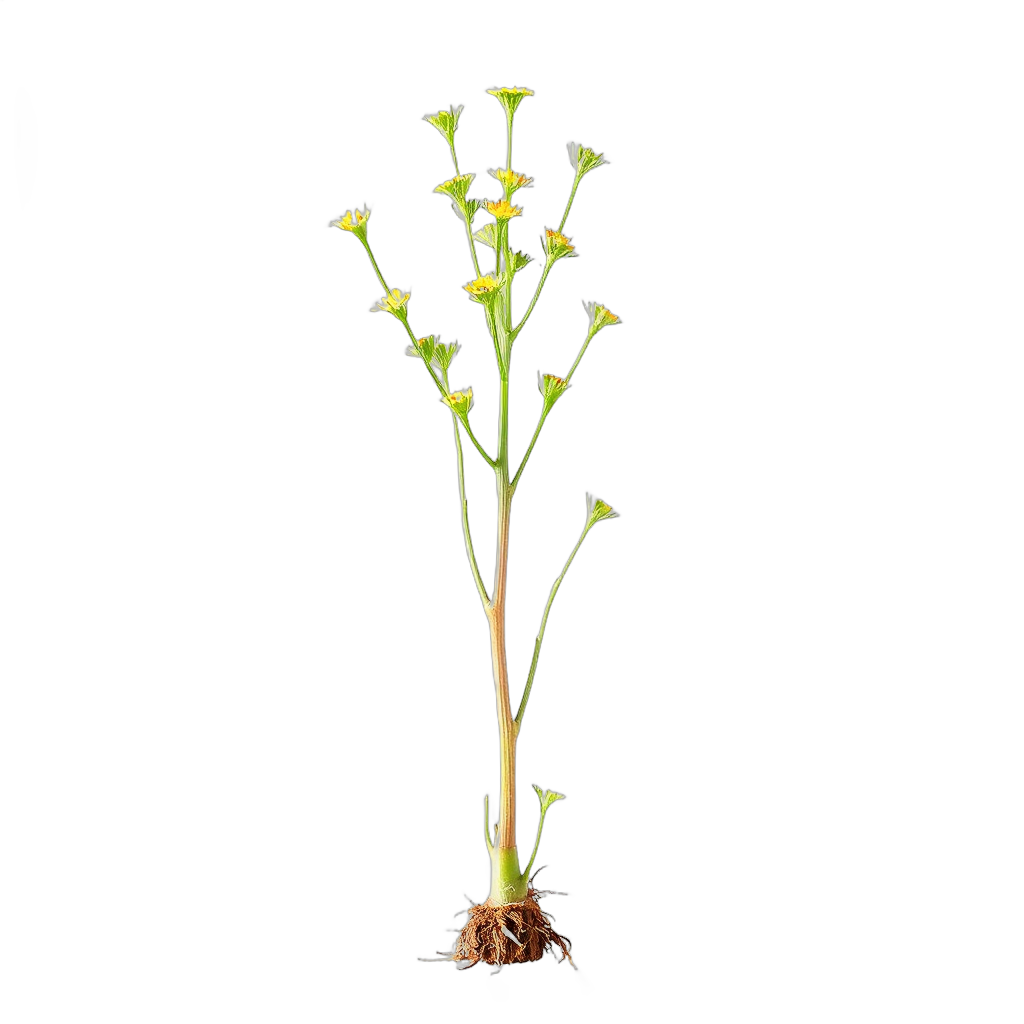
Desert Spoon
Dasylirion wheeleri
grows to 4 feet, white blooms in summer. Evergreen year-round.
Bloom Calendar for Peoria
spring
Banana Yucca, Desert Phlox, Brittlebushsummer
Beargrass, Desert Spoon, Alkali Sacatonfall
Bull Grass, Purple Three-Awnwinter
Limited bloomsDesign Tips for Peoria (Zone 9b)
- Punch a drainage chimney through caliche with a San Angelo bar or 4-inch auger before every tree and agave goes in — an unbreached hole is a bathtub, and it is the number one reason Agave ovatifolia 'Frosty Blue' and Yucca rostrata 'Sapphire Skies' rot out in their second Peoria summer
- Buy shade before you buy hardscape: one 36-inch box Parkinsonia 'Desert Museum' placed off the southwest corner does more for a modern Peoria yard — and its cooling bill — than another 200 sqft of concrete
- Use three specimen plants where a coastal designer would use thirty — Agave ovatifolia, Dasylirion wheeleri, and Yucca rostrata each hold their own against a blank stucco wall, and the gravel between them is a design element, not a gap to fill
- Never run emitters at the trunk; set them at the dripline and move them outward every year, then thin Prosopis velutina and Parkinsonia canopies about 20% in June so July microbursts blow through instead of over
- Grade the whole gravel field to fall away from the foundation at 2% and cut a shallow cobble swale for the roof runoff — a single monsoon cell can drop an inch in 40 minutes and will float 1/2-inch granite across a flat yard into the street
- Light low and light the plants: two uplights under a mesquite and grazing light across Muhlenbergia rigens gives you the evening drama, while Peoria's dark-sky-minded HOAs will flag anything that spills upward off the property
Where to Source Plants in Peoria
Skip the big-box stores. These independent Peoria nurseries specialize in the plants that make modern/minimalist gardens thrive in Zone 9b.
Elgin Nursery & Tree Farm
West Phoenix (McDowell Road)
Retail and wholesale tree and plant nursery specializing in locally grown desert-adapted trees and shrubs.
Berridge Nurseries
Camelback East, Phoenix
Valley institution since 1938 with the largest rose selection in the Phoenix area plus cacti and succulents.
Modern/Minimalist Landscaping Costs in Peoria
| Project Scope | Estimated Cost |
|---|---|
| Front yard modern conversion (turf removal + granite + steel edging + specimen plants) | $6,000 – $13,000 |
| Decomposed granite supplied and spread at 2-inch depth | $1.50 – $3.00/sqft |
| Concrete-pad courtyard with gas fire bowl and lighting (300–500 sqft) | $14,000 – $30,000 |
| Drip irrigation system, front and back, with smart controller | $2,500 – $5,500 |
| Pool deck + full modern backyard (Vistancia-scale lot) | $80,000 – $160,000 |
| AI visualization with ProScapeAI | Free to start |
Estimates based on Peoria, AZ-area contractor rates as of 2026. Actual costs vary by site conditions, materials, and contractor.
Peoria Climate & Growing Zone
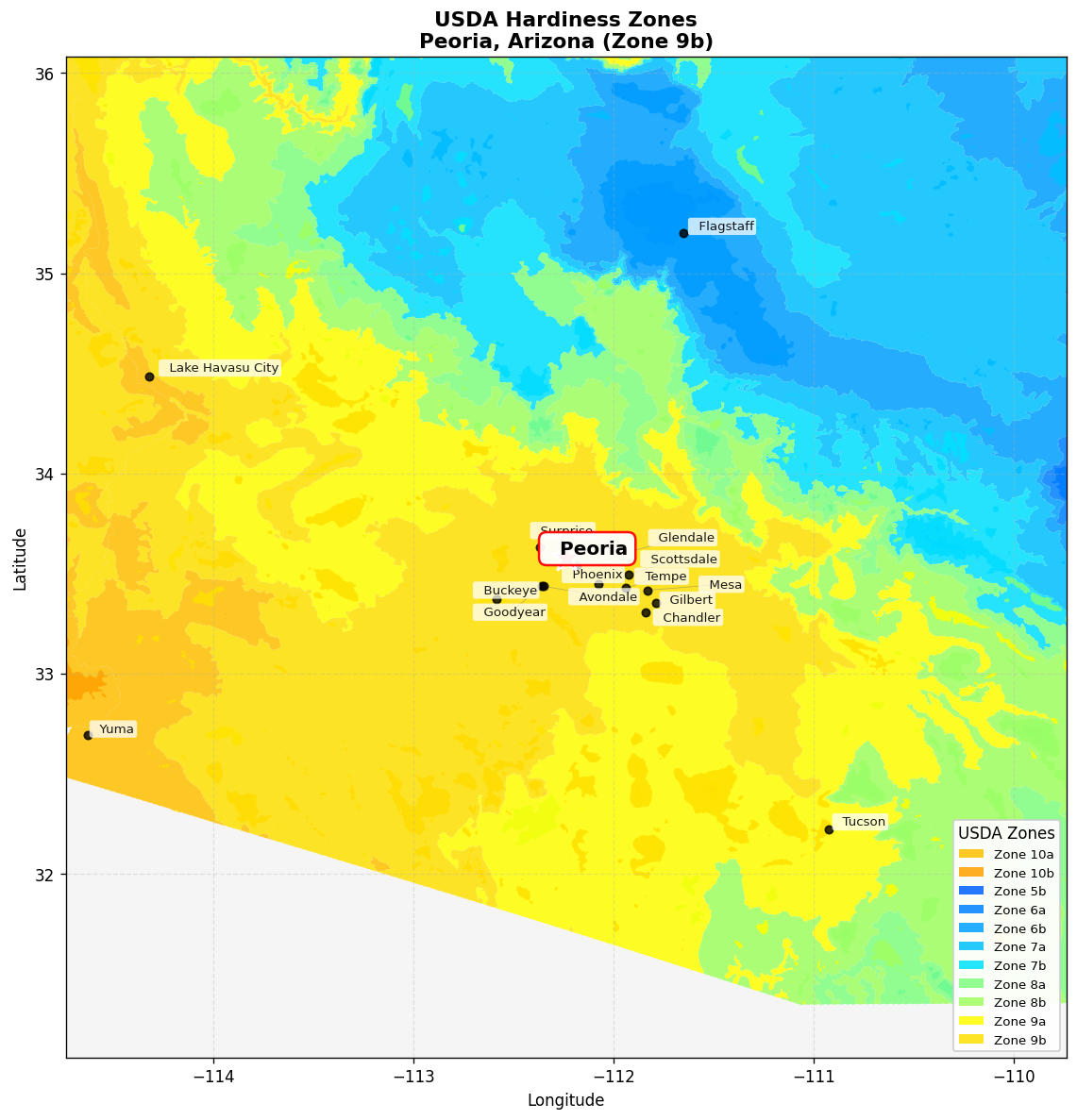
USDA Zone 9b
Hardiness zone for Peoria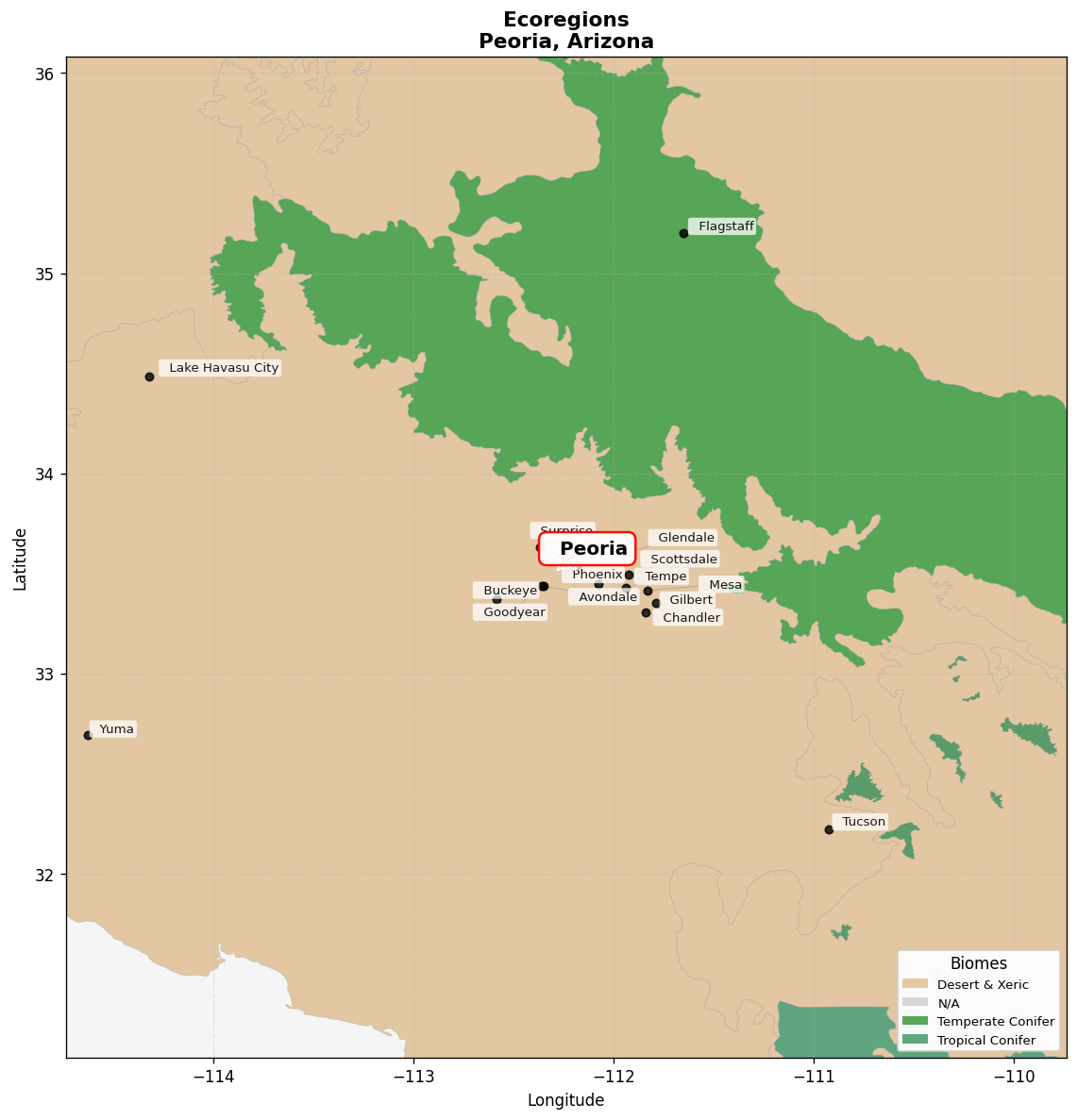
Sonoran desert
Native ecoregionFrequently Asked Questions
How much does modern landscaping cost in Peoria, AZ?
Phoenix-metro landscape labor runs roughly $45–65/hour, below coastal metro rates, which makes modern design attainable here. A full front-yard conversion — turf removal, grading, drip, decomposed granite, steel edging, and a dozen specimen plants like Agave ovatifolia 'Frosty Blue' and Dasylirion wheeleri — lands at $6,000–13,000 for a typical 900 sqft Peoria frontage. A concrete-pad courtyard with a gas fire bowl and lighting runs $14,000–30,000. Pool-inclusive backyards in Vistancia commonly land between $80,000 and $160,000. A 36-inch box Parkinsonia 'Desert Museum' installed is $900–1,800; a 24-inch box is $350–650.
What is caliche and how do I dig through it?
Caliche is a cemented calcium-carbonate hardpan, and across northwest Peoria it typically sits 8 inches to 3 feet below grade in layers from a few inches to several feet thick. It is functionally waterproof, so a hole dug into it becomes a bathtub that drowns roots. Test it: fill your planting hole with water and check in 24 hours — if water remains, you have caliche. Breach it with a San Angelo (caliche) bar, a rented electric jackhammer with a spade bit, or a 4-inch auger, punching one or two drainage chimneys clear through the layer and backfilling them with 3/8-inch pea gravel. Where the pan is too thick to breach, plant on an 18–24 inch bermed mound instead — that's why Agave ovatifolia and Hesperaloe 'Brakelights' survive on berms and rot at grade.
Which plants actually survive reflected heat off a west-facing wall?
Stucco plus gravel on a west exposure creates surface temperatures near 150°F on July afternoons, and it is a different climate than six feet away. Proven performers in that band: Leucophyllum candidum 'Silver Cloud', Leucophyllum zygophyllum 'Cimarron', Hesperaloe parviflora 'Brakelights', Dasylirion wheeleri, Agave weberi, Opuntia santa-rita, Dalea greggii, and Muhlenbergia rigens. Avoid Buxus, photinia, Indian hawthorn, and Nassella tenuissima there — all scorch in one season. Also avoid placing Agave 'Blue Glow' or Agave victoriae-reginae against west stucco; they prefer the filtered shade under a Parkinsonia 'Desert Museum' canopy.
Why do desert trees blow over during monsoon season?
Microbursts between mid-July and late September push 60–80 mph downdrafts through the Valley, and the trees that fail are almost always the over-watered, over-canopied ones. Frequent shallow irrigation — daily emitters sitting at the trunk — builds a shallow root plate that acts as a hinge. Fix it three ways: water deeply and infrequently so moisture reaches 2–3 feet, relocate emitters out to the dripline and move them further out every year as the canopy grows, and thin (never top or lion-tail) Parkinsonia and Prosopis canopies by about 20% before July so wind passes through. Stake new trees for one growing season only; leaving stakes on for years guarantees a weak trunk.
Will my HOA in Vistancia or Westbrook Village approve a modern gravel yard?
Almost certainly yes — desert landscaping is what most Peoria HOA design guidelines were written around. Typical requirements: 1/2-inch screened decomposed granite at 2-inch minimum depth covering the majority of the front yard, plants drawn from the ADWR Low Water Use/Drought Tolerant Plant List for the Phoenix AMA, a minimum plant count and boulder count per square foot, and no exposed weed fabric. The two modern details that draw comments are large expanses of bare gravel with too few plants and non-standard gravel colors, so keep to Madison Gold, Apache Brown, or Table Mesa and meet the plant-count minimum. Submit an ARC application with a plan and plant list; allow 30–45 days for review before scheduling installers.
When should I install, and how often will I water?
October through March is the planting window — roots establish through mild winters and plants enter their first summer already anchored. Cactus and agaves are the exception and prefer April–May planting so their cut roots callus in warm soil. Avoid planting June through August entirely. Once established, drip runs roughly twice a week in summer and every 10–14 days in winter, with enough runtime to wet soil 1 foot deep for groundcovers, 2 feet for Leucophyllum and Hesperaloe, and 3 feet for Parkinsonia and Prosopis. Hardscape can be poured year-round; Peoria's frost depth is effectively zero, so a 4-inch compacted ABC base is all a concrete pad needs.