4 Modern Landscape Ideas for Raleigh, NC | Contemporary Design in Zone 7b
Native plants from the Appalachian Piedmont forests (Zone 7b) — Humid subtropical climate
Why Modern/Minimalist Gardens in Raleigh?
Raleigh has become one of the Southeast’s fastest-growing design markets, driven by a tech-sector demographic that demands rigorous, contemporary outdoor spaces. North Hills, Midtown, and the North Hills corridor have seen extensive new construction of contemporary homes with minimalist architecture that calls for landscape design at the same aesthetic level. The Research Triangle’s educated homeowner base is also more ecologically informed than most markets — native plant modern landscapes are in high demand, reflecting both the influence of NC State’s horticultural programs and growing awareness of the ecological benefit of native planting.
Raleigh’s climate gives modern landscape design a full four-season canvas to work with. Zone 7b delivers genuine winter (occasional snow, hard freezes to 5–10°F), a spectacular spring with native dogwood and redbud bloom, productive summer outdoor use, and a dramatic fall color display from native plants that peaks in October. This seasonal variation means modern landscapes here need to be designed for year-round interest in a way that Miami or Charlotte’s milder climates don’t require — and the design discipline this demands typically produces more sophisticated compositions.
The JC Raulston Arboretum at NC State, located in Raleigh, is a genuine design resource. Its 10-acre demonstration garden includes contemporary mixed borders, specimen tree plantings, and novel plant combinations evaluated specifically for Piedmont Zone 7b performance. For modern landscape designers in Raleigh, the Arboretum’s collections serve as a living catalog of plants proven to work in this climate — far more reliable than catalog descriptions or borrowed experience from other regions. The Arboretum’s annual plant sales also make unusual species available that no retail nursery carries.
4 Modern/Minimalist Design Ideas for Raleigh
AI-generated image
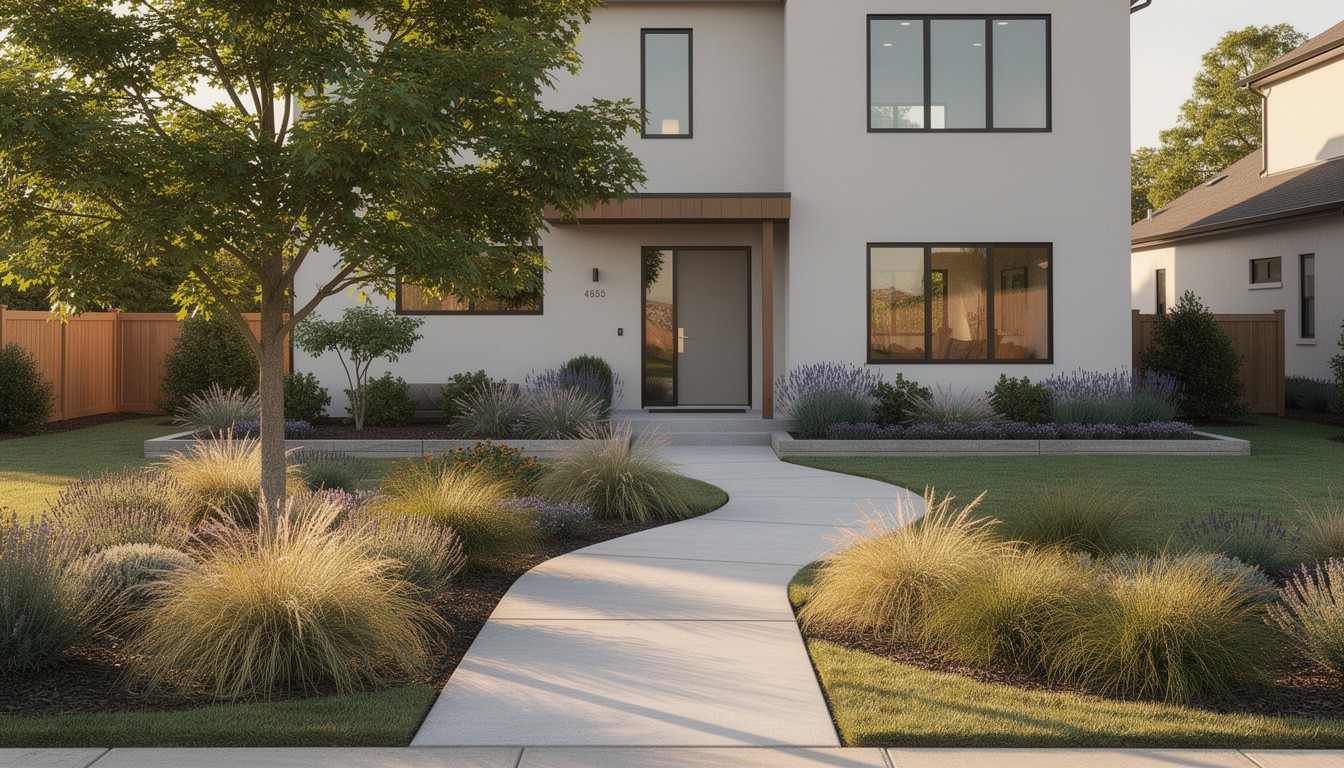
Curving Concrete Walkway with Ornamental Grass Borders
$12–26/sqftA gently curving concrete walkway leads from the street to a contemporary Raleigh home, flanked by sweeping masses of ornamental grasses — switchgrass and muhly grass — in steel-edged beds. A single mature shade tree provides canopy on one side, and the planting palette is deliberately restrained: silver-green grasses, warm concrete, dark mulch. The curving path adds interest to an otherwise flat front yard, and the graceful grass masses move in the breeze. This design is increasingly common on Raleigh’s newer contemporary homes in North Hills and Midtown — the landscape extending the architecture’s clean vocabulary to the property edge.
AI-generated image
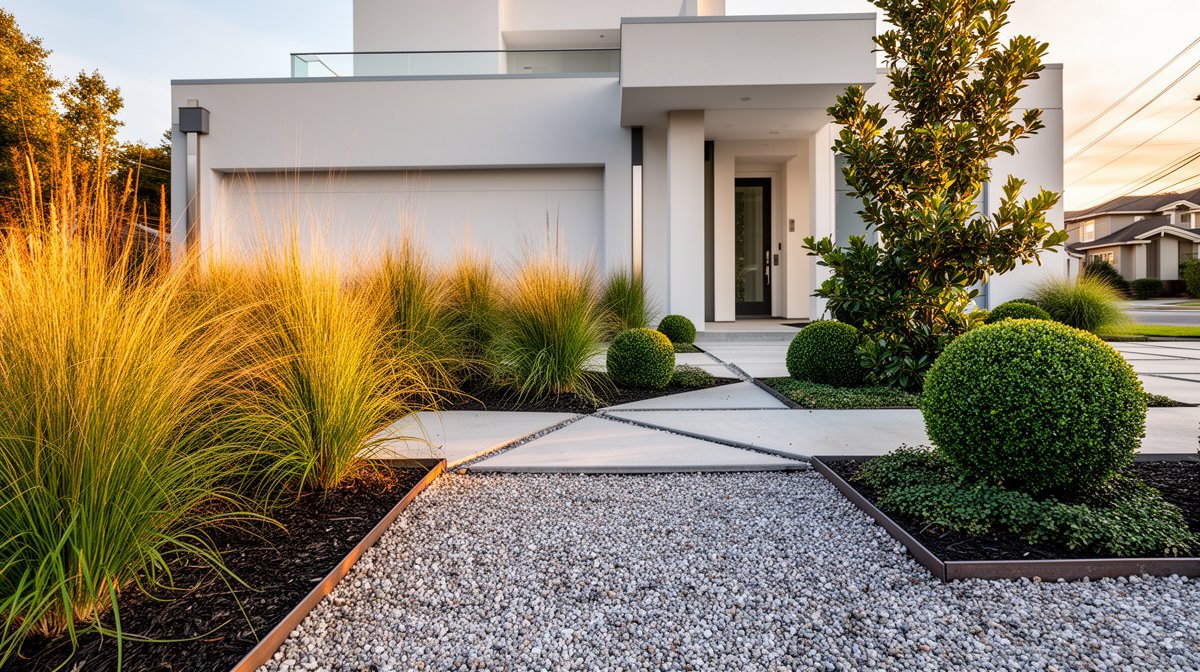
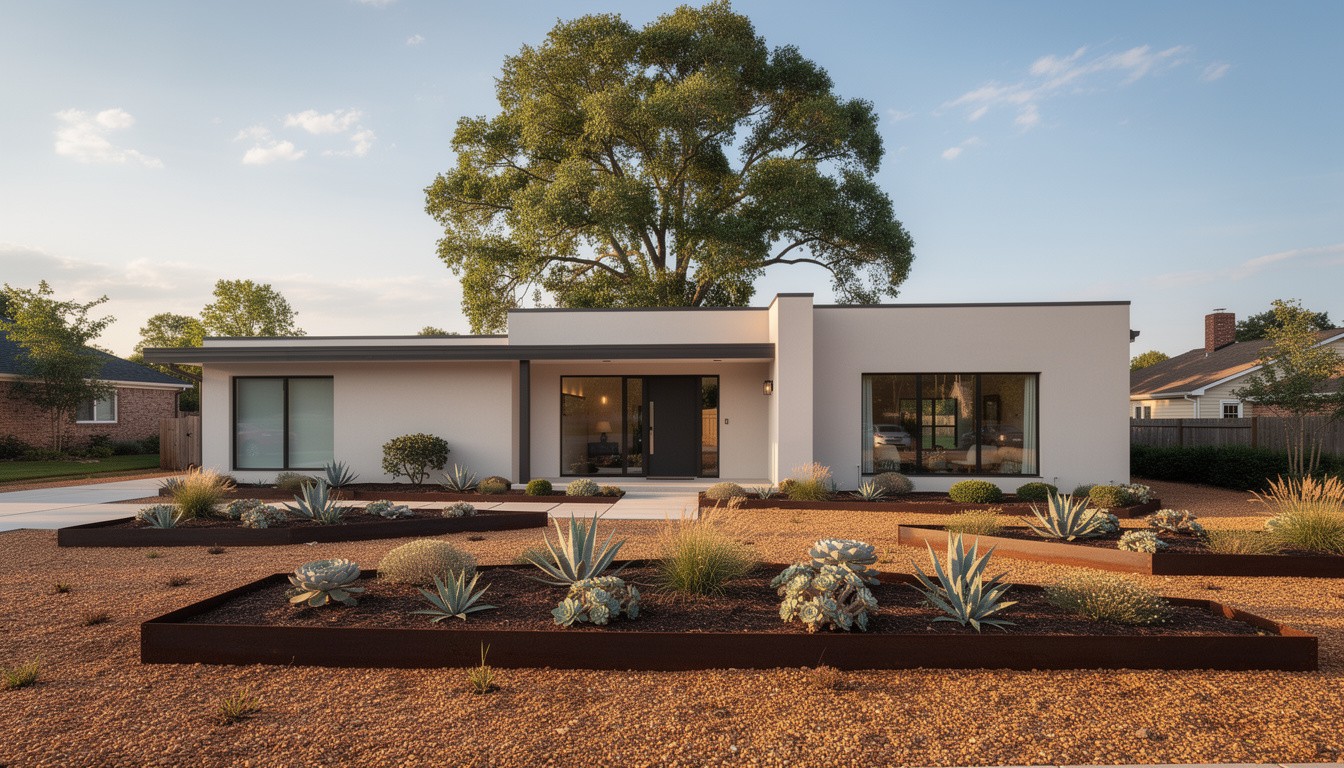
Steel-Edged Gravel Xeriscape with Agaves and Grasses
$10–20/sqftA gravel-mulched front yard with geometric steel-edged planting beds of agaves, ornamental grasses, and low drought-tolerant plants replaces traditional lawn on a white contemporary ranch home. Concrete stepping pads provide paths through the gravel, and each planting bed contains a single bold species. The design is a deliberate departure from Raleigh’s conventional lawn-and-foundation-shrubs approach — it reads as confident and modern, and it eliminates weekly mowing. The agave rosettes and steel edging against the clean white facade create a graphic composition with strong curb appeal.
AI-generated image
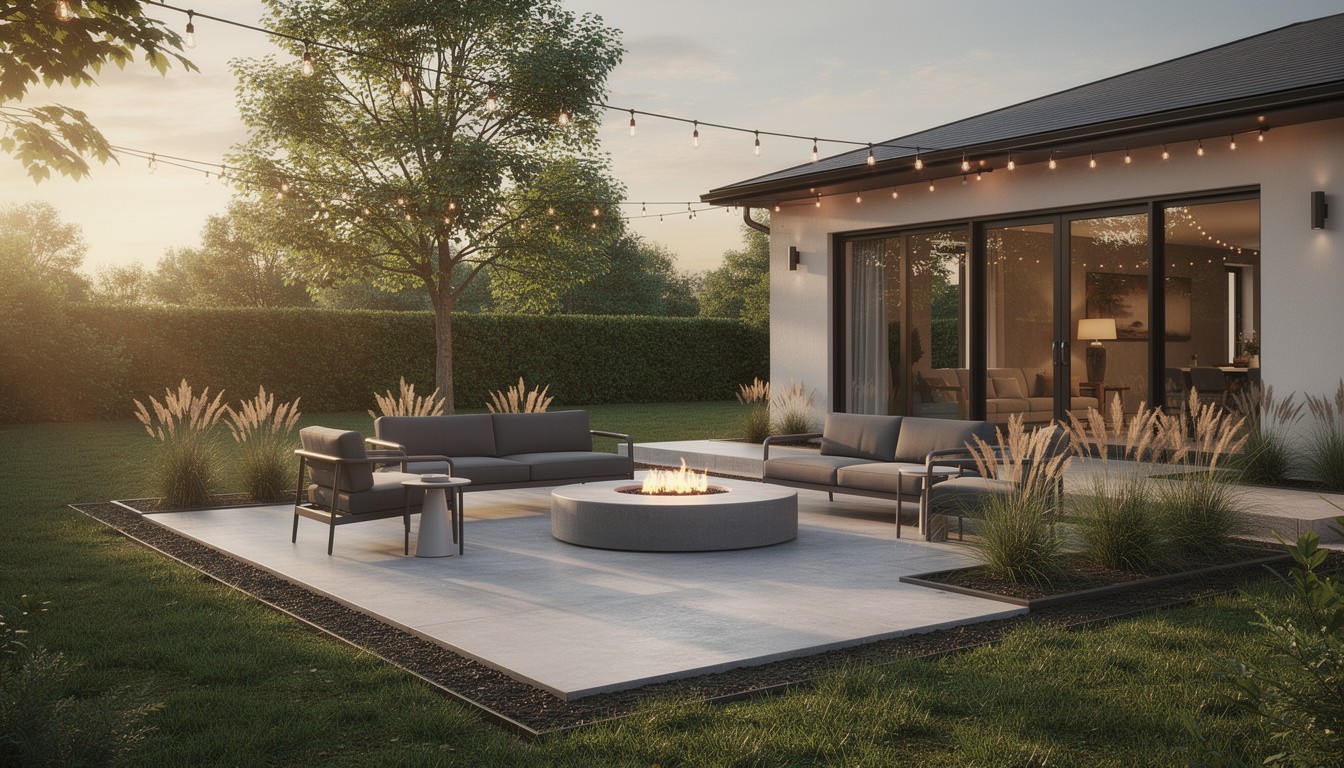
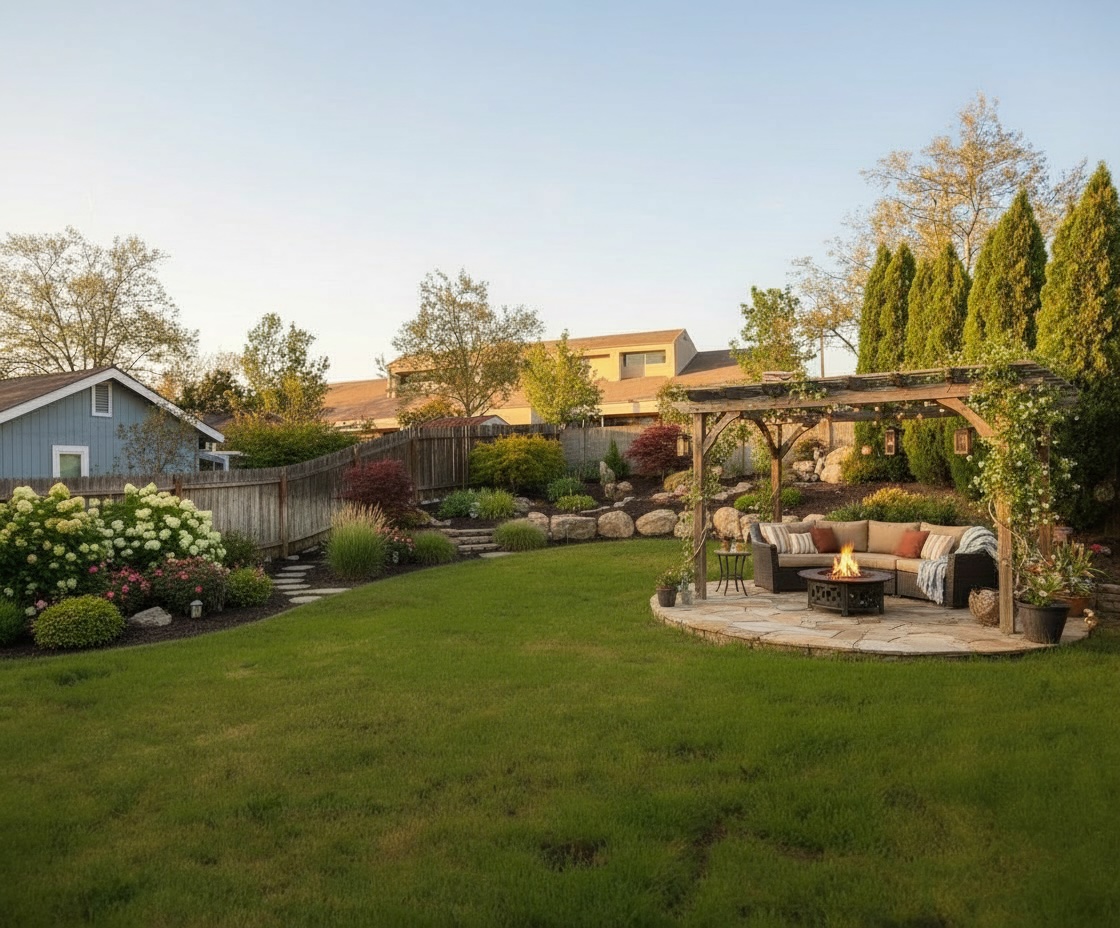
Concrete Patio with Round Fire Pit and Seating
$18–38/sqftA generous concrete patio with steel-edged ornamental grass borders extends from a contemporary Raleigh home, centered on a round concrete fire pit with a full modern sofa arrangement. String lights and a shade pergola overhead create evening ambiance. A large mature tree provides natural canopy on one side. Raleigh’s nine-month outdoor season makes this patio investment exceptionally strong — it’s usable from early March through November, and the fire pit meaningfully extends cool fall evenings. The ornamental grass borders turn pink and bronze in October, providing peak visual interest exactly when outdoor use is most comfortable.
AI-generated image
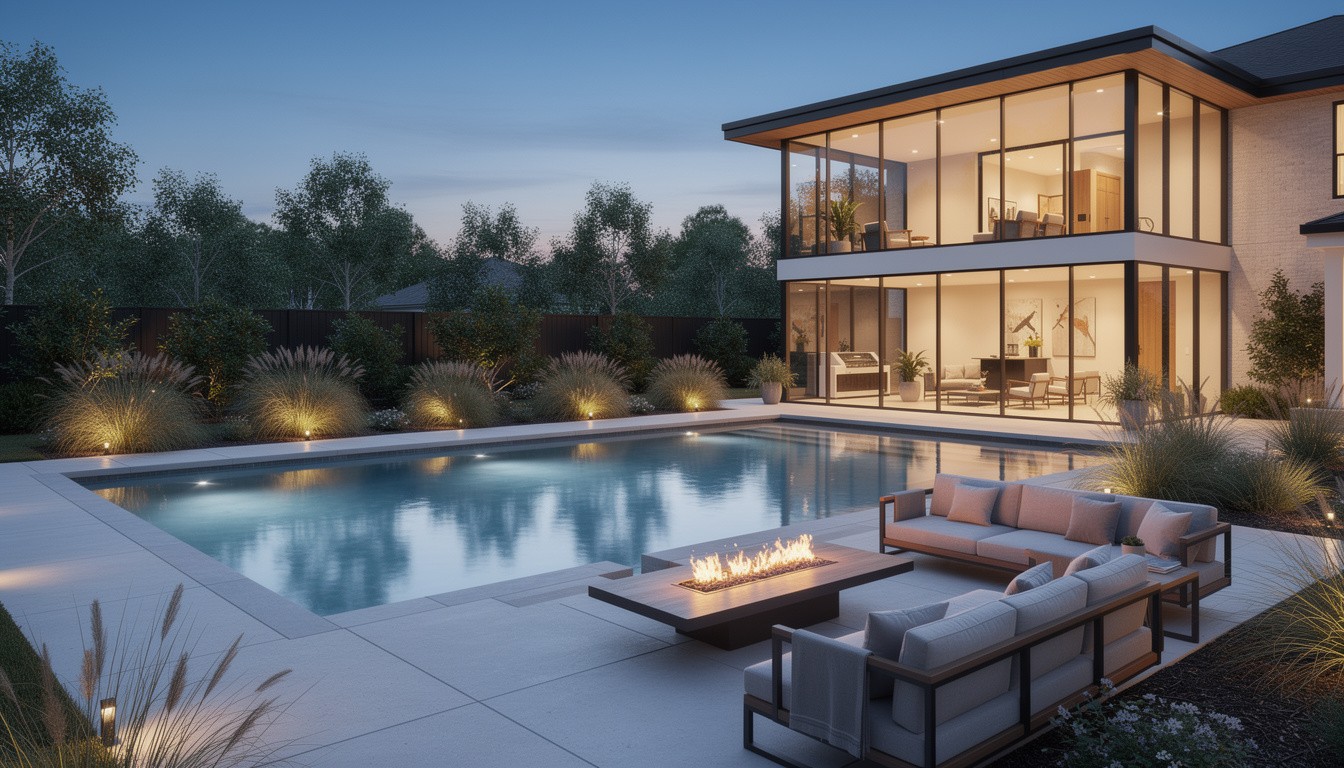
Pool and Hardscape Outdoor Living Suite
$65–140/sqftA rectangular pool with wide white coping anchors a luxury outdoor living suite behind a glass-walled contemporary Raleigh home. Ornamental grass masses in raised planters line the pool perimeter, their September-October pink plumes providing the most dramatic seasonal display. A linear fire table and modern sofa grouping anchor the outdoor living zone. Wood privacy fencing provides enclosure on two sides. Evening lighting makes the space exceptional — pool glow, fire table flame, and floor-to-ceiling glass illuminate the property. Raleigh’s rapid luxury residential growth has driven strong demand for exactly this level of outdoor investment in North Hills and Cary.
See how a modern/minimalist garden looks on YOUR property
Upload a photo of your Raleigh yard and visualize your dream garden in seconds.
Try ProScapeAI Free
AI-generated image
Featured Trees & Shrubs for Modern/Minimalist Gardens
Browse all 204 plants for Raleigh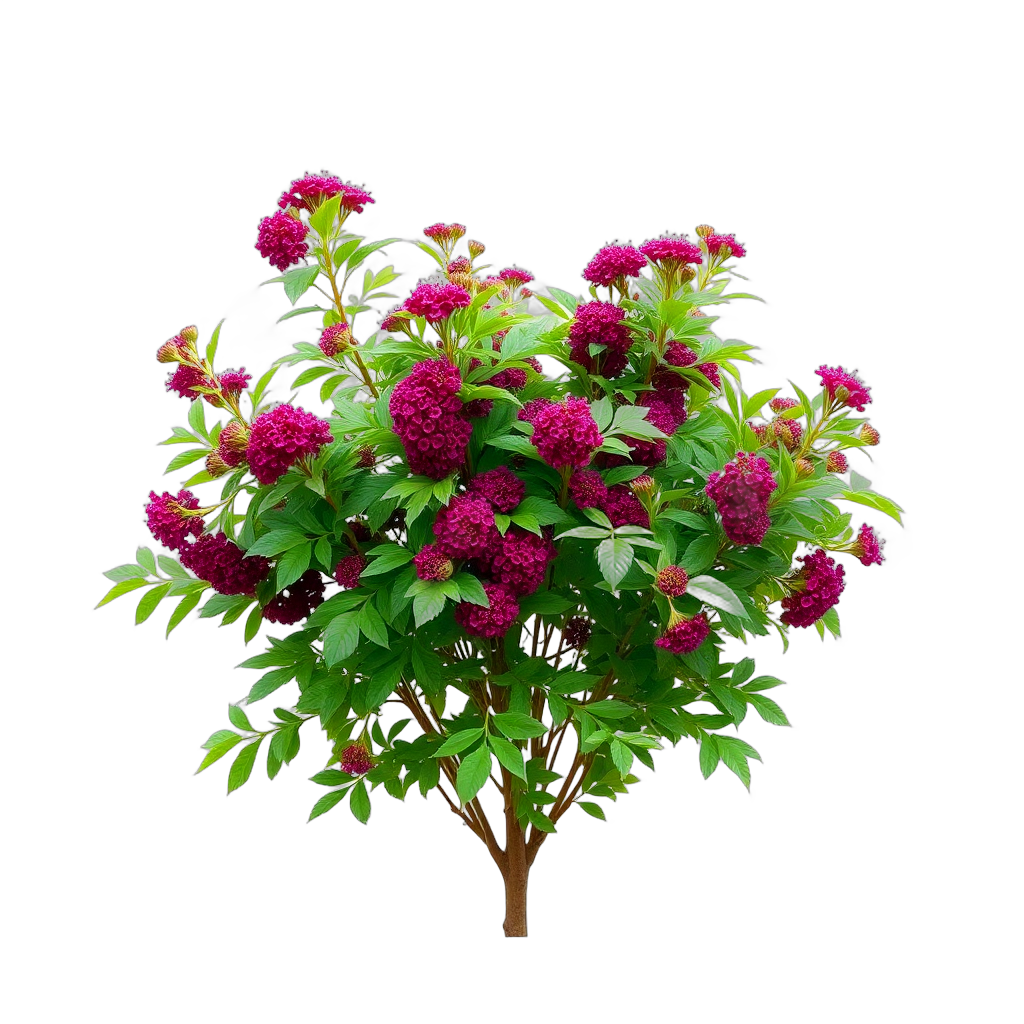
American Elderberry
Sambucus canadensis
medium-sized at 10 feet, white blooms in spring. Attracts butterflies.
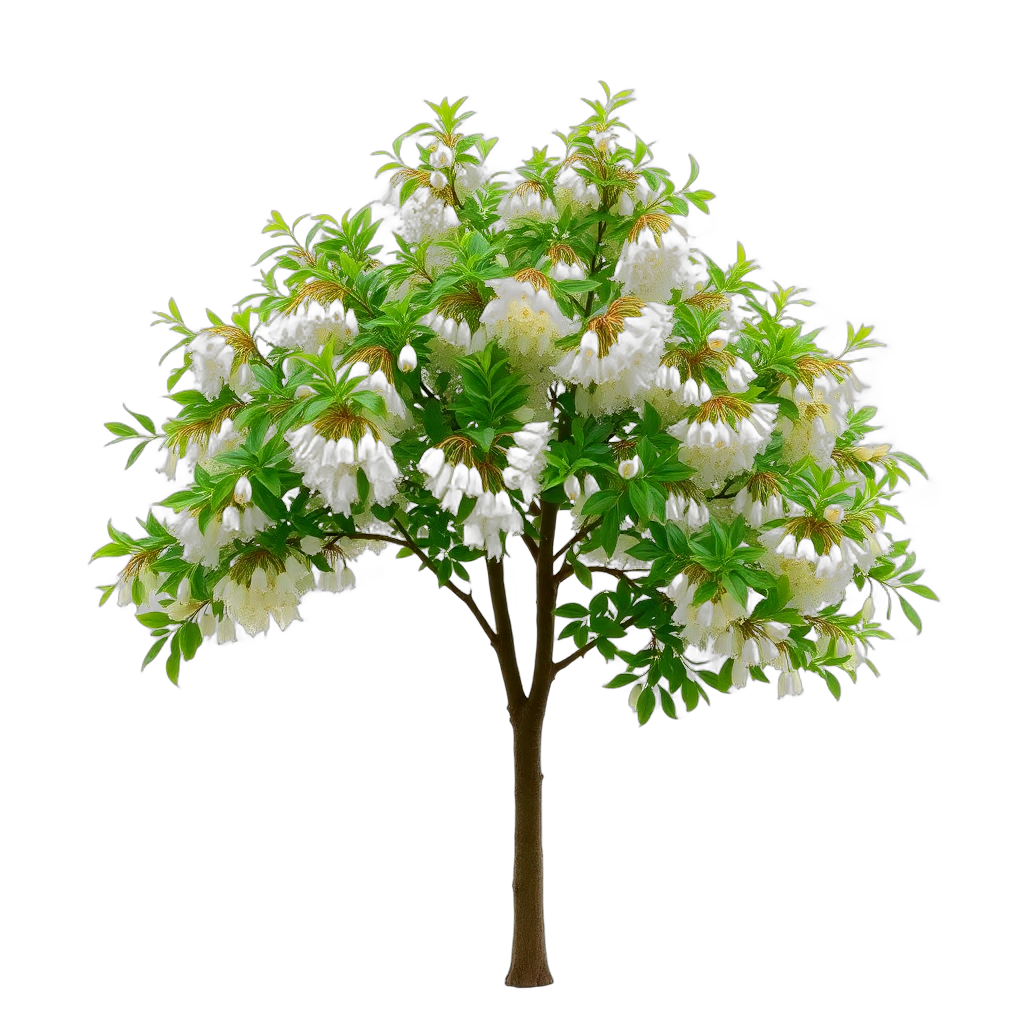
American Snowbell
Styrax americanus
medium-sized at 10 feet, white blooms in spring. Pollinator-friendly.
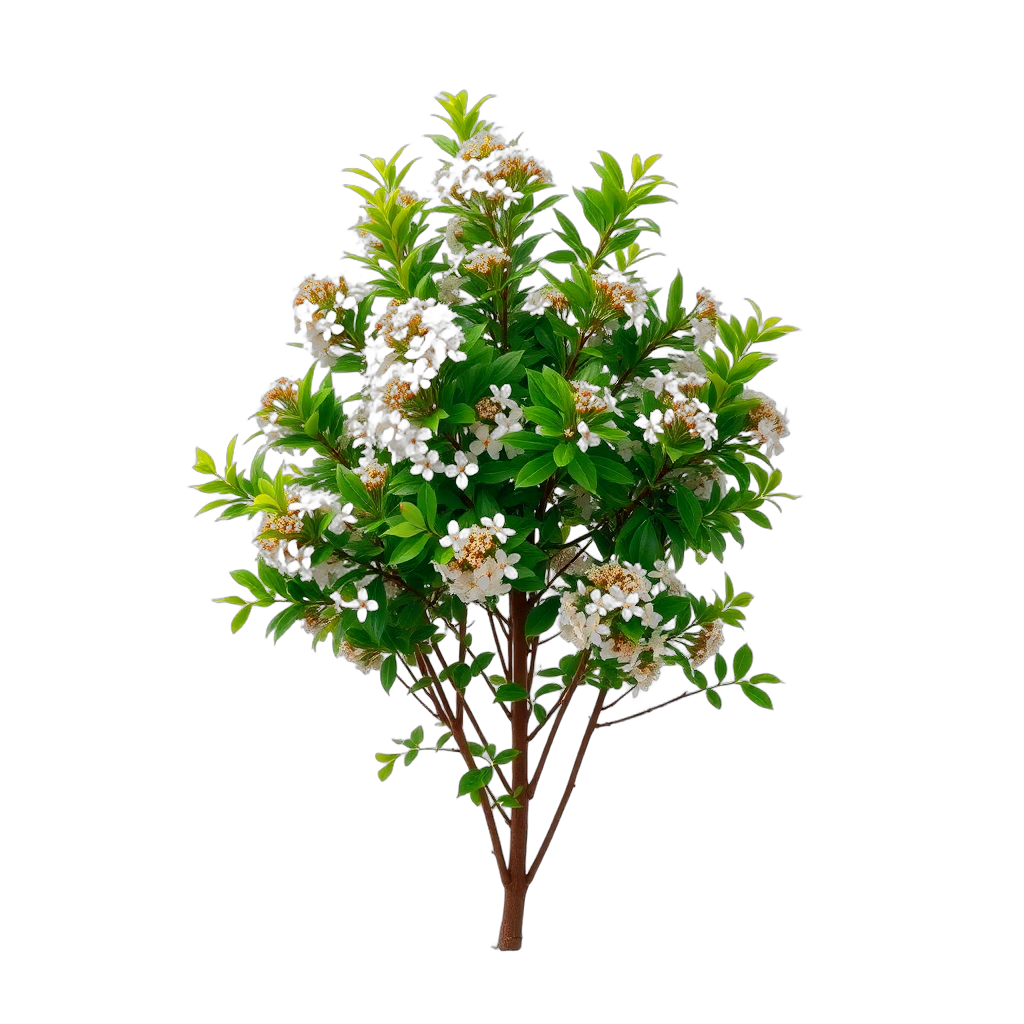
Carousel Mountain Laurel
Kalmia latifolia 'Carousel'
grows to 5 feet, multi blooms in spring. Evergreen year-round.
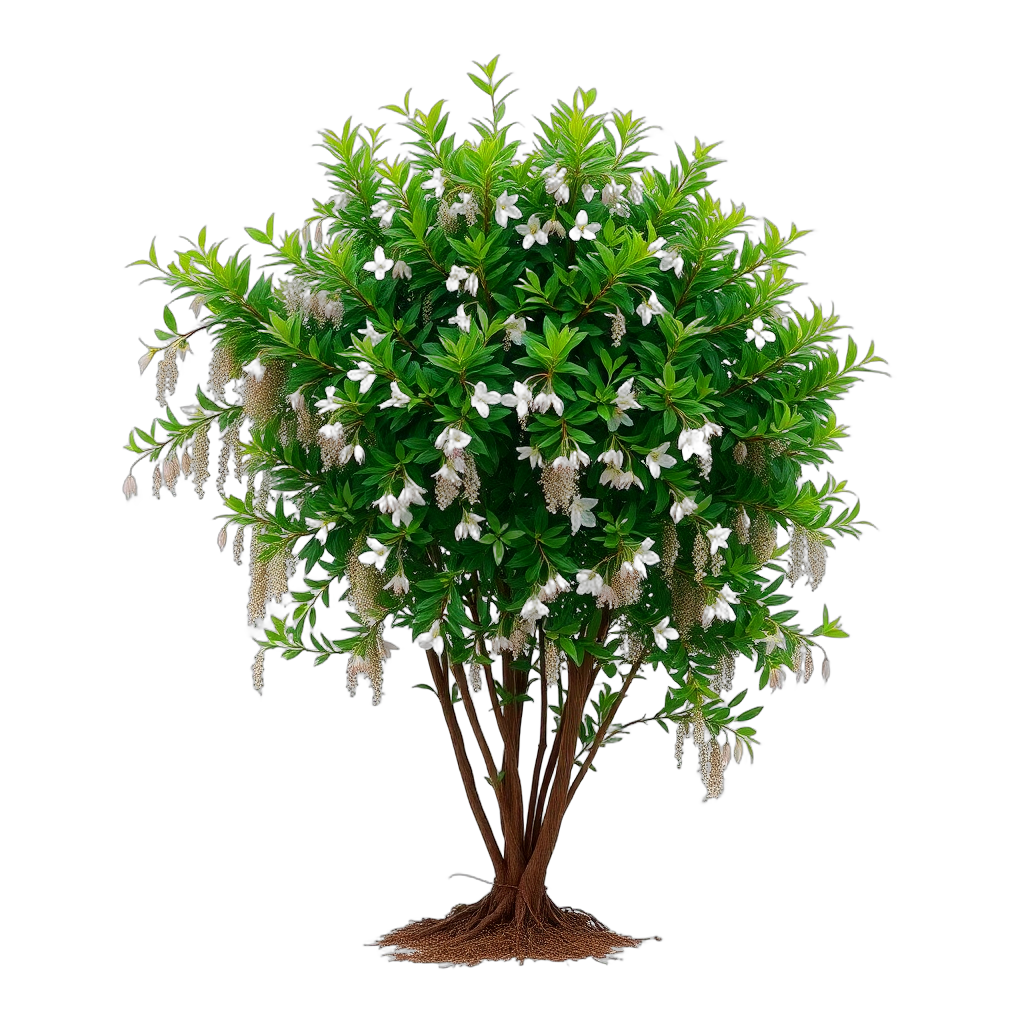
Drooping Leucothoe
Leucothoe fontanesiana
grows to 5 feet, white blooms in spring. Evergreen year-round.
Featured Grasses & Groundcovers for Modern/Minimalist Gardens
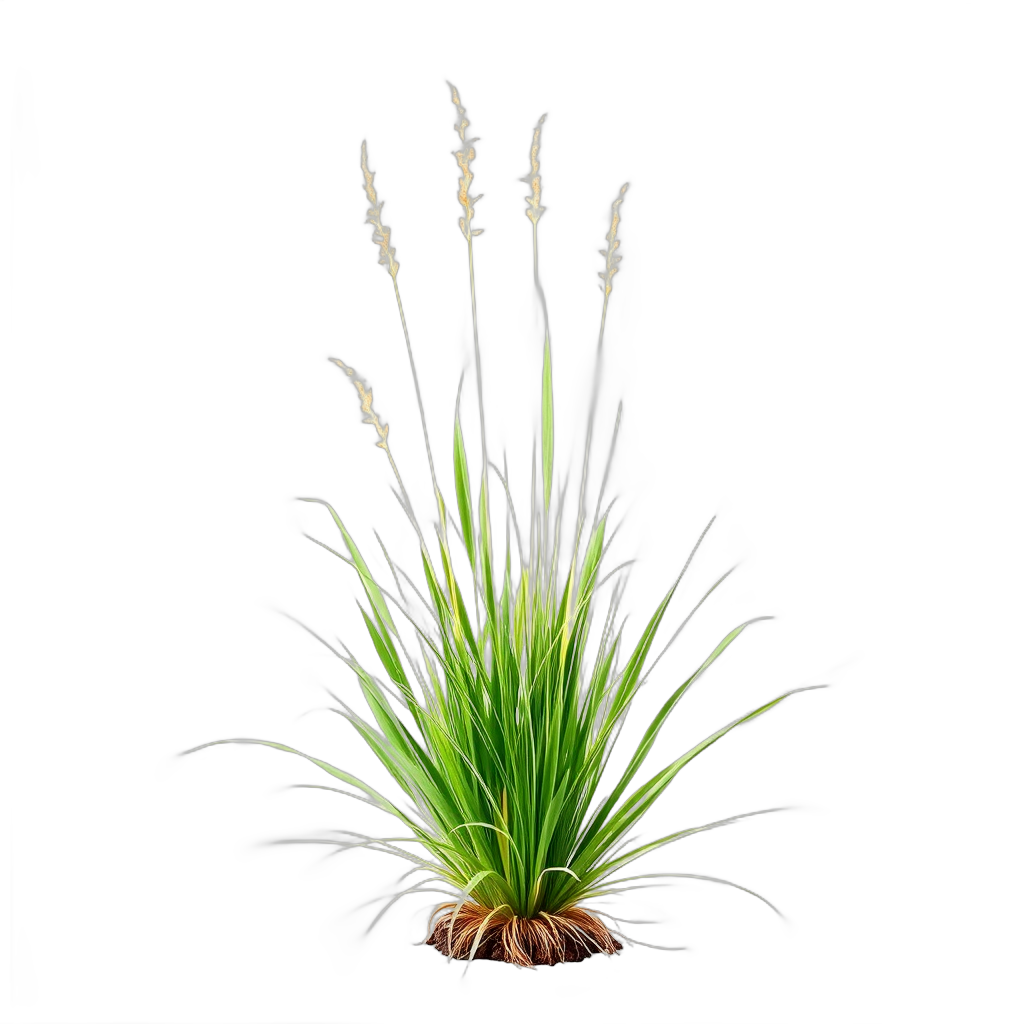
Northern Sea Oats
Chasmanthium latifolium
grows to 4 feet, blooms in fall. Bronze fall color.
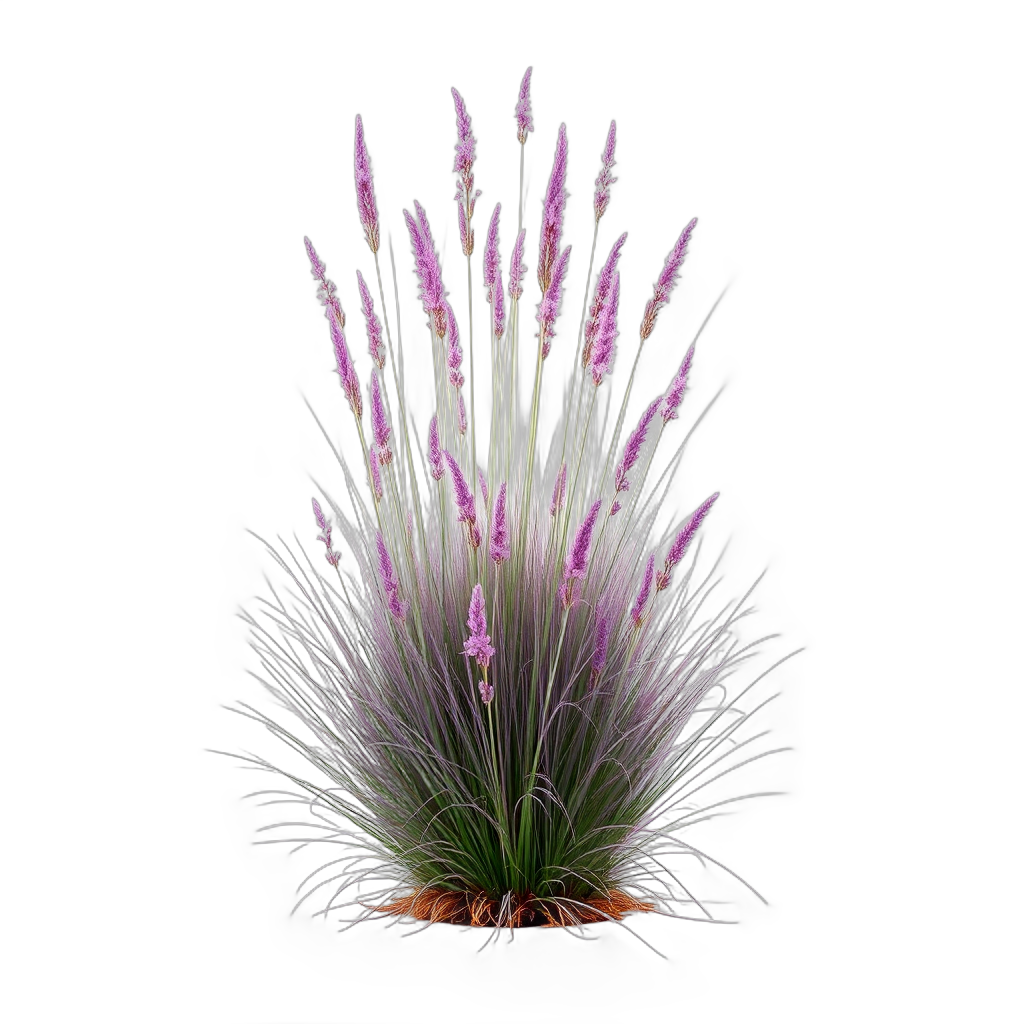
Purple Love Grass
Eragrostis spectabilis
low-growing ground cover, purple blooms in fall. Orange fall color.
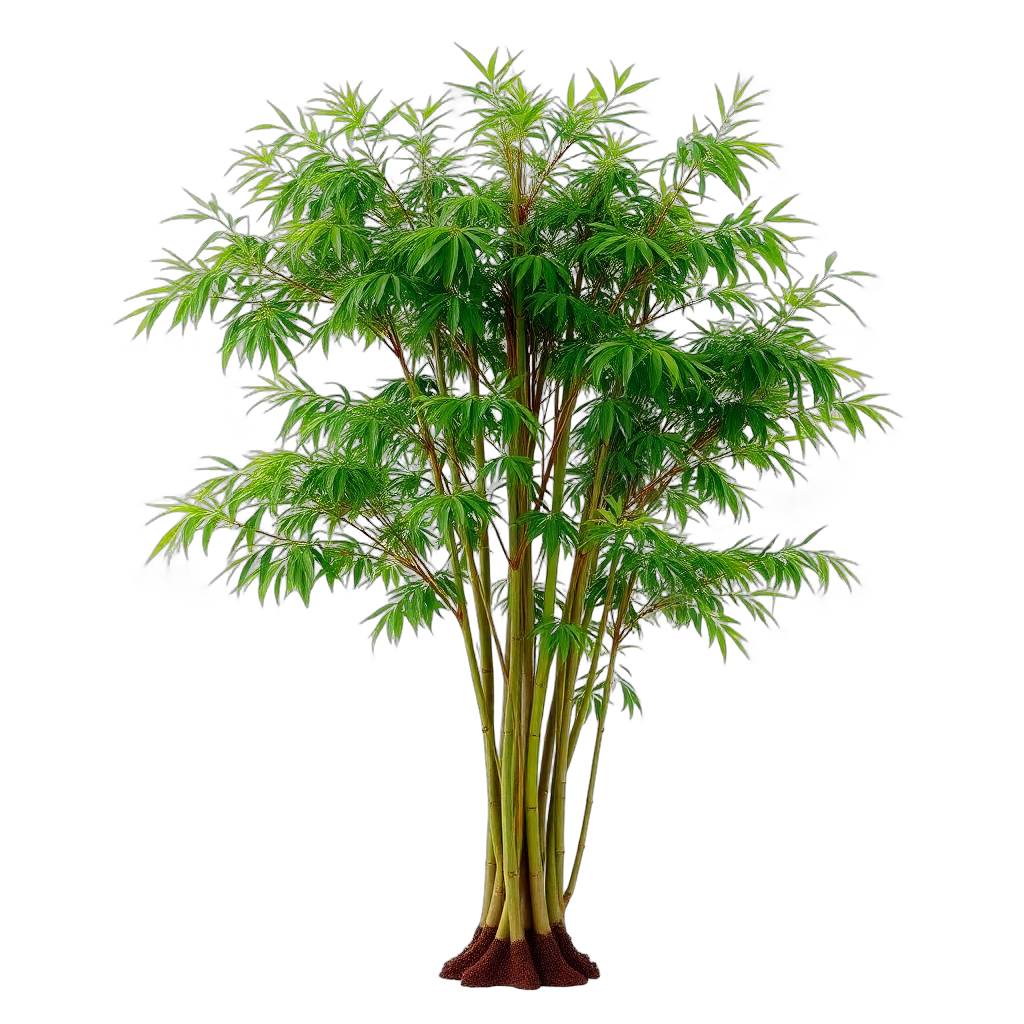
Arrow Bamboo
Pseudosasa japonica
medium-sized at 15 feet, blooms in none. Evergreen year-round.
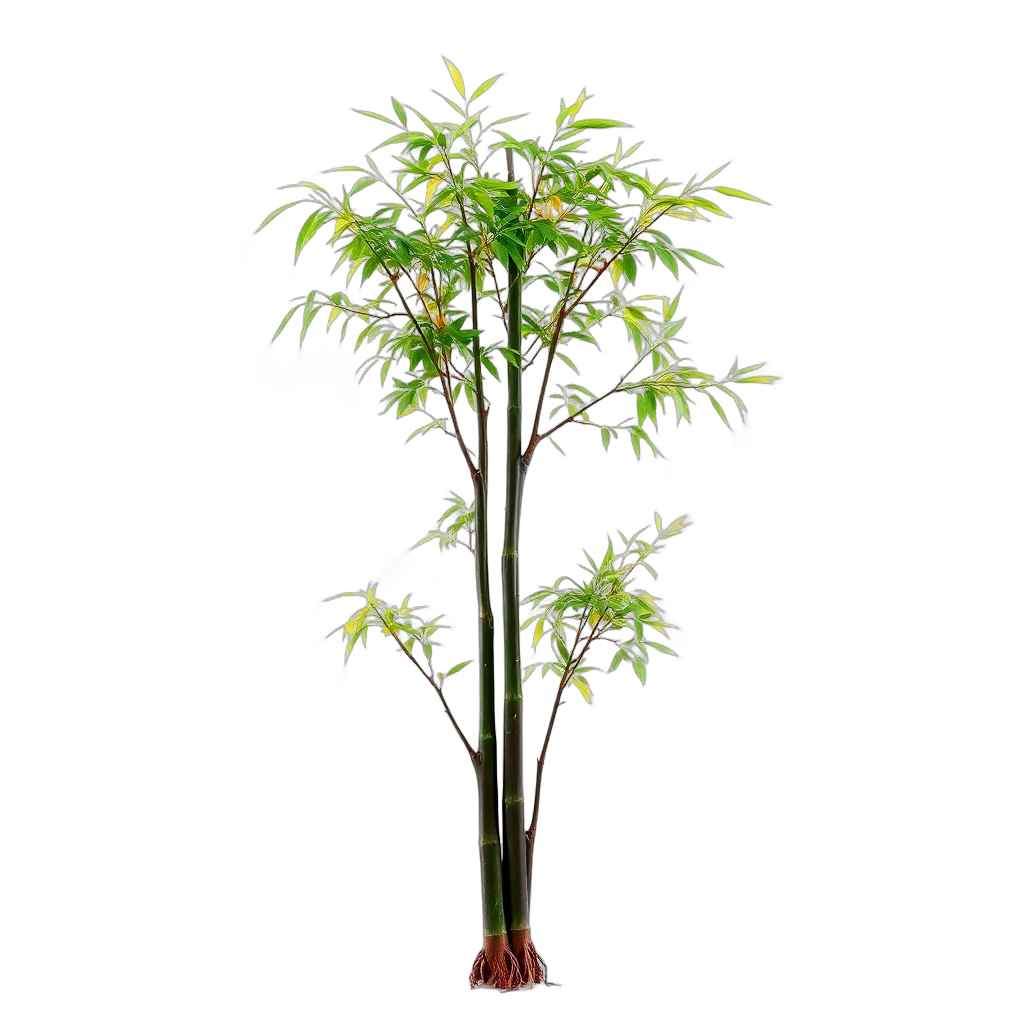
Black Bamboo
Phyllostachys nigra
reaches 25 feet tall, blooms in none. Evergreen year-round.
Featured Flowers & Perennials for Modern/Minimalist Gardens
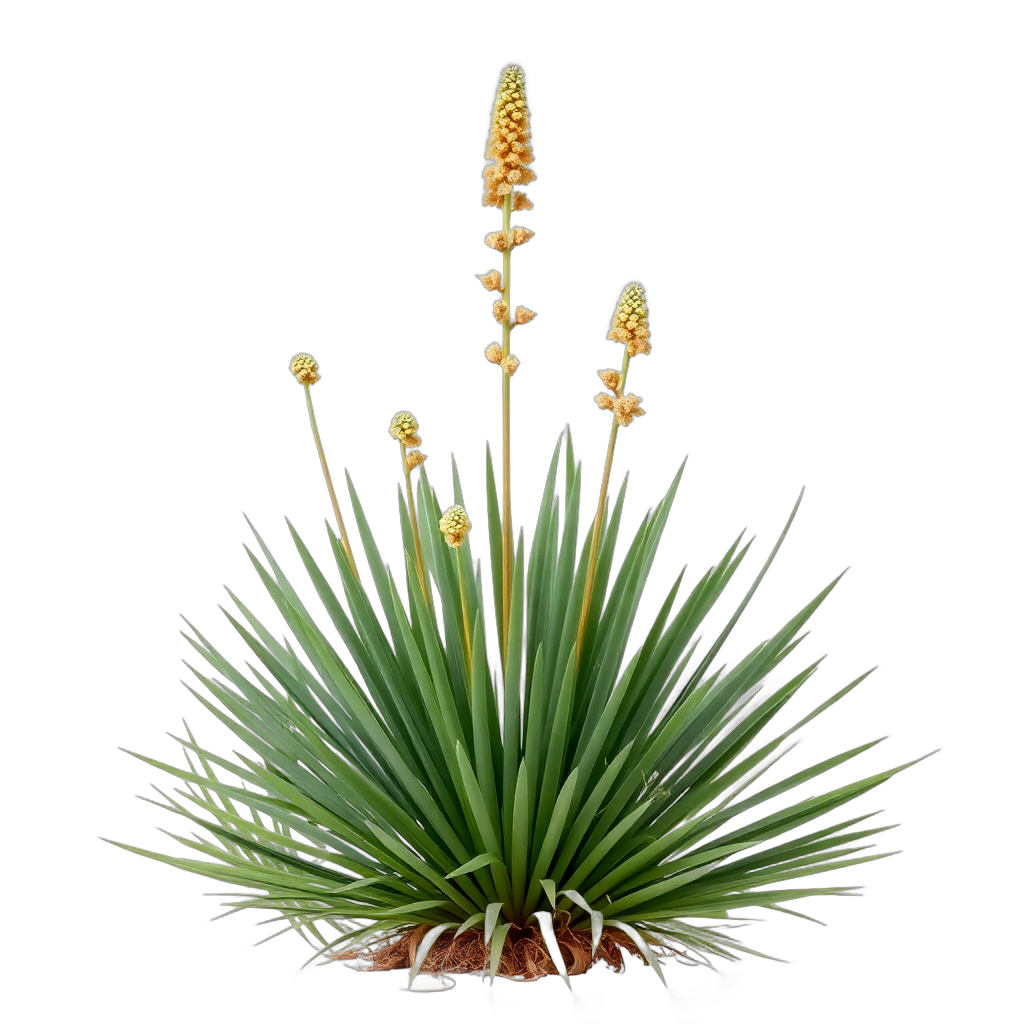
Adam's Needle
Yucca filamentosa
low-growing ground cover, white blooms in summer. Attracts hummingbirds.
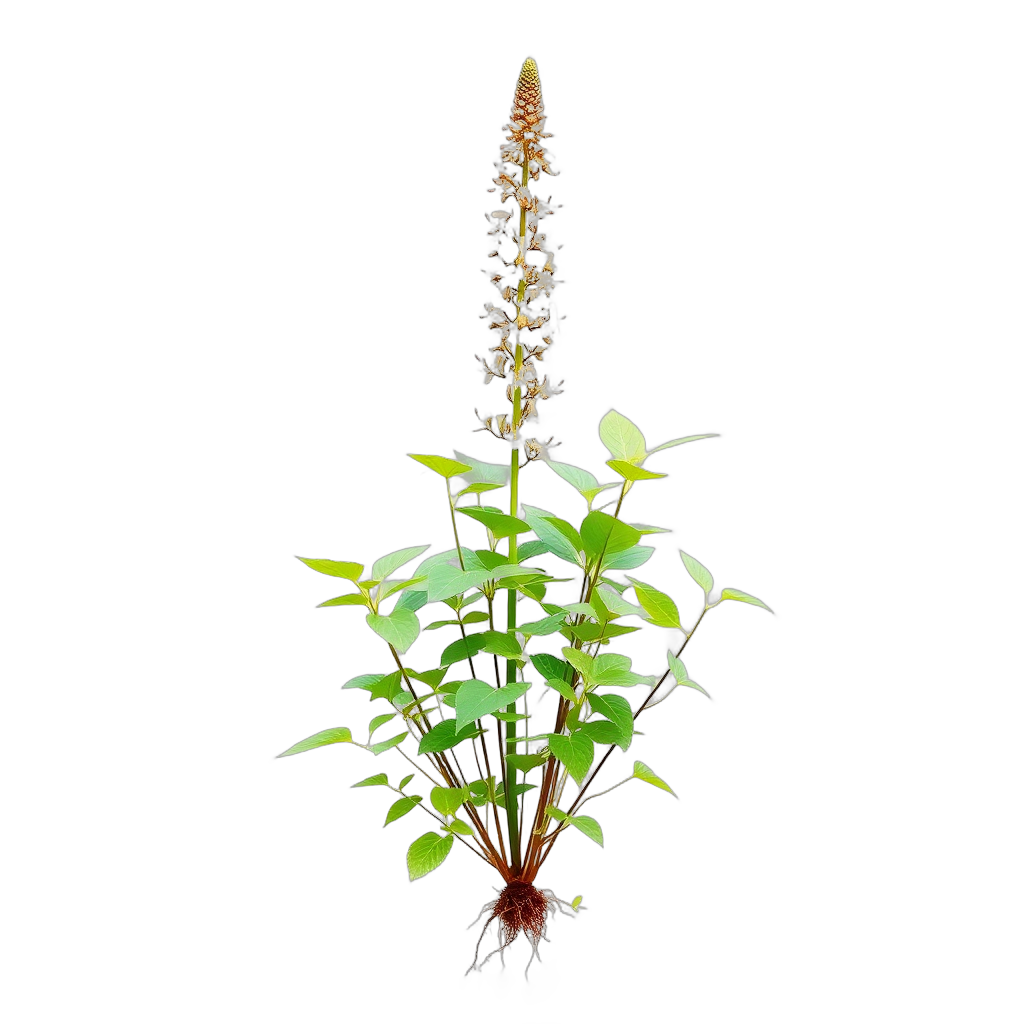
Black Cohosh
Cimicifuga racemosa
grows to 5 feet, white blooms in summer. Attracts butterflies.
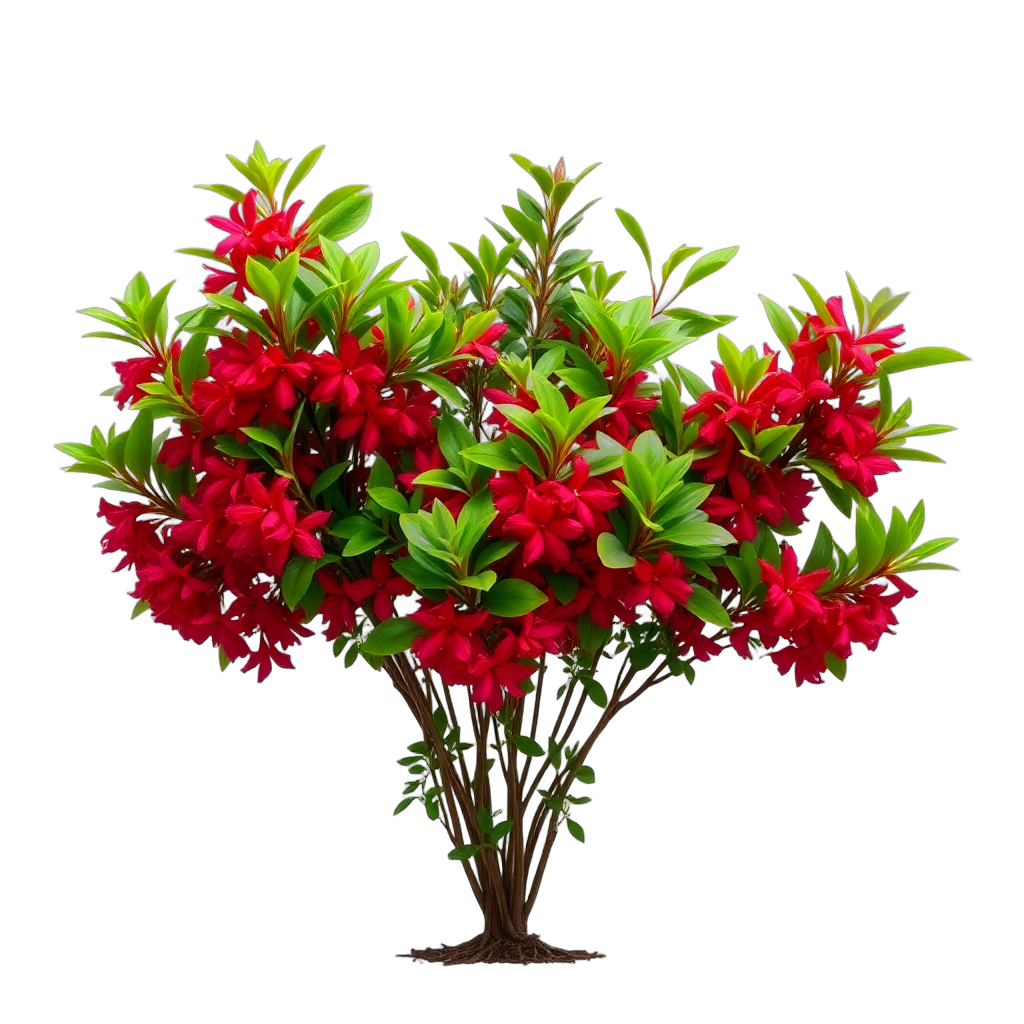
Coral Bean
Erythrina herbacea
grows to 5 feet, red blooms in spring. Attracts hummingbirds.
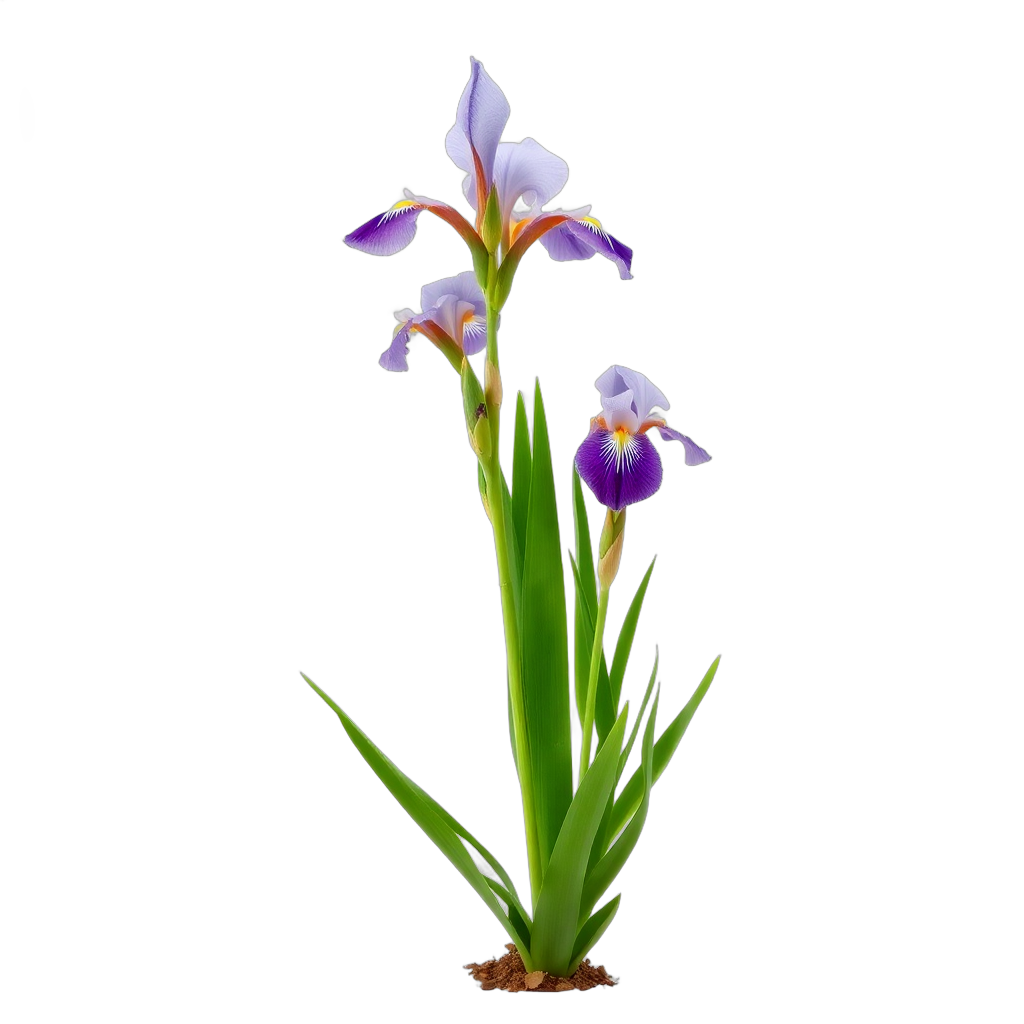
Crested Iris
Iris cristata
low-growing ground cover, blue blooms in spring. Attracts butterflies.
Zone and sun checks come from our database — confirm with your local nursery before you buy.
Bloom Calendar for Raleigh
spring
Coral Bean, Crested Iris, Southern Blue Flagsummer
Adam's Needle, Black Cohosh, False Aloefall
Northern Sea Oats, Purple Love Grasswinter
Limited bloomsDesign Tips for Raleigh (Zone 7b)
- Visit the JC Raulston Arboretum seasonally before finalizing plant selections — seeing how specific plants actually perform in Zone 7b Piedmont conditions produces better modern landscape decisions than any catalog or online image research
- Use corten steel for raised beds and edging — the warm rust color is the exact visual complement to Raleigh’s red clay landscape context, and corten ages in place without maintenance in the humid Piedmont climate
- Design for October’s native plant spectacle — muhly grass turns pink, beautyberry erupts in vivid purple, and little bluestem goes orange-bronze simultaneously; this month rewards the investment in native plants more visibly than any other season
- Leave perennials and grasses uncut through winter — switchgrass and coneflower seed heads in December snow are among the most compelling visual moments in a modern native Raleigh garden, and the seed heads feed birds through the winter months
- Plant native serviceberry as your primary small specimen tree investment — spring bloom, edible summer berries, fall color, and attractive winter silhouette make it the highest seasonal return of any small native tree in the Piedmont
- Install drip irrigation for establishment, specify smart controller with rain sensor from day one — Raleigh’s 46 annual inches of rainfall sustains established natives but the smart controller prevents irrigation after storms, reducing costs and disease pressure
Where to Source Plants in Raleigh
Skip the big-box stores. These independent Raleigh nurseries specialize in the plants that make modern/minimalist gardens thrive in Zone 7b.
JC Raulston Arboretum Plant Sales
Raleigh (NC State campus)
Twice-annual plant sales with unusual species evaluated for Piedmont Zone 7b — the best source for modern landscape plants with proven Raleigh performance
Homewood Nursery
Raleigh
Full-service independent nursery with strong ornamental grass, native plant, and architectural shrub selection for modern landscapes
Logan’s Trading Company
North Raleigh
Large independent garden center — strong inventory of trees, shrubs, and ornamental grasses for modern landscape installations
North Carolina Botanical Garden Plant Sales
Chapel Hill (15 miles from Raleigh)
Native NC plant sales with Piedmont species including native serviceberry, native grasses, and wildflowers for modern native landscapes
Camellia Forest Nursery
Chapel Hill
Specialty woody plants, unusual ornamental trees, and architectural shrubs for premium modern landscape projects
Modern/Minimalist Landscaping Costs in Raleigh
| Project Scope | Estimated Cost |
|---|---|
| Modern front yard with concrete walkway and ornamental grass borders | $8,000 – $20,000 |
| Gravel xeriscape with steel-edged agave and grass beds | $5,500 – $14,000 |
| Concrete patio with round fire pit and outdoor seating | $14,000 – $32,000 |
| Pool and hardscape outdoor living suite | $55,000 – $145,000 |
| Smart drip irrigation for establishment year | $2,000 – $4,500 |
| AI visualization with ProScapeAI | Free to start |
Estimates based on Raleigh, NC-area contractor rates as of 2026. Actual costs vary by site conditions, materials, and contractor.
Raleigh Climate & Growing Zone
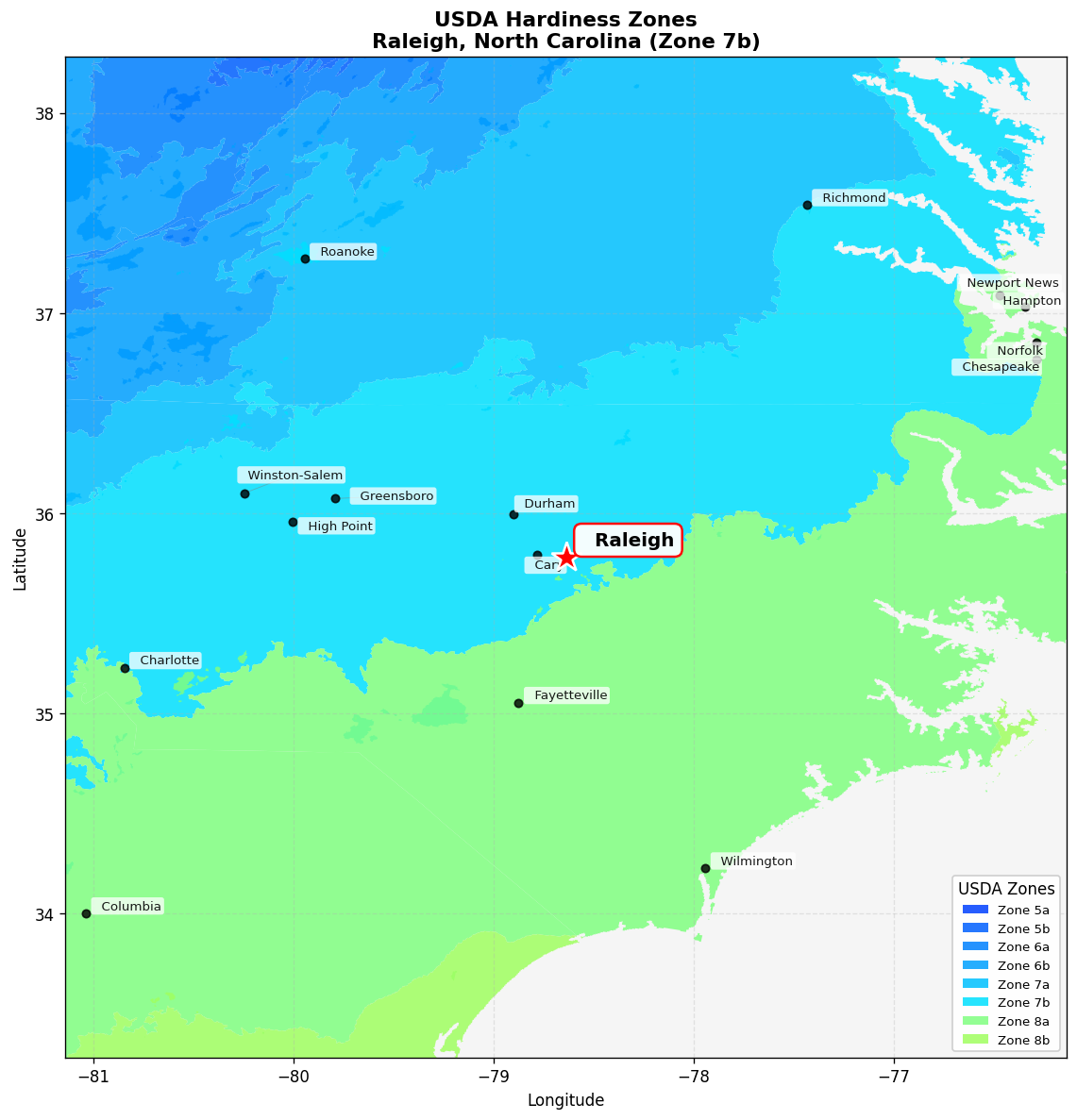
USDA Zone 7b
Hardiness zone for Raleigh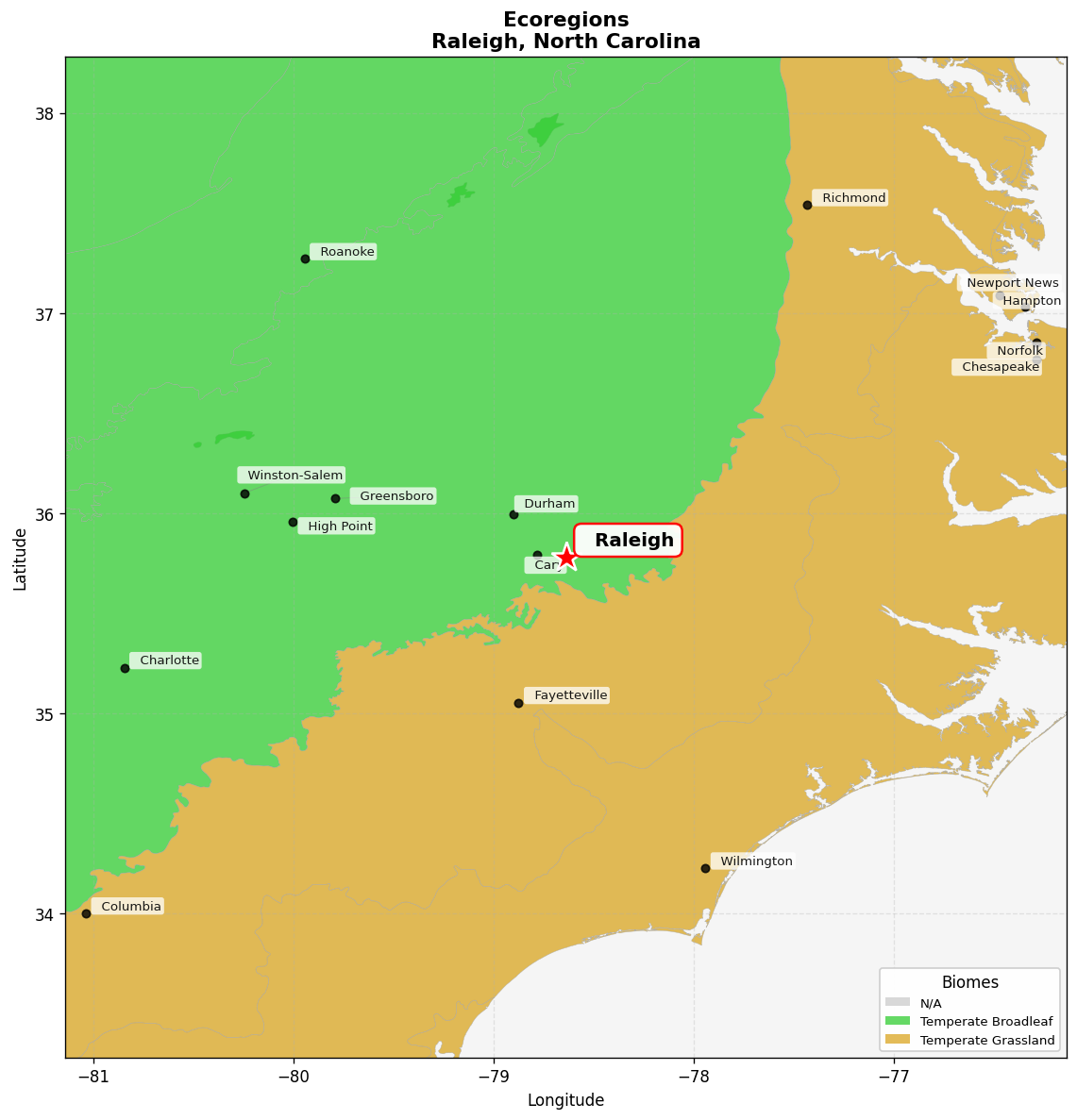
Appalachian Piedmont forests
Native ecoregionFrequently Asked Questions
What native Piedmont plants work best for modern Raleigh landscapes?
Raleigh’s Zone 7b and Piedmont Appalachian forests ecoregion support a compelling native plant palette for modern design. Top performers: Eastern redbud (multi-stem specimen, spectacular spring bloom); switchgrass (structural grass, red fall color); little bluestem (blue-green to orange-bronze seasonal shift); muhly grass (October pink plumes); native serviceberry (spring bloom, summer berries, fall color); inkberry holly (evergreen, native, great for screening); beautyberry (vivid purple fall berries); river birch (multi-stem, peeling white bark). All are Piedmont natives and perform at their best in Zone 7b conditions without special care.
How does NC State’s JC Raulston Arboretum benefit modern landscape design in Raleigh?
The Arboretum is a living plant performance library for Raleigh designers and homeowners. Its collections demonstrate how specific ornamental plants perform across multiple seasons in Piedmont Zone 7b conditions — far more reliable information than catalog descriptions or zone hardiness maps alone. Contemporary garden beds in the Arboretum show novel plant combinations that work in Raleigh’s climate. The twice-annual plant sales make unusual modern landscape plants available that no retail nursery carries. For research-driven Raleigh homeowners, designing alongside regular Arboretum visits produces noticeably more informed modern landscape outcomes.
What hardscape materials perform best in Raleigh’s Zone 7b climate?
Concrete pavers are the most durable choice for Raleigh’s occasional freeze-thaw cycles (Zone 7b sees hard freezes to 5–10°F). Corten steel for raised beds and edging ages beautifully in the humid Piedmont climate and doesn’t require maintenance. Ipe hardwood decking handles the humidity well with annual treatment. Poured concrete for patios and retaining walls is widely used and economical. Avoid limestone and travertine pavers in shaded spots — Raleigh’s humidity creates algae and moss on porous natural stone in partial shade. Pressure-treated pine for pergolas and structural elements is appropriate if properly finished.
How do I design a modern Raleigh landscape that handles the summer heat?
Raleigh’s summers are hot (90°F+ in July and August) with high humidity. Design covered outdoor living space — a pergola or pavilion makes outdoor rooms usable throughout summer; open patios in full sun are pleasant only in the morning or evening. Native plants adapted to Piedmont conditions handle summer heat without special irrigation once established. Strategic tree placement (native serviceberry, redbud, or dogwood) provides afternoon shade where it’s most needed — west-facing exposures. Smart irrigation during the first summer’s establishment is essential; after year two, native plants in Raleigh’s 46 annual inches of rainfall rarely need supplemental water.
How do Raleigh’s homeowners in newer neighborhoods approach modern landscaping?
North Hills, Midtown Raleigh, and North Raleigh’s newer developments typically have less mature tree canopy than older neighborhoods, creating different design conditions. Modern landscapes in these areas can prioritize: clean hardscape with bold plant masses (grasses, native shrubs) without relying on existing tree structure; specimen tree investment (multi-stem river birch, native serviceberry, redbud) to create future canopy; and native meadow or prairie planting that looks intentional rather than unestablished. The NC State Extension’s Wake County Master Gardeners provide free consultations for Raleigh homeowners — a particularly useful resource for newer-neighborhood projects.
How much does a modern landscape cost in Raleigh?
Raleigh modern landscape installation runs $14–42/sqft. A front yard modern redesign with concrete path, native grasses, and steel edging: $8,000–20,000. Corten steel raised bed garden: $12,000–28,000. Backyard outdoor pavilion with native prairie: $30,000–75,000. Privacy screen installation: $6,000‑15,000. Annual maintenance for established native landscape: $1,000–2,800/year. Raleigh’s competitive landscape contractor market (driven by high growth demand) keeps prices somewhat below Charlotte and Nashville for comparable scope.