4 Modern Garden Ideas for Reno, NV | Contemporary High Desert Landscapes Zone 7a
Native plants from the Great Basin shrub steppe (Zone 7a) — Mediterranean (warm summer) climate
Why Modern/Minimalist Gardens in Reno?
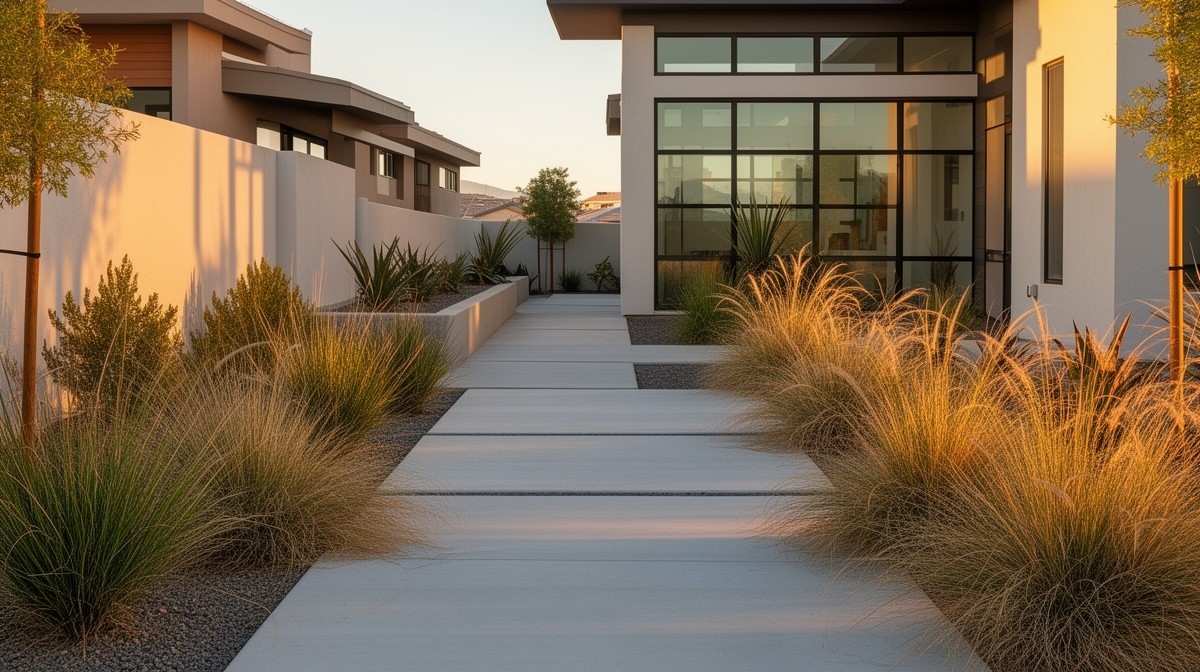
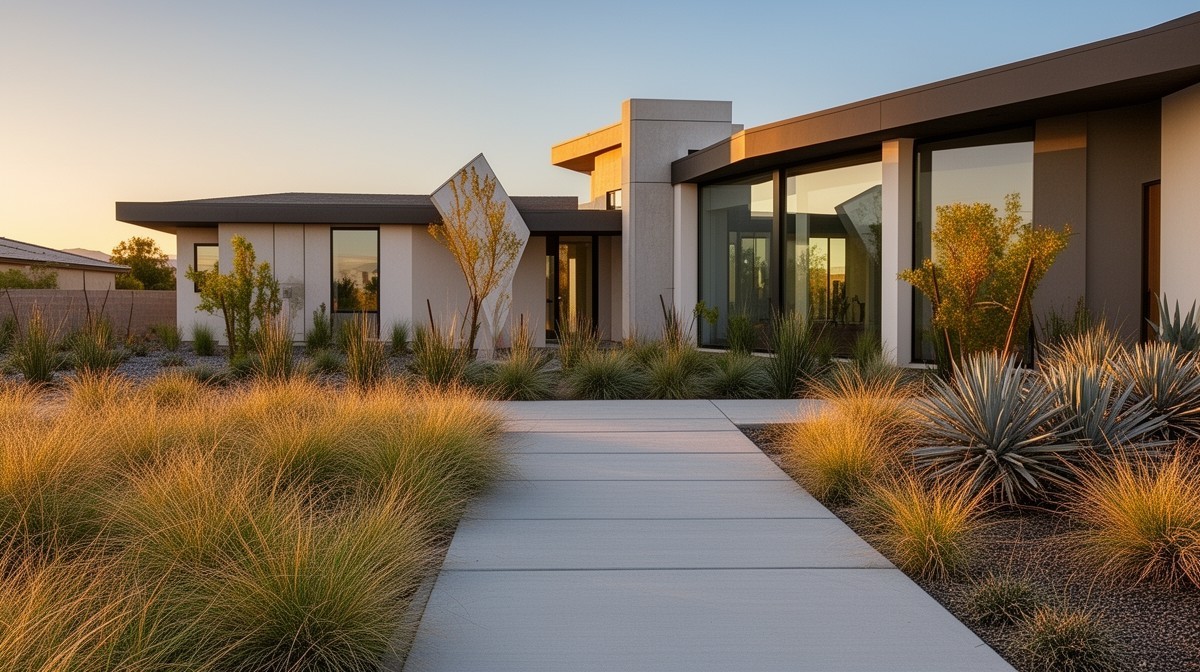
A modern landscape in Reno, NV draws strength from the dramatic high desert setting of the Great Basin shrub steppe ecoregion — the sagebrush-covered ridgelines, the dry creek beds of the Sierra Nevada foothills, and the vast open skies that make Reno’s urban setting unique in the American West. Zone 7a’s temperature extremes — hot dry summers and cold clear winters — demand a plant palette that is genuinely tough, and the modern style’s emphasis on bold masses, strong lines, and architectural specimens rewards that discipline.
Reno’s newer neighborhoods like South Meadows, Damonte Ranch, and Double Diamond feature the contemporary stucco homes, concrete driveways, and clean-lined architecture that accept modern landscapes naturally. But even the mid-century homes of Washoe Valley and West Reno benefit from modern landscape updates that reduce water use, cut maintenance time, and create year-round visual interest through bold plant masses and clean hardscaping. Decomposed granite, boulders, and drought-tolerant ornamental grasses are the vocabulary of modern Reno landscaping, and they age beautifully in the high desert light.
The Truckee Meadows Water Authority’s turf removal rebate program offers up to $3/sqft for converting lawn to drought-tolerant landscaping — a typical 1,000 sqft front lawn replacement earns $3,000 in rebates. Combined with annual water savings of $400–$800, modern xeric landscaping in Reno pays for itself faster than almost anywhere in the West. The timing is right: the City of Reno’s outdoor water restrictions are tightening, and a well-designed modern landscape protects property values while eliminating the need to comply with watering schedules.
4 Modern/Minimalist Design Ideas for Reno
The Great Basin Modern Front Yard
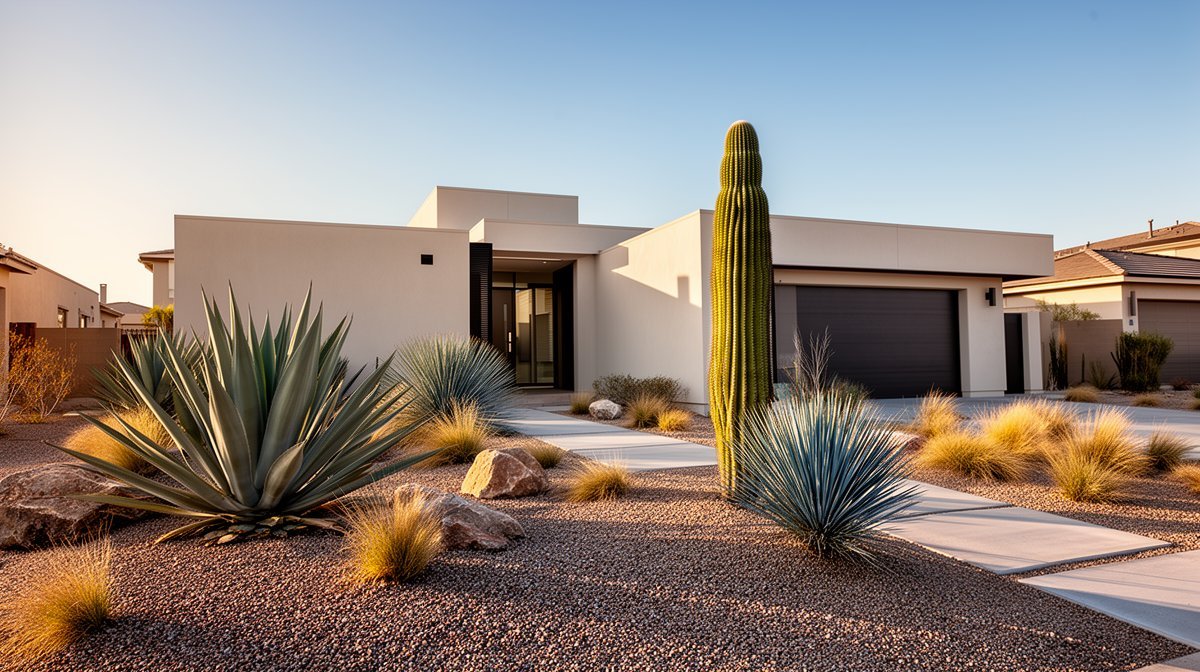
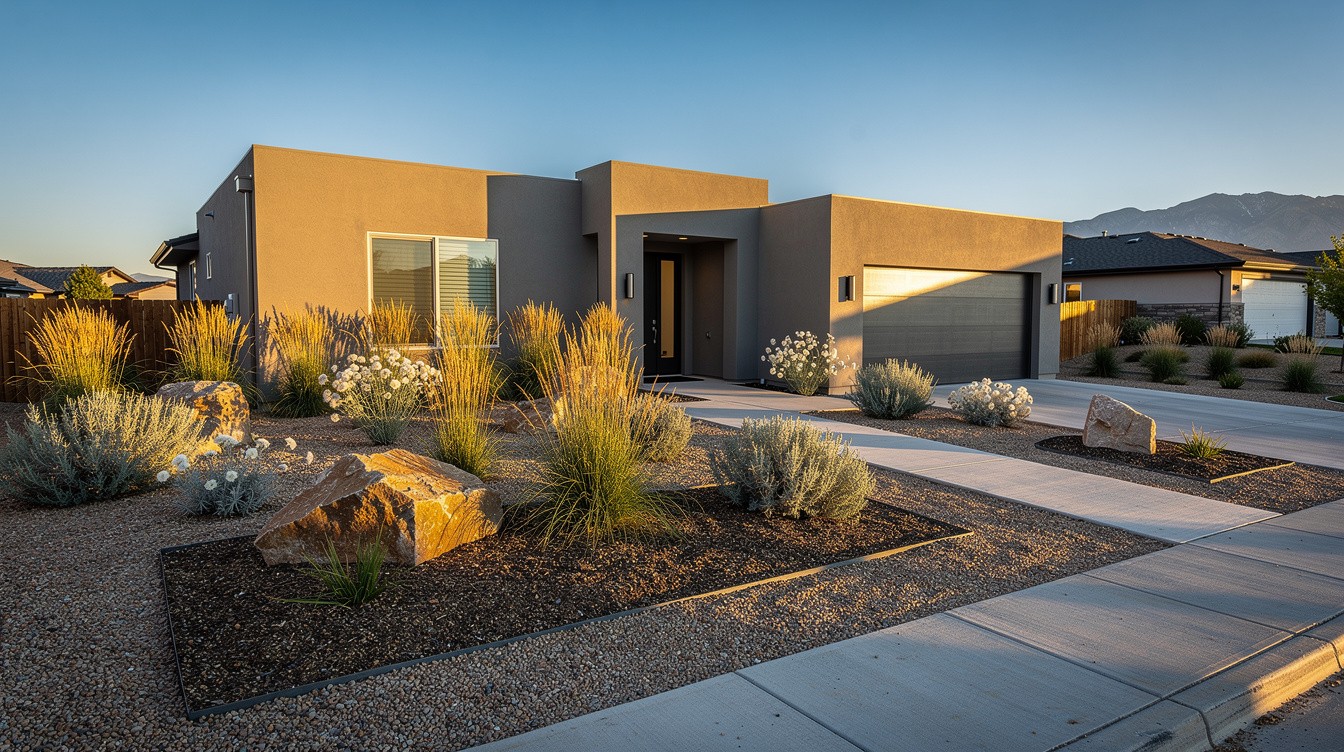
$10–18/sqftA South Reno stucco home has its lawn removed and replaced with a bold modern xeric landscape: decomposed granite in two tones creates geometric bed patterns while native Great Basin boulders anchor the corners. Blue oat grass and Karl Foerster feather reed grass provide flowing vertical movement while sagebrush and Apache plume give the composition its distinctly Nevada character. A concrete ribbon driveway extension doubles as a formal front path. The result looks contemporary from the street and virtually eliminates outdoor water use.
The Concrete Patio with Fire Feature
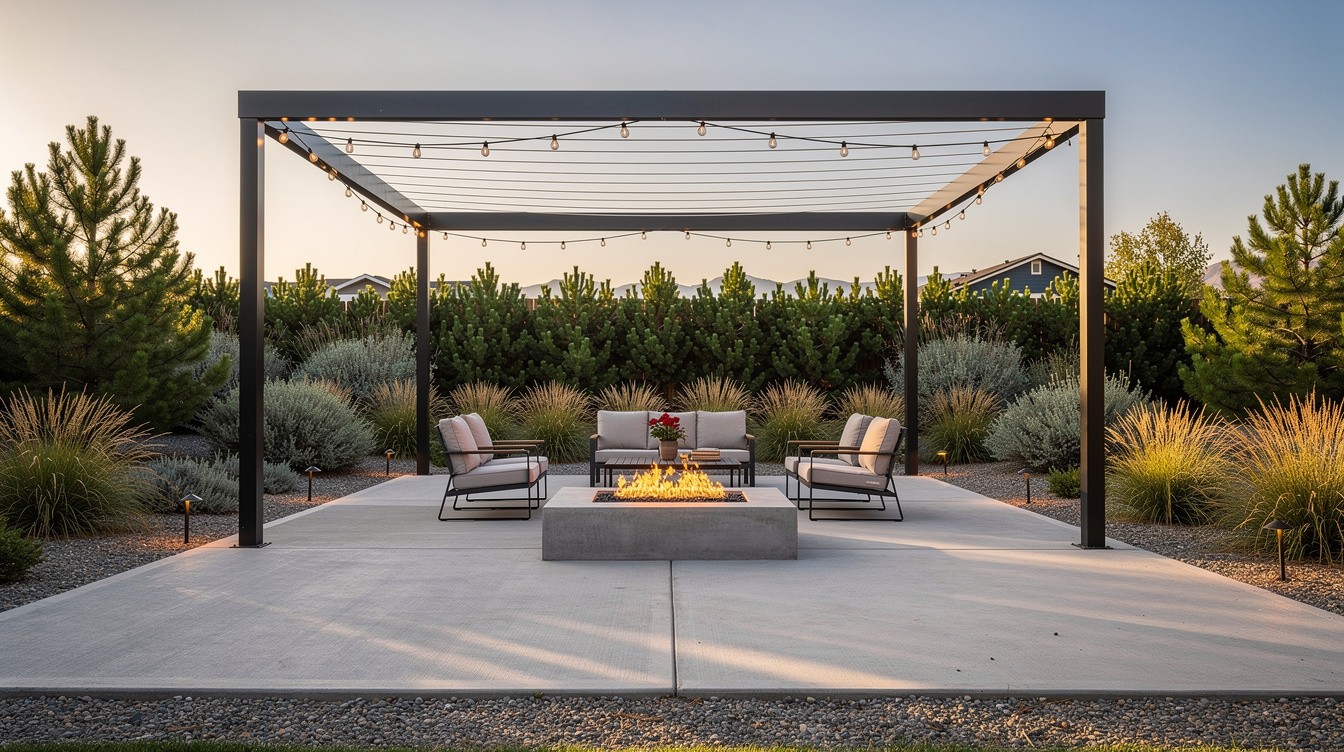
$18–32/sqftA large poured concrete patio with a broom-finished surface occupies the back third of this Reno yard, centered on a built-in concrete fire pit with gas line. A modern steel pergola with cable wire shade covers the seating area while the perimeter planting uses bold masses of ornamental grasses, mugo pine, and native shrubs to create a wind-breaking privacy screen. String lights across the pergola and path lighting through the gravel garden complete the space for cool Reno evenings. Used throughout the year thanks to the fire feature.
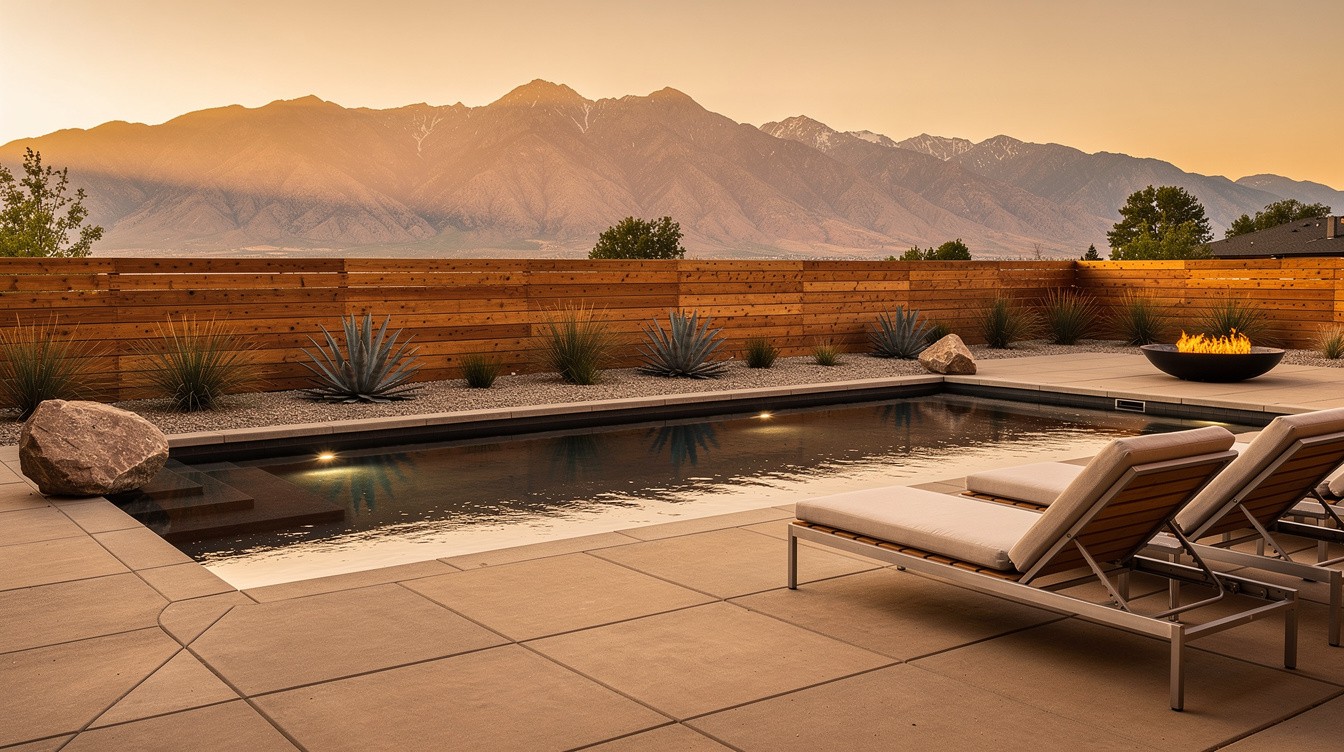
The Modernist Pool and Paver Garden
$25–45/sqftA dark-plaster rectangular pool in this Reno backyard is surrounded by large-format concrete pavers in a warm sand tone. Zero-water pool deck planting uses agave, yucca, and boulders at the corners while two steel-and-teak chaise lounges face the pool in classic resort style. A horizontal-slat cedar privacy fence screens the neighbors while the Sierra Nevada peaks are visible above it, providing a dramatic borrowed landscape. Underwater LED lighting and a pool-side fire bowl make the space functional from May through October.
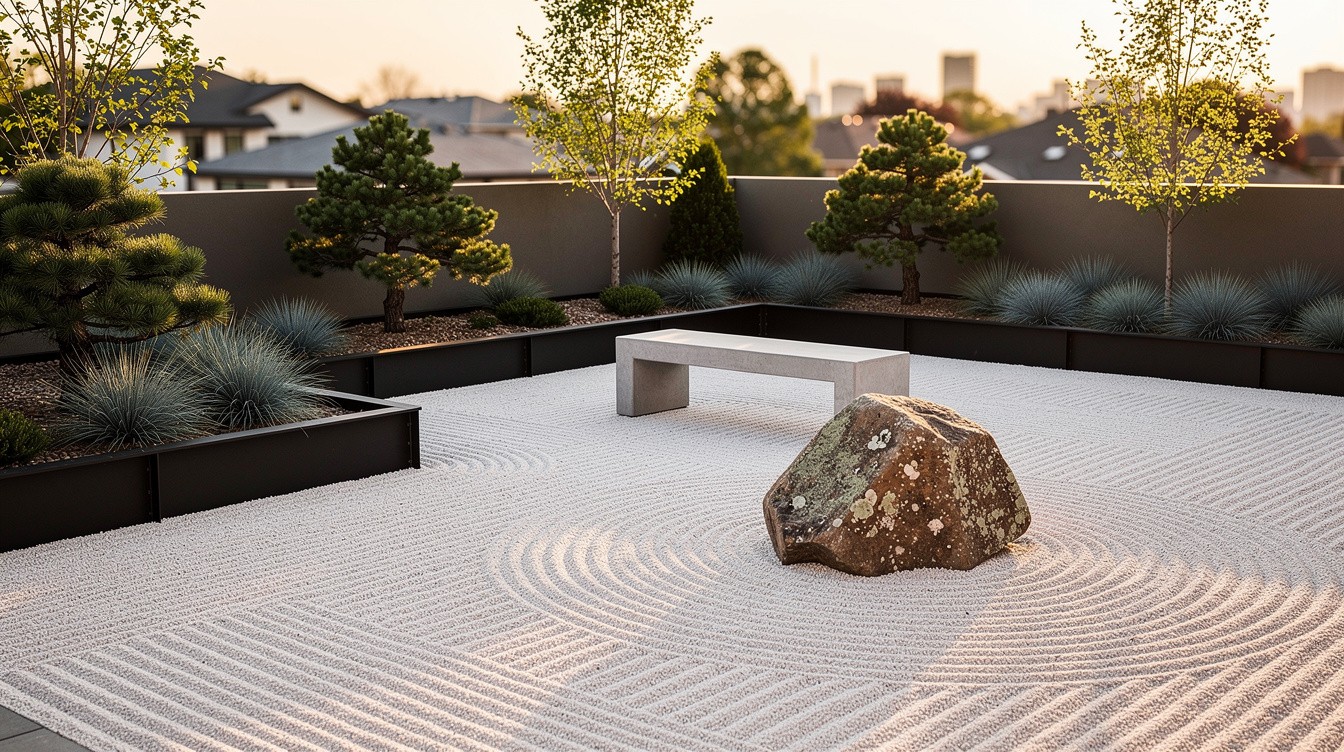
The Minimalist Zen Gravel Garden
$14–26/sqftA minimalist front or courtyard garden uses white raked gravel panels between black steel-framed raised beds filled with blue oat grass, dwarf mugo pine, and single specimen ornamental trees. The design echoes Japanese kare-sansui (dry garden) tradition translated into the Great Basin palette. A single large Great Basin boulder serves as the visual anchor while a concrete bench provides a simple meditative focal point. The restrained palette feels calming in contrast to Reno’s busy urban setting and requires virtually no maintenance beyond annual raking.
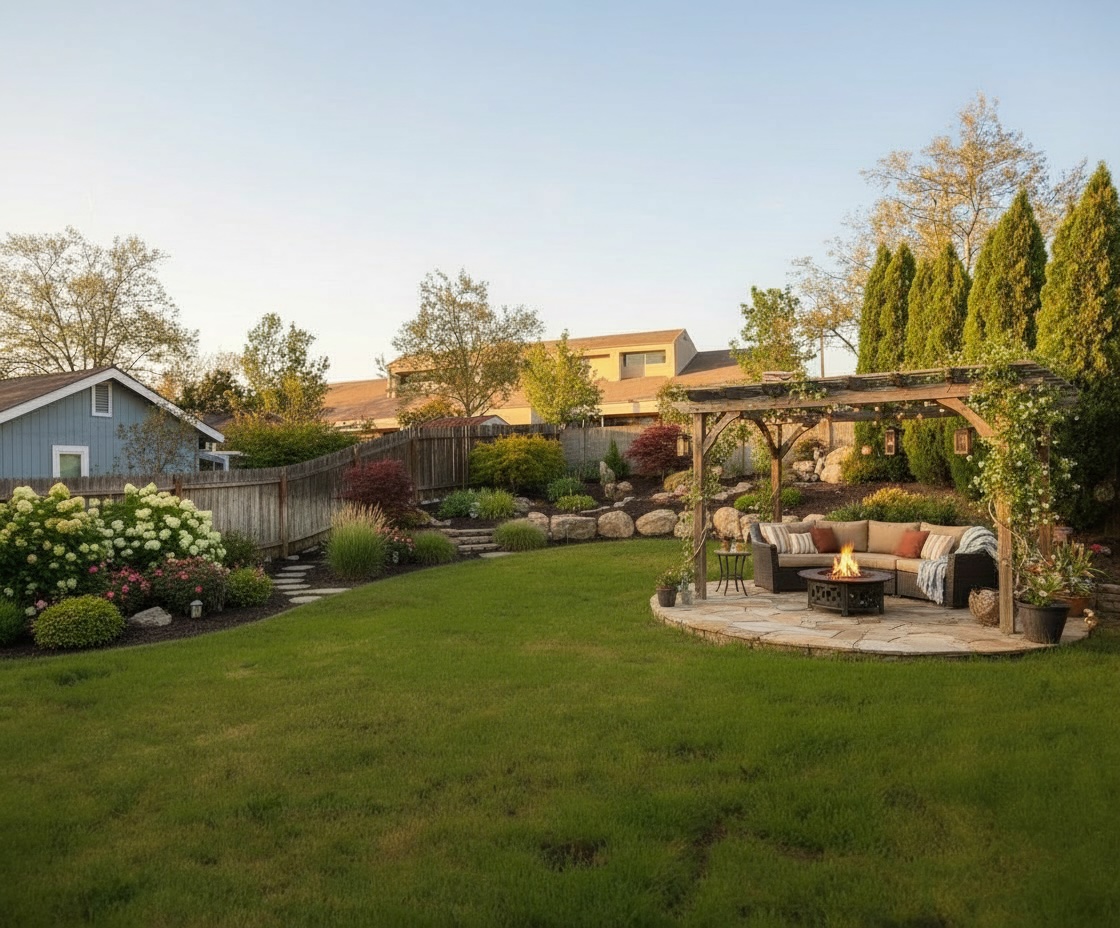
See how a modern/minimalist garden looks on YOUR property
Upload a photo of your Reno yard and visualize your dream garden in seconds.
Try ProScapeAI Free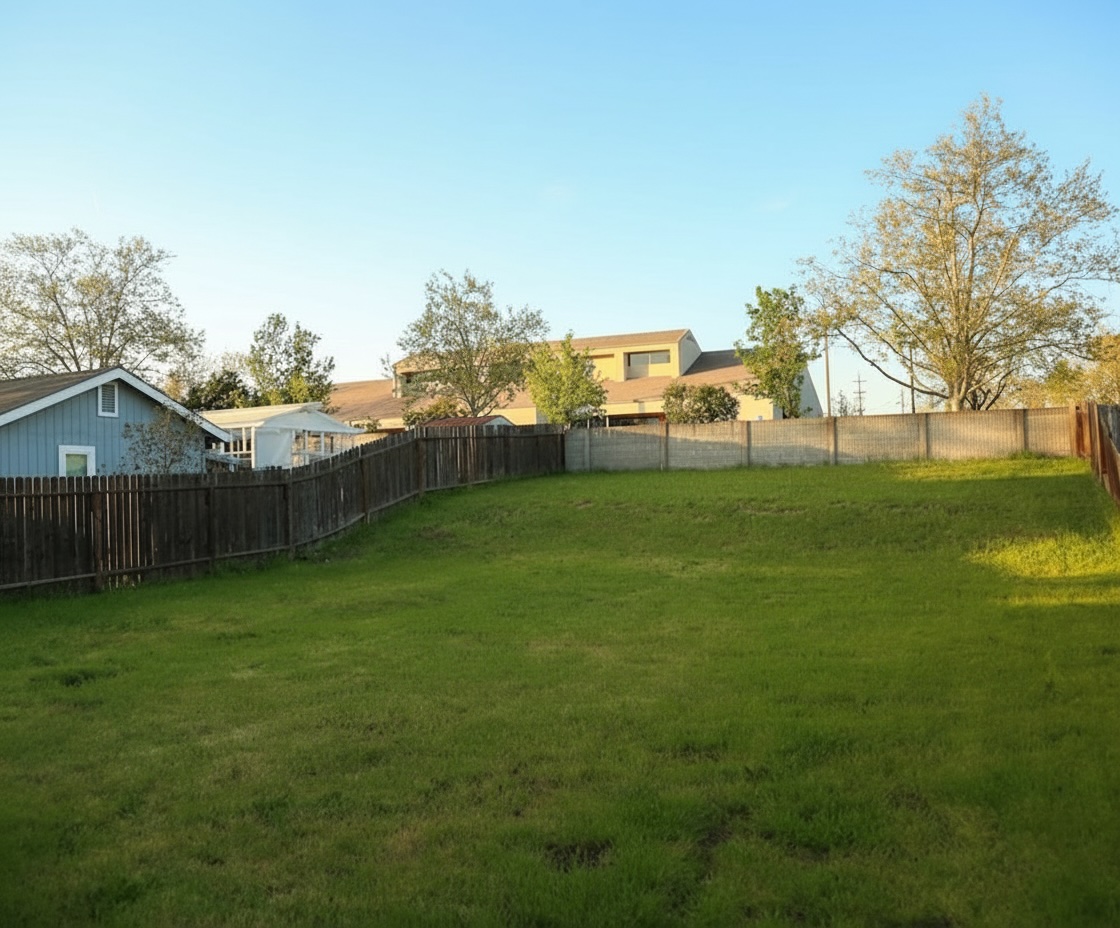
Featured Trees & Shrubs for Modern/Minimalist Gardens
Browse all 176 plants for Reno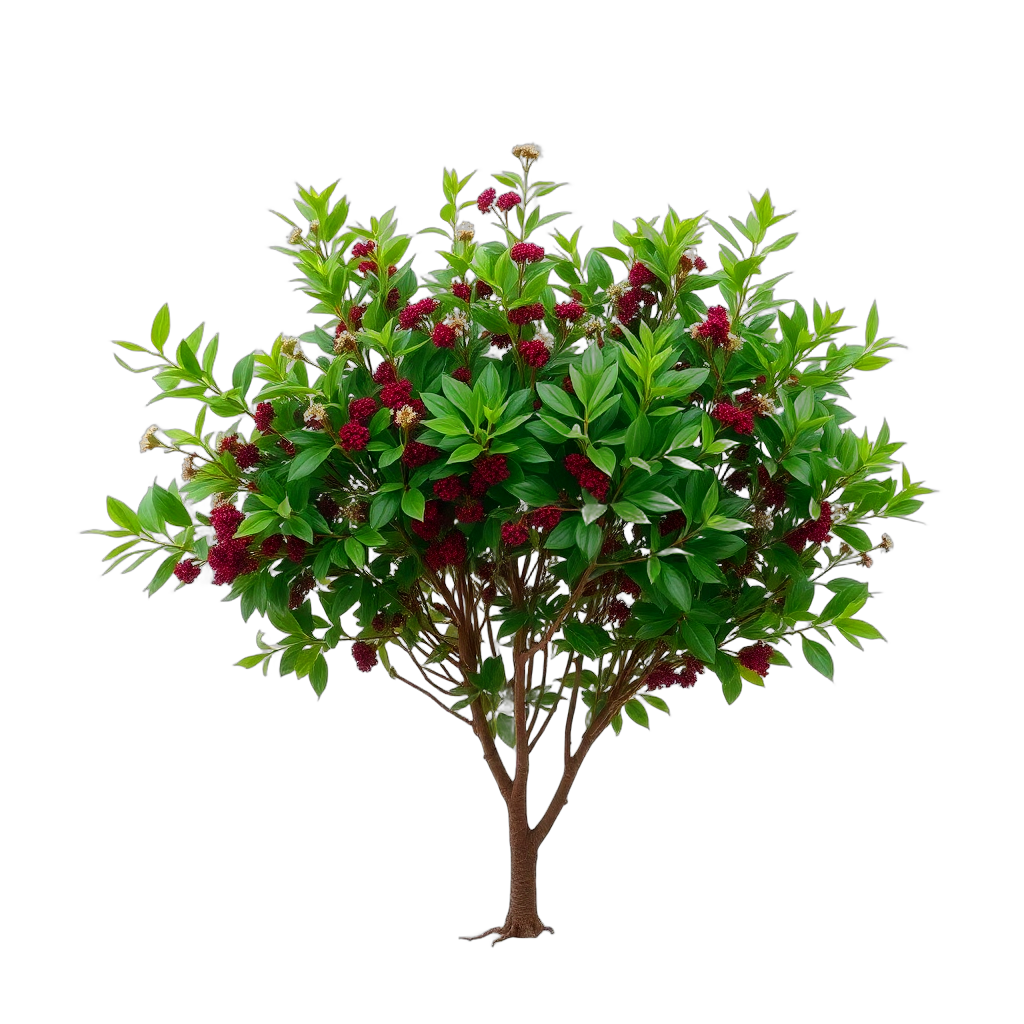
Anderson Wolfberry
Lycium andersonii
grows to 5 feet, purple blooms in spring. Attracts hummingbirds.
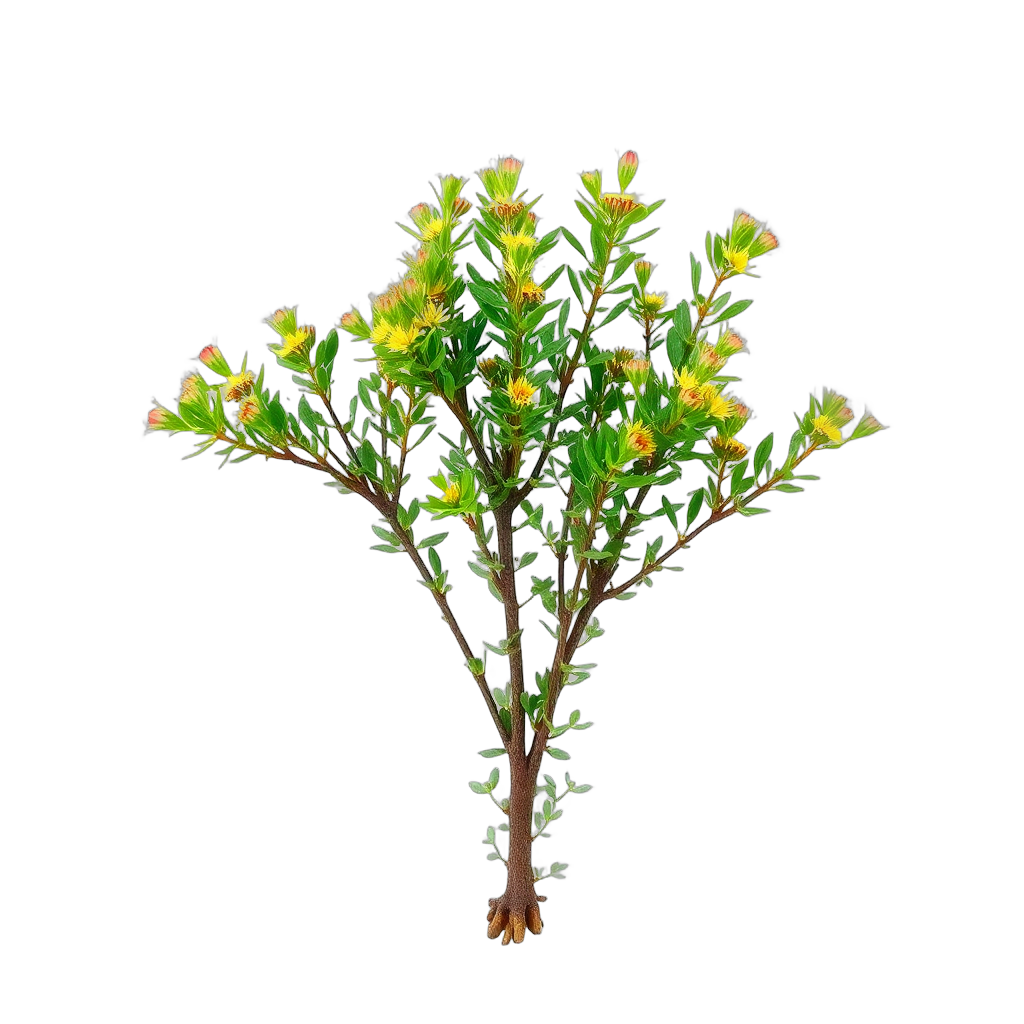
Antelope Bitterbrush
Purshia tridentata
grows to 6 feet, yellow blooms in spring. Fragrant.
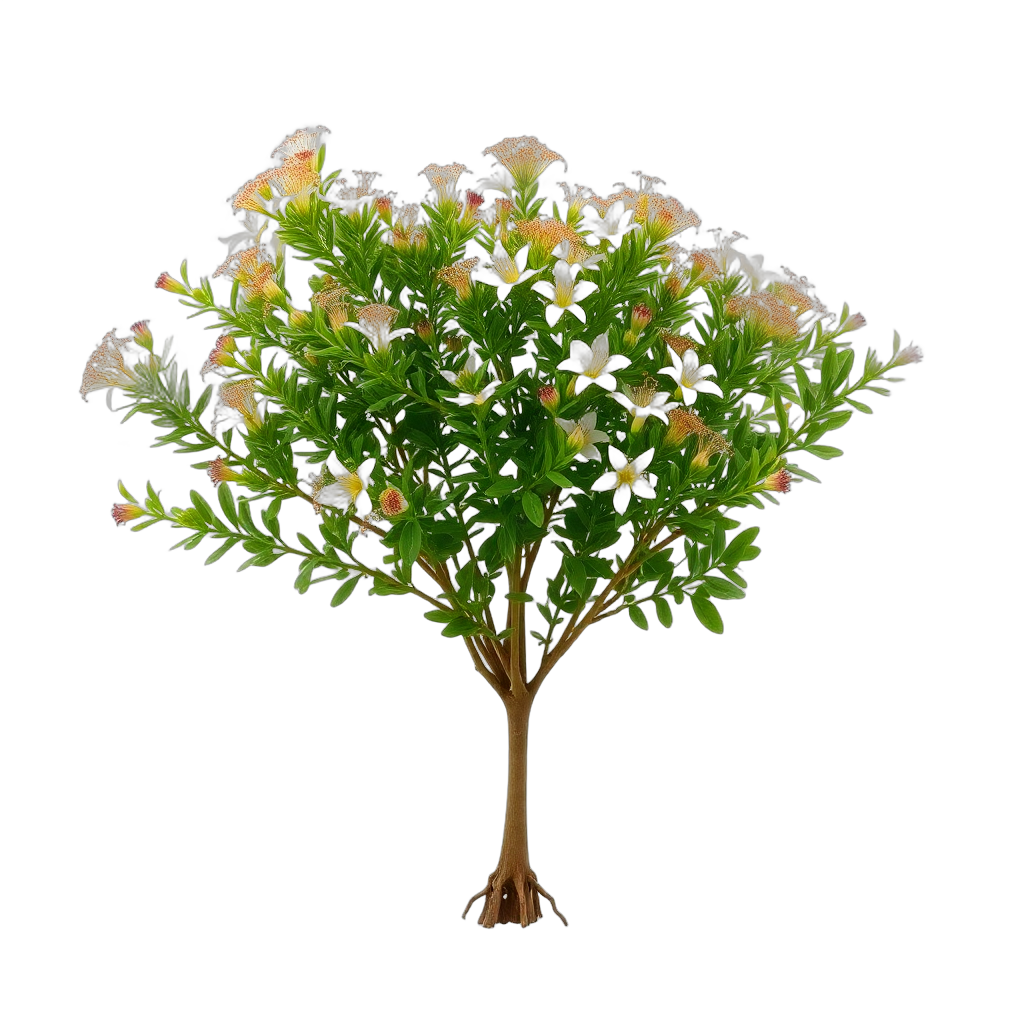
Apache Plume
Fallugia paradoxa
grows to 6 feet, white blooms in summer. Attracts butterflies.
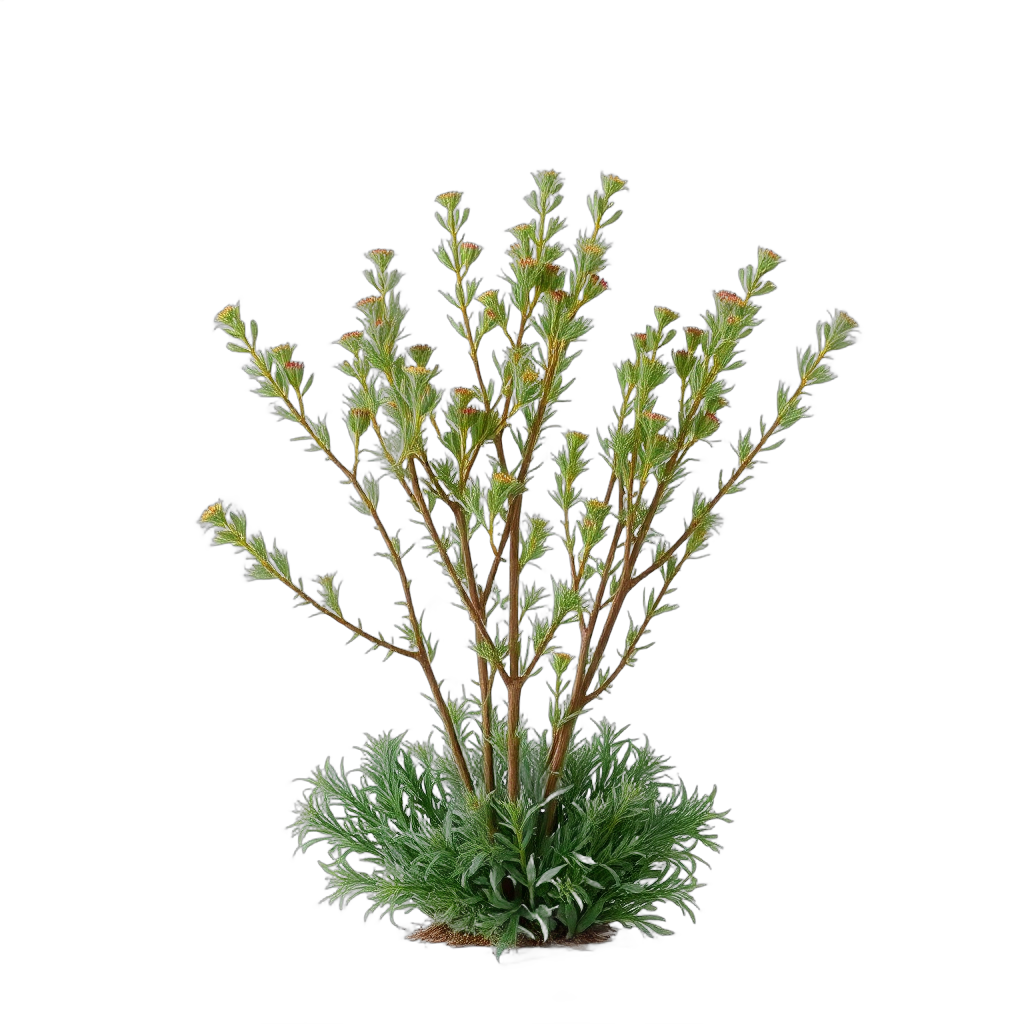
Big Sagebrush
Artemisia tridentata
grows to 6 feet, yellow blooms in fall. Evergreen year-round.
Featured Grasses & Groundcovers for Modern/Minimalist Gardens
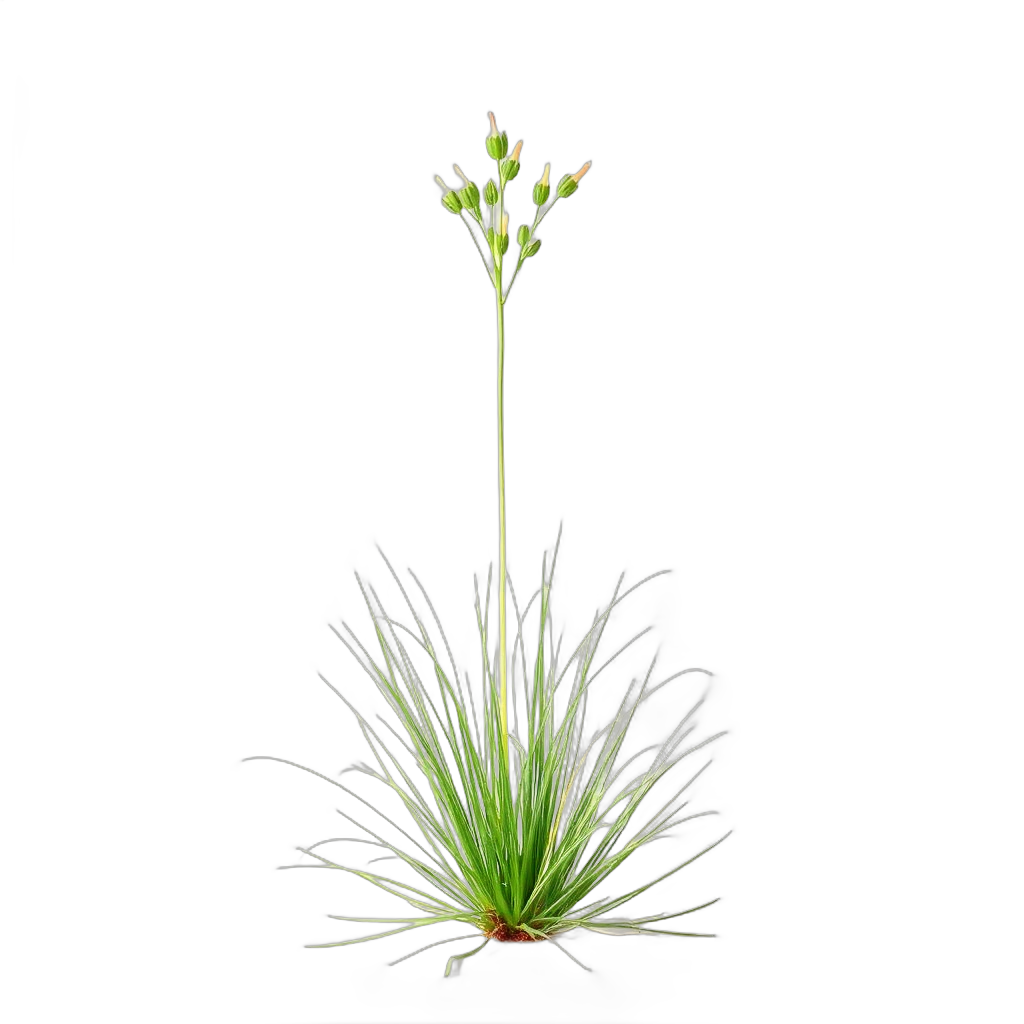
Alkali Sacaton
Sporobolus airoides
grows to 3 feet, blooms in summer. Yellow fall color.
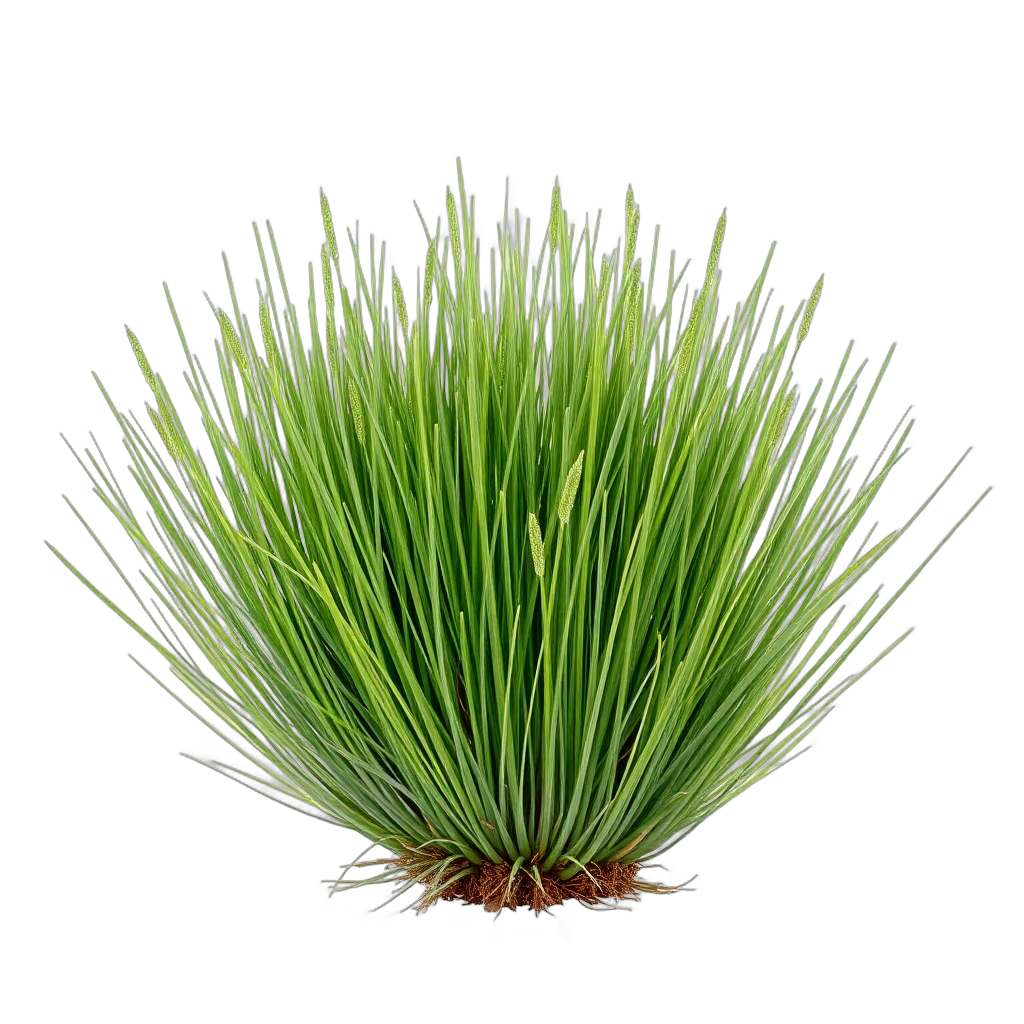
Great Basin Wild Rye
Leymus cinereus
grows to 3 feet, blooms in summer. Yellow fall color.
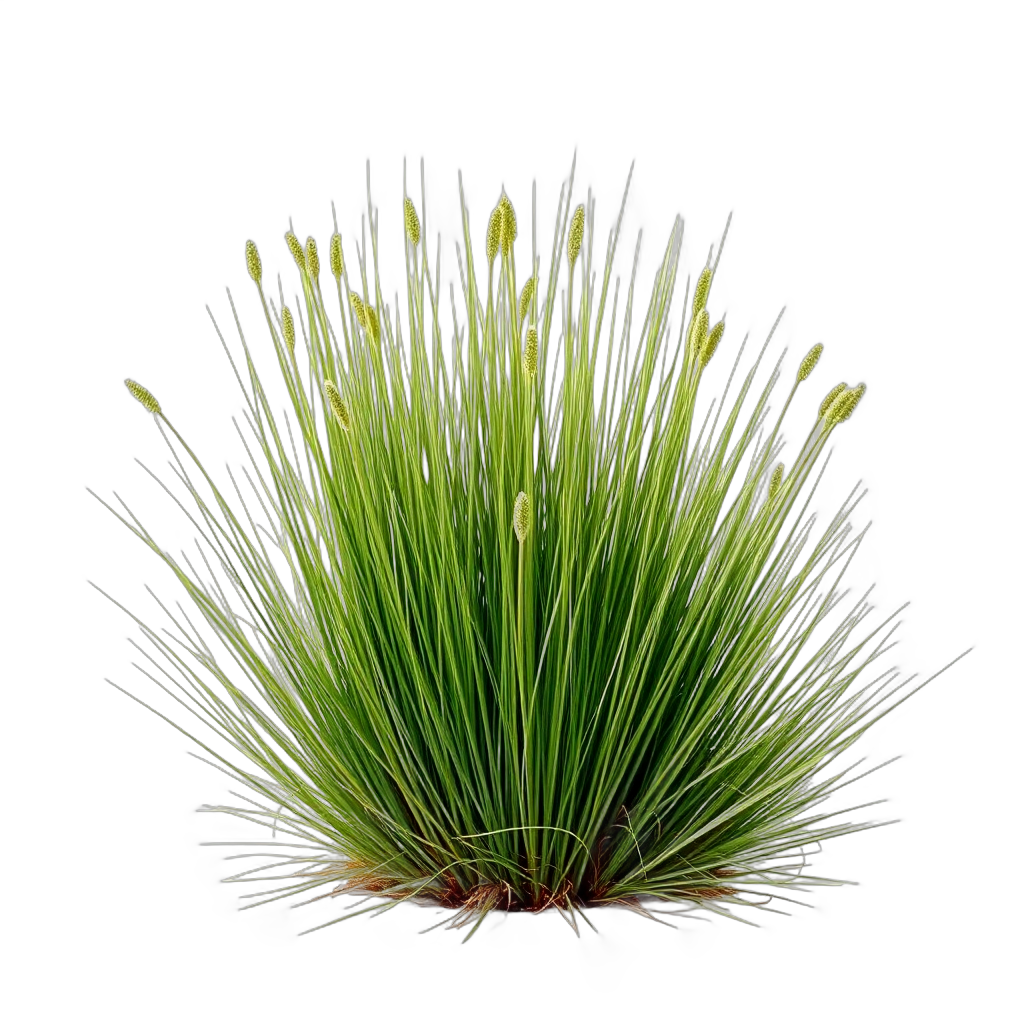
Idaho Fescue
Festuca idahoensis
low-growing ground cover, blooms in summer.
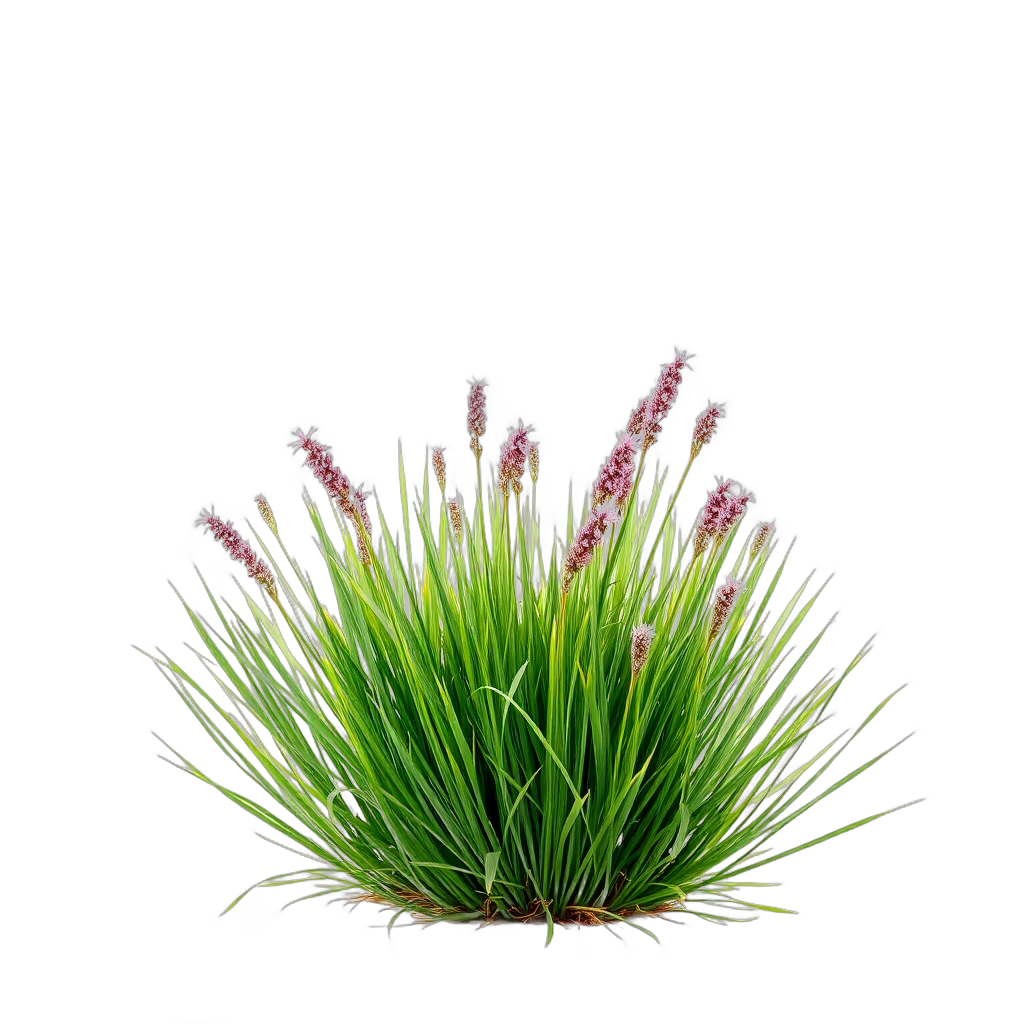
Purple Three-Awn
Aristida purpurea
low-growing ground cover, purple blooms in fall. Yellow fall color.
Featured Flowers & Perennials for Modern/Minimalist Gardens
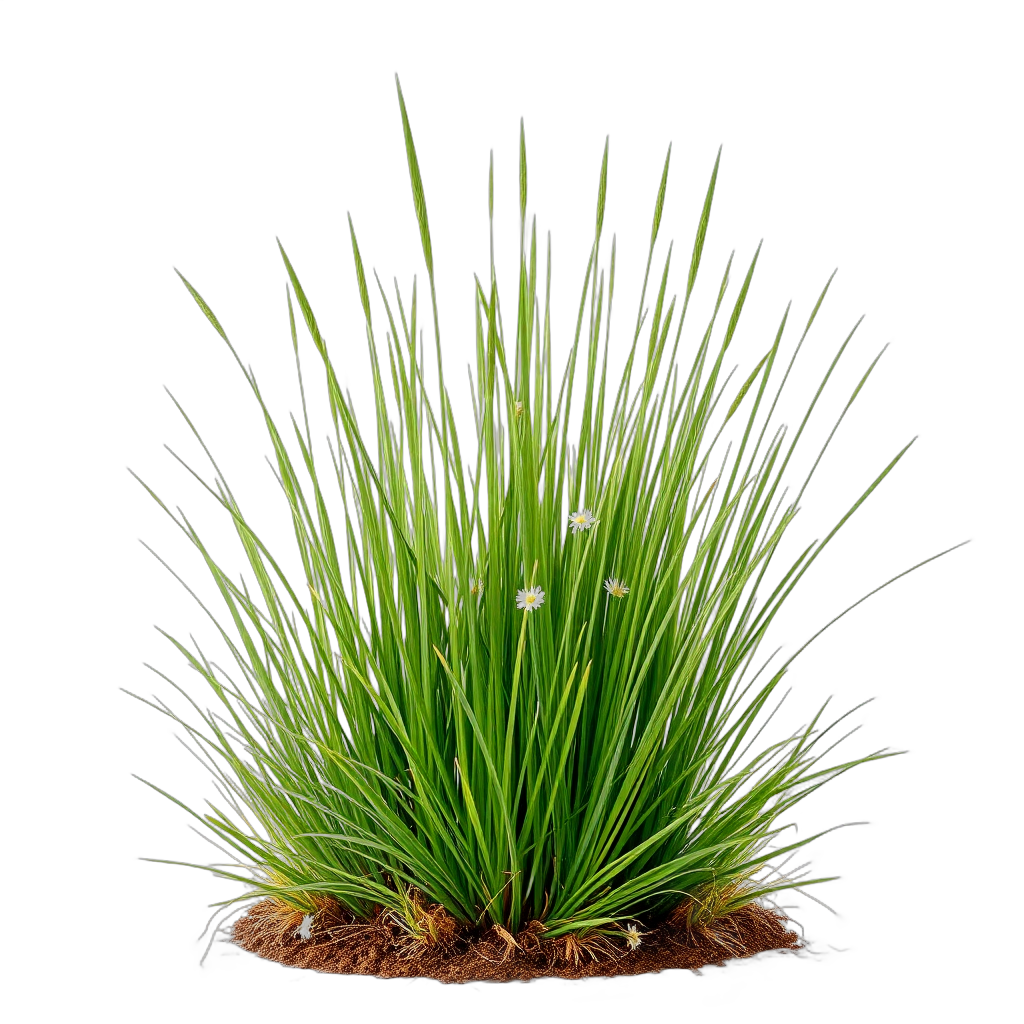
Baltic Rush
Juncus balticus
low-growing ground cover, blooms in summer. Evergreen year-round.
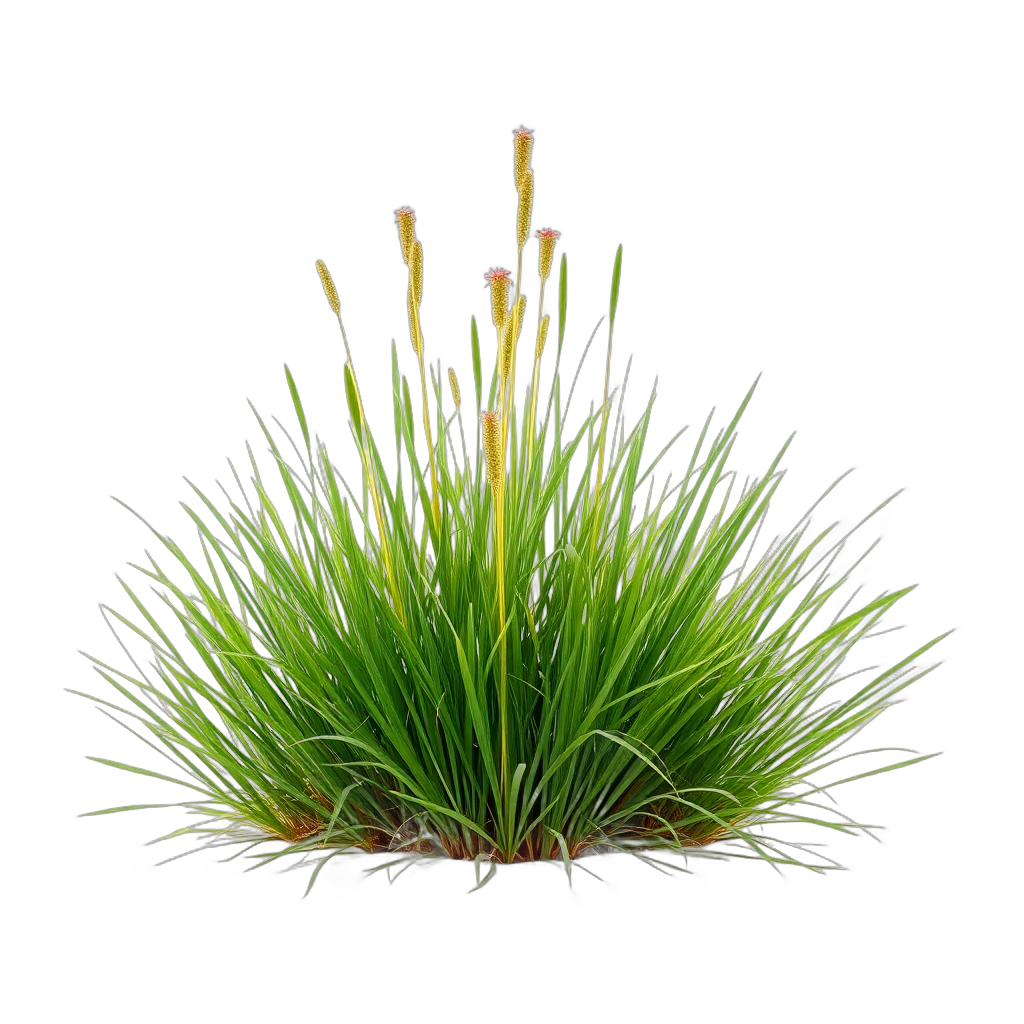
Clustered Field Sedge
Carex praegracilis
low-growing ground cover, blooms in spring.
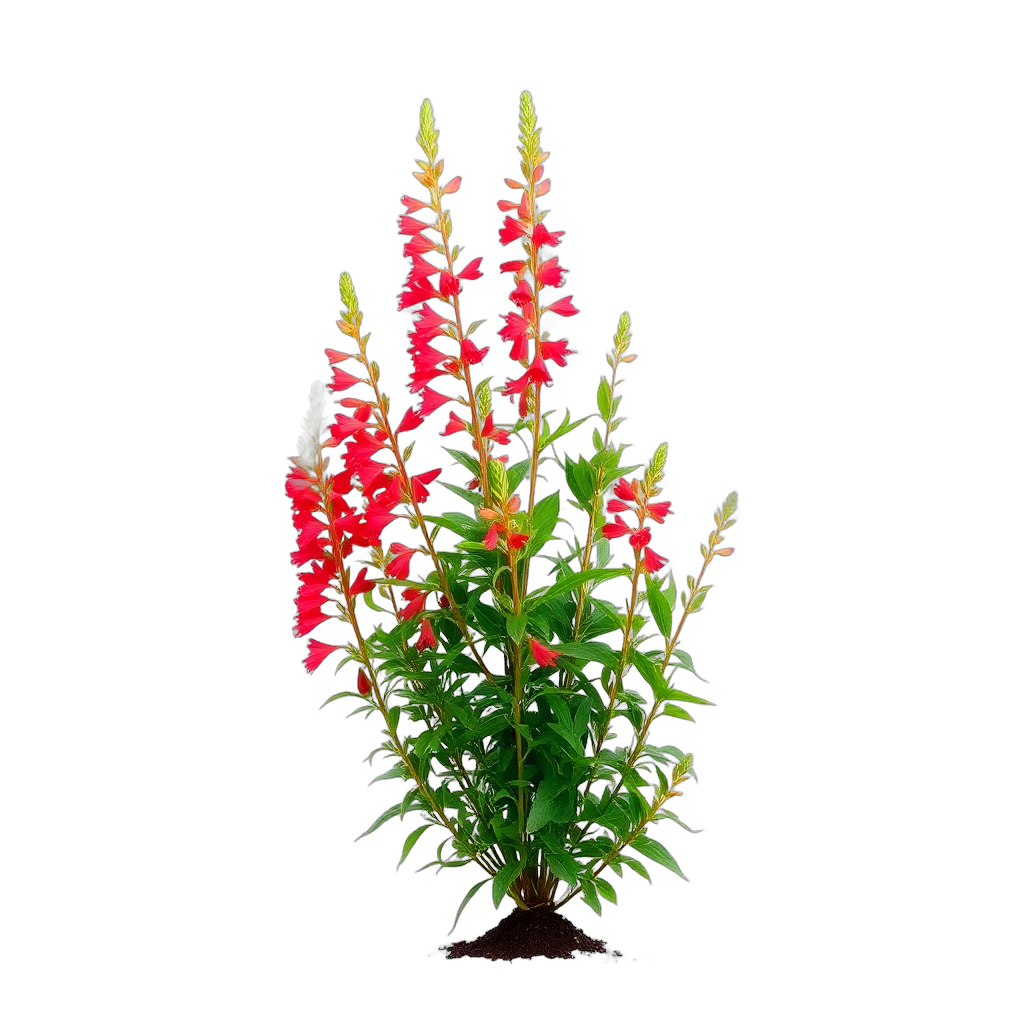
Firecracker Penstemon
Penstemon eatonii
low-growing ground cover, red blooms in spring. Attracts hummingbirds.

Palmer's Penstemon
Penstemon palmeri
grows to 4 feet, pink blooms in spring. Attracts hummingbirds.
Zone and sun checks come from our database — confirm with your local nursery before you buy.
Bloom Calendar for Reno
spring
Clustered Field Sedge, Firecracker Penstemon, Palmer's Penstemonsummer
Baltic Rush, Alkali Sacaton, Great Basin Wild Ryefall
Purple Three-Awn, Big Sagebrush, Rubber Rabbitbrushwinter
Limited bloomsDesign Tips for Reno (Zone 7a)
- Apply for the TMWA turf rebate before breaking ground — the pre-inspection requirement means you cannot retroactively claim the rebate after removing lawn
- Use two tones of DG (a base color plus an accent) in your bed patterns — the subtle contrast between decomposed granite shades creates visual depth that single-color installations lack in Reno’s flat light
- Size your boulders larger than you think necessary — most homeowners underestimate boulder scale and end up with rocks that look like gravel when placed in a large yard; 200–600 lb boulders create the visual weight that modern xeric design requires
- Include a built-in fire feature rather than a portable one — Reno’s cool evenings make outdoor fires a near-nightly occurrence from September through May, and a built-in gas fire bowl or fireplace elevates the space from a backyard to an outdoor room
- Choose warm-toned concrete pavers rather than grey for Reno — the Nevada desert light turns grey pavers cold and institutional, while warm sand tones harmonize with the surrounding Great Basin landscape
- Plant your ornamental grass masses in fall rather than spring — Reno’s mild fall allows root establishment before winter, and cool-season grasses like blue oat grass actively grow in fall, giving you a head start on coverage for the following spring
Where to Source Plants in Reno
Skip the big-box stores. These independent Reno nurseries specialize in the plants that make modern/minimalist gardens thrive in Zone 7a.
Moana Nursery
South Reno / Moana Lane
Drought-tolerant ornamental grasses, native Great Basin plants, and modern landscape specimens
Plant World Nursery
East Reno / Rock Blvd
Ornamental grasses, shrubs, and drought-adapted plants for Reno’s high desert climate
Scolari’s Garden Center
South Reno
Native Great Basin plants, boulders and rock supply, xeriscape specialists
Jared’s Nursery
Sparks (adjacent to Reno)
All-season landscape plants, ornamental grasses, shrubs for Truckee Meadows climate
Tahoe Tree Company
Truckee / North Lake Tahoe
Cold-hardy specimen trees, native Sierra Nevada plants, high-elevation landscape specialists
Modern/Minimalist Landscaping Costs in Reno
| Project Scope | Estimated Cost |
|---|---|
| Modern front yard lawn replacement with DG and boulders (800 sqft) | $6,000 – $14,000 |
| Backyard concrete patio with fire pit and pergola | $14,000 – $32,000 |
| Inground rectangular pool (14x28 ft) | $45,000 – $80,000 |
| Drip irrigation system with TMWA-qualifying smart controller | $2,000 – $4,500 |
| Horizontal cedar privacy fence (per linear foot installed) | $35 – $65/linear ft |
| Boulder placement and rock feature installation | $1,500 – $5,000 |
| AI visualization with ProScapeAI | Free to start |
Estimates based on Reno, NV-area contractor rates as of 2026. Actual costs vary by site conditions, materials, and contractor.
Reno Climate & Growing Zone
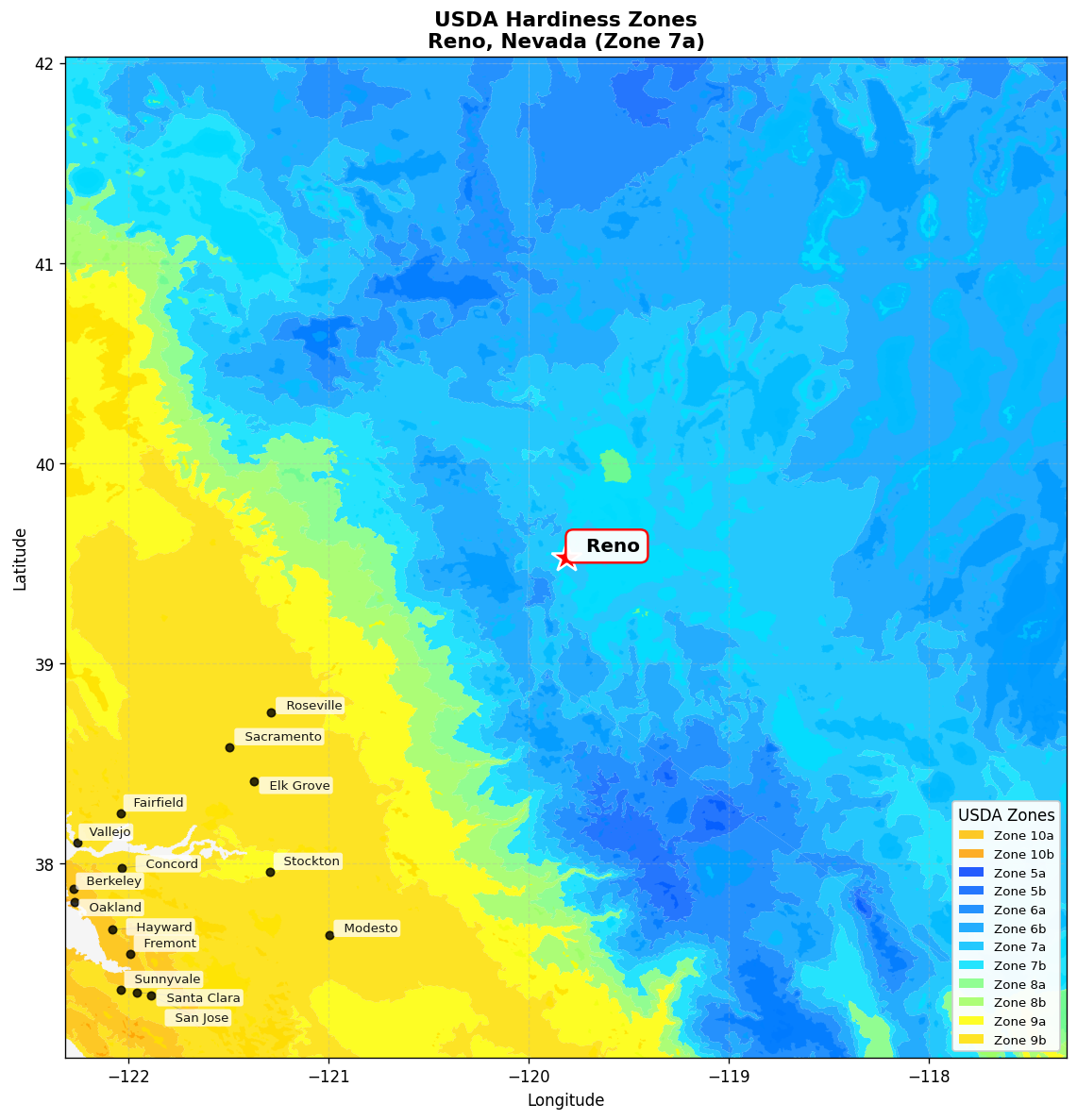
USDA Zone 7a
Hardiness zone for Reno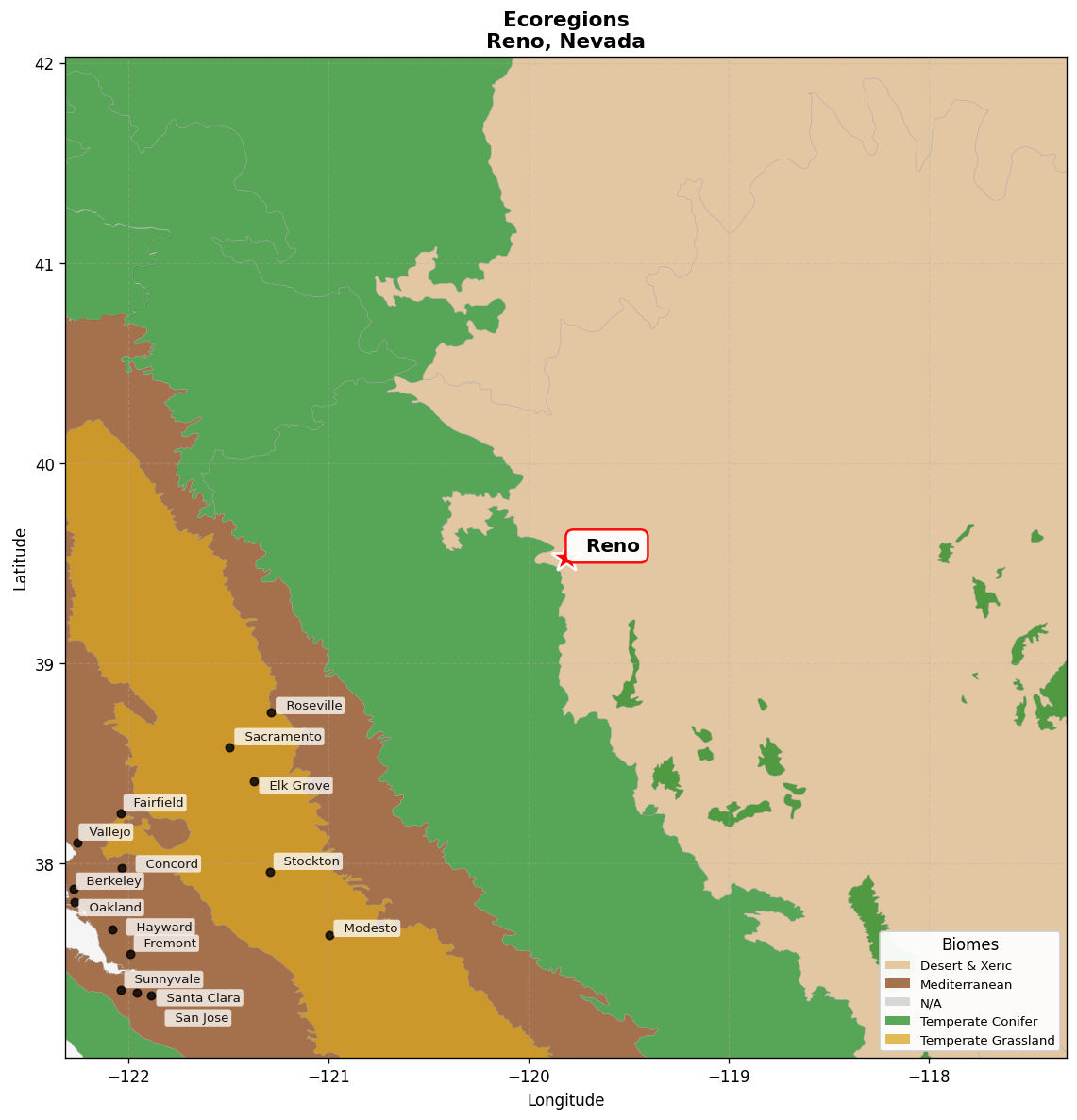
Great Basin shrub steppe
Native ecoregionFrequently Asked Questions
What is the TMWA turf removal rebate and how do I apply?
The Truckee Meadows Water Authority offers rebates of up to $3 per square foot for removing lawn and replacing it with drought-tolerant landscaping. Eligibility requirements: existing turf must be removed entirely, replacement must use drip or micro-spray irrigation (no overhead spray), and plants must be from an approved drought-tolerant species list. Apply at tmwa.com before starting work — the rebate requires a pre-inspection. A typical 1,000 sqft front lawn conversion earns $2,000–$3,000 in rebates and saves $400–$800/year in water bills.
How much does modern xeriscaping cost in Reno, NV?
Modern xeriscaping in Reno runs $5–$20/sqft for complete installations depending on complexity. A basic lawn replacement with DG, boulders, and drip-irrigated plants costs $8–$12/sqft for a front yard. A full backyard with patio, pergola, fire feature, and xeric planting runs $18,000–$40,000. Pool addition adds $45,000–$80,000. After TMWA rebates, a front yard project can net $2,000–$4,000 back, bringing effective cost down to $6–10/sqft for qualifying projects.
What ornamental grasses perform best in Reno’s high desert climate?
Top ornamental grasses for modern Reno landscapes: Karl Foerster feather reed grass (upright, golden autumn color, Zone 5 hardy), blue oat grass (Helictotrichon sempervirens — cool-season evergreen with steel-blue blades), blue grama grass (native Great Basin grass, drought-tolerant once established), Mexican feather grass (fine-textured, self-seeding, spectacular in wind), and muhlenbergia (fall pink plumes, excellent fall interest). All are cold-hardy to Zone 5 or colder and thrive in Reno’s alkaline soils with minimal supplemental water after the first season.
Can I install a pool in Reno, NV?
Yes, Reno is a strong pool market — the combination of 300 sunny days per year, warm summers (90°F+), and cold winters means pools get heavy use from May through October. Most Reno homeowners heat their pools for shoulder-season use (April, May, October). Key considerations: building permit required from City of Reno or Washoe County depending on location; setback minimums from property lines (typically 5 feet); pool safety fencing required by code; and soil conditions matter — get a soils report before construction to check for expansive soils in the Truckee Meadows.
What hardscaping materials are best for modern Reno landscapes?
Top choices for modern Reno: decomposed granite (DG) in tan or gray for low-cost, natural-looking paths and ground cover; large-format concrete pavers (24x24 in grey or charcoal) for patios; broom-finished poured concrete for driveways and large areas; flagstone for informal paths and seating areas; and locally-sourced Nevada basalt or granite boulders for natural accents. Avoid porous concrete or unsealed pavers — Reno’s freeze-thaw cycles crack untreated surfaces. Seal all concrete and paver surfaces before the first winter.
How do I design a windbreak for a Reno outdoor space?
Reno’s prevailing winds come from the southwest and northwest — afternoon wind is one of the most common complaints about Reno outdoor spaces. Effective windbreaks: a horizontal-slat cedar fence (6 feet tall) provides solid wind protection for patios up to 20 feet away; a dense planting of mugo pine, Austrian pine, or native serviceberry creates a living windbreak that improves with age; a pergola with polycarbonate or canvas panels on the windward side cuts wind speed by 60–80%. Design your patio on the leeward (east or north) side of the house when possible for natural wind protection from the building mass.