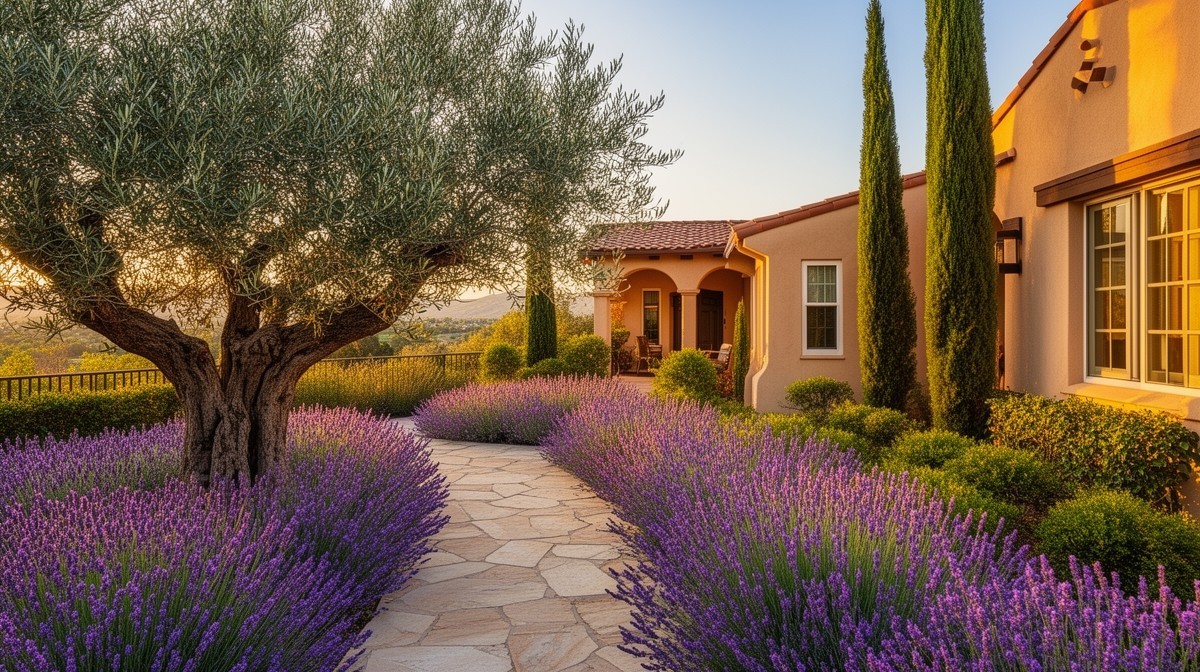
4 Mediterranean Garden Ideas for Reno, NV | Drought-Tolerant Zone 7a Designs
Native plants from the Great Basin shrub steppe (Zone 7a) — Mediterranean (warm summer) climate
Why Mediterranean Gardens in Reno?
A Mediterranean garden in Reno, NV is one of the most inspired climate matches in American landscaping — the Great Basin shrub steppe ecoregion shares essential characteristics with the Mediterranean basin: hot dry summers, cold winters, alkaline soils, and intense sunlight with low humidity. The plants of the Mediterranean — lavender, rosemary, olive, cypress, and agave — thrive in Reno’s climate with minimal supplemental irrigation once established. The aesthetic match is equally strong: the silvery-grey tones of Mediterranean foliage photograph beautifully in Reno’s brilliant high desert light.
Reno’s eclectic architectural mix includes stucco homes in South Meadows, Spanish Revival-influenced buildings in the University District, and Italianate-style homes in Old Southwest that accept Mediterranean landscaping as a natural extension of their architecture. Terracotta pots, gravel surfaces, Italian cypress as vertical accents, and fragrant lavender along pathways create an instant Mediterranean atmosphere that works as well in a contemporary stucco home as in a classic Spanish Revival. The gravel Mediterranean garden — crushed limestone or pea gravel as the primary surface, with fragrant herbs massed between pavers — is particularly well suited to Reno’s dry climate.
Water conservation is a natural strength of Mediterranean design. The Truckee Meadows Water Authority classifies most Mediterranean plants as water-wise and qualifies them for turf rebate replacement programs. A Mediterranean landscape that replaces lawn with gravel, lavender, and olive trees reduces outdoor water use by 60–80% while maintaining year-round visual appeal. Rosemary and lavender are evergreen through Reno’s winters, providing form and silver-green color even when deciduous plants have lost their leaves.
4 Mediterranean Design Ideas for Reno
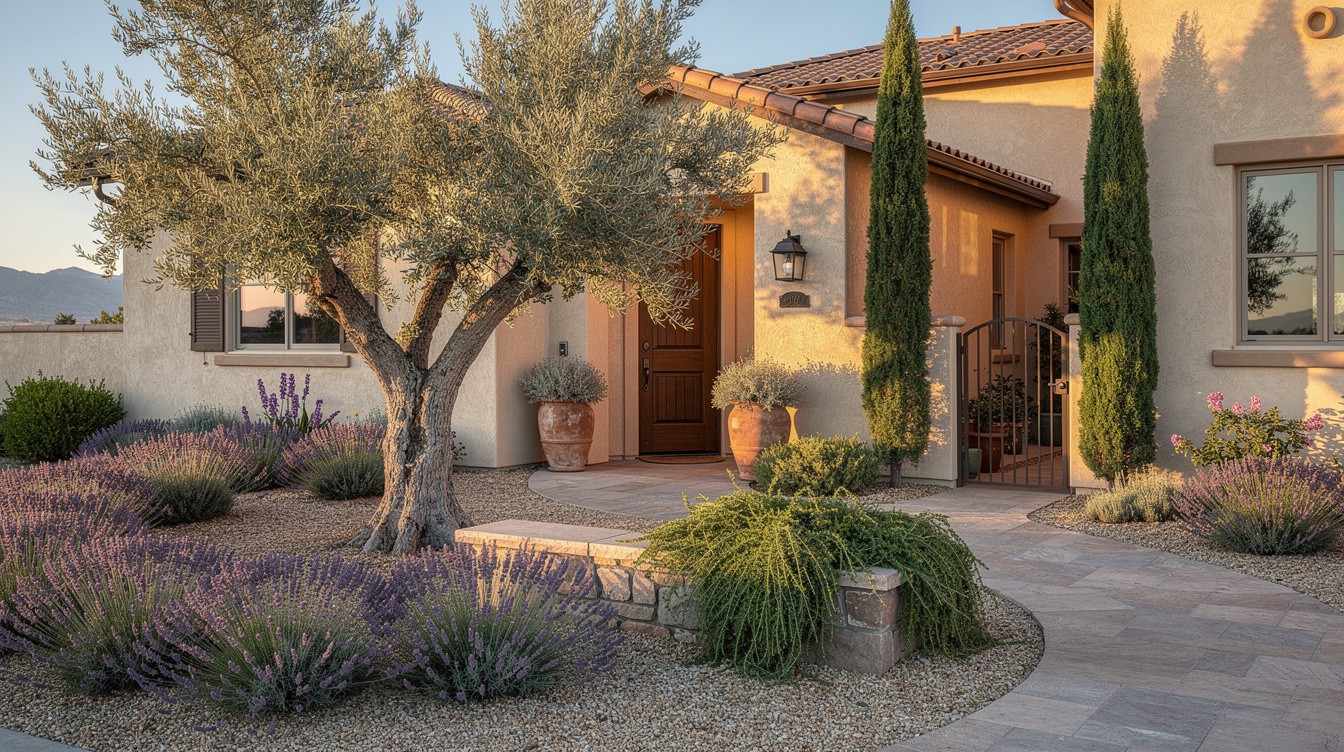
The Tuscan Olive and Lavender Entry
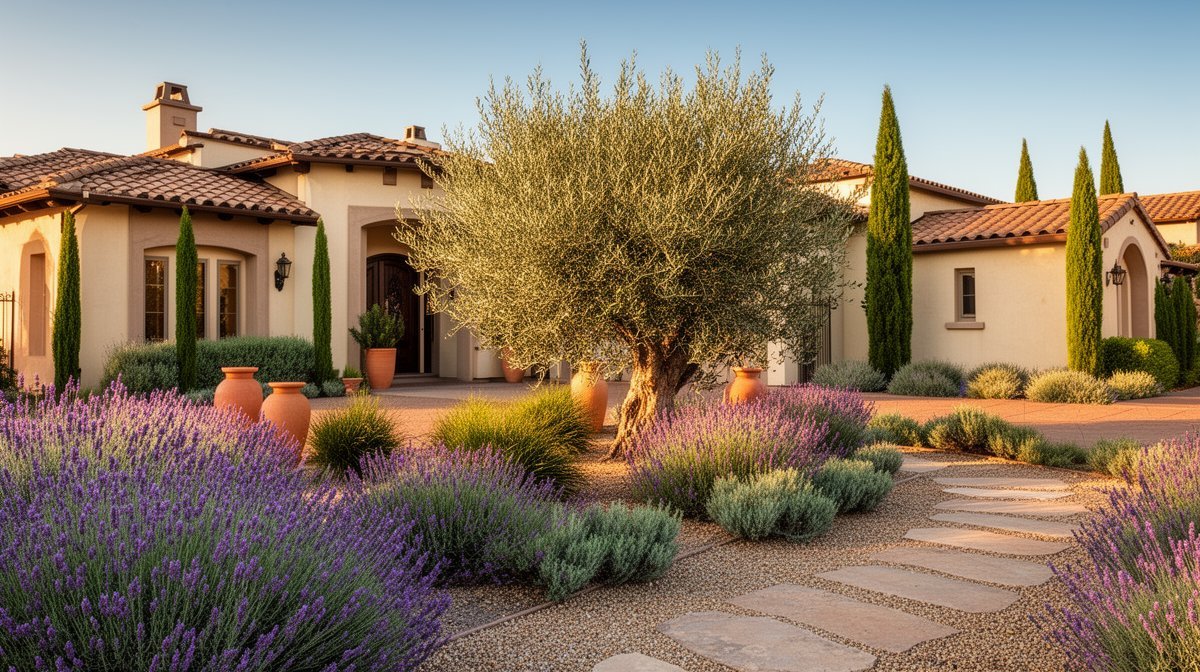
$11–22/sqftA Reno stucco home has its entry transformed with a Mediterranean olive tree as a sculptural focal point set in a gravel-mulched bed, flanked by masses of lavender in sweeping drifts along the path. Two terracotta urns flank the front door while Italian cypress in a pair frames the gate. Low-growing rosemary spills over the edge of a small retaining wall while drought-tolerant Spanish lavender provides season-long interest. The overall effect is a Provencal farmhouse entrance transplanted to the Nevada high desert — fragrant, silver-grey, and virtually maintenance-free.
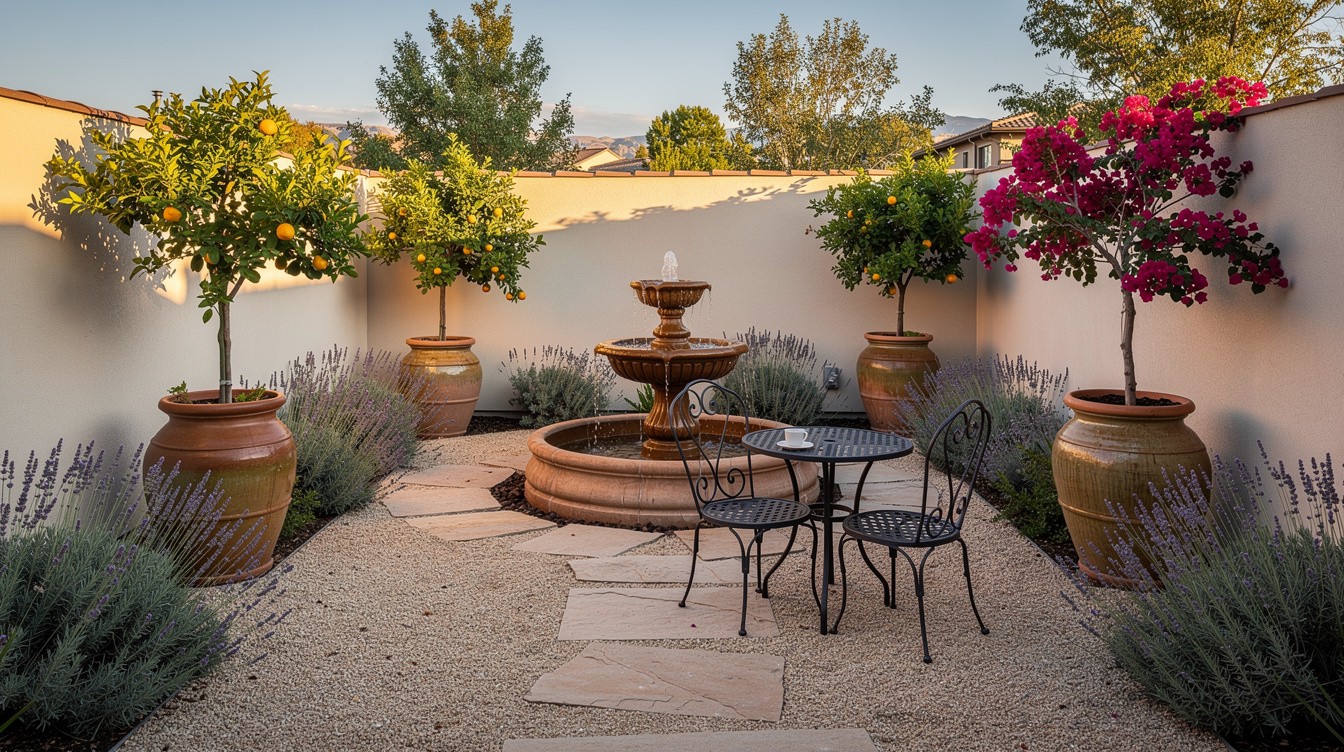
The Walled Courtyard Garden
$18–35/sqftA walled Mediterranean courtyard with a low stucco perimeter wall creates a private outdoor room for this Reno home. A central tiered terracotta fountain provides the sound of water while potted citrus and bougainvillea in large glazed urns add color. The ground surface is crushed limestone with flagstone stepping stones while the planting masses lavender, Spanish sage, and rosemary against the stucco walls. A wrought iron bistro table and chairs complete the space for morning coffee and Reno’s spectacular spring evenings.
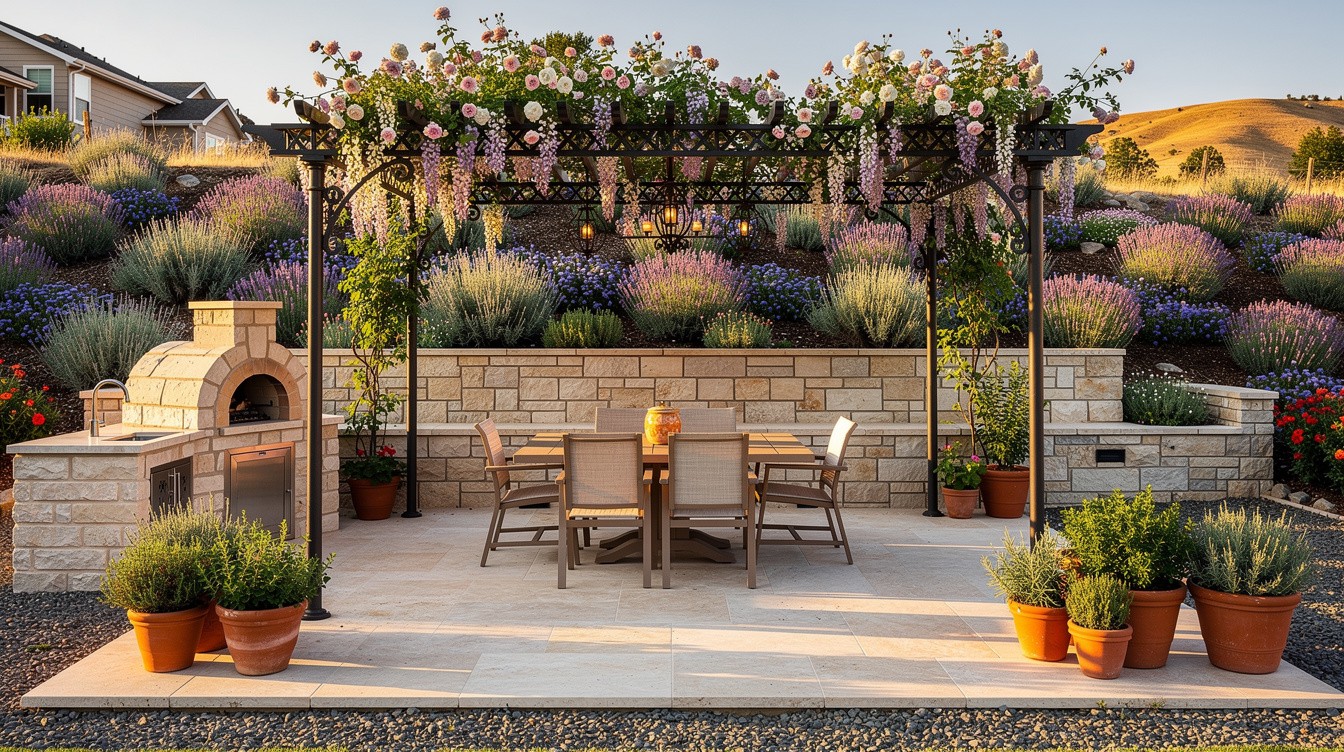
The Provencal Backyard Terrace
$20–40/sqftA sloped Reno backyard is terraced with two levels of dry-stacked stone retaining walls, the lower level holding a travertine dining terrace and the upper level planted densely in a Provencal mix of lavender, rosemary, salvia, and nepeta. A vintage-look iron pergola over the dining area supports climbing roses and wisteria while terracotta pots of herbs crowd the terrace edges. An outdoor kitchen with a simple pizza oven occupies one end of the terrace. The entire garden is functional with virtually no lawn to mow.
The Spanish Colonial Garden
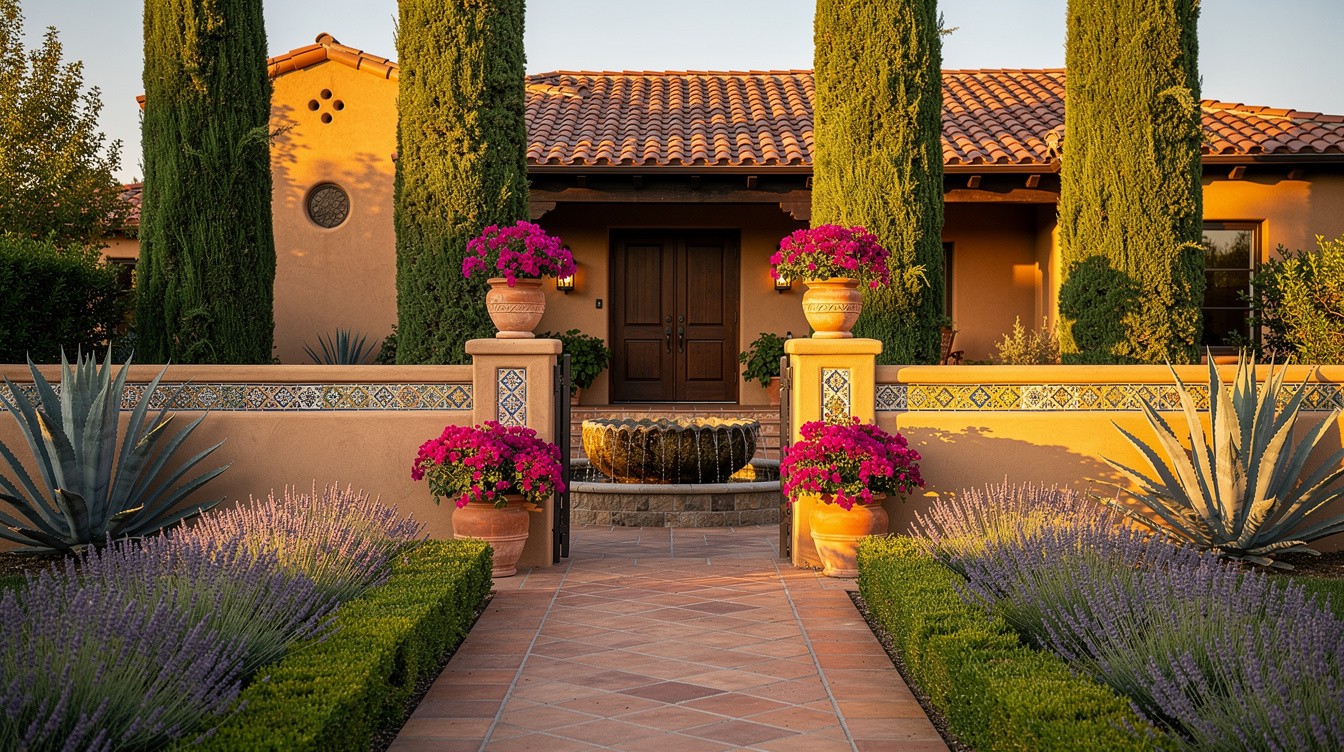
$22–45/sqftAn adobe-style Reno home gets a full Spanish Colonial landscape treatment: a formal entry path of saltillo tile leads through a symmetrical lavender parterre to the front door while Italian cypress in a formal avenue of four frames the approach. A recirculating stone trough fountain anchors the entry axis while bougainvillea in large terracotta pots flanks the gate. Agave and yucca serve as accent plants at the corners while a low stucco wall with decorative tile accents defines the garden boundary. Intensely atmospheric in Reno’s bright light.
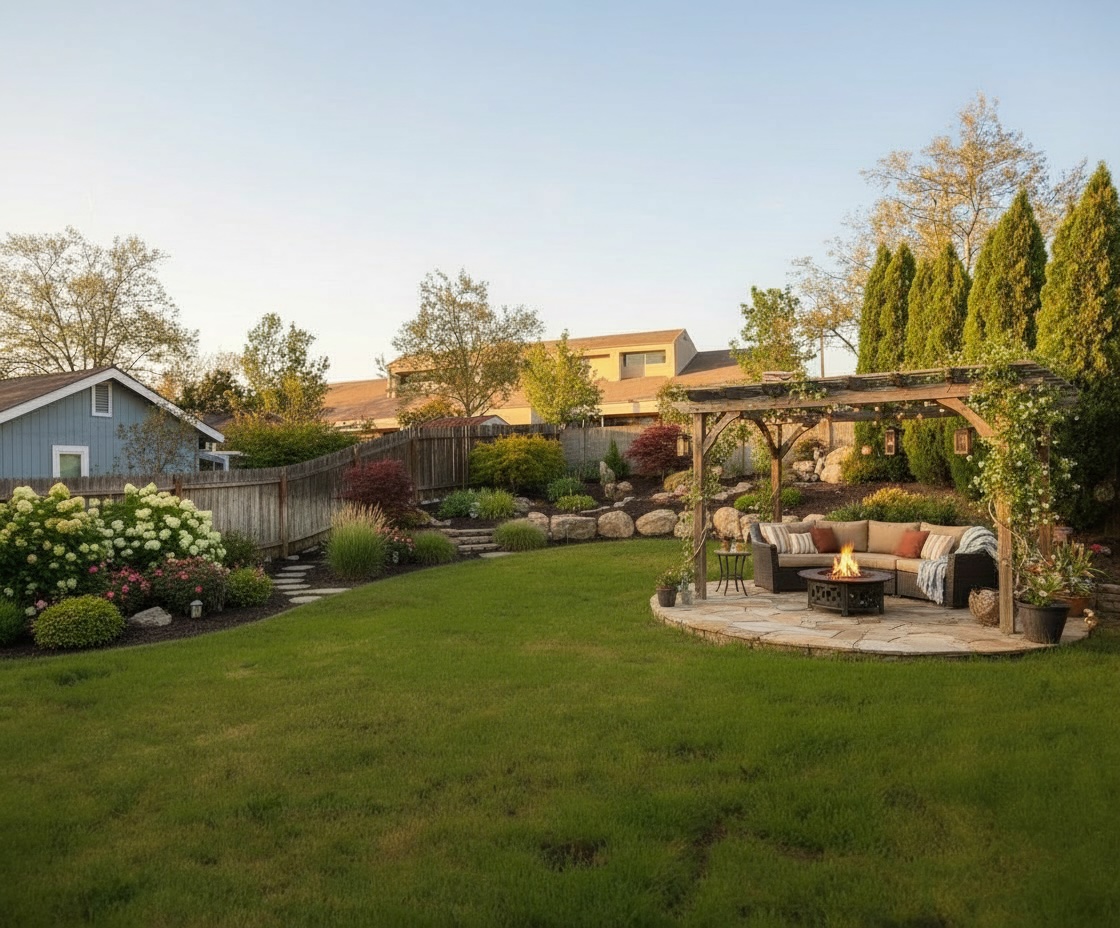
See how a mediterranean garden looks on YOUR property
Upload a photo of your Reno yard and visualize your dream garden in seconds.
Try ProScapeAI Free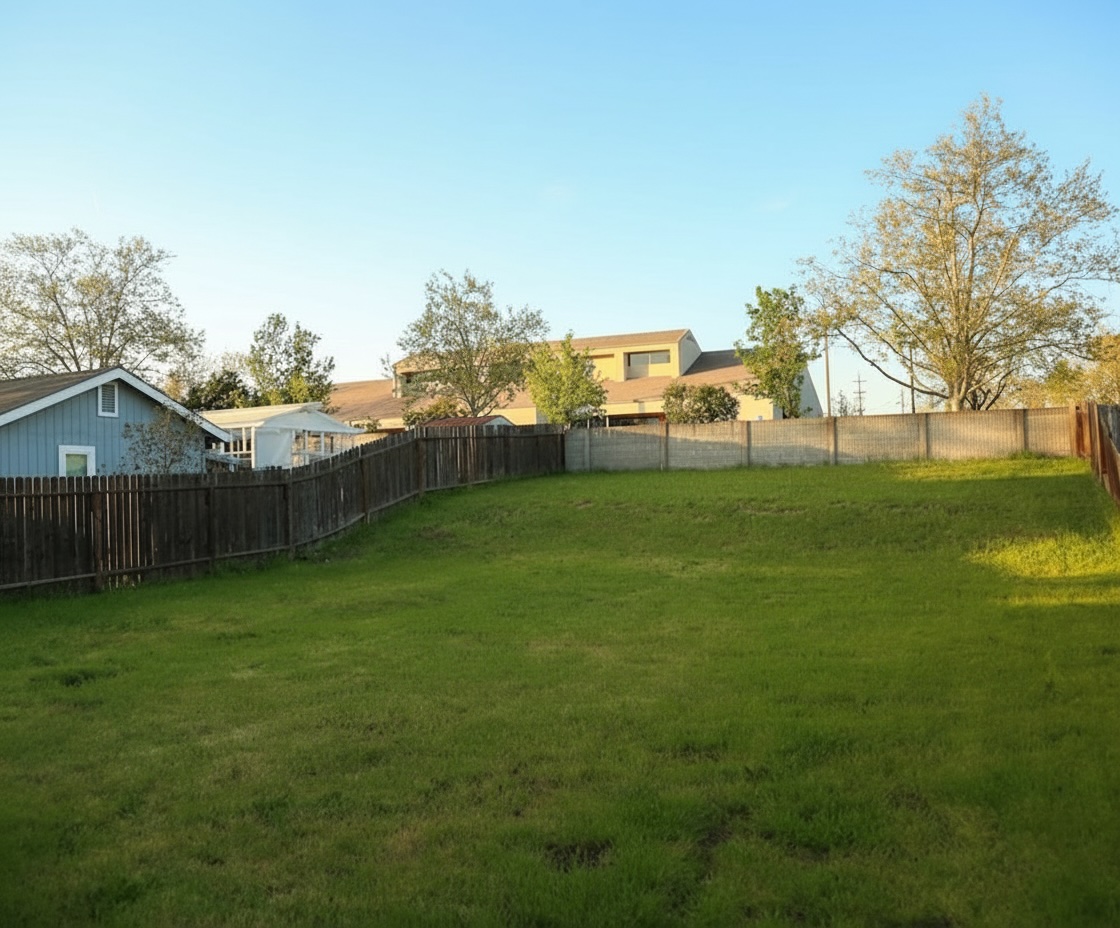
Featured Trees & Shrubs for Mediterranean Gardens
Browse all 176 plants for Reno
Anderson Wolfberry
Lycium andersonii
grows to 5 feet, purple blooms in spring. Attracts hummingbirds.
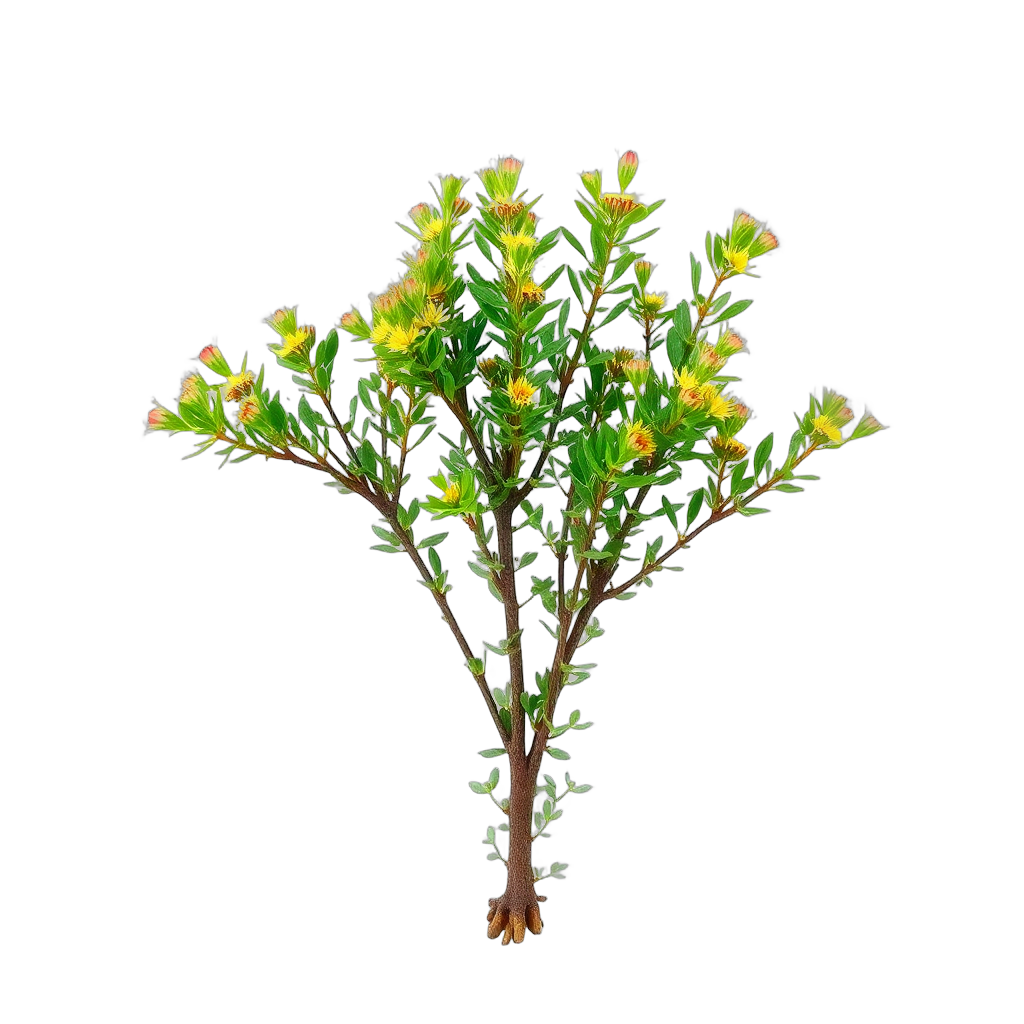
Antelope Bitterbrush
Purshia tridentata
grows to 6 feet, yellow blooms in spring. Fragrant.
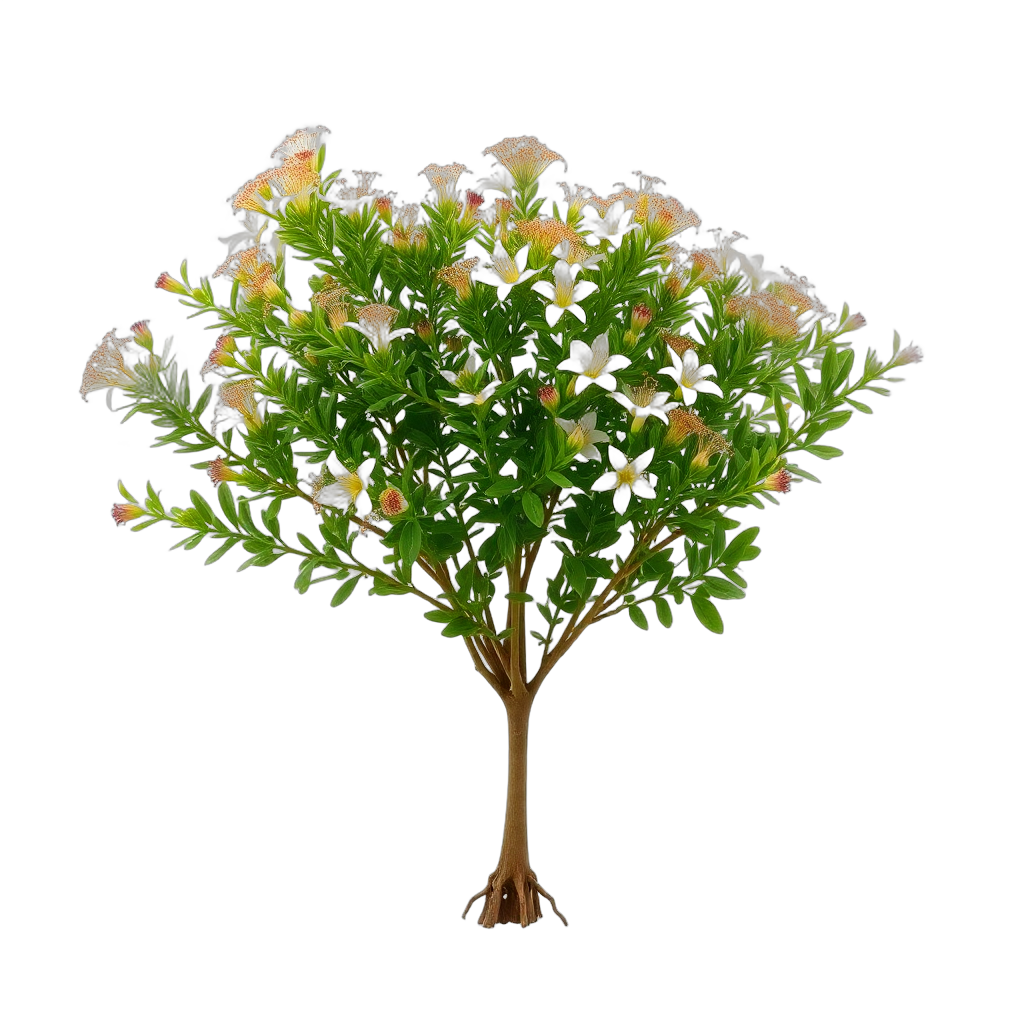
Apache Plume
Fallugia paradoxa
grows to 6 feet, white blooms in summer. Attracts butterflies.
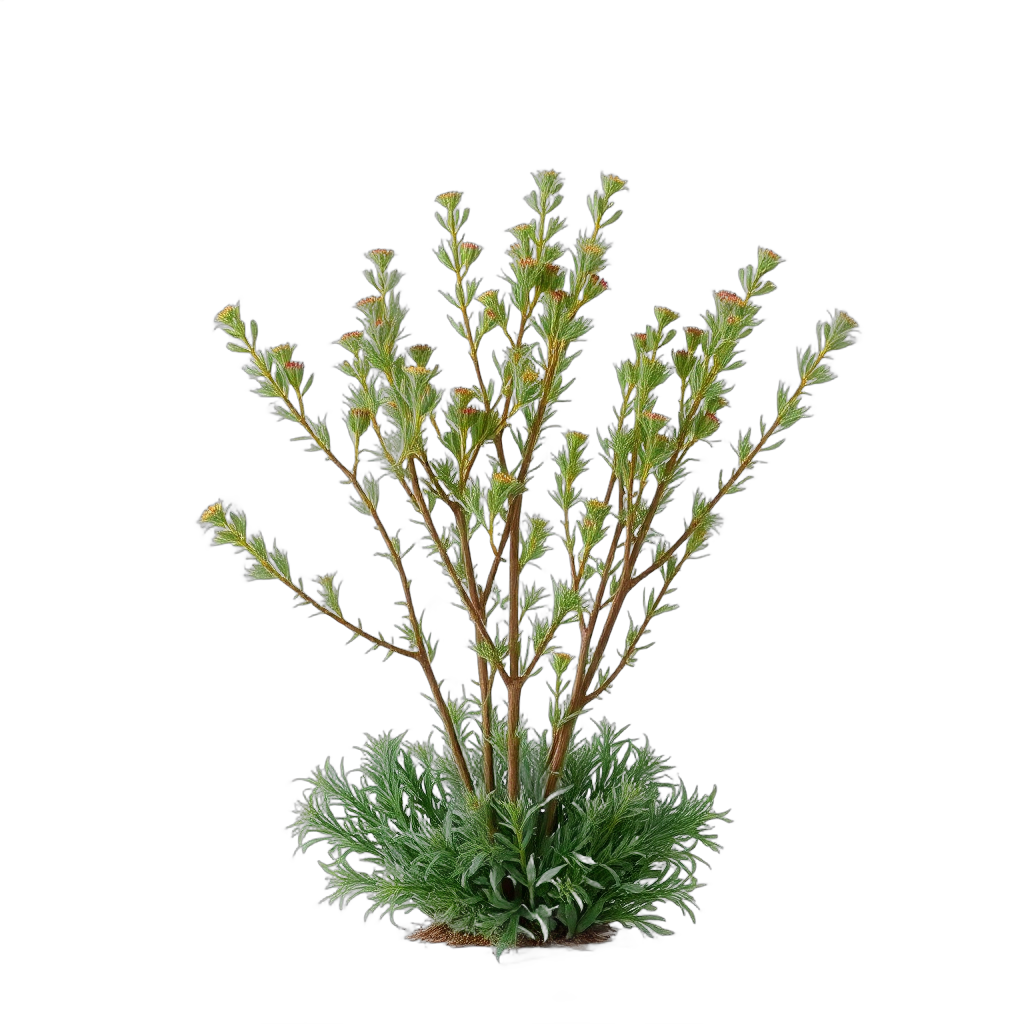
Big Sagebrush
Artemisia tridentata
grows to 6 feet, yellow blooms in fall. Evergreen year-round.
Featured Grasses & Groundcovers for Mediterranean Gardens
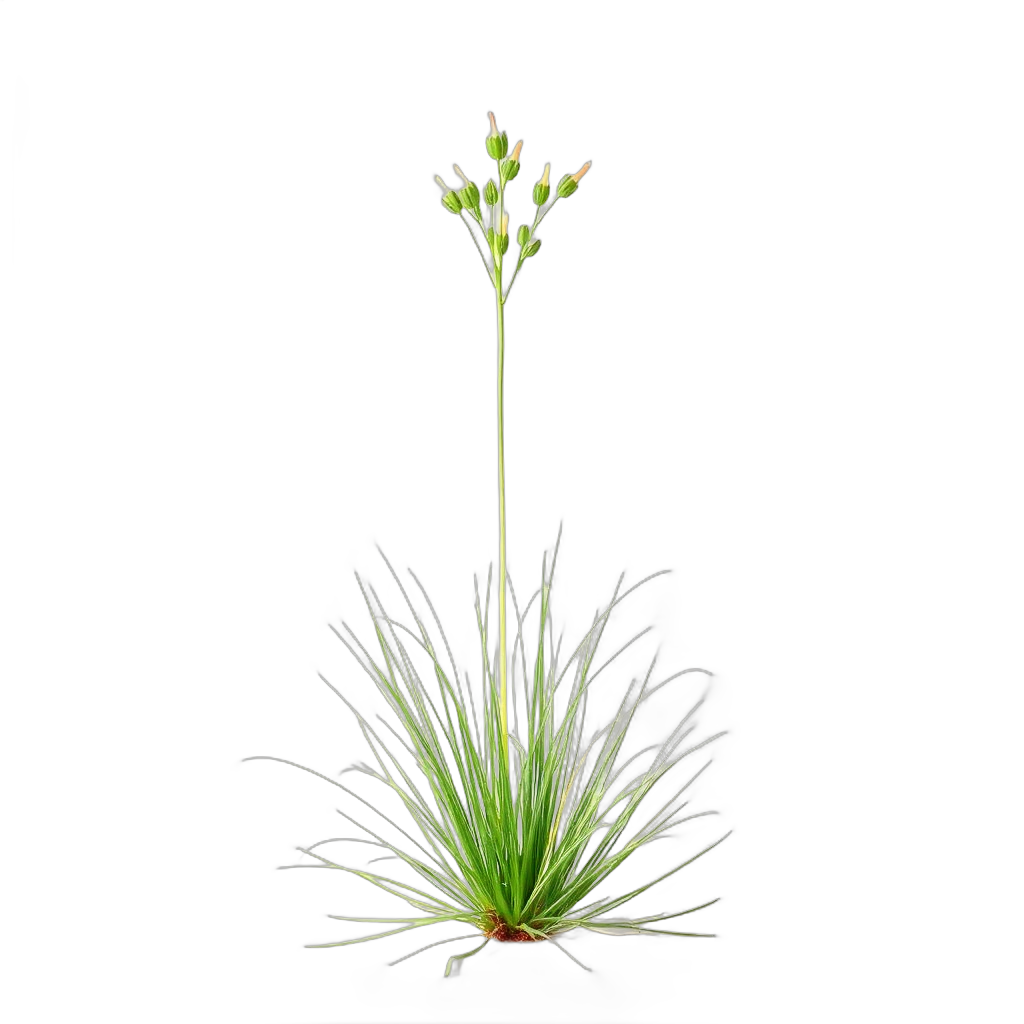
Alkali Sacaton
Sporobolus airoides
grows to 3 feet, blooms in summer. Yellow fall color.
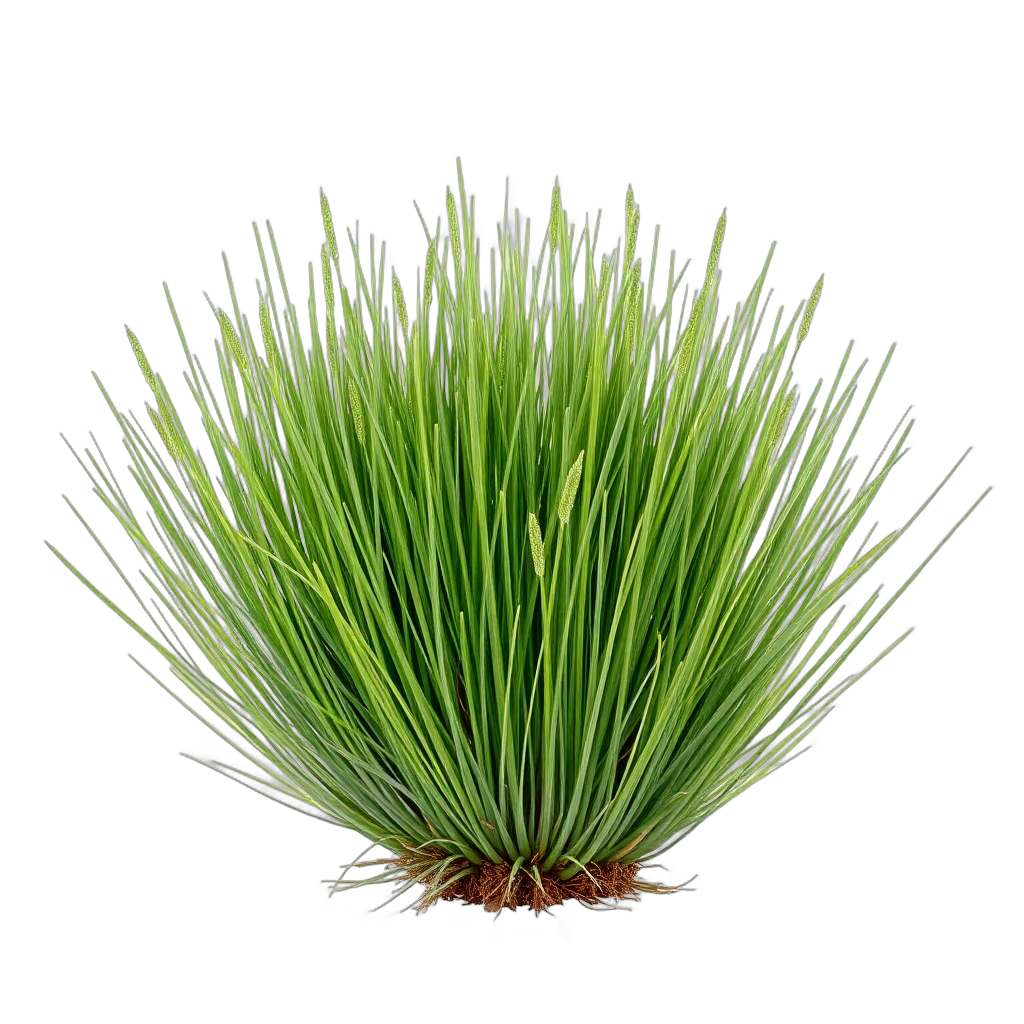
Great Basin Wild Rye
Leymus cinereus
grows to 3 feet, blooms in summer. Yellow fall color.
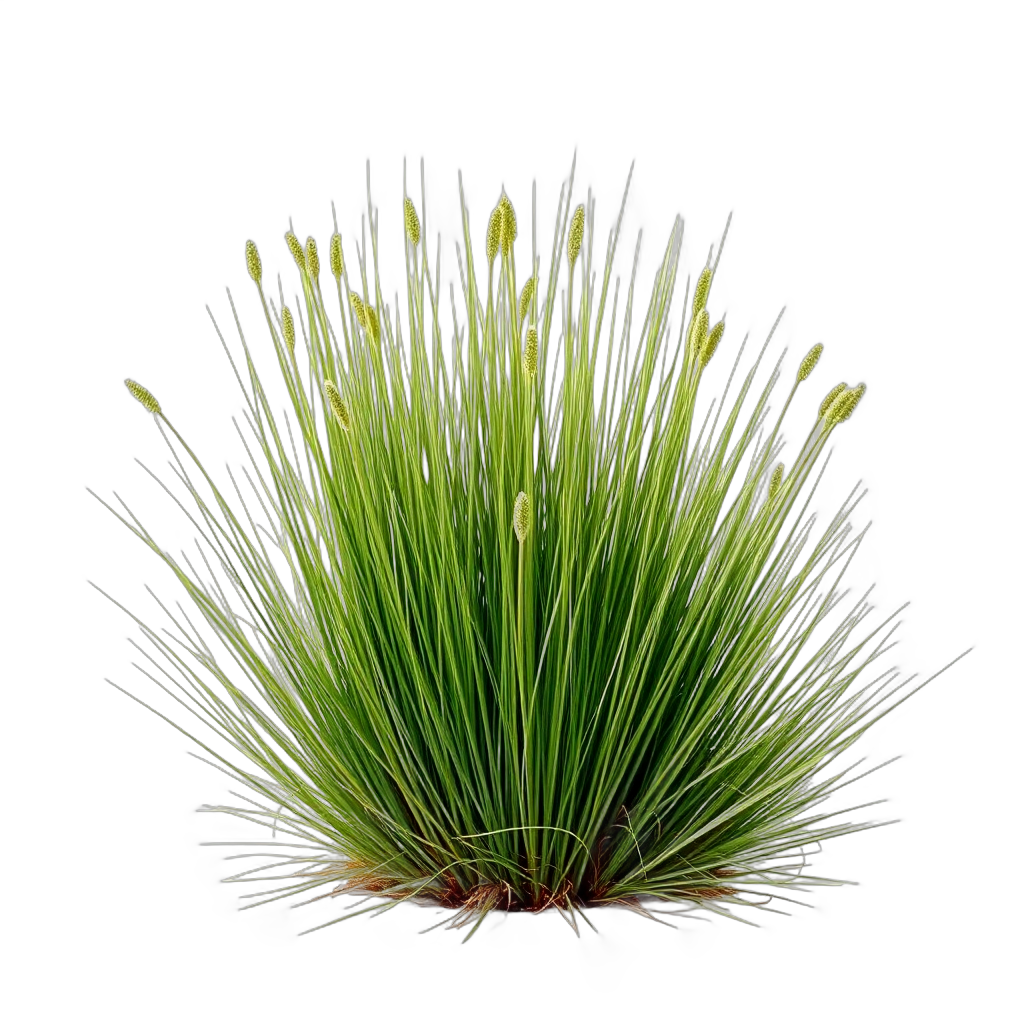
Idaho Fescue
Festuca idahoensis
low-growing ground cover, blooms in summer.
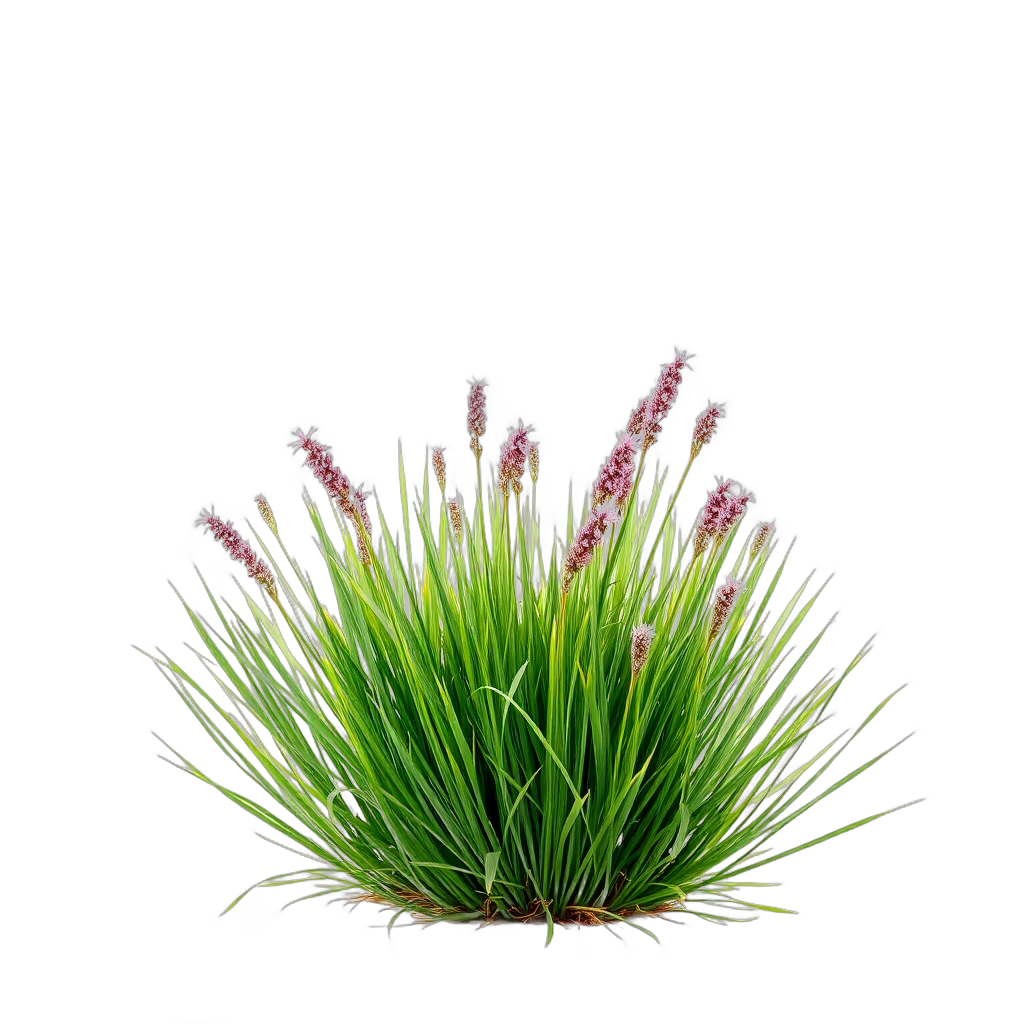
Purple Three-Awn
Aristida purpurea
low-growing ground cover, purple blooms in fall. Yellow fall color.
Featured Flowers & Perennials for Mediterranean Gardens
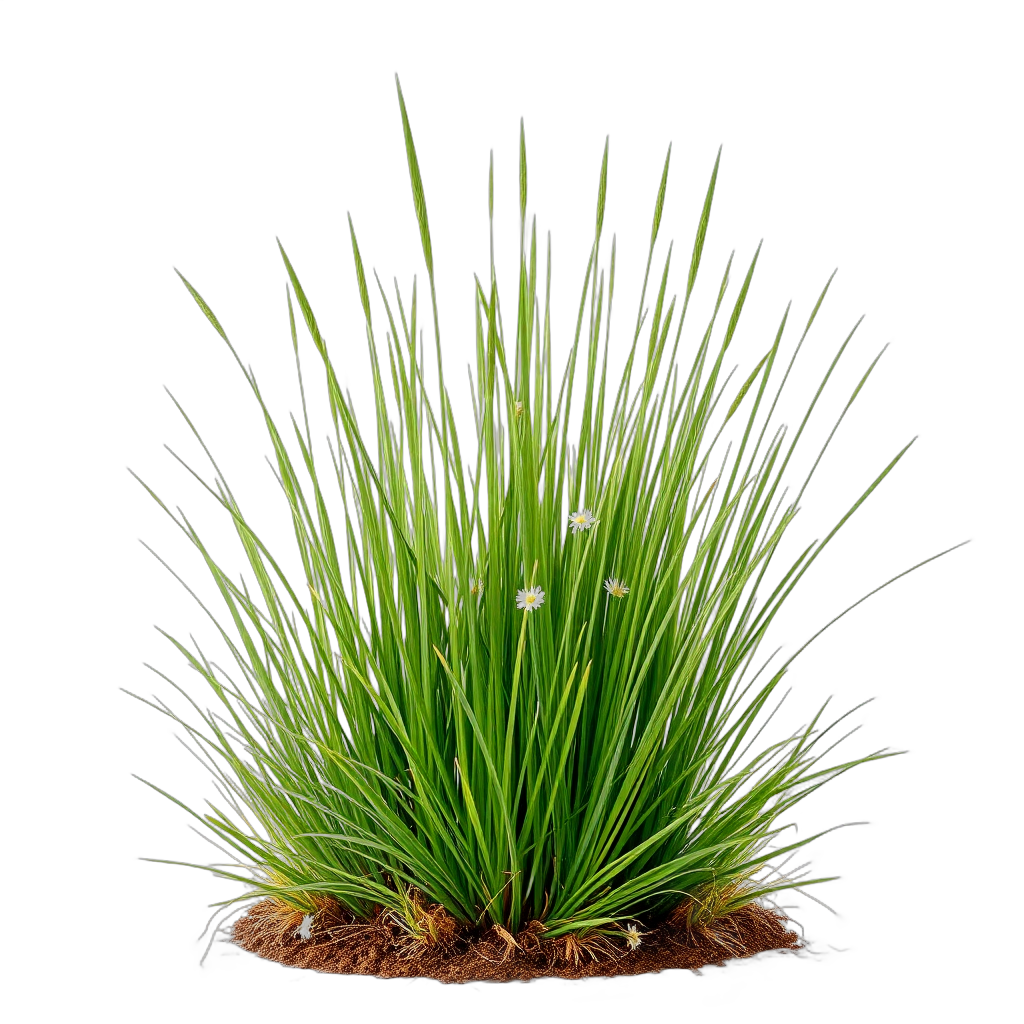
Baltic Rush
Juncus balticus
low-growing ground cover, blooms in summer. Evergreen year-round.
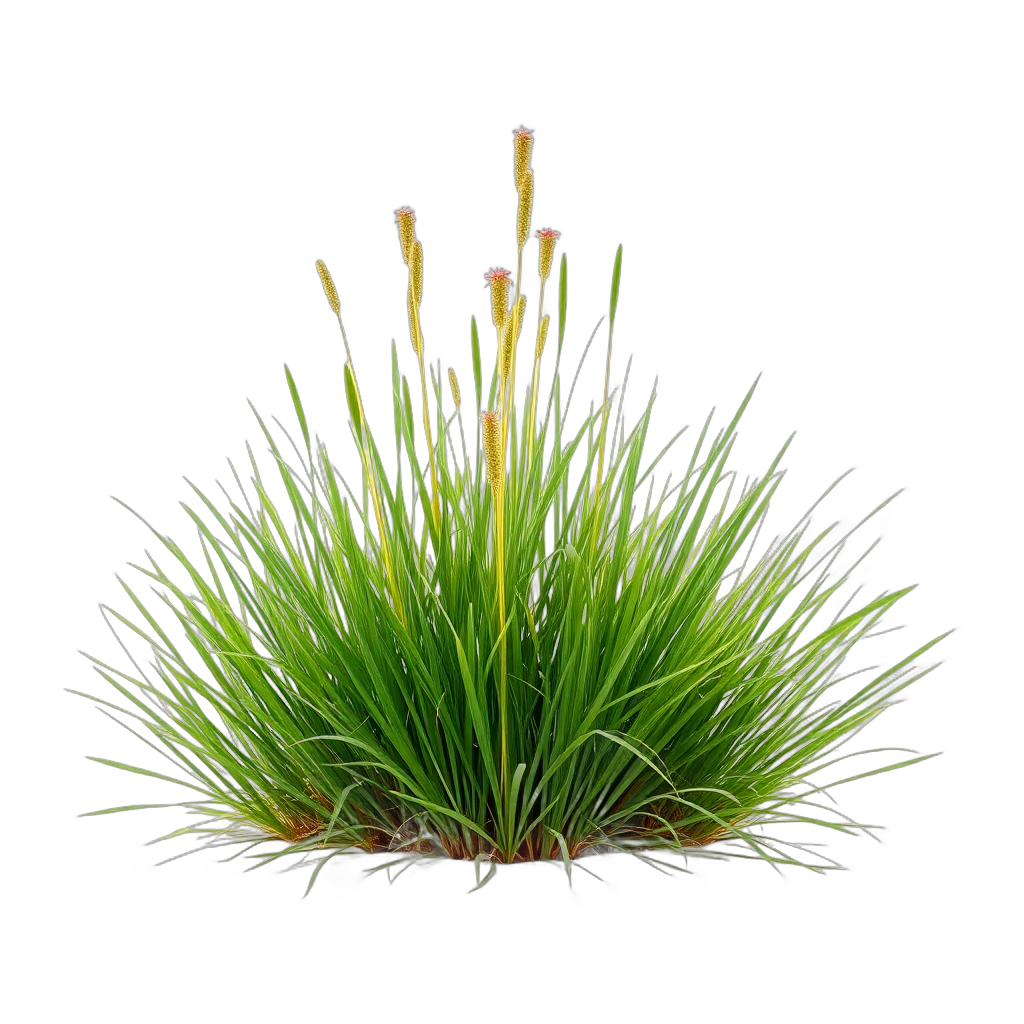
Clustered Field Sedge
Carex praegracilis
low-growing ground cover, blooms in spring.
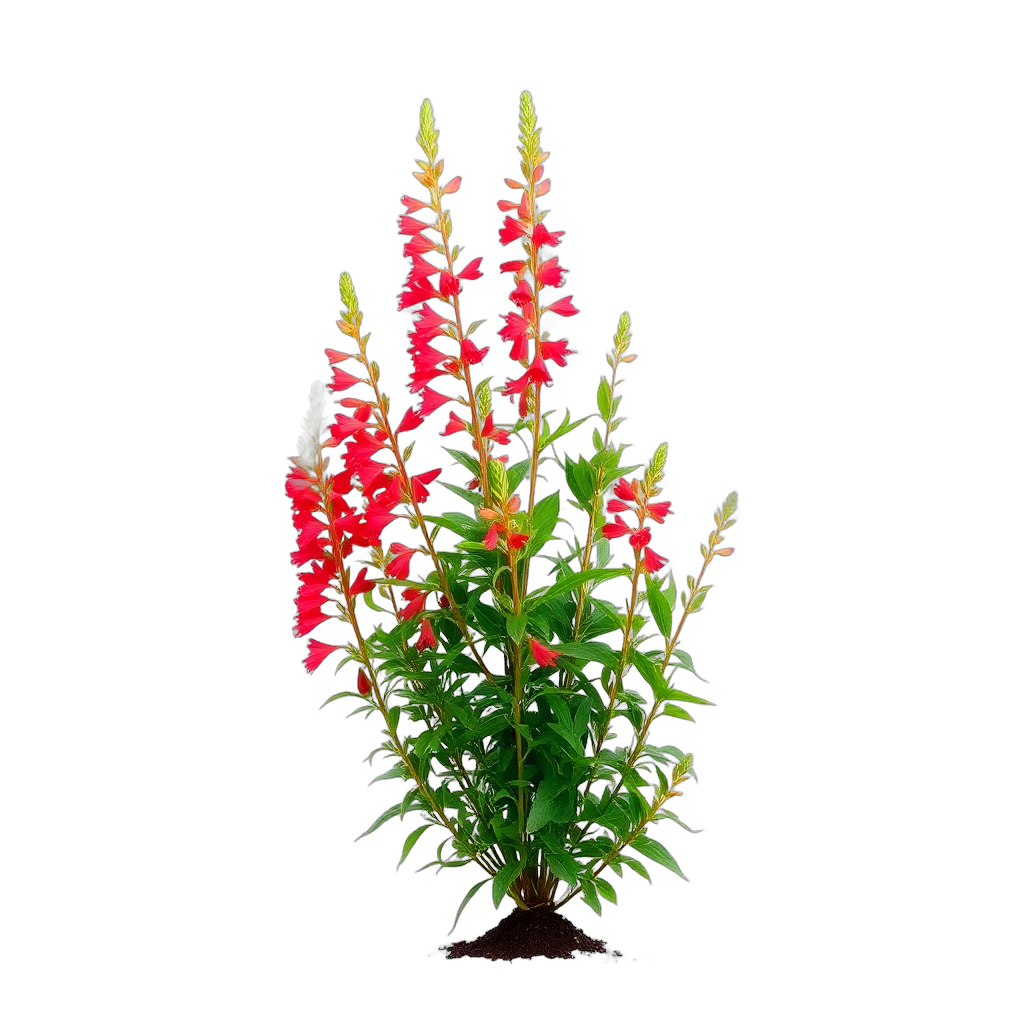
Firecracker Penstemon
Penstemon eatonii
low-growing ground cover, red blooms in spring. Attracts hummingbirds.

Palmer's Penstemon
Penstemon palmeri
grows to 4 feet, pink blooms in spring. Attracts hummingbirds.
Zone and sun checks come from our database — confirm with your local nursery before you buy.
Bloom Calendar for Reno
spring
Clustered Field Sedge, Firecracker Penstemon, Palmer's Penstemonsummer
Baltic Rush, Alkali Sacaton, Great Basin Wild Ryefall
Purple Three-Awn, Big Sagebrush, Rubber Rabbitbrushwinter
Limited bloomsDesign Tips for Reno (Zone 7a)
- Use crushed limestone rather than DG for Mediterranean gravel gardens — the cream-white color better evokes Provence and Tuscany than Nevada’s grey-tan DG, and the angular limestone particles compact better to prevent washing
- Plant lavender in groups of 5–11 plants of the same variety to create the bold sweeping masses that define the best Mediterranean gardens — single lavender specimens get lost in the landscape
- Place terracotta urns and pots in odd-numbered groupings (3, 5, 7) at entry points and terrace corners — they provide seasonal color flexibility and the warm terracotta tones look especially beautiful against Reno’s high desert light
- Install Italian cypress in formal avenues or pairs rather than single specimens — cypress communicates formal Mediterranean character most powerfully when used symmetrically, flanking entries or lining paths
- Apply for the TMWA turf rebate when converting lawn to Mediterranean gravel-and-lavender landscapes — most Mediterranean plants qualify as drought-tolerant and the conversion can earn $2,000–$4,000 in rebates for a front yard project
- Grow herbs — thyme, oregano, rosemary, and sage — between flagstones and along path edges rather than in formal beds — they fill crevices beautifully, release fragrance underfoot, and are productive for cooking year-round in Reno’s climate
Where to Source Plants in Reno
Skip the big-box stores. These independent Reno nurseries specialize in the plants that make mediterranean gardens thrive in Zone 7a.
Moana Nursery
South Reno / Moana Lane
Lavender, Mediterranean herbs, drought-tolerant shrubs, and olive trees for Northern Nevada
Plant World Nursery
East Reno
Mediterranean perennials, shrubs, and Italian cypress for Reno’s climate
Scolari’s Garden Center
South Reno
Drought-tolerant shrubs, native plants, and gravel/rock landscape supplies
Jared’s Nursery
Sparks (adjacent to Reno)
Lavender, rosemary, ornamental herbs, and full Mediterranean plant selection
Sierra Sage Nursery
North Reno / North Virginia Street
Native Great Basin plants, drought-tolerant perennials, and Mediterranean-adapted species
Mediterranean Landscaping Costs in Reno
| Project Scope | Estimated Cost |
|---|---|
| Mediterranean front yard with gravel, lavender, and olive tree (600 sqft) | $6,000 – $14,000 |
| Walled courtyard with fountain and terracotta pots | $12,000 – $28,000 |
| Stone terrace with dry-stacked retaining walls (per sqft) | $18 – $40/sqft |
| Italian cypress (15 gallon, installed) | $150 – $400 each |
| Terracotta or stone fountain (installed, recirculating) | $800 – $4,000 |
| Lavender mass planting (per sqft, installed) | $6 – $12/sqft |
| AI visualization with ProScapeAI | Free to start |
Estimates based on Reno, NV-area contractor rates as of 2026. Actual costs vary by site conditions, materials, and contractor.
Reno Climate & Growing Zone
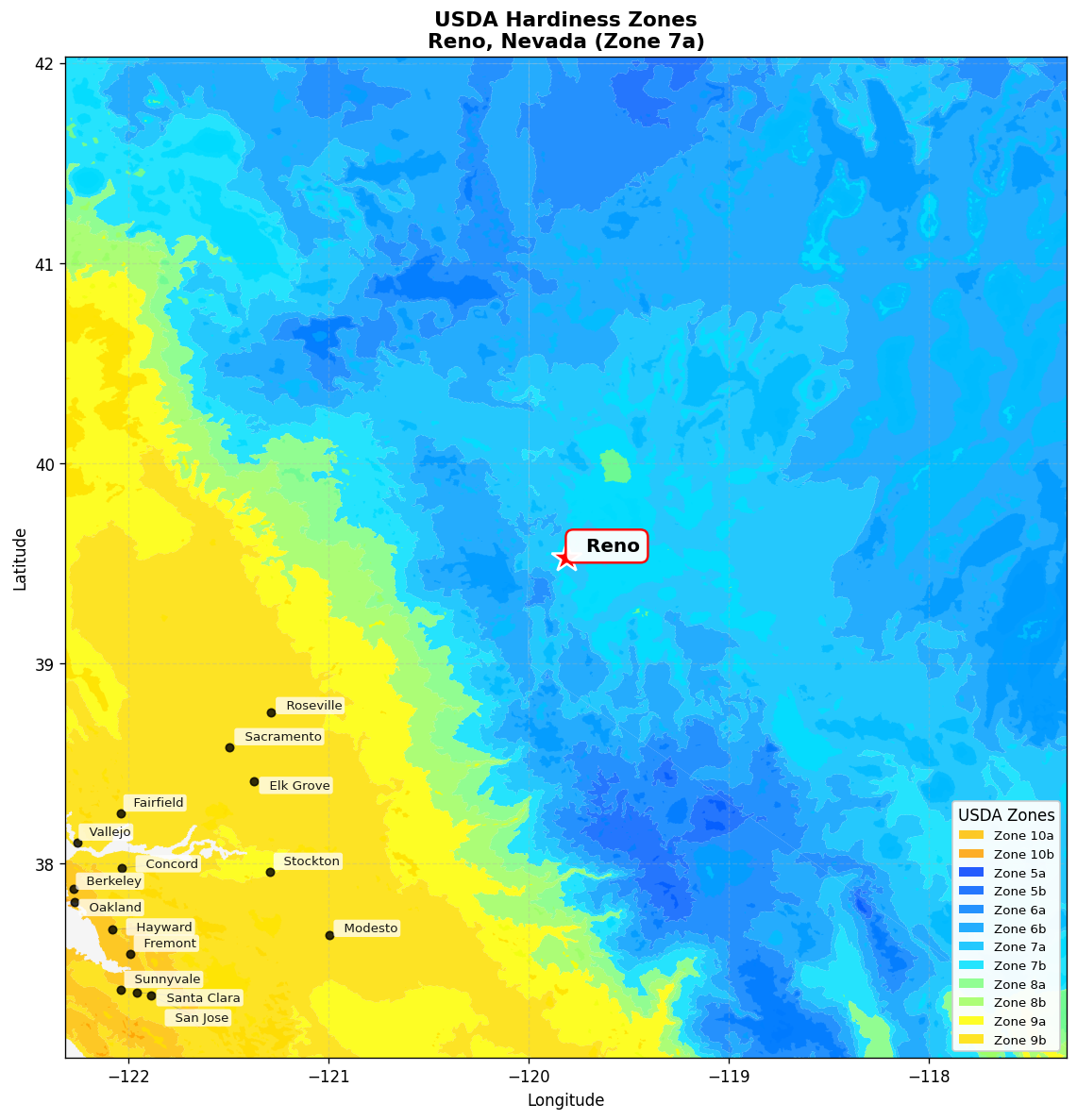
USDA Zone 7a
Hardiness zone for Reno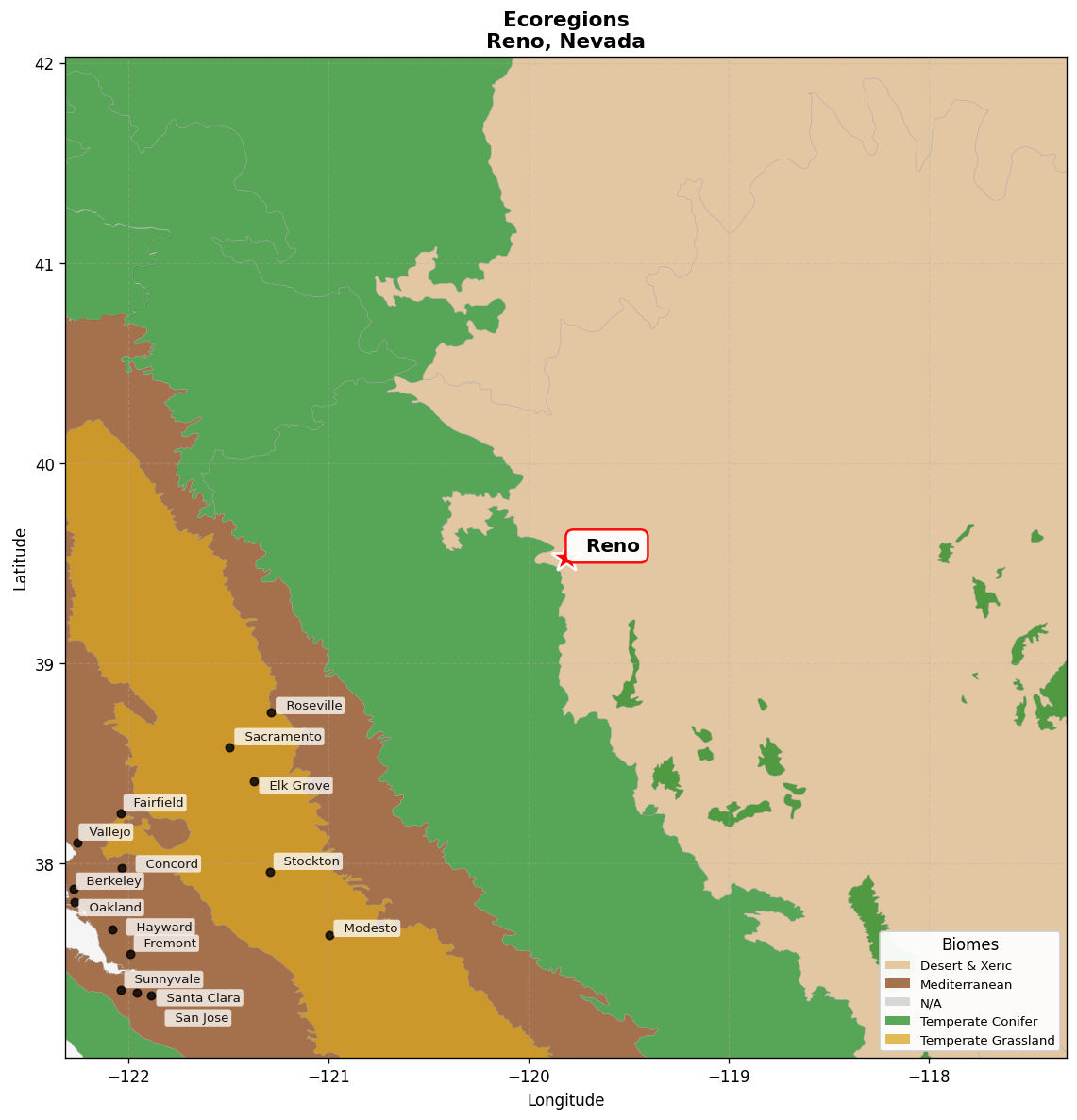
Great Basin shrub steppe
Native ecoregionFrequently Asked Questions
Can I grow olive trees in Reno, NV?
Yes — Reno’s Zone 7a supports most olive varieties. Arbequina (cold-hardy to 10°F) is the most reliable choice for Reno’s climate and produces excellent small olives. Arbosana and Koroneiki are equally cold-hardy and productive. Olive trees need well-drained alkaline soil (perfect for Reno), full sun, and minimal water once established — less than 15 inches per year in many gardens. The main risk is an unusually cold winter below 15°F, which can damage branches. Site olives on a south-facing wall or in the warmest corner of the garden for protection in severe winters.
Which lavender varieties grow best in Reno?
Reno’s alkaline soil and cold winters narrow the lavender palette to hardier varieties. Best performers: English lavender (Lavandula angustifolia ‘Hidcote’, ‘Munstead’) is the hardiest to Zone 5 and the most fragrant; Lavandula x intermedia ‘Phenomenal’ is a superb Zone 5-hardy hybrid with long bloom season and exceptional vigor; and Spanish lavender (Lavandula stoechas) is marginally hardy in Zone 7a and benefits from a sheltered location. Avoid frost-tender lavender species like L. dentata in Reno’s climate. Plant lavender in full sun with excellent drainage — wet feet in winter cause more lavender deaths than cold.
How much does Mediterranean landscaping cost in Reno?
Mediterranean landscape projects in Reno run $8–20/sqft for full installations. A front yard Mediterranean redesign with gravel, lavender, and olive trees (600 sqft) costs $6,000–$14,000. A full backyard terrace with stone walls, travertine paving, and Mediterranean planting runs $20,000–$45,000. Terracotta fountain: $800–$4,000 installed. After TMWA turf rebates ($2–$3/sqft for qualifying projects), net cost for a front yard conversion drops significantly. Labor in Reno runs $50–$90/hour.
Is travertine a good choice for Reno’s climate?
Travertine performs well in Reno’s climate with one important caveat: choose filled and honed travertine rather than unfilled/tumbled, which can hold water and develop freeze-thaw cracks. Sealed travertine on a properly prepared, well-drained base handles Reno’s freeze-thaw cycles well. Travertine stays cooler underfoot than concrete in Reno’s summer heat and has excellent aesthetic longevity in the Mediterranean style. Seal annually with a penetrating stone sealer. For a lower-maintenance alternative, large-format porcelain tile in a travertine look eliminates sealing requirements.
How do I protect Mediterranean plants from Reno’s winter cold?
Zone 7a means temperatures can hit 0–5°F on the coldest nights, which is at the limit for many Mediterranean plants. Protection strategies: site borderline-hardy plants (rosemary, bougainvillea, citrus) against south-facing walls for warmth and wind protection; mulch root zones with 4 inches of gravel or wood chips before Thanksgiving; wrap large rosemary plants loosely in horticultural fleece for the 2–3 coldest weeks; and bring potted citrus and bougainvillea inside to a garage or unheated room (above freezing) for winter. Lavender and olive trees are fully hardy and need no protection.
What paving alternatives to travertine work for a Mediterranean Reno garden?
Good Mediterranean paving options for Reno: crushed limestone or oyster shell gravel for a Provencal graveled garden look (low cost, excellent drainage, easy to install); saltillo tile for a Spanish Colonial feel (seal carefully for freeze-thaw resistance); large-format light grey or beige concrete pavers for a clean contemporary Mediterranean look; bluestone for a Tuscan farmhouse feel; and decomposed granite in a warm tan for the most cost-effective base surface. All should be installed on a well-drained compacted gravel base to prevent frost heaving in Reno’s winters.