4 Mediterranean Garden Ideas for Sacramento, CA | Zone 9b Inspired Designs
Native plants from the California Central Valley grasslands (Zone 9b) — Mediterranean (hot summer) climate
Why Mediterranean Gardens in Sacramento?
Sacramento is one of the few cities in the United States that sits in a true Mediterranean climate (Köppen Csa) — hot, dry summers and mild, wet winters that mirror southern Spain, Italy, and coastal California. With 105°F+ temperatures from June through September and nearly all of the city's 18 inches of annual rainfall arriving between November and March, the Mediterranean garden isn't just a stylistic choice for Sacramento homeowners — it's the most climate-logical landscape you can plant.
The California Central Valley grasslands ecoregion provides an ideal foundation for Mediterranean planting. Lavender, rosemary, Italian cypress, olive trees, and bougainvillea don't merely tolerate Sacramento summers — they thrive in them, the same way they thrive in Tuscany or Andalusia. Sacramento neighborhoods like Land Park, East Sacramento, Curtis Park, and Midtown are lined with Spanish Colonial Revival and Mediterranean-influenced homes whose architecture begs for a matching garden: terra cotta tile, white stucco walls, iron accents, and courtyard-style entries.
USDA Zone 9b means Sacramento rarely dips below 25°F in winter, which unlocks the full Mediterranean plant palette year-round — citrus trees (oranges, lemons, kumquats) that would freeze in Zone 8, bougainvillea that blooms from spring through fall, and mature olive trees that become generational landscape anchors. The result is a garden that looks expensive to maintain but costs a fraction of a traditional lawn once established, using 50–70% less water than turfgrass.
4 Mediterranean Design Ideas for Sacramento
AI-generated image
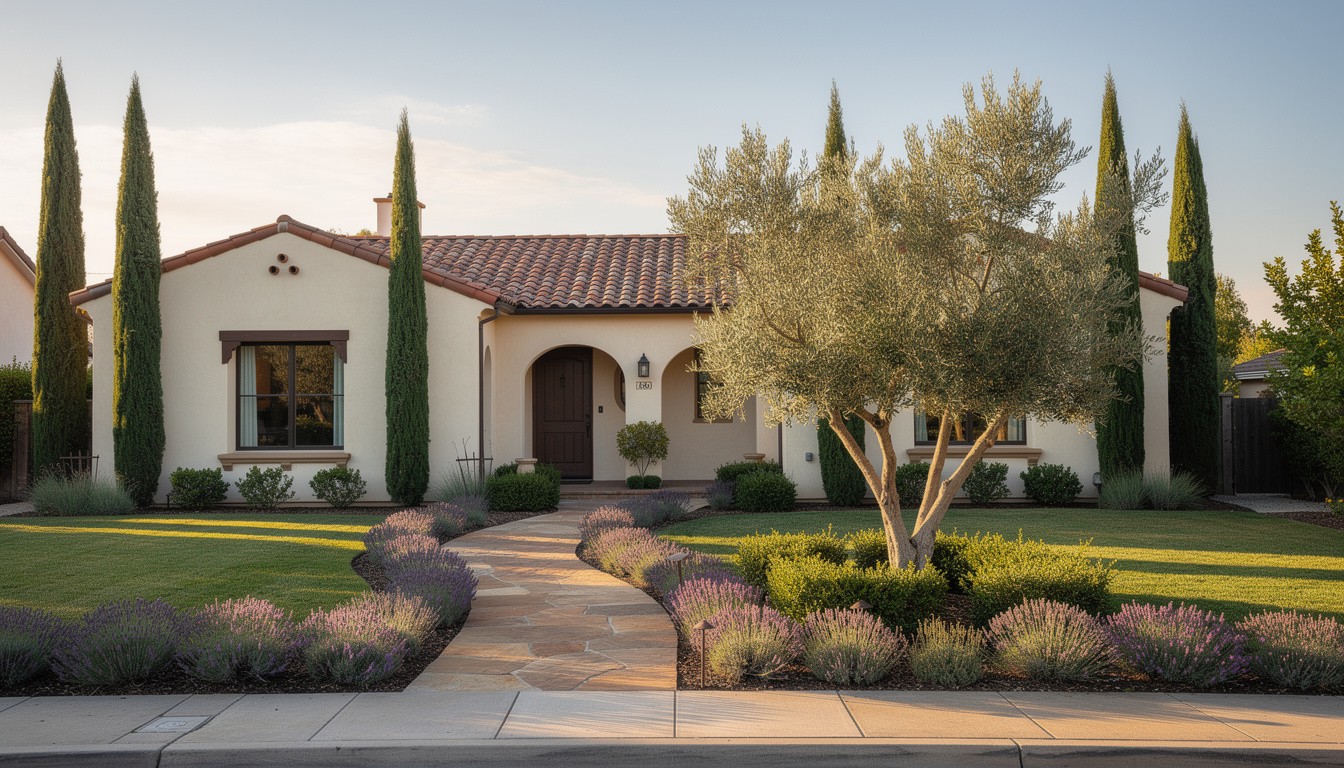
The Cypress & Olive Entry
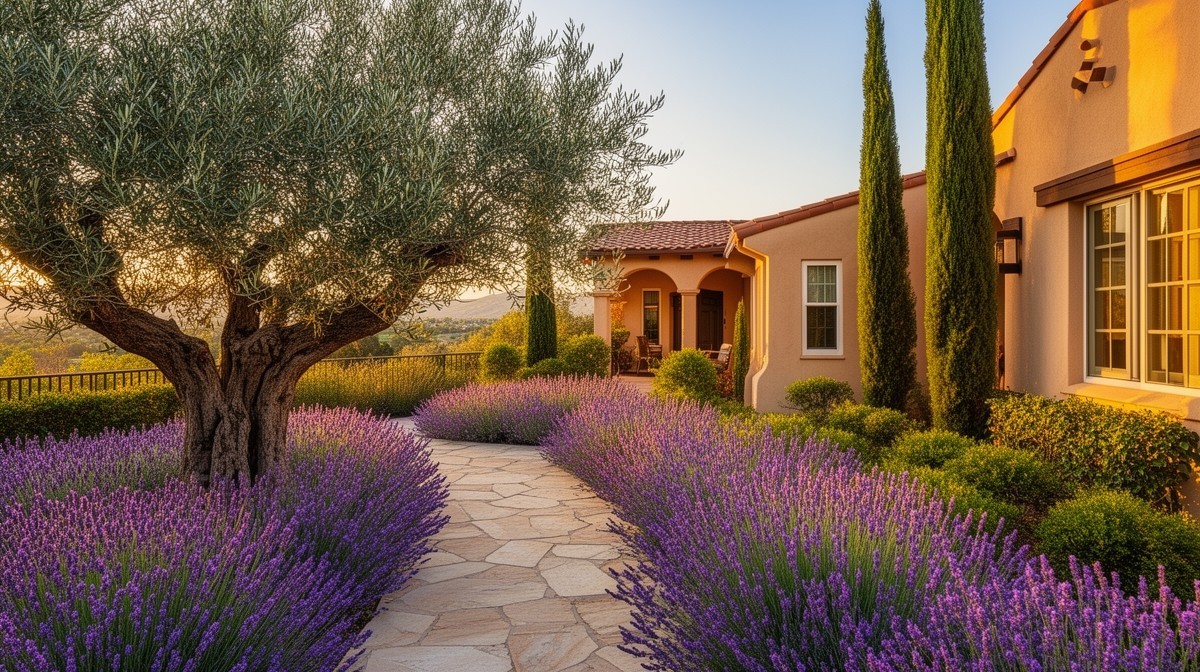
$12–22/sqftFour Italian cypress trees stand as formal sentinels flanking the front entry of a white stucco Spanish Colonial home, while a mature multi-trunk olive tree dominates the front lawn as the primary focal point. Lavender beds line both sides of a flagstone walkway that leads to the front door, releasing fragrance with every warm Sacramento afternoon. Decomposed granite replaces lawn in the beds, keeping maintenance near-zero. This classic composition — cypress, olive, lavender, flagstone — is the most climate-logical front yard you can build in Zone 9b.
AI-generated image
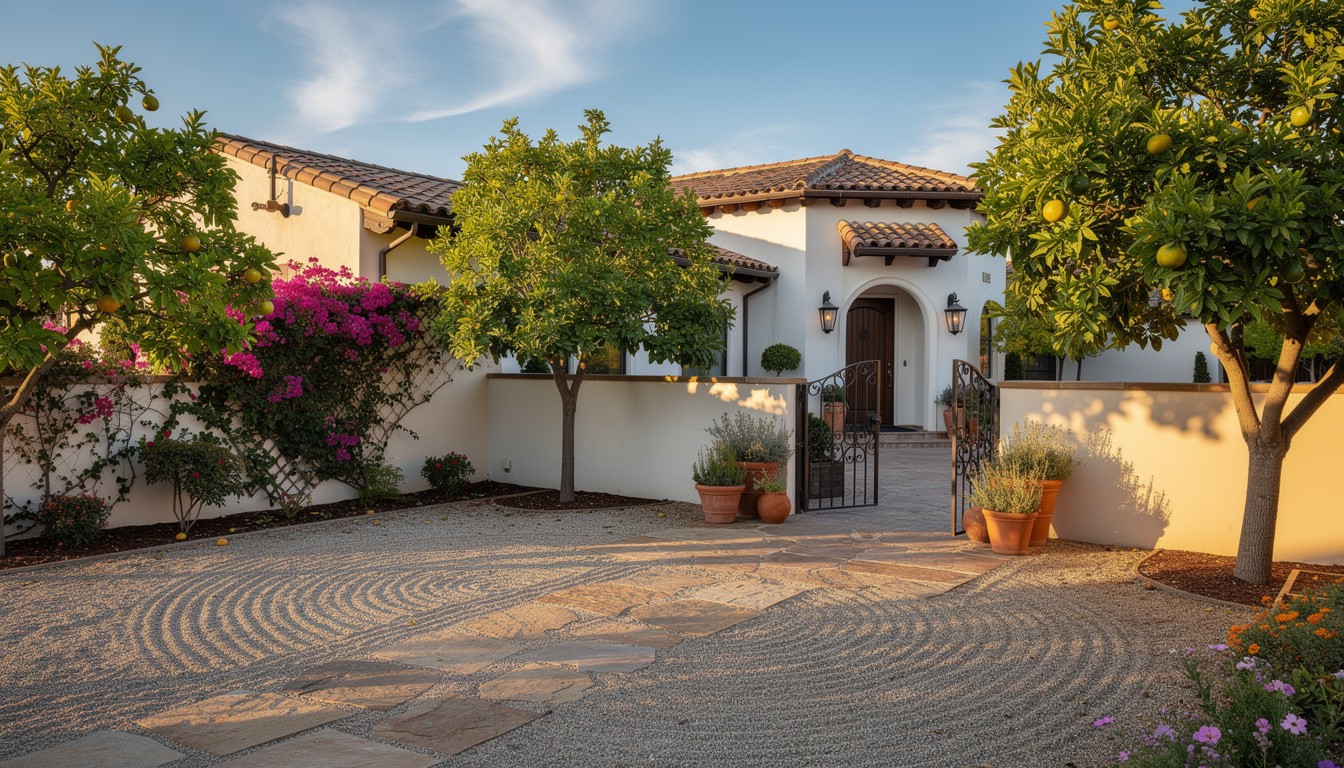
The Bougainvillea Courtyard
$10–18/sqftA swept pea-gravel courtyard entry with a circular driveway sets a Tuscan tone before guests reach the door. Bougainvillea blazes magenta across the white stucco wall beside the iron gate, while mature orange and citrus trees stand on each side of the entry in open beds. Terra cotta pots with lavender and herbs anchor the corners. The gravel ground plane stays cool underfoot, looks effortlessly maintained, and eliminates irrigation across most of the entry area entirely. In Zone 9b, this citrus and bougainvillea combination is both edible and ornamental year-round.
AI-generated image
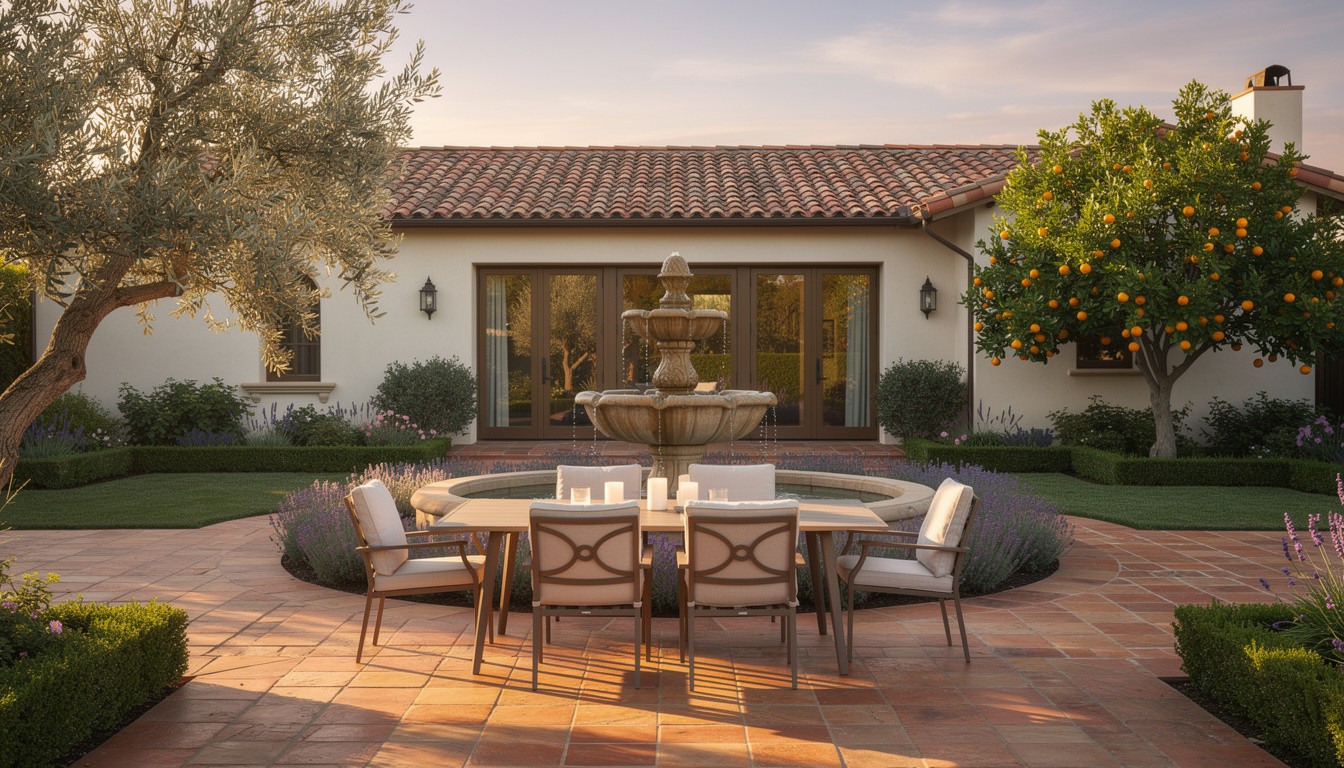
The Terracotta Fountain Patio
$30–55/sqftA terracotta-tiled backyard patio centers on a tiered stone fountain that fills the space with the ambient sound of moving water — a genuine cooling effect on Sacramento's hottest afternoons. An olive tree anchors one corner, a fruiting citrus tree the other, with clipped boxwood hedges providing formal structure along the rear wall. An outdoor dining set in warm wood tones completes the Tuscan farmhouse feel. Sacramento's outdoor season runs April through November — this design earns its investment every single evening of it.
AI-generated image
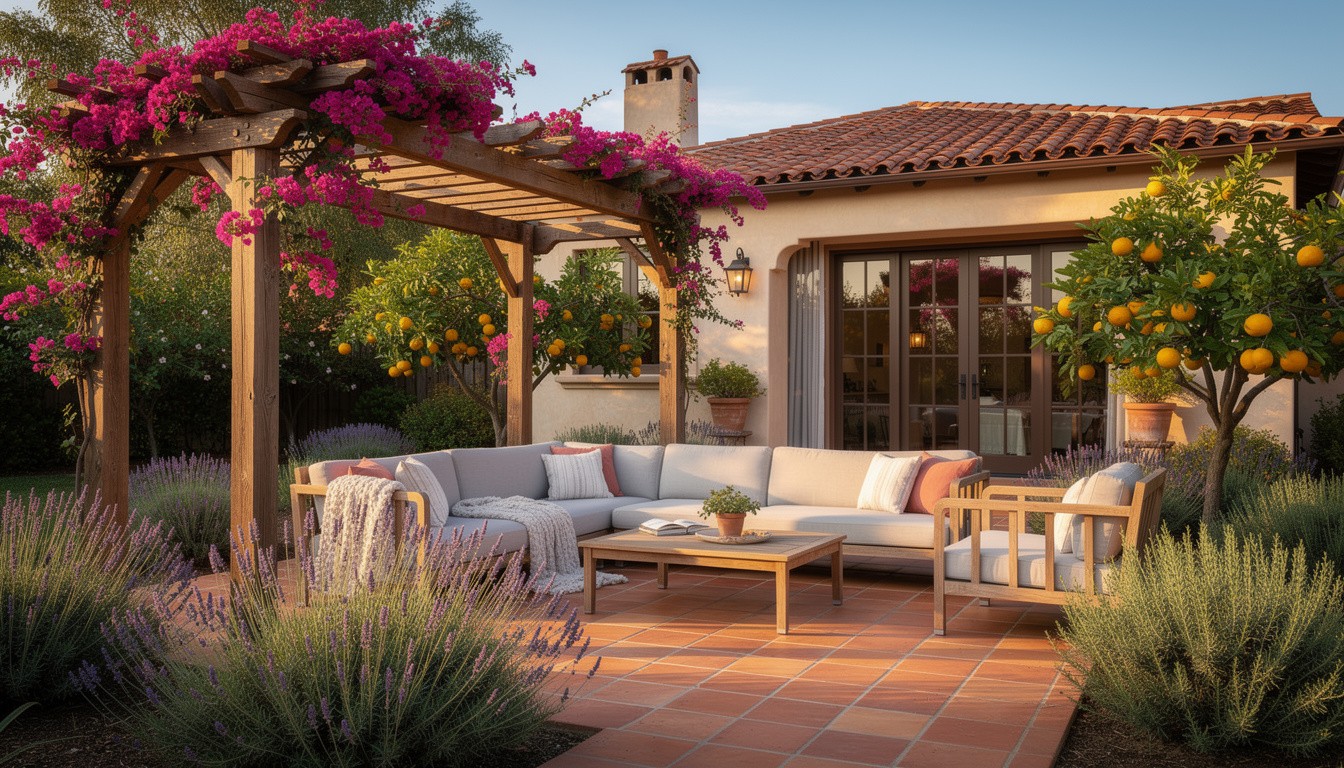
The Pergola & Bougainvillea Lounge
$35–60/sqftA wooden pergola completely canopied in magenta bougainvillea creates one of Sacramento's most dramatic outdoor rooms — an explosion of color overhead, a terracotta tile lounge floor underfoot, and a generous outdoor sofa arrangement for warm evenings. A lemon tree heavy with fruit anchors the far corner, while lavender and deer grass soften the terrace perimeter. The pergola structure drops afternoon temperatures by 15–20°F on Sacramento's hottest days — making this part shade management, part theater, entirely livable.
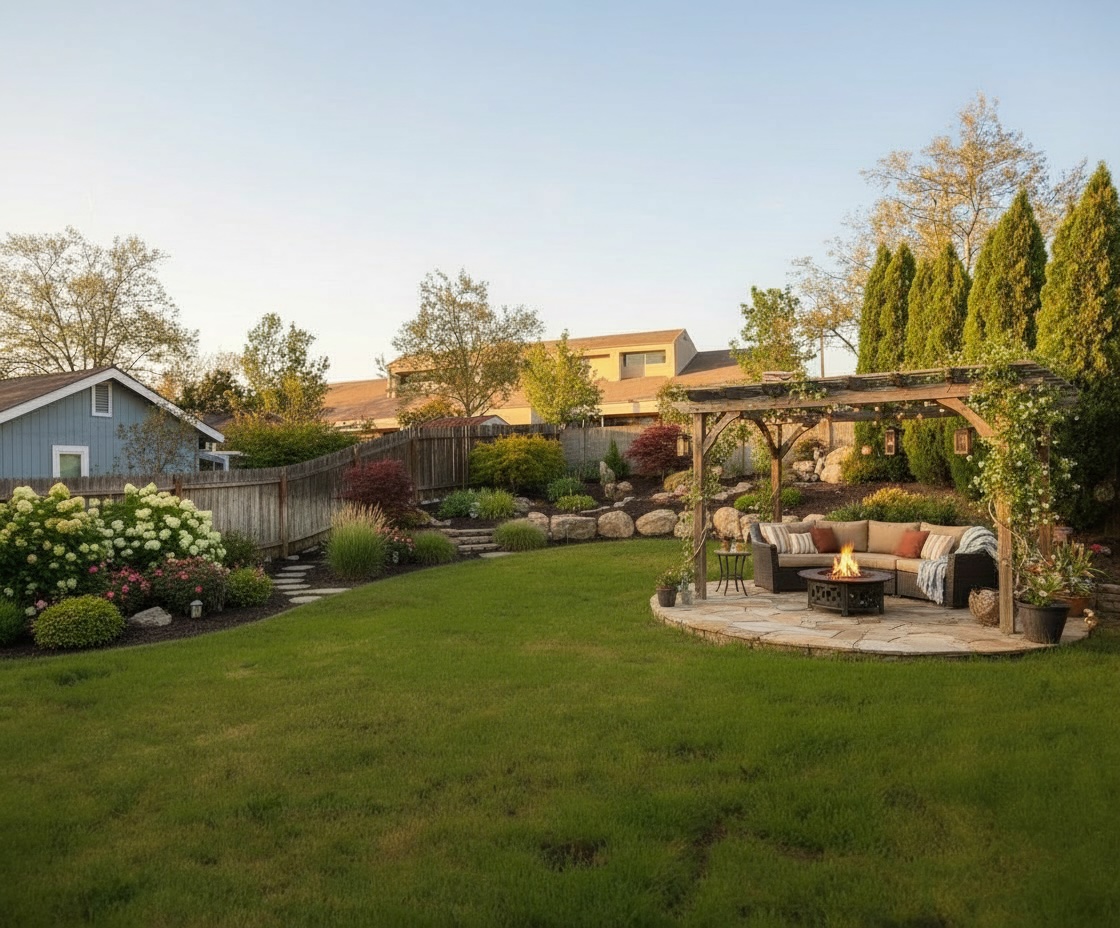
See how a mediterranean garden looks on YOUR property
Upload a photo of your Sacramento yard and visualize your dream garden in seconds.
Try ProScapeAI Free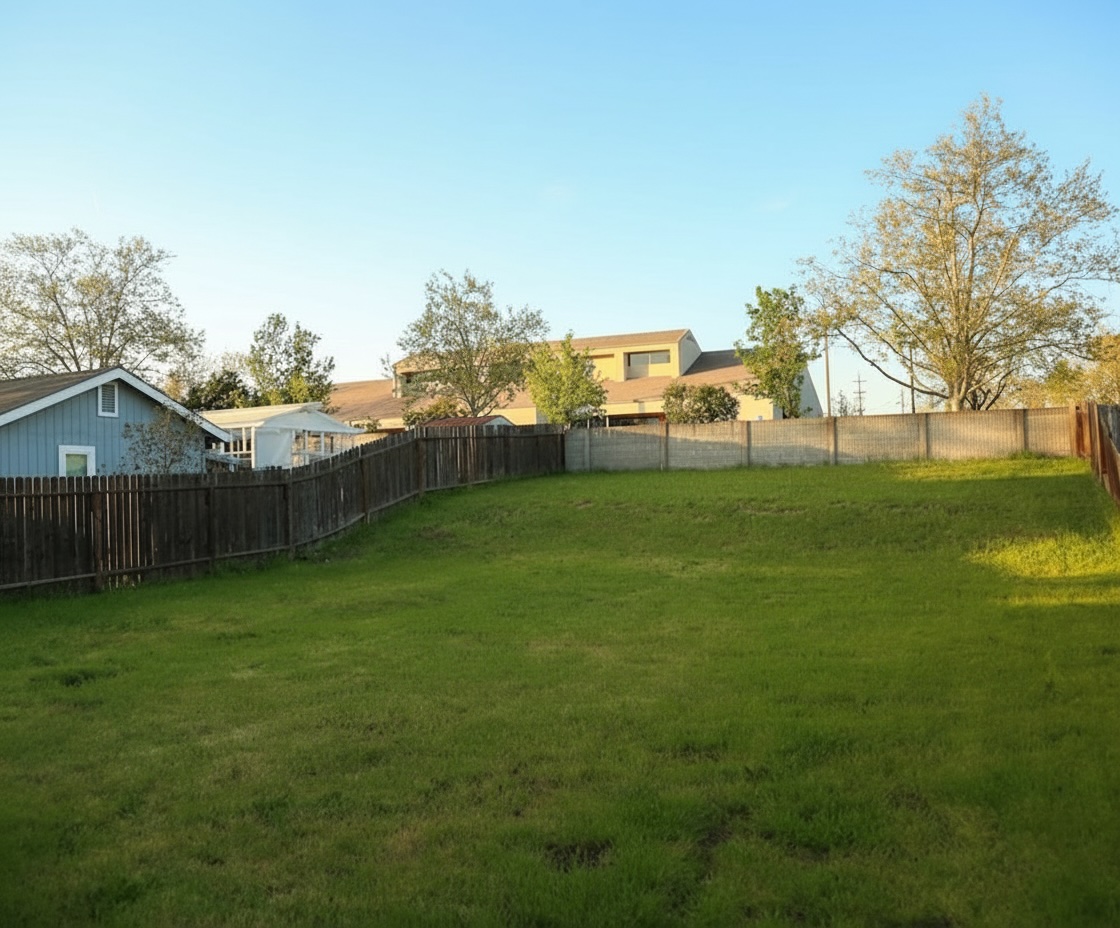
AI-generated image
Featured Trees & Shrubs for Mediterranean Gardens
Browse all 160 plants for Sacramento
Blue Oak
Quercus douglasii
large shade tree reaching 50+ feet, blooms in spring. Yellow fall color.
Fremont Cottonwood
Populus fremontii
large shade tree reaching 50+ feet, yellow blooms in spring. Yellow fall color.
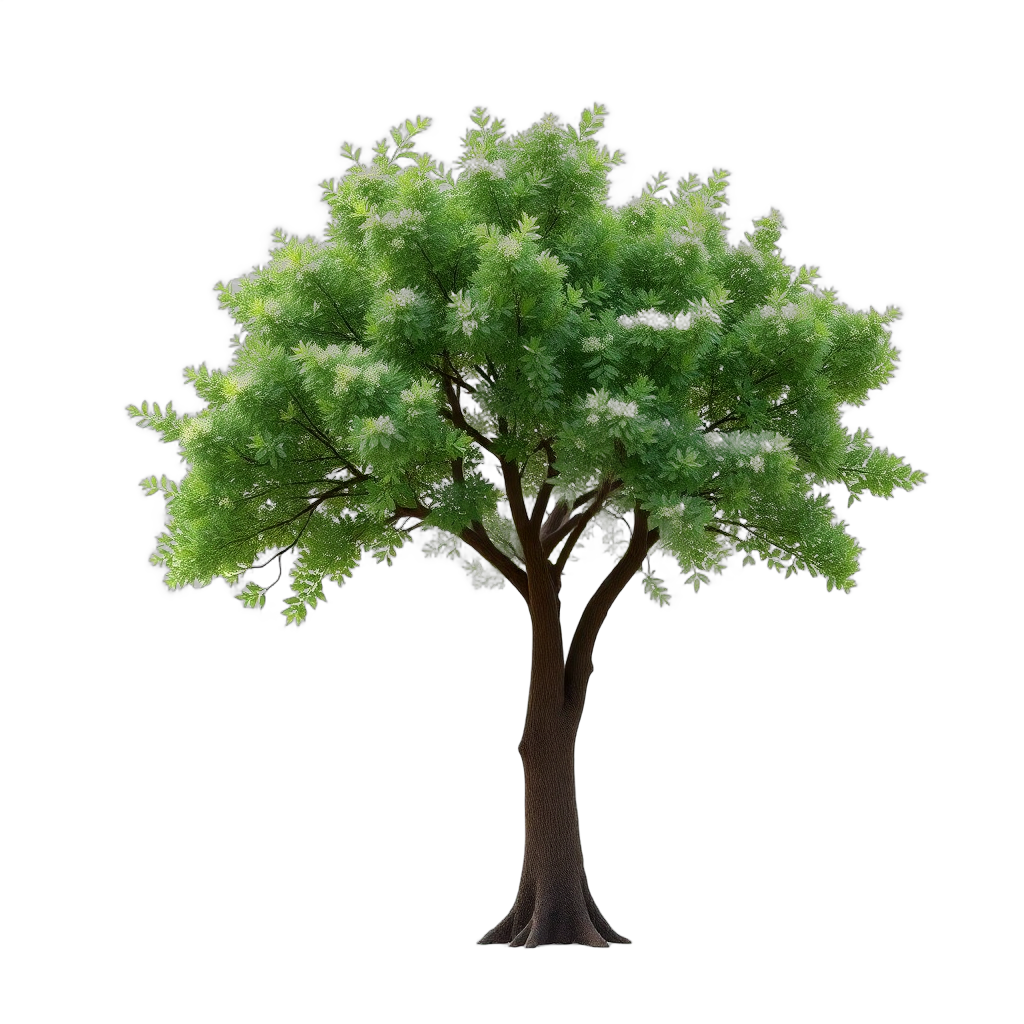
Valley Oak
Quercus lobata
large shade tree reaching 80+ feet, blooms in spring. Yellow fall color.
Featured Grasses & Groundcovers for Mediterranean Gardens
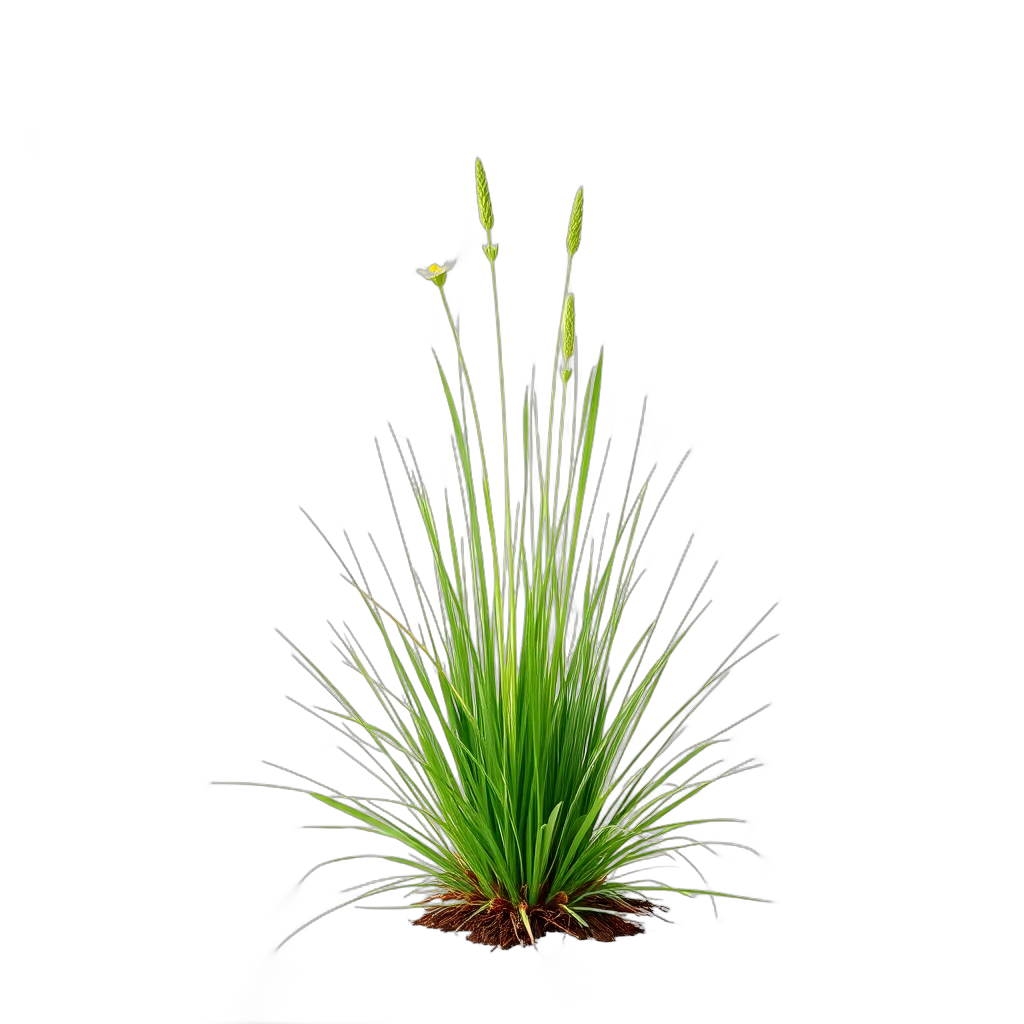
California Brome
Bromus carinatus
low-growing ground cover, blooms in spring. Yellow fall color.
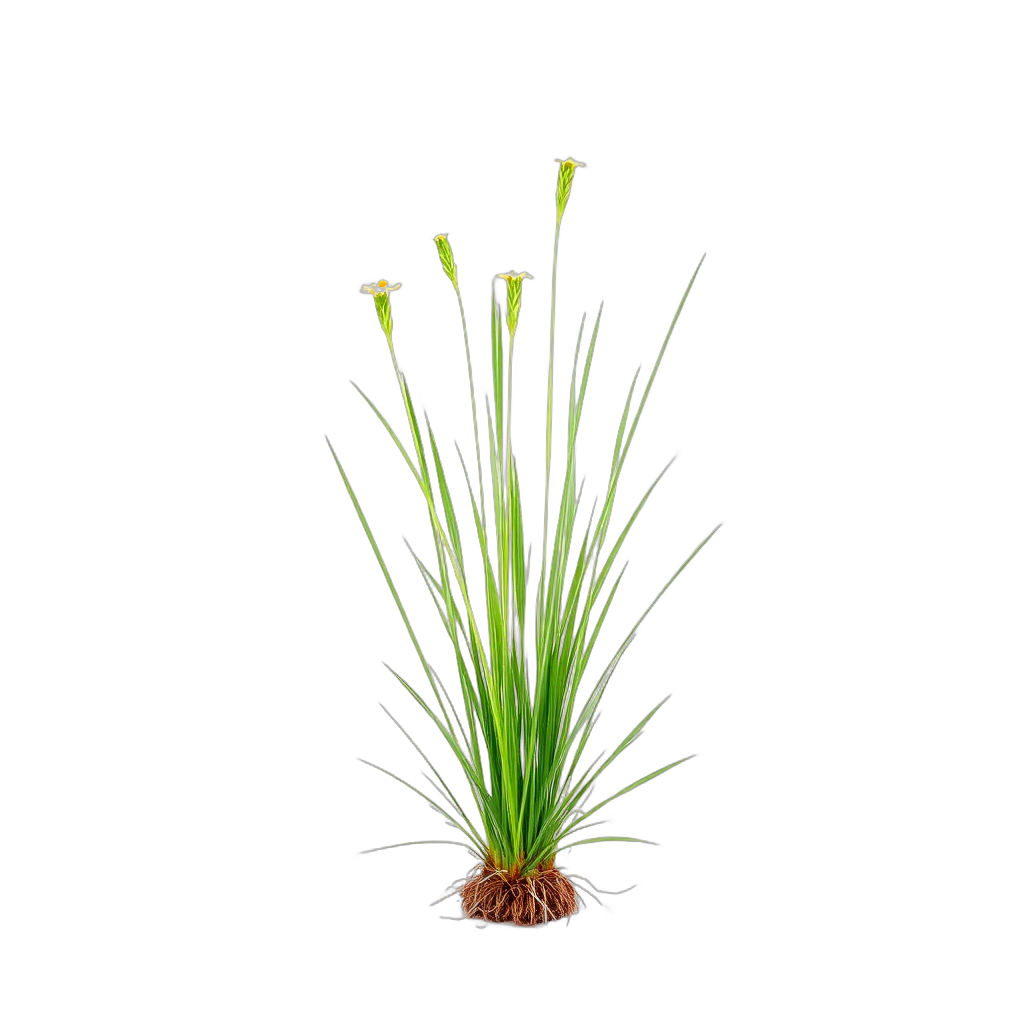
California Melic
Melica californica
low-growing ground cover, blooms in spring.
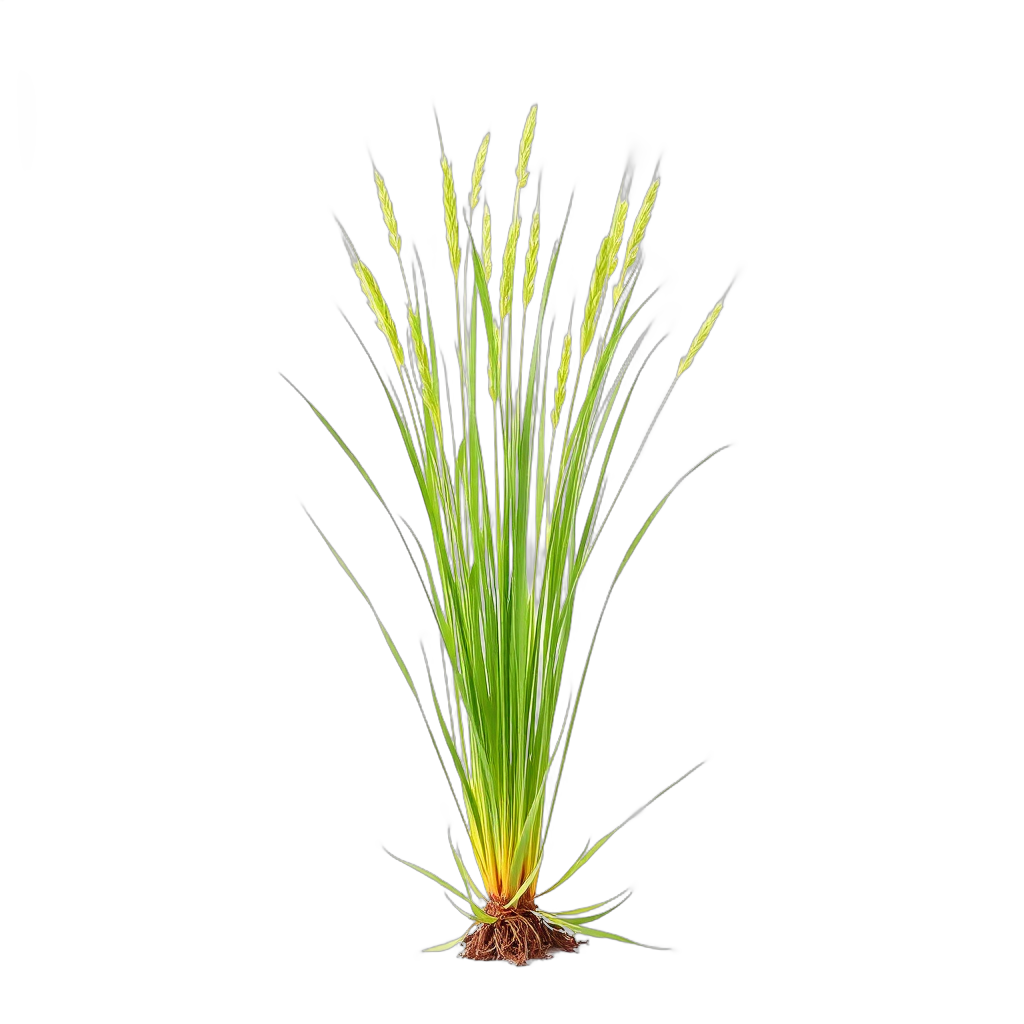
California Oatgrass
Danthonia californica
low-growing ground cover, blooms in spring. Yellow fall color.
Featured Flowers & Perennials for Mediterranean Gardens
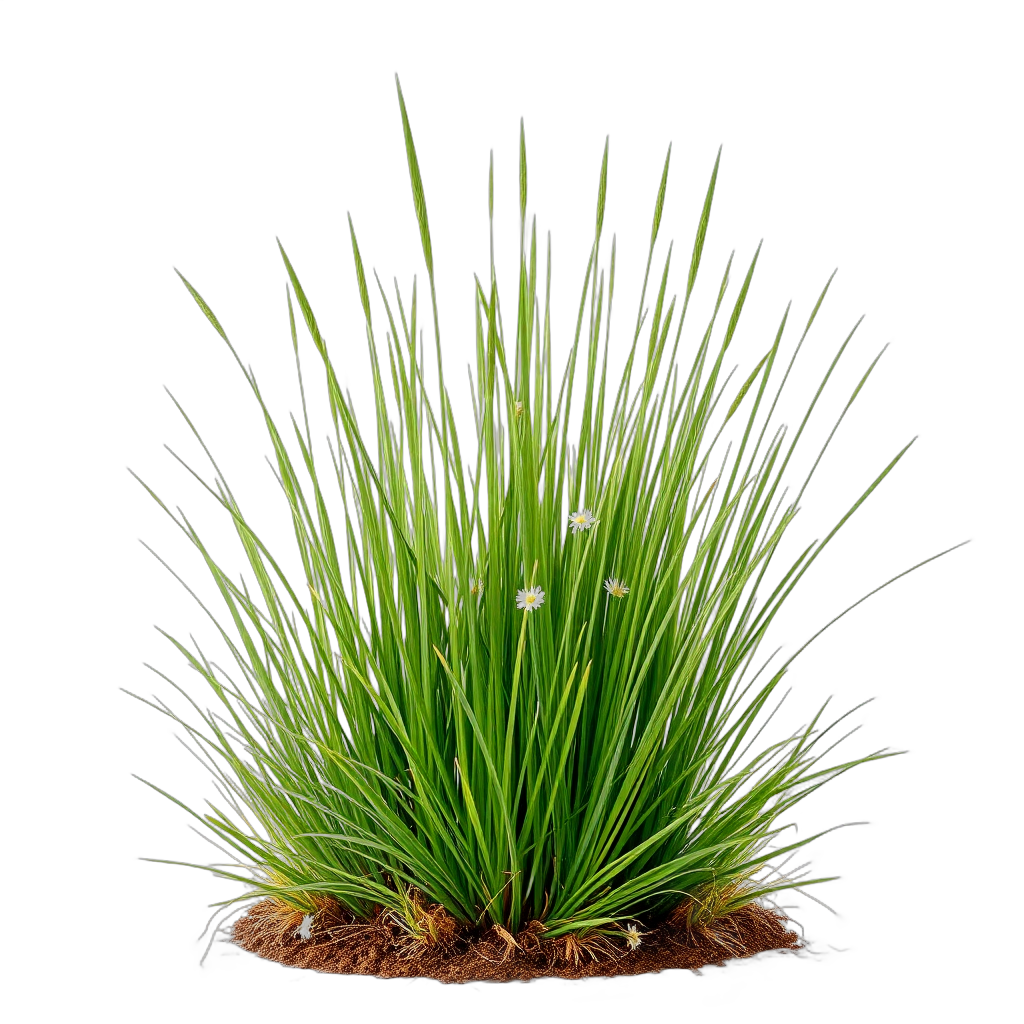
Baltic Rush
Juncus balticus
low-growing ground cover, blooms in summer. Evergreen year-round.
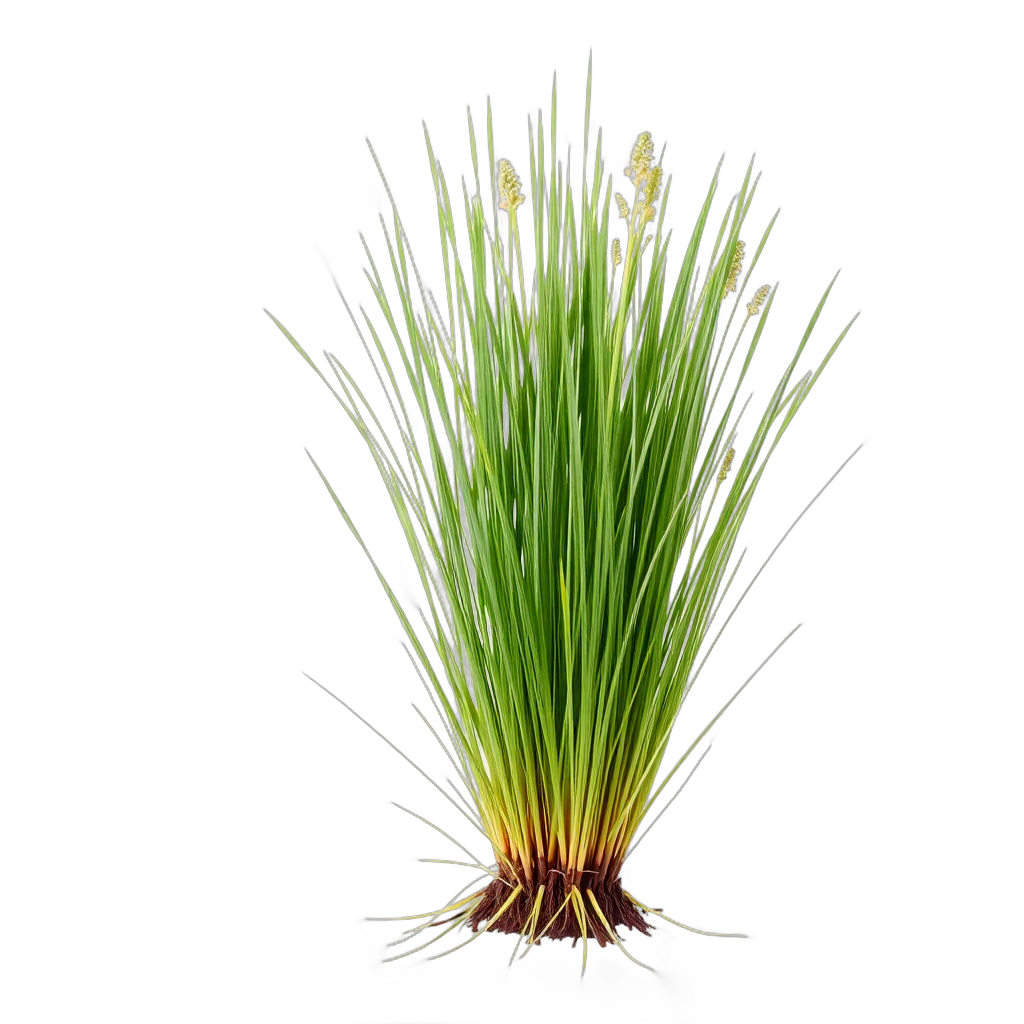
California Gray Rush
Juncus patens
low-growing ground cover, blooms in summer. Evergreen year-round.
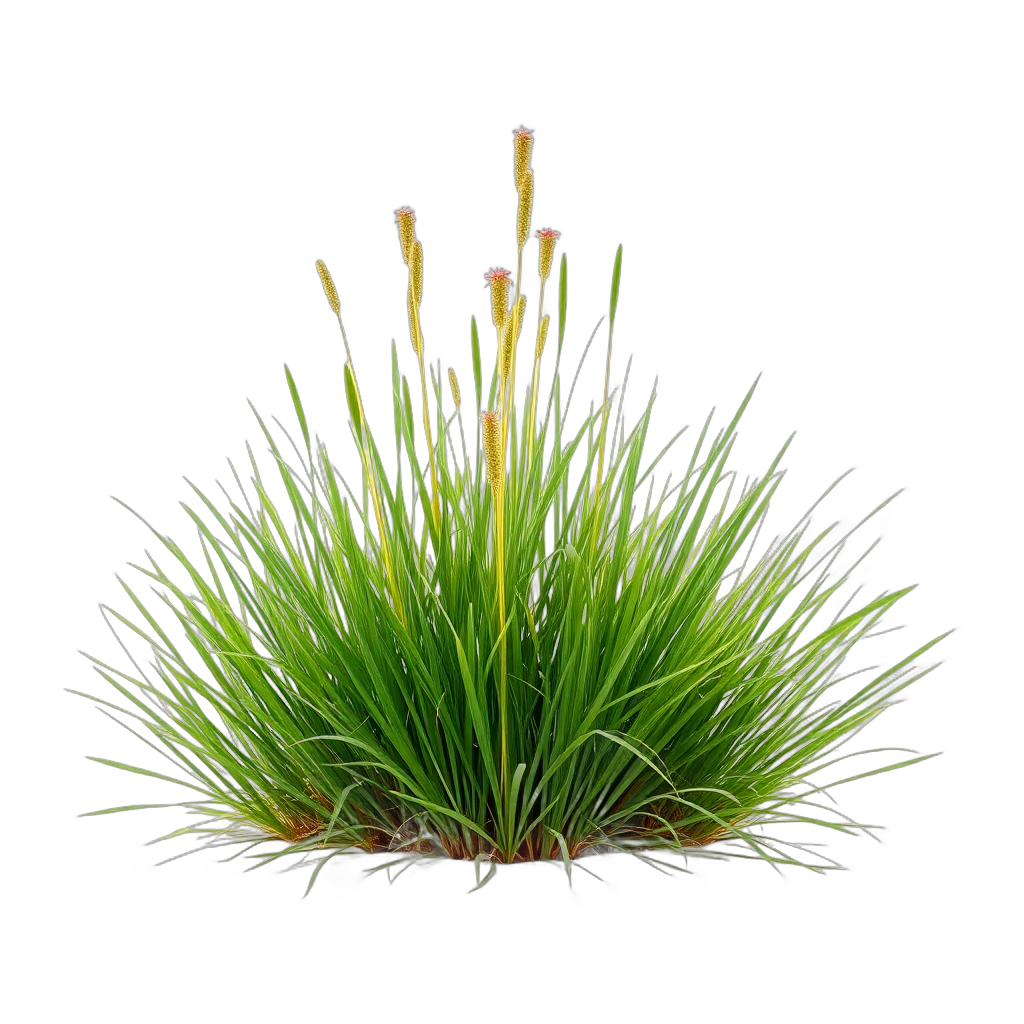
Clustered Field Sedge
Carex praegracilis
low-growing ground cover, blooms in spring.
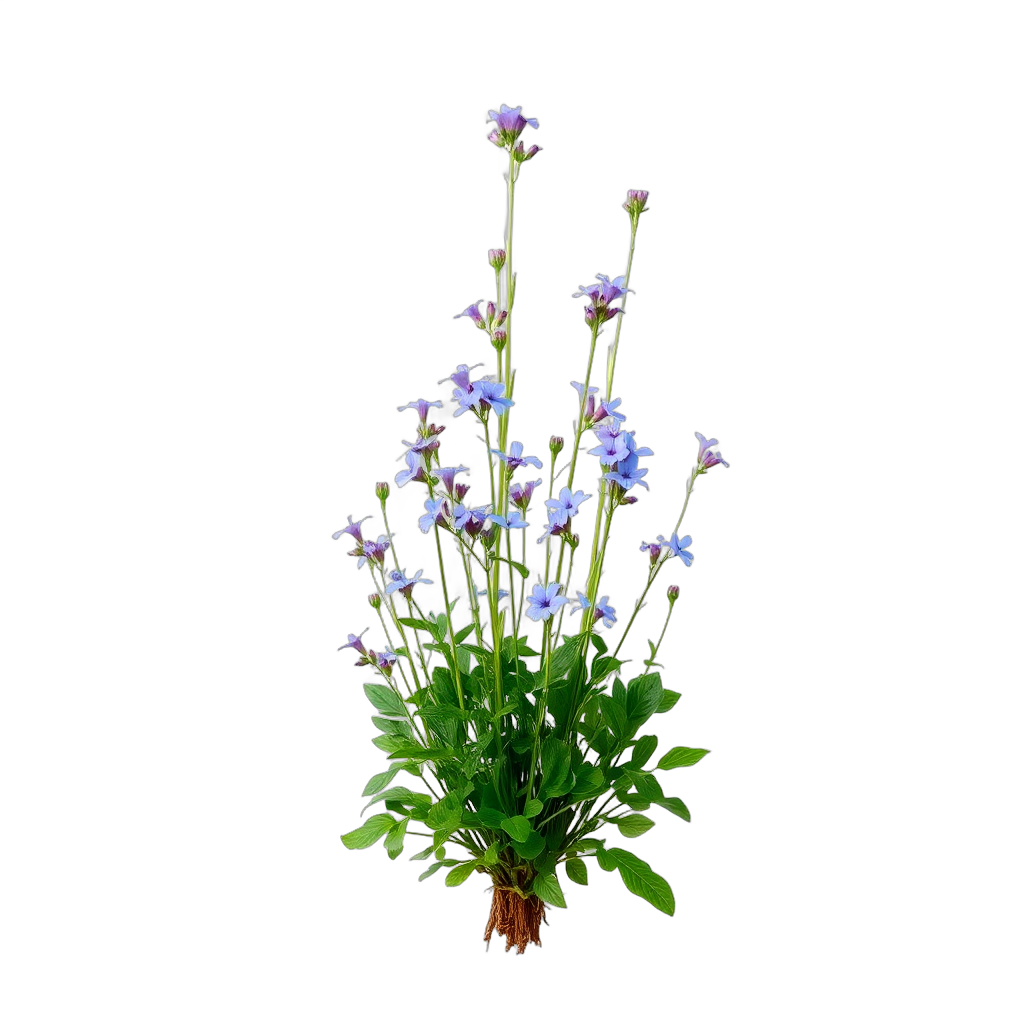
Blue Dicks
Dichelostemma capitatum
low-growing ground cover, blue blooms in spring. Pollinator-friendly.
Zone and sun checks come from our database — confirm with your local nursery before you buy.
Bloom Calendar for Sacramento
spring
Clustered Field Sedge, Blue Dicks, Blue-Eyed Grasssummer
Baltic Rush, California Gray Rush, Papyrusfall
Limited bloomswinter
Limited bloomsDesign Tips for Sacramento (Zone 9b)
- Embrace Sacramento's Csa climate as an asset: Mediterranean plants are pre-adapted to exactly this rainfall pattern — wet winters, bone-dry summers — so stop fighting the climate and lean into it
- Use terracotta, limestone, and flagstone hardscape over concrete where possible: these materials stay cooler underfoot in Sacramento's 105°F summer heat and age beautifully over time
- Plant bougainvillea on west-facing walls where afternoon sun is most intense — it's one of the few plants that actually blooms harder the hotter it gets, turning Sacramento's harshest exposure into a feature
- Install a recirculating fountain in your design: the ambient water sound adds a cooling psychological effect on hot Sacramento afternoons, and the evaporation contributes minor humidity to an otherwise very dry summer microclimate
- Choose citrus trees strategically: lemons and mandarins are more heat-tolerant than navel oranges in Sacramento's inland heat, and Meyer lemon produces nearly year-round in Zone 9b with no special care
- Apply 3–4 inches of bark mulch or decomposed granite around all plantings — Sacramento soil loses moisture rapidly in summer, and mulch can cut irrigation frequency in half during the June–September dry season
Where to Source Plants in Sacramento
Skip the big-box stores. These independent Sacramento nurseries specialize in the plants that make mediterranean gardens thrive in Zone 9b.
Mother Natives
Central Sacramento
California natives, sustainable design consultations, pollinator-friendly species
The Prickly Pear
Midtown
Succulents, cacti, drought-tolerant tropicals — perfect for modern xeriscaping
Talini's Nursery & Garden Center
East Sacramento
Native trees, grasses, and shade trees — family-owned since 1976
SacValley CNPS Nursery (Elderberry Farms)
Rancho Cordova
Locally propagated natives adapted to Sacramento's climate, demonstration gardens
Sacramento Valley Conservancy Nursery
North Sacramento (Camp Pollock)
Drought-tolerant natives, pollinator plants, riparian species
Mediterranean Landscaping Costs in Sacramento
| Project Scope | Estimated Cost |
|---|---|
| Mediterranean front yard — cypress, olive, lavender (400–600 sqft) | $5,000 – $12,000 |
| Courtyard entry — gravel, bougainvillea, citrus, iron gate | $8,000 – $20,000 |
| Backyard terracotta patio with fountain + dining area | $22,000 – $55,000 |
| Pergola + bougainvillea lounge (installed) | $15,000 – $35,000 |
| Flagstone or terracotta tile installation | $15 – $30/sqft |
| Mature olive or Italian cypress tree (installed) | $400 – $1,200 each |
| AI visualization with ProScapeAI | Free to start |
Estimates based on Sacramento, CA-area contractor rates as of 2026. Actual costs vary by site conditions, materials, and contractor.
Sacramento Climate & Growing Zone
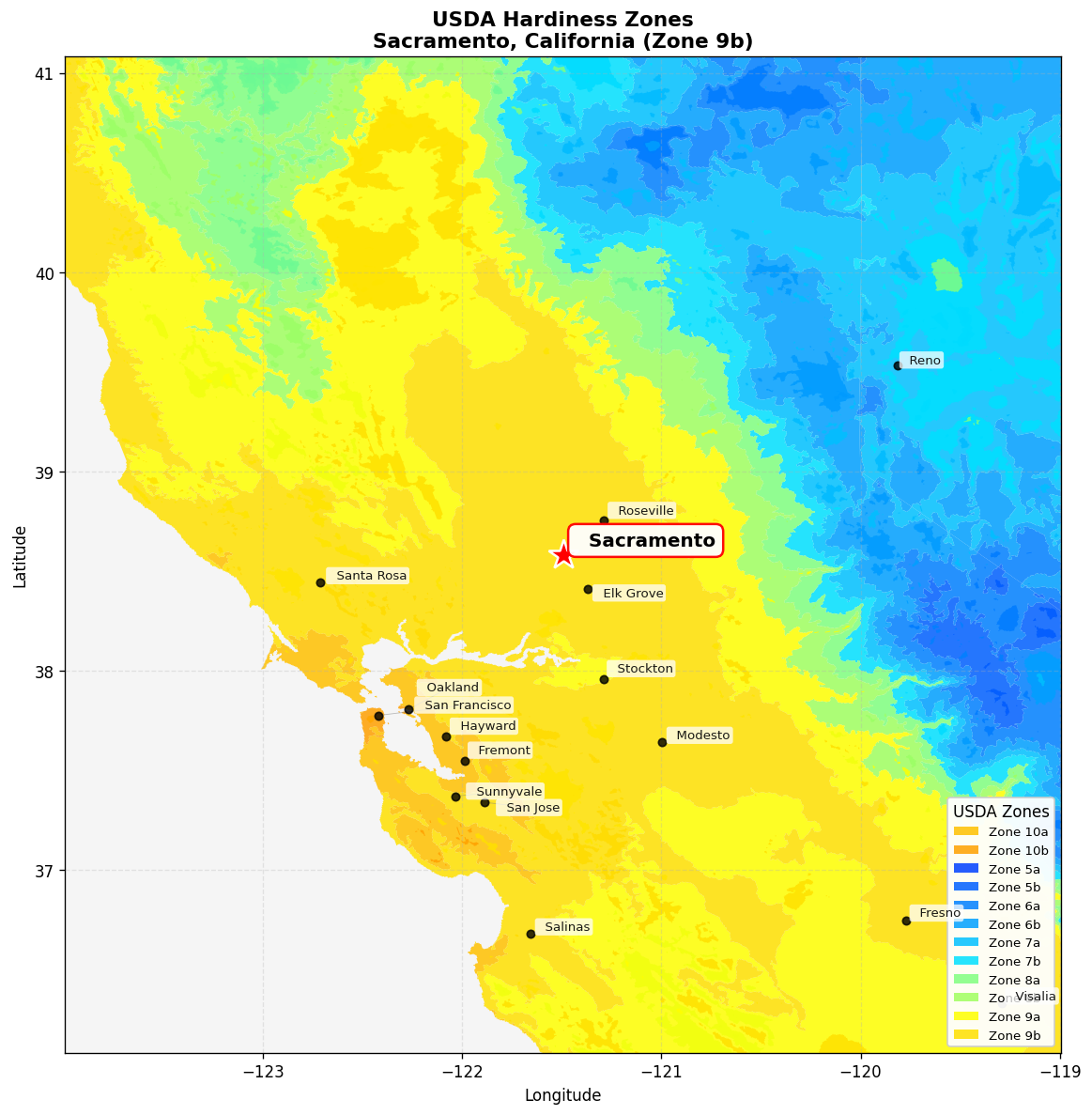
USDA Zone 9b
Hardiness zone for Sacramento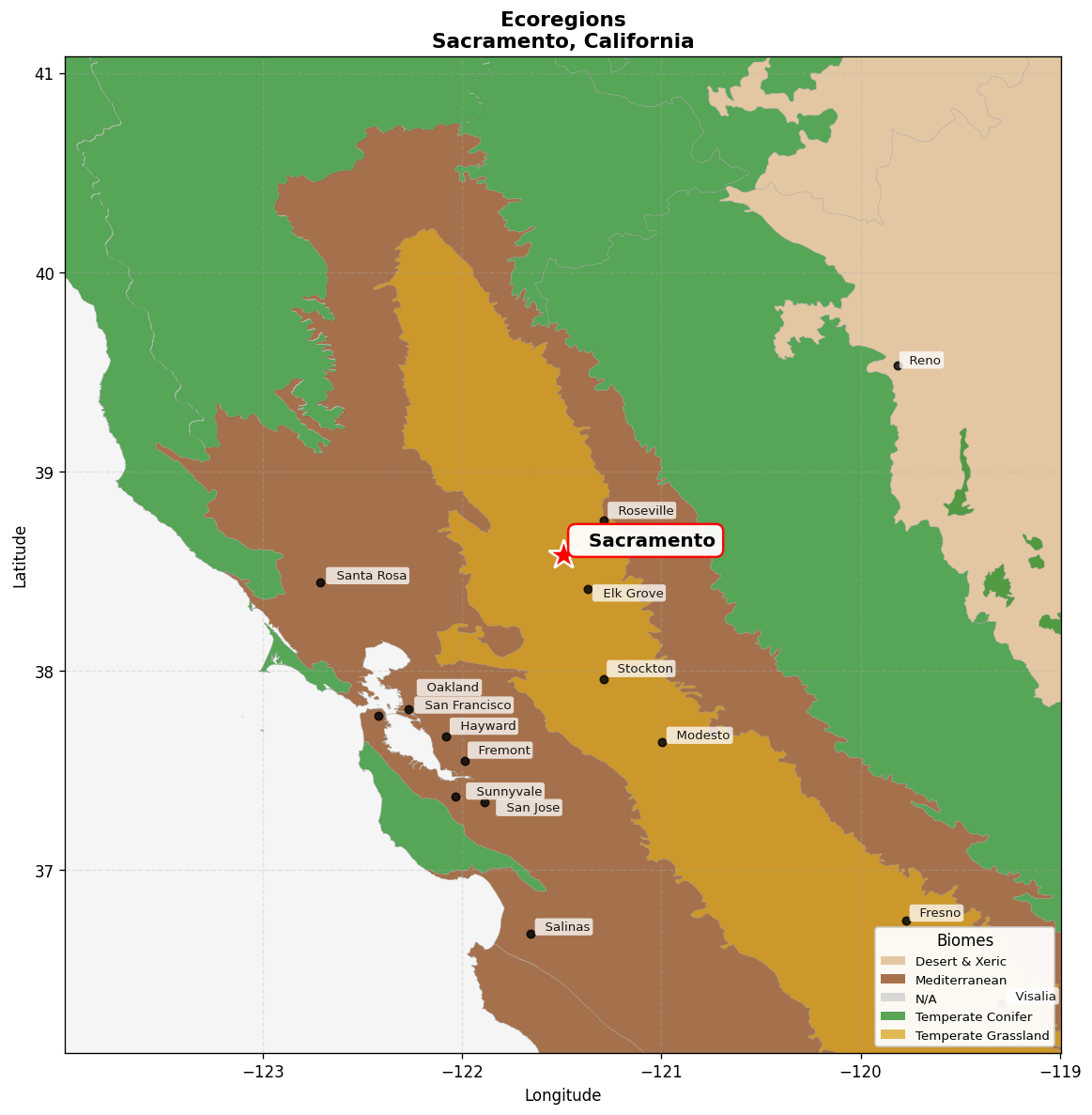
California Central Valley grasslands
Native ecoregionFrequently Asked Questions
How much does Mediterranean landscaping cost in Sacramento?
A Mediterranean front yard redesign (400–600 sqft) with flagstone, olive or cypress trees, and lavender beds typically runs $5,000–$12,000 in Sacramento. Full backyard projects with terracotta paving, a pergola, fountain, and planting range from $20,000–$55,000. Simpler conversions — gravel, potted citrus, and bougainvillea on an existing fence — can start around $3,000. Labor rates in Sacramento average $50–$80/hour for experienced landscape contractors.
What Mediterranean plants grow best in Sacramento's Zone 9b heat?
Sacramento's Zone 9b is tailor-made for Mediterranean plants. Top performers include: olive trees (heat-tolerant, low water, long-lived), Italian cypress (thrives in 105°F heat), bougainvillea (blooms spring through fall outdoors year-round), lavender (English and Spanish varieties), rosemary, citrus (lemon, orange, kumquat all overwinter outdoors in Zone 9b), lavender, and ornamental grasses like deer grass. Avoid plants that need summer moisture — they'll struggle in Sacramento's 6-month dry season.
Can I grow citrus trees in Sacramento?
Yes — Sacramento's Zone 9b is one of the best climates in inland California for citrus. Lemons (Meyer lemon is most forgiving), navel oranges, mandarins, and kumquats all grow and fruit reliably outdoors year-round. They need full sun, well-drained soil, and supplemental irrigation in summer. In colder neighborhoods like North Sacramento, protect young trees with frost cloth if temperatures drop below 28°F. Most established citrus handle Zone 9b winters without protection.
When is the best time to plant a Mediterranean garden in Sacramento?
Fall (October–November) is the best planting window. Sacramento's winter rains establish root systems naturally, reducing first-year irrigation demands significantly. Spring (March–April) is the second-best window before summer heat arrives. Avoid planting during June–September when soil temperatures exceed 90°F and transplant stress is highest. Bougainvillea is an exception — it actually thrives when planted in warm soil in May–June.
How much water does a Mediterranean garden use compared to a lawn?
A properly designed Mediterranean garden uses 50–70% less water than a traditional turfgrass lawn in Sacramento. Once established (typically 1–2 years), olive trees, lavender, rosemary, and Italian cypress need only deep monthly watering during summer. Citrus trees need more water — every 1–2 weeks in summer. Sacramento's regional water authorities offer turf replacement rebates of $1–$2/sqft to incentivize exactly this kind of conversion. Check your water provider's current program.
Do I need a permit for Mediterranean landscaping features in Sacramento?
Standard plantings, gravel, and flagstone don't require permits. You'll need permits for: retaining walls over 30 inches, pergolas or shade structures (depending on size and attachment to the house), outdoor electrical for lighting or fountains with pumps, and any drainage modifications affecting neighboring properties. Freestanding fountains with recirculating pumps generally don't require permits. Check with Sacramento County Building Division or your city planning department before breaking ground on structural elements.