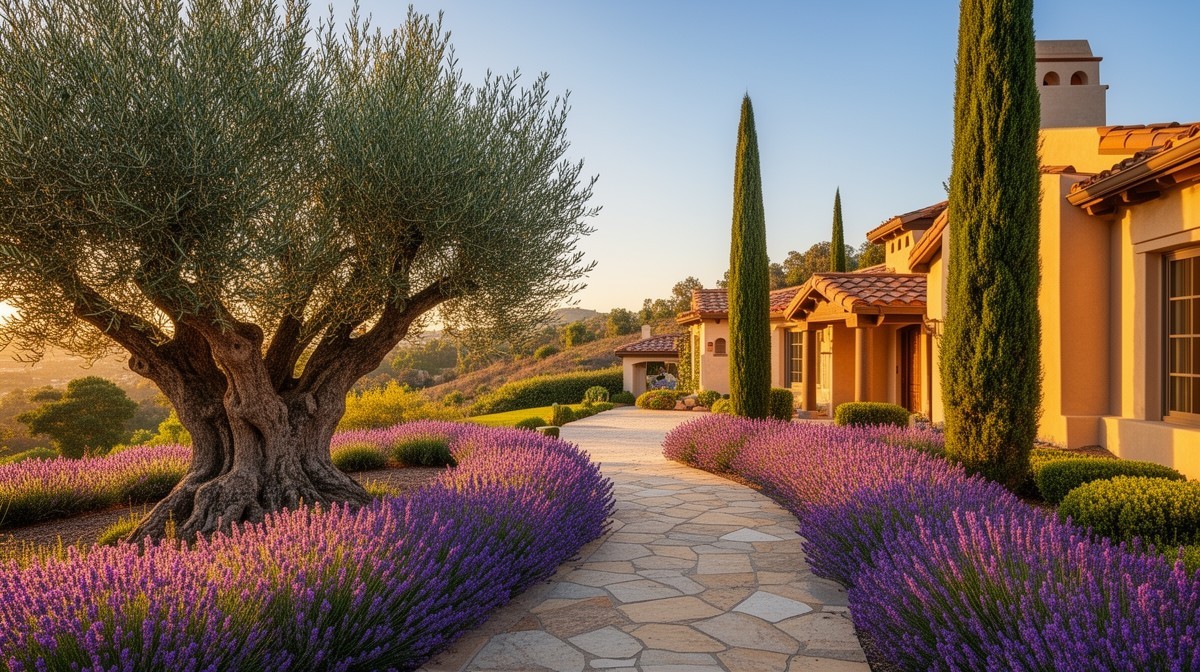
4 Mediterranean Garden Ideas for Stockton, CA | California-Mediterranean Landscaping in Zone 9a
Native plants from the California Central Valley grasslands (Zone 9a) — Mediterranean (hot summer) climate
Why Mediterranean Gardens in Stockton?
Stockton’s climate is genuinely Mediterranean—the Central Valley’s hot dry summers and cool wet winters replicate the Köppen Csa classification of southern France, Italy, and California’s own coastal regions more faithfully than most places that claim the Mediterranean style. The difference from the true Mediterranean is degree: Stockton’s summers are hotter (100°F+ vs. 85°F in Marseille) and its winters slightly cooler (Zone 9a vs. Zone 10–11 on the coast). But the seasonal rhythm—winter rain, spring bloom, summer drought, fall moderation—is authentically Mediterranean, and plants evolved for the Mediterranean basin perform here with minimal adaptation.
The Mediterranean garden tradition is arguably the most naturally suited design vocabulary for Stockton’s Central Valley context. Olive trees, Italian cypress, lavender, rosemary, and terracotta tile all thrive without supplemental water once established in Valley conditions. The visual vocabulary of the Mediterranean—warm stone, fragrant herbs, silver-leaved plants, and the geometry of a walled courtyard—creates landscapes that look genuinely luxurious while consuming a fraction of the water a traditional grass-and-perennial garden requires. As California’s tiered water pricing has increased the cost of over-irrigated landscapes, Mediterranean design has moved from a niche aesthetic to the dominant design direction in the Central Valley.
Stockton’s newer residential developments in Spanos Park and Weston Ranch have embraced Mediterranean landscape design as the standard aesthetic for mid-to-upper-market homes—the combination of low maintenance, low water use, and visual sophistication aligns perfectly with what Valley homeowners increasingly want. The materials palette—terracotta, travertine, warm-toned pavers, and the muted silver-green of olive and lavender—translates immediately to the California Valley landscape context and ages beautifully under the strong Central Valley sun.
4 Mediterranean Design Ideas for Stockton
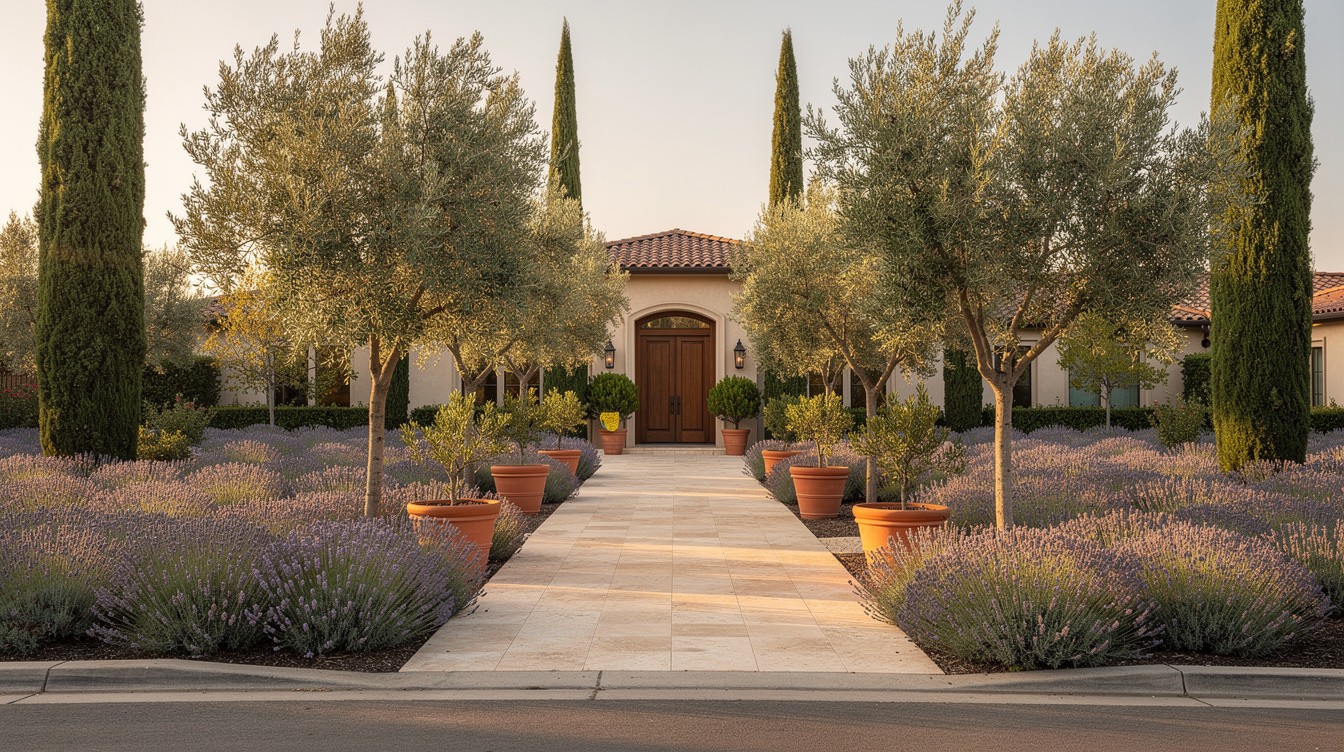
Olive Tree Allee Entry with Lavender Borders
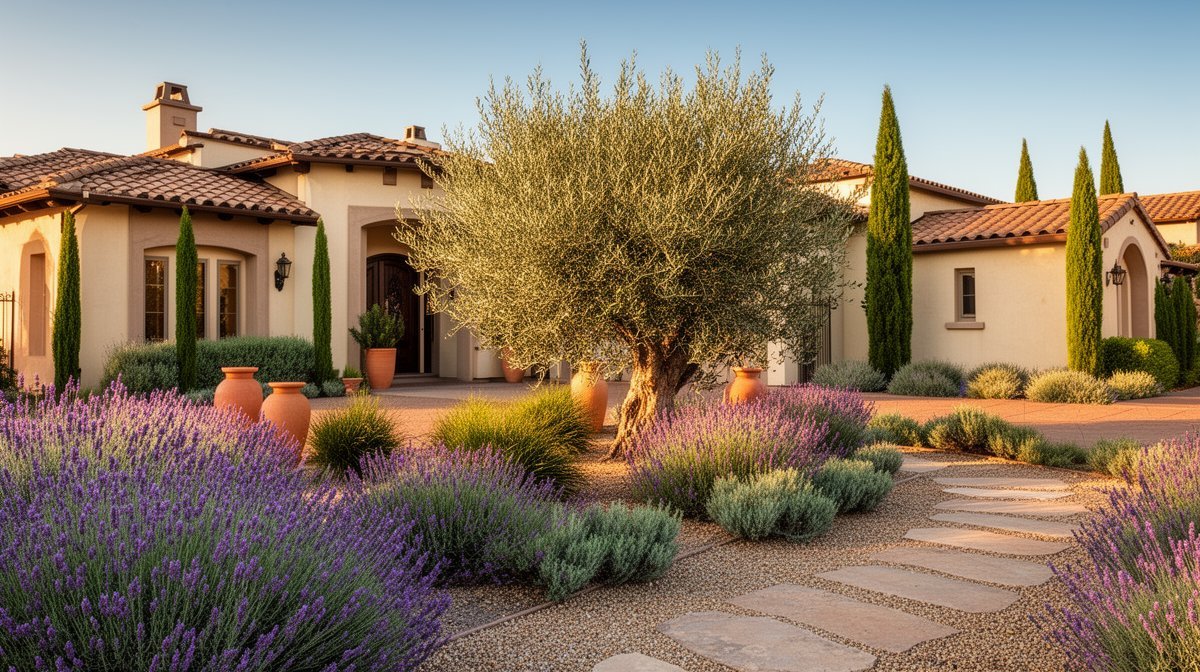
$14–30/sqftA symmetrical allée of olive trees—dwarf 'Little Ollie' or 'Skylark' varieties in large terracotta pots, or standard 'Wilsonii' non-fruiting olives planted in the ground—lines a wide DG or travertine paver path to the front door. On each side, a continuous mass of English lavender provides blue-purple bloom from April through June and silver-gray foliage structure through the dry summer months. Tall Italian cypress anchor the corners of the property, providing the Mediterranean vertical signature. The entire entry planting requires no irrigation after establishment—a significant practical advantage in California’s water-conscious regulatory environment.
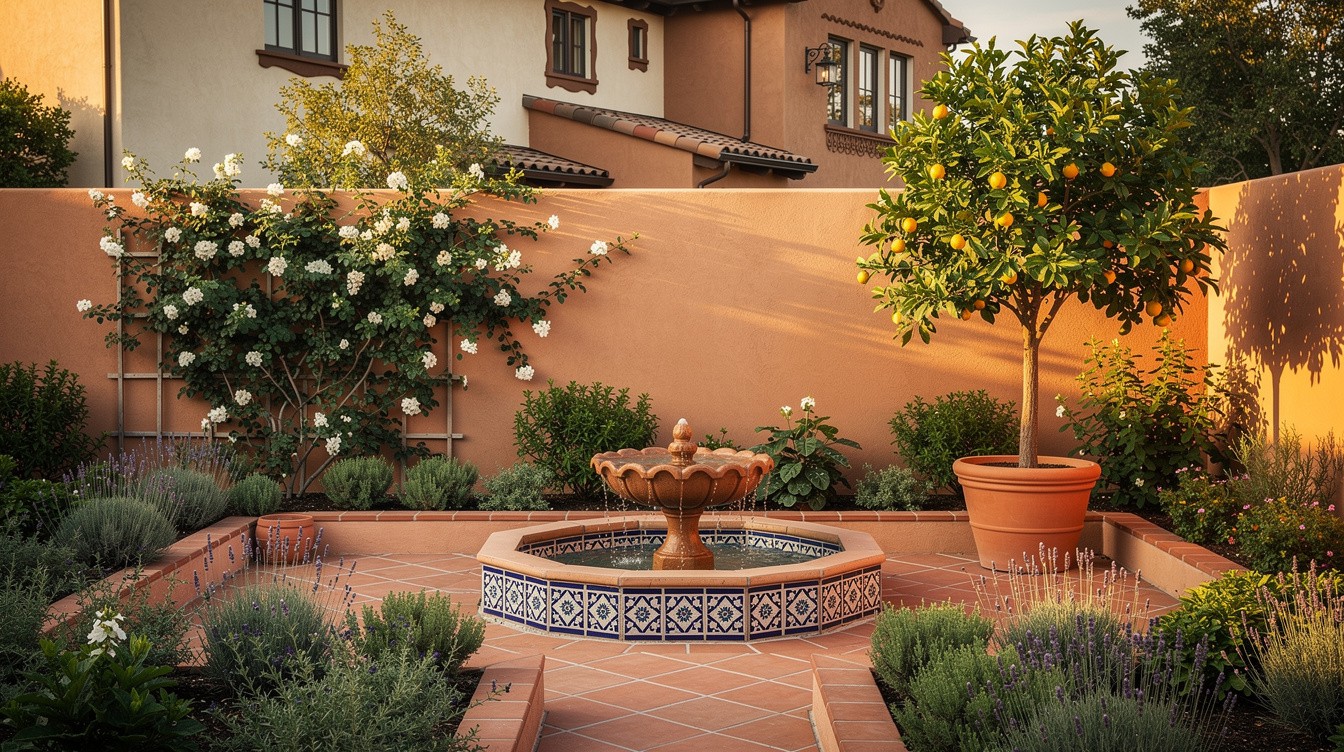
Walled Courtyard Garden with Fountain
$22‘48/sqftA stucco garden wall—warm buff or terracotta-toned to match California’s warm palette—defines a private courtyard at the front or side of a Stockton home, creating an enclosed Mediterranean garden room with a Moorish-inspired tile fountain at its center. Inside the courtyard: terracotta-tiled paths, raised planting beds of herbs and lavender, a lemon or kumquat tree in a large pot, and fragrant jasmine on the wall. The courtyard design is a Central Valley tradition—it creates a microclimate noticeably cooler and more intimate than the open yard, and the enclosed space traps fragrance from jasmine and herbs in a way that no open landscape achieves.
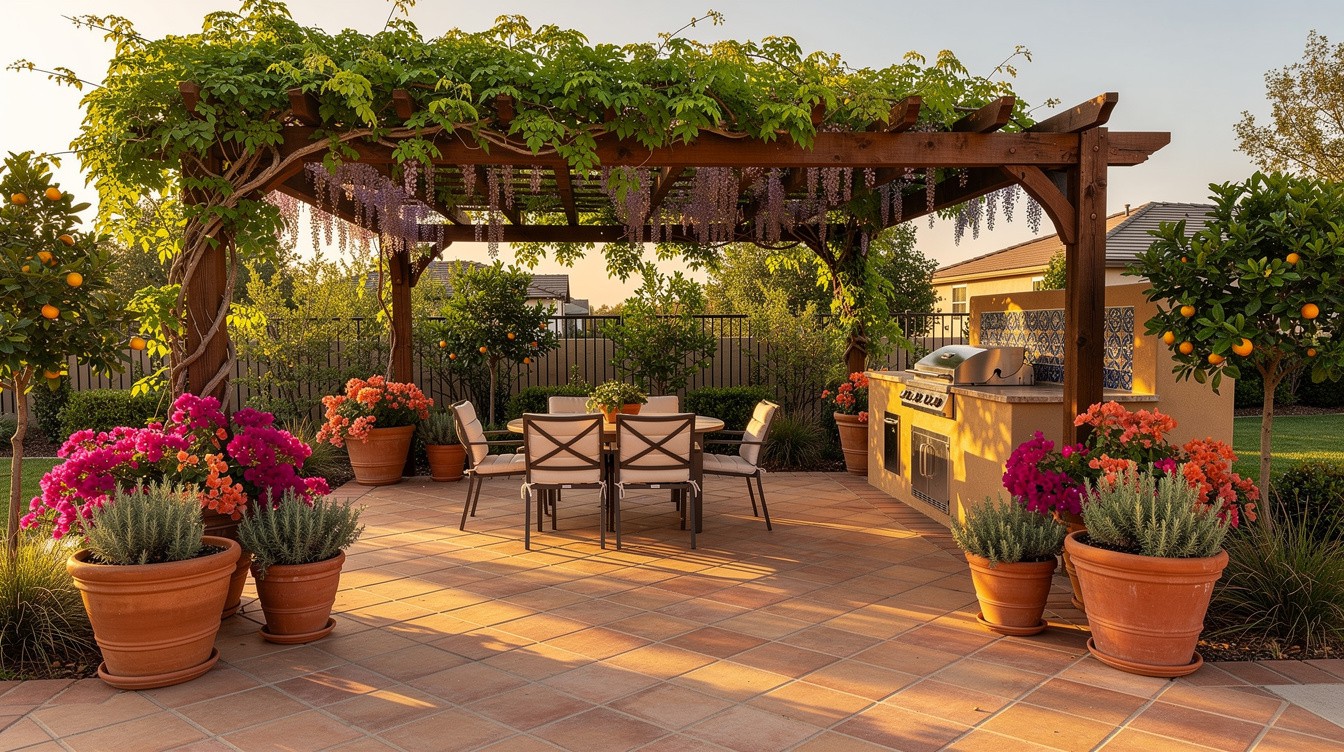
Terracotta Patio with Pergola and Mediterranean Planting
$20‘44/sqftA terracotta tile or warm-toned concrete paver patio provides the outdoor living room foundation, shaded by a pergola covered with wisteria or grapevine—the Mediterranean garden’s most traditional shade solution. Fragrant wisteria creates a spectacular April bloom moment, then leafs out to provide dense shade through July and August before dropping leaves in fall to allow winter sun. Large terracotta pots of bougainvillea, rosemary, and citrus add color and fragrance around the terrace perimeter. A built-in outdoor kitchen with tile backsplash and a natural gas grill completes the Mediterranean al fresco dining experience that Stockton’s long warm season perfectly supports.
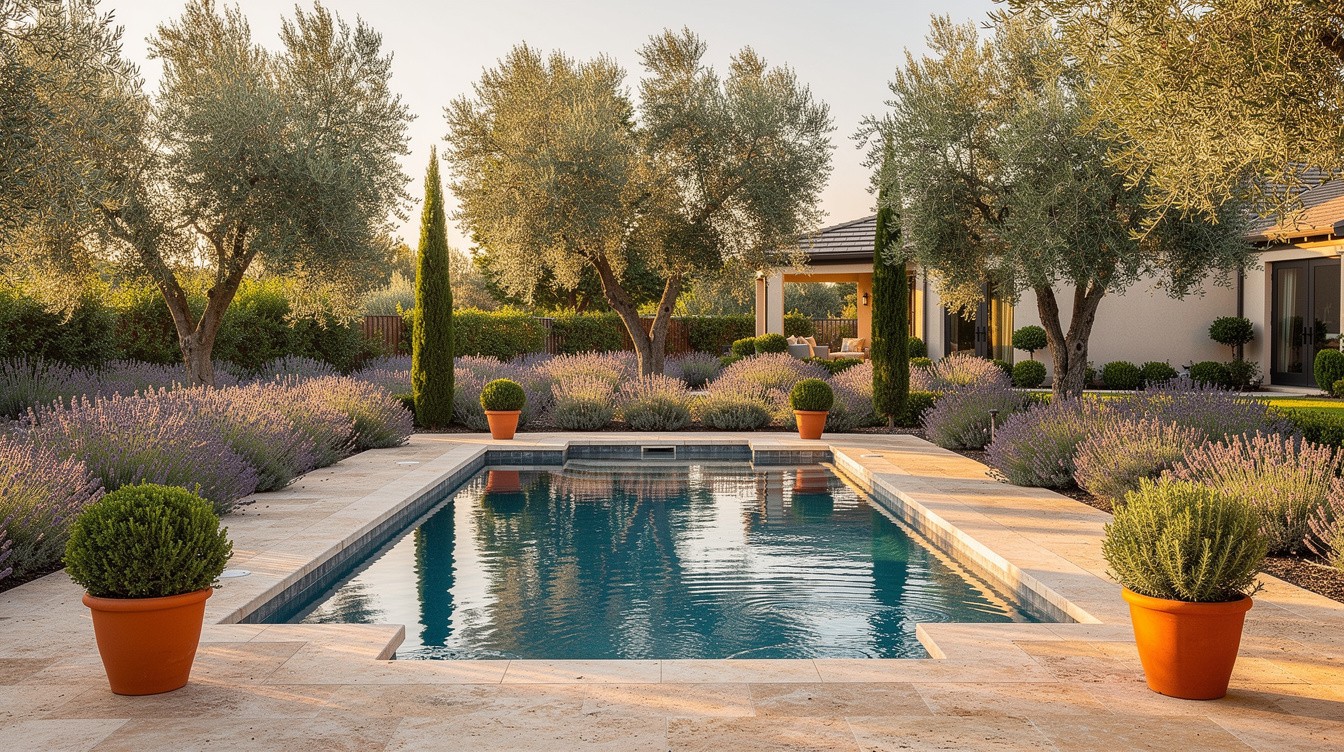
Pool Oasis with Olive Grove and Travertine Deck
$28‘58/sqftA travertine-decked pool surrounded by an informal olive grove—five to seven mature olive trees planted at varying distances from the pool perimeter, their silver-green canopy casting dappled shade on the deck—creates the quintessential Mediterranean pool landscape. Lavender mass plantings fill the beds between olive trees; terracotta urns at the pool’s corners hold columnar Italian cypress or standard rosemary topiaries. The combination of travertine (warm, natural traction surface), olives (shade without leaf litter in the pool), and lavender (fragrant, low-water) creates a Mediterranean pool garden that requires minimal maintenance and no irrigation beyond the pool water itself.
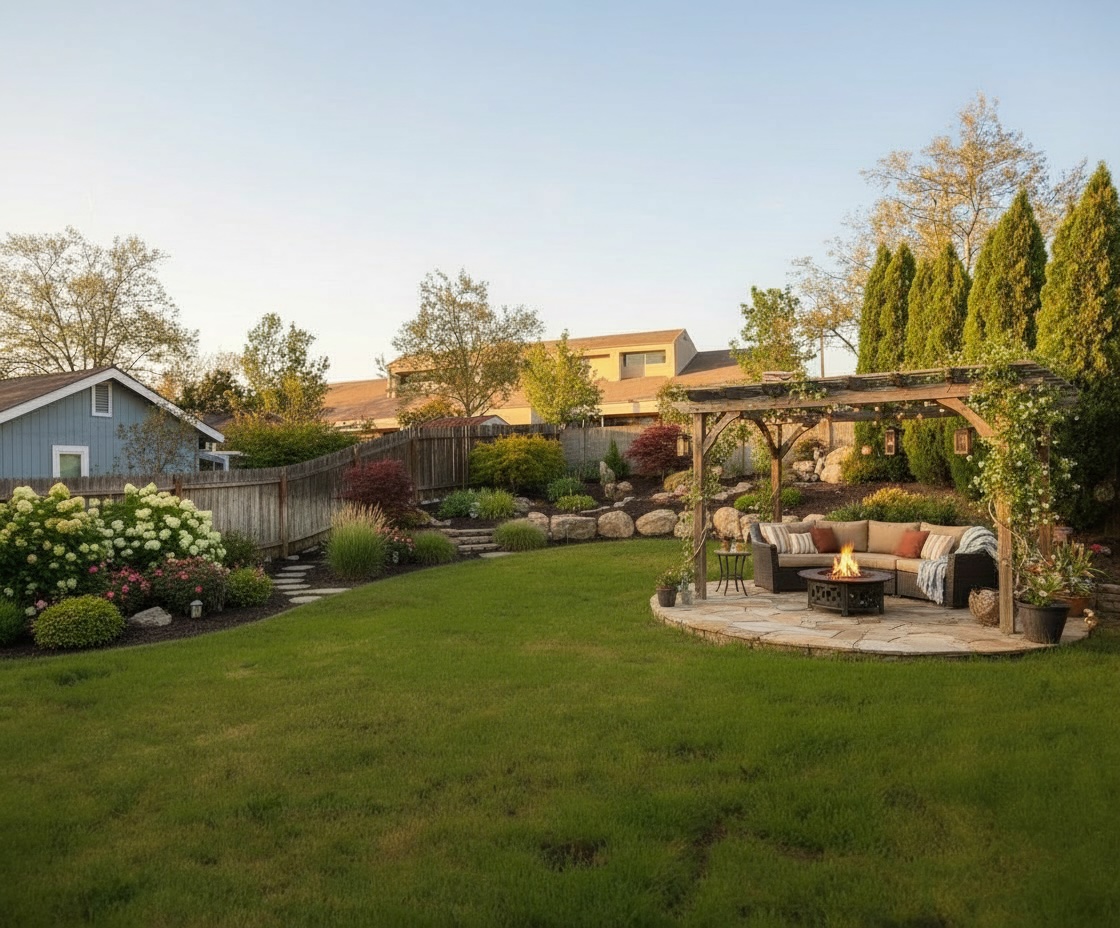
See how a mediterranean garden looks on YOUR property
Upload a photo of your Stockton yard and visualize your dream garden in seconds.
Try ProScapeAI Free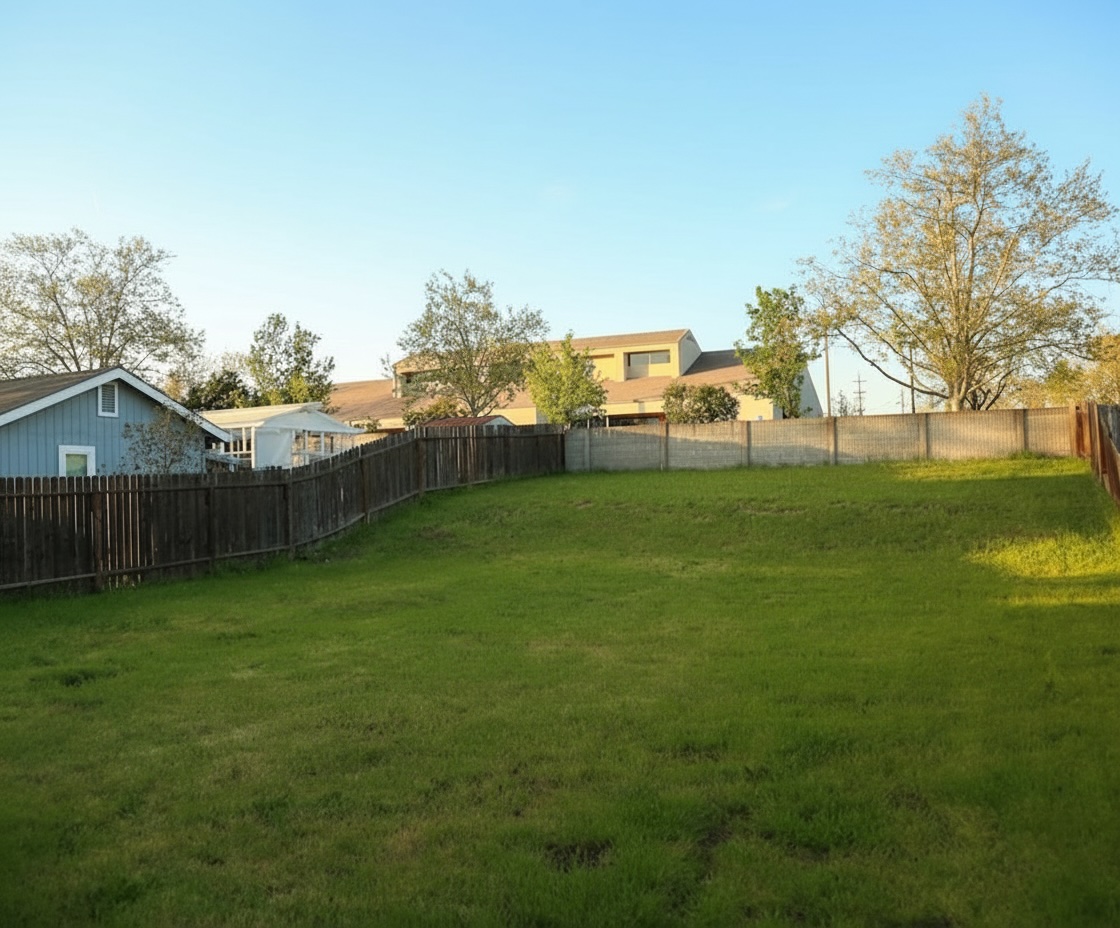
Featured Trees & Shrubs for Mediterranean Gardens
Browse all 161 plants for Stockton
Blue Oak
Quercus douglasii
large shade tree reaching 50+ feet, blooms in spring. Yellow fall color.
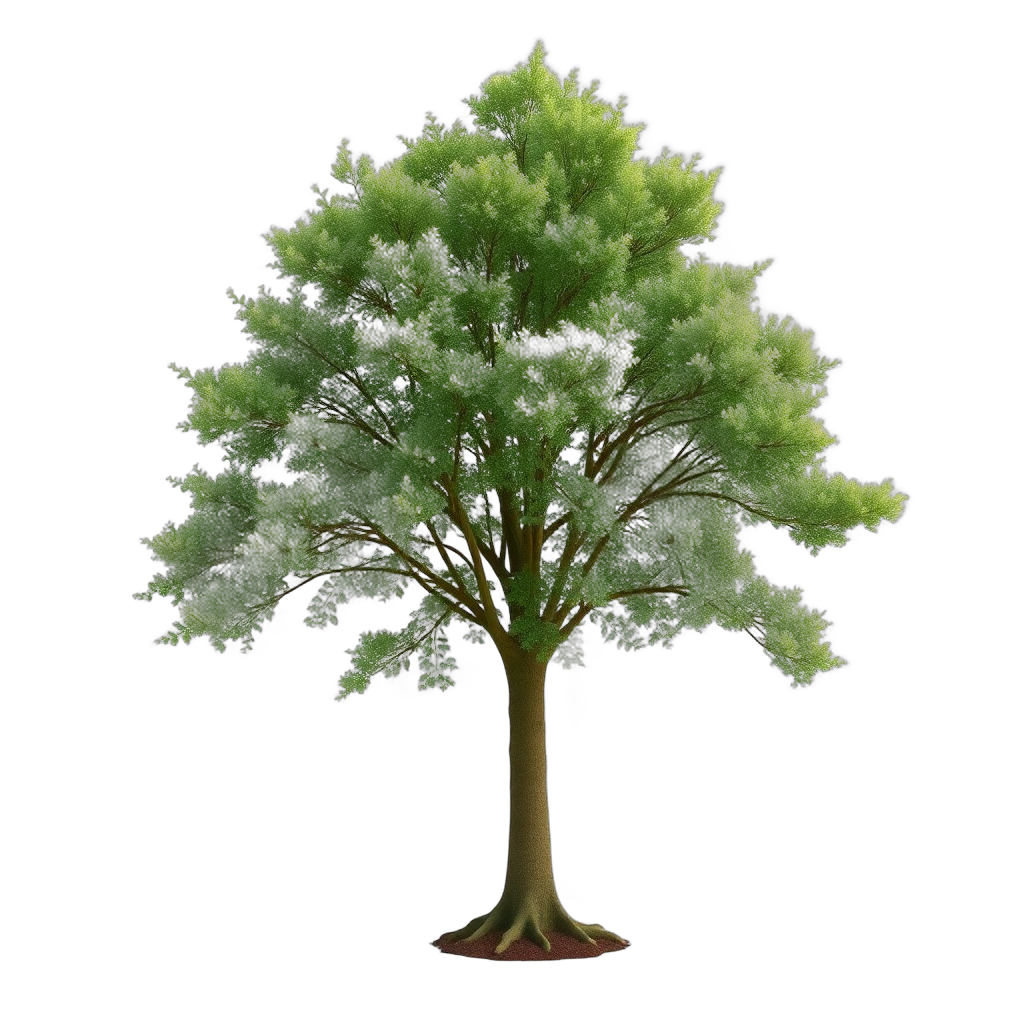
Fremont Cottonwood
Populus fremontii
large shade tree reaching 50+ feet, yellow blooms in spring. Yellow fall color.
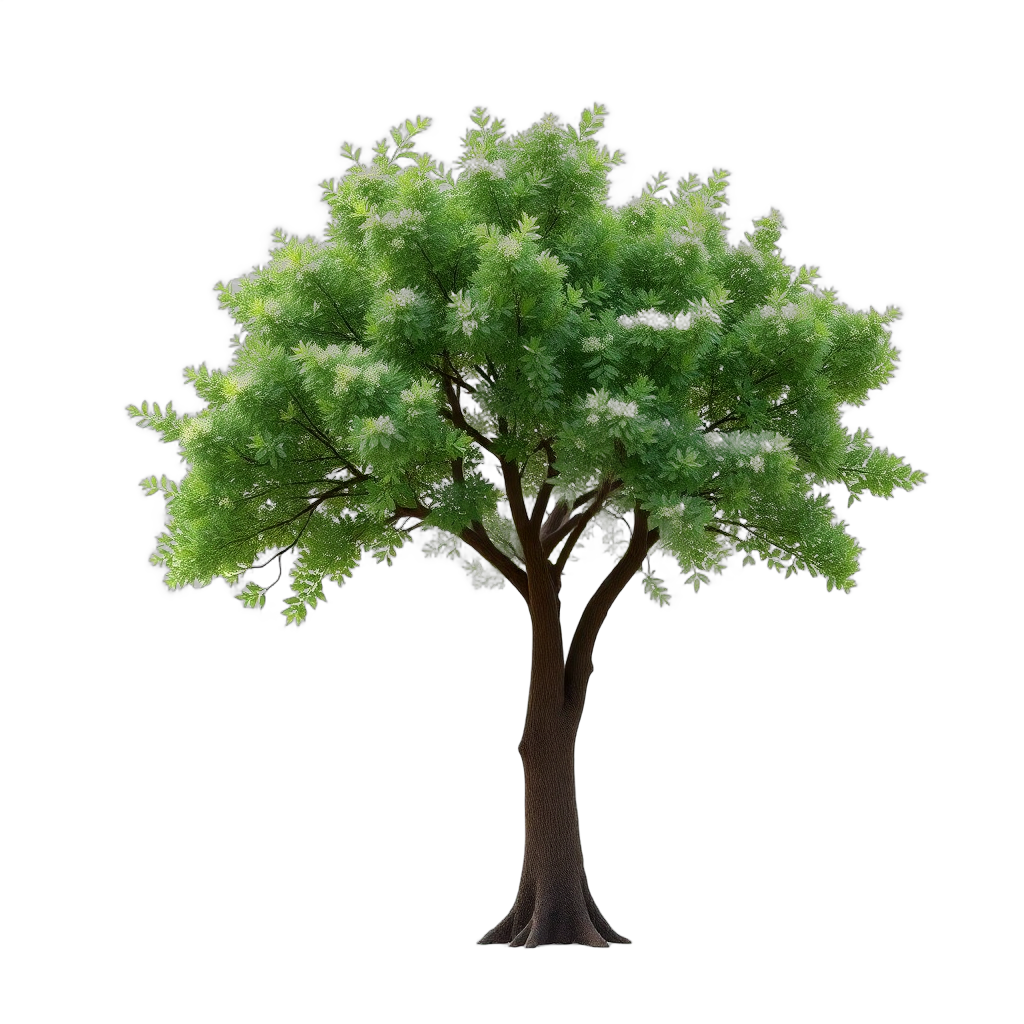
Valley Oak
Quercus lobata
large shade tree reaching 80+ feet, blooms in spring. Yellow fall color.
Featured Grasses & Groundcovers for Mediterranean Gardens
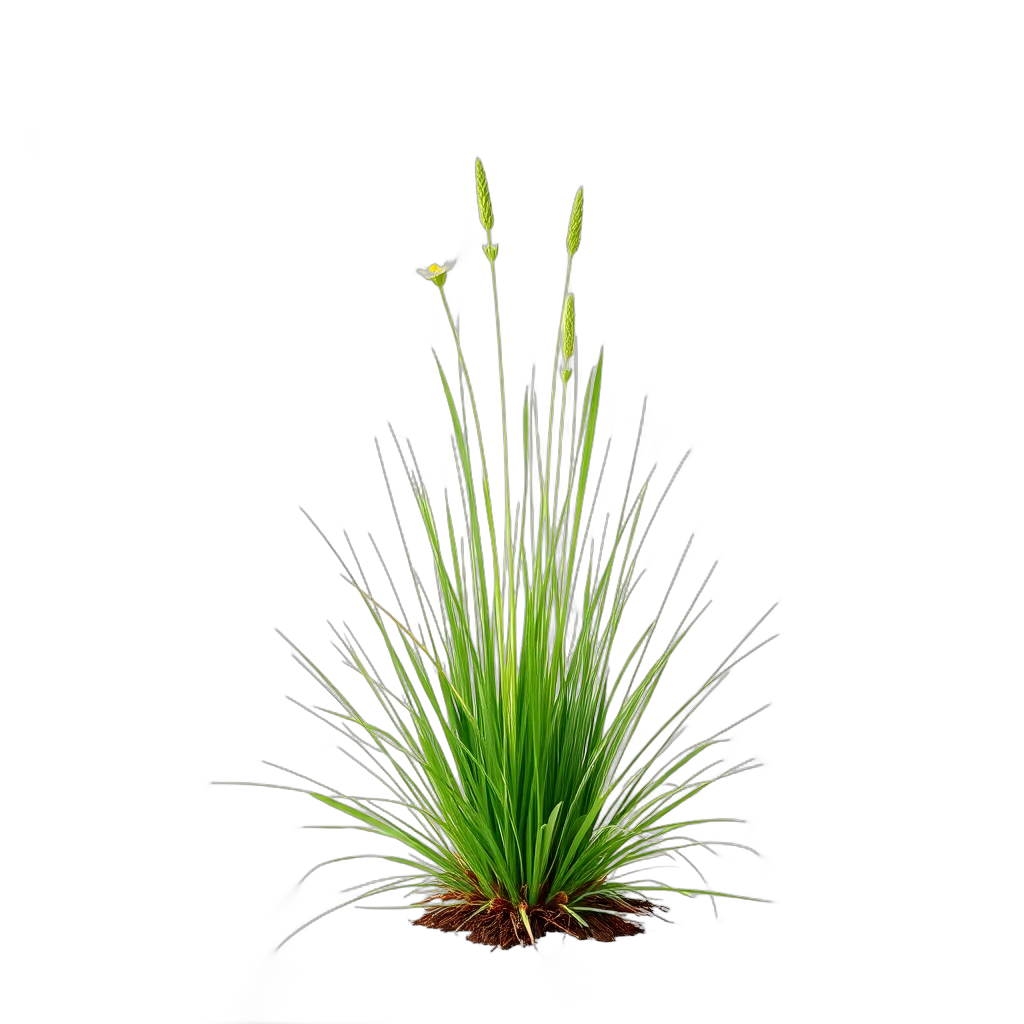
California Brome
Bromus carinatus
low-growing ground cover, blooms in spring. Yellow fall color.
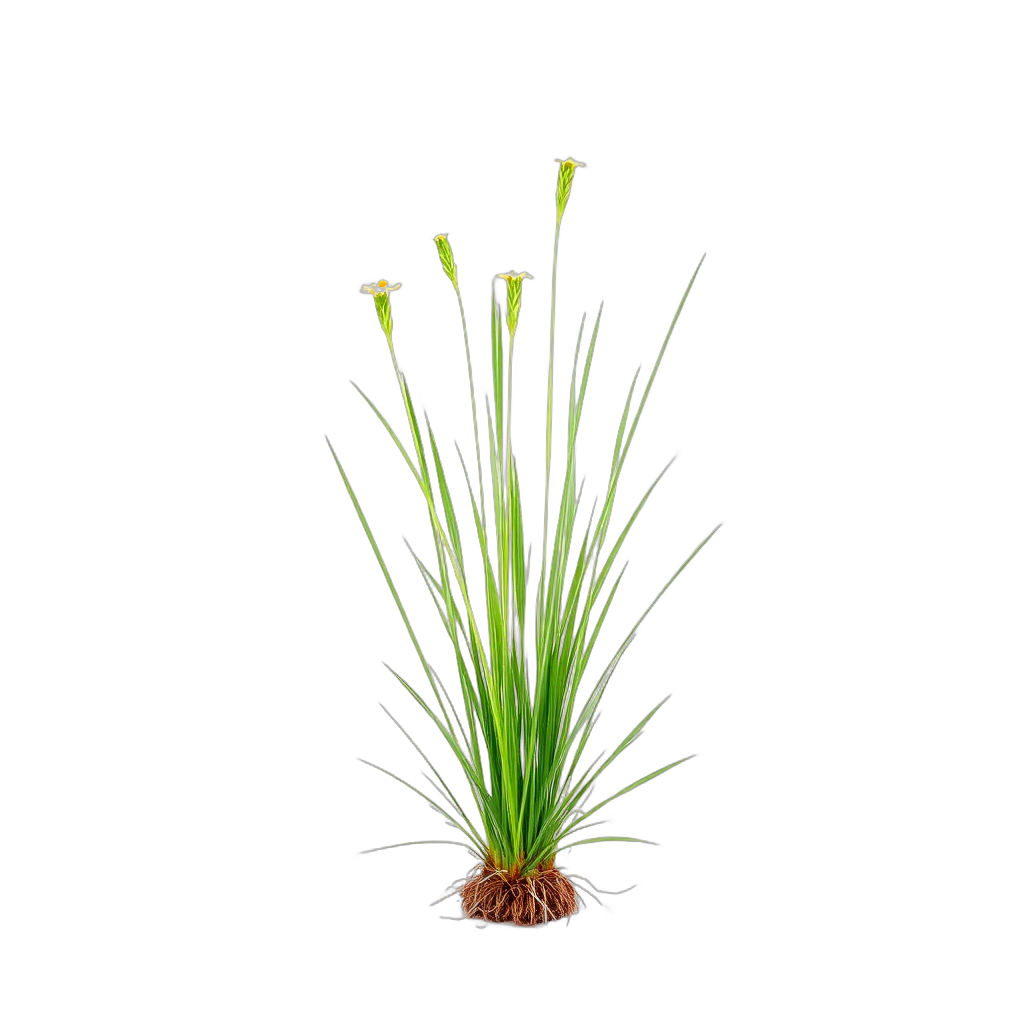
California Melic
Melica californica
low-growing ground cover, blooms in spring.
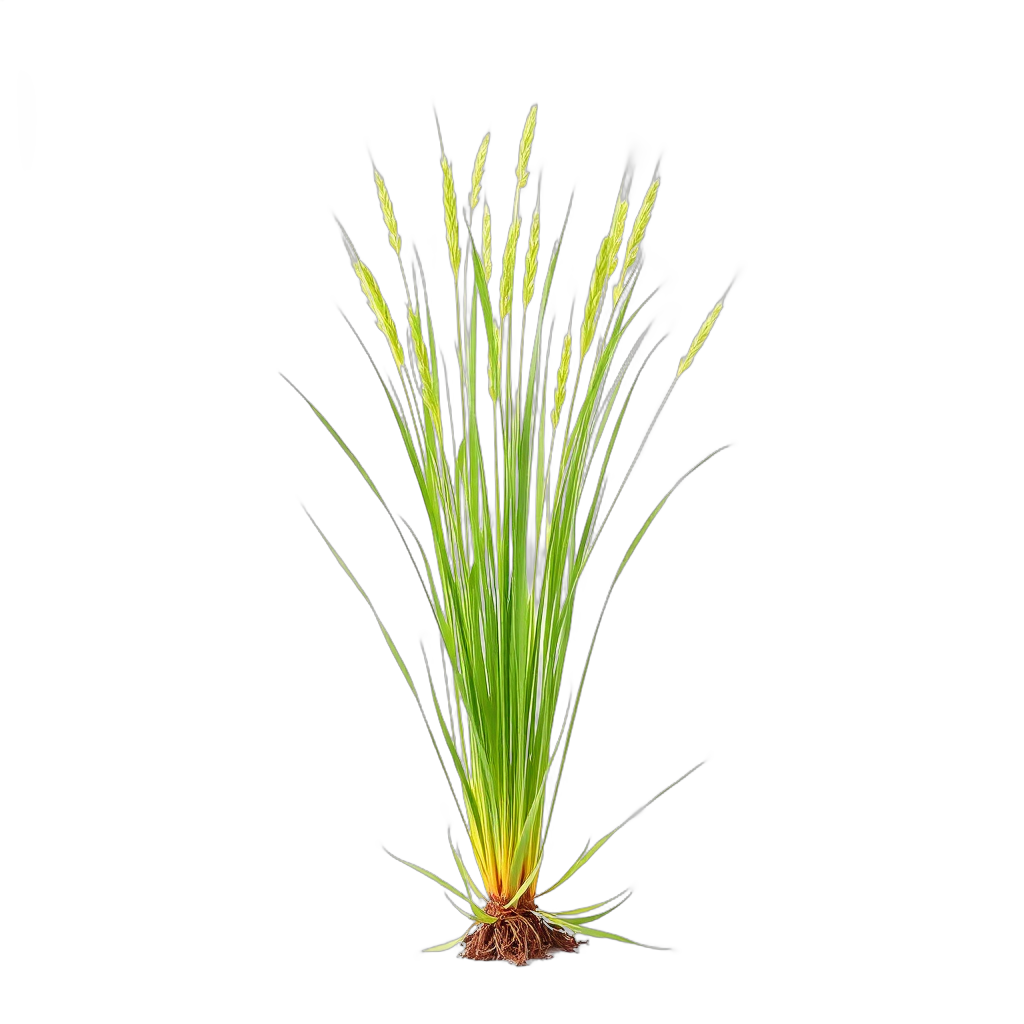
California Oatgrass
Danthonia californica
low-growing ground cover, blooms in spring. Yellow fall color.
Featured Flowers & Perennials for Mediterranean Gardens
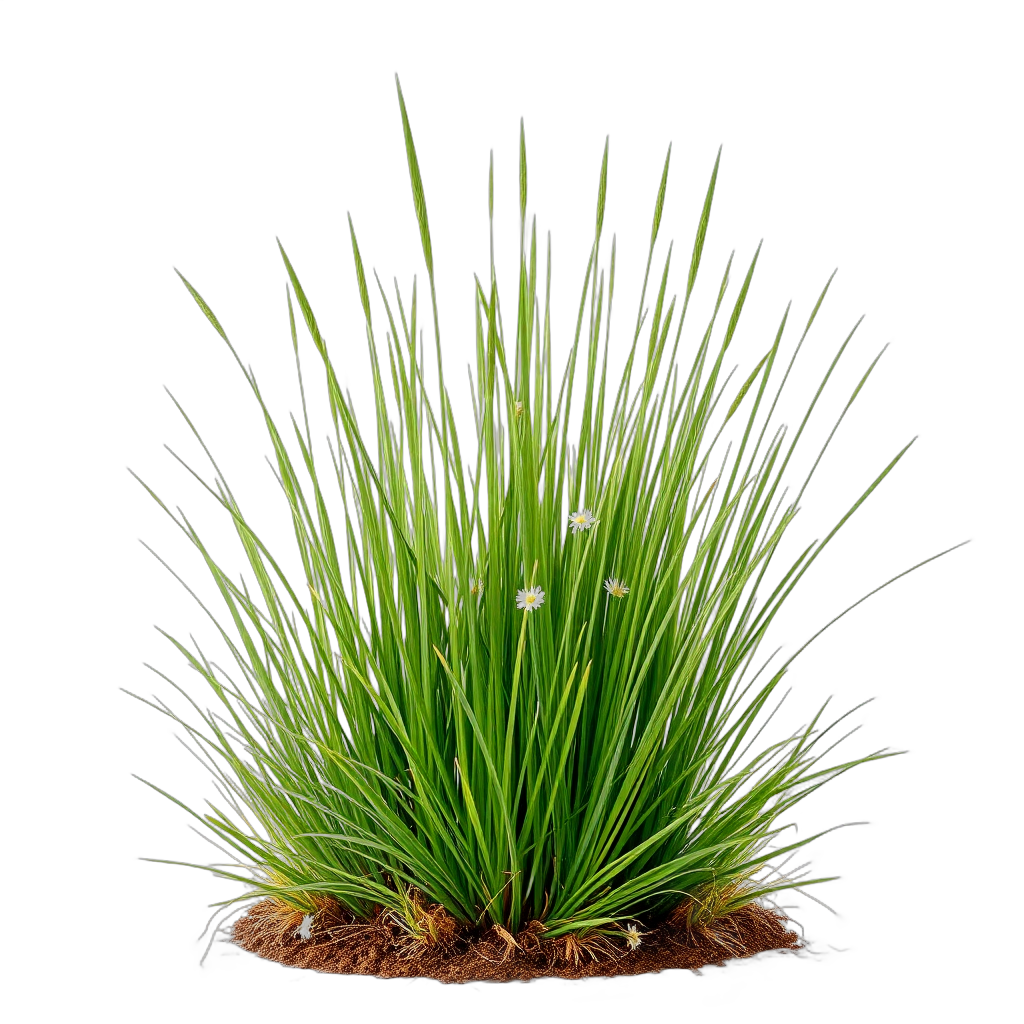
Baltic Rush
Juncus balticus
low-growing ground cover, blooms in summer. Evergreen year-round.
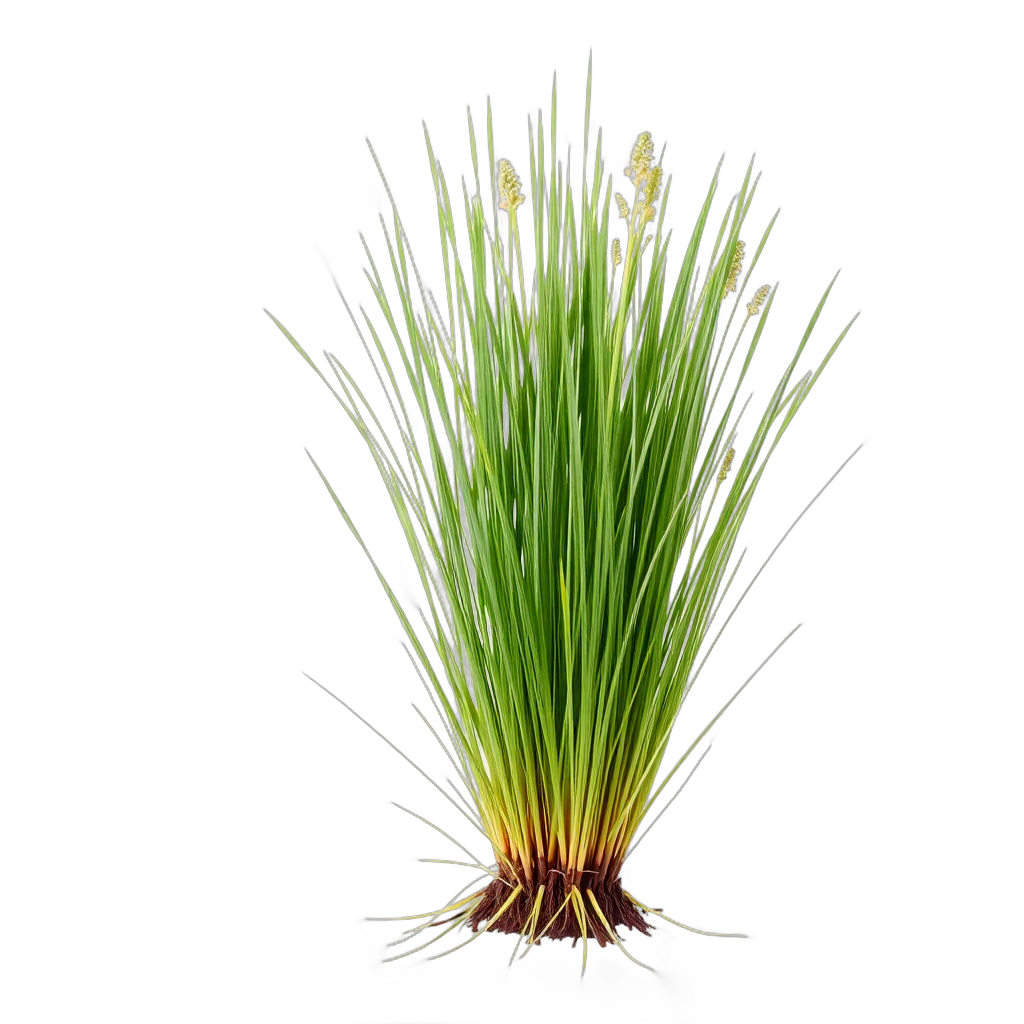
California Gray Rush
Juncus patens
low-growing ground cover, blooms in summer. Evergreen year-round.
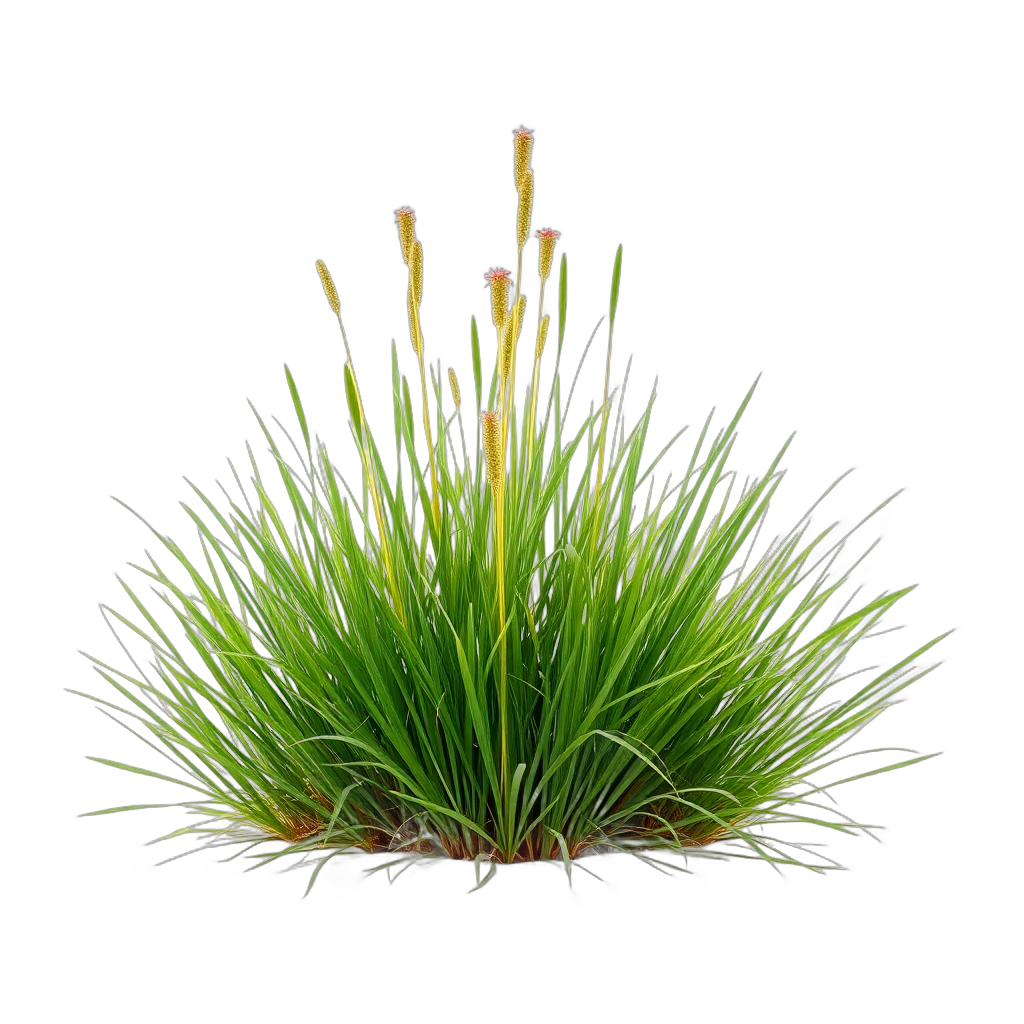
Clustered Field Sedge
Carex praegracilis
low-growing ground cover, blooms in spring.
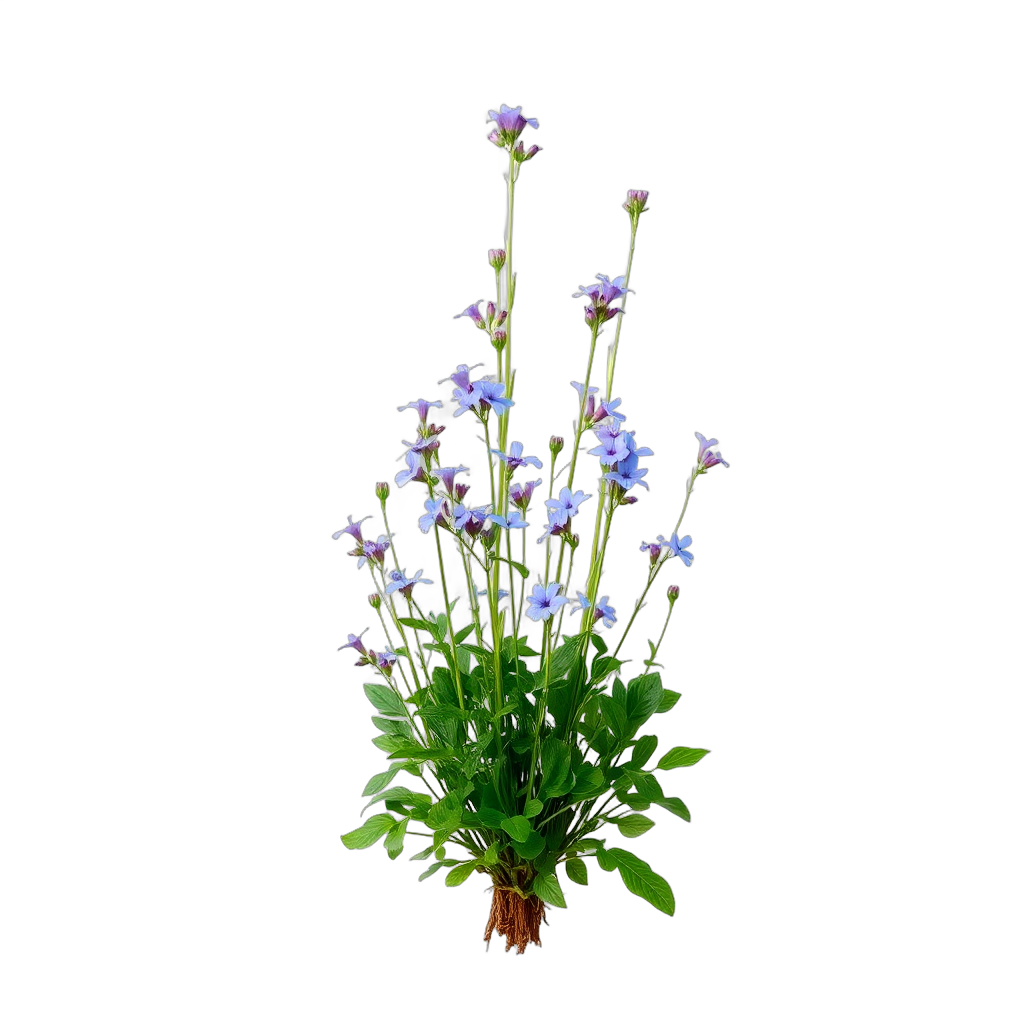
Blue Dicks
Dichelostemma capitatum
low-growing ground cover, blue blooms in spring. Pollinator-friendly.
Zone and sun checks come from our database — confirm with your local nursery before you buy.
Bloom Calendar for Stockton
spring
Clustered Field Sedge, Blue Dicks, Blue-Eyed Grasssummer
Baltic Rush, California Gray Rush, Papyrusfall
Limited bloomswinter
Limited bloomsDesign Tips for Stockton (Zone 9a)
- Plant non-fruiting olive varieties—'Wilsonii' or 'Swan Hill'—for all in-ground plantings near patios and pools; fruiting olives produce abundant fruit that stains pavers and requires constant cleanup, while non-fruiting varieties deliver all the aesthetic beauty without the maintenance burden
- Use DG (decomposed granite) in warm gold tones for all pathway and open ground surfaces rather than concrete or pavers—DG is the most authentic Mediterranean pathway material, drains excellently, costs a fraction of pavers, and creates the soft warm texture that makes Mediterranean gardens feel genuinely Tuscan rather than Southern California generic
- Plant lavender on berms or raised beds with amended fast-draining soil rather than directly in Stockton’s native clay—lavender’s primary vulnerability in the Central Valley is root rot from heavy wet clay, and raising the planting bed 8–12 inches eliminates this risk entirely while creating the mounded form that looks most natural
- Add a Moorish-inspired fountain as the garden’s acoustic centerpiece—the sound of moving water is psychologically cooling in a 100°F Valley summer, and a ceramic tile-decorated fountain is the traditional Mediterranean garden’s most powerful sensory element, working year-round with minimal maintenance
- Train wisteria with a 3–4-inch diameter pergola structure—wisteria trunks in the Valley can reach 6 inches diameter with age and will destroy lightweight pergola frames; over-engineer the structure from the beginning and it will hold the wisteria for 50+ years without replacement
- Select terracotta pots in graduated sizes for the Mediterranean container garden—large (24–30 inch) for specimen olives, citrus, and bougainvillea; medium (14–18 inch) for rosemary and lavender; small (8–10 inch) for herbs in clusters; the graduated scale creates the layered richness of an Italian courtyard without requiring permanent planting in all locations
Where to Source Plants in Stockton
Skip the big-box stores. These independent Stockton nurseries specialize in the plants that make mediterranean gardens thrive in Zone 9a.
Green Acres Nursery & Supply
Stockton (Central Valley locations)
Premier California independent nursery with exceptional Mediterranean plant selection—olives, lavender, Italian cypress, and specialty drought-tolerant plants
Pottery World
Sacramento
Extensive terracotta pot and Mediterranean container selection serving the Central Valley market—best source for large specimen pots
Lowe’s Garden Center
North Stockton
Travertine pavers, DG, lavender, Italian cypress, and Mediterranean landscape installation materials
Home Depot Garden Center
West Stockton
Comprehensive Mediterranean plant selection including olives, rosemary, lavender, and hardscape materials
Orchard Nursery
Lafayette (Bay Area delivery to Stockton)
Northern California’s premier specialty nursery for Mediterranean plants, David Austin roses, and cottage-Mediterranean hybrid gardens
Mediterranean Landscaping Costs in Stockton
| Project Scope | Estimated Cost |
|---|---|
| Olive allee entry with lavender borders and Italian cypress | $10,000 – $26,000 |
| Walled courtyard garden with Moorish fountain and terracotta paths | $22,000 – $52,000 |
| Wisteria pergola patio with Mediterranean planting and outdoor kitchen | $20,000 – $48,000 |
| Travertine pool deck with olive grove and lavender borders | $30,000 – $72,000 |
| Garden wall construction (stucco over CMU block, 30 linear feet) | $5,000 – $14,000 |
| Annual Mediterranean landscape maintenance | $600 – $1,800/year |
| AI visualization with ProScapeAI | Free to start |
Estimates based on Stockton, CA-area contractor rates as of 2026. Actual costs vary by site conditions, materials, and contractor.
Stockton Climate & Growing Zone
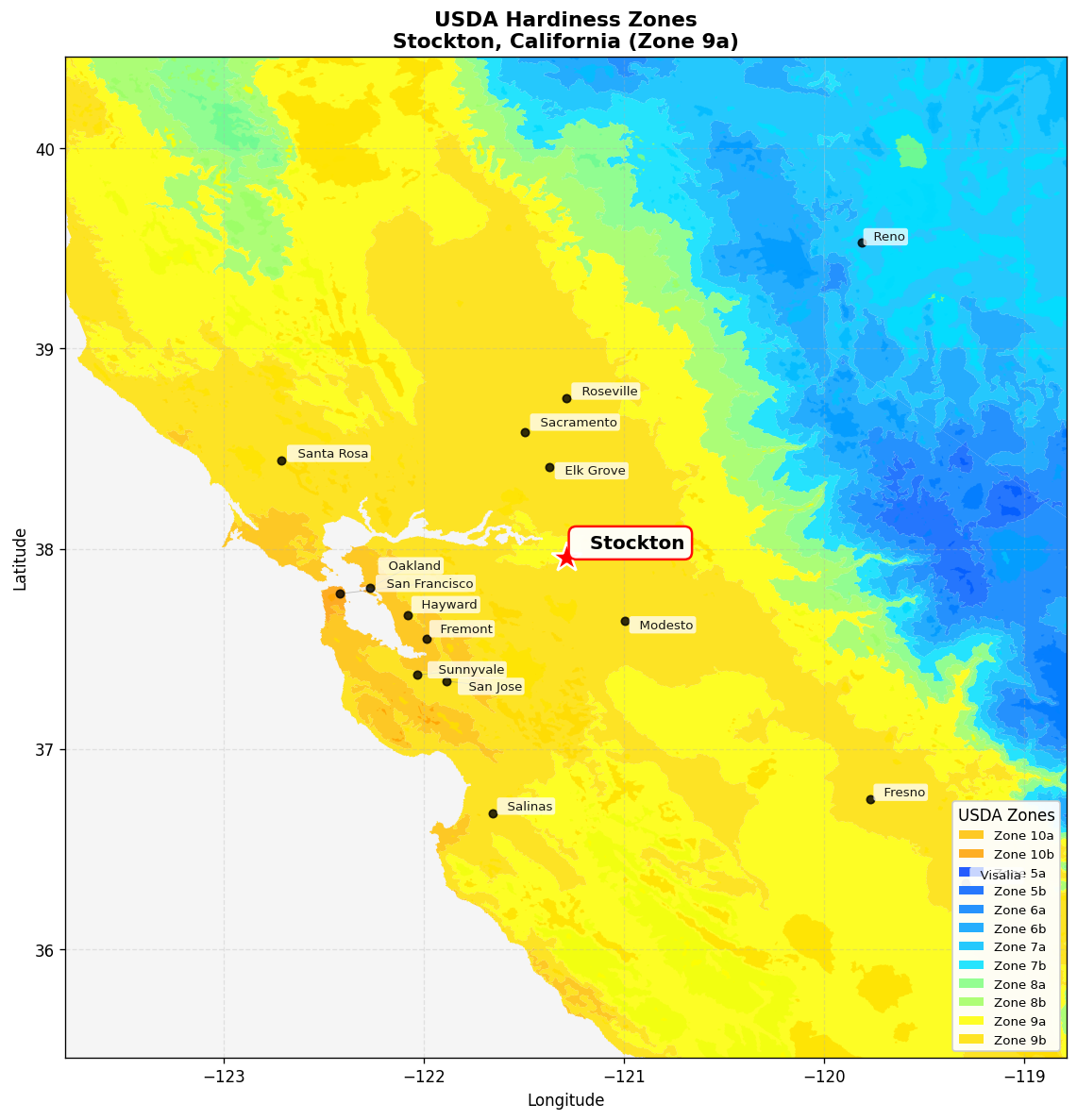
USDA Zone 9a
Hardiness zone for Stockton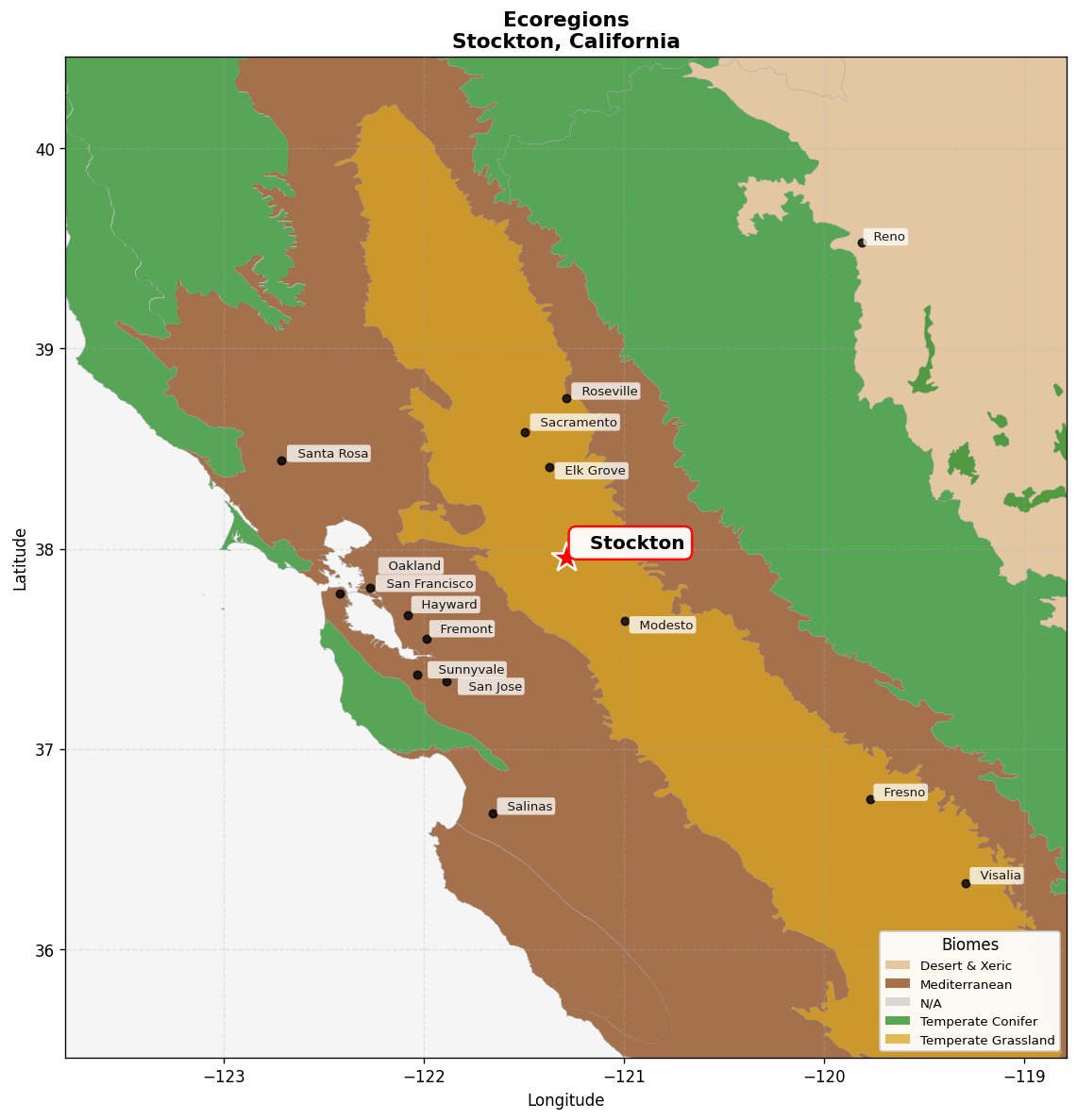
California Central Valley grasslands
Native ecoregionFrequently Asked Questions
Do olive trees grow well in Stockton’s Central Valley climate?
Olive trees are perfectly adapted to the Central Valley—many of California’s commercial olive groves are in the Sacramento and San Joaquin Valleys. Olives need Mediterranean climate conditions: hot dry summers, cool winters with some frost, and minimal summer rain. Zone 9a Stockton provides all of these. For residential landscapes, specify non-fruiting varieties ('Wilsonii', 'Swan Hill', 'Majestic Beauty') to avoid the mess of dropping fruit on patios and paths. 'Little Ollie' is the premier dwarf option for containers and small spaces. Standard olives reach 20–30 feet and provide excellent informal shade. Olives tolerate poor soil, no summer irrigation once established (after 2–3 seasons), and Stockton’s light frost. No other tree delivers the Mediterranean aesthetic as completely or as durably.
What lavender species perform best in Stockton’s heat?
Not all lavenders tolerate the Central Valley’s 100°F summer heat equally. Best performers for Stockton: Spanish lavender (Lavandula stoechas, extremely heat-tolerant, blooms spring and fall, compact form), French lavender (L. dentata, heat-tolerant, longer bloom season than English), Lavandin hybrids ('Grosso', 'Provence'—more heat-tolerant than true English lavender, taller and more dramatic massing). English lavender (L. angustifolia) is the most fragrant but less heat-tolerant—it performs in Stockton with afternoon shade or in microclimates near walls that moderate extreme heat. All require excellent drainage—lavender planted in Stockton’s heavy clay without amendments will fail. Plant on berms or in raised beds with amended, fast-draining soil.
Is wisteria appropriate for Stockton’s climate?
Wisteria thrives in Stockton’s climate and is one of the most spectacular Mediterranean pergola plants available. Chinese wisteria (Wisteria sinensis) and Japanese wisteria (W. floribunda) both perform vigorously in Zone 9a—Stockton’s hot summers and mild winters provide ideal growth conditions. The April bloom—cascading purple or white fragrant flowers before the leaves expand—is one of the most spectacular spring moments in any California garden. After bloom, wisteria leafs out to provide dense shade through summer, then drops leaves in November for winter sun exposure. Caution: wisteria is extremely vigorous in the Valley—plan on annual heavy pruning (summer and winter) to keep it within bounds and promote bloom. American wisteria (W. frutescens 'Amethyst Falls') is less aggressive and reblooms through summer.
What terracotta or stone materials are most appropriate for Stockton patios?
Stockton’s summer heat, UV intensity, and light frost (5–15 nights below 32°F) narrow the material options for Mediterranean-style hardscape. Best choices: travertine pavers (the most authentic Mediterranean material, excellent in Zone 9a where freeze-thaw is minimal, warm tone ages beautifully); concrete pavers in warm buff or terracotta tones (more frost-resistant than natural stone, lower cost, excellent durability); terracotta tile (traditional California and Mediterranean aesthetic, specify frost-resistant glazed tile for any outdoor use; unglazed terracotta in Stockton’s light frost can chip with freeze-thaw). DG (decomposed granite) in warm gold or buff tones is the most authentic Tuscan countryside aesthetic for pathways and open planting areas— inexpensive, warm-toned, and ideal for California’s water conservation regulatory context.
What herbs grow best in a Stockton Mediterranean garden?
Stockton’s Mediterranean climate is exceptional for culinary herbs. Best performers: rosemary (Salvia rosmarinus, extremely heat-tolerant, grows to 4–5 feet in Valley conditions, multiple forms from trailing to upright topiary), sage (Salvia officinalis, excellent in heat, beautiful when allowed to grow to shrub form), thyme (Thymus spp., multiple varieties, excellent drought tolerance, fragrant underfoot in pathway cracks), oregano (vigorous in Valley conditions, can become invasive in amended beds), bay laurel (slow-growing Mediterranean tree, excellent in large pots or in-ground in Zone 9a), and basil (the one annual herb—thrives in Valley heat June through September, perfect for summer harvesting adjacent to the outdoor kitchen). All of these provide culinary value, fragrance, and Mediterranean authenticity in plantings that require minimal irrigation.
How much does a Mediterranean landscape installation cost in Stockton?
Stockton Mediterranean landscape costs are moderate by California standards—Central Valley labor rates are below Bay Area pricing. An olive allee entry with lavender borders typically costs $10,000–26,000. A walled courtyard with fountain ranges $22,000–52,000. A terracotta patio with pergola and Mediterranean planting runs $20,000—48,000. A travertine pool deck with olive grove costs $30,000–70,000+. Annual maintenance for an established Mediterranean landscape is notably low—$600–1,800/year—because the drought-tolerant plant palette requires minimal irrigation, pruning, and replanting once established. This low ongoing cost is a significant economic advantage over traditional cottage or mixed-perennial designs.