4 Mediterranean Garden Ideas for San Francisco, CA | Drought-Tolerant Tuscan Designs for Zone 10b
Native plants from the California interior chaparral and woodlands (Zone 10b) — Mediterranean (warm summer) climate
Why Mediterranean Gardens in San Francisco?
San Francisco's climate is technically Mediterranean — Köppen Csb classification, dry summers, wet winters — but it's the cool, maritime variant that creates unique considerations for Mediterranean garden design. The city's famous fog varies dramatically by neighborhood: the Outer Sunset can sit in marine layer at 58°F while the Mission bakes at 78°F on the same August afternoon. This microclimate diversity means Mediterranean plants that struggle in one neighborhood may thrive three miles away. Understanding your neighborhood's specific sun exposure and fog frequency is the most important factor in designing a successful SF Mediterranean garden.
Mediterranean-style planting is exceptionally well-suited to San Francisco's historic architecture. The Mission District's namesake Spanish Colonial heritage, the Mediterranean Revival homes of Noe Valley and Twin Peaks, and the Italianate Victorian facades throughout the city all have authentic historical connections to Mediterranean garden traditions. These architectural styles were imported from climates where lavender, olive, and rosemary were the foundation plants, and restoring that plant-building relationship in SF creates a genuine sense of historical coherence. The narrow front yards and enclosed rear courtyards of SF row houses suit the Mediterranean style's comfort with intimate, enclosed garden spaces — Tuscan and Moorish courtyard traditions were developed in exactly this typology.
Water conservation is built into Mediterranean garden design's DNA, and SF has SFPUC water conservation goals that align with the style's low-water philosophy. A Mediterranean-planted SF yard uses 40–60% less water than a conventional lawn landscape. The city's 23 inches of annual rainfall, falling entirely in the winter growing season, provides the natural irrigation pattern that Mediterranean plants evolved for — their summer drought tolerance is not a limitation but a feature, allowing the garden to go 4–5 months with minimal supplemental watering.
4 Mediterranean Design Ideas for San Francisco
AI-generated image
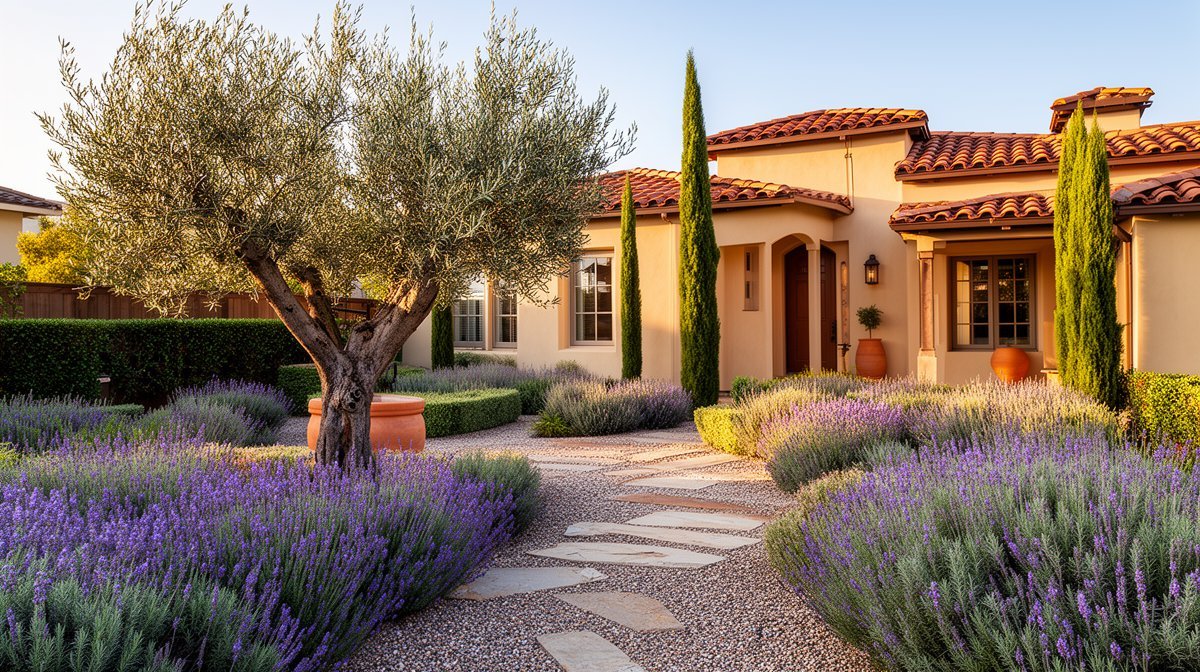
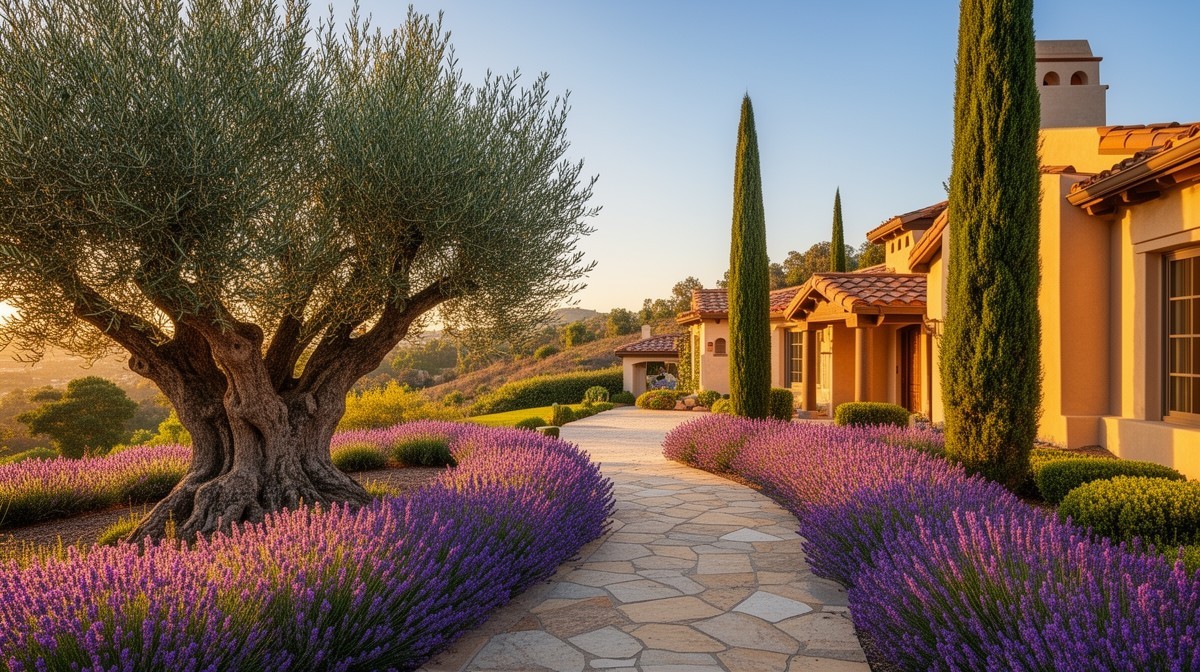
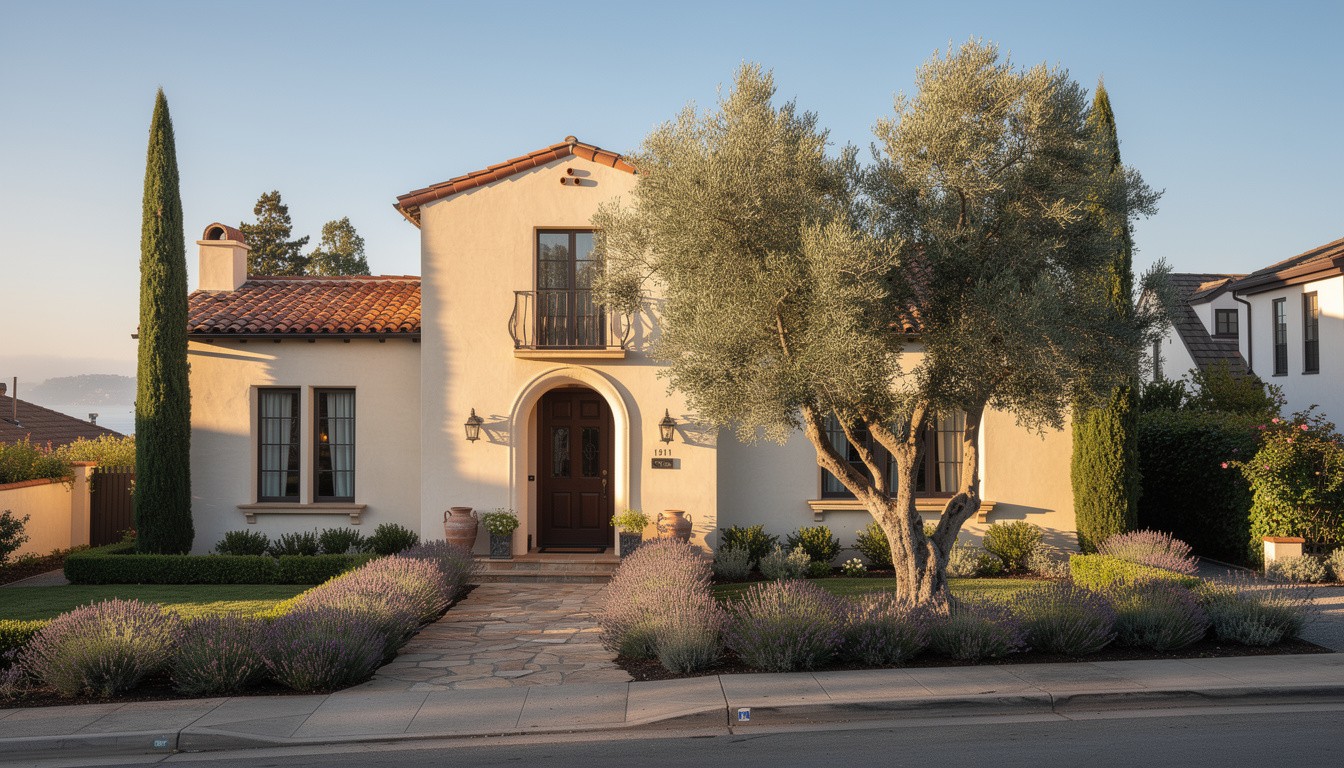
The Spanish Revival Olive & Lavender Entry
$18–35/sqftA white stucco Spanish Revival home with red tile roof and balconette gets the Mediterranean entry it deserves: a gnarled multi-trunk olive tree in the main bed, a single tall Italian cypress at the property corner, and sweeping lavender hedges lining the flagstone path in soft purple. The warm afternoon light catching the silver olive foliage and clay tile roof makes this one of the most photogenic front yards in SF’s hillside neighborhoods.
AI-generated image
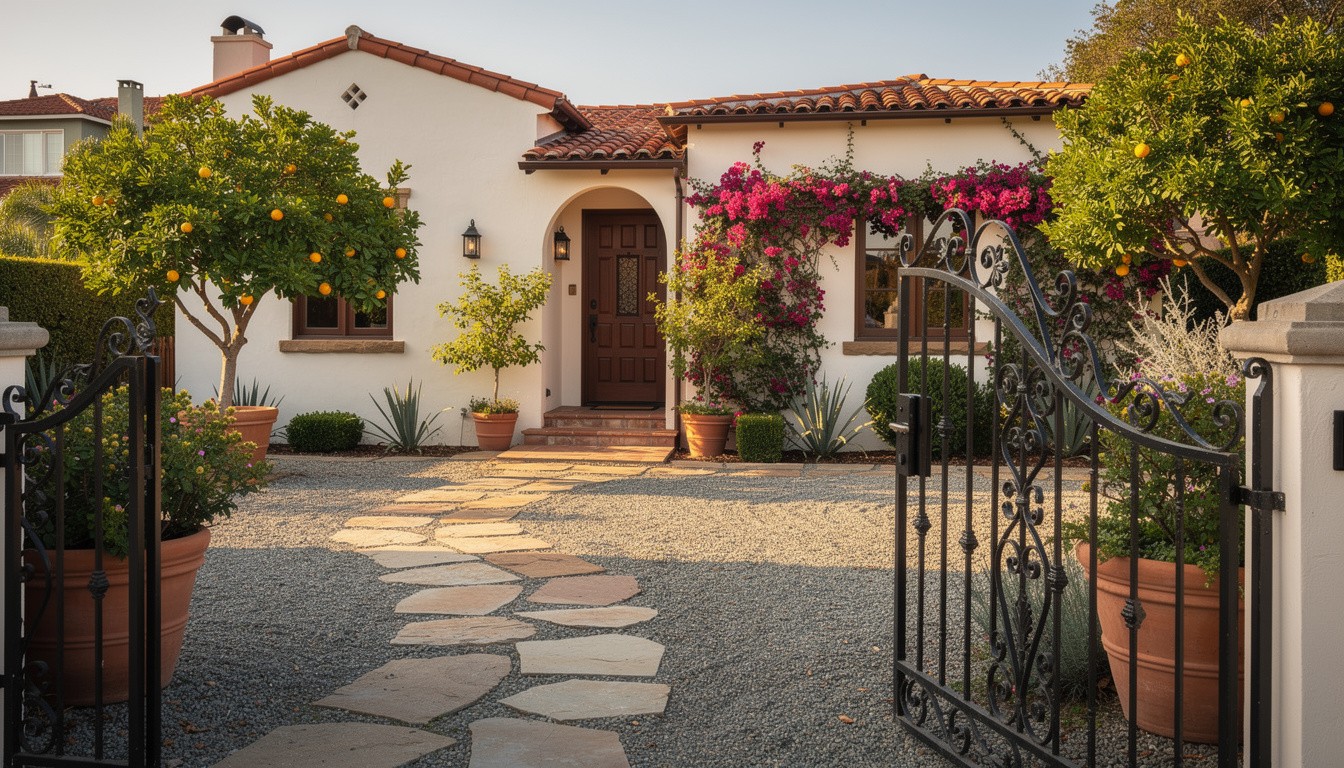
The Bougainvillea & Citrus Gravel Courtyard
$18–34/sqftA white stucco home with arched entry and iron gate is transformed by vivid bougainvillea climbing the wall above and espaliered citrus trees flanking the entry. A gravel courtyard with stepping-stone path leads to the door, and large terracotta pots of lavender and rosemary anchor the corners. In San Francisco's sunniest neighborhoods (Mission, Potrero, Noe Valley), bougainvillea thrives against south-facing walls and delivers months of saturated color.
AI-generated image
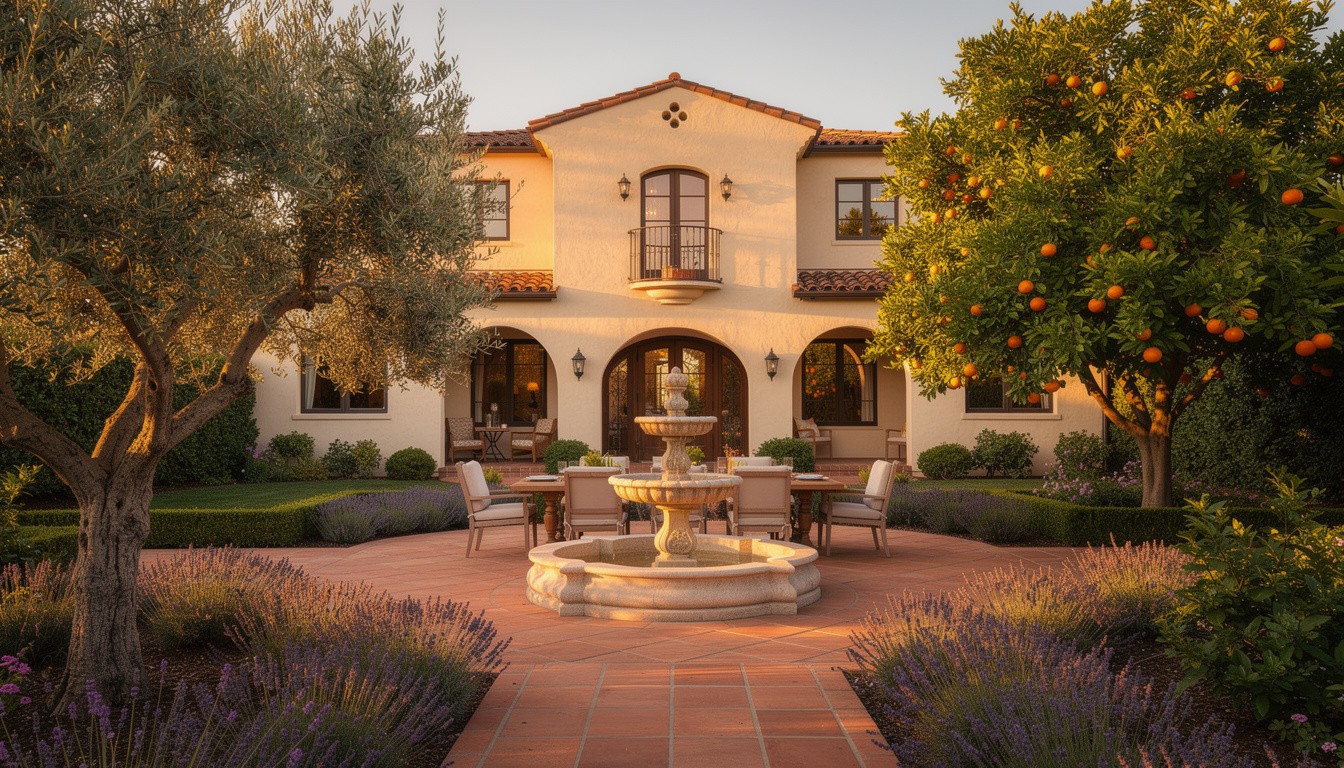
The Tuscan Fountain Courtyard
$32–62/sqftA grand Spanish Colonial backyard patio paved in terracotta tile, with a large classical fountain at center ringed by lavender hedges and surrounded by olive trees and a loaded orange tree in one corner. Wrought-iron dining chairs cluster around a mosaic-top table for al fresco meals in the warm golden hour light. The fountain sound and citrus fragrance transport you to Andalusia — right in the heart of San Francisco.
AI-generated image
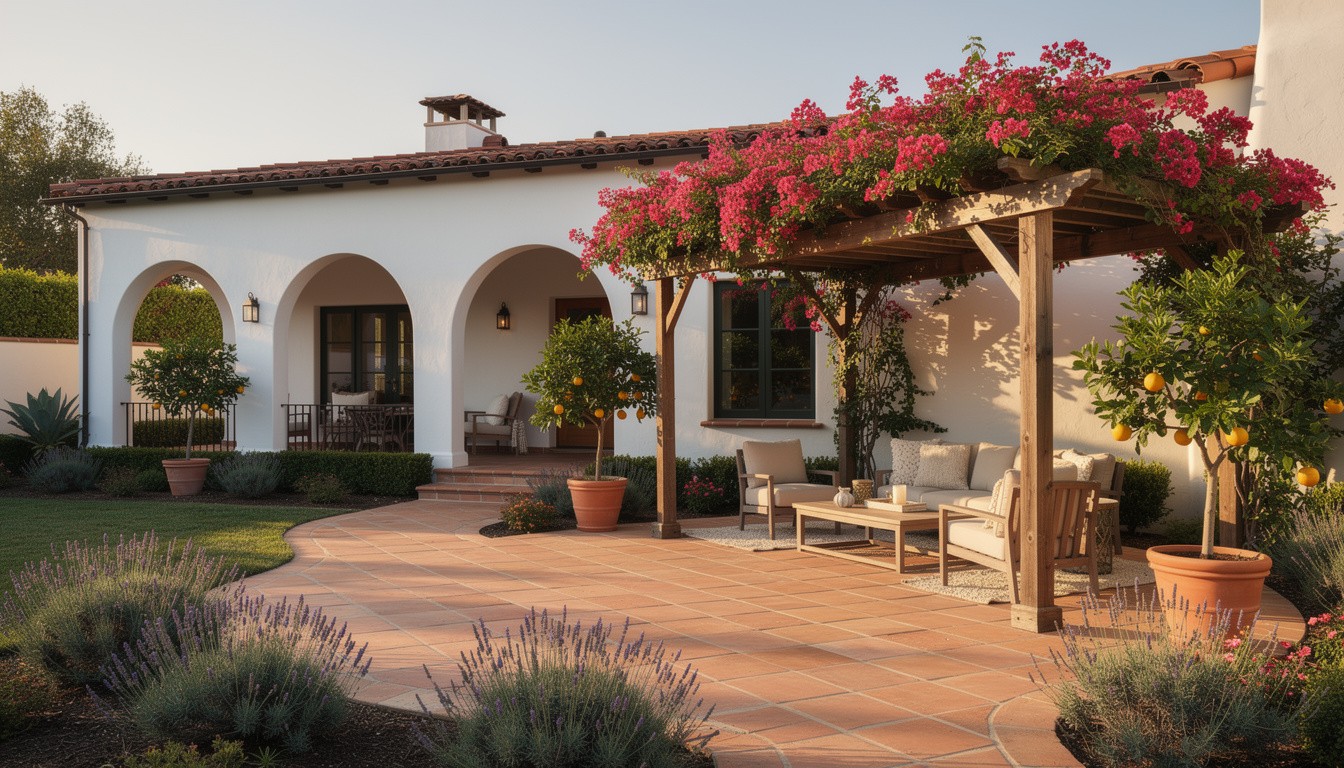
The Bougainvillea Pergola Terrace
$30–58/sqftA warm terracotta-tiled rear terrace with a broad timber pergola absolutely draped in bougainvillea — vivid red and pink blooms forming a living canopy above a white linen sofa set. Lemon trees in terracotta pots flank both ends, and lavender borders edge the patio perimeter. The pergola connects seamlessly to the arched loggias of the house, creating a continuous Mediterranean indoor-outdoor experience on San Francisco's warmest days.
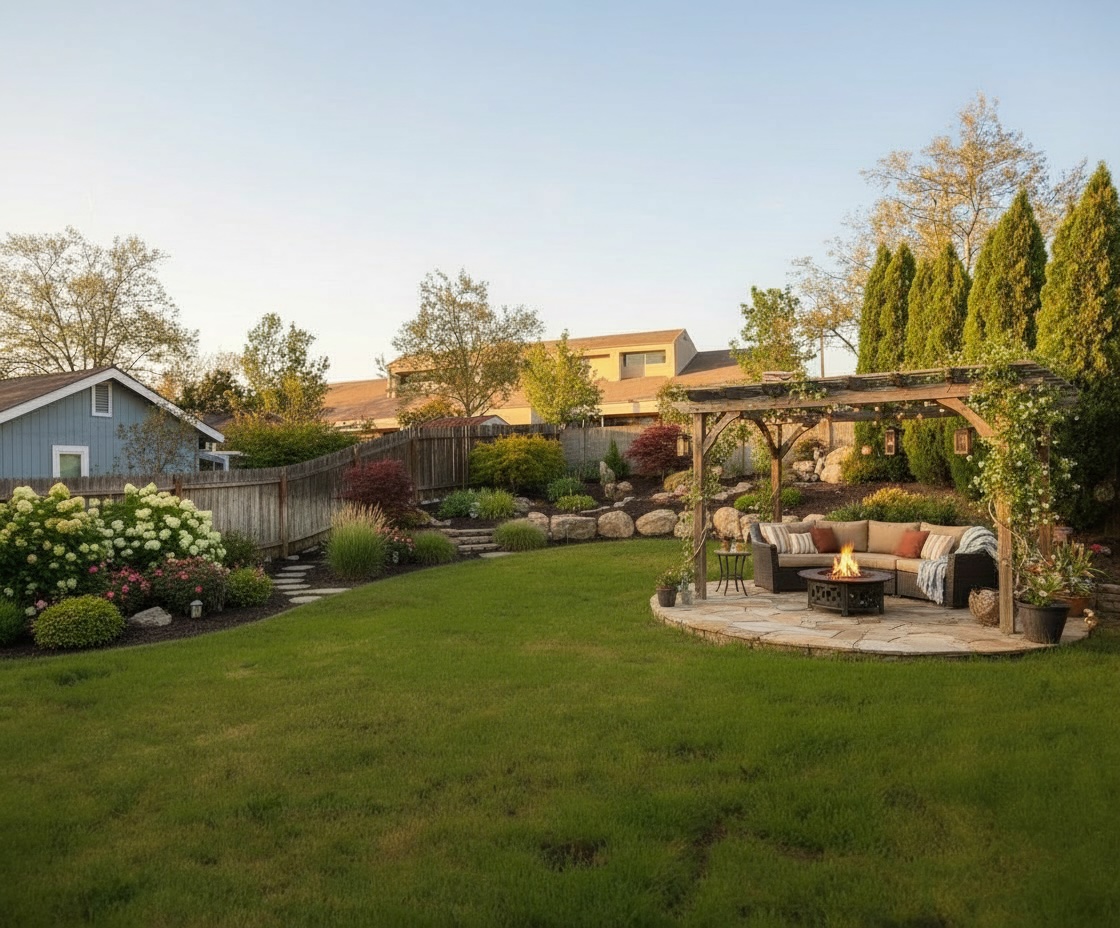
See how a mediterranean garden looks on YOUR property
Upload a photo of your San Francisco yard and visualize your dream garden in seconds.
Try ProScapeAI Free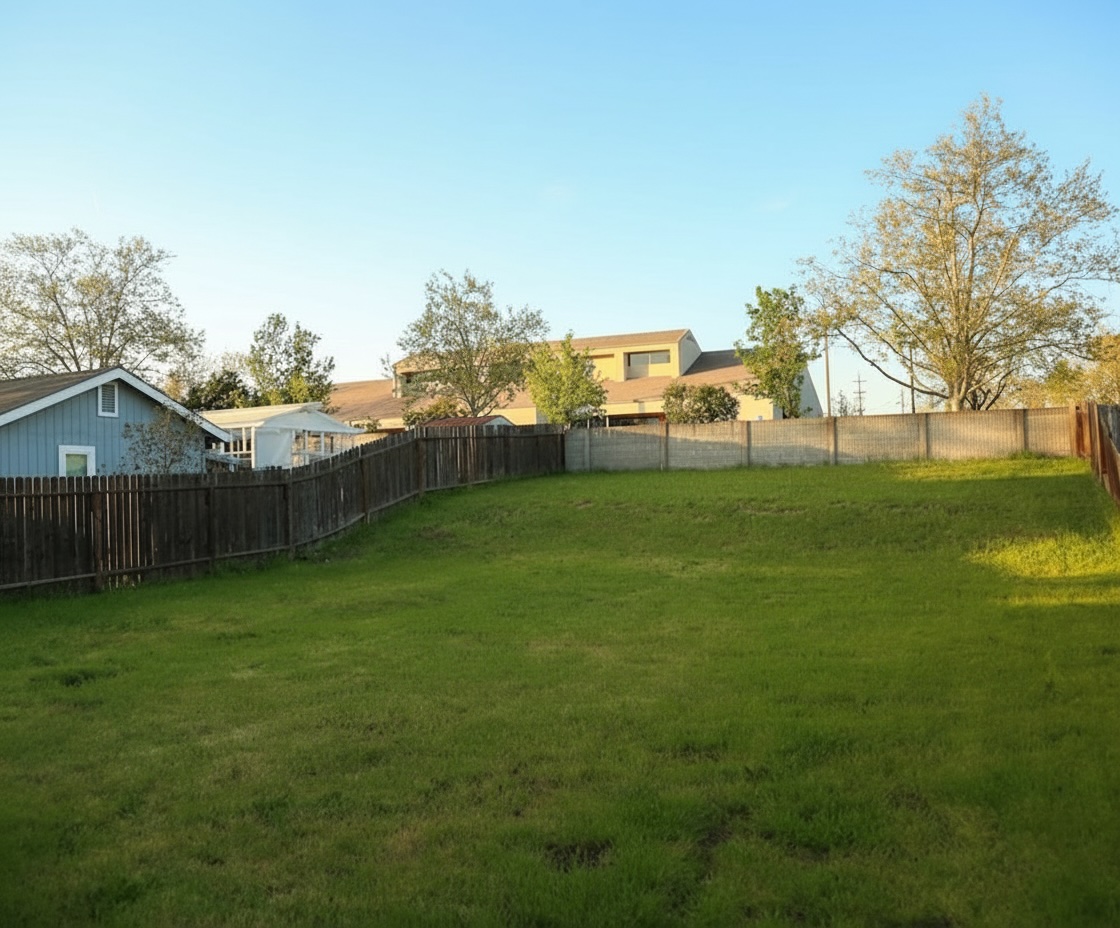
AI-generated image
Featured Trees & Shrubs for Mediterranean Gardens
Browse all 187 plants for San Francisco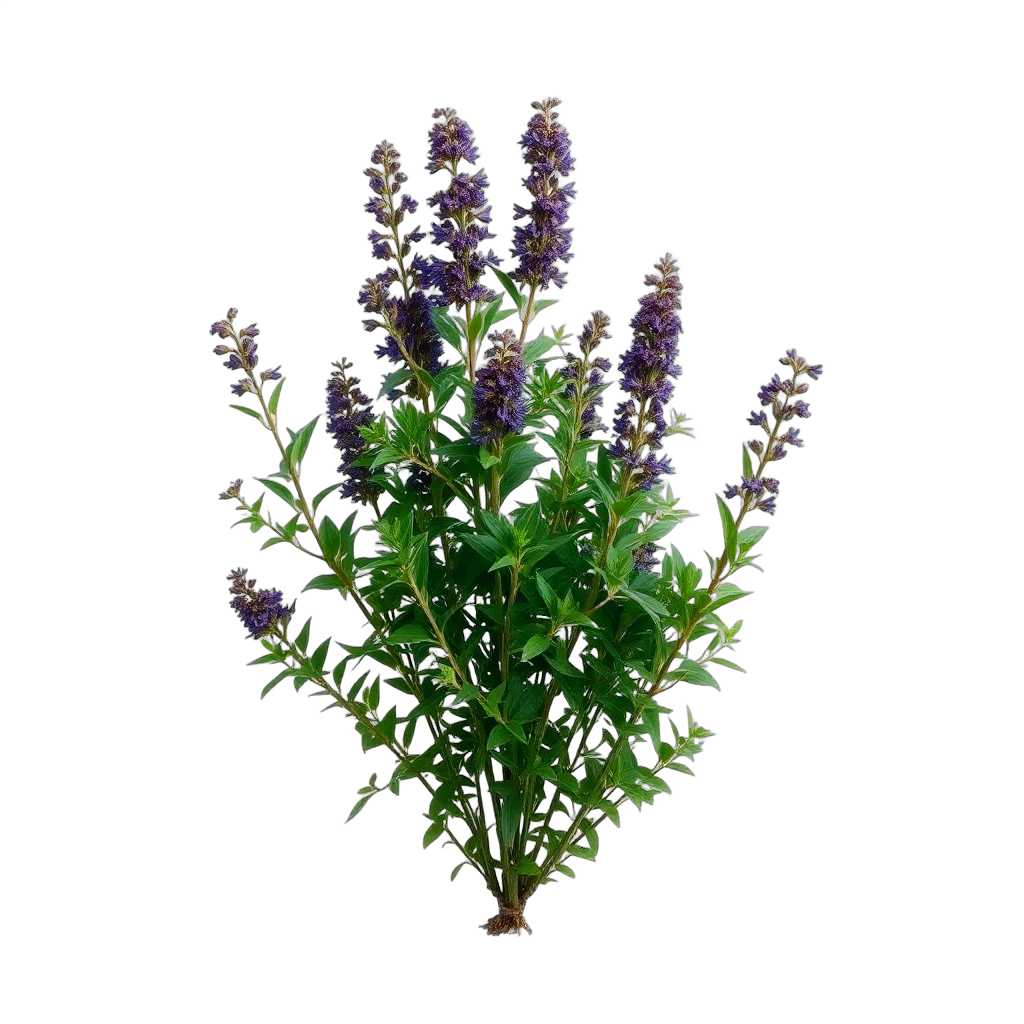
Black Sage
Salvia mellifera
grows to 4 feet, white blooms in spring. Attracts butterflies.
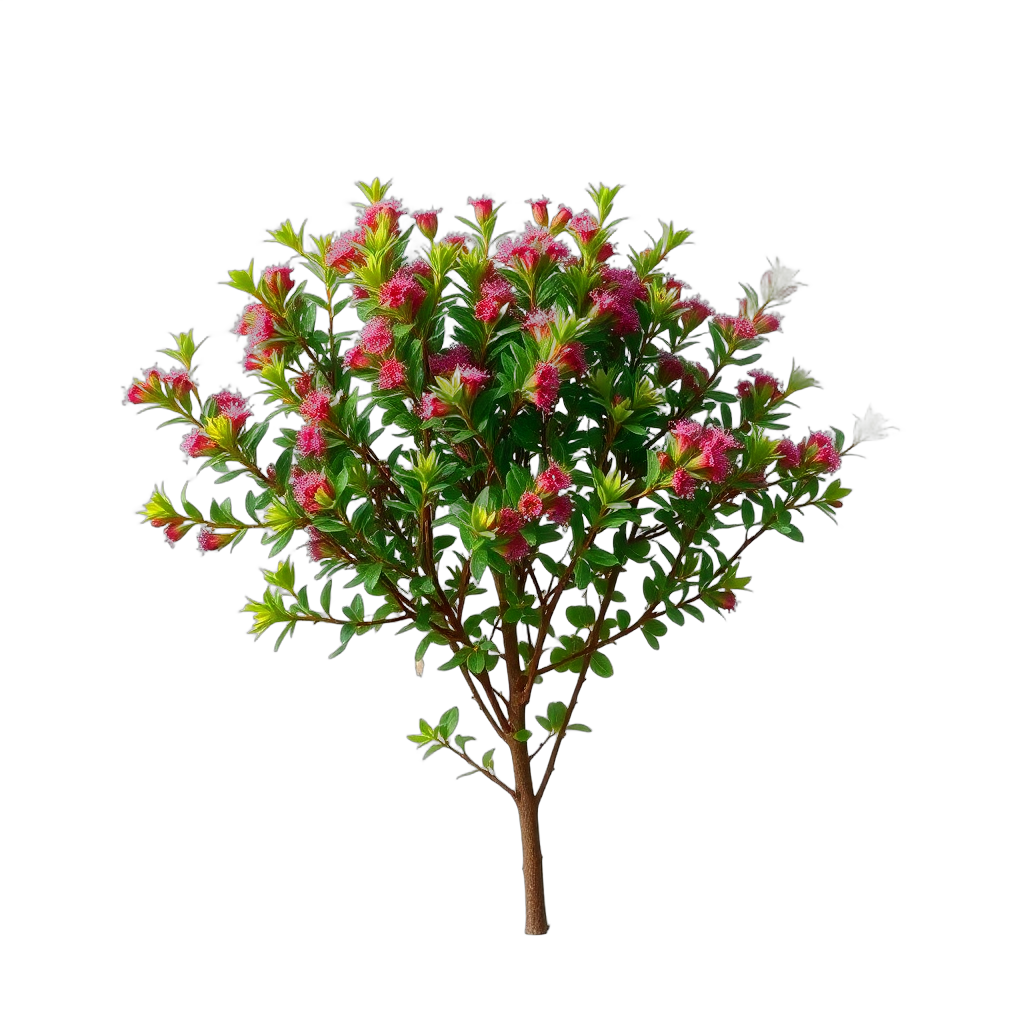
Buckbrush
Ceanothus cuneatus
medium-sized at 7 feet, white blooms in spring. Attracts butterflies.
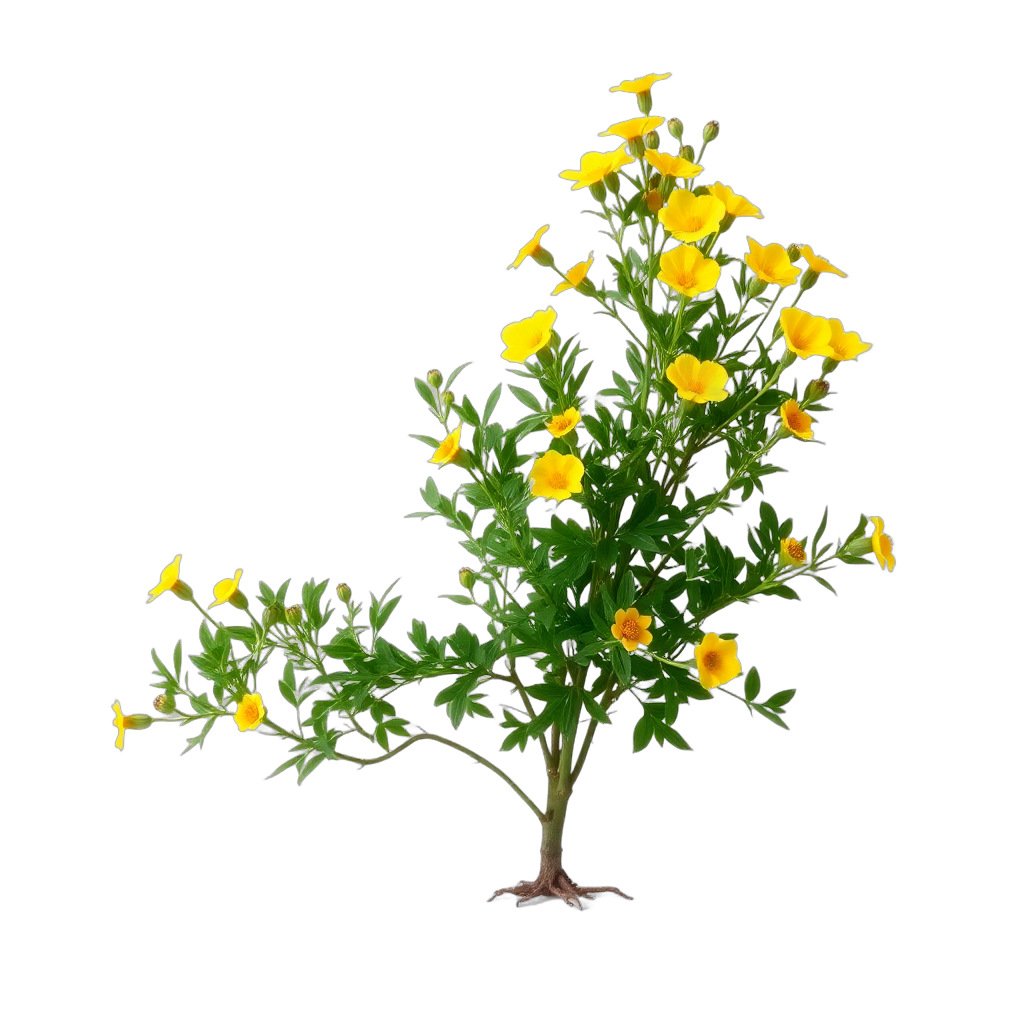
Bush Poppy
Dendromecon rigida
grows to 6 feet, yellow blooms in spring. Pollinator-friendly.
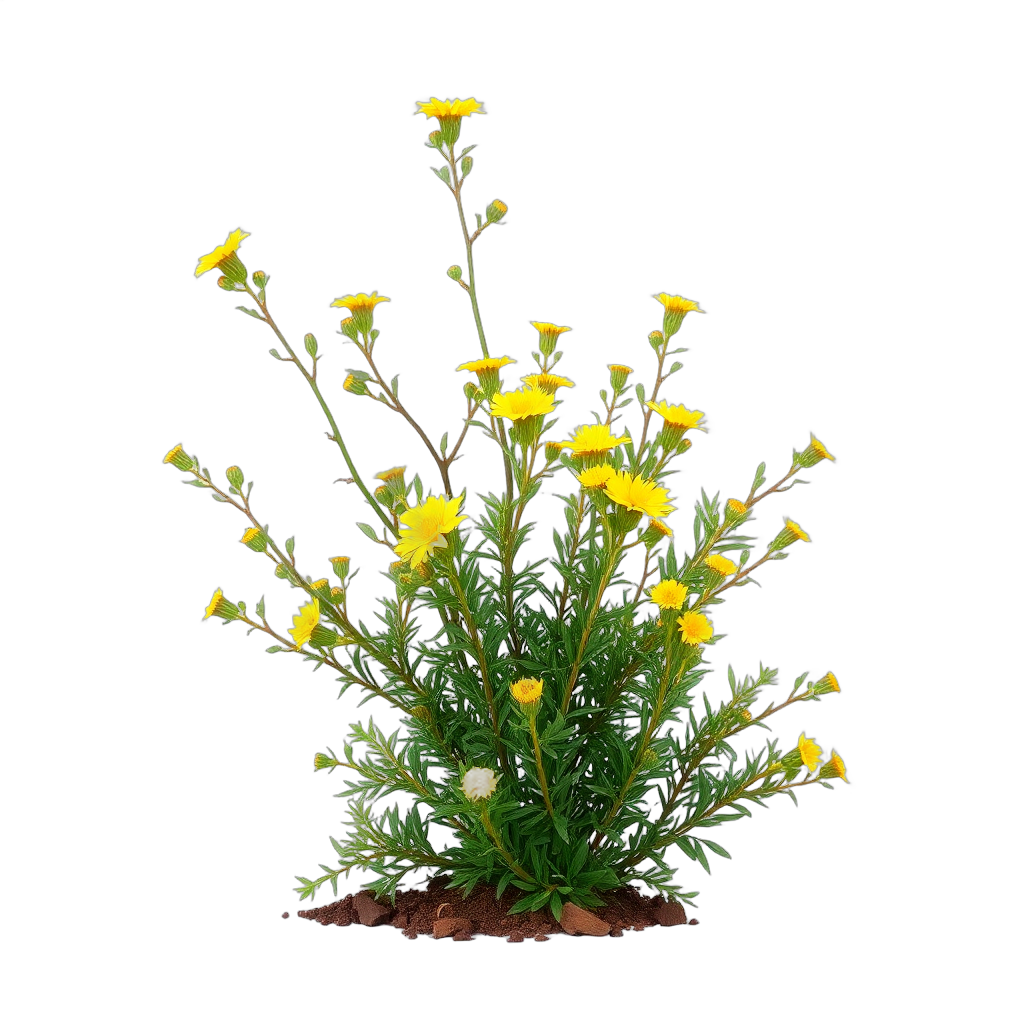
California Brittlebush
Encelia californica
grows to 4 feet, yellow blooms in spring. Attracts butterflies.
Featured Grasses & Groundcovers for Mediterranean Gardens
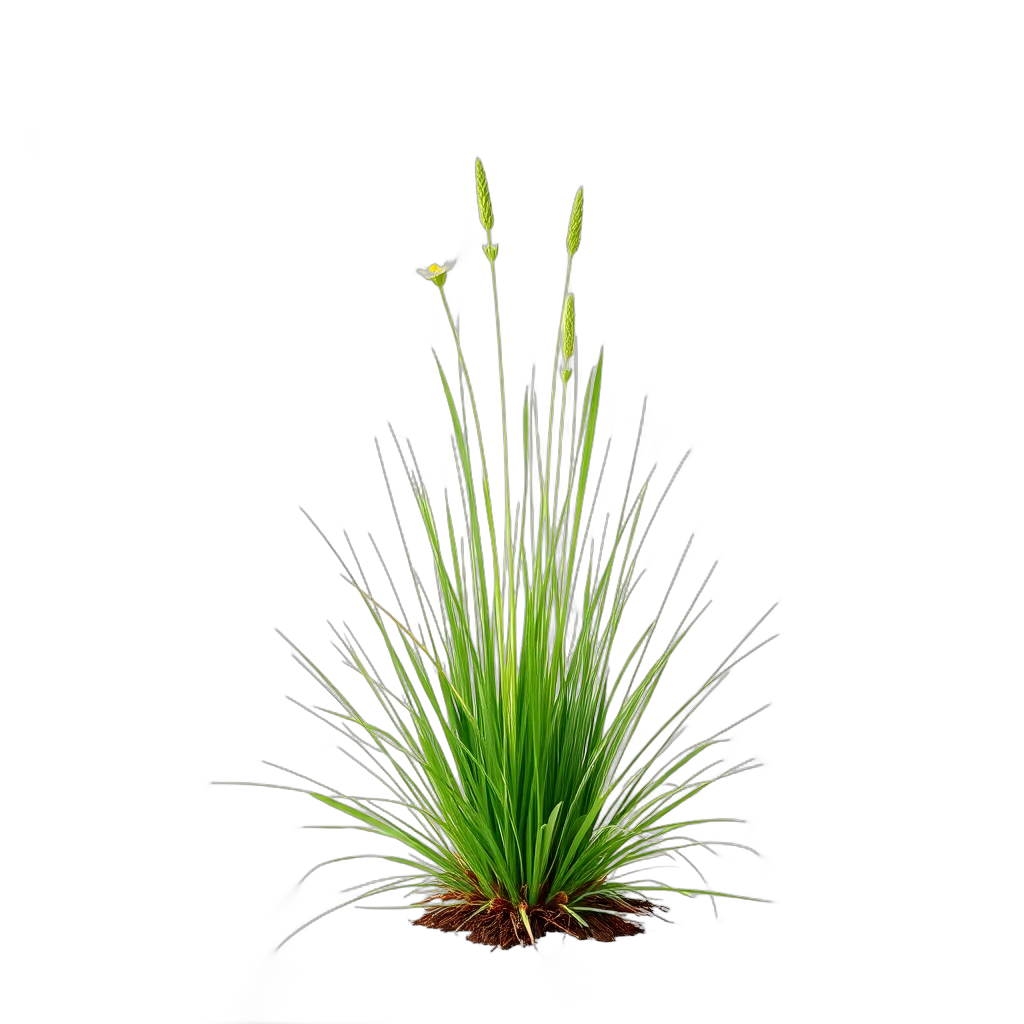
California Brome
Bromus carinatus
low-growing ground cover, blooms in spring. Yellow fall color.
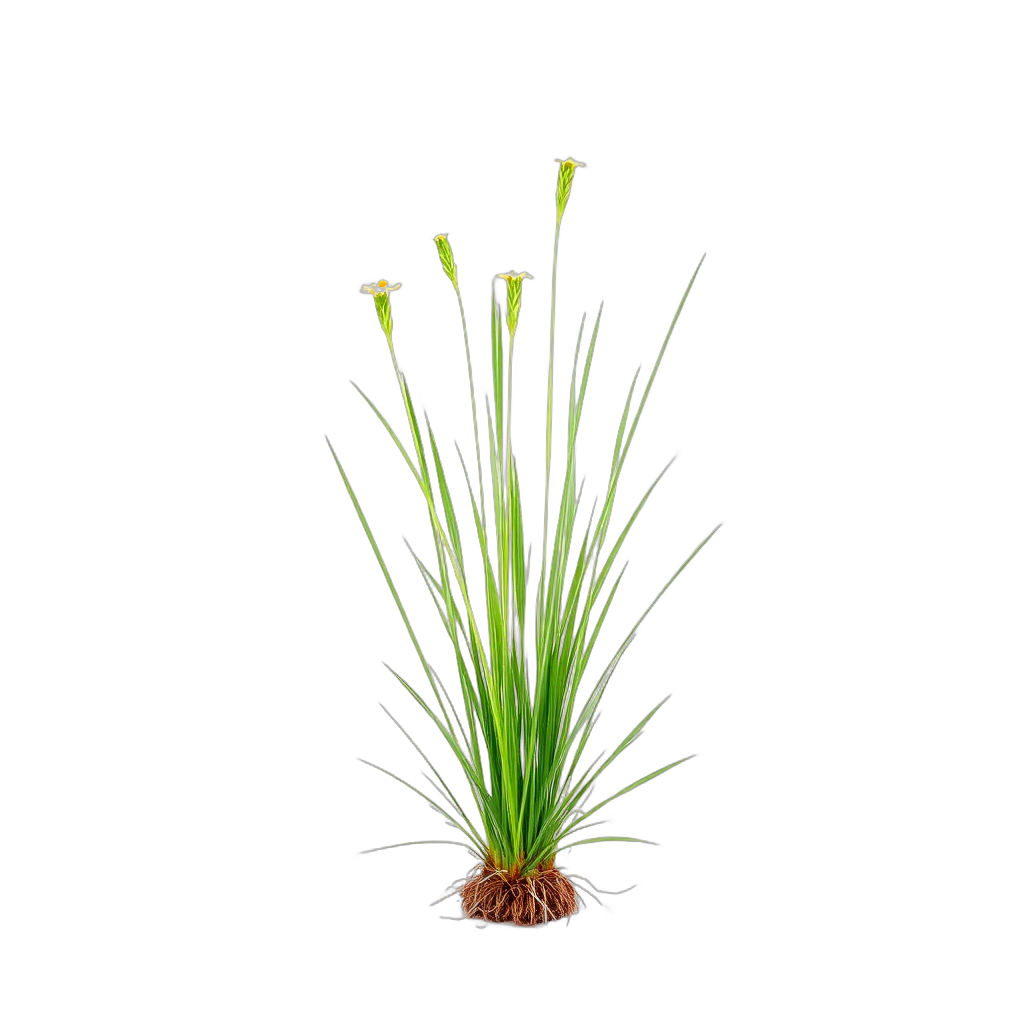
California Melic
Melica californica
low-growing ground cover, blooms in spring.
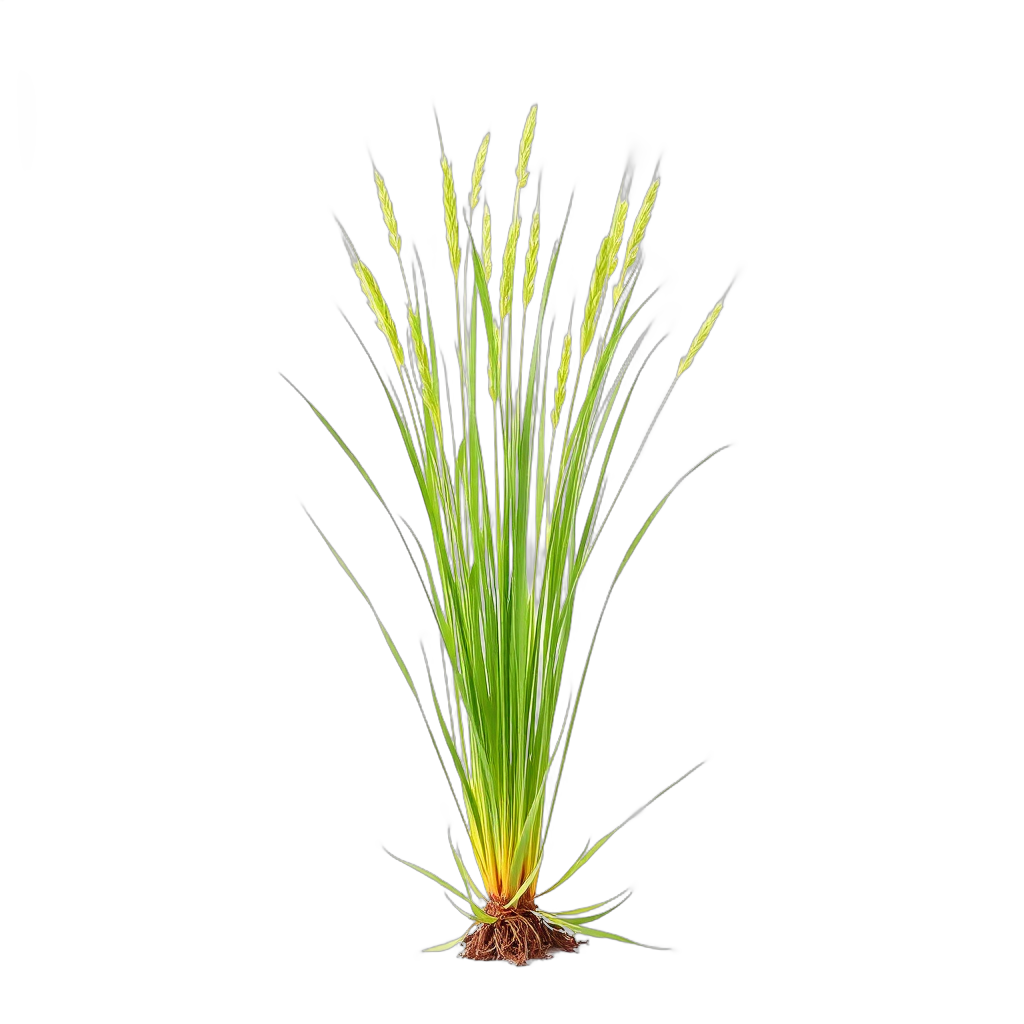
California Oatgrass
Danthonia californica
low-growing ground cover, blooms in spring. Yellow fall color.
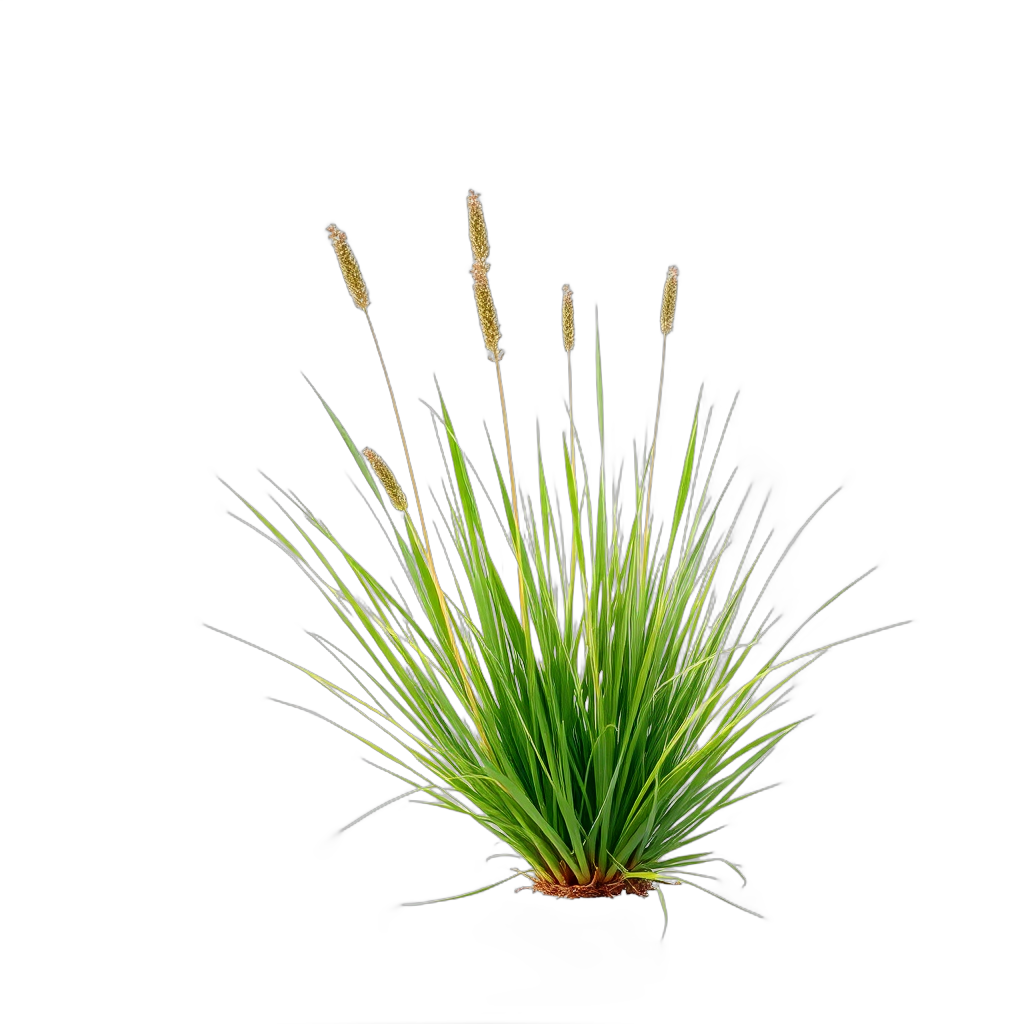
Deer Grass
Muhlenbergia rigens
grows to 3 feet, yellow blooms in fall. Evergreen year-round.
Featured Flowers & Perennials for Mediterranean Gardens
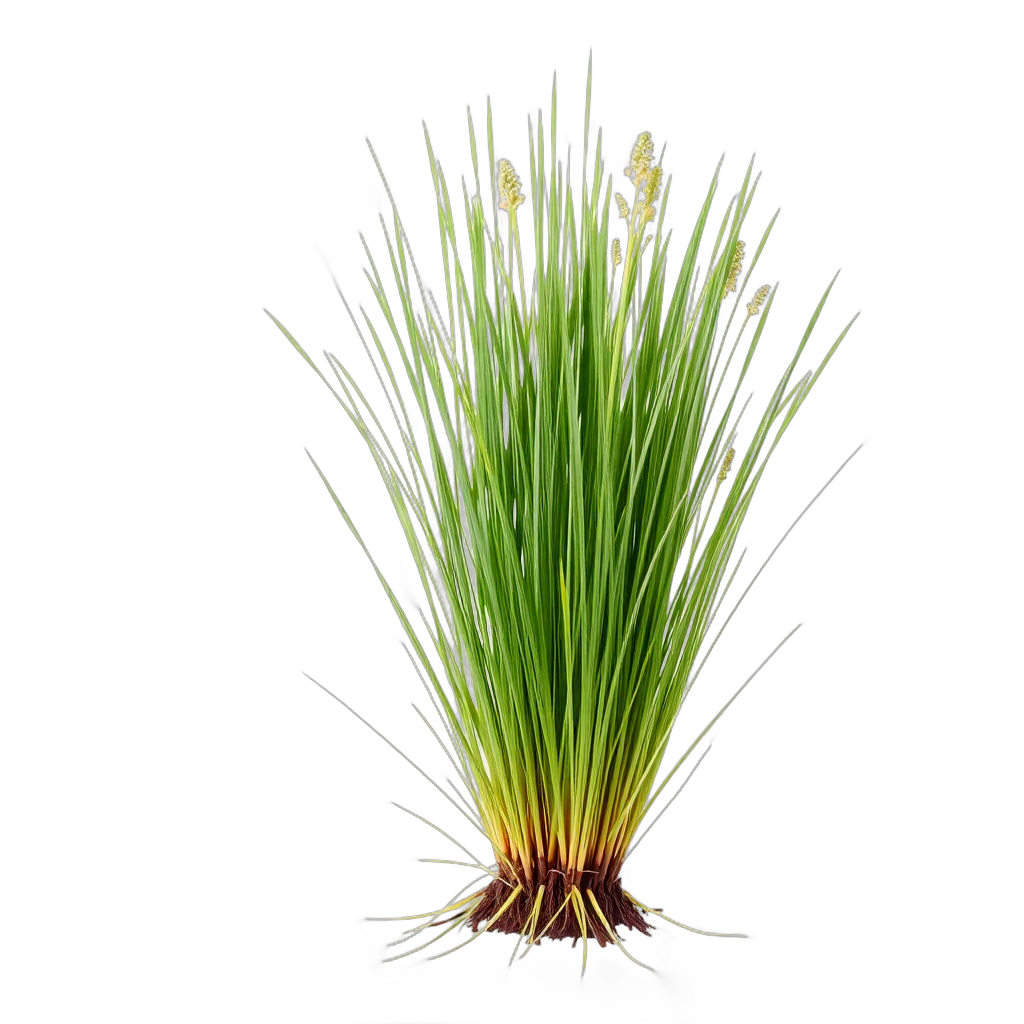
California Gray Rush
Juncus patens
low-growing ground cover, blooms in summer. Evergreen year-round.
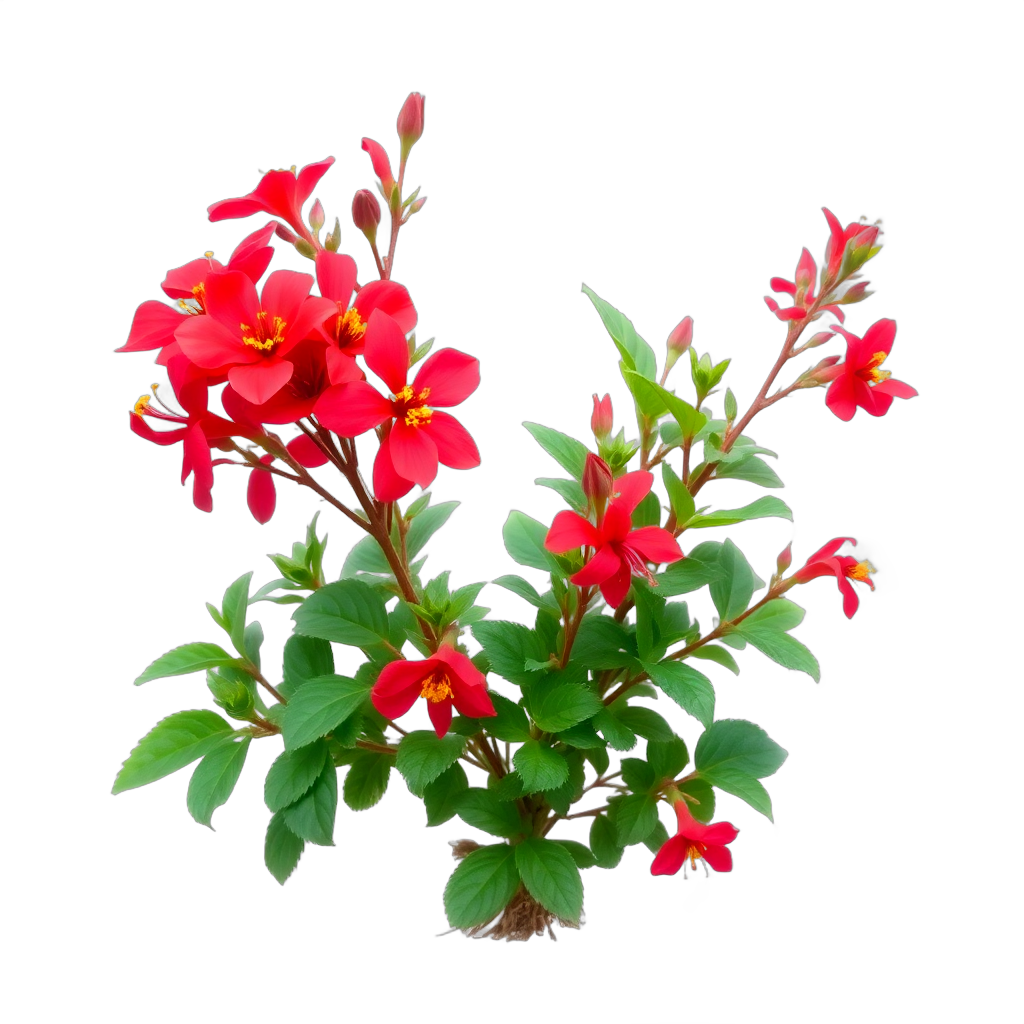
California Fuchsia
Zauschneria californica
low-growing ground cover, red blooms in fall. Attracts hummingbirds.
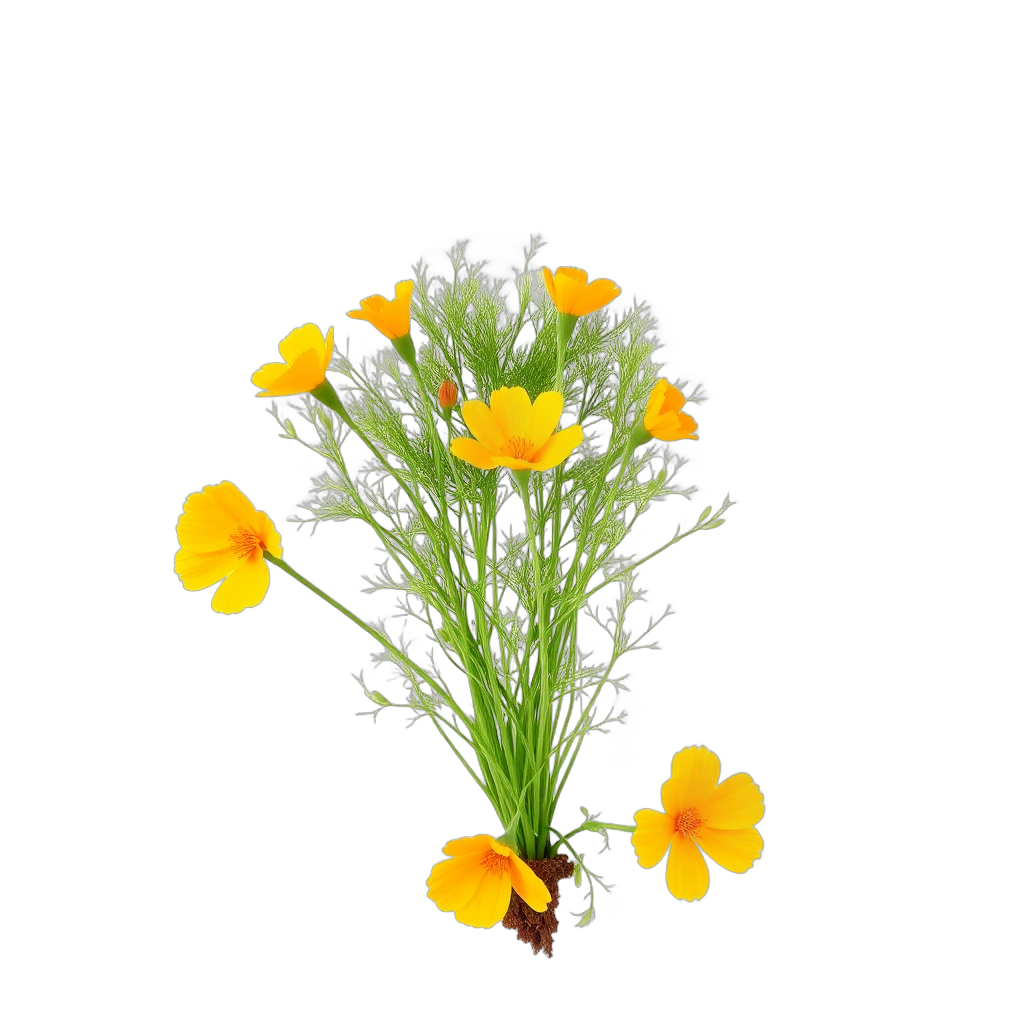
California Poppy
Eschscholzia californica
low-growing ground cover, orange blooms in spring.
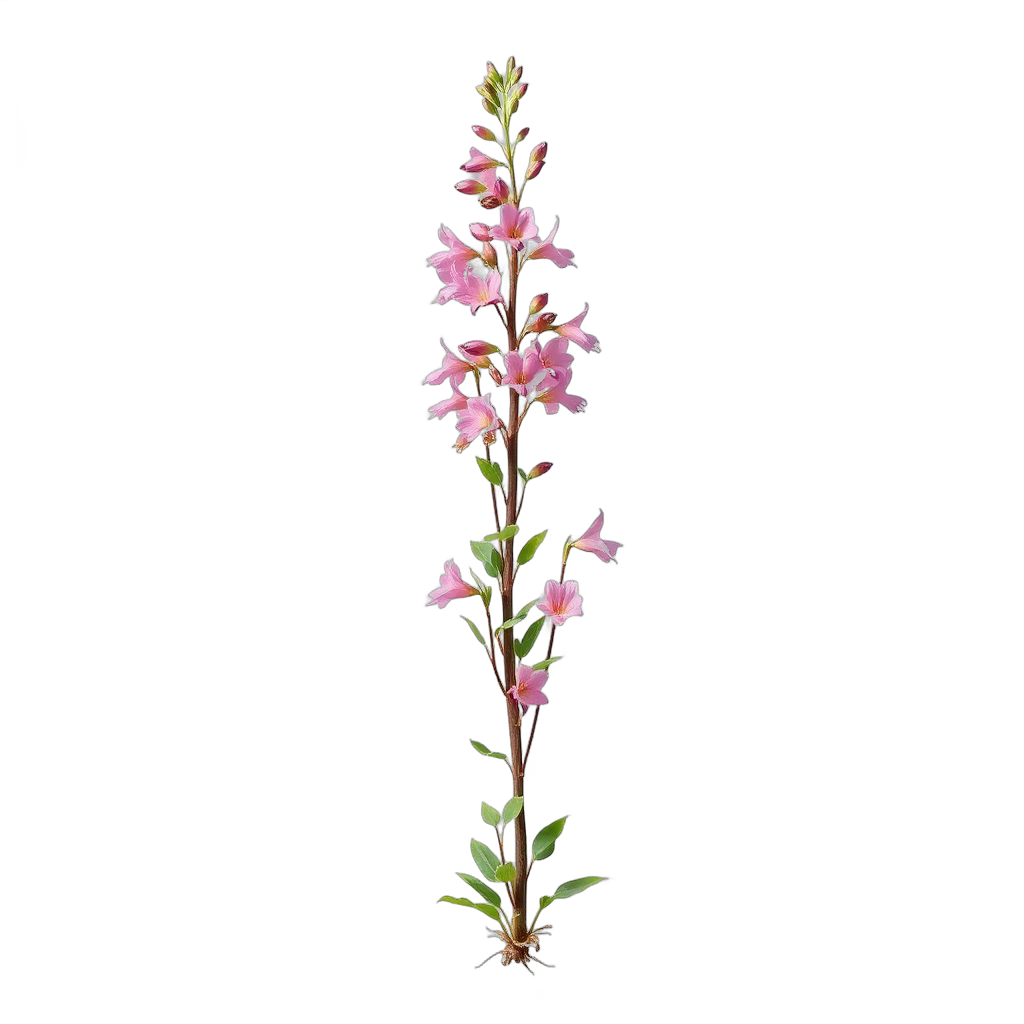
Foothill Penstemon
Penstemon heterophyllus
low-growing ground cover, blue blooms in spring. Attracts hummingbirds.
Zone and sun checks come from our database — confirm with your local nursery before you buy.
Bloom Calendar for San Francisco
spring
California Poppy, Foothill Penstemon, Foothill Sedgesummer
California Gray Rush, Black Sage, California Buckwheatfall
California Fuchsia, Deer Grasswinter
Limited bloomsDesign Tips for San Francisco (Zone 10b)
- Research your specific neighborhood's microclimate before committing to a Mediterranean plant list — use SF Microclimate data (sfclimate.com or SFPUC resources) to understand actual summer temperature ranges; the difference between a foggy Outer Sunset garden and a sunny Mission garden is the difference between a reliable lavender border and bougainvillea climbing a fence
- Choose Cistus (rockrose) as your must-have SF Mediterranean plant — it handles fog better than almost any other Mediterranean shrub, blooms spectacularly in May–June with large papery flowers, grows into neat 2–3 foot mounds with no pruning, and thrives on full sun and no summer water; it's the most reliably successful Mediterranean plant across all SF neighborhoods
- Plant bay laurel as a year-round anchor in partially shaded SF courtyards — it grows as an attractive shrub or small tree in SF's Zone 10b, tolerates more shade than most Mediterranean plants, provides year-round fragrant foliage with culinary value, and forms the evergreen backbone that makes a Mediterranean courtyard look intentional and complete in all seasons
- Use terracotta tile for courtyard floors rather than ceramic or porcelain — terracotta's warm orange tone provides the authentic Mediterranean color grounding that makes surrounding plants look appropriate, it handles SF's occasional frost (rare but possible) better than many ceramic tiles, and ages beautifully with natural patina over time
- Apply for SFPUC's free water-efficient landscape consultations before designing — they offer site-specific plant recommendations and irrigation design guidance calibrated for SF's water district requirements; the service is free and provides genuine design value for Mediterranean garden conversions
- For front yard Mediterranean gardens, apply the 'fragrant greeting' principle — plant lavender and rosemary where foot traffic will brush against them along the entry path, so fragrance releases when guests approach the door; this simple siting decision creates an immediate sensory impression that no other design element can replicate
Where to Source Plants in San Francisco
Skip the big-box stores. These independent San Francisco nurseries specialize in the plants that make mediterranean gardens thrive in Zone 10b.
Flora Grubb Gardens
Bayview, San Francisco
SF's best-curated nursery — excellent Mediterranean, drought-tolerant, and unusual plant selection
Sloat Garden Center – West Portal
West Portal, SF
Reliable Mediterranean herb, lavender, olive, and drought-tolerant plant inventory
Sloat Garden Center – Outer Sunset
Outer Sunset, SF
Fog-belt tested plant selection; knowledgeable staff for challenging SF microclimate gardening
Yerba Buena Nursery
Woodside (Peninsula)
California natives and Mediterranean-climate plants tested for Bay Area conditions
Annie's Annuals & Perennials
Richmond (near SF)
Unusual Mediterranean perennials, herbs, and flowering plants with strong Bay Area climate testing
Mediterranean Landscaping Costs in San Francisco
| Project Scope | Estimated Cost |
|---|---|
| Mediterranean front yard with flagstone, olive, cypress, lavender (300–600 sqft) | $8,500 – $22,000 |
| Full backyard Tuscan/Spanish courtyard with fountain and terracotta paving | $32,000 – $80,000 |
| Bougainvillea pergola with terracotta tile patio | $15,000 – $35,000 |
| Classical fountain installation | $3,500 – $11,000 |
| Lavender border and gravel lawn replacement | $4,500 – $12,000 |
| Drip irrigation system with smart controller | $1,500 – $4,200 |
| AI visualization with ProScapeAI | Free to start |
Estimates based on San Francisco, CA-area contractor rates as of 2026. Actual costs vary by site conditions, materials, and contractor.
San Francisco Climate & Growing Zone
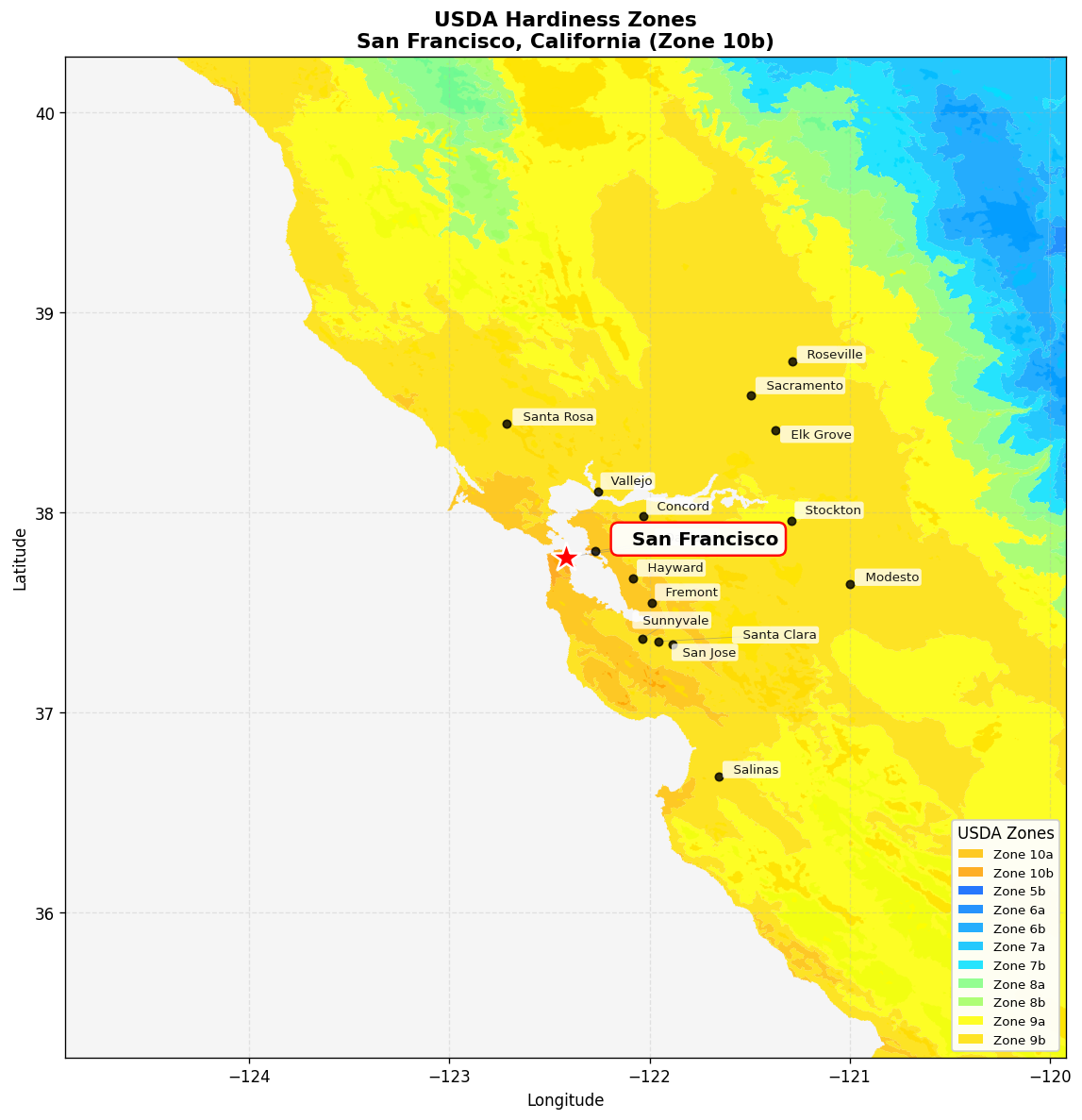
USDA Zone 10b
Hardiness zone for San Francisco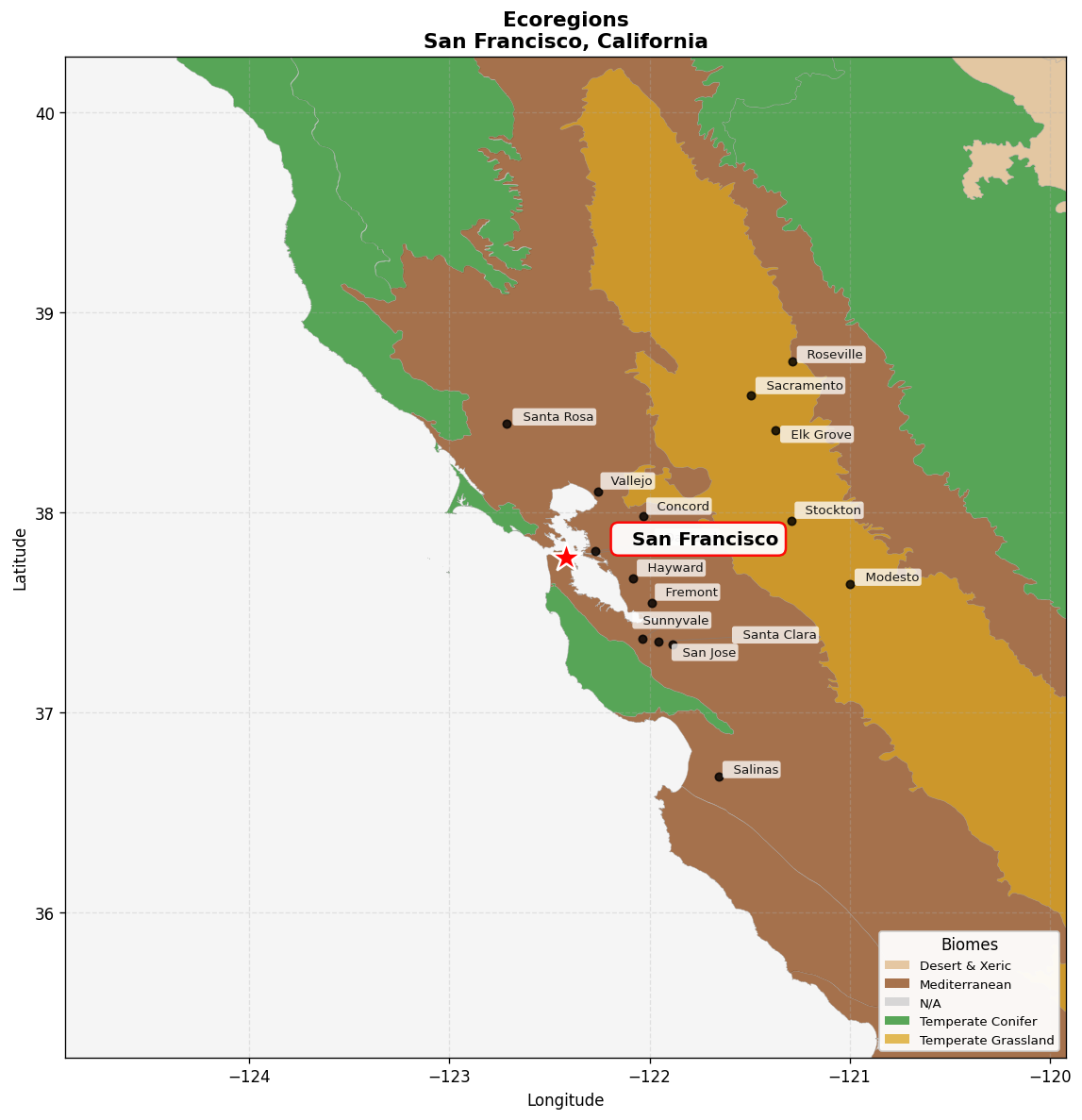
California interior chaparral and woodlands
Native ecoregionFrequently Asked Questions
Does bougainvillea grow in San Francisco?
Bougainvillea succeeds in SF's warmer neighborhoods but struggles in the fog belt. In the Mission, Potrero Hill, Noe Valley, and Bernal Heights — where temperatures are 10–15°F warmer than the Sunset in summer — bougainvillea grows vigorously on south and west-facing walls, especially against masonry that stores heat. In the Outer Sunset, Richmond, or Parkside, bougainvillea rarely blooms reliably due to insufficient summer warmth. The rule of thumb: if your neighborhood regularly reaches 70°F+ in summer afternoons, bougainvillea can succeed. If you're often in fog at 60°F, choose a different signature plant.
Which Mediterranean plants handle SF's fog best?
Fog-tolerant Mediterranean performers: Lavandula x intermedia 'Phenomenal' (most fog-tolerant lavender variety), rosemary (all varieties, highly fog-tolerant), Cistus (rockrose — handles humidity well), society garlic (Tulbaghia violacea — excellent in fog), lavender cotton (Santolina), and bay laurel (Laurus nobilis). Plants that struggle in SF fog: bougainvillea, most agave species, rockrose in very heavily fogged spots, and tender Mediterranean annuals. When in doubt about fog exposure, Cistus and rosemary are the most reliable investments.
How much does Mediterranean landscaping cost in San Francisco?
SF Mediterranean landscape costs are premium. Front yard redesigns (100–200 sqft — typical SF scale) with DG, lavender, and path run $4,000–$12,000. Full rear courtyard Mediterranean transformations with tile, fountain, and mature plantings range $18,000–$55,000. Hillside terrace projects with stone walls and olive trees start at $25,000 and can reach $75,000+. SF's labor market is among the most expensive in the country for landscape work.
Can I grow citrus trees in San Francisco?
Citrus grows in SF's sunnier neighborhoods but not in the fog belt. The Mission, Potrero Hill, and Noe Valley — where summer warmth is most consistent — are the best citrus neighborhoods. Dwarf Meyer lemon is the most reliable variety for SF conditions: it tolerates more cool and fog than other citrus, blooms and fruits reliably in protected locations, and stays compact enough for container growing (ideal in SF's small yards). In foggy Sunset or Richmond locations, citrus in containers can be moved to the sunniest micro-spot and brought under cover in rare cold snaps. Calamondin (miniature sour orange) is another reliable choice for challenging SF sites.
What's the best Mediterranean ground cover for SF's small spaces?
For sun-exposed SF front yards: creeping rosemary (Rosmarinus officinalis 'Prostrate') is the most versatile — it covers bare soil quickly, cascades beautifully over walls and stairs, blooms blue in spring, handles fog, and provides fragrance. Dymondia margaretae is an excellent low, flat ground cover for areas with foot traffic. Cistus (rockrose) species spread to 3–4 foot mounds and cover slopes beautifully. For shaded SF courtyards: Ajuga (bugleweed) is reliable and comes in burgundy and bronze leaf colors that suit Mediterranean aesthetics.
Does olive tree need a sunny spot in San Francisco?
Yes — olive trees need 6+ hours of direct sun to develop their characteristic silver-gray foliage density and overall health. In SF, this means south or west-facing exposures in neighborhoods that receive consistent sun. The Mission, Noe Valley, Potrero Hill, Twin Peaks area, and parts of the Haight that face south can support olive trees well. In the Sunset or Richmond, or in any location with persistent afternoon fog, olives grow slowly and thin-leafed. Plant olive trees only where you can guarantee sun exposure — they look sickly and perform poorly in shade or persistent fog.