4 Mediterranean Garden Ideas for Torrance, CA | Zone 10b Design
Native plants from the California coastal sage and chaparral (Zone 10b) — Mediterranean (warm summer) climate
Why Mediterranean Gardens in Torrance?
Torrance does not have to pretend to be Mediterranean — it simply is one. The city sits in a warm-summer Mediterranean (Csb) climate, the same Köppen classification as coastal Andalusia, Liguria and the Aegean rim, which is why olives, citrus, lavender and cypress do not merely survive here but behave like they are at home. The architecture agrees. The Hollywood Riviera, laid out from 1929 on the slopes above Torrance Beach, is built out of Spanish Colonial Revival stucco with barrel-tile roofs, arched entries and wrought iron; Old Torrance's original civic core carries the same Mediterranean vocabulary from the Olmsted-planned 1912 townsite; and the stucco-and-tile infill that filled West Torrance and the Del Amo fringe through the 1990s and 2000s reads the same way. On those houses a gravel courtyard, a flagstone walk and a pair of Cupressus sempervirens 'Glauca' are not a style choice imposed on the building — they are the finish the building was drawn expecting.
The numbers are what make the palette work. Torrance is USDA Zone 10b, with average winter lows of 35–40°F and functionally no frost, so Citrus × limon 'Improved Meyer', Citrus × sinensis 'Washington' navel and Bougainvillea 'Barbara Karst' all live outdoors year-round rather than being wheeled into a garage each November. Rainfall averages roughly 12–13 inches a year and falls almost entirely between November and March, giving a genuine five-month dry season — precisely the rhythm Olea europaea, Cistus × purpureus, Salvia rosmarinus 'Tuscan Blue', Phlomis fruticosa and Teucrium × lucidrys evolved under. Summer heat is moderate because the marine layer sits two miles offshore: July highs near 79°F rather than the 100°F+ of the inland valleys. That coastal moderation is a gift for lavender and a caution for anything that wants baking heat, so a Torrance Mediterranean garden leans greener and softer than the same design would in Riverside.
Two local realities decide which cultivars go on the plan. The first is fruit: fruiting olives drop a black, staining mess onto exactly the flagstone and terracotta this style is built from, and their pollen is a notorious allergen across the LA basin, which is why Olea europaea 'Swan Hill' and 'Wilsonii' (both effectively fruitless) and the compact 'Little Ollie' for hedging are the only olives worth specifying in a front yard. The second is citrus health: Los Angeles County sits inside a state Asian citrus psyllid and huanglongbing quarantine, so buy citrus only from a licensed California nursery, never move a tree across county lines, and inspect new flush for psyllids. Soil helps more than it hurts here — the fast, alkaline sandy loam over marine-terrace sand across most of the Torrance plain, at roughly pH 7.0–8.0, is close to ideal for Mediterranean shrubs — but lots climbing toward Walteria and the Riviera hillsides hit heavy clay, where lavender and rockrose need beds mounded 8–12 inches or they rot in their second winter. Two miles from the beach, salt-laden onshore wind also argues for Westringia fruticosa 'Grey Box', Rhus integrifolia and Echium candicans on the exposed west edge.
Water rules shape the design before a single plant goes in. California's Model Water Efficient Landscape Ordinance (MWELO) applies to permitted landscape work at 500 square feet, which pushes hydrozoning, inline drip and a WaterSense-rated controller into any serious front-yard rebuild. Torrance is unusual in being served by three separate retailers — the City of Torrance Municipal Water Department, California Water Service and Golden State Water — so your rate tiers and rebate paperwork depend on which side of the street you live on. Turf-replacement rebates through SoCal Water$mart (Metropolitan Water District, with a West Basin Municipal Water District adder) have run roughly $2–$5 per square foot, but funding windows open and close, so get pre-approval photos taken before anyone swings a sod cutter. And under California Civil Code §4735 an HOA cannot stop you from swapping lawn for low-water planting — a useful sentence to have ready in the Hollywood Riviera and the newer Del Amo-area associations.
4 Mediterranean Design Ideas for Torrance

The Olive and Cypress Entry
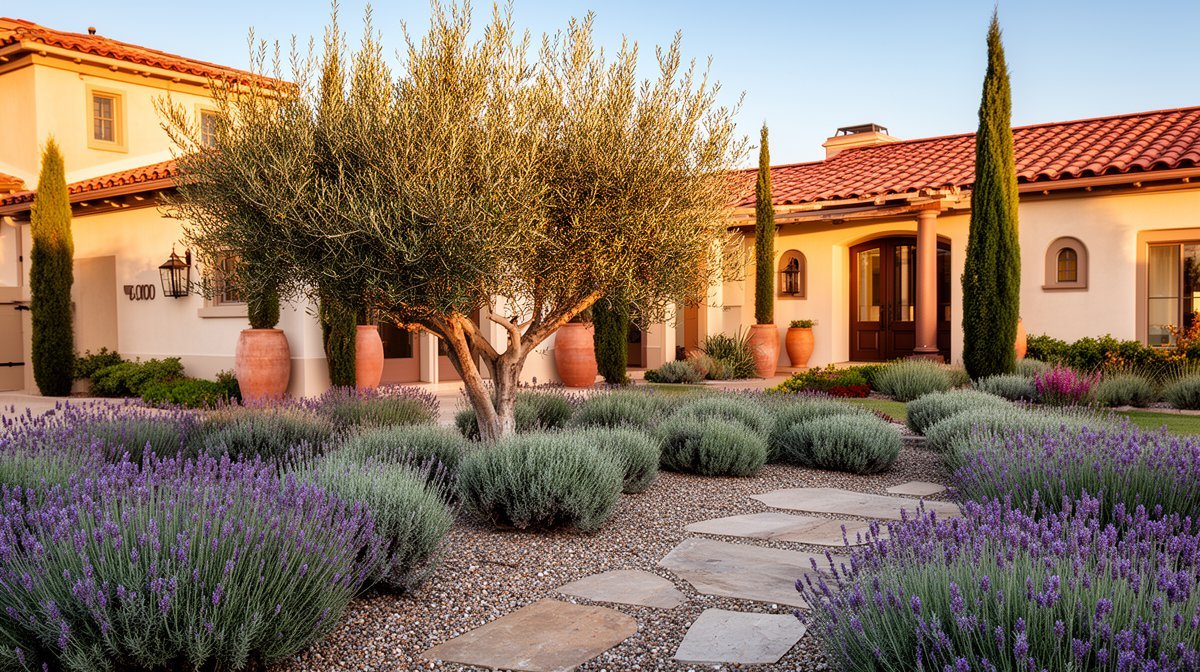
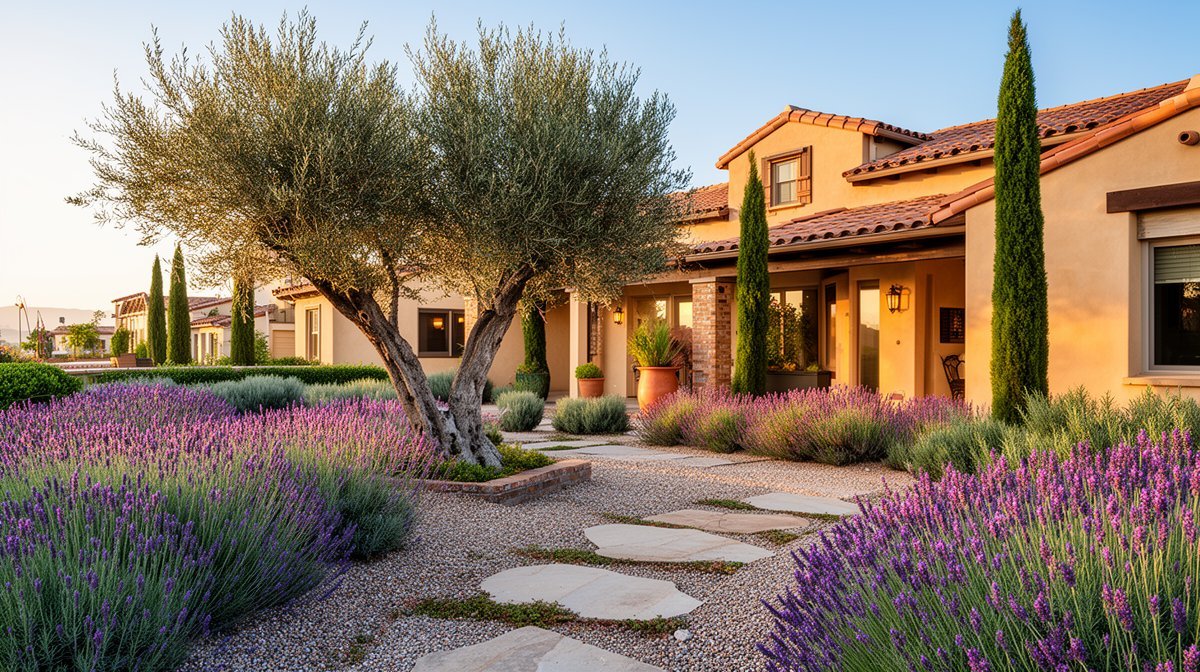
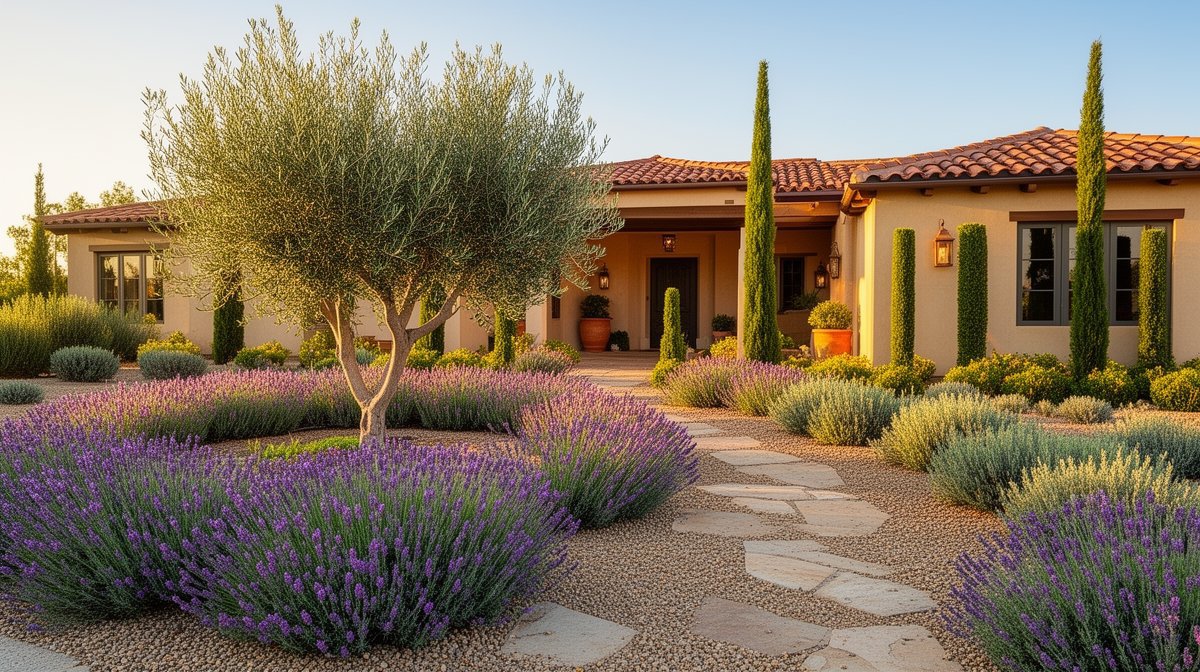
$16–34/sqftA single-storey Spanish house with a barrel-tile roof, arched entry and carved dark wood door gets its whole presence from three moves. A mature, gnarled olive with a sculptural silver canopy leans over the left half of the yard and does the work of a shade structure. Three narrow cypress spires punctuate the facade — one tucked against the entry arch, two flanking the arched windows — giving the low roofline the vertical rhythm it otherwise lacks. Between them a wide flagstone walk runs straight to the door, edged the entire way by double hedges of lavender in full bloom, with a clipped green foundation band and a pair of terracotta pots marking the threshold.

The Walled Gravel Courtyard
$20–42/sqftA stucco perimeter wall with a terracotta cap turns the whole front yard into a private courtyard, and a magenta bougainvillea trained along the top of that wall does the announcing from the street. A wrought-iron double gate set between stucco pilasters frames the view through to the house door. Inside, there is no lawn at all: a pale pea-gravel field with a curving flagstone stepper path threading across it, terracotta pots at the corners planted with rosette-forming accents and rosemary, and a low ribbon of blue-grey rosettes running along the base of the wall. Two heavily fruiting citrus trees frame the composition and scent the whole entry in spring.

The Fountain Courtyard
$26–52/sqftBehind a white stucco house with a barrel-tile roof and dark French doors, a terracotta tile terrace laid on the diagonal wraps around a large round two-tier cast-stone fountain set at dead centre. The fountain is the room: water noise masks the freeway hum, and uplighting turns it gold at dusk. A multi-trunk olive occupies the left corner and an orange tree heavy with fruit the right, so the enclosure is made of trees rather than walls. Broad drifts of lavender fill both flanks at knee height, and a dining table with cushioned armchairs tucks in behind the fountain against the house, close enough to the doors to be used on a Tuesday.

The Bougainvillea Loggia
$30–60/sqftA stuccoed loggia with square columns and open timber rafters projects from the back of a tile-roofed house, and the rafters have been given over entirely to a magenta bougainvillea that now forms a flowering ceiling. Beneath it sits a full outdoor living set — sofa, two armchairs, low table — on a wide terracotta tile terrace that steps down into a broad tiled walkway. A fruiting orange on one side and a lemon on the other frame the loggia at exactly the right height, clipped evergreen mounds tighten the foundation line, and lavender and rosemary drifts run the length of both bed edges so the walk is scented for its whole length.
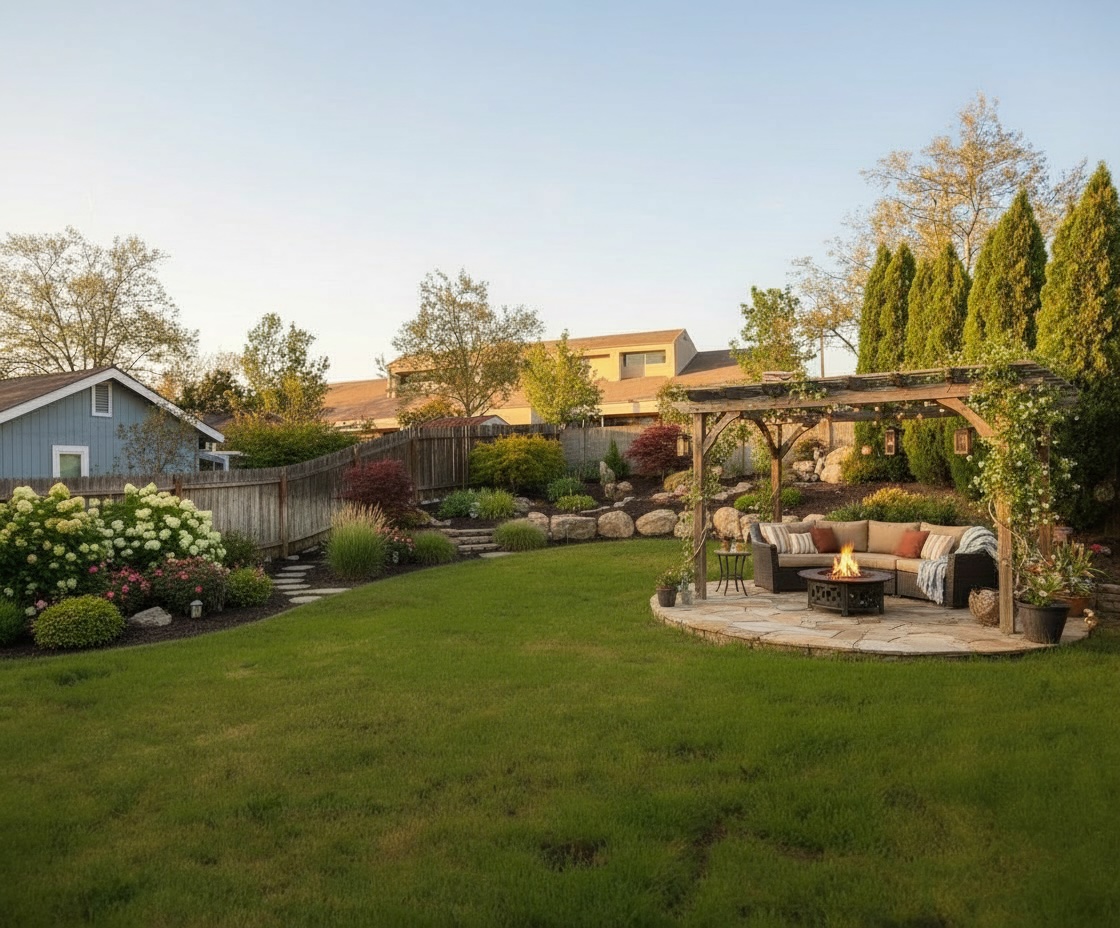
See how a mediterranean garden looks on YOUR property
Upload a photo of your Torrance yard and visualize your dream garden in seconds.
Try ProScapeAI Free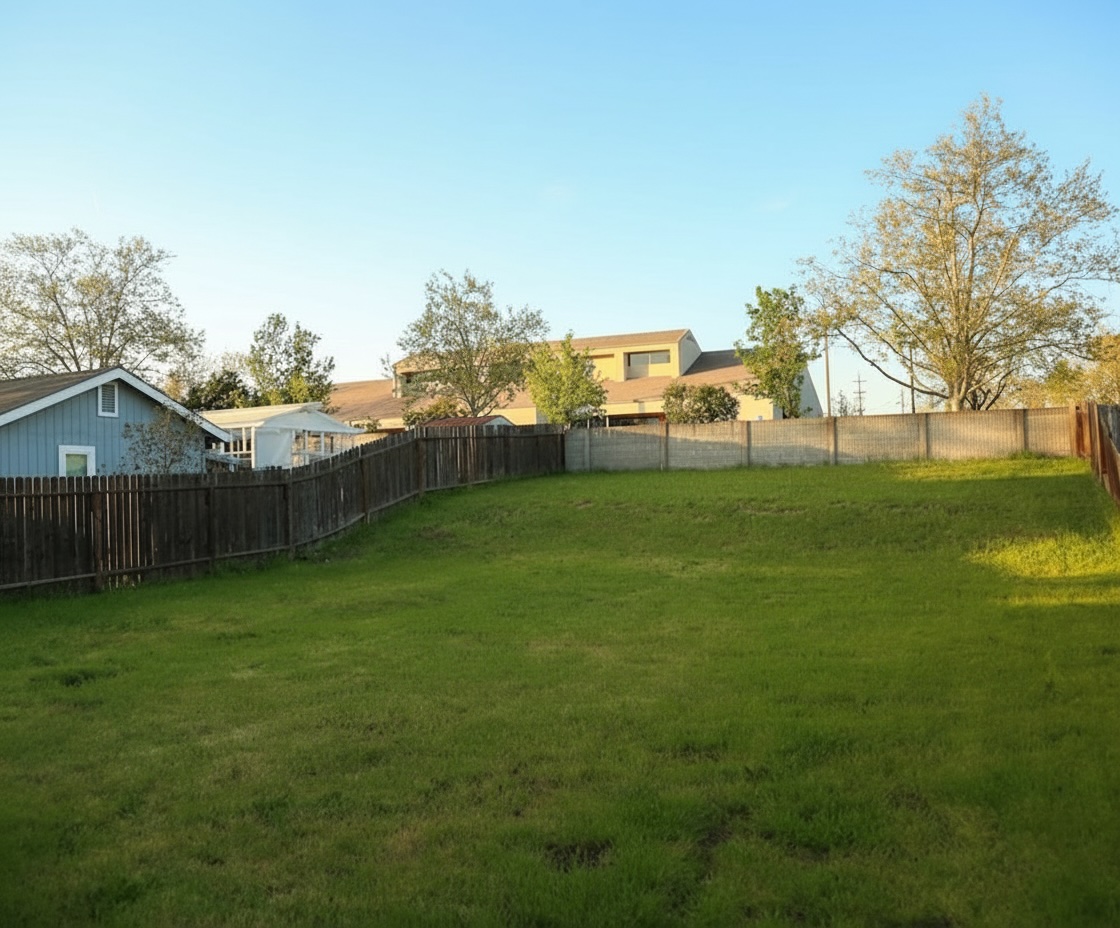
Featured Trees & Shrubs for Mediterranean Gardens
Browse all 219 plants for Torrance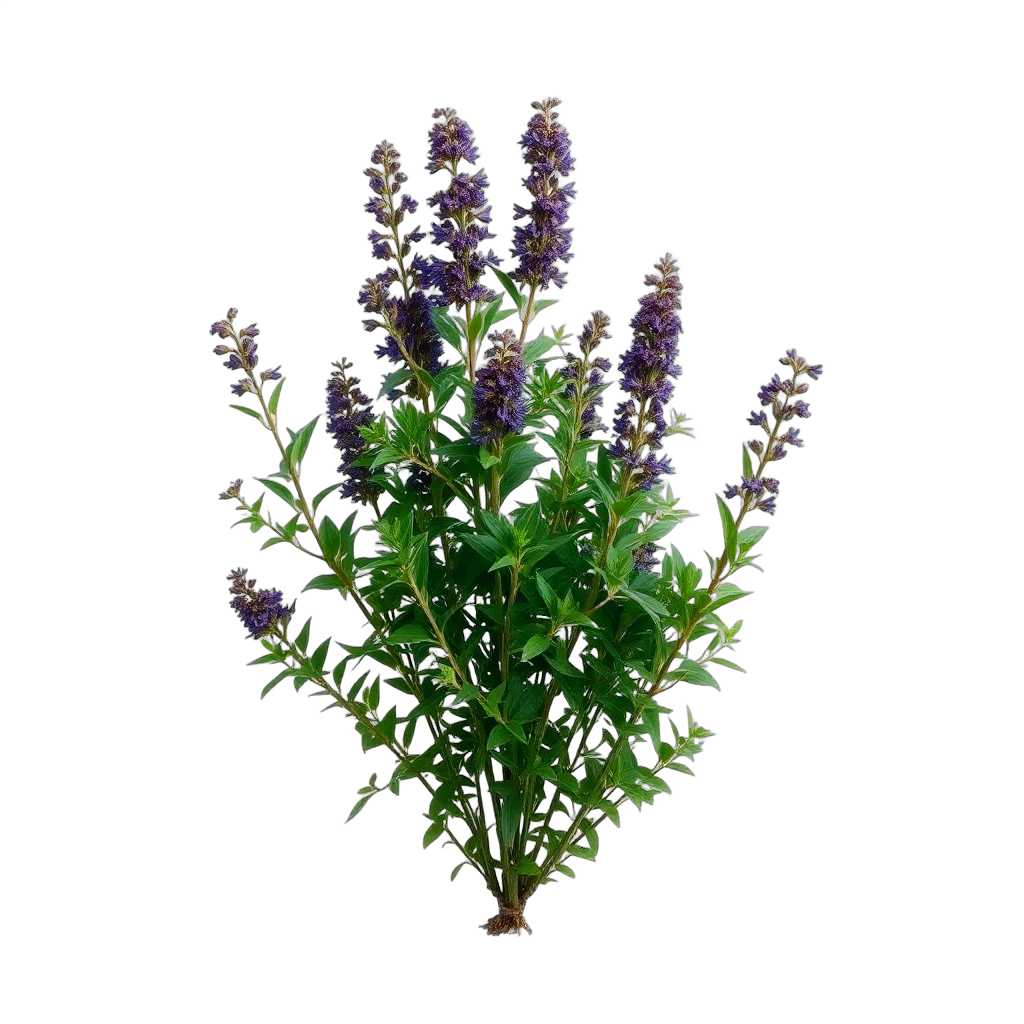
Black Sage
Salvia mellifera
grows to 4 feet, white blooms in spring. Attracts butterflies.
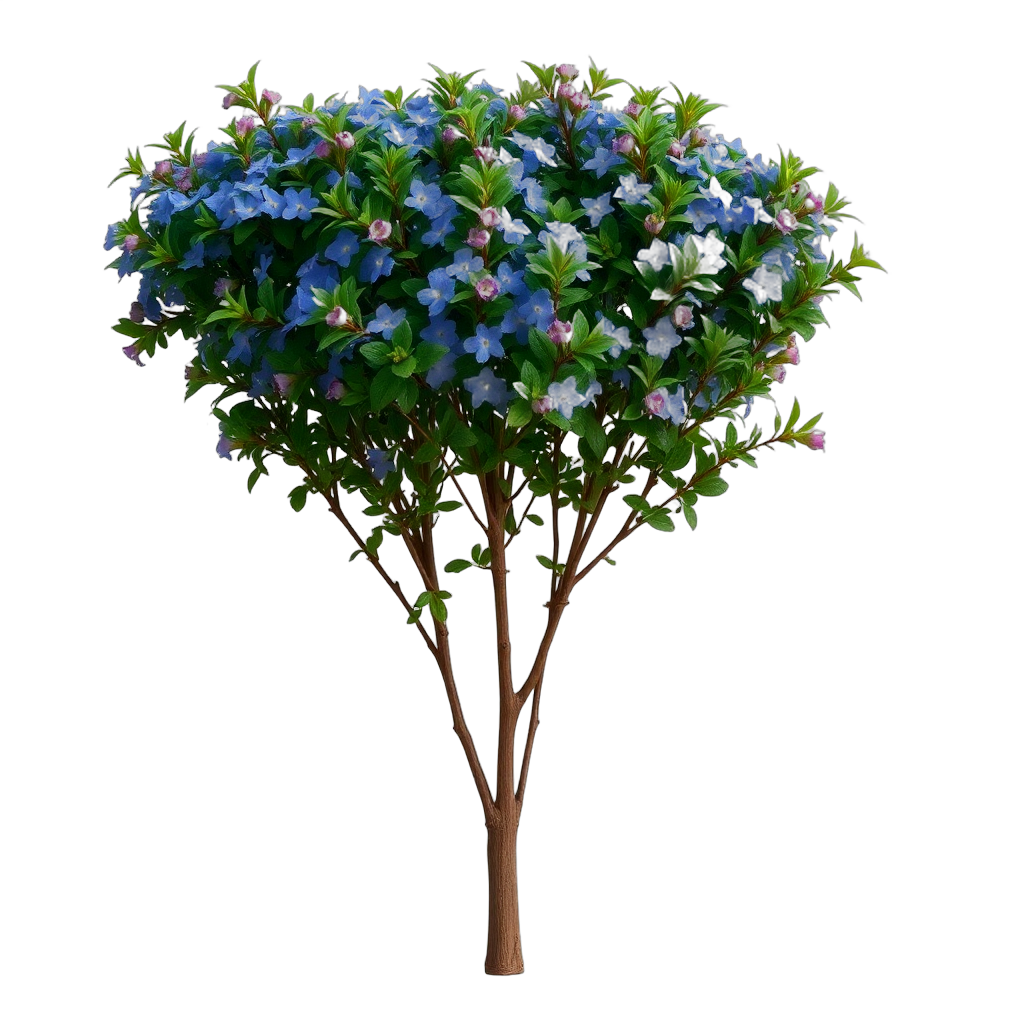
Blue Blossom
Ceanothus thyrsiflorus
medium-sized at 12 feet, blue blooms in spring. Attracts butterflies.
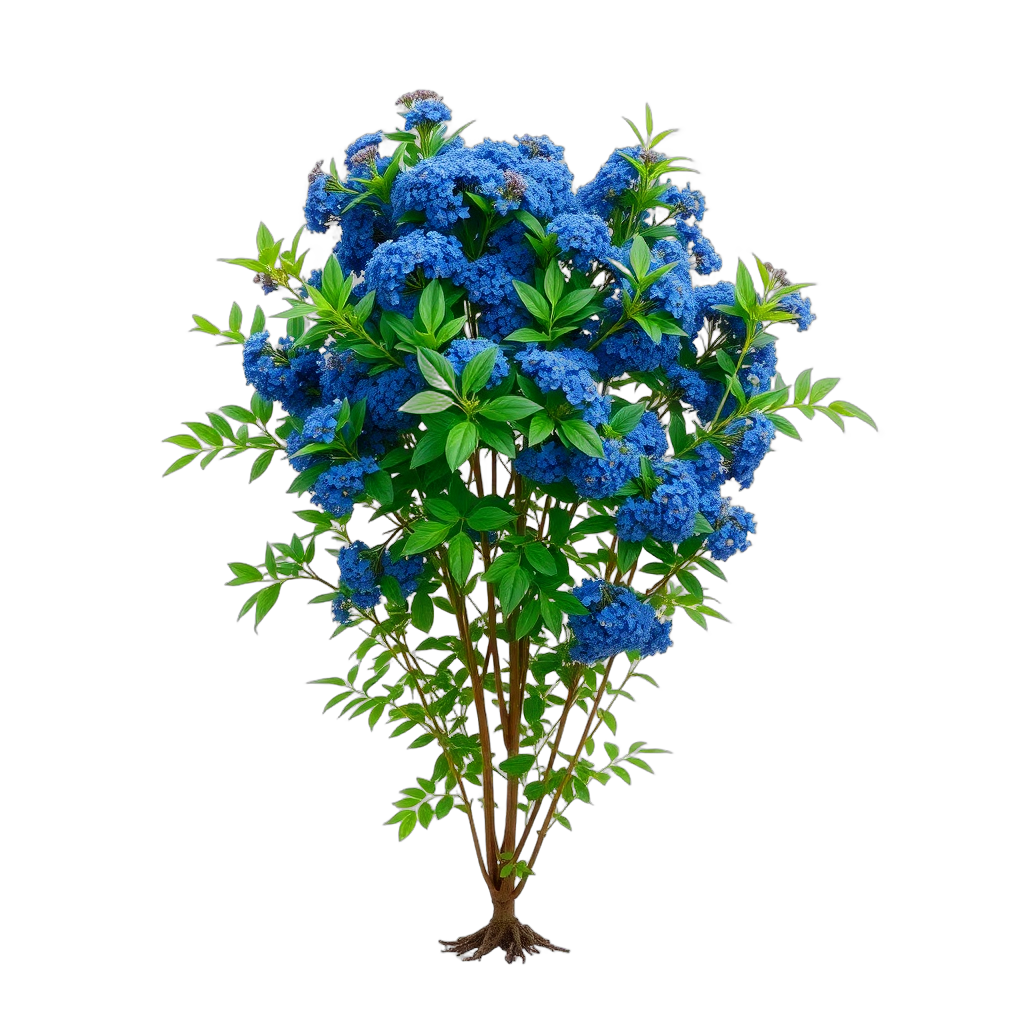
Blue Elderberry
Sambucus cerulea
medium-sized at 15 feet, white blooms in spring. Attracts butterflies.
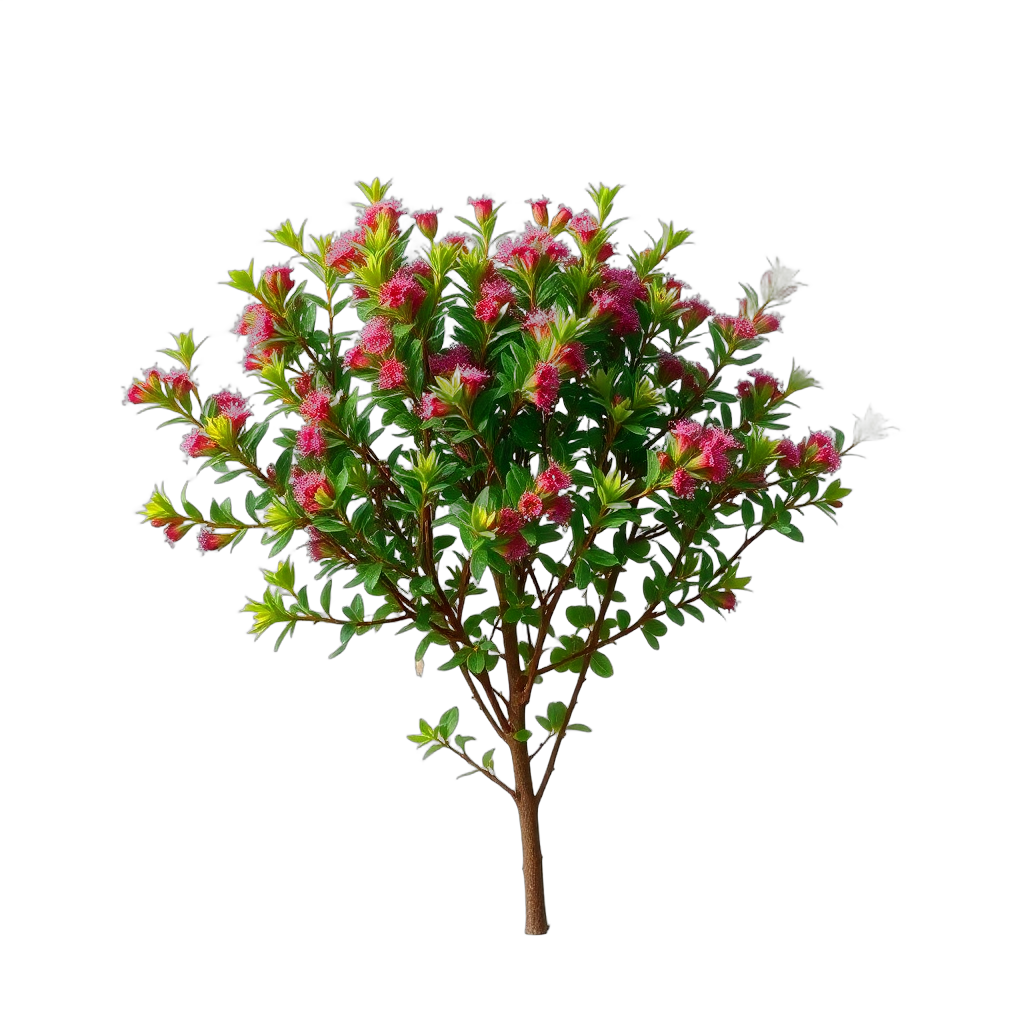
Buckbrush
Ceanothus cuneatus
medium-sized at 7 feet, white blooms in spring. Attracts butterflies.
Featured Grasses & Groundcovers for Mediterranean Gardens
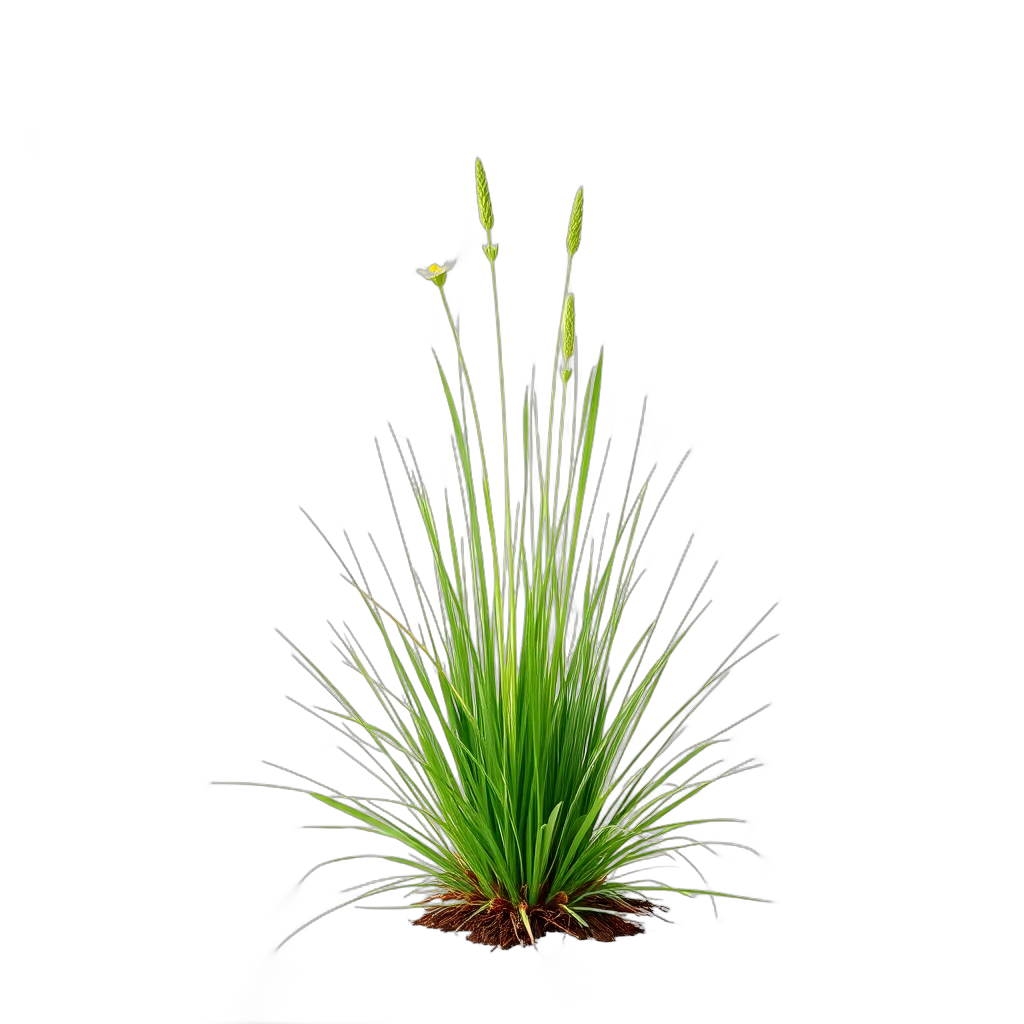
California Brome
Bromus carinatus
low-growing ground cover, blooms in spring. Yellow fall color.
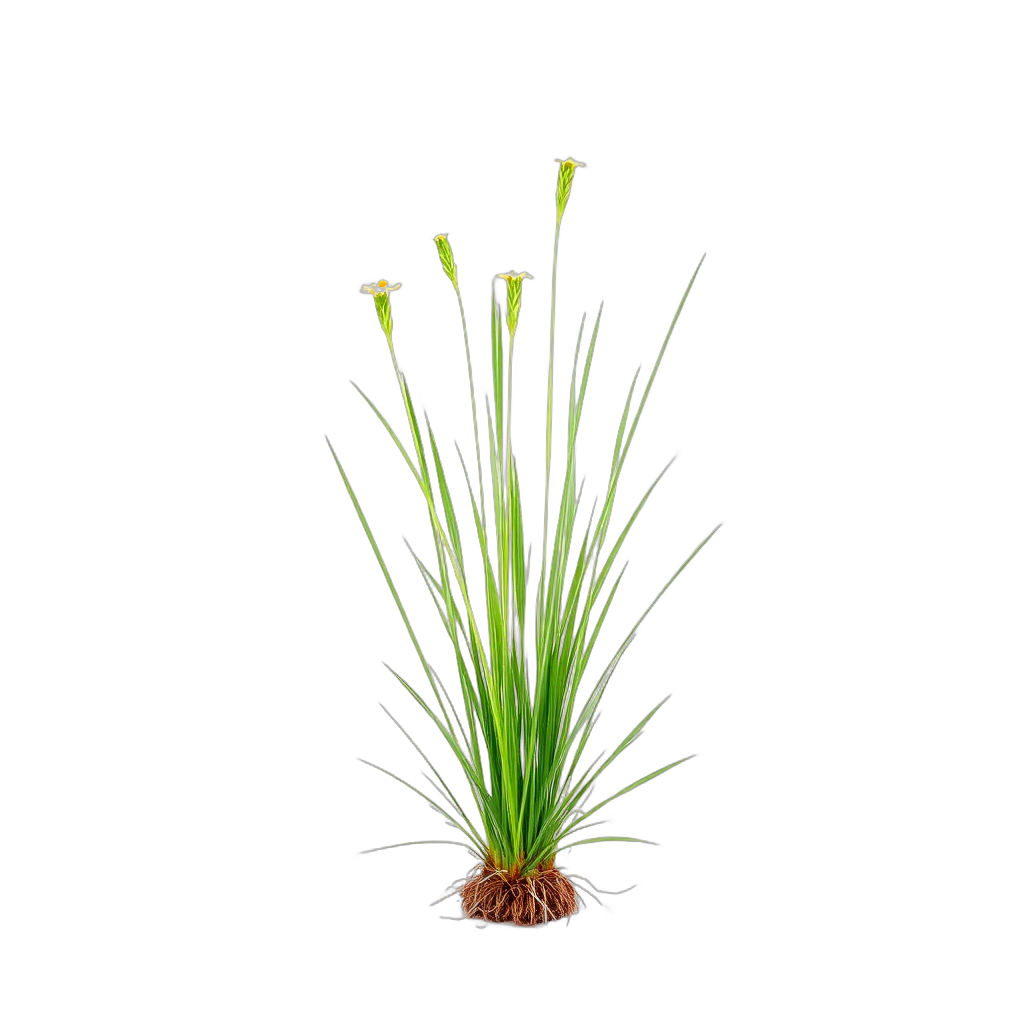
California Melic
Melica californica
low-growing ground cover, blooms in spring.
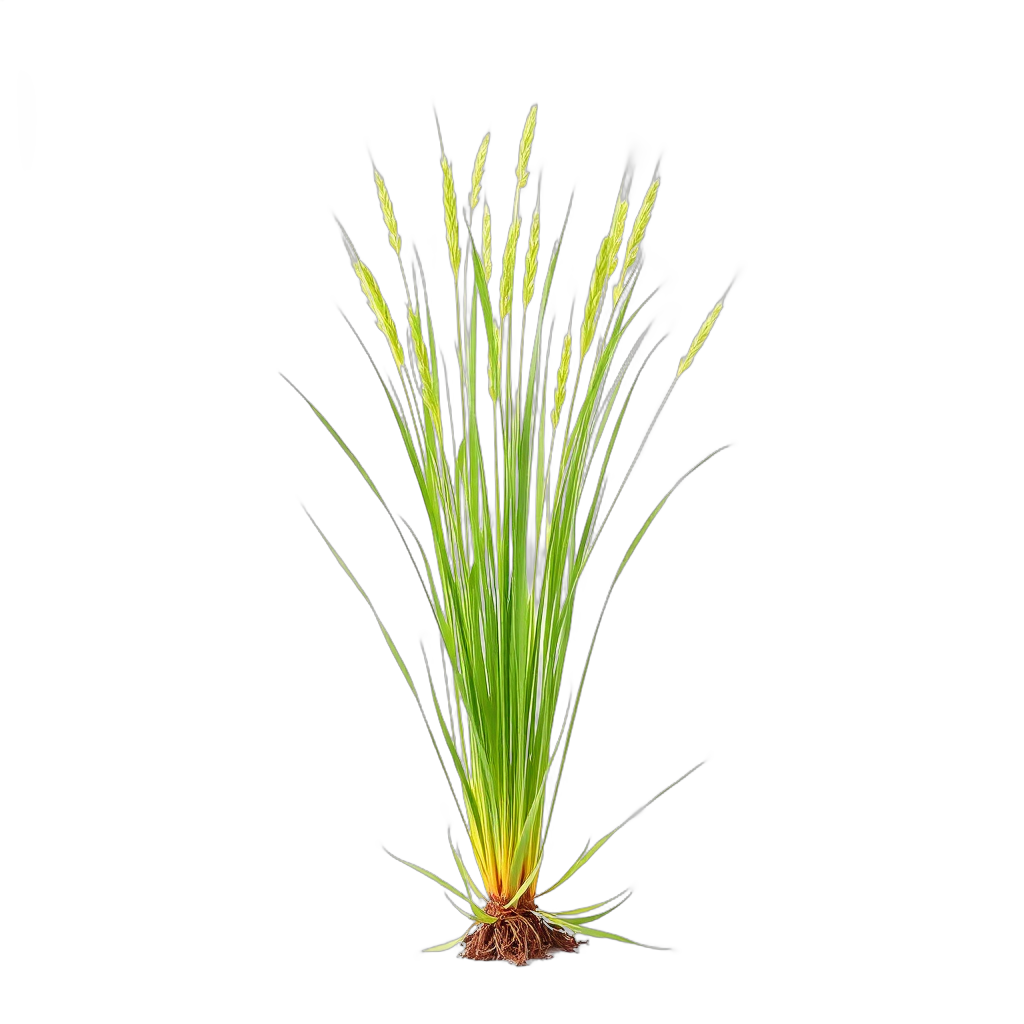
California Oatgrass
Danthonia californica
low-growing ground cover, blooms in spring. Yellow fall color.
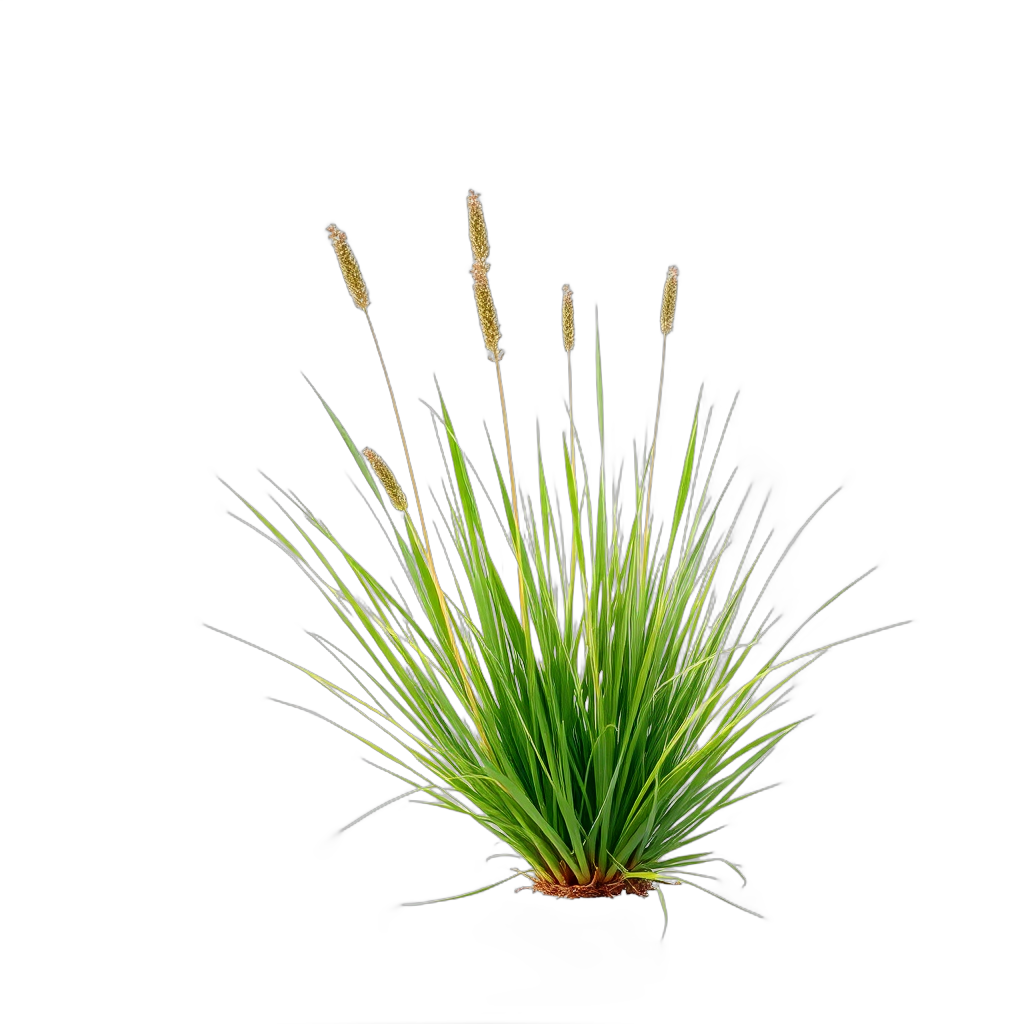
Deer Grass
Muhlenbergia rigens
grows to 3 feet, yellow blooms in fall. Evergreen year-round.
Featured Flowers & Perennials for Mediterranean Gardens
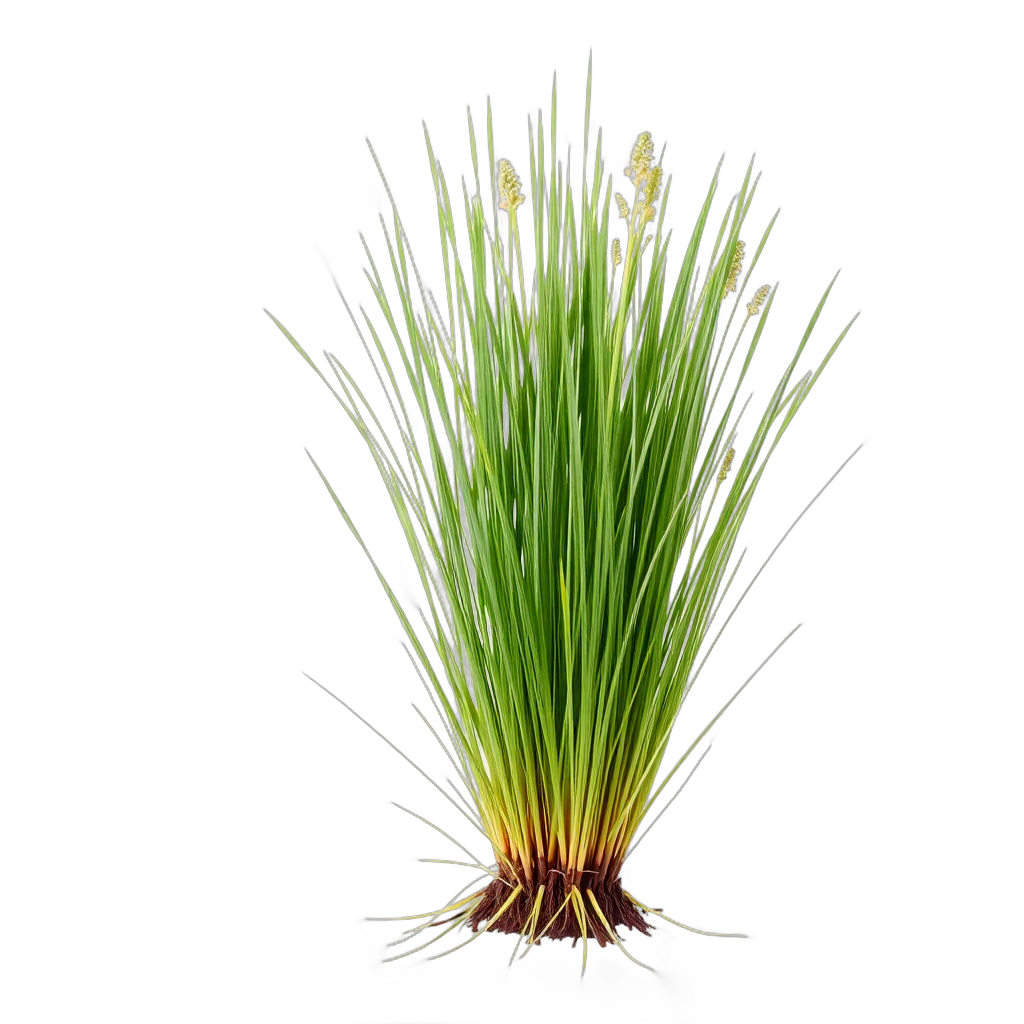
California Gray Rush
Juncus patens
low-growing ground cover, blooms in summer. Evergreen year-round.
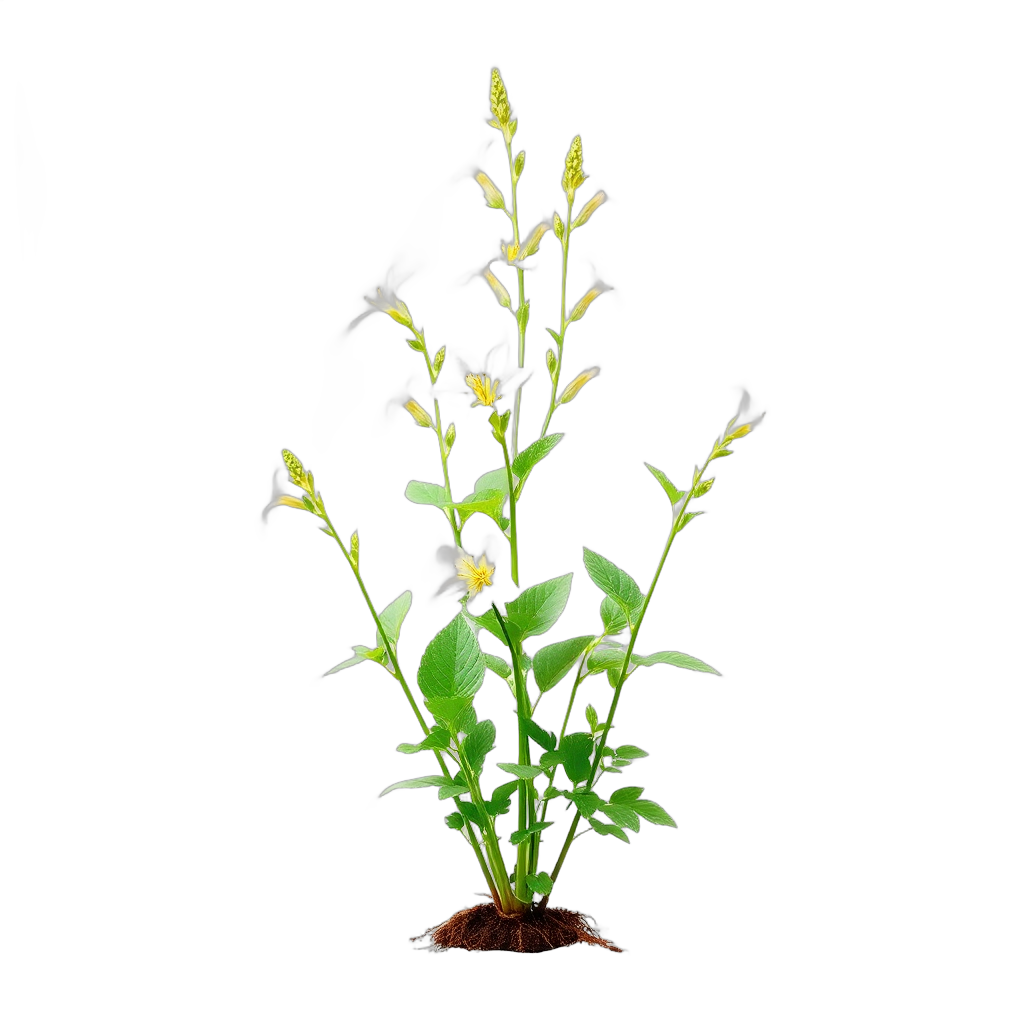
Beach Evening Primrose
Camissonia cheiranthifolia
low-growing ground cover, yellow blooms in spring. Attracts butterflies.
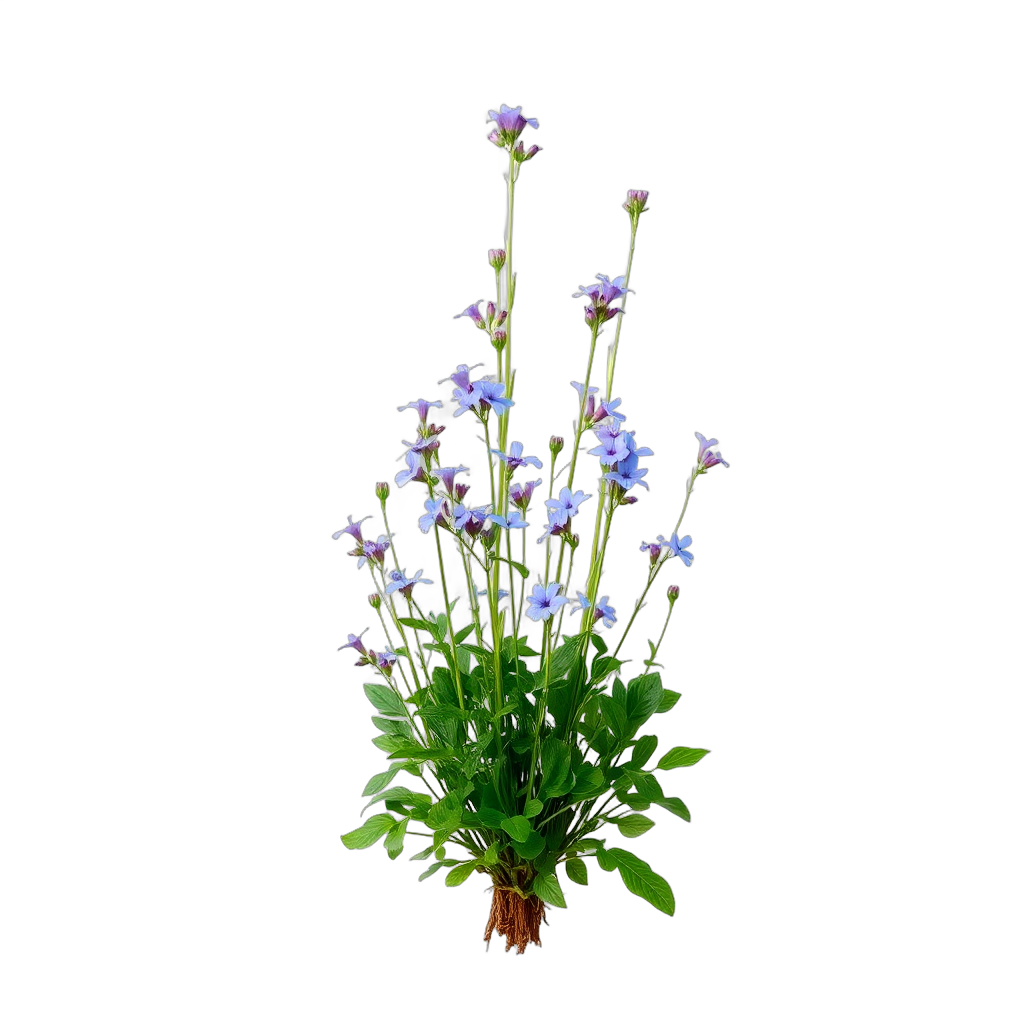
Blue Dicks
Dichelostemma capitatum
low-growing ground cover, blue blooms in spring. Pollinator-friendly.
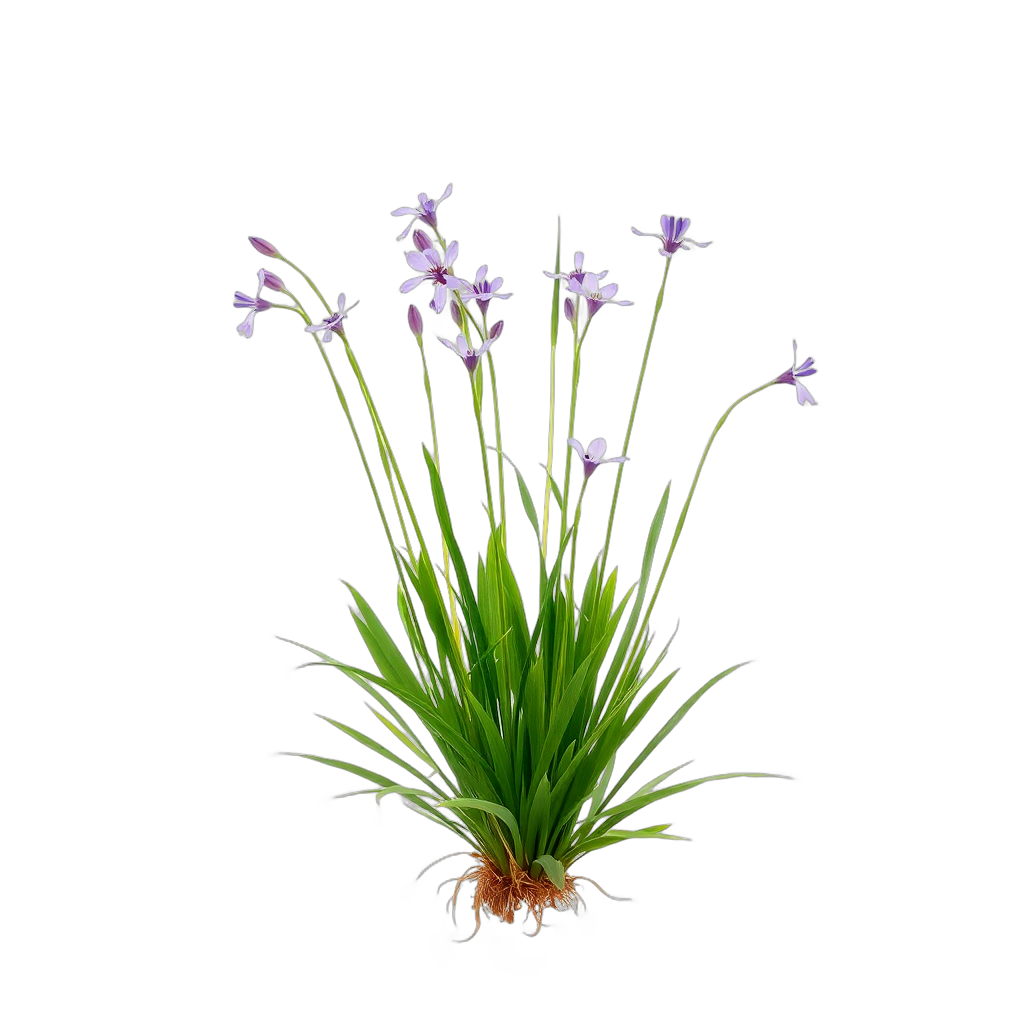
Blue-Eyed Grass
Sisyrinchium bellum
low-growing ground cover, blue blooms in spring. Attracts butterflies.
Zone and sun checks come from our database — confirm with your local nursery before you buy.
Bloom Calendar for Torrance
spring
Beach Evening Primrose, Blue Dicks, Blue-Eyed Grasssummer
California Gray Rush, Hooker's Evening Primrose, Hummingbird Mintfall
California Fuchsiawinter
Limited bloomsDesign Tips for Torrance (Zone 10b)
- Specify a fruitless olive in any front yard — Olea europaea 'Swan Hill' or 'Wilsonii' give the silver canopy and gnarled trunk without the staining fruit drop that ruins flagstone and saltillo, and without adding to the LA basin's worst pollen load
- Buy citrus only from a licensed California nursery and keep it in the county: Los Angeles is inside the state Asian citrus psyllid and huanglongbing quarantine, and one uninspected backyard tree is how an entire block loses its oranges
- Use Lavandula × intermedia 'Provence' or Lavandula dentata rather than English lavender — Torrance's grey May and June mornings sit on L. angustifolia crowns long enough to rot them out in the second winter
- Give the gravel a real edge and a real base: 3/8-inch pea gravel needs a compacted sub-base and steel or masonry edging or it migrates into the lawn and the street within two rainy seasons
- Mound every lavender, cistus and santolina 8–12 inches on the clay soils toward Walteria and the Riviera hillsides; on the sandy loam of the Torrance flats you can plant flat and skip the extra soil
- Put a water feature where you sit, not where it looks good on plan — a recirculating cast-stone fountain within eight feet of the seating masks traffic noise from Hawthorne and Pacific Coast Highway better than any wall you can afford to build
- Plant bougainvillea in autumn and resist watering it once established — Bougainvillea 'Barbara Karst' flowers hardest when it is slightly stressed, and a well-irrigated plant will give you a magnificent green vine with almost no colour
Where to Source Plants in Torrance
Skip the big-box stores. These independent Torrance nurseries specialize in the plants that make mediterranean gardens thrive in Zone 10b.
Sunflower Farms
North Torrance (S. Western Ave)
Family-run since 1975 on a certified wildlife-habitat property — roses, perennials, shrubs, fruit trees, herbs and vegetable starts, plus design consults and weekend classes
Deep Roots Garden Center
Torrance (Hawthorne Blvd)
Voted best nursery in the South Bay since 2011; the area's largest indoor plant selection plus pottery, containers and on-site potting service
Azul & Verde Nursery
Torrance (Ermanita Ave)
Retail and wholesale yard stocked with low-water Mediterranean shrubs, agaves, aloes and mat-forming spreaders, sod and plant delivery
Rainforest Flora
Torrance (Hawthorne Blvd, near Del Amo)
Showroom specialising in Tillandsia air plants, Neoregelia bromeliads and Platycerium staghorn ferns bred in Southern California — the go-to for sheltered courtyard accents
Mediterranean Landscaping Costs in Torrance
| Project Scope | Estimated Cost |
|---|---|
| Mediterranean front yard: flagstone walk, olive, cypress, lavender (400–700 sqft) | $12,000 – $30,000 |
| Walled gravel entry courtyard with wrought-iron gate | $22,000 – $60,000 |
| Saltillo or terracotta tile terrace (300–500 sqft) | $14,000 – $38,000 |
| Cast-stone two-tier fountain, set and plumbed | $4,500 – $15,000 |
| Specimen 24-inch-box fruitless olive, delivered and planted | $1,200 – $3,500 |
| Inline drip retrofit with WaterSense smart controller | $2,200 – $5,500 |
| AI visualization with ProScapeAI | Free to start |
Estimates based on Torrance, CA-area contractor rates as of 2026. Actual costs vary by site conditions, materials, and contractor.
Torrance Climate & Growing Zone
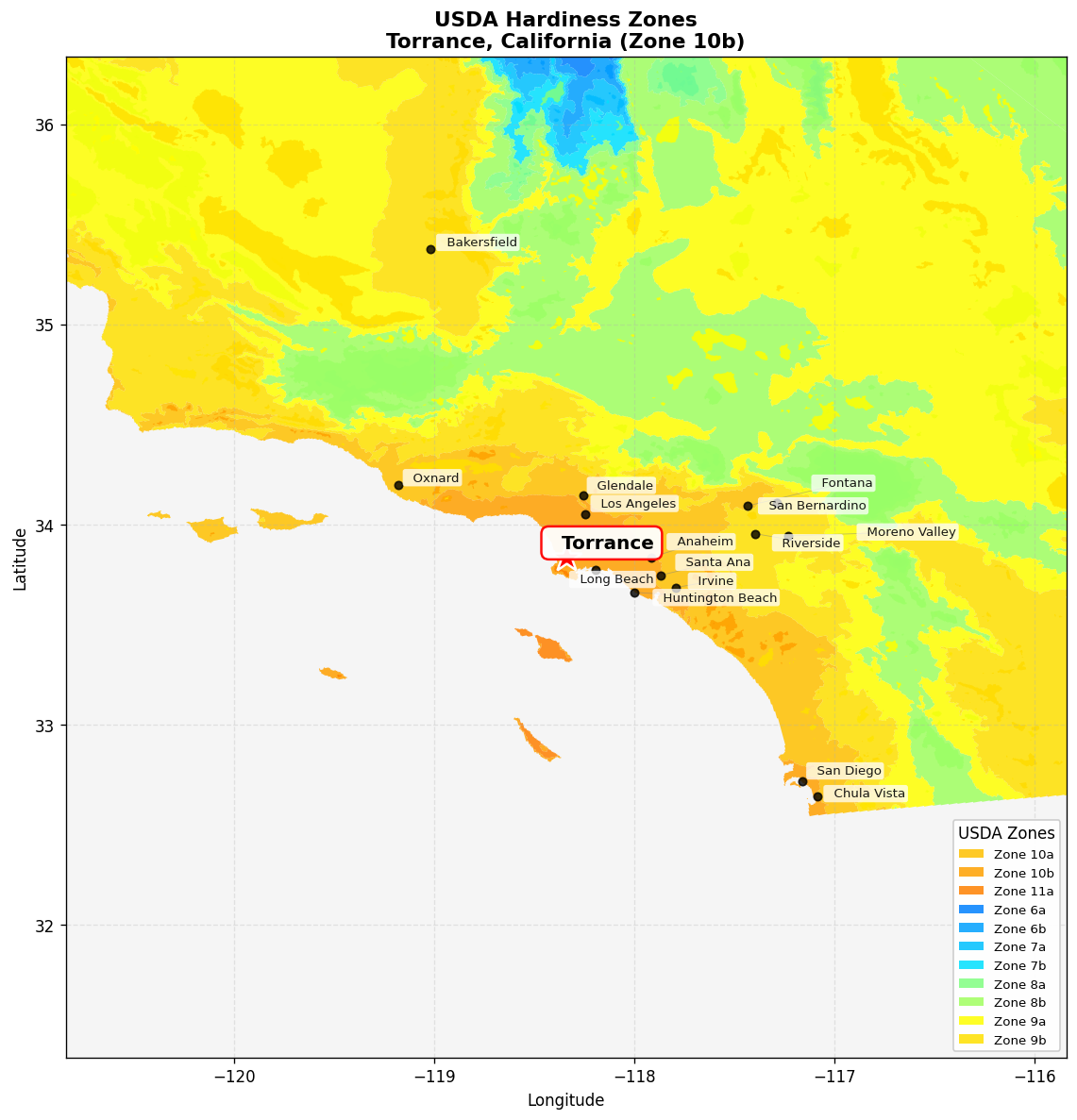
USDA Zone 10b
Hardiness zone for Torrance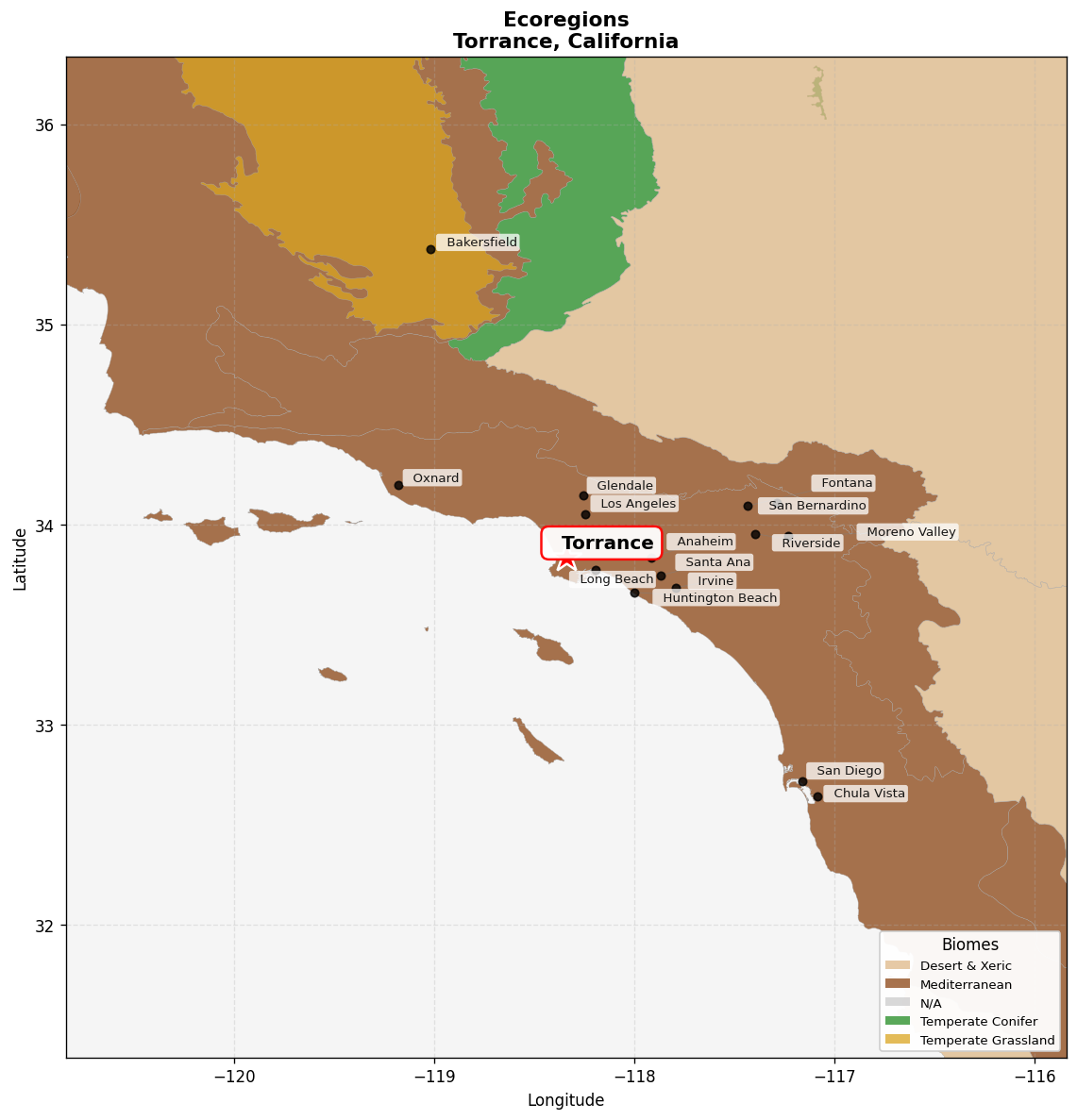
California coastal sage and chaparral
Native ecoregionFrequently Asked Questions
How much does a Mediterranean landscape cost in Torrance?
A Mediterranean front yard — flagstone walk, a specimen olive, cypress spires and lavender hedging over 400–700 sq ft — typically runs $12,000–$30,000 installed in the South Bay. A walled gravel entry courtyard with a wrought-iron gate is a bigger build at $22,000–$60,000 because the wall is masonry work. A saltillo or terracotta terrace of 300–500 sq ft lands at $14,000–$38,000, and a cast-stone two-tier fountain set and plumbed adds $4,500–$15,000. A 24-inch-box Olea europaea 'Swan Hill', delivered and planted, is $1,200–$3,500 on its own — and it is the single line item most worth paying up for.
Should I plant a fruiting or a fruitless olive?
Fruitless, in almost every Torrance front yard. Fruiting olives drop black, oily fruit that permanently stains exactly the flagstone, terracotta and saltillo this style is built on, and olive pollen is one of the more aggressive allergens in the LA basin. Olea europaea 'Swan Hill' and Olea europaea 'Wilsonii' give you the same silver canopy and gnarled trunk with essentially no fruit set, and Olea europaea 'Little Ollie' is the compact form for hedging and containers. If you genuinely want to cure olives, put a fruiting 'Manzanillo' in the back garden over gravel or planting bed, never over paving or a pool deck.
Can I grow citrus in Torrance, and what should I know first?
Yes — Zone 10b lows of 35–40°F mean Citrus × limon 'Improved Meyer', Citrus × sinensis 'Washington' navel and 'Valencia' fruit outdoors here without protection, and the marine layer keeps summer fruit from sunburning. The important caveat is regulatory and biological: Los Angeles County is inside a state Asian citrus psyllid and huanglongbing quarantine, so buy only from licensed California nurseries, never move a citrus tree out of the county, and check new flush for psyllids each spring. Plant on a slight mound in the alkaline Torrance sandy loam, mulch to the drip line but keep mulch off the trunk, and feed with a chelated-iron citrus food three times a year to head off the yellowing that alkaline soil causes.
Which lavenders and Mediterranean shrubs handle the coastal marine layer?
Lean on the tougher hybrids. Lavandula × intermedia 'Provence' and 'Grosso' cope with Torrance's grey, damp May and June mornings far better than L. angustifolia, which tends to rot at the crown in its second coastal winter. Lavandula dentata flowers nearly year-round here and is the most forgiving of the three. Pair them with Salvia rosmarinus 'Tuscan Blue', Teucrium × lucidrys, Phlomis fruticosa, Cistus × purpureus and Santolina chamaecyparissus, all of which want the same fast drainage and almost no summer water. On the exposed west side, two miles from Torrance Beach, add Westringia fruticosa 'Grey Box', Rhus integrifolia or Echium candicans to take the salt wind before it reaches the softer plants.
How much water does a Mediterranean garden here actually need?
Far less than the lawn it replaces, but not zero in the first two years. On roughly 12–13 inches of annual rain, all of it between November and March, establish new olives and citrus with a deep weekly soak through their first two dry seasons, then taper to every two or three weeks for the olives and keep the citrus on a steady schedule permanently — citrus is the one thirsty plant in this palette. Lavandula, Cistus and Salvia rosmarinus 'Tuscan Blue' should drop to monthly or less once rooted. Split them onto separate drip valves from day one; a single valve serving both citrus and lavender will either starve the tree or drown the shrubs.
What permits and rules apply to a courtyard build in Torrance?
Planting, gravel, drip and mulch need nothing. A stucco garden wall, a retaining wall above four feet, new gas lines to an outdoor fireplace, and low-voltage or line-voltage electrical work generally do, and front-yard wall and fence heights within the setback are limited by the Torrance Municipal Code — the City of Torrance Community Development Department sets the thresholds and reviews the plans, so confirm your scope with them before ordering materials. Permitted landscape work over 500 sq ft also brings MWELO documentation, which in practice means a planting plan, a hydrozone diagram and a smart controller on the irrigation.