4 English Cottage Garden Ideas for Warren, MI | Zone 6b Design
Native plants from the Southern Great Lakes forests (Zone 6b) — Humid continental (hot summer) climate
Why Cottage/English Gardens in Warren?
Warren is Michigan's third-largest city and one of the easiest places in the metro to build a convincing English cottage garden. Almost the whole city went up between 1945 and 1965 — brick ranches, Cape Cods and story-and-a-half bungalows on flat, shallow lots off Van Dyke, Ryan, Hoover and Dequindre — and those modest, symmetrical facades are exactly the quiet backdrop that romantic planting needs. A cottage garden is the cheapest way to give a 1950s Warren ranch the character it was never built with: a white picket fence set back from the sidewalk, a rose-smothered arbor over the front walk, and borders deep enough to swallow the useless strip of turf between the drive and the property line. Around Halmich Park, Warren Woods, Bear Creek and the older blocks near City Square, lots are level and rarely need grading, so a full front-yard border is a layout problem rather than an excavation project.
Warren sits in USDA Zone 6b, with winter lows of roughly -5°F to 0°F, in a humid continental (Dfa) climate that delivers about 33 inches of rain and 40-plus inches of snow a year. That is genuinely good cottage-garden weather: cold enough to satisfy the chilling requirement of peonies, lilacs and tulips, and wet enough that an established border needs supplemental water only through a dry July. The limits are the calendar and the thaw. Last frost lands around 8 May and the first arrives in mid-October, which leaves roughly 160 frost-free days — short enough that a border designed only for June bloom looks empty for eight months of the year. Design for the off-season first: Hydrangea paniculata 'Limelight' dries to parchment and holds its heads above the snow, Calamagrostis x acutiflora 'Karl Foerster' stays upright through February, and Buxus 'Green Velvet' — bred just across the border in Ontario for precisely this winter — keeps the bones of the bed readable from the kitchen window. Repeated freeze-thaw cycles in March also heave shallow-rooted new plantings straight out of the ground, so anything planted after early October wants a 3-inch mulch collar.
The soil is what actually decides whether a Warren cottage garden thrives or sulks. The city occupies the flat glacial lake plain that drains north to the Red Run, and the native soils — Blount, Del Rey and Pewamo clay loams — are dense, slow to drain and distinctly alkaline, commonly running pH 7.2 to 7.8 over limestone-rich till. That combination kills the two things every new cottage gardener tries first: English lavender planted at grade rots over winter, and hydrangeas bought for blue flowers open pink. The fix is to raise the beds. A 10 to 12 inch berm of screened topsoil, compost and coarse sand built on top of the existing clay — never a hole dug into it, which behaves like a bathtub — is the single highest-return move in this city, and it is what lets Lavandula x intermedia 'Phenomenal' come through a Warren winter when Lavandula angustifolia 'Hidcote' at grade does not. Sweet clay is also why azaleas, rhododendrons and pin oaks go chlorotic here; lean instead on plants that genuinely enjoy it, such as Paeonia lactiflora 'Sarah Bernhardt', Syringa meyeri 'Palibin', Nepeta x faassenii 'Walker's Low' and Hydrangea arborescens 'Annabelle'.
Water is cheap and abundant in Warren, but drainage is not. The city buys Great Lakes water through the regional authority, so there are no seasonal watering bans of the kind that shape design in Denver or Phoenix — the constraint runs the other way. Much of Warren drains into the Red Run and a combined sewer system, and the June 2021 storm that filled thousands of Warren basements is still the reference point every homeowner here uses. Grade every new bed to fall away from the foundation, keep sump discharge and downspout outfalls out of your planting beds, and route them instead to a gravel-based rain garden of Iris versicolor, Amsonia hubrichtii and Panicum virgatum 'Northwind', all of which tolerate two days of standing water and then a dry August. One more local detail worth checking before you plumb anything: most Warren homes are billed for sewer on metered water use, so irrigation is charged twice unless the city approves a separate irrigation meter — ask the water department first. Built on raised, amended beds, a cottage border in Warren usually needs hose work only through its first two summers.
4 Cottage/English Design Ideas for Warren

The Rose Arbor and Picket Fence Front Yard
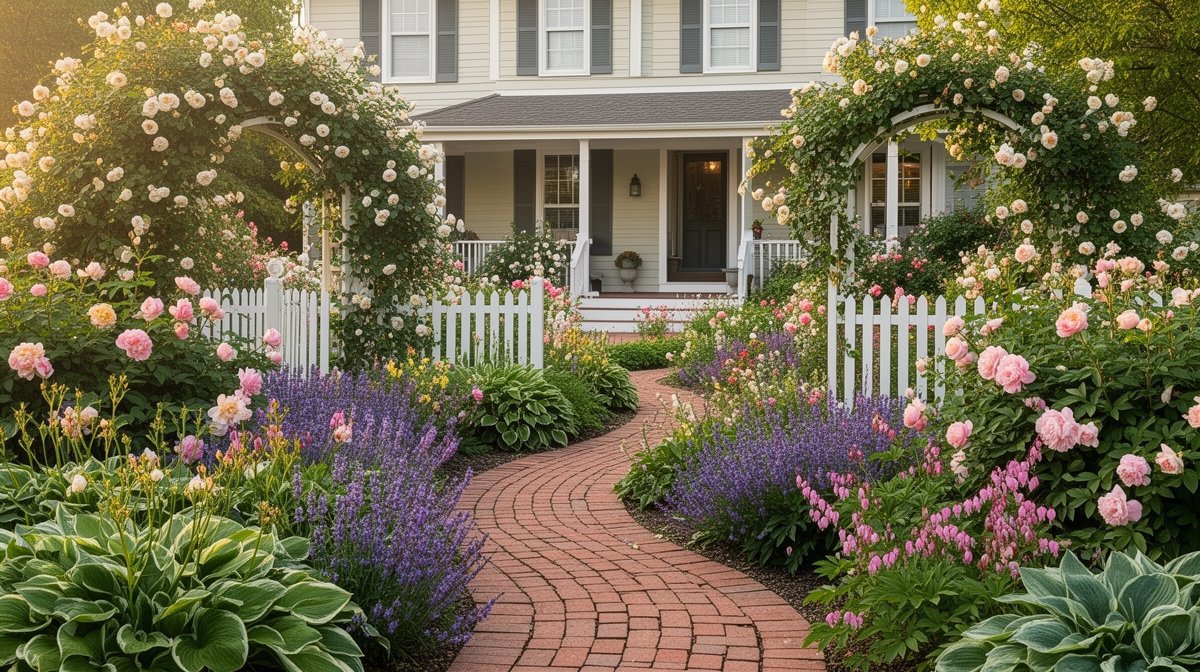
$18-34/sqftA cream two-storey with twin brick chimneys sits behind a low white picket fence that runs the full frontage, broken only by an arched gate arbor buried under blush, cream and butter-yellow climbing roses. A red clay-brick path curves from the gate to a navy front door, and the beds either side of the fence are packed rather than dotted: fat repeat-flowering roses at the back, a continuous ribbon of lavender along the picket line, and low white candytuft and yarrow spilling onto the brick. Deep crimson roses on the right-hand side stop the pastel scheme from going soft, and the whole planting is only about four feet deep, which is all a standard Warren front yard can spare.

The White Arbor Porch Walk
$16-30/sqftA white-painted arbor with a lattice wing panel stands mid-lawn, carrying a cascade of pure white climbing roses that have dropped a scatter of petals across an irregular bluestone path. The path bends past mixed borders on both sides — violet salvia spikes, white shasta daisies, hot orange annual accents, pink shrub roses, blue-green hosta clumps at the shadier porch end and a single upright grass for winter structure — and lands at a covered porch with a cushioned swing and hanging baskets. A mature shade tree at the left throws the whole composition into late-afternoon dapple, which is what keeps the white roses from scorching in a Warren July.

The Rose Arch Bistro Circle
$22-38/sqftA tall timber rose arch loaded with pink and cream blooms frames a circular flagstone terrace just big enough for a white cast-iron bistro table and two chairs. Mounded lavender is planted in a broken ring around the paving so you brush it walking in, and behind that the borders climb in height — drumstick alliums, spires of foxglove and delphinium, white daisies, blowsy peonies and pink shrub roses — against a clipped hedge that hides the neighbouring fence line. The circle is deliberately small: on a typical Warren back lot, a nine-foot terrace leaves enough lawn to still read as a garden rather than a patio.

The Pergola and Birdbath Lawn Garden
$20-36/sqftA rough-sawn cedar pergola smothered in cream climbing roses shelters a brick-paver dining terrace with a farmhouse table, a hanging lantern and room for six. Out in the lawn, a circular island bed centred on a carved cast-stone birdbath fountain does the heavy lifting: clipped boxwood holds the edge, and inside it sit pink shrub roses, lilac-blue catmint, magenta pinks and a few yellow daisies for contrast. Big blush rose shrubs run along the house wall under the windows, and the mown lawn between the pergola and the island bed is kept as clean open space — the trick that makes a modest Warren back yard feel like a garden with rooms.
See how a cottage/english garden looks on YOUR property
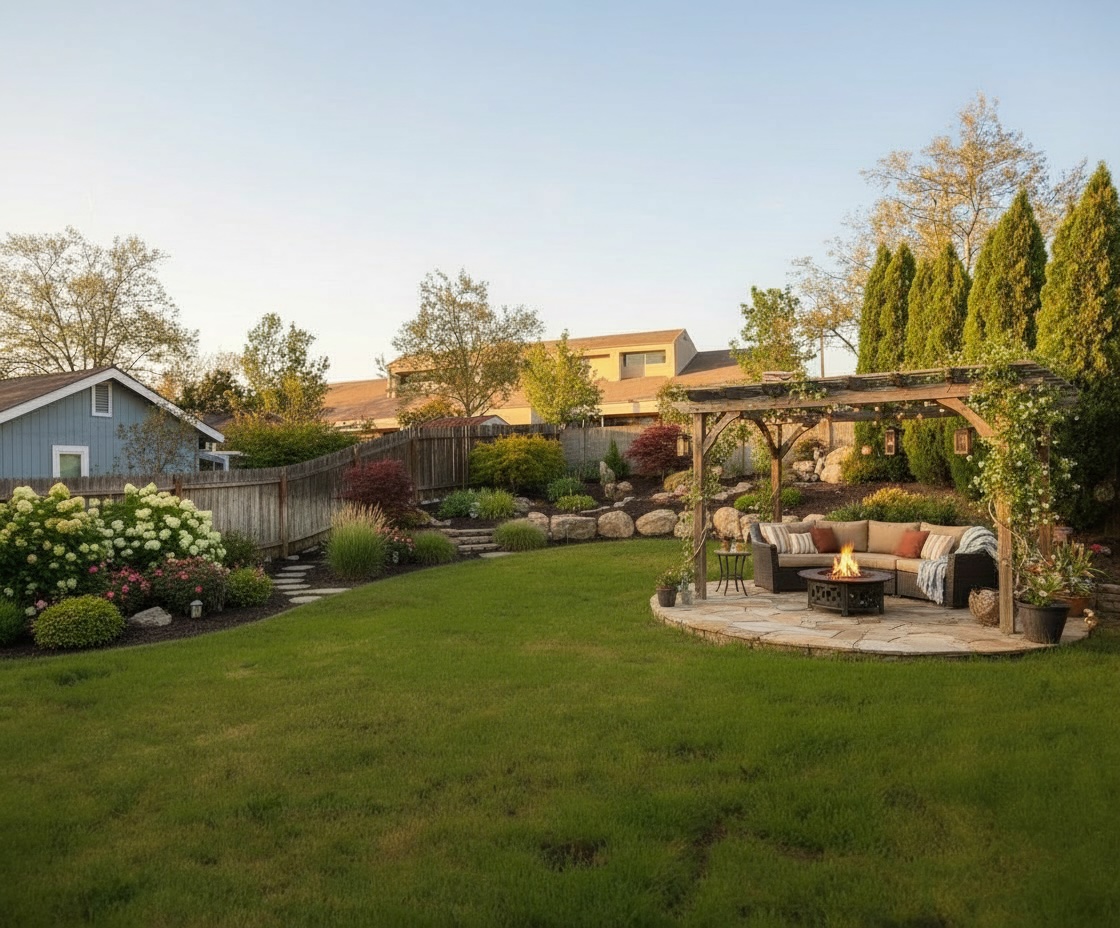
Upload a photo of your Warren yard and visualize your dream garden in seconds.
Try ProScapeAI Free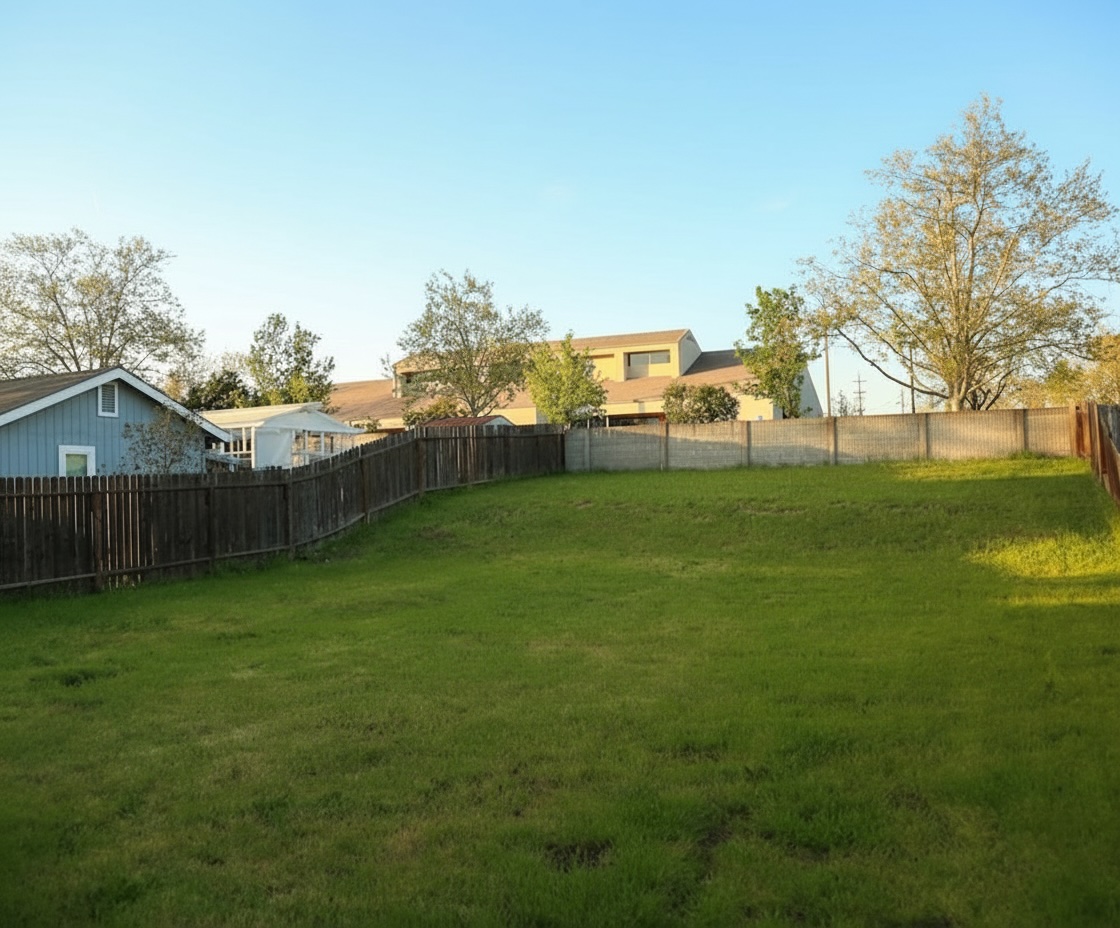
Featured Trees & Shrubs for Cottage/English Gardens
Browse all 248 plants for Warren
American Black Currant
Ribes americanum
grows to 5 feet, white,yellow blooms in spring. Attracts hummingbirds.

Buttonbush
Cephalanthus occidentalis
medium-sized at 8 feet, white blooms in summer. Attracts butterflies.
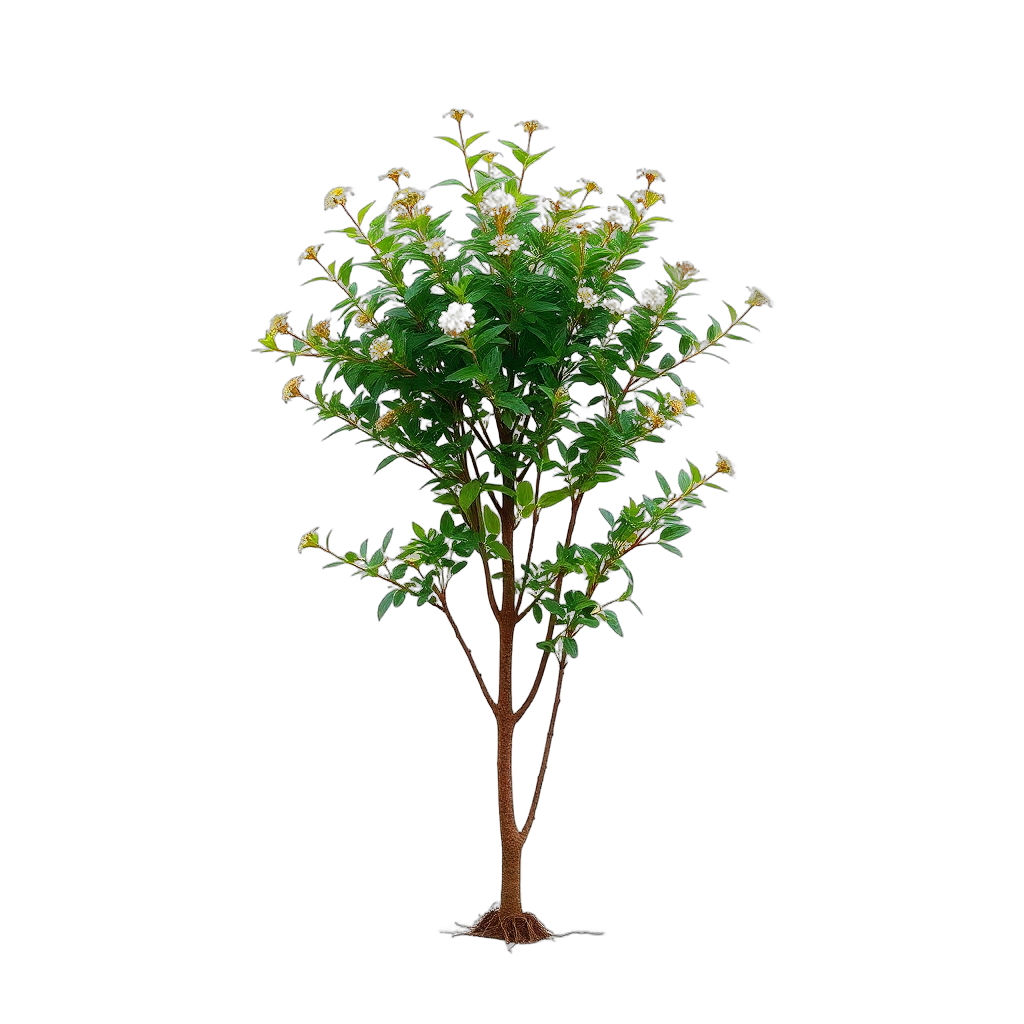
Coppertina Ninebark
Physocarpus 'Coppertina'
medium-sized at 7 feet, white blooms in spring. Pollinator-friendly.
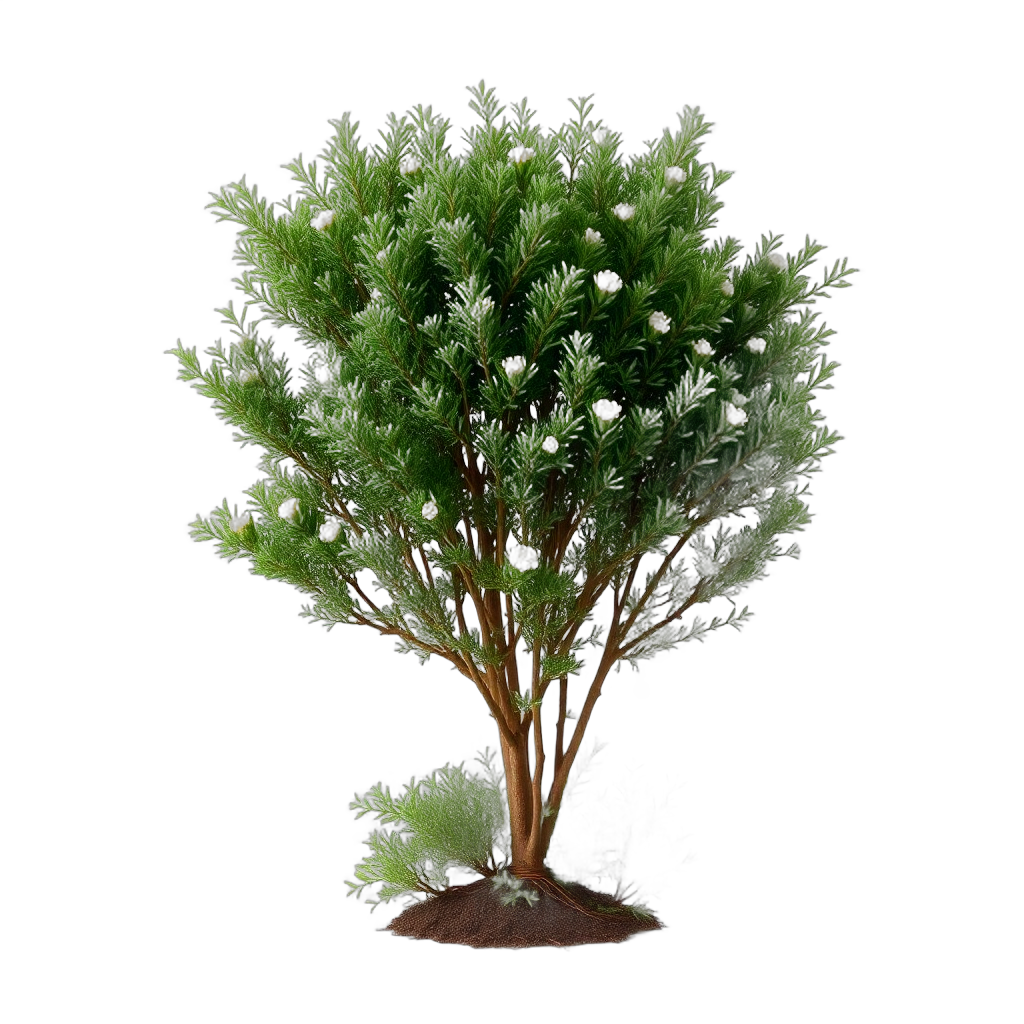
Creeping Juniper
Juniperus horizontalis
low-growing ground cover, blooms in spring. Evergreen year-round.
Featured Grasses & Groundcovers for Cottage/English Gardens
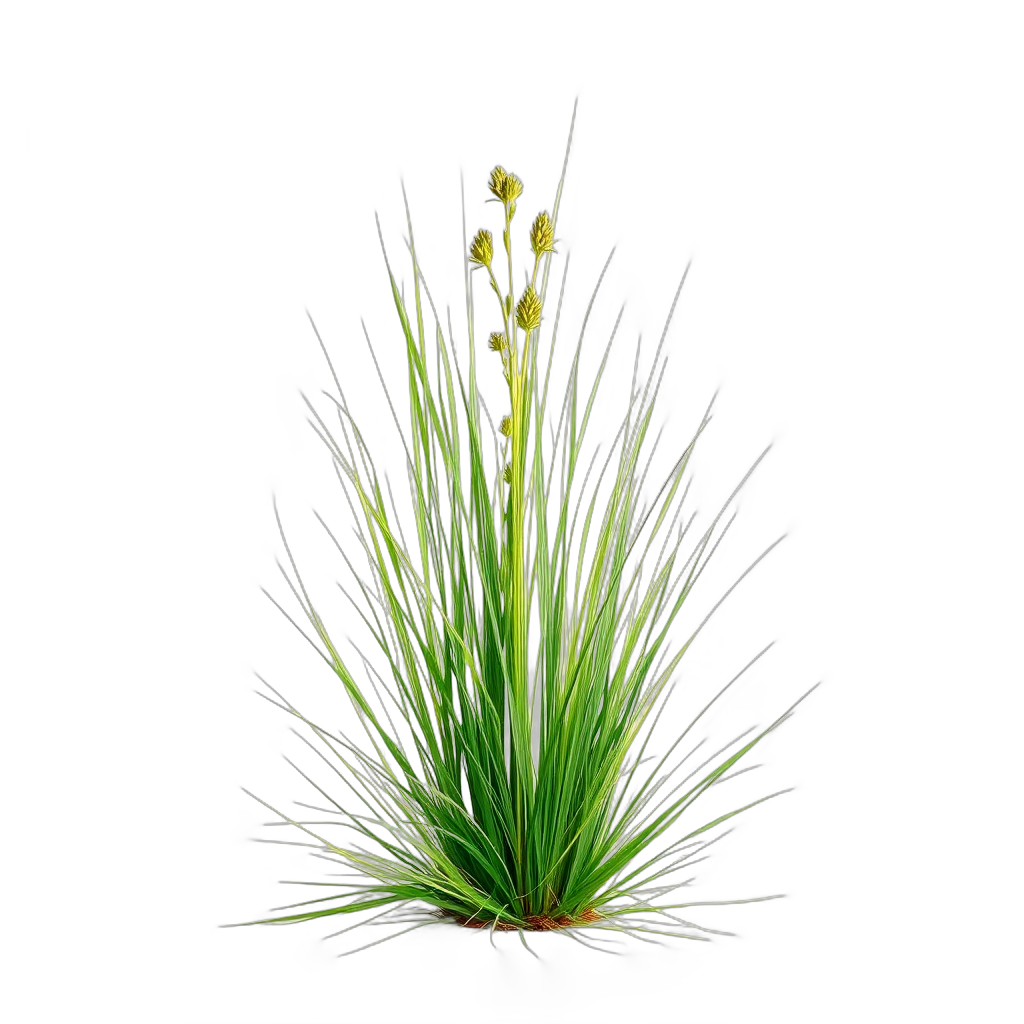
Canada Wild Rye
Elymus canadensis
grows to 4 feet, blooms in summer. Yellow fall color.
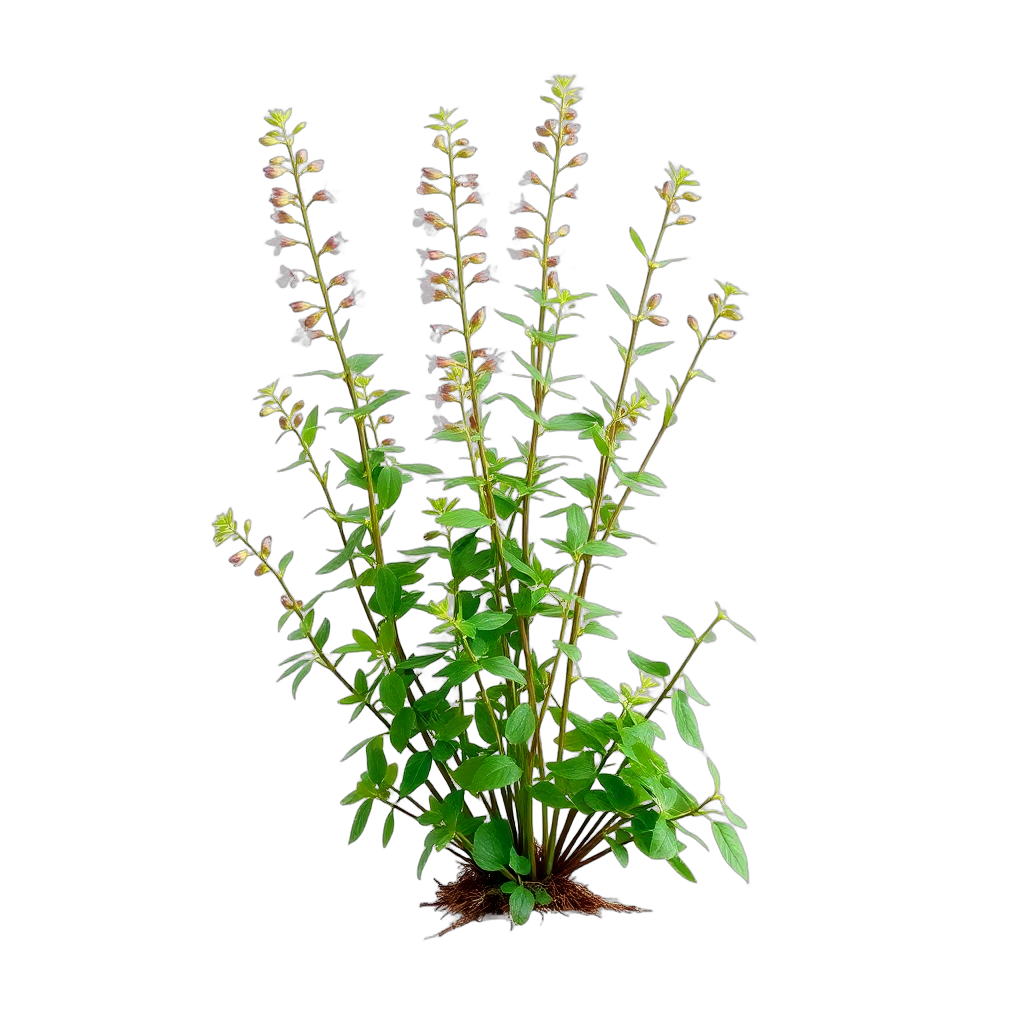
Creeping Jacob's Ladder
Polemonium reptans
low-growing ground cover, blue blooms in spring. Attracts butterflies.

Dwarf Fernleaf Bamboo
Pleioblastus distichus
low-growing ground cover, blooms in none. Evergreen year-round.
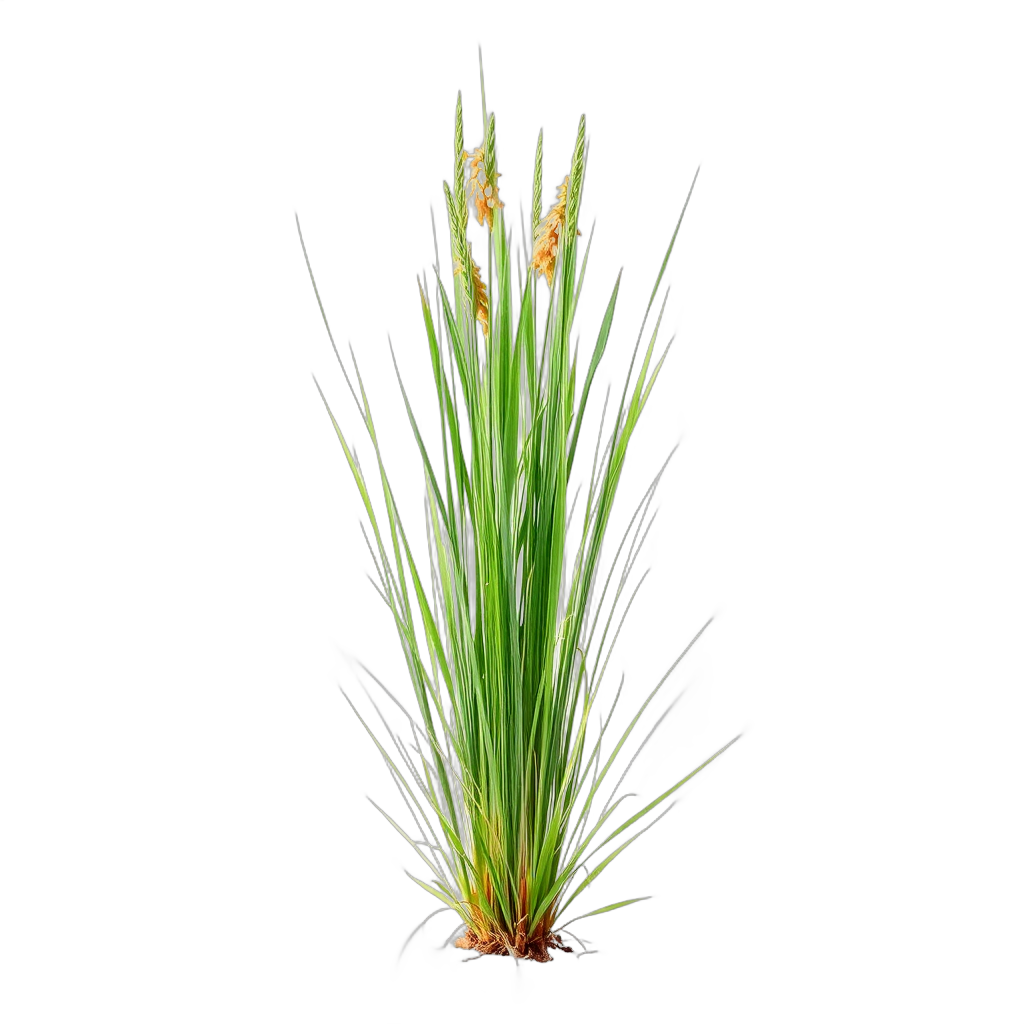
Eastern Gamagrass
Tripsacum dactyloides
grows to 6 feet, blooms in summer. Yellow fall color.
Featured Flowers & Perennials for Cottage/English Gardens
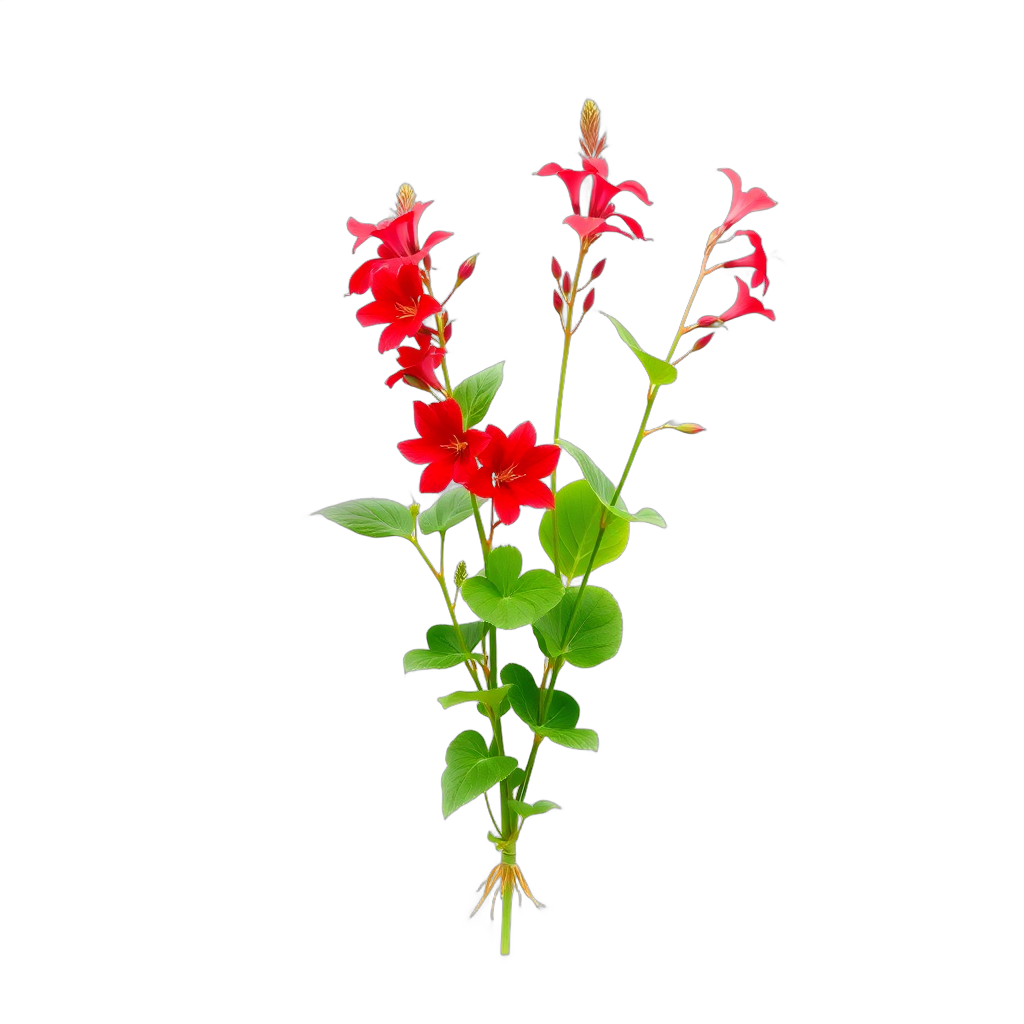
Cardinal Flower
Lobelia cardinalis
grows to 3 feet, red blooms in summer. Attracts hummingbirds.
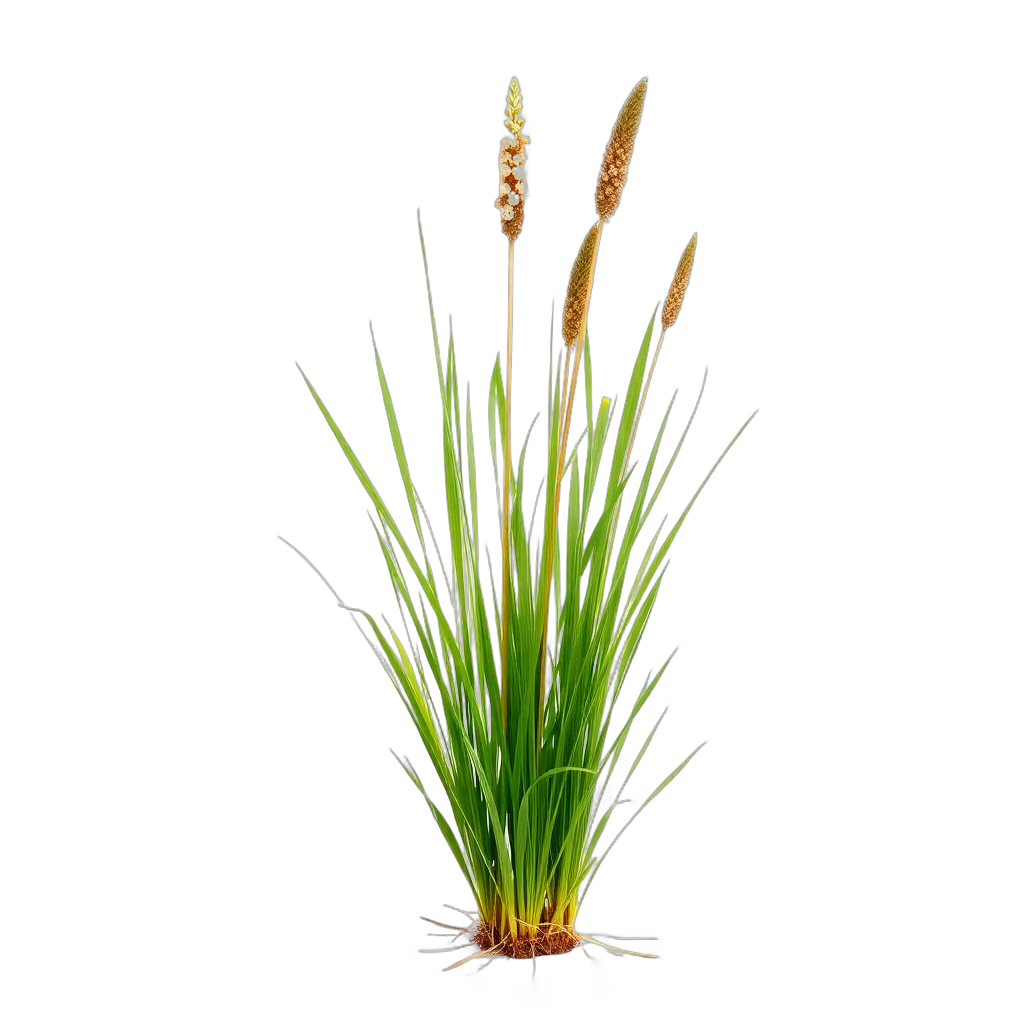
Hardstem Bulrush
Scirpus acutus
medium-sized at 7 feet, blooms in summer.
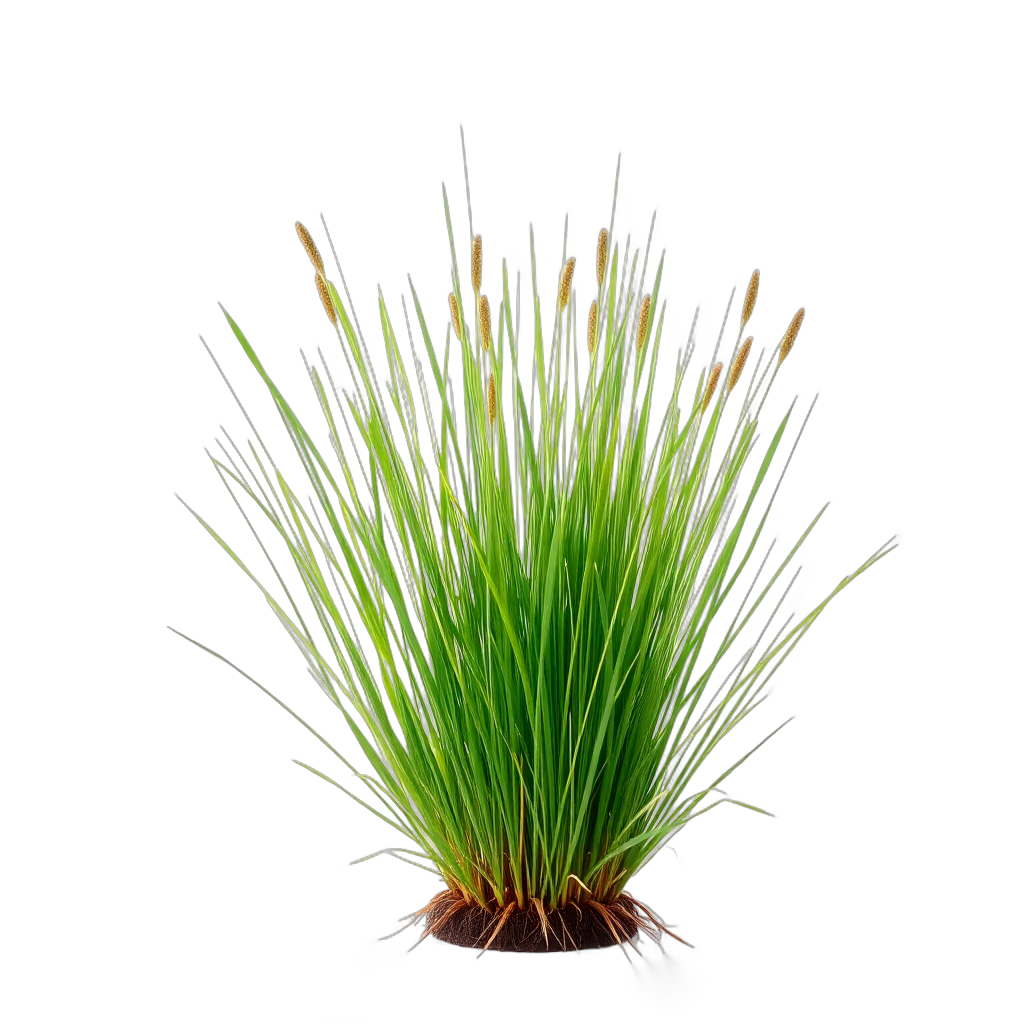
Path Rush
Juncus tenuis
low-growing ground cover, blooms in summer. Evergreen year-round.
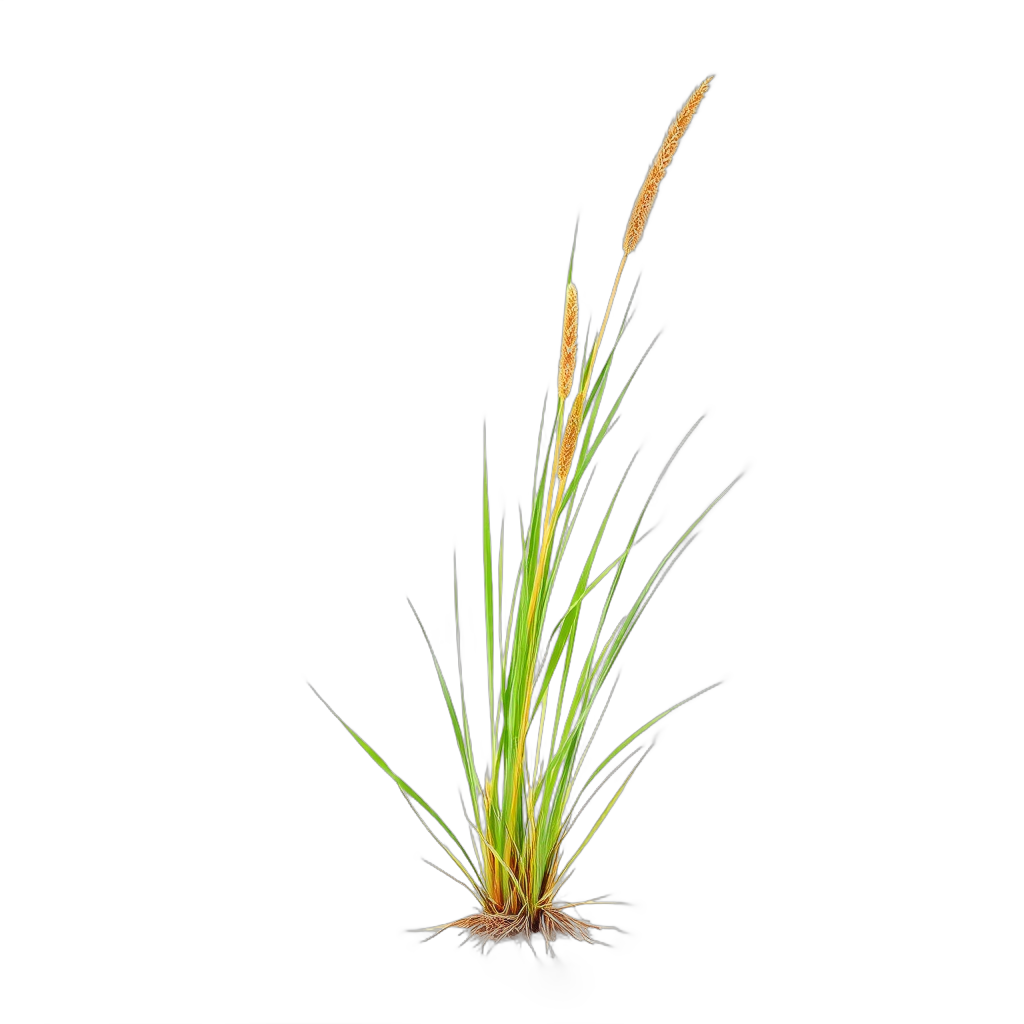
Softstem Bulrush
Schoenoplectus tabernaemontani
grows to 4 feet, blooms in summer.
Zone and sun checks come from our database — confirm with your local nursery before you buy.
Bloom Calendar for Warren
spring
Bellwort, Blue Star, Blue-Eyed Grasssummer
Cardinal Flower, Hardstem Bulrush, Path Rushfall
Canada Goldenrod, New England Aster, Nodding Ladies' Tresseswinter
Limited bloomsDesign Tips for Warren (Zone 6b)
- Raise every bed 10 to 12 inches above grade before you buy a single plant — on Warren's Blount and Del Rey clay, drainage is worth more than any amount of fertiliser, and it is the difference between lavender that flowers for six years and lavender that rots in its second March
- Design for the 200 days a year that are not summer: Hydrangea paniculata 'Limelight', Calamagrostis x acutiflora 'Karl Foerster', Buxus 'Green Velvet' and the seedheads of Echinacea purpurea 'Magnus' are what a Zone 6b cottage garden actually looks like from November to April
- Test your pH before ordering, then work with it — Warren soil normally reads 7.2 to 7.8, so peonies, lilacs, catmint and Hydrangea arborescens 'Annabelle' will thrive while rhododendrons, azaleas and blue mopheads sulk no matter what you feed them
- Choose Canadian-bred climbing roses for arbors and arches: Rosa 'William Baffin', Rosa 'John Cabot' and Rosa 'John Davis' need no winter wrapping at -5 degrees Fahrenheit, whereas grafted climbers usually die back to the graft in an open Warren winter
- Keep the first 6 to 8 feet inside the sidewalk salt-tolerant — Rosa rugosa 'Alba', Sporobolus heterolepis and Hemerocallis 'Stella de Oro' out front, and save the roses and peonies for beds closer to the house
- Plant the second window: bare-root roses, peonies, Allium 'Globemaster' and tulips all go in between 1 September and 20 October, and autumn-planted borders outperform spring-planted ones by a full season in Warren's short 160-day growing year
- Water deeply and infrequently with a soaker hose rather than a sprinkler — humid Michigan Julys make black spot and powdery mildew the main enemies of a cottage border, and wet foliage overnight is how both get started
Where to Source Plants in Warren
Skip the big-box stores. These independent Warren nurseries specialize in the plants that make cottage/english gardens thrive in Zone 6b.
English Gardens
Eastpointe (Kelly Rd at Nine Mile)
Michigan family-owned garden centre; the closest full nursery to Warren for hydrangeas, boxwood, climbing roses and bagged amendments
Deneweth's Garden Center
Macomb (22 Mile Road)
Family-run Macomb County garden centre with roses, trees and shrubs, bulk screened topsoil, stone and mulch by the yard
Telly's Greenhouse & Garden Center
Troy (also Shelby Township)
Grower-retailer with an exceptional perennial, rose, herb and bonsai selection; most stock is raised on site, so it is already hardened to Zone 6b
Bordine's
Rochester Hills
Family-owned Michigan grower since 1939 with deep benches of hardy perennials, ornamental grass cultivars and specimen shrubs
Auburn Oaks Garden Center
Rochester Hills (W Auburn Rd)
Independent garden centre and yard for bulk hardwood, cedar and dyed mulch, decorative stone and gravel with local delivery
Cottage/English Landscaping Costs in Warren
| Project Scope | Estimated Cost |
|---|---|
| Front-yard cottage border, 400-600 sqft (raised beds, soil, planting) | $6,000 - $15,000 |
| Cedar picket fence across a 60-90 ft frontage | $3,000 - $6,500 |
| Cedar rose arbor or steel rose arch, installed | $700 - $2,800 |
| Flagstone terrace or curved path, 150-300 sqft | $4,500 - $11,000 |
| Cedar pergola over a dining terrace (approx. 12 x 14 ft) | $9,000 - $20,000 |
| Bulk screened topsoil and compost to raise beds (10-14 yards delivered and placed) | $900 - $2,000 |
| Low-voltage garden lighting, 10-14 fixtures | $2,500 - $6,000 |
| AI visualization with ProScapeAI | Free to start |
Estimates based on Warren, MI-area contractor rates as of 2026. Actual costs vary by site conditions, materials, and contractor.
Warren Climate & Growing Zone
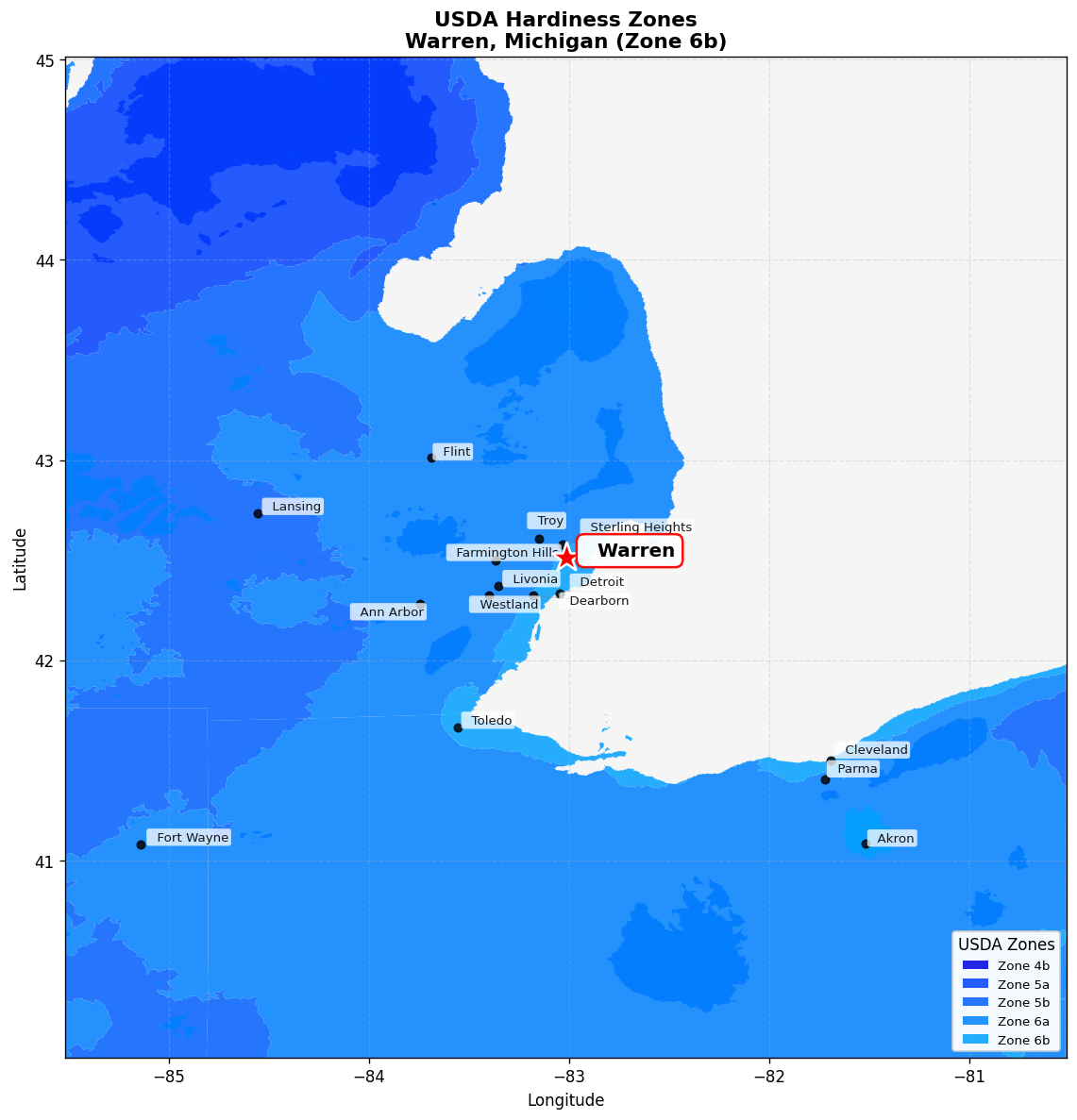
USDA Zone 6b
Hardiness zone for Warren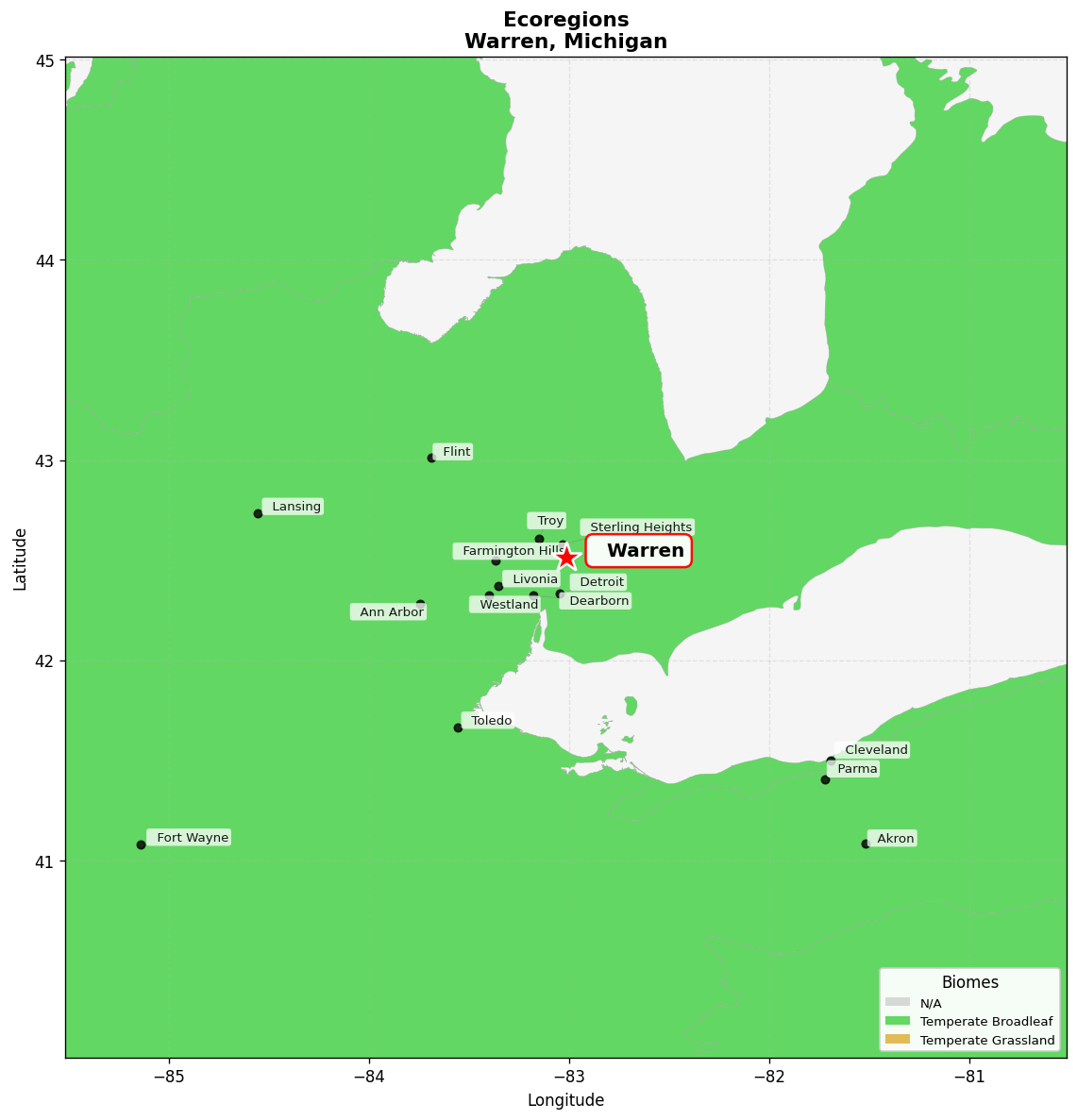
Southern Great Lakes forests
Native ecoregionFrequently Asked Questions
How much does an English cottage garden cost in Warren, MI?
Metro Detroit installation prices sit close to the national average, and Macomb County runs slightly under Oakland County. A planted front-yard cottage border of 400 to 600 square feet, including raising the beds with screened topsoil and compost, comes in around $6,000 to $15,000 installed. Add a cedar picket fence across a typical 60 to 90 foot frontage for $3,000 to $6,500, and a rose arbor for $700 to $2,800. A back-garden flagstone circle with an arch and surrounding borders usually lands between $9,000 and $22,000. Doing the planting yourself and paying only for bulk soil, mulch and plants generally halves those figures, and a great deal of a cottage garden is genuinely DIY work.
Will lavender actually survive a Warren winter?
Yes, if you fix the drainage rather than the cold. Zone 6b lows of -5 to 0 degrees Fahrenheit are not what kills lavender here; wet Blount and Del Rey clay sitting around the crown through a March thaw is. Plant Lavandula x intermedia 'Phenomenal', the toughest cultivar for Michigan, or Lavandula angustifolia 'Munstead', into a bed raised 10 to 12 inches above grade with a third coarse sand or pea gravel mixed in, mulch with gravel rather than bark right around the crown, and leave the stems standing over winter. Cut back to just above the woody base in mid-April, never in autumn. Where a bed cannot be raised, substitute Nepeta x faassenii 'Walker's Low', which gives the same lilac-blue haze and shrugs off clay.
Which roses survive Zone 6b in Michigan without winter protection?
The Canadian Explorer and Parkland roses were bred for exactly this climate and need nothing: Rosa 'William Baffin' will climb 8 to 10 feet, Rosa 'John Cabot' and Rosa 'John Davis' cover an arbor, and Rosa 'Champlain' makes a reliable red shrub. Among the popular garden roses, Rosa 'New Dawn' and Rosa 'Olivia Rose Austin' are dependable in Warren on their own roots. Grafted hybrid teas are the ones that die back to the graft; if you plant them, set the bud union 2 to 3 inches below grade and mound 8 to 10 inches of soil over the crown by Thanksgiving. Black spot is the real local nuisance in a humid Dfa summer, so give every rose full sun, four feet of air around it and a soaker hose rather than a sprinkler.
When is the best time to plant in Warren?
There are two windows. Mid-April through early June is the main one, with the last frost usually falling around 8 May, so hold tender annuals until Mother's Day weekend. The second and arguably better window is 1 September to about 20 October: soil is still warm, autumn rain does the watering, and peonies, alliums, tulips and bare-root roses all want to go in then. Avoid planting after 1 November, because March freeze-thaw on flat Warren clay heaves new root balls straight out of the ground. Bulk soil and mulch yards in Macomb County are busiest in late April, so book deliveries two weeks ahead.
How do I deal with Warren's clay and standing water?
Build up rather than dig down. A planting hole excavated into Pewamo or Del Rey clay and backfilled with soft compost simply collects water and drowns the plant, whereas a bermed bed of screened topsoil, compost and coarse sand drains laterally. Grade every bed to fall away from the foundation, keep the sump discharge and downspout outfalls clear of new planting, and if you have a chronically wet low corner turn it into a rain garden of Iris versicolor, Amsonia hubrichtii and Panicum virgatum 'Northwind' instead of fighting it. Any patio or path needs 8 inches of compacted 21AA base; laid straight onto Warren clay, flagstone will be rocking within two winters.
What should I plant along the street where road salt lands?
Warren salts hard, and the first 6 to 8 feet inside the sidewalk along Van Dyke, Mound, Hoover, Ryan and any plowed side street takes real salt spray and plow-thrown slush. Keep roses and peonies out of that strip. Use salt-tolerant plants instead: Rosa rugosa 'Alba', Sporobolus heterolepis, Panicum virgatum 'Northwind', Juniperus chinensis 'Sea Green', Hemerocallis 'Stella de Oro' and Sedum rupestre 'Angelina' all handle it. A gravel mulch there rather than shredded bark stops salty melt from wicking into the crowns, and a spring flush with the hose in early April leaches the worst of it out.
Do I need approval for a picket fence or arbor in Warren?
Fence height, setback from the sidewalk and what counts as a front-yard structure are all set by the City of Warren and do vary by zoning district, so confirm the rules with the building department before you order materials or dig post holes. As a rule of thumb, planting beds, bulk soil, mulch and free-standing arbors are the easy part of a cottage garden, while anything fixed, roofed or over a certain height is where the city gets involved. Call MISS DIG at 811 at least three working days before any post hole or footing on a Warren lot, whatever the size of the job.